Unlock your full potential by mastering the most common Ability to develop and maintain relationships with clients and carriers interview questions. This blog offers a deep dive into the critical topics, ensuring you’re not only prepared to answer but to excel. With these insights, you’ll approach your interview with clarity and confidence.
Questions Asked in Ability to develop and maintain relationships with clients and carriers Interview
Q 1. Describe your approach to building rapport with new clients.
Building rapport with new clients is crucial for establishing trust and long-term partnerships. My approach is multifaceted and focuses on active listening, understanding their needs, and demonstrating genuine care. I begin by asking open-ended questions to understand their business, challenges, and goals. This helps me tailor my communication and solutions to their specific context. For instance, instead of immediately pitching my services, I’ll ask about their current processes, pain points, and desired outcomes. This initial phase allows me to build a foundation of trust and demonstrates my commitment to understanding their unique perspective.
Following this initial understanding, I focus on clearly communicating my expertise and how I can help them achieve their objectives. I use clear and concise language, avoiding industry jargon whenever possible. I also leverage case studies and testimonials to showcase my track record and build confidence in my abilities. Finally, I always end the initial interaction by summarizing our discussion and outlining next steps, ensuring clarity and transparency.
Q 2. How do you handle challenging client interactions?
Challenging client interactions are inevitable, but they present opportunities for demonstrating professionalism and problem-solving skills. My approach hinges on empathy, active listening, and a focus on finding mutually agreeable solutions. First, I actively listen to the client’s concerns without interruption, ensuring I fully grasp their perspective. I then acknowledge their feelings and validate their concerns, even if I don’t necessarily agree with them. This demonstrates respect and helps de-escalate the situation.
Next, I collaboratively work towards a solution. I involve the client in the process, seeking their input and making them an active participant in finding a resolution. If the issue involves a technical aspect, I clearly explain the process and provide updates regularly to keep them informed. Even if a complete resolution isn’t immediately possible, maintaining open and honest communication is paramount. I always aim to document everything for both accountability and clarity.
For example, if a client is upset about a delay, I would first acknowledge their frustration and then clearly explain the cause of the delay, outlining steps taken to resolve the issue and providing a revised timeline. Transparency and proactive communication are key.
Q 3. Explain your strategy for proactively managing client expectations.
Proactively managing client expectations is vital for preventing misunderstandings and ensuring satisfaction. My strategy involves setting clear expectations from the outset and maintaining consistent communication throughout the project lifecycle. During the initial stages, I collaboratively define project scope, timelines, deliverables, and success metrics. This involves detailed discussions to ensure everyone is on the same page and understands the commitments involved.
Throughout the project, I provide regular updates, highlighting progress, addressing potential roadblocks, and proactively communicating any changes to the initial plan. I utilize various communication channels such as email, phone calls, and project management software, choosing the most appropriate method depending on the urgency and complexity of the information. For example, I might send weekly progress reports via email and hold bi-weekly calls to discuss progress and address any emerging concerns. This consistent communication helps keep clients informed and manage their expectations effectively.
Q 4. How do you identify and address potential client concerns before they escalate?
Identifying and addressing potential client concerns before they escalate requires proactive monitoring and communication. I employ a combination of techniques, including regular check-ins, active listening, and careful attention to detail. Regular check-in calls or emails allow me to monitor client satisfaction and identify potential issues early. These conversations are designed to be informal and allow for open feedback.
Additionally, I pay close attention to client communication for any signs of dissatisfaction or uncertainty. For example, if a client’s email tone changes or if they seem less responsive, I will reach out to investigate the reason. I also actively seek feedback throughout the project lifecycle, using surveys or direct requests for input. By addressing small issues promptly, I can prevent them from escalating into significant problems.
Q 5. Describe a time you successfully resolved a conflict with a client or carrier.
In a previous role, a client experienced unexpected delays in a crucial shipment due to unforeseen circumstances with the carrier. The client was understandably upset, and initially, their frustration was directed towards me and my team. I began by acknowledging their frustration and validating their concerns. I then clearly explained the situation, providing all the relevant information from the carrier about the delay and the steps they were taking to rectify the issue. I avoided making excuses and focused on solutions.
We collaboratively developed a contingency plan that involved expedited shipping and cost adjustments to mitigate the impact of the delay. I kept the client regularly updated on the situation, providing transparent and honest communication. Through open communication, collaborative problem-solving, and sincere efforts to minimize the impact on their operations, I managed to not only resolve the immediate issue but also strengthen the client relationship. The client later expressed their appreciation for my responsiveness and proactive problem-solving, and we continue to work together successfully.
Q 6. How do you prioritize multiple client demands simultaneously?
Prioritizing multiple client demands requires a structured approach and effective time management skills. I use a combination of techniques, including prioritization matrices, project management tools, and clear communication. I start by assessing the urgency and importance of each client’s requests. I employ a prioritization matrix (e.g., Eisenhower Matrix) to categorize tasks based on urgency and importance, enabling me to focus on high-priority items first.
I also leverage project management tools to track deadlines, responsibilities, and progress across different projects. This helps me stay organized and manage my time effectively. Crucially, I maintain open communication with my clients, keeping them informed about my workload and setting realistic expectations about response times. This transparency builds trust and helps manage expectations effectively, preventing conflicts arising from unmet deadlines.
Q 7. How do you maintain strong relationships with key clients over time?
Maintaining strong relationships with key clients requires consistent effort and a focus on building long-term value. I prioritize regular check-ins, even when there are no immediate projects, fostering ongoing communication and demonstrating continued interest in their business. These check-ins are not just about business; I inquire about their personal and professional achievements, showcasing genuine interest in their success.
I also actively seek feedback, continually striving to improve my service and adapt to their evolving needs. I proactively share relevant industry updates and insights, demonstrating my commitment to supporting their success. By consistently exceeding expectations and demonstrating genuine care, I cultivate relationships based on mutual trust and respect. This ensures long-term loyalty and collaboration.
Q 8. Describe your experience negotiating contracts with carriers.
Negotiating contracts with carriers involves a strategic approach balancing their needs with my client’s requirements. It’s not just about securing the lowest price; it’s about building a mutually beneficial, long-term partnership. My process typically starts with a thorough understanding of both parties’ objectives. This includes reviewing service level agreements (SLAs), analyzing market rates, and identifying potential risks. I then craft a negotiation strategy that prioritizes clear communication, active listening, and a willingness to compromise where appropriate. For example, I once negotiated a contract with a carrier where the initial rate was significantly higher than our target. By highlighting our high volume potential and emphasizing our commitment to long-term partnership, I was able to secure a discounted rate and favorable terms regarding service guarantees.
I approach each negotiation as a collaborative process, aiming for a win-win outcome. I carefully document all agreed-upon terms, ensuring complete transparency and clarity to avoid future disputes. The final contract is not just a legal document; it’s a roadmap for our ongoing collaboration. This careful approach has resulted in consistently favorable contracts that benefit both my clients and the carriers we partner with.
Q 9. How do you ensure consistent communication with both clients and carriers?
Consistent communication is the cornerstone of strong client and carrier relationships. I employ a multi-faceted approach, leveraging various communication channels to ensure everyone is informed and up-to-date. Regular scheduled meetings – weekly or bi-weekly depending on the project’s complexity – are critical for both clients and carriers. These meetings allow for progress updates, issue identification, and proactive problem-solving. I also utilize email for routine updates and documentation, and instant messaging platforms like Slack for quick queries and urgent issues.
Transparency is key. I proactively share relevant information, even when it’s not explicitly requested, to maintain trust and prevent misunderstandings. For example, if a carrier experiences a delay, I promptly inform both the client and the carrier, providing clear explanations and revised timelines. I actively seek feedback from both parties, ensuring their concerns are addressed promptly and effectively. This proactive and open communication fosters mutual understanding and a strong sense of partnership.
Q 10. How do you measure the success of your client and carrier relationships?
Measuring the success of client and carrier relationships goes beyond simply completing projects on time and within budget. I use a combination of quantitative and qualitative metrics. Quantitatively, I track key performance indicators (KPIs) such as on-time delivery rates, customer satisfaction scores (CSAT), and cost efficiency. For carriers, I track things like their service reliability, their responsiveness to issues, and their adherence to SLAs.
Qualitatively, I assess the strength of the relationship through regular feedback sessions and ongoing communication. I gauge the level of trust, collaboration, and mutual respect between the parties. For example, a high CSAT score combined with positive feedback regarding the ease of collaboration indicates a highly successful relationship. A low CSAT score, even with on-time delivery, might indicate underlying issues that require attention. I regularly review this data to identify areas for improvement and to ensure we consistently meet, and exceed, expectations.
Q 11. Explain your understanding of key performance indicators (KPIs) in client and carrier management.
Key Performance Indicators (KPIs) are crucial for monitoring and improving client and carrier relationships. For clients, relevant KPIs might include: On-Time Delivery Rate (OTDR), Customer Satisfaction (CSAT) scores, Resolution Time for Issues, and Net Promoter Score (NPS). These metrics provide insights into client happiness and the efficiency of our service delivery. For carriers, KPIs might include: Service Level Agreement (SLA) adherence rate, Claims rate (for damage or loss), Transit Time, and Carrier Performance Index (CPI).
By consistently monitoring these KPIs, I can identify trends, address potential issues proactively, and make data-driven decisions to optimize our processes and improve the overall performance of our partnerships. For instance, a consistently low OTDR might indicate a need to review our internal processes or negotiate for better service guarantees with the carrier. Regular KPI reporting is essential for transparent communication and accountability with both clients and carriers.
Q 12. How do you adapt your communication style to different client personalities?
Adapting my communication style to different client personalities is crucial for building rapport and trust. I believe in active listening and tailoring my approach to each individual’s communication preferences. Some clients prefer concise, data-driven communication, while others prefer more detailed explanations and personal interaction. I assess their communication style early on, paying attention to their preferred channels (email, phone, in-person meetings), their response time, and the level of detail they require.
For example, a client who is highly detail-oriented might benefit from comprehensive reports and frequent check-ins, while a client who prefers a more hands-off approach might appreciate summary reports and less frequent communication. I always strive to maintain a professional yet personable approach, ensuring that my communication is clear, concise, and respectful of their preferences. This adaptability ensures that everyone feels heard and understood, leading to stronger, more productive relationships.
Q 13. How do you handle complaints from clients or carriers effectively?
Handling complaints from clients or carriers requires a calm, professional, and empathetic approach. My first step is to actively listen to their concerns without interruption. I acknowledge their feelings and validate their perspective. I then gather all relevant information to fully understand the situation. This might involve reviewing documentation, speaking with other team members, or investigating the issue directly.
Once I have a thorough understanding, I work collaboratively to find a resolution that satisfies both parties. This may involve offering apologies, making amends (e.g., offering discounts or expedited services), or implementing corrective actions to prevent similar issues in the future. I keep both parties informed throughout the process, ensuring transparency and accountability. By addressing complaints promptly and effectively, I maintain trust and strengthen the relationship. A well-handled complaint can actually lead to a stronger bond, as it demonstrates my commitment to resolving issues and exceeding expectations.
Q 14. How do you utilize technology to improve client and carrier communication?
Technology plays a significant role in enhancing client and carrier communication. I utilize a variety of tools to improve efficiency and transparency. Client Relationship Management (CRM) systems help me track interactions, manage communication history, and ensure no detail is overlooked. Project management software like Asana or Trello facilitates collaboration, allowing clients and carriers to track progress, access documents, and provide updates in real-time.
Secure portals enable secure document sharing and communication, enhancing confidentiality and reducing reliance on email. Video conferencing tools allow for face-to-face interactions, even when geographically separated, fostering personal connections and improving communication clarity. The use of these technologies allows for streamlined communication, increased transparency, and greater efficiency, strengthening relationships and improving overall project outcomes.
Q 15. Describe your experience using CRM software to manage client and carrier relationships.
CRM software is indispensable for managing client and carrier relationships. I’ve extensively used Salesforce and HubSpot, leveraging their features for contact management, communication tracking, and deal pipeline visualization. For example, in Salesforce, I meticulously maintain client profiles, including contact information, interaction history, and service agreements. This allows for personalized communication and proactive service. I also utilize the reporting features to analyze client interaction patterns and identify trends – such as response times or recurring issues – that can help improve our service delivery. With HubSpot, I leverage the marketing automation capabilities to streamline outreach and nurture leads, ensuring consistent engagement with both clients and carriers. The ability to track every interaction – from emails to phone calls – within the CRM ensures nothing falls through the cracks, fostering stronger, more productive relationships.
Career Expert Tips:
- Ace those interviews! Prepare effectively by reviewing the Top 50 Most Common Interview Questions on ResumeGemini.
- Navigate your job search with confidence! Explore a wide range of Career Tips on ResumeGemini. Learn about common challenges and recommendations to overcome them.
- Craft the perfect resume! Master the Art of Resume Writing with ResumeGemini’s guide. Showcase your unique qualifications and achievements effectively.
- Don’t miss out on holiday savings! Build your dream resume with ResumeGemini’s ATS optimized templates.
Q 16. How do you identify opportunities for upselling or cross-selling to existing clients?
Identifying upselling and cross-selling opportunities requires a proactive and data-driven approach. I begin by thoroughly understanding the client’s current needs and pain points. Analyzing their usage patterns within our CRM system reveals opportunities for upgrades, additional services, or complementary offerings. For instance, a client using our basic shipping service might benefit from our premium service with faster delivery times, based on their transaction history. Regular client communication, including check-in calls and targeted emails, allows for uncovering unmet needs. For example, if a client mentions challenges with inventory management, I can introduce them to our integrated inventory management solution. A key strategy is to tailor recommendations to the specific needs of the client, emphasizing the value proposition and ROI.
Q 17. How do you maintain confidentiality and professionalism when dealing with sensitive client information?
Confidentiality and professionalism are paramount. I strictly adhere to company policies regarding data privacy and security. This includes limiting access to sensitive client information only to authorized personnel and using secure communication channels. All client interactions are documented within the CRM, ensuring a clear audit trail. Furthermore, I’m meticulous about securing physical documents, and I regularly participate in company-sponsored training on data protection best practices. Maintaining professionalism involves respectful and tactful communication at all times, avoiding gossip or sharing sensitive information informally. I understand that breaches of confidentiality can have serious repercussions and I’m committed to upholding the highest ethical standards in all my dealings.
Q 18. How do you contribute to a positive team environment when managing client and carrier relationships?
Contributing to a positive team environment involves collaboration, open communication, and mutual support. I regularly share updates on client and carrier relationships within the team, ensuring everyone is informed and aligned. This includes proactively identifying potential issues and collaborating with colleagues to find solutions. For instance, I might consult with the sales team on strategies for retaining a key client or with the operations team to address carrier performance issues. I actively participate in team meetings, offering constructive feedback and supporting my colleagues. By fostering a culture of teamwork and mutual respect, we achieve better overall outcomes and improve client satisfaction. A positive team environment also enhances individual motivation and job satisfaction.
Q 19. Describe a situation where you had to manage a difficult carrier.
I once had to manage a difficult carrier who consistently missed delivery deadlines. This resulted in client dissatisfaction and impacted our company’s reputation. My approach was multifaceted. First, I documented every instance of late delivery with precise details, including dates, tracking numbers, and any communication with the carrier. Then, I initiated a formal communication with the carrier’s account manager, expressing our concerns and outlining the impact on our business. We collaboratively established clear Service Level Agreements (SLAs) with specific metrics and consequences for non-compliance. We also explored alternative carriers as a contingency plan. Through persistent communication and a firm but collaborative approach, we were able to significantly improve the carrier’s performance. This experience highlighted the importance of proactive communication, detailed record-keeping, and having contingency plans in place.
Q 20. How do you track and measure the performance of carriers?
Carrier performance is tracked through several key metrics. On-time delivery rate is paramount, calculated by dividing the number of on-time deliveries by the total number of deliveries. We also monitor damage rates, tracking the number of damaged shipments as a percentage of total shipments. Transit times are tracked to ensure efficiency and adherence to agreed-upon service levels. Furthermore, we analyze customer feedback regarding carrier performance to identify areas for improvement. This data is compiled regularly and reviewed with carriers to address performance gaps. We use a combination of internal reporting tools and carrier-provided data to gather this information. This performance tracking is crucial for maintaining quality service and making informed decisions about carrier selection and contract negotiations.
Q 21. What strategies do you use to find new clients or carriers?
Finding new clients and carriers involves a multi-pronged approach. For clients, I leverage networking events, industry conferences, and online marketing strategies like SEO and social media marketing. Building relationships with industry influencers and participating in relevant online forums also generates leads. For carriers, I explore industry directories and online databases to identify potential partners. Direct outreach through emails and phone calls is also effective. I thoroughly vet potential carriers, reviewing their safety records, insurance coverage, and service capabilities. Reference checks with other businesses provide valuable insight into their reliability. A strategic approach, combining proactive outreach with targeted research, is crucial for identifying suitable and reliable partners.
Q 22. How do you ensure compliance with industry regulations when working with clients and carriers?
Ensuring compliance with industry regulations is paramount in maintaining trust with clients and carriers. My approach is multifaceted and proactive, involving a deep understanding of relevant laws, such as those related to data privacy (like GDPR or CCPA), transportation regulations (like FMCSA), and insurance requirements. I begin by meticulously reviewing all applicable regulations for each specific client and carrier relationship. This includes regularly updating my knowledge base through industry publications, attending webinars, and participating in professional development courses.
Then, I integrate compliance into every stage of the client-carrier interaction. This means using standardized contracts with clauses addressing compliance, conducting regular audits of carrier practices to ensure adherence to these regulations, and maintaining thorough documentation of all processes and communications. For example, if we’re working with a carrier transporting sensitive medical data, I ensure they are compliant with HIPAA regulations. Any deviation from compliance protocols triggers an immediate investigation and corrective action plan, potentially involving legal counsel if needed. This proactive, layered approach minimizes risk and strengthens client and carrier trust.
Q 23. Describe your experience with managing client contracts.
Managing client contracts is a crucial aspect of my role, involving a careful balance of legal precision and relationship building. My experience includes negotiating, drafting, and reviewing contracts, ensuring they protect the interests of both the client and our company. I begin by thoroughly understanding the client’s specific needs and expectations. For instance, we might negotiate service level agreements (SLAs) outlining key performance indicators (KPIs) like on-time delivery rates or response times. This is followed by carefully drafting language to clarify responsibilities, liabilities, and payment terms. I ensure the contract is easily understandable, avoiding ambiguous language that could lead to disputes. A clear escalation path for resolving disputes is also critical. During the contract lifecycle, I provide ongoing support, proactively addressing any questions or concerns, ensuring compliance with the terms, and facilitating amendments as needed. One successful project involved renegotiating a long-term contract with a major client, reducing costs while improving service quality by clearly defining expectations and KPIs.
Q 24. How do you identify and resolve discrepancies between client expectations and carrier capabilities?
Identifying and resolving discrepancies between client expectations and carrier capabilities requires effective communication and proactive problem-solving. I begin by thoroughly understanding the client’s requirements, asking clarifying questions to ensure a complete understanding of their needs. Simultaneously, I engage with the carrier, obtaining clear details about their services and limitations. This often involves direct conversations and careful review of their operational capabilities. If discrepancies arise, my approach involves a collaborative discussion with both parties. This might involve exploring alternative solutions from the carrier, such as adjusting delivery schedules or proposing alternative service options. For example, if a client requires same-day delivery but the carrier only offers next-day, we explore options like using a different carrier or adjusting the client’s expectations based on realistic delivery times and associated costs. I utilize clear documentation throughout this process, keeping both the client and carrier informed of progress and decisions.
Q 25. How do you deal with unexpected delays or disruptions in service from carriers?
Unexpected delays or disruptions from carriers are inevitable. My response is always prompt and transparent. I immediately investigate the cause of the disruption, communicating directly with the carrier to understand the scope and potential impact. For example, if a weather event causes a delay, I’ll work with the carrier to find alternate routes or solutions. Simultaneously, I proactively communicate with the client, providing updates and alternative solutions if possible. This might involve adjusting schedules, exploring alternative transportation modes, or offering compensation for the delay. This transparency minimizes client frustration and maintains a positive working relationship. I thoroughly document all communication and actions taken, using this information to improve future processes and identify potential areas for risk mitigation. For example, we might implement a system of real-time tracking to proactively identify and address potential delays before they significantly impact clients.
Q 26. Explain your process for onboarding new clients and carriers.
Onboarding new clients and carriers is a structured process designed to ensure a smooth transition. For clients, this begins with a thorough needs assessment, understanding their specific requirements and expectations. We then present tailored solutions and agree on service level agreements. This includes creating a dedicated point of contact and providing clear communication channels. For carriers, the process involves verifying credentials, assessing their capacity and reliability, and reviewing their insurance and compliance documentation. We conduct thorough background checks and reference checks to minimize risk. For both clients and carriers, we provide comprehensive training and ongoing support, ensuring they understand our systems and processes. This structured approach minimizes errors and ensures a positive, productive working relationship from the start. A recent successful onboarding involved a new client with complex logistics needs; our careful planning and communication ensured a seamless integration.
Q 27. How do you leverage feedback from clients and carriers to improve processes?
Feedback from clients and carriers is invaluable for process improvement. I actively solicit feedback through regular surveys, performance reviews, and one-on-one conversations. This feedback is analyzed to identify trends and areas needing improvement. For example, consistent complaints about slow response times might highlight a need for improved communication protocols or additional staff. We implement changes based on this data, documenting the improvements made and their impact. This iterative process ensures we constantly refine our processes to better meet client and carrier needs. A recent example involved implementing a new tracking system based on client feedback, leading to significantly improved visibility and communication.
Q 28. Describe your experience working with diverse clients and carriers.
Working with diverse clients and carriers has been a significant part of my career. I’ve successfully managed relationships with companies across various industries, sizes, and geographic locations. This requires cultural sensitivity and an adaptable approach to communication and negotiation. I recognize that different cultures may have differing communication styles and business practices. I actively listen, adapt my communication style to each individual, and ensure clear and respectful interactions. For instance, I’ve effectively navigated cultural differences in negotiation styles, finding common ground and building trust while respecting diverse perspectives. This adaptability, combined with my commitment to clear and consistent communication, has enabled me to build strong relationships and deliver successful outcomes across various client and carrier partnerships. A recent project involved collaborating with an international carrier, requiring meticulous planning and cross-cultural understanding to ensure the successful completion of a complex logistics operation.
Key Topics to Learn for Ability to develop and maintain relationships with clients and carriers Interview
- Active Listening & Communication: Mastering the art of truly understanding client and carrier needs through attentive listening and clear, concise communication. This includes adapting your communication style to different personalities and situations.
- Building Rapport & Trust: Learn techniques for establishing strong, positive relationships based on mutual respect and trust. Explore strategies for overcoming challenges and building confidence with both clients and carriers.
- Conflict Resolution & Negotiation: Develop skills in effectively resolving conflicts and negotiating mutually beneficial agreements. Practice approaches for handling difficult conversations with tact and professionalism.
- Relationship Management Strategies: Understand and apply various relationship management frameworks to proactively nurture and maintain positive relationships over time. This includes regular check-ins, feedback mechanisms, and proactive problem-solving.
- Understanding Client & Carrier Needs: Learn to identify and prioritize the needs and expectations of both clients and carriers. Analyze how these needs might intersect and impact your role.
- Proactive Problem Solving: Develop the ability to anticipate potential challenges and proactively develop solutions to maintain positive relationships and avoid escalating issues.
- Documentation & Follow-Up: Understand the importance of meticulous documentation of all communications and agreements, and the value of consistent and timely follow-up to ensure smooth operations and maintain relationships.
Next Steps
Mastering the ability to develop and maintain strong relationships with clients and carriers is crucial for career advancement in any customer-facing or logistics-related role. It demonstrates essential soft skills highly valued by employers, leading to increased opportunities and career progression. To maximize your job prospects, creating an ATS-friendly resume is essential. ResumeGemini can help you craft a compelling resume that highlights your relevant skills and experience, showcasing your ability to build and nurture relationships. Examples of resumes tailored to highlight expertise in developing and maintaining client and carrier relationships are available within ResumeGemini’s resources.
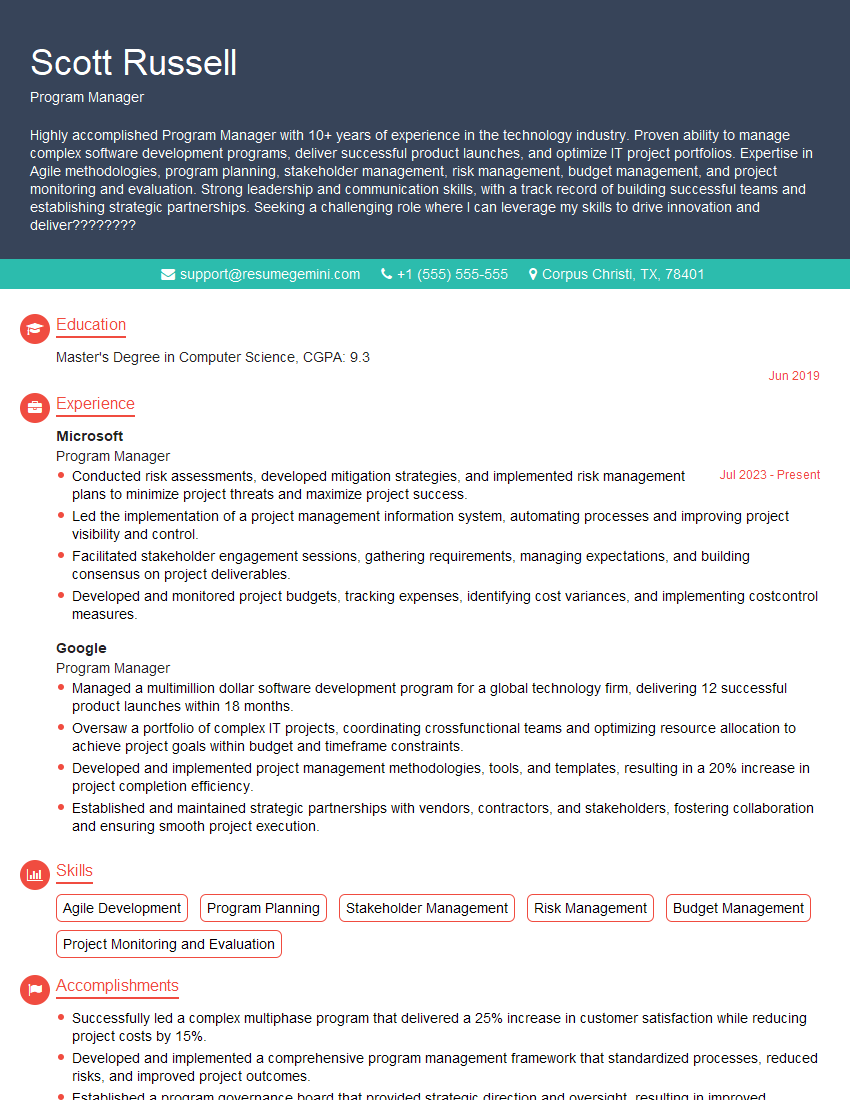
Program Manager Resume Sample
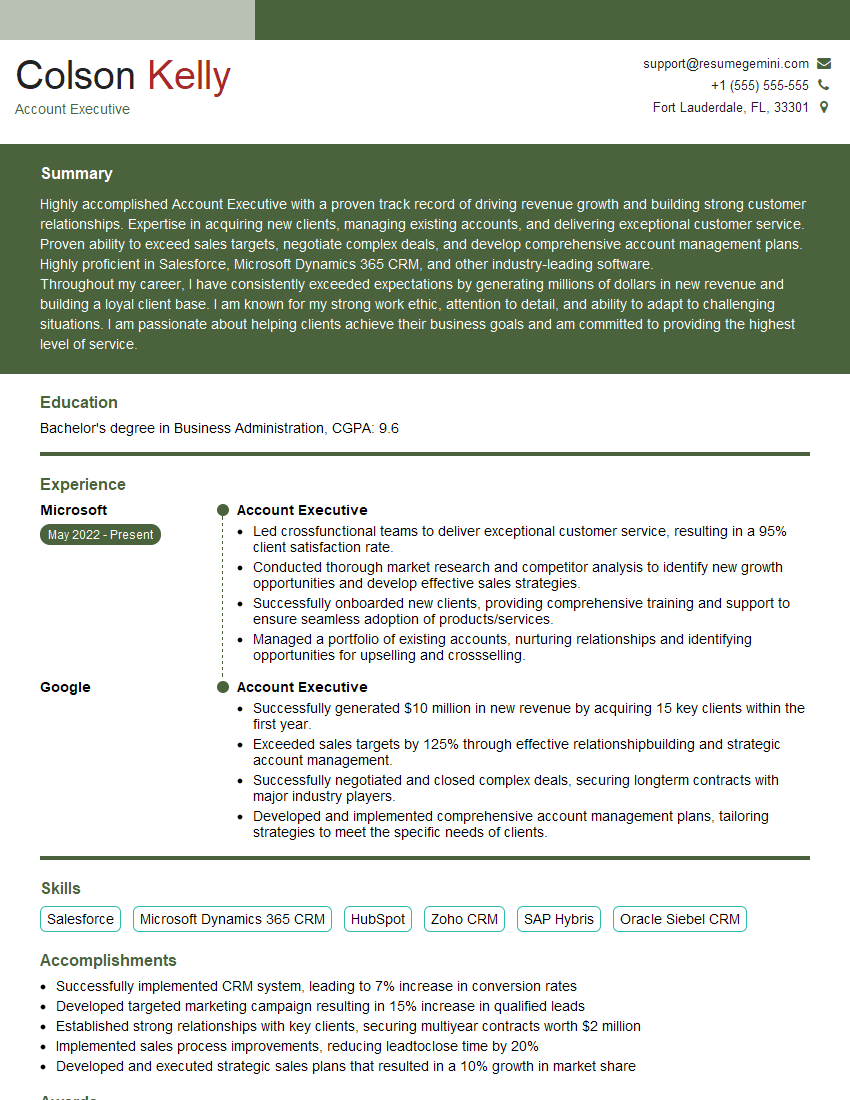
Account Executive Resume Sample
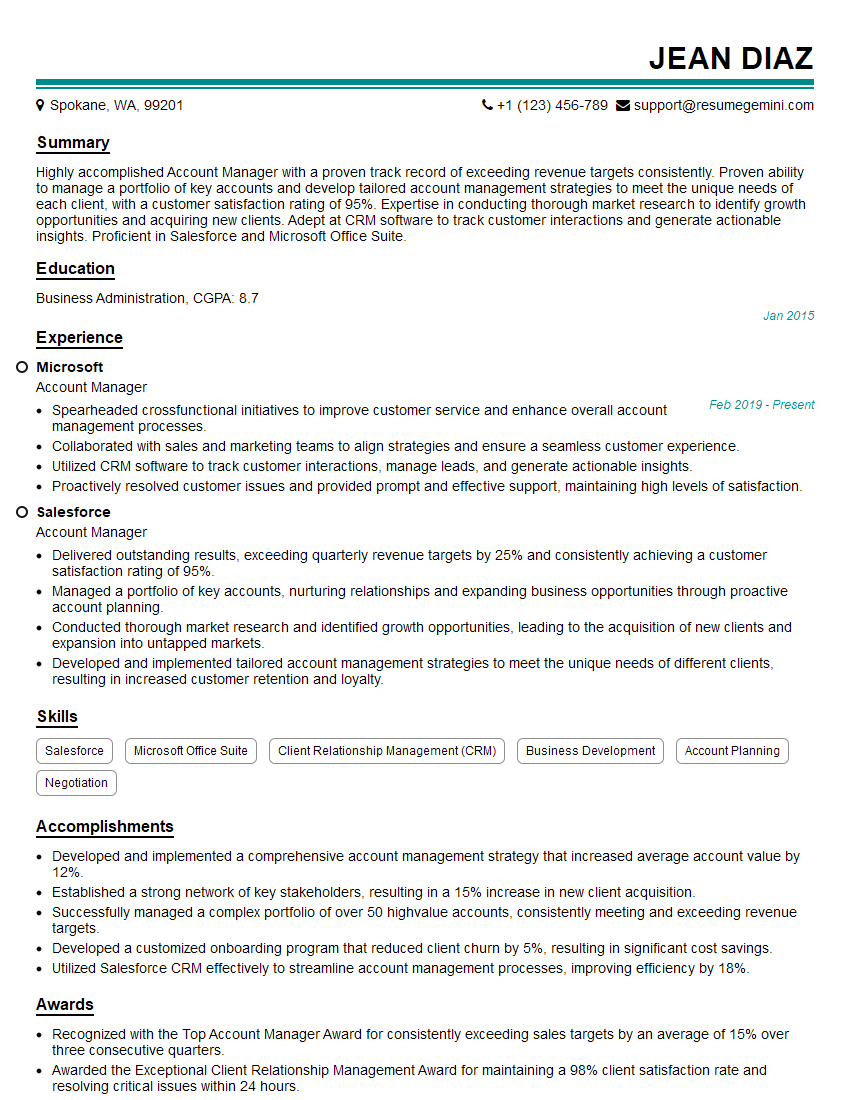
Account Manager Resume Sample
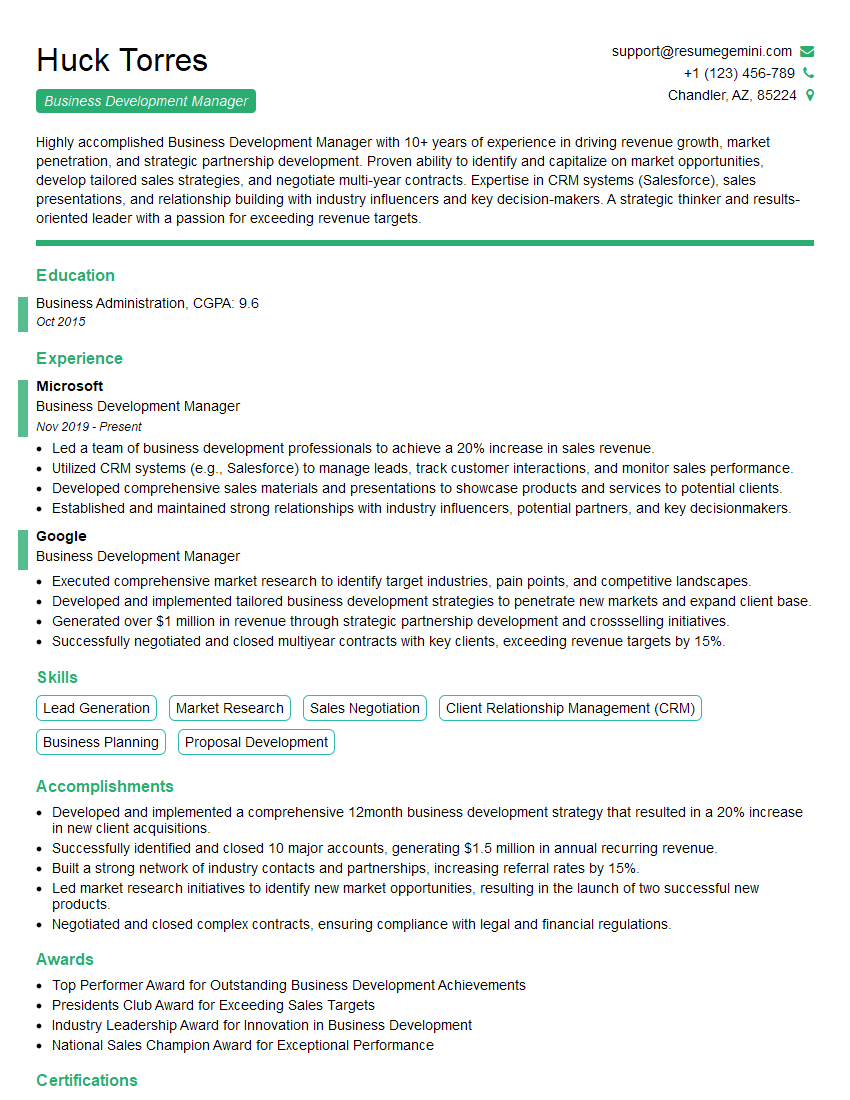
Business Development Manager Resume Sample
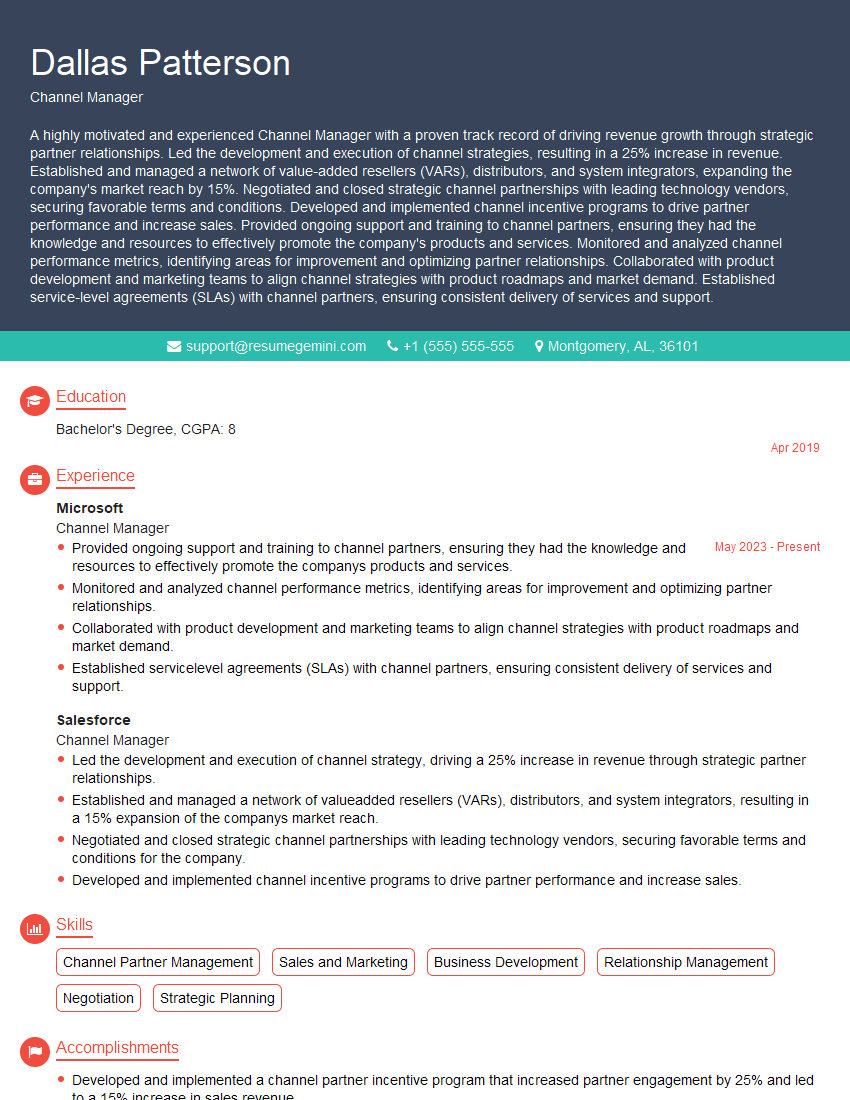
Channel Manager Resume Sample
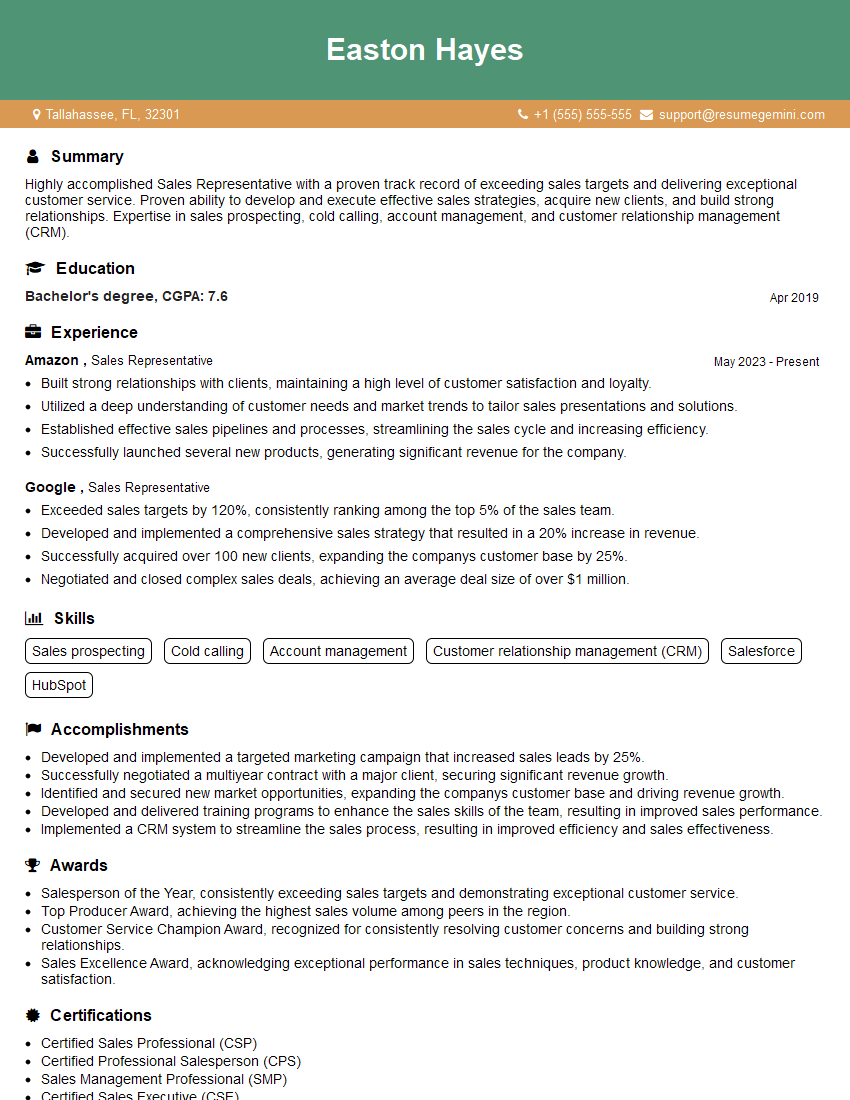
Sales Representative Resume Sample

Customer Service Manager Resume Sample
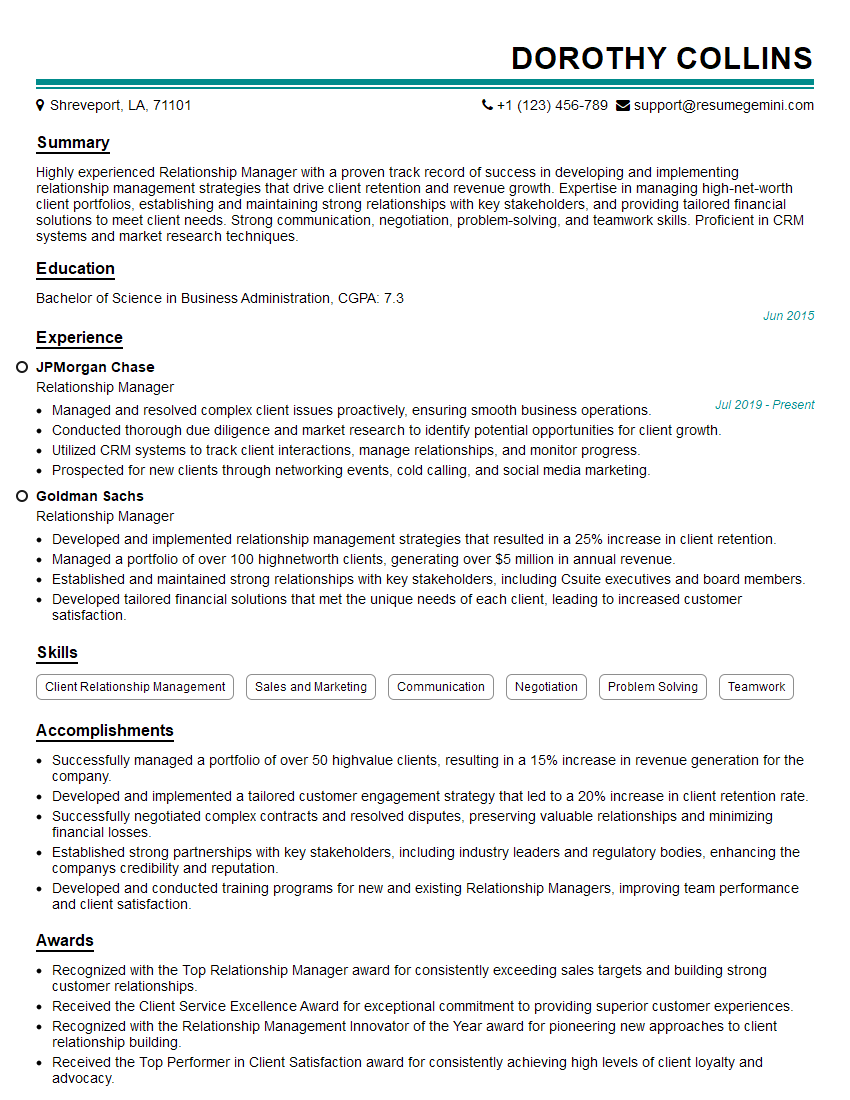
Relationship Manager Resume Sample
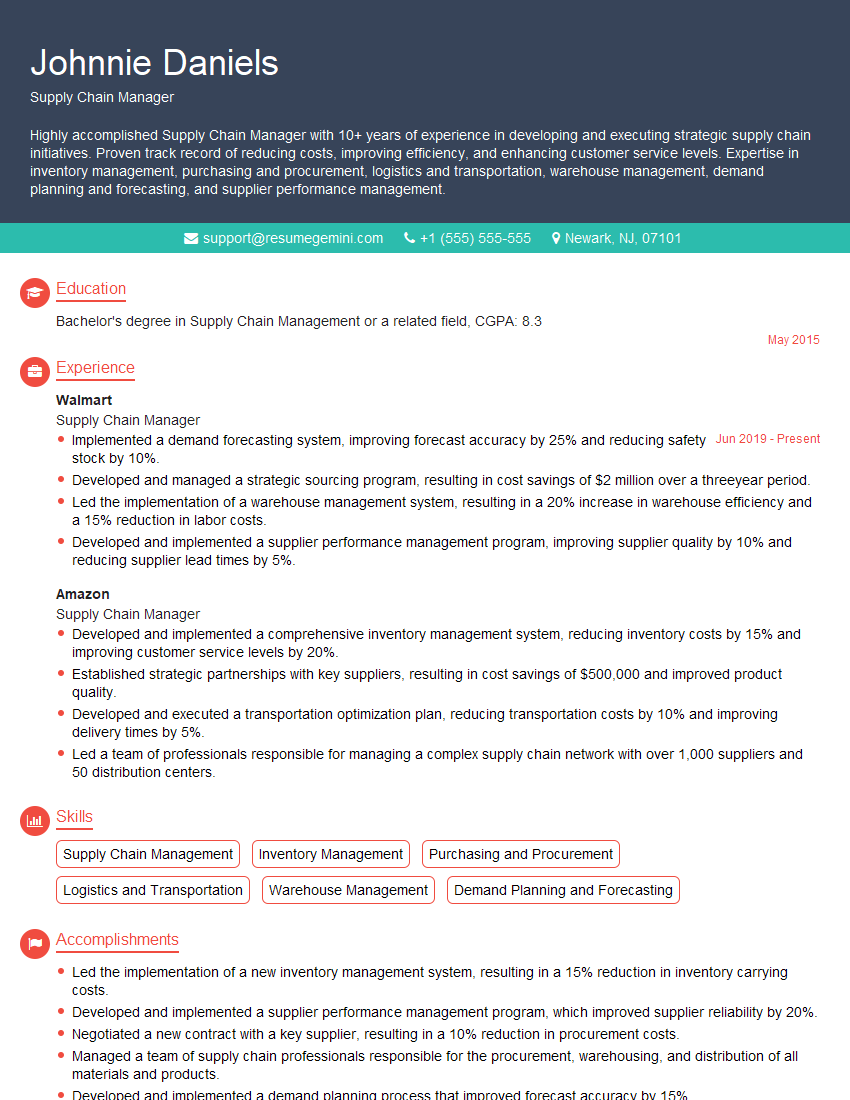
Supply Chain Manager Resume Sample
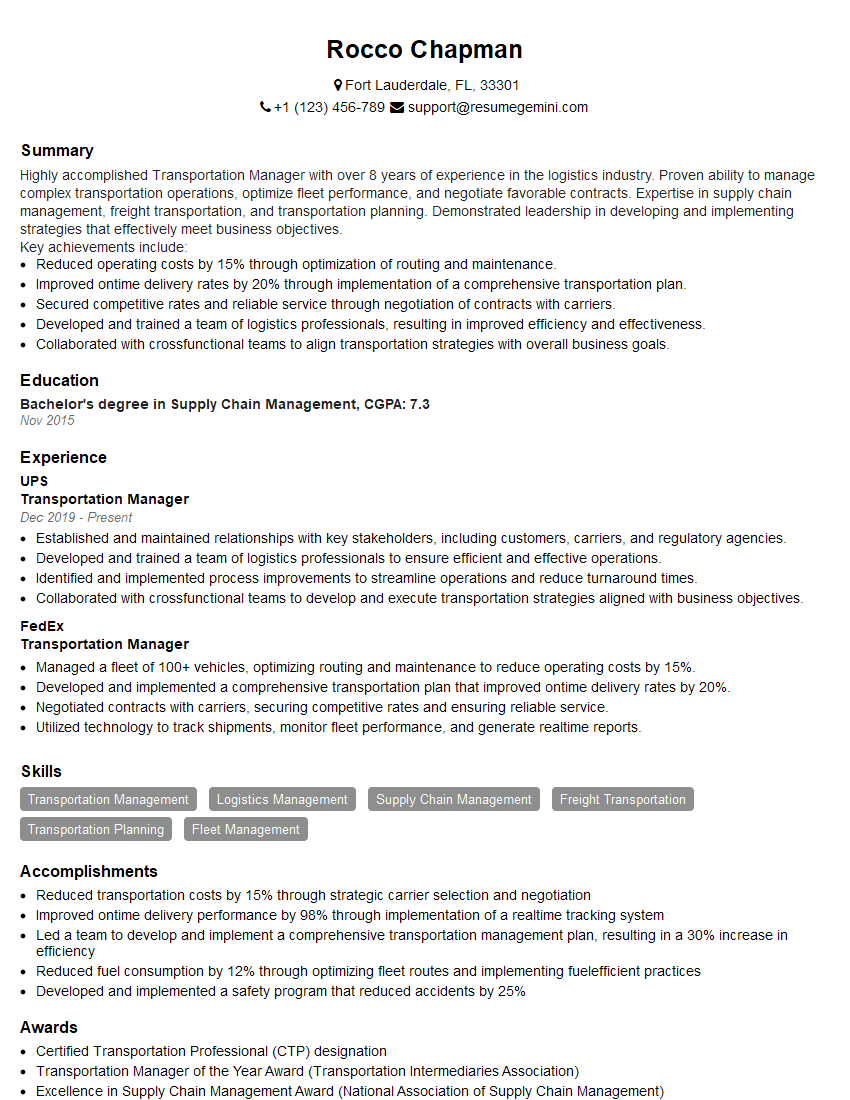
Transportation Manager Resume Sample
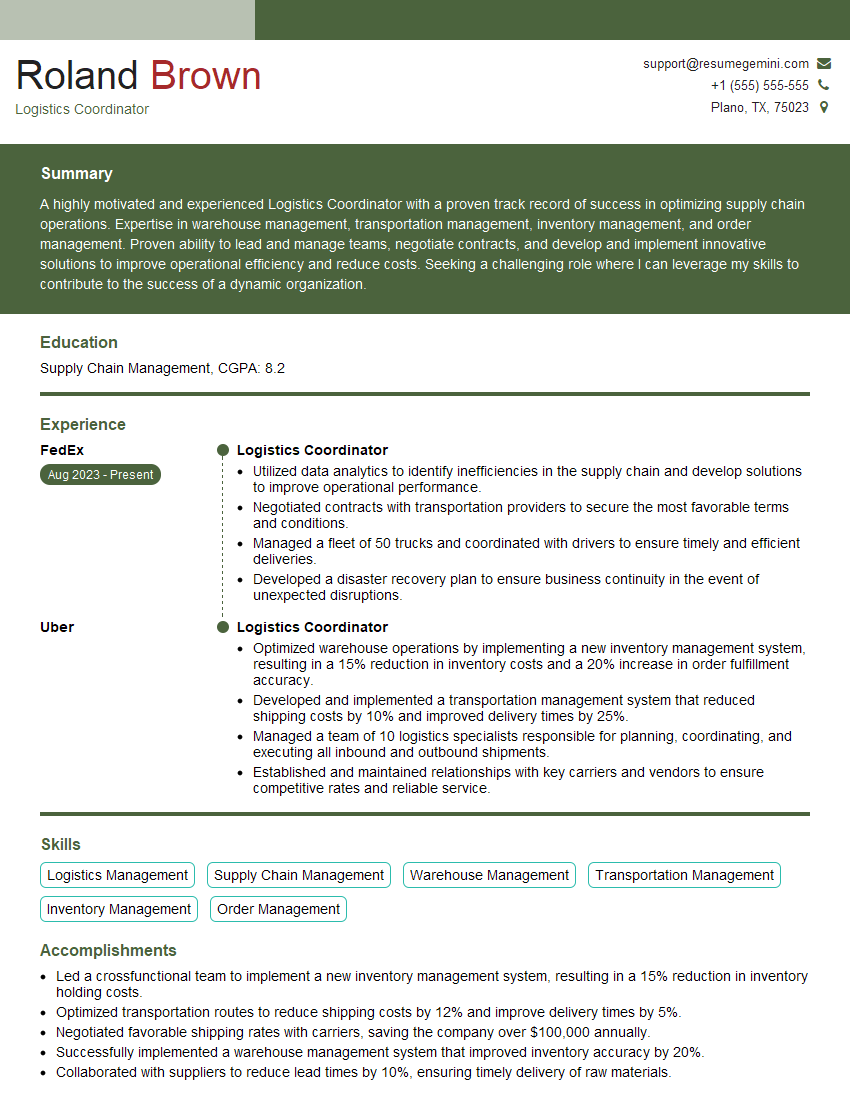
Logistics Coordinator Resume Sample
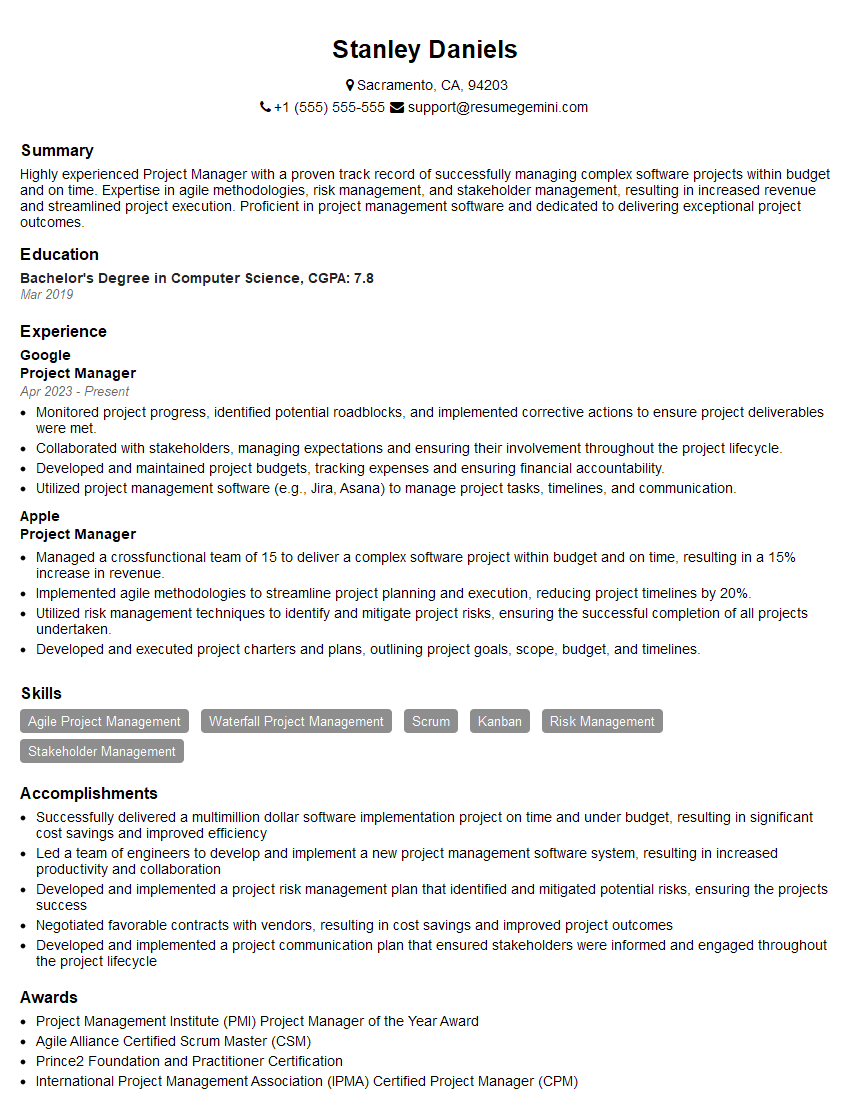
Project Manager Resume Sample
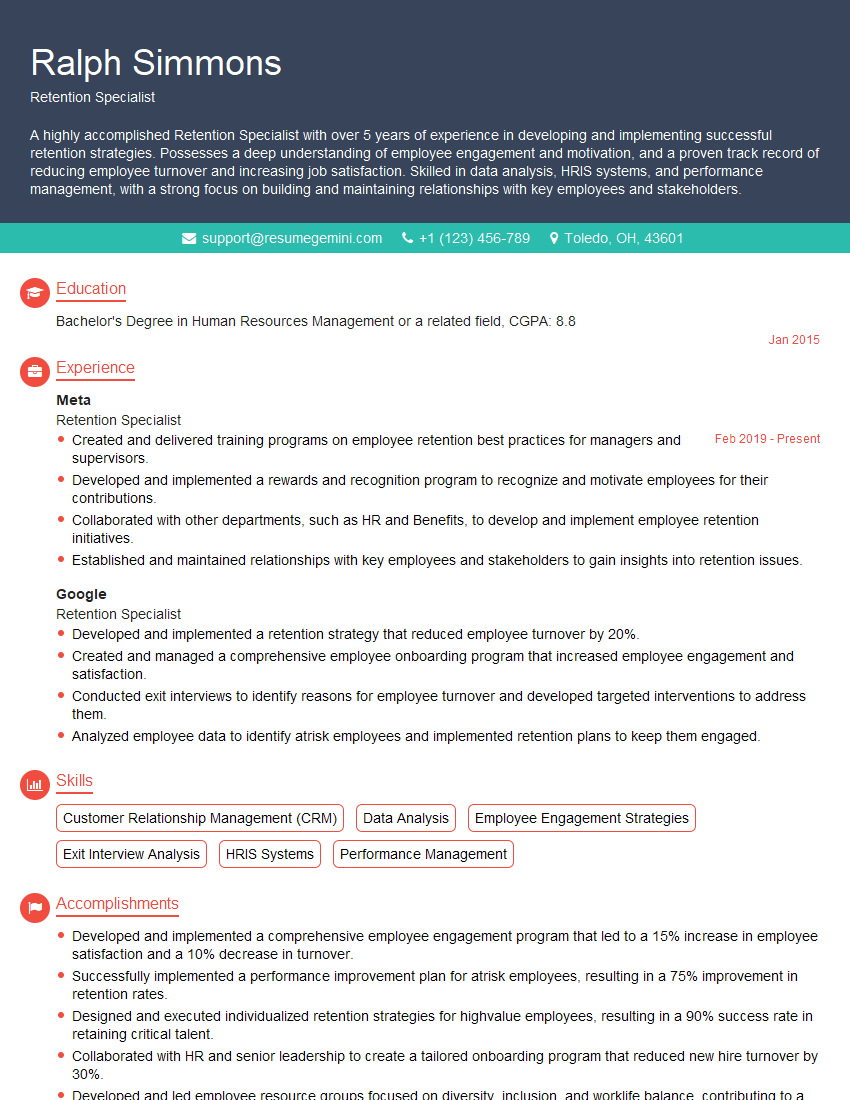
Retention Specialist Resume Sample
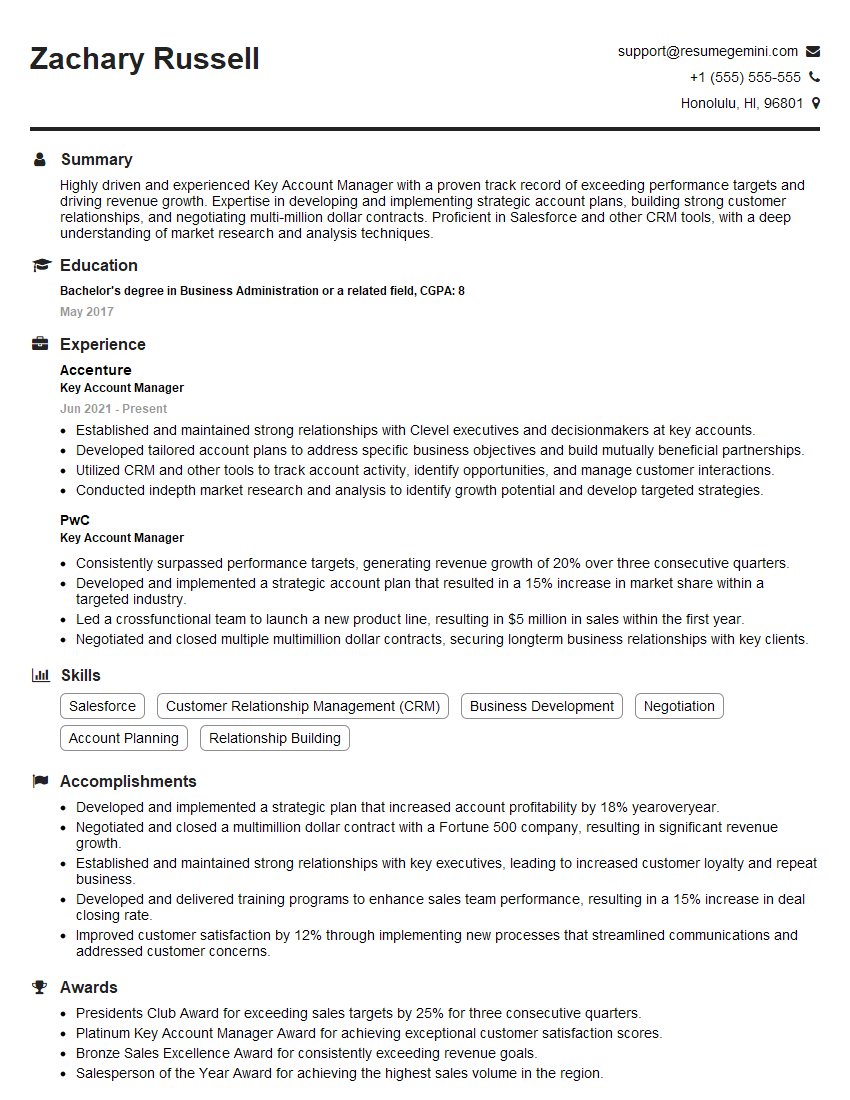
Key Account Manager Resume Sample
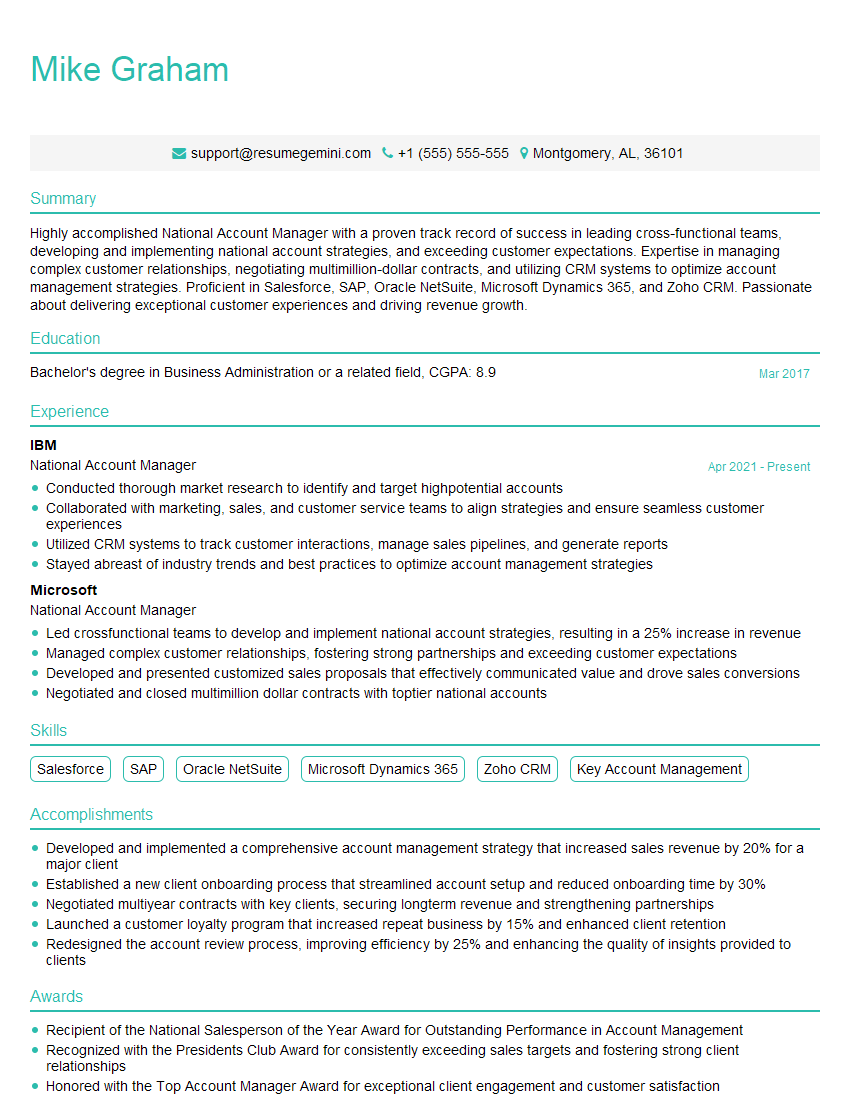
National Account Manager Resume Sample
- Program Manager
- Account Executive
- Account Manager
- Business Development Manager
- Channel Manager
- Sales Representative
- Customer Service Manager
- Relationship Manager
- Supply Chain Manager
- Transportation Manager
- Logistics Coordinator
- Project Manager
- Retention Specialist
- Key Account Manager
- National Account Manager
Explore more articles
Users Rating of Our Blogs
Share Your Experience
We value your feedback! Please rate our content and share your thoughts (optional).
What Readers Say About Our Blog
Attention music lovers!
Wow, All the best Sax Summer music !!!
Spotify: https://open.spotify.com/artist/6ShcdIT7rPVVaFEpgZQbUk
Apple Music: https://music.apple.com/fr/artist/jimmy-sax-black/1530501936
YouTube: https://music.youtube.com/browse/VLOLAK5uy_noClmC7abM6YpZsnySxRqt3LoalPf88No
Other Platforms and Free Downloads : https://fanlink.tv/jimmysaxblack
on google : https://www.google.com/search?q=22+AND+22+AND+22
on ChatGPT : https://chat.openai.com?q=who20jlJimmy20Black20Sax20Producer
Get back into the groove with Jimmy sax Black
Best regards,
Jimmy sax Black
www.jimmysaxblack.com
Hi I am a troller at The aquatic interview center and I suddenly went so fast in Roblox and it was gone when I reset.
Hi,
Business owners spend hours every week worrying about their website—or avoiding it because it feels overwhelming.
We’d like to take that off your plate:
$69/month. Everything handled.
Our team will:
Design a custom website—or completely overhaul your current one
Take care of hosting as an option
Handle edits and improvements—up to 60 minutes of work included every month
No setup fees, no annual commitments. Just a site that makes a strong first impression.
Find out if it’s right for you:
https://websolutionsgenius.com/awardwinningwebsites
Hello,
we currently offer a complimentary backlink and URL indexing test for search engine optimization professionals.
You can get complimentary indexing credits to test how link discovery works in practice.
No credit card is required and there is no recurring fee.
You can find details here:
https://wikipedia-backlinks.com/indexing/
Regards
NICE RESPONSE TO Q & A
hi
The aim of this message is regarding an unclaimed deposit of a deceased nationale that bears the same name as you. You are not relate to him as there are millions of people answering the names across around the world. But i will use my position to influence the release of the deposit to you for our mutual benefit.
Respond for full details and how to claim the deposit. This is 100% risk free. Send hello to my email id: lukachachibaialuka@gmail.com
Luka Chachibaialuka
Hey interviewgemini.com, just wanted to follow up on my last email.
We just launched Call the Monster, an parenting app that lets you summon friendly ‘monsters’ kids actually listen to.
We’re also running a giveaway for everyone who downloads the app. Since it’s brand new, there aren’t many users yet, which means you’ve got a much better chance of winning some great prizes.
You can check it out here: https://bit.ly/callamonsterapp
Or follow us on Instagram: https://www.instagram.com/callamonsterapp
Thanks,
Ryan
CEO – Call the Monster App
Hey interviewgemini.com, I saw your website and love your approach.
I just want this to look like spam email, but want to share something important to you. We just launched Call the Monster, a parenting app that lets you summon friendly ‘monsters’ kids actually listen to.
Parents are loving it for calming chaos before bedtime. Thought you might want to try it: https://bit.ly/callamonsterapp or just follow our fun monster lore on Instagram: https://www.instagram.com/callamonsterapp
Thanks,
Ryan
CEO – Call A Monster APP
To the interviewgemini.com Owner.
Dear interviewgemini.com Webmaster!
Hi interviewgemini.com Webmaster!
Dear interviewgemini.com Webmaster!
excellent
Hello,
We found issues with your domain’s email setup that may be sending your messages to spam or blocking them completely. InboxShield Mini shows you how to fix it in minutes — no tech skills required.
Scan your domain now for details: https://inboxshield-mini.com/
— Adam @ InboxShield Mini
support@inboxshield-mini.com
Reply STOP to unsubscribe
Hi, are you owner of interviewgemini.com? What if I told you I could help you find extra time in your schedule, reconnect with leads you didn’t even realize you missed, and bring in more “I want to work with you” conversations, without increasing your ad spend or hiring a full-time employee?
All with a flexible, budget-friendly service that could easily pay for itself. Sounds good?
Would it be nice to jump on a quick 10-minute call so I can show you exactly how we make this work?
Best,
Hapei
Marketing Director
Hey, I know you’re the owner of interviewgemini.com. I’ll be quick.
Fundraising for your business is tough and time-consuming. We make it easier by guaranteeing two private investor meetings each month, for six months. No demos, no pitch events – just direct introductions to active investors matched to your startup.
If youR17;re raising, this could help you build real momentum. Want me to send more info?
Hi, I represent an SEO company that specialises in getting you AI citations and higher rankings on Google. I’d like to offer you a 100% free SEO audit for your website. Would you be interested?
Hi, I represent an SEO company that specialises in getting you AI citations and higher rankings on Google. I’d like to offer you a 100% free SEO audit for your website. Would you be interested?