The thought of an interview can be nerve-wracking, but the right preparation can make all the difference. Explore this comprehensive guide to Attention to Detail and Aesthetic Judgment interview questions and gain the confidence you need to showcase your abilities and secure the role.
Questions Asked in Attention to Detail and Aesthetic Judgment Interview
Q 1. Describe your process for identifying inconsistencies or errors in complex documents or designs.
My process for identifying inconsistencies and errors in complex documents or designs involves a systematic approach combining meticulous review with strategic techniques. I begin with a holistic overview, gaining a general understanding of the entire document or design before diving into the details. This helps establish a baseline and allows me to identify larger structural issues first. Then, I move to a detailed review, employing various techniques depending on the material. For text-heavy documents, I use a combination of proofreading techniques, including reading aloud to catch errors my eyes might miss, and utilizing grammar and spell-check tools. For visual designs, I employ a checklist approach, reviewing elements such as color consistency, typography, spacing, alignment, and image quality. I often use a grid or ruler (physical or digital) to ensure precise alignment and consistency. I also adopt a ‘change of perspective’ approach, stepping away from the work for a short break and returning with fresh eyes before a final check. This helps me to avoid overlooking errors due to familiarity. Finally, I always maintain a detailed record of corrections and changes made, ensuring traceability and facilitating future revisions.
Q 2. How do you ensure accuracy in your work, especially under tight deadlines?
Ensuring accuracy under tight deadlines requires a well-structured, prioritized workflow. Firstly, I carefully analyze the project requirements and break it down into manageable tasks, estimating the time needed for each. This helps in effective time management and prevents getting overwhelmed. I then prioritize tasks based on their urgency and impact, tackling the most critical aspects first. Utilizing efficient tools, such as automated grammar checkers and design software features, significantly streamlines the process. Furthermore, I work in focused bursts, minimizing distractions, and utilize the Pomodoro Technique to maintain concentration. Regular breaks also enhance productivity and reduce errors. Crucially, clear communication with stakeholders is key. Openly discussing potential challenges and adjusting deadlines proactively ensures a high-quality output without compromising on accuracy.
Q 3. Give an example of a time you noticed a small detail that others missed, and what impact it had.
During the redesign of a company brochure, I noticed a subtle inconsistency in the font used for the company logo across different pages. While others had overlooked it due to the similarity in fonts, this minute difference created a visual dissonance, detracting from the overall professional image. I pointed it out and suggested correcting it, ensuring consistency throughout. The corrected brochure ultimately appeared far more polished and professional, reflecting positively on the company’s brand image. This highlights how seemingly small details can have a significant impact on the overall perception of a project.
Q 4. Explain your approach to reviewing and editing your own work for errors and aesthetic flaws.
My approach to self-review is a multi-stage process that goes beyond simple proofreading. I begin by stepping away from the work for a period of time to gain fresh perspective. I then systematically review my work, focusing first on the big picture: Is the overall message clear? Is the design cohesive? Then, I focus on smaller details, using checklists and employing techniques like reading aloud and zooming in on images to check for inconsistencies or errors. In terms of aesthetics, I consider visual hierarchy, balance, color palette, and typography, assessing whether they work harmoniously to achieve the desired effect. I also often seek feedback from trusted colleagues, recognizing that another pair of eyes can spot errors or areas for improvement that I might have missed. This collaborative approach enhances quality and provides valuable insights.
Q 5. How do you prioritize tasks when faced with several details that require attention?
Prioritizing tasks when faced with multiple details requiring attention involves a strategic approach based on several factors. I employ a combination of methods: urgency, impact, and dependency. I start by categorizing tasks based on urgency – which ones must be completed immediately? Next, I assess the impact of each task on the overall project. Which tasks will have the biggest positive or negative consequences if they are delayed or incomplete? Finally, I consider dependencies – are any tasks reliant on the completion of others? Once the tasks are categorized, I utilize tools like project management software or even a simple to-do list, organizing them by priority and ensuring a structured workflow. This method prioritizes critical tasks efficiently, mitigating risks and ensuring a well-managed approach to the workload.
Q 6. Describe your understanding of visual hierarchy and its importance in design or presentation.
Visual hierarchy refers to the arrangement of elements in a design to guide the viewer’s eye and communicate information effectively. It’s crucial in design and presentation as it dictates how users interact with and understand the information presented. A well-designed visual hierarchy ensures that important elements stand out, while less crucial details are subtly placed in the background. Elements like size, color, contrast, position, and typography are employed to create this hierarchy. For instance, a large, bold headline immediately draws the eye, followed by subheadings, and then body text in a less prominent size. In web design, the strategic placement of call-to-action buttons further exemplifies visual hierarchy’s importance. Understanding and implementing visual hierarchy ensures a clear, user-friendly experience that conveys the intended message effortlessly. Without it, designs become cluttered and confusing, causing the viewer to miss crucial details.
Q 7. How do you evaluate the overall aesthetic appeal of a design or product?
Evaluating the aesthetic appeal of a design or product involves a holistic assessment considering various factors. I begin with a subjective evaluation, assessing the overall impression and emotional response the design evokes. This involves analyzing the elements together – the color scheme, typography, imagery, and composition. Is the design visually appealing? Does it evoke the intended emotions? I then move to a more objective analysis. Does the design adhere to relevant design principles such as balance, proportion, and unity? Is it consistent and free of errors? Does the design communicate its purpose effectively? User feedback plays a crucial role, adding a layer of objective evaluation and ensuring the design resonates with the target audience. This multi-faceted approach, combining subjective and objective analysis with user feedback, provides a comprehensive evaluation of the design’s aesthetic appeal.
Q 8. What tools or techniques do you use to ensure accuracy and precision in your work?
Accuracy and precision are paramount in my work. I employ a multi-faceted approach, combining meticulous planning with rigorous checking at each stage.
- Checklists and Templates: I utilize meticulously designed checklists and templates to ensure consistent application of standards and reduce the risk of overlooking crucial details. For example, a color palette checklist ensures all chosen hues align with brand guidelines and intended mood.
- Version Control: I religiously use version control systems (like Git) for all projects, allowing me to track changes, revert to previous versions if necessary, and collaborate effectively with others. This is especially important in design, where iterative refinements are common.
- Multiple Reviews and Peer Feedback: Before finalizing any work, I conduct multiple self-reviews and solicit feedback from colleagues. Fresh eyes often catch mistakes I’ve missed.
- Digital Measurement Tools: I leverage digital tools offering precise measurements and alignments. In design software, snapping grids, rulers, and pixel-perfect controls are essential for ensuring consistent spacing and accurate element placement.
- Data Validation: When dealing with data-driven design, I validate data sources for accuracy and consistency, ensuring information presented is reliable and free from errors.
Q 9. How do you handle feedback that challenges your aesthetic choices?
Feedback, even challenging feedback, is invaluable. I approach it as an opportunity for growth and refinement.
- Active Listening: I listen attentively to understand the critic’s perspective, asking clarifying questions to ensure I fully grasp their concerns.
- Objective Assessment: I objectively evaluate the feedback, separating personal preference from constructive criticism. I ask myself: Is this a valid point regarding functionality or accessibility? Does it align with the overall design goals?
- Collaboration and Compromise: I engage in a collaborative discussion, explaining my design rationale while considering alternative viewpoints. Often, a compromise that incorporates aspects of both perspectives leads to a superior outcome. Sometimes, further research or experimentation may be needed to validate or disprove a critique.
- Documentation: I document all feedback received and the rationale behind any design decisions, including those made in response to critiques. This process helps maintain transparency and consistency throughout the project.
Q 10. Describe your process for identifying and correcting color inconsistencies or discrepancies.
Identifying and correcting color inconsistencies is crucial for maintaining visual harmony. My process involves several steps:
- Color Management System: I utilize a robust color management system (CMS) to ensure accurate color representation across different devices and outputs. This involves profiling monitors and printers to achieve consistency.
- Color Pickers and Palettes: I use precise color pickers and palettes within my design software, ensuring that colors are selected from a consistent source, avoiding variations caused by different methods of color selection.
- Color Difference Calculations: For complex projects, I may use color difference formulas (like Delta E) to quantify color variations and ensure they fall within acceptable tolerances.
- Proofing and Calibration: I carefully proof my work on various devices (monitors, printers) and use color calibration tools to minimize discrepancies. Soft proofing in design software is also critical.
- Reference Images and Swatches: I maintain a well-organized library of reference images and color swatches to ensure color consistency throughout the project.
Q 11. How do you balance functionality and aesthetics when designing a product or service?
Balancing functionality and aesthetics requires a thoughtful, iterative approach. They are not mutually exclusive; rather, they should complement each other.
- User-Centered Design: I begin by thoroughly understanding user needs and workflows. Functionality drives the core structure, ensuring the product or service achieves its purpose effectively.
- Aesthetic Refinement: Once functionality is established, I refine the aesthetics, using visual elements like typography, color, and imagery to enhance the user experience and create a positive emotional response. This includes considering accessibility guidelines to ensure inclusivity.
- Iterative Testing: I use iterative testing and user feedback to ensure that aesthetic choices don’t compromise functionality or usability. A visually stunning design is useless if it’s difficult to navigate or understand.
- Prioritization: In cases of conflict, I prioritize functionality over aesthetics. A functional yet visually simple design is preferable to a beautiful design that is unusable.
Q 12. How do you use technology to enhance your attention to detail and improve the aesthetic quality of your work?
Technology plays a vital role in enhancing attention to detail and aesthetic quality.
- Design Software: Advanced design software (Adobe Creative Suite, Figma, Sketch) provides tools for precise control over elements like alignment, spacing, and color. Features like layers, vector graphics, and non-destructive editing are essential for maintaining accuracy and flexibility.
- Color Management Software: Color management software ensures color consistency across various devices and outputs.
- Asset Management Systems: Systems like cloud storage and DAM (Digital Asset Management) help maintain organization and prevent loss of high-resolution assets.
- AI-Powered Tools: AI-powered tools, while still evolving, can assist in tasks like image upscaling, background removal, and design suggestion, freeing up time for finer detail work.
Q 13. Explain your experience in using design software and how precision is paramount in its application.
My experience with design software (Adobe Photoshop, Illustrator, InDesign, Figma) is extensive. Precision is paramount because even minor inconsistencies can significantly impact the final product’s quality and perceived professionalism.
- Vector Graphics: I leverage vector graphics (in Illustrator and Figma) for scalability and precision, ensuring elements retain sharpness regardless of size.
- Layer Management: Meticulous layer organization is crucial for efficient workflow and precise control over individual design elements.
- Grids and Guides: Using grids and guides ensures alignment and consistent spacing. The use of guides ensures consistency and improves readability.
- Pixel-Perfect Controls: I utilize pixel-perfect controls to achieve precise alignment and placement of elements, especially in web design.
- Non-Destructive Editing: I always favor non-destructive editing techniques, allowing for adjustments and revisions without damaging the original asset. This is especially important during the iterative design process.
Q 14. Can you recall an instance where your attention to detail prevented a significant error or problem?
In a recent branding project, I noticed a subtle but crucial inconsistency in the logo’s color across different applications. The variation was barely perceptible to the naked eye, but it would have caused significant problems when printed at large scales.
My attention to detail during color proofing revealed this discrepancy. By rectifying it early on, we avoided costly reprints and preserved brand consistency. This highlights the importance of meticulous attention throughout the entire design process, as even the smallest errors can have significant downstream consequences.
Q 15. How do you maintain focus and concentration when working on tasks that require high levels of precision?
Maintaining focus on precision-demanding tasks requires a multifaceted approach. It’s not just about willpower; it’s about creating an environment and employing strategies that support concentration.
- Structured Environment: I eliminate distractions – this includes silencing notifications, using noise-canceling headphones if needed, and creating a dedicated, organized workspace. A clutter-free desk mirrors a clutter-free mind.
- Time Management Techniques: I employ techniques like the Pomodoro Technique (working in focused bursts with short breaks) to maintain consistent concentration. Breaking down large tasks into smaller, manageable steps also helps prevent feeling overwhelmed.
- Mindfulness and Breaks: Regular short breaks are crucial. Instead of aimlessly scrolling through social media, I use breaks for mindful activities like stretching, a short walk, or simply closing my eyes and focusing on my breath. This helps to refresh my focus and prevent burnout.
- Self-Awareness: I pay attention to my energy levels throughout the day. I know when I’m most productive and schedule my most detail-oriented work for those times. If I’m struggling to focus, I take a break or adjust my approach.
For example, when meticulously restoring a vintage photograph, I’d dedicate a specific time block, eliminate all visual and auditory distractions, and work in short, focused intervals. This meticulous approach allowed me to identify and correct even the smallest imperfections.
Career Expert Tips:
- Ace those interviews! Prepare effectively by reviewing the Top 50 Most Common Interview Questions on ResumeGemini.
- Navigate your job search with confidence! Explore a wide range of Career Tips on ResumeGemini. Learn about common challenges and recommendations to overcome them.
- Craft the perfect resume! Master the Art of Resume Writing with ResumeGemini’s guide. Showcase your unique qualifications and achievements effectively.
- Don’t miss out on holiday savings! Build your dream resume with ResumeGemini’s ATS optimized templates.
Q 16. Describe a situation where you had to make a difficult aesthetic judgment call. What factors did you consider?
During a website redesign project, I faced a difficult aesthetic judgment regarding the choice of typography. The client loved a particular script font for the headings, but I felt it lacked readability and clashed with the overall modern aesthetic of the site.
My decision-making process involved considering several factors:
- Readability: I prioritized readability above all else. A beautiful font is useless if it’s hard to read. I tested different font sizes and weights, and ultimately showed the client the readability scores using various tools.
- Brand Consistency: I needed to ensure the typography aligned with the client’s brand identity and overall messaging. The script font didn’t match the professional and clean image the client wished to project.
- Visual Hierarchy: The font choice needed to support a clear visual hierarchy on the page. The script font was overpowering other elements and disrupting the intended flow of information.
- User Experience (UX): A poor font choice could negatively impact the user experience, increasing bounce rates and reducing engagement.
I presented the client with alternatives – fonts that captured the elegance of the script font while maintaining readability and aligning with the overall brand identity. Through data-driven arguments and visual comparisons, I successfully persuaded them to opt for a more suitable typeface.
Q 17. How do you stay updated on current design trends and best practices in aesthetics?
Staying current in design trends requires a proactive approach. I leverage various resources to remain informed:
- Industry Publications: I regularly read design magazines, blogs (both online and print), and journals focused on design, UX, and visual communication. This helps me identify emerging trends and best practices.
- Online Communities and Forums: I engage with online design communities on platforms like Dribbble, Behance, and relevant subreddits. These platforms offer insights into current projects and discussions about aesthetic trends.
- Conferences and Workshops: Attending industry conferences and workshops allows for direct interaction with leading designers and exposure to innovative concepts. This fosters networking and learning opportunities.
- Following Key Influencers: I follow influential designers and design studios on social media and through their websites. This offers a curated view of evolving trends.
- Experimentation: I dedicate time to personal projects, allowing me to explore new techniques and experiment with emerging aesthetic directions. It’s vital to apply theory and stay hands-on.
Q 18. What are some common mistakes people make when it comes to attention to detail and aesthetic judgment?
Common mistakes in attention to detail and aesthetic judgment include:
- Rushing the Process: Failing to allocate sufficient time for review and refinement often leads to overlooked errors and aesthetic inconsistencies.
- Lack of Self-Criticism: A lack of objective self-assessment can prevent identification of flaws and hinder improvements.
- Ignoring Feedback: Disregarding constructive criticism prevents the opportunity to refine work and enhance its overall quality.
- Overlooking the Big Picture: Becoming overly fixated on minute details can distract from the overall aesthetic harmony and purpose of the work.
- Inconsistency in Style: A lack of consistency in design elements (fonts, colors, spacing) creates a disjointed and unprofessional look.
- Ignoring Accessibility: Neglecting accessibility guidelines (e.g., color contrast for visually impaired users) undermines inclusivity.
For example, neglecting proper kerning (the spacing between letters) can significantly impair readability, even if other aspects of the design are aesthetically pleasing. Similarly, inconsistent use of spacing between paragraphs or images will disrupt the visual flow and detract from the overall presentation.
Q 19. How would you explain the importance of attention to detail and aesthetic judgment to someone unfamiliar with these concepts?
Attention to detail is about meticulousness and accuracy—ensuring every element is precisely as intended. It’s the difference between a well-functioning machine and one prone to failure, or a beautifully crafted piece of art and one that’s hastily thrown together.
Aesthetic judgment, on the other hand, refers to the ability to evaluate and make decisions about the visual appeal of something. It’s the understanding of design principles, color theory, and composition to create something visually pleasing and effective.
Both are critical for creating high-quality work. A surgeon needs attention to detail to ensure a successful operation, and a graphic designer requires aesthetic judgment to create effective marketing materials. Together, these skills ensure professionalism, efficiency, and impactful results across various fields.
Q 20. Explain how you approach tasks requiring both attention to detail and creative thinking.
Balancing attention to detail with creative thinking requires a structured approach. I often use a phased process:
- Idea Generation and Brainstorming: This initial phase is dedicated to creative exploration, sketching, and generating numerous concepts without self-criticism. I embrace unconventional ideas.
- Refinement and Detailing: Once a core concept is selected, I shift my focus to detailed execution. This phase demands meticulousness and careful attention to each element. I use checklists and templates to ensure consistency.
- Iterative Review: I review and refine the work continuously, checking for consistency, accuracy, and overall aesthetic appeal. This allows for flexible adjustments based on the evolving design and feedback.
- Feedback Integration: I actively seek feedback from others at multiple stages, integrating constructive criticism to improve both the aesthetic and detailed aspects.
For instance, in designing a logo, I’d start by brainstorming various concepts. Then, I’d carefully refine my chosen design, paying attention to kerning, spacing, and color palettes. Through iterations and feedback, I ensure the logo is both creative and precisely rendered.
Q 21. How do you handle criticism of your work regarding attention to detail or aesthetic choices?
Criticism, when constructive, is invaluable. I approach criticism by:
- Active Listening: I listen carefully to the feedback without interrupting, seeking to understand the critic’s perspective.
- Identifying the Core Issue: I try to pinpoint the specific aspects of the work being criticized. Is it a detail that needs adjustment or a broader aesthetic concern?
- Objective Evaluation: I objectively assess the validity of the criticism. Is the criticism justified, or is it based on subjective preferences?
- Seeking Clarification: If I’m unclear about the feedback, I ask clarifying questions to ensure I understand the critique.
- Implementing Changes: Based on the objective assessment, I implement appropriate changes, documenting my rationale for any decisions.
- Maintaining Professionalism: Even if I disagree with the criticism, I maintain a professional demeanor and explain my reasoning clearly and respectfully.
I view criticism as an opportunity for growth and improvement, enabling me to refine my skills and produce even better work in the future.
Q 22. Describe a time you had to balance conflicting aesthetic preferences or requirements.
Balancing conflicting aesthetic preferences is a common challenge in design and creative fields. It often involves negotiating between different stakeholders’ visions or adapting to limitations imposed by budget, technology, or time constraints. The key is effective communication and a structured approach.
For example, I once worked on a website redesign where the client wanted a modern, minimalist design, while the marketing team preferred a more vibrant and visually busy layout to attract attention. To reconcile these preferences, I presented several mockups showcasing different approaches, highlighting the pros and cons of each. This involved creating variations in color palettes, typography, and imagery to illustrate the impact of different design choices on the overall feel. We held a collaborative session where we discussed the target audience, brand identity, and practical considerations, leading to a compromise that satisfied both parties, incorporating key elements from each approach while retaining a cohesive visual identity. This process involved active listening, clear explanation, and a willingness to iterate and refine until a satisfactory solution was reached.
Q 23. How do you use visual aids or other methods to communicate details effectively?
Effective communication of details hinges on selecting the right visual aids and methods tailored to the audience and the information’s complexity. I leverage a variety of methods, understanding that a single approach rarely suffices.
- Detailed annotated mockups: For design projects, I use high-fidelity mockups annotated with notes explaining design rationale, functionality, and minute details. This clarifies even subtle choices, such as font selection or spacing.
- Data visualizations: For presenting quantitative data, I use charts, graphs, and tables, choosing the most appropriate visualization based on the data type and the message I wish to convey. For instance, a bar chart might highlight comparisons, whereas a line chart would illustrate trends over time.
- Prototypes and interactive demos: To showcase functionality and user experience, I utilize interactive prototypes that let stakeholders experience the product or interface firsthand, enhancing comprehension and identifying potential issues early.
- Color palettes and style guides: For establishing a consistent aesthetic throughout a project, I create detailed style guides that outline brand colors, typography, imagery guidelines, and layout rules. This ensures consistency across all platforms.
For instance, in a recent project involving a mobile app, I created interactive prototypes to illustrate user flows and to demonstrate the user experience. This allowed the stakeholders to identify minor usability issues that might have been overlooked in static mockups.
Q 24. How do you manage stress and maintain accuracy when under pressure?
Managing stress under pressure while maintaining accuracy requires a combination of proactive strategies and mindful practices. It’s not just about working quickly but working smartly.
- Prioritization and time management: I use tools like task lists and project management software to break down large tasks into smaller, manageable steps. This allows me to focus my energy and allocate time effectively.
- Mindfulness and breaks: Taking short breaks to step back and clear my head is crucial. This prevents burnout and allows for a fresh perspective when tackling complex problems.
- Double-checking and verification: To mitigate errors, I employ thorough quality control procedures, including peer reviews and self-checks using checklists or standardized templates.
- Seeking support: When faced with overwhelming pressure, I don’t hesitate to seek assistance from colleagues or mentors.
A specific example was a time-sensitive project requiring meticulous data analysis. I adopted a structured approach, dividing the analysis into logical stages, and cross-referenced data from multiple sources to ensure accuracy. Regular breaks helped maintain focus, and a final peer review ensured we met the highest quality standards before submission.
Q 25. Can you describe a time you had to revise your work based on detailed feedback?
Revising work based on detailed feedback is a critical part of any creative or analytical process. It demonstrates adaptability and a commitment to producing high-quality output. My approach involves understanding the feedback, clarifying ambiguities, and integrating suggestions thoughtfully.
In a recent branding project, the client provided detailed feedback on the initial logo designs, pointing out inconsistencies in font usage and suggesting refinements to the color palette. I meticulously documented each suggestion, noting the rationale behind each change. I then revised the designs, addressing the feedback point by point, and presented a revised version for client approval. This iterative process led to a final logo that was highly refined and met the client’s expectations.
Effectively incorporating feedback involves active listening and clarifying any uncertainties before making revisions. It’s a collaborative process aimed at improving the quality and effectiveness of the work.
Q 26. How do you ensure consistency in your work across various projects or platforms?
Consistency across projects and platforms is paramount for maintaining a professional image and ensuring a seamless user experience. I achieve this by establishing standardized processes and guidelines from the outset.
- Style guides and templates: Creating detailed style guides for typography, color palettes, imagery, and layout rules ensures consistency across all projects. Using consistent templates for reports, presentations, or other deliverables maintains a unified brand identity.
- Version control and documentation: Utilizing version control systems (e.g., Git) allows for tracking changes and ensures that all team members are working with the most up-to-date versions of documents. Detailed documentation clarifies processes and standards, reducing inconsistencies.
- Centralized resource management: Storing brand assets (logos, fonts, imagery) in a centralized location ensures everyone uses the correct and consistent versions.
For example, across all my design projects, I use a consistent style guide with pre-defined color palettes, typography rules, and image-resizing guidelines. This ensures consistency in the visual output regardless of the specific project requirements.
Q 27. Describe your process for identifying and resolving inconsistencies in data sets or information.
Identifying and resolving inconsistencies in datasets or information requires a systematic and methodical approach. It often involves a combination of automated checks and manual review.
- Data validation and cleaning: I use automated tools and scripts to identify discrepancies, such as missing values, duplicate entries, or data type errors. This often involves using programming languages like Python with libraries like Pandas to clean and validate the data.
- Data visualization: Visualizing the data using charts and graphs can highlight unexpected patterns or outliers that may indicate inconsistencies.
- Cross-referencing and comparison: Comparing data from multiple sources helps identify inconsistencies or conflicting information. This might involve comparing data entries manually or using automated comparison tools.
- Root cause analysis: Once inconsistencies are identified, I investigate their root causes. This might involve reviewing data entry procedures, data sources, or system limitations.
For instance, while analyzing sales data from different branches, I used a Python script to identify inconsistencies in data formats and missing values. Visualizing this data highlighted a discrepancy between reported sales and inventory levels, which led to the discovery of a data entry error in one branch. Addressing this error involved not only correcting the data but also improving the data entry process to prevent similar errors in the future.
Key Topics to Learn for Attention to Detail and Aesthetic Judgment Interview
- Identifying Inconsistencies: Learn to spot discrepancies in data, design, or text – even minor ones. Practice analyzing documents for errors, inconsistencies in formatting, and deviations from established guidelines.
- Understanding Design Principles: Familiarize yourself with basic design principles like balance, contrast, proportion, and unity. Consider how these principles apply in various contexts, from website layouts to marketing materials.
- Assessing Visual Hierarchy: Understand how to effectively guide the viewer’s eye through visual information. Practice evaluating the effectiveness of different visual hierarchies and how they impact communication.
- Color Theory and Application: Develop a basic understanding of color theory and how color choices impact mood, perception, and brand identity. Be prepared to discuss how color palettes are selected and applied effectively.
- Proofreading and Editing Techniques: Master effective proofreading strategies to identify grammatical errors, spelling mistakes, and punctuation issues. Practice different editing techniques to refine written content for clarity and impact.
- Problem-Solving with Attention to Detail: Prepare examples from your experience demonstrating how your attention to detail helped solve a problem or improve a process. Focus on the impact of your meticulous approach.
- Qualitative vs. Quantitative Assessment: Understand the difference between objectively measurable aspects (quantitative) and subjective judgments based on aesthetics (qualitative). Practice articulating your reasoning for both types of assessments.
Next Steps
Mastering attention to detail and aesthetic judgment is crucial for career advancement across numerous fields. It demonstrates professionalism, reliability, and a commitment to excellence. To maximize your job prospects, create a resume that showcases these skills effectively. An ATS-friendly resume is vital for getting your application noticed. We strongly encourage you to leverage ResumeGemini, a trusted resource for building professional and impactful resumes. ResumeGemini provides examples of resumes tailored to highlight attention to detail and aesthetic judgment, ensuring your application stands out.

Operations Manager Resume Sample
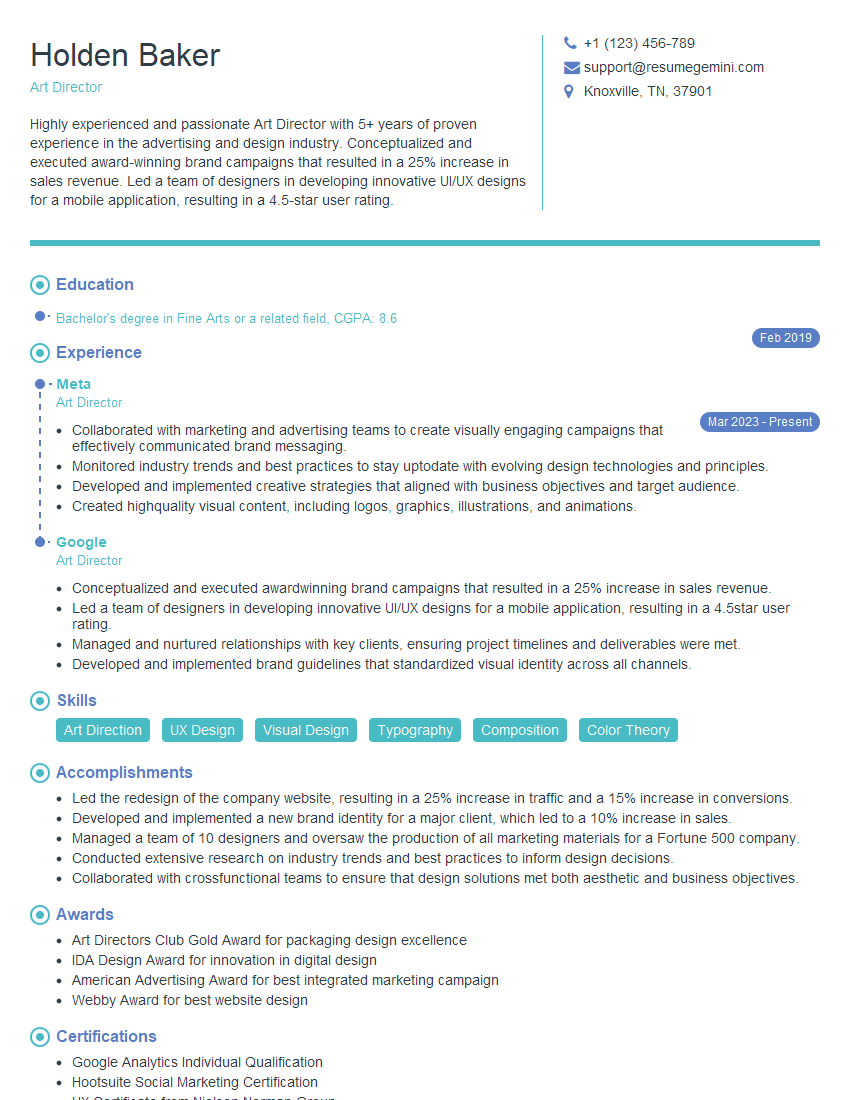
Art Director Resume Sample
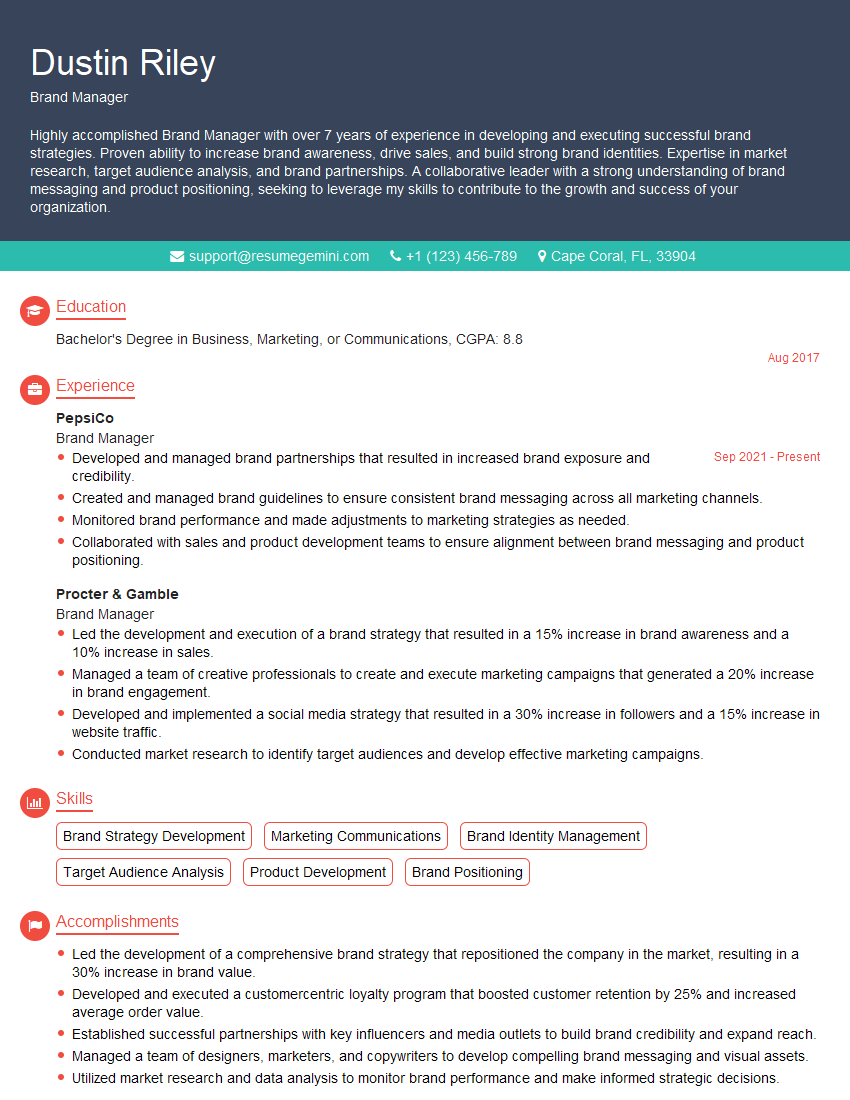
Brand Manager Resume Sample
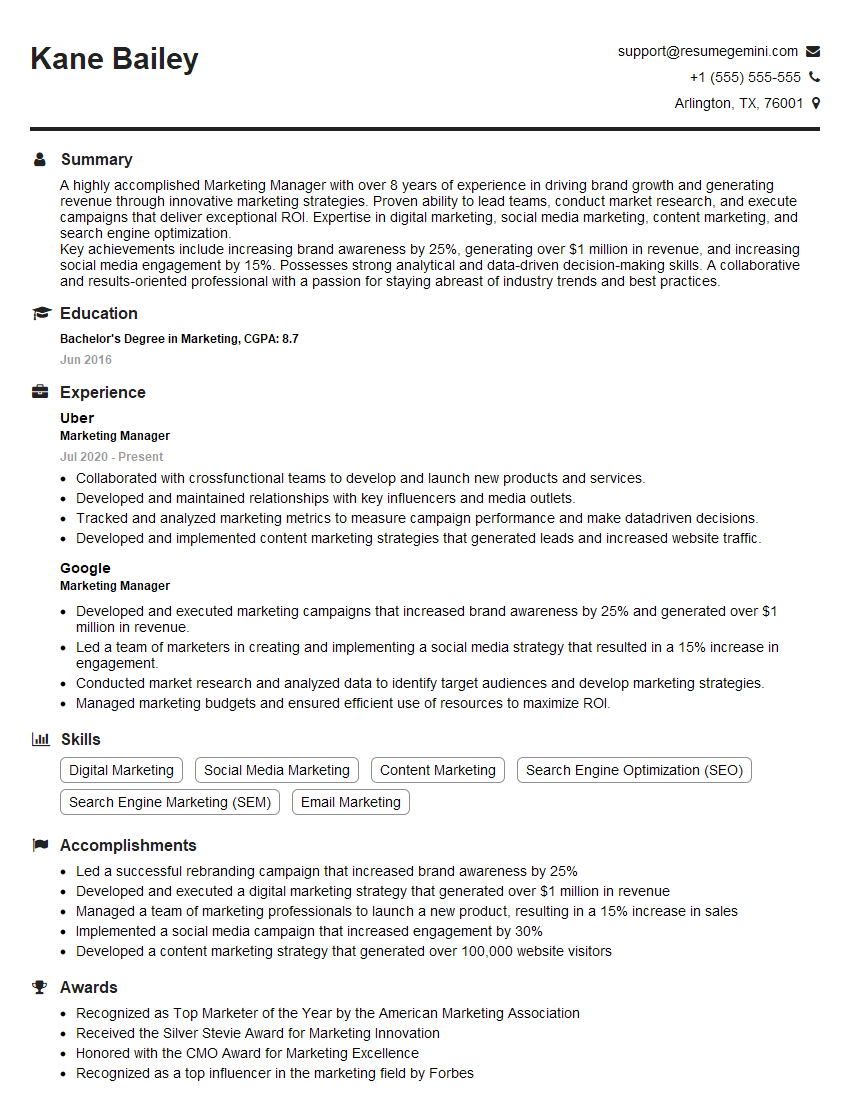
Marketing Manager Resume Sample
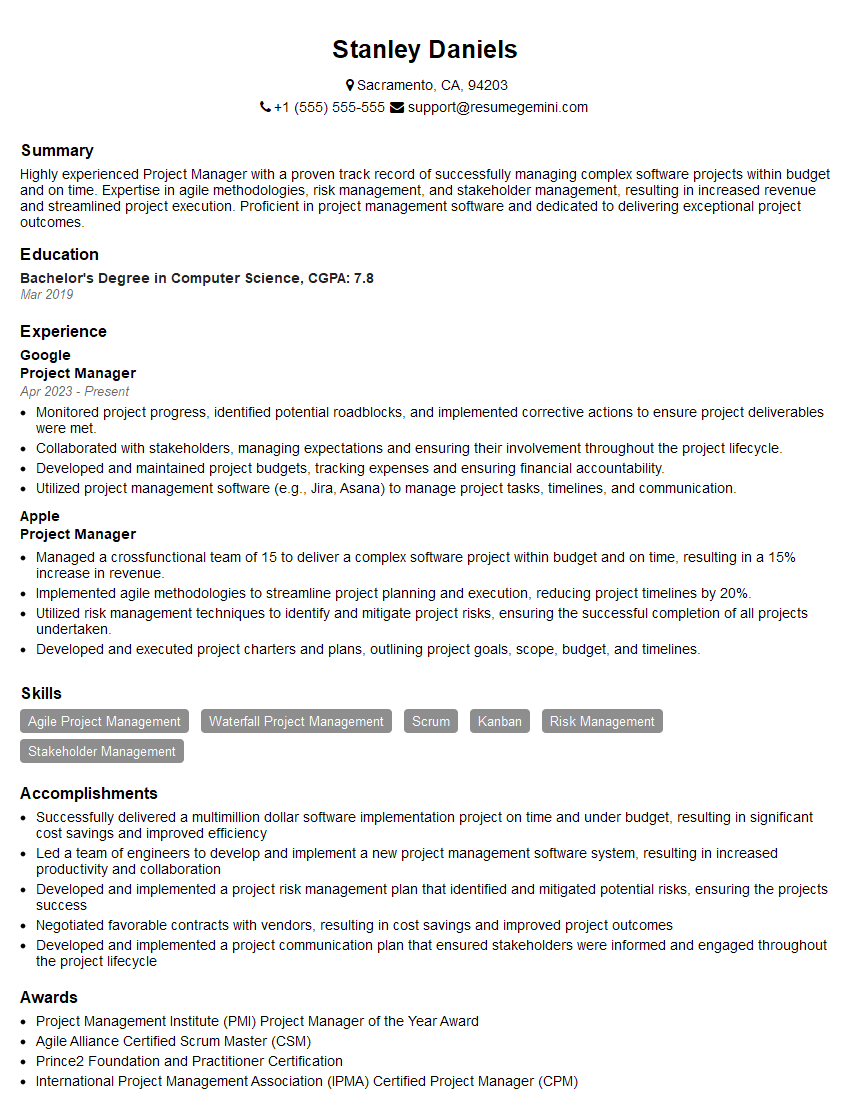
Project Manager Resume Sample
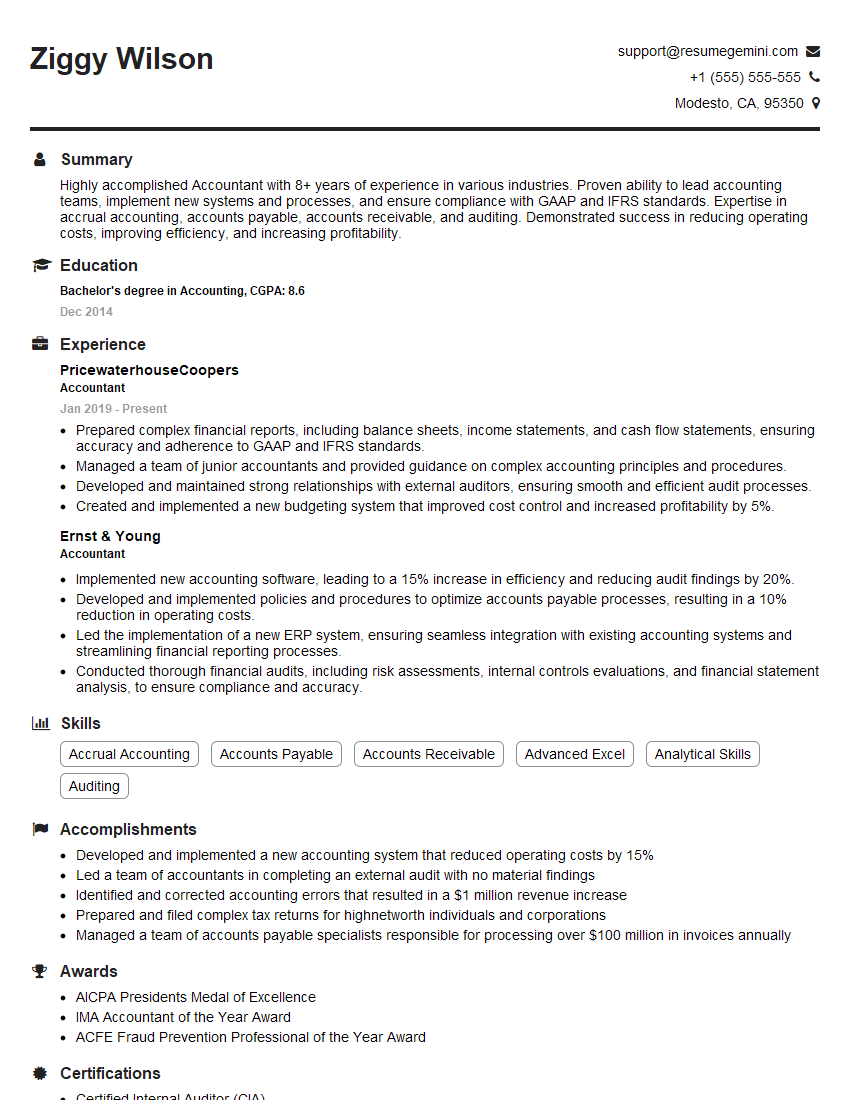
Accountant Resume Sample
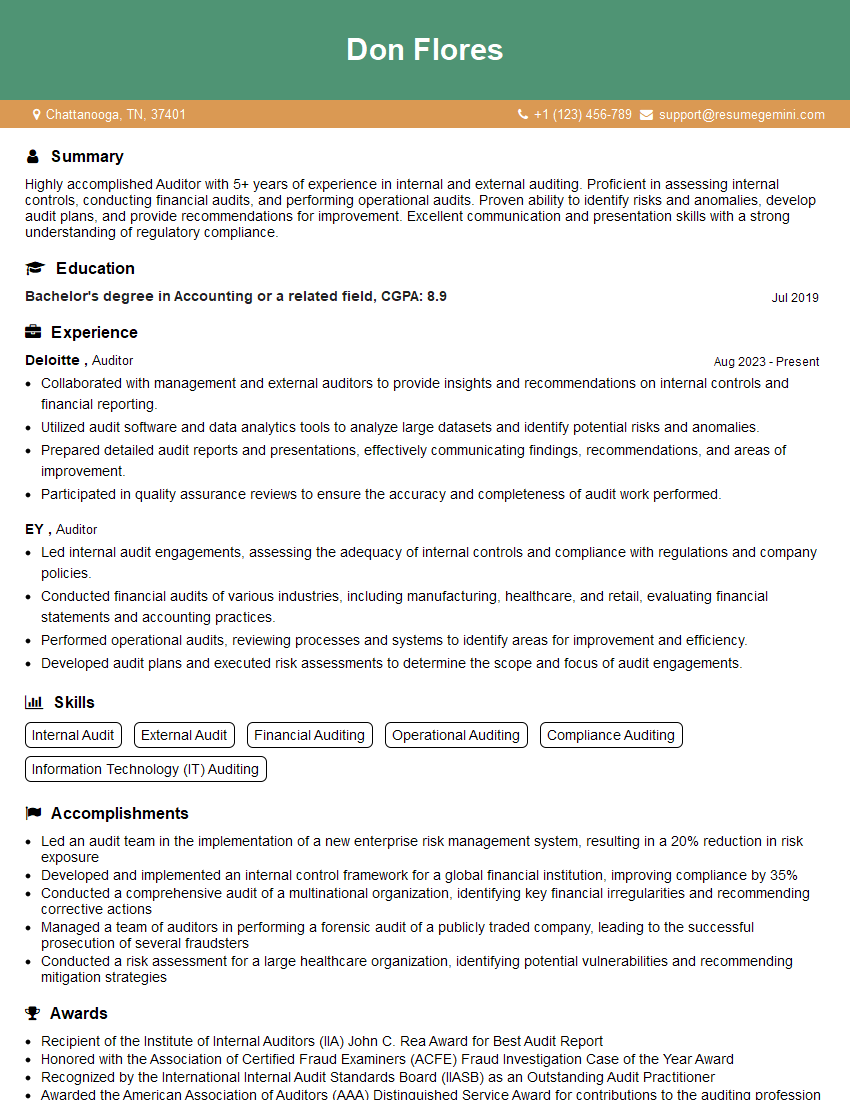
Auditor Resume Sample
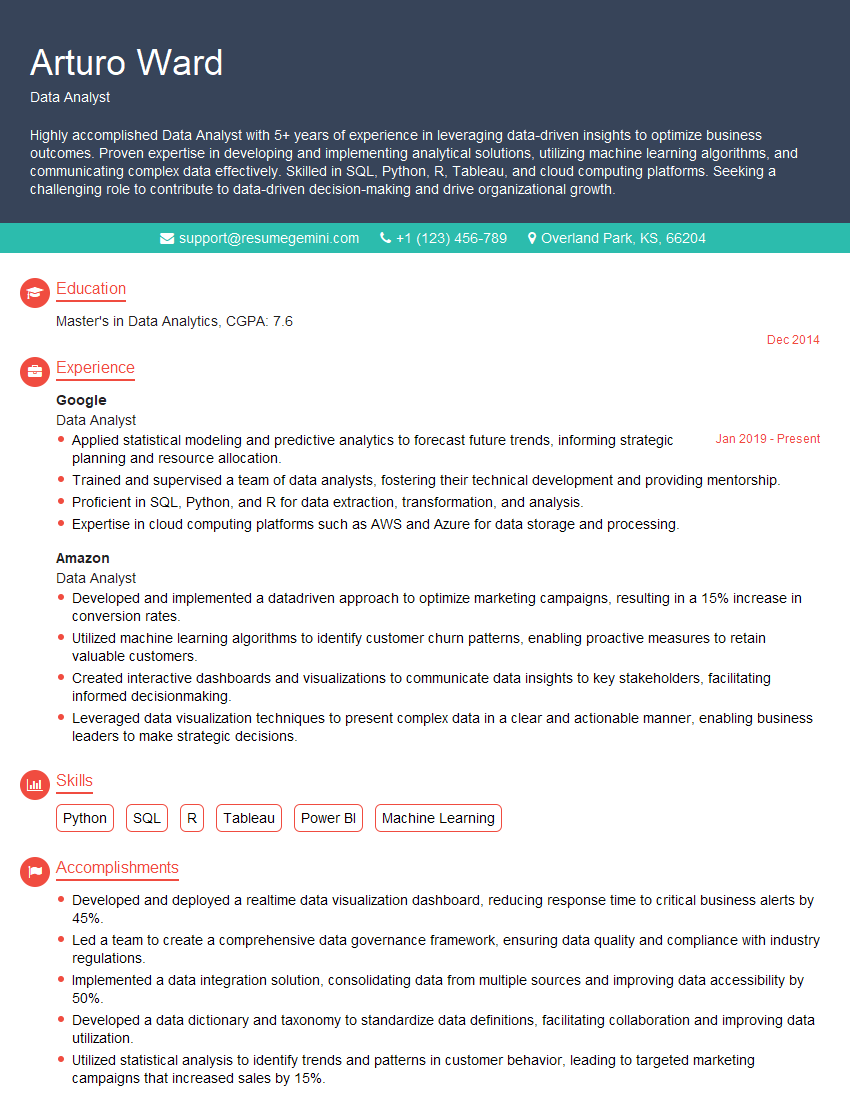
Data Analyst Resume Sample
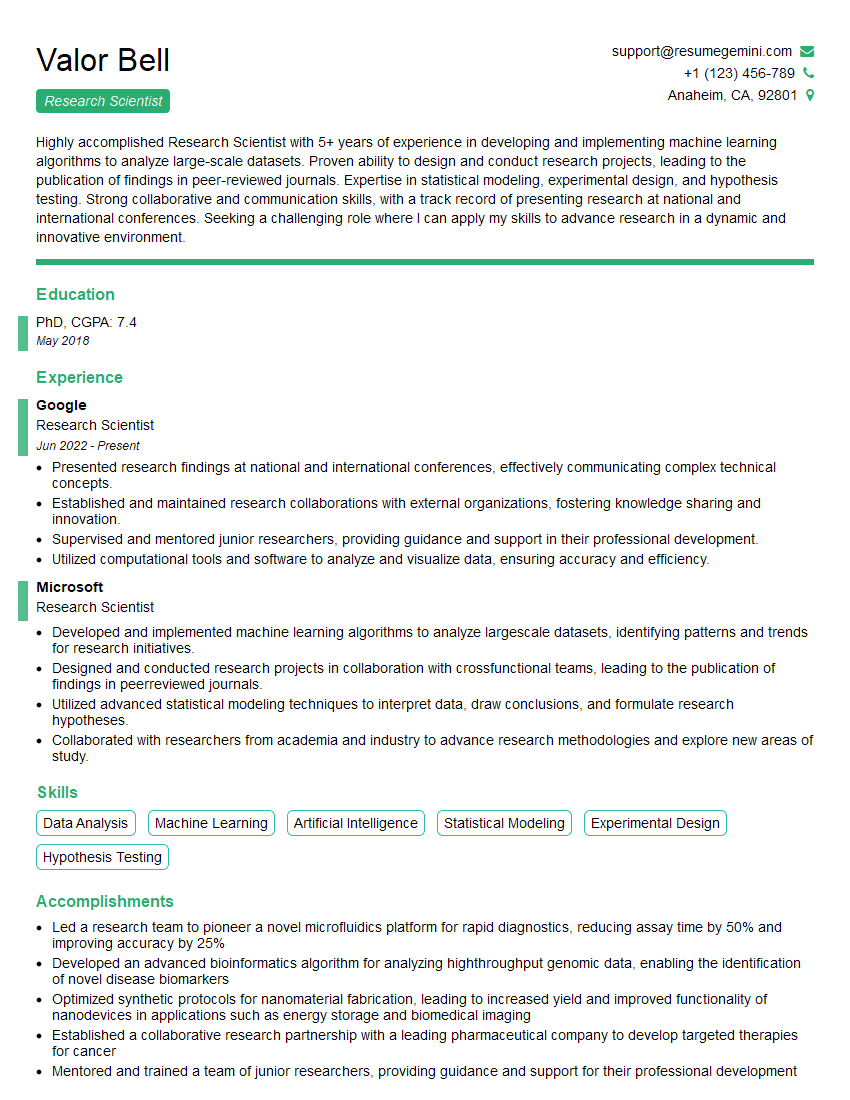
Research Scientist Resume Sample

Software Tester Resume Sample
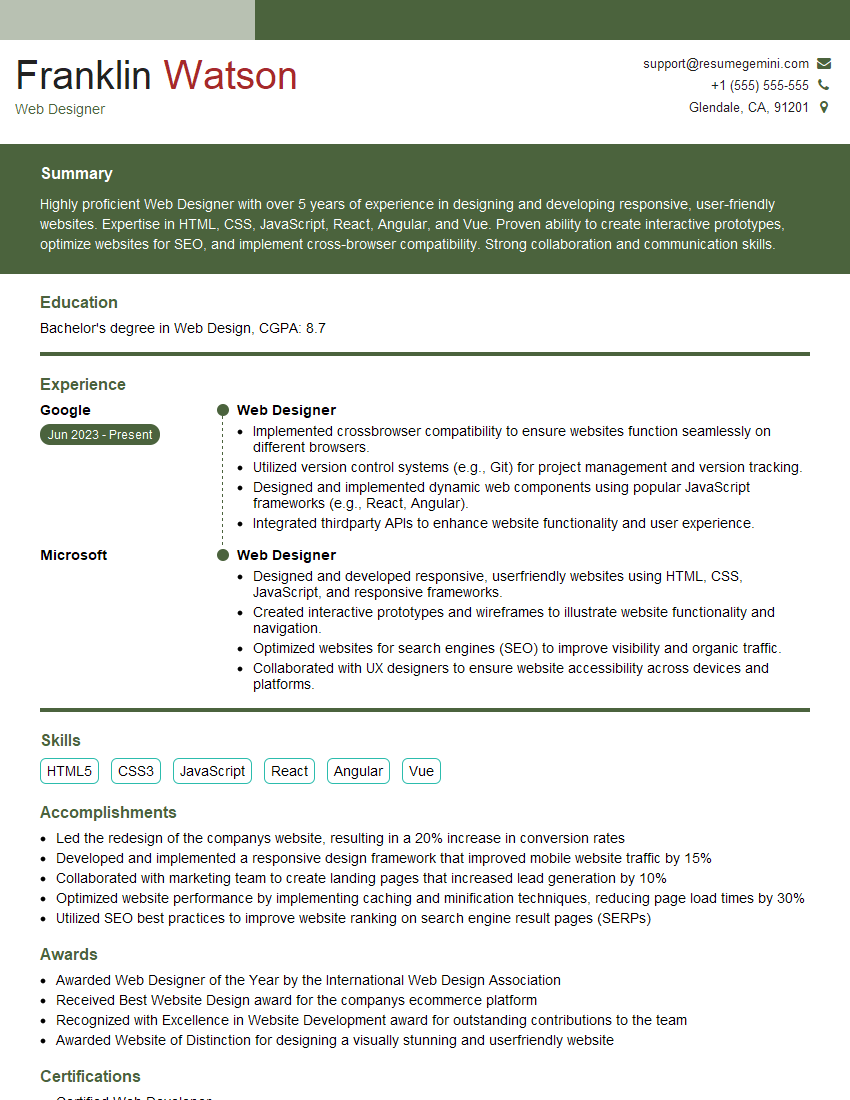
Web Designer Resume Sample
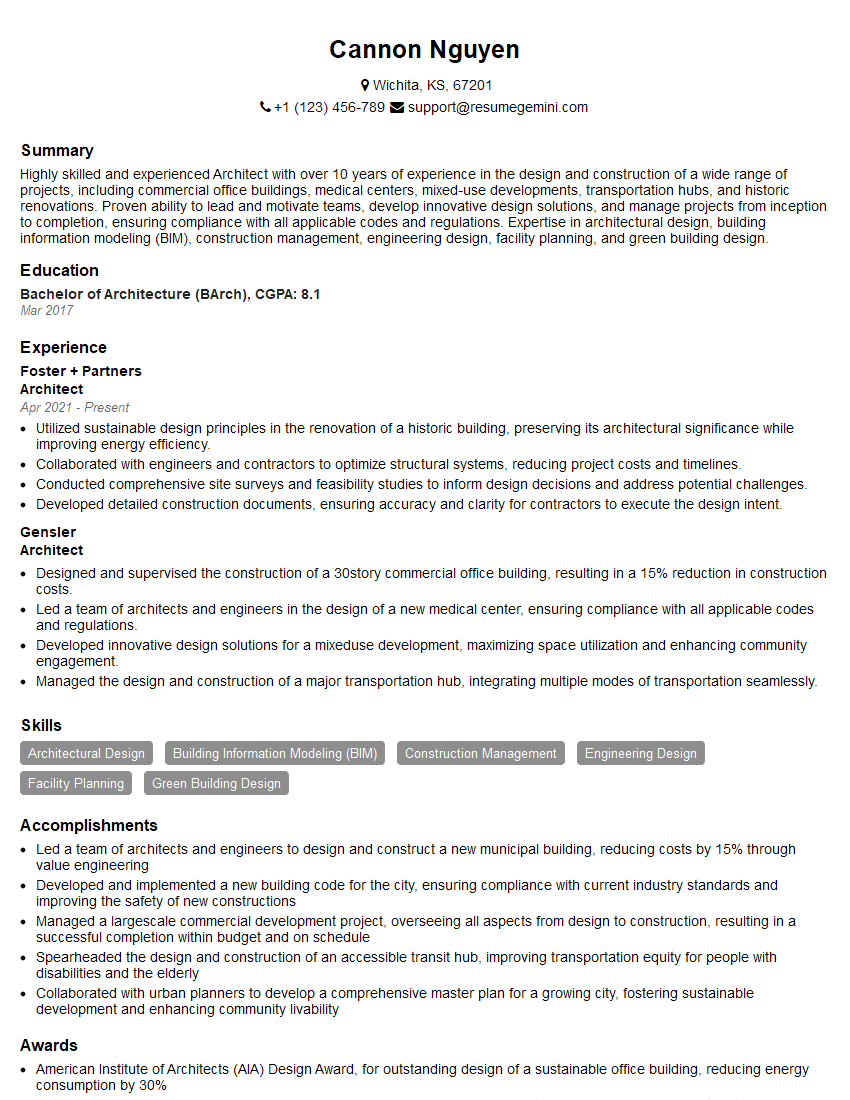
Architect Resume Sample
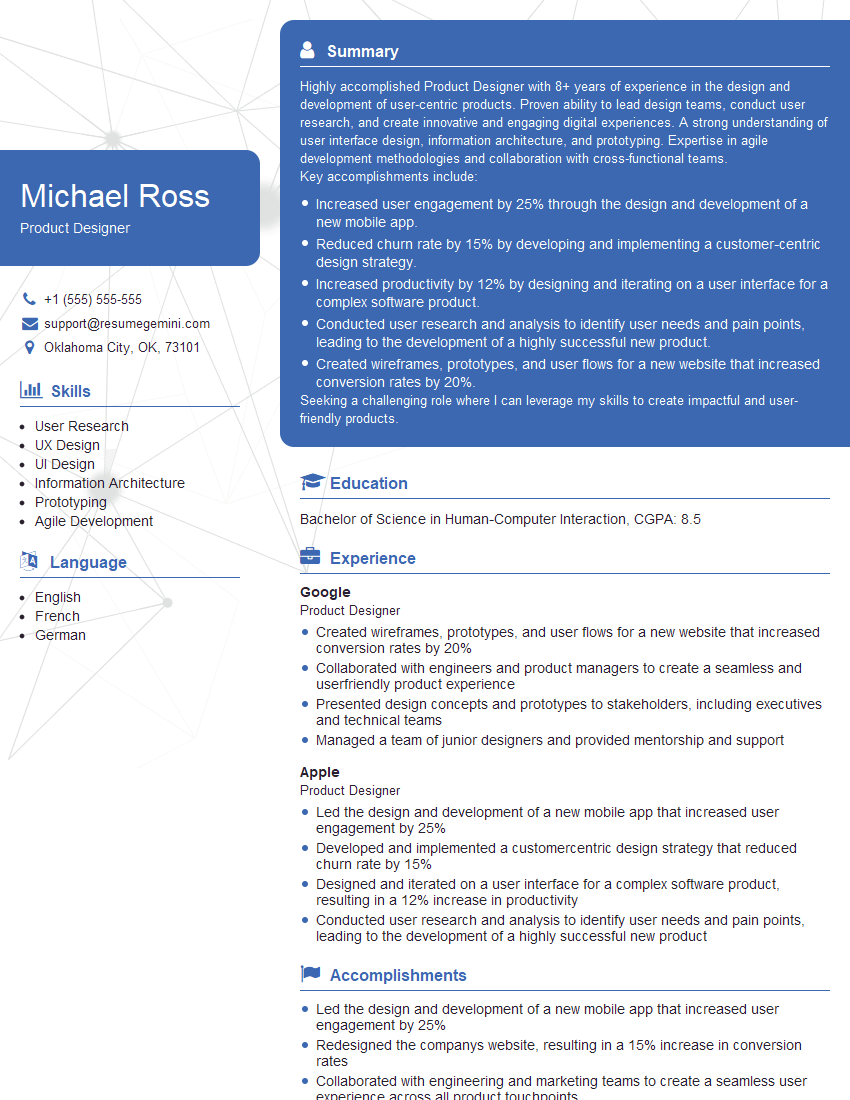
Product Designer Resume Sample
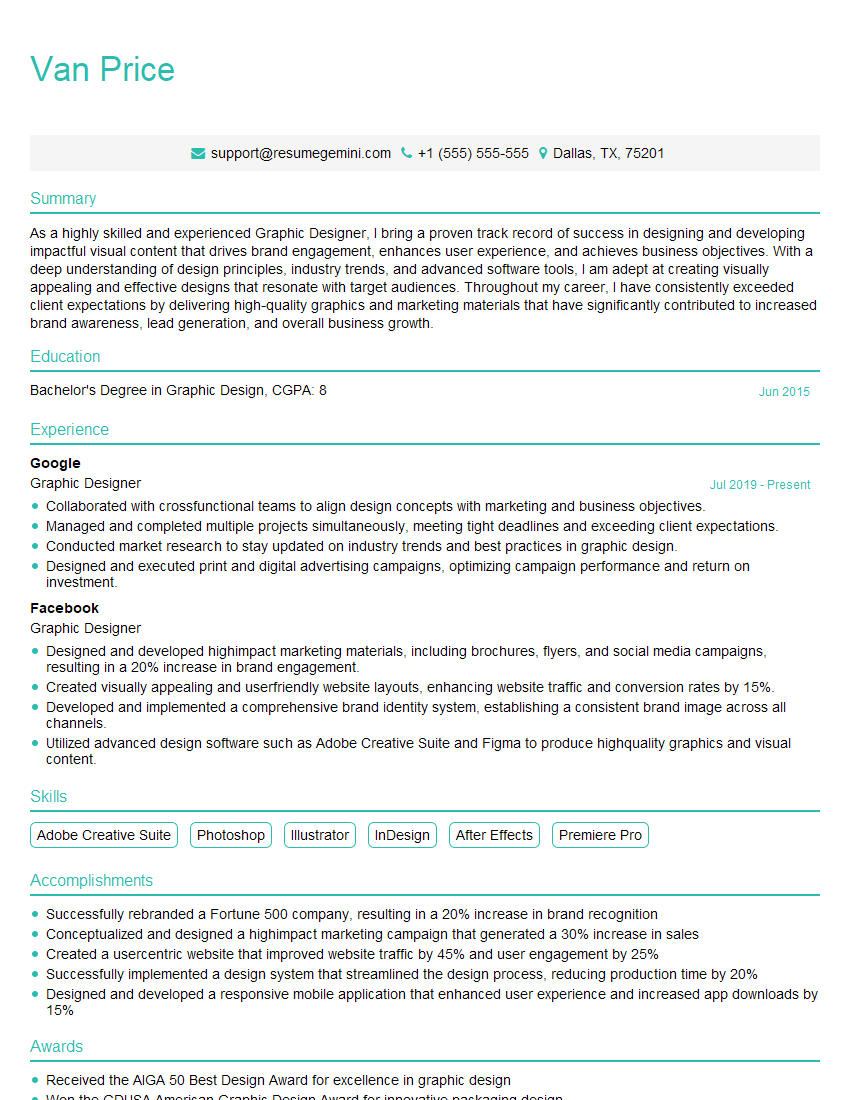
Graphic Designer Resume Sample
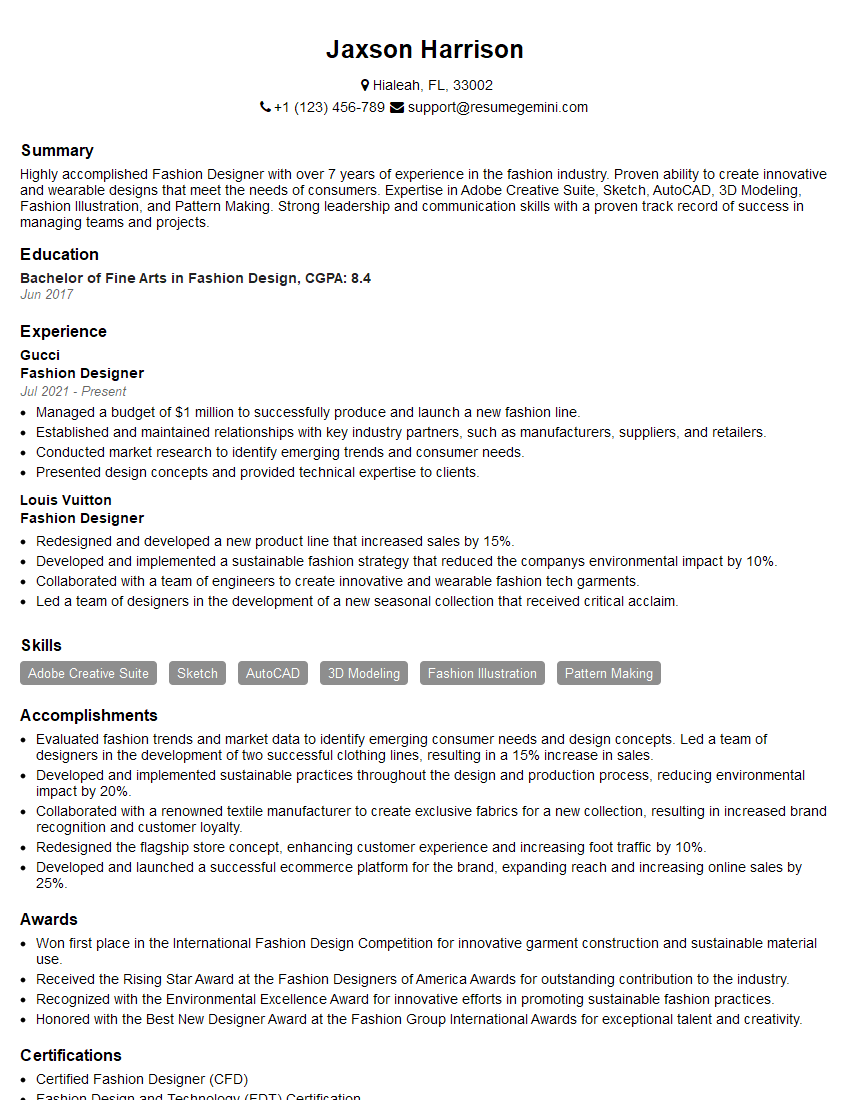
Fashion Designer Resume Sample
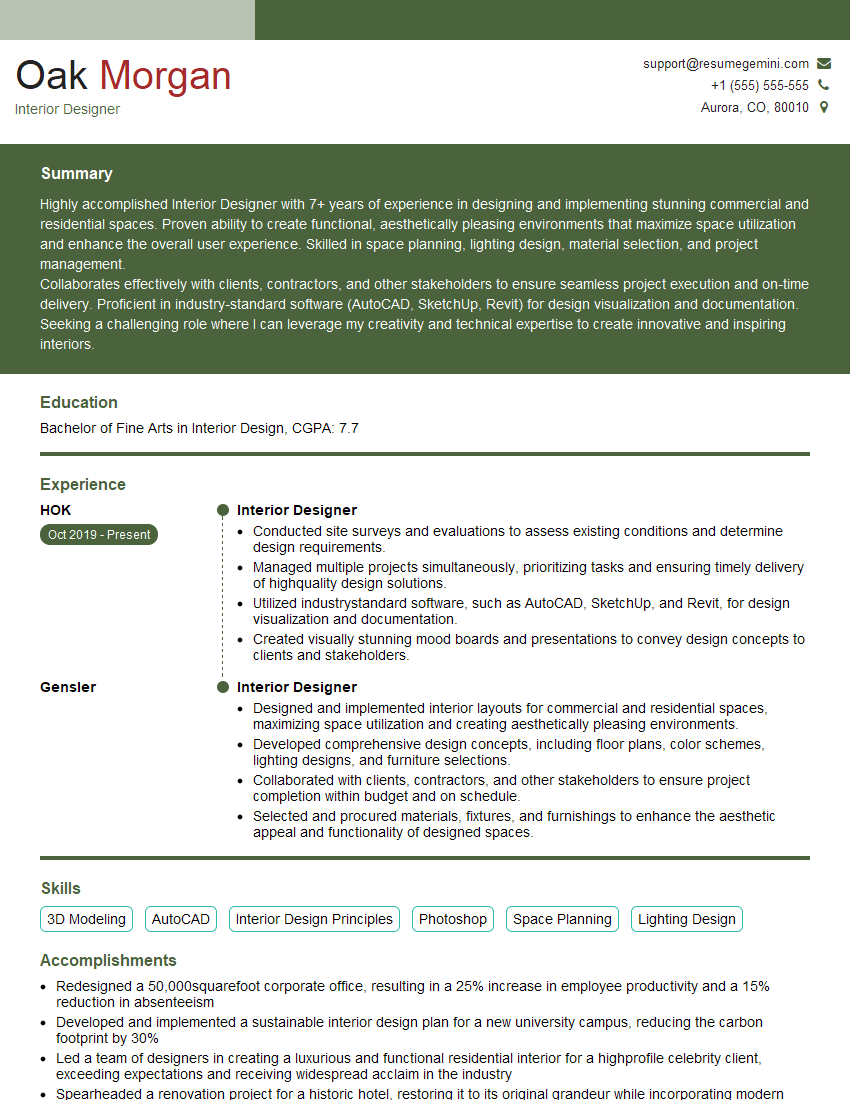
Interior Designer Resume Sample
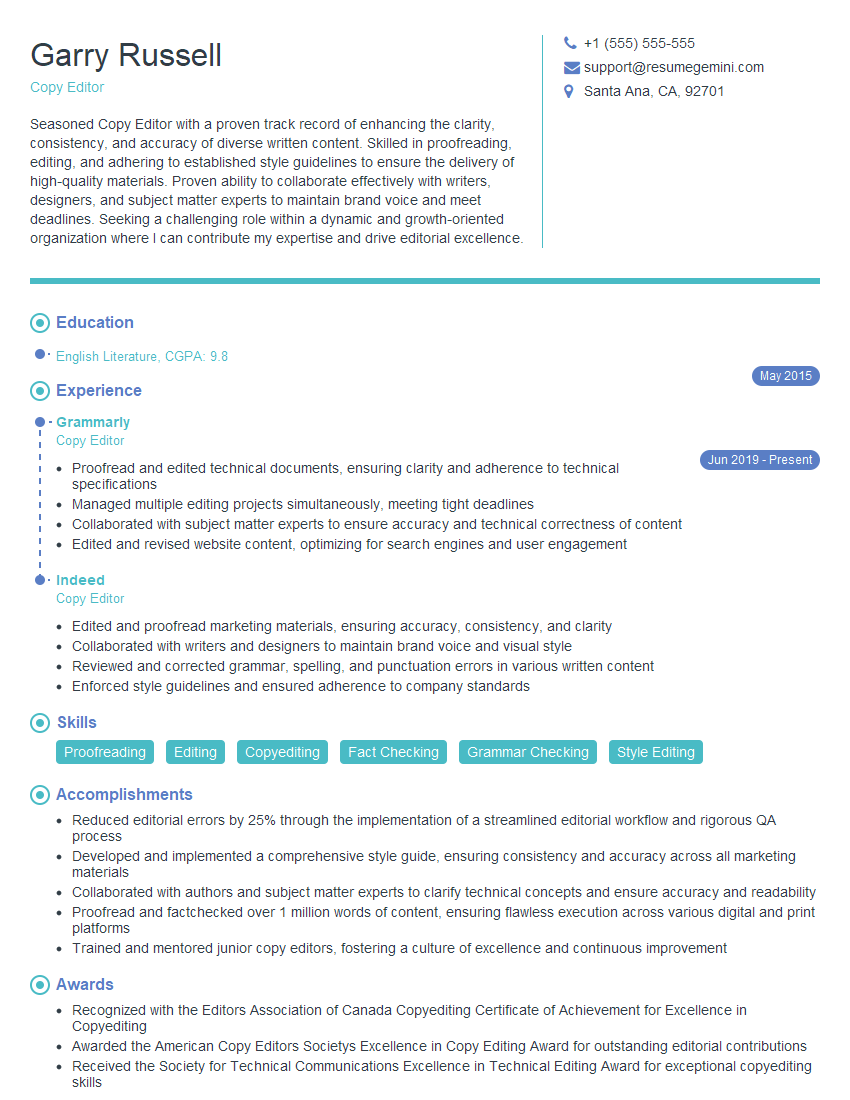
Copy Editor Resume Sample
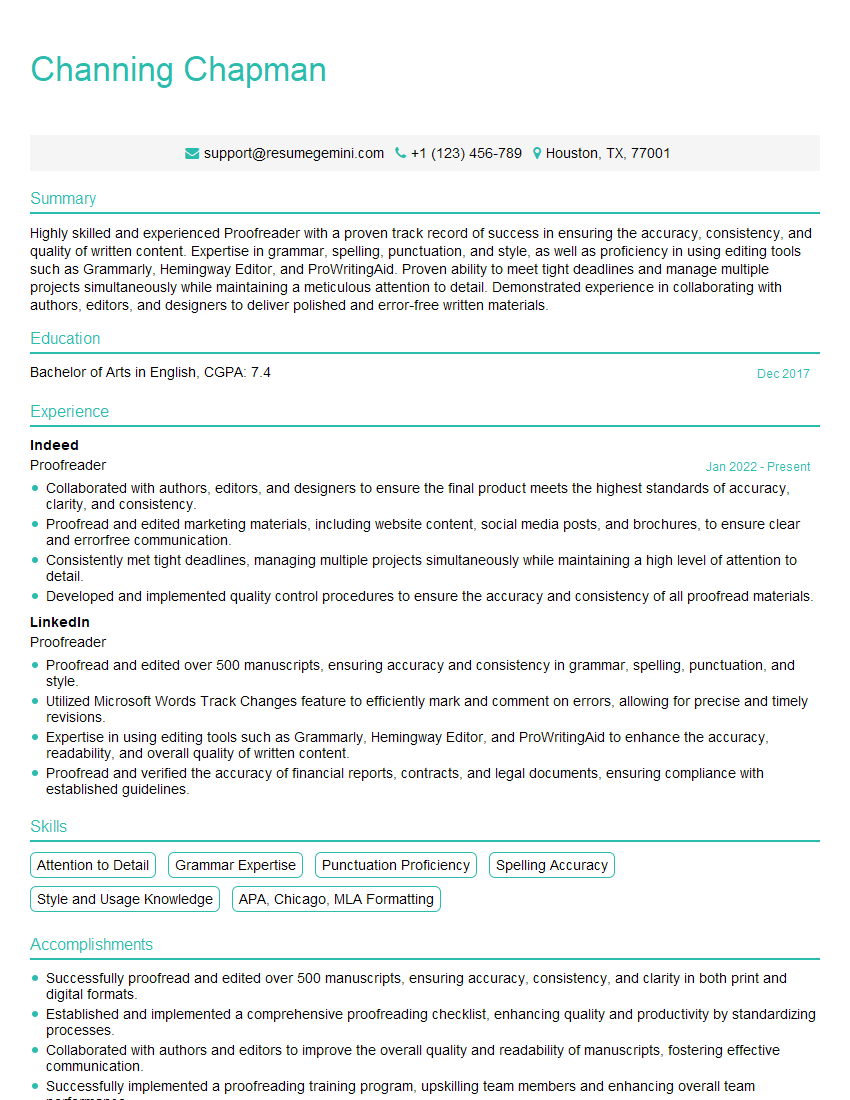
Proofreader Resume Sample

Technical Writer Resume Sample
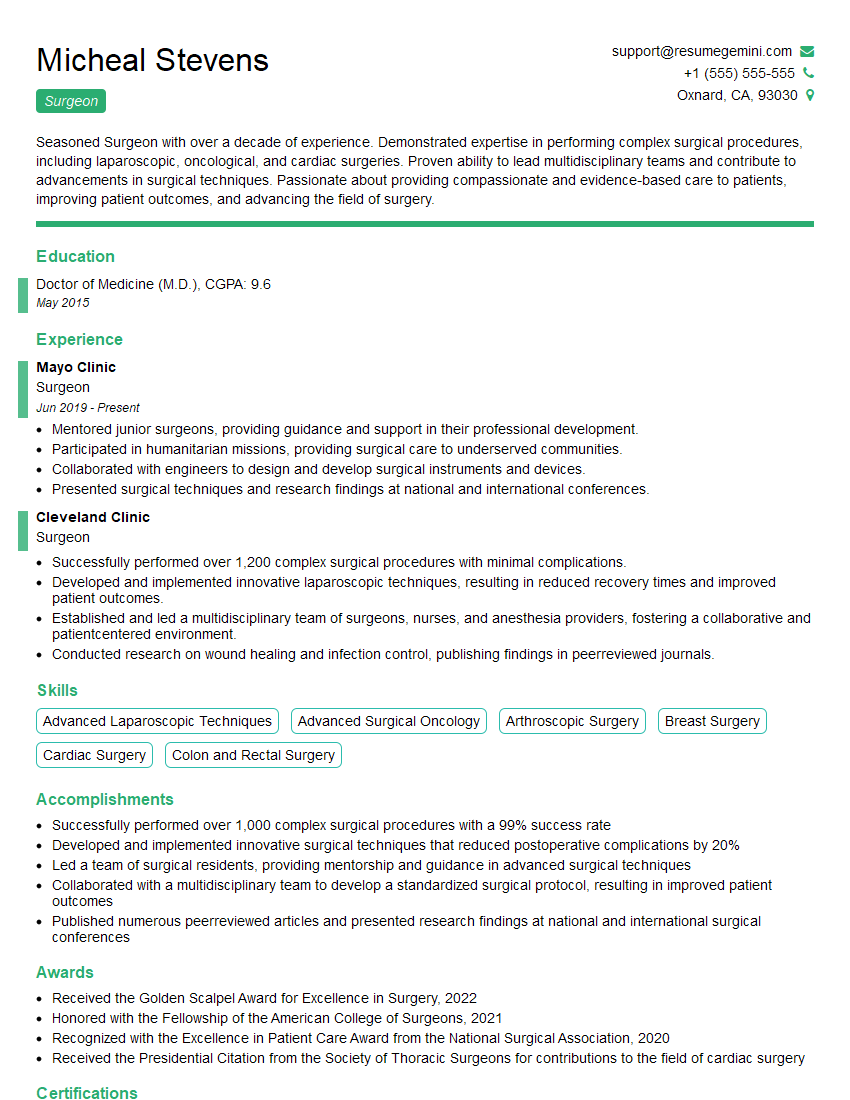
Surgeon Resume Sample
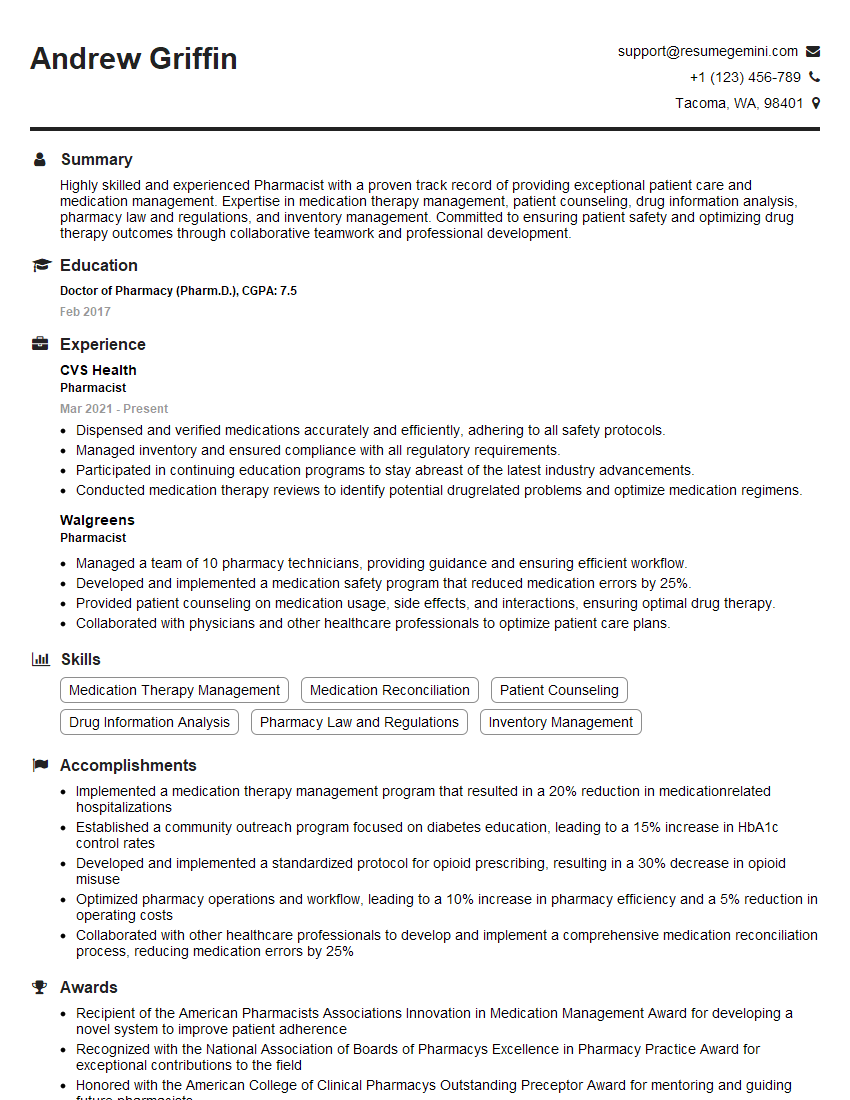
Pharmacist Resume Sample
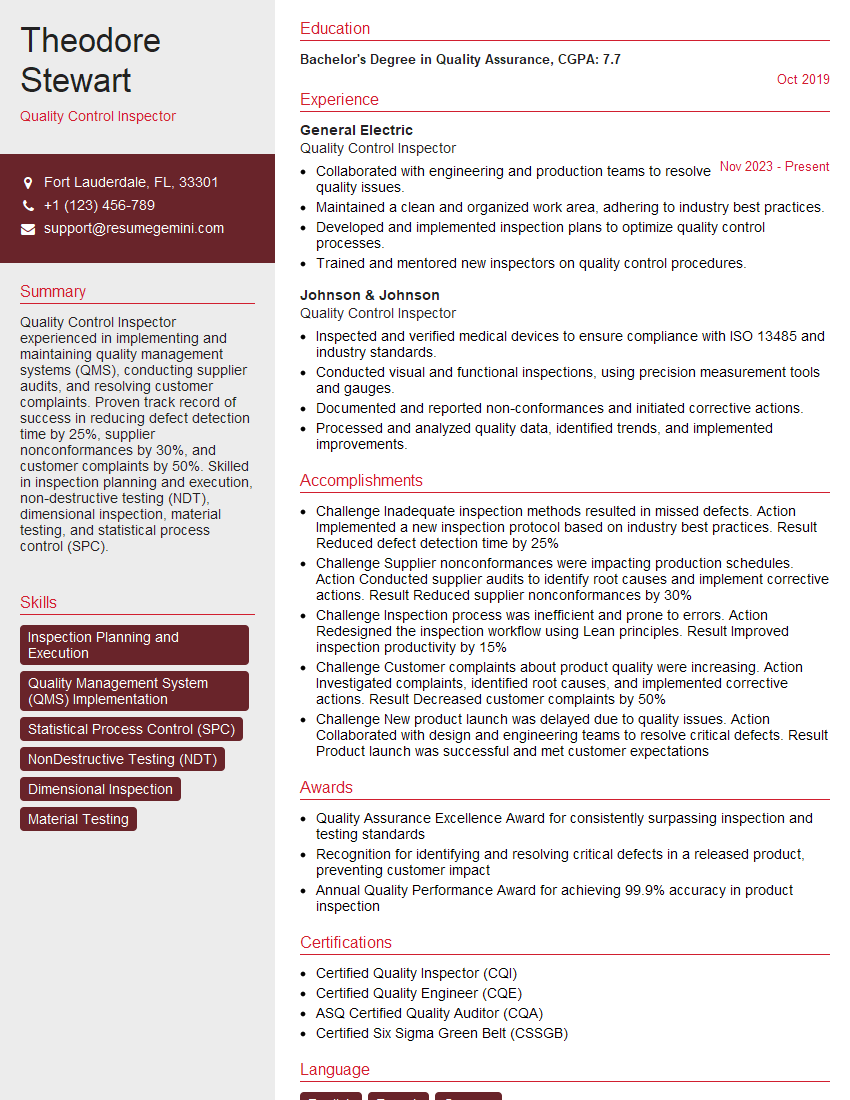
Quality Control Inspector Resume Sample
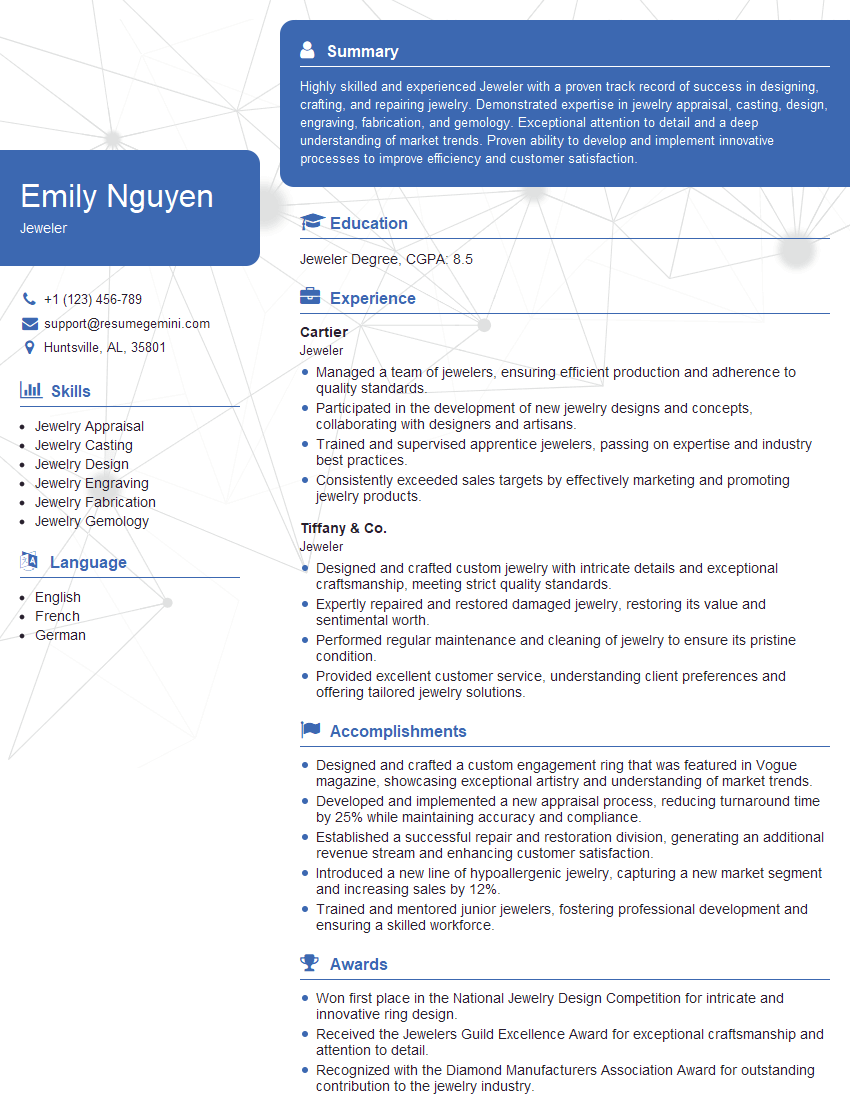
Jeweler Resume Sample
- Operations Manager
- Art Director
- Brand Manager
- Marketing Manager
- Project Manager
- Accountant
- Auditor
- Data Analyst
- Research Scientist
- Software Tester
- Web Designer
- Architect
- Product Designer
- Graphic Designer
- Fashion Designer
- Interior Designer
- Copy Editor
- Proofreader
- Technical Writer
- Surgeon
- Pharmacist
- Quality Control Inspector
- Jeweler
Explore more articles
Users Rating of Our Blogs
Share Your Experience
We value your feedback! Please rate our content and share your thoughts (optional).
What Readers Say About Our Blog
Attention music lovers!
Wow, All the best Sax Summer music !!!
Spotify: https://open.spotify.com/artist/6ShcdIT7rPVVaFEpgZQbUk
Apple Music: https://music.apple.com/fr/artist/jimmy-sax-black/1530501936
YouTube: https://music.youtube.com/browse/VLOLAK5uy_noClmC7abM6YpZsnySxRqt3LoalPf88No
Other Platforms and Free Downloads : https://fanlink.tv/jimmysaxblack
on google : https://www.google.com/search?q=22+AND+22+AND+22
on ChatGPT : https://chat.openai.com?q=who20jlJimmy20Black20Sax20Producer
Get back into the groove with Jimmy sax Black
Best regards,
Jimmy sax Black
www.jimmysaxblack.com
Hi I am a troller at The aquatic interview center and I suddenly went so fast in Roblox and it was gone when I reset.
Hi,
Business owners spend hours every week worrying about their website—or avoiding it because it feels overwhelming.
We’d like to take that off your plate:
$69/month. Everything handled.
Our team will:
Design a custom website—or completely overhaul your current one
Take care of hosting as an option
Handle edits and improvements—up to 60 minutes of work included every month
No setup fees, no annual commitments. Just a site that makes a strong first impression.
Find out if it’s right for you:
https://websolutionsgenius.com/awardwinningwebsites
Hello,
we currently offer a complimentary backlink and URL indexing test for search engine optimization professionals.
You can get complimentary indexing credits to test how link discovery works in practice.
No credit card is required and there is no recurring fee.
You can find details here:
https://wikipedia-backlinks.com/indexing/
Regards
NICE RESPONSE TO Q & A
hi
The aim of this message is regarding an unclaimed deposit of a deceased nationale that bears the same name as you. You are not relate to him as there are millions of people answering the names across around the world. But i will use my position to influence the release of the deposit to you for our mutual benefit.
Respond for full details and how to claim the deposit. This is 100% risk free. Send hello to my email id: lukachachibaialuka@gmail.com
Luka Chachibaialuka
Hey interviewgemini.com, just wanted to follow up on my last email.
We just launched Call the Monster, an parenting app that lets you summon friendly ‘monsters’ kids actually listen to.
We’re also running a giveaway for everyone who downloads the app. Since it’s brand new, there aren’t many users yet, which means you’ve got a much better chance of winning some great prizes.
You can check it out here: https://bit.ly/callamonsterapp
Or follow us on Instagram: https://www.instagram.com/callamonsterapp
Thanks,
Ryan
CEO – Call the Monster App
Hey interviewgemini.com, I saw your website and love your approach.
I just want this to look like spam email, but want to share something important to you. We just launched Call the Monster, a parenting app that lets you summon friendly ‘monsters’ kids actually listen to.
Parents are loving it for calming chaos before bedtime. Thought you might want to try it: https://bit.ly/callamonsterapp or just follow our fun monster lore on Instagram: https://www.instagram.com/callamonsterapp
Thanks,
Ryan
CEO – Call A Monster APP
To the interviewgemini.com Owner.
Dear interviewgemini.com Webmaster!
Hi interviewgemini.com Webmaster!
Dear interviewgemini.com Webmaster!
excellent
Hello,
We found issues with your domain’s email setup that may be sending your messages to spam or blocking them completely. InboxShield Mini shows you how to fix it in minutes — no tech skills required.
Scan your domain now for details: https://inboxshield-mini.com/
— Adam @ InboxShield Mini
support@inboxshield-mini.com
Reply STOP to unsubscribe
Hi, are you owner of interviewgemini.com? What if I told you I could help you find extra time in your schedule, reconnect with leads you didn’t even realize you missed, and bring in more “I want to work with you” conversations, without increasing your ad spend or hiring a full-time employee?
All with a flexible, budget-friendly service that could easily pay for itself. Sounds good?
Would it be nice to jump on a quick 10-minute call so I can show you exactly how we make this work?
Best,
Hapei
Marketing Director
Hey, I know you’re the owner of interviewgemini.com. I’ll be quick.
Fundraising for your business is tough and time-consuming. We make it easier by guaranteeing two private investor meetings each month, for six months. No demos, no pitch events – just direct introductions to active investors matched to your startup.
If youR17;re raising, this could help you build real momentum. Want me to send more info?
Hi, I represent an SEO company that specialises in getting you AI citations and higher rankings on Google. I’d like to offer you a 100% free SEO audit for your website. Would you be interested?
Hi, I represent an SEO company that specialises in getting you AI citations and higher rankings on Google. I’d like to offer you a 100% free SEO audit for your website. Would you be interested?