Cracking a skill-specific interview, like one for Safety Management Systems Development, requires understanding the nuances of the role. In this blog, we present the questions you’re most likely to encounter, along with insights into how to answer them effectively. Let’s ensure you’re ready to make a strong impression.
Questions Asked in Safety Management Systems Development Interview
Q 1. Describe your experience implementing a Safety Management System (SMS).
My experience implementing Safety Management Systems (SMS) spans over ten years, across diverse industries including aviation and construction. In aviation, I led the implementation of an SMS compliant with ICAO Annex 19, focusing on proactive hazard identification, risk mitigation, and safety performance monitoring. This involved developing comprehensive safety policies, procedures, and training programs. In construction, I guided a large-scale project in developing and implementing an SMS aligned with ISO 45001, emphasizing worker safety and incident prevention. This included conducting thorough risk assessments, establishing robust reporting systems, and fostering a strong safety culture through regular audits and management reviews. A key success was a significant reduction in Lost Time Injuries (LTIs) in both projects.
For example, in the construction project, we implemented a system of daily toolbox talks and near-miss reporting, fostering a culture of open communication and proactive hazard identification. This led to early detection and mitigation of potential hazards, directly contributing to the reduction in incidents.
Q 2. Explain the key elements of a robust SMS.
A robust SMS comprises several key elements, working synergistically to achieve a safe operating environment. Think of it as a pyramid, with a strong foundation supporting the upper levels:
- Safety Policy and Objectives: A clear, concise statement of commitment to safety, defining goals and responsibilities.
- Hazard Identification and Risk Assessment: Proactive identification of hazards and assessment of their associated risks. This often involves using tools like HAZOP (Hazard and Operability Study) or bow-tie analysis.
- Risk Control and Mitigation: Implementing measures to eliminate or reduce risks, ranging from engineering controls to administrative controls and personal protective equipment (PPE).
- Incident Reporting and Investigation: A system for reporting incidents, conducting thorough investigations to understand root causes, and implementing corrective actions to prevent recurrence.
- Safety Training and Communication: Providing comprehensive safety training to all personnel and fostering open communication about safety concerns. Effective communication is crucial; it’s not enough to just have rules, everyone needs to understand the “why” behind them.
- Safety Performance Monitoring and Measurement: Tracking key safety indicators (KSIs) like accident rates, near misses, and observation data to measure the effectiveness of the SMS and identify areas for improvement.
- Management Oversight and Review: Regular management reviews to assess the effectiveness of the SMS and ensure continuous improvement. This is vital; safety should never be a “one-time fix.”
Q 3. How do you conduct a hazard identification and risk assessment?
Hazard identification and risk assessment is a systematic process to identify potential hazards and evaluate their likelihood and severity. I typically use a multi-faceted approach:
- Hazard Identification: This can involve various techniques like brainstorming, checklists, job safety analyses (JSAs), HAZOP studies, and site inspections. I encourage participation from all levels of the organization to gain a comprehensive understanding of the workplace hazards.
- Risk Assessment: Once hazards are identified, I assess the likelihood and severity of each hazard using a risk matrix (discussed later). This helps prioritize risks and allocate resources effectively.
- Risk Control: Based on the risk assessment, appropriate control measures are implemented to eliminate or reduce risks. This follows a hierarchy of controls: elimination, substitution, engineering controls, administrative controls, and lastly, personal protective equipment (PPE).
- Documentation: All findings from hazard identification and risk assessment, along with implemented controls, are meticulously documented and regularly reviewed.
For example, in a construction site, we identified the hazard of falling objects. Our risk assessment showed a high likelihood and severity, necessitating engineering controls (e.g., scaffolding, netting) and administrative controls (e.g., designated work areas, supervision).
Q 4. What are the common SMS standards (e.g., ISO 45001)?
Several widely recognized standards guide SMS development and implementation.
- ISO 45001: This international standard specifies requirements for an occupational health and safety management system, promoting safe and healthy workplaces.
- ICAO Annex 19 – Safety Management: This is the international standard for safety management in the aviation industry, promoting a proactive approach to safety risk management.
- AS/NZS 4801: This Australian/New Zealand standard focuses on occupational health and safety management systems, similar in scope to ISO 45001.
These standards provide a framework for developing and implementing SMS, although specific requirements may vary based on the industry and organization’s context. Compliance with these standards helps demonstrate a commitment to safety and can lead to improved safety performance.
Q 5. Describe your experience with incident investigation and reporting.
My experience with incident investigation and reporting includes leading investigations into various incidents, from near misses to serious accidents. My approach follows a structured process:
- Incident Reporting: Ensuring a system for prompt and accurate reporting of all incidents, near misses, and hazards. Clear reporting procedures build trust and encourage reporting.
- Investigation: Conducting a thorough investigation to determine the root cause(s) of the incident. This usually involves gathering evidence (witness statements, photos, data logs), analyzing the sequence of events, and identifying contributing factors. I typically use tools like the “5 Whys” to drill down to root causes.
- Corrective Actions: Implementing corrective actions to prevent recurrence. These actions could range from modifying equipment to improving procedures or enhancing training.
- Reporting and Communication: Documenting the investigation findings and communicating them to relevant personnel. Transparency and sharing lessons learned are critical in preventing future incidents.
For example, I once investigated a near-miss incident where a worker nearly fell from a height. The investigation revealed inadequate safety harness inspection procedures. We implemented a new, more stringent inspection process and updated worker training, significantly reducing the risk of similar incidents.
Q 6. How do you measure the effectiveness of an SMS?
Measuring SMS effectiveness is crucial for continuous improvement. This involves tracking Key Safety Indicators (KSIs) and conducting regular audits:
- Leading Indicators: These predict future performance. Examples include the number of safety training hours, near-miss reports, and safety audits conducted. Improvements here suggest a proactive safety culture.
- Lagging Indicators: These measure past performance. Examples include the number of accidents, injuries, and lost time incidents (LTIs). Reductions in lagging indicators demonstrate success.
- Audits: Regular internal and external audits assess compliance with standards, policies, and procedures. Gaps identified during audits provide opportunities for improvement.
- Surveys and Feedback: Gathering feedback from employees through surveys or focus groups helps identify areas of concern and improve the SMS.
By analyzing these indicators over time, I can identify trends and assess the overall effectiveness of the SMS in reducing risks and improving safety performance.
Q 7. Explain your understanding of risk matrix and its application.
A risk matrix is a tool used to visually represent the likelihood and severity of identified risks. It typically uses a grid where the likelihood (probability of occurrence) is plotted against the severity (potential consequences) of the hazard. Each cell in the grid represents a risk level (e.g., low, medium, high, critical). The risk level guides the selection of appropriate control measures.
Example Risk Matrix:
Severity (Consequence): Low, Medium, High, Catastrophic
Likelihood (Probability): Low, Medium, High
The intersection of Likelihood and Severity determines the risk level. For example, a High Likelihood and High Severity would result in a Critical risk, requiring immediate action. A Low Likelihood and Low Severity would result in a Low risk requiring less immediate action.
This allows for prioritization; critical risks receive the most attention and resources, while low risks may require less immediate action. The matrix is subjective and should be tailored to the specific context and risk tolerance of the organization.
Q 8. What are the key performance indicators (KPIs) for an SMS?
Key Performance Indicators (KPIs) for a Safety Management System (SMS) are crucial for measuring its effectiveness. They shouldn’t just track incidents, but also the proactive measures in place to prevent them. A well-rounded set of KPIs provides a holistic view of safety performance.
- Leading Indicators: These predict future safety performance. Examples include the number of safety training hours completed, the completion rate of safety audits, the number of hazard reports submitted, and the percentage of safety recommendations implemented. A high number of hazard reports, for instance, might indicate a strong safety culture where employees feel comfortable raising concerns.
- Lagging Indicators: These reflect past performance. Examples include the number of accidents, near misses, lost-time injuries (LTIs), and the severity rate. While important, relying solely on lagging indicators is reactive; addressing leading indicators is proactive.
- Process Indicators: These monitor the effectiveness of specific safety processes. Examples include the time taken to investigate incidents, the time taken to implement corrective actions, and the effectiveness of emergency response drills. A long investigation time might point to inefficiencies within the investigation process.
The specific KPIs will vary depending on the industry and the nature of the organization. It’s important to select KPIs that are relevant, measurable, achievable, relevant, and time-bound (SMART).
Q 9. How do you communicate safety information to various stakeholders?
Effective communication is paramount to a successful SMS. It’s not a one-size-fits-all approach; tailoring the message and method to the specific audience is crucial.
- Toolbox Talks: Short, informal discussions at the start of shifts to address specific safety concerns. These are perfect for quick reminders and addressing immediate hazards.
- Formal Training Sessions: Structured programs for comprehensive safety instruction, often involving hands-on demonstrations and assessments. These are ideal for imparting detailed knowledge and skills.
- Safety Newsletters/Emails: Regular updates on safety performance, new regulations, and success stories. These can reach a wider audience effectively.
- Posters and Signage: Visual reminders in high-traffic areas. This is particularly useful for conveying simple messages clearly and concisely.
- Incident Reporting System: A system for reporting and investigating safety incidents, ensuring transparency and continuous improvement. This promotes a culture of accountability and learning.
- Safety Meetings: Regular meetings involving all stakeholders to discuss safety concerns, progress, and upcoming initiatives. These foster a collaborative safety culture.
In my experience, a multi-faceted approach – combining different methods – is the most effective. For example, I’ve found success using toolbox talks to address immediate hazards observed on site and supplementing it with a monthly newsletter containing more comprehensive safety updates.
Q 10. Describe your experience with safety training and development.
My experience in safety training and development spans diverse industries, including manufacturing and construction. I’ve designed and delivered training programs on topics ranging from hazard identification and risk assessment to emergency response procedures and safe work practices. My approach emphasizes practical application and hands-on training.
For example, in a recent project for a manufacturing plant, I developed a comprehensive training program on lockout/tagout procedures. This included classroom instruction covering the theoretical aspects, followed by practical demonstrations and simulated scenarios to help participants develop proficiency in these life-saving procedures. We incorporated interactive elements, such as quizzes and case studies, to ensure engagement and knowledge retention. The program was tailored to the specific hazards present in the plant, ensuring its relevance and effectiveness.
I also have experience in developing competency-based training programs, where training is tailored to the specific skills required for each role, ensuring employees receive the necessary training to perform their tasks safely and effectively. I leverage various training methodologies, including simulations, role-playing, and on-the-job training, to ensure learning is both engaging and practical.
Q 11. Explain your experience with safety audits and inspections.
Safety audits and inspections are critical for identifying potential hazards and ensuring compliance with safety regulations. My experience includes conducting both internal and external audits, using established checklists and industry best practices.
I approach audits systematically, starting with a thorough review of relevant documentation, such as safety policies, procedures, and training records. This is followed by on-site inspections to visually assess workplaces, equipment, and employee practices. I always document my findings meticulously, including photographs and detailed descriptions of any non-conformances. The findings are then communicated to management, along with recommendations for corrective actions.
For example, during an audit of a construction site, I identified a lack of appropriate fall protection measures. This resulted in immediate corrective action, including the provision of appropriate harnesses and safety nets. The follow-up audit confirmed the corrective actions were effectively implemented.
I understand the importance of clear and concise reporting, ensuring the information is easily understood and actionable. I’ve found the use of a standardized reporting format – including a severity scale for non-conformances – significantly improves the efficiency and effectiveness of the audit process.
Q 12. How do you manage safety-related emergencies?
Effective emergency management requires a proactive approach, not just a reactive one. My experience involves developing and implementing emergency response plans tailored to specific risks.
This process begins with a thorough hazard analysis to identify potential emergencies and their likelihood. Then, I develop detailed emergency procedures, including evacuation plans, communication protocols, and roles and responsibilities for each team member. Regular emergency drills are crucial to ensure the plan’s effectiveness and to train personnel on their roles. Post-drill reviews allow for continuous improvement.
For example, in a previous role, I developed an emergency response plan for a chemical processing plant. This plan included specific procedures for handling chemical spills, fires, and medical emergencies. It also included detailed communication protocols to ensure effective coordination among emergency response teams and external agencies.
Beyond the written plan, fostering a culture of preparedness is vital. This involves providing employees with the necessary training and equipment and empowering them to take immediate action when necessary. Regular communication and updates keep the plan relevant and the workforce informed.
Q 13. What is your experience with safety-related legislation and regulations?
Staying current with safety-related legislation and regulations is paramount. My experience includes working with a range of regulations, including OSHA (Occupational Safety and Health Administration) in the US and similar international standards. I understand that these regulations are constantly evolving, requiring continuous learning and adaptation.
My strategy involves subscribing to relevant newsletters and publications, attending industry conferences, and participating in professional development courses. I utilize online resources and legal databases to stay updated on the latest changes and interpretations of regulations. This ensures that our safety management systems are always compliant and aligned with the latest legal requirements.
For instance, I was instrumental in ensuring compliance with new regulations regarding hazardous waste disposal at a previous organization. This involved reviewing existing procedures, updating them to meet the new requirements, and providing training to staff on the revised procedures. This proactive approach prevented potential non-compliance issues and potential legal ramifications.
Q 14. How do you ensure compliance with safety standards?
Ensuring compliance with safety standards is an ongoing process, not a one-time event. It requires a multi-layered approach encompassing policy, procedures, training, and auditing.
Firstly, a strong foundation lies in establishing a comprehensive safety policy that clearly outlines the organization’s commitment to safety and compliance. This policy should be easily accessible to all employees. This policy then needs to be translated into detailed procedures that provide clear guidance on how to comply with the standards in practice.
Regular training and competency assessment ensure employees are equipped with the knowledge and skills to perform their tasks safely and comply with the standards. Finally, internal and external audits are essential for identifying any deviations from the established standards, allowing for corrective actions to be put in place promptly. Regular monitoring and review of KPIs also play a critical role in ensuring continuous compliance.
For example, I’ve used a systematic gap analysis approach to identify discrepancies between our existing practices and a new safety standard. This involved comparing our existing policies, procedures, and training materials with the requirements of the standard. The gap analysis helped prioritize areas needing improvement and develop a plan for achieving full compliance.
Q 15. Describe your experience with safety management software.
My experience with safety management software spans over ten years, encompassing various platforms and methodologies. I’ve worked with both bespoke systems and commercial off-the-shelf (COTS) solutions, including those focused on incident reporting, risk assessment, permit-to-work, and training management. For example, I implemented a BowTie XP system in a large manufacturing facility, significantly improving the efficiency of risk assessment and control documentation. This involved not only the technical setup and configuration but also the crucial task of user training and process integration within the existing safety management system (SMS). In another project, I integrated a mobile-based reporting app with a central database to facilitate real-time incident reporting and analysis, resulting in a 20% reduction in reporting delays. My experience extends to data analysis and report generation, using software to track key performance indicators (KPIs) and identify areas for improvement. I am proficient in data mining to highlight trends and patterns, supporting proactive hazard identification and risk mitigation.
Career Expert Tips:
- Ace those interviews! Prepare effectively by reviewing the Top 50 Most Common Interview Questions on ResumeGemini.
- Navigate your job search with confidence! Explore a wide range of Career Tips on ResumeGemini. Learn about common challenges and recommendations to overcome them.
- Craft the perfect resume! Master the Art of Resume Writing with ResumeGemini’s guide. Showcase your unique qualifications and achievements effectively.
- Don’t miss out on holiday savings! Build your dream resume with ResumeGemini’s ATS optimized templates.
Q 16. How do you identify and mitigate potential hazards in a workplace?
Identifying and mitigating potential hazards requires a systematic approach. It begins with a thorough hazard identification process, typically involving techniques like job safety analyses (JSAs), hazard and operability studies (HAZOPs), and walkthroughs. These methods help uncover potential dangers inherent in tasks, equipment, and the work environment. For example, a JSA for operating a forklift would identify hazards like collisions, tip-overs, and dropped loads. Once hazards are identified, a risk assessment follows, evaluating the likelihood and severity of each hazard. This often employs a risk matrix to categorize risks as low, medium, or high. Mitigation strategies are then developed based on this risk assessment, prioritizing higher-risk hazards. Controls can range from administrative controls (like training and procedures) to engineering controls (like guards or safety interlocks) and personal protective equipment (PPE). For instance, to mitigate the risk of forklift collisions, we could implement speed limits, designated traffic routes, and improved visibility measures. Regular inspections and audits are crucial to ensure the effectiveness of these controls.
Q 17. How do you develop and implement safety procedures?
Developing and implementing safety procedures requires a collaborative and iterative process. It starts with clearly defining the task or activity, identifying potential hazards, and specifying control measures. Procedures should be written clearly, concisely, and in a language understandable to all workers. They must also be readily accessible. For instance, a lock-out/tag-out (LOTO) procedure should detail the steps for isolating equipment, verifying isolation, and preventing accidental re-energization. After drafting procedures, they undergo review and feedback from relevant stakeholders, including workers, supervisors, and safety professionals. This ensures the procedures are practical, effective, and aligned with best practices. Training is essential; workers must be adequately trained on the procedures before implementation. Regular review and updates are crucial to keep procedures current and relevant, adapting them to changing work practices and technology. The effectiveness of the procedures is tracked through audits, incident investigations, and employee feedback.
Q 18. Explain your experience with proactive safety measures.
Proactive safety measures are crucial for preventing incidents before they occur. My experience includes implementing various proactive measures, including leading indicator programs, predictive maintenance schedules, and safety campaigns. For example, in one project, we implemented a leading indicator program to track near misses and unsafe acts. By analyzing these data, we identified trends and implemented corrective actions before they resulted in accidents. Predictive maintenance, using data analytics and condition monitoring, allows for proactive equipment maintenance, reducing the likelihood of equipment failures that could lead to accidents. Safety campaigns, focusing on specific hazards or behaviors, raise awareness and promote safe work practices. We implemented a highly successful campaign focusing on ergonomic best practices to reduce the number of musculoskeletal injuries. These proactive measures were complemented by regular safety training, toolbox talks, and safety audits to reinforce safe behaviors and identify potential problems early.
Q 19. What is your approach to continuous improvement in SMS?
My approach to continuous improvement in SMS is built on a Plan-Do-Check-Act (PDCA) cycle. This iterative process involves planning improvements, implementing them, checking their effectiveness, and acting based on the results. We use data-driven decision making, analyzing key safety performance indicators (KPIs) to identify areas requiring improvement. For example, if incident rates for a particular task are high, we will analyze the associated data to determine the root cause and implement corrective actions. We leverage feedback from safety audits, incident investigations, and employee suggestions. Regular management reviews ensure progress is tracked and necessary adjustments are made. We also keep abreast of industry best practices and emerging technologies to continually enhance our SMS. Implementing change control processes is critical to manage and document changes to SMS, ensuring the system remains effective and efficient.
Q 20. How do you handle conflicts related to safety issues?
Handling conflicts related to safety issues requires a fair, impartial, and collaborative approach. Open communication is vital; all parties involved should be given the opportunity to express their concerns. I facilitate open discussions, ensuring that all viewpoints are heard and understood. I focus on finding common ground and solutions that address the underlying concerns. If the conflict involves disagreements about the implementation of safety measures, I ensure that the decision is based on evidence and risk assessment data. In some cases, mediation might be necessary to help resolve disagreements. The objective is always to arrive at a solution that improves safety without compromising productivity or morale. Documentation of the conflict, resolutions, and any corrective actions taken is essential.
Q 21. How do you prioritize safety risks?
Prioritizing safety risks involves a systematic approach. A risk matrix, which considers both the likelihood and severity of each risk, is a common tool. Risks are usually categorized into high, medium, and low based on a predetermined scoring system. High-risk hazards are prioritized for immediate attention, followed by medium and low risks. However, context is important; some lower-likelihood hazards might be prioritized if their potential consequences are catastrophic. For example, the risk of a fire in a chemical storage facility, despite its low likelihood, would be considered a high priority due to the potentially devastating consequences. The prioritization also takes into account regulatory requirements and available resources. The goal is to allocate resources effectively to mitigate the most significant risks, ensuring that the greatest potential harm is prevented.
Q 22. Describe your experience with behavioral-based safety programs.
Behavioral-Based Safety (BBS) programs focus on identifying and modifying unsafe behaviors to prevent incidents. Instead of solely relying on engineering controls or rule enforcement, BBS emphasizes proactive observation, feedback, and reinforcement of safe actions. My experience includes designing and implementing BBS programs across various industries, including construction and manufacturing.
For example, in a construction project, we implemented a peer-to-peer observation system where team members regularly observed each other’s work practices, providing positive reinforcement for safe behaviors and constructive feedback for unsafe ones. We used a standardized observation checklist to ensure consistency and tracked key safety metrics to measure program effectiveness. This approach led to a significant reduction in near misses and injuries. In another case, I used BBS methods in a manufacturing setting, integrating it with our existing safety meetings. We began with a training program that focused on how to safely perform specific tasks, followed by regular observations by trained safety professionals who provided coaching, not punishment. This encouraged a culture of continuous improvement and significantly lowered our lost time incident (LTI) rate.
Q 23. What are the common challenges in SMS implementation?
Implementing a Safety Management System (SMS) presents several challenges. Often, a significant hurdle is securing sufficient management commitment and resources. This can manifest as inadequate budget allocation, a lack of dedicated personnel, or insufficient training. Another key challenge is fostering a strong safety culture where safety is a shared value and not simply a compliance requirement. Resistance to change from employees who are accustomed to old ways of working is also a recurring issue. Furthermore, effective SMS implementation requires robust data collection, analysis, and reporting processes, which can be time-consuming and complex. Finally, successfully integrating SMS into existing business operations, ensuring it doesn’t hinder productivity, is crucial but often difficult.
- Lack of Resources: Insufficient funding and staffing can hamper the effectiveness of SMS initiatives.
- Cultural Resistance: Overcoming ingrained attitudes and behaviors that prioritize productivity over safety is paramount.
- Data Management: Collecting, analyzing, and utilizing safety data effectively demands robust systems and expertise.
- Integration with Business Operations: Seamlessly integrating SMS without compromising productivity requires careful planning and execution.
Q 24. How do you address resistance to safety initiatives?
Addressing resistance to safety initiatives requires a multi-pronged approach built on understanding and communication. Firstly, I focus on actively engaging employees in the process. This might involve holding workshops, soliciting feedback during the development phase, and actively involving employees in the implementation and evaluation of safety programs. Transparency is also vital – explaining the reasoning behind safety initiatives and demonstrating how they benefit both the organization and individuals helps overcome distrust. Then, actively listening to concerns and addressing them directly. This might involve adjusting procedures to accommodate specific challenges or providing more training to alleviate anxieties. Finally, I utilize positive reinforcement to encourage the adoption of new safety procedures – recognizing and rewarding safe behaviors reinforces the desired culture. It is crucial to present safety not as a burden, but as a collective endeavor promoting everyone’s well-being and long-term success.
Q 25. Describe your experience in developing safety policies and procedures.
Developing safety policies and procedures is a rigorous process that requires careful consideration of relevant regulations, industry best practices, and the organization’s specific operational context. My approach involves several key steps: Firstly, conducting a thorough hazard identification and risk assessment to identify potential hazards and their associated risks. Secondly, developing clear, concise, and unambiguous policies and procedures to mitigate those risks. These documents must be readily accessible to all relevant personnel. Thirdly, ensuring the policies and procedures align with relevant regulations and industry standards. Finally, incorporating mechanisms for regular review and update to ensure they remain relevant and effective. For example, in a previous role, I led the development of a comprehensive safety manual for a manufacturing plant, involving multiple stakeholders and incorporating their feedback to ensure buy-in and usability. The resulting document clearly outlined safety protocols for every aspect of plant operation, significantly improving overall safety performance.
Q 26. How do you integrate SMS into business operations?
Integrating SMS into business operations isn’t just about adding a new layer; it’s about weaving safety into the fabric of how the business functions. This requires a holistic approach. Firstly, safety must be explicitly integrated into all business processes, from planning and design to operations and maintenance. Secondly, safety performance indicators (KPIs) need to be integrated into the overall business performance metrics, highlighting its importance and providing a clear means to track progress. Thirdly, safety should be integrated into training and development programs for all employees, ensuring that safety awareness and competence are core aspects of employee capability. Fourthly, safety considerations should be a part of all decision-making processes, ensuring that safety is not an afterthought but a core consideration. For example, in a logistics company I worked with, we integrated SMS into their route planning software, factoring in real-time weather data and traffic conditions to minimize risks. This proactive approach improved safety while also optimizing delivery times.
Q 27. Explain the role of leadership in promoting a strong safety culture.
Leadership plays a pivotal role in establishing a strong safety culture. Leaders must champion safety as a core value, demonstrating their commitment through their words and actions. This includes actively participating in safety initiatives, regularly communicating safety expectations, and holding individuals accountable for adherence to safety standards. Furthermore, leaders need to create a safe space where employees feel comfortable reporting hazards and near misses without fear of reprisal. This encourages a culture of open communication, which is crucial for proactively identifying and mitigating risks. Finally, effective leaders consistently reinforce positive safety behaviors through recognition and rewards, promoting a sense of collective ownership and responsibility for safety.
Think of it like this: a leader’s commitment to safety sets the tone for the entire organization. If leaders talk about safety but don’t act on it, employees will see it as insincere, leading to a decline in safety participation. Conversely, a leader who visibly champions safety motivates and encourages everyone to prioritize safety.
Q 28. How do you balance safety with productivity?
Balancing safety and productivity isn’t about choosing one over the other; it’s about recognizing that safety is a prerequisite for sustained productivity. Cutting corners on safety invariably leads to higher costs in the long run, including downtime, lost productivity, legal fees, and reputational damage. A proactive approach towards safety, involving regular risk assessments, robust training, and proactive mitigation strategies, actually enhances productivity by preventing costly incidents. Furthermore, investing in safety measures often leads to process improvements that streamline operations and increase efficiency. It’s a matter of strategic investment, understanding that prioritizing safety is investing in long-term efficiency and success.
For example, implementing ergonomic improvements to reduce workplace injuries can lead to reduced absenteeism, higher employee morale, and increased productivity. Similarly, investing in better equipment and safety technology may have an upfront cost but reduces downtime and improves overall efficiency over time.
Key Topics to Learn for Safety Management Systems Development Interview
- Hazard Identification & Risk Assessment: Understand various methodologies (HAZOP, FMEA, What-If analysis) and their practical application in different industries. Consider how to translate theoretical frameworks into real-world risk mitigation strategies.
- Safety Management System Standards (e.g., ISO 45001): Go beyond simple knowledge of the standard; delve into the practical implementation and auditing processes. Be prepared to discuss challenges in integrating these standards into existing systems.
- Incident Investigation & Reporting: Master techniques for conducting thorough investigations, analyzing root causes, and developing effective corrective actions. Focus on the importance of data-driven decision making in safety improvements.
- Safety Culture & Behavioral-Based Safety: Explore the influence of organizational culture on safety performance and discuss effective strategies for fostering a proactive safety culture. Prepare examples of how to implement behavioral-based safety programs.
- Safety Technology & Automation: Discuss the role of technology (e.g., safety instrumented systems, personal protective equipment) in enhancing safety management systems. Consider the ethical and practical implications of automation in safety-critical environments.
- Performance Measurement & KPIs: Learn how to define and track key safety performance indicators (KPIs) to measure the effectiveness of safety management systems. Be ready to discuss methods for continuous improvement based on data analysis.
- Legal & Regulatory Compliance: Familiarize yourself with relevant safety regulations and legislation. Understand how to ensure compliance and manage potential legal implications related to safety incidents.
Next Steps
Mastering Safety Management Systems Development is crucial for career advancement in this high-demand field. Demonstrating expertise in these areas will significantly enhance your job prospects. To stand out, create a compelling and ATS-friendly resume that highlights your skills and experience effectively. ResumeGemini is a trusted resource to help you build a professional resume that showcases your accomplishments. We offer examples of resumes tailored to Safety Management Systems Development to help you get started. Invest in your future; craft a resume that reflects your expertise and secures your next opportunity.
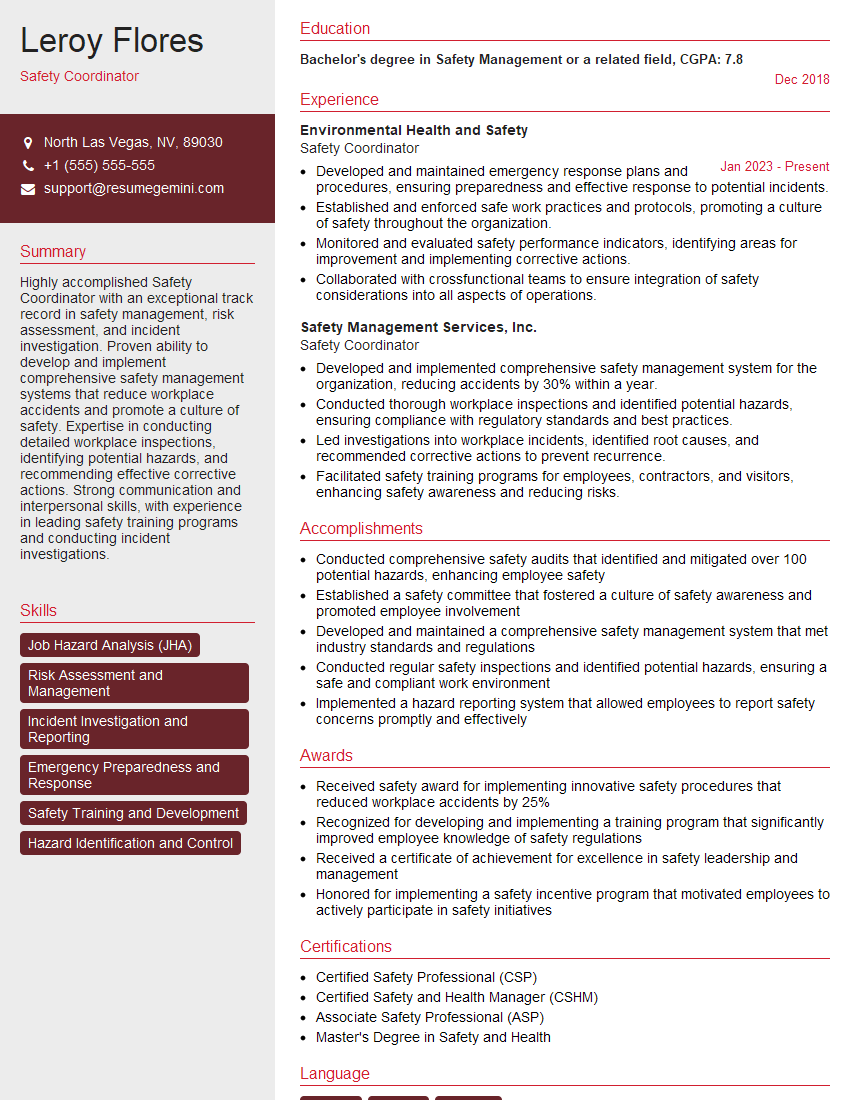
Safety Coordinator Resume Sample
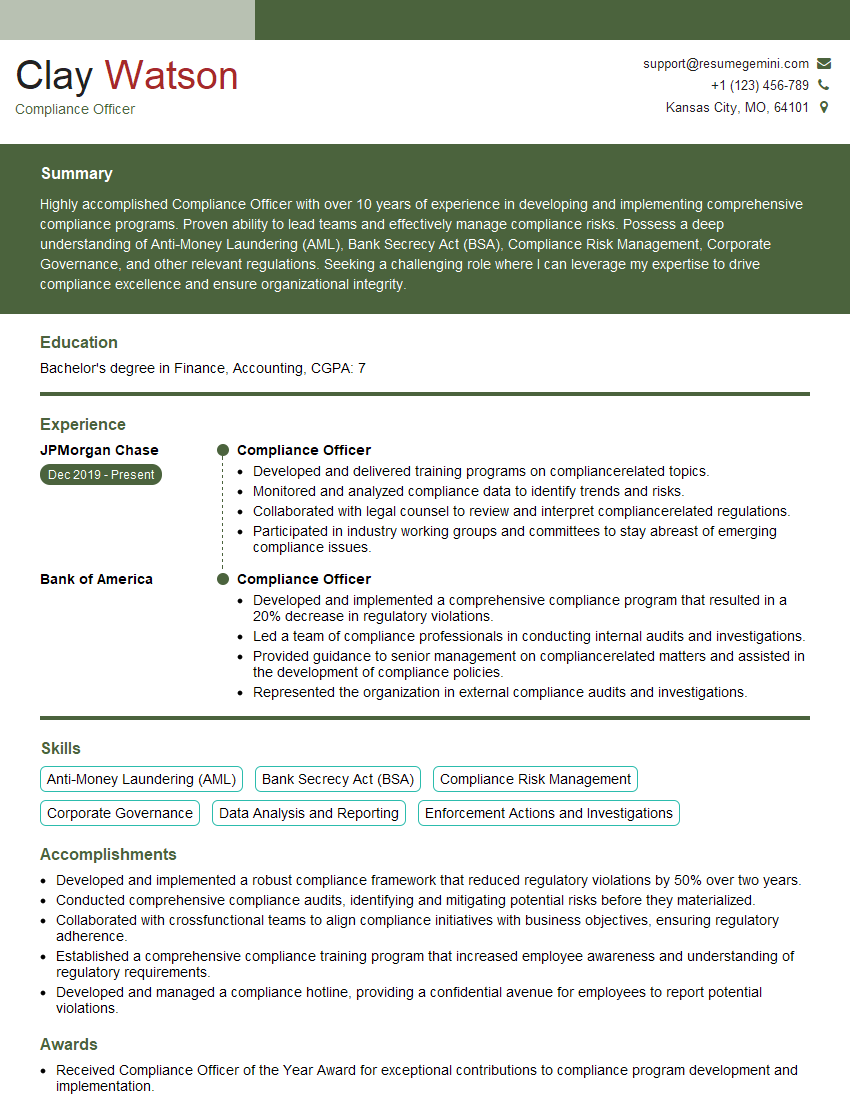
Compliance Officer Resume Sample
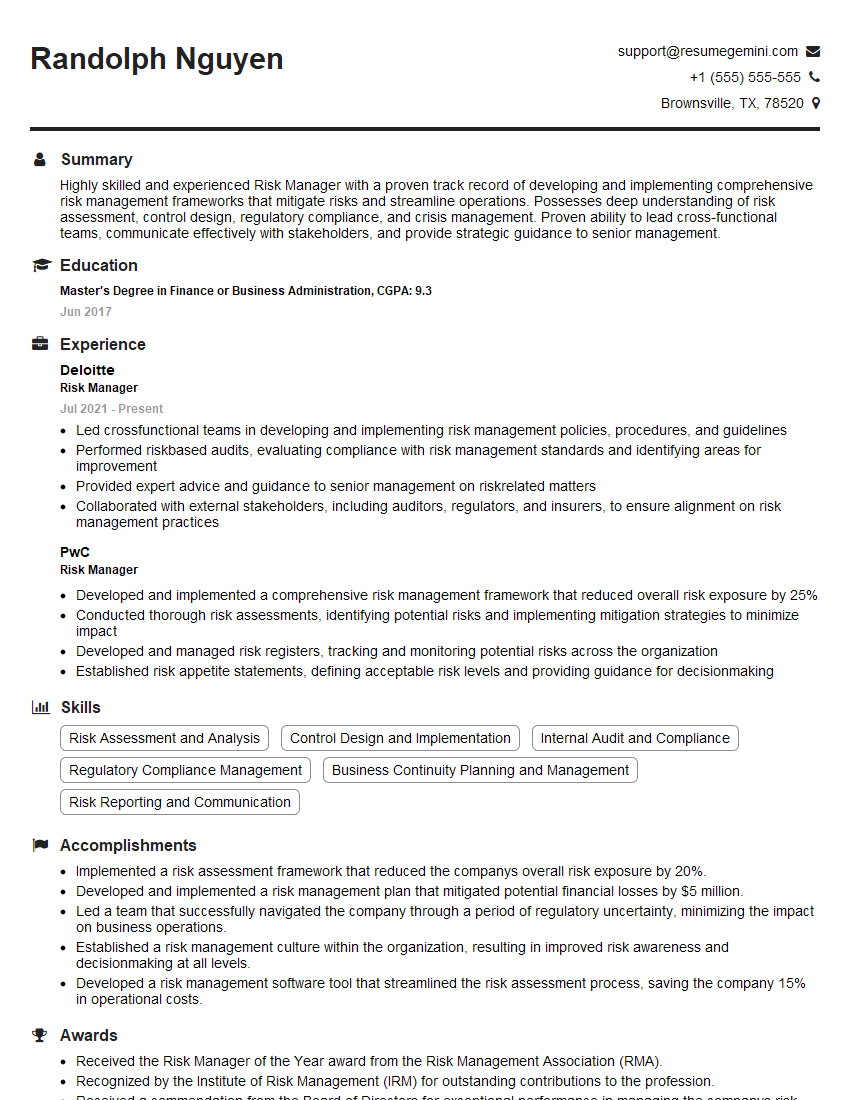
Risk Manager Resume Sample
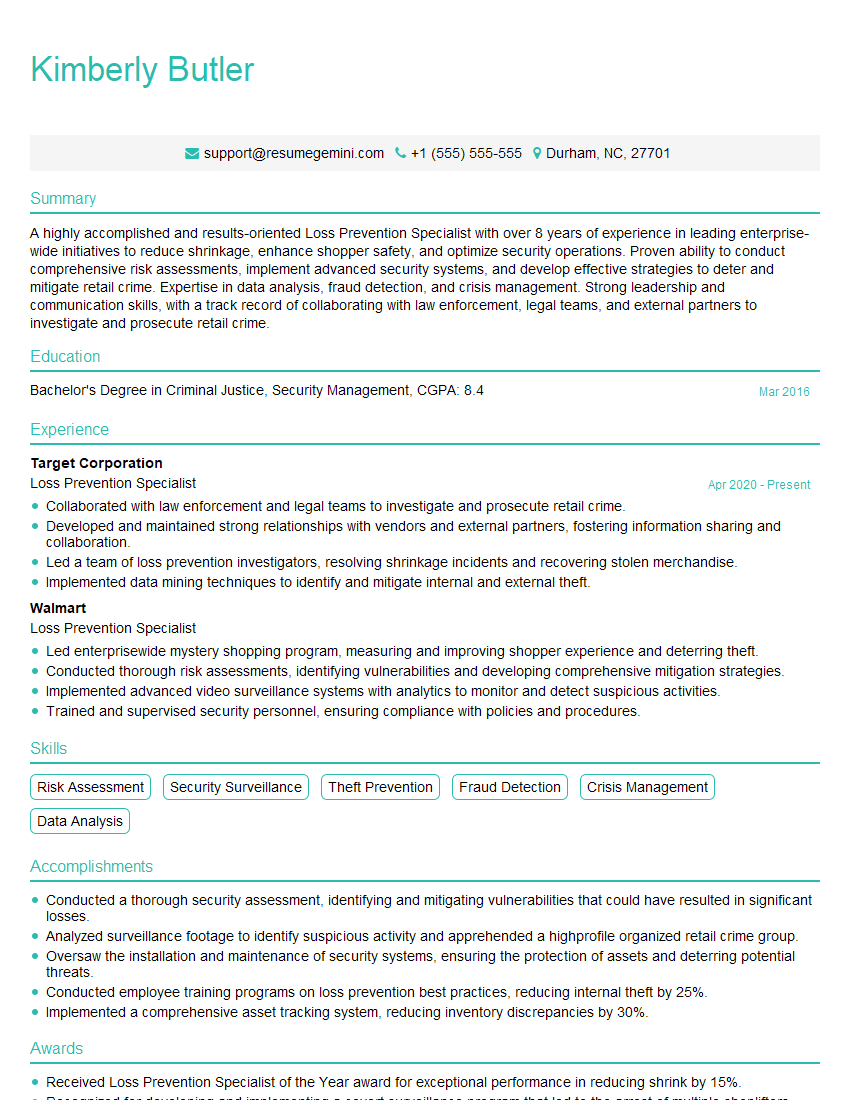
Loss Prevention Specialist Resume Sample
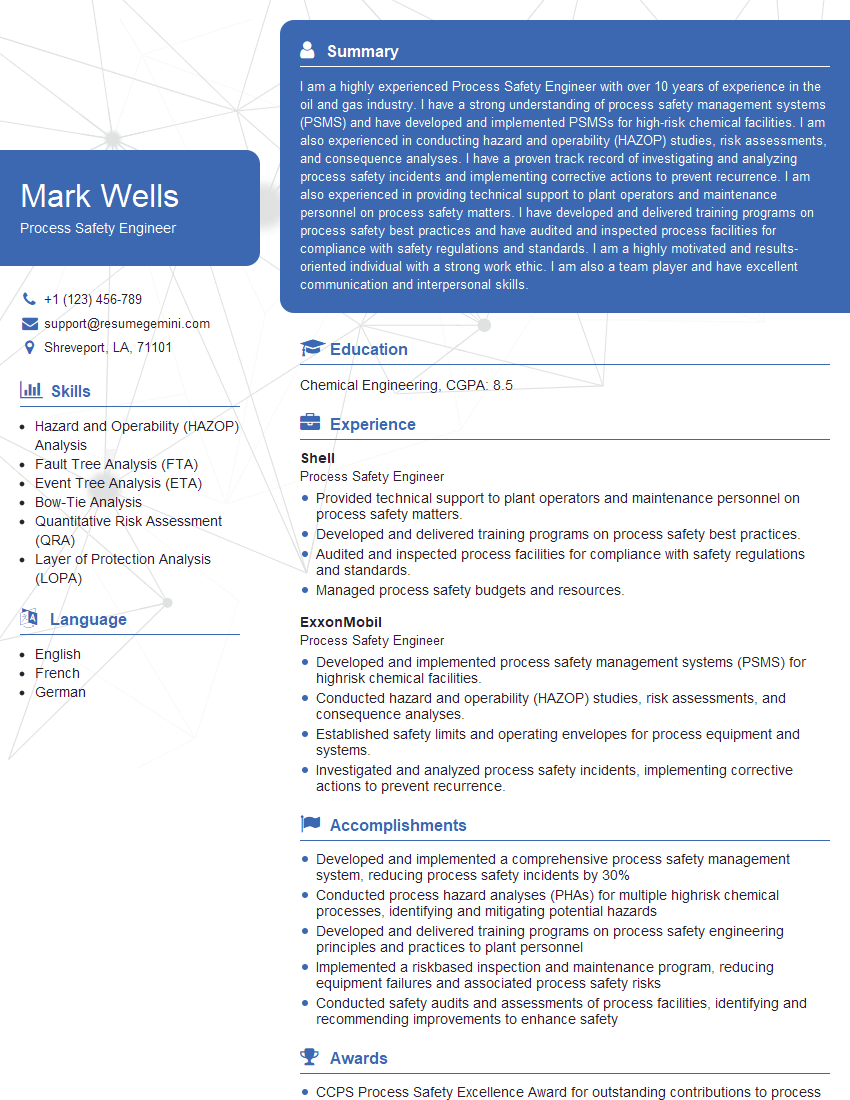
Process Safety Engineer Resume Sample
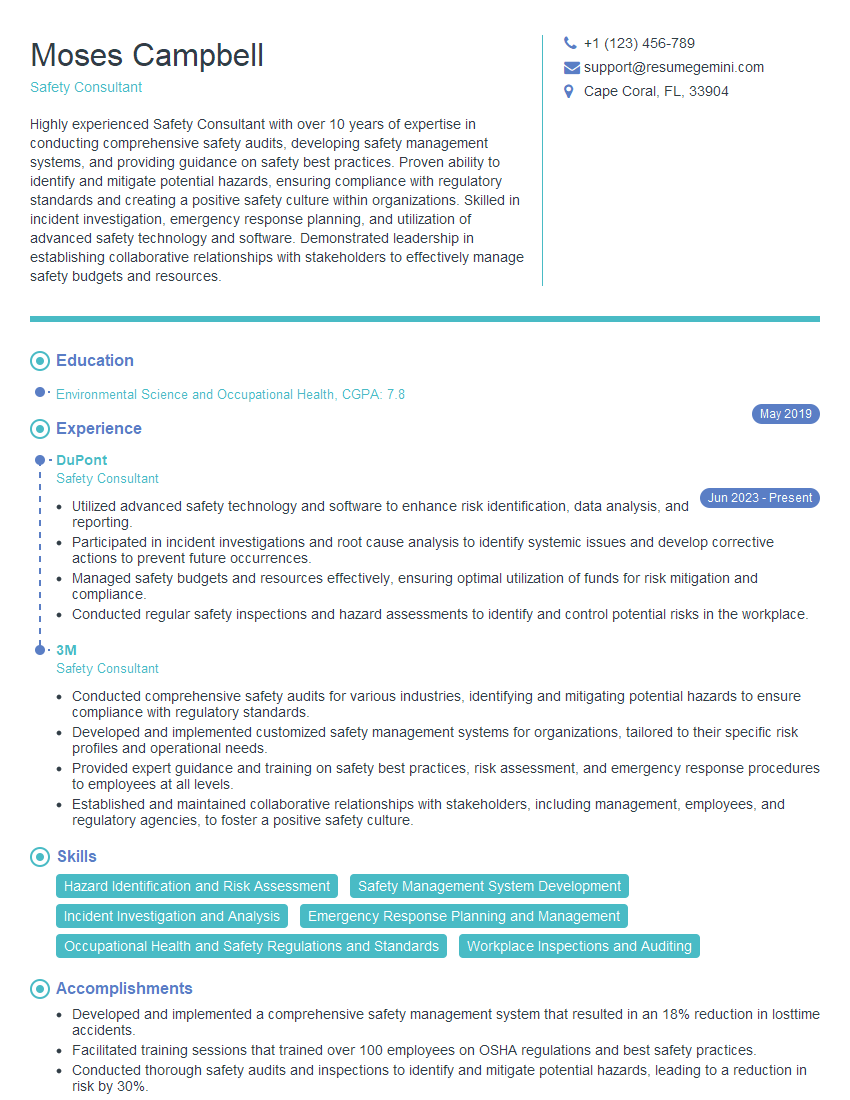
Safety Consultant Resume Sample
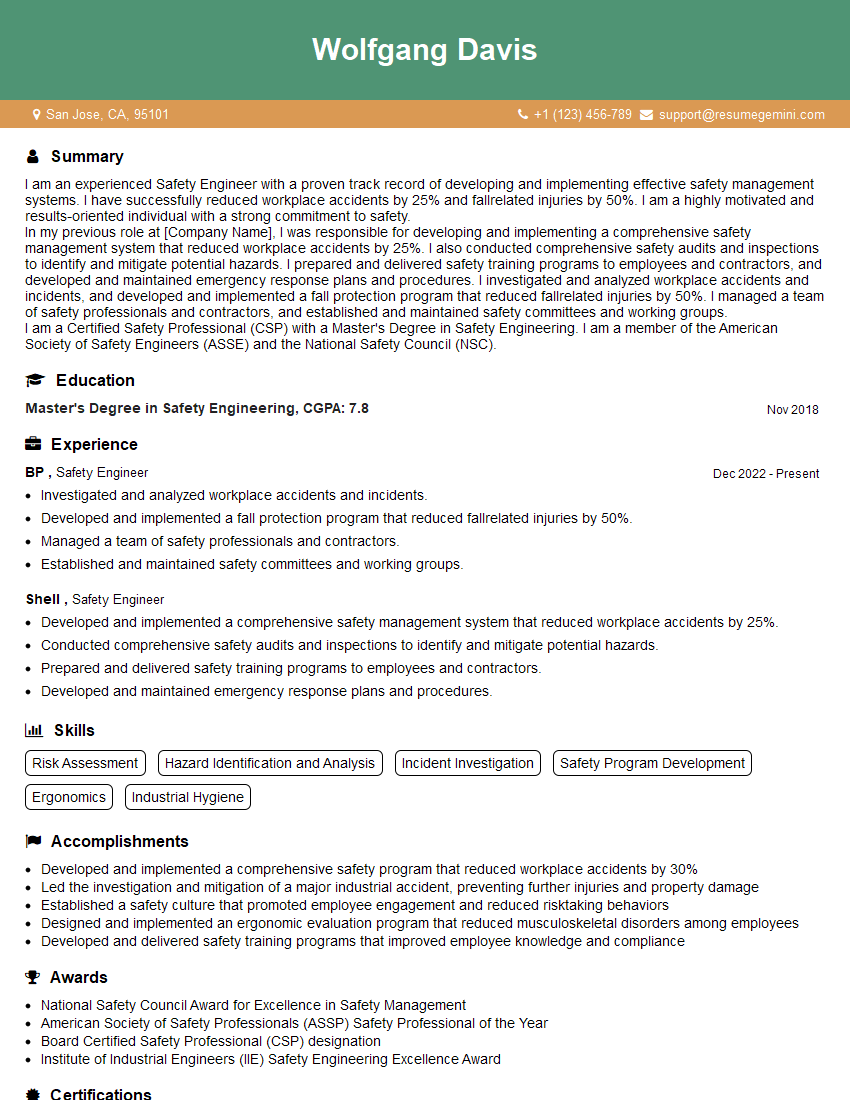
Safety Engineer Resume Sample
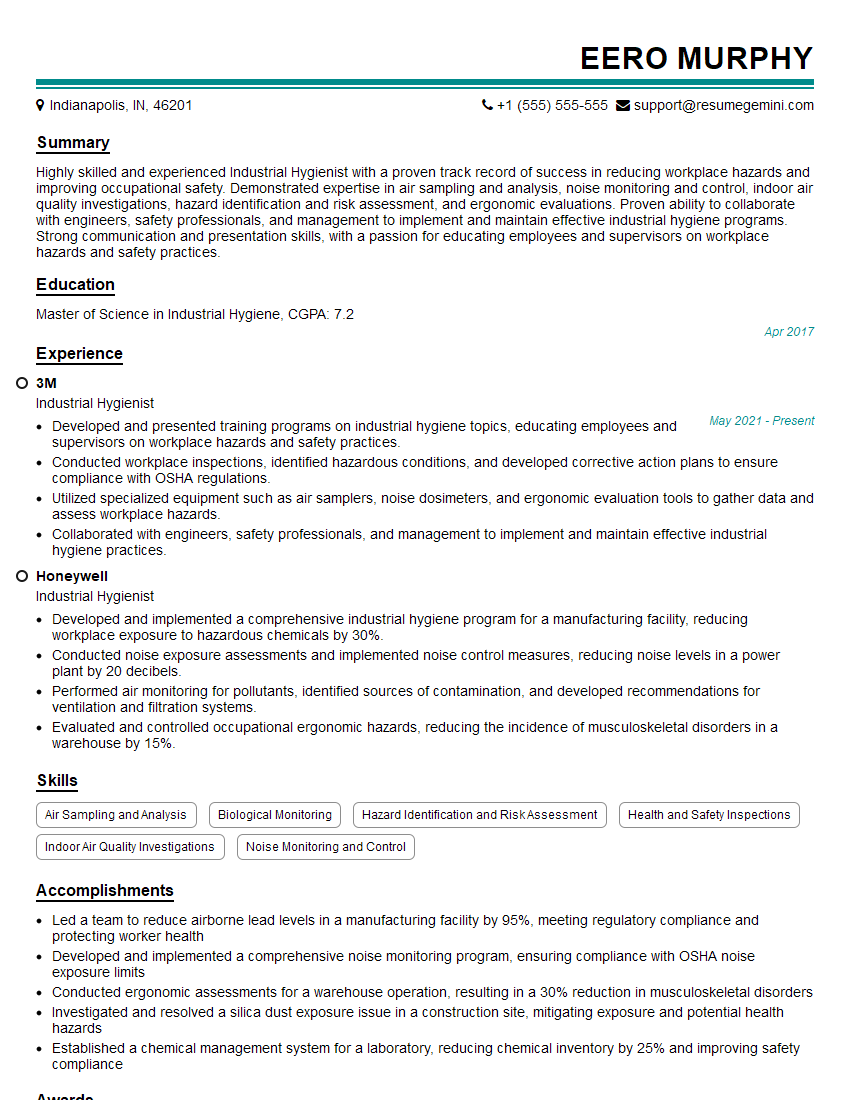
Industrial Hygienist Resume Sample
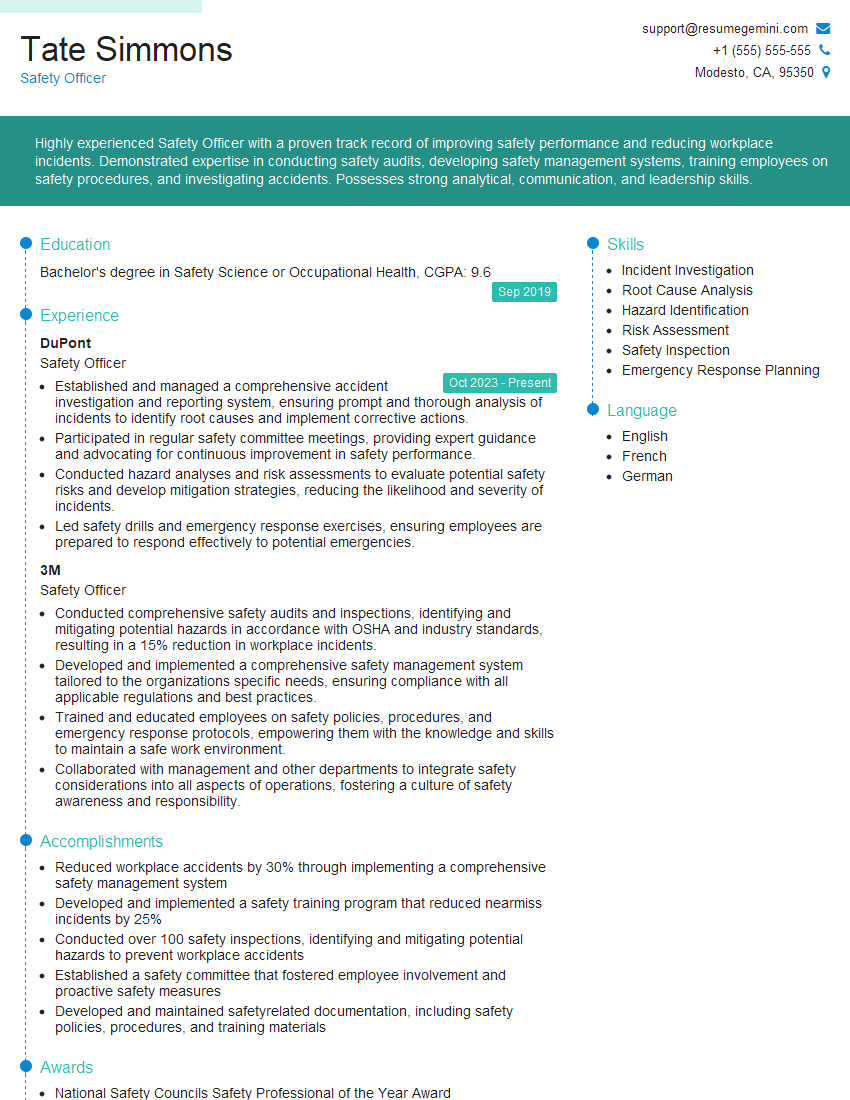
Safety Officer Resume Sample
Explore more articles
Users Rating of Our Blogs
Share Your Experience
We value your feedback! Please rate our content and share your thoughts (optional).
What Readers Say About Our Blog
Attention music lovers!
Wow, All the best Sax Summer music !!!
Spotify: https://open.spotify.com/artist/6ShcdIT7rPVVaFEpgZQbUk
Apple Music: https://music.apple.com/fr/artist/jimmy-sax-black/1530501936
YouTube: https://music.youtube.com/browse/VLOLAK5uy_noClmC7abM6YpZsnySxRqt3LoalPf88No
Other Platforms and Free Downloads : https://fanlink.tv/jimmysaxblack
on google : https://www.google.com/search?q=22+AND+22+AND+22
on ChatGPT : https://chat.openai.com?q=who20jlJimmy20Black20Sax20Producer
Get back into the groove with Jimmy sax Black
Best regards,
Jimmy sax Black
www.jimmysaxblack.com
Hi I am a troller at The aquatic interview center and I suddenly went so fast in Roblox and it was gone when I reset.
Hi,
Business owners spend hours every week worrying about their website—or avoiding it because it feels overwhelming.
We’d like to take that off your plate:
$69/month. Everything handled.
Our team will:
Design a custom website—or completely overhaul your current one
Take care of hosting as an option
Handle edits and improvements—up to 60 minutes of work included every month
No setup fees, no annual commitments. Just a site that makes a strong first impression.
Find out if it’s right for you:
https://websolutionsgenius.com/awardwinningwebsites
Hello,
we currently offer a complimentary backlink and URL indexing test for search engine optimization professionals.
You can get complimentary indexing credits to test how link discovery works in practice.
No credit card is required and there is no recurring fee.
You can find details here:
https://wikipedia-backlinks.com/indexing/
Regards
NICE RESPONSE TO Q & A
hi
The aim of this message is regarding an unclaimed deposit of a deceased nationale that bears the same name as you. You are not relate to him as there are millions of people answering the names across around the world. But i will use my position to influence the release of the deposit to you for our mutual benefit.
Respond for full details and how to claim the deposit. This is 100% risk free. Send hello to my email id: lukachachibaialuka@gmail.com
Luka Chachibaialuka
Hey interviewgemini.com, just wanted to follow up on my last email.
We just launched Call the Monster, an parenting app that lets you summon friendly ‘monsters’ kids actually listen to.
We’re also running a giveaway for everyone who downloads the app. Since it’s brand new, there aren’t many users yet, which means you’ve got a much better chance of winning some great prizes.
You can check it out here: https://bit.ly/callamonsterapp
Or follow us on Instagram: https://www.instagram.com/callamonsterapp
Thanks,
Ryan
CEO – Call the Monster App
Hey interviewgemini.com, I saw your website and love your approach.
I just want this to look like spam email, but want to share something important to you. We just launched Call the Monster, a parenting app that lets you summon friendly ‘monsters’ kids actually listen to.
Parents are loving it for calming chaos before bedtime. Thought you might want to try it: https://bit.ly/callamonsterapp or just follow our fun monster lore on Instagram: https://www.instagram.com/callamonsterapp
Thanks,
Ryan
CEO – Call A Monster APP
To the interviewgemini.com Owner.
Dear interviewgemini.com Webmaster!
Hi interviewgemini.com Webmaster!
Dear interviewgemini.com Webmaster!
excellent
Hello,
We found issues with your domain’s email setup that may be sending your messages to spam or blocking them completely. InboxShield Mini shows you how to fix it in minutes — no tech skills required.
Scan your domain now for details: https://inboxshield-mini.com/
— Adam @ InboxShield Mini
support@inboxshield-mini.com
Reply STOP to unsubscribe
Hi, are you owner of interviewgemini.com? What if I told you I could help you find extra time in your schedule, reconnect with leads you didn’t even realize you missed, and bring in more “I want to work with you” conversations, without increasing your ad spend or hiring a full-time employee?
All with a flexible, budget-friendly service that could easily pay for itself. Sounds good?
Would it be nice to jump on a quick 10-minute call so I can show you exactly how we make this work?
Best,
Hapei
Marketing Director
Hey, I know you’re the owner of interviewgemini.com. I’ll be quick.
Fundraising for your business is tough and time-consuming. We make it easier by guaranteeing two private investor meetings each month, for six months. No demos, no pitch events – just direct introductions to active investors matched to your startup.
If youR17;re raising, this could help you build real momentum. Want me to send more info?
Hi, I represent an SEO company that specialises in getting you AI citations and higher rankings on Google. I’d like to offer you a 100% free SEO audit for your website. Would you be interested?
Hi, I represent an SEO company that specialises in getting you AI citations and higher rankings on Google. I’d like to offer you a 100% free SEO audit for your website. Would you be interested?