Interviews are opportunities to demonstrate your expertise, and this guide is here to help you shine. Explore the essential Extensive Experience in Site Assessments and Inspections interview questions that employers frequently ask, paired with strategies for crafting responses that set you apart from the competition.
Questions Asked in Extensive Experience in Site Assessments and Inspections Interview
Q 1. Describe your experience conducting site assessments for environmental hazards.
Conducting site assessments for environmental hazards requires a systematic approach combining fieldwork, data analysis, and regulatory knowledge. My experience encompasses a wide range of contaminants, including asbestos, lead-based paint, petroleum hydrocarbons, and mold. I begin by reviewing all available site documentation, such as historical maps, previous environmental reports, and property records, to understand the site’s history and potential risks. Then, I conduct a thorough visual inspection, taking note of any visible signs of contamination, such as staining, discolored soil, or the presence of hazardous materials. I utilize specialized equipment like PID (Photoionization Detectors) to detect volatile organic compounds (VOCs) and soil sampling tools to collect samples for laboratory analysis. Finally, I interpret the laboratory results and correlate them with my field observations to generate a comprehensive assessment of the environmental risks present on the site. For example, during a recent assessment of a former gas station, I identified elevated levels of benzene in the soil, confirming a suspicion based on the presence of staining and the site’s history. This led to recommendations for further investigation and remediation.
Q 2. Explain your process for documenting site inspection findings.
My process for documenting site inspection findings is meticulous and adheres to industry best practices. I begin by creating a detailed site map indicating the location of all observed conditions and collected samples. This map serves as a visual reference for the entire report. I use a combination of photographic and video documentation to visually record the findings. Each photograph or video clip is clearly labeled with a unique identifier, date, time, and a brief description. I maintain a detailed field log that includes the date, time, location, observations, and any equipment used. All sampling procedures are documented, including sample location coordinates, depth, and methodology. I use standardized forms to record data consistently and accurately. Finally, I utilize software to compile all the information into a comprehensive, organized report, ensuring traceability and ease of review. This systematic approach minimizes errors and supports clear communication of findings to clients and regulatory agencies.
Q 3. How do you prioritize findings during a site assessment?
Prioritizing findings during a site assessment hinges on evaluating both the severity and the immediacy of the risks. I use a risk matrix that considers the potential for harm (severity) and the likelihood of exposure (probability). Findings are categorized into high, medium, and low priority based on this risk assessment. For instance, the presence of asbestos in easily disturbed areas would be categorized as a high priority, requiring immediate action to prevent exposure. Conversely, the presence of low levels of a contaminant in an inaccessible area may be a low priority, necessitating only monitoring. Legal and regulatory requirements also play a significant role in prioritization. Findings related to violations of environmental regulations usually take precedence, regardless of their inherent severity. My recommendations are always clearly linked to the prioritization scheme, ensuring that clients understand the urgency and importance of addressing each finding.
Q 4. What software or tools do you use for site assessment reporting?
To generate professional and comprehensive site assessment reports, I utilize several software tools. ArcGIS is indispensable for creating and managing site maps, integrating spatial data, and generating high-quality visuals. Microsoft Office Suite (Word, Excel, PowerPoint) is used for creating the main report, compiling data tables, and creating presentations. Specialized software for managing environmental data, such as EnviroInformatics, helps with data analysis, managing laboratory results, and generating compliant reports. In addition, I use digital photography and videography software to organize and manage visual documentation. The choice of software depends on the specific needs of each project and client requirements. The key is ensuring seamless integration between different software applications to provide a consistent and efficient workflow.
Q 5. How do you ensure accuracy and completeness in your site inspection reports?
Ensuring accuracy and completeness is paramount in site inspection reports. I implement several quality control measures to achieve this. First, all data is recorded directly into standardized forms and databases, minimizing the potential for transcription errors. Second, I conduct thorough peer review of all findings and reports. A second expert reviews my field notes, data analysis, and report drafts, ensuring accuracy and consistency. Third, I always include chain-of-custody documentation for samples, providing a clear and auditable trail from sample collection to laboratory analysis. Fourth, I use calibrated instruments and follow established laboratory testing protocols. Finally, I maintain a detailed audit trail of all changes made to the report, ensuring transparency and accountability. My commitment to these quality control measures results in reliable and defensible reports.
Q 6. Describe your experience with different types of site assessments (e.g., pre-construction, post-construction, environmental).
My experience encompasses various types of site assessments. Pre-construction assessments focus on identifying potential environmental constraints before project commencement, minimizing delays and costs. This includes assessing potential impacts on habitats, utilities, and contaminated land. Post-construction assessments verify that construction activities have adhered to environmental regulations and that no unexpected contamination has occurred. Environmental site assessments are more comprehensive, evaluating the presence and extent of contamination, assessing risks, and proposing remediation strategies. I have extensive experience with Phase I, II, and III environmental site assessments, adhering to ASTM standards. For example, I’ve conducted pre-construction assessments for a large-scale development project, identifying areas of potential archaeological interest and recommending suitable mitigation strategies. I’ve also undertaken post-construction assessments, ensuring compliance with stormwater management regulations and the proper disposal of construction waste.
Q 7. How do you handle discrepancies or conflicting information during a site assessment?
Handling discrepancies or conflicting information during a site assessment requires careful investigation and critical thinking. My approach begins with a detailed review of the source of each piece of information, including its reliability and potential biases. I compare and contrast information from different sources, looking for patterns and inconsistencies. If necessary, I conduct additional fieldwork or laboratory analyses to resolve discrepancies. For example, if visual observations conflict with historical records, I would conduct additional sampling to resolve the inconsistency. Documentation of the discrepancy, the investigation undertaken, and the final conclusions are crucial. The process is transparent, allowing reviewers to understand the reasoning behind the final assessment. It’s important to meticulously document the resolution of these conflicts to maintain the integrity of the assessment.
Q 8. Describe a time you identified a critical safety hazard during a site inspection. How did you address it?
During an inspection of a construction site for a new high-rise building, I discovered a significant safety hazard: exposed electrical wiring near a recently poured concrete slab. This presented a clear risk of electrocution to workers. Addressing this required immediate action.
My first step was to immediately halt any work in the immediate vicinity of the hazard. I then clearly communicated the danger to the site foreman, emphasizing the potential for severe injury or fatality. I documented the hazard with photographs and detailed notes, specifying the location, the nature of the risk, and the potential consequences. Following that, I worked with the foreman to implement an immediate mitigation strategy – erecting temporary barriers and warning signage to prevent access to the area. Finally, I ensured the electrical contractor was immediately notified and tasked with correcting the issue before work could resume in that area. Post-correction, I performed a follow-up inspection to verify the repair and ensure worker safety.
Q 9. How familiar are you with relevant safety regulations and codes (e.g., OSHA)?
I am very familiar with relevant safety regulations and codes, particularly OSHA (Occupational Safety and Health Administration) standards in the United States, and equivalent regulations internationally depending on the project location. My knowledge encompasses areas like fall protection, hazard communication, lockout/tagout procedures, electrical safety, and personal protective equipment (PPE) requirements. I regularly consult and stay updated on the latest revisions and interpretations of these codes to ensure compliance during my assessments. I’m also proficient in interpreting blueprints and specifications to identify potential safety conflicts before they become hazards.
Q 10. How do you manage multiple site inspections simultaneously?
Managing multiple site inspections simultaneously requires a structured and organized approach. I employ a project management system that involves creating a detailed schedule, prioritizing inspections based on urgency and deadlines, and delegating tasks where appropriate, though I always maintain direct oversight. I use digital tools such as scheduling software and cloud-based documentation systems to keep track of progress, deadlines, and inspection findings. Clear communication with all stakeholders – clients, contractors, and team members – is crucial to maintain efficiency and avoid conflicts. Regular progress meetings and detailed reporting contribute to ensuring a smooth and safe workflow across all projects. Think of it like conducting multiple orchestras simultaneously – each requires attention, but a well-planned score and clear communication keep everything harmonious and efficient.
Q 11. What is your experience with using site assessment checklists and templates?
I have extensive experience using site assessment checklists and templates. I tailor these tools to the specific project requirements and industry standards, ensuring comprehensive coverage of all relevant safety and compliance aspects. These checklists often include sections on structural integrity, environmental concerns, fire safety, electrical systems, and more. I find them invaluable for ensuring consistency and thoroughness across multiple inspections. For instance, a checklist for a manufacturing facility would differ greatly from one used for a residential construction site, incorporating specific requirements for machinery safety, chemical handling, and waste disposal in the former. Checklists provide a structured framework, but I always allow for flexibility to note any unexpected findings or emerging issues that might fall outside the predefined scope.
Q 12. How do you communicate your findings effectively to stakeholders (e.g., clients, engineers)?
Effective communication is central to my work. I typically deliver findings through a combination of methods – detailed written reports, including photographs and diagrams, supplemented with concise verbal presentations. Reports are tailored to the audience; a client report might focus on overall project readiness and risks, while an engineer’s report will dive deeper into specific technical details and suggested remediation. I always ensure my communication is clear, concise, and easily understood, even for stakeholders with limited technical backgrounds. I use plain language, avoiding unnecessary jargon, and I’m always ready to answer questions and clarify any uncertainties.
Q 13. How do you adapt your assessment approach to different site conditions and project types?
Adaptability is key in site assessments. My approach varies significantly depending on the site conditions and project type. For example, a demolition site requires a different emphasis on safety than a newly constructed office building. Demolition might prioritize fall protection, asbestos abatement procedures, and heavy equipment safety, whereas a new office building’s inspection focuses on structural integrity, fire safety systems, and electrical compliance. I adapt by adjusting my checklists, selecting appropriate equipment, and modifying my inspection procedures to account for unique environmental factors (weather conditions, terrain) and potential risks specific to the project. Understanding the project’s lifecycle, from planning to completion, helps me proactively identify potential hazards and tailor my approach accordingly.
Q 14. Explain your experience with using different types of inspection equipment (e.g., drones, thermal cameras).
I have extensive experience with various inspection equipment. I regularly utilize drones for aerial inspections, providing a bird’s-eye view of large sites, which is particularly beneficial for identifying structural issues or assessing hard-to-reach areas. Thermal cameras help detect heat signatures, revealing potential electrical faults, insulation problems, or even water leaks hidden beneath surfaces. I’m also proficient with standard tools such as moisture meters, laser distance meters, and various testing instruments for assessing structural elements like concrete or steel. The choice of equipment is always dictated by the specific needs of the inspection; selecting the right tools ensures accuracy and efficiency in identifying potential problems.
Q 15. Describe your process for determining the root cause of issues discovered during an inspection.
Determining the root cause of issues found during a site inspection is a systematic process that relies on a blend of observation, analysis, and deduction. It’s not simply about identifying the problem, but understanding *why* it exists. My process typically follows these steps:
- Thorough Documentation: I begin by meticulously documenting all observations, including photographs, sketches, and detailed notes. This creates a comprehensive record of the site’s condition.
- Data Gathering: This involves collecting data beyond visual inspection. This could include reviewing historical site data, conducting interviews with stakeholders, and utilizing various testing methods (discussed later).
- Hypothesis Formulation: Based on the initial data, I formulate several potential root causes. This is crucial to avoid jumping to conclusions.
- Verification and Falsification: I systematically test each hypothesis. This may involve further investigation, more detailed sampling, or even consulting with specialists. The goal is to either verify or falsify each hypothesis, eliminating possibilities until the root cause is identified.
- Root Cause Analysis Techniques: Tools like the ‘5 Whys’ or fault tree analysis are frequently used to systematically delve deeper into the causes until the fundamental problem is uncovered. For instance, if a building shows signs of water damage, repeatedly asking ‘why’ might lead from ‘damaged drywall’ to ‘leaky roof’ to ‘damaged roofing material’ to ‘lack of regular maintenance’.
- Reporting and Recommendations: The final step is to clearly document the findings, including the identified root cause(s), and provide detailed recommendations for remediation and preventative measures.
For example, during an inspection of an industrial facility, I once discovered significant corrosion on a section of pipeline. Through a combination of visual inspection, material testing, and reviewing operational logs, I determined the root cause was a combination of inadequate corrosion protection and exposure to unexpected chemical runoff from a nearby process.
Career Expert Tips:
- Ace those interviews! Prepare effectively by reviewing the Top 50 Most Common Interview Questions on ResumeGemini.
- Navigate your job search with confidence! Explore a wide range of Career Tips on ResumeGemini. Learn about common challenges and recommendations to overcome them.
- Craft the perfect resume! Master the Art of Resume Writing with ResumeGemini’s guide. Showcase your unique qualifications and achievements effectively.
- Don’t miss out on holiday savings! Build your dream resume with ResumeGemini’s ATS optimized templates.
Q 16. How do you prioritize your tasks during a site assessment given time constraints?
Prioritizing tasks during a site assessment with time constraints requires a structured approach. My strategy involves:
- Risk Assessment: I first identify potential hazards and risks. Tasks associated with the highest-risk areas or those posing the greatest threat to safety or environmental impact are prioritized.
- Client Objectives: I align my priorities with the client’s specific goals and objectives for the assessment. Understanding their priorities helps me focus my efforts.
- Urgency and Criticality: Some tasks are time-sensitive. Issues that need immediate attention or could significantly impact the project timeline are given higher priority.
- Scope Management: Sometimes, scope adjustments are necessary due to time constraints. Open communication with the client is crucial to ensure we’re both on the same page regarding potential scope changes.
- Efficient Task Sequencing: I strategically sequence tasks to maximize efficiency. For instance, I might conduct preliminary visual inspections to identify areas requiring more focused attention and testing, saving time.
Imagine a situation where I’m assessing a site for potential contamination before construction. I would prioritize areas suspected of containing hazardous materials, such as former underground storage tanks, over areas less likely to be impacted, ensuring those higher-risk assessments are completed first.
Q 17. What is your experience with different types of sampling and testing procedures?
My experience with sampling and testing procedures is extensive and encompasses a wide variety of methods, depending on the site and assessment objectives. These include:
- Soil Sampling: I’m proficient in various soil sampling techniques, including hand augering, solid-stem auger drilling, and split-spoon sampling, selecting the appropriate method based on soil conditions and sampling depth. This often involves adhering to specific regulatory requirements and employing chain of custody procedures for proper sample handling and analysis.
- Water Sampling: I have experience collecting water samples from wells, surface water bodies, and stormwater systems. This includes ensuring proper preservation techniques to maintain sample integrity and using specialized equipment for accurate measurements.
- Air Sampling: I’ve used passive and active air samplers for assessing airborne contaminants, following established protocols to ensure representative samples are collected.
- Material Sampling: This includes sampling building materials like paint, asbestos, lead, and other potential hazardous substances. Specific safety protocols and handling procedures are strictly followed.
- Laboratory Analysis: I have a strong understanding of different laboratory analyses, including chemical analysis, physical testing, and microbiological testing, and understand the implications of the results.
For example, during an assessment of a former gas station, I employed soil sampling and laboratory analysis to determine the extent of petroleum hydrocarbon contamination.
Q 18. Describe a time you had to deal with a difficult or uncooperative site manager.
I’ve encountered situations where site managers have been uncooperative or difficult. In one instance, a manager initially refused access to certain areas of the site, hindering the assessment’s completeness. Instead of confrontation, I employed a collaborative approach:
- Professionalism: I maintained a calm and professional demeanor, emphasizing the importance of complete access for a thorough assessment.
- Transparency and Explanation: I clearly explained the purpose of the assessment, highlighting the benefits to the site manager and their organization (such as identifying potential hazards or compliance issues).
- Documentation: I carefully documented every interaction, including attempts to access restricted areas and any obstacles encountered. This created a record for potential future reference or dispute resolution.
- Escalation (when necessary): When direct communication failed to resolve the issue, I communicated with the site manager’s superiors, explaining the situation and its potential repercussions. This usually resulted in cooperation.
- Compromise: Where full access wasn’t feasible, I developed alternative strategies to gather as much data as possible while remaining within ethical and safety guidelines.
Ultimately, through persistence and a collaborative approach, I managed to gain access to the necessary areas and complete the assessment successfully. Open communication and a focus on mutual understanding are crucial when dealing with difficult individuals.
Q 19. How do you maintain your professional development in the field of site assessments?
Maintaining professional development in this dynamic field is essential. My approach includes:
- Continuing Education: I regularly attend conferences, workshops, and seminars related to site assessment, environmental regulations, and new technologies. This allows me to stay abreast of the latest industry practices and innovations.
- Professional Organizations: I actively participate in professional organizations, such as [mention relevant organizations], to network with colleagues, learn from their experiences, and access continuing education opportunities.
- Publications and Journals: I regularly read industry publications and scientific journals to stay informed about advancements in assessment techniques, data analysis, and regulatory updates.
- Online Courses and Webinars: I leverage online learning platforms to access specialized courses and webinars on niche topics within the field.
- Mentorship and Collaboration: I seek mentorship from experienced professionals and collaborate with colleagues on projects to learn from different perspectives and broaden my expertise.
Staying updated on evolving technologies, such as advanced remote sensing techniques and data analysis software, is particularly critical in maximizing efficiency and accuracy in my work.
Q 20. What are some common challenges you face when conducting site assessments?
Conducting site assessments presents several common challenges:
- Access Limitations: Restricted access to certain areas of a site can significantly hinder the assessment’s completeness and accuracy.
- Site Conditions: Hazardous or challenging site conditions, such as extreme weather, difficult terrain, or unstable structures, can present safety risks and logistical difficulties.
- Data Availability: Lack of comprehensive historical data or site records can make it challenging to fully understand the site’s history and potential issues.
- Regulatory Compliance: Keeping up with the ever-evolving environmental regulations and compliance requirements can be demanding.
- Time Constraints: Meeting tight deadlines while maintaining thoroughness and accuracy can be stressful.
- Budget Limitations: Balancing the need for a thorough assessment with budgetary constraints requires careful planning and resource allocation.
For instance, working on a brownfield site with limited historical data requires extensive investigation and potentially more expensive testing to establish the baseline site conditions before remediation can be planned.
Q 21. How do you balance cost-effectiveness with thoroughness in your assessments?
Balancing cost-effectiveness with thoroughness in site assessments is a constant challenge. My strategy focuses on:
- Phased Approach: Employing a phased approach allows for efficient allocation of resources. Initial phases might involve less expensive preliminary assessments to identify areas needing more in-depth investigation.
- Targeted Sampling: Using risk-based sampling strategies reduces the number of samples required while maximizing the information obtained. This avoids unnecessary and costly testing.
- Technology Optimization: Utilizing advanced technologies, such as remote sensing or geophysical techniques, where appropriate, can save time and reduce costs.
- Collaboration and Communication: Open communication with the client throughout the process ensures the assessment is tailored to their needs and budget, avoiding unnecessary expenses.
- Data Analysis and Interpretation: Effectively analyzing and interpreting existing data can often reduce the need for extensive new data collection. This might involve utilizing readily available historical site data, aerial imagery analysis, or using GIS data layers for better contextual understanding.
For example, during an assessment of a large industrial facility, I started with a desktop review and aerial imagery analysis to identify potential areas of concern, before proceeding with targeted sampling and testing. This phased approach helped to pinpoint specific areas requiring attention and minimized unnecessary testing costs while still providing thorough coverage.
Q 22. How familiar are you with different types of site remediation techniques?
My familiarity with site remediation techniques is extensive, encompassing a wide range of approaches depending on the contaminant and site conditions. I’ve worked on projects involving everything from simple soil excavation and removal for low-level contamination to complex in-situ remediation techniques for more challenging scenarios.
- Excavation and Disposal: This involves removing contaminated soil and transporting it to a licensed disposal facility. I’ve overseen numerous projects utilizing this method, ensuring compliance with all relevant regulations regarding transportation and disposal.
- Bioremediation: This uses naturally occurring microorganisms to break down contaminants. I have experience designing and monitoring bioremediation projects, including the selection of appropriate microorganisms and the optimization of environmental conditions for effective remediation.
- Pump and Treat: This method involves extracting groundwater, treating it to remove contaminants, and then returning the treated water to the subsurface. I’ve been involved in the design, implementation, and monitoring of pump and treat systems, including the selection of appropriate treatment technologies.
- Soil Vapor Extraction (SVE): This technology extracts volatile organic compounds from the soil using vacuum pressure. I’ve successfully managed multiple projects using SVE, including the design of extraction well networks and monitoring of treatment efficiency.
- Phytoremediation: Using plants to remove or stabilize contaminants. This is a more sustainable approach, and I’ve participated in pilot studies and larger-scale applications.
The choice of remediation technique always involves careful consideration of factors like the type and extent of contamination, hydrogeology, regulatory requirements, and cost-effectiveness. For example, in one project involving a former gas station with soil contaminated by benzene, we opted for a combination of excavation and bioremediation for optimal results and cost-efficiency.
Q 23. What is your experience with regulatory compliance related to site assessments?
Regulatory compliance is paramount in site assessments. My experience encompasses a thorough understanding of and adherence to regulations at both the federal and state levels. I’m deeply familiar with legislation such as CERCLA (Comprehensive Environmental Response, Compensation, and Liability Act) in the US, and various state-specific environmental regulations. This knowledge guides every step of my assessment process.
My expertise includes:
- Phase I, II, and III Environmental Site Assessments: Conducting thorough assessments following the ASTM standards, documenting findings precisely, and preparing detailed reports that meet all legal requirements.
- Environmental Permits and Approvals: I am adept at navigating the permitting process, working closely with regulatory agencies to secure the necessary approvals for remediation activities. I understand the need for complete and accurate documentation to avoid delays.
- Data Management and Reporting: Maintaining accurate records, compiling data for reports and submissions, and ensuring the information provided to regulatory bodies is comprehensive, accurate, and defensible.
For instance, in a recent project involving a brownfield redevelopment, meticulous adherence to the All Appropriate Inquiries (AAI) rule under CERCLA was crucial in protecting the client from potential liability. My experience in this area helped ensure a smooth and compliant redevelopment process.
Q 24. Describe your experience with preparing site assessment reports for legal purposes.
Preparing site assessment reports for legal purposes requires precision, accuracy, and a clear understanding of legal implications. My reports are meticulously documented, following established standards and incorporating all relevant data. I understand that these reports may be used in legal proceedings, so clarity, objectivity, and defensibility are paramount.
My experience includes:
- Clear and Concise Language: Avoiding technical jargon where possible and explaining complex concepts in a way that is easily understood by non-technical audiences, including legal professionals.
- Detailed Data Presentation: Presenting data in a clear and organized manner, using tables, charts, and maps to illustrate findings effectively.
- Chain of Custody Documentation: Maintaining comprehensive records of sample collection, analysis, and handling to ensure the integrity of the data.
- Legal Considerations: Integrating relevant legal frameworks and regulations into my reports, ensuring compliance and minimizing legal risks for my clients.
In one instance, a report I prepared was instrumental in successfully defending a client against a lawsuit related to environmental contamination. The report’s detailed documentation and clear presentation of findings played a key role in the favorable outcome.
Q 25. How do you handle unexpected issues or problems during a site visit?
Unexpected issues during site visits are inevitable. My approach emphasizes preparedness and problem-solving. I always have contingency plans and utilize a structured approach to address unforeseen circumstances.
My strategy includes:
- Thorough Pre-Site Planning: Conducting comprehensive research before each site visit, reviewing available data, and anticipating potential problems.
- On-Site Problem Assessment: Carefully evaluating the situation, identifying the root cause of the problem, and assessing its potential impact.
- Communication and Collaboration: Immediately communicating with the project team and relevant stakeholders to develop a course of action.
- Risk Mitigation: Implementing appropriate measures to mitigate the risks associated with the unexpected issue, ensuring safety and compliance.
- Documentation: Thoroughly documenting all unexpected issues and the actions taken to address them in the site assessment report.
For instance, I once encountered unexpected asbestos during a demolition site assessment. My immediate response involved halting work, securing the area, notifying the appropriate authorities, and implementing a comprehensive asbestos abatement plan. The situation was handled safely and in full compliance with regulations.
Q 26. Describe your experience working with cross-functional teams during site assessments.
Effective site assessments often require collaboration with various specialists. I have extensive experience working with cross-functional teams, including:
- Geologists and Hydrogeologists: Collaborating on the interpretation of geological data and groundwater flow patterns.
- Environmental Chemists and Analysts: Working together to design sampling strategies, interpret analytical results, and assess the risks associated with various contaminants.
- Engineers: Coordinating with engineers on the design and implementation of remediation systems.
- Legal Professionals: Collaborating with lawyers to ensure legal compliance and to prepare reports for legal proceedings.
- Clients: Maintaining open communication with clients, keeping them informed of progress and addressing their concerns.
Successful teamwork hinges on clear communication, mutual respect, and a shared understanding of project goals. I actively encourage open dialogue and ensure everyone is informed and involved in decision-making processes. For instance, in a large-scale industrial site assessment, effective coordination between geologists, chemists, and engineers was critical to ensuring the accuracy and completeness of the assessment.
Q 27. What are your salary expectations?
My salary expectations are commensurate with my extensive experience and expertise in site assessments and inspections. I am confident that my skills and experience will add significant value to your organization, and I am open to discussing a competitive compensation package that reflects this value. I am happy to provide a specific salary range after further discussion of the role and responsibilities.
Key Topics to Learn for Extensive Experience in Site Assessments and Inspections Interview
- Safety Regulations and Compliance: Understanding and applying relevant safety standards, regulations, and best practices during assessments and inspections. This includes OSHA, industry-specific codes, and environmental regulations.
- Data Collection and Analysis Techniques: Mastering methods for gathering accurate and reliable data, including visual inspections, measurements, testing, and documentation. This includes proficiency in using various tools and technologies.
- Reporting and Communication: Clearly and effectively communicating findings through detailed reports, presentations, and verbal communication. This includes preparing reports that are concise, accurate, and easily understandable by diverse audiences.
- Problem-solving and Root Cause Analysis: Identifying and diagnosing issues, determining root causes, and recommending effective solutions. This involves critical thinking and analytical skills to assess potential risks and propose mitigation strategies.
- Specific Industry Knowledge: Demonstrating a strong understanding of relevant industry standards, technologies, and common challenges related to the specific type of sites you’ve inspected (e.g., construction, manufacturing, infrastructure).
- Software and Technology Proficiency: Familiarity with relevant software and technologies used in site assessments and inspections (e.g., CAD software, data management systems, inspection software). Be prepared to discuss your experience with specific programs.
- Risk Assessment and Mitigation: Identifying potential hazards, assessing risks, and developing strategies to mitigate identified risks during the site assessment process.
Next Steps
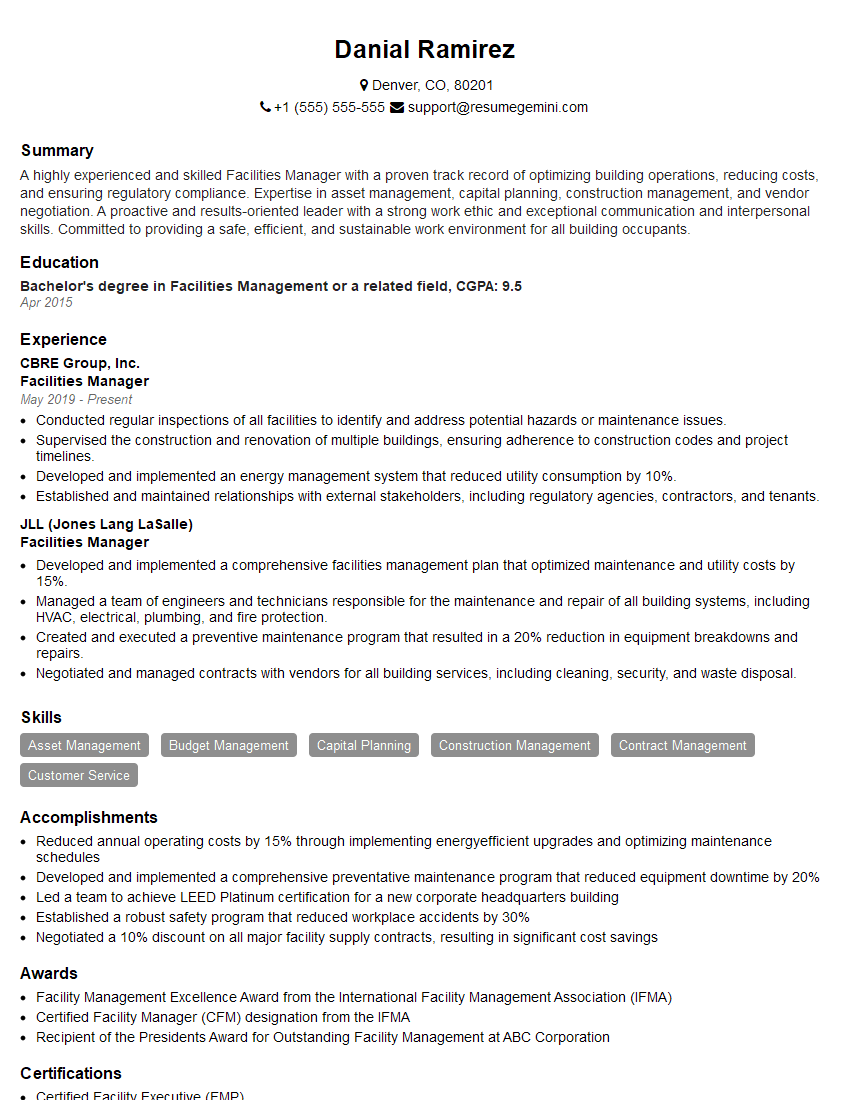
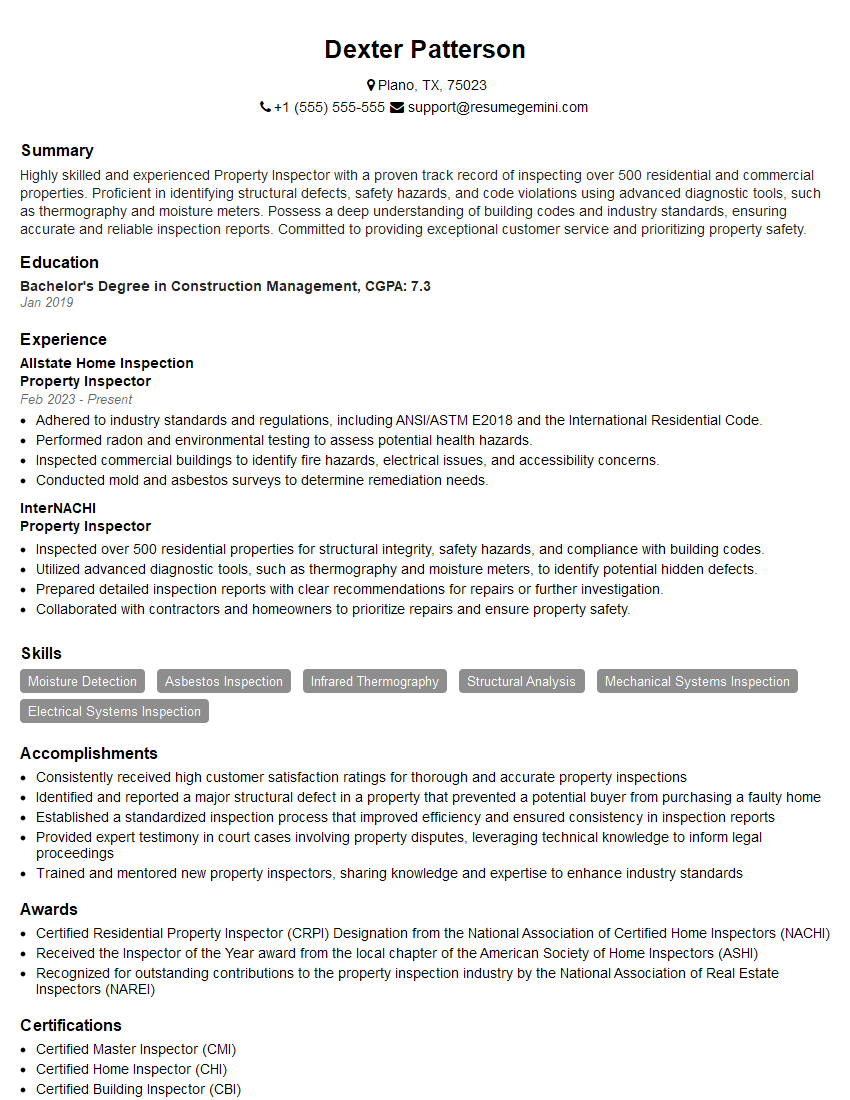
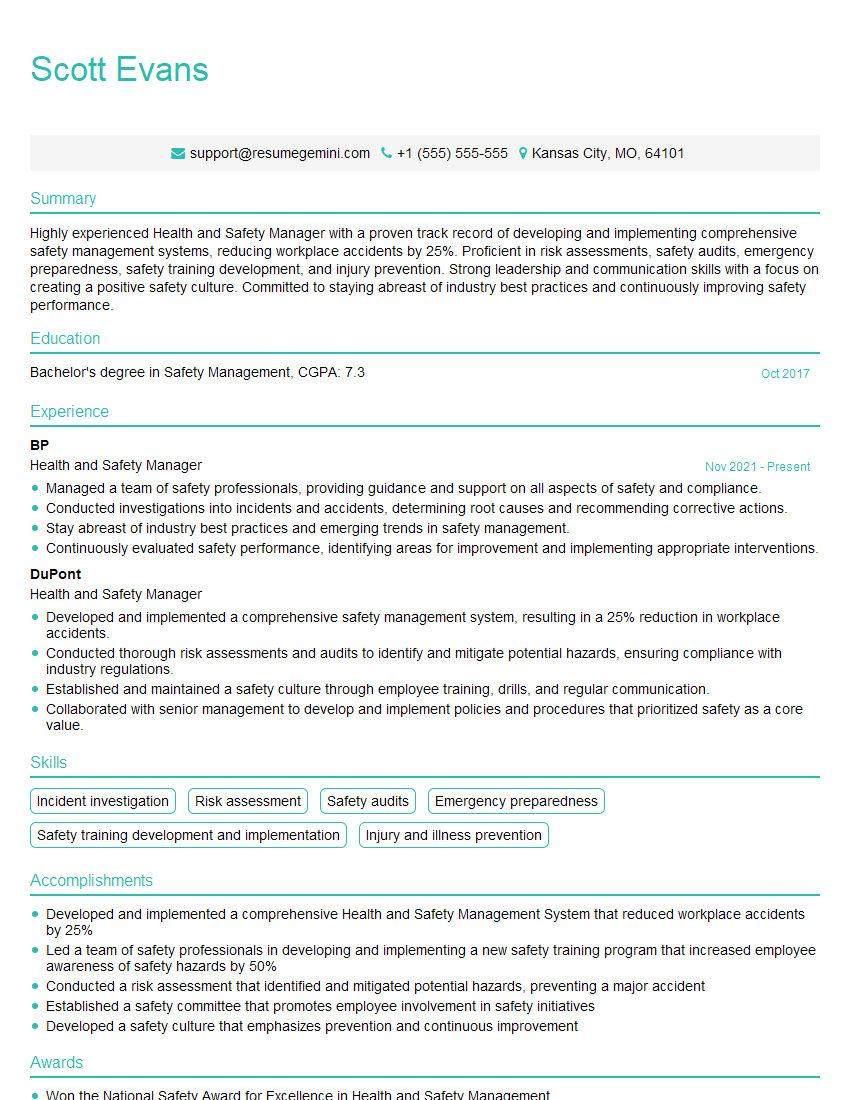
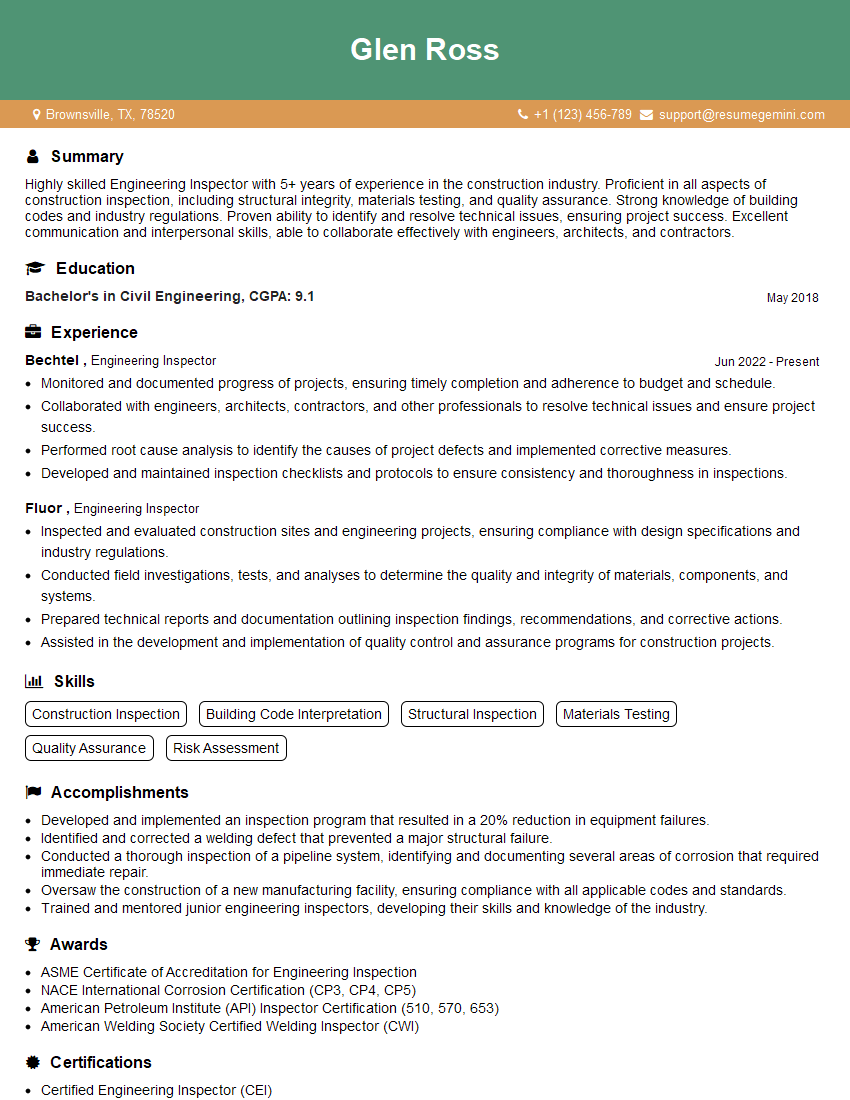
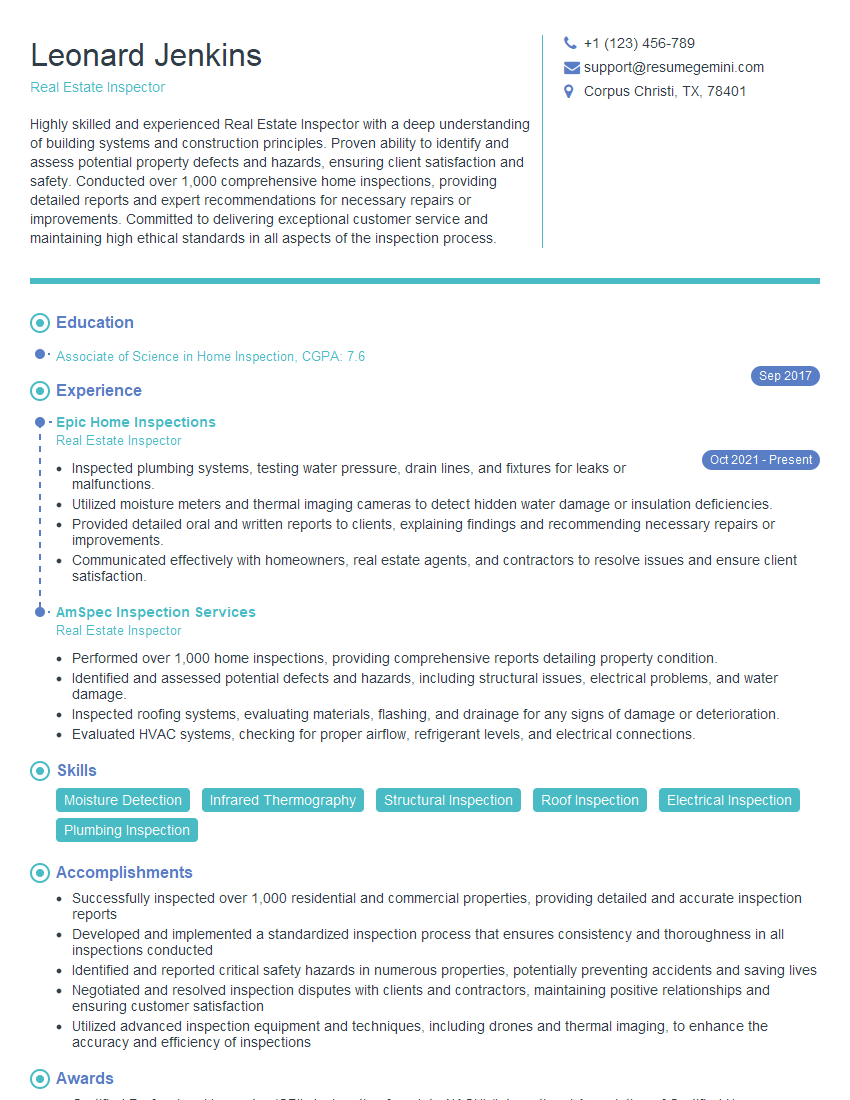
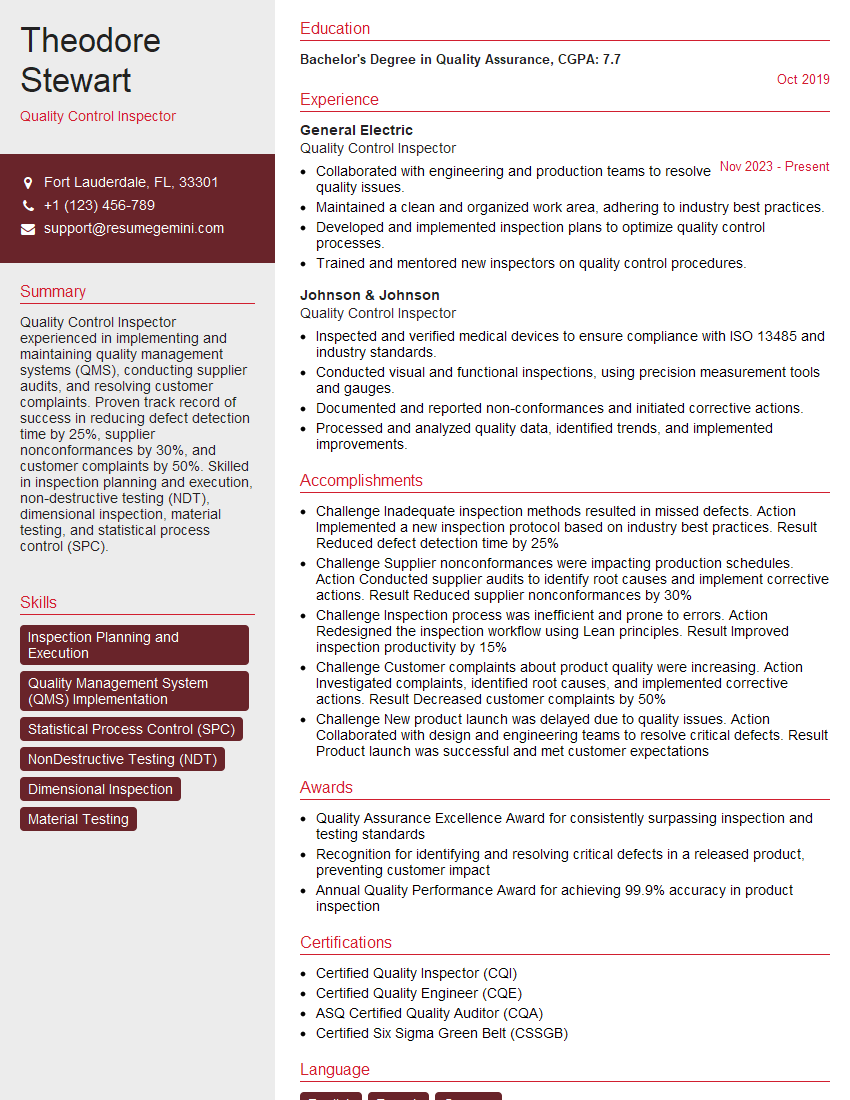
Mastering site assessments and inspections is crucial for career advancement in many fields. Demonstrating your expertise in this area significantly improves your chances of securing a higher-paying role with increased responsibilities. To stand out, create an ATS-friendly resume that effectively showcases your skills and experience. ResumeGemini is a trusted resource that can help you build a professional resume tailored to your specific experience. We provide examples of resumes specifically designed for candidates with extensive experience in site assessments and inspections to guide you in creating your own compelling application materials.

Explore more articles
Users Rating of Our Blogs
Share Your Experience
We value your feedback! Please rate our content and share your thoughts (optional).
What Readers Say About Our Blog
Attention music lovers!
Wow, All the best Sax Summer music !!!
Spotify: https://open.spotify.com/artist/6ShcdIT7rPVVaFEpgZQbUk
Apple Music: https://music.apple.com/fr/artist/jimmy-sax-black/1530501936
YouTube: https://music.youtube.com/browse/VLOLAK5uy_noClmC7abM6YpZsnySxRqt3LoalPf88No
Other Platforms and Free Downloads : https://fanlink.tv/jimmysaxblack
on google : https://www.google.com/search?q=22+AND+22+AND+22
on ChatGPT : https://chat.openai.com?q=who20jlJimmy20Black20Sax20Producer
Get back into the groove with Jimmy sax Black
Best regards,
Jimmy sax Black
www.jimmysaxblack.com
Hi I am a troller at The aquatic interview center and I suddenly went so fast in Roblox and it was gone when I reset.
Hi,
Business owners spend hours every week worrying about their website—or avoiding it because it feels overwhelming.
We’d like to take that off your plate:
$69/month. Everything handled.
Our team will:
Design a custom website—or completely overhaul your current one
Take care of hosting as an option
Handle edits and improvements—up to 60 minutes of work included every month
No setup fees, no annual commitments. Just a site that makes a strong first impression.
Find out if it’s right for you:
https://websolutionsgenius.com/awardwinningwebsites
Hello,
we currently offer a complimentary backlink and URL indexing test for search engine optimization professionals.
You can get complimentary indexing credits to test how link discovery works in practice.
No credit card is required and there is no recurring fee.
You can find details here:
https://wikipedia-backlinks.com/indexing/
Regards
NICE RESPONSE TO Q & A
hi
The aim of this message is regarding an unclaimed deposit of a deceased nationale that bears the same name as you. You are not relate to him as there are millions of people answering the names across around the world. But i will use my position to influence the release of the deposit to you for our mutual benefit.
Respond for full details and how to claim the deposit. This is 100% risk free. Send hello to my email id: lukachachibaialuka@gmail.com
Luka Chachibaialuka
Hey interviewgemini.com, just wanted to follow up on my last email.
We just launched Call the Monster, an parenting app that lets you summon friendly ‘monsters’ kids actually listen to.
We’re also running a giveaway for everyone who downloads the app. Since it’s brand new, there aren’t many users yet, which means you’ve got a much better chance of winning some great prizes.
You can check it out here: https://bit.ly/callamonsterapp
Or follow us on Instagram: https://www.instagram.com/callamonsterapp
Thanks,
Ryan
CEO – Call the Monster App
Hey interviewgemini.com, I saw your website and love your approach.
I just want this to look like spam email, but want to share something important to you. We just launched Call the Monster, a parenting app that lets you summon friendly ‘monsters’ kids actually listen to.
Parents are loving it for calming chaos before bedtime. Thought you might want to try it: https://bit.ly/callamonsterapp or just follow our fun monster lore on Instagram: https://www.instagram.com/callamonsterapp
Thanks,
Ryan
CEO – Call A Monster APP
To the interviewgemini.com Owner.
Dear interviewgemini.com Webmaster!
Hi interviewgemini.com Webmaster!
Dear interviewgemini.com Webmaster!
excellent
Hello,
We found issues with your domain’s email setup that may be sending your messages to spam or blocking them completely. InboxShield Mini shows you how to fix it in minutes — no tech skills required.
Scan your domain now for details: https://inboxshield-mini.com/
— Adam @ InboxShield Mini
support@inboxshield-mini.com
Reply STOP to unsubscribe
Hi, are you owner of interviewgemini.com? What if I told you I could help you find extra time in your schedule, reconnect with leads you didn’t even realize you missed, and bring in more “I want to work with you” conversations, without increasing your ad spend or hiring a full-time employee?
All with a flexible, budget-friendly service that could easily pay for itself. Sounds good?
Would it be nice to jump on a quick 10-minute call so I can show you exactly how we make this work?
Best,
Hapei
Marketing Director
Hey, I know you’re the owner of interviewgemini.com. I’ll be quick.
Fundraising for your business is tough and time-consuming. We make it easier by guaranteeing two private investor meetings each month, for six months. No demos, no pitch events – just direct introductions to active investors matched to your startup.
If youR17;re raising, this could help you build real momentum. Want me to send more info?
Hi, I represent an SEO company that specialises in getting you AI citations and higher rankings on Google. I’d like to offer you a 100% free SEO audit for your website. Would you be interested?
Hi, I represent an SEO company that specialises in getting you AI citations and higher rankings on Google. I’d like to offer you a 100% free SEO audit for your website. Would you be interested?