Interviews are opportunities to demonstrate your expertise, and this guide is here to help you shine. Explore the essential Wrapping interview questions that employers frequently ask, paired with strategies for crafting responses that set you apart from the competition.
Questions Asked in Wrapping Interview
Q 1. Describe your experience with different wrapping materials (e.g., paper, film, bubble wrap).
My experience with wrapping materials spans a wide range, encompassing everything from basic kraft paper and corrugated cardboard to specialized films like polyethylene and bubble wrap. I’m proficient in selecting the appropriate material based on the product’s fragility, size, and shipping conditions. For instance, delicate glassware would necessitate a combination of bubble wrap, foam inserts, and sturdy cardboard boxes, while a rugged item might only require kraft paper and tape. I’ve also worked with void-fill materials like peanuts and air pillows to maximize product protection and prevent shifting during transit. My experience includes assessing the cost-effectiveness of various materials and ensuring environmentally responsible choices whenever possible, exploring options like recycled paper and biodegradable films.
- Kraft Paper: Excellent for general wrapping, inexpensive, and recyclable.
- Bubble Wrap: Provides excellent cushioning for fragile items.
- Polyethylene Film: Offers water resistance and protection against dust and debris.
- Corrugated Cardboard: Ideal for structural support and protection against impacts.
Q 2. Explain the importance of proper wrapping techniques for product protection.
Proper wrapping techniques are paramount for product protection, minimizing damage during shipping and handling. Imagine sending a priceless antique without adequate protection – the consequences could be devastating. Proper wrapping ensures the product arrives in the same condition it left. This involves more than just haphazardly covering an item; it’s a systematic process that takes into account factors such as the item’s shape, weight, fragility, and the potential stresses of shipping. Techniques include using appropriate cushioning materials, securing the product firmly to prevent shifting, and creating a protective barrier against moisture and impact. Incorrect wrapping can lead to scratches, dents, breakage, or even complete destruction of the product, resulting in customer dissatisfaction, returns, and financial losses.
Q 3. What are the common challenges you encounter while wrapping products, and how do you overcome them?
Common challenges include dealing with irregularly shaped items that are difficult to wrap efficiently and securely. Another challenge is balancing the need for robust protection with minimizing packaging waste. Over-packaging increases costs and environmental impact. Sometimes, materials may become damaged or limited during a peak season. I overcome these by using custom-fit inserts or strategically layering different materials to conform to odd shapes. For waste reduction, I carefully assess the necessary protection levels and explore alternative materials, such as reusable or easily recyclable options. For material shortages, I plan ahead, explore alternative suppliers, and possibly even use alternative packing methods temporarily.
Q 4. How do you ensure the efficiency and speed of your wrapping process?
Efficiency and speed are vital, especially during peak seasons. I achieve this through optimized workflows, proper training, and the use of appropriate tools and equipment. This includes having pre-cut materials readily available, standardized wrapping techniques, and a well-organized workspace to minimize wasted movement. For example, using a dispenser for tape significantly speeds up the process compared to manually tearing it. I also regularly review our processes to identify and eliminate bottlenecks. Training staff on proper techniques ensures everyone works efficiently and consistently.
Q 5. Describe your experience with different wrapping machines (if applicable).
I have extensive experience operating various wrapping machines, including automated tape dispensers, stretch-wrapping machines, and air pillow systems. These machines significantly increase efficiency and consistency compared to manual wrapping. For example, an automated tape dispenser ensures consistent tension and speed, minimizing the risk of human error. Stretch-wrapping machines efficiently secure palletized goods, protecting them during transportation. Air pillow systems create customized cushioning solutions for various shapes and sizes, enhancing product protection. My experience extends to troubleshooting minor machine issues and maintaining regular upkeep to ensure optimal performance.
Q 6. How do you handle damaged or fragile items during the wrapping process?
Handling fragile or damaged items requires extra care and attention to detail. This involves careful assessment of the damage, selection of appropriate cushioning materials, and the use of extra protective layers. For extremely fragile items, custom-designed foam inserts or specialized containers might be necessary. Damaged items require special handling to prevent further damage during wrapping and transit. I use extra padding and reinforce weak points in the packaging. Documentation of the damage before and after wrapping is also crucial for liability and insurance purposes.
Q 7. What are the safety protocols you follow while operating wrapping machinery?
Safety is paramount. When operating wrapping machinery, I always adhere to the manufacturer’s safety guidelines. This includes wearing appropriate personal protective equipment (PPE) such as safety glasses and gloves to guard against potential hazards like moving parts or sharp materials. Regular machine inspections are essential to identify and address potential malfunctions. I ensure the area around the machine is clear of obstructions to avoid accidents, and I strictly adhere to lockout/tagout procedures during maintenance or repairs to prevent accidental activation. Training on safe operating procedures is mandatory for all team members. Following these protocols protects both personnel and equipment.
Q 8. How do you maintain a clean and organized wrapping station?
Maintaining a clean and organized wrapping station is crucial for efficiency and product quality. Think of it like a chef’s kitchen – a messy workspace leads to mistakes and delays. My approach is threefold: Preparation, Process, and Post-Production.
- Preparation: Before I begin, I ensure all my wrapping materials (paper, tape, ribbons, boxes, etc.) are readily accessible and neatly arranged. I designate specific areas for each item, minimizing wasted time searching. For instance, I might use labeled bins for different sizes of boxes and rolls of wrapping paper.
- Process: During wrapping, I keep the work area free of discarded materials. I have a designated waste bin close at hand and regularly dispose of scraps. I also wipe down surfaces as needed to prevent spills and stickiness.
- Post-Production: Once I’m finished, I thoroughly clean and organize the station. This includes restocking supplies, sweeping or vacuuming the floor, and ensuring all tools are put away properly. This makes the next wrapping session seamless and efficient.
For example, in my previous role, we implemented a color-coded system for our wrapping supplies, which dramatically improved organization and reduced time wasted searching for the right materials.
Q 9. Explain your understanding of different wrapping styles and their applications.
Different wrapping styles cater to diverse needs and aesthetics. Understanding these styles is essential for creating professional-looking packages and ensuring product protection.
- Basic Wrapping: This involves using wrapping paper to cover an item, typically secured with tape. It’s cost-effective and suitable for most products.
- Gift Wrapping: Emphasizes aesthetics. It often includes decorative elements like ribbons, bows, and gift tags. The technique focuses on creating an attractive presentation.
- Protective Wrapping: Prioritizes product safety during shipping or storage. This might involve bubble wrap, foam padding, or corrugated cardboard inserts. It’s about minimizing the risk of damage.
- Specialized Wrapping: This might include techniques for irregularly shaped items, fragile goods (using specialized packing peanuts or air pillows), or products requiring tamper-evident seals.
For instance, when wrapping a delicate ceramic vase, I’d employ protective wrapping techniques, using bubble wrap and packing peanuts to ensure it arrives undamaged. Conversely, wrapping a gift basket might necessitate a more decorative style, incorporating ribbons and tissue paper.
Q 10. How do you adapt your wrapping techniques to different product sizes and shapes?
Adaptability is key in wrapping. I approach different product sizes and shapes systematically.
- Assessment: I first assess the product’s dimensions, shape, and fragility. This dictates the materials and techniques I’ll use.
- Material Selection: For small, lightweight items, I might use standard wrapping paper. Larger or irregularly shaped items may require larger sheets or customized boxes.
- Technique Adjustment: I adapt my folding and taping techniques based on the item’s shape. Fragile items necessitate additional padding and careful handling.
For example, wrapping a long, thin object like a poster requires a different approach than wrapping a cube-shaped box. For the poster, I’d use a tube or roll it carefully with protective layers, then use appropriate packaging to prevent bending. For a cube, I’d use simple folding and taping techniques.
Q 11. What are some cost-saving strategies you implement in the wrapping process?
Cost savings in wrapping can be achieved through efficient material usage and strategic sourcing.
- Material Optimization: I minimize waste by carefully measuring and cutting wrapping paper. I also reuse packing materials whenever possible, such as cardboard boxes.
- Bulk Purchasing: Negotiating discounts on wrapping supplies by purchasing in bulk can significantly reduce costs in the long run.
- Sustainable Alternatives: Exploring eco-friendly and reusable packaging options not only reduces costs but also promotes a positive environmental impact.
- Streamlined Processes: Efficient wrapping techniques minimize material usage and labor time, leading to cost savings. Properly trained staff leads to less waste.
In a previous role, I implemented a system of reusing shipping boxes, saving the company thousands of dollars annually in packaging costs. We also switched to a more cost-effective yet durable type of packing tape.
Q 12. How do you ensure the aesthetic appeal of wrapped products (if applicable)?
The aesthetic appeal of wrapped products is paramount, particularly for gifts or retail items.
- Color Coordination: Choosing colors and patterns that are visually appealing and appropriate for the product and occasion is important.
- Neatness and Precision: Clean, precise folds and tape application enhance the overall look.
- Decorative Elements: Ribbons, bows, and gift tags can add a touch of elegance and personalization.
- Branding: Incorporating company logos or branding elements onto packaging reinforces brand identity.
For instance, when wrapping gifts for a corporate event, I ensure that the wrapping matches the company’s branding colors and includes a personalized tag with the recipient’s name. This creates a professional and polished impression.
Q 13. What experience do you have with inventory management related to wrapping supplies?
Effective inventory management of wrapping supplies is crucial to avoid stockouts and minimize waste. My experience includes:
- Stock Level Tracking: I use inventory management software or spreadsheets to track stock levels of all wrapping materials. This allows for timely reordering to prevent shortages.
- Demand Forecasting: I analyze historical data to predict future demand and adjust ordering quantities accordingly.
- Regular Audits: Conducting regular physical inventory counts ensures accuracy and identifies any discrepancies.
- Storage Optimization: Implementing a well-organized storage system for wrapping supplies ensures easy access and prevents damage.
In my previous role, I implemented a just-in-time inventory system for our wrapping supplies, reducing storage costs and minimizing waste from expired or obsolete materials.
Q 14. Describe your experience with quality control procedures in packaging.
Quality control is essential to ensure that wrapped products meet the required standards and arrive at their destination in perfect condition. My experience involves:
- Visual Inspection: I conduct thorough visual inspections of each wrapped item to ensure that the wrapping is neat, secure, and free of defects.
- Random Sampling: I utilize random sampling techniques to check the quality of materials and the consistency of wrapping techniques.
- Packaging Testing: Where applicable, I conduct drop tests or other forms of packaging testing to simulate shipping conditions and ensure the product’s protection.
- Documentation: Maintaining detailed records of quality control checks allows for tracking and continuous improvement.
In a previous role, we implemented a rigorous quality control system that reduced product damage during shipping by over 20%. This involved visual inspections combined with random drop tests to assess the effectiveness of our packaging procedures. Any issues found were immediately addressed through staff retraining or material adjustments.
Q 15. How familiar are you with different types of shrink wrap films?
Shrink wrap films come in a variety of types, each with its own properties suited to different applications. The choice depends heavily on the product being wrapped, its fragility, the required level of protection, and the environment it will face during shipping and storage.
- PVC (Polyvinyl Chloride): A common, relatively inexpensive option offering good clarity and puncture resistance. It’s often used for lighter-weight items but can be less durable than other options. Think of the plastic wrap around a single DVD.
- POF (Polyolefin): A more durable and flexible film than PVC, offering excellent clarity and good shrink properties. It’s frequently used for bundling multiple items together, offering superior protection than PVC in transit. Imagine the shrink wrap used to bundle several bottles of water.
- PE (Polyethylene): A strong and versatile film, often used for heavier products or those requiring extra protection from moisture. It’s less prone to tearing than PVC. This would be the choice for wrapping larger appliances for transportation.
- PVdC (Polyvinylidene Chloride): This is a high-performance film offering superior barrier properties, making it ideal for products needing protection from moisture, oxygen, and other environmental factors. It’s often used for food products or those sensitive to atmospheric changes.
Choosing the right film involves understanding the trade-offs between cost, durability, clarity, and the level of protection required.
Career Expert Tips:
- Ace those interviews! Prepare effectively by reviewing the Top 50 Most Common Interview Questions on ResumeGemini.
- Navigate your job search with confidence! Explore a wide range of Career Tips on ResumeGemini. Learn about common challenges and recommendations to overcome them.
- Craft the perfect resume! Master the Art of Resume Writing with ResumeGemini’s guide. Showcase your unique qualifications and achievements effectively.
- Don’t miss out on holiday savings! Build your dream resume with ResumeGemini’s ATS optimized templates.
Q 16. How do you select the appropriate wrapping materials for a specific product?
Selecting the appropriate wrapping material is crucial for protecting products during shipping and handling. It’s a balancing act between cost, protection, and aesthetics. My process involves considering several factors:
- Product Characteristics: Size, shape, weight, fragility, and material of the product determine the necessary level of protection. A delicate glass item will need far more cushioning than a sturdy metal part.
- Environmental Conditions: The conditions during shipping and storage, such as temperature, humidity, and potential exposure to moisture or contaminants, influence the choice of material. A waterproof film would be essential for outdoor storage.
- Shipping Method: Different shipping methods impose different stresses on the package. Air freight might require lighter materials than sea freight which could necessitate stronger, more durable films.
- Budget: Cost is always a factor. While high-performance films offer superior protection, they often come with a higher price tag. A cost-benefit analysis needs to be conducted.
- Aesthetic Considerations: In some cases, the appearance of the packaging is important. Clear films allow for product visibility, whereas colored or printed films can enhance branding.
For instance, a delicate ceramic vase would require a combination of bubble wrap for cushioning and a high-clarity shrink film for added protection and a presentable look.
Q 17. Describe your experience with pallet wrapping techniques.
I have extensive experience with various pallet wrapping techniques, including manual and automated methods. The choice of technique depends on factors such as the size and weight of the pallet, the volume of pallets to be wrapped, and budget constraints.
- Manual Wrapping: This involves using a hand-held wrapping machine to apply the stretch film to the pallet. It’s suitable for smaller operations or when dealing with irregularly shaped loads. This requires precision and experience to ensure a secure wrap without excessive film usage.
- Automated Wrapping: Automated wrapping machines offer significantly increased efficiency and consistency, particularly for high-volume operations. These machines can handle heavier loads and offer different wrapping patterns (conical, spiral, etc.) to optimize film usage and stability.
- Pre-stretch Film: The use of pre-stretch film significantly reduces the amount of film needed, offering cost savings and environmental benefits. This type of film stretches to several times its original length, meaning a thinner gauge can achieve sufficient hold.
- Top Sheet Protection: Using a top sheet, which could be cardboard or another protective layer, before wrapping can further protect the load from damage or the elements.
I’m proficient in optimizing the wrapping pattern to ensure maximum stability and minimal film usage, considering factors like load weight distribution and the pallet’s structure. For example, I would adjust the pre-stretch level and wrapping pattern based on the load characteristics to ensure a stable, secure wrap.
Q 18. How do you ensure proper sealing and closure during the wrapping process?
Proper sealing and closure are critical for maintaining product integrity and preventing damage during transit. This step requires attention to detail and the right tools.
- Heat Sealing: For many shrink films, heat sealing provides a strong and airtight seal. Heat sealers are used to melt the film edges together, creating a secure bond. The temperature and pressure must be precisely adjusted to the film type.
- Tape Sealing: Tape is an alternative sealing method, particularly useful for films that don’t heat seal well or for reinforcing existing seals. Strong, wide tapes are preferred for enhanced security.
- Overlapping Film: In manual wrapping, ensuring sufficient overlap of the film layers is crucial for creating a secure seal and preventing the contents from shifting. At least 50% overlap is recommended.
- Quality Control Checks: After sealing, a thorough inspection is essential to detect any weak points or areas where the seal might fail. Any imperfections should be addressed immediately.
For instance, when using heat sealing, a test seal should always be performed before sealing the entire batch to ensure the correct temperature and pressure settings for the specific film type. Failure to do so can result in weak or insufficient seals.
Q 19. How do you deal with unexpected problems or delays in the wrapping process?
Unexpected problems and delays are inevitable in any production process. My approach to handling them involves a combination of proactive measures and efficient problem-solving.
- Preventive Maintenance: Regular maintenance of equipment is essential to minimize breakdowns and downtime. This includes regular inspections, cleaning, and scheduled servicing of wrapping machines and tools.
- Inventory Management: Maintaining sufficient stock of wrapping materials and replacement parts prevents delays caused by shortages. This includes setting up a robust inventory control system to monitor stock levels and order replacements in advance.
- Troubleshooting Skills: The ability to quickly diagnose and fix minor issues, such as jams or malfunctions in the wrapping machine, is critical for minimizing downtime. This involves understanding the operation of the machines and having access to manuals and troubleshooting guides.
- Contingency Planning: Having a backup plan in place, such as alternative wrapping methods or the ability to source materials from alternative suppliers, helps mitigate the impact of unexpected disruptions.
- Communication: Open and transparent communication with all stakeholders, including management, colleagues, and clients, keeps everyone informed about the issue and its impact. This enables collaborative problem-solving and reduces potential negative consequences.
For example, if a machine breaks down, I would first attempt to troubleshoot the problem myself. If that’s unsuccessful, I’d immediately contact the maintenance team and simultaneously explore alternative wrapping options to maintain production flow as much as possible. Thorough documentation of any issues and corrective actions is crucial for future prevention.
Q 20. What are your strategies for optimizing the efficiency of the wrapping process?
Optimizing the wrapping process focuses on enhancing efficiency, reducing waste, and improving overall quality. My strategies include:
- Process Optimization: Streamlining the wrapping process by eliminating unnecessary steps and improving workflow. This could involve redesigning the work area, better organization of materials, or implementing a more efficient wrapping technique.
- Film Optimization: Selecting the right type and gauge of film to minimize waste while ensuring adequate protection. Using pre-stretch film and optimizing the wrapping pattern are key to achieving this.
- Training and Skill Development: Properly training personnel on the correct wrapping techniques, machine operation, and quality control procedures is essential for efficient and consistent results. Regular refresher training should be provided.
- Automation and Technology: Implementing automated wrapping machines where appropriate can significantly increase efficiency and reduce labor costs. This requires a thorough assessment of needs and cost-benefit analysis.
- Data Analysis: Tracking key metrics, such as film usage, production speed, and error rates, provides valuable insights for identifying areas for improvement and measuring the effectiveness of implemented changes. Regular analysis and reporting helps in continuous improvement.
For example, by analyzing data on film usage, I might identify that a change in the wrapping pattern could significantly reduce film consumption without compromising product protection, leading to considerable cost savings.
Q 21. What are some common mistakes to avoid when wrapping products?
Several common mistakes can negatively impact the effectiveness and efficiency of the wrapping process. These should be avoided to ensure optimal results.
- Incorrect Film Selection: Choosing a film that’s too thin or lacks the necessary properties for the product can lead to damage during transit. Always select a film appropriate for the product’s characteristics and the shipping conditions.
- Insufficient Overlap: Inadequate overlap of film layers weakens the seal and can lead to product exposure or damage. Always ensure sufficient overlap for a strong and secure seal.
- Uneven Tension: Inconsistent tension during wrapping can result in loose areas that leave the product vulnerable. Maintaining consistent tension throughout the process is vital for a secure and stable wrap.
- Improper Heat Sealing: Incorrect temperature or pressure settings during heat sealing can result in weak or ineffective seals. Always follow the manufacturer’s instructions and perform test seals before proceeding with large batches.
- Lack of Quality Control: Failing to inspect the wrapped products thoroughly can lead to damaged or improperly wrapped items reaching the customer. Regular quality checks are essential to identify and rectify problems.
For example, using thin film to wrap a heavy object could result in tearing or puncture, leading to product damage. Similarly, a poorly sealed package can result in exposure to moisture or contaminants, leading to spoilage or damage.
Q 22. How do you prioritize speed and quality in the wrapping process?
Prioritizing speed and quality in wrapping is a delicate balance. It’s not about rushing, but about optimizing the process. Think of it like an orchestra – each instrument (step) plays its part efficiently, contributing to a harmonious whole (efficient, high-quality wrapping).
- Streamlined Processes: We start by analyzing the wrapping process for bottlenecks. Are there repetitive motions that could be automated? Could the layout of the workspace be improved for better workflow? For instance, I once redesigned a packaging line, moving the tape dispenser closer to the product flow, which increased speed by 15% without compromising quality.
- Proper Training and Tools: Well-trained staff using ergonomic tools are crucial. Providing regular training sessions on proper wrapping techniques, including efficient tape application and secure sealing, ensures consistency and minimizes errors. Providing high-quality, durable tape dispensers can significantly improve speed and reduce hand fatigue.
- Quality Control Checks: Implementing regular quality checks at various stages of the wrapping process is non-negotiable. This might involve random sampling to check for proper sealing, damage prevention, or adherence to branding guidelines. Visual checks combined with automated systems for detecting defects can enhance both speed and accuracy.
Ultimately, achieving this balance requires a continuous improvement mindset. We constantly look for areas to optimize, whether it’s investing in new equipment, improving staff training, or refining our packaging materials.
Q 23. Explain your understanding of relevant health and safety regulations in packaging.
Health and safety regulations in packaging are paramount. My understanding encompasses a broad range, including:
- OSHA (Occupational Safety and Health Administration) guidelines concerning the safe handling of packaging materials, equipment operation, and personal protective equipment (PPE) such as gloves, safety glasses, and proper footwear.
- Regulations on hazardous materials, including proper labeling, handling, and storage of any potentially harmful substances used in the packaging process, such as certain adhesives or cleaning solutions.
- Ergonomics – ensuring workstations are designed to prevent repetitive strain injuries and musculoskeletal disorders through proper lifting techniques, posture, and the use of ergonomic tools. For example, we ensure that packaging lines are designed to minimize bending and twisting.
- Waste management – adhering to regulations related to the disposal or recycling of packaging waste, preventing environmental pollution.
Compliance is not just about avoiding penalties; it’s about creating a safe and productive work environment. Ignoring these regulations can lead to serious injuries, environmental damage, and hefty fines.
Q 24. Describe your experience with various packaging software and systems.
My experience includes proficiency in various packaging software and systems. I’m adept at using:
- WMS (Warehouse Management Systems): These systems are essential for tracking inventory, managing orders, and optimizing warehouse layout for efficient picking and packing processes. I’ve worked extensively with systems like
SAP WMandOracle Warehouse Management. - ERP (Enterprise Resource Planning) systems: Integrating packaging operations with ERP systems such as
SAP ERPandOracle ERPallows for efficient management of the entire supply chain, from procurement to delivery. This helps streamline information flow and reduce errors. - Labeling and barcode software: Experience with software that enables efficient and accurate label generation and integration with shipping carriers is essential. I am proficient in using various label design and printing software.
- Packaging design software: I have experience using CAD software and other design programs to create effective and efficient packaging designs. This ensures optimized use of materials and efficient protection of products.
My familiarity with these systems helps me optimize the entire packaging process, from planning to execution, ensuring accuracy and efficiency.
Q 25. How do you ensure the security of wrapped products during transit?
Ensuring product security during transit requires a multifaceted approach:
- Robust Packaging Design: This is the foundation. The packaging needs to be strong enough to withstand the rigors of shipping and handling. This includes using appropriate materials like corrugated cardboard with sufficient layers and employing protective inserts to cushion fragile items. For example, using custom-fit foam inserts prevents shifting and damage during transit.
- Proper Sealing and Labeling: Secure sealing with high-quality tape and clear, unambiguous labeling are critical. Labels should include clear instructions for handling, fragile markings where needed, and the correct shipping address. Barcodes allow for easy tracking throughout the supply chain.
- Appropriate Shipping Methods: Choosing the correct carrier and shipping method is crucial. Some products might require specialized handling, such as temperature-controlled shipping for pharmaceuticals. We often weigh the cost and speed trade-off to find the optimal method.
- Tracking and Monitoring: Real-time tracking allows monitoring of shipments and identifying potential problems promptly. Using tracking numbers and notification systems gives us visibility of the product’s journey and allows for prompt intervention if needed.
The goal is to minimize the risk of damage or loss during transit and ensure the product arrives at its destination in perfect condition.
Q 26. What are your preferred methods for handling returns and damaged packaging?
Handling returns and damaged packaging involves a structured process focused on efficiency and minimizing losses:
- Clear Return Policy: Having a clear and easily accessible return policy helps manage customer expectations and streamlines the process. We need to be consistent in enforcing our policy fairly.
- Inspection and Documentation: Thoroughly inspecting returned items and damaged packaging to ascertain the cause of damage is key. Detailed documentation, including photos and descriptions, helps determine responsibility and improve future packaging strategies.
- Damage Assessment and Reporting: We need a system to track the frequency and type of damage, helping identify areas where our packaging or shipping processes need improvement. This analysis can lead to improvements and cost savings.
- Efficient Processing: Streamlining the process of receiving, inspecting, and processing returns minimizes delays and ensures customer satisfaction. This might involve dedicated personnel or specialized software.
- Waste Management: Proper disposal or recycling of damaged packaging is essential. This adheres to environmental regulations and reduces waste.
Effective return handling reduces costs, increases customer satisfaction, and provides valuable data for continuous improvement.
Q 27. Describe your experience with different types of packaging tape.
My experience with different types of packaging tape is extensive. The choice depends on the application and the product’s requirements:
- Water-activated paper tape: A cost-effective and environmentally friendly option for strong, secure seals, especially suitable for heavier boxes. It offers excellent adhesion when activated with water.
- Pressure-sensitive adhesive (PSA) tape: This is the most common type. It comes in various materials like polypropylene and vinyl, with different strengths and levels of adhesion. Different tapes are suitable for various substrates and conditions.
- Filament tape: Reinforced with fibers, this tape is incredibly strong and ideal for securing heavy or valuable goods, especially those requiring extra protection during transit.
- Specialty tapes: This includes tapes with specific properties such as high-temperature resistance, tamper-evident features, or conductive properties for ESD protection of electronics.
Selecting the right tape is about balancing cost, strength, adhesion, and environmental impact. For instance, I once transitioned from a more expensive vinyl tape to a high-quality polypropylene option which offered similar strength and better sustainability, resulting in cost savings.
Q 28. How do you stay up-to-date with the latest trends and best practices in wrapping and packaging?
Staying current in the dynamic world of wrapping and packaging requires a proactive approach:
- Industry Publications and Trade Shows: Regularly reading industry magazines, journals, and attending trade shows like Pack Expo allows for exposure to new trends and technologies. This also provides opportunities to network with other professionals in the field.
- Online Resources and Webinars: Numerous online resources, including industry websites and webinars, offer valuable insights into the latest innovations and best practices.
- Professional Organizations: Joining professional organizations like the Institute of Packaging Professionals (IoPP) provides access to educational resources, networking opportunities, and updates on industry regulations and standards.
- Supplier Relationships: Maintaining strong relationships with packaging suppliers provides insights into new materials, technologies, and sustainable packaging options. Suppliers often share information about innovations early on.
This continuous learning ensures that I can leverage the most effective and efficient techniques, materials, and technologies, while minimizing environmental impact.
Key Topics to Learn for Wrapping Interview
- Fundamentals of Wrapping Materials: Understanding different types of wrapping films (e.g., stretch film, shrink film, bubble wrap), their properties (e.g., strength, elasticity, clarity), and suitability for various applications.
- Wrapping Techniques and Processes: Mastering hand-wrapping techniques for different product shapes and sizes, as well as understanding automated wrapping machinery and its operation.
- Packaging Design Considerations for Wrapping: Knowing how to design packaging that optimizes product protection, minimizes material waste, and enhances visual appeal while incorporating appropriate wrapping methods.
- Quality Control and Inspection in Wrapping: Implementing quality checks to ensure consistent wrapping quality, identify defects, and meet customer specifications. Understanding relevant industry standards and regulations.
- Safety Procedures and Regulations in Wrapping: Adhering to safety protocols when handling wrapping materials and operating machinery. Understanding relevant workplace safety regulations.
- Inventory Management and Supply Chain in Wrapping: Understanding the efficient procurement, storage, and handling of wrapping materials to minimize costs and avoid stockouts.
- Cost Optimization and Efficiency in Wrapping: Identifying strategies to reduce material costs, improve wrapping speed, and minimize waste without compromising product protection.
- Troubleshooting Common Wrapping Issues: Diagnosing and resolving issues such as material jams, inefficient wrapping, and damaged products due to improper wrapping.
Next Steps
Mastering the art of wrapping opens doors to diverse and rewarding career opportunities in logistics, manufacturing, and distribution. A strong understanding of wrapping techniques and related processes significantly enhances your value to potential employers. To increase your chances of landing your dream job, it’s crucial to have an ATS-friendly resume that highlights your skills and experience effectively. We highly recommend using ResumeGemini to create a professional and impactful resume tailored to the specific requirements of wrapping-related roles. Examples of resumes tailored to the Wrapping industry are available below to guide you.
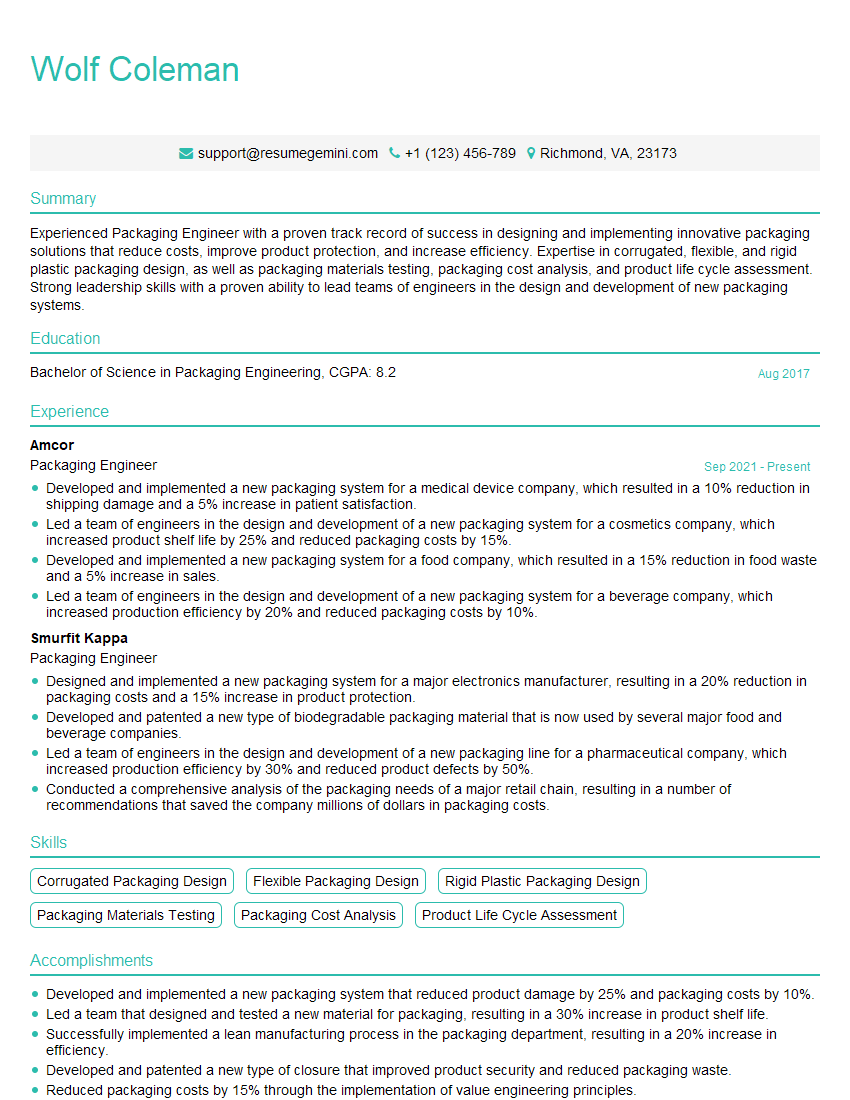
Packaging Engineer Resume Sample
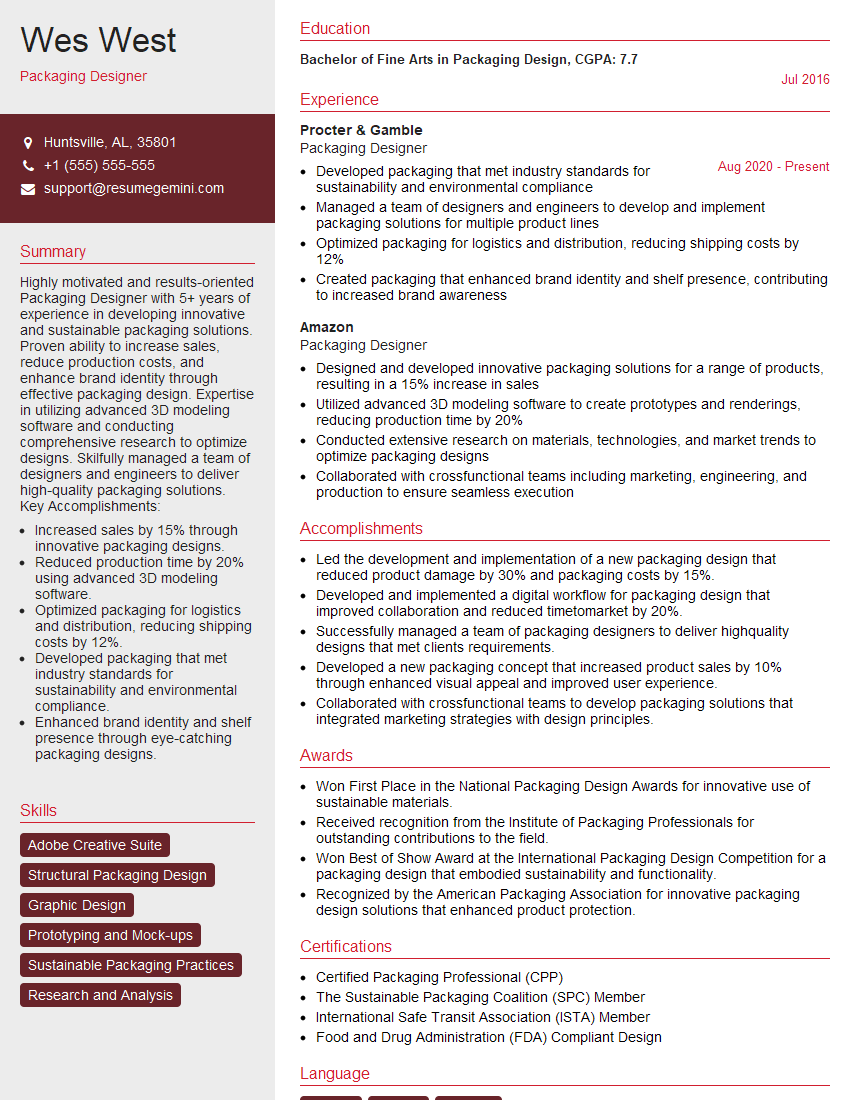
Packaging Designer Resume Sample
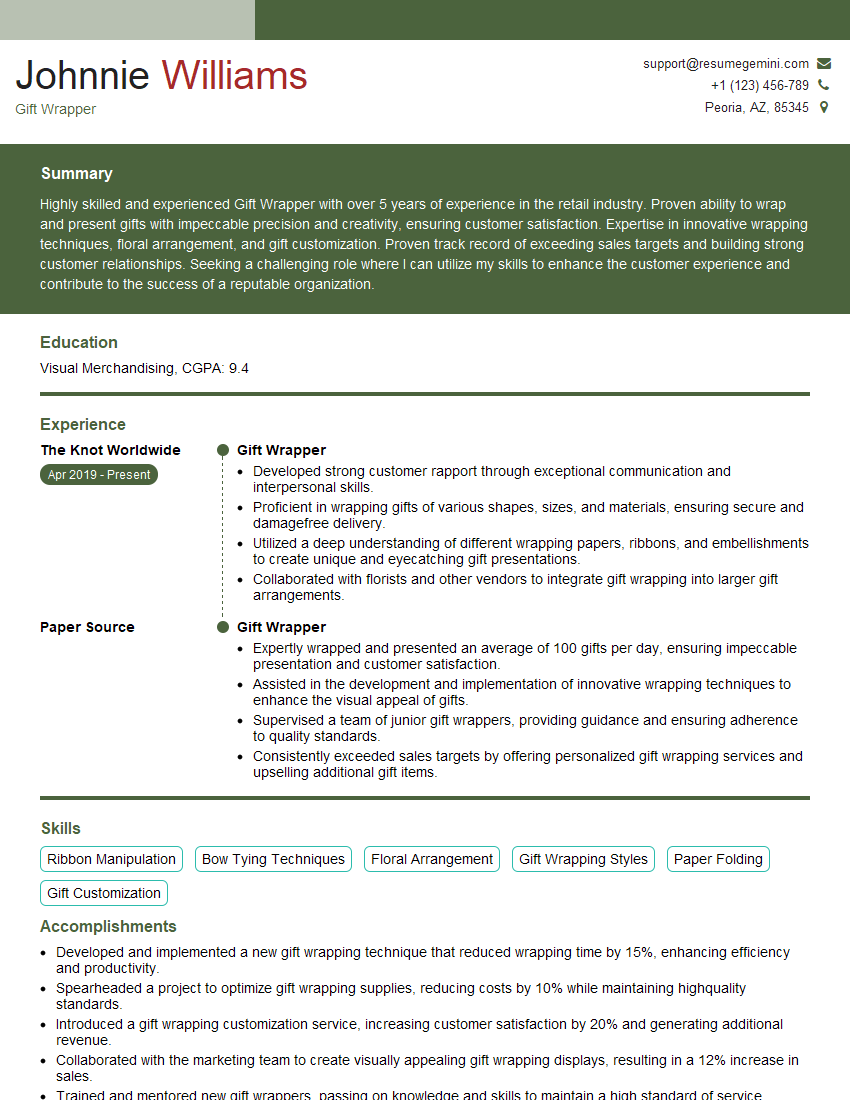
Gift Wrapper Resume Sample
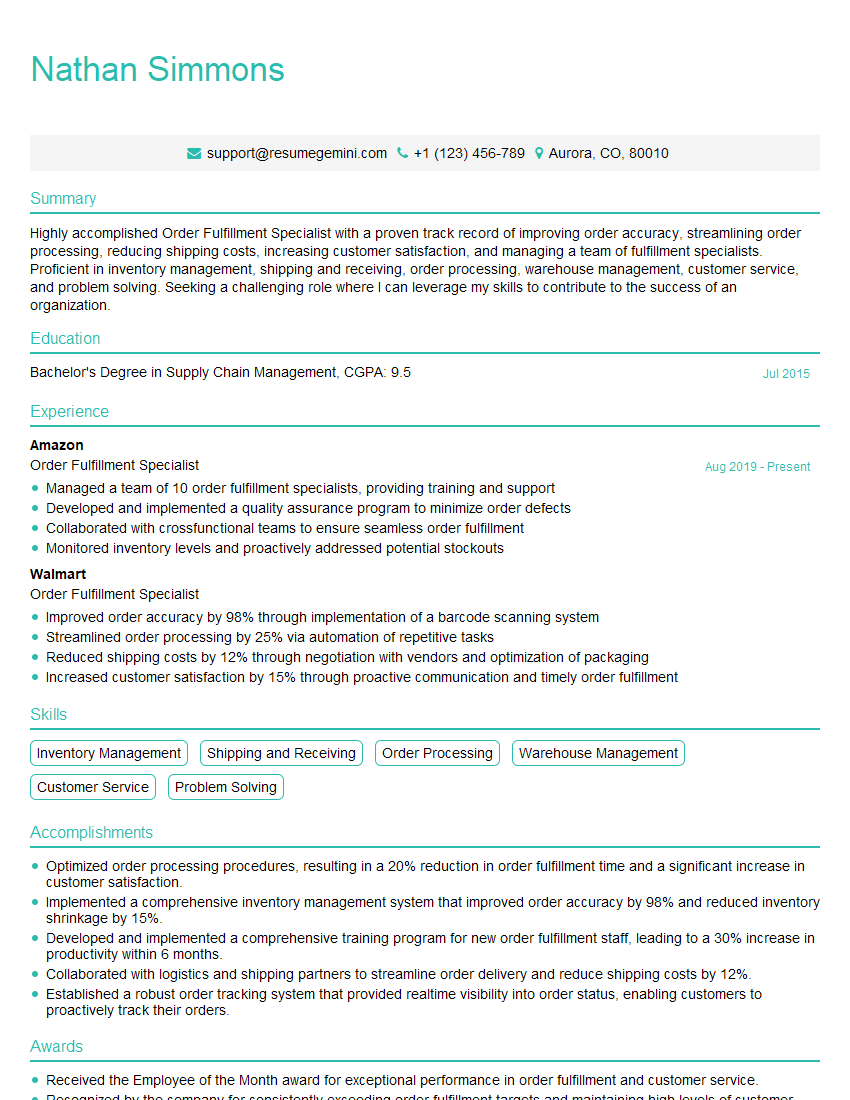
Order Fulfillment Specialist Resume Sample

Shipping and Receiving Clerk Resume Sample
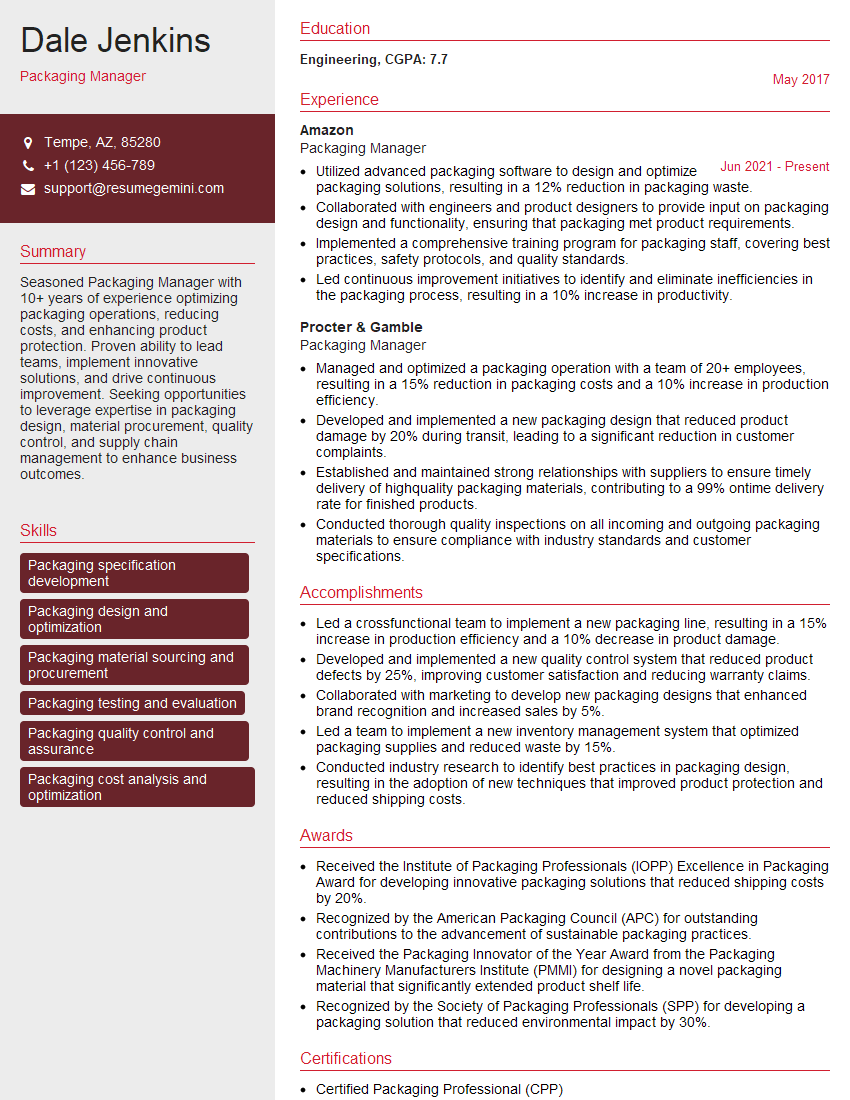
Packaging Manager Resume Sample
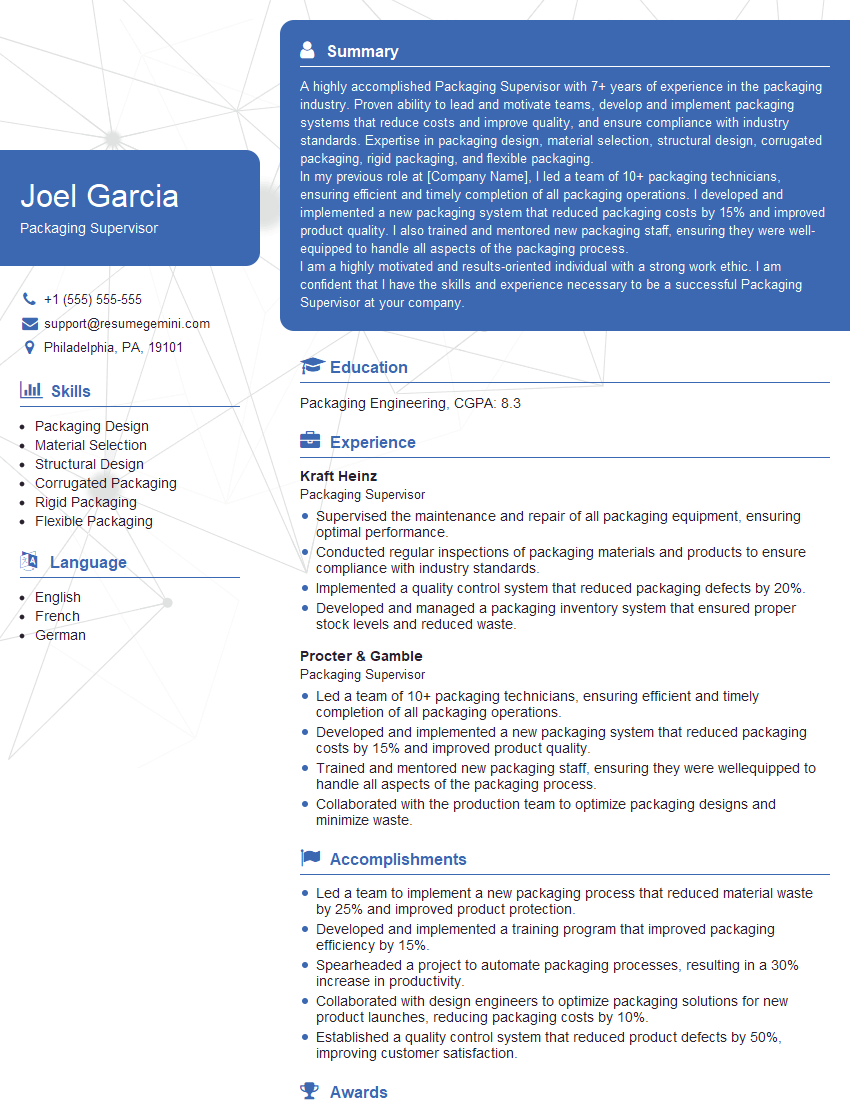
Packaging Supervisor Resume Sample
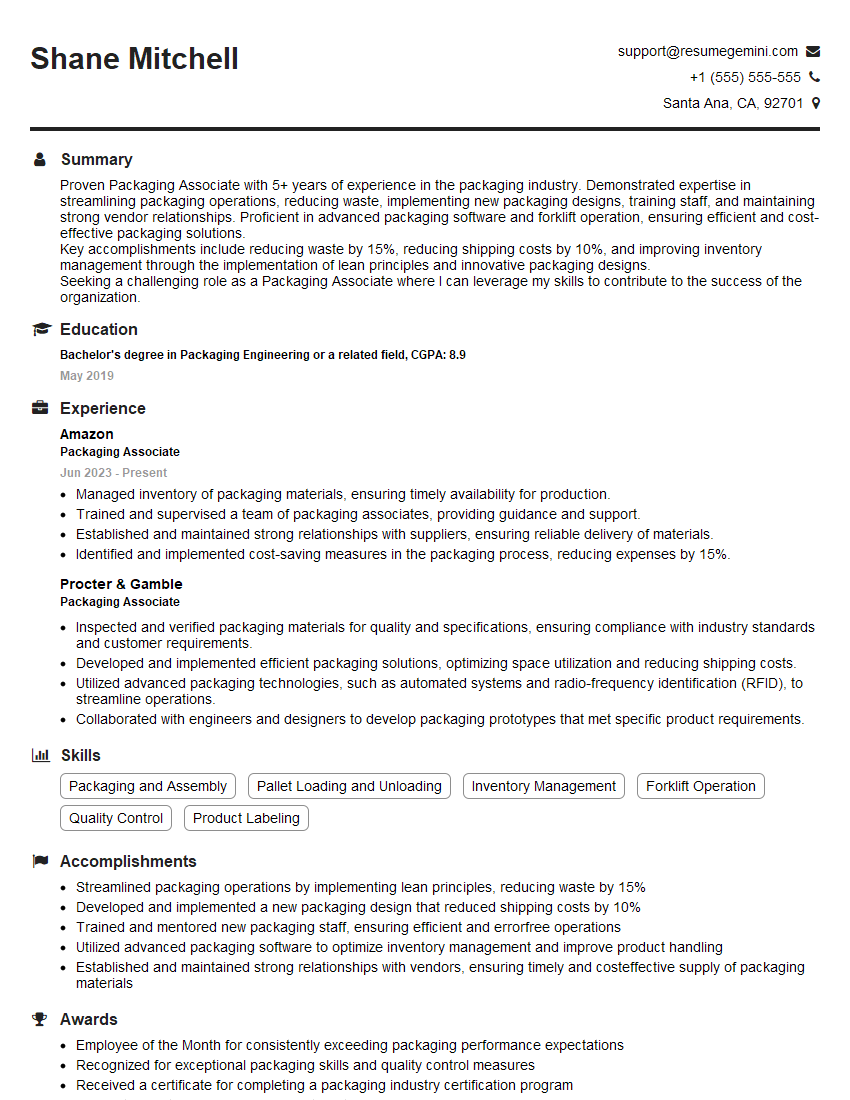
Packaging Associate Resume Sample
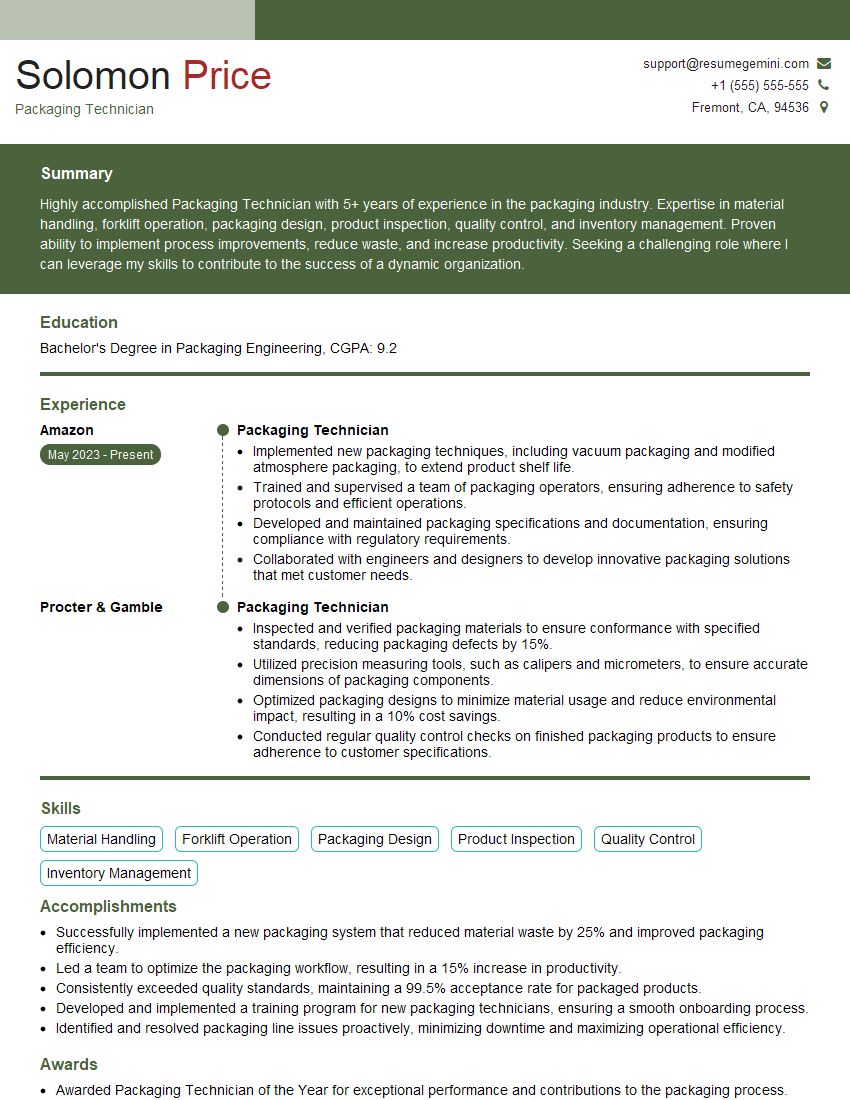
Packaging Technician Resume Sample
Explore more articles
Users Rating of Our Blogs
Share Your Experience
We value your feedback! Please rate our content and share your thoughts (optional).
What Readers Say About Our Blog
Attention music lovers!
Wow, All the best Sax Summer music !!!
Spotify: https://open.spotify.com/artist/6ShcdIT7rPVVaFEpgZQbUk
Apple Music: https://music.apple.com/fr/artist/jimmy-sax-black/1530501936
YouTube: https://music.youtube.com/browse/VLOLAK5uy_noClmC7abM6YpZsnySxRqt3LoalPf88No
Other Platforms and Free Downloads : https://fanlink.tv/jimmysaxblack
on google : https://www.google.com/search?q=22+AND+22+AND+22
on ChatGPT : https://chat.openai.com?q=who20jlJimmy20Black20Sax20Producer
Get back into the groove with Jimmy sax Black
Best regards,
Jimmy sax Black
www.jimmysaxblack.com
Hi I am a troller at The aquatic interview center and I suddenly went so fast in Roblox and it was gone when I reset.
Hi,
Business owners spend hours every week worrying about their website—or avoiding it because it feels overwhelming.
We’d like to take that off your plate:
$69/month. Everything handled.
Our team will:
Design a custom website—or completely overhaul your current one
Take care of hosting as an option
Handle edits and improvements—up to 60 minutes of work included every month
No setup fees, no annual commitments. Just a site that makes a strong first impression.
Find out if it’s right for you:
https://websolutionsgenius.com/awardwinningwebsites
Hello,
we currently offer a complimentary backlink and URL indexing test for search engine optimization professionals.
You can get complimentary indexing credits to test how link discovery works in practice.
No credit card is required and there is no recurring fee.
You can find details here:
https://wikipedia-backlinks.com/indexing/
Regards
NICE RESPONSE TO Q & A
hi
The aim of this message is regarding an unclaimed deposit of a deceased nationale that bears the same name as you. You are not relate to him as there are millions of people answering the names across around the world. But i will use my position to influence the release of the deposit to you for our mutual benefit.
Respond for full details and how to claim the deposit. This is 100% risk free. Send hello to my email id: lukachachibaialuka@gmail.com
Luka Chachibaialuka
Hey interviewgemini.com, just wanted to follow up on my last email.
We just launched Call the Monster, an parenting app that lets you summon friendly ‘monsters’ kids actually listen to.
We’re also running a giveaway for everyone who downloads the app. Since it’s brand new, there aren’t many users yet, which means you’ve got a much better chance of winning some great prizes.
You can check it out here: https://bit.ly/callamonsterapp
Or follow us on Instagram: https://www.instagram.com/callamonsterapp
Thanks,
Ryan
CEO – Call the Monster App
Hey interviewgemini.com, I saw your website and love your approach.
I just want this to look like spam email, but want to share something important to you. We just launched Call the Monster, a parenting app that lets you summon friendly ‘monsters’ kids actually listen to.
Parents are loving it for calming chaos before bedtime. Thought you might want to try it: https://bit.ly/callamonsterapp or just follow our fun monster lore on Instagram: https://www.instagram.com/callamonsterapp
Thanks,
Ryan
CEO – Call A Monster APP
To the interviewgemini.com Owner.
Dear interviewgemini.com Webmaster!
Hi interviewgemini.com Webmaster!
Dear interviewgemini.com Webmaster!
excellent
Hello,
We found issues with your domain’s email setup that may be sending your messages to spam or blocking them completely. InboxShield Mini shows you how to fix it in minutes — no tech skills required.
Scan your domain now for details: https://inboxshield-mini.com/
— Adam @ InboxShield Mini
support@inboxshield-mini.com
Reply STOP to unsubscribe
Hi, are you owner of interviewgemini.com? What if I told you I could help you find extra time in your schedule, reconnect with leads you didn’t even realize you missed, and bring in more “I want to work with you” conversations, without increasing your ad spend or hiring a full-time employee?
All with a flexible, budget-friendly service that could easily pay for itself. Sounds good?
Would it be nice to jump on a quick 10-minute call so I can show you exactly how we make this work?
Best,
Hapei
Marketing Director
Hey, I know you’re the owner of interviewgemini.com. I’ll be quick.
Fundraising for your business is tough and time-consuming. We make it easier by guaranteeing two private investor meetings each month, for six months. No demos, no pitch events – just direct introductions to active investors matched to your startup.
If youR17;re raising, this could help you build real momentum. Want me to send more info?
Hi, I represent an SEO company that specialises in getting you AI citations and higher rankings on Google. I’d like to offer you a 100% free SEO audit for your website. Would you be interested?
Hi, I represent an SEO company that specialises in getting you AI citations and higher rankings on Google. I’d like to offer you a 100% free SEO audit for your website. Would you be interested?