Feeling uncertain about what to expect in your upcoming interview? We’ve got you covered! This blog highlights the most important Laboratory Processing interview questions and provides actionable advice to help you stand out as the ideal candidate. Let’s pave the way for your success.
Questions Asked in Laboratory Processing Interview
Q 1. Describe your experience with different laboratory techniques (e.g., HPLC, GC, spectrophotometry).
Throughout my career, I’ve extensively utilized a range of laboratory techniques, including High-Performance Liquid Chromatography (HPLC), Gas Chromatography (GC), and spectrophotometry. HPLC, for instance, is invaluable for separating and quantifying components in a mixture, such as identifying different compounds in a pharmaceutical formulation. I’ve used reversed-phase HPLC to analyze the purity of synthesized drugs, employing different mobile phases and gradient elution techniques to optimize separation. GC, on the other hand, excels in analyzing volatile compounds, and I’ve applied it extensively in environmental analysis, specifically identifying and quantifying pollutants in water samples. This involved using different GC columns based on the analyte’s polarity and carefully selecting the detection method, often using a Flame Ionization Detector (FID) for general analysis or a Mass Spectrometer (MS) for more precise identification. Spectrophotometry, a simpler technique, allows for the quantitative determination of substances based on their light absorption properties. I frequently used UV-Vis spectrophotometry to measure the concentration of proteins in biological samples, making sure to account for blank corrections and use appropriate reference standards.
For example, in one project involving the analysis of a herbal extract, I used HPLC to identify the major bioactive compounds present, then validated the method through thorough accuracy and precision testing. For another project involving the analysis of volatile organic compounds in air, GC-MS was vital for separating, identifying, and quantifying the various components. Finally, in a routine quality control analysis of a specific chemical compound, UV-Vis spectrophotometry provided a rapid and reliable way to determine its concentration.
Q 2. Explain your understanding of Good Laboratory Practices (GLP).
Good Laboratory Practices (GLP) are a set of principles that ensure the uniformity, consistency, reliability, reproducibility, quality, and integrity of non-clinical laboratory studies. Think of them as a comprehensive quality system specifically for laboratories. They encompass everything from the design of experiments and the handling of samples to the recording of data and the reporting of results. Adherence to GLP is crucial for generating data that is reliable and defensible, particularly in regulated industries like pharmaceuticals and environmental testing. Key aspects of GLP include:
- Standard Operating Procedures (SOPs): Detailed, written instructions for all procedures to maintain consistency. Every step, from sample preparation to instrument calibration, is clearly defined.
- Personnel Training: Ensuring all personnel are adequately trained and competent in the techniques they are performing.
- Equipment Calibration and Maintenance: Regular calibration and maintenance of all instruments to ensure accurate and precise measurements.
- Chain of Custody: Maintaining a complete and auditable record of the handling and movement of samples to prevent contamination and errors.
- Data Integrity: Ensuring that all data is accurately recorded, managed, and protected, preventing tampering or accidental loss.
In practice, GLP ensures that the results are believable and can withstand scientific scrutiny. For instance, if a regulatory agency inspects a laboratory, compliance with GLP is key to demonstrate that the data generated is reliable and meets the required standards.
Q 3. How do you ensure the accuracy and precision of your laboratory results?
Accuracy and precision are cornerstones of reliable laboratory results. Accuracy refers to how close a measurement is to the true value, while precision refers to how close repeated measurements are to each other. To ensure both, we employ a multi-pronged approach:
- Proper Calibration and Maintenance of Instruments: Regularly scheduled calibration and maintenance of instruments, with documented evidence, minimize systematic errors affecting accuracy.
- Use of Certified Reference Materials (CRMs): Running analyses with CRMs of known composition allows for the validation of methods and correction of any systematic bias, improving accuracy.
- Multiple Analyses and Replicates: Performing multiple analyses and replicates for each sample improves precision and allows statistical analysis to identify and manage random errors.
- Control Samples: Inclusion of positive and negative controls during the assay, along with blanks to minimize contamination influence, ensure the assay is working correctly and detect potential errors.
- Quality Control Charts: Continuous monitoring of results using quality control charts helps identify trends and potential issues before they become significant sources of error.
For example, in a recent experiment involving protein quantification, I used a CRM to verify the accuracy of my spectrophotometric measurements and performed the analysis in triplicate to improve precision. Any outliers were investigated and repeated.
Q 4. Describe your experience with maintaining laboratory equipment and instrumentation.
Maintaining laboratory equipment and instrumentation is paramount for generating reliable results. My experience includes performing routine preventative maintenance, troubleshooting malfunctions, and coordinating repairs with service engineers. This involves:
- Following manufacturer’s instructions: Strictly adhering to the manufacturer’s recommended maintenance schedules and procedures.
- Keeping detailed maintenance logs: Maintaining comprehensive records of all maintenance activities, including dates, performed actions, and any observed issues.
- Troubleshooting minor issues: Identifying and resolving minor malfunctions, such as clogged columns in HPLC or malfunctioning detectors, significantly reduces downtime.
- Working with service engineers: Coordinating repairs with qualified service engineers for major problems, ensuring correct repairs and calibrations.
- Proper storage of equipment: Storing equipment appropriately when not in use to prevent damage and ensure longevity.
I recall an instance where our HPLC system developed a pressure leak. By systematically checking each component according to the troubleshooting guide, I quickly identified the problem as a faulty pump seal and replaced it, minimizing the disruption to our work.
Q 5. How do you troubleshoot issues encountered during laboratory procedures?
Troubleshooting is an integral part of laboratory work. When issues arise, I follow a structured approach:
- Identify the Problem: Carefully document the nature of the problem, noting any specific errors or deviations from expected results.
- Review SOPs and Procedures: Check if the problem can be explained by an error in technique or deviation from the established procedures.
- Check Equipment Function: Verify that all equipment is functioning correctly, including calibration status, and examine any warning messages.
- Check Reagents and Consumables: Ensure that reagents are fresh, properly stored, and correctly prepared. Examine consumables for degradation or contamination.
- Seek Assistance or Consult Literature: Consult colleagues, supervisors, manuals, or relevant literature for solutions or advice if the problem persists.
For example, when unexpected peaks appeared in an HPLC chromatogram, I first reviewed my sample preparation method, then checked the HPLC column for contamination. After ruling out these possibilities, I consulted the instrument manual and ultimately identified a problem with the autosampler injection needle, which was easily cleaned and resolved the issue. A methodical and documented approach is key to efficiently resolving problems and preventing their recurrence.
Q 6. Explain your experience with data analysis and interpretation in a laboratory setting.
Data analysis and interpretation are crucial for drawing meaningful conclusions from laboratory experiments. My experience involves a variety of techniques including:
- Statistical Analysis: Employing statistical methods such as t-tests, ANOVA, and regression analysis to determine if observed differences are statistically significant.
- Data Visualization: Creating graphs and charts to present data clearly and effectively, facilitating pattern recognition and interpretation.
- Quality Control: Assessing the quality of data, including precision, accuracy, and outlier identification.
- Calibration Curves: Creating and interpreting calibration curves to quantify analytes using appropriate regression models.
- Report Writing: Presenting the findings in a clear, concise, and well-structured manner within laboratory reports, including appropriate error analysis and uncertainty estimations.
In a recent project involving the optimization of a chemical reaction, I utilized ANOVA to statistically compare the yields obtained under different reaction conditions. Through data visualization, I identified a clear correlation between temperature and yield, allowing for the selection of optimal reaction parameters. The results were then clearly summarized in a report with appropriate statistical analysis.
Q 7. Describe your experience with sample preparation techniques.
Sample preparation is a critical step, often determining the success of an analysis. The method depends heavily on the nature of the sample and the analytical technique used. My experience includes:
- Solid-phase extraction (SPE): This technique is frequently used to isolate and purify target analytes from complex matrices, like cleaning up environmental samples before GC-MS analysis. I’ve used various SPE cartridges to selectively extract compounds based on their polarity and other properties.
- Liquid-liquid extraction (LLE): I’ve used LLE to separate components based on their relative solubility in different solvents, for example, extracting organic compounds from aqueous solutions.
- Protein precipitation: I’ve employed methods like trichloroacetic acid (TCA) precipitation to remove proteins from biological samples before further analysis.
- Filtration: Using filtration to remove solid particulates from liquid samples, preventing clogging of analytical instruments.
- Dilution and Concentration: Adjusting sample concentration using appropriate dilution factors or concentration techniques like evaporation or rotary evaporation.
For instance, when analyzing pesticides in soil samples, I utilized SPE to extract the target pesticides from the complex soil matrix before analysis by GC-MS. Careful selection of the SPE cartridge and elution solvents was essential to achieve efficient extraction and clean-up.
Q 8. How do you ensure the safety and compliance of laboratory procedures?
Ensuring safety and compliance in a laboratory setting is paramount. It’s a multifaceted process that involves adhering to strict protocols, utilizing appropriate safety equipment, and meticulously documenting all procedures. Think of it like building a house – a strong foundation of safety is critical for a successful and stable operation.
- Standard Operating Procedures (SOPs): We rely on detailed, regularly reviewed SOPs for every procedure. These SOPs outline every step, including safety precautions, handling of hazardous materials, and waste disposal. For instance, an SOP for handling biohazardous materials would detail specific protocols for personal protective equipment (PPE), decontamination, and proper disposal pathways.
- Risk Assessments: Before starting any experiment, a thorough risk assessment is performed to identify potential hazards and develop mitigation strategies. This involves identifying potential risks (e.g., chemical spills, equipment malfunctions, biological hazards) and establishing safety measures to minimize those risks.
- Safety Training: All personnel undergo comprehensive safety training that covers topics such as handling chemicals, using safety equipment, emergency procedures, and waste management. Regular refresher courses ensure that everyone stays up-to-date with best practices.
- Regulatory Compliance: We strictly adhere to all relevant regulatory guidelines, such as those set by OSHA (Occupational Safety and Health Administration) and other industry-specific bodies. This involves maintaining accurate records, undergoing regular inspections, and ensuring that all equipment is calibrated and maintained according to regulations. For example, maintaining detailed records of chemical inventory and disposal is crucial for compliance with environmental regulations.
By implementing these measures, we create a safe and compliant laboratory environment, minimizing risks and ensuring the well-being of our personnel and the integrity of our results.
Q 9. What is your experience with validation procedures for laboratory equipment and methods?
Validation of laboratory equipment and methods is crucial for ensuring the reliability and accuracy of our results. It’s like testing the accuracy of a scale before weighing precious materials; you need to be confident in the tools you are using.
My experience includes:
- Equipment Qualification: I’ve participated in the IQ (Installation Qualification), OQ (Operational Qualification), and PQ (Performance Qualification) of various instruments, including HPLC, GC-MS, and spectrophotometers. This involves verifying that the equipment is installed correctly, operates as intended, and performs within specified limits. For instance, during OQ of an HPLC system, I’d check pump pressure, flow rate accuracy, and detector response to ensure they meet the manufacturer’s specifications.
- Method Validation: I have extensive experience in validating analytical methods, including assessing parameters such as accuracy, precision, linearity, limit of detection (LOD), and limit of quantification (LOQ). For example, when validating a new method for pesticide residue analysis, I’d perform experiments to establish the accuracy and precision of the method across a range of concentrations.
- Documentation and Reporting: All validation activities are meticulously documented, ensuring complete traceability and compliance with regulatory requirements. This includes detailed protocols, data analysis, and comprehensive reports.
My experience extends to both developing new validation procedures and updating existing ones to reflect technological advancements or regulatory changes.
Q 10. Describe your experience with writing and reviewing laboratory reports.
Writing and reviewing laboratory reports is a fundamental part of my daily work. A well-written report is the culmination of meticulous experimental work and serves as a crucial record for future reference and decision-making. Think of it as telling a story with data, ensuring clarity, accuracy, and completeness.
My experience includes:
- Data Compilation and Analysis: I’m proficient in compiling and analyzing data from various sources, including analytical instruments and laboratory notebooks. I utilize statistical tools to interpret results and identify trends.
- Report Writing: I can write clear, concise, and accurate reports that include an introduction, materials and methods, results, discussion, and conclusion. I am adept at using appropriate figures, tables, and graphs to present data effectively.
- Report Review: I am also skilled in reviewing reports written by others, ensuring accuracy, completeness, and compliance with internal and external standards. This includes checking for errors in data analysis, inconsistencies in reporting, and adherence to formatting guidelines.
- Software Proficiency: I’m proficient in using various software packages for data analysis and report generation, including Microsoft Office Suite and specialized laboratory software.
My reports are always meticulously reviewed to ensure accuracy and completeness before submission.
Q 11. How do you handle deviations or discrepancies in laboratory results?
Deviations or discrepancies in laboratory results are inevitable. The key is to identify the cause, document it thoroughly, and take corrective actions. It’s like troubleshooting a malfunctioning machine; systematic investigation is crucial.
My approach involves:
- Investigation: I systematically investigate the source of the deviation. This may involve reviewing the experimental procedure, checking instrument calibrations, re-analyzing samples, and examining laboratory notebooks for potential errors.
- Root Cause Analysis: I perform a thorough root cause analysis to identify the underlying cause of the discrepancy. This might involve using tools like a Fishbone diagram to explore potential causes and identify the most likely root cause.
- Corrective Actions: Based on the root cause analysis, I implement corrective actions to prevent similar deviations from occurring in the future. This might involve modifying the procedure, recalibrating equipment, or retraining personnel.
- Documentation: All deviations, investigations, and corrective actions are meticulously documented in a deviation report. This report is reviewed by supervisors to ensure the completeness and adequacy of the response.
Transparency and thorough documentation are crucial in handling deviations, ensuring data integrity and preventing future errors.
Q 12. What are your skills in using laboratory information management systems (LIMS)?
Laboratory Information Management Systems (LIMS) are indispensable tools for managing laboratory data and workflows. I’m proficient in using LIMS software to streamline laboratory operations and improve data management. It’s like having a central nervous system for the lab, ensuring smooth and efficient operations.
My skills include:
- Data Entry and Management: I can efficiently enter, manage, and retrieve data within the LIMS system. This includes sample tracking, result entry, and data analysis.
- Workflow Management: I understand how to utilize LIMS features to manage sample workflows, including sample receipt, testing, result reporting, and archiving.
- Report Generation: I can generate various reports from the LIMS data, including quality control reports, audit trails, and trend analysis reports.
- System Configuration (if applicable): Depending on the specific system, I have experience configuring and customizing aspects of the LIMS to improve workflows and reporting.
- Specific Systems: I have practical experience with [Mention specific LIMS systems you are familiar with, e.g., Thermo Scientific SampleManager, LabWare LIMS].
My proficiency in LIMS ensures data accuracy, traceability, and efficient management of laboratory operations.
Q 13. How do you manage your time effectively in a fast-paced laboratory environment?
Time management is critical in a fast-paced laboratory environment. It’s like a high-stakes game of Tetris, fitting in numerous tasks and priorities efficiently. My approach involves a combination of planning, prioritization, and efficient execution.
My strategies include:
- Prioritization: I prioritize tasks based on urgency and importance using techniques such as Eisenhower Matrix (Urgent/Important). This ensures that critical tasks are addressed first.
- Planning and Scheduling: I create daily and weekly plans to allocate time effectively. This includes scheduling experiments, data analysis, report writing, and other tasks.
- Multitasking (Strategically): While multitasking can be counterproductive, I strategically switch between tasks that require different skill sets. This ensures consistent progress without mental fatigue.
- Time Blocking: I allocate specific time blocks for focused work on particular tasks, minimizing distractions.
- Efficient Work Habits: I maintain an organized workspace and employ efficient work habits to maximize productivity.
By using these strategies, I consistently meet deadlines and manage my time effectively in a dynamic laboratory setting.
Q 14. How familiar are you with various types of laboratory glassware and equipment?
Familiarity with various types of laboratory glassware and equipment is essential for safe and effective laboratory operations. Knowing your tools is like a chef knowing their knives – crucial for successful outcomes.
My familiarity includes:
- Glassware: Beakers, Erlenmeyer flasks, volumetric flasks, graduated cylinders, pipettes (various types: serological, volumetric, Pasteur), burettes, watch glasses, desiccators, etc. I understand the appropriate use and limitations of each type of glassware, including the importance of proper cleaning and handling.
- Equipment: Spectrophotometers (UV-Vis, IR), HPLC, GC-MS, balances (analytical and top-loading), centrifuges, autoclaves, pH meters, ovens, water baths, hot plates, magnetic stirrers, vortex mixers, microscopes, and various other specialized instruments. I am familiar with the operating principles, maintenance requirements, and safety procedures associated with each piece of equipment. For instance, I understand the importance of regular calibration and maintenance for analytical balances to ensure accurate measurements.
- Specialized Equipment (if applicable): Depending on the specific laboratory setting, my experience might extend to more specialized equipment such as PCR machines, electrophoresis systems, cell counters, or flow cytometers.
My knowledge ensures that I can select and utilize the appropriate equipment and glassware for each experiment, ensuring accuracy and safety in all operations.
Q 15. Explain your understanding of different types of laboratory analyses.
Laboratory analyses encompass a wide range of techniques used to examine samples and obtain quantitative or qualitative data. These analyses can be broadly categorized based on their purpose and the techniques employed.
- Qualitative Analysis: This type of analysis identifies the components present in a sample, but not necessarily their quantity. Think of a simple chemical test to identify the presence of a specific ion. For example, a flame test can qualitatively identify certain metal ions by their characteristic flame color.
- Quantitative Analysis: This determines the precise amount or concentration of specific components within a sample. A common example is titration, which precisely measures the concentration of a solution by reacting it with a solution of known concentration. Another example is using a spectrophotometer to measure the absorbance of a solution at a specific wavelength to determine the concentration of a specific compound.
- Instrumental Analysis: These analyses rely on sophisticated instruments to measure properties like absorbance, fluorescence, mass, or chromatographic separation. Examples include Gas Chromatography-Mass Spectrometry (GC-MS) for identifying volatile compounds and High-Performance Liquid Chromatography (HPLC) for separating and quantifying components in a mixture. Imagine using GC-MS to detect pesticide residues in food samples, providing both qualitative identification and quantitative measurement of the residues.
- Microscopic Analysis: This involves using microscopes to visually examine samples at a very high magnification. This includes techniques such as bright-field, dark-field, phase-contrast, and fluorescence microscopy. Think of a biologist identifying different types of cells using a microscope.
The choice of analytical method depends heavily on the nature of the sample, the information needed, the available resources, and the required sensitivity and accuracy. Each type presents unique challenges and requires specialized knowledge and expertise.
Career Expert Tips:
- Ace those interviews! Prepare effectively by reviewing the Top 50 Most Common Interview Questions on ResumeGemini.
- Navigate your job search with confidence! Explore a wide range of Career Tips on ResumeGemini. Learn about common challenges and recommendations to overcome them.
- Craft the perfect resume! Master the Art of Resume Writing with ResumeGemini’s guide. Showcase your unique qualifications and achievements effectively.
- Don’t miss out on holiday savings! Build your dream resume with ResumeGemini’s ATS optimized templates.
Q 16. How do you ensure the proper disposal and handling of laboratory waste?
Safe handling and disposal of laboratory waste is paramount for both environmental protection and personnel safety. My approach follows a strict protocol that begins with proper segregation of waste at the source. We categorize waste based on its hazard class: chemical, biological, radioactive, and sharps. Each category necessitates specific handling and disposal practices.
- Chemical Waste: Incompatible chemicals are never mixed. Waste is collected in appropriately labeled containers, and specific safety data sheets (SDS) are consulted before disposal. Often, neutralization or treatment is needed before disposal according to local regulations.
- Biological Waste: This includes cultures, biological specimens, and contaminated materials. These are typically autoclaved to eliminate infectious agents before disposal. Sharps, like needles and glass, are disposed of in designated puncture-resistant containers.
- Radioactive Waste: These are carefully monitored, documented, and disposed of in compliance with strict regulations that vary widely based on location and the level of radioactivity.
- General Waste: Recyclable materials are separated, and remaining general waste is disposed of through standard waste management channels.
Maintaining detailed records of waste generated, its treatment, and disposal is crucial for compliance. Regular training on proper waste handling procedures ensures consistent adherence to safety protocols and environmental regulations. Think of it like a meticulous record-keeping system for a highly regulated environment, similar to what you’d find in a pharmaceutical facility.
Q 17. Describe your experience with working in a team environment in a lab setting.
I thrive in collaborative team environments and have extensive experience working within laboratory settings. In my previous role, we worked as a cohesive unit to analyze environmental samples for pesticide residues. Our team, comprised of chemists, technicians, and data analysts, relied heavily on effective communication and mutual respect.
- Shared Responsibility: We shared responsibilities, with each team member contributing their specialized skills. For example, the technicians prepared the samples, chemists performed the analyses using GC-MS, and data analysts processed the results and ensured data quality.
- Open Communication: Regular team meetings facilitated open communication, allowing us to discuss challenges, share insights, and collectively problem-solve.
- Mutual Respect: We valued each other’s expertise and contributions, recognizing that each role was integral to project success. This mutual respect created a positive and productive work environment.
- Conflict Resolution: When disagreements arose (which is inevitable in any team setting), we addressed them constructively through open dialogue, seeking mutually agreeable solutions.
This teamwork fostered a high level of efficiency, accuracy, and a shared sense of accomplishment. This shared experience strengthened my ability to collaborate productively within a team setting, particularly in fast-paced and demanding projects.
Q 18. How do you stay updated on the latest technologies and trends in laboratory processing?
Staying abreast of the latest advancements in laboratory processing is crucial for maintaining proficiency and ensuring the lab operates efficiently and effectively. I employ a multifaceted approach to continuous learning:
- Professional Journals and Publications: I regularly read peer-reviewed journals like Analytical Chemistry and the Journal of Chromatography, keeping me updated on new methodologies and technologies.
- Conferences and Workshops: Attending industry conferences and workshops provides invaluable opportunities to network with experts, learn about the latest research findings, and see new equipment demonstrations.
- Online Resources and Webinars: Online platforms, such as those offered by professional societies, provide access to webinars and training materials on diverse analytical techniques and software.
- Vendor and Instrument Training: Training provided by equipment vendors helps me to maximize the capabilities of our instruments and stay updated on software improvements and troubleshooting techniques.
- Professional Networks: Engaging with professional organizations, such as the American Chemical Society, expands my network, facilitates knowledge exchange, and keeps me informed on emerging trends.
This multi-pronged approach ensures I maintain a current understanding of the field, allowing me to implement improvements in our lab’s processes and select appropriate instrumentation to meet evolving analytical needs.
Q 19. What is your experience with method development and optimization?
Method development and optimization are integral components of my laboratory experience. This often involves adapting existing methods or designing new procedures to enhance accuracy, precision, sensitivity, and efficiency. The process is iterative and requires meticulous attention to detail.
- Literature Review: Initially, I thoroughly review existing literature to identify suitable methods or adapt existing methods to our needs. I’ll consider the advantages and limitations of each method in the context of our lab equipment and expertise.
- Experimental Design: A carefully designed experiment is crucial. This involves defining the scope of the optimization, selecting appropriate variables, and choosing a statistical experimental design (like a Design of Experiments or DOE) to systematically explore the parameter space efficiently.
- Validation: Once a method is developed, it must be rigorously validated to ensure accuracy, precision, linearity, range, limit of detection (LOD), and limit of quantitation (LOQ) meet the required standards. This might involve extensive testing across multiple batches and different concentrations.
- Optimization: Optimization usually involves adjusting critical parameters, such as temperature, flow rate, or reagent concentrations. This is often done iteratively, and the optimization process may use a combination of empirical adjustments and advanced software to ensure minimal error and maximal efficiency.
For example, I once optimized an HPLC method for analyzing trace levels of pharmaceuticals in wastewater. By systematically adjusting the mobile phase composition and flow rate, I improved the separation efficiency and lowered the detection limits significantly, allowing for more accurate quantification of the target analytes. This involved careful optimization studies and method validation according to regulatory requirements.
Q 20. Describe a time you had to solve a complex problem in the laboratory.
During a project analyzing trace metals in soil samples, we encountered unexpectedly high variability in our results. Initial analyses showed inconsistent results, jeopardizing the validity of our data. This wasn’t simply a matter of operator error.
Troubleshooting Steps:
- Investigate the source of variation: We first meticulously reviewed our entire analytical workflow, focusing on sample preparation, instrument calibration, and data analysis steps. We identified the variability stemmed from inconsistent sample digestion, a critical step in preparing soil samples for analysis.
- Optimize sample preparation: We systematically tested different digestion methods, optimizing parameters like temperature, acid concentration, and digestion time. We employed a Design of Experiments (DOE) approach to efficiently identify the optimal conditions that would ensure complete metal extraction.
- Implement quality control measures: We introduced stricter quality control measures, such as running duplicate samples, using certified reference materials, and implementing blank samples to assess and correct for contamination.
- Re-run analyses: After optimizing the digestion protocol and implementing the QC measures, we re-ran the analyses. This resulted in significantly improved precision and accuracy in our data.
This experience highlighted the importance of thorough investigation, systematic problem-solving, and the implementation of robust quality control measures in achieving reliable analytical results. The improved method ensured accurate data interpretation and valuable insights for our environmental study.
Q 21. How do you ensure the quality of reagents and standards used in the laboratory?
Ensuring the quality of reagents and standards is absolutely crucial for accurate and reliable analytical results. A multi-step approach is essential:
- Source Selection: We select reagents and standards from reputable suppliers with a proven track record of quality and reliability. We prioritize suppliers with ISO certifications, and we often compare quotes across multiple vendors to make informed decisions.
- Verification of Purity: Upon receipt, we check the certificates of analysis (CoA) provided by the supplier to verify purity, expiry dates, and lot numbers. Deviations from specifications are reported immediately to the supplier.
- Storage and Handling: Reagents and standards are stored according to the manufacturer’s instructions, often in dedicated refrigerators or desiccators to maintain their integrity and prevent degradation. This ensures the reagents remain stable and usable for their intended purpose.
- Regular Audits: Periodic audits of our inventory ensure that reagents are not expired or degraded. Any questionable reagents are immediately removed from service.
- Internal Calibration and Verification: We regularly calibrate our instruments using certified reference materials (CRMs) to verify the accuracy and precision of our measurements. This provides an independent confirmation of the quality of our results and helps detect any issues with the reagents or standards.
Think of it like a rigorous chain of custody, from procurement to final disposal. Every step is documented and verified to ensure the highest level of data integrity. Any deviation from these procedures triggers an immediate investigation to ensure reliable results. This systematic approach safeguards the validity and reliability of our laboratory data.
Q 22. What is your experience with statistical analysis of laboratory data?
Statistical analysis is crucial for interpreting laboratory data accurately and drawing meaningful conclusions. My experience encompasses a wide range of techniques, from basic descriptive statistics like calculating means, medians, and standard deviations, to more advanced methods such as ANOVA (Analysis of Variance), t-tests, regression analysis, and even multivariate analysis depending on the complexity of the data set. For example, in a recent project involving enzyme activity assays, I used ANOVA to compare the activity levels across different treatment groups, identifying statistically significant differences. I’m proficient in using statistical software packages like R and SPSS to perform these analyses, create visualizations like histograms and box plots to explore data distribution, and generate reports summarizing the results and their implications. Understanding statistical significance (p-values) and confidence intervals is key to avoiding misinterpretations of results. I always ensure that the chosen statistical methods are appropriate for the type of data and the research question.
Q 23. Explain your understanding of calibration and verification of laboratory equipment.
Calibration and verification are essential for ensuring the accuracy and reliability of laboratory equipment. Calibration involves adjusting an instrument to match a known standard, while verification confirms that the instrument is performing within its specified tolerances. Think of it like this: calibration is like tuning a musical instrument to a specific pitch, while verification is checking that it’s in tune. For example, we routinely calibrate our analytical balances using certified weights, documenting the calibration process meticulously. Verification is usually done using control samples or reference materials with known values. We compare the instrument’s readings to the known values, calculating the error and determining if it falls within the acceptable range. If not, the equipment may require recalibration or even repair. Regular calibration and verification are crucial for maintaining data integrity and complying with quality standards such as ISO 17025.
Q 24. How do you document your work accurately and comprehensively?
Accurate and comprehensive documentation is paramount in a laboratory setting. I use a combination of electronic and paper-based methods to ensure a complete record of all my work. Electronic lab notebooks (ELNs) are my primary tool, allowing for detailed recording of experimental procedures, data, observations, calculations, and interpretations. I also use spreadsheet software to manage and analyze large datasets. For any paper-based records, I maintain clear and legible handwriting with dates and signatures to ensure traceability. Crucially, all my documentation adheres to the principle of ALCOA (Attributable, Legible, Contemporaneous, Original, and Accurate). This ensures that any data generated can be easily traced back to its source, and all steps in the process are clearly documented and auditable.
Q 25. Describe your experience with quality control procedures in the laboratory.
Quality control (QC) is an integral part of my laboratory work. I’m familiar with implementing various QC procedures to ensure the accuracy, precision, and reliability of our analyses. This includes using positive and negative controls in assays to verify the validity of the test, running duplicate or triplicate samples to assess variability, and participating in proficiency testing programs to compare our results to those of other labs. Regular monitoring of QC data allows us to identify any systematic errors or drifts in equipment performance. Out-of-range QC results trigger investigations to determine the cause and take corrective actions, ensuring data integrity and the reliability of our lab’s output. For example, we regularly analyze QC samples with known concentrations alongside our unknown samples in chromatography experiments to ensure our instruments are performing within acceptable limits.
Q 26. How do you maintain a clean and organized laboratory workspace?
Maintaining a clean and organized workspace is crucial for efficiency, safety, and preventing cross-contamination. I follow a 5S methodology – Sort, Set in Order, Shine, Standardize, and Sustain – to organize my workspace. This involves regularly decluttering, disposing of waste properly, labeling all reagents and samples clearly, and storing materials in designated areas. Following safety protocols, including wearing appropriate personal protective equipment (PPE) like gloves and lab coats, is a must. Regular cleaning and disinfection of work surfaces are essential to minimize the risk of contamination and ensure a safe working environment. A clean and organized lab contributes to the accuracy and reproducibility of experiments, while minimizing the risk of errors and accidents.
Q 27. What are your strengths and weaknesses in a laboratory setting?
One of my greatest strengths is my meticulous attention to detail and my commitment to accuracy. I take pride in performing experiments with precision and ensuring the data is reliable and valid. I also possess strong analytical and problem-solving skills. I’m able to troubleshoot equipment malfunctions and interpret complex data sets efficiently. A potential area for development is enhancing my leadership skills – while I collaborate effectively, I would like to further develop my abilities to mentor and guide junior colleagues. I actively seek opportunities to improve my skills by attending workshops and conferences and participating in training programs.
Q 28. Describe your experience with different types of laboratory automation
My experience with laboratory automation includes working with various automated liquid handling systems (e.g., robotic arms, automated pipettors), automated sample preparation systems (e.g., solid-phase extraction), and high-throughput screening platforms. I’m proficient in using these systems to increase efficiency and throughput in laboratory processes, reducing manual handling and improving reproducibility. For example, in a previous role, we used an automated liquid handling system to prepare hundreds of samples for a high-throughput screening experiment, significantly reducing the time and effort required compared to manual preparation. My understanding extends to both the practical operation of automated systems and the software used for data acquisition and analysis. I’m also adept at troubleshooting common problems and maintaining the equipment. Automated systems are critical for handling large volumes of data or samples with high precision and consistency, greatly increasing the efficiency and reliability of laboratory workflows.
Key Topics to Learn for Laboratory Processing Interview
- Sample Preparation and Handling: Understanding different sample types, proper handling techniques to maintain integrity, and the implications of contamination.
- Laboratory Equipment and Instrumentation: Familiarity with common laboratory equipment (e.g., centrifuges, spectrophotometers, autoclaves) – their operation, maintenance, and troubleshooting.
- Quality Control and Assurance (QA/QC): Implementing and understanding QA/QC procedures to ensure accuracy and reliability of results, including calibration and validation techniques.
- Data Analysis and Interpretation: Proficiency in analyzing laboratory data, identifying trends, and drawing meaningful conclusions. Understanding statistical analysis techniques is beneficial.
- Safety Procedures and Regulations: Thorough knowledge of laboratory safety protocols, handling hazardous materials, and adherence to relevant regulations (e.g., OSHA).
- Laboratory Information Management Systems (LIMS): Experience with LIMS software for sample tracking, data management, and reporting – understanding its role in efficient laboratory workflows.
- Method Validation and Verification: Understanding the principles and practical application of method validation and verification to ensure the reliability and accuracy of laboratory methods.
- Troubleshooting and Problem-solving: Ability to identify and resolve issues related to equipment malfunctions, data discrepancies, and procedural deviations.
- Documentation and Record Keeping: Maintaining accurate and complete records of experiments, procedures, and results, adhering to good documentation practices (GDP).
Next Steps
Mastering laboratory processing techniques is crucial for career advancement in the scientific field, opening doors to specialized roles and increased responsibility. A strong resume is your key to unlocking these opportunities. Creating an ATS-friendly resume is essential to get your application noticed by recruiters and hiring managers. To make your resume stand out, leverage the power of ResumeGemini, a trusted resource for building professional and effective resumes. ResumeGemini provides examples of resumes tailored to Laboratory Processing to help guide you. Invest time in crafting a compelling resume; it’s your first impression and a significant step towards your next career milestone.
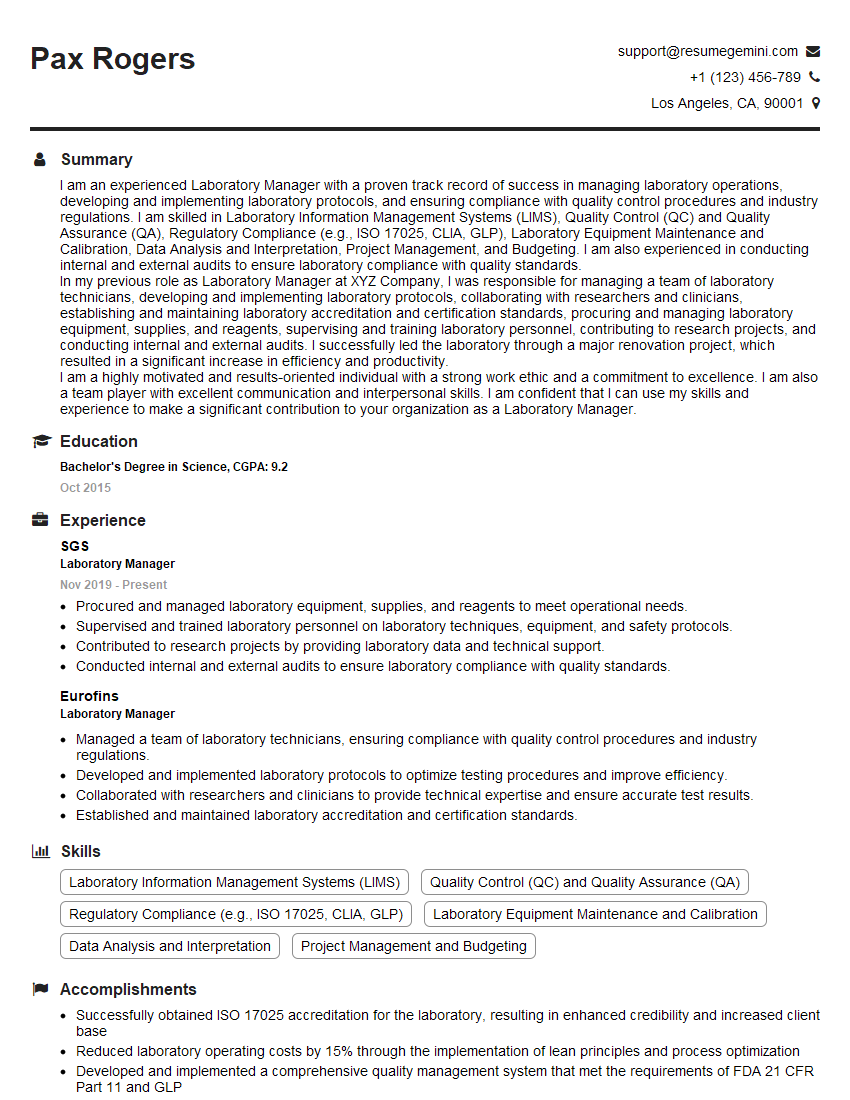
Laboratory Manager Resume Sample
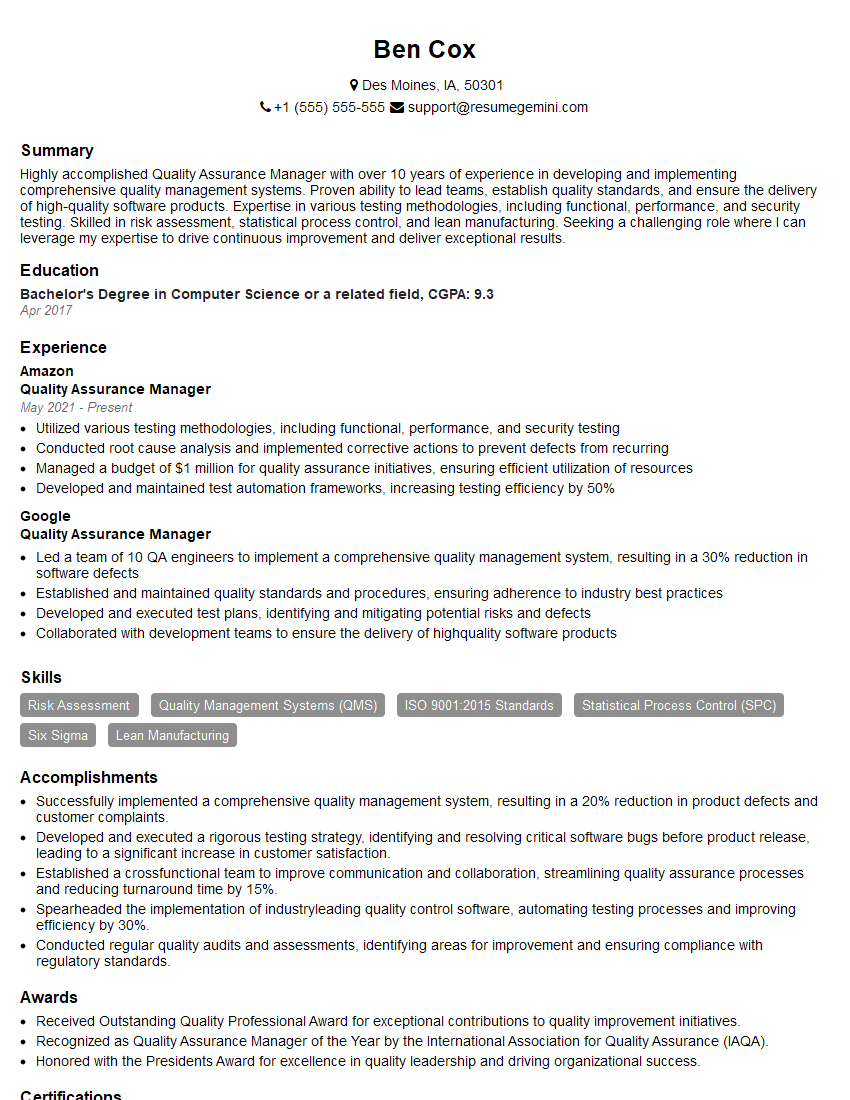
Quality Assurance Manager Resume Sample
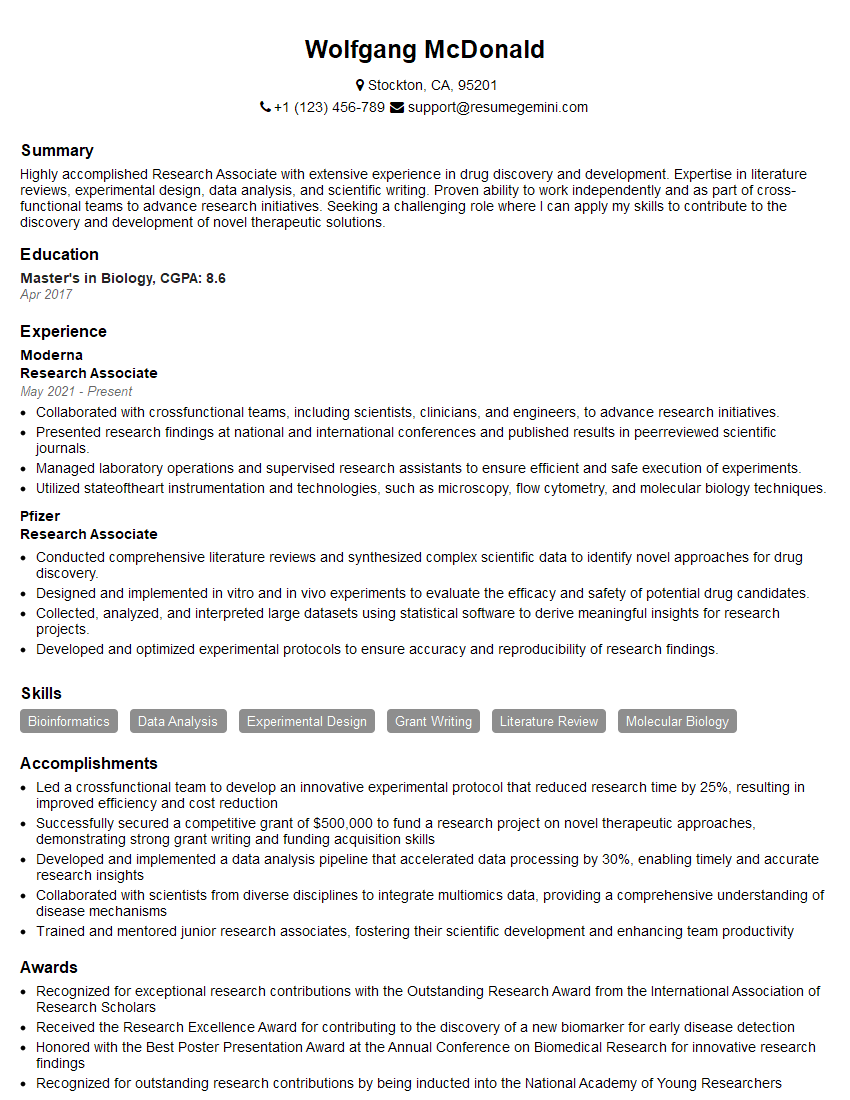
Research Associate Resume Sample
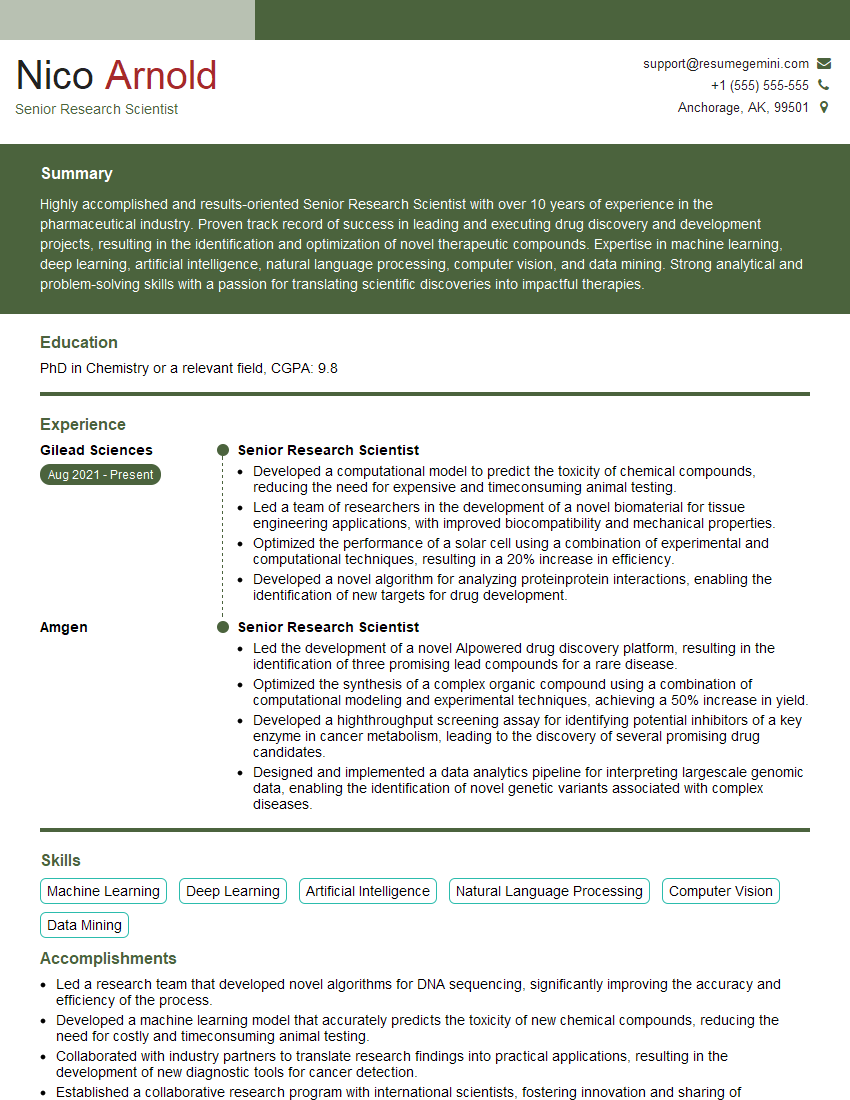
Senior Research Scientist Resume Sample
Regulatory Affairs Specialist Resume Sample
Process Engineer Resume Sample
Metrologist Resume Sample
Quality Control Specialist Resume Sample
Validation Engineer Resume Sample
Laboratory Supervisor Resume Sample
Microbiologist Resume Sample

Analytical Chemist Resume Sample
Laboratory Analyst Resume Sample
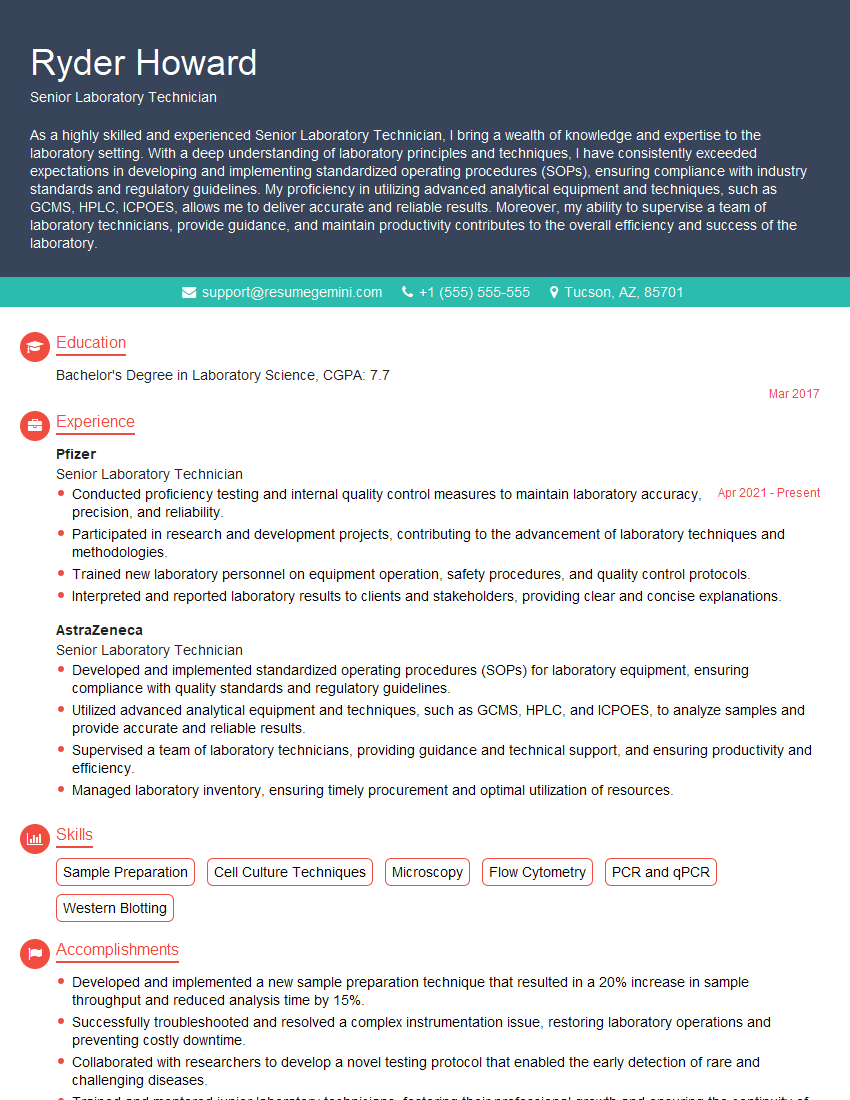
Senior Laboratory Technician Resume Sample
Explore more articles
Users Rating of Our Blogs
Share Your Experience
We value your feedback! Please rate our content and share your thoughts (optional).
What Readers Say About Our Blog
Attention music lovers!
Wow, All the best Sax Summer music !!!
Spotify: https://open.spotify.com/artist/6ShcdIT7rPVVaFEpgZQbUk
Apple Music: https://music.apple.com/fr/artist/jimmy-sax-black/1530501936
YouTube: https://music.youtube.com/browse/VLOLAK5uy_noClmC7abM6YpZsnySxRqt3LoalPf88No
Other Platforms and Free Downloads : https://fanlink.tv/jimmysaxblack
on google : https://www.google.com/search?q=22+AND+22+AND+22
on ChatGPT : https://chat.openai.com?q=who20jlJimmy20Black20Sax20Producer
Get back into the groove with Jimmy sax Black
Best regards,
Jimmy sax Black
www.jimmysaxblack.com
Hi I am a troller at The aquatic interview center and I suddenly went so fast in Roblox and it was gone when I reset.
Hi,
Business owners spend hours every week worrying about their website—or avoiding it because it feels overwhelming.
We’d like to take that off your plate:
$69/month. Everything handled.
Our team will:
Design a custom website—or completely overhaul your current one
Take care of hosting as an option
Handle edits and improvements—up to 60 minutes of work included every month
No setup fees, no annual commitments. Just a site that makes a strong first impression.
Find out if it’s right for you:
https://websolutionsgenius.com/awardwinningwebsites
Hello,
we currently offer a complimentary backlink and URL indexing test for search engine optimization professionals.
You can get complimentary indexing credits to test how link discovery works in practice.
No credit card is required and there is no recurring fee.
You can find details here:
https://wikipedia-backlinks.com/indexing/
Regards
NICE RESPONSE TO Q & A
hi
The aim of this message is regarding an unclaimed deposit of a deceased nationale that bears the same name as you. You are not relate to him as there are millions of people answering the names across around the world. But i will use my position to influence the release of the deposit to you for our mutual benefit.
Respond for full details and how to claim the deposit. This is 100% risk free. Send hello to my email id: lukachachibaialuka@gmail.com
Luka Chachibaialuka
Hey interviewgemini.com, just wanted to follow up on my last email.
We just launched Call the Monster, an parenting app that lets you summon friendly ‘monsters’ kids actually listen to.
We’re also running a giveaway for everyone who downloads the app. Since it’s brand new, there aren’t many users yet, which means you’ve got a much better chance of winning some great prizes.
You can check it out here: https://bit.ly/callamonsterapp
Or follow us on Instagram: https://www.instagram.com/callamonsterapp
Thanks,
Ryan
CEO – Call the Monster App
Hey interviewgemini.com, I saw your website and love your approach.
I just want this to look like spam email, but want to share something important to you. We just launched Call the Monster, a parenting app that lets you summon friendly ‘monsters’ kids actually listen to.
Parents are loving it for calming chaos before bedtime. Thought you might want to try it: https://bit.ly/callamonsterapp or just follow our fun monster lore on Instagram: https://www.instagram.com/callamonsterapp
Thanks,
Ryan
CEO – Call A Monster APP
To the interviewgemini.com Owner.
Dear interviewgemini.com Webmaster!
Hi interviewgemini.com Webmaster!
Dear interviewgemini.com Webmaster!
excellent
Hello,
We found issues with your domain’s email setup that may be sending your messages to spam or blocking them completely. InboxShield Mini shows you how to fix it in minutes — no tech skills required.
Scan your domain now for details: https://inboxshield-mini.com/
— Adam @ InboxShield Mini
support@inboxshield-mini.com
Reply STOP to unsubscribe
Hi, are you owner of interviewgemini.com? What if I told you I could help you find extra time in your schedule, reconnect with leads you didn’t even realize you missed, and bring in more “I want to work with you” conversations, without increasing your ad spend or hiring a full-time employee?
All with a flexible, budget-friendly service that could easily pay for itself. Sounds good?
Would it be nice to jump on a quick 10-minute call so I can show you exactly how we make this work?
Best,
Hapei
Marketing Director
Hey, I know you’re the owner of interviewgemini.com. I’ll be quick.
Fundraising for your business is tough and time-consuming. We make it easier by guaranteeing two private investor meetings each month, for six months. No demos, no pitch events – just direct introductions to active investors matched to your startup.
If youR17;re raising, this could help you build real momentum. Want me to send more info?
Hi, I represent an SEO company that specialises in getting you AI citations and higher rankings on Google. I’d like to offer you a 100% free SEO audit for your website. Would you be interested?
Hi, I represent an SEO company that specialises in getting you AI citations and higher rankings on Google. I’d like to offer you a 100% free SEO audit for your website. Would you be interested?