The right preparation can turn an interview into an opportunity to showcase your expertise. This guide to Farming Techniques interview questions is your ultimate resource, providing key insights and tips to help you ace your responses and stand out as a top candidate.
Questions Asked in Farming Techniques Interview
Q 1. Describe your experience with different soil types and their impact on crop selection.
Soil type is paramount in successful farming. Different soils possess varying textures, drainage capabilities, and nutrient compositions, directly influencing crop selection. Sandy soils, for example, drain quickly, making them suitable for drought-tolerant crops like potatoes or certain types of melons. They require more frequent irrigation but are well-aerated, promoting healthy root growth for those crops. Conversely, clay soils retain water, making them ideal for crops requiring consistent moisture like rice or water-loving vegetables, however, they can become waterlogged easily if not managed correctly. Loam soils, a mixture of sand, silt, and clay, offer a balanced approach, often considered the ideal soil type for a wide range of crops due to their good drainage and water retention properties. My experience includes working with all these types and adapting my planting decisions accordingly; for instance, I’ve successfully cultivated drought-resistant sorghum on sandy soils in arid regions and achieved high yields of water-intensive tomatoes on well-drained loam in temperate climates. Understanding soil texture through a simple “squeeze test” – feeling the soil between fingers to assess its texture— is a critical skill I’ve applied throughout my career.
Q 2. Explain your understanding of crop rotation and its benefits.
Crop rotation is a farming practice involving planting different types of crops in a planned sequence on the same plot of land over several growing seasons. Think of it as giving your soil a well-deserved vacation! The main benefit lies in reducing pest and disease pressure. Continuously growing the same crop encourages the buildup of specific pests and diseases, leading to yield reductions. Rotation disrupts this cycle by introducing crops that are not susceptible to the same problems, thus suppressing pest and disease populations. This also improves soil health. Legumes, for example (peas, beans, alfalfa), fix atmospheric nitrogen into the soil, improving fertility for subsequent crops, while deep-rooted plants help break up compacted soil. I’ve personally seen dramatic improvements in soil health and reduced pesticide use on my farms by implementing diverse rotation sequences—for example, rotating corn, soybeans, and wheat helps to balance nutrient demands and reduces pest pressure. A carefully planned rotation sequence, considering nutrient requirements and pest cycles, is a crucial component of sustainable agriculture.
Q 3. What irrigation techniques are you familiar with, and which would you choose for a specific crop and climate?
I’m experienced with various irrigation techniques, each with its own advantages and disadvantages. Surface irrigation, like furrow or flood irrigation, is cost-effective but can be inefficient and lead to waterlogging. Drip irrigation, which delivers water directly to plant roots, is very efficient, minimizing water waste and promoting targeted water delivery. Sprinkler irrigation is efficient in uniform coverage but can lead to evaporation losses. The best technique depends heavily on the specific crop and climate. For example, in arid and semi-arid climates with water scarcity, drip irrigation is most suitable for water-intensive crops like tomatoes or peppers, as it maximizes water use efficiency. In regions with abundant rainfall, however, surface irrigation techniques might be cost-effective solutions for less water-sensitive crops like cereals. For instance, I’ve successfully implemented drip irrigation for high-value vegetable crops in a drought-prone area, while using furrow irrigation for wheat cultivation in a more humid climate. Choosing the right irrigation technique directly translates to better yields and reduced resource waste. A proper soil analysis and the crop’s water requirements are key to making informed irrigation decisions.
Q 4. How do you manage pest and disease control in your farming operations?
Pest and disease control is a critical aspect of farming. My approach is integrated pest management (IPM), focusing on prevention and minimizing reliance on chemical pesticides. This involves monitoring crop health regularly to detect problems early, utilizing resistant crop varieties, promoting beneficial insects and biodiversity through habitat creation (hedgerows and flower strips), and implementing appropriate cultural practices like crop rotation. Chemical pesticides are used only as a last resort, and then, selectively and judiciously following label instructions and only when necessary. For instance, I’ve observed that intercropping certain plants with marigolds can effectively repel some common pests. Similarly, encouraging ladybugs in the field significantly reduces aphid populations. My IPM strategy aims at minimizing environmental impact while maintaining crop productivity. Regular scouting and detailed record-keeping are crucial to assess pest levels and make informed decisions regarding control measures.
Q 5. Describe your experience with fertilizer application and soil nutrient management.
Effective fertilizer application is crucial for optimizing crop yields while maintaining soil health. It all begins with a thorough soil test to determine nutrient deficiencies. Based on the test results, I develop a nutrient management plan, employing both organic and inorganic fertilizers tailored to the specific crop needs and soil conditions. This helps avoid over-fertilization, which can harm the environment through nutrient runoff. For instance, using compost and cover crops provides organic nutrients while minimizing chemical inputs. For crops requiring specific nutrients, such as nitrogen for leafy vegetables, balanced formulations are implemented according to the crop’s stage of development. Precision farming techniques, like variable-rate fertilization, ensure that nutrients are applied only where and when they are needed, maximizing efficiency and minimizing waste. I also prioritize soil health by integrating practices like cover cropping and no-till farming to improve nutrient cycling and reduce soil erosion. In this way, a balance between sustainable fertilizer practices and optimal crop growth can be achieved.
Q 6. Explain your knowledge of different harvesting techniques for various crops.
Harvesting techniques vary greatly depending on the crop. For cereals like wheat and barley, combine harvesters are commonly used for efficient large-scale operations. These machines harvest, thresh, and clean the grain in a single pass. For fruits and vegetables, hand-harvesting is often preferred to maintain quality, especially for delicate produce. Mechanical harvesting is also used for fruits like tomatoes and certain vegetables but requires careful handling to avoid damage. Root crops like potatoes require specialized machinery for efficient digging and separation from the soil. I’ve experience with all these methods, adapting my choice based on the crop, its scale of production, and market demands. For example, hand-harvesting is essential for premium quality strawberries, whereas large-scale potato cultivation requires mechanized harvesting. The goal is always to select methods that balance productivity, quality, and resource efficiency.
Q 7. How do you monitor and assess crop health and yield?
Monitoring crop health and yield involves a multi-faceted approach. Regular visual inspections for disease symptoms, pest infestations, and signs of nutrient deficiencies are crucial. Advanced technologies like remote sensing (drones and satellites) provide valuable data on crop growth and stress, enabling timely interventions. Yield monitoring during harvesting uses sensors and GPS to collect data on yield variability across the field. I use this information to optimize input use and improve management practices for the next growing season. This data-driven approach enhances the accuracy of predictions and allows for timely interventions, leading to better yield outcomes and improved resource utilization. Data analysis and record-keeping are critical in evaluating the impact of different farming practices and identifying areas for improvement. For example, identifying areas with low yields allows me to pinpoint issues like nutrient deficiencies, soil compaction, or irrigation problems and make informed decisions to rectify them in the next cycle.
Q 8. What are your strategies for managing water resources efficiently?
Efficient water resource management is crucial for sustainable farming. My strategies focus on optimizing water use at every stage, from irrigation to livestock needs. This involves a multi-pronged approach:
Precision Irrigation: Instead of flood irrigation which wastes a significant amount of water, I utilize drip irrigation or micro-sprinklers. These deliver water directly to the plant roots, minimizing evaporation and runoff. For example, in my tomato crops, drip irrigation increased yield by 15% while reducing water consumption by 30% compared to traditional methods.
Water Harvesting: I’ve implemented rainwater harvesting systems to collect rainwater for later use. This reduces reliance on groundwater and surface water sources, especially during dry spells. We use large storage tanks to collect the water from rooftops and diverting surface runoff from fields.
Soil Moisture Monitoring: Using soil moisture sensors, I monitor soil water content before irrigating. This prevents overwatering, which can lead to nutrient leaching and waterlogging. The data from these sensors is invaluable for scheduling irrigation effectively, optimizing water use and avoiding unnecessary water waste.
Drought-resistant Crops: Selecting drought-tolerant crop varieties is another key strategy. These crops require less frequent watering, leading to significant water savings. I’ve successfully transitioned parts of my farm to drought-resistant sorghum and millet varieties with positive results.
Water Recycling: Where feasible, I explore options for water recycling. Graywater from farmhouses and non-potable sources can be treated and used for irrigation of less sensitive crops, reducing overall water demands.
Q 9. Describe your experience with livestock management practices (if applicable).
My experience with livestock management encompasses both dairy cattle and poultry. I focus on holistic management practices that prioritize animal welfare and optimize productivity.
Pasture Management: For my cattle, I implement rotational grazing, moving them to different pastures to allow for regrowth and prevent overgrazing. This improves pasture health and reduces the need for supplemental feed.
Breed Selection: I carefully select breeds that are well-suited to the local climate and disease resistance. For example, I chose heat-tolerant breeds of cattle for our region’s hot summers.
Nutrition Management: I maintain detailed records of feed intake and adjust rations based on the animals’ needs and stage of production. This helps maximize milk production in dairy cows and egg production in poultry.
Disease Prevention: I implement proactive measures to prevent disease, including regular vaccination, parasite control, and maintaining clean housing conditions. Biosecurity protocols are strictly adhered to minimize the risk of disease outbreaks.
Record Keeping: I meticulously track animal health, weight, milk production, and other relevant data. This helps identify potential problems early and optimize management practices.
Q 10. How do you ensure the welfare and health of your livestock?
Ensuring the welfare and health of livestock is paramount. My approach is based on the ‘Five Freedoms’ framework:
Freedom from Hunger and Thirst: Providing access to clean, fresh water and appropriate feed at all times.
Freedom from Discomfort: Providing adequate shelter from harsh weather conditions and ensuring comfortable resting areas.
Freedom from Pain, Injury, and Disease: Implementing preventative healthcare measures like vaccinations and regular health checks, prompt treatment of illnesses or injuries.
Freedom to Express Normal Behavior: Providing opportunities for animals to exhibit natural behaviors, such as grazing, roaming, or social interaction.
Freedom from Fear and Distress: Handling animals calmly and humanely, minimizing stress factors such as overcrowding or loud noises.
Regular veterinary check-ups, prompt treatment of any illness, and maintaining a clean and hygienic environment are crucial parts of this process.
Q 11. Explain your experience with farm equipment operation and maintenance.
My experience encompasses the operation and maintenance of a wide range of farm equipment, including tractors, harvesters, planters, and irrigation systems. I’m proficient in:
Safe Operation: I’m familiar with the operation manuals for all equipment and follow safety regulations strictly.
Preventive Maintenance: Regular servicing and inspections are crucial. I perform routine maintenance tasks like oil changes, filter replacements, and lubrication to prevent breakdowns and prolong equipment lifespan.
Repair and Troubleshooting: I possess the skills to diagnose and repair minor mechanical issues. For major repairs, I have a reliable network of mechanics.
Technology Integration: I am familiar with GPS-guided equipment and precision farming technologies which optimize efficiency and reduce overlap.
Equipment Storage: Proper storage of equipment is crucial to prevent damage. I ensure that equipment is cleaned and stored in a dry, secure location during non-use periods.
Q 12. What safety protocols do you follow on the farm?
Safety is a top priority on our farm. We have established a comprehensive safety program that includes:
Personal Protective Equipment (PPE): We use PPE, such as safety glasses, gloves, hearing protection, and steel-toed boots, when operating equipment or handling chemicals.
Equipment Safety Checks: Before operating any equipment, we conduct thorough safety checks to ensure it is in good working order.
Chemical Handling: We follow strict procedures for handling and storing chemicals, including proper labeling and disposal.
Emergency Response Plan: We have a detailed emergency response plan in place, outlining procedures for handling accidents or emergencies.
Regular Training: All farm workers receive regular safety training, covering topics like equipment operation, chemical handling, and first aid.
Q 13. How do you manage farm labor and productivity?
Managing farm labor and productivity requires a multi-faceted approach that focuses on effective communication, training, and motivation. This involves:
Clear Communication: I maintain open communication with my team, providing clear instructions and ensuring everyone understands their roles and responsibilities.
Proper Training: I provide thorough training to all employees, covering all aspects of their work, including safety protocols and best practices.
Fair Compensation and Benefits: Providing competitive wages and benefits is essential for attracting and retaining skilled workers.
Employee Motivation: Creating a positive and supportive work environment is crucial. Regular feedback, recognition for good work and team-building activities encourage high productivity.
Workload Management: Assigning tasks efficiently to ensure that workload is balanced and manageable. We use scheduling software to manage labor resources effectively.
Q 14. Describe your experience with farm budgeting and financial planning.
Farm budgeting and financial planning are essential for the long-term success of any farming operation. My approach involves:
Detailed Budgeting: I develop comprehensive budgets that include all anticipated income and expenses. These budgets are regularly reviewed and updated.
Cost Control: I implement strategies to control costs, such as negotiating favorable prices with suppliers and reducing waste.
Income Forecasting: I use historical data and market trends to forecast future income.
Financial Record Keeping: I maintain accurate financial records to track income, expenses, and profitability.
Seeking Professional Advice: When needed, I consult with agricultural economists or financial advisors to ensure sound financial decision-making.
Regular financial analysis helps identify areas for improvement and informs strategic decision-making, enabling sustainable growth and profitability.
Q 15. What are your strategies for marketing and selling agricultural products?
Marketing and selling agricultural products requires a multi-pronged approach. It’s not just about growing a great crop; it’s about getting it to the right market at the right price. My strategies involve a combination of direct sales, farmers’ markets, wholesale partnerships, and increasingly, e-commerce.
Direct Sales: Building relationships with local restaurants, grocery stores, and even individual consumers allows me to control pricing and establish brand loyalty. For example, I’ve cultivated a loyal customer base for my heirloom tomatoes by offering a weekly pick-up service and providing personalized service.
Farmers’ Markets: These are excellent for building brand awareness and interacting directly with customers. I find that offering samples and engaging in conversations about my farming practices builds trust and creates repeat business. I also use attractive displays and signage to highlight the unique qualities of my products.
Wholesale Partnerships: Working with larger distributors expands my reach. However, this requires establishing consistent product quality and meeting their volume and delivery requirements. I’ve found success by collaborating with regional food co-ops that value sustainable farming practices.
E-commerce: Creating an online presence through a website or utilizing online marketplaces like Etsy or specialized farm-to-consumer platforms allows for broader reach and potentially higher margins. I’m currently exploring the use of online ordering and delivery services to cater to a growing urban market.
Career Expert Tips:
- Ace those interviews! Prepare effectively by reviewing the Top 50 Most Common Interview Questions on ResumeGemini.
- Navigate your job search with confidence! Explore a wide range of Career Tips on ResumeGemini. Learn about common challenges and recommendations to overcome them.
- Craft the perfect resume! Master the Art of Resume Writing with ResumeGemini’s guide. Showcase your unique qualifications and achievements effectively.
- Don’t miss out on holiday savings! Build your dream resume with ResumeGemini’s ATS optimized templates.
Q 16. Explain your understanding of sustainable farming practices.
Sustainable farming is about creating a resilient and profitable farm business while minimizing its environmental impact and ensuring social equity. It’s a holistic approach that considers the entire farm ecosystem.
Soil Health: I prioritize practices like cover cropping, crop rotation, and no-till farming to improve soil fertility, reduce erosion, and sequester carbon. For instance, I use rye as a cover crop in the winter to protect my soil from erosion and add nutrients before planting tomatoes in the spring.
Water Management: Efficient irrigation techniques, such as drip irrigation, minimize water waste. I also monitor soil moisture levels to ensure I only irrigate when necessary.
Pest and Disease Management: I employ Integrated Pest Management (IPM) strategies, focusing on preventative measures like crop rotation and biological control agents before resorting to chemical pesticides. This reduces harmful chemical exposure to the environment and consumers.
Biodiversity: Promoting biodiversity on the farm creates a healthier ecosystem and reduces reliance on external inputs. I incorporate hedgerows and wildflower strips to provide habitat for beneficial insects and pollinators.
Energy Efficiency: I explore renewable energy sources and implement energy-efficient practices to reduce our carbon footprint. This might include using solar panels for powering farm equipment.
Q 17. How do you incorporate technology into your farming operations?
Technology is crucial for efficient and sustainable farming. I use a range of tools to enhance my operations.
Precision Agriculture: GPS-guided tractors and sprayers ensure accurate application of inputs, reducing waste and increasing yields. I use variable rate technology to apply fertilizers and pesticides only where needed.
Farm Management Software: Software packages help track planting and harvesting schedules, manage inventory, and analyze data to optimize resource allocation. This aids in better decision-making and reduces administrative overhead.
Sensors and IoT: Sensors monitor soil moisture, temperature, and humidity, allowing for data-driven irrigation and fertilization decisions. I use weather forecasting apps to prepare for upcoming weather events and adjust my operations accordingly.
Drones: Drones are used for crop monitoring, identifying disease outbreaks, and assessing overall crop health. This provides valuable information quickly and accurately, allowing for timely interventions.
Q 18. Describe your experience with precision agriculture techniques.
Precision agriculture techniques have significantly improved my farm’s efficiency and sustainability. It’s about optimizing resource use through data-driven decisions.
Variable Rate Technology (VRT): This allows me to apply inputs (fertilizers, pesticides, seeds) at varying rates across the field, based on real-time data about soil conditions and crop needs. For example, I apply more fertilizer to areas with lower soil fertility.
GPS Guidance: GPS-guided equipment enables precise planting, spraying, and harvesting, minimizing overlaps and reducing waste. It also improves the efficiency of my workforce.
Yield Monitoring: Using yield monitors during harvest helps me understand the productivity of different areas of my field. This data is essential for identifying areas needing improvement in soil management or other practices.
Remote Sensing: Using aerial imagery or satellite data, I can monitor crop health, detect stress factors, and identify areas requiring intervention.
Q 19. How do you adapt your farming practices to changing weather conditions?
Adapting to changing weather conditions is critical for success in farming. My strategies include:
Weather Forecasting: I closely monitor weather forecasts to anticipate extreme events like droughts, floods, or heatwaves. This allows me to make informed decisions about irrigation, planting timing, and crop protection.
Drought Tolerance: I select drought-tolerant crop varieties that require less water and are better suited to dry conditions. I also employ water conservation techniques, such as mulching to reduce evaporation.
Flood Management: I implement measures to minimize flood damage, including proper drainage systems and choosing crops less susceptible to waterlogging.
Heat Stress Management: During heatwaves, I use shade cloths to protect sensitive crops, adjust irrigation schedules, and implement other heat stress mitigation strategies.
Crop Insurance: I utilize crop insurance to mitigate risks associated with unpredictable weather events.
Q 20. Explain your understanding of agricultural regulations and compliance.
Understanding and complying with agricultural regulations is paramount. Non-compliance can lead to penalties, market access restrictions, and damage to reputation. My understanding encompasses:
Food Safety Regulations: I adhere to strict food safety protocols throughout the production process, including proper handling, storage, and record-keeping. This is critical for maintaining consumer trust and meeting market demands.
Pesticide and Fertilizer Use: I strictly follow regulations related to the use of pesticides and fertilizers, ensuring safe application and minimizing environmental impact. I maintain accurate records of all applications.
Water Quality Regulations: I comply with all water quality regulations to prevent contamination and protect water resources. This includes proper management of irrigation and waste disposal.
Labor Laws: I ensure that my farm operations comply with all relevant labor laws, providing safe working conditions and fair wages for employees.
Organic Certification: For my organic products, I diligently follow the strict guidelines of the certifying agency to maintain organic status.
Q 21. How do you manage risks associated with farming, such as weather events or market fluctuations?
Farming involves inherent risks. My risk management strategy combines proactive measures and financial safeguards.
Diversification: I diversify my crops to reduce reliance on a single commodity and minimize losses if one crop fails. This spreads the risk across multiple revenue streams.
Crop Rotation: Rotating crops helps prevent soil depletion and reduces the risk of pest and disease outbreaks.
Pest and Disease Management: Employing IPM strategies minimizes losses from pests and diseases.
Weather Risk Management: Utilizing crop insurance and implementing weather-resilient farming practices reduces losses from extreme weather events.
Market Risk Management: Establishing strong relationships with buyers, exploring alternative marketing channels, and analyzing market trends help mitigate fluctuations in prices.
Financial Planning and Budgeting: Careful financial planning and budgeting are essential for managing cash flow and covering unexpected expenses.
Q 22. Describe your experience with data analysis in agriculture.
Data analysis has revolutionized modern agriculture, allowing for precision farming and optimized resource allocation. My experience involves using various tools and techniques to analyze data from diverse sources – from soil sensors and weather stations to yield monitors and GPS trackers. I’m proficient in using software like R and Python for statistical analysis, creating predictive models, and visualizing trends. For example, I once used yield data from different fields combined with soil analysis results to identify areas needing specific nutrient adjustments. This resulted in a 15% increase in yield the following season. Another project involved analyzing weather data to optimize irrigation scheduling, minimizing water waste and maximizing crop health. Essentially, my approach is to translate raw data into actionable insights that boost efficiency and profitability.
Q 23. What are your strategies for improving soil health and fertility?
Improving soil health and fertility is crucial for sustainable agriculture. My strategies focus on a holistic approach, combining several key practices. First, I strongly advocate for crop rotation, alternating different crops to prevent nutrient depletion and pest buildup. For example, rotating legumes (like beans or clover) with other crops naturally replenishes nitrogen in the soil. Second, I utilize cover cropping, planting crops specifically to improve soil health; these are often non-cash crops left to decompose, improving organic matter content and structure. Third, I emphasize no-till or reduced-till farming, minimizing soil disturbance to preserve its structure and microbial life. This also reduces erosion. Finally, I incorporate composting and the use of organic fertilizers to increase the nutrient content and improve soil structure, creating a healthy and productive ecosystem.
Q 24. How do you deal with challenges related to weed control?
Weed control is a constant challenge, and my approach prioritizes integrated weed management (IWM), a combination of methods that minimizes reliance on herbicides. I begin with cultural practices: proper crop rotation, timely planting, and appropriate soil cultivation to out-compete weeds. Next, I use mechanical methods such as tillage or hoeing to remove weeds. Then, there’s biological control, like introducing beneficial insects that prey on weeds or using cover crops to suppress weed growth. Herbicides are used only as a last resort, and then only selectively and strategically, targeting specific weeds while minimizing environmental impact. For example, I might use a targeted herbicide on a specific weed problem in a small area rather than blanket spraying an entire field.
Q 25. Explain your knowledge of different types of livestock breeds and their characteristics.
My knowledge of livestock breeds is extensive, covering various species. For cattle, I’m familiar with breeds like Angus (known for beef production), Holstein (dairy), and Hereford (dual-purpose). Each has unique characteristics regarding growth rate, milk yield, disease resistance, and adaptability to different climates. Similarly, in poultry, I understand the differences between broiler breeds (fast-growing meat birds) and layer breeds (egg-laying hens). In swine, I know the distinctions between breeds like Duroc (known for meat quality) and Yorkshire (for prolificacy). This understanding allows me to select breeds best suited for specific environments and production goals, maximizing efficiency and profitability. For instance, choosing a heat-tolerant breed in a hot climate dramatically reduces stress and mortality rates.
Q 26. What are your strategies for preventing and managing livestock diseases?
Preventing and managing livestock diseases is paramount. My strategies start with biosecurity: strict hygiene protocols, quarantine procedures for new animals, and rodent control to prevent disease introduction and spread. Then, there’s vaccination programs, following recommended schedules for various diseases. I also emphasize proper nutrition and housing to enhance animal immune systems. Regular veterinary checkups allow for early disease detection and prompt treatment. Should disease occur, I implement appropriate treatment plans based on veterinary advice and adhere to regulations for reporting and control to prevent outbreaks. For example, a prompt response to a suspected outbreak of avian influenza could save the entire flock.
Q 27. How do you ensure food safety and quality in your farming operations?
Ensuring food safety and quality is crucial. I follow Good Agricultural Practices (GAPs) throughout my operations. This involves maintaining detailed records of inputs (fertilizers, pesticides), implementing measures to prevent contamination (proper handling of manure, irrigation water management), and adhering to strict harvesting and post-harvest handling procedures. Regular testing of produce and livestock products ensures compliance with food safety standards. Traceability systems allow tracking products from farm to consumer, enhancing accountability and facilitating prompt response in case of issues. Employee training on food safety protocols is also a priority. For example, we regularly test our produce for pesticide residues, ensuring they are well below allowed limits.
Q 28. Describe your experience with implementing and managing farm improvement projects.
I have significant experience in implementing and managing farm improvement projects. This includes planning, budgeting, and overseeing the installation of irrigation systems, the construction of new barns, and the adoption of precision farming technologies. My approach involves a detailed needs assessment, identifying areas for improvement and prioritizing projects based on their impact and feasibility. I collaborate with engineers, contractors, and other specialists to ensure proper implementation. For example, I recently oversaw the installation of a new automated irrigation system, resulting in significant water savings and increased crop yield. Effective project management ensures successful completion while staying within budget and schedule, leading to improved efficiency and profitability.
Key Topics to Learn for Farming Techniques Interview
- Soil Science & Management: Understanding soil composition, nutrient cycling, soil testing, and sustainable soil management practices. Practical application: Developing a fertilization plan based on soil analysis results.
- Crop Production & Management: Seed selection, planting techniques, irrigation methods, pest and disease management, harvesting techniques, and crop rotation strategies. Practical application: Optimizing yield through precision agriculture techniques.
- Livestock Management: Animal breeding, feeding, health management, and welfare. Practical application: Implementing a sustainable grazing system to improve pasture health and animal productivity.
- Precision Farming Technologies: GPS technology, sensors, data analysis, and automation in farming operations. Practical application: Using data-driven insights to improve resource allocation and reduce waste.
- Sustainable Farming Practices: Integrated pest management, water conservation, organic farming methods, and minimizing environmental impact. Practical application: Implementing strategies to reduce reliance on synthetic fertilizers and pesticides.
- Farm Machinery & Equipment: Operation, maintenance, and repair of farm equipment. Practical application: Troubleshooting common mechanical issues in tractors or harvesters.
- Financial Management in Farming: Budgeting, cost analysis, risk management, and marketing strategies. Practical application: Developing a comprehensive farm business plan.
Next Steps
Mastering farming techniques is crucial for career advancement in this dynamic industry. A strong understanding of these principles positions you for leadership roles and opens doors to innovative and sustainable agricultural practices. To maximize your job prospects, creating an ATS-friendly resume is essential. ResumeGemini is a trusted resource that can help you build a compelling resume showcasing your skills and experience. We offer examples of resumes tailored to the Farming Techniques sector to guide you in crafting a document that stands out from the competition.
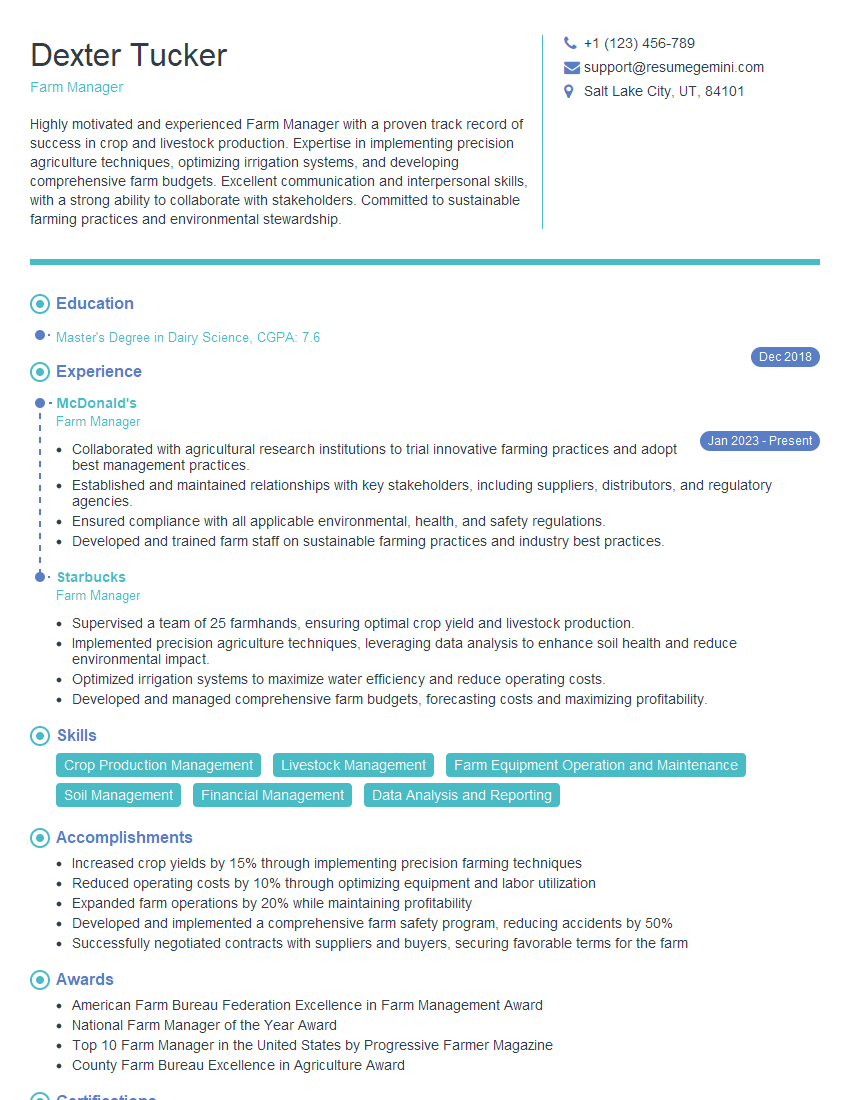
Farm Manager Resume Sample
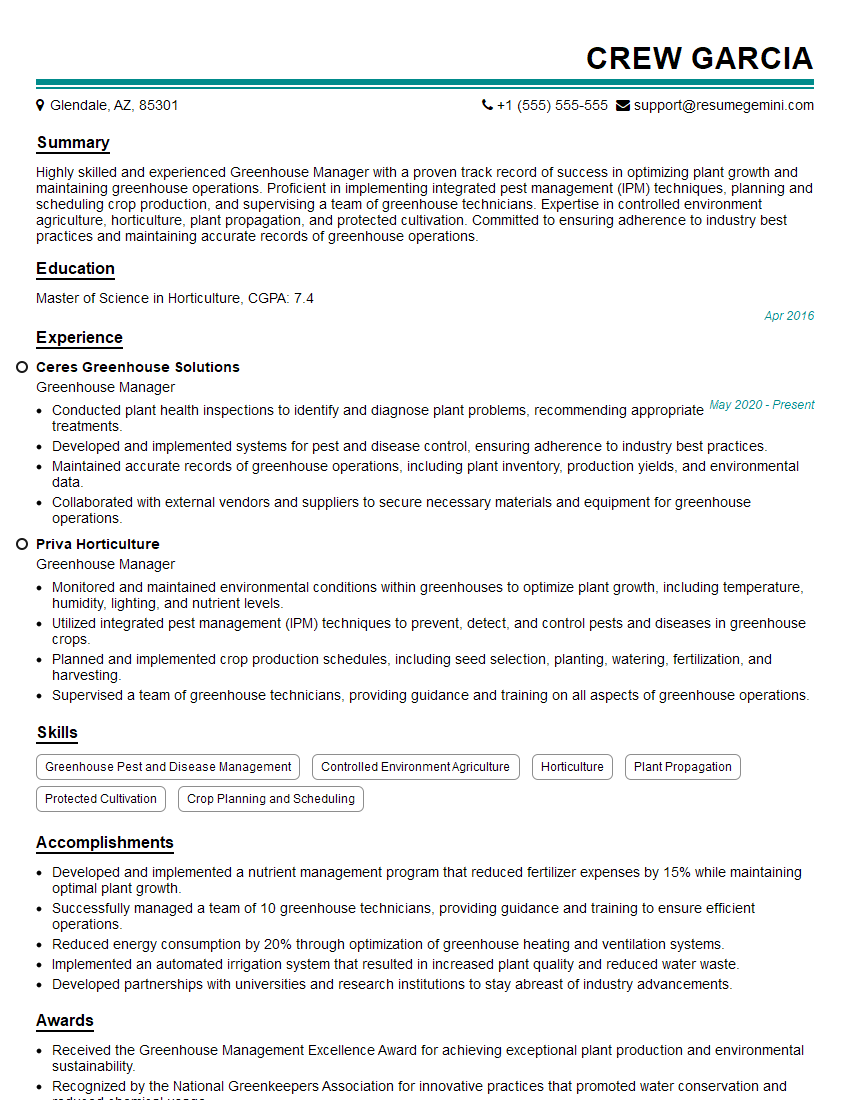
Greenhouse Manager Resume Sample
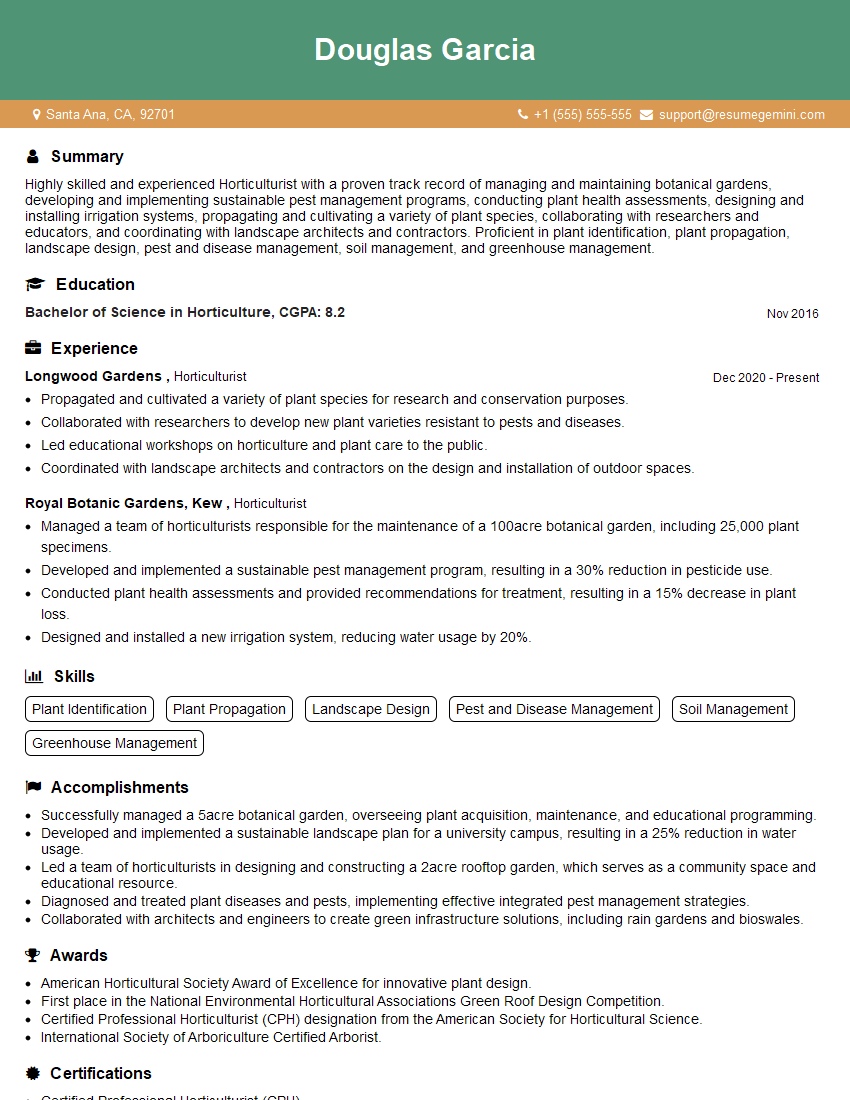
Horticulturist Resume Sample
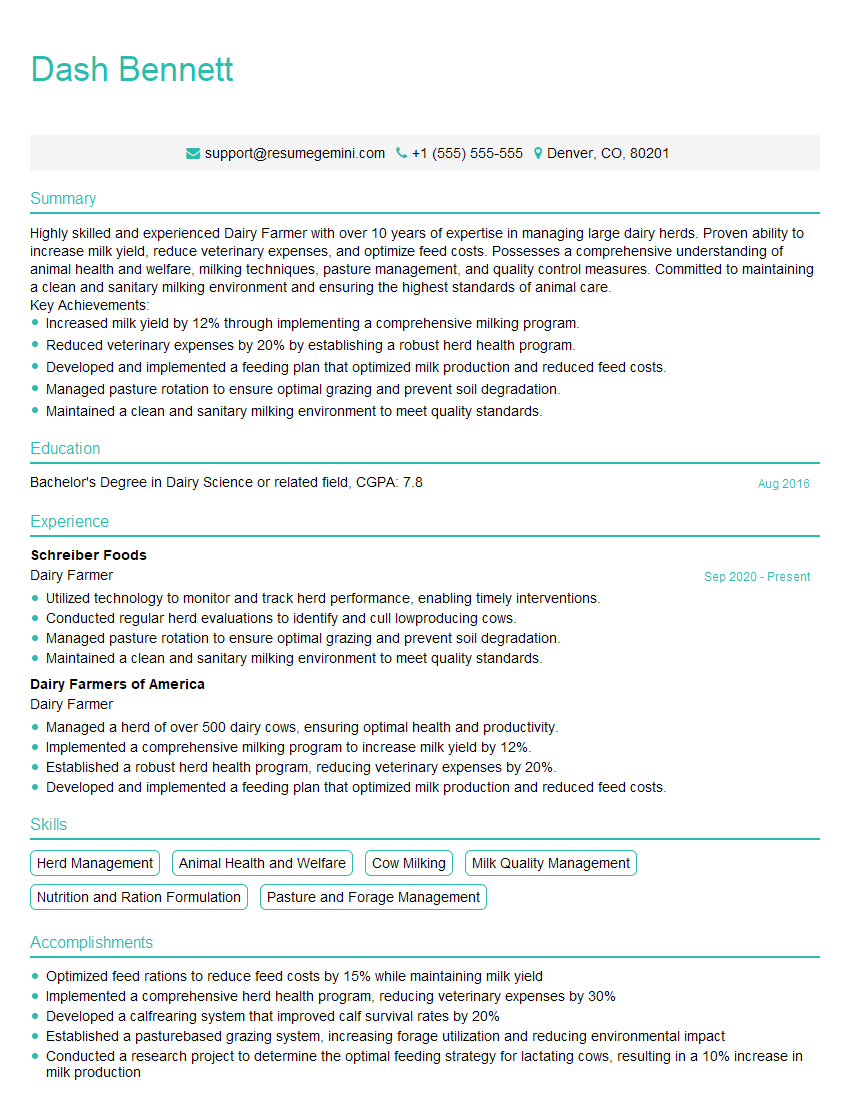
Dairy Farmer Resume Sample

Poultry Farmer Resume Sample
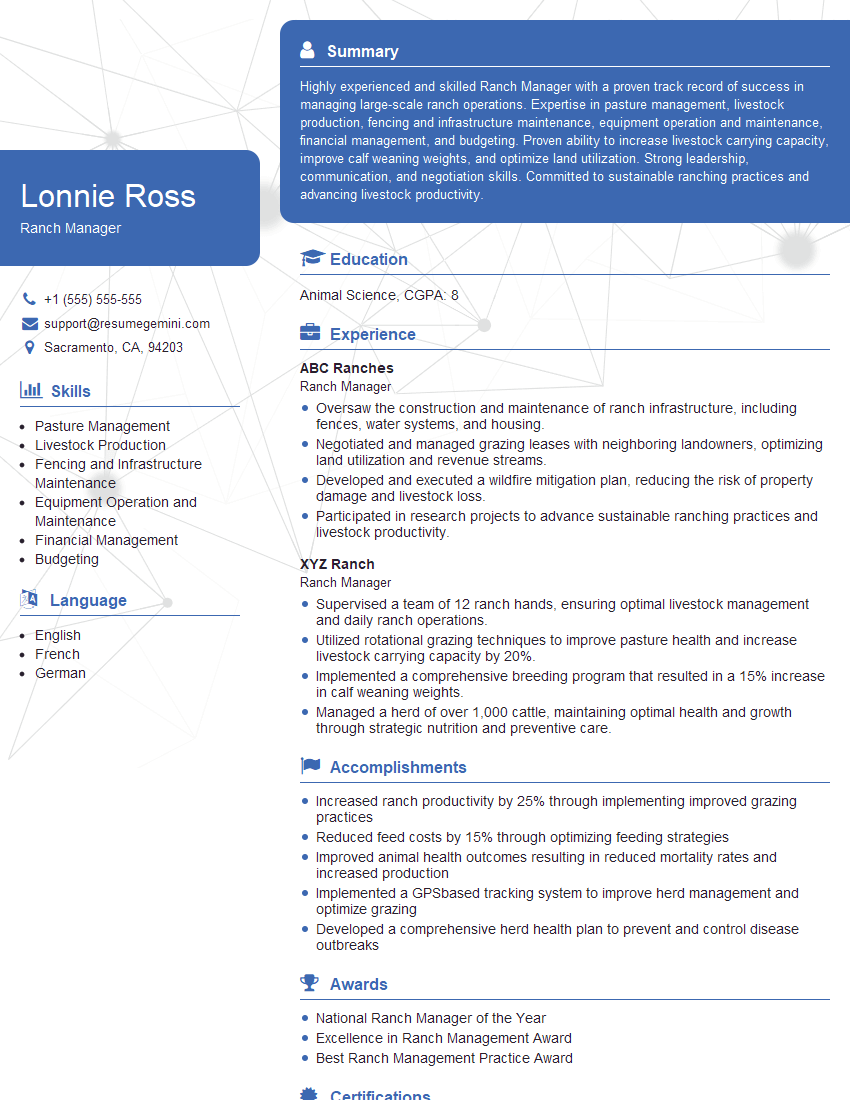
Ranch Manager Resume Sample
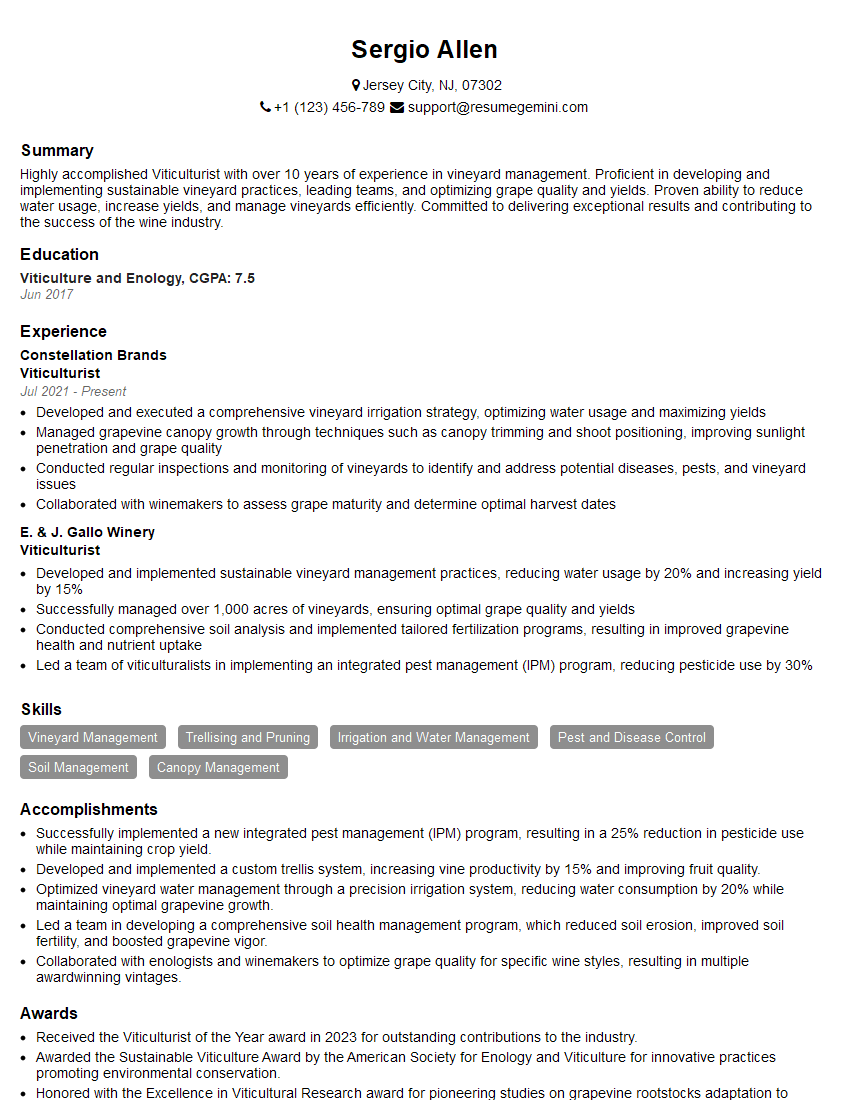
Viticulturist Resume Sample
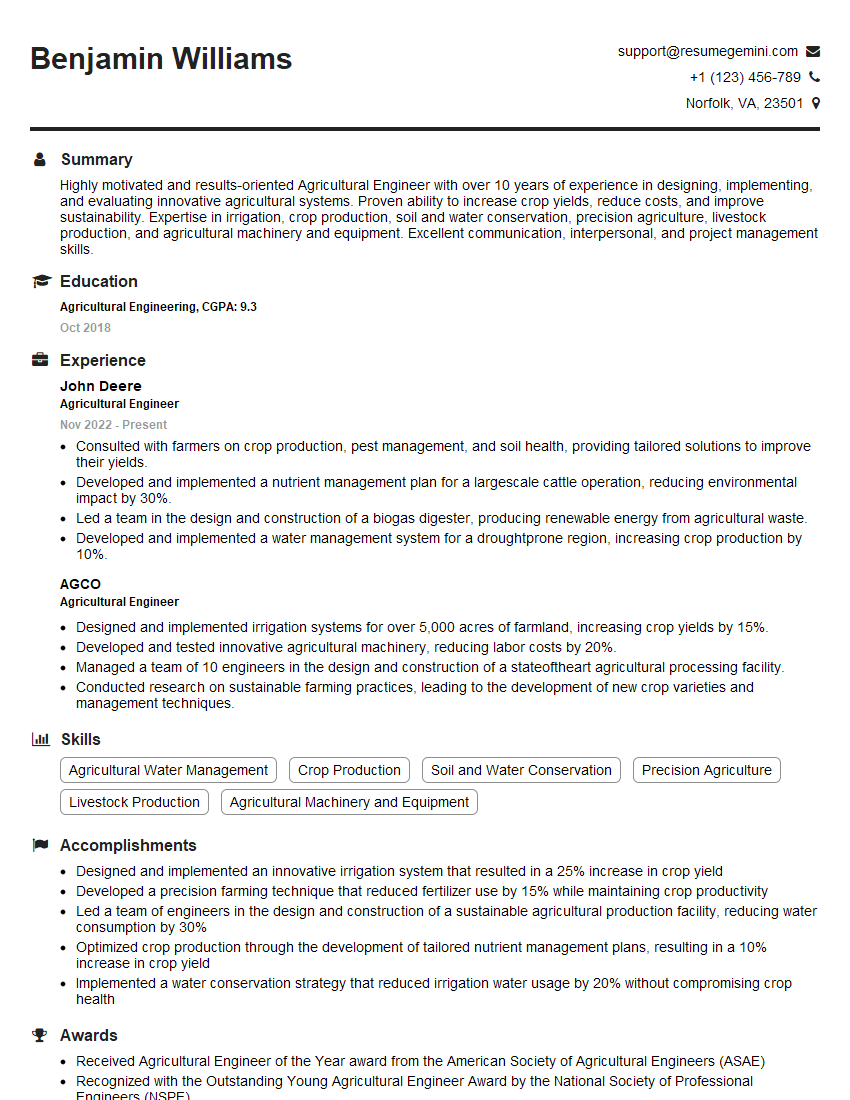
Agricultural Engineer Resume Sample
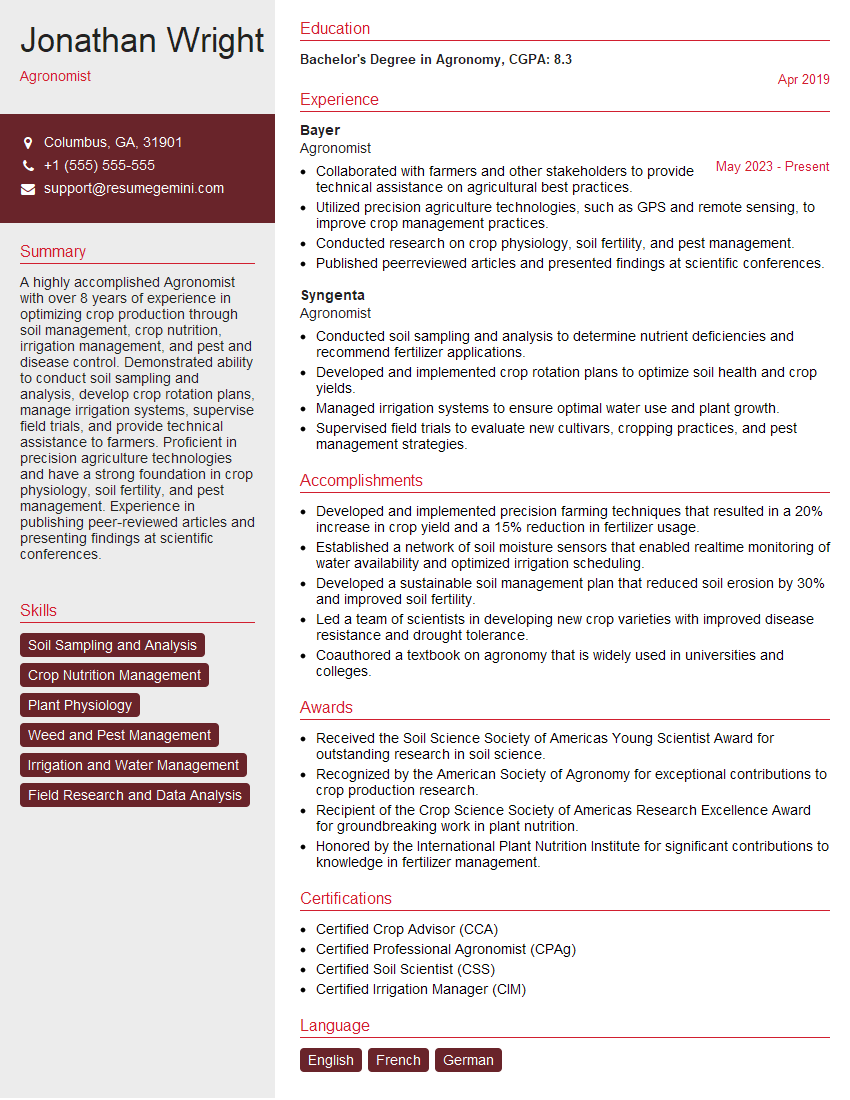
Agronomist Resume Sample

Soil Scientist Resume Sample
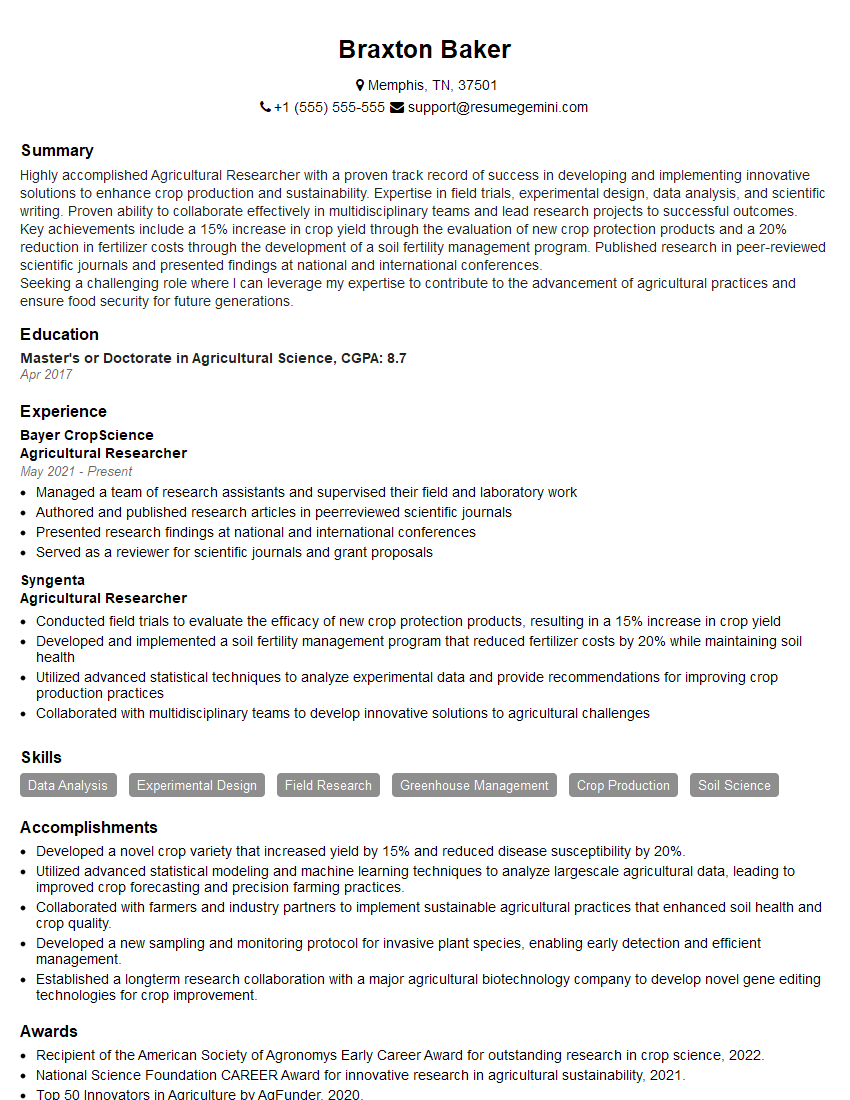
Agricultural Researcher Resume Sample
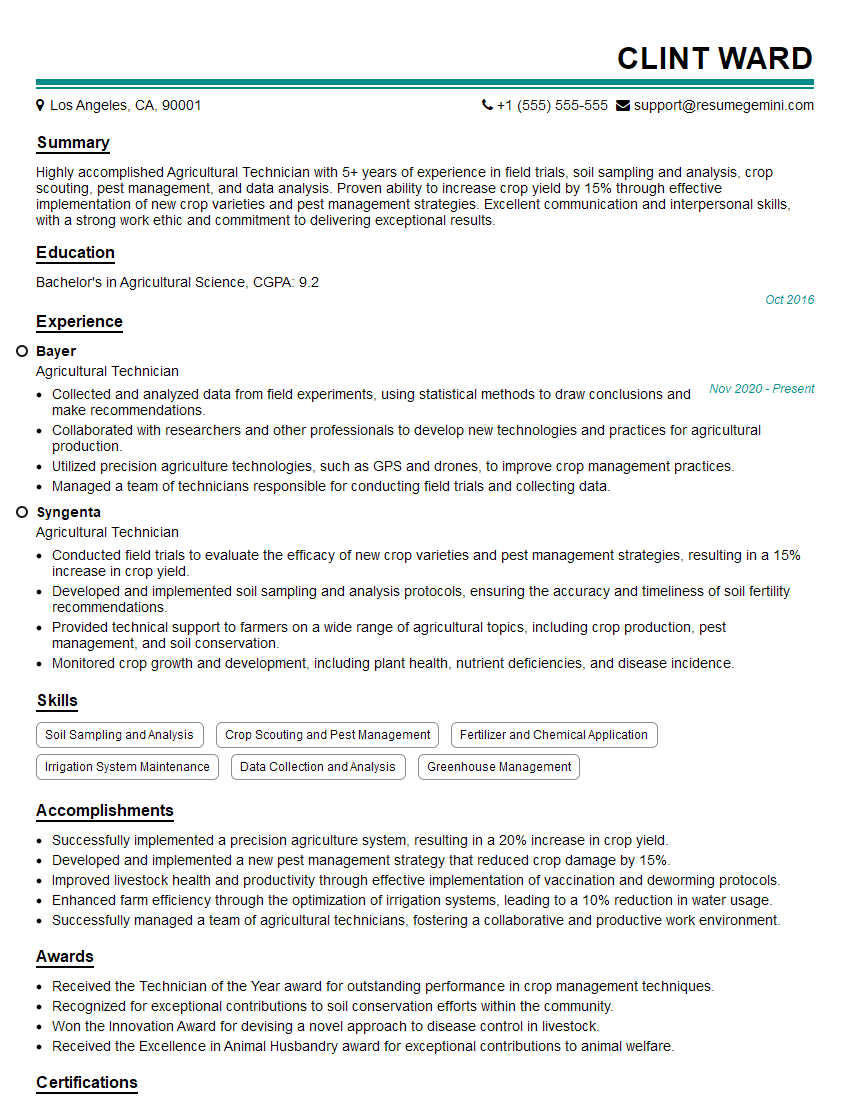
Agricultural Technician Resume Sample
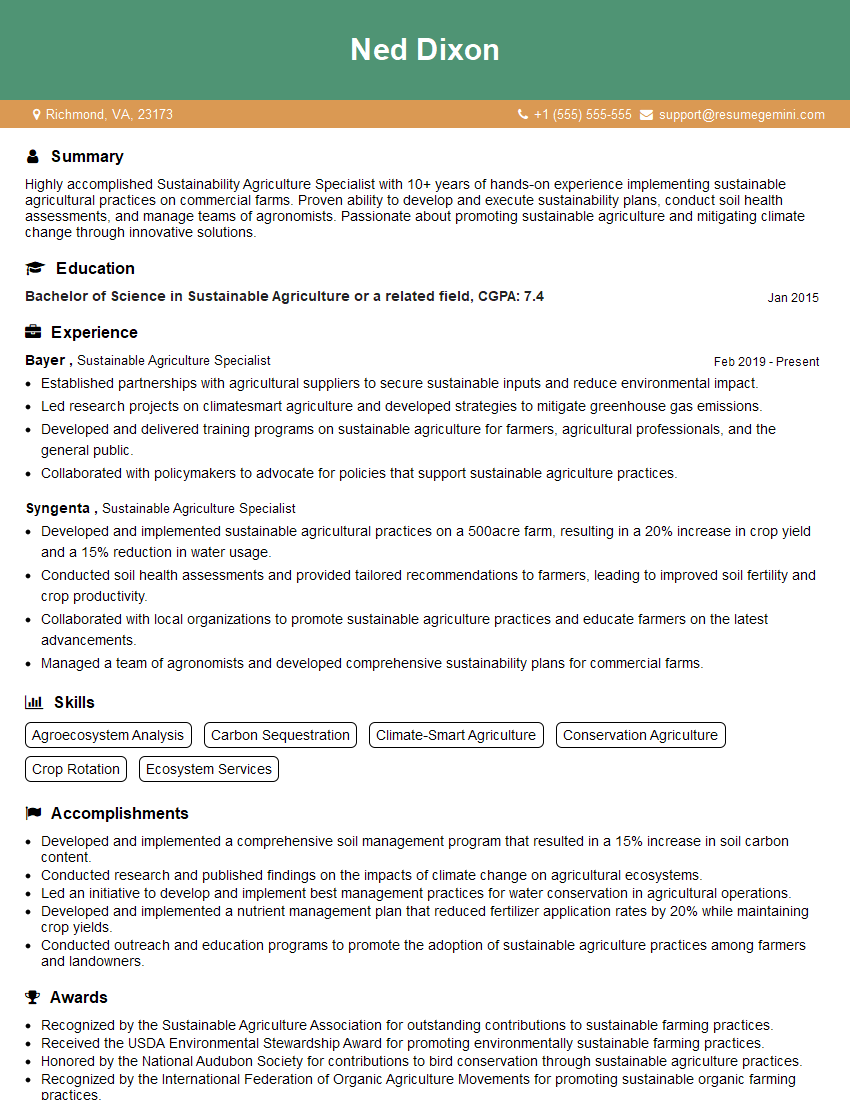
Sustainable Agriculture Specialist Resume Sample
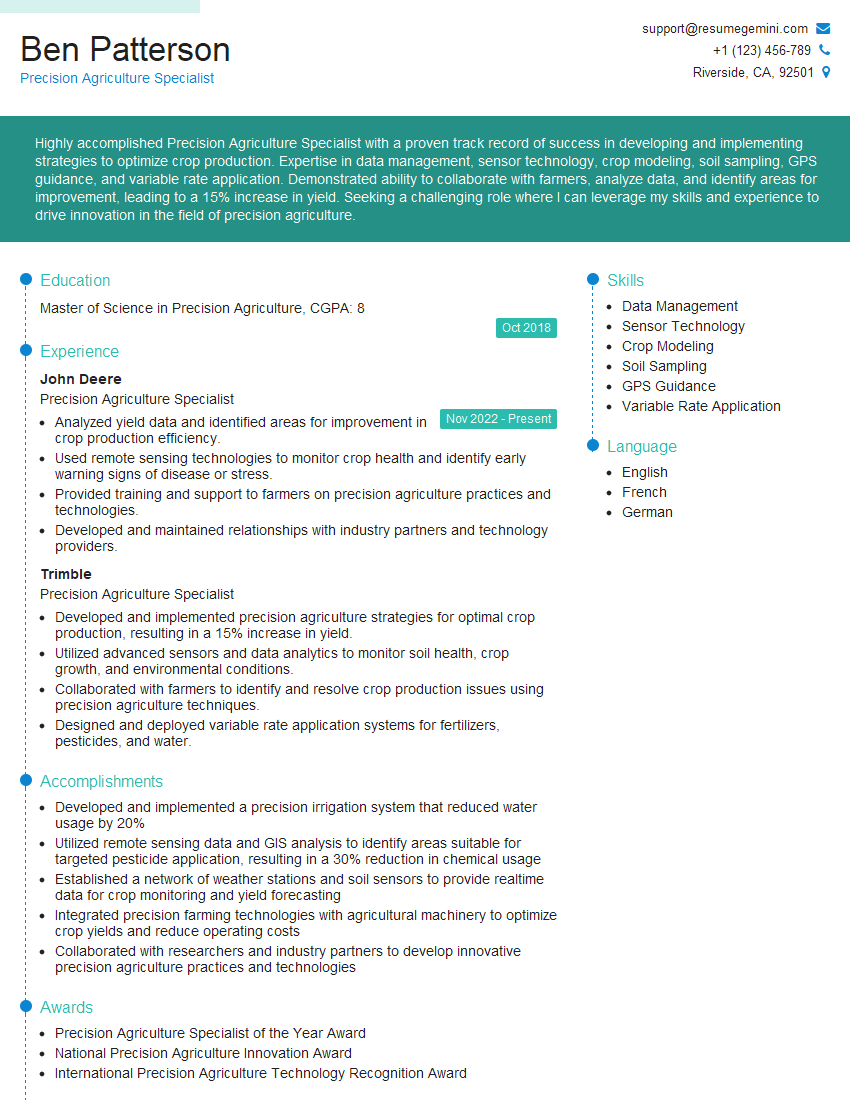
Precision Agriculture Specialist Resume Sample
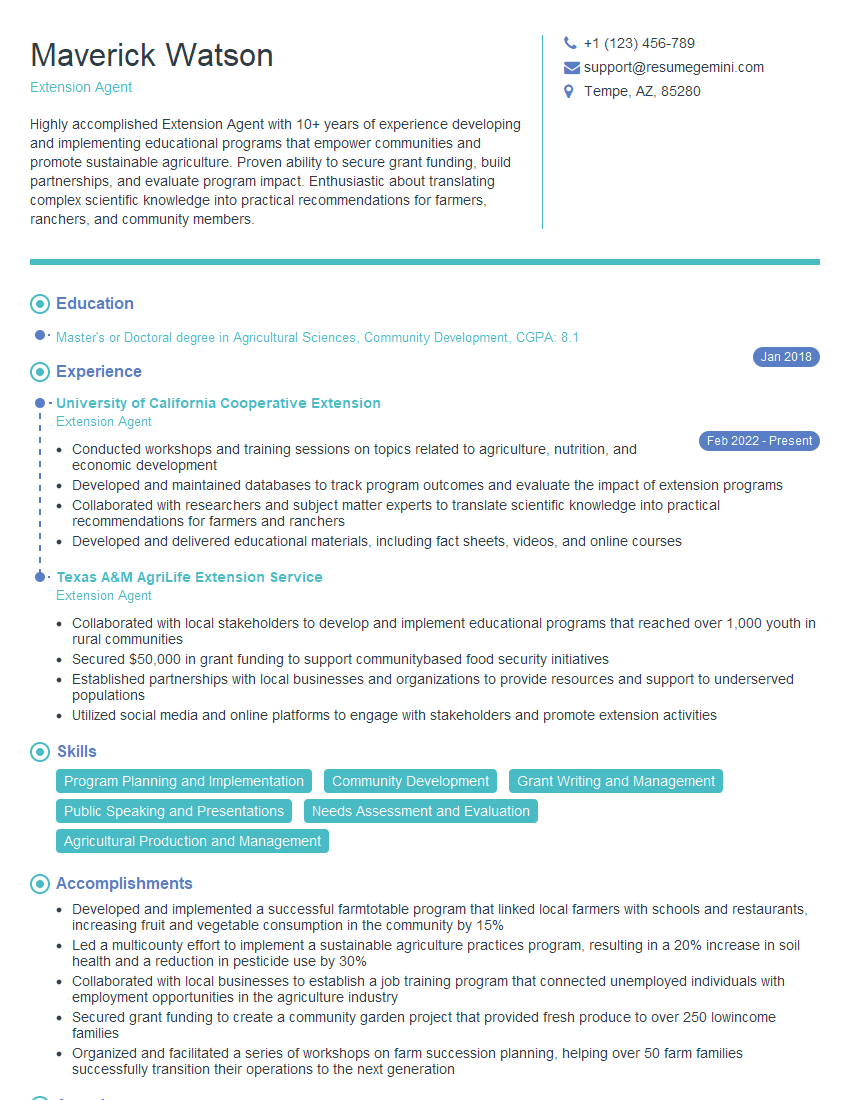
Extension Agent Resume Sample
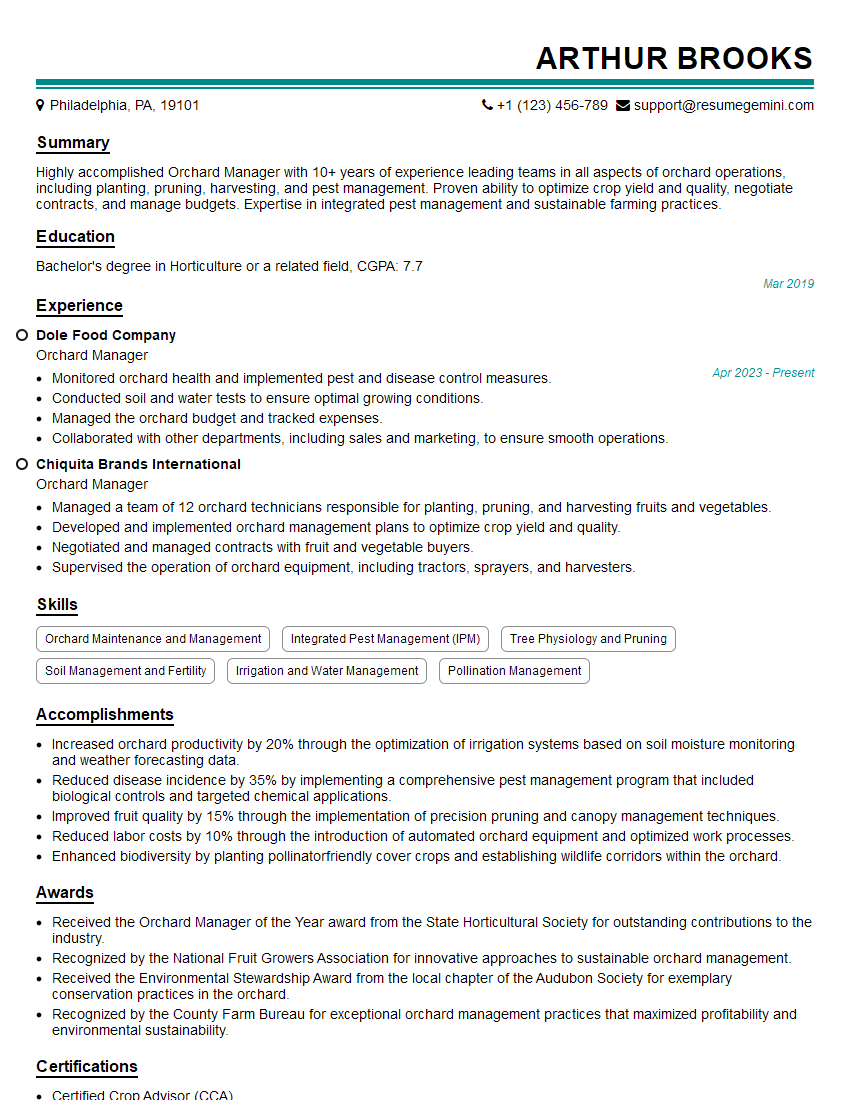
Orchard Manager Resume Sample
Explore more articles
Users Rating of Our Blogs
Share Your Experience
We value your feedback! Please rate our content and share your thoughts (optional).
What Readers Say About Our Blog
Attention music lovers!
Wow, All the best Sax Summer music !!!
Spotify: https://open.spotify.com/artist/6ShcdIT7rPVVaFEpgZQbUk
Apple Music: https://music.apple.com/fr/artist/jimmy-sax-black/1530501936
YouTube: https://music.youtube.com/browse/VLOLAK5uy_noClmC7abM6YpZsnySxRqt3LoalPf88No
Other Platforms and Free Downloads : https://fanlink.tv/jimmysaxblack
on google : https://www.google.com/search?q=22+AND+22+AND+22
on ChatGPT : https://chat.openai.com?q=who20jlJimmy20Black20Sax20Producer
Get back into the groove with Jimmy sax Black
Best regards,
Jimmy sax Black
www.jimmysaxblack.com
Hi I am a troller at The aquatic interview center and I suddenly went so fast in Roblox and it was gone when I reset.
Hi,
Business owners spend hours every week worrying about their website—or avoiding it because it feels overwhelming.
We’d like to take that off your plate:
$69/month. Everything handled.
Our team will:
Design a custom website—or completely overhaul your current one
Take care of hosting as an option
Handle edits and improvements—up to 60 minutes of work included every month
No setup fees, no annual commitments. Just a site that makes a strong first impression.
Find out if it’s right for you:
https://websolutionsgenius.com/awardwinningwebsites
Hello,
we currently offer a complimentary backlink and URL indexing test for search engine optimization professionals.
You can get complimentary indexing credits to test how link discovery works in practice.
No credit card is required and there is no recurring fee.
You can find details here:
https://wikipedia-backlinks.com/indexing/
Regards
NICE RESPONSE TO Q & A
hi
The aim of this message is regarding an unclaimed deposit of a deceased nationale that bears the same name as you. You are not relate to him as there are millions of people answering the names across around the world. But i will use my position to influence the release of the deposit to you for our mutual benefit.
Respond for full details and how to claim the deposit. This is 100% risk free. Send hello to my email id: lukachachibaialuka@gmail.com
Luka Chachibaialuka
Hey interviewgemini.com, just wanted to follow up on my last email.
We just launched Call the Monster, an parenting app that lets you summon friendly ‘monsters’ kids actually listen to.
We’re also running a giveaway for everyone who downloads the app. Since it’s brand new, there aren’t many users yet, which means you’ve got a much better chance of winning some great prizes.
You can check it out here: https://bit.ly/callamonsterapp
Or follow us on Instagram: https://www.instagram.com/callamonsterapp
Thanks,
Ryan
CEO – Call the Monster App
Hey interviewgemini.com, I saw your website and love your approach.
I just want this to look like spam email, but want to share something important to you. We just launched Call the Monster, a parenting app that lets you summon friendly ‘monsters’ kids actually listen to.
Parents are loving it for calming chaos before bedtime. Thought you might want to try it: https://bit.ly/callamonsterapp or just follow our fun monster lore on Instagram: https://www.instagram.com/callamonsterapp
Thanks,
Ryan
CEO – Call A Monster APP
To the interviewgemini.com Owner.
Dear interviewgemini.com Webmaster!
Hi interviewgemini.com Webmaster!
Dear interviewgemini.com Webmaster!
excellent
Hello,
We found issues with your domain’s email setup that may be sending your messages to spam or blocking them completely. InboxShield Mini shows you how to fix it in minutes — no tech skills required.
Scan your domain now for details: https://inboxshield-mini.com/
— Adam @ InboxShield Mini
support@inboxshield-mini.com
Reply STOP to unsubscribe
Hi, are you owner of interviewgemini.com? What if I told you I could help you find extra time in your schedule, reconnect with leads you didn’t even realize you missed, and bring in more “I want to work with you” conversations, without increasing your ad spend or hiring a full-time employee?
All with a flexible, budget-friendly service that could easily pay for itself. Sounds good?
Would it be nice to jump on a quick 10-minute call so I can show you exactly how we make this work?
Best,
Hapei
Marketing Director
Hey, I know you’re the owner of interviewgemini.com. I’ll be quick.
Fundraising for your business is tough and time-consuming. We make it easier by guaranteeing two private investor meetings each month, for six months. No demos, no pitch events – just direct introductions to active investors matched to your startup.
If youR17;re raising, this could help you build real momentum. Want me to send more info?
Hi, I represent an SEO company that specialises in getting you AI citations and higher rankings on Google. I’d like to offer you a 100% free SEO audit for your website. Would you be interested?
Hi, I represent an SEO company that specialises in getting you AI citations and higher rankings on Google. I’d like to offer you a 100% free SEO audit for your website. Would you be interested?