Preparation is the key to success in any interview. In this post, we’ll explore crucial Hazard Analysis Techniques interview questions and equip you with strategies to craft impactful answers. Whether you’re a beginner or a pro, these tips will elevate your preparation.
Questions Asked in Hazard Analysis Techniques Interview
Q 1. Describe your experience with different Hazard Analysis Techniques (e.g., HAZOP, FMEA, FTA).
Throughout my career, I’ve extensively utilized several Hazard Analysis Techniques, each with its strengths and applications. HAZOP (Hazard and Operability Study) is a systematic, team-based approach ideal for complex process systems. I’ve led numerous HAZOP studies, focusing on identifying deviations from intended operating parameters and assessing their potential consequences. FMEA (Failure Mode and Effects Analysis) is another technique I frequently employ, particularly for analyzing individual components or subsystems. It’s excellent for proactive identification of potential failure points and their impacts. Finally, FTA (Fault Tree Analysis) is a powerful deductive tool. I’ve used it to trace back from an undesired event (top event) to the underlying causes, revealing potential failure combinations. My experience spans various industries, including chemical processing, pharmaceuticals, and aerospace, allowing me to adapt these techniques to different contexts.
For example, in a recent HAZOP study for a pharmaceutical manufacturing plant, we identified a potential deviation where a critical temperature sensor could fail, leading to an out-of-specification product. Using FMEA, we further explored the various failure modes of that sensor, prioritizing them based on severity, probability, and detectability. Finally, FTA helped us map the different ways that sensor failure could contribute to the broader system failure.
Q 2. Explain the steps involved in conducting a HAZOP study.
A HAZOP study follows a structured process. First, the system is clearly defined, and a team of experts is assembled, incorporating diverse perspectives. Next, we define the process boundaries and the HAZOP node points – key locations within the process where deviations could occur. For each node, we systematically apply guide words (e.g., ‘no,’ ‘more,’ ‘less,’ ‘part of,’ ‘reverse’) to explore potential deviations from the design intent. This elicits potential hazards, and the team then assesses the consequences, causes, and safeguards for each hazard. Finally, recommendations for risk reduction are developed and documented, and the effectiveness of these safeguards are reviewed.
Imagine a process where a chemical is heated. At the heating stage (a node), we might ask: ‘What if the temperature is more than intended?’ This could lead to a runaway reaction. The team would then determine the consequences (explosion, fire), the causes (faulty thermostat, operator error), the existing safeguards (pressure relief valve, emergency shutdown), and identify any additional safeguards needed.
Q 3. What are the limitations of Fault Tree Analysis (FTA)?
While FTA is a very effective technique, it does have limitations. One key limitation is its reliance on thorough knowledge of the system. If crucial failure modes or dependencies are overlooked, the analysis will be incomplete and potentially misleading. Another challenge lies in the potential complexity of large fault trees. Complex trees can become unwieldy and difficult to manage, demanding significant time and resources for analysis. Furthermore, FTA is primarily a qualitative technique, although quantitative probabilities can be assigned to basic events, it’s often challenging to accurately assess those probabilities, especially for rare events.
For instance, if we’re analyzing a power grid, an FTA might miss a rare event like a simultaneous failure of two geographically distant substations due to a highly unlikely natural disaster. The complexity of the FTA might also make it difficult to visualize and communicate the results effectively to a non-technical audience.
Q 4. How do you identify and prioritize hazards in a complex system?
Identifying and prioritizing hazards in complex systems requires a structured approach that combines various techniques. We usually start with brainstorming sessions, employing techniques like HAZOP or FMEA, to identify potential hazards. This is followed by a qualitative risk assessment, typically using a risk matrix, which considers both the likelihood and severity of each hazard. This allows us to visually represent and prioritize risks, focusing our attention on those with the highest likelihood and most severe consequences. For complex systems, we might use software tools to support the analysis and modeling, particularly for complex interactions and scenarios.
For example, in analyzing an aircraft system, we might use a bow-tie analysis to show the relationship between hazards, initiating events, and consequences and to integrate control measures in a graphical format. This allows for a more systematic approach to mitigation efforts.
Q 5. Explain the difference between qualitative and quantitative risk assessment.
Qualitative risk assessment focuses on describing the nature of risk using descriptive terms such as ‘low,’ ‘medium,’ or ‘high’ for likelihood and severity. It provides a relative ranking of risks but doesn’t give precise numerical values. Think of it like describing the size of a problem as ‘small’, ‘medium’, and ‘large’. Quantitative risk assessment, on the other hand, uses numerical data and statistical analysis to quantify risks. It calculates the probability of an event occurring and the magnitude of its consequences, often expressing risk as a single number (e.g., annualized rate of failure). This is like assigning specific numerical values to problem size such as 1, 10, and 100 representing small, medium, and large.
Qualitative assessments are useful for initial screening and prioritizing hazards, while quantitative assessments are often needed for more detailed decision-making, particularly when comparing different mitigation options and making cost-benefit analyses.
Q 6. What are some common risk control measures?
Risk control measures aim to reduce or eliminate hazards. These measures can be categorized into three main groups: avoidance, reduction, and transfer. Avoidance means eliminating the hazard altogether, like not using a hazardous substance. Reduction involves implementing measures to lessen the likelihood or severity of the hazard, such as installing safety interlocks or providing personal protective equipment (PPE). Transfer involves shifting the risk to another party, typically through insurance.
Examples include installing a fire suppression system (reduction), eliminating a process step that involves a toxic substance (avoidance), and purchasing insurance against equipment failure (transfer).
Q 7. How do you determine the acceptability of risk?
Determining risk acceptability is a complex process involving both technical and societal considerations. It often involves comparing the level of risk with established safety standards or regulatory limits. This is often done through a risk tolerance assessment which involves taking into account acceptable risk levels considering the context of the organization and its operations. It also requires considering the cost-effectiveness of risk reduction measures, as eliminating all risk is typically impractical and prohibitively expensive. Ultimately, risk acceptability is a judgment call, often involving a balance between risk reduction efforts and other business objectives. It needs to involve stakeholders and consider societal implications.
For example, a small increase in risk might be acceptable for a high-benefit project, while the same level of risk might be unacceptable for a low-benefit one. Public perception and regulations also heavily influence what’s considered acceptable.
Q 8. Describe your experience with Bow-Tie analysis.
Bow-Tie analysis is a proactive risk management tool that provides a holistic view of hazards and their consequences. It visually represents the interconnectedness of threats, hazards, controls, and outcomes. Imagine a bow tie: the hazard sits in the middle, the ‘knot’, with the initiating events (threats) on the left side and the consequences (outcomes) on the right. The controls are depicted as preventative measures on the left and mitigating measures on the right, preventing or reducing the severity of the consequences.
My experience involves utilizing Bow-Tie analysis across various sectors, including oil & gas and manufacturing. For instance, in an oil refinery project, we used Bow-Tie analysis to model the risk of a major fire. We identified potential initiating events like equipment failure or human error, analyzed the severity of the resulting fire, and then designed preventative controls (e.g., regular equipment maintenance, improved safety training) and mitigating controls (e.g., fire suppression systems, emergency response plans). This visual representation allowed stakeholders to understand the risk clearly and agree on necessary control measures. We regularly update the Bow-Tie diagram as the project evolves and new information becomes available. This dynamic approach ensures the analysis remains relevant and effective throughout the lifecycle of the project.
Q 9. How do you handle uncertainties in risk assessment?
Uncertainty is inherent in risk assessment. We address this using several techniques. First, we employ qualitative and quantitative methods in tandem. Qualitative methods like HAZOP (Hazard and Operability study) help identify potential hazards, while quantitative methods, such as Fault Tree Analysis (FTA) and Event Tree Analysis (ETA), allow for the numerical estimation of probabilities and consequences. Secondly, we use sensitivity analysis to identify which inputs to our risk models have the biggest impact on the final risk assessment. This helps us focus our efforts on reducing uncertainties around the most critical factors. Thirdly, we use probabilistic approaches. Instead of relying on single-point estimates, we use probability distributions to represent uncertainties around parameters like failure rates and human error probabilities. This reflects the inherent uncertainty more realistically. For example, instead of stating that a pump will fail once every 10 years, we’d assign a probability distribution reflecting a range of possible failure rates.
Finally, and crucially, we clearly communicate these uncertainties to stakeholders. Transparency about the limitations of our risk assessment is essential for making informed decisions.
Q 10. What is the role of communication in hazard analysis?
Effective communication is paramount in hazard analysis. It’s not just about presenting the results; it’s about fostering collaboration and shared understanding throughout the process. Open communication channels are crucial to ensure that all relevant information is captured, including observations from those working on the ground.
For example, during a HAZOP study, we employ a structured communication process that encourages participation from all disciplines and levels of the organization. We use clear and concise language, avoid jargon, and encourage open discussion. Visual aids like Bow-Tie diagrams and flowcharts are used to enhance understanding. Following the analysis, we disseminate findings effectively, utilizing reports, presentations, and workshops to share results and safety recommendations across the organization, ensuring all relevant stakeholders understand their roles and responsibilities in risk reduction.
Q 11. How do you ensure the effectiveness of safety recommendations?
Ensuring the effectiveness of safety recommendations involves several key steps. First, recommendations must be specific, measurable, achievable, relevant, and time-bound (SMART). Vague recommendations are useless. Second, we need to establish clear accountability. Each recommendation should be assigned to a responsible party with a deadline for implementation. Third, we need robust monitoring and verification systems in place to track progress, identify and address any impediments, and ensure that implemented controls are actually effective.
For example, if a recommendation calls for new safety training, we wouldn’t just stop at creating the training material. We’d track completion rates, assess trainee understanding through tests, and follow up to ensure the training is actually improving safety behavior on the worksite. Regular audits and reviews of the effectiveness of safety recommendations are critical.
Q 12. Explain the concept of ALARP (As Low As Reasonably Practicable).
ALARP, or As Low As Reasonably Practicable, is a principle used to determine an acceptable level of residual risk after all reasonable control measures have been implemented. It doesn’t mean eliminating all risks, which is often impossible or impractical. Instead, it focuses on reducing risk to a level where further reduction would be disproportionately expensive, time-consuming, or impractical, considering the benefits achieved.
The ‘reasonably practicable’ aspect is key. It takes into account factors such as the cost of mitigation measures, the available technology, and the societal and environmental impact. A cost-benefit analysis is often conducted to determine where the ALARP line lies. For example, a small company might not be able to afford the same level of risk reduction as a large corporation, and this needs to be considered when establishing an ALARP target.
Q 13. How do you incorporate human factors in your hazard analysis?
Human factors are a significant contributor to accidents. Therefore, their consideration is crucial in hazard analysis. We incorporate human factors by explicitly identifying potential human errors during each stage of our analysis. Techniques like Human Reliability Analysis (HRA) are used to quantify the probability of human error in specific tasks. This involves considering factors such as workload, fatigue, training, and the design of the workplace itself.
For instance, in a process plant, we might analyze the likelihood of an operator making an incorrect valve operation due to inadequate training or poor human-machine interface design. This could then inform the design of improved training programs or modifications to the control systems to make them more user-friendly and less prone to error. Human factors should not be an afterthought; they should be integrated into the hazard identification and risk assessment process from the outset.
Q 14. Describe your experience with software used for hazard analysis.
I have extensive experience using various software packages for hazard analysis. This includes software for Bow-Tie analysis (e.g., specialized Bowtie software packages), Fault Tree Analysis (FTA) software (e.g., Isograph Reliability Workbench, FTA-X), and Event Tree Analysis (ETA) software. I’m also proficient in using spreadsheet software (like Excel) for simpler risk matrices and data management. The choice of software depends on the complexity of the project and the specific analytical techniques required. For example, a simple risk assessment might only require a spreadsheet, while a complex system might necessitate specialized software for FTA or ETA with features like model sharing and collaboration capabilities. My proficiency extends to importing and exporting data between different software applications to maintain consistency and streamline workflows.
Q 15. How do you manage conflicting priorities in safety and production?
Balancing safety and production priorities is a constant challenge. It’s not about choosing one over the other; it’s about finding the optimal balance where both thrive. Think of it like a tightrope walk – you need to maintain equilibrium. I approach this by using a structured risk assessment process. This involves identifying hazards, analyzing risks, evaluating controls, and then prioritizing actions based on a combination of risk level (likelihood and severity) and production impact. For example, a high-risk hazard with immediate potential for serious injury will naturally trump a lower-risk issue with minimal production disruption. I use tools like risk matrices and decision trees to visualize and prioritize, ensuring transparency and buy-in from all stakeholders. Regular communication and open dialogue with production teams are crucial. They understand operational realities and can offer valuable insights into practical solutions that mitigate risks without unduly impacting production schedules. Ultimately, a strong safety culture where safety is viewed not as an obstacle but as a fundamental component of efficiency is key to achieving this balance.
Career Expert Tips:
- Ace those interviews! Prepare effectively by reviewing the Top 50 Most Common Interview Questions on ResumeGemini.
- Navigate your job search with confidence! Explore a wide range of Career Tips on ResumeGemini. Learn about common challenges and recommendations to overcome them.
- Craft the perfect resume! Master the Art of Resume Writing with ResumeGemini’s guide. Showcase your unique qualifications and achievements effectively.
- Don’t miss out on holiday savings! Build your dream resume with ResumeGemini’s ATS optimized templates.
Q 16. What are the key elements of a successful safety management system?
A successful safety management system (SMS) rests on several key pillars. First, there must be strong leadership commitment, ensuring safety isn’t just a policy but a core value ingrained at all levels. Second, a comprehensive hazard identification and risk assessment process is fundamental. This should encompass regular inspections, incident investigations (learning from near misses is vital), and proactive hazard hunts. Third, effective control measures are essential, including engineering controls (designing out hazards), administrative controls (procedures and training), and personal protective equipment (PPE). Fourth, clear communication and training are crucial to ensure everyone understands their responsibilities and how to work safely. Fifth, a robust monitoring and auditing system allows for continuous improvement, identifying gaps and weaknesses in the SMS. Regular performance reviews, safety meetings, and data analysis are essential to track progress and adapt to changing circumstances. Finally, effective incident reporting and investigation are pivotal for learning from mistakes and preventing recurrence. A just culture, where individuals are encouraged to report incidents without fear of retribution, fosters openness and transparency.
Q 17. Describe a situation where a hazard analysis prevented an accident.
During a refinery turnaround, we were planning to use a specific type of chemical cleaning agent. A pre-job hazard analysis (PHA) identified the potential for a violent exothermic reaction if the cleaning agent came into contact with residual material in the equipment. This reaction could have led to a significant release of flammable vapors, posing a risk of fire or explosion. The PHA highlighted this risk, and as a result, we implemented additional safeguards, including thorough equipment flushing and pre-cleaning checks before introducing the chemical agent. These extra precautions averted a potentially disastrous accident. The incident highlighted the importance of thorough hazard analysis, not just relying on standard operating procedures but actively anticipating potential interactions and implementing preventative measures.
Q 18. How do you validate the results of a risk assessment?
Validating risk assessment results involves several steps. First, comparing the findings of the assessment with historical data on accidents and near misses helps to benchmark the assessment’s accuracy. Second, independent verification by a peer review or an external auditor provides an objective perspective and identifies potential biases or flaws. Third, auditing implemented controls ensures that the chosen mitigation strategies are effectively put into practice and are achieving their intended outcome. Fourth, monitoring key performance indicators (KPIs) like the frequency of incidents, near misses, and safety observations provide valuable feedback on the effectiveness of the risk management system. Fifth, regular updates to the risk assessment are critical to account for changes in the operating environment, processes, or technology. A robust validation process builds confidence in the reliability of the risk assessment, allowing for informed decision-making and resource allocation.
Q 19. Explain the concept of layers of protection.
The concept of layers of protection (LOP) is a fundamental principle of safety engineering. Instead of relying on a single control measure to prevent accidents, it emphasizes the use of multiple, independent layers of protection. Think of it like a chain where each link represents a control measure. If one link fails, the others are there to prevent the chain from breaking completely. For example, consider preventing a chemical spill: Layer 1 might be a properly designed and maintained storage tank, Layer 2 could be an automatic shutoff valve triggered by a leak detection system, Layer 3 could be a secondary containment system to catch any spills, and Layer 4 could be emergency response procedures. Each layer acts as a backup to the previous one, significantly reducing the likelihood of a major accident. The use of multiple, independent layers of protection minimizes the reliance on any single control and provides redundancy, making the system more resilient to failures.
Q 20. How do you address ethical considerations in risk management?
Ethical considerations are paramount in risk management. Transparency is key – stakeholders must be informed about potential risks and the rationale behind decisions. Fairness requires equitable distribution of risks and benefits, not placing undue burdens on specific groups or individuals. Respect for persons entails considering individual rights and autonomy, providing opportunities for participation and consultation in the risk management process. Accountability means ensuring that individuals and organizations are held responsible for their actions and decisions related to risk management. Finally, avoiding conflicts of interest is essential – decisions should be made based on objective assessments, not on personal gain or influence. Failing to uphold these ethical principles can undermine trust, lead to inadequate risk management, and ultimately result in harm.
Q 21. How do you stay updated on the latest developments in Hazard Analysis Techniques?
Staying updated in hazard analysis techniques requires a multifaceted approach. I actively participate in professional organizations like the American Society of Safety Professionals (ASSP) and attend industry conferences and workshops to learn about the latest advancements and best practices. I regularly read peer-reviewed journals and industry publications to stay abreast of emerging research and trends. I also utilize online resources such as reputable safety websites and databases. Moreover, I actively seek out opportunities for continuing education and professional development to maintain and enhance my knowledge base. Finally, I actively engage with colleagues and experts in the field, exchanging insights and learning from their experiences. This multi-pronged approach helps me to maintain a high level of competency and ensures that my work is aligned with the latest developments in the field.
Q 22. Explain the difference between a hazard and a risk.
The terms ‘hazard’ and ‘risk’ are often used interchangeably, but they represent distinct concepts. A hazard is simply a potential source of harm. It’s the inherent danger itself – a condition or circumstance with the potential to cause harm. Think of a sharp knife in the kitchen; the knife itself is the hazard. Risk, on the other hand, is the likelihood of that harm occurring and the severity of the consequences if it does. It’s a combination of the hazard’s potential to cause harm and the probability of exposure to that hazard. The risk of cutting yourself with the sharp knife depends on factors like how often you use the knife, your skill level, and the presence of safety precautions.
In short: Hazard = Potential for harm; Risk = Likelihood and Severity of harm.
- Example Hazard: A slippery floor.
- Example Risk: A high probability of a fall resulting in a moderate injury due to a slippery floor.
Q 23. Describe your experience with conducting risk assessments in different industries.
My experience in conducting risk assessments spans diverse industries, including manufacturing, healthcare, and construction. In manufacturing, I’ve led assessments focused on machinery safety, identifying hazards like pinch points in robotic arms and developing mitigation strategies. This often involves using techniques like Failure Mode and Effects Analysis (FMEA) and Fault Tree Analysis (FTA). In the healthcare sector, risk assessments have centered on infection control, medication errors, and patient safety, utilizing tools such as checklists and process mapping. Finally, within the construction industry, I’ve assessed site-specific hazards, including fall risks, material handling, and working at heights, employing methods like Job Safety Analysis (JSA) and hazard identification checklists.
Each industry presents unique challenges. For example, the regulatory landscape and the types of hazards encountered significantly vary. Adaptability and a thorough understanding of the specific operational processes and industry standards are critical for effective risk assessment in any field.
Q 24. What are the key performance indicators (KPIs) for your hazard analysis efforts?
Key Performance Indicators (KPIs) for hazard analysis efforts should measure both the effectiveness of the hazard identification process and the impact of implemented control measures. Some key KPIs include:
- Number of hazards identified: Tracks the comprehensiveness of the assessment.
- Number of critical hazards identified: Focuses on high-impact hazards requiring urgent attention.
- Number of control measures implemented: Shows proactive risk mitigation efforts.
- Reduction in the number of incidents/accidents: Demonstrates the impact of risk mitigation strategies.
- Time taken to complete risk assessments: Measures efficiency of the process.
- Cost of implemented control measures: Provides a cost-benefit analysis perspective.
These KPIs should be regularly monitored and reviewed to continually improve the effectiveness of the hazard analysis program. For instance, a high number of critical hazards might indicate a need for improved hazard identification training or a more rigorous risk assessment methodology.
Q 25. How do you handle situations where risk assessments reveal conflicting conclusions?
Conflicting conclusions in risk assessments are not uncommon and require careful consideration. My approach involves a structured process:
- Review the methodologies used: Ensure consistent application of established techniques across the assessments. Discrepancies may stem from the use of different methods or inconsistent interpretations.
- Examine the data: Scrutinize the underlying data and assumptions used in each assessment. Inconsistent or flawed data can lead to conflicting conclusions.
- Consult subject matter experts (SMEs): Engage experts from relevant fields to review the assessments and provide input on any points of disagreement. This can help clarify any uncertainties and resolve conflicting interpretations.
- Document the process and conclusions: Clearly document the reasons for any disagreements and the final agreed-upon risk assessment. This ensures transparency and accountability.
- Consider a sensitivity analysis: Perform a sensitivity analysis to assess the impact of uncertainties or variations in input parameters on the final risk assessment conclusions.
The goal is to reach a consensus-based conclusion that reflects the best available evidence and professional judgment. Sometimes, further investigation or additional data may be necessary to resolve conflicts definitively.
Q 26. Explain the importance of documenting hazard analysis findings.
Thorough documentation of hazard analysis findings is crucial for several reasons:
- Legal compliance: Many industries have legal requirements for hazard identification and risk control. Documentation provides evidence of compliance.
- Improved communication: Clear documentation facilitates communication among stakeholders, ensuring everyone understands the identified hazards and implemented control measures.
- Continuous improvement: Past assessments provide valuable lessons and insights, informing future assessments and continuous improvement of safety management systems.
- Accountability: Documentation establishes accountability for hazard management. It demonstrates that steps have been taken to identify and mitigate risks.
- Auditing and review: Documentation allows for effective auditing and review of the hazard analysis process, ensuring the adequacy of the control measures.
Documentation should include details of the methodology used, identified hazards, risk levels, implemented controls, and responsible parties. A well-maintained record system facilitates efficient tracking of progress and provides a valuable historical record for future reference.
Q 27. How do you integrate Hazard Analysis Techniques into project planning?
Integrating Hazard Analysis Techniques into project planning is crucial for proactive risk management. It shouldn’t be an afterthought but an integral part of the planning process. I typically integrate these techniques as follows:
- Initial Hazard Identification: Conduct a preliminary hazard identification during the project initiation phase. This helps identify potential hazards early on, allowing for their consideration in subsequent planning stages.
- Risk Assessment: Perform a detailed risk assessment at the planning stage, using appropriate methodologies (e.g., FMEA, HAZOP) to evaluate the likelihood and severity of identified hazards.
- Risk Mitigation Planning: Develop and implement control measures to mitigate identified risks. This may involve incorporating safety features into the design, specifying safe work practices, and providing training.
- Monitoring and Review: Throughout the project lifecycle, monitor the effectiveness of control measures and review the risk assessment to make any necessary adjustments. This may involve regular safety inspections or audits.
- Documentation: Maintain detailed documentation of the hazard analysis process, risk assessments, and control measures.
By integrating hazard analysis into every phase, projects can be planned more effectively, leading to safer and more successful outcomes.
Q 28. How do you handle disagreements on risk assessment results within a team?
Disagreements on risk assessment results within a team are a common occurrence. Addressing these requires a collaborative and respectful approach:
- Facilitate open communication: Create a safe space for team members to express their views and concerns without fear of judgment.
- Focus on data and evidence: Encourage the team to base their arguments on data, evidence, and established methodologies, rather than personal opinions.
- Seek consensus: Guide the team towards a consensus-based solution, considering all perspectives and finding common ground.
- Mediation if necessary: If disagreements persist, consider involving a neutral third party to mediate the discussion.
- Escalation process: Establish a clear escalation process for unresolved disagreements, ensuring that the issue is appropriately addressed at a higher level.
- Document decisions: Clearly document the reasoning behind the final risk assessment conclusions, including any points of disagreement and how they were resolved.
The goal is to achieve a shared understanding and a risk assessment that reflects a balance of expert judgment and the needs of the project or organization.
Key Topics to Learn for Hazard Analysis Techniques Interview
- Hazard Identification: Understanding various methods for identifying potential hazards, including brainstorming, checklists, and HAZOP (Hazard and Operability Study).
- Risk Assessment: Mastering techniques for evaluating the likelihood and severity of identified hazards, such as using risk matrices and FMEA (Failure Mode and Effects Analysis).
- Risk Control: Developing strategies for mitigating identified risks, including implementing preventative measures, engineering controls, and administrative controls.
- Practical Application: Applying Hazard Analysis techniques to real-world scenarios across different industries (e.g., manufacturing, food safety, healthcare).
- Regulatory Compliance: Understanding relevant safety regulations and standards related to hazard analysis in your chosen field.
- Qualitative vs. Quantitative Analysis: Knowing the differences and applications of both approaches in risk assessment.
- Software and Tools: Familiarity with software commonly used for Hazard Analysis (if applicable to the role).
- Communication and Teamwork: Effectively conveying risk information to stakeholders and collaborating effectively within a team to manage hazards.
- Root Cause Analysis: Identifying the underlying causes of incidents and near misses to prevent future occurrences.
Next Steps
Mastering Hazard Analysis Techniques is crucial for career advancement in many safety-critical industries. A strong understanding of these techniques demonstrates your commitment to safety and your ability to proactively identify and mitigate risks. To significantly boost your job prospects, it’s essential to create an ATS-friendly resume that effectively highlights your skills and experience. We recommend using ResumeGemini to build a professional and impactful resume. ResumeGemini provides examples of resumes tailored to Hazard Analysis Techniques, helping you showcase your expertise and land your dream job.

Quality Assurance Manager Resume Sample
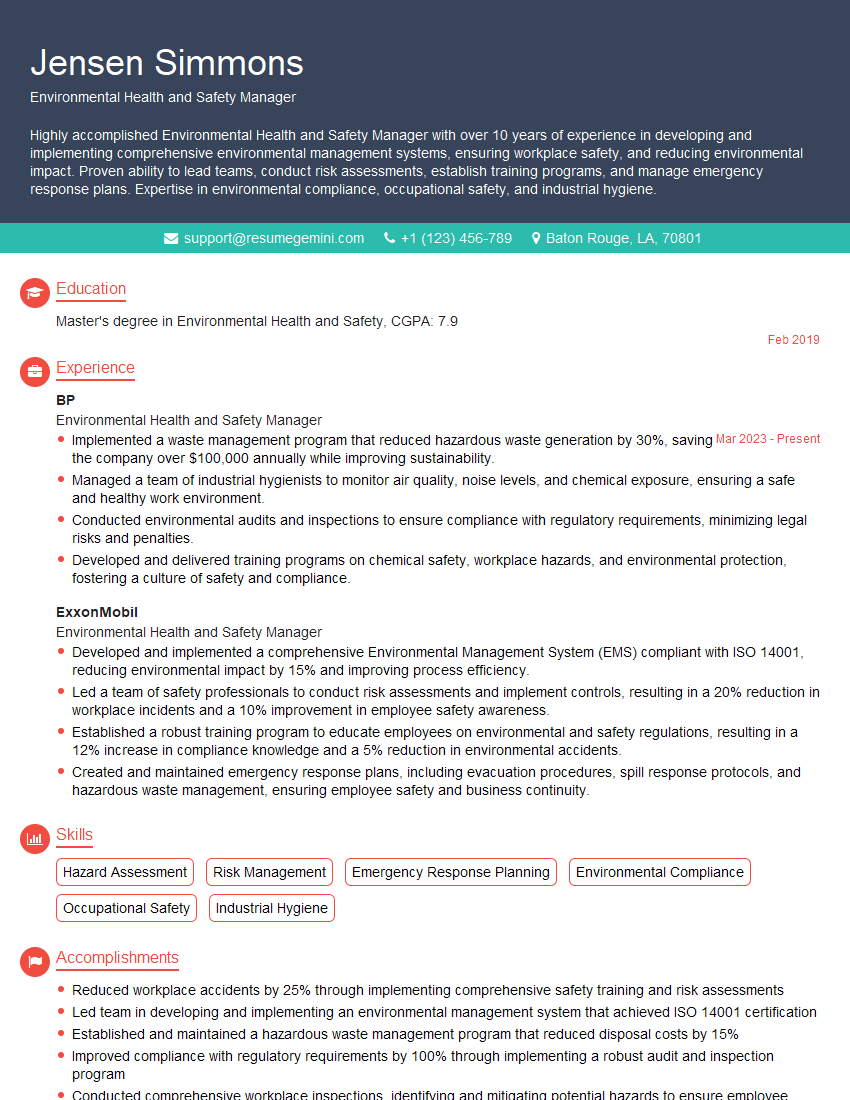
Environmental Health and Safety Manager Resume Sample

Compliance Officer Resume Sample
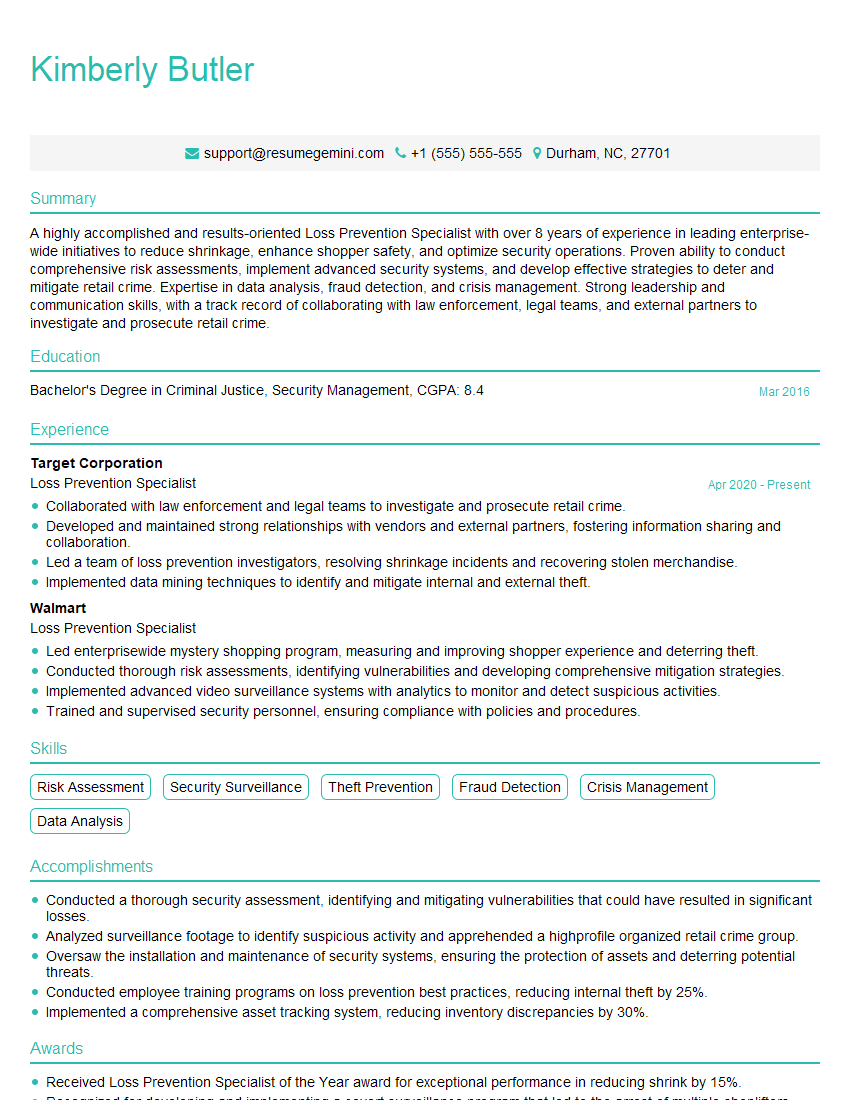
Loss Prevention Specialist Resume Sample
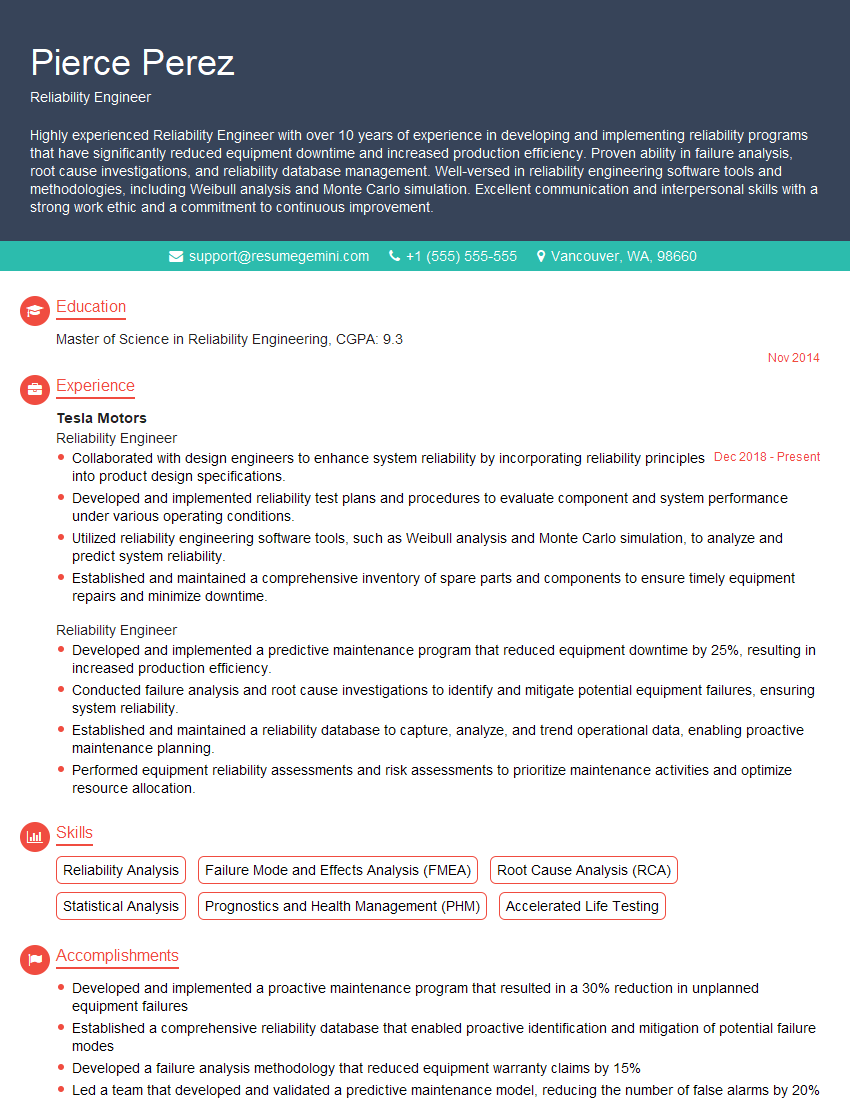
Reliability Engineer Resume Sample
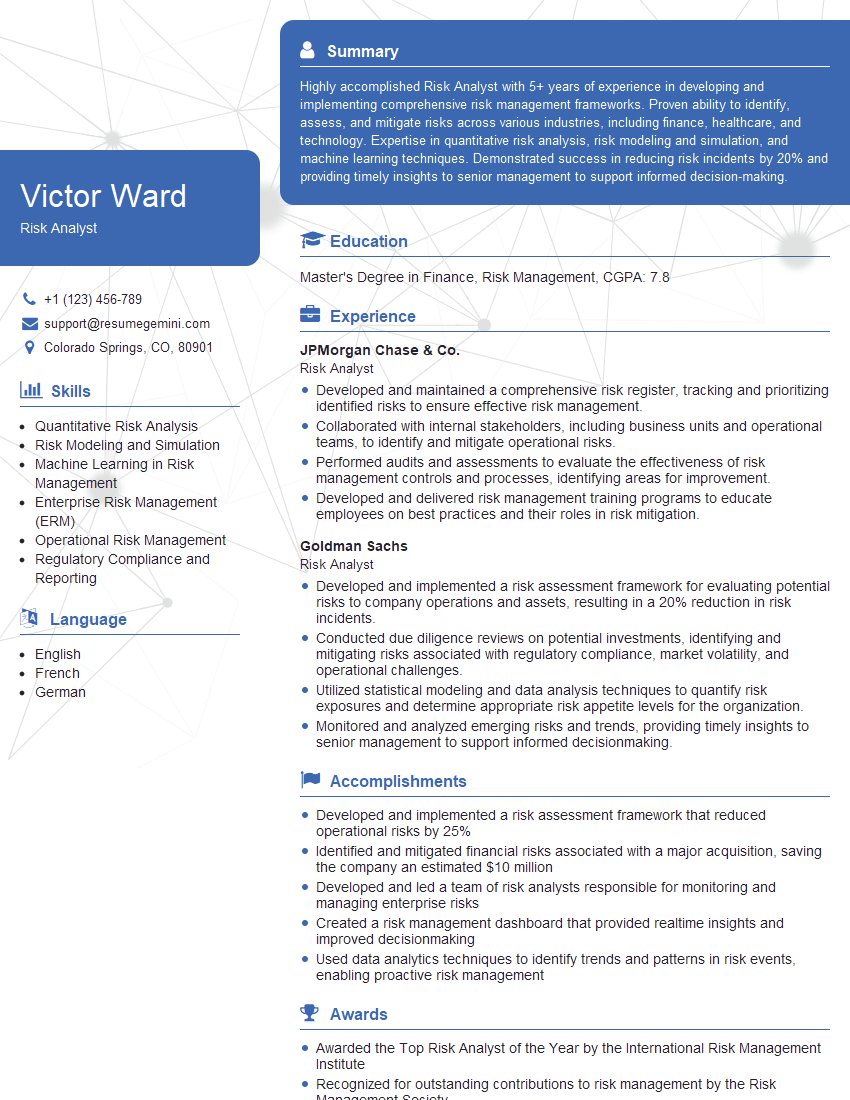
Risk Analyst Resume Sample
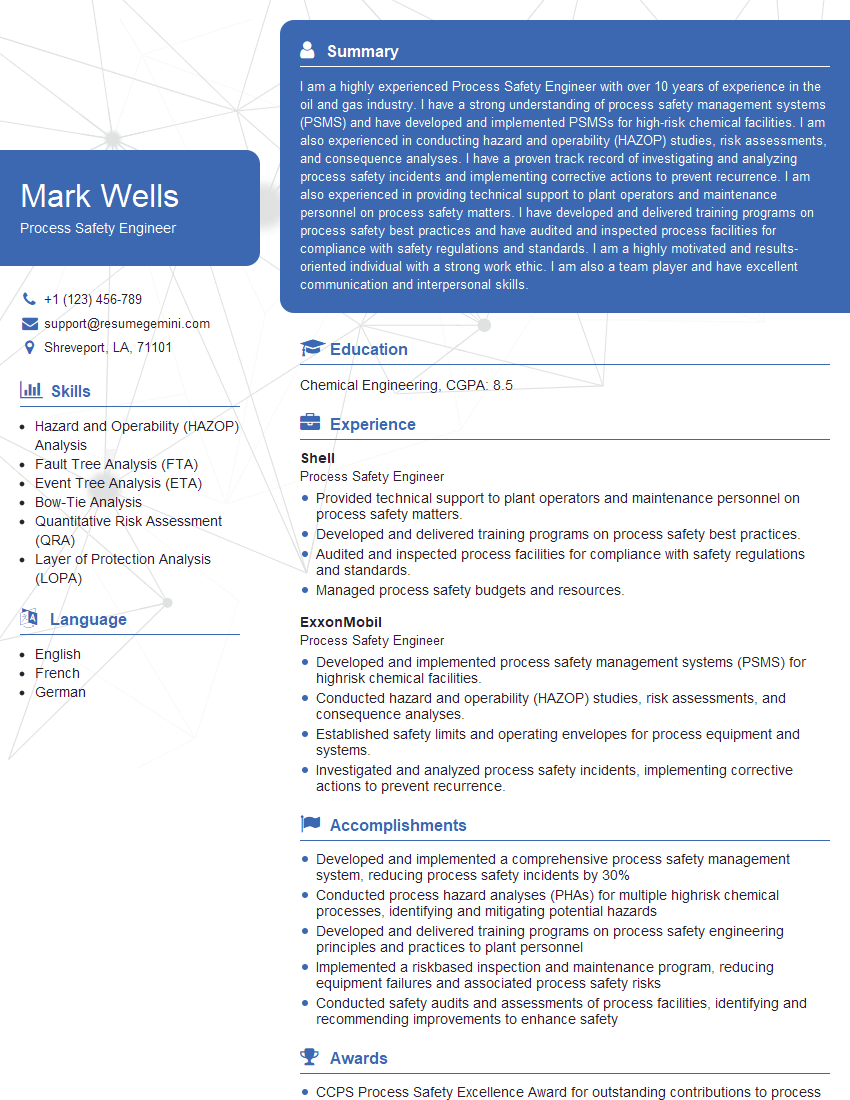
Process Safety Engineer Resume Sample
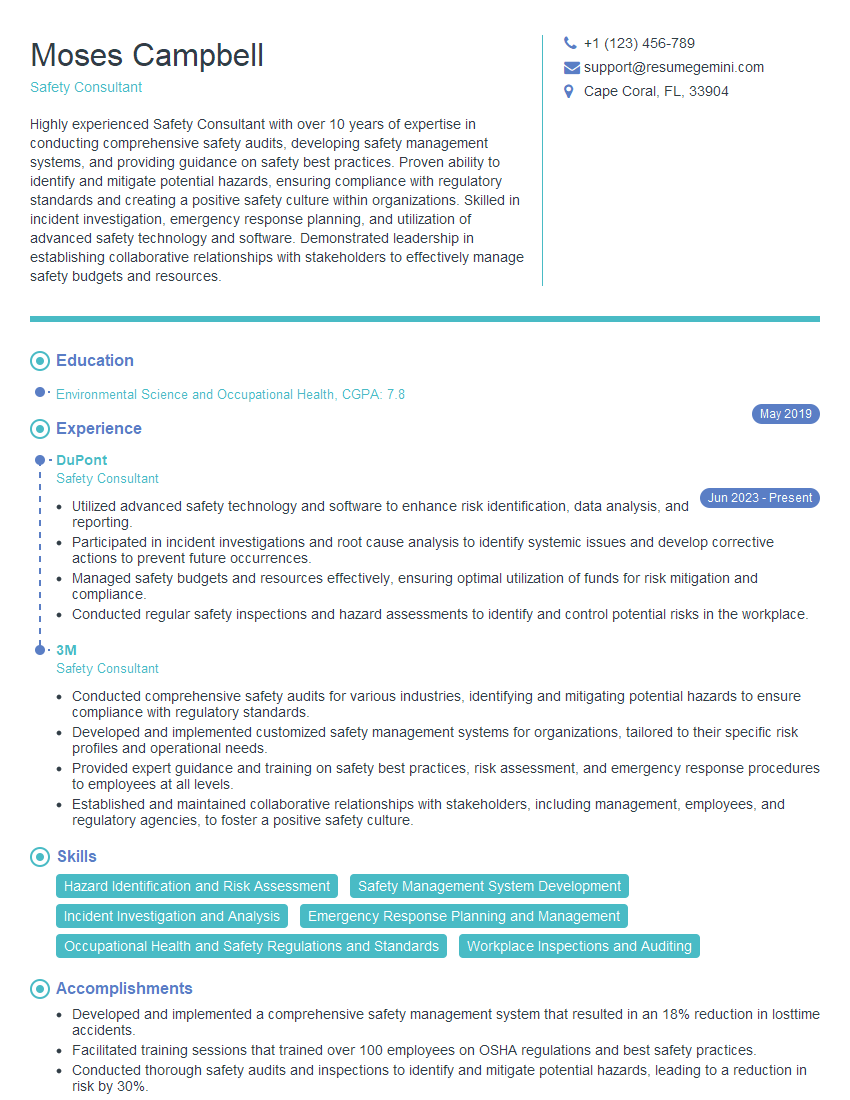
Safety Consultant Resume Sample
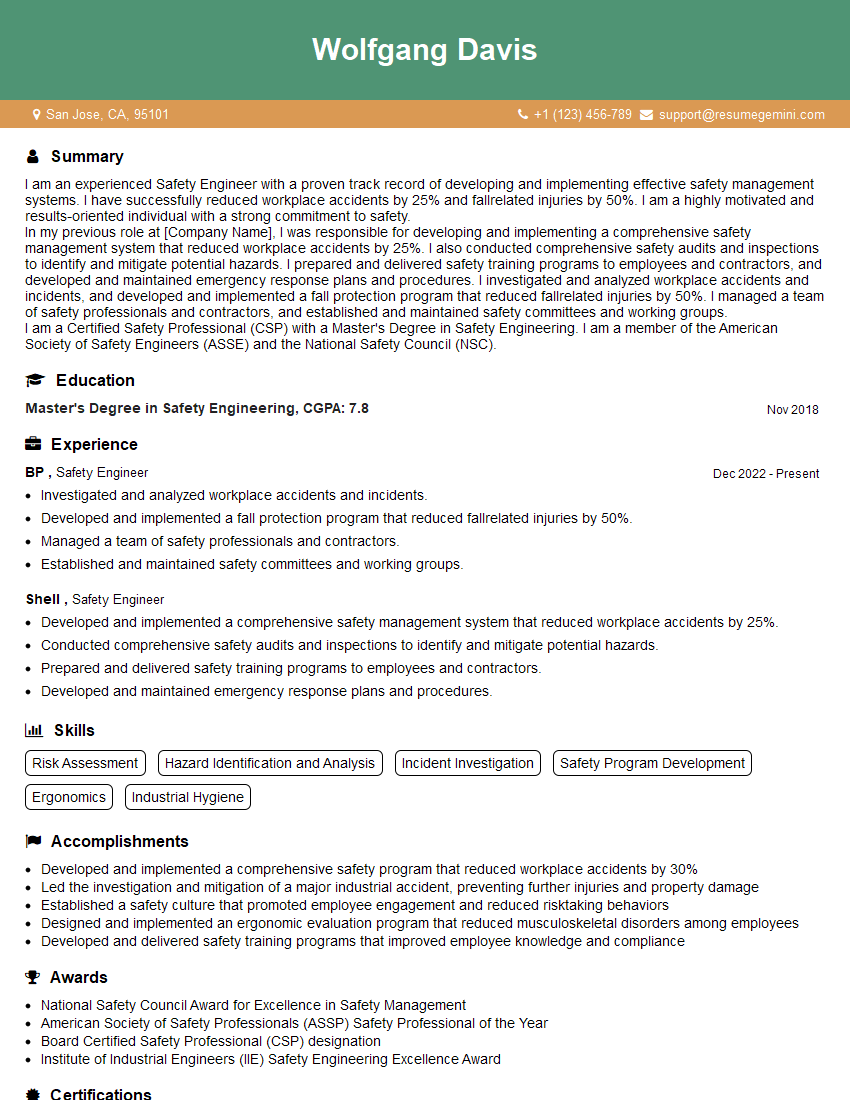
Safety Engineer Resume Sample

Industrial Hygienist Resume Sample
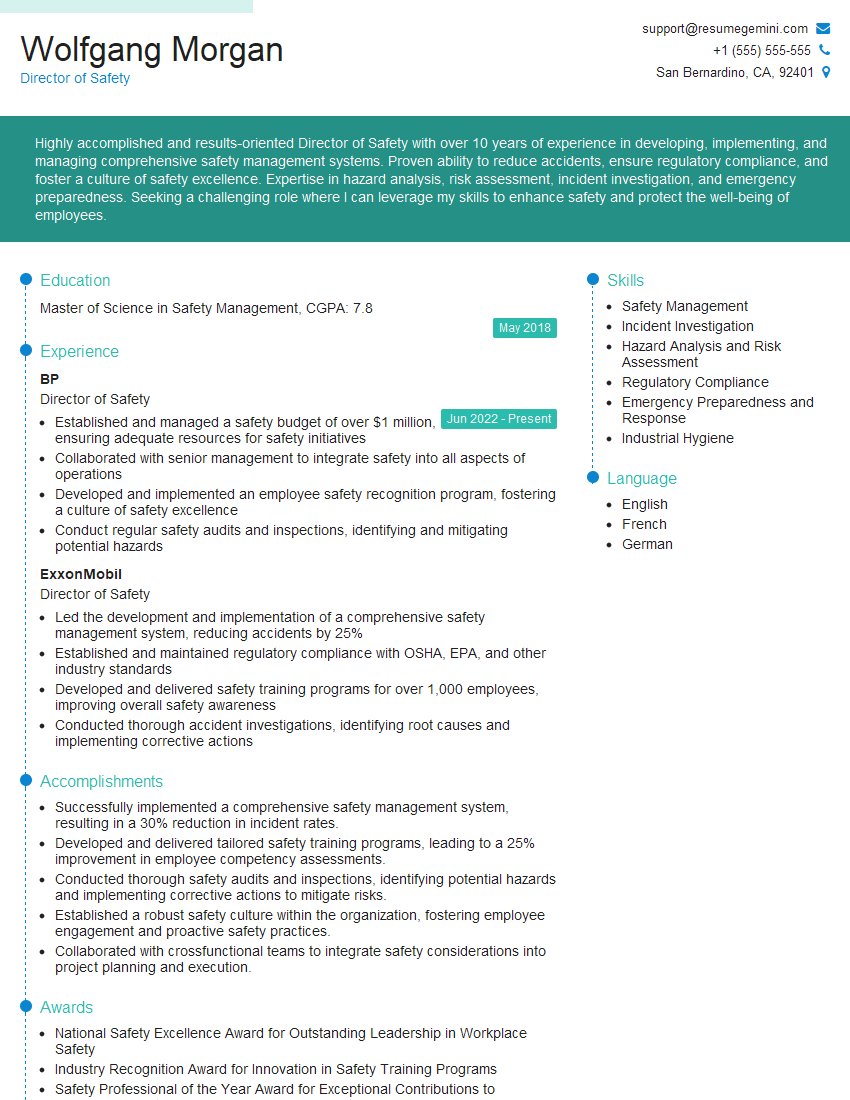
Director of Safety Resume Sample
Explore more articles
Users Rating of Our Blogs
Share Your Experience
We value your feedback! Please rate our content and share your thoughts (optional).
What Readers Say About Our Blog
Attention music lovers!
Wow, All the best Sax Summer music !!!
Spotify: https://open.spotify.com/artist/6ShcdIT7rPVVaFEpgZQbUk
Apple Music: https://music.apple.com/fr/artist/jimmy-sax-black/1530501936
YouTube: https://music.youtube.com/browse/VLOLAK5uy_noClmC7abM6YpZsnySxRqt3LoalPf88No
Other Platforms and Free Downloads : https://fanlink.tv/jimmysaxblack
on google : https://www.google.com/search?q=22+AND+22+AND+22
on ChatGPT : https://chat.openai.com?q=who20jlJimmy20Black20Sax20Producer
Get back into the groove with Jimmy sax Black
Best regards,
Jimmy sax Black
www.jimmysaxblack.com
Hi I am a troller at The aquatic interview center and I suddenly went so fast in Roblox and it was gone when I reset.
Hi,
Business owners spend hours every week worrying about their website—or avoiding it because it feels overwhelming.
We’d like to take that off your plate:
$69/month. Everything handled.
Our team will:
Design a custom website—or completely overhaul your current one
Take care of hosting as an option
Handle edits and improvements—up to 60 minutes of work included every month
No setup fees, no annual commitments. Just a site that makes a strong first impression.
Find out if it’s right for you:
https://websolutionsgenius.com/awardwinningwebsites
Hello,
we currently offer a complimentary backlink and URL indexing test for search engine optimization professionals.
You can get complimentary indexing credits to test how link discovery works in practice.
No credit card is required and there is no recurring fee.
You can find details here:
https://wikipedia-backlinks.com/indexing/
Regards
NICE RESPONSE TO Q & A
hi
The aim of this message is regarding an unclaimed deposit of a deceased nationale that bears the same name as you. You are not relate to him as there are millions of people answering the names across around the world. But i will use my position to influence the release of the deposit to you for our mutual benefit.
Respond for full details and how to claim the deposit. This is 100% risk free. Send hello to my email id: lukachachibaialuka@gmail.com
Luka Chachibaialuka
Hey interviewgemini.com, just wanted to follow up on my last email.
We just launched Call the Monster, an parenting app that lets you summon friendly ‘monsters’ kids actually listen to.
We’re also running a giveaway for everyone who downloads the app. Since it’s brand new, there aren’t many users yet, which means you’ve got a much better chance of winning some great prizes.
You can check it out here: https://bit.ly/callamonsterapp
Or follow us on Instagram: https://www.instagram.com/callamonsterapp
Thanks,
Ryan
CEO – Call the Monster App
Hey interviewgemini.com, I saw your website and love your approach.
I just want this to look like spam email, but want to share something important to you. We just launched Call the Monster, a parenting app that lets you summon friendly ‘monsters’ kids actually listen to.
Parents are loving it for calming chaos before bedtime. Thought you might want to try it: https://bit.ly/callamonsterapp or just follow our fun monster lore on Instagram: https://www.instagram.com/callamonsterapp
Thanks,
Ryan
CEO – Call A Monster APP
To the interviewgemini.com Owner.
Dear interviewgemini.com Webmaster!
Hi interviewgemini.com Webmaster!
Dear interviewgemini.com Webmaster!
excellent
Hello,
We found issues with your domain’s email setup that may be sending your messages to spam or blocking them completely. InboxShield Mini shows you how to fix it in minutes — no tech skills required.
Scan your domain now for details: https://inboxshield-mini.com/
— Adam @ InboxShield Mini
support@inboxshield-mini.com
Reply STOP to unsubscribe
Hi, are you owner of interviewgemini.com? What if I told you I could help you find extra time in your schedule, reconnect with leads you didn’t even realize you missed, and bring in more “I want to work with you” conversations, without increasing your ad spend or hiring a full-time employee?
All with a flexible, budget-friendly service that could easily pay for itself. Sounds good?
Would it be nice to jump on a quick 10-minute call so I can show you exactly how we make this work?
Best,
Hapei
Marketing Director
Hey, I know you’re the owner of interviewgemini.com. I’ll be quick.
Fundraising for your business is tough and time-consuming. We make it easier by guaranteeing two private investor meetings each month, for six months. No demos, no pitch events – just direct introductions to active investors matched to your startup.
If youR17;re raising, this could help you build real momentum. Want me to send more info?
Hi, I represent an SEO company that specialises in getting you AI citations and higher rankings on Google. I’d like to offer you a 100% free SEO audit for your website. Would you be interested?
Hi, I represent an SEO company that specialises in getting you AI citations and higher rankings on Google. I’d like to offer you a 100% free SEO audit for your website. Would you be interested?