Feeling uncertain about what to expect in your upcoming interview? We’ve got you covered! This blog highlights the most important Safety Assessment Techniques interview questions and provides actionable advice to help you stand out as the ideal candidate. Let’s pave the way for your success.
Questions Asked in Safety Assessment Techniques Interview
Q 1. Describe your experience with different Safety Assessment Techniques (HAZOP, What-If, FMEA, etc.).
My experience encompasses a wide range of Safety Assessment Techniques, each offering unique strengths for different applications. I’ve extensively used HAZOP (Hazard and Operability Study), What-If analysis, FMEA (Failure Mode and Effects Analysis), and JSA (Job Safety Analysis). HAZOP is a systematic approach ideal for complex processes, using guide words to explore deviations from intended design. What-If is a more brainstorming-focused technique, excellent for quickly identifying potential hazards. FMEA is particularly useful for analyzing equipment reliability and identifying potential failure points and their consequences. Finally, JSAs are crucial for breaking down tasks into steps and identifying hazards specific to each step, ensuring safety at the operational level. For example, in a chemical plant, I used HAZOP to assess the entire process flow, What-If to explore less common scenarios, FMEA on critical equipment like pumps and reactors, and JSAs for maintenance procedures. This multi-faceted approach provides a comprehensive safety net.
Q 2. Explain the process of conducting a HAZOP study.
A HAZOP study follows a structured process. First, a team of experts with diverse backgrounds is assembled. We then define the process to be analyzed, typically using Process Flow Diagrams (PFDs) or Piping and Instrumentation Diagrams (P&IDs). The process is systematically broken down into segments or nodes. For each node, a series of guide words (e.g., ‘no,’ ‘more,’ ‘less,’ ‘part of,’ ‘reverse’) are applied to each parameter (flow, pressure, temperature, level, etc.) to explore potential deviations. Each deviation is then investigated for its potential consequences, causes, and severity. This process leads to the identification of hazards and the development of recommendations for mitigating those hazards. Finally, the HAZOP findings are documented, and actions are tracked until completion. Imagine a chemical reactor; we might ask: ‘What if the temperature is MORE than expected?’ This would trigger investigation of potential overheating, runaway reactions, and the necessary safety measures like emergency cooling systems.
Q 3. What are the key elements of a successful Job Safety Analysis (JSA)?
A successful Job Safety Analysis (JSA) centers around meticulous detail and teamwork. Key elements include:
- Detailed task breakdown: The job is broken down into sequential steps.
- Hazard identification: Potential hazards associated with each step are identified.
- Risk assessment: The likelihood and severity of each hazard are assessed.
- Control measures: Specific control measures (e.g., PPE, lockout/tagout, safe work procedures) are identified to mitigate the risks.
- Documentation: The entire process, including identified hazards and control measures, is documented for reference and training.
- Regular review: JSAs are not static documents and need regular review and updates to account for changes in processes or equipment.
Q 4. How do you identify and assess potential hazards in a workplace?
Identifying and assessing workplace hazards involves a multi-pronged approach. This includes:
- Walkthrough inspections: Physically inspecting the workplace to observe potential hazards.
- Review of historical data: Examining incident reports, near misses, and accident statistics to identify recurring problems.
- Consultation with workers: Employees often have valuable insights into hazards they face daily. Their feedback is crucial.
- Checklists and standardized procedures: Using pre-defined checklists helps ensure consistent hazard identification.
- Legislation and standards compliance: Understanding relevant safety regulations and industry standards helps prioritize hazards.
Q 5. Describe your experience with risk matrix development and application.
I have extensive experience in developing and applying risk matrices. A risk matrix is a visual tool that helps prioritize risks based on their likelihood and severity. I typically use a matrix with likelihood (e.g., low, medium, high) along one axis and severity (e.g., minor injury, serious injury, fatality) along the other. The intersection of likelihood and severity determines the risk level (e.g., low, moderate, high, extreme). This allows for a clear visualization of the relative risks. For example, a low likelihood but high severity event (like a major equipment failure) might require significant mitigation, even though it’s less likely to occur than a high likelihood, low severity event (like minor slips and falls). I often tailor the scales and criteria of the risk matrix based on the context of the project and the client’s risk tolerance.
Q 6. How do you prioritize risks based on likelihood and severity?
Risk prioritization using a risk matrix involves assigning numerical values or qualitative rankings to likelihood and severity. For example, likelihood could range from 1 (very unlikely) to 5 (almost certain), and severity from 1 (minor) to 5 (catastrophic). The risk level is often calculated by multiplying the likelihood and severity scores. Higher scores indicate higher priority risks. The risks are then ranked from highest to lowest score. This allows us to focus resources on mitigating the most critical hazards first. In some cases, qualitative assessments might be preferred where expert judgment is used to estimate likelihood and consequences without precise numerical values. This approach would be appropriate for situations with less quantifiable data.
Q 7. Explain the concept of ALARP (As Low As Reasonably Practicable).
ALARP, or As Low As Reasonably Practicable, is a fundamental principle in risk management. It means that risks should be reduced to a level where further reduction would be disproportionately expensive, time-consuming, or technically infeasible. It’s not about eliminating all risks – that’s often impossible – but about reducing them to an acceptable level, considering the cost and effort involved. The ‘reasonably practicable’ part considers factors like available technology, cost-benefit analysis, and societal expectations. For example, completely eliminating the risk of car accidents is impractical, but implementing safety measures like seatbelts, airbags, and speed limits brings the risk down to an ALARP level. The decision-making process involves weighing the cost and effort of risk reduction against the potential benefits in terms of reduced harm.
Q 8. How do you communicate safety risks and recommendations to different stakeholders?
Communicating safety risks and recommendations effectively requires tailoring the message to the audience. I utilize a tiered approach. For executive leadership, I focus on high-level summaries emphasizing financial impact, legal liability, and reputational risk, often using dashboards and concise reports. For supervisors, I provide more detailed information including specific procedures, responsibilities, and potential consequences of non-compliance. With frontline workers, I prioritize clear, concise instructions, visual aids (like diagrams and checklists), and interactive training sessions. I ensure that all communication is clear, unambiguous, and accessible, using plain language and avoiding technical jargon whenever possible. For example, instead of saying ‘mitigate potential ergonomic hazards,’ I’d say ‘reduce the risk of back injuries by using proper lifting techniques.’ Feedback mechanisms are crucial; I incorporate surveys, focus groups, and regular check-ins to ensure understanding and address concerns promptly.
Q 9. Describe your experience with incident investigation and root cause analysis.
My experience in incident investigation and root cause analysis follows a structured approach. I typically employ the ‘5 Whys’ technique to drill down to the underlying causes of an incident, complemented by fault tree analysis to visually represent potential contributing factors. For example, if a worker suffered a laceration while using a machine, the 5 Whys might uncover a lack of machine guarding (Why did the worker get cut? Because the machine lacked guarding. Why was there no guarding? Because maintenance was neglected. Why was maintenance neglected? Because of inadequate training, etc.). Fault tree analysis would visually map these causal factors, helping to identify multiple contributing root causes. I also use interviews, site observations, and document reviews to gather comprehensive evidence. Crucially, I ensure a thorough documentation of the investigation process, the findings, and the implemented corrective actions to prevent recurrence. In one case, a thorough investigation revealed a systemic issue with the training program, leading to significant improvements and a reduction in similar incidents.
Q 10. What are the key elements of an effective safety management system?
An effective safety management system (SMS) rests on several key pillars. First, strong leadership commitment is paramount; safety needs to be a core value, not an afterthought. Secondly, a comprehensive risk assessment process identifies hazards and evaluates the associated risks. Thirdly, clear policies and procedures must be in place, communicated effectively, and enforced consistently. Fourth, regular training and competency assessments ensure employees possess the skills and knowledge to perform their tasks safely. Fifth, effective communication channels facilitate information sharing and feedback. Sixth, incident investigation and corrective action processes help learn from mistakes and prevent recurrence. Finally, regular monitoring and performance measurement track the effectiveness of the SMS and allows for continuous improvement. This is akin to building a house – you need a solid foundation (leadership), a detailed blueprint (risk assessment), quality materials (procedures), skilled workers (training), clear communication (information sharing), quality control (incident investigation), and regular inspections (monitoring).
Q 11. How do you ensure compliance with relevant safety regulations and standards?
Ensuring compliance with safety regulations and standards involves several steps. Firstly, identifying all applicable regulations and standards (OSHA, ISO 45001, industry-specific standards, etc.) is crucial. Secondly, integrating these requirements into our safety management system, including policies, procedures, and training programs, is essential. Thirdly, regular audits and inspections verify that our practices align with these regulations and standards. This includes reviewing documentation, observing work practices, and interviewing employees. Fourthly, documenting all findings and implementing corrective actions for any non-compliances is crucial. Fifthly, ongoing training keeps employees up-to-date on regulatory changes and best practices. Finally, proactive engagement with regulatory bodies ensures timely awareness of changes and allows for collaborative efforts in improving safety. For example, we proactively participate in industry safety conferences and maintain close relationships with regulatory inspectors to anticipate potential issues and ensure ongoing compliance.
Q 12. Explain your understanding of different types of safety controls (engineering, administrative, PPE).
Safety controls are categorized into three main types: engineering controls, administrative controls, and personal protective equipment (PPE). Engineering controls are physical changes to the work environment that eliminate or reduce hazards at the source. Examples include machine guarding, ventilation systems, and improved lighting. Administrative controls involve changes to work practices, procedures, and training to minimize hazards. Examples include job rotation, work permits, and safety training programs. Personal protective equipment (PPE) is the last line of defense, providing protection to workers when hazards cannot be eliminated or reduced effectively through engineering or administrative controls. Examples include safety glasses, hard hats, and respirators. The hierarchy of controls prioritizes engineering and administrative controls over PPE, as PPE only protects the individual, not the hazard itself. Think of it like building a house: engineering controls are like building a strong foundation, administrative controls are like having a detailed blueprint and skilled workers, and PPE is like having a helmet during construction – it’s important but not the most important aspect.
Q 13. Describe a situation where you had to make a difficult safety decision. What was the outcome?
I once faced a situation where a critical piece of equipment malfunctioned, posing a significant safety risk. Shutting down the equipment immediately would have resulted in a substantial production loss, affecting profitability and potentially impacting deadlines for a crucial client project. However, continuing operation risked potential injuries to workers. After carefully assessing the risks and benefits, I decided to shut down the equipment immediately. This involved transparent communication with all stakeholders, explaining the risks and the rationale for the shutdown. While there was short-term financial impact, the potential for serious injury was eliminated. A thorough investigation revealed the root cause of the malfunction and led to preventative maintenance improvements. The decision, while challenging, ultimately prioritised worker safety and enhanced our overall safety culture. This experience reinforced the importance of prioritizing safety above short-term gains.
Q 14. How do you measure the effectiveness of safety programs?
Measuring the effectiveness of safety programs requires a multi-faceted approach. Key performance indicators (KPIs) include leading indicators, such as the number of safety training hours, safety audits conducted, and near-miss reports filed, and lagging indicators, such as the number of lost-time injuries, recordable incidents, and the total cost of injuries. Trend analysis of these KPIs over time provides insights into the program’s effectiveness. Furthermore, employee surveys and focus groups gauge employee perception of safety, identify areas for improvement, and assess the program’s impact on safety culture. Analyzing incident investigation reports allows for identification of trends and recurring issues, informing continuous improvement efforts. Finally, comparing our safety performance to industry benchmarks provides context and highlights areas where we excel and where we can improve. Regular reporting and management review of these metrics help keep safety at the forefront of decision-making.
Q 15. What is your experience with safety audits and inspections?
Throughout my career, I’ve conducted numerous safety audits and inspections across diverse industries, from manufacturing to construction. My approach is methodical and risk-based. I begin by understanding the specific hazards associated with the operation or workplace, utilizing established checklists and industry-specific standards. For example, in a manufacturing setting, I’d examine machine guarding, lockout/tagout procedures, and the overall facility layout for ergonomic hazards. In construction, I focus on fall protection, trench safety, and the proper use of personal protective equipment (PPE).
My inspections go beyond simply ticking off items on a checklist. I look for underlying causes of potential hazards – why is a guard missing? Is there a lack of training? Are there systemic issues contributing to unsafe practices? This allows me to create more effective recommendations for improvement.
Following an inspection, I compile a detailed report that includes photographic evidence, identifies specific non-compliances, and suggests prioritized corrective actions, complete with timelines and responsible parties. I always strive for collaborative solutions, working with management and employees to identify the best ways to enhance safety.
Career Expert Tips:
- Ace those interviews! Prepare effectively by reviewing the Top 50 Most Common Interview Questions on ResumeGemini.
- Navigate your job search with confidence! Explore a wide range of Career Tips on ResumeGemini. Learn about common challenges and recommendations to overcome them.
- Craft the perfect resume! Master the Art of Resume Writing with ResumeGemini’s guide. Showcase your unique qualifications and achievements effectively.
- Don’t miss out on holiday savings! Build your dream resume with ResumeGemini’s ATS optimized templates.
Q 16. How do you handle disagreements with management regarding safety concerns?
Disagreements regarding safety are inevitable, but my approach is always collaborative and data-driven. I believe that safety isn’t a matter of opinion; it’s grounded in facts and evidence. If I identify a safety concern that management disagrees with, I carefully document my findings, presenting clear and concise data to support my assessment. This often includes statistical analysis of incident rates, near misses, or potential failure modes and effects analysis (FMEA) results.
I focus on explaining the potential consequences of inaction, emphasizing the legal and ethical responsibilities of the organization. I might present case studies of similar incidents in other companies, highlighting the potential financial and reputational damage. The key is to establish a shared understanding of the risk and collaborate on a solution that addresses the concern while being feasible within the constraints of the organization.
If, despite my best efforts, I cannot reach an agreement, I have established escalation procedures in place that allow me to refer the matter to higher authorities within the organization or even external regulatory bodies, if necessary. Transparency and a thorough documentation trail are critical in these situations.
Q 17. Describe your experience with safety training and development programs.
I have extensive experience in designing and delivering safety training programs. My approach is tailored to the specific needs and learning styles of the audience. I believe effective safety training must move beyond simply providing information; it needs to engage learners and empower them to take ownership of their safety and the safety of others.
I incorporate a variety of training methods, including interactive lectures, hands-on demonstrations, simulations, and case studies. I use visual aids, such as videos and diagrams, and always encourage active participation and feedback from attendees. I design training programs that are not just informative but also engaging and memorable, focusing on practical application and skill development.
For example, when I developed a training program on lockout/tagout procedures, I incorporated a hands-on simulation where participants practiced the process on actual machinery under the supervision of experienced trainers. This allowed them to gain practical experience and reinforce their theoretical knowledge.
Post-training assessments are crucial for evaluating effectiveness. I use a combination of methods including written tests, practical demonstrations, and observation of on-the-job performance to assess whether the training has resulted in a change in behavior and improved safety performance.
Q 18. What are some common safety challenges in your area of expertise?
Common safety challenges vary depending on the industry but some universal issues consistently emerge. Human error remains a leading cause of accidents. This includes complacency, fatigue, and a lack of awareness regarding hazards. Poor communication and a lack of accountability can also significantly contribute to incidents. Inadequate training, insufficient PPE, and poorly maintained equipment all present significant risks.
In recent years, there has been increasing concern about the impact of psychosocial factors on safety. This includes workplace stress, bullying, and harassment, which can negatively affect worker performance and increase the risk of accidents. In addition, the integration of new technologies such as automation and robotics presents new challenges that require careful consideration of safety implications.
Another major hurdle is consistently reinforcing safety culture. It’s not enough to simply implement safety programs; you must cultivate a genuine commitment to safety at all levels of the organization. This necessitates clear leadership, effective communication, and a culture that values reporting near misses without fear of reprisal.
Q 19. How do you stay current with the latest safety regulations and best practices?
Staying current in the rapidly evolving field of safety requires ongoing professional development. I actively participate in professional organizations, such as the National Safety Council (NSC) or similar relevant organizations, attending conferences and workshops to learn about the latest regulations and best practices. I subscribe to industry journals and newsletters, keeping up-to-date with relevant research and case studies.
I also leverage online resources, such as government websites and industry-specific databases, to access the latest safety standards and guidelines. I actively participate in online forums and discussion groups, engaging with other safety professionals and sharing best practices.
Regularly reviewing and updating my own knowledge and skills is essential. I participate in continuing education courses and seek out opportunities for professional development to ensure I am proficient in emerging safety techniques and technologies.
Q 20. Explain your understanding of human factors and their impact on safety.
Human factors engineering plays a crucial role in safety. It considers the capabilities and limitations of human beings in the design of systems and work environments. A thorough understanding of human factors is critical to identifying and mitigating the risks associated with human error.
For example, human factors principles guide the design of user-friendly interfaces for machinery and equipment, minimizing the chance of operator mistakes. Ergonomic considerations are essential to prevent musculoskeletal injuries by designing workstations that suit the physical capabilities of workers. Cognitive factors, such as workload, stress, and fatigue, can significantly impact performance and increase the likelihood of errors. Therefore, understanding human factors principles aids in designing jobs that promote alertness and prevent errors.
Understanding human behavior is key. People are not always rational actors; biases and heuristics can influence decision-making and lead to unsafe behavior. Considering these aspects helps in designing safety programs and procedures that are effective in influencing behavior change and promoting safety.
Q 21. Describe your experience with safety data analysis and reporting.
Safety data analysis and reporting are fundamental to identifying trends, predicting risks, and measuring the effectiveness of safety interventions. My experience includes collecting, analyzing, and presenting safety data from various sources, including incident reports, near-miss reports, inspections, and audits.
I utilize statistical methods to analyze data, identify patterns, and assess trends in safety performance. This might involve calculating leading indicators, such as the number of near misses, and lagging indicators, such as the number of accidents. I then use this information to understand the underlying causes of incidents and identify areas for improvement.
Data visualization techniques are employed to communicate findings effectively to various stakeholders. Charts, graphs, and dashboards clearly present safety performance metrics, enabling management to track progress towards safety goals and facilitating data-driven decision-making. Reporting also encompasses regular communication of key safety metrics to employees, fostering transparency and promoting a culture of accountability.
Q 22. How familiar are you with Bowtie analysis?
Bowtie analysis is a powerful risk assessment technique used to visualize and analyze hazards, their potential consequences, and the preventative and mitigating controls in place. Think of it as a visual representation of cause-and-effect, showing how a hazard (the ‘threat’) can lead to a consequence (the ‘top event’), and the layers of controls that prevent or mitigate that outcome. It’s structured like a bowtie, with the threat at the left, the top event in the middle, and the consequences on the right. The ‘strings’ of the bowtie represent preventative controls (on the left) and mitigating controls (on the right).
For instance, consider a chemical spill in a factory. The threat might be ‘faulty valve’. The top event is ‘chemical spill’. Consequences could include ‘environmental damage’, ‘worker injury’, and ‘production downtime’. Preventative controls could be regular valve inspections and maintenance, while mitigating controls include emergency response plans and spill containment systems. Bowtie analysis allows for a systematic identification of vulnerabilities and gaps in the control system, leading to more robust safety measures.
Q 23. Explain the importance of proactive vs reactive safety measures.
Proactive safety measures focus on preventing incidents before they happen, while reactive measures deal with the aftermath of an incident. Think of it like this: proactive measures are like putting up a fence to prevent someone from falling into a hole, while reactive measures are like having an ambulance on standby to deal with injuries after a fall.
Proactive measures are significantly more cost-effective in the long run. They involve hazard identification, risk assessment, and implementing preventative controls. Examples include regular equipment inspections, employee training, and robust safety procedures. Reactive measures, such as investigations and corrective actions, are necessary after an incident but are far more costly, not only financially but also in terms of potential damage to reputation and human suffering.
Ideally, a robust safety management system employs both, with a strong emphasis on proactive measures to minimize the need for reactive ones. A perfect example of this is the development of safety protocols before initiating a potentially hazardous process, and having emergency response protocols in case of accidents.
Q 24. What is your experience with safety software or databases?
I have extensive experience using various safety software and databases. This includes proficiency in specialized risk assessment software, such as those that allow for Bowtie analysis, fault tree analysis (FTA), and event tree analysis (ETA) modelling. I’m also familiar with database management systems used for tracking safety incidents, near misses, and corrective actions. My experience spans several platforms, including cloud-based solutions and on-premise systems. I’m adept at data entry, analysis, and reporting, using these tools to generate meaningful insights to support safety improvements and decision-making. For example, I’ve used software to analyze incident data to identify trends and develop targeted safety interventions.
Q 25. How do you ensure safety during emergency situations?
Ensuring safety during emergencies requires a multi-faceted approach based on preparedness, training, and effective communication. This involves a thorough understanding of emergency response plans, clear communication protocols, and the ability to remain calm and focused under pressure.
My approach involves:
- Immediate action based on established protocols: Following pre-defined emergency procedures is paramount. This minimizes confusion and ensures a coordinated response.
- Effective communication: Clear and concise communication with all stakeholders, including emergency services, is crucial to ensure everyone is aware of the situation and their roles.
- Prioritization of safety: The primary focus is always on protecting human life and minimizing further damage.
- Post-incident analysis: After the emergency, a thorough investigation is necessary to identify areas for improvement in emergency preparedness and response.
For example, during a simulated chemical spill exercise, I successfully coordinated the evacuation of personnel, initiated spill containment procedures, and ensured communication with emergency services, all while adhering to the site’s emergency response plan.
Q 26. Describe your experience in implementing safety improvements.
I have a proven track record of successfully implementing safety improvements across diverse projects. My approach involves a systematic process that includes:
- Hazard identification and risk assessment: Conducting thorough assessments to identify potential hazards and quantify their risks.
- Control selection and implementation: Developing and implementing appropriate safety controls based on risk assessments, including engineering controls, administrative controls, and personal protective equipment (PPE).
- Monitoring and evaluation: Regularly monitoring the effectiveness of implemented controls and making adjustments as necessary.
- Training and communication: Providing training to employees on safe work practices and communicating safety information effectively.
In one instance, I spearheaded a project to reduce workplace injuries by implementing new safety protocols and providing hands-on training to all employees. This resulted in a 30% reduction in workplace accidents within six months. The success was attributed to detailed risk assessment, effective communication of the new procedures, and regular monitoring and feedback.
Q 27. What are your strengths and weaknesses in relation to safety assessment techniques?
My strengths lie in my analytical skills, systematic approach to problem-solving, and ability to communicate complex safety information clearly and concisely. I’m particularly proficient in various safety assessment techniques, including Bowtie analysis, FTA, and ETA. I have a strong understanding of risk management principles and the ability to translate complex data into actionable insights.
An area where I am continually striving for improvement is my knowledge of the latest advancements in emerging technologies and their application in safety assessment. While I keep abreast of new developments through industry publications and training, I am actively seeking opportunities to enhance my expertise in this domain. This continuous learning approach ensures I maintain a high level of proficiency in this rapidly evolving field.
Q 28. How do you handle pressure and prioritize tasks in a high-risk environment?
Working in a high-risk environment necessitates the ability to remain calm and focused under pressure while prioritizing tasks effectively. I employ a structured approach that includes:
- Prioritization Matrix: Using a matrix to prioritize tasks based on urgency and importance. This ensures critical tasks are addressed first.
- Time Management Techniques: Employing techniques such as time blocking and the Pomodoro Technique to manage workload effectively and prevent burnout.
- Delegation: When appropriate, delegating tasks to team members to maximize efficiency.
- Stress Management Techniques: Practicing stress management techniques, such as mindfulness and regular exercise, to maintain focus and composure under pressure.
For example, during a critical incident, I successfully prioritized immediate safety measures while simultaneously coordinating emergency response and communication, ensuring a timely and effective resolution. This demonstrates my ability to manage multiple demands and maintain focus under high-pressure situations.
Key Topics to Learn for Safety Assessment Techniques Interview
- Hazard Identification & Risk Assessment: Understand various methods like HAZOP, FMEA, What-If analysis, and their practical applications in different industrial settings. Consider the strengths and weaknesses of each technique.
- Quantitative Risk Assessment: Master the principles of calculating risk using frequency and severity data. Practice applying different risk matrices and understand their limitations.
- Qualitative Risk Assessment: Develop proficiency in using descriptive scales and matrices to assess risk levels. Be prepared to discuss the subjective nature of qualitative assessments and their role in decision-making.
- Safety Instrumented Systems (SIS): Understand the design, implementation, and verification of SIS, including safety integrity levels (SIL) and their determination.
- Human Factors in Safety: Discuss the impact of human error on safety incidents and strategies for mitigating human factors risks. This includes topics like ergonomics and training effectiveness.
- Accident Investigation & Root Cause Analysis: Understand various techniques for investigating accidents, identifying root causes, and implementing corrective actions (e.g., 5 Whys, Fishbone diagrams).
- Safety Management Systems (SMS): Familiarize yourself with the principles of SMS and their implementation in various industries. Be prepared to discuss the role of safety culture and leadership in SMS effectiveness.
- Regulatory Compliance: Demonstrate knowledge of relevant safety regulations and standards applicable to your target industry. Understand how to ensure compliance with these regulations.
- Safety Audits and Inspections: Understand the process of conducting safety audits and inspections, identifying hazards, and recommending corrective actions.
- Case Studies and Problem Solving: Prepare to discuss real-world safety scenarios and demonstrate your ability to apply your knowledge to solve practical problems.
Next Steps
Mastering Safety Assessment Techniques is crucial for career advancement in many high-demand sectors. A strong understanding of these techniques showcases your commitment to safety and your ability to contribute significantly to a company’s safety performance. To maximize your job prospects, creating an ATS-friendly resume is essential. ResumeGemini is a trusted resource that can help you build a professional and impactful resume that highlights your skills and experience effectively. Examples of resumes tailored to Safety Assessment Techniques are available to help you get started.
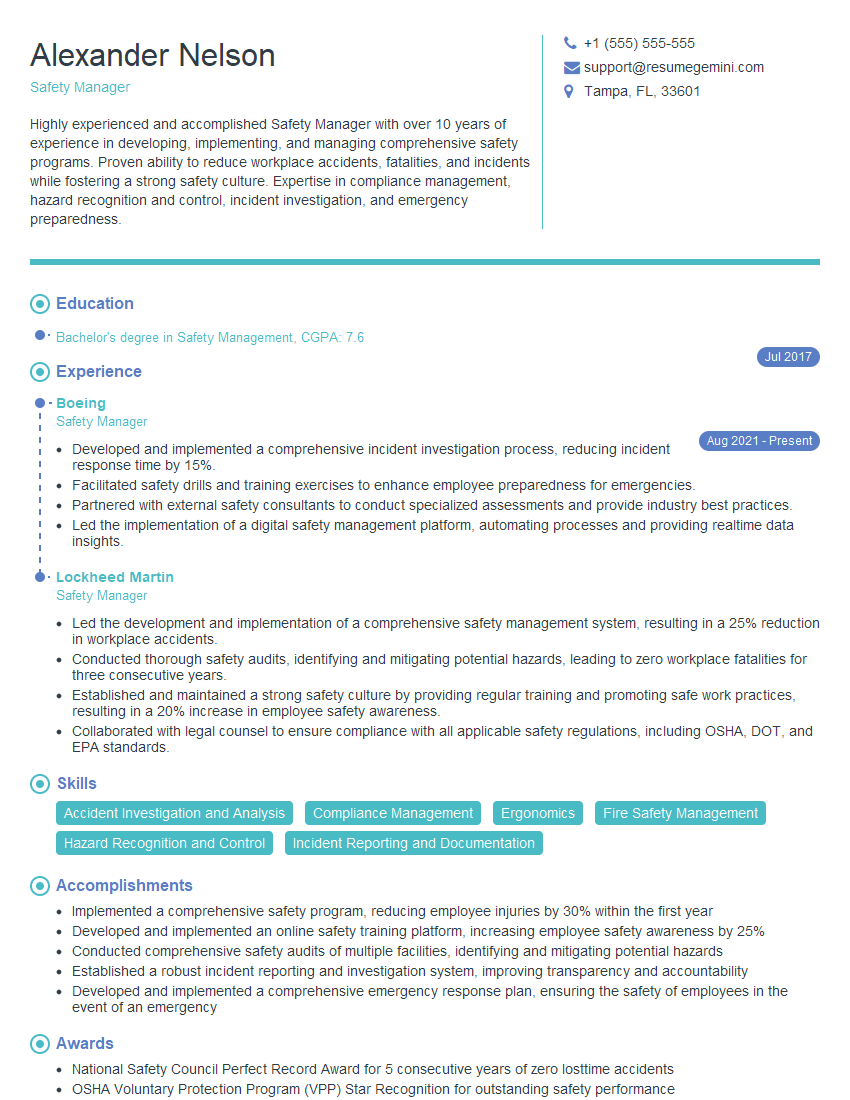
Safety Manager Resume Sample
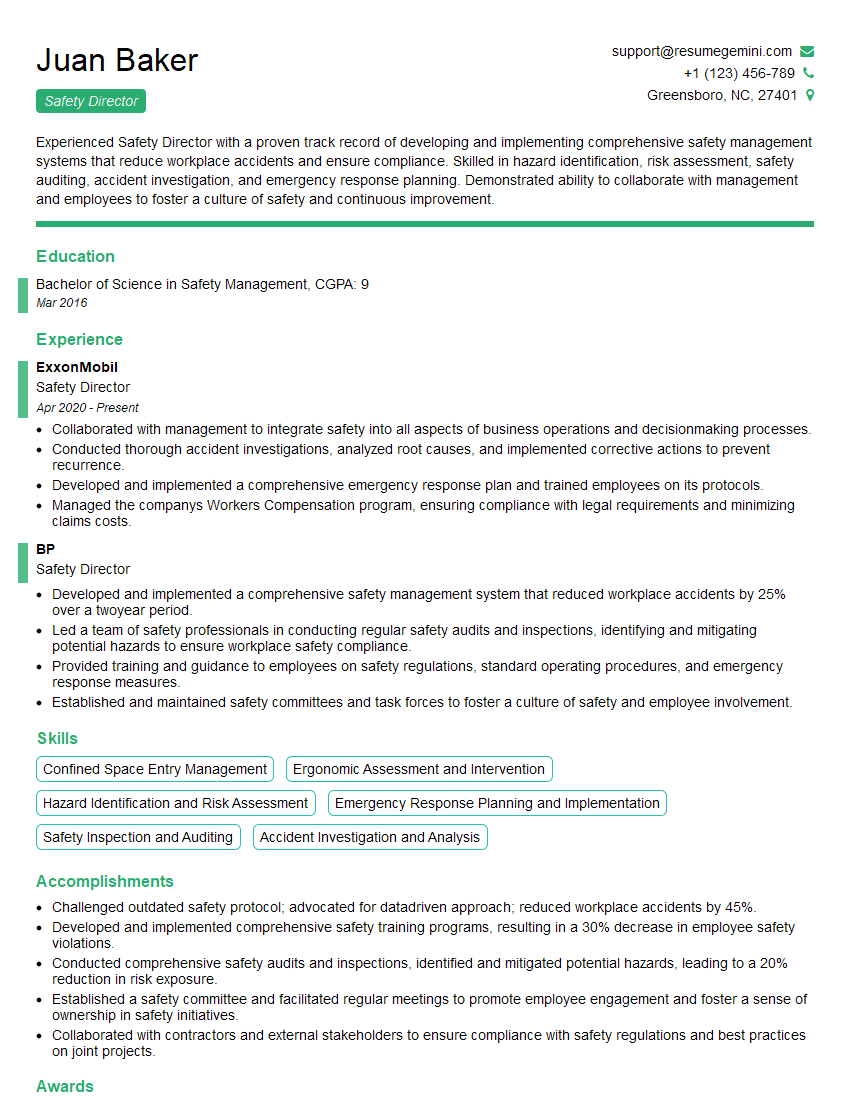
Safety Director Resume Sample
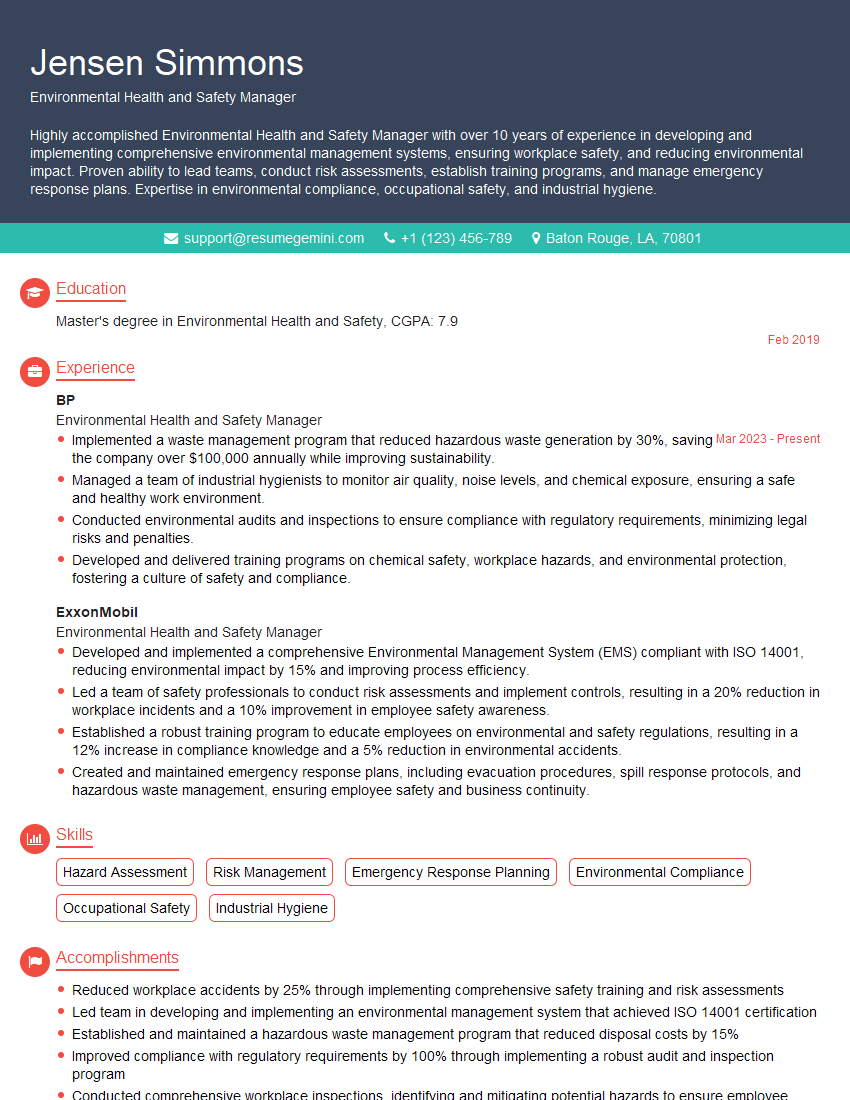
Environmental Health and Safety Manager Resume Sample

Compliance Officer Resume Sample
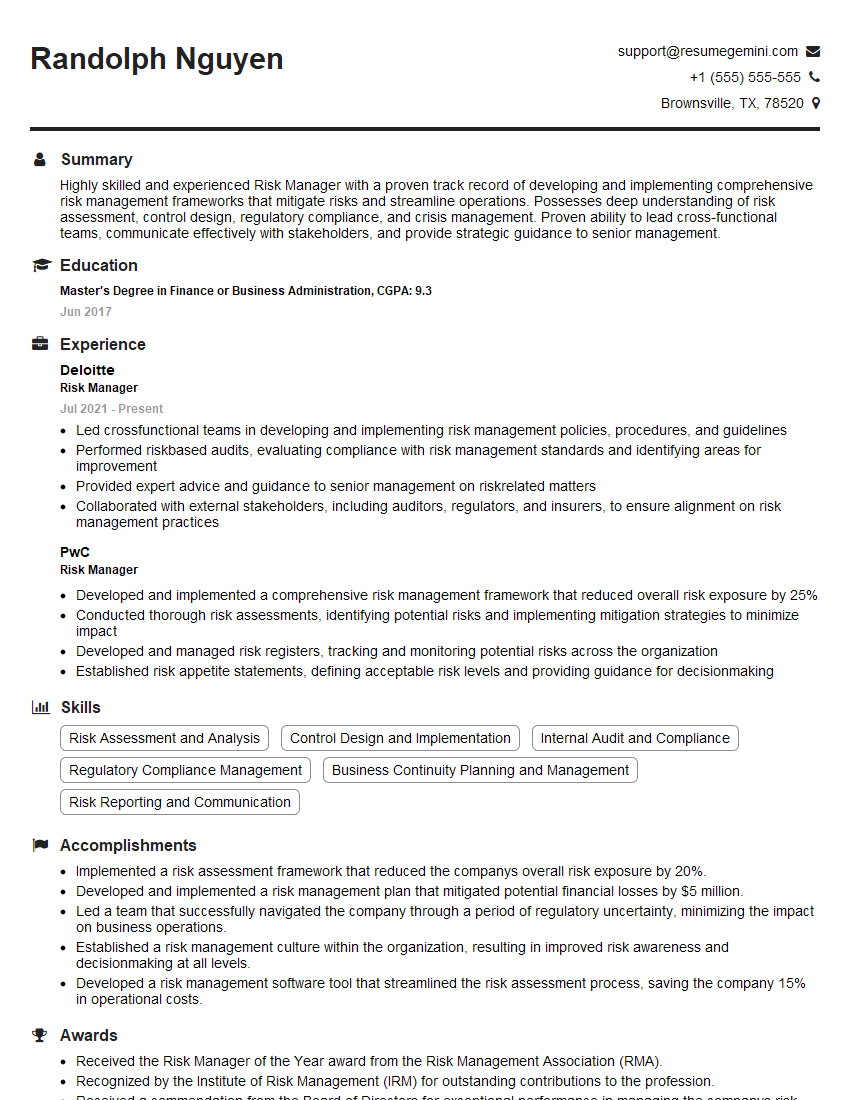
Risk Manager Resume Sample
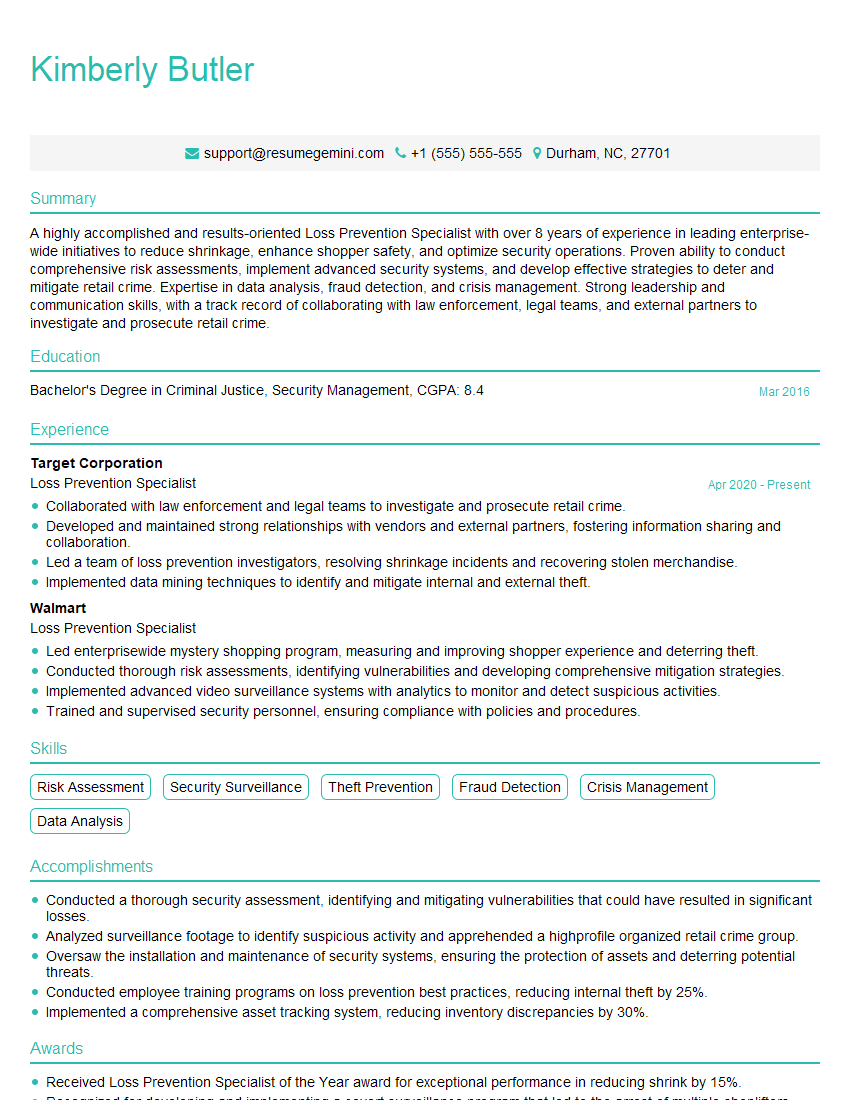
Loss Prevention Specialist Resume Sample
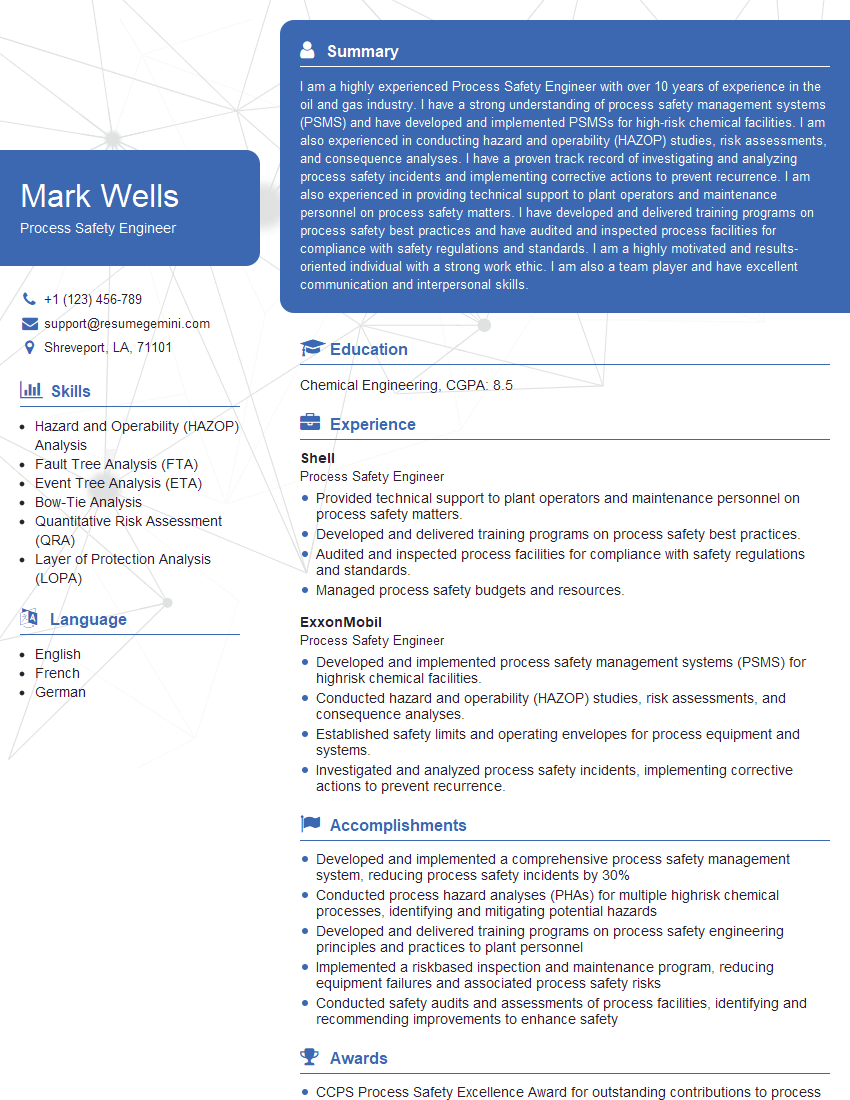
Process Safety Engineer Resume Sample
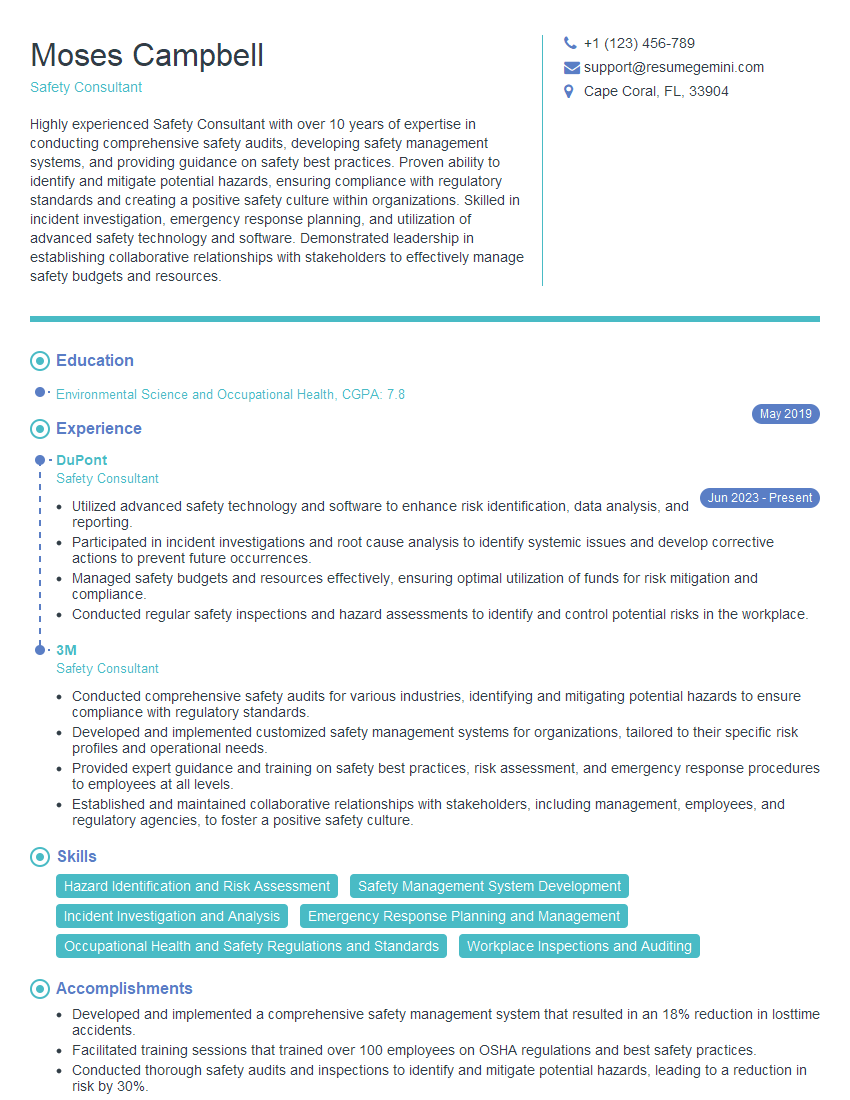
Safety Consultant Resume Sample
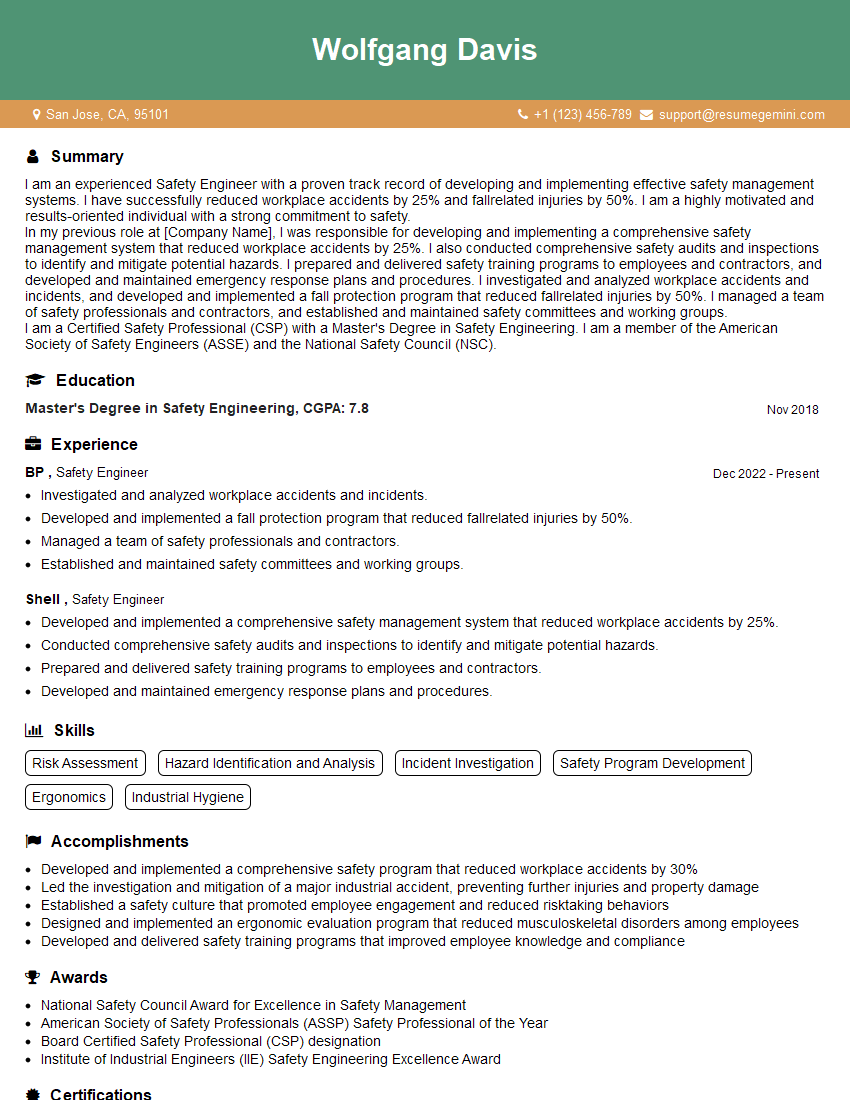
Safety Engineer Resume Sample
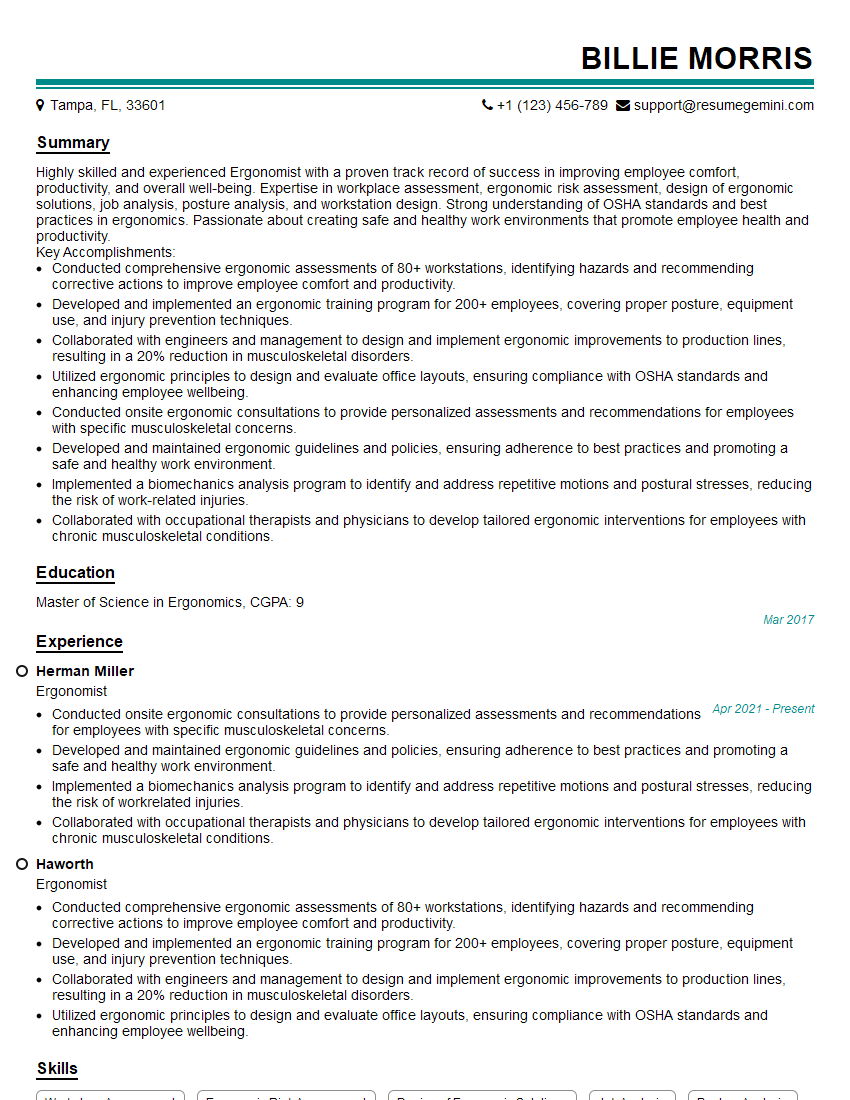
Ergonomist Resume Sample
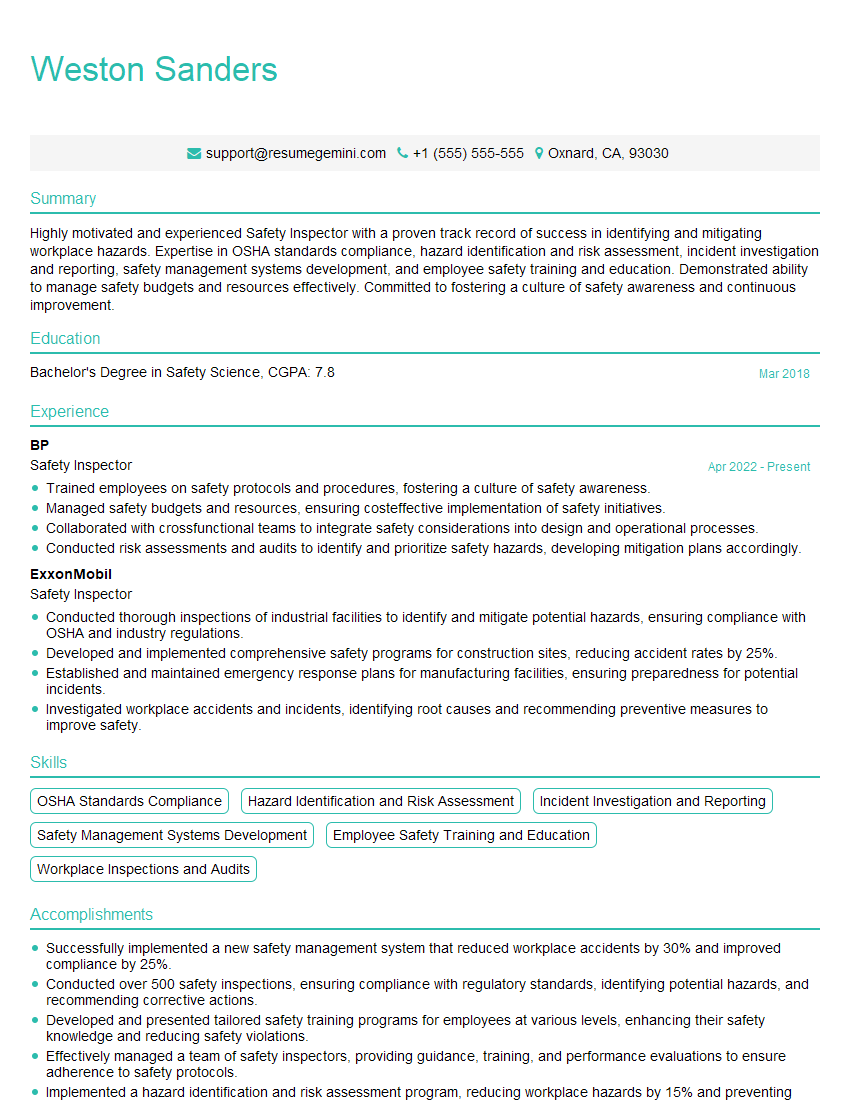
Safety Inspector Resume Sample
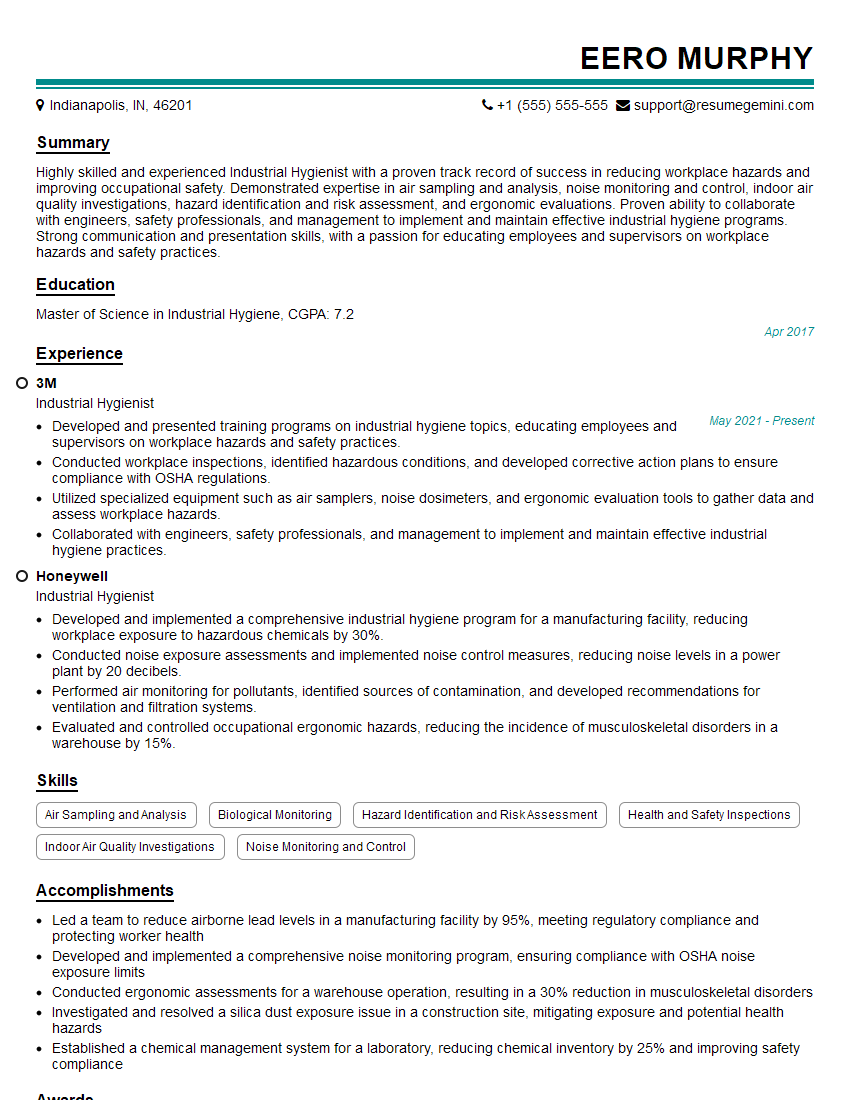
Industrial Hygienist Resume Sample
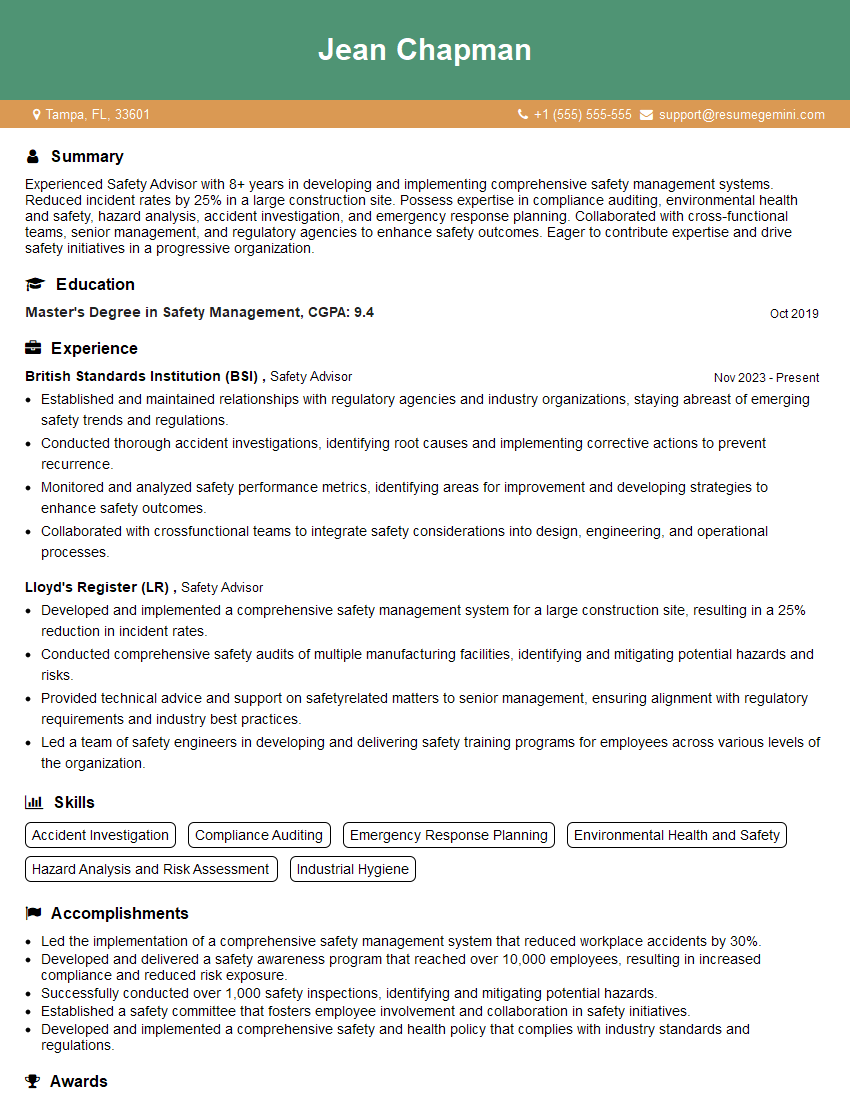
Safety Advisor Resume Sample
Explore more articles
Users Rating of Our Blogs
Share Your Experience
We value your feedback! Please rate our content and share your thoughts (optional).
What Readers Say About Our Blog
Very informative content, great job.
good