Every successful interview starts with knowing what to expect. In this blog, we’ll take you through the top International Safety Standards interview questions, breaking them down with expert tips to help you deliver impactful answers. Step into your next interview fully prepared and ready to succeed.
Questions Asked in International Safety Standards Interview
Q 1. Explain your understanding of ISO 45001.
ISO 45001 is the internationally recognized standard for Occupational Health and Safety Management Systems (OHSMS). It provides a framework for organizations to proactively manage risks and improve their safety performance. Think of it as a roadmap to creating a safer workplace. Unlike previous standards, ISO 45001 emphasizes a risk-based approach, focusing on identifying hazards, assessing risks, and implementing controls to minimize workplace incidents and injuries. The standard promotes a proactive culture of safety, encouraging worker participation and continuous improvement. It also requires top management commitment and accountability, ensuring safety is integrated into all levels of the organization.
Key aspects include leadership commitment, risk assessment and control, worker participation, legal compliance, emergency preparedness, and continual improvement. A company certified to ISO 45001 demonstrates its dedication to creating a safer and healthier work environment for its employees and stakeholders.
Q 2. Describe the key elements of a robust safety management system.
A robust safety management system (SMS) needs several key elements to be effective. Imagine it as a strong building – you need a solid foundation and well-constructed walls. These elements work together synergistically.
- Leadership Commitment: Top management must champion safety, actively participating and allocating resources. This sets the tone for the entire organization.
- Hazard Identification and Risk Assessment: A systematic process to identify potential hazards and evaluate the associated risks. This involves regular inspections, consultations with workers, and analysis of incident data.
- Risk Control Measures: Implementing practical and effective controls to eliminate or reduce identified risks. This could involve engineering controls (e.g., machine guarding), administrative controls (e.g., work permits), and personal protective equipment (PPE).
- Emergency Preparedness and Response: Having plans and procedures in place to handle emergencies, including drills and training for employees. This includes procedures for evacuations, first aid, and dealing with specific hazards.
- Worker Participation and Consultation: Actively involving workers in all aspects of the SMS. Their insights are crucial for identifying hazards and developing effective controls. Regular safety meetings and feedback mechanisms are vital.
- Training and Competency: Ensuring all employees have the necessary training and competence to perform their tasks safely. This is crucial for preventing accidents and incidents.
- Monitoring and Review: Regularly monitoring the effectiveness of the SMS through audits, inspections, and analysis of key performance indicators (KPIs) such as incident rates and near-misses. This allows for continuous improvement.
- Incident Investigation and Reporting: Thorough investigation of all incidents to identify root causes and implement corrective actions to prevent recurrence.
Q 3. How would you conduct a risk assessment using a recognized methodology?
I typically use the hierarchical risk assessment methodology, a common and widely accepted approach. It’s systematic and ensures no critical risk is missed. Let’s say we’re assessing the risk of a worker using a power tool.
- Hazard Identification: Identify the hazards associated with using the power tool. This could include cutting injuries, electric shock, and noise-induced hearing loss.
- Risk Assessment: For each hazard, we evaluate the likelihood (probability) of the hazard occurring and the severity (consequence) of the potential injury. This can be done qualitatively (low, medium, high) or quantitatively (using numbers).
- Risk Evaluation: Combine the likelihood and severity to determine the overall level of risk. A simple matrix can be used for this purpose.
- Risk Control: Implement controls to reduce the risk. For the power tool example, we might use engineering controls such as guards on the blades, administrative controls like training and work permits, and PPE such as safety glasses and hearing protection.
- Review and Monitoring: Regularly review and update the risk assessment, especially after incidents or changes in the work process.
This method ensures a structured approach, leading to more effective risk management. Documentation is vital throughout the entire process.
Q 4. What are the main differences between OSHA and ISO 45001?
OSHA (Occupational Safety and Health Administration) and ISO 45001, while both aiming for workplace safety, differ significantly in their approach. OSHA is a legally mandated regulatory body in the United States, setting specific standards and enforcing compliance through inspections and penalties. Non-compliance can result in fines and legal repercussions. ISO 45001 is a voluntary international standard that provides a framework for establishing and managing an OHSMS. Certification demonstrates commitment to safety but doesn’t carry the same legal weight as OSHA compliance.
Think of it this way: OSHA is the law; ISO 45001 is best practice. An organization operating in the US must comply with OSHA regulations, but implementing ISO 45001 can demonstrate a deeper commitment to safety beyond the minimum legal requirements. Some organizations find that ISO 45001 provides a clearer, more structured path to OSHA compliance.
Q 5. Explain your experience with incident investigation and reporting.
I have extensive experience in incident investigation and reporting, utilizing a root cause analysis approach. My process typically includes:
- Securing the Scene: First, prioritize the safety of personnel and secure the area to prevent further incidents or the destruction of evidence.
- Gathering Information: Collect data from various sources: witness statements, incident reports, photographic evidence, and any relevant documentation.
- Analyzing the Data: Utilize techniques such as the “5 Whys” or fishbone diagrams to delve deep into the causes, identifying root causes and not just surface-level issues.
- Developing Corrective Actions: Based on the root cause analysis, create specific and measurable corrective actions to prevent recurrence. This may involve changes to procedures, equipment, training, or management systems.
- Reporting and Documentation: Prepare a comprehensive report detailing the incident, investigation findings, root causes, corrective actions, and preventive measures. This report should be shared with relevant personnel and stakeholders.
In one instance, I investigated a near-miss involving a forklift accident. Through thorough investigation, we uncovered a lack of adequate training on safe forklift operation and poor housekeeping leading to obstructed visibility. Implementing improved training and enforcing housekeeping standards prevented similar incidents.
Q 6. How do you ensure compliance with relevant international safety regulations?
Ensuring compliance with international safety regulations requires a multi-faceted approach. Firstly, I stay abreast of current legislation and standards through continuous professional development, industry publications, and participation in relevant conferences and training programs. Secondly, I conduct regular internal audits and inspections to identify any gaps in compliance. We use checklists and standardized procedures to ensure consistency. Thirdly, we maintain comprehensive documentation of our safety management system, demonstrating our compliance efforts. Fourthly, we conduct risk assessments on a regular basis to ensure that the controls remain effective. Finally, we proactively seek expert advice where needed, especially regarding complex or evolving regulations.
For example, if a new regulation affects our handling of hazardous materials, I would immediately update our procedures, provide training to relevant personnel, and ensure our processes reflect the new requirements. This proactive approach minimizes risks and demonstrates commitment to regulatory compliance.
Q 7. Describe your experience with safety audits and inspections.
I have extensive experience conducting safety audits and inspections, both internal and external. My approach is thorough and systematic, adhering to relevant standards and best practices. A typical audit involves:
- Planning: Defining the scope, objectives, and methodology of the audit.
- Documentation Review: Examining relevant documents, including safety policies, procedures, training records, and incident reports.
- Site Inspections: Conducting on-site inspections to observe work practices and assess the effectiveness of safety controls.
- Interviews: Speaking with employees at all levels to gather their perspectives on safety issues and identify any concerns.
- Findings and Reporting: Documenting findings, including observations, non-conformances, and recommendations for improvement. The report should be clear, concise, and actionable.
- Follow-up: Following up on corrective actions and verifying their effectiveness.
I’ve led audits in diverse settings, including manufacturing plants, construction sites, and office environments. A recent audit uncovered a significant hazard involving inadequate machine guarding in a factory. The resulting corrective actions not only addressed the immediate hazard but also resulted in improved safety procedures across the facility.
Q 8. How would you develop and implement a safety training program?
Developing and implementing a robust safety training program requires a systematic approach. It begins with a thorough needs assessment, identifying the specific hazards and risks faced by employees in different roles and locations. This assessment informs the curriculum, which should cover relevant international safety standards (like ISO 45001), legal requirements, and best practices.
The program should be modular, allowing for customization based on employee roles and experience levels. For example, new hires might receive comprehensive introductory training, while experienced workers might focus on refresher courses or specialized training related to new equipment or processes.
Effective delivery methods should be used, including classroom sessions, online modules, interactive simulations, and on-the-job training. Hands-on exercises and practical demonstrations are crucial, especially for tasks involving machinery or hazardous materials. Regular assessments and evaluations are critical to measure the effectiveness of the training, ensuring knowledge retention and behavioral changes. Finally, the program must be documented and regularly updated to reflect changes in regulations, technology, and best practices. For example, a chemical plant might require specialized training on handling hazardous chemicals, while a construction site would necessitate safety training for working at heights and operating heavy machinery.
Q 9. Explain your understanding of hazard identification and control measures.
Hazard identification is the systematic process of recognizing potential sources of harm in the workplace. This involves conducting thorough risk assessments, using methods like Job Safety Analysis (JSA) or HAZOP (Hazard and Operability Study). These assessments identify potential hazards, evaluate their likelihood and severity, and determine the level of risk.
Control measures are strategies implemented to eliminate or reduce hazards and risks. They fall into a hierarchy, prioritizing elimination, substitution, engineering controls, administrative controls, and finally, personal protective equipment (PPE). Eliminating a hazard is the most effective method, such as replacing a dangerous chemical with a safer alternative. Engineering controls involve modifying the workplace or equipment to reduce risk, such as installing safety guards on machinery. Administrative controls include implementing safe work procedures, providing adequate training, and establishing clear communication protocols. PPE, such as safety glasses or hard hats, should only be used as a last resort, after all other controls have been implemented.
For example, in a manufacturing plant, the hazard of a moving machine part could be eliminated by replacing the machine with a safer design. If elimination isn’t feasible, engineering controls like machine guards would be implemented. Administrative controls would involve training workers on lockout/tagout procedures before performing maintenance.
Q 10. Describe your experience with emergency preparedness and response planning.
Emergency preparedness and response planning are vital aspects of workplace safety. It begins with developing comprehensive emergency plans, tailored to the specific risks and hazards of the workplace. These plans should cover all potential emergencies, including fires, floods, chemical spills, and medical emergencies. The plan should clearly define roles and responsibilities, evacuation procedures, emergency contact information, and procedures for reporting incidents.
Regular drills and exercises are crucial to test the effectiveness of the plan and ensure employees are familiar with their roles and responsibilities. These drills should simulate real-life scenarios, providing valuable training and identifying areas for improvement in the plan. Post-incident analysis is essential to learn from past experiences, making improvements to prevent future incidents. For instance, a hospital emergency plan would differ significantly from a construction site’s plan; the hospital would focus on medical emergencies and patient evacuation while the construction site might prioritize fire safety and collapse prevention.
Q 11. How would you manage safety in a multinational company?
Managing safety in a multinational company requires a consistent, global approach. It starts with establishing a global safety policy and ensuring all operations adhere to the same high standards, regardless of location. This policy should incorporate relevant international safety standards and local regulations. Local adaptations might be necessary to comply with specific national requirements, but the overall principles of safety should remain consistent across all sites.
A crucial aspect is establishing clear communication channels and regular reporting mechanisms to monitor safety performance across all locations. It’s essential to foster a strong safety culture, promoting a collaborative and proactive approach to safety, where employees at all levels feel empowered to identify and report hazards. This involves providing adequate training, resources, and support to ensure all employees are equipped to work safely. Regular audits and inspections should be carried out to ensure consistent adherence to safety standards and to identify areas for improvement across all locations. A key example is the implementation of a global safety management system, which ensures consistent application of standards regardless of whether the facility is in the US, Europe, or Asia.
Q 12. How do you communicate safety effectively to different audiences?
Effective safety communication is crucial for creating a safe working environment. It needs to be tailored to the audience, considering their language skills, cultural backgrounds, and educational levels. Using clear and concise language, avoiding jargon and technical terms, is essential. Visual aids, like posters, videos, and infographics, can enhance understanding.
Different communication channels are needed to reach different audiences. For example, toolbox talks can be effective for short, targeted messages for workers on the shop floor. Formal training sessions and written safety manuals cater to a broader range of audiences. Utilizing multiple channels ensures information reaches everyone and reinforces key safety messages. It’s also crucial to provide feedback mechanisms and encourage open communication about safety concerns. For instance, in a multilingual workforce, safety information must be translated into all relevant languages. Regular safety committees can provide a forum for workers to voice concerns and propose safety improvements.
Q 13. Describe your experience with safety performance measurement and reporting.
Safety performance measurement and reporting involve tracking key safety indicators (KSIs) to evaluate the effectiveness of safety programs. These indicators might include the number of accidents, incidents, near misses, lost-time injuries (LTIs), and workers’ compensation claims. The data collected should be analyzed to identify trends, patterns, and areas needing improvement.
Regular reporting to management, employees, and relevant stakeholders is essential to maintain transparency and accountability. Reports should clearly communicate the current safety performance, identify areas for improvement, and highlight successful safety initiatives. The reporting process should also include both leading indicators (proactive measures like training completion rates) and lagging indicators (reactive measures like accident rates). Data analysis can help pinpoint the root causes of incidents, leading to more effective preventative measures. For instance, tracking near misses can identify potential hazards before they lead to accidents.
Q 14. Explain your experience with using safety software or databases.
Safety software and databases play a critical role in managing safety information efficiently. Such systems can be used to track safety training records, manage incident reports, conduct risk assessments, and analyze safety data. Many software packages provide features like automated reporting, data analysis tools, and mobile access for field personnel.
For example, a company might use a database to track employee training certifications, ensuring that everyone is adequately trained. Incident management software can streamline the reporting process, facilitating timely investigations and remedial actions. Data analysis features can identify trends in injuries and near misses, highlighting areas requiring attention. The use of these technologies significantly enhances efficiency and accuracy in safety management, providing a centralized repository for crucial safety information. The choice of software depends on the organization’s needs and size, with many options available, from simple spreadsheet-based systems to sophisticated enterprise-level solutions.
Q 15. How would you handle a conflict between production demands and safety regulations?
Safety regulations are non-negotiable. When faced with a conflict between production demands and safety regulations, I prioritize safety. It’s not a matter of choosing one over the other; it’s about finding creative solutions that meet both demands. This involves a collaborative approach with all stakeholders – from production managers to safety officers and even the workers themselves.
My approach involves:
- Identifying the conflict: Clearly define the production demands and the specific safety regulation(s) being challenged.
- Risk assessment: Conduct a thorough risk assessment to evaluate the potential hazards associated with compromising safety regulations. This might involve using a risk matrix to quantify the likelihood and severity of potential incidents.
- Brainstorming solutions: Engage in a collaborative brainstorming session with relevant parties to explore alternative methods, technologies, or procedures that can meet production targets without violating safety standards. This might include adjusting work schedules, introducing new equipment with improved safety features, or enhancing worker training.
- Implementing and monitoring: Once a solution is selected, implement it and closely monitor its effectiveness. This involves regular inspections, audits, and feedback sessions to ensure the chosen solution is maintaining both production efficiency and safety compliance.
- Documentation: Thorough documentation of the conflict, the risk assessment, the proposed solutions, and the final decision is crucial for future reference and continuous improvement.
For example, if a production line is running behind schedule and workers are tempted to bypass a safety guard on a machine to speed things up, I would initiate a risk assessment, highlight the potential for serious injury, and explore solutions such as overtime, better equipment maintenance, or process optimization to catch up without compromising safety.
Career Expert Tips:
- Ace those interviews! Prepare effectively by reviewing the Top 50 Most Common Interview Questions on ResumeGemini.
- Navigate your job search with confidence! Explore a wide range of Career Tips on ResumeGemini. Learn about common challenges and recommendations to overcome them.
- Craft the perfect resume! Master the Art of Resume Writing with ResumeGemini’s guide. Showcase your unique qualifications and achievements effectively.
- Don’t miss out on holiday savings! Build your dream resume with ResumeGemini’s ATS optimized templates.
Q 16. Describe your approach to continuously improving safety performance.
Continuously improving safety performance is an iterative process, not a one-time event. It requires a commitment to proactively identifying and mitigating risks, and constantly learning from past experiences. I use a structured approach that encompasses several key elements:
- Regular safety audits and inspections: These provide a snapshot of the current safety status and identify areas needing improvement. This is not just a tick-box exercise; it needs thorough investigation and analysis.
- Incident investigation and root cause analysis: Any incident, near-miss, or accident must be thoroughly investigated to determine the root cause. This is vital to prevent recurrence. Methods like the ‘5 Whys’ technique can be very useful.
- Leading and lagging indicators: Tracking leading indicators (e.g., number of safety training hours, number of near misses reported) and lagging indicators (e.g., number of accidents, lost time injuries) helps identify trends and measure effectiveness of safety initiatives.
- Employee engagement and feedback: Workers are often the first to identify potential hazards. Regular feedback mechanisms, safety meetings, and suggestion boxes encourage proactive participation.
- Data analysis and reporting: Data collected from inspections, incident investigations, and feedback sessions must be analysed to identify trends and areas needing attention. Regular reporting keeps everyone informed and fosters accountability.
- Benchmarking: Comparing our safety performance with industry best practices and competitors allows us to identify areas for improvement and set ambitious yet achievable targets.
Think of it like maintaining a machine: regular servicing and preventative maintenance are far more effective than only responding to breakdowns. Proactive safety management mirrors this approach.
Q 17. Explain your understanding of personal protective equipment (PPE) selection and usage.
Personal Protective Equipment (PPE) selection and usage are crucial to safeguarding workers. It’s not just about providing PPE; it’s about ensuring the right PPE is used correctly and consistently.
My approach involves:
- Hazard identification and risk assessment: First, identify the specific hazards workers are exposed to (e.g., chemical splashes, falling objects, noise). This informs the type of PPE required.
- PPE selection: Choose PPE that meets relevant safety standards (e.g., ANSI, EN, ISO) and is appropriate for the identified hazard. This includes considering factors like comfort, fit, and ease of use. For example, choosing safety glasses with the correct impact rating for a specific task.
- Training and education: Workers must be trained on the correct selection, use, inspection, and maintenance of PPE. This includes understanding the limitations of the equipment and when to replace it.
- Fit testing: Ensure PPE fits correctly. Improperly fitting equipment can be ineffective or even dangerous.
- Regular inspection and maintenance: PPE should be regularly inspected for damage or wear and replaced as needed. This might involve regular checks of hard hats, safety harnesses, or respirators.
- Enforcement and accountability: Consistent enforcement of PPE usage is crucial. This involves regular monitoring by supervisors and management, along with disciplinary measures if needed.
For example, if workers are handling chemicals, selecting the appropriate respiratory protection and providing training on its correct use is paramount. Simply providing respirators without training is ineffective and potentially dangerous.
Q 18. How do you ensure the effectiveness of safety signage and procedures?
Effective safety signage and procedures are critical for a safe workplace. They must be clear, concise, and easily understood by everyone, regardless of language or literacy level. My approach to ensuring their effectiveness is multi-faceted.
- Standardization: Use standardized symbols and colours according to internationally recognized safety standards (e.g., ISO 7010). This ensures consistent understanding across the workplace and facilitates global understanding.
- Clarity and conciseness: Signage must be clear, unambiguous, and concise. Avoid jargon and use simple language.
- Visibility and placement: Signage should be prominently placed in visible locations, where it is most likely to be noticed. Consider the lighting conditions and potential obstructions.
- Regular inspection and maintenance: Signage should be regularly inspected for damage or fading and replaced or repaired as needed. Damaged signs are not only ineffective but can create a sense of complacency.
- Multilingual support: In diverse work environments, multilingual signage is essential to ensure everyone understands the safety instructions.
- Integration with procedures: Safety signage should be clearly linked to corresponding written procedures. This ensures a cohesive approach to safety communication.
- Regular review and updating: Safety signage and procedures should be regularly reviewed and updated to reflect changes in workplace processes or regulations.
Regular audits, observations, and feedback from workers are vital in ensuring that signage and procedures remain effective and relevant.
Q 19. What are your experiences with working with safety committees or representatives?
I have extensive experience working with safety committees and representatives. I firmly believe in the importance of participatory safety management. Effective safety management relies heavily on collaboration and communication between management and workers.
My approach to working with these committees focuses on:
- Open communication and active listening: Creating a safe space for workers to voice their concerns and suggestions without fear of retribution is crucial.
- Joint problem-solving: Safety committees are invaluable in identifying and addressing workplace hazards. Collaborative problem-solving sessions are more effective than top-down directives.
- Transparency and accountability: Sharing safety data, progress reports, and outcomes of investigations with the committee fosters trust and accountability.
- Regular meetings and clear agendas: Structured meetings with a clear agenda and minutes keep the committee focused and productive.
- Training and empowerment: Providing training to committee members on relevant safety regulations, risk assessment techniques, and incident investigation methods helps them to perform their duties effectively.
- Implementation and follow-up: Ensuring that the committee’s recommendations are implemented and followed up on is critical to demonstrating the value of their input.
One project involved establishing a safety committee in a manufacturing plant. By actively listening to workers’ concerns, implementing their suggestions regarding machine guarding, and improving lighting, we drastically reduced near-miss incidents within a year.
Q 20. How would you manage a safety critical incident?
Managing a safety-critical incident requires a rapid and systematic response. My approach is based on a structured framework, ensuring immediate action and a thorough investigation.
My steps are:
- Immediate response: First priority is to secure the scene, ensuring the safety of all personnel involved. Provide immediate first aid or medical assistance where needed.
- Incident containment: Prevent the incident from escalating and spreading to other areas. This may involve shutting down equipment or evacuating personnel.
- Emergency services: Contact emergency services (fire, ambulance, police) as necessary. This is not to be delayed even if the situation seems minor.
- Witness accounts: Gather witness statements to build a detailed picture of what happened. Encourage but do not pressure witnesses.
- Incident investigation: Conduct a thorough investigation using appropriate techniques to determine the root cause of the incident. This should involve interviewing witnesses, reviewing documentation, and examining the physical evidence.
- Corrective actions: Implement immediate corrective actions to prevent recurrence. This might include modifying procedures, equipment repairs or replacing faulty equipment.
- Reporting and documentation: Prepare a detailed incident report, including all findings, corrective actions, and recommendations for preventing future incidents. This report forms a vital part of continuous improvement.
- Follow-up and review: Follow up on the corrective actions taken to ensure their effectiveness. Review the incident report to identify areas for improvement in safety procedures and training.
This structured approach ensures that the incident is handled professionally, lessons are learned, and future incidents are prevented.
Q 21. Describe your experience with developing and implementing safety policies.
Developing and implementing safety policies requires a systematic approach, ensuring alignment with international standards and best practices. It’s about creating a safety culture, not just a set of rules.
My process is as follows:
- Needs assessment: Identify the specific hazards and risks present in the workplace through a thorough risk assessment. This assessment should involve input from all relevant parties.
- Policy development: Based on the needs assessment, draft clear, concise, and comprehensive safety policies that address the identified hazards. These policies should be aligned with relevant international safety standards and legal requirements (e.g., OSHA, ISO 45001).
- Consultation and review: Before finalizing the policies, consult with relevant stakeholders, including workers, safety representatives, and management, to ensure they are practical, effective, and acceptable.
- Policy implementation: Communicate the new policies clearly and effectively to all staff. Training programs should be developed to ensure understanding and compliance.
- Monitoring and enforcement: Regularly monitor compliance with the policies. Establish a system of checks and balances to ensure adherence. Consider regular safety audits and inspections.
- Review and update: Periodically review and update the safety policies to reflect changes in workplace practices, technologies, and regulatory requirements. This ensures the policies remain relevant and effective.
For example, I recently helped a company develop a new safety policy concerning the use of forklifts. This involved risk assessments, operator training, regular equipment maintenance, and implementing a clear reporting system for near-miss incidents.
Q 22. How would you evaluate the effectiveness of a safety program?
Evaluating the effectiveness of a safety program requires a multifaceted approach that goes beyond simply tracking incident rates. It involves assessing the program’s design, implementation, and impact on safety culture.
- Leading Indicators: These measure the program’s proactive elements. Examples include the number of safety training hours completed, the frequency of safety inspections, and employee participation in safety committees. A strong program will demonstrate consistent and high engagement in these areas.
- Lagging Indicators: These measure the results of the program, such as the number and severity of accidents, near misses, and lost-time injuries. While important, relying solely on lagging indicators is reactive. A decrease in lagging indicators is a positive sign, but it doesn’t guarantee program effectiveness.
- Qualitative Assessment: This involves gathering employee feedback through surveys, interviews, and observations. A robust safety culture, characterized by open communication and proactivity, is crucial. Does the workforce feel empowered to report hazards and participate in improving safety?
- Compliance Audits: Regular audits ensure adherence to relevant safety standards and regulations (e.g., OSHA, ISO 45001). This helps identify gaps and areas for improvement.
For example, a company might boast a low accident rate (lagging indicator), but if employee safety training is minimal and hazard reporting is low, it suggests the program isn’t fully effective. A holistic evaluation encompassing all aspects paints a clearer picture.
Q 23. Explain your experience with different types of safety inspections (e.g., routine, compliance, etc.).
My experience encompasses a range of safety inspections, each with unique objectives and methodologies.
- Routine Inspections: These are regular, planned checks focusing on identifying potential hazards and ensuring adherence to established safety procedures. I’ve conducted these in manufacturing plants, construction sites, and office environments, using checklists and observation techniques. The goal is preventative – to catch issues before they escalate.
- Compliance Inspections: These verify adherence to specific regulations and standards. They may be triggered by regulatory requirements or internal audits. For instance, I’ve been involved in inspections focusing on OSHA regulations in the US or ISO 45001 standards internationally. These inspections typically involve rigorous documentation and evidence gathering.
- Incident Investigations: Following accidents or near misses, thorough investigations are crucial to determine root causes and prevent recurrence. This involves gathering evidence, interviewing witnesses, and analyzing data to identify systemic issues.
- Specialized Inspections: Depending on the industry, specific inspections might focus on areas like electrical safety, fire safety, or hazardous materials handling. My experience includes participation in specialized inspections guided by industry-specific best practices and regulations.
The key is adapting the inspection approach to the context. A construction site requires different inspection protocols than an office environment, but the core principle – proactive hazard identification and mitigation – remains consistent.
Q 24. How would you address resistance to safety initiatives from employees?
Addressing resistance to safety initiatives requires a multifaceted approach focused on understanding the root causes of the resistance and implementing strategies to foster a positive safety culture.
- Communication and Education: Clearly explain the reasons behind safety initiatives, emphasizing the benefits for employees (e.g., reduced risk of injury, improved productivity). This might involve workshops, training sessions, or one-on-one conversations.
- Employee Involvement: Involve employees in the design and implementation of safety programs. This gives them a sense of ownership and increases buy-in. Establishing safety committees where employees can voice concerns and offer suggestions is beneficial.
- Addressing Concerns: Actively listen to and address employees’ concerns about safety initiatives. Some resistance might stem from practical challenges, such as inconvenience or extra workload. Finding solutions that alleviate these concerns is crucial.
- Incentives and Recognition: Acknowledge and reward employees who actively participate in safety programs and demonstrate commitment to safety. This could be through awards, bonuses, or public recognition.
- Leadership Commitment: Visible and consistent support from leadership is vital. If managers demonstrate a strong commitment to safety, employees are more likely to follow suit.
For example, if employees resist wearing PPE because it’s uncomfortable, providing alternatives or investing in more comfortable equipment demonstrates a commitment to their well-being and can overcome resistance. It’s about addressing both the safety aspects and the human element.
Q 25. Explain your experience with the use of safety technology or analytics.
Safety technology and analytics play a crucial role in enhancing safety programs. My experience includes the use of various tools and technologies to improve safety performance.
- Wearable Sensors: These devices can monitor worker location, posture, and environmental conditions (e.g., noise levels, temperature). This data can help identify high-risk situations and improve risk assessments.
- CCTV and Video Analytics: Surveillance systems can monitor activity in potentially hazardous areas. Video analytics can automatically identify unsafe behaviors, such as workers not using PPE or following incorrect procedures.
- Near Miss Reporting Systems: Software platforms facilitate the reporting and analysis of near misses. This allows for proactive identification of potential hazards before they lead to accidents.
- Data Analytics and Reporting: Analyzing safety data (e.g., incident rates, near misses, inspection findings) helps identify trends and areas for improvement. This allows for data-driven decision-making and program optimization.
For example, using data from wearable sensors, we identified that a specific task was consistently leading to worker fatigue and near misses. By adjusting work schedules and providing additional training, we significantly reduced the risk. Technology provides valuable insights that can’t be obtained through observation alone.
Q 26. Describe your experience with conducting safety investigations and root cause analysis.
Conducting safety investigations and root cause analysis is essential for preventing future incidents. My approach involves a systematic process following a well-defined methodology (e.g., the 5 Whys or Fishbone Diagram).
- Incident Data Collection: Thoroughly document the incident, including witness statements, photographs, and any relevant data (e.g., equipment logs, maintenance records).
- Witness Interviews: Conduct structured interviews with witnesses to gather unbiased information.
- Root Cause Analysis: Use techniques like the 5 Whys or Fishbone Diagram to systematically identify the underlying causes of the incident. The goal is not just to identify what happened, but *why* it happened.
- Corrective Actions: Develop and implement corrective actions to prevent similar incidents from occurring in the future. This could involve changes to procedures, equipment modifications, or additional training.
- Reporting and Follow-up: Document findings and recommendations in a formal report. Follow up to ensure that corrective actions are effectively implemented.
For instance, in investigating a fall from height incident, the initial cause might seem to be a lack of fall protection. However, using the 5 Whys, we might discover the root cause was inadequate training, leading to a lack of understanding about the importance of fall protection, coupled with inadequate site supervision.
Q 27. How would you ensure safety during international projects?
Ensuring safety during international projects requires a comprehensive approach that accounts for the unique challenges of working across borders.
- Cultural Considerations: Understand and respect local customs and practices, and adapt safety procedures accordingly. Communication styles and safety perceptions vary across cultures.
- Local Regulations: Thoroughly research and comply with all applicable local safety regulations and standards in each country where the project operates. This often requires legal and safety expertise specific to the region.
- Language Barriers: Utilize multilingual safety training materials and ensure effective communication between workers and supervisors. Professional interpretation services might be necessary.
- Training and Certification: Ensure that all workers receive appropriate safety training in their native language and are certified to work in the specific environment.
- Emergency Response Planning: Develop detailed emergency response plans that account for local emergency services and infrastructure limitations.
- Risk Assessment: Conduct comprehensive risk assessments that account for unique hazards in each location (e.g., climate, infrastructure, local health issues).
For example, a project in a remote area might require additional considerations for emergency medical evacuation and communication systems. Proactive planning and cultural awareness are critical for successful and safe international projects.
Q 28. How do you stay up-to-date with changes in international safety regulations?
Staying current with evolving international safety regulations is paramount. My strategy involves a multi-pronged approach:
- Professional Organizations: Active membership in professional organizations like the American Society of Safety Professionals (ASSP) or the International Organization for Standardization (ISO) provides access to up-to-date information, publications, and networking opportunities with other safety experts.
- Industry Publications and Journals: Regularly review reputable safety publications and journals that report on the latest changes in regulations and best practices. These can include both print and online resources.
- Regulatory Websites: Monitor the websites of relevant regulatory bodies (e.g., OSHA, national occupational safety and health organizations) to track changes in legislation and guidance.
- Conferences and Workshops: Attending industry conferences and workshops provides opportunities for professional development and learning about new safety regulations and technologies.
- Networking: Maintaining connections with other safety professionals through professional organizations and online forums facilitates the exchange of knowledge and information.
Continuous learning is essential. The global landscape of safety regulations is constantly evolving, and staying informed is crucial for maintaining high safety standards in any international setting.
Key Topics to Learn for International Safety Standards Interview
- ISO 45001:2018 (Occupational Health and Safety Management Systems): Understanding the framework, requirements, and implementation of this internationally recognized standard. Consider practical applications like hazard identification, risk assessment, and emergency preparedness.
- Hazard Identification and Risk Assessment Techniques: Mastering various methodologies for identifying potential hazards and assessing associated risks. Focus on practical application in diverse workplace settings and the development of effective control measures.
- Emergency Response Planning and Procedures: Developing and implementing comprehensive emergency response plans, including evacuation procedures, communication protocols, and post-incident investigation techniques. Explore real-world case studies to illustrate best practices.
- Legislation and Regulatory Compliance: Familiarize yourself with relevant international and national safety regulations and their practical implications for different industries. Be prepared to discuss compliance strategies and auditing processes.
- Incident Investigation and Reporting: Understanding root cause analysis techniques and the importance of accurate and thorough incident reporting. Explore different investigation methodologies and their applications.
- Safety Auditing and Inspections: Knowledge of conducting effective safety audits and inspections, identifying non-conformances, and recommending corrective actions. Consider the role of different audit types and their objectives.
- Personal Protective Equipment (PPE) Selection and Use: Understanding the selection criteria for appropriate PPE based on identified hazards and the importance of proper use and maintenance. Explore different types of PPE and their limitations.
- Safety Training and Communication: Developing and delivering effective safety training programs tailored to different employee groups and understanding the importance of clear and concise safety communication.
Next Steps
Mastering International Safety Standards is crucial for career advancement in a globalized world. Demonstrating a strong understanding of these standards significantly enhances your employability and opens doors to exciting opportunities in diverse sectors. To maximize your job prospects, crafting an ATS-friendly resume is essential. ResumeGemini is a trusted resource that can help you build a professional resume that highlights your skills and experience effectively. Examples of resumes tailored to International Safety Standards are available to help you get started. Invest time in creating a compelling resume; it’s your first impression on potential employers.
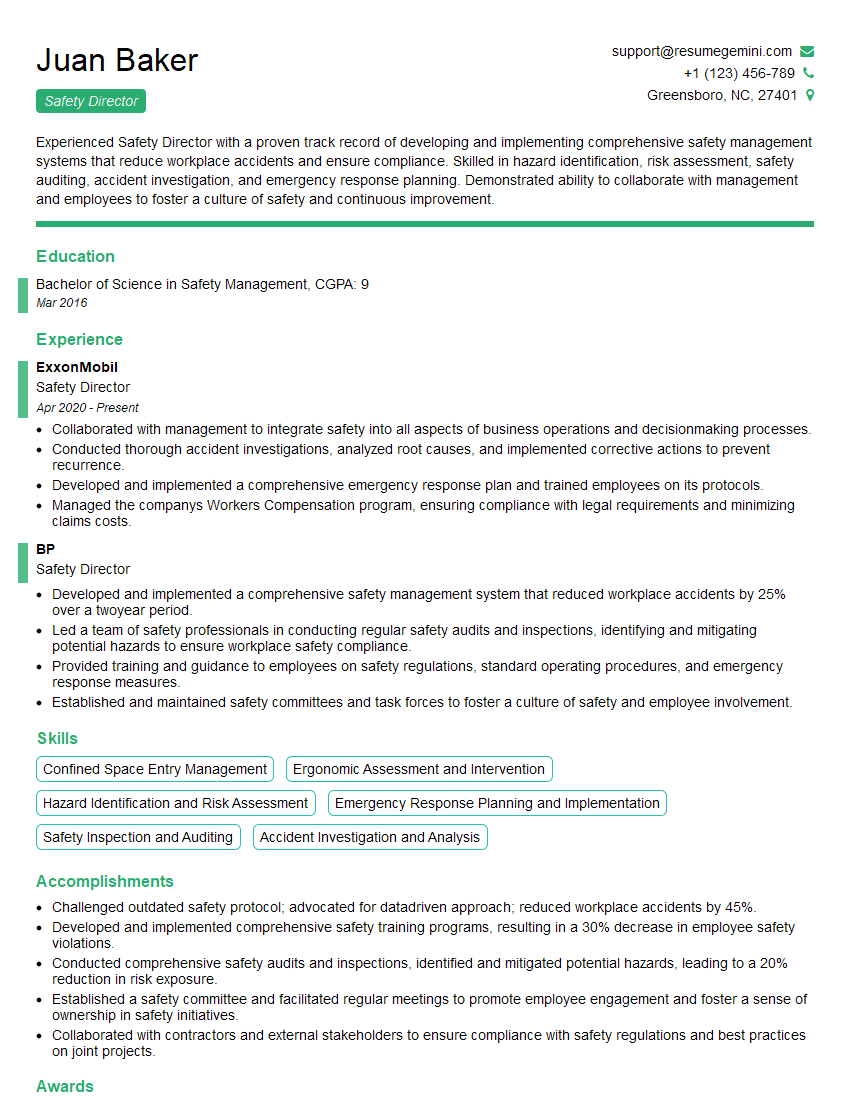
Safety Director Resume Sample
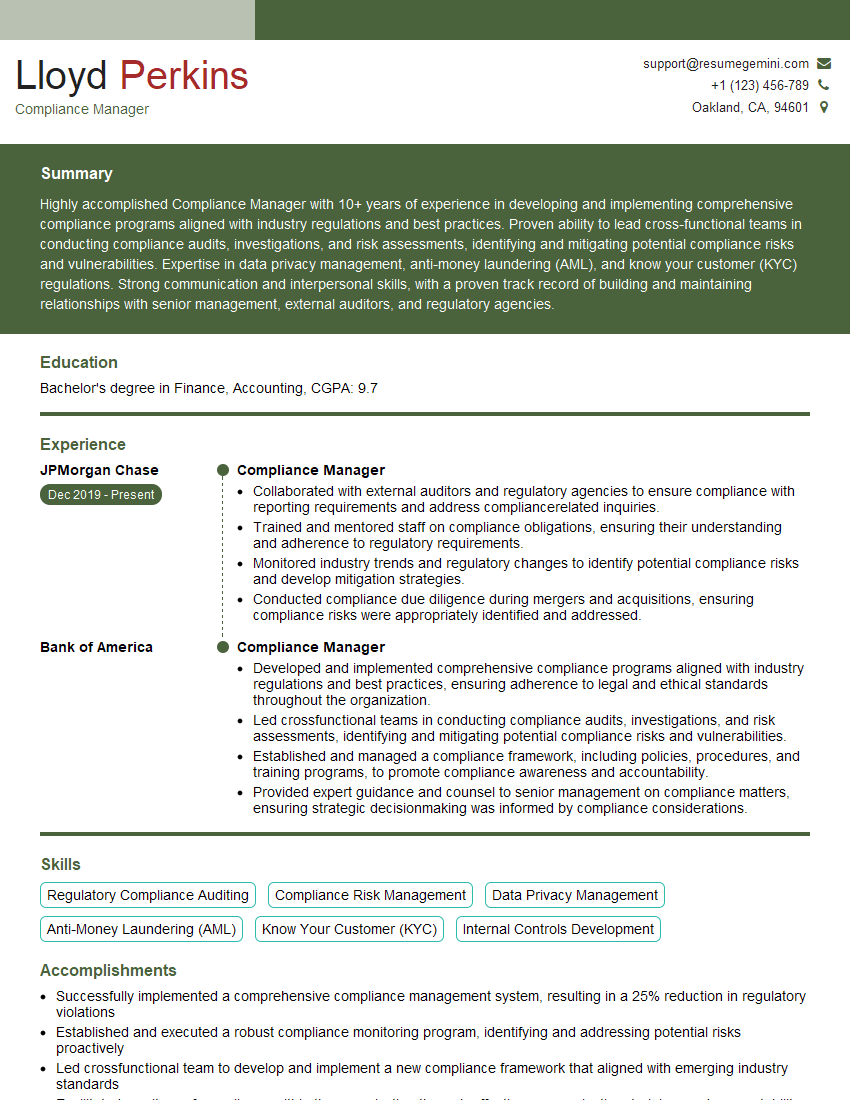
Compliance Manager Resume Sample
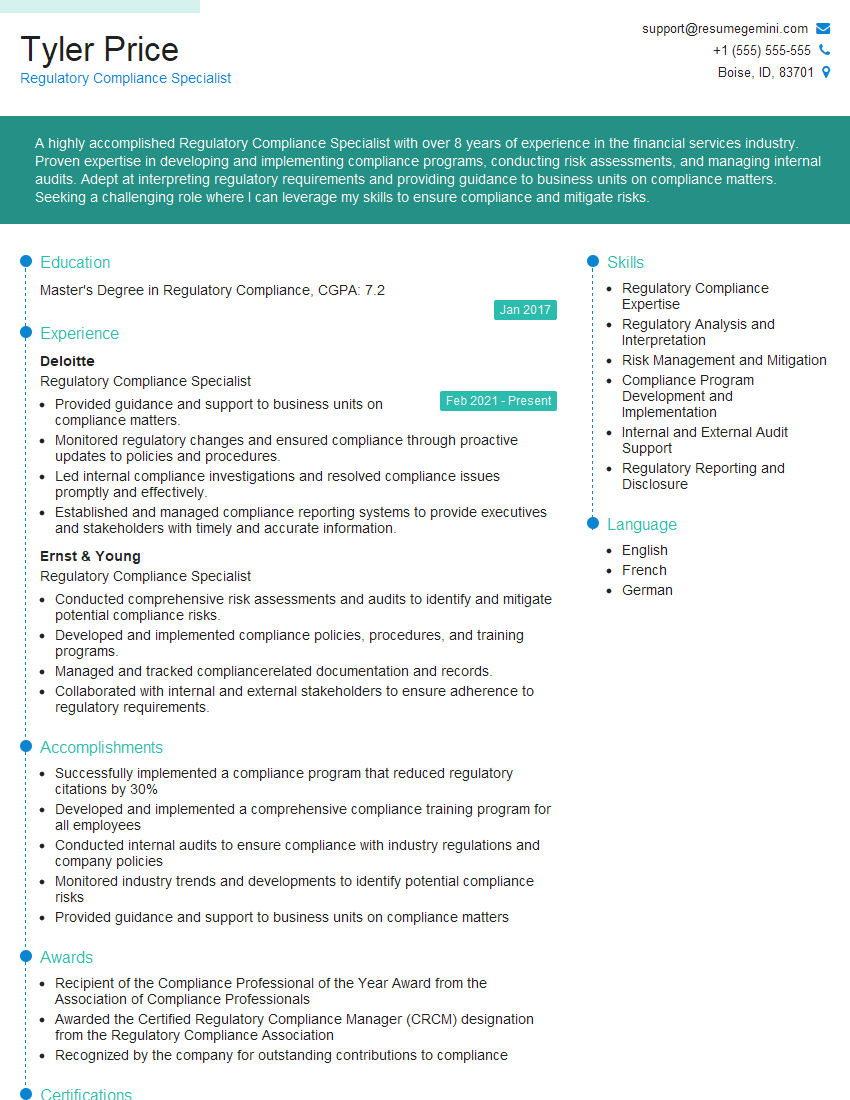
Regulatory Compliance Specialist Resume Sample
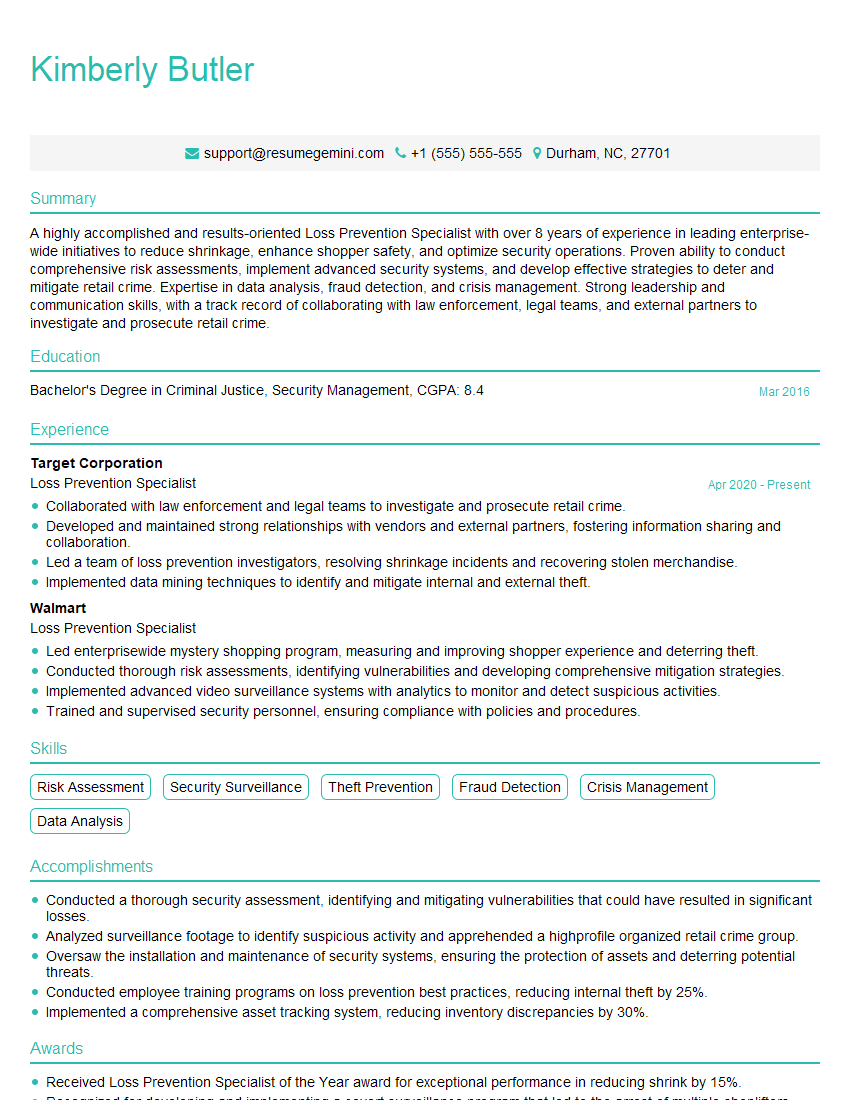
Loss Prevention Specialist Resume Sample
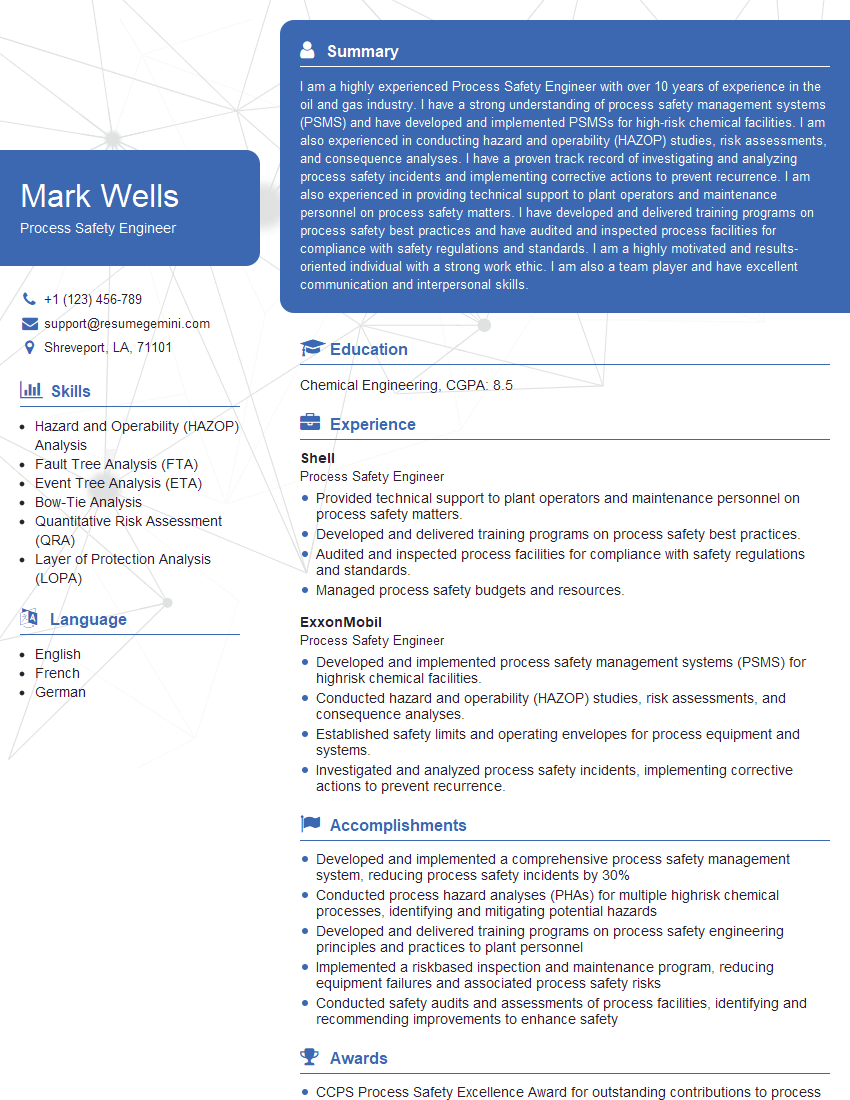
Process Safety Engineer Resume Sample
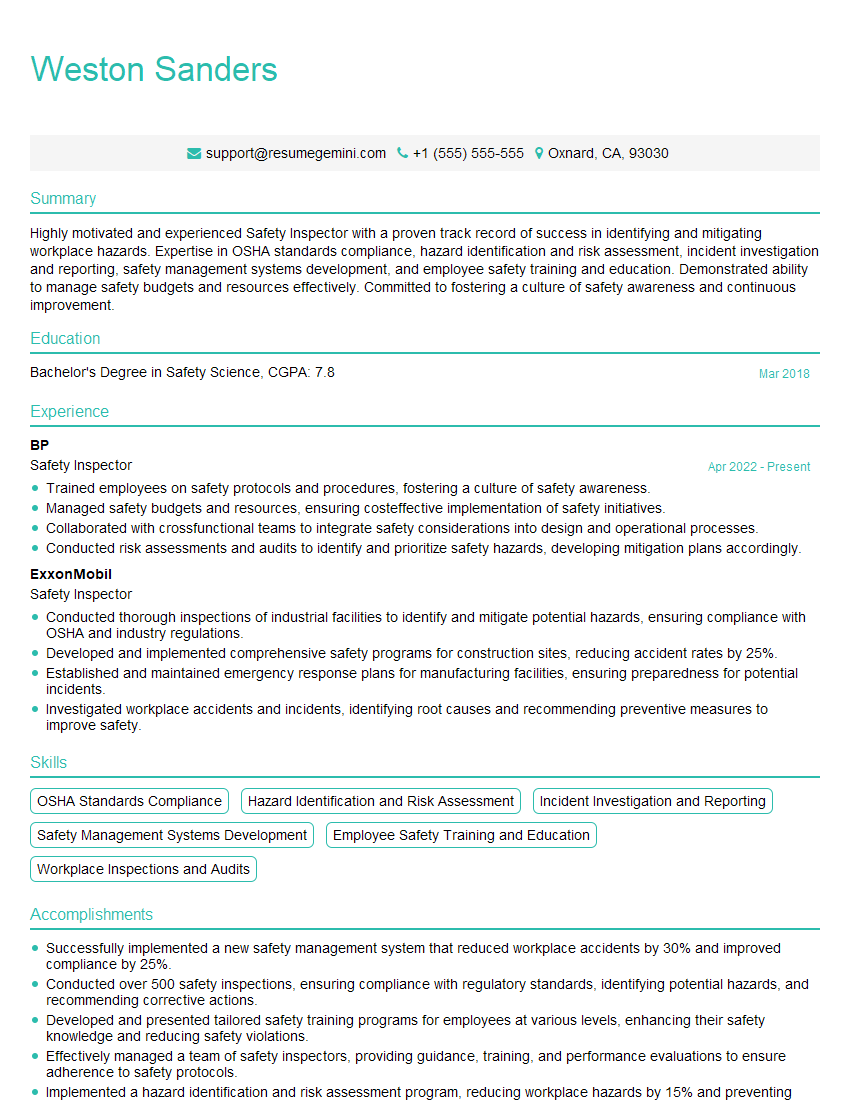
Safety Inspector Resume Sample
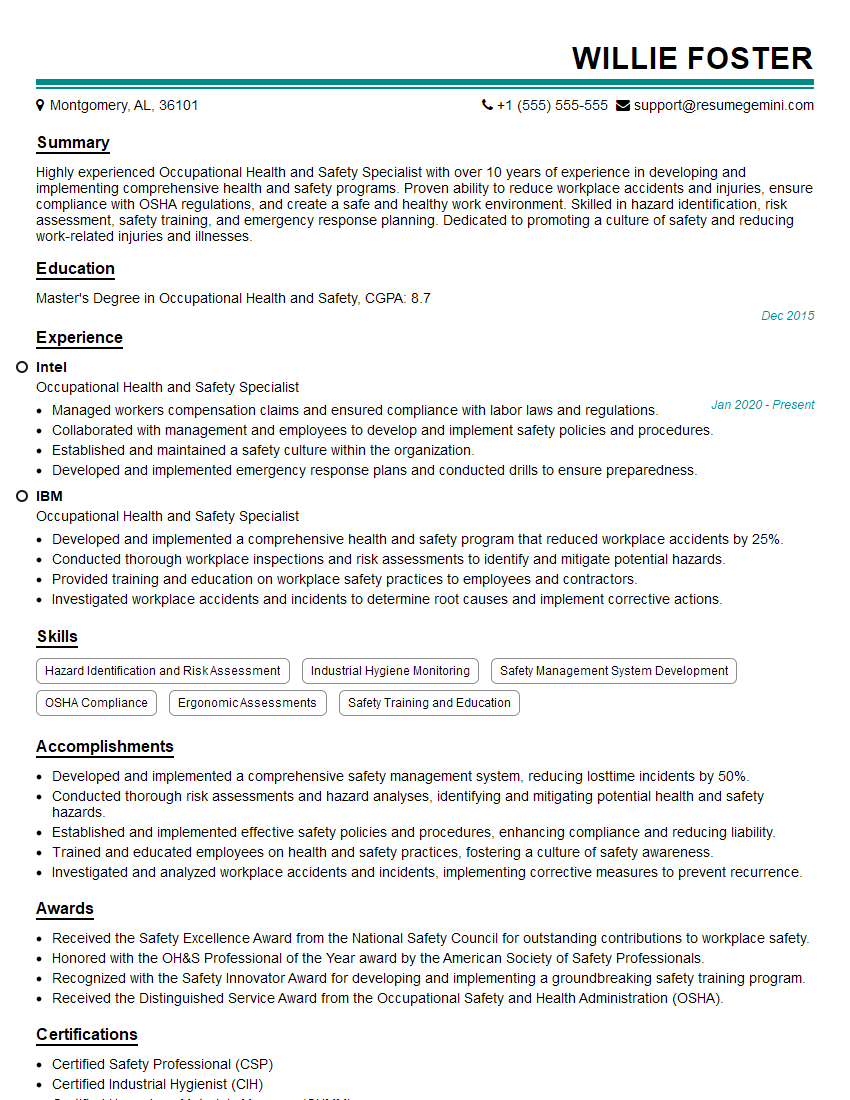
Occupational Health and Safety Specialist Resume Sample
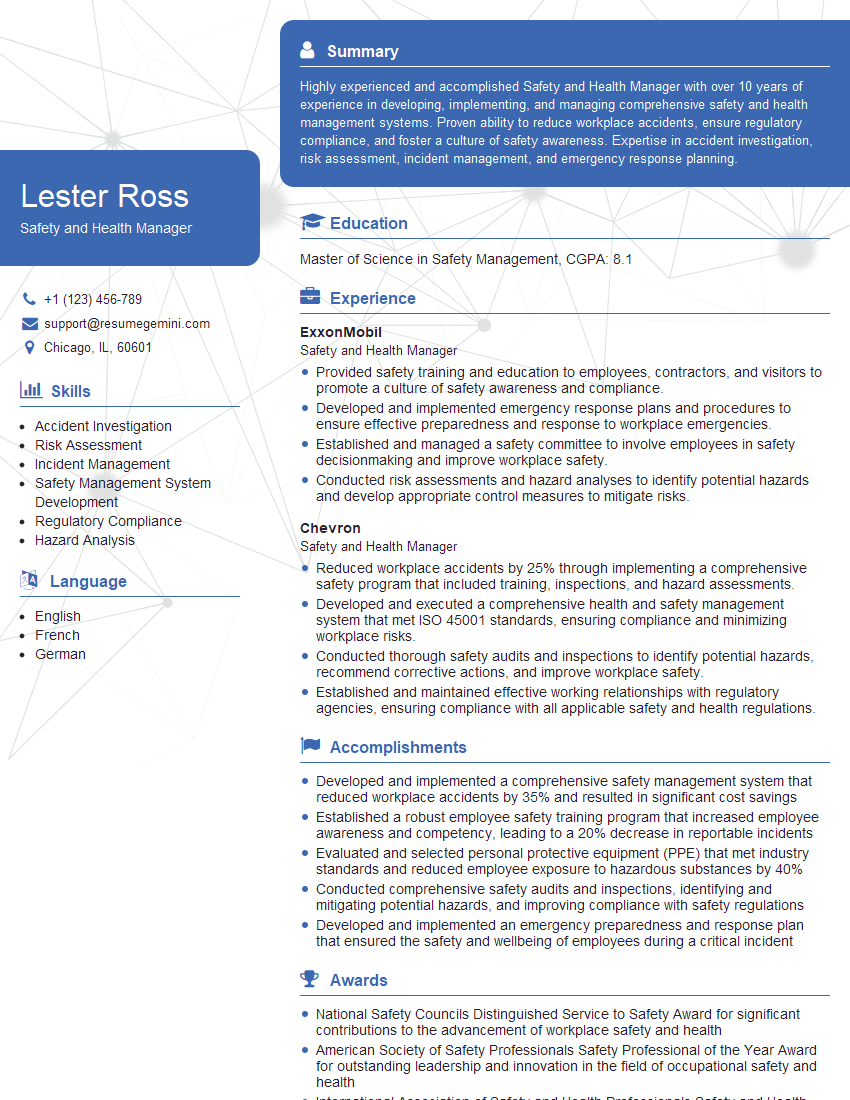
Safety and Health Manager Resume Sample
Explore more articles
Users Rating of Our Blogs
Share Your Experience
We value your feedback! Please rate our content and share your thoughts (optional).
What Readers Say About Our Blog
Very informative content, great job.
good