Cracking a skill-specific interview, like one for Supplier Management and Quality Assurance, requires understanding the nuances of the role. In this blog, we present the questions you’re most likely to encounter, along with insights into how to answer them effectively. Let’s ensure you’re ready to make a strong impression.
Questions Asked in Supplier Management and Quality Assurance Interview
Q 1. Describe your experience with supplier selection and evaluation processes.
Supplier selection and evaluation is a crucial process for ensuring consistent quality and timely delivery. It’s like choosing the right team members for a project – you need to carefully assess their skills and capabilities before entrusting them with important tasks.
My approach involves a multi-stage process: First, I define clear requirements based on our needs, considering factors such as quality standards, capacity, financial stability, and ethical practices. Then, I identify potential suppliers through market research, online databases, and industry recommendations. Next, I conduct a thorough evaluation using a weighted scoring system, assessing factors like their quality management system (ISO 9001 certification is a plus), past performance data (including on-time delivery and defect rates), financial health (credit reports and audited statements), and their technological capabilities. I also often include site visits to directly assess their facilities and operational processes. Finally, I create a detailed report comparing the shortlisted suppliers, recommending the most suitable option based on the objective scoring and qualitative observations. For instance, in my previous role, we used a weighted scoring matrix for evaluating potential electronics component suppliers; factors like on-time delivery (30% weight), defect rate (25% weight), and price (20% weight) played a significant role in determining the final selection.
Q 2. How do you ensure supplier compliance with quality standards?
Ensuring supplier compliance requires a robust system of checks and balances. It’s similar to building a house; you need strong foundations and regular inspections to ensure it’s structurally sound.
I implement this through a multi-pronged approach that includes: Pre-qualification audits to verify that their quality systems meet our standards; Regular quality inspections of incoming materials and finished goods; Supplier performance monitoring through key performance indicators (KPIs); and Corrective action plans when non-conformances are identified. We utilize a supplier portal to electronically transmit specifications and drawings, track performance data, and manage corrective actions. If a supplier consistently fails to meet our standards, we’ll work with them on improvement plans, but persistent failure may lead to contract termination.
Q 3. Explain your approach to managing supplier relationships.
Managing supplier relationships is more than just procurement; it’s about building strategic partnerships. It’s like nurturing a garden – constant care and attention are needed to ensure healthy growth.
My approach focuses on open communication, collaboration, and mutual trust. I believe in fostering strong relationships by engaging with suppliers regularly through scheduled meetings, collaborative problem-solving sessions, and joint improvement projects. We work closely with our key suppliers to understand their challenges and proactively address potential issues. We also establish a clear communication channel for both routine updates and emergency situations. This collaborative approach not only ensures consistent quality but also helps us develop long-term strategic partnerships and cost-effective solutions. For example, I’ve successfully implemented a collaborative approach with one of our key suppliers, leading to a 15% reduction in lead times and a 10% cost reduction through process improvements.
Q 4. What metrics do you use to monitor supplier performance?
Monitoring supplier performance involves tracking key metrics to ensure they are meeting our expectations. It’s like monitoring a patient’s vital signs to ensure their health.
The specific metrics vary depending on the product and supplier, but generally include: On-time delivery (OTD) rate: Percentage of orders delivered on or before the agreed-upon date; Defect rate: Percentage of defective items received; Lead time: Time taken from order placement to delivery; Cost performance: Actual cost vs. agreed-upon price; Customer satisfaction: Feedback from our customers on the quality of the supplied goods. These metrics are regularly tracked and analyzed to identify trends and areas for improvement. We use a dashboard that provides real-time visibility into supplier performance, enabling timely intervention when issues arise.
Q 5. How do you handle supplier performance issues or non-conformances?
Handling supplier performance issues requires a structured approach that balances corrective actions with maintaining a positive relationship. It’s like diagnosing and treating an illness – you need to identify the cause and apply the right remedy.
My approach begins with clearly identifying the problem and understanding its root cause. This may involve data analysis, on-site visits, and discussions with the supplier. Once the root cause is identified, we work collaboratively with the supplier to develop and implement a corrective action plan (CAPA). This plan includes specific actions, timelines, and responsibilities to address the problem and prevent recurrence. We monitor the effectiveness of the CAPA and may implement further corrective actions if necessary. In the event of severe or repeated non-conformances, we may consider contract termination as a last resort. For example, if a supplier experiences a sudden increase in defect rate, we’d investigate the causes, working with the supplier to implement process improvements, potentially providing technical assistance or training.
Q 6. Describe your experience with root cause analysis and corrective actions.
Root cause analysis (RCA) and corrective action are critical for continuous improvement. It’s like a detective solving a crime – you need to find the culprit and ensure it doesn’t happen again.
I’m proficient in various RCA techniques, including the ‘5 Whys,’ fishbone diagrams (Ishikawa diagrams), and fault tree analysis. My approach involves systematically investigating the problem, gathering data from various sources, and identifying the underlying causes. Once the root causes are identified, we develop corrective actions to eliminate the causes and prevent recurrence. These corrective actions are documented and tracked to ensure their effectiveness. For instance, using a fishbone diagram, we once identified that inconsistent raw material quality was the root cause of increased defects from a supplier. This led to a change in their supplier of raw materials, resulting in a significant reduction in defect rates.
Q 7. How do you implement and maintain a supplier quality management system?
Implementing and maintaining a supplier quality management system (SQMS) requires a structured approach and continuous monitoring. It’s like building and maintaining a well-oiled machine – regular maintenance is crucial for optimal performance.
My experience involves establishing a formal SQMS based on industry best practices and relevant standards (like ISO 9001). This includes defining clear quality objectives, implementing supplier selection and evaluation processes, establishing clear communication channels, setting performance metrics, conducting regular audits, and maintaining detailed records. We also regularly review and update our SQMS to ensure its effectiveness and alignment with changing business needs. The SQMS is integrated with our overall quality management system, ensuring that supplier quality is aligned with our organization’s overall quality goals. A key aspect of maintaining the SQMS involves regular training and awareness sessions for both our team and our suppliers to keep them abreast of any changes or updates.
Q 8. What is your experience with supplier audits and assessments?
Supplier audits and assessments are critical for ensuring that our suppliers meet our quality, compliance, and ethical standards. My experience encompasses conducting both first-party audits (internal assessments) and second-party audits (assessments of our suppliers’ facilities and processes). This includes reviewing documentation like quality management system (QMS) procedures, conducting on-site inspections to observe practices, interviewing personnel, and verifying compliance with relevant regulations and industry standards such as ISO 9001, ISO 14001, and others specific to the industry. For example, in my previous role, I led a team that audited a key electronics component supplier, identifying a weakness in their traceability system which could have led to significant quality issues. We worked collaboratively with them to implement corrective actions and improve their tracking processes, resulting in a 20% reduction in defective components.
My approach involves a risk-based methodology, prioritizing areas of higher risk to the organization. I utilize checklists, scorecards, and reporting tools to document findings, track progress on corrective actions, and communicate effectively with suppliers.
Q 9. Explain your understanding of different quality control methodologies (e.g., ISO 9001).
My understanding of quality control methodologies is comprehensive, encompassing various frameworks and techniques. ISO 9001 is a widely recognized standard that provides a framework for establishing, implementing, maintaining, and continually improving a quality management system (QMS). It focuses on customer satisfaction, process improvement, and risk-based thinking. Other methodologies include Six Sigma, which emphasizes reducing variation and defects, and Lean manufacturing, which aims to eliminate waste and optimize processes.
In practice, I’ve utilized these methodologies to improve supplier performance. For instance, implementing a Six Sigma DMAIC (Define, Measure, Analyze, Improve, Control) project with a supplier helped identify and resolve the root cause of inconsistent product dimensions, resulting in a significant reduction in rework and scrap. Understanding these different methodologies enables me to tailor my approach to the specific needs and context of each supplier, ensuring the most effective quality control strategy.
Q 10. How do you negotiate contracts with suppliers to ensure favorable terms?
Negotiating favorable contracts with suppliers requires a strategic approach that balances price, quality, delivery, and risk. It’s not just about getting the lowest price, but securing a mutually beneficial agreement. I start by thoroughly understanding the supplier’s capabilities, market conditions, and our own needs. This involves detailed market research and a clear understanding of our total cost of ownership (TCO).
During negotiations, I focus on building a strong collaborative relationship. I use data-driven arguments to support my proposals, presenting detailed cost breakdowns and outlining the consequences of different scenarios. For example, instead of simply demanding a lower price, I’d propose a tiered pricing structure based on volume or performance metrics, incentivizing the supplier to meet our requirements. I also prioritize clear and concise contract language to avoid ambiguity and potential disputes.
Q 11. Describe your experience with risk management in supplier relationships.
Risk management in supplier relationships is paramount. My approach utilizes a combination of qualitative and quantitative risk assessment techniques. I identify potential risks across the entire supply chain, from geopolitical instability to supplier financial health and quality issues. These are then analyzed to determine their likelihood and impact on our business.
Mitigation strategies are developed and implemented to address identified risks. This might involve diversifying our supply base, implementing robust quality control measures, developing contingency plans, and negotiating insurance clauses within contracts. For instance, I once identified a significant risk of supply disruption due to a supplier’s reliance on a single manufacturing facility located in a politically unstable region. We mitigated this risk by identifying and qualifying an alternative supplier in a more stable location, thereby reducing our dependence on the higher-risk supplier.
Q 12. How do you manage supplier capacity and ensure timely delivery?
Managing supplier capacity and ensuring timely delivery requires close collaboration and proactive communication. I employ a variety of techniques, including: regularly reviewing supplier forecasts, conducting capacity analysis, utilizing collaborative planning, forecasting, and replenishment (CPFR) processes, and establishing clear service level agreements (SLAs).
Proactive monitoring of key performance indicators (KPIs), such as on-time delivery and inventory levels, provides early warning signs of potential issues. In cases of capacity constraints, I work closely with suppliers to explore options such as increasing production capacity, optimizing production schedules, or outsourcing part of the production to other qualified suppliers. Regular performance reviews and collaborative problem-solving are crucial to maintain healthy relationships and resolve challenges promptly.
Q 13. What is your experience with supplier diversity and inclusion initiatives?
Supplier diversity and inclusion initiatives are essential for ethical business practices and fostering a more resilient supply chain. My experience involves actively seeking out and developing relationships with suppliers from diverse backgrounds, including minority-owned, women-owned, veteran-owned, and small businesses. This includes attending industry events focused on supplier diversity, utilizing online databases dedicated to connecting businesses with diverse suppliers and incorporating diversity metrics into our supplier selection process.
Beyond just participation, I ensure that these suppliers are fairly treated and have the same opportunities as other suppliers. This includes providing support and resources to help them meet our requirements and achieve success. Promoting supplier diversity strengthens our company’s commitment to social responsibility and contributes to a more equitable and inclusive business environment.
Q 14. How do you develop and maintain strong communication with suppliers?
Effective communication is the cornerstone of strong supplier relationships. I prioritize open, transparent, and regular communication with suppliers at all levels. This includes establishing clear communication protocols, utilizing various communication channels (e.g., regular meetings, email updates, project management software), and fostering personal relationships with key personnel at each supplier.
I encourage open dialogue regarding both successes and challenges, focusing on collaborative problem-solving rather than assigning blame. Regular feedback sessions, performance reviews, and timely responses to inquiries are critical in building trust and mutual understanding. For example, a weekly status call with our top three suppliers ensures that potential issues are identified early on and addressed proactively, reducing the likelihood of disruptions.
Q 15. How do you utilize technology to improve supplier management processes?
Technology significantly enhances supplier management. I leverage several tools to streamline processes and improve efficiency. For example, Supplier Relationship Management (SRM) software centralizes supplier data, communication, and performance tracking. This allows for easier monitoring of key performance indicators (KPIs) like on-time delivery and quality metrics. Further, automated procurement systems can automate purchase order generation and approval workflows, reducing manual effort and errors. Blockchain technology offers potential for increased transparency and traceability throughout the supply chain, improving accountability and reducing fraud. Finally, advanced analytics applied to supplier data enable predictive modeling of potential risks and opportunities, allowing for proactive management.
For instance, in a previous role, we implemented an SRM system that automated our supplier performance reviews. This saved us countless hours previously spent on manual data collection and analysis, allowing the team to focus on strategic initiatives like supplier development. The system also provided real-time dashboards, giving us immediate visibility into supplier performance and potential issues.
Career Expert Tips:
- Ace those interviews! Prepare effectively by reviewing the Top 50 Most Common Interview Questions on ResumeGemini.
- Navigate your job search with confidence! Explore a wide range of Career Tips on ResumeGemini. Learn about common challenges and recommendations to overcome them.
- Craft the perfect resume! Master the Art of Resume Writing with ResumeGemini’s guide. Showcase your unique qualifications and achievements effectively.
- Don’t miss out on holiday savings! Build your dream resume with ResumeGemini’s ATS optimized templates.
Q 16. Describe a time you had to resolve a critical quality issue with a supplier.
In a past project involving a critical component for a medical device, we discovered a significant defect rate from our primary supplier. The issue was a batch of components failing stress tests, potentially leading to product recalls and reputational damage.
My approach involved a multi-pronged strategy. First, I immediately initiated a thorough root cause analysis (RCA) with the supplier, utilizing tools like 5 Whys and fishbone diagrams. This helped us pinpoint the manufacturing process flaws that were the root cause. Simultaneously, we implemented a rigorous inspection and testing protocol for incoming components to identify and remove defective parts. We also collaborated with the supplier to implement corrective actions, including upgrading their manufacturing equipment and retraining their staff. Finally, we negotiated a service level agreement (SLA) with clear consequences for future quality failures. This approach not only resolved the immediate crisis but also improved the long-term quality and reliability of the supplier. The effective communication and collaborative approach strengthened our relationship with the supplier, fostering trust and preventing similar issues in the future.
Q 17. How do you measure the effectiveness of your supplier management strategies?
Measuring the effectiveness of supplier management involves tracking several key metrics. On-time delivery is a crucial indicator of supplier reliability. Quality metrics, such as defect rates and return rates, reflect the supplier’s ability to meet quality standards. Cost metrics, like cost per unit and total cost of ownership, assess the supplier’s price competitiveness. Supplier responsiveness measures how quickly suppliers address issues and queries. Finally, sustainability metrics are increasingly important, measuring a supplier’s environmental and social impact.
I regularly use dashboards and reports to monitor these metrics, setting targets and benchmarks for each supplier. Regular performance reviews, coupled with scorecards, provide a holistic view of supplier performance and highlight areas needing improvement. This data-driven approach enables us to identify top-performing suppliers and those requiring closer management or potential replacement.
Q 18. What is your experience with different supplier contract types?
My experience encompasses various supplier contract types, including fixed-price contracts, cost-plus contracts, time and materials contracts, and performance-based contracts.
Fixed-price contracts are best suited for well-defined projects with clearly specified deliverables. They offer price certainty but can be inflexible if requirements change. Cost-plus contracts are appropriate for projects with significant uncertainty, where the final cost is not easily determined upfront. However, they require careful cost tracking and monitoring. Time and materials contracts provide flexibility but can lead to cost overruns if not managed effectively. Performance-based contracts align supplier incentives with our performance objectives, rewarding them for achieving specific targets. Selecting the appropriate contract type depends heavily on the project scope, risk tolerance, and relationship with the supplier. I always ensure the contract clearly defines roles, responsibilities, and performance expectations.
Q 19. How do you manage changes to supplier specifications or requirements?
Managing changes to supplier specifications or requirements requires a structured and collaborative approach. A formal change request process is crucial, ensuring all parties are aware and agree on the changes. This process typically involves documenting the proposed changes, assessing their impact on cost, schedule, and quality, and obtaining approvals from relevant stakeholders.
Effective communication with the supplier is key throughout the process. This includes clearly explaining the reasons for the changes, collaborating on the implementation, and negotiating any necessary adjustments to the contract or timelines. Regular monitoring of the implementation progress helps to ensure the changes are implemented correctly and efficiently. This process should be clearly outlined in the contract to mitigate potential disputes and ensure smooth implementation.
Q 20. Explain your understanding of different quality certifications (e.g., ISO 14001).
I understand several quality certifications, including ISO 9001 (Quality Management Systems), ISO 14001 (Environmental Management Systems), and ISO 45001 (Occupational Health and Safety Management Systems). These certifications provide a framework for organizations to demonstrate their commitment to quality, environmental sustainability, and worker safety.
ISO 9001 focuses on establishing and maintaining a quality management system to consistently meet customer requirements and enhance customer satisfaction. ISO 14001 specifies requirements for an environmental management system, helping organizations reduce their environmental impact. ISO 45001 sets out requirements for an occupational health and safety management system, aiming to improve worker health, safety, and wellbeing. When selecting suppliers, I prioritize those who hold relevant certifications, demonstrating their adherence to recognized quality and environmental standards. This provides increased assurance of product quality, ethical practices, and reduced risk.
Q 21. How do you balance cost optimization with quality and reliability in supplier selection?
Balancing cost optimization with quality and reliability in supplier selection requires a holistic approach. It’s not simply about choosing the cheapest supplier; it’s about understanding the total cost of ownership (TCO). TCO considers not only the initial purchase price but also factors such as transportation costs, quality control costs (rework, defects), and potential downtime caused by unreliable supply.
My approach involves a multi-criteria decision analysis (MCDA) that weighs cost against quality, reliability, and other factors (like sustainability). I use weighted scoring models to rank potential suppliers based on these criteria. For example, a supplier might offer a slightly higher price, but their superior quality and reliability could significantly reduce overall costs and risks. I prioritize long-term partnerships with reliable suppliers who demonstrate a commitment to continuous improvement. This strategic approach leads to a more balanced and sustainable supplier ecosystem.
Q 22. Describe your experience with implementing continuous improvement initiatives with suppliers.
Implementing continuous improvement initiatives with suppliers requires a collaborative and data-driven approach. It’s not just about finding problems, but fostering a culture of proactive improvement within the supplier ecosystem. I typically start by establishing clear Key Performance Indicators (KPIs) that align with our overall business objectives and the supplier’s capabilities. This might include on-time delivery, defect rates, lead times, and cost efficiency. Then, I utilize methods like Lean methodologies (e.g., Kaizen events) and Six Sigma principles to identify areas for improvement.
For example, in a previous role, we partnered with a key component supplier experiencing high defect rates. We facilitated a Kaizen event on-site, working alongside their team to analyze their processes. We identified bottlenecks in their assembly line and implemented a simple visual management system that drastically reduced errors. We also invested in their employee training programs, focusing on quality control techniques. This collaborative approach not only reduced defect rates but also strengthened our supplier relationship, leading to greater trust and efficiency.
Another effective method is implementing regular supplier scorecards that transparently track performance against established KPIs. This data transparency fosters continuous monitoring and allows for early identification of potential issues, enabling proactive interventions before problems escalate. I strongly advocate for building long-term relationships with suppliers; it’s essential to create an environment where improvement is seen as a shared responsibility, not just a mandate.
Q 23. How do you handle supplier disputes or disagreements?
Supplier disputes are inevitable, but how you handle them significantly impacts your supply chain’s stability. My approach prioritizes open communication and collaboration. I always begin by thoroughly understanding the root cause of the disagreement. This often involves gathering data, reviewing contracts, and speaking to all parties involved to ensure a complete picture.
Once the issue is clearly defined, I facilitate a structured discussion focusing on finding mutually beneficial solutions. I use a collaborative problem-solving framework, encouraging each party to present their perspectives and concerns constructively. Mediation techniques can be useful in navigating complex situations. Documentation is vital at every step; maintaining a clear record ensures transparency and helps prevent future misunderstandings. If negotiations falter, I’m prepared to escalate the matter to higher management within both our organizations, but I always strive for amicable resolution first. The goal isn’t just to solve the immediate problem but to strengthen the supplier relationship and prevent future disputes.
Q 24. What is your experience with supplier performance improvement plans?
Supplier Performance Improvement Plans (SPIPs) are crucial for addressing underperforming suppliers. These are not punitive measures but rather structured roadmaps towards improvement. Developing an effective SPIP involves clearly identifying performance gaps, establishing realistic goals, creating a timeline, and outlining specific actions that both the supplier and our organization will take.
I begin by collaboratively assessing the supplier’s current performance against pre-defined KPIs. Then, we pinpoint the root causes of underperformance – is it related to processes, technology, personnel, or something else? Once identified, we co-create a plan with specific corrective actions, assigning responsibilities and deadlines. Regular progress reviews are essential to ensure the plan remains on track. These meetings should include open communication channels and opportunities to adjust the plan as needed. I also emphasize the importance of continuous monitoring and data analysis to measure the effectiveness of the SPIP and make adjustments accordingly. Successful SPIPs are more than just documentation; they require consistent engagement and commitment from both parties.
Q 25. How do you manage the transition of suppliers during a change in ownership or merger?
Managing supplier transitions during ownership changes or mergers requires proactive planning and careful execution. The first step is to identify all affected suppliers and assess the potential impact of the change. This includes reviewing contracts, evaluating the new ownership’s policies and procedures, and understanding their commitment to quality and compliance.
Next, I establish clear communication channels with both the existing and new ownership teams to ensure a smooth transfer of information. A detailed transition plan is vital, outlining key milestones, responsibilities, and timelines. This plan should include the process for contract amendments, any necessary audits or assessments, and procedures for maintaining continuous supply. Throughout the transition, I maintain close collaboration with the supplier to address any concerns or challenges promptly. Open and transparent communication is paramount during this process to mitigate potential disruptions to the supply chain. The goal is to minimize any negative impact on production and maintain the quality of goods or services.
Q 26. What are some common challenges in supplier management, and how have you overcome them?
Common challenges in supplier management include geopolitical instability, unexpected supply chain disruptions (like pandemics or natural disasters), fluctuating commodity prices, quality inconsistencies, and the ever-increasing demand for transparency and ethical sourcing.
To overcome these, I prioritize diversification of suppliers to reduce reliance on single sources. For example, having multiple qualified suppliers for critical components mitigates the risk of disruptions. I also leverage robust risk management frameworks, regularly assessing potential threats and developing contingency plans. For example, proactively forecasting commodity price fluctuations allows us to adjust purchasing strategies and budgets accordingly. To address quality inconsistencies, I implement stringent quality control processes, including regular audits and supplier certifications. Finally, actively promoting ethical sourcing and transparency builds trust with our stakeholders and reinforces our commitment to responsible business practices.
Q 27. How do you stay up-to-date on industry best practices in supplier management and quality assurance?
Staying current with industry best practices in supplier management and quality assurance is a continuous process. I regularly attend industry conferences and webinars, participate in professional organizations like the Institute for Supply Management (ISM), and actively read industry publications and research reports.
Furthermore, I actively engage with online forums and communities, connecting with peers and experts to exchange knowledge and best practices. I also actively seek out training opportunities on new technologies and methodologies relevant to supplier management, such as blockchain for supply chain transparency, and AI for predictive analytics. This continuous learning approach keeps me at the forefront of innovation and enables me to effectively leverage the latest tools and techniques in my work.
Q 28. Describe your experience with using data analytics to improve supplier performance.
Data analytics plays a crucial role in improving supplier performance. By collecting and analyzing data from various sources – including supplier performance metrics, market trends, and internal operational data – I gain valuable insights into supplier capabilities and potential risks.
For instance, using predictive analytics, I can forecast potential supply chain disruptions, allowing proactive mitigation strategies. By analyzing supplier defect rates, I can pinpoint areas needing improvement and measure the effectiveness of implemented interventions. Similarly, using data visualization tools, I can identify trends and patterns that would otherwise remain hidden, providing a clear picture of supplier performance over time. This data-driven approach informs decision-making, leading to more strategic sourcing and better collaboration with suppliers. It’s about leveraging the power of information to create a more resilient and efficient supply chain.
Key Topics to Learn for Supplier Management and Quality Assurance Interview
- Supplier Selection and Evaluation: Understanding the criteria for selecting reliable suppliers, including financial stability, capacity, and quality systems. Practical application: Developing a robust supplier scoring matrix.
- Contract Negotiation and Management: Mastering the art of negotiating favorable terms and conditions, managing contracts effectively, and mitigating risks. Practical application: Analyzing contract clauses for potential liabilities and opportunities.
- Quality Control and Assurance Processes: Deep understanding of various quality management systems (e.g., ISO 9001), statistical process control (SPC), and root cause analysis (RCA). Practical application: Implementing a robust quality control plan for a new supplier.
- Risk Management in Supply Chains: Identifying and mitigating potential risks throughout the supply chain, including geopolitical instability, natural disasters, and supplier performance issues. Practical application: Developing a contingency plan to address potential supply chain disruptions.
- Performance Monitoring and Improvement: Establishing key performance indicators (KPIs) to track supplier performance, identifying areas for improvement, and implementing corrective actions. Practical application: Utilizing data analysis to identify trends and patterns in supplier performance.
- Auditing and Compliance: Conducting supplier audits to ensure compliance with relevant regulations and standards. Practical application: Developing an audit checklist based on industry best practices and regulatory requirements.
- Communication and Collaboration: Effectively communicating with suppliers, building strong relationships, and fostering collaboration to achieve shared goals. Practical application: Utilizing effective communication strategies to resolve supplier performance issues.
Next Steps
Mastering Supplier Management and Quality Assurance is crucial for career advancement in today’s competitive landscape. These skills are highly sought after across diverse industries, opening doors to leadership roles and increased earning potential. To maximize your job prospects, it’s essential to present your qualifications effectively through a well-crafted, ATS-friendly resume. ResumeGemini is a trusted resource to help you build a professional resume that showcases your skills and experience to potential employers. Examples of resumes tailored to Supplier Management and Quality Assurance are available to guide your process. Take the next step towards your dream career – start building your standout resume today!
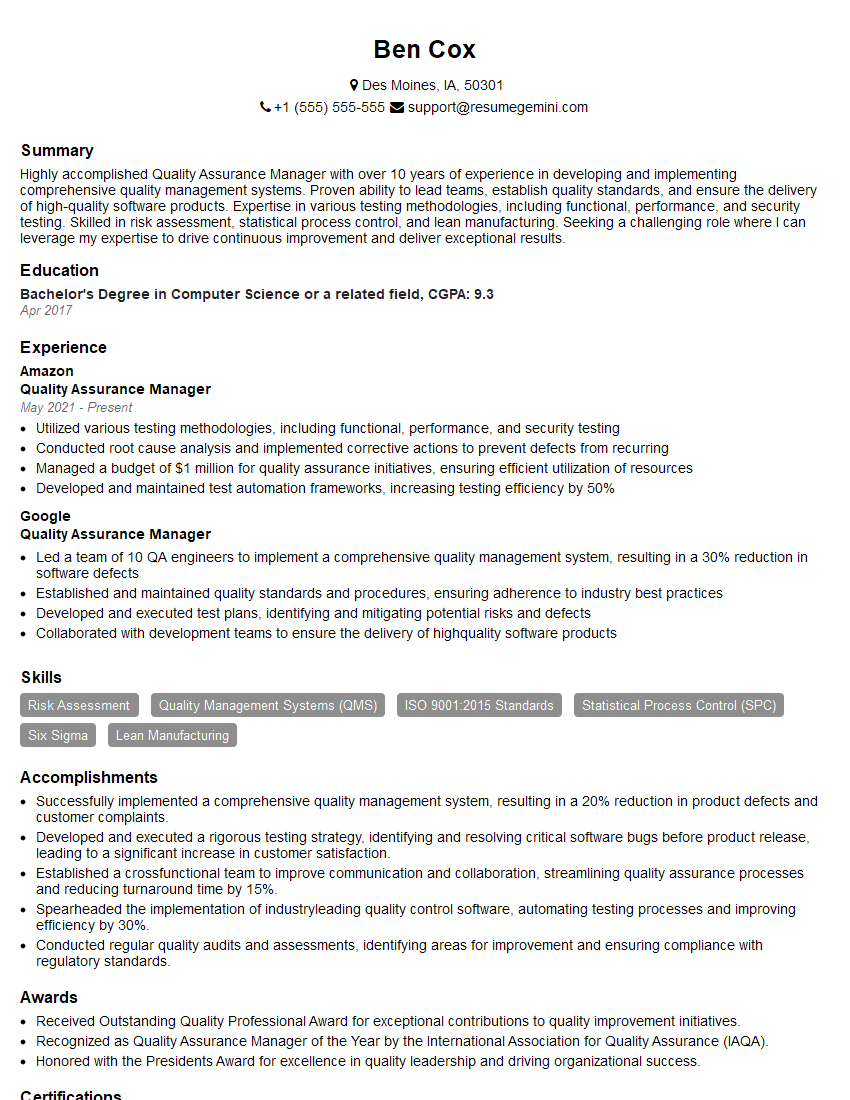
Quality Assurance Manager Resume Sample
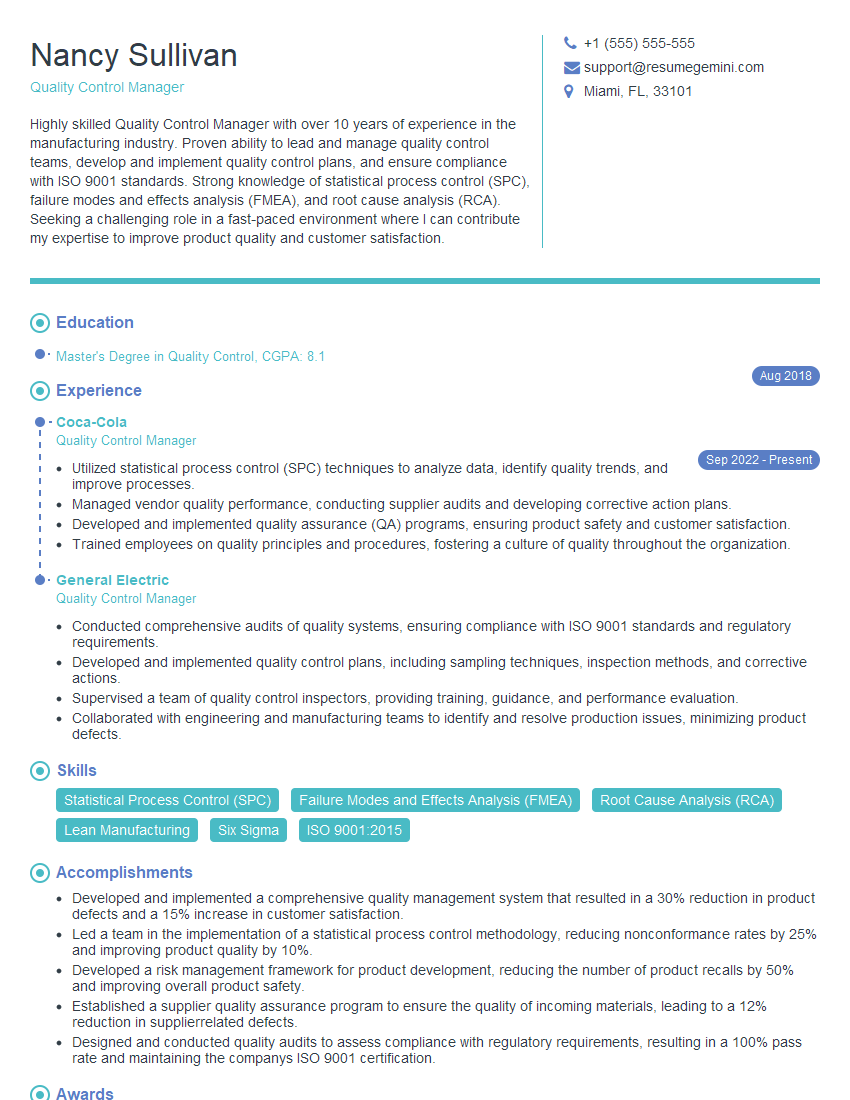
Quality Control Manager Resume Sample
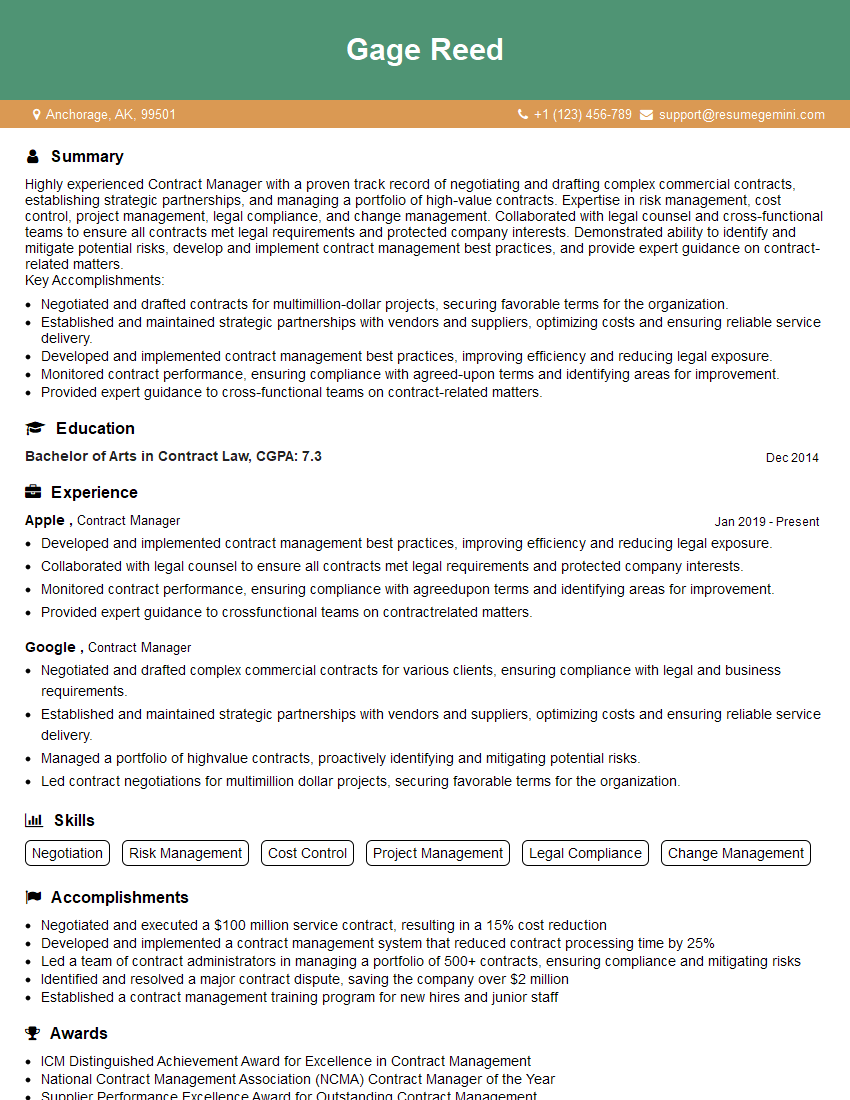
Contract Manager Resume Sample

Procurement Manager Resume Sample
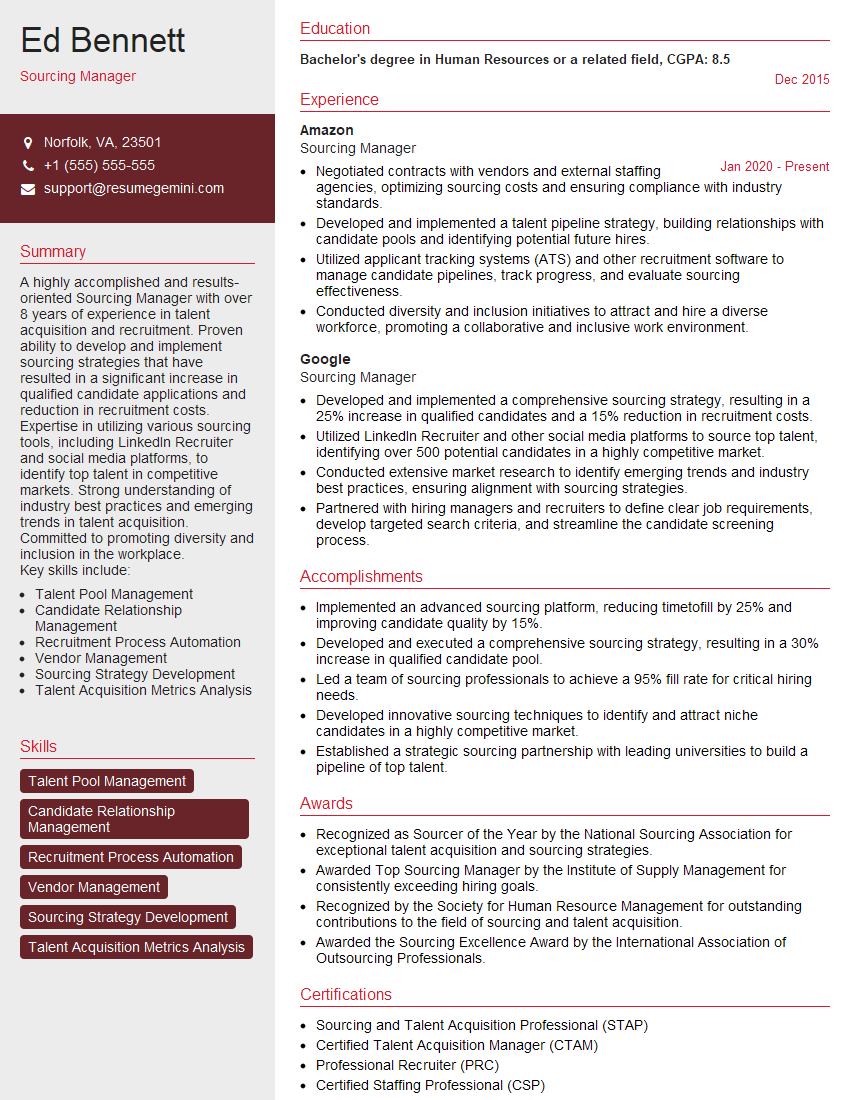
Sourcing Manager Resume Sample
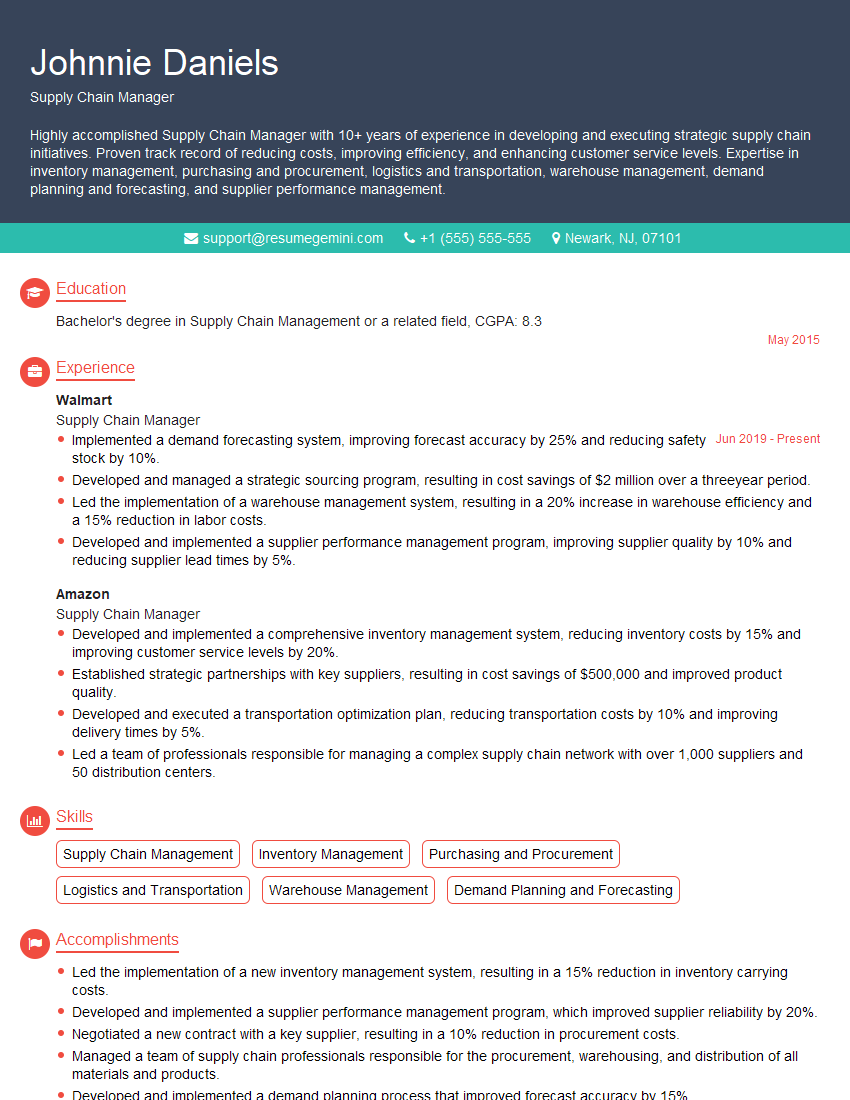
Supply Chain Manager Resume Sample
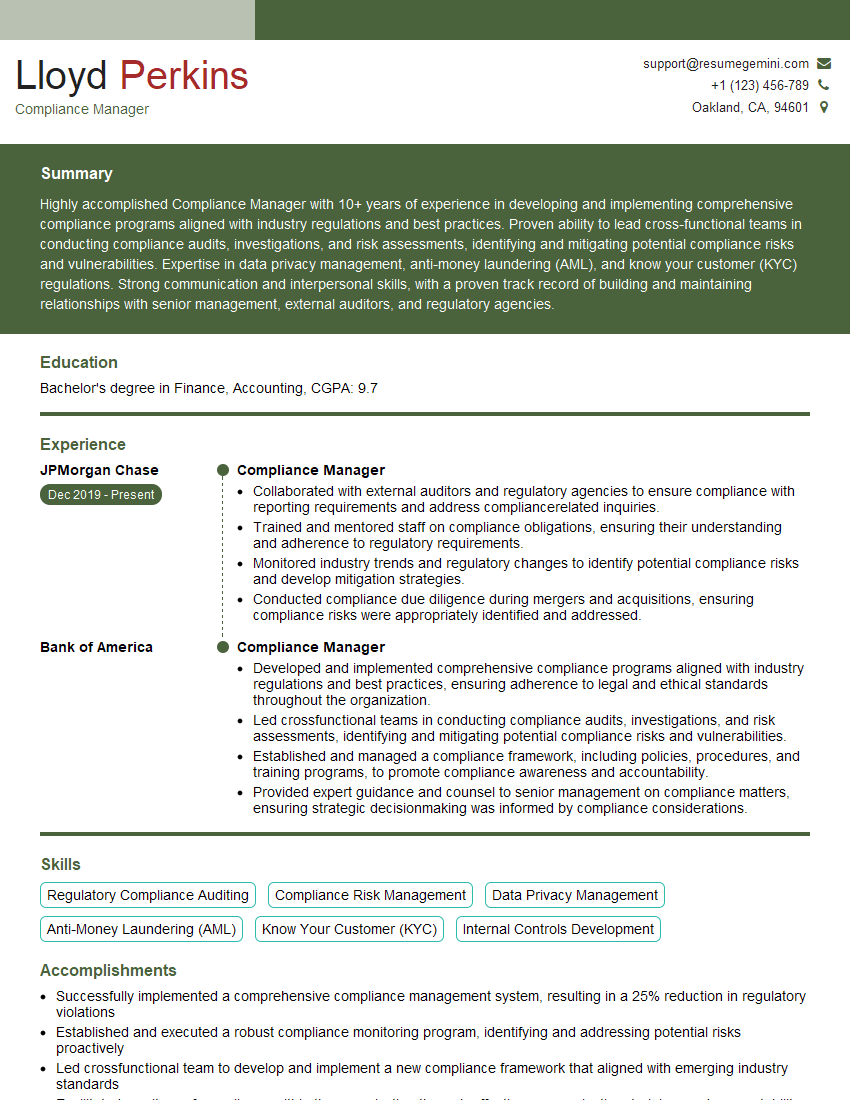
Compliance Manager Resume Sample
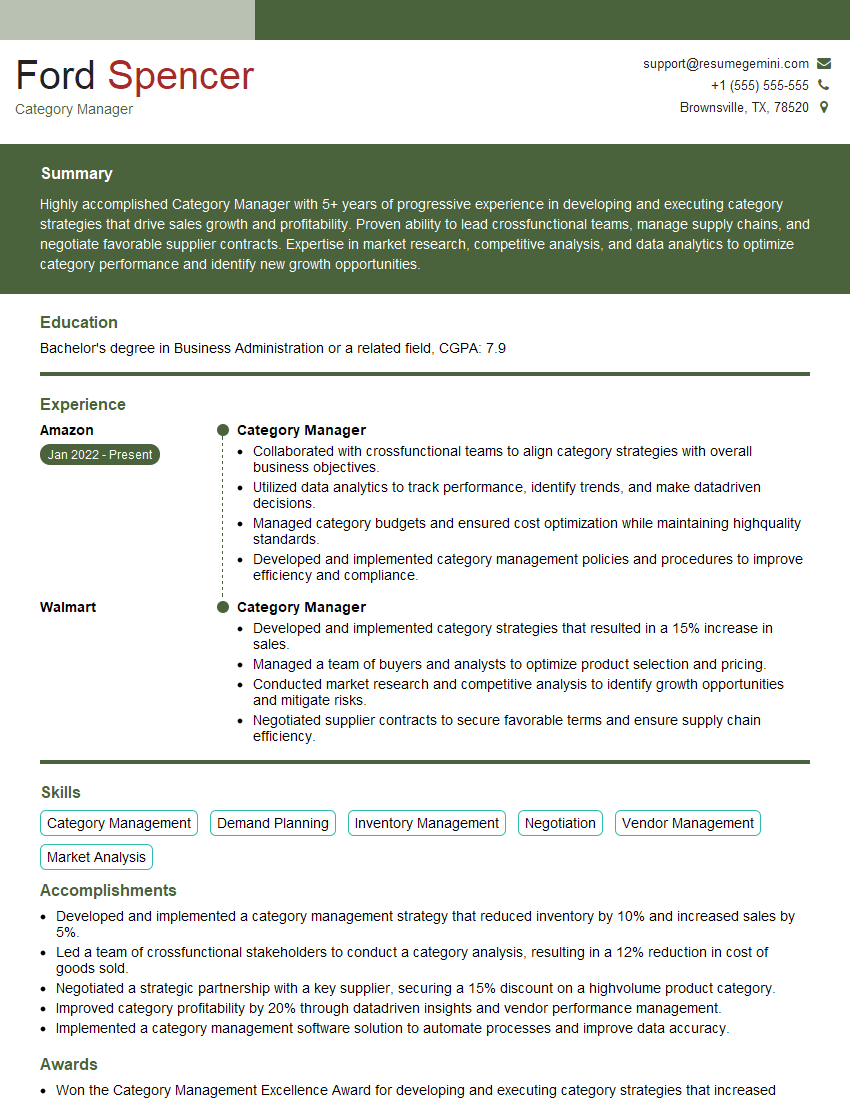
Category Manager Resume Sample
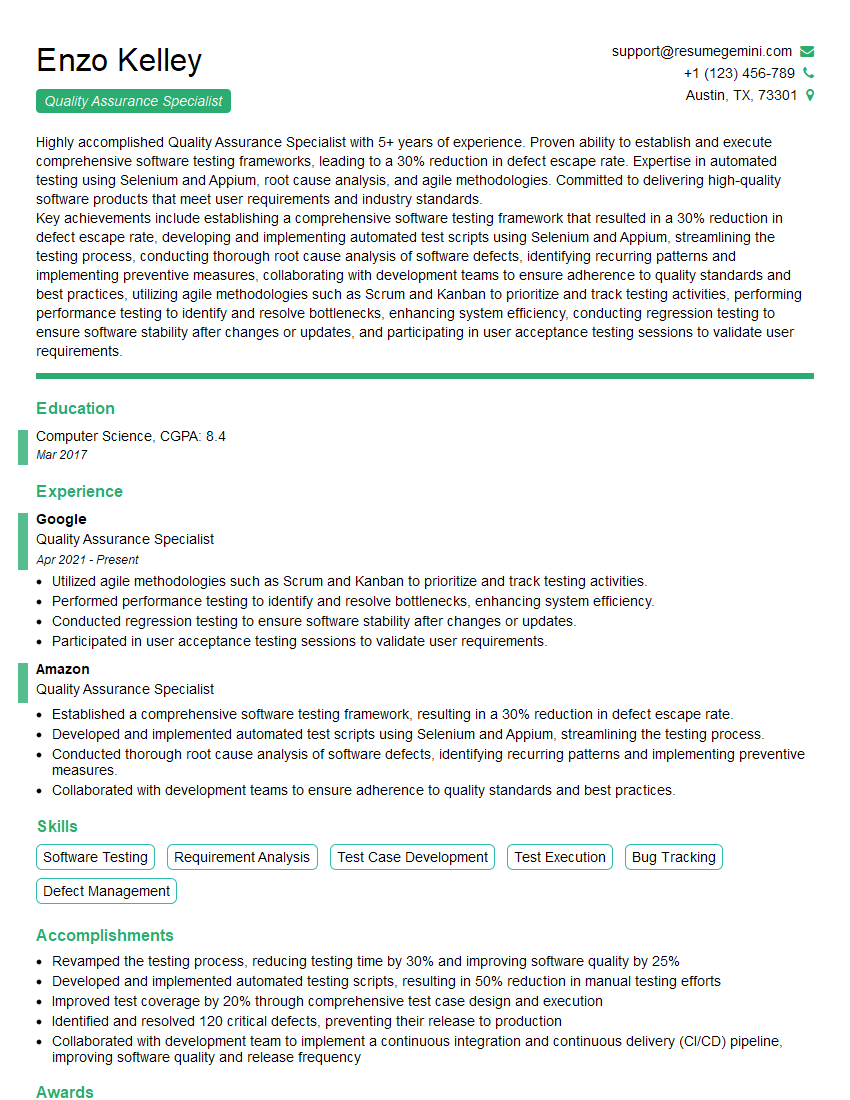
Quality Assurance Specialist Resume Sample
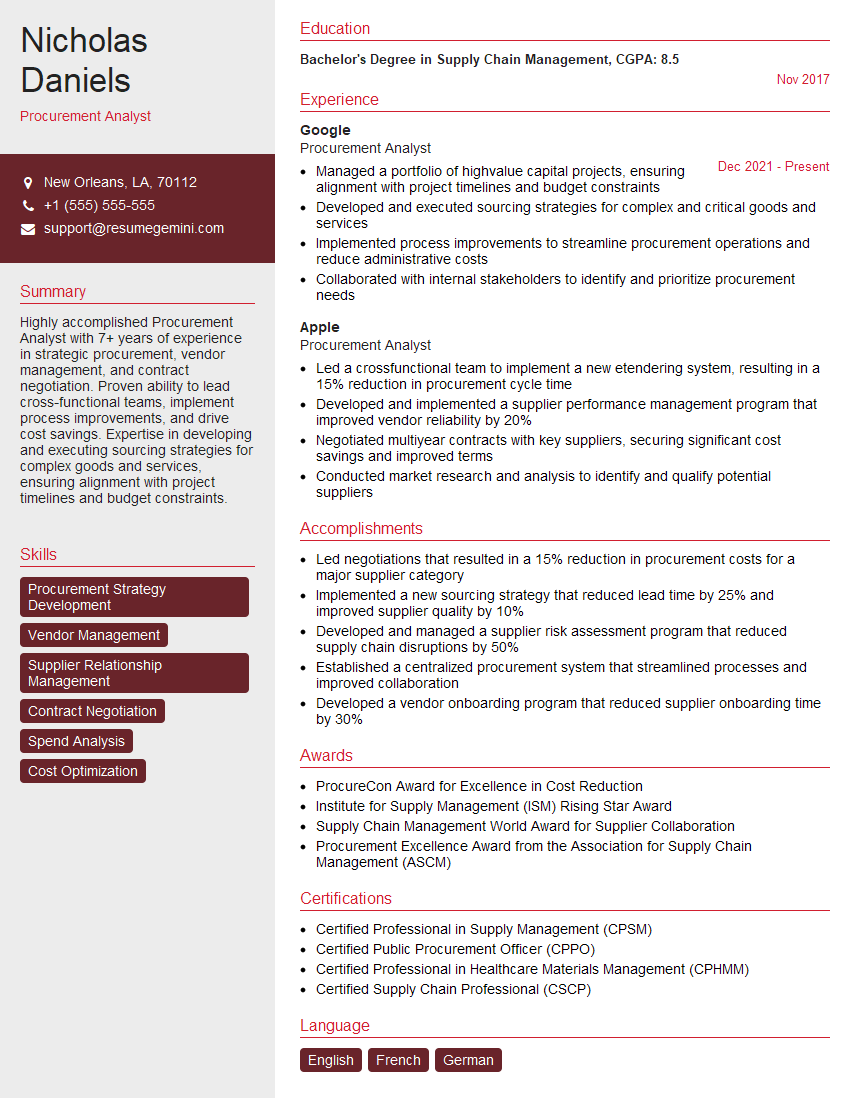
Procurement Analyst Resume Sample
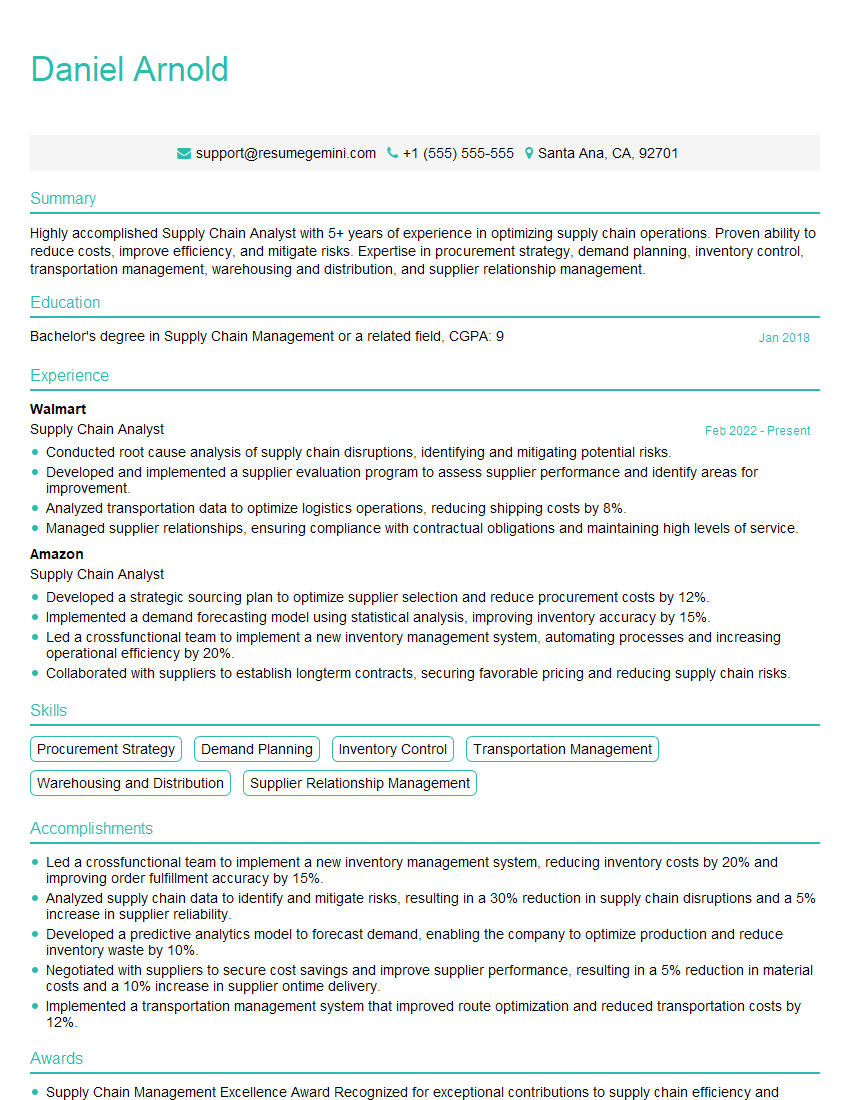
Supply Chain Analyst Resume Sample
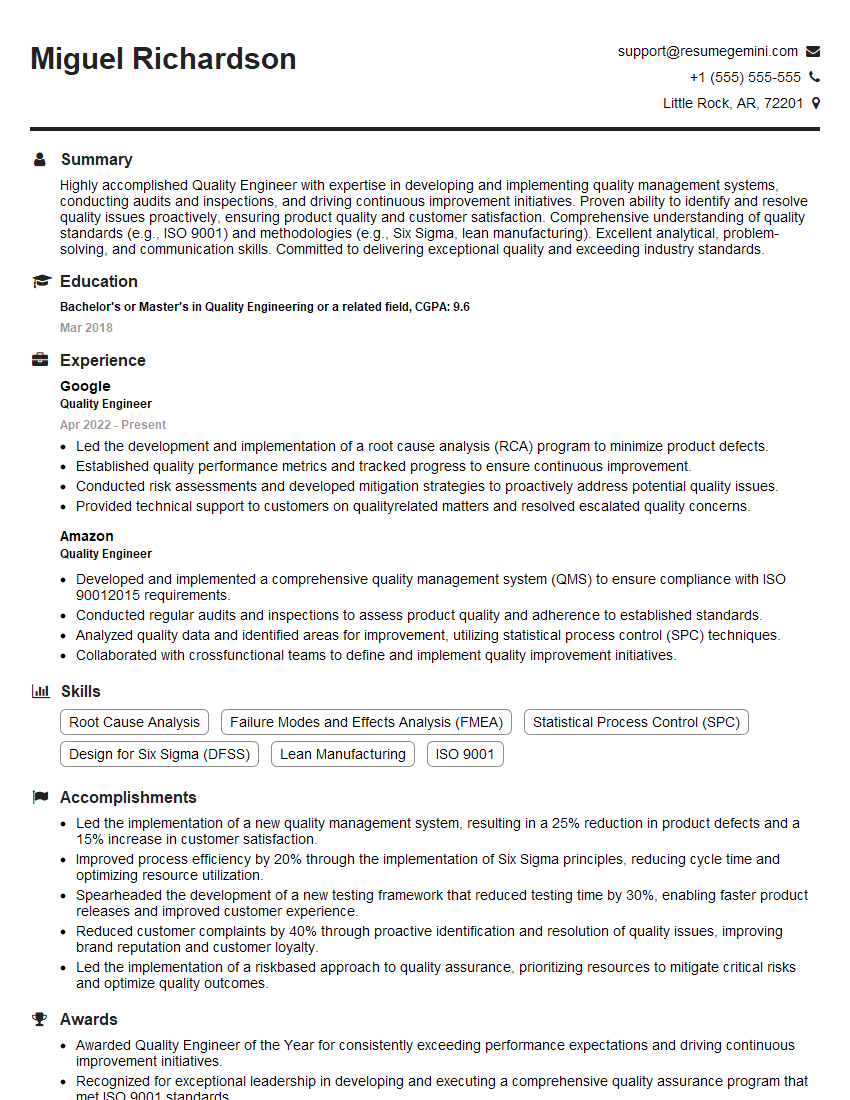
Quality Engineer Resume Sample
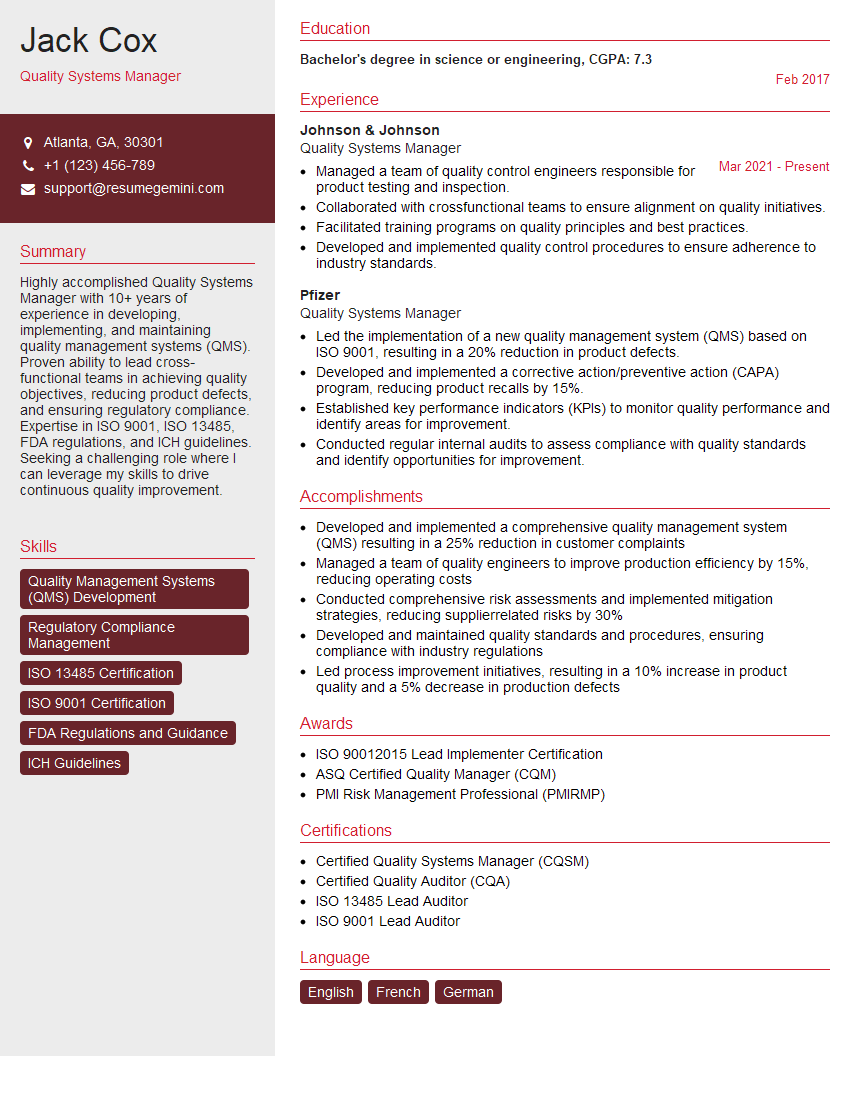
Quality Systems Manager Resume Sample
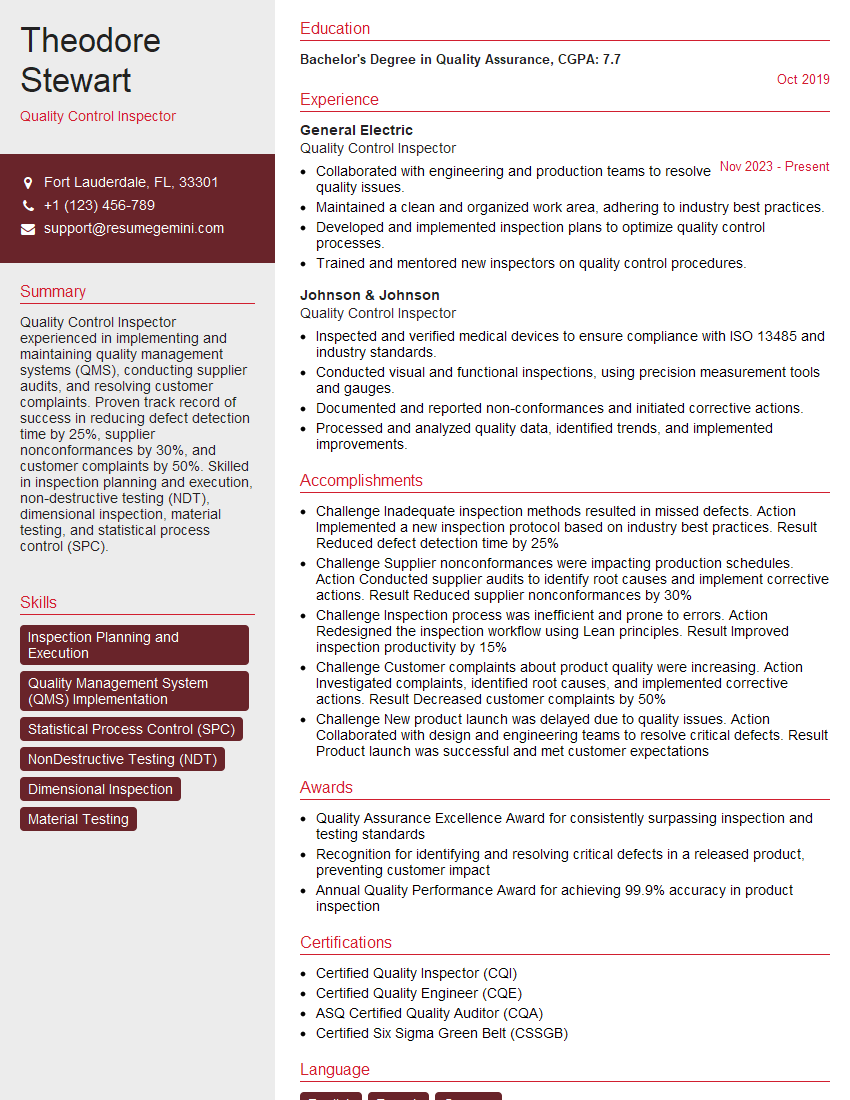
Quality Control Inspector Resume Sample
Explore more articles
Users Rating of Our Blogs
Share Your Experience
We value your feedback! Please rate our content and share your thoughts (optional).
What Readers Say About Our Blog
Attention music lovers!
Wow, All the best Sax Summer music !!!
Spotify: https://open.spotify.com/artist/6ShcdIT7rPVVaFEpgZQbUk
Apple Music: https://music.apple.com/fr/artist/jimmy-sax-black/1530501936
YouTube: https://music.youtube.com/browse/VLOLAK5uy_noClmC7abM6YpZsnySxRqt3LoalPf88No
Other Platforms and Free Downloads : https://fanlink.tv/jimmysaxblack
on google : https://www.google.com/search?q=22+AND+22+AND+22
on ChatGPT : https://chat.openai.com?q=who20jlJimmy20Black20Sax20Producer
Get back into the groove with Jimmy sax Black
Best regards,
Jimmy sax Black
www.jimmysaxblack.com
Hi I am a troller at The aquatic interview center and I suddenly went so fast in Roblox and it was gone when I reset.
Hi,
Business owners spend hours every week worrying about their website—or avoiding it because it feels overwhelming.
We’d like to take that off your plate:
$69/month. Everything handled.
Our team will:
Design a custom website—or completely overhaul your current one
Take care of hosting as an option
Handle edits and improvements—up to 60 minutes of work included every month
No setup fees, no annual commitments. Just a site that makes a strong first impression.
Find out if it’s right for you:
https://websolutionsgenius.com/awardwinningwebsites
Hello,
we currently offer a complimentary backlink and URL indexing test for search engine optimization professionals.
You can get complimentary indexing credits to test how link discovery works in practice.
No credit card is required and there is no recurring fee.
You can find details here:
https://wikipedia-backlinks.com/indexing/
Regards
NICE RESPONSE TO Q & A
hi
The aim of this message is regarding an unclaimed deposit of a deceased nationale that bears the same name as you. You are not relate to him as there are millions of people answering the names across around the world. But i will use my position to influence the release of the deposit to you for our mutual benefit.
Respond for full details and how to claim the deposit. This is 100% risk free. Send hello to my email id: lukachachibaialuka@gmail.com
Luka Chachibaialuka
Hey interviewgemini.com, just wanted to follow up on my last email.
We just launched Call the Monster, an parenting app that lets you summon friendly ‘monsters’ kids actually listen to.
We’re also running a giveaway for everyone who downloads the app. Since it’s brand new, there aren’t many users yet, which means you’ve got a much better chance of winning some great prizes.
You can check it out here: https://bit.ly/callamonsterapp
Or follow us on Instagram: https://www.instagram.com/callamonsterapp
Thanks,
Ryan
CEO – Call the Monster App
Hey interviewgemini.com, I saw your website and love your approach.
I just want this to look like spam email, but want to share something important to you. We just launched Call the Monster, a parenting app that lets you summon friendly ‘monsters’ kids actually listen to.
Parents are loving it for calming chaos before bedtime. Thought you might want to try it: https://bit.ly/callamonsterapp or just follow our fun monster lore on Instagram: https://www.instagram.com/callamonsterapp
Thanks,
Ryan
CEO – Call A Monster APP
To the interviewgemini.com Owner.
Dear interviewgemini.com Webmaster!
Hi interviewgemini.com Webmaster!
Dear interviewgemini.com Webmaster!
excellent
Hello,
We found issues with your domain’s email setup that may be sending your messages to spam or blocking them completely. InboxShield Mini shows you how to fix it in minutes — no tech skills required.
Scan your domain now for details: https://inboxshield-mini.com/
— Adam @ InboxShield Mini
support@inboxshield-mini.com
Reply STOP to unsubscribe
Hi, are you owner of interviewgemini.com? What if I told you I could help you find extra time in your schedule, reconnect with leads you didn’t even realize you missed, and bring in more “I want to work with you” conversations, without increasing your ad spend or hiring a full-time employee?
All with a flexible, budget-friendly service that could easily pay for itself. Sounds good?
Would it be nice to jump on a quick 10-minute call so I can show you exactly how we make this work?
Best,
Hapei
Marketing Director
Hey, I know you’re the owner of interviewgemini.com. I’ll be quick.
Fundraising for your business is tough and time-consuming. We make it easier by guaranteeing two private investor meetings each month, for six months. No demos, no pitch events – just direct introductions to active investors matched to your startup.
If youR17;re raising, this could help you build real momentum. Want me to send more info?
Hi, I represent an SEO company that specialises in getting you AI citations and higher rankings on Google. I’d like to offer you a 100% free SEO audit for your website. Would you be interested?
Hi, I represent an SEO company that specialises in getting you AI citations and higher rankings on Google. I’d like to offer you a 100% free SEO audit for your website. Would you be interested?