Every successful interview starts with knowing what to expect. In this blog, we’ll take you through the top Understanding of International Product Safety Standards interview questions, breaking them down with expert tips to help you deliver impactful answers. Step into your next interview fully prepared and ready to succeed.
Questions Asked in Understanding of International Product Safety Standards Interview
Q 1. Explain the difference between ISO 9001 and ISO 14001.
ISO 9001 and ISO 14001 are both internationally recognized standards, but they address different aspects of an organization’s management system. ISO 9001 focuses on quality management, ensuring consistent product quality and customer satisfaction. It provides a framework for processes, documentation, and continual improvement to meet customer requirements and regulatory standards. Think of it as a recipe for producing a high-quality product consistently.
ISO 14001, on the other hand, concerns environmental management. It outlines requirements for establishing, implementing, maintaining, and continually improving an environmental management system to minimize environmental impact. It addresses aspects like pollution prevention, waste management, and resource efficiency. Imagine it as the blueprint for operating a business with minimal environmental footprint.
In short: ISO 9001 is about making a quality product, while ISO 14001 is about making a product responsibly, minimizing its environmental impact during the entire lifecycle. A company can, and often does, hold certifications for both standards.
Q 2. What are the key components of a robust product safety management system?
A robust product safety management system (PSMS) is crucial for minimizing risks and ensuring customer safety. Key components include:
- Hazard Identification and Risk Assessment (HARA): A systematic process to identify potential hazards associated with the product throughout its lifecycle (design, manufacturing, use, disposal) and evaluate the associated risks. This often involves techniques like Failure Mode and Effects Analysis (FMEA).
- Design for Safety: Incorporating safety considerations into the product design from the outset. This includes selecting safe materials, implementing safety features, and designing for user-friendliness and error prevention.
- Testing and Verification: Rigorous testing procedures at different stages of the product lifecycle to ensure it meets safety requirements. This could involve laboratory testing, simulations, and field trials.
- Manufacturing Controls: Implementing processes and controls during manufacturing to maintain product quality and safety. This ensures consistency and minimizes defects.
- Supply Chain Management: Managing the safety of components and materials sourced from suppliers. This involves selecting reputable suppliers and implementing quality control checks on incoming materials.
- Post-Market Surveillance: Monitoring product performance and safety after release to the market. This involves collecting and analyzing feedback from customers and taking corrective actions as needed. It includes recall procedures, if necessary.
- Documentation and Record Keeping: Maintaining detailed records of all safety-related activities, including HARA results, test data, and corrective actions. This is crucial for demonstrating compliance and facilitating continuous improvement.
Think of a PSMS as a comprehensive safety net, covering every aspect of a product’s journey from conception to disposal, ensuring safety at each stage.
Q 3. Describe your experience with hazard analysis and risk assessment methodologies.
I have extensive experience with various hazard analysis and risk assessment methodologies, including Failure Mode and Effects Analysis (FMEA), Fault Tree Analysis (FTA), and Hazard and Operability Study (HAZOP). I’ve used these techniques across diverse projects, from evaluating the safety of medical devices to analyzing the risks associated with industrial machinery.
For example, in a recent project involving a new medical device, we conducted a comprehensive FMEA to identify potential failure modes, their effects on the device’s functionality and patient safety, and the severity, occurrence, and detection of those failures. This allowed us to prioritize risk mitigation efforts and implement design modifications to minimize critical hazards. The results were documented, and the process was iteratively repeated until risks were appropriately mitigated. In another project, involving a high-voltage power supply, HAZOP was employed to examine deviations from intended operational parameters and their impact. I am adept at selecting the most appropriate methodology depending on the product and its intended application.
Q 4. How familiar are you with IEC 60950-1 (or a relevant standard for your industry)?
IEC 60950-1 (now superseded by IEC 62368-1), was a crucial safety standard for Information Technology Equipment (ITE), covering safety requirements for things like power supplies, insulation, and fire hazards. My familiarity with this standard—and its successor—is thorough. I understand the detailed requirements for various aspects of electrical safety, including creepage and clearance distances, protection against electric shock, and the appropriate use of safety markings. I’ve been involved in multiple projects where compliance with this standard (and the updated 62368-1) was paramount. I can interpret the standard’s requirements and ensure that products meet its specifications through design, testing, and documentation. I’m also familiar with other relevant standards, like UL 60950-1 and equivalent standards in other regions.
Q 5. Explain the process of obtaining a product safety certification.
Obtaining product safety certification is a multi-step process that typically involves:
- Product Design and Development: Ensuring the product meets relevant safety standards and regulations from the outset.
- Testing: Submitting the product to a Nationally Recognized Testing Laboratory (NRTL) or Notified Body for testing to verify compliance with applicable standards. This involves various tests, depending on the product and its intended use.
- Documentation: Preparing comprehensive documentation, including design specifications, test reports, and a quality management system manual.
- Audit: Undergoing an audit by the certification body to verify the product and the manufacturing process meet the requirements of the relevant standard.
- Certification: Upon successful completion of testing and auditing, the certification body issues a certificate demonstrating compliance with the specific standard.
- Ongoing Compliance: Maintaining compliance through periodic audits and updates to the product design or manufacturing processes as needed. Ongoing monitoring and post market surveillance are key.
The specific requirements can vary depending on the product, industry, and the regulatory authority. The process can be complex and requires thorough preparation and close collaboration with the certification body.
Q 6. What are the common international product safety standards applicable to your field?
The specific international product safety standards applicable to a field depend greatly on the type of product. However, some common and widely applicable standards include:
- IEC 62368-1: Audio/video, information and communication technology equipment – Safety requirements
- ISO 13485: Medical devices – Quality management systems – Requirements for regulatory purposes
- EN 71: Safety of toys
- RoHS Directive (Restriction of Hazardous Substances): Restricting the use of certain hazardous materials in electrical and electronic equipment
- REACH (Registration, Evaluation, Authorization and Restriction of Chemicals): Managing the risks associated with chemical substances.
These are just a few examples; many other standards exist depending on the product category and region. For example, standards related to electromagnetic compatibility (EMC), fire safety, and specific material requirements also apply in many cases. Keeping abreast of relevant standards is a continuous process.
Q 7. How do you ensure compliance with evolving safety regulations?
Ensuring compliance with evolving safety regulations requires a proactive and systematic approach. This involves:
- Monitoring Regulatory Changes: Regularly monitoring changes in relevant safety standards and regulations through official publications, industry newsletters, and participation in industry associations.
- Staying Informed: Engaging in continuous professional development to stay updated on the latest safety requirements and best practices. This often includes attending conferences and workshops.
- Regular Audits and Reviews: Conducting regular internal audits to assess compliance with the latest standards and identify potential gaps.
- Implementing Corrective Actions: Taking prompt corrective actions to address any non-compliance issues identified through audits or other monitoring activities.
- Proactive Risk Assessments: Regularly reviewing and updating hazard analyses and risk assessments to reflect any changes in product design, manufacturing processes, or regulatory requirements.
- Collaboration with Certification Bodies: Maintaining close communication with certification bodies to stay informed about evolving regulatory requirements and best practices.
It’s important to remember that maintaining product safety compliance is an ongoing process, not a one-time task. Proactive monitoring and adaptation are key to staying ahead of the curve and ensuring customer safety.
Q 8. Describe a time you identified a safety hazard in a product.
During a product review for a children’s toy, I noticed the small parts were easily detachable. This posed a significant choking hazard, especially for younger children. The design didn’t adhere to the relevant safety standards regarding small parts in toys for children under three. My immediate action was to flag this as a critical safety hazard and recommend a redesign. We implemented stricter testing protocols and a revised design ensuring all parts were securely fastened and met the required safety standards. This incident highlighted the importance of proactive hazard identification during the design phase itself, rather than relying solely on end-of-line testing.
Q 9. What is your experience with safety testing and evaluation procedures?
My experience encompasses a wide range of safety testing and evaluation procedures, including mechanical testing (impact, tensile strength, etc.), flammability testing (e.g., UL 94), electrical safety testing (e.g., IEC 60950-1), and chemical testing (e.g., REACH compliance). I’m proficient in using various testing equipment and interpreting the results to ensure compliance with international standards. For instance, in one project involving a power tool, we conducted drop tests to ensure the housing wouldn’t fracture and expose internal components, and dielectric strength tests to confirm insulation integrity and prevent electrical shocks. I also have experience with developing and implementing test plans, managing testing labs, and analyzing results to create comprehensive safety reports.
Q 10. How do you stay up-to-date on changes in international safety standards?
Staying current with international safety standards requires a multi-pronged approach. I regularly subscribe to and actively follow updates from organizations like IEC (International Electrotechnical Commission), ISO (International Organization for Standardization), and national standards bodies such as ANSI (American National Standards Institute) and BSI (British Standards Institution). I attend industry conferences and workshops, participate in relevant online forums and discussion groups, and maintain professional memberships to receive updates and publications. Furthermore, I regularly review the relevant safety directives and regulations published by the EU, and other global regulatory bodies. This continuous learning ensures my knowledge remains relevant and applicable to the latest safety requirements.
Q 11. Describe your experience with conducting safety audits.
I’ve conducted numerous safety audits across various industries, including toys, electronics, and medical devices. My audit process typically includes a review of design specifications, manufacturing processes, quality control procedures, and testing data. I also conduct on-site inspections to verify the implementation of safety measures and identify any potential hazards. For example, during an audit of a food processing facility, I discovered a lack of proper guarding on some machinery, a significant safety risk to employees. My report included detailed recommendations for improved guarding and employee training, leading to immediate corrective actions by the facility. A crucial aspect is providing constructive feedback and working collaboratively with the audited entity to improve their safety management system.
Q 12. How do you handle disagreements with suppliers regarding product safety?
Disagreements with suppliers regarding product safety are handled through a collaborative, yet firm, approach. I begin by clearly articulating the safety concerns, referencing the specific standards and regulations that are not being met. I present documented evidence and explain the potential consequences of non-compliance. I focus on establishing a shared understanding of the issue and finding a mutually acceptable solution. Open communication is paramount, and I strive to build a constructive relationship with the supplier based on trust and transparency. If necessary, I escalate the issue to higher management and consider alternative suppliers if the safety concerns cannot be resolved effectively. However, the ultimate goal is to ensure product safety without compromising the relationship.
Q 13. Explain your understanding of product recall procedures.
Product recall procedures are complex and vary by jurisdiction, but generally involve several key steps. First, identifying the affected product and the scope of the problem is critical. Then, a thorough investigation must determine the root cause of the safety defect. After that, a formal recall plan is developed, including communication strategies to inform consumers, distributors, and retailers. This typically involves working with regulatory bodies to ensure compliance with legal requirements. The plan includes instructions on how to return or replace the defective product, and processes for handling returns and compensating affected customers. Post-recall monitoring is also essential to assess the effectiveness of the recall and identify any further actions that may be needed. A clear and effective communication plan throughout the process is paramount to mitigate potential damage to brand reputation and public safety.
Q 14. What are the ethical considerations involved in product safety?
Ethical considerations in product safety are paramount. Above all, the primary ethical obligation is to prioritize consumer safety and well-being above all else. This involves transparency and honesty in communicating potential risks, even if it impacts profit margins. It requires maintaining a high level of integrity in testing, reporting, and decision-making. An ethical approach also involves respecting the rights of workers involved in the manufacturing process by providing safe working conditions and appropriate training. Furthermore, ethical conduct extends to fair competition and avoiding practices that could compromise the safety of competing products. Essentially, a strong ethical foundation ensures responsible product stewardship and builds trust with consumers and stakeholders.
Q 15. How do you manage product safety risks throughout the product lifecycle?
Managing product safety risks throughout a product’s lifecycle requires a proactive and systematic approach, encompassing every stage from initial concept to end-of-life disposal. It’s not a one-time task, but a continuous process of identification, assessment, mitigation, and monitoring.
- Design Phase: This is where the foundation for safety is laid. We conduct thorough hazard analyses using techniques like Failure Modes and Effects Analysis (FMEA) and Fault Tree Analysis (FTA) to identify potential hazards and their severity. For example, in designing a children’s toy, we’d identify potential choking hazards from small parts and address them through design modifications or material selection.
- Manufacturing Phase: Stringent quality control measures are crucial. Regular audits and inspections ensure that manufacturing processes adhere to safety standards and that defects are minimized. Statistical Process Control (SPC) helps monitor production consistency and prevent deviations that might compromise safety.
- Distribution and Use Phase: Clear and concise instructions are paramount. User manuals and warnings must be easily understood and readily accessible. Post-market surveillance actively monitors product performance and gathers feedback to identify any unforeseen safety issues. For instance, a recall system needs to be readily available and active.
- End-of-Life Phase: Even after a product’s lifespan, safety remains a concern. Proper disposal and recycling procedures minimize environmental and human health risks associated with hazardous materials.
This integrated approach ensures that safety is not an afterthought but a core principle driving every stage of the product’s existence.
Career Expert Tips:
- Ace those interviews! Prepare effectively by reviewing the Top 50 Most Common Interview Questions on ResumeGemini.
- Navigate your job search with confidence! Explore a wide range of Career Tips on ResumeGemini. Learn about common challenges and recommendations to overcome them.
- Craft the perfect resume! Master the Art of Resume Writing with ResumeGemini’s guide. Showcase your unique qualifications and achievements effectively.
- Don’t miss out on holiday savings! Build your dream resume with ResumeGemini’s ATS optimized templates.
Q 16. How do you communicate safety information to consumers?
Communicating safety information to consumers is critical for preventing accidents and injuries. It’s about making safety information clear, accessible, and understandable to the intended audience. We use a multi-pronged approach:
- Clear and Concise Labeling: Product labels are the primary means of conveying safety warnings and instructions. We use standardized symbols and language, complying with international standards like ISO 7000, to ensure global understanding. For example, a warning symbol for high voltage will be immediately recognizable worldwide.
- Comprehensive User Manuals: Detailed instructions covering safe usage, maintenance, and troubleshooting are provided. We use plain language, avoid technical jargon, and include illustrations and diagrams to enhance understanding. Multilingual versions are also developed for global markets.
- Website and Online Resources: Our company website provides access to safety information, FAQs, and updates. We actively engage with consumers online, addressing their concerns and providing assistance.
- Social Media and Public Campaigns: We utilize social media platforms to disseminate safety messages and participate in public awareness campaigns. For example, we might run social media campaigns on safe toy usage during particular holidays.
- Recall Procedures: A robust recall system is essential for promptly addressing safety defects identified post-market. Clear communication channels are established to inform consumers efficiently and effectively about potential hazards and necessary actions.
Effective communication is not a one-size-fits-all strategy. Tailoring the message to the specific target audience and the nature of the product is crucial for optimal impact. We utilize different mediums depending on the product and the message.
Q 17. What is your experience with using risk assessment software?
I have extensive experience utilizing risk assessment software. These tools are invaluable in streamlining the risk assessment process, providing a more efficient and structured approach compared to manual methods. I’ve worked with various software packages, including:
- FMEA software: This assists in creating, analyzing, and managing Failure Modes and Effects Analysis, allowing for collaborative work and version control. It helps in calculating risk priority numbers (RPNs) based on severity, occurrence, and detection ratings.
- FTA software: Facilitates the creation and analysis of Fault Tree Analyses, visualizing potential failure pathways and identifying critical components. It enables ‘what-if’ analysis to explore different scenarios.
- HAZOP software: Supports Hazard and Operability Studies, systematically identifying potential hazards and operability problems during the design review process. It improves the identification of unexpected scenarios.
These tools enhance data management, reporting, and collaborative efforts within our team. The software’s capabilities in tracking and reporting risk assessments are significantly improved compared to spreadsheets, offering better traceability and accountability.
Q 18. Describe your familiarity with different safety testing methodologies.
My familiarity with safety testing methodologies is comprehensive, encompassing a wide range of techniques depending on the product and applicable standards. I’m proficient in:
- Mechanical testing: This involves evaluating the strength, durability, and stability of products, including tensile testing, impact testing, and fatigue testing. For example, we’d use these methods to determine a car part’s ability to withstand stress.
- Electrical testing: This assesses electrical safety, including insulation resistance, dielectric strength, and leakage current measurements, vital for ensuring the safety of electrical appliances.
- Chemical testing: We analyze material composition and potential toxicity, ensuring compliance with regulations like RoHS and REACH for the restriction of hazardous substances.
- Environmental testing: This evaluates the product’s resistance to environmental factors such as temperature, humidity, vibration, and UV radiation to ensure continued safe operation under diverse conditions.
- Flammability testing: We conduct tests to determine the flammability of materials and the potential for fire hazards, complying with standards such as UL 94.
The choice of testing methodology is driven by the product’s intended use, target market, and applicable regulatory requirements. We follow a risk-based approach, prioritizing tests that address the most significant safety concerns.
Q 19. How do you integrate safety considerations into product design?
Integrating safety considerations into product design is paramount, and it’s a process that starts from the very first conceptual stage. It’s not an add-on but a fundamental aspect of the design process. We employ several strategies:
- Early Hazard Identification: We use techniques like HAZOP and FMEA during the design phase to proactively identify potential hazards. This avoids costly modifications later in the process.
- Design for Safety: We incorporate safety features into the product’s design itself. This might include safety interlocks, emergency stops, or fail-safe mechanisms. A simple example is the childproof cap on medication bottles.
- Material Selection: We choose materials that meet safety requirements, considering factors such as flammability, toxicity, and durability. We might opt for flame-retardant materials or biocompatible materials where appropriate.
- Ergonomics and Human Factors: We consider the user’s physical and cognitive capabilities to design products that are easy and safe to use. This includes proper weight distribution, intuitive controls, and clear signage.
- Simulation and Modeling: We use computer-aided design (CAD) and simulation software to test the product’s performance under different conditions and identify potential safety issues before physical prototypes are created. This is cost-effective and improves the design process.
By integrating safety considerations throughout the design process, we aim to create products that are inherently safe and minimize the risks associated with their use.
Q 20. How would you prioritize multiple safety concerns in a project?
Prioritizing multiple safety concerns requires a systematic approach based on risk assessment. We use a risk matrix that considers the severity of the potential harm, the likelihood of occurrence, and the feasibility of mitigation. This helps us to rank safety concerns objectively.
- Severity: We classify potential harm on a scale, such as catastrophic, critical, marginal, and negligible. Catastrophic harm, like death or serious injury, takes priority.
- Likelihood: We assess the probability of the hazard occurring, ranging from frequent, probable, occasional, to remote. A frequent occurrence commands immediate attention.
- Feasibility of Mitigation: We evaluate how easily each hazard can be mitigated, considering cost, time, and technical feasibility. High-impact hazards with readily available solutions should be addressed first.
Using a risk matrix, we visually represent the hazards and their associated risks. This allows us to prioritize those with the highest risk priority number (RPN), focusing our resources on the most critical safety concerns first. We document our reasoning and regularly review the prioritization as the project progresses.
Q 21. Explain your experience with root cause analysis in relation to safety incidents.
Root cause analysis (RCA) is essential for investigating safety incidents to identify the underlying reasons behind them and prevent recurrence. It’s not just about identifying the immediate cause but delving deeper to understand the system failures that contributed to the incident. We use various techniques, including:
- 5 Whys: This iterative questioning technique helps uncover the root cause by repeatedly asking ‘Why?’ until the fundamental reason is identified. For instance, if a machine malfunctioned, we’d ask why it malfunctioned, why that component failed, and so on.
- Fishbone Diagram (Ishikawa Diagram): This visual tool helps identify potential contributing factors categorized by categories such as people, methods, machines, materials, and environment. This helps to see interconnected issues.
- Fault Tree Analysis (FTA): FTA helps map out the various ways a system can fail, enabling us to identify the root causes contributing to the failure. This is a more detailed technique than the 5 Whys.
After conducting the RCA, we develop corrective actions to address the identified root causes and prevent similar incidents from happening. This might involve design modifications, improved training, better maintenance procedures, or changes to manufacturing processes. We carefully document all findings and corrective actions to ensure they are implemented and the learnings are shared across the organization.
Q 22. Describe your understanding of legal liability related to product safety.
Legal liability in product safety is a complex area encompassing the responsibility manufacturers, distributors, and sellers have for injuries or damages caused by defective or unsafe products. This liability can be based on various legal theories, including negligence, strict liability, and breach of warranty.
Negligence involves a failure to exercise reasonable care in designing, manufacturing, or marketing a product, resulting in harm. For example, a manufacturer neglecting to conduct proper safety testing could be found negligent if their product causes injury.
Strict liability holds manufacturers responsible for defects in their products regardless of fault or intent. Even if a company took every precaution, if a design flaw leads to harm, they can still be held liable. Think of a faulty car part causing an accident – the manufacturer may be liable even if they followed best practices.
Breach of warranty involves a failure to meet express or implied promises about the product’s safety or performance. If a product is advertised as ‘child-safe’ but actually poses a risk to children, the seller could be liable for breach of warranty.
Understanding these legal frameworks is crucial for businesses to proactively implement robust safety measures and mitigate risks.
Q 23. How do you collaborate with regulatory bodies?
Collaboration with regulatory bodies is essential for ensuring product compliance and safety. My approach involves proactive engagement across several key areas:
- Regular monitoring of updates and changes in regulations: I actively track changes in standards like those issued by the FDA (US), CE marking (EU), and others relevant to the products I work with. This ensures we stay ahead of the curve and adapt our processes accordingly.
- Participation in industry initiatives: This includes attending workshops, conferences, and webinars, as well as participating in industry working groups focused on improving product safety.
- Direct communication with regulatory agencies: When questions or ambiguities arise regarding specific regulations, I will reach out directly to agencies for clarification, allowing us to avoid potentially costly mistakes.
- Submitting required documentation and certifications: I ensure that all necessary documentation, including test results and safety reports, is accurately prepared and submitted on time to the relevant bodies.
- Responding promptly and transparently to inquiries or investigations: Open and honest communication with regulatory agencies is crucial when issues are identified. A proactive response helps to build trust and facilitate problem resolution.
Ultimately, my goal is to maintain a collaborative and compliant relationship with regulatory agencies to minimize risk and build confidence in our products.
Q 24. Explain your experience with creating safety data sheets (SDS).
Creating Safety Data Sheets (SDS) is a critical aspect of my role. An SDS provides comprehensive information about the hazards of a chemical and how to handle it safely. My experience encompasses the entire process:
- Hazard identification: This is the cornerstone. It involves a thorough assessment of physical, health, and environmental hazards posed by the chemical. This often involves reviewing existing data, conducting tests, and consulting with experts.
- Data compilation: This step involves gathering information from various sources, including suppliers, testing labs, and internal documentation. This data forms the basis of the SDS content.
- SDS authoring: I ensure that all required information is included, formatted correctly (following formats like GHS/CLP), and presented clearly and concisely, even for complex chemical mixtures.
- Review and approval: Before release, the SDS undergoes rigorous review by myself and other relevant stakeholders, such as safety professionals and legal counsel, to ensure accuracy and compliance with regulations.
- Version control and updates: SDSs must be updated regularly to reflect any changes in hazard information, handling procedures, or regulations. A robust version control system is critical to manage these updates effectively.
I am proficient in using specialized SDS authoring software to simplify the process and ensure consistency.
Q 25. How do you manage product safety information across different global markets?
Managing product safety information across global markets requires a robust and centralized system. Key strategies include:
- Centralized database: A single, accessible database allows for efficient storage and management of all safety-related documentation, regardless of the target market.
- Translation and localization: Safety information must be translated accurately into the languages of the target markets, and adjusted to account for local regulations and cultural nuances. Poorly translated SDSs can lead to serious safety issues.
- Regional regulatory compliance: The system must effectively manage the different regulatory requirements across various regions. For example, labeling and reporting requirements will differ between the EU and the US, necessitating a flexible and adaptable system.
- Version control: Keeping track of different versions of documents for different markets requires a meticulous version control system, preventing the use of outdated information.
- Technology: Specialized software can streamline the process, ensuring efficient storage, search, and distribution of safety information to all stakeholders worldwide.
This integrated approach ensures consistency, accuracy, and compliance with varying global standards.
Q 26. What are your strategies for ensuring product safety in global supply chains?
Ensuring product safety in global supply chains is crucial but challenging. My strategy involves a multi-faceted approach:
- Supplier audits and assessments: Regularly auditing suppliers to evaluate their adherence to safety standards, including facility inspections and review of their quality control procedures.
- Contractual agreements: Including clauses in supplier contracts that explicitly address product safety requirements and liability in case of non-compliance.
- Training and communication: Providing training to suppliers and internal teams on product safety, addressing both local and international standards.
- Traceability and transparency: Implementing systems for tracking materials and products throughout the supply chain, allowing for prompt identification and removal of defective or unsafe items.
- Continuous improvement: Regularly reviewing and updating processes based on feedback, audits, and any identified issues, promoting a culture of safety across the entire supply chain.
This comprehensive approach helps build a strong safety culture that extends beyond our organization to our global partners.
Q 27. Describe a situation where you had to make a difficult decision concerning product safety.
In a previous role, we discovered a potential safety issue with a component used in one of our products. Initial testing showed a low probability of failure, but a worst-case scenario could lead to serious injury. The decision to recall the product, even though the failure rate was statistically low, was extremely challenging. It involved considerable financial impact, reputational risk, and considerable pressure to avoid a recall.
However, after thorough internal discussions and consultation with legal counsel, we determined that prioritizing safety was paramount. We initiated a voluntary recall, transparently communicating with customers and regulatory agencies. While costly, the proactive approach minimized potential harm and ultimately protected our brand reputation in the long term. This experience reinforced the importance of prioritizing safety over short-term gains.
Q 28. How do you balance product safety with time-to-market pressures?
Balancing product safety with time-to-market pressures requires a carefully planned and prioritized approach. It’s not a compromise; rather, it requires integration of safety considerations into every stage of the product development lifecycle.
- Early integration of safety: Incorporating safety into the initial design phases allows for proactive identification and mitigation of potential hazards early on, avoiding costly redesigns later in the process.
- Prioritization and risk assessment: Focusing on critical safety aspects first allows for efficient allocation of time and resources, ensuring the most significant risks are addressed without compromising the entire timeline.
- Parallel testing: Conducting safety testing in parallel with other development stages can significantly reduce the overall timeline without sacrificing safety.
- Efficient testing strategies: Employing streamlined testing methodologies and simulations to optimize the testing process while maintaining rigorous standards.
- Automation of testing: Leveraging automation wherever possible to increase testing speed and efficiency.
The key is to view product safety not as an impediment to speed, but as a crucial factor for long-term success. A safe product is a successful product.
Key Topics to Learn for Understanding of International Product Safety Standards Interview
- International Regulatory Frameworks: Understanding the major international organizations (e.g., ISO, IEC) and their respective safety standards. This includes knowing the differences between various standards and their application across different product categories.
- Hazard Identification and Risk Assessment: Mastering methodologies for identifying potential hazards associated with products and conducting thorough risk assessments to mitigate those hazards. This involves practical application of risk matrices and risk reduction strategies.
- Product Design and Safety Engineering: Exploring the principles of designing safe products from conception to market launch, incorporating safety considerations at every stage of the design process. This includes understanding safety testing methodologies and design for manufacturability (DFM).
- Testing and Certification: Familiarizing yourself with different types of product testing (e.g., electrical safety, mechanical safety, chemical safety) and the process of obtaining relevant certifications (e.g., CE marking, UL certification). This includes understanding the documentation required for compliance.
- Compliance and Enforcement: Understanding the legal implications of non-compliance with international safety standards, including potential penalties and consequences. This involves knowledge of relevant reporting procedures and recall processes.
- Global Supply Chain Management and Safety: Understanding how to manage safety considerations across a global supply chain, ensuring that suppliers adhere to relevant standards and regulations. This includes due diligence and effective communication protocols.
- Ethical Considerations and Sustainability: Exploring the ethical responsibilities involved in ensuring product safety and the growing importance of sustainable manufacturing practices aligned with international safety norms.
Next Steps
Mastering international product safety standards is crucial for career advancement in numerous fields, opening doors to exciting roles with significant responsibility and impact. A strong understanding of these standards demonstrates your commitment to safety, compliance, and ethical product development. To significantly boost your job prospects, it’s vital to create an ATS-friendly resume that highlights your relevant skills and experience effectively. ResumeGemini is a trusted resource that can help you build a professional and impactful resume, ensuring your qualifications stand out to potential employers. Examples of resumes tailored to Understanding of International Product Safety Standards are available to guide you in crafting your own compelling application materials.
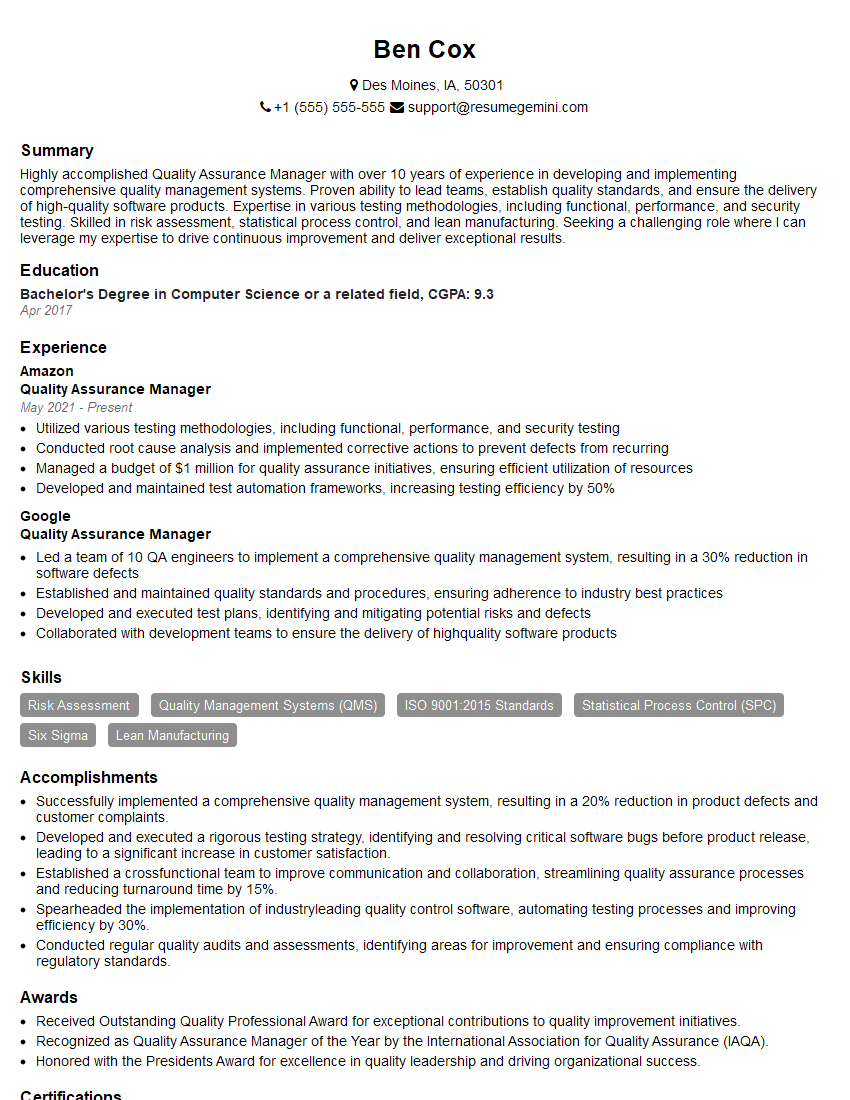
Quality Assurance Manager Resume Sample
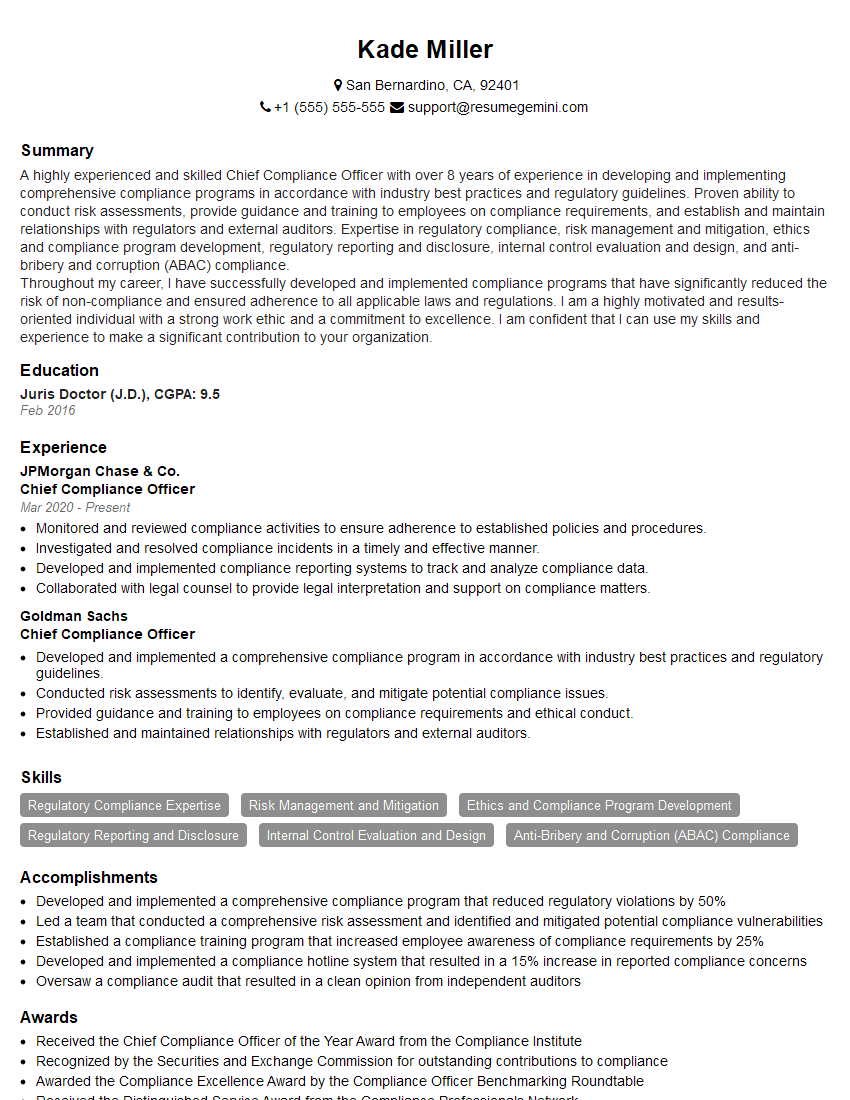
Chief Compliance Officer Resume Sample
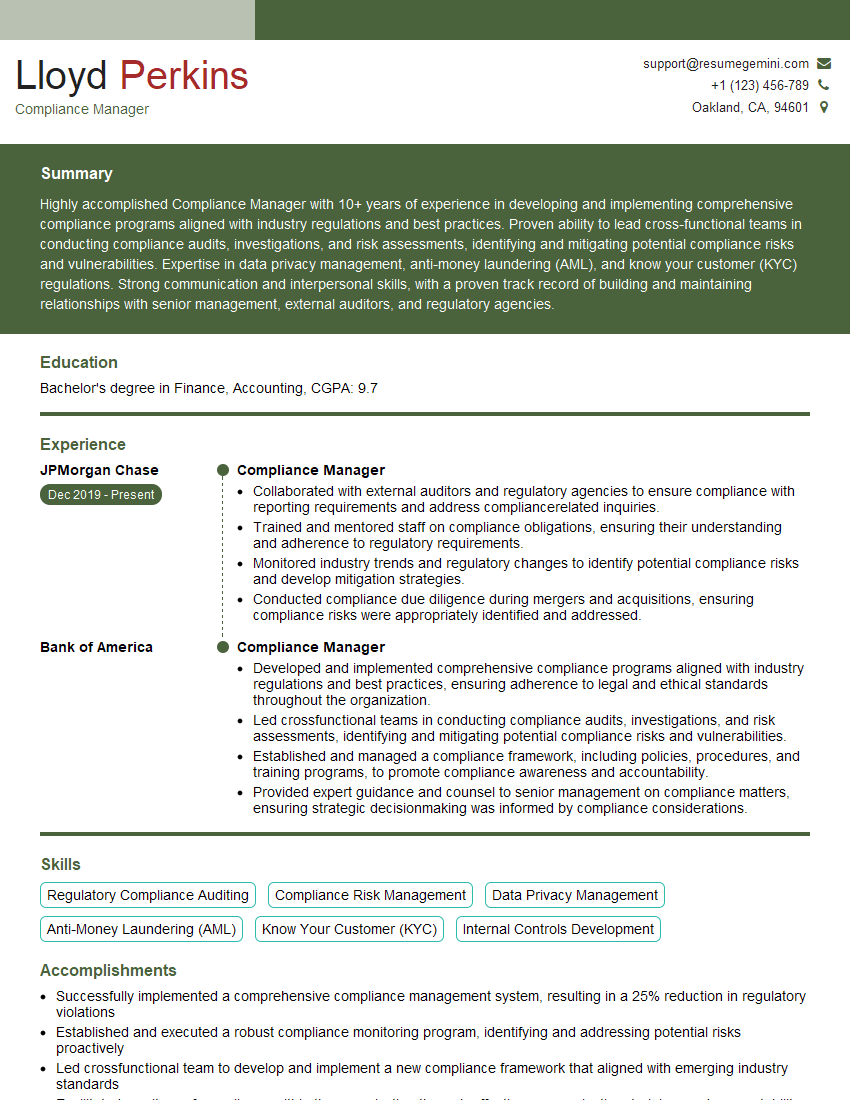
Compliance Manager Resume Sample
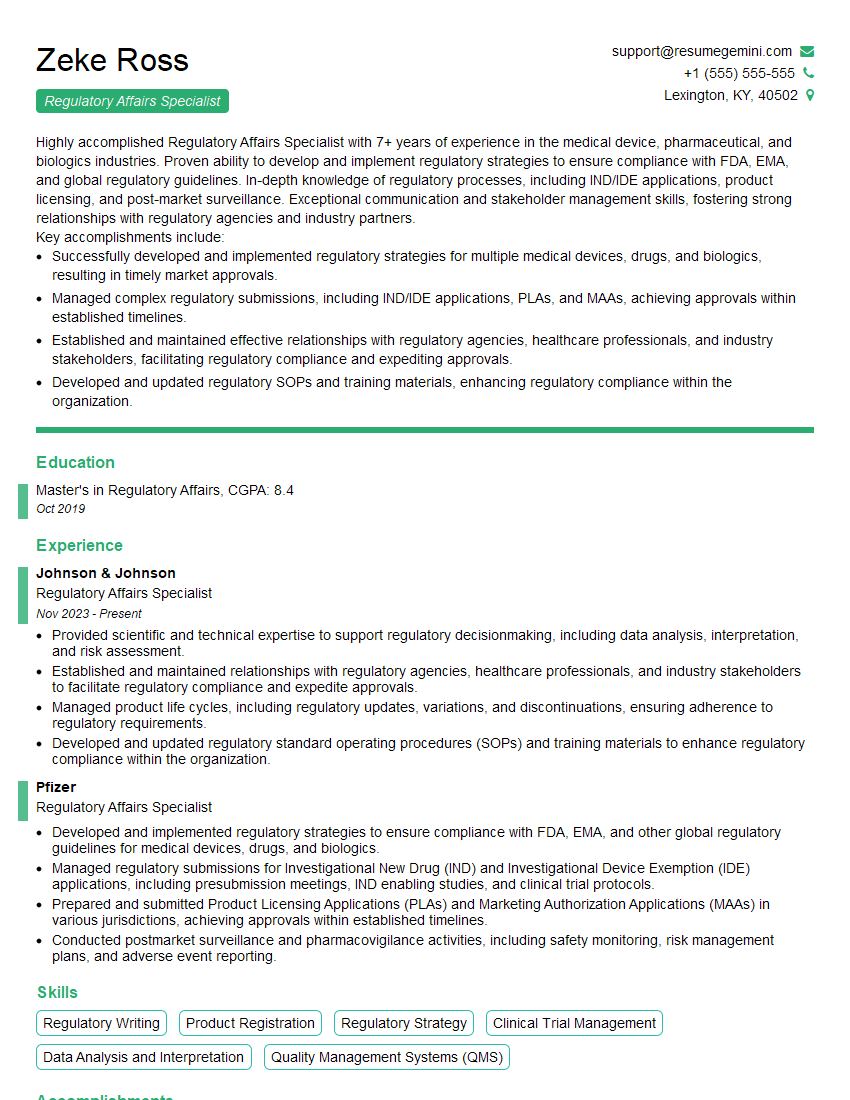
Regulatory Affairs Specialist Resume Sample
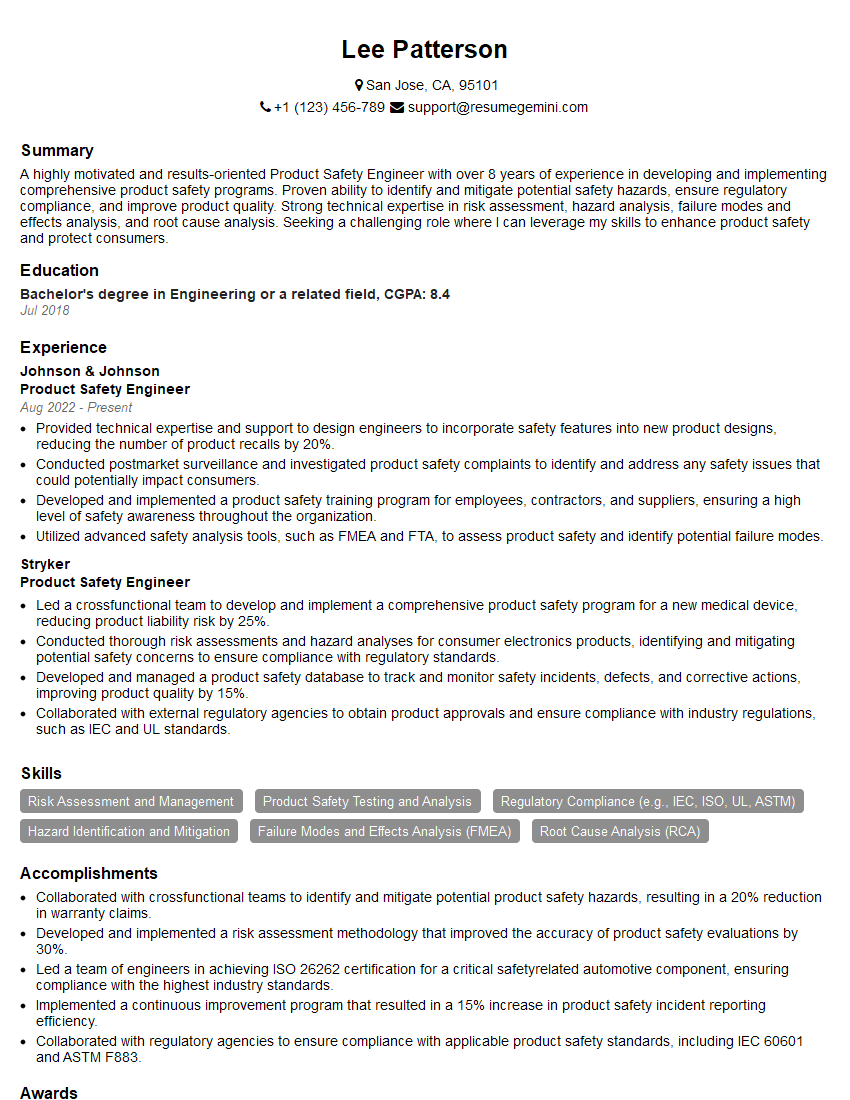
Product Safety Engineer Resume Sample
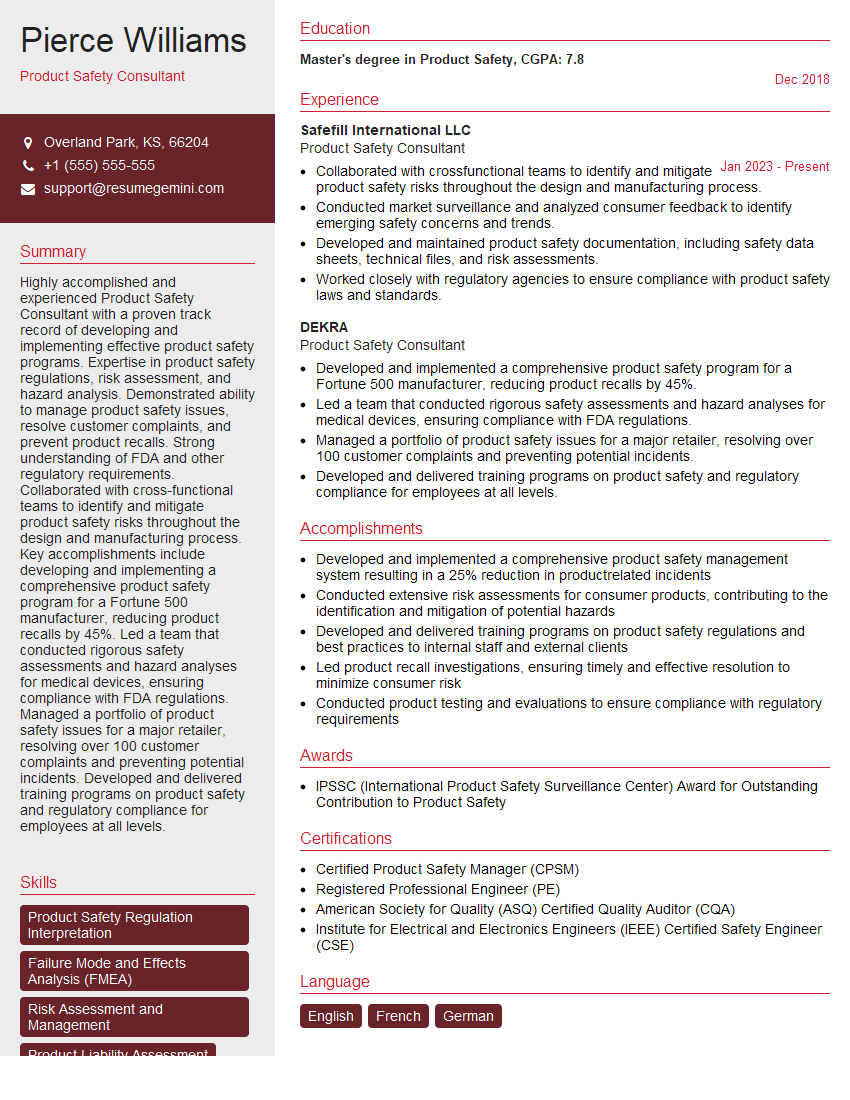
Product Safety Consultant Resume Sample
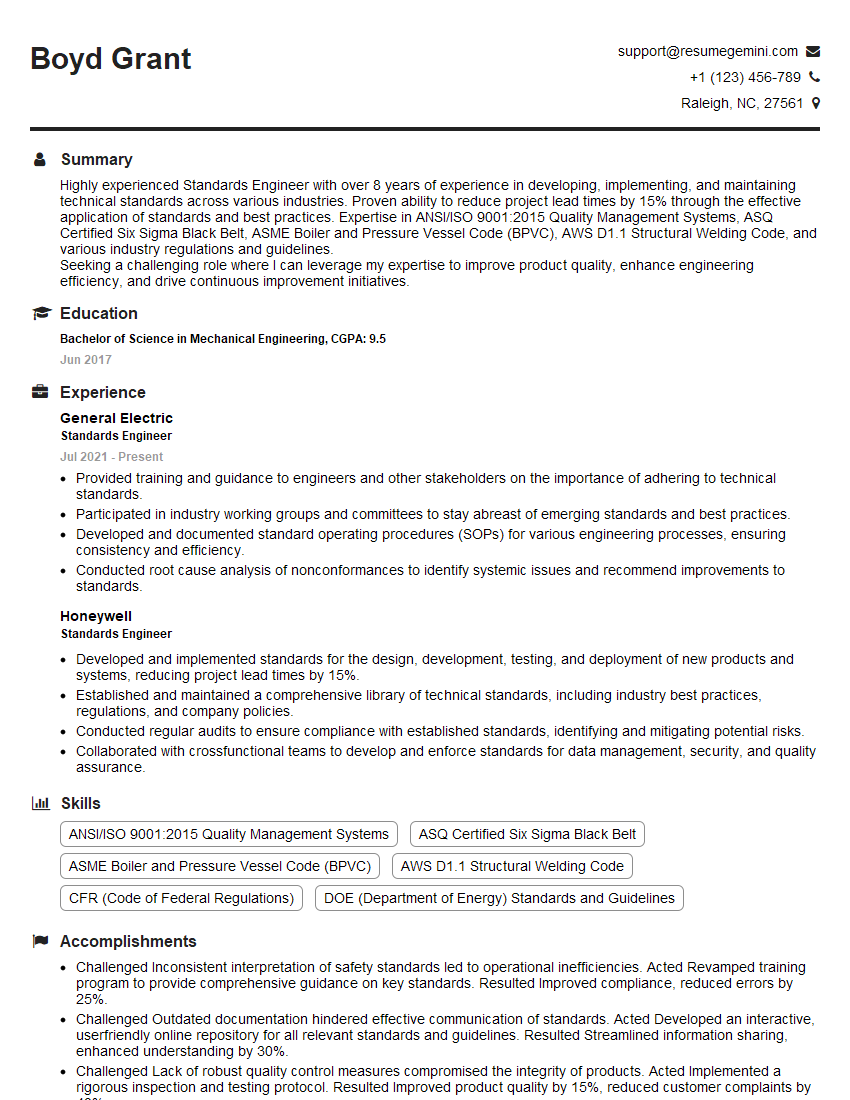
Standards Engineer Resume Sample
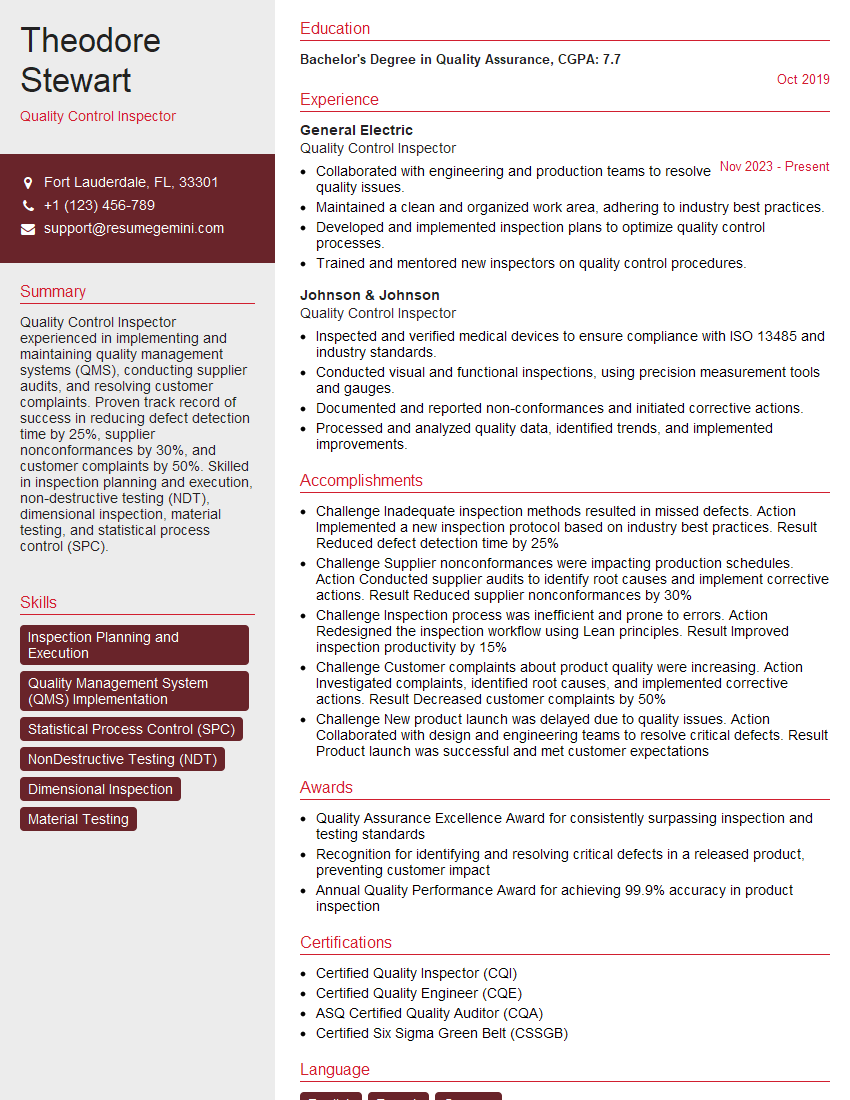
Quality Control Inspector Resume Sample
Explore more articles
Users Rating of Our Blogs
Share Your Experience
We value your feedback! Please rate our content and share your thoughts (optional).
What Readers Say About Our Blog
Very informative content, great job.
good