Interviews are opportunities to demonstrate your expertise, and this guide is here to help you shine. Explore the essential Blueprints and Plan Reading interview questions that employers frequently ask, paired with strategies for crafting responses that set you apart from the competition.
Questions Asked in Blueprints and Plan Reading Interview
Q 1. What are the different types of lines used on blueprints and what do they represent?
Blueprints utilize a variety of lines to convey different information. Think of them as a visual language for construction. Each line type has a specific meaning, crucial for accurate interpretation.
- Object Lines: Thick, solid lines define the outlines of walls, buildings, or other features. Imagine them as the ‘skeleton’ of the structure.
- Hidden Lines: These are dashed lines indicating parts of an object that are not directly visible from the chosen viewpoint. Think of them like an X-ray, showing what’s behind a wall.
- Center Lines: Thin, long and short dashed lines show the center of symmetrical objects or features like doors, windows, or circular elements. These are your ‘guides’ for symmetry.
- Dimension Lines: Thin lines with arrowheads at each end, used to indicate measurements. These are the ‘measuring tape’ of the blueprint.
- Extension Lines: Thin lines extending from an object to the dimension lines. They provide a clear reference point for measurement.
- Section Lines: Thin lines that indicate a cut-away view, showing the interior structure of a component. These are like slicing the object to understand its internal makeup.
- Break Lines: Short, zig-zag lines indicating a break in a drawing to save space without losing essential details. Imagine shortening a long hallway to fit on the page.
Understanding these line types is fundamental; misinterpreting them can lead to serious construction errors.
Q 2. Explain the importance of scale in blueprint reading.
Scale is paramount in blueprint reading; it’s the ratio between the drawing’s dimensions and the actual dimensions of the building or object. Without accurate scale, the blueprint is useless. For example, a scale of 1:100 means that 1cm on the drawing represents 1 meter in reality.
Imagine trying to build a house from a blueprint without knowing the scale – you’d end up with something wildly inaccurate! The scale is typically stated in the blueprint’s title block, a crucial area providing essential project information.
Different projects use different scales depending on their size and complexity. Large buildings often use smaller scales (like 1:100 or 1:200) while smaller projects might use larger scales (like 1:50 or even 1:20) for greater detail.
Q 3. How do you identify different materials and components on a blueprint?
Blueprints use various symbols, patterns, and notations to represent different materials. These conventions are standardized to ensure everyone interprets the drawings consistently.
- Symbols: Specific shapes represent common elements like doors, windows, plumbing fixtures, and electrical outlets.
- Patterns: Hatched lines or cross-hatching indicates materials like concrete, wood, or brick. The pattern type often corresponds to the material.
- Notations: Textual labels clarify material types or specific characteristics (e.g., ‘2×4 lumber,’ ‘concrete slab’).
Familiarity with these conventions is crucial. For example, a brick wall might be represented by a pattern of closely spaced diagonal lines, while a concrete foundation might be indicated by a solid fill pattern.
Often, a legend or key within the blueprint itself explains the meanings of these symbols and patterns, making sure everyone is on the same page.
Q 4. Describe your process for interpreting architectural drawings.
Interpreting architectural drawings is a systematic process. My approach involves a series of steps to ensure accuracy and thoroughness:
- Review the Title Block: Begin by identifying the project name, scale, date, and other essential information found in the title block, the project’s ‘identity card’.
- Examine the Plan Index: This section lists all drawings and their order, like a table of contents, guiding the reading sequence.
- Analyze the Floor Plans: Start with floor plans to understand the overall layout, room sizes, and the relationship between spaces. It’s the project’s ‘bird’s-eye view’.
- Study Elevations and Sections: Analyze elevations for exterior wall heights and design, and sections for interior wall details and structural elements. They reveal the project’s ‘side and cross-section views’.
- Review Details and Schedules: Pay attention to detailed drawings for specific components like doors, windows, or built-in features, and schedules providing information about materials and quantities.
- Verify Dimensions and Specifications: Carefully review dimensions and annotations to ensure accuracy and consistency. Double-checking prevents costly mistakes.
This step-by-step approach ensures a complete understanding and minimizes errors in interpretation.
Q 5. How do you identify elevations and sections on a blueprint?
Elevations and sections are crucial views in blueprints offering different perspectives of the structure.
- Elevations: Show the exterior walls of a building from a specific direction, like a photograph of the building’s face. They display wall heights, window and door locations, roofing details, and overall exterior design. Think of it as a picture taken straight on.
- Sections: Are vertical cuts through a building, revealing the interior structure and arrangement of rooms and elements. These cuts show wall thicknesses, floor-to-ceiling heights, and the relationship between different parts of the building. Imagine cutting the building in half to see the inside.
Elevations typically use a simple, clear representation of the building’s exterior. Sections, however, are more detailed, providing valuable insight into the building’s interior construction.
Q 6. How do you understand and interpret dimensions and tolerances on a blueprint?
Dimensions and tolerances on blueprints are critical for precise construction. Dimensions are the sizes of different elements, expressed as linear measurements (length, width, height).
Tolerances define acceptable variations in dimensions. For example, a dimension of 100mm ± 2mm means the actual size can vary between 98mm and 102mm. Without tolerances, achieving perfect precision would be impossible and impractical. Tolerances account for the limitations of building materials and construction methods.
Understanding tolerances is crucial for determining whether a constructed element is ‘acceptably within range’ or if corrections are necessary. Failing to understand tolerances can lead to incompatibility between different components.
Q 7. Explain the difference between a floor plan, section, and elevation drawing.
Floor plans, sections, and elevations provide complementary views of a building:
- Floor Plan: A horizontal cut through a building at floor level, showing the layout of rooms, walls, doors, windows, and other features as seen from above. Think of it as a map of the floor.
- Section: A vertical cut through the building, showing the interior structure and the relationship between different levels. It’s like slicing through the building to reveal its internal structure.
- Elevation: An exterior view of the building from a particular side, showing the heights of walls, windows, doors, and roofing elements. It’s a ‘straight-on’ view of the facade.
Each drawing type serves a distinct purpose. Floor plans give you a bird’s-eye view, sections show internal composition, and elevations show the external appearance. Together, they form a comprehensive understanding of the design.
Q 8. How would you identify potential conflicts or discrepancies on a set of blueprints?
Identifying conflicts and discrepancies on blueprints requires a systematic approach. Think of it like solving a puzzle – each piece (drawing, specification) needs to fit perfectly. I start by meticulously reviewing each drawing sheet, cross-referencing information across different disciplines (architectural, structural, MEP – Mechanical, Electrical, Plumbing).
- Dimensional Conflicts: I check for inconsistencies in dimensions between different drawings. For example, a discrepancy between the architectural floor plan and the structural framing plan regarding a wall’s location could lead to significant problems during construction.
- Material Conflicts: I compare specifications for materials, ensuring there are no contradictions. For instance, a clash might occur if the architectural plans specify hardwood flooring in an area where the structural plans show insufficient load-bearing capacity.
- Coordination Conflicts: This involves checking for overlaps or clashes between different building systems. A common example is the placement of plumbing pipes within walls as shown on the mechanical drawings, conflicting with electrical conduit placement shown on the electrical drawings. This is crucial to avoid costly rework during construction.
- Notation Conflicts: I carefully review notes, symbols and abbreviations for consistency. Using the wrong symbol or an outdated abbreviation could have far-reaching consequences.
Once identified, I meticulously document these conflicts with detailed descriptions and locations, creating a clear report for the design team for resolution. Using a clear and standardized format is critical for effective communication and tracking.
Q 9. How familiar are you with different types of construction symbols and abbreviations?
I possess extensive familiarity with construction symbols and abbreviations used in various disciplines. My experience encompasses interpreting symbols for architectural features (walls, doors, windows), structural elements (beams, columns, foundations), and MEP systems (pipes, ducts, conduits). Think of these symbols as a shorthand language; mastering them is essential for efficient plan reading.
For instance, I am proficient in understanding symbols representing different materials (e.g., brick, concrete, steel), types of finishes (e.g., tile, carpet, paint), and construction details (e.g., sections, elevations, details). I understand the implications of specific symbols: a filled-in circle could represent a specific type of pipe, while a dashed line could indicate a hidden feature.
Further, I understand abbreviations such as ‘R/O’ (Rough Opening), ‘O.C.’ (On Center), ‘W.I.’ (Wrought Iron), and many more. These abbreviations are commonplace in construction drawings and having an in-depth understanding of their meaning is crucial. Lack of this knowledge leads to delays and misunderstandings.
Q 10. Can you describe your experience working with CAD or BIM software?
I have extensive experience with AutoCAD and Revit, two leading CAD and BIM software packages. In my previous role, I used AutoCAD to create and modify drawings, including detailed shop drawings, and to perform quantity take-offs. My proficiency in AutoCAD extends to creating custom details, manipulating layers, and applying different line weights to enhance drawing clarity.
Furthermore, my experience with Revit goes beyond simply creating models. I am comfortable using Revit’s collaboration features, navigating its complex functionalities for clash detection, and generating schedules for quantity take-offs, crucial for accurate material estimation. Revit, being a BIM software, allows for greater integration and coordination between various disciplines, reducing the possibility of conflicts.
I find the ability to visualize and manipulate 3D models in Revit to be incredibly useful when identifying potential issues such as clash detection and coordination problems during the design process. These digital tools are indispensable for modern construction projects.
Q 11. How do you ensure you are working with the most up-to-date version of a blueprint?
Ensuring I’m working with the latest version of blueprints is paramount to avoid costly errors. My approach involves a multi-pronged strategy.
- Version Control Systems: I always prefer to work within a centralized version control system like BIM 360 or similar platforms. These platforms track revisions and allow users to access the most recent updates seamlessly.
- Revision Numbers and Dates: I carefully check the revision number and date stamped on each drawing sheet to ensure I have the most current iteration. This simple step avoids working with obsolete data.
- Regular Communication: I maintain consistent communication with the project managers and the design team to receive timely notifications about any updates or revisions issued to the blueprints.
- Document Control Procedures: I strictly adhere to the project’s document control procedures, which often involve a formal process for issuing and tracking revisions. This is extremely important on large or complex projects.
A simple oversight here can have devastating consequences on a construction project, leading to costly rework and delays.
Q 12. How do you interpret details and specifications shown on a blueprint?
Interpreting details and specifications on blueprints involves a thorough understanding of architectural conventions, engineering principles, and construction practices. It’s not just about reading the lines; it’s about understanding their context. I employ a methodical approach:
- Scale and Dimensions: I first determine the scale of the drawing to accurately measure dimensions and distances. I cross-check measurements to avoid errors and ensure consistency.
- Sections and Details: I examine sections and detail drawings that provide enlarged views of specific construction elements. These drawings often contain crucial information omitted in the general plans.
- Notes and Specifications: I thoroughly review any notes, specifications, and schedules associated with the drawing. Often critical information is contained within these documents. For example, specific material requirements or tolerances for construction are often found here.
- Symbols and Abbreviations: As mentioned earlier, a strong grasp of construction symbols and abbreviations is critical for accurate interpretation.
- Contextual Understanding: It’s essential to understand the overall design intent. I use my experience to consider the intended function of various building elements to help interpret any ambiguous or seemingly contradictory information.
Interpreting blueprints requires not only technical skill but also an intuitive understanding of the design process and construction practices. It’s like deciphering a code—once you have the key, the information becomes clear and actionable.
Q 13. Describe your experience in using blueprints on a construction site.
My experience using blueprints on construction sites has been extensive. I’ve worked on various projects, from small residential renovations to large-scale commercial developments. On-site, the blueprints serve as the ultimate reference document. My tasks involved:
- Layout Verification: Using blueprints to verify that the construction work aligns with the design intent. This often includes checking dimensions, elevations, and locations of structural components, MEP systems and finishes.
- Problem Solving: Utilizing blueprints to identify and resolve discrepancies between the design and the actual construction. This often involves working with subcontractors and resolving on-site conflicts.
- Material Ordering: Using blueprints and associated specifications to order materials accurately, based on quantities extracted from the drawings. This ensures that the correct materials are available when needed.
- Progress Tracking: Using blueprints to monitor the progress of construction and to identify any potential delays or challenges.
- Quality Control: Using blueprints as a standard against which to measure the quality of the construction work, ensuring it adheres to design specifications.
On-site, it’s not merely about reading blueprints; it’s about using them to guide, control, and ensure a successful construction process. The ability to interpret and apply blueprint information directly to the site is crucial to the project’s success.
Q 14. How do you manage changes and revisions to blueprints?
Managing changes and revisions to blueprints requires a well-defined process to prevent errors and confusion. I’ve employed several techniques throughout my career:
- Formal Change Request System: All changes must be documented using a formal change request system. This typically involves submitting a detailed request, indicating the nature of the change, its location on the blueprints, and its rationale.
- Revision Control: Each change is tracked using a revision number and date. This ensures that all team members have access to the most up-to-date version and also helps in identifying which version was used at a specific point in time.
- Distribution of Revisions: Updated blueprints, including all revisions, are distributed to all relevant stakeholders promptly and efficiently. This often includes using digital document management systems to ensure seamless access to the latest versions.
- Record Keeping: A meticulous record is maintained of all changes and revisions. This record acts as an audit trail and helps prevent future disputes.
- Collaboration: A collaborative approach involving all team members (architects, engineers, contractors) is crucial. This ensures that the changes are made effectively and don’t create further conflicts or discrepancies.
Poor change management can lead to errors, delays, and cost overruns. A robust system safeguards against such pitfalls.
Q 15. What are your strategies for communicating technical information from blueprints to non-technical personnel?
Communicating complex technical blueprint information to non-technical individuals requires a multi-faceted approach focusing on clear, concise language and visual aids. My strategy involves three key steps:
Simplification and Translation: I avoid jargon and technical terms whenever possible. Instead, I use plain language, analogies, and relatable examples. For instance, instead of saying “the structural member is a W12x14,” I might say, “this steel beam is a standard size, strong enough to support the floor above.”
Visual Communication: I heavily rely on visual aids. I’ll highlight key sections of the blueprint, create simplified diagrams or sketches, and use 3D models (if available) to illustrate complex spatial relationships. A picture is truly worth a thousand words when discussing building plans.
Interactive Sessions and Demonstrations: I find that interactive sessions are most effective. I walk non-technical personnel through the blueprints step-by-step, answering questions and providing clarification as needed. Using a pointer or highlighting tool on a printed copy of the blueprints is extremely helpful.
For example, when explaining a complex HVAC system to a client, I’d use a simplified diagram showing air flow and highlight key components like vents and thermostats, avoiding discussion of CFM ratings or duct sizes unless specifically asked.
Career Expert Tips:
- Ace those interviews! Prepare effectively by reviewing the Top 50 Most Common Interview Questions on ResumeGemini.
- Navigate your job search with confidence! Explore a wide range of Career Tips on ResumeGemini. Learn about common challenges and recommendations to overcome them.
- Craft the perfect resume! Master the Art of Resume Writing with ResumeGemini’s guide. Showcase your unique qualifications and achievements effectively.
- Don’t miss out on holiday savings! Build your dream resume with ResumeGemini’s ATS optimized templates.
Q 16. How do you identify and interpret structural details on a blueprint?
Identifying and interpreting structural details on a blueprint involves understanding the symbols, notations, and conventions used by structural engineers. This includes:
Identifying Structural Members: Recognizing symbols for columns, beams, girders, walls, and foundations. These are typically shown with dimensions and materials specified (e.g., concrete, steel, wood).
Interpreting Sections and Elevations: Understanding cross-sections and elevations to visualize the structural elements in three dimensions. These drawings show the size and placement of structural components.
Reading Foundation Plans: Identifying the type of foundation (e.g., slab-on-grade, basement, pile foundation), footing sizes, and reinforcement details.
Understanding Structural Details: Interpreting detailed drawings that show connections between structural members, including beam supports, column bases, and bracing systems. These often include close-up views and annotations detailing construction methods.
Analyzing Load Bearing: Identifying load-bearing walls and columns to understand the distribution of weight and stresses throughout the structure.
For instance, a section view might clearly depict the depth of a foundation wall and the reinforcement bars used for stability, while a structural detail might show how a beam is connected to a column with specified bolts and welds.
Q 17. How do you interpret mechanical, electrical, and plumbing (MEP) information on blueprints?
Interpreting MEP (Mechanical, Electrical, and Plumbing) information on blueprints requires familiarity with their respective symbols, conventions, and layering within the drawings.
Mechanical Systems: This includes HVAC (heating, ventilation, and air conditioning) systems, which are often shown with ductwork layouts, equipment locations (furnaces, air handlers), and pipe sizing. Understanding airflow and thermal load calculations is essential.
Electrical Systems: This involves interpreting electrical layouts, showing circuit breakers, panel locations, lighting fixtures, receptacles, and wiring runs. Understanding voltage, amperage, and circuit sizing is crucial.
Plumbing Systems: This section depicts water supply and drainage systems, including piping layouts, fixture locations (toilets, sinks, showers), and drainage slopes. Understanding water pressure, drainage flow, and waste disposal is key.
Often, MEP drawings are presented as separate sets of plans, layered on top of the architectural drawings. Each system might use a unique set of symbols and line types for clarity. For instance, a plumbing plan will use unique symbols for different pipe types (water supply, waste, vent) and will indicate pipe diameters and slopes.
Q 18. Describe a time you had to troubleshoot a problem related to blueprint interpretation on a project.
On a recent project, we encountered a discrepancy between the architectural drawings and the structural plans regarding a load-bearing wall. The architectural plan showed a large opening where the structural plan indicated a supporting wall crucial for the building’s stability.
My troubleshooting involved:
Careful Review: A thorough review of both drawings, including revision history and any accompanying notes or specifications.
Communication with Designers: Contacting the architectural and structural engineers to clarify the discrepancy. We held a meeting to discuss and resolve the conflict in the plans.
Site Verification: When possible, visiting the construction site to observe if any work had been done that might clarify the issue. In this case, early framing didn’t indicate the discrepancy.
Revised Drawings: Collaboration on revised drawings that reconciled the conflict. This involved deciding on either modifying the architectural plans to reflect structural requirements or the reverse.
The issue was resolved with the production of a revised set of plans, clarifying the location of the supporting wall and ensuring the structural integrity of the building.
Q 19. How do you utilize blueprints to effectively manage a construction project?
Blueprints are the backbone of effective construction project management. I utilize them in several key ways:
Planning and Scheduling: Blueprints provide the basis for creating a detailed construction schedule. By understanding the sequence of work shown on the drawings, I can estimate timelines and allocate resources effectively. This includes identifying task dependencies.
Material Procurement: Blueprints are essential for accurate material takeoffs. By carefully reviewing the drawings, I can determine quantities of materials needed for each phase of construction (e.g., concrete, lumber, steel, fixtures), ensuring timely procurement and avoiding delays.
Quality Control: I use blueprints to check the work completed by contractors against the original plans. This involves regular site inspections to ensure compliance with specifications, and documenting any deviations.
Problem Solving: As demonstrated earlier, the blueprints serve as a reference point when encountering construction problems. They allow for quick identification of potential errors and enable collaborative solutions.
Communication: Blueprints serve as a common visual language for all stakeholders. They facilitate clear communication among architects, engineers, contractors, and clients.
In essence, blueprints are the single source of truth for a project and are consistently referenced throughout all stages of the project lifecycle.
Q 20. Explain your understanding of building codes and how they relate to blueprints.
Building codes are sets of rules and regulations that govern the design, construction, and use of buildings to ensure public safety, health, and welfare. Blueprints must adhere to these codes. My understanding of building codes is critical for successful blueprint interpretation and project management.
The relationship between building codes and blueprints is direct: blueprints must demonstrate compliance with all applicable codes. This is typically achieved through:
Code Referencing: Specifications and notes within the blueprints often reference specific sections of the applicable building codes (e.g., IBC, NFPA).
Design Calculations and Demonstrations: Structural, mechanical, and electrical drawings often include calculations and analysis that demonstrate compliance with code requirements (e.g., structural load capacity, fire protection measures).
Material Specifications: The specifications of materials used in construction (e.g., fire-rated materials, insulation levels) are explicitly stated and comply with code requirements.
For example, the fire-resistance rating of a wall assembly will be specified in the blueprints, and that rating must satisfy the code requirements based on the building occupancy type.
Q 21. How do you identify potential safety hazards through blueprint review?
Identifying potential safety hazards through blueprint review is a crucial aspect of my work. I look for several key indicators:
Inadequate Fall Protection: Missing or insufficient guardrails, fall arrest systems, or safety nets in areas with potential fall hazards (e.g., elevated work platforms, open stairwells).
Lack of Emergency Exits: Insufficient or improperly located emergency exits, violating egress requirements specified in the building codes.
Unsafe Material Handling: Poorly planned material handling, storage, or access routes, which could lead to accidents.
Conflicting Systems: Overlapping or conflicting routes for various building systems (e.g., HVAC ducts, electrical conduits, plumbing pipes) that might pose a safety risk during construction or operation.
Improper Electrical Grounding: Lack of proper grounding and bonding measures in electrical systems that could result in electric shock hazards.
Unprotected Utilities: Exposed or inadequately protected utilities (e.g., gas lines, electrical cables) that could lead to injuries or damage.
By proactively identifying these hazards during the blueprint review stage, I can work with the design team to mitigate risks before construction begins, thus creating a safer construction environment.
Q 22. How familiar are you with different types of construction materials, and how do you identify them on a plan?
Identifying construction materials on blueprints requires a keen eye and understanding of standard symbols and notations. Blueprints utilize specific line weights, patterns, and labels to represent different materials. For example, concrete might be represented by a solid grey fill, while wood might be shown with a hatched pattern. Steel is often indicated by cross-hatching.
- Concrete: Often depicted with a solid grey fill or a specific symbol, sometimes with a note specifying the concrete strength (e.g., ‘4000 psi concrete’).
- Steel: Usually represented by cross-hatching, sometimes with a symbol indicating the type of steel used (e.g., structural steel).
- Wood: Indicated by hatching, with the type of wood (if specified) noted. Different hatching styles can denote different types or grades of wood.
- Masonry (Brick/Block): Shown with various patterns representing the bond type (e.g., running bond, common bond). Specific symbols and notes may denote the size and type of brick or block.
- Insulation: Often shown with a dotted line pattern or a specific symbol, usually accompanied by a note specifying the type and R-value.
My experience working on various projects has honed my ability to quickly and accurately identify these materials. I’ve learned to rely on both visual cues and accompanying notes to ensure complete understanding.
Q 23. What software are you familiar with for reviewing and managing blueprints?
I’m proficient in several software packages commonly used for reviewing and managing blueprints. This includes Autodesk AutoCAD, Revit, and Bluebeam Revu. Each offers unique advantages depending on the project’s needs and phase.
- AutoCAD: Excellent for precise drafting and detail review.
- Revit: Offers a BIM (Building Information Modeling) approach, allowing for greater coordination and collaboration across different disciplines.
- Bluebeam Revu: A powerful PDF editing and markup tool, indispensable for reviewing and annotating plans efficiently; its tools allow for detailed markups, measurements, and collaboration.
My familiarity extends to using these programs to not only view plans but also to perform measurements, create markups, and collaborate with other project stakeholders. For example, using Bluebeam’s markup tools, I can quickly identify inconsistencies or omissions and communicate these to the design team with precision.
Q 24. How do you interpret site plans and grading information?
Site plans are fundamental to understanding the project’s context and layout. They show the building’s location relative to property lines, existing structures, and utilities. Grading information, usually depicted by contour lines, indicates the elevation of the land. This is crucial for planning excavation, drainage, and foundation design.
Interpreting site plans involves understanding:
- North arrow: Orienting the plan.
- Property lines: Defining the boundaries of the site.
- Existing structures and utilities: Understanding existing conditions and potential conflicts.
- Contour lines: Indicating elevation changes and slopes. Closely spaced lines indicate steeper slopes.
- Spot elevations: Providing precise elevation readings at specific points.
For example, I once worked on a project where incorrect grading information led to inadequate drainage. By carefully reviewing the contour lines and spot elevations, I was able to highlight this issue early in the design process, preventing costly rework later on.
Q 25. Explain your process for checking the completeness and accuracy of a set of blueprints.
Checking the completeness and accuracy of blueprints is a systematic process. My approach involves a series of steps:
- Visual Inspection: A thorough review of all sheets, checking for missing or mismatched sheets.
- Dimensional Checks: Verifying dimensions are consistent across different drawings and match the project specifications.
- Coordination Check: Ensuring that architectural, structural, and MEP drawings align correctly. This includes checking for clashes between elements from different disciplines.
- Notation and Symbol Review: Ensuring all symbols and notations are consistent and clearly defined. Are there any unclear or missing notes?
- Code Compliance Check: Checking compliance with building codes and regulations, including ADA requirements, fire safety, and accessibility.
- Material Specifications: Reviewing and verifying all specified construction materials. This requires a deep understanding of common materials and their applications.
By following these steps, I can identify potential issues early, minimizing errors and ensuring the project is built correctly. I often use checklists to ensure thoroughness.
Q 26. How would you handle a situation where a blueprint has an error or inconsistency?
Discovering an error or inconsistency in a blueprint requires a calm and methodical approach. My first step is to verify the error by cross-referencing different drawings and specifications.
- Verification: Confirm if the error is real. Double-check against specifications, other drawings, and relevant codes.
- Documentation: Clearly document the error, including its location, nature, and potential impact.
- Communication: Inform the appropriate project stakeholders (architects, engineers, contractors) about the error. Provide clear and concise documentation of the problem.
- Proposed Solution: If possible, suggest a solution or alternative. This may involve consulting with the design team.
- Revision Tracking: Ensure the error is corrected and tracked via revision control, so all parties are aware of the changes.
Open communication and collaboration are essential in these situations. This ensures that everyone is informed and working toward a common solution. In my experience, proactive error detection saves time and money in the long run.
Q 27. Describe your experience in coordinating different disciplines’ drawings on a project (architectural, structural, MEP).
Coordinating different disciplines’ drawings is crucial for successful project delivery. This often involves identifying and resolving clashes between architectural, structural, and MEP (Mechanical, Electrical, Plumbing) designs. My experience with this includes:
- Regular meetings with design teams: Facilitating communication and identifying potential conflicts early on.
- Clash detection software: Using software such as Navisworks to detect clashes between different models.
- Reviewing and comparing drawings: Ensuring consistency and compatibility between different disciplines’ plans.
- Developing a coordinated set of drawings: Creating a unified set of drawings that reflect the integrated design. This often involves markup and revision of individual discipline drawings.
A specific example from my experience involved resolving a clash between the HVAC ductwork and a structural beam. By carefully reviewing the relevant drawings and collaborating with the mechanical and structural engineers, we were able to modify the ductwork routing to avoid conflict. This prevented delays and costly rework during construction.
Q 28. What are some common mistakes to avoid when reading and interpreting blueprints?
Several common mistakes can hinder effective blueprint reading. These include:
- Not understanding the drawing scale: Always verify the scale before making measurements. This could lead to major issues during construction.
- Ignoring details: Overlooking crucial details such as notes, symbols, and dimensions.
- Misinterpreting symbols and abbreviations: A lack of understanding of standard symbols and abbreviations can lead to misinterpretations.
- Failing to cross-reference drawings: Not checking multiple drawings to ensure consistency and accuracy.
- Insufficient familiarity with construction practices: A lack of practical construction knowledge may impede understanding of how the design is intended to be built.
- Ignoring revision markings: Overlooking revision clouds and notes that indicate changes, resulting in reliance on outdated information.
Avoiding these mistakes involves careful attention to detail, regular cross-checking, and a good understanding of construction practices. Developing a methodical approach to plan review reduces risks considerably.
Key Topics to Learn for Blueprints and Plan Reading Interviews
- Blueprint Fundamentals: Understanding scales, symbols, and conventions used in architectural, mechanical, and electrical blueprints. Practice identifying common symbols and their meanings.
- Plan Views: Mastering the interpretation of floor plans, elevation drawings, section views, and detail drawings. Focus on visualizing three-dimensional structures from two-dimensional representations.
- Interpreting Dimensions and Specifications: Accurately measuring distances, identifying materials, and understanding construction details from blueprint annotations. Practice calculating areas and volumes from blueprint dimensions.
- Working Drawings and Specifications: Understanding the relationship between blueprints and project specifications. Learn to identify discrepancies and potential conflicts between drawings and written specifications.
- Material Identification and Quantities: Recognizing common construction materials depicted in blueprints and estimating material quantities required for a project. Practice using takeoff techniques.
- Problem-Solving in Blueprint Interpretation: Developing skills to identify potential construction issues or ambiguities within blueprints and proposing solutions. Practice analyzing blueprints for potential errors or omissions.
- Building Codes and Regulations: Understanding how building codes and regulations are reflected in blueprints and how they impact construction processes. Learn to identify code-related compliance aspects within the blueprints.
- CAD Software Familiarity (if applicable): Demonstrating basic understanding of common CAD software used in the creation and manipulation of blueprints (e.g., AutoCAD, Revit). This is beneficial but not always necessary depending on the specific role.
Next Steps
Mastering blueprints and plan reading is crucial for career advancement in many construction-related fields, opening doors to more challenging and rewarding roles. A strong understanding of these skills demonstrates technical proficiency and attention to detail, highly valued by employers. To significantly boost your job prospects, create an ATS-friendly resume that effectively showcases your abilities. ResumeGemini is a trusted resource that can help you build a professional and impactful resume tailored to your specific skills and experience. Examples of resumes tailored to Blueprints and Plan Reading are available to help you get started.
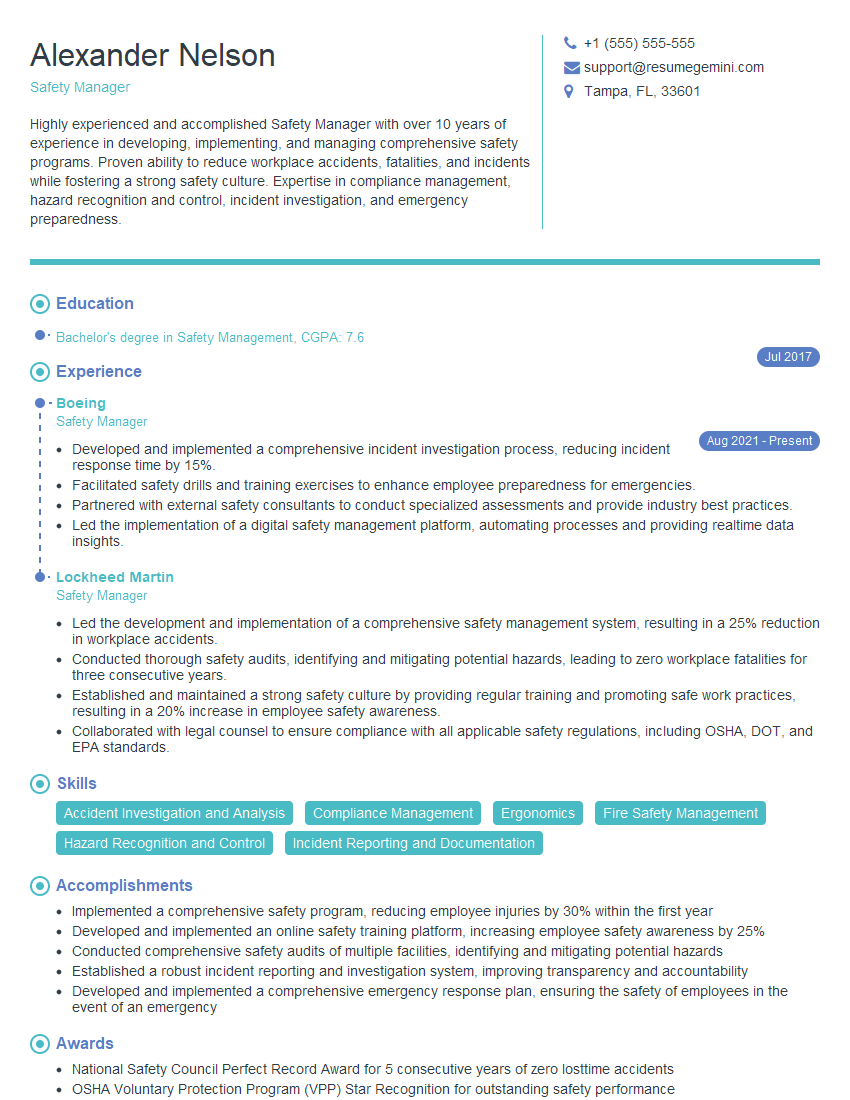
Safety Manager Resume Sample
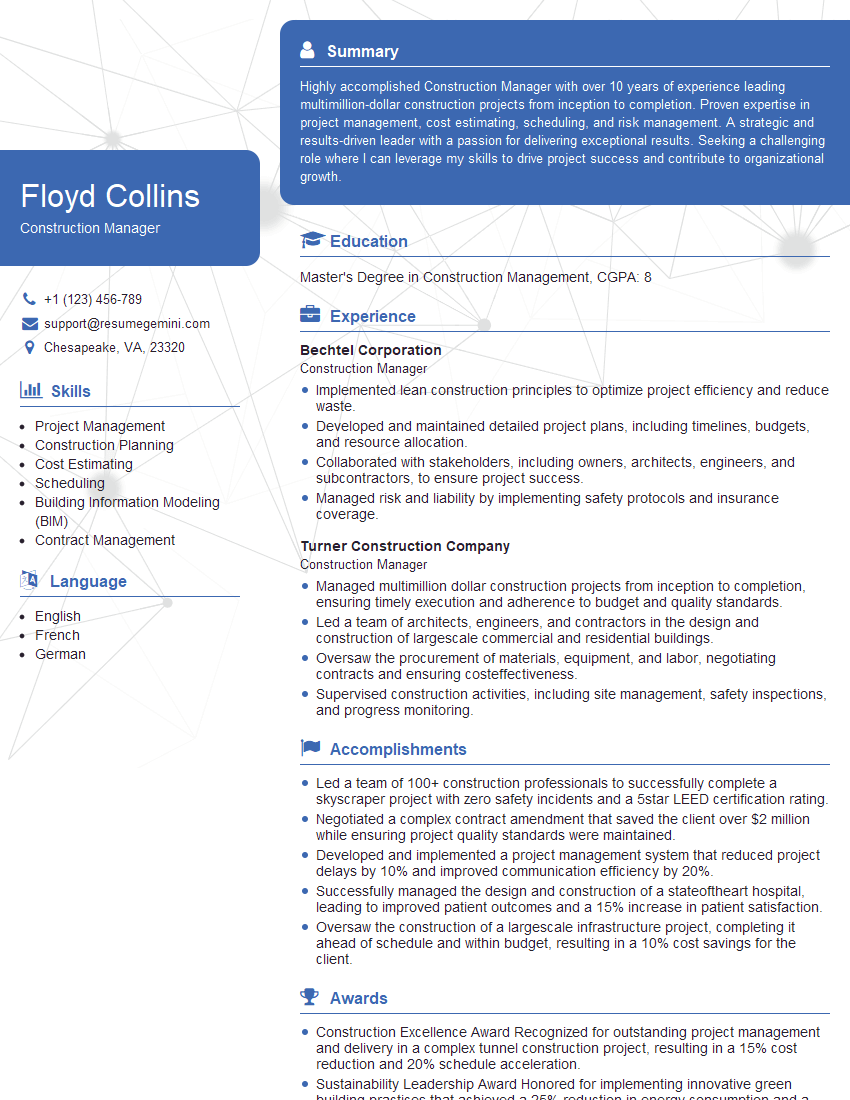
Construction Manager Resume Sample

Construction Superintendent Resume Sample
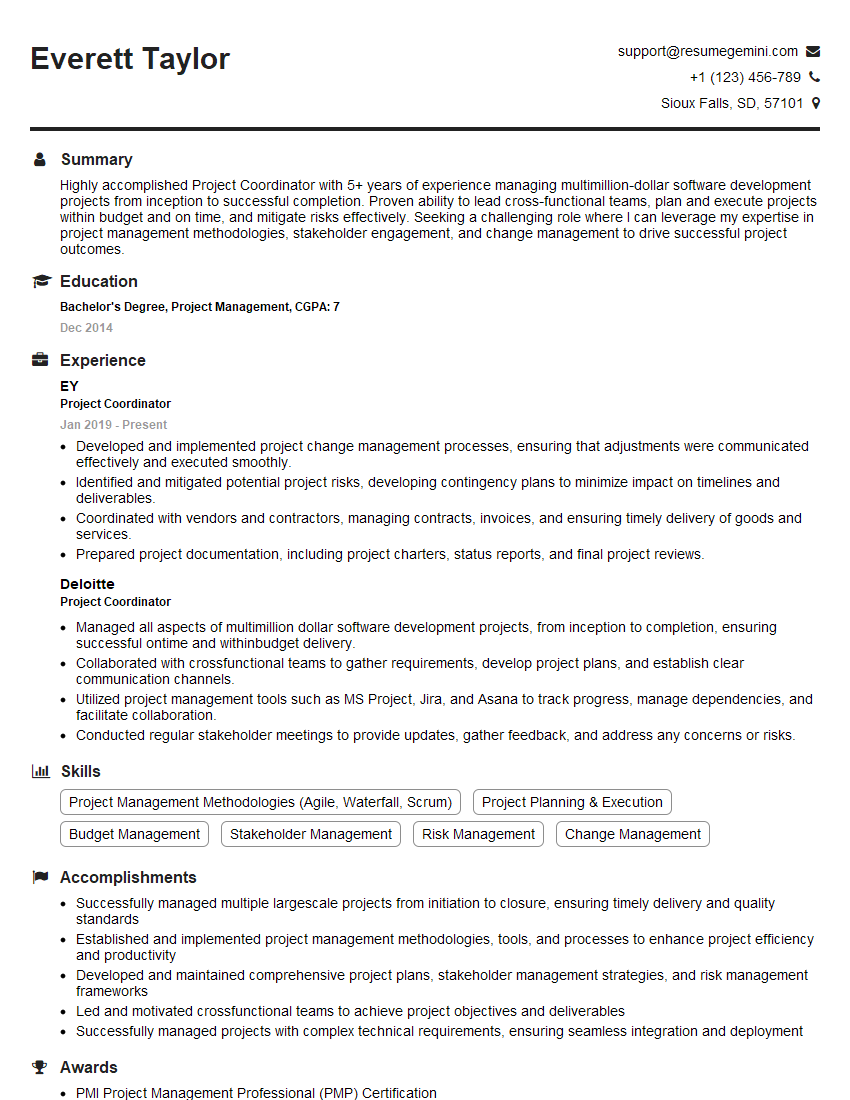
Project Coordinator Resume Sample

Project Engineer Resume Sample
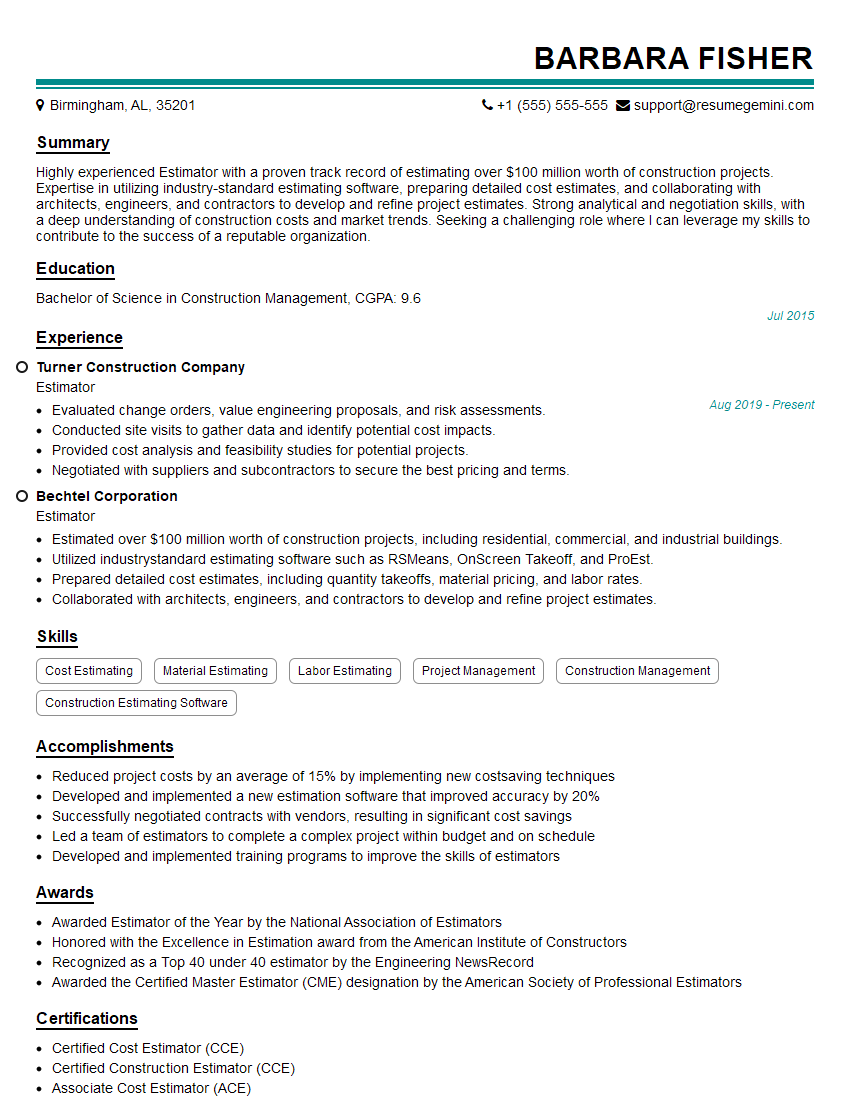
Estimator Resume Sample
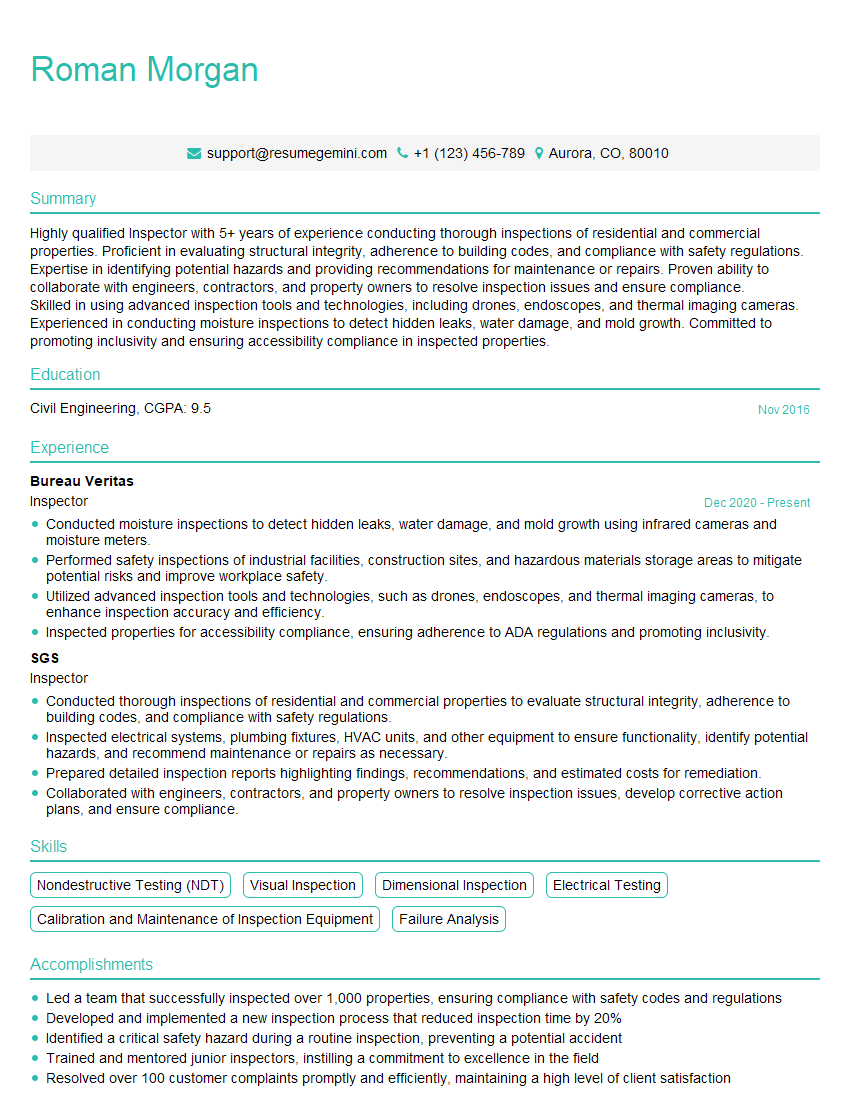
Inspector Resume Sample
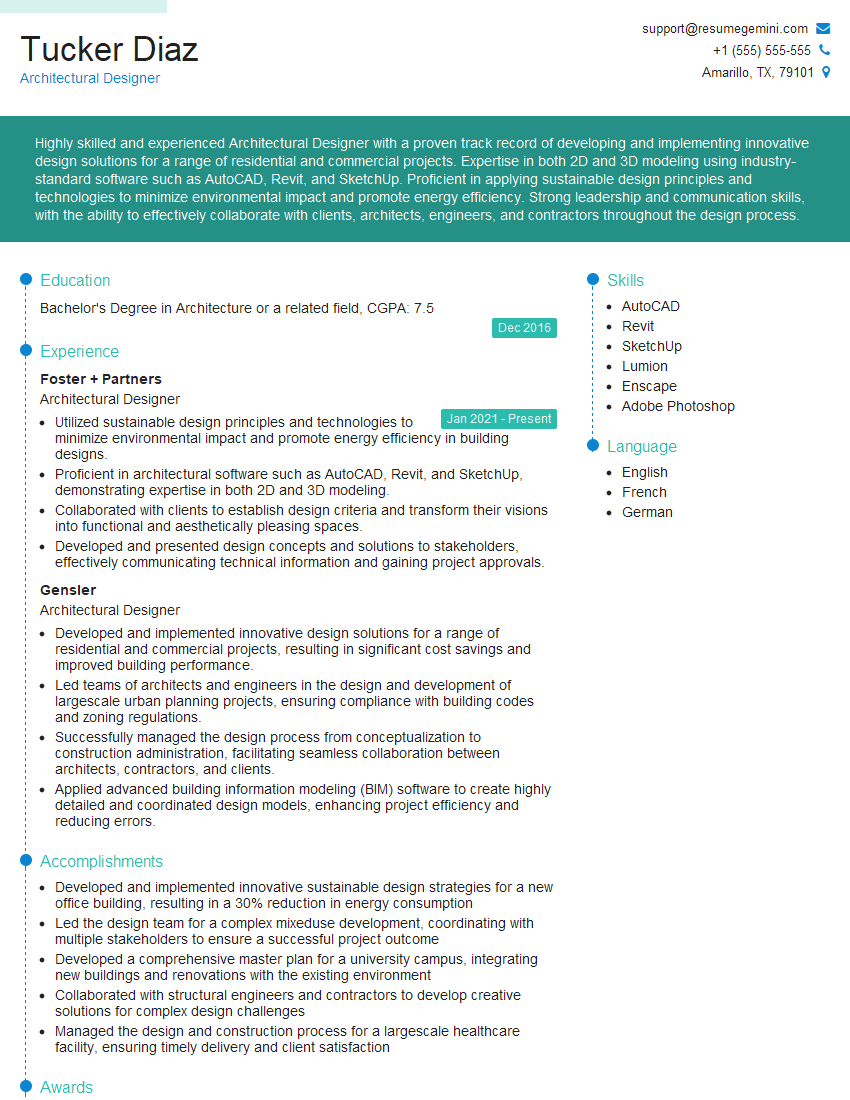
Architectural Designer Resume Sample
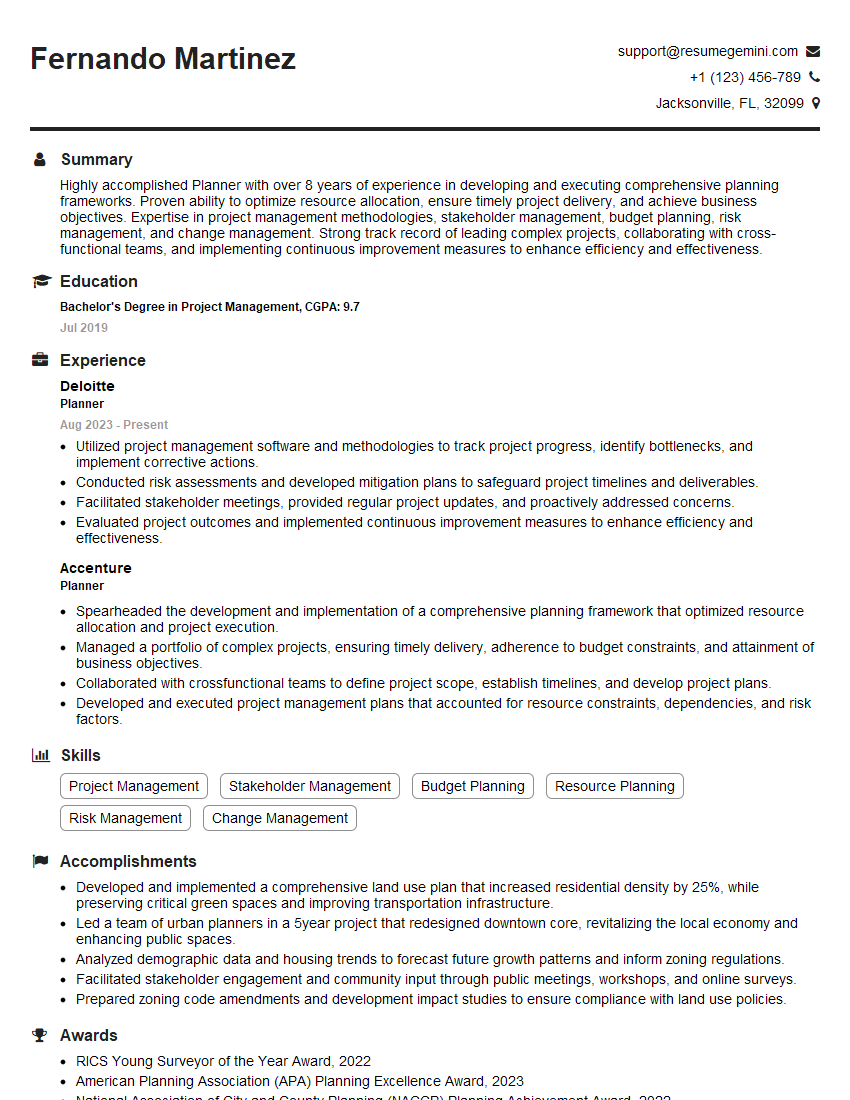
Planner Resume Sample
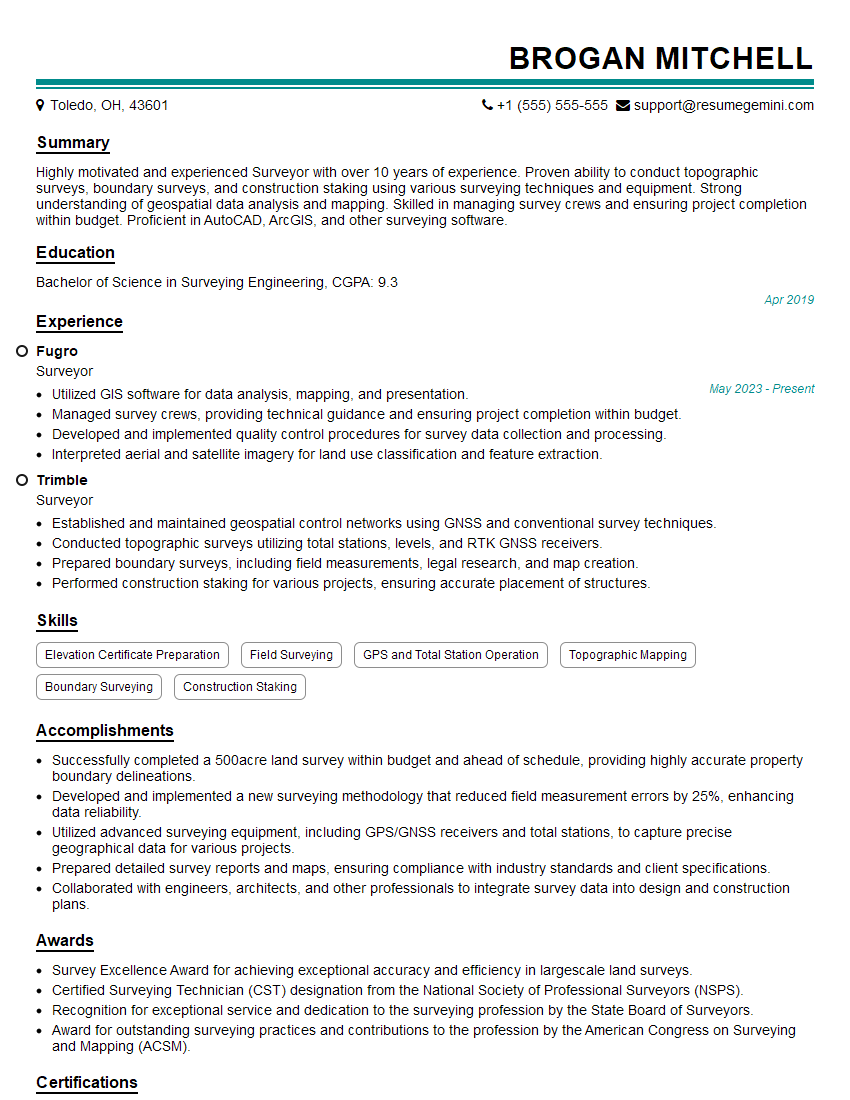
Surveyor Resume Sample
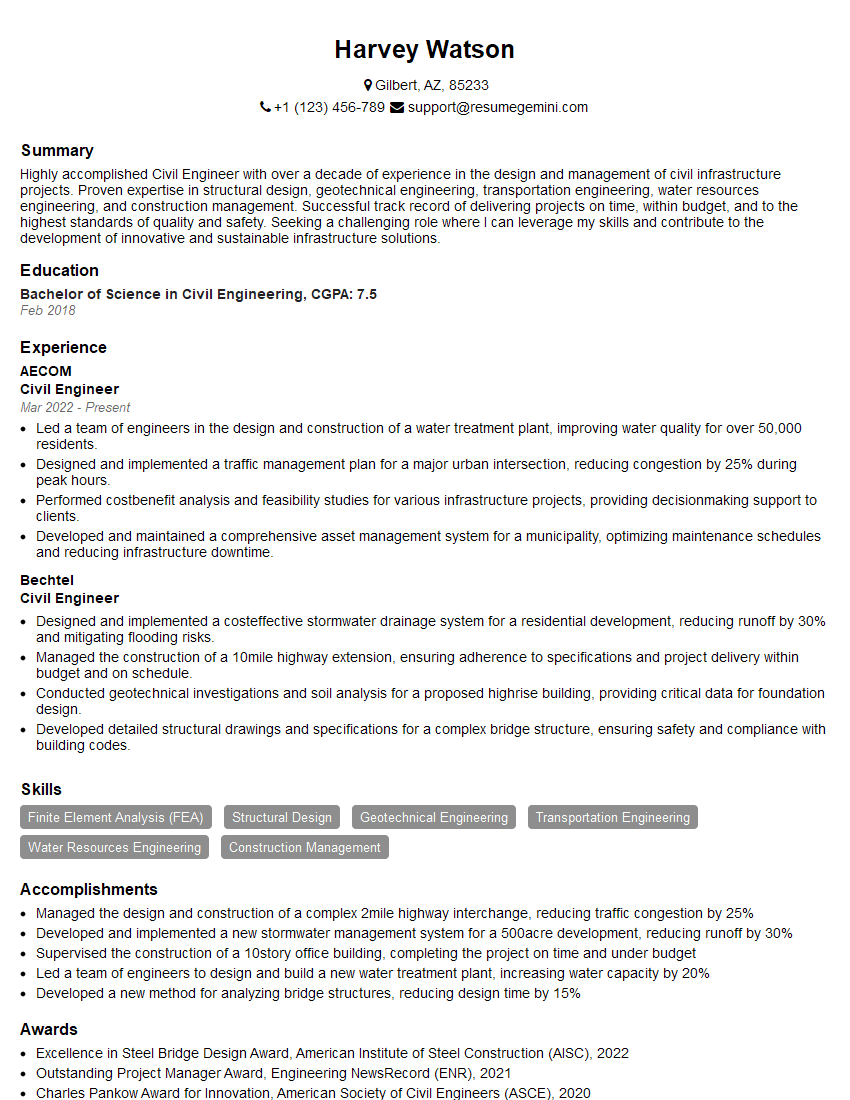
Civil Engineer Resume Sample
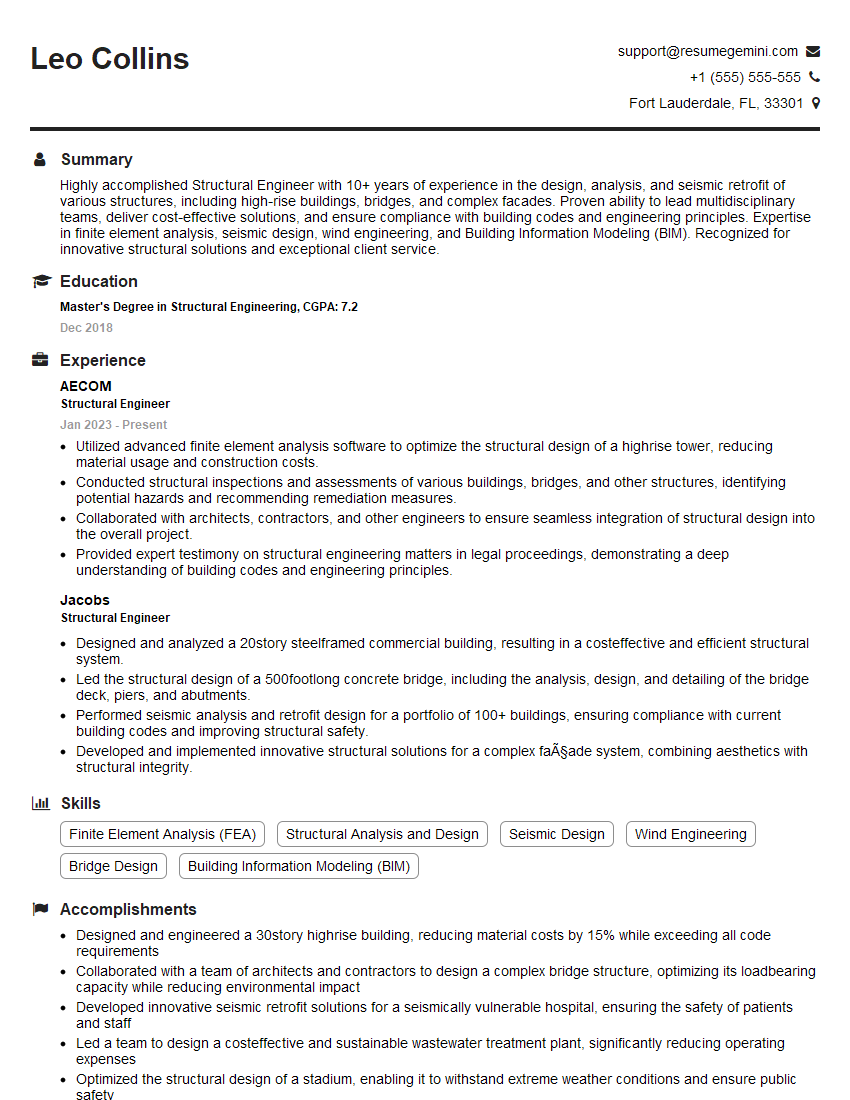
Structural Engineer Resume Sample
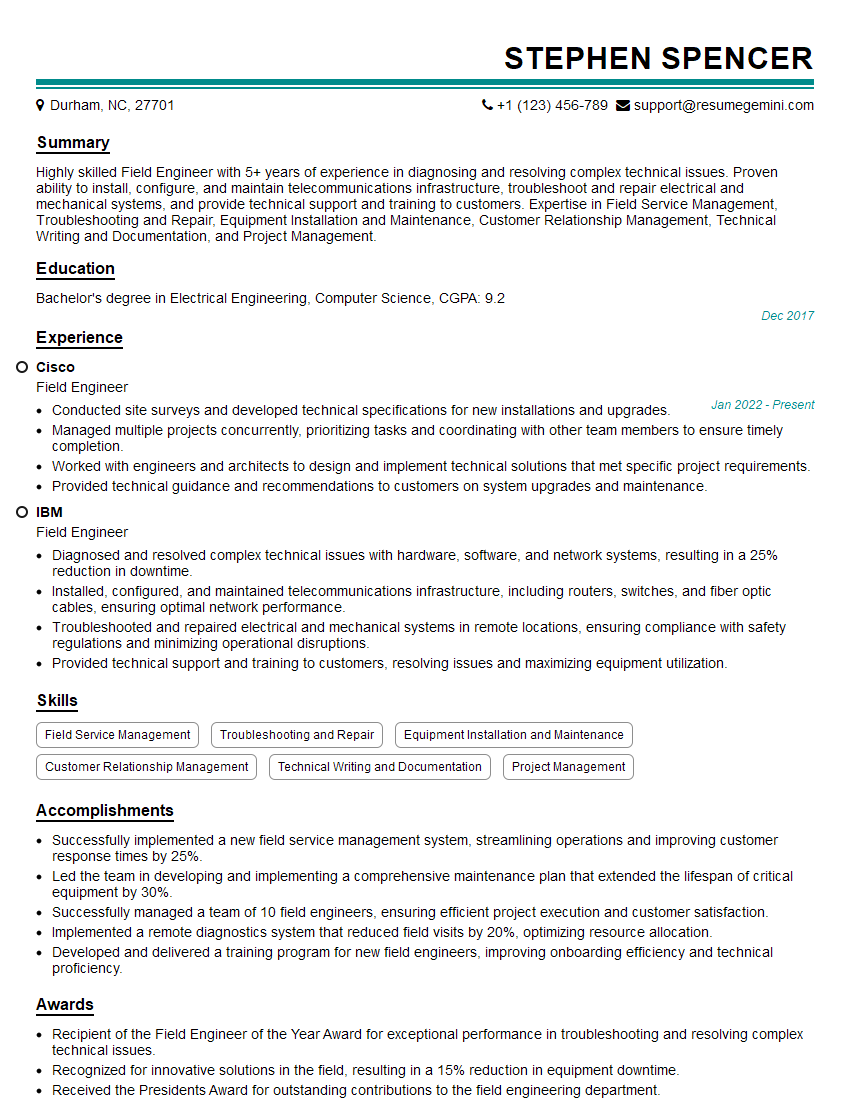
Field Engineer Resume Sample
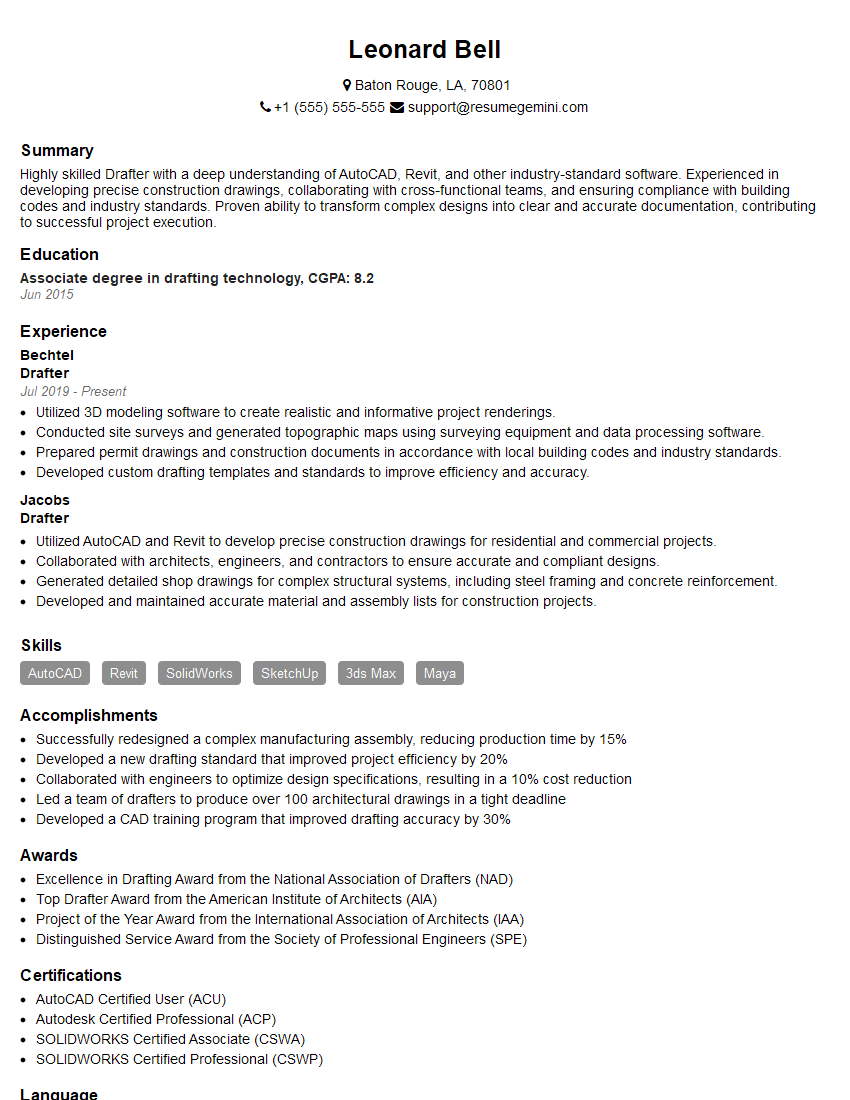
Drafter Resume Sample

Design Manager Resume Sample

Quality Control Inspector Resume Sample
Explore more articles
Users Rating of Our Blogs
Share Your Experience
We value your feedback! Please rate our content and share your thoughts (optional).
What Readers Say About Our Blog
Very informative content, great job.
good