The thought of an interview can be nerve-wracking, but the right preparation can make all the difference. Explore this comprehensive guide to Crop Scouting and Pest Management interview questions and gain the confidence you need to showcase your abilities and secure the role.
Questions Asked in Crop Scouting and Pest Management Interview
Q 1. Describe your experience identifying and diagnosing common crop diseases.
Identifying and diagnosing crop diseases requires a keen eye for detail and a thorough understanding of plant pathology. My experience involves visually inspecting plants for symptoms like discoloration, lesions, wilting, or unusual growths. I then consider factors such as the plant’s growth stage, environmental conditions (temperature, humidity, rainfall), and the history of the field (previous crops, soil conditions). For example, I’ve diagnosed early blight in potatoes by observing the characteristic dark brown lesions on leaves and stems, accompanied by target-spotting on the foliage, and linked it to periods of high humidity and warm temperatures. To confirm my visual diagnosis, I often use laboratory tests such as ELISA (Enzyme-Linked Immunosorbent Assay) or PCR (Polymerase Chain Reaction) to identify the specific pathogen. This approach helps in devising targeted management strategies tailored to the specific disease.
I’ve also worked with various fungal, bacterial, and viral diseases affecting different crops, including corn blight, soybean cyst nematode, and various fruit tree diseases. A systematic approach, combining visual observation, environmental analysis, and lab tests, is crucial for accurate and timely diagnosis, allowing for effective disease management and minimizing yield losses.
Q 2. Explain the principles of Integrated Pest Management (IPM).
Integrated Pest Management (IPM) is a holistic approach to pest control that prioritizes minimizing pesticide use while maximizing crop protection. It’s based on the principle of using multiple pest control methods in combination to achieve sustainable and effective pest management. This multi-pronged strategy involves:
- Monitoring and Scouting: Regularly assessing pest populations to determine their presence and severity.
- Economic Thresholds: Determining the level of pest infestation where economic losses justify control measures.
- Cultural Controls: Employing practices such as crop rotation, proper planting dates, and sanitation to reduce pest populations.
- Biological Controls: Utilizing natural enemies like beneficial insects, nematodes, or microorganisms to suppress pests.
- Chemical Controls: Using pesticides only when other methods are insufficient and only using the most targeted and environmentally sound options.
Imagine a scenario with aphids on a lettuce crop. An IPM approach might start with monitoring aphid populations, implementing beneficial insect releases (like ladybugs), and only resorting to pesticide application if the aphid numbers exceed the economic threshold and threaten a significant yield reduction. The core concept of IPM is to prevent pest problems before they escalate into major crises.
Q 3. How do you assess the economic threshold for pest control?
Assessing the economic threshold for pest control requires a careful evaluation of several factors. The economic threshold is the pest population density that justifies taking control measures to prevent economic loss. It’s a crucial decision point in IPM. Here’s how to calculate it:
Economic Threshold (ET) = (Cost of control – Value of yield saved) / (Price of the yield saved x Pest population density)
Let’s break down the components:
- Cost of control: This includes the cost of pesticides, labor, and equipment for application.
- Value of yield saved: This is the market value of the expected crop yield that will be saved due to the control measures.
- Price of the yield saved: This represents the current market price per unit of yield.
- Pest population density: This is determined through field scouting and sampling, expressed as the number of pests per unit area.
For example, if the cost of control is $100, the potential yield loss without control is valued at $500, the price per unit yield is $1, and the pest population is 100 pests per plant, we need to find out how many pests per plant the ET is to determine if we need to control the population. Any pest population above this ET means a cost-effective pest control strategy is necessary.
Q 4. What are the different methods for sampling insect populations in a field?
Sampling insect populations requires precision and consistency. Different methods are employed depending on the crop, the insect’s life stage, and its behavior. Some common techniques include:
- Sweep netting: Using a net to sweep through the vegetation and collect insects. This is effective for insects that reside in foliage.
- Beat sheet sampling: Shaking plant branches over a sheet to collect insects that fall. Helpful for insects that reside within plant canopies.
- Pitfall traps: Small containers buried in the soil to trap ground-dwelling insects.
- Yellow sticky traps: Sticky traps that attract certain insects visually. Effective for monitoring flying insects.
- Visual counts: Directly counting insects on plants over a specified area, such as a quadrant of a field. This is useful for assessing population densities of larger, easily visible insects.
Choosing the appropriate sampling method depends on the target insect and the field conditions. Accurate and consistent sampling is essential for making informed pest management decisions.
Q 5. Explain the importance of scouting different growth stages of a crop.
Scouting different growth stages of a crop is crucial because pest susceptibility and the impact of pest infestations vary significantly throughout a crop’s life cycle. For example, young seedlings are much more vulnerable to damage from many pests than mature plants. Different pest species may also attack at specific stages. Early detection of pests during vulnerable growth stages allows for timely interventions, minimizing economic losses. Scouting also helps to tailor the pest management strategy to the specific growth stage and thus maximizes its effectiveness and reduces environmental impact. For example, early detection of aphids on young cotton plants allows for early application of biopesticides or other targeted management strategies. Conversely, waiting until the plants are mature may necessitate broad-spectrum chemical control with more associated environmental risks.
Q 6. What are some common weed control strategies, and when are they most effective?
Weed control strategies involve a combination of approaches tailored to the specific weed, crop, and environmental conditions. Common methods include:
- Cultural control: Techniques like crop rotation, proper tillage, cover cropping, and mulching can suppress weed growth by altering environmental conditions or competing with weeds for resources. These are most effective when incorporated into a long-term, integrated weed management plan.
- Mechanical control: Methods such as hand weeding, hoeing, mowing, and cultivation physically remove weeds. These are best suited for smaller areas or specific weeds. Hand weeding is best for small areas, while mowing is effective for taller weeds in less-sensitive crops.
- Chemical control (herbicides): Using herbicides to control weeds. Pre-emergent herbicides are applied before weeds germinate, while post-emergent herbicides are applied after weed emergence. Herbicide selection depends on the target weed species and the tolerance of the crop. Careful attention to herbicide application timing and rates is critical to prevent crop damage.
- Biological control: Using natural enemies of weeds, such as insects or pathogens, to control weed populations. This is a more sustainable approach, but often requires longer establishment times and is not always a complete solution.
The effectiveness of each method depends on the specific context. For example, cultural controls are excellent for long-term weed management but might not be sufficient for immediate control of aggressive weeds in a high-value crop, thus necessitating the use of herbicides.
Q 7. Describe your experience with various pesticide application methods.
My experience encompasses a range of pesticide application methods, each with its own advantages and limitations:
- Ground application: This involves using equipment like sprayers, boom sprayers, or airblast sprayers to apply pesticides directly to the crop. It’s widely used for field crops and provides good coverage but may be less efficient for large areas.
- Aerial application: Pesticides are applied from aircraft (planes or helicopters). This method is efficient for large fields but may have less precise targeting and higher environmental impact due to drift.
- Drip irrigation: This method involves applying pesticides through a drip irrigation system, delivering the pesticide directly to the plant roots. It’s effective for soilborne pests and minimizes environmental impact.
- Seed treatment: Pesticides are applied to seeds before planting, protecting the young seedlings from soilborne pests and diseases. This is a targeted approach minimizing pesticide use overall.
Selecting the best application method depends on factors like the target pest, crop type, field size, environmental conditions, and cost. Proper calibration and adherence to label instructions are critical for both efficacy and environmental protection.
Q 8. How do you interpret weather data to predict pest outbreaks?
Interpreting weather data is crucial for predicting pest outbreaks because many pests are highly sensitive to temperature, humidity, and rainfall. For example, warmer temperatures and higher humidity often accelerate the life cycle of many insects, leading to faster population growth and increased pest pressure. Rainfall can also influence pest populations; heavy rainfall might wash away some pests or create ideal breeding conditions for others.
My approach involves using historical weather data alongside current forecasts. I utilize tools and software that combine weather information with known pest life cycles and thresholds. Let’s say I’m monitoring for corn earworm. I know its development is significantly impacted by temperature. If I see a period of consistently warm temperatures above a certain threshold, combined with sufficient moisture, I’d predict a potential surge in corn earworm populations and would increase scouting frequency in corn fields.
Specifically, I look at:
- Temperature accumulation (degree-days): This measures the cumulative heat units over a period, allowing me to predict developmental stages.
- Rainfall patterns: Heavy rain can disperse pests, while prolonged dry spells might stress them or affect their breeding.
- Humidity levels: High humidity often favors fungal diseases and certain insects.
By integrating these weather parameters, I can refine pest outbreak predictions, allowing for more timely and effective pest management strategies.
Q 9. How would you handle a situation where a pesticide application fails?
A failed pesticide application is a serious setback, requiring immediate action to minimize crop damage. First, I’d thoroughly investigate the cause of failure. This involves reviewing application parameters such as sprayer calibration, nozzle type, spray volume, and weather conditions at the time of application (e.g., wind speed, temperature, rainfall). Was the chosen pesticide appropriate for the target pest and the specific crop growth stage? I’d also examine the pesticide itself – was it properly stored and mixed? Were there any equipment malfunctions?
Once the cause is identified, a corrective action plan is developed. This might involve:
- Re-application: If the failure was due to a minor issue like incorrect calibration, reapplication with the corrected parameters might be feasible.
- Alternative pest control: If the pesticide was ineffective due to pest resistance or misidentification, I’d explore other management strategies. This could involve using a different pesticide with a different mode of action or switching to biological controls or cultural practices.
- Monitoring: Regardless of the solution, I’d intensify monitoring to assess the pest population’s response and track the effectiveness of the corrective actions.
- Documentation: Meticulous records of the initial application, the identified causes, corrective actions, and subsequent monitoring are vital for learning from the experience and improving future strategies. This data helps in making informed decisions and preventing similar failures.
For example, if resistance to a specific insecticide is discovered, the best course of action would be to explore using alternative pesticides and implementing integrated pest management (IPM) strategies.
Q 10. What are some non-chemical pest control methods you have used?
Non-chemical pest control methods are essential components of an integrated pest management (IPM) strategy. They are environmentally friendly, reduce reliance on pesticides, and often contribute to healthier soil and crops.
Some methods I’ve successfully employed include:
- Crop rotation: Rotating crops disrupts pest life cycles and reduces pest build-up in the soil.
- Biological control: Introducing natural enemies of the target pest, like beneficial insects or nematodes, can effectively manage pest populations. For example, releasing ladybugs to control aphids.
- Cultural control: These practices manipulate the growing environment to make it less favorable for pests. Examples include adjusting planting dates to avoid peak pest activity, using resistant crop varieties, proper irrigation and fertilization to promote healthy plant growth.
- Physical barriers: Using row covers or netting to protect plants from insect pests.
- Sanitation: Removing crop debris after harvest eliminates overwintering sites for many pests.
These methods are often more sustainable and less harmful to the environment and beneficial insects. I often combine several methods for optimal effectiveness.
Q 11. How do you document and report your scouting findings?
Accurate and timely documentation of scouting findings is paramount for effective pest management. My documentation process involves a combination of field notes, digital imagery, and data management software. I use a standardized format for consistency and ease of analysis.
In the field, I record:
- Date and time of scouting: To track changes over time.
- Location (GPS coordinates): For precise mapping of pest infestations.
- Crop type and growth stage: Relevant for assessing susceptibility to specific pests.
- Pest identification: Including species, developmental stage, and abundance (e.g., number of insects per plant or area).
- Damage assessment: Level of damage to plants, including visual estimates or quantitative measures.
- Weather conditions: Temperature, humidity, rainfall – important for understanding pest activity.
- Management actions: Pesticides used, application rates, and other control measures implemented.
This information is then entered into a database or spreadsheet, often linked to geographical information systems (GIS) software. This allows me to generate maps showing pest distribution and damage severity across the field, facilitating decision-making regarding targeted interventions.
Digital photographs and videos are crucial for documenting pest damage and species identification, serving as valuable visual records. Regular reports summarizing the scouting findings and recommended actions are shared with stakeholders to ensure transparency and effective communication.
Q 12. Explain your understanding of crop physiology and its relevance to pest management.
Understanding crop physiology is fundamental to effective pest management. A healthy, vigorously growing crop is far better equipped to withstand pest attacks than a stressed one. Crop physiology encompasses all the internal processes that govern plant growth, development, and reproduction. Factors like nutrient levels, water availability, and light intensity directly impact the plant’s resistance to pests.
For instance, a plant deficient in nitrogen may be more susceptible to aphid infestations. Similarly, drought-stressed plants may be more vulnerable to disease. By understanding the nutritional and water requirements of a specific crop, and monitoring its growth stages, I can optimize growing conditions, thereby enhancing the plant’s natural defenses against pests. This reduces the need for aggressive pesticide applications.
Knowing the physiological responses to stress allows me to anticipate pest problems. If I notice signs of nutrient deficiency during scouting, I can recommend appropriate fertilization practices to strengthen the plants and reduce vulnerability to pests.
Furthermore, the timing of pesticide application is crucial and is determined, in part, by the crop’s growth stage. Applying pesticides during critical growth periods might harm the plant. This knowledge allows for more strategic and effective management.
Q 13. How do you use technology (e.g., GPS, drones, software) in crop scouting?
Technology plays a significant role in modern crop scouting, dramatically improving efficiency and accuracy. GPS devices allow for precise location mapping of pest infestations, enabling targeted application of control measures and reducing pesticide use. Drones equipped with high-resolution cameras provide aerial views of the fields, allowing for early detection of pest damage that might be missed during ground scouting. This is particularly helpful in large fields or areas with difficult terrain.
Software tools facilitate data analysis and reporting. I use specialized software to analyze data collected from scouting, weather stations, and drones. This allows for detailed mapping of pest infestations, trend analysis, and predictive modeling of potential outbreaks. This type of analysis allows for more informed and strategic decision-making. For example, I might use software to compare the effectiveness of different pesticides based on past application data or to predict the optimal timing for pesticide application based on weather forecasts and pest life cycle models.
Data from GPS and drones are often integrated into GIS software to create precise maps showing the severity and distribution of pest infestations. This visual representation greatly assists in strategic planning for control measures.
Q 14. Describe your experience with different pest monitoring tools.
My experience encompasses a range of pest monitoring tools, each offering unique advantages depending on the specific pest and crop. These tools allow for early detection and accurate assessment of pest populations. Early detection is crucial to effective pest control, minimizing crop losses.
Some examples include:
- Yellow sticky traps: Effective for monitoring flying insects like aphids and whiteflies.
- Pheromone traps: Used to monitor specific insect species by attracting them using synthetic pheromones.
- Pitfall traps: For collecting ground-dwelling insects.
- Sweep nets: Used for sampling insects in fields.
- Visual inspection: This involves carefully examining plants for signs of pest damage and presence of pests.
- Sampling tools: Specific sampling tools are used to collect representative samples of plant material for assessment of pest infestations.
The selection of monitoring tools is tailored to the specific pest being targeted and the crop type. For example, pheromone traps are highly effective for monitoring specific moth populations that may be damaging to a crop, while sweep nets are more appropriate for sampling insects that are more mobile on plants. Regular monitoring using a combination of these tools provides a comprehensive overview of pest populations and aids in making informed decisions about control strategies.
Q 15. What are the potential risks associated with pesticide use?
Pesticide use, while crucial for crop protection, carries inherent risks. These risks can be broadly categorized into environmental, human health, and economic concerns.
- Environmental Risks: Pesticides can contaminate soil, water, and air, harming non-target organisms like beneficial insects, birds, and aquatic life. This can disrupt ecological balance and lead to biodiversity loss. For example, runoff from fields treated with broad-spectrum insecticides can contaminate nearby streams, killing fish and other aquatic invertebrates.
- Human Health Risks: Exposure to pesticides can cause acute and chronic health problems, ranging from mild skin irritation to serious illnesses like cancer, neurological disorders, and reproductive issues. Farmworkers are particularly vulnerable due to frequent and direct contact. Improper handling or accidental ingestion can lead to immediate health crises.
- Economic Risks: Pesticide resistance develops over time, necessitating the use of stronger or more frequent applications, increasing costs. Environmental contamination can lead to legal issues and damage to a farm’s reputation. Furthermore, the loss of beneficial insects can negatively impact pollination and natural pest control.
Understanding these risks is fundamental to implementing safe and effective pest management strategies. Integrated Pest Management (IPM), which emphasizes prevention and less toxic control methods, is a critical approach to minimizing these risks.
Career Expert Tips:
- Ace those interviews! Prepare effectively by reviewing the Top 50 Most Common Interview Questions on ResumeGemini.
- Navigate your job search with confidence! Explore a wide range of Career Tips on ResumeGemini. Learn about common challenges and recommendations to overcome them.
- Craft the perfect resume! Master the Art of Resume Writing with ResumeGemini’s guide. Showcase your unique qualifications and achievements effectively.
- Don’t miss out on holiday savings! Build your dream resume with ResumeGemini’s ATS optimized templates.
Q 16. How do you ensure safety when handling pesticides?
Ensuring safety when handling pesticides requires a multi-faceted approach, adhering strictly to label instructions and employing best practices.
- Personal Protective Equipment (PPE): Always wear appropriate PPE, including gloves, coveralls, eye protection, and respirators, as specified on the pesticide label. The type of PPE required varies depending on the toxicity of the pesticide and the application method.
- Label Reading: Before each use, carefully read and understand the pesticide label. This provides vital information on application rates, safety precautions, and potential hazards.
- Proper Mixing and Application: Mix pesticides in a well-ventilated area, away from water sources. Use appropriate application equipment and follow instructions carefully. Avoid spraying during windy conditions or when rain is expected.
- Storage and Disposal: Store pesticides in a secure, locked location, away from food and water sources. Dispose of empty containers properly according to label instructions and local regulations.
- Emergency Preparedness: Know where the nearest medical facility is and have the pesticide label readily available in case of an emergency. Post emergency contact information in a visible location.
Regular training and refresher courses on pesticide safety are crucial for maintaining a safe working environment.
Q 17. Explain the importance of regulatory compliance in pesticide application.
Regulatory compliance in pesticide application is paramount for protecting human health and the environment. It ensures that pesticides are used responsibly and within legally defined limits.
Non-compliance can lead to severe consequences, including:
- Legal Penalties: Fines and legal action can be taken against individuals or businesses that violate pesticide regulations.
- Product Recall: If a pesticide is found to be improperly applied or used in violation of regulations, the product may be recalled, leading to significant financial losses.
- Environmental Damage: Improper pesticide use can result in serious environmental contamination, potentially impacting water quality and harming wildlife. This can result in costly cleanup efforts and reputational damage.
- Health Risks: Non-compliance puts human health at risk, potentially leading to serious illness or injury among workers and the public.
Staying informed about and adhering to all relevant federal, state, and local regulations, such as those set by the Environmental Protection Agency (EPA), is crucial for responsible pesticide management. This includes obtaining the necessary licenses and permits and keeping accurate records of pesticide applications.
Q 18. How do you communicate your scouting findings to farmers or managers?
Communicating scouting findings effectively is critical for successful pest management. I typically use a combination of methods to ensure clear and concise communication with farmers or managers.
- Detailed Scouting Reports: I prepare comprehensive reports that include the location of the scouting, date, crop condition, pest identification (with images if possible), pest severity levels, and recommendations for control measures. I also note any environmental factors that may be influencing pest populations.
- On-site Discussions: I conduct regular on-site visits to discuss findings and recommendations directly with the farmer or manager. This allows for immediate feedback and clarification of any questions.
- Visual Aids: Using maps, photos, or diagrams helps to illustrate the extent and location of pest infestations. This makes it easier for the farmer to understand the situation.
- Simple Language: I avoid technical jargon and explain findings in a clear and understandable way, using simple language and relatable analogies.
- Follow-up: I follow up after recommendations are implemented to monitor the effectiveness of the control measures and make adjustments as needed.
Building trust and rapport with the farmer is vital for effective communication. Open communication ensures a collaborative approach to pest management.
Q 19. Describe a time you had to make a difficult decision regarding pest control.
One challenging situation involved a significant infestation of corn borers in a large corn field. We had already applied one insecticide, but the population continued to grow, threatening significant yield loss. The problem was that using another insecticide would increase the risk of resistance, and there were concerns about potential environmental impact.
The decision was to implement an IPM approach, combining targeted insecticide application on the most heavily infested areas with biological control methods like introducing parasitic wasps. This strategy required careful monitoring and a flexible approach based on ongoing field observations.
It was a difficult decision because it involved balancing economic concerns (yield protection) with environmental risks and long-term sustainability (resistance management). Ultimately, this integrated approach significantly reduced the borer population while mitigating negative environmental consequences. The yield loss was less than anticipated, proving the IPM strategy successful.
Q 20. How do you prioritize pest management activities?
Prioritizing pest management activities requires a structured approach, usually following the principles of Integrated Pest Management (IPM).
- Economic Thresholds: I begin by assessing the economic threshold—the pest density at which control measures are economically justified. This involves considering the cost of control measures against potential yield losses.
- Pest Identification and Monitoring: Accurate identification of the pest and continuous monitoring of its population are critical for effective management. This informs decisions about whether intervention is needed and which methods are most appropriate.
- Least Toxic Options: I always prioritize the least toxic and most environmentally friendly control methods. This may involve cultural practices (crop rotation, sanitation), biological control (natural enemies), or the use of selective insecticides only when necessary.
- Risk Assessment: I consider the potential risks associated with each pest and the potential impact on the crop and the environment. This includes evaluating factors such as pesticide resistance and the impact on beneficial insects and other organisms.
- Regular Evaluation: I regularly evaluate the effectiveness of the implemented control measures and make adjustments as needed. This ensures that the pest management strategy remains effective and efficient.
This prioritized approach ensures that resources are used efficiently and sustainably, minimizing environmental impact and maximizing crop yields.
Q 21. What are some common pests affecting [specific crop] in your region?
Let’s assume the specific crop is corn in the Midwest US. Common pests affecting corn in this region include:
- Western Corn Rootworm (Diabrotica virgifera virgifera): This beetle’s larvae feed on corn roots, reducing plant vigor and yield. Management often involves crop rotation and Bt corn.
- European Corn Borer (Ostrinia nubilalis): The larvae bore into corn stalks, causing lodging (falling over) and reducing grain fill. Monitoring and targeted insecticide application are common control methods.
- Corn Aphids (Rhopalosiphum maidis): These aphids suck sap from corn plants, causing stunted growth and reduced yields. Natural enemies and insecticides can be used to manage infestations.
- Japanese Beetles (Popillia japonica): Adults feed on corn foliage, causing aesthetic damage but usually not significant yield loss unless infestations are severe.
- Fungal Diseases: Corn is susceptible to several fungal diseases such as gray leaf spot and southern corn leaf blight, necessitating proper planting practices and potentially fungicide application.
The specific pests and their severity vary depending on the year, weather conditions, and farming practices. Regular scouting is crucial to monitor pest populations and implement timely and effective control measures.
Q 22. What are your experience with soil sampling and its relevance to pest management?
Soil sampling is crucial for effective pest management because it reveals the soil’s health and nutrient levels, directly impacting plant vigor and susceptibility to pests. A healthy plant is far better equipped to withstand pest attacks. My experience includes conducting various soil tests – from simple pH and nutrient analysis to more complex tests for soilborne pathogens and nematodes. For example, I once worked on a farm experiencing stunted corn growth. Soil sampling revealed a significant deficiency in phosphorus and the presence of root-knot nematodes. Addressing these issues through fertilization and targeted nematicide application led to a significant yield improvement the following season. The process typically involves collecting representative soil samples from different areas of the field, combining them, and sending them to a reputable lab for analysis. The results guide the development of a tailored fertilization plan and help determine the potential for soilborne pest problems.
Q 23. What is your experience with beneficial insects and their role in IPM?
Beneficial insects are cornerstones of Integrated Pest Management (IPM). My experience encompasses identifying, monitoring, and conserving these natural predators and parasitoids. These insects help control pest populations, reducing the need for chemical pesticides and promoting environmentally friendly crop production. For instance, I’ve successfully utilized ladybugs to manage aphid infestations in a strawberry field and lacewings to control whiteflies in a greenhouse. Understanding their life cycles and habitat preferences is essential for their effective deployment. I’ve also employed strategies like habitat diversification (planting flowering plants to attract beneficials) and avoiding broad-spectrum insecticides to protect and enhance their populations. The role of beneficial insects in IPM is truly pivotal in creating a balanced ecosystem and minimizing environmental impact.
Q 24. How familiar are you with different types of pesticide formulations?
My familiarity with pesticide formulations is extensive. I’m adept at understanding the differences between various types such as emulsifiable concentrates (ECs), wettable powders (WPs), granules, dusts, and soluble powders. Each formulation has unique characteristics impacting application methods, efficacy, and environmental impact. For example, ECs are readily soluble in water, making them ideal for foliar sprays, while granules are used for soil application. Understanding these differences is crucial for choosing the correct formulation for a specific pest, crop, and environmental conditions. I also have experience working with various delivery systems including backpack sprayers, boom sprayers, and even aerial application in large-scale operations. Safety protocols and proper Personal Protective Equipment (PPE) usage are always paramount in my practice.
Q 25. How do you stay updated with the latest advancements in crop protection?
Staying current in crop protection is crucial. I actively participate in professional organizations like the Entomological Society of America, attend conferences and workshops, and subscribe to relevant journals and online resources. I regularly review the latest research on pest resistance, new pesticide developments, and innovative IPM strategies. I also maintain a network of colleagues and experts in the field, exchanging information and best practices. This ongoing professional development ensures my knowledge remains up-to-date and helps me adapt to evolving pest challenges and regulatory changes.
Q 26. Describe your experience with creating and implementing pest management plans.
My experience in creating and implementing pest management plans is multifaceted. It involves a thorough assessment of the crop, potential pests, environmental factors, and economic thresholds. I’ve developed plans for a variety of crops, considering factors like the pest’s life cycle, host plant preferences, and the availability of effective control measures. For example, I once developed a comprehensive IPM plan for a large-scale cotton farm that included scouting, monitoring pest populations, employing cultural controls (like crop rotation), using biological control agents, and only resorting to chemical pesticides as a last resort and only when economically justified. The plan was meticulously documented, including the timing of applications, the chosen pesticides, and the monitoring data collected. Regular field evaluations and adjustments are essential for ensuring plan effectiveness.
Q 27. What are your strengths and weaknesses in the context of Crop Scouting and Pest Management?
My strengths lie in my detailed observation skills, my ability to accurately identify pests and diseases, and my proficiency in developing and implementing effective IPM plans. I am also a strong communicator and can effectively convey complex information to growers and other stakeholders. One area I’m working on improving is my proficiency in using advanced data analysis tools for predictive modeling of pest outbreaks – this is a rapidly developing field and requires continuous learning. While I possess strong foundational knowledge in this area, enhancing my expertise in this specific area would allow me to further refine my pest management strategies and improve efficiency.
Q 28. What are your salary expectations?
My salary expectations are commensurate with my experience and skills in crop scouting and pest management. I am open to discussing a competitive salary range based on the specifics of the position and company benefits package.
Key Topics to Learn for Crop Scouting and Pest Management Interview
- Crop Identification and Physiology: Understanding various crop species, their growth stages, and identifying stress indicators (disease, pest, nutrient deficiency).
- Pest and Disease Identification: Mastering the identification of common pests and diseases affecting major crops, including understanding their life cycles and damage patterns.
- Integrated Pest Management (IPM) Strategies: Knowing the principles of IPM, including scouting techniques, economic thresholds, and implementation of different control methods (biological, cultural, chemical).
- Scouting Techniques and Data Collection: Developing proficiency in field scouting methods, including sampling techniques, data recording, and accurate reporting.
- Pest and Disease Monitoring and Forecasting: Understanding the use of weather data, pest traps, and other tools to predict pest outbreaks and optimize control strategies.
- Application of Pesticides and other Control Measures: Familiarizing yourself with safe and effective application techniques for various pesticides and other pest control methods, including adherence to safety regulations.
- Data Analysis and Interpretation: Developing skills in interpreting scouting data, identifying trends, and making informed recommendations for pest and disease management.
- Regulatory Compliance: Understanding relevant pesticide regulations, safety protocols, and reporting requirements.
- Communication and Reporting Skills: Practicing clear and concise communication of scouting findings and recommendations to growers and stakeholders.
- Problem-Solving and Decision-Making: Developing critical thinking skills to diagnose pest and disease problems and devise effective management solutions.
Next Steps
Mastering Crop Scouting and Pest Management is crucial for a successful and rewarding career in agriculture. This expertise is highly sought after, offering opportunities for advancement and specialization. To maximize your job prospects, creating a strong, ATS-friendly resume is vital. ResumeGemini is a trusted resource to help you build a professional and effective resume that highlights your skills and experience. They offer examples of resumes tailored specifically to Crop Scouting and Pest Management to help guide you. Invest the time to create a compelling resume – it’s your first impression with potential employers.
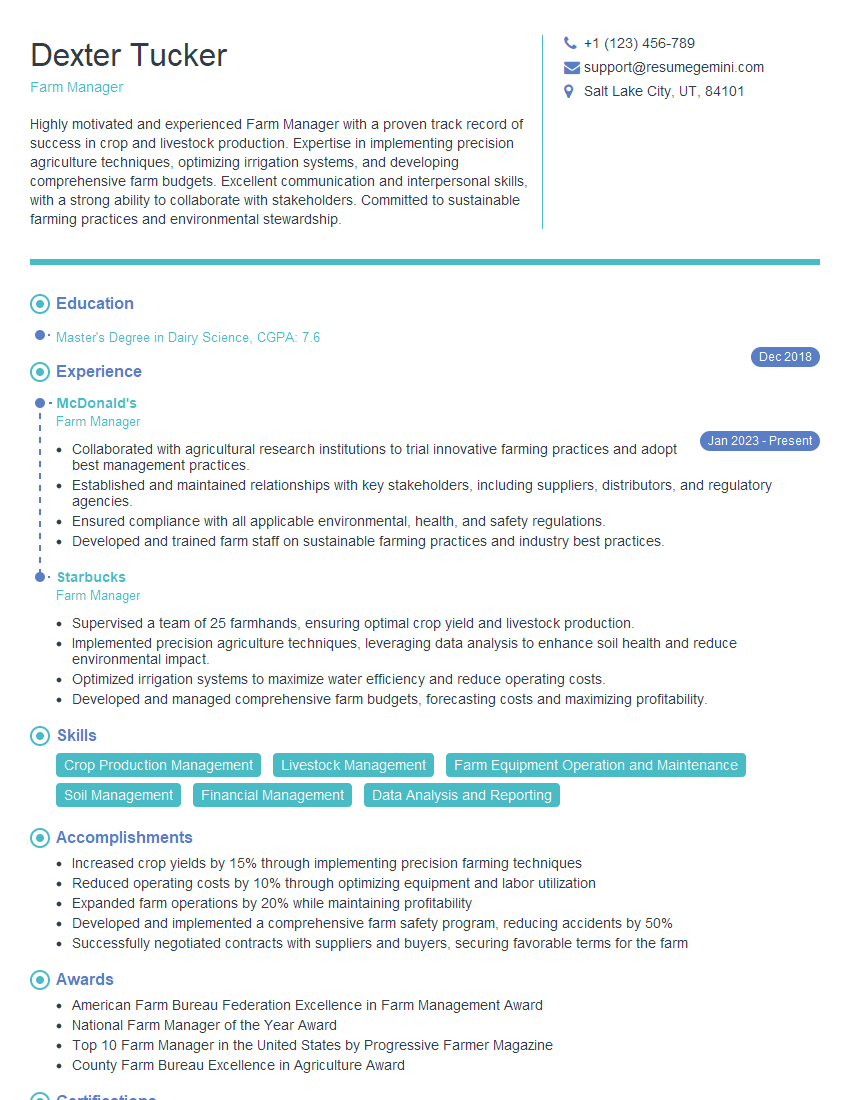
Farm Manager Resume Sample
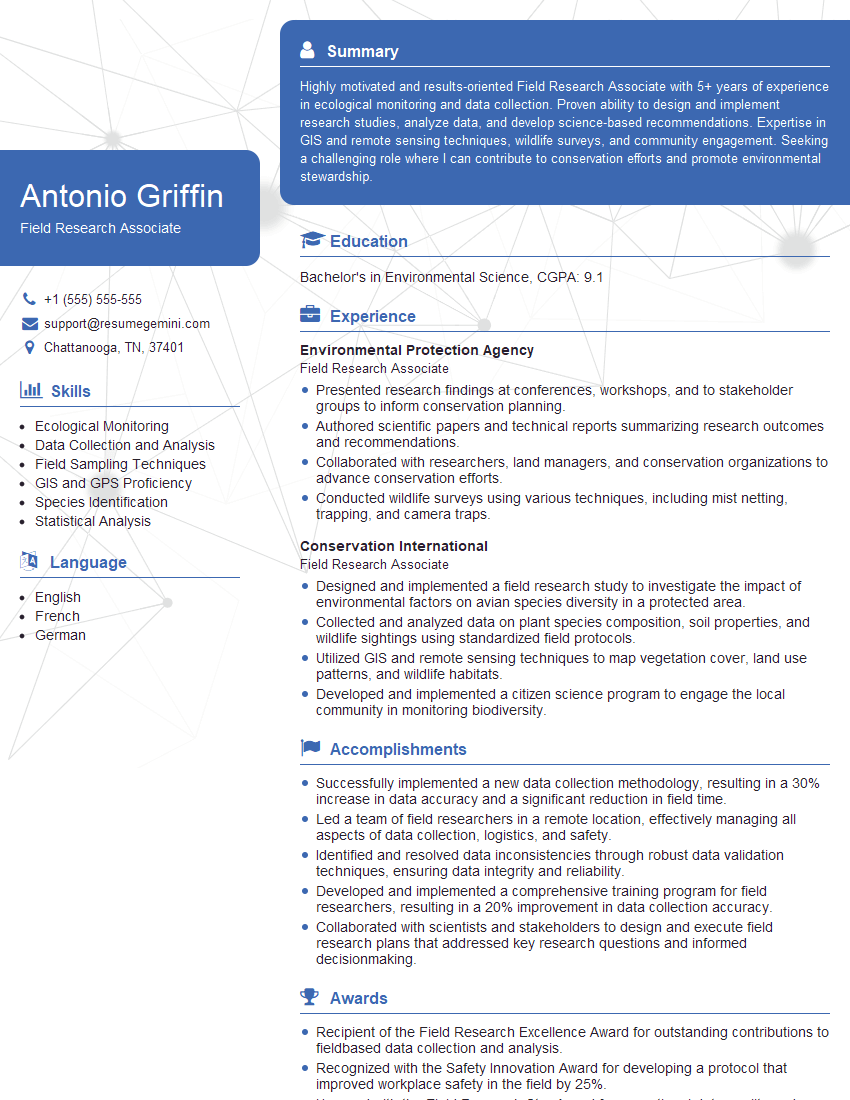
Field Research Associate Resume Sample

Field Technician Resume Sample
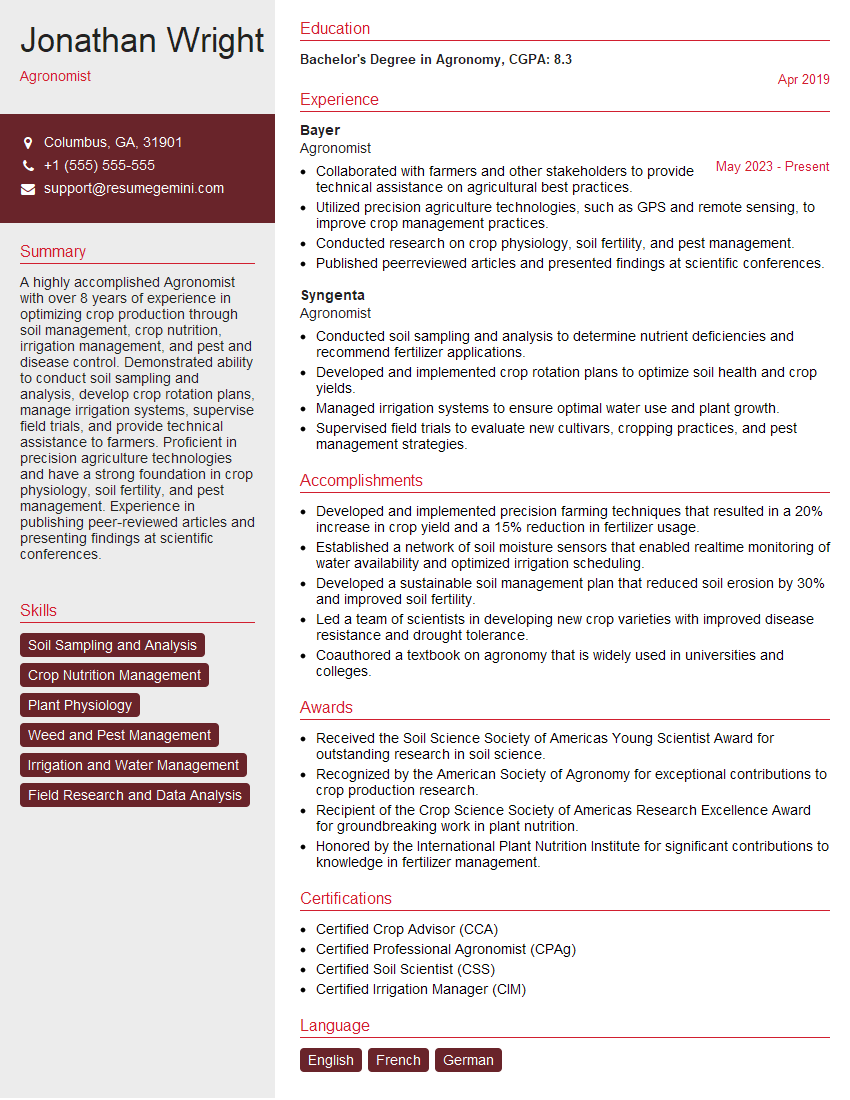
Agronomist Resume Sample
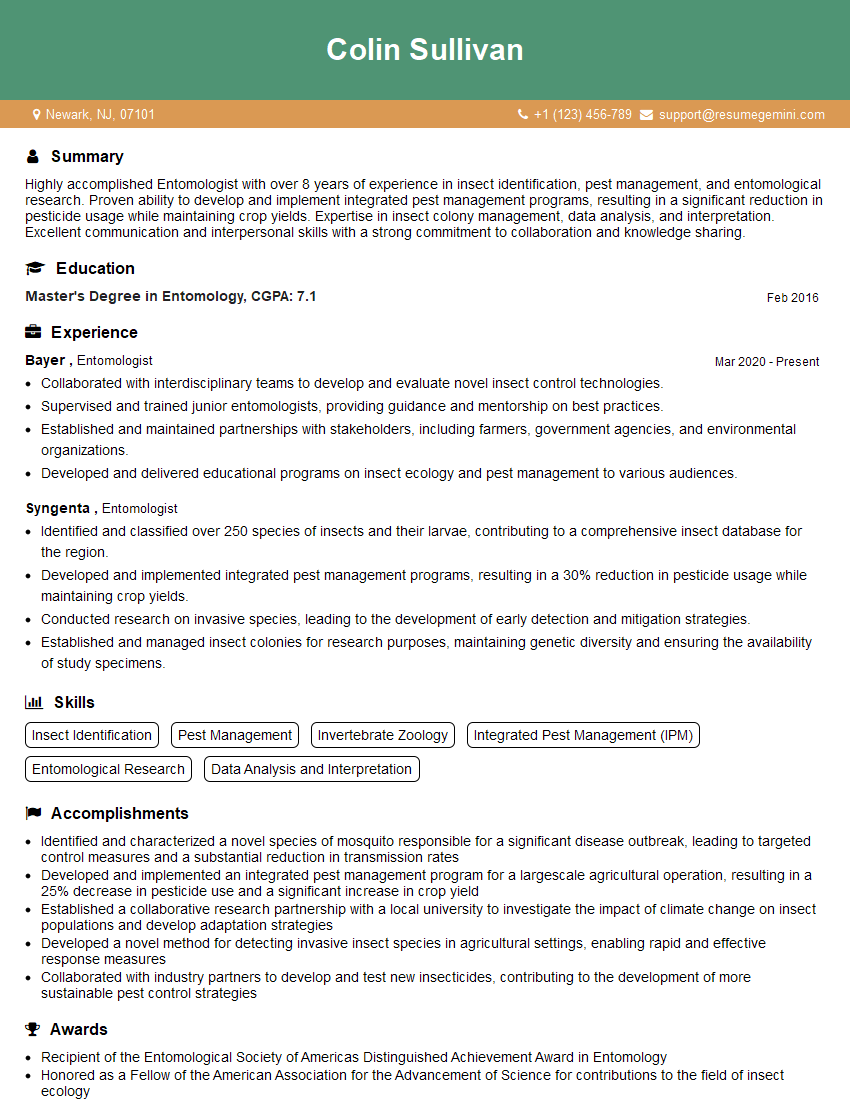
Entomologist Resume Sample
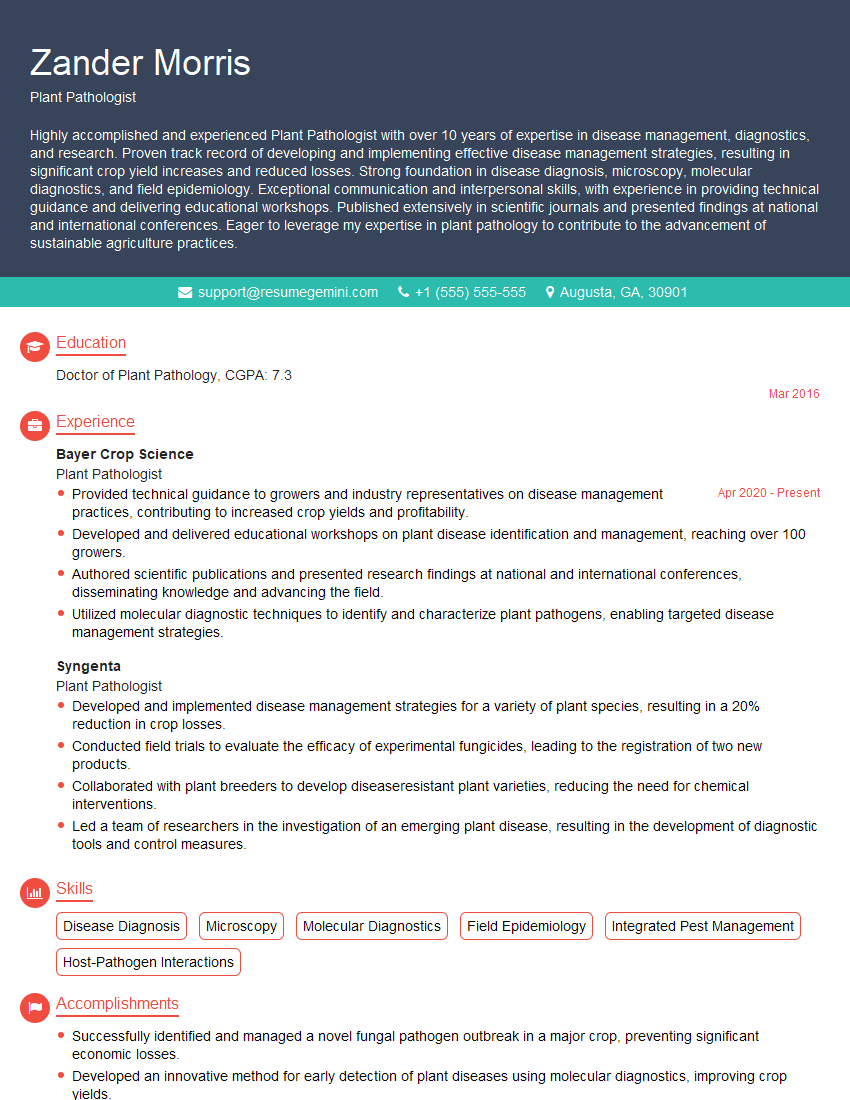
Plant Pathologist Resume Sample
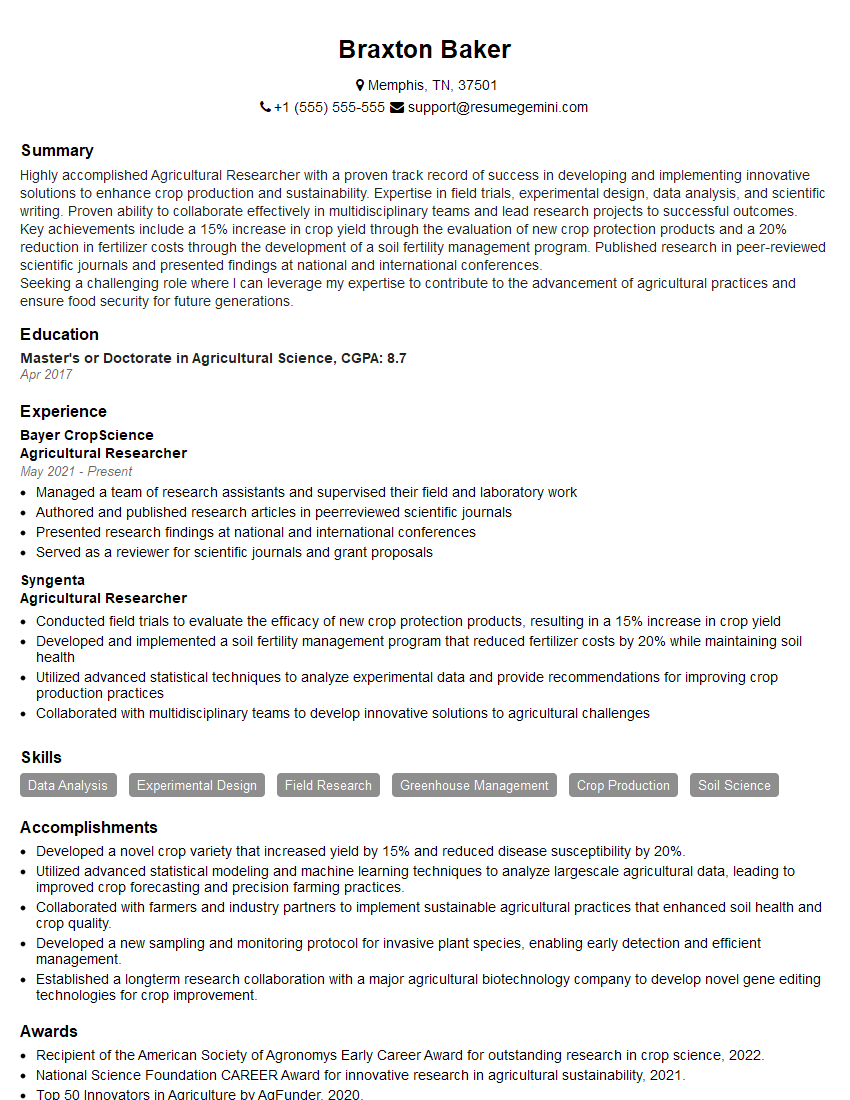
Agricultural Researcher Resume Sample
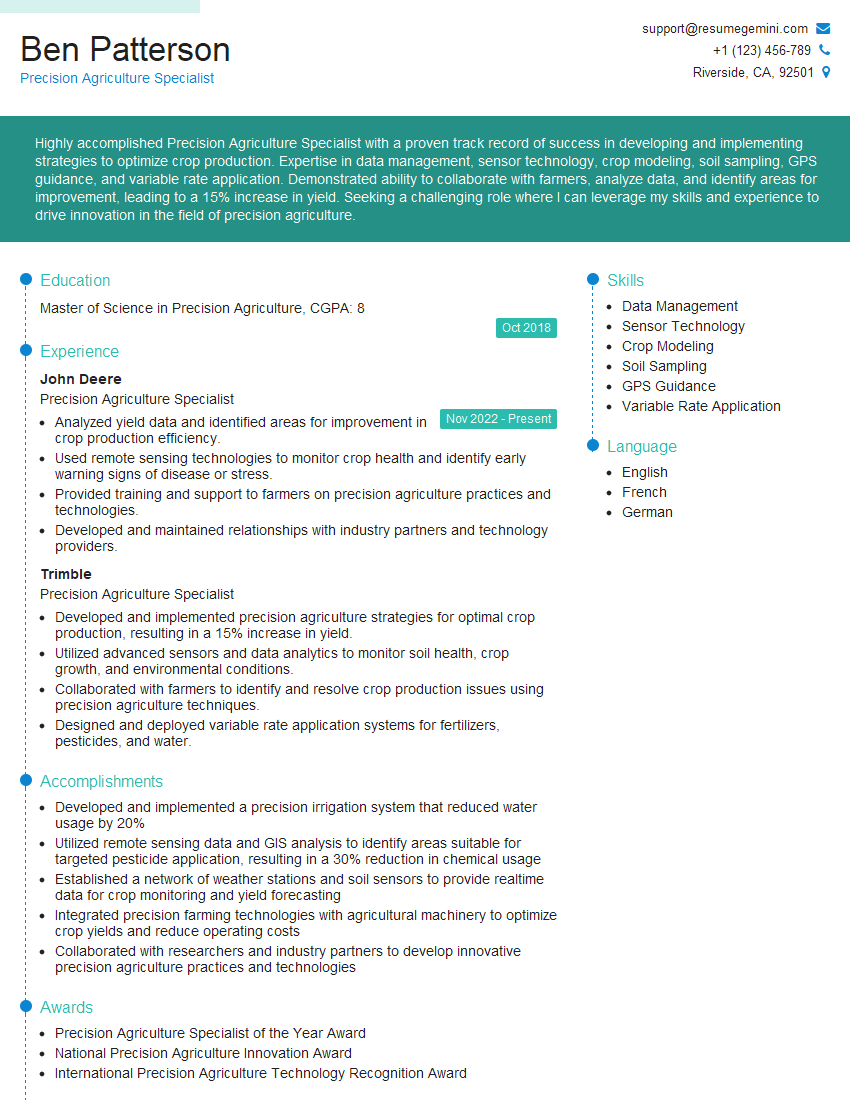
Precision Agriculture Specialist Resume Sample
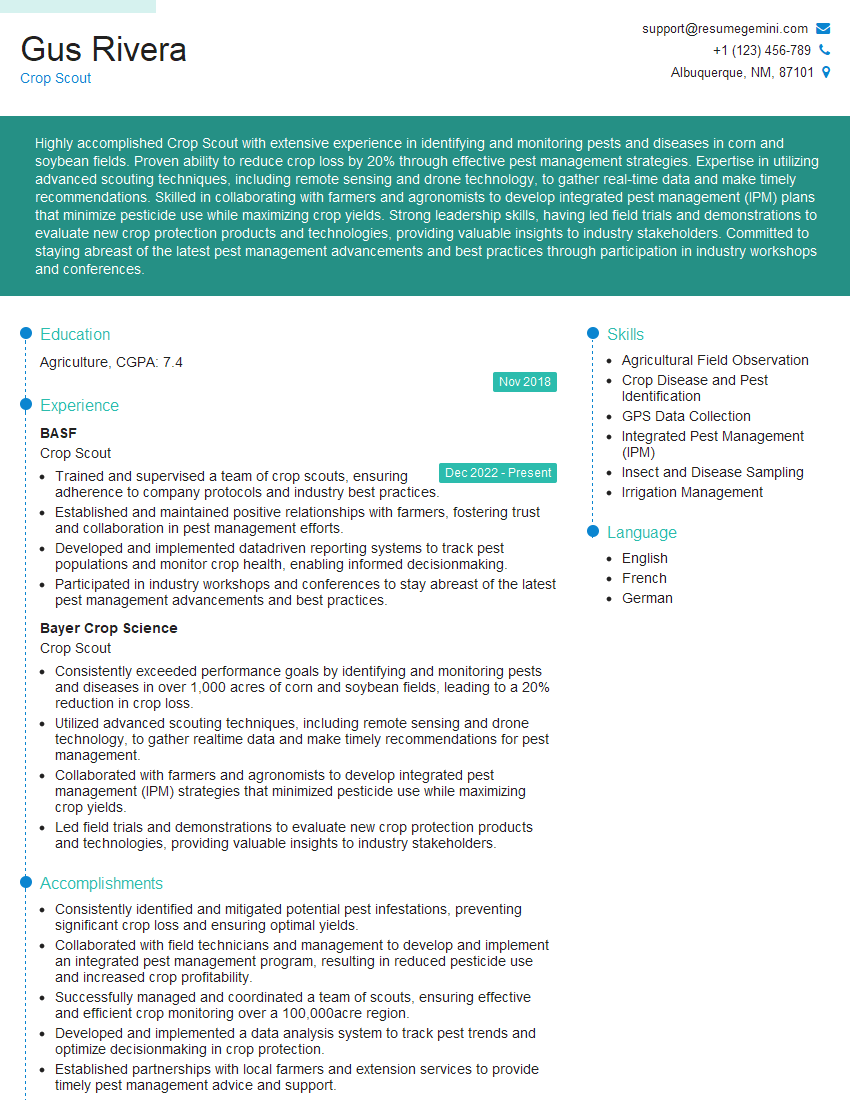
Crop Scout Resume Sample
Explore more articles
Users Rating of Our Blogs
Share Your Experience
We value your feedback! Please rate our content and share your thoughts (optional).
What Readers Say About Our Blog
Very informative content, great job.
good