Feeling uncertain about what to expect in your upcoming interview? We’ve got you covered! This blog highlights the most important Harvesting and Post-Harvest Techniques interview questions and provides actionable advice to help you stand out as the ideal candidate. Let’s pave the way for your success.
Questions Asked in Harvesting and Post-Harvest Techniques Interview
Q 1. Explain the different methods of harvesting for various crops.
Harvesting methods vary significantly depending on the crop type and its growth habit. For example, grains like wheat and rice are typically harvested using large-scale machinery like combines, which cut, thresh (separate grains from stalks), and clean the grain in a single pass. This is a highly efficient method for high-volume crops.
- Fruits and Vegetables: Many fruits and vegetables, especially those grown in orchards or fields, require manual or semi-automated harvesting. This might involve hand-picking (e.g., strawberries, grapes), using mechanical harvesters for larger crops (e.g., tomatoes, potatoes) or a combination of both. The method chosen depends on factors like the crop’s fragility, the terrain, and labor costs.
- Tree Crops: Harvesting of tree crops like apples, oranges, and nuts can involve manual picking, shaking the trees to dislodge the fruit (often followed by collection), or the use of specialized harvesting equipment that cuts and collects the produce. Safety is paramount in tree crop harvesting, requiring appropriate training and equipment.
- Leafy Greens: Leafy greens like lettuce are often harvested by hand-cutting or mechanical harvesting using specialized machines that cut at the base of the plant, leaving the roots in the ground. The method selected depends on the scale of operation and desired quality.
The choice of harvesting method significantly impacts yield, quality, and efficiency. A well-chosen method minimizes damage, maintains quality, and optimizes the harvesting process.
Q 2. Describe the factors that influence the timing of harvest.
Determining the optimal harvest time is critical for maximizing quality and yield. Several factors interplay to dictate this decision:
- Crop Maturity: This is the most crucial factor. Different crops reach maturity at various stages, indicated by physical characteristics like color, size, firmness, and sugar content (e.g., the sweetness of a melon). For instance, harvesting tomatoes too early results in poor taste and texture, while harvesting too late leads to overripe, easily bruised fruits.
- Market Demand: The timing can also be influenced by market demand and pricing. Harvesting might be adjusted slightly to meet peak demand periods, even if the crop isn’t at its absolute peak maturity.
- Weather Conditions: Adverse weather conditions like rain or extreme temperatures can affect harvesting schedules. Harvesting needs to be coordinated to avoid excessive damage to the crops.
- Storage Life: Crops intended for longer-term storage need to be harvested at a stage that allows for the desired shelf life. This involves careful considerations of the product’s physiology and susceptibility to decay.
Accurate assessment of crop maturity often involves visual inspections, measurements of parameters like sugar content (using refractometers), and consideration of the crop’s intended use. For instance, tomatoes for processing might be harvested slightly less ripe than those intended for fresh consumption.
Q 3. What are the key post-harvest handling practices for maintaining produce quality?
Post-harvest handling is crucial for preserving produce quality, extending shelf life, and minimizing losses. Key practices include:
- Rapid Cooling: Reducing the temperature of harvested produce quickly after harvesting is vital to slow down respiration, enzymatic activity, and microbial growth. Methods include hydrocooling (immersion in cold water), air cooling, or vacuum cooling.
- Proper Cleaning and Sorting: Removing dirt, debris, and damaged produce is essential for preventing spoilage and ensuring quality. Sorting separates products based on size, color, and quality, facilitating efficient packing and marketing.
- Gentle Handling: Minimizing physical damage during handling, transportation, and storage is crucial, as bruises and cuts can create entry points for pathogens and accelerate spoilage. This requires careful use of appropriate equipment and trained personnel.
- Controlled Atmosphere Storage (CAS): This advanced technique involves modifying the atmosphere within storage facilities to reduce respiration rates and delay ripening. Typically involves lowering oxygen and increasing carbon dioxide levels.
- Modified Atmosphere Packaging (MAP): This packaging technique uses films that selectively control gas exchange, creating a modified atmosphere around the produce to extend shelf life and maintain quality.
These practices, when implemented correctly, extend the shelf life of produce and maintain its freshness, color, and nutritional value. For example, rapid cooling of leafy greens can prevent wilting and extend their shelf life by several days.
Q 4. How do you ensure the safety and hygiene standards during harvesting and post-harvest processes?
Ensuring safety and hygiene during harvesting and post-harvest processes is paramount to prevent contamination and maintain food safety. This involves several key measures:
- Hygiene Training for Workers: Providing thorough training to all personnel on proper hygiene practices, including hand washing, use of protective clothing, and sanitation procedures. This includes preventing cross-contamination and appropriate disposal of waste.
- Sanitation of Equipment and Facilities: Regularly cleaning and sanitizing all harvesting equipment, transportation vehicles, and storage facilities to eliminate harmful microorganisms. Use of appropriate disinfectants is essential.
- Pest and Disease Control: Implementing effective pest and disease management strategies during cultivation and post-harvest handling to prevent contamination and spoilage. This includes using appropriate pesticides (where permitted) and monitoring for infestations.
- Traceability Systems: Implementing traceability systems to track the produce from field to consumer, facilitating rapid identification and removal of contaminated products in case of an outbreak.
- Compliance with Food Safety Standards: Adhering to relevant food safety regulations, including those set by national and international organizations, like HACCP (Hazard Analysis and Critical Control Points) guidelines.
A robust safety and hygiene program, coupled with regular monitoring and audits, is crucial to maintaining food safety standards and protecting consumer health. For example, handwashing stations positioned strategically throughout the harvesting area would be crucial to reduce contamination.
Q 5. Discuss the role of temperature control in post-harvest management.
Temperature control plays a critical role in post-harvest management because it directly affects the metabolic activity of produce. Maintaining the correct temperature range slows down respiration, enzymatic activity, and microbial growth, thereby extending shelf life and preserving quality.
- Cooling: As mentioned earlier, rapid cooling immediately after harvest is crucial. Optimal temperatures vary by crop; some fruits and vegetables require chilling temperatures (near 0°C), while others are sensitive to chilling injury and require temperatures above 7°C.
- Freezing: Freezing is an effective method for long-term preservation, but it can also cause damage to certain produce due to ice crystal formation. Proper freezing techniques, including blanching (briefly heating) for some vegetables, can minimize damage.
- Heating: In some cases, controlled heating can be used to inactivate enzymes or pathogens, improving the shelf life of certain products.
The importance of accurate temperature monitoring and control throughout the cold chain (from harvest to retail) cannot be overstated. Maintaining the optimal temperature range minimizes losses, maintains the freshness, taste, and nutritional value of the produce, and protects consumers from foodborne illnesses.
Q 6. What are the different types of storage facilities used for post-harvest preservation?
Post-harvest preservation relies on various storage facilities designed to maintain the desired temperature, humidity, and atmosphere. These include:
- Cold Stores: These are refrigerated facilities that maintain low temperatures, often used for short-to-medium-term storage of fruits, vegetables, and other produce. Different cold storage types exist, offering varying levels of temperature control and humidity management.
- Controlled Atmosphere (CA) Storage Facilities: These advanced facilities precisely control the atmospheric composition (oxygen, carbon dioxide, nitrogen) to significantly extend the shelf life of sensitive produce.
- Modified Atmosphere Packaging (MAP) Storage: While MAP is often done at the packaging level, some storage facilities support the maintenance of the modified atmospheres created using MAP packaging.
- Common Storage: Simpler storage facilities with ambient temperature may be suitable for short-term storage of some hardy products, especially in regions with favorable climates.
- Cooled Warehouses: These large-scale facilities maintain cool temperatures, often as an intermediate storage step in the supply chain before final distribution.
The choice of storage facility depends on several factors, including the type of produce, the intended storage duration, and the available budget. For example, highly perishable fruits may require CA storage, while hardy root vegetables might be stored in a cool warehouse.
Q 7. Explain the importance of proper packaging in maintaining produce quality.
Proper packaging plays a crucial role in maintaining produce quality during transport, storage, and display. It acts as a barrier against physical damage, moisture loss, microbial contamination, and reduces respiration rate.
- Protection against Physical Damage: Packaging material should be sturdy enough to protect the produce from bruising, cuts, and other types of physical damage during handling and transportation. This could range from simple cardboard boxes to specialized cushioning materials.
- Moisture Control: Packaging can help maintain optimal moisture levels. Materials with good moisture barrier properties prevent excessive moisture loss, which can lead to wilting and spoilage. Materials can include plastic films or breathable bags.
- Gas Exchange Control: Modified Atmosphere Packaging (MAP) utilizes specialized films that modify the gas composition around the produce, reducing respiration and extending shelf life.
- Protection against Microbial Contamination: Packaging materials with antimicrobial properties can help reduce microbial growth and spoilage, improving safety and extending shelf life.
- Branding and Marketing: Attractive and informative packaging enhances product visibility, adds value, and aids in marketing efforts.
The choice of packaging material depends on several factors, including the type of produce, its shelf life, transportation distance, and storage conditions. For example, delicate fruits might require cushioning within a rigid container, while leafy greens might benefit from breathable packaging to prevent moisture buildup.
Q 8. Describe your experience with various post-harvest technologies (e.g., Modified Atmosphere Packaging, irradiation).
My experience with post-harvest technologies is extensive, encompassing both conventional and advanced methods. Modified Atmosphere Packaging (MAP) is a cornerstone of my practice. MAP involves altering the gas composition within packaging (reducing oxygen and increasing carbon dioxide and nitrogen) to slow down respiration and microbial growth, thus extending shelf life. I’ve worked with various MAP systems, optimizing gas mixtures for different produce types, from leafy greens to berries. For example, I successfully implemented a MAP system for strawberries, increasing their shelf life by 50% compared to conventional packaging.
Irradiation, another technology I’m familiar with, involves exposing produce to controlled doses of ionizing radiation to eliminate harmful microorganisms and extend shelf life. While it’s highly effective, public perception needs careful management; clear labeling and education are crucial to address consumer concerns about safety. I’ve been involved in projects evaluating the effectiveness of irradiation on various fruits and vegetables, focusing on balancing efficacy with preserving the quality and sensory attributes of the product. Other technologies I’ve worked with include controlled atmosphere storage (CAS) for long-term preservation and various types of coatings (e.g., edible films) to enhance product preservation.
Q 9. How do you assess the quality of harvested produce?
Assessing the quality of harvested produce is a multi-faceted process that relies on both objective and subjective measurements. Objective measurements involve quantifiable parameters like firmness (using a penetrometer), color (using a colorimeter), and soluble solids content (using a refractometer). These instruments provide precise data crucial for tracking quality changes over time. Subjective assessments involve sensory evaluations, where trained panelists assess attributes such as aroma, taste, and appearance. A scoring system allows for consistent evaluation among panelists. For example, a crisp apple should maintain its firmness, possess a vibrant color, and have a characteristic sweet and tart taste. Any deviation from these parameters indicates potential quality deterioration. I typically use a combination of objective and subjective measurements to create a holistic picture of produce quality and identify potential issues early on.
Q 10. What are the common post-harvest losses and how can they be minimized?
Post-harvest losses are a significant challenge in the agricultural industry. These losses occur from the time of harvest until the produce reaches the consumer. Common causes include physical damage (bruising, cuts), physiological deterioration (respiration, enzymatic browning), and microbial spoilage (bacteria, fungi). Minimizing these losses requires a holistic approach: Careful harvesting techniques (avoiding bruising), rapid cooling to slow down respiration and microbial growth, appropriate storage conditions (temperature, humidity), and effective packaging are key. For instance, implementing proper handling practices during transportation, using appropriate protective packaging materials, and implementing hygiene protocols in processing facilities significantly reduce losses. Furthermore, improving infrastructure, investing in cold chain logistics, and providing training to farmers and handlers on best practices are essential long-term solutions.
Q 11. Explain the concept of cold chain management in the context of post-harvest handling.
Cold chain management is the maintenance of a low temperature throughout the entire post-harvest handling process, from the field to the consumer. It’s crucial for preserving the quality and safety of perishable produce. This involves maintaining a consistently low temperature during harvesting, transportation, storage, and distribution. Think of it as a relay race where each stage must maintain the ‘cold baton’ – the ideal temperature. Breaks in the cold chain, even for short periods, can lead to rapid quality degradation and spoilage. A well-managed cold chain relies on appropriate refrigeration equipment (e.g., refrigerated trucks, cold storage facilities), accurate temperature monitoring, and well-trained personnel. For instance, in a mango export operation, maintaining the cold chain from the orchard to the port of shipment, and then during international transport, is vital to delivering high-quality fruit to overseas markets.
Q 12. Discuss the importance of traceability in the post-harvest supply chain.
Traceability in the post-harvest supply chain refers to the ability to track the journey of produce from farm to table. It’s crucial for several reasons: In case of a food safety issue, traceability allows for rapid identification of the source and prevents widespread contamination. It also enhances consumer confidence, allowing consumers to know the origin and handling history of their food. For businesses, traceability improves efficiency and facilitates quality control. For example, barcodes, RFID tags, and blockchain technologies are used to track produce throughout the supply chain. This detailed record helps optimize logistics, predict demand, and maintain high-quality standards. Efficient traceability systems allow for faster recall processes in case of product defects, contamination, or other issues, protecting consumers and safeguarding brand reputation.
Q 13. How do you manage inventory and logistics in a post-harvest setting?
Managing inventory and logistics in a post-harvest setting involves careful planning and coordination across multiple stages. Accurate inventory management systems are vital to track produce quantities, locations, and quality parameters, preventing spoilage due to overstocking or delays. Efficient logistics include selecting the appropriate transportation methods (refrigerated trucks, ships, air freight), optimizing routes, and coordinating with various stakeholders (farmers, processors, distributors, retailers). Real-time tracking systems allow for monitoring the location and temperature of produce shipments, ensuring the cold chain remains unbroken. Effective inventory management strategies help minimize waste by predicting demand, optimizing storage, and facilitating timely distribution. For example, employing a first-in, first-out (FIFO) system ensures that the oldest produce is sold first, avoiding spoilage. Advanced software and data analytics play a crucial role in optimizing inventory and logistics, enhancing efficiency and minimizing waste.
Q 14. Describe your experience with different types of harvesting equipment.
My experience encompasses a wide range of harvesting equipment, from manual tools to sophisticated automated systems. Manual harvesting, while labor-intensive, is still crucial for delicate fruits and vegetables requiring careful handling to avoid damage. Mechanized harvesting equipment like harvesters and picking robots are increasingly used for large-scale operations, significantly improving efficiency. These machines can significantly reduce labor costs and harvesting time but may require careful consideration depending on the crop. I’ve worked with various types of harvesters, including those designed for specific crops like grapes, tomatoes, and potatoes. For instance, grape harvesters gently remove the bunches from the vines, minimizing damage. The selection of appropriate harvesting equipment is dependent on factors such as crop type, terrain, scale of operation, and budget. Proper maintenance and operator training are essential to ensure safe and efficient operation.
Q 15. How do you address pest and disease issues during harvesting and post-harvest?
Managing pests and diseases during harvesting and post-harvest is crucial for maintaining produce quality and safety. A multi-pronged approach is essential, starting long before harvest.
Integrated Pest Management (IPM): This holistic strategy focuses on preventing pest and disease outbreaks through practices like crop rotation, using resistant varieties, and monitoring pest populations. For example, using beneficial insects like ladybugs to control aphid populations minimizes reliance on chemical pesticides.
Proper Sanitation: Maintaining clean harvesting equipment and storage facilities is paramount. Regular cleaning and disinfection prevent the spread of pathogens. Think of it like washing your hands – a simple but effective measure.
Careful Handling: Minimizing damage during harvest prevents entry points for pathogens. Using appropriate harvesting techniques and handling equipment reduces bruising and cuts, which can lead to spoilage.
Post-harvest Treatments: Depending on the crop and the identified pest or disease, post-harvest treatments may include the application of approved fungicides or other control measures. This must be done according to strict regulations to ensure food safety.
Cold Storage: Lowering the temperature rapidly after harvest slows down the growth of many pathogens and pests, significantly extending the shelf life.
Career Expert Tips:
- Ace those interviews! Prepare effectively by reviewing the Top 50 Most Common Interview Questions on ResumeGemini.
- Navigate your job search with confidence! Explore a wide range of Career Tips on ResumeGemini. Learn about common challenges and recommendations to overcome them.
- Craft the perfect resume! Master the Art of Resume Writing with ResumeGemini’s guide. Showcase your unique qualifications and achievements effectively.
- Don’t miss out on holiday savings! Build your dream resume with ResumeGemini’s ATS optimized templates.
Q 16. Explain the role of pre-cooling in extending shelf life.
Pre-cooling is a critical post-harvest technique that significantly extends the shelf life of harvested produce. It involves rapidly reducing the temperature of the produce immediately after harvest, slowing down respiration rates and enzymatic activity. Think of it like putting food in the refrigerator – it slows down spoilage.
Reduced Respiration: Lower temperatures dramatically slow down the respiration rate of produce, meaning less energy is used, and less ethylene (a ripening hormone) is produced, thereby delaying senescence and spoilage.
Inhibition of Microbial Growth: Many microorganisms responsible for decay grow more slowly at lower temperatures, minimizing the risk of spoilage.
Methods: Pre-cooling can be achieved through various methods, including hydrocooling (immersion in cold water), vacuum cooling, forced-air cooling, and ice cooling. The best method depends on the type of produce and available resources.
For example, rapidly pre-cooling strawberries after harvest can extend their shelf life by several days compared to produce left at ambient temperature.
Q 17. What are the different methods of grading and sorting harvested produce?
Grading and sorting are essential for optimizing the value and marketability of harvested produce. It involves classifying produce based on various quality factors.
Size Grading: Produce is sorted into different size categories using grading screens or automated systems. This is crucial for packaging and marketing consistency.
Visual Grading: This involves assessing the appearance of the produce based on factors like color, shape, and blemishes. Standards are often set by industry regulations or customer preferences.
Weight Grading: Grading by weight is often used for fruits and vegetables sold in bulk.
Density Grading: For some products, density is a key quality factor, influencing shelf life and overall quality. Specialized equipment is often used for this process.
Methods: Grading methods range from manual sorting to highly automated systems that use imaging technology and artificial intelligence (AI) to assess various quality parameters, ensuring speed and accuracy.
For instance, apples are graded based on size, color, and the presence of blemishes. This ensures that consumers receive consistently sized and appealing produce.
Q 18. Describe your experience in using data analytics to improve harvesting and post-harvest operations.
Data analytics plays an increasingly significant role in optimizing harvesting and post-harvest operations. I have extensive experience using data-driven approaches to improve efficiency and reduce waste.
Yield Prediction: Using historical data combined with weather patterns and soil conditions, we can accurately predict yield and optimize resource allocation.
Harvest Optimization: By analyzing data on harvesting speed, labor costs, and quality parameters, we can determine the most efficient harvesting strategies and equipment.
Post-harvest Loss Reduction: Tracking spoilage rates and identifying factors contributing to losses, such as temperature fluctuations or improper handling, allows for targeted interventions.
Supply Chain Management: Data analytics provides real-time visibility into the supply chain, enabling better planning and inventory management, minimizing losses due to delays or spoilage.
For example, in a recent project, we used sensor data from cold storage facilities to develop a predictive model that identified potential temperature excursions and alerted operators, preventing significant post-harvest losses.
Q 19. How do you ensure compliance with food safety regulations?
Ensuring compliance with food safety regulations is paramount. This requires adherence to strict protocols at every stage, from harvest to consumption.
Good Agricultural Practices (GAPs): Following GAPs ensures that produce is grown and harvested under safe conditions, minimizing contamination risks. This includes measures for water quality, pest control, and worker hygiene.
Hazard Analysis and Critical Control Points (HACCP): HACCP is a systematic approach to identifying and controlling potential hazards at critical points throughout the production process. It involves rigorous documentation and monitoring.
Traceability: Maintaining complete traceability allows for rapid identification and removal of contaminated produce should a problem occur. This often involves barcodes, RFID tags, or other tracking systems.
Regular Audits: Undergoing regular audits ensures that we’re consistently meeting the required standards and identifying areas for improvement.
Employee Training: All employees are thoroughly trained in food safety procedures and best practices.
For example, we adhere to the Global GAP standards to ensure compliance with international food safety regulations.
Q 20. What are your strategies for optimizing harvesting efficiency?
Optimizing harvesting efficiency involves a combination of strategic planning and operational improvements.
Harvest Timing: Harvesting at the optimal maturity stage ensures the highest yield and quality while minimizing losses. This may involve using sensors to assess ripeness.
Mechanization: Utilizing appropriate harvesting equipment, such as mechanical harvesters, significantly increases efficiency compared to manual harvesting, particularly for large-scale operations.
Workforce Management: Effective planning and training of harvesting crews ensures efficient utilization of labor resources. This may include optimizing crew size and providing appropriate tools and support.
Route Optimization: Planning efficient harvesting routes reduces travel time and improves overall productivity, particularly in large fields.
Technological advancements: Utilizing technology like GPS-guided machinery, drones for crop monitoring, and AI-powered harvesting robots further enhances efficiency and precision.
For example, I’ve overseen projects where implementing GPS-guided harvesting equipment reduced harvesting time by 15% while maintaining quality.
Q 21. Discuss the economic factors influencing harvesting decisions.
Economic factors heavily influence harvesting decisions. Balancing yield, quality, and cost is critical for profitability.
Labor Costs: The cost of labor is a significant factor, particularly in labor-intensive harvesting operations. Mechanization can help to reduce these costs.
Market Prices: Market demand and price fluctuations directly affect the timing and scale of harvesting. Harvesting may be delayed or expedited depending on anticipated prices.
Transportation Costs: The distance to processing facilities or markets influences transportation costs, impacting harvesting decisions. Proximity to markets is often advantageous.
Storage Costs: The cost of storing harvested produce needs to be considered, particularly when dealing with perishable goods. Efficient pre-cooling and storage practices help minimize these costs.
Post-harvest Losses: Minimizing post-harvest losses is essential for profitability. Efficient handling, storage, and processing techniques are crucial.
For example, a sudden drop in market prices might lead to a decision to expedite harvesting to minimize losses, even if it means accepting lower quality produce.
Q 22. Explain your experience with sustainable harvesting and post-harvest practices.
Sustainable harvesting and post-harvest practices are crucial for long-term profitability and environmental responsibility. My experience encompasses a holistic approach, integrating methods that minimize waste, conserve resources, and protect the environment. This involves careful planning and execution at every stage, from selecting appropriate harvesting techniques to employing eco-friendly storage and preservation methods.
- Precision Harvesting: I’ve implemented GPS-guided harvesting equipment to optimize yield and reduce crop damage, minimizing losses and maximizing efficiency.
- Reduced-tillage farming: This practice minimizes soil disturbance, improving soil health and reducing erosion – crucial for long-term sustainability. I’ve overseen the transition to no-till farming on several projects, resulting in significant improvements in soil quality and reduced reliance on chemical fertilizers.
- Integrated Pest Management (IPM): Instead of relying solely on chemical pesticides, I utilize IPM strategies, combining biological controls, crop rotation, and targeted pesticide applications only when absolutely necessary. This significantly reduces the environmental impact while maintaining crop quality.
- Renewable Energy: I have experience integrating renewable energy sources like solar panels to power post-harvest processing facilities, lowering carbon footprint and operational costs.
- Waste Reduction: Implementing techniques like composting crop residues and utilizing byproducts for animal feed or biogas production significantly reduces waste and enhances resource utilization. For example, in one project, we repurposed apple pomace (the leftover pulp from juice production) into a valuable animal feed, generating additional income and minimizing waste.
Q 23. Describe a situation where you had to troubleshoot a problem during harvesting or post-harvest.
During the harvest of a large-scale tomato crop, we experienced a sudden surge in post-harvest spoilage due to an unexpected heat wave. The temperatures in our storage facility climbed beyond the recommended range, accelerating the ripening process and leading to significant losses.
To troubleshoot this, we first implemented immediate cooling measures, utilizing additional refrigeration units and strategically placing fans to ensure better air circulation. Simultaneously, we conducted a thorough analysis of our refrigeration system to identify any malfunctions and promptly addressed any issues.
We also adjusted our harvesting schedule, prioritizing earlier harvesting to avoid leaving overripe tomatoes in the field. Furthermore, we implemented a stricter quality control check at the sorting stage, immediately removing any damaged or overly ripe fruits. This multi-pronged approach helped mitigate the losses and restore the quality of our remaining stock. The experience reinforced the importance of having contingency plans for unforeseen weather events and the need for robust monitoring systems.
Q 24. How do you manage a team during harvest season?
Managing a harvesting team during the peak season requires strong leadership, clear communication, and a focus on team morale. I utilize a collaborative approach, involving the team in decision-making and fostering a sense of shared responsibility.
- Clear Roles and Responsibilities: Each team member has a clearly defined role, ensuring efficient workflow and avoiding confusion.
- Regular Communication: Daily briefings and open communication channels keep everyone informed and addressed any concerns promptly.
- Training and Skill Development: Providing adequate training ensures everyone is equipped with the necessary skills to perform their tasks effectively and safely.
- Safety First: Implementing and enforcing strict safety protocols is paramount to prevent accidents and injuries.
- Fair Compensation and Recognition: Ensuring fair wages and acknowledging individual and team achievements contributes to team morale and productivity.
- Motivation and Support: Creating a positive and supportive work environment is crucial, particularly during the demanding harvest season. Providing breaks, snacks, and opportunities for social interaction boosts team spirit.
Q 25. What are your methods for preventing post-harvest spoilage?
Preventing post-harvest spoilage involves a multi-faceted approach targeting various factors contributing to decay. The key is to minimize physical damage, control temperature and humidity, and inhibit microbial growth.
- Careful Handling: Gentle handling during harvesting and transportation is crucial to avoid bruising and other injuries that create entry points for pathogens.
- Rapid Cooling: Quickly reducing the temperature of harvested produce slows down enzymatic activity and microbial growth, extending shelf life.
- Controlled Atmosphere Storage (CAS): For certain commodities, CAS modifies the atmosphere within storage facilities to slow down respiration and reduce spoilage. This involves precisely controlling oxygen, carbon dioxide, and nitrogen levels.
- Modified Atmosphere Packaging (MAP): MAP uses packaging films that control the gas composition around the produce, further reducing respiration and extending shelf life.
- Sanitation: Maintaining high levels of sanitation in all handling and storage facilities is crucial to minimize microbial contamination.
- Proper Storage Conditions: Optimizing storage temperature, humidity, and ventilation according to the specific requirements of each produce type is vital. For example, bananas require higher temperatures than apples.
Q 26. How do you adapt harvesting techniques to changing weather conditions?
Adapting harvesting techniques to changing weather conditions requires flexibility and preparedness. This often involves having contingency plans for various scenarios, including unexpected rain, heat waves, or strong winds.
- Weather Monitoring: Closely monitoring weather forecasts and making timely adjustments to harvesting schedules are essential. For instance, if rain is predicted, we might prioritize harvesting earlier to prevent losses from water damage.
- Flexible Harvesting Schedules: Being adaptable to change our schedule to accommodate unexpected weather events is key.
- Protective Measures: Employing protective measures such as tarps or covers for equipment and harvested produce can minimize damage during adverse weather conditions.
- Alternative Harvesting Methods: For example, during heavy rain, we might switch from manual harvesting to using mechanical harvesters, assuming it’s appropriate for the crop.
- Emergency Protocols: Having emergency plans in place, including procedures for quickly relocating equipment and protecting harvested products, is crucial.
Q 27. Explain your understanding of different types of agricultural insurance related to harvest.
Agricultural insurance plays a vital role in mitigating risks associated with harvest losses. Several types of insurance can be used, each covering different aspects:
- Yield Insurance: This covers losses in crop yield due to unforeseen events like drought, floods, or disease. The payout is based on the difference between the expected yield and the actual yield.
- Crop Revenue Insurance: This covers losses in crop revenue, considering both yield and price fluctuations. This is particularly useful when prices are volatile.
- Hail Insurance: This specifically covers damage caused by hailstorms, a common risk for many crops.
- Multi-Peril Crop Insurance (MPCI): This comprehensive coverage protects against a wide range of risks, including adverse weather, disease, and insects. This provides broad protection.
- Post-Harvest Insurance: This is a less common but increasingly important type of coverage, which protects against losses during post-harvest handling, storage, and transportation. This is particularly relevant for perishable goods.
Understanding the terms and conditions, coverage limits, and exclusions of each type of insurance is essential for choosing the most appropriate policy to protect against the specific risks faced by a given farm or operation.
Key Topics to Learn for Harvesting and Post-Harvest Techniques Interview
- Harvesting Methods: Understanding various harvesting techniques (manual, mechanical, etc.) for different crops, considering factors like crop maturity, soil conditions, and weather.
- Post-Harvest Handling: Proper cleaning, sorting, and grading procedures to maintain quality and minimize losses. Practical application includes understanding the impact of different handling practices on shelf life and marketability.
- Storage and Preservation: Exploring different storage methods (refrigeration, controlled atmosphere storage, etc.) and preservation techniques (drying, freezing, canning) to extend the shelf life of harvested produce.
- Quality Assessment and Control: Implementing procedures to measure and maintain the quality of harvested products throughout the post-harvest chain, including understanding relevant quality indices and parameters.
- Pest and Disease Management (Post-Harvest): Strategies for preventing and controlling spoilage caused by pests, diseases, and physiological disorders during storage and transport.
- Value Addition and Processing: Exploring techniques for processing harvested crops to increase their value and create new products. This includes understanding the principles of different processing methods.
- Economic Considerations: Analyzing the cost-effectiveness of different harvesting and post-harvest techniques, including labor, equipment, and storage costs.
- Sustainability and Environmental Impact: Evaluating the environmental footprint of different harvesting and post-harvest practices and identifying opportunities for improvement.
- Technology and Innovation: Exploring the role of technology in improving efficiency and reducing losses in harvesting and post-harvest operations. Examples include automation, sensor technology, and data analytics.
- Safety and Hygiene: Implementing safe and hygienic practices throughout the harvesting and post-harvest process to ensure food safety and worker well-being.
Next Steps
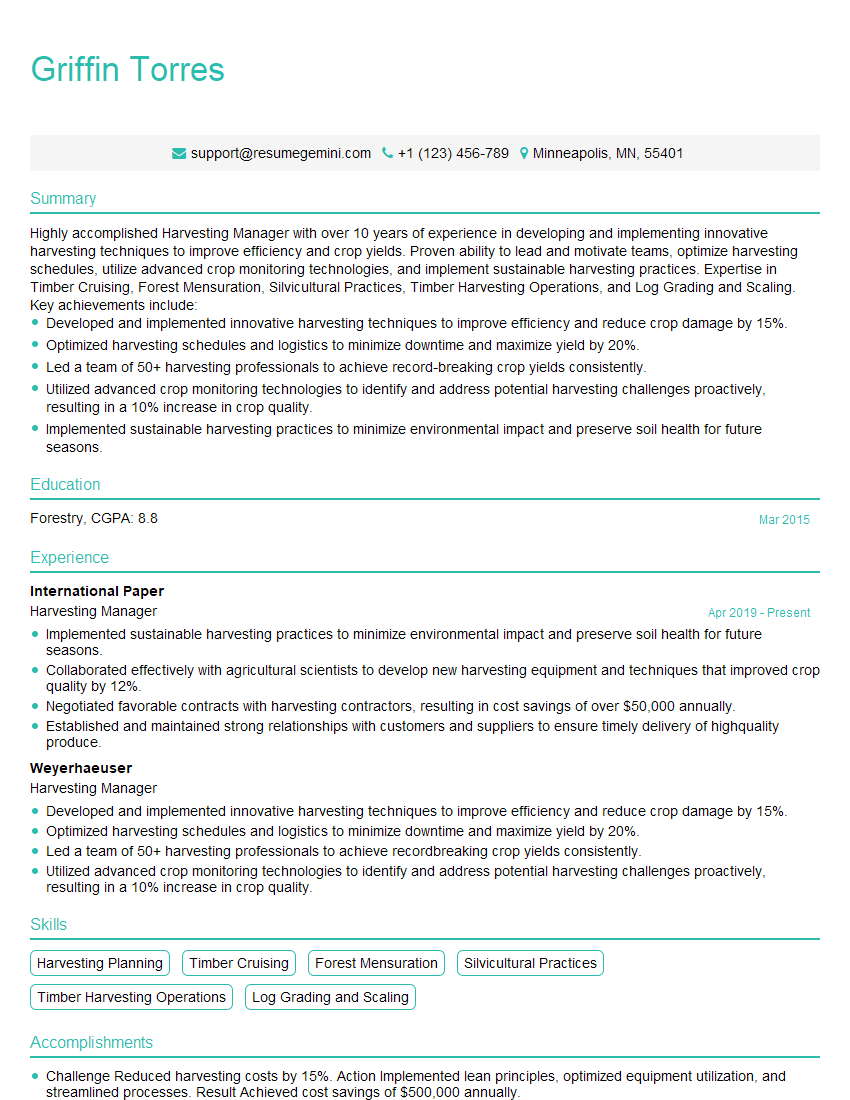
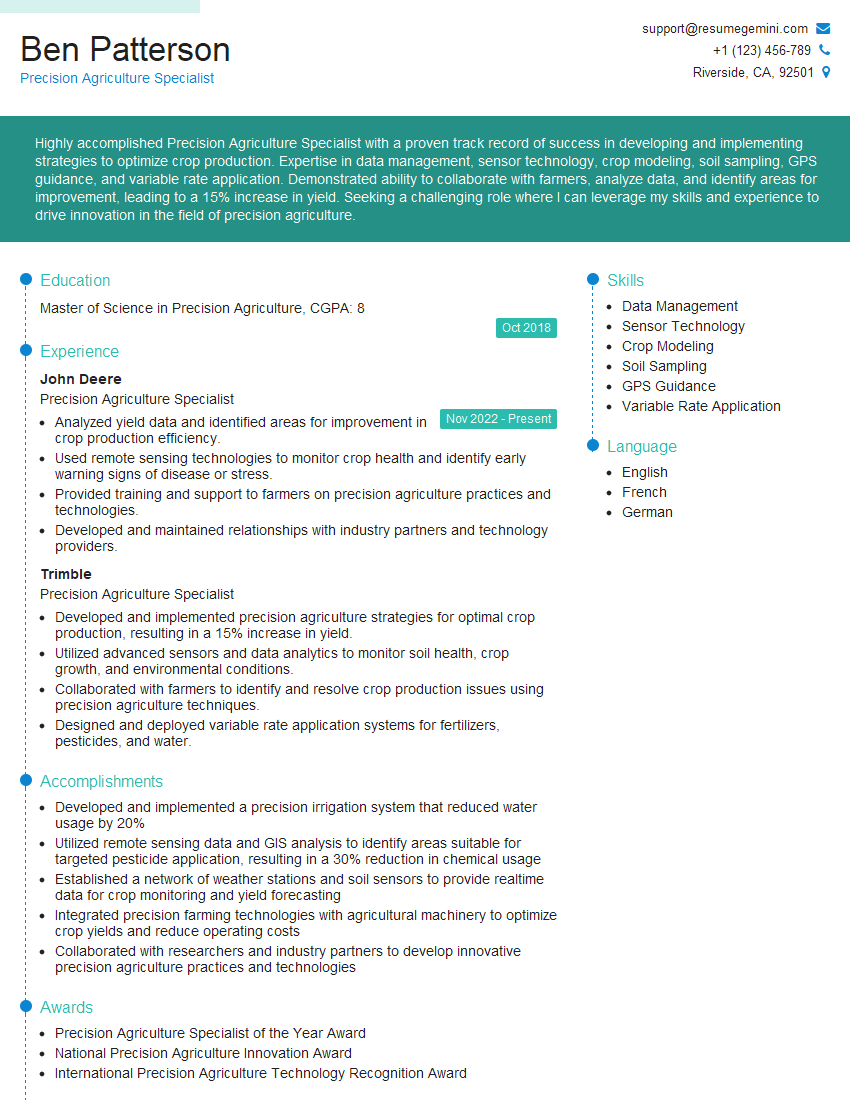
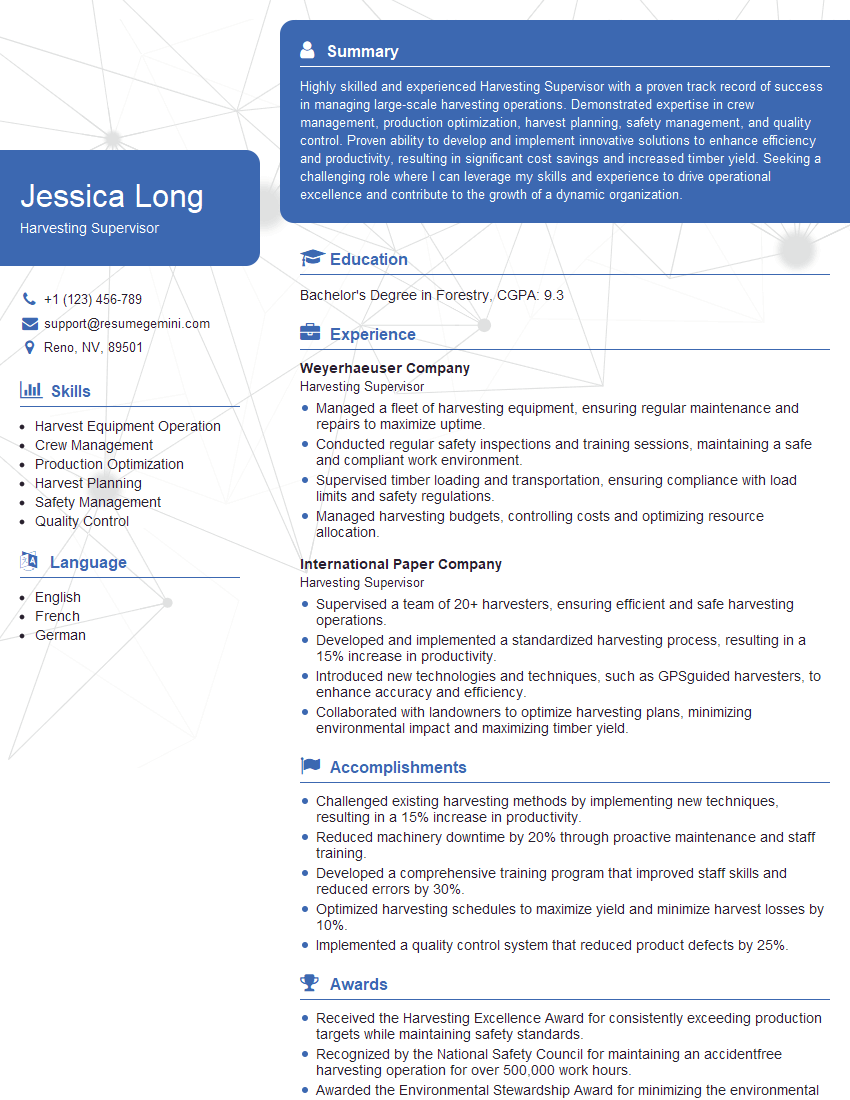
Mastering Harvesting and Post-Harvest Techniques is crucial for career advancement in the agricultural sector. A strong understanding of these techniques demonstrates valuable expertise and opens doors to diverse and rewarding roles. To maximize your job prospects, creating an ATS-friendly resume is essential. ResumeGemini is a trusted resource to help you build a professional resume that highlights your skills and experience effectively. Examples of resumes tailored to Harvesting and Post-Harvest Techniques are available to further guide your preparation.
Explore more articles
Users Rating of Our Blogs
Share Your Experience
We value your feedback! Please rate our content and share your thoughts (optional).
What Readers Say About Our Blog
Very informative content, great job.
good