Cracking a skill-specific interview, like one for Canada SOR/2018-83 Electrical Products Safety Regulations, requires understanding the nuances of the role. In this blog, we present the questions you’re most likely to encounter, along with insights into how to answer them effectively. Let’s ensure you’re ready to make a strong impression.
Questions Asked in Canada SOR/2018-83 Electrical Products Safety Regulations Interview
Q 1. Explain the scope and purpose of Canada’s SOR/2018-83 Electrical Products Safety Regulations.
SOR/2018-83, the Electrical Products Safety Regulations, aims to protect Canadians from hazards associated with electrical products. Its scope is broad, encompassing almost all electrical products sold in Canada, from small appliances to large industrial equipment. The purpose is to ensure these products meet nationally-recognized safety standards, minimizing the risk of electric shock, fire, and other potential dangers. This is achieved through a robust certification and compliance process.
Think of it like this: Just as a building needs inspections to ensure structural integrity, electrical products need to be certified to demonstrate they’re safe for use. SOR/2018-83 provides the framework for these safety checks.
Q 2. Describe the requirements for electrical product certification under SOR/2018-83.
Electrical product certification under SOR/2018-83 typically involves demonstrating compliance with applicable Canadian Standards Association (CSA) standards or other recognized international standards. This usually requires a thorough testing process performed by a third-party accredited Certification Body. The manufacturer must provide all relevant documentation, including test reports, schematics, and instructions. The certification body then assesses this information to determine if the product meets the required safety standards. Successful completion results in a Certificate of Compliance, allowing the product to be legally sold in Canada.
For example, a manufacturer of a new hairdryer would need to have their product tested to ensure it meets the relevant CSA standard for hair dryers. The test reports demonstrating compliance would then be submitted to a certification body for review and potential certification.
Q 3. What are the key differences between Class I and Class II electrical equipment?
The key difference between Class I and Class II electrical equipment lies in their methods of ensuring safety from electric shock. Class I equipment relies on basic insulation and an earthing (grounding) conductor to protect against electric shock. If a fault occurs, the current is directed to ground, preventing a dangerous shock. Class II equipment, on the other hand, relies on double or reinforced insulation to protect against electric shock. There’s no grounding conductor needed. The double insulation provides multiple layers of protection, making it inherently safer.
Imagine Class I as a building with a lightning rod – if lightning strikes, it’s safely directed to the ground. Class II is like a building with exceptionally strong and insulated walls – a lightning strike would be unlikely to penetrate.
Q 4. Explain the role of a Certification Body in the context of SOR/2018-83.
Certification Bodies play a crucial role in enforcing SOR/2018-83. They are independent organizations accredited by the Standards Council of Canada (SCC) to assess the safety of electrical products. They test products, review documentation, and issue Certificates of Compliance. They act as an impartial third party, ensuring that manufacturers meet the regulatory requirements and that consumers can trust the safety of the products they purchase. They’re essentially the inspectors, ensuring products meet the safety standards before they reach the market.
Without Certification Bodies, manufacturers could self-certify their products, leading to potential inconsistencies and safety risks. The independence and accreditation of these bodies are vital for maintaining consumer confidence.
Q 5. How does SOR/2018-83 address the safety of electrical products with respect to EMC?
SOR/2018-83 indirectly addresses Electromagnetic Compatibility (EMC) by referencing relevant CSA standards. While it doesn’t explicitly lay out EMC requirements, compliance with the referenced standards often incorporates EMC testing and performance criteria. These standards aim to ensure that electrical products do not interfere with other electronic devices or systems (emissions) and are not unduly susceptible to interference from other sources (immunity). Manufacturers must demonstrate their products meet these standards through testing and documentation as part of the overall certification process.
Think of it like this: SOR/2018-83 sets the overall safety standards, and the referenced CSA standards include the necessary EMC considerations to ensure the product’s safe and reliable operation within the broader electromagnetic environment.
Q 6. What are the requirements for marking electrical products under SOR/2018-83?
SOR/2018-83 specifies mandatory markings on electrical products to ensure traceability and identification. These markings typically include the manufacturer’s name or trademark, the model number, and the certification mark of the accredited Certification Body. The marking must be durable and clearly visible on the product itself or its packaging. This allows for easy identification of compliant products and provides a way to track the product in case of a recall or safety issue. The specific details on the type and placement of marking will be dictated by the relevant CSA standard for that specific type of electrical product.
For instance, you would expect to see the CSA certification mark and the model number prominently displayed on a certified hairdryer. This assures the consumer that the product has been tested and certified to meet Canadian safety standards.
Q 7. Describe the process for obtaining a Certificate of Compliance under SOR/2018-83.
Obtaining a Certificate of Compliance under SOR/2018-83 is a multi-step process. First, the manufacturer must identify the relevant CSA standards applicable to their product. Next, they conduct testing to demonstrate compliance with those standards, often using a testing laboratory. Then, they submit the test reports and all necessary documentation, including schematics and user manuals to a designated Certification Body. The Certification Body reviews the documentation and may conduct further assessments or audits. If satisfied, they issue a Certificate of Compliance. This certificate confirms the product meets the requirements of SOR/2018-83 and allows the product to be legally sold in Canada.
Think of it as applying for a permit: you need to gather all the necessary documents, prove that you meet the requirements, and then the issuing authority will grant you the permit (Certificate of Compliance) after review.
Q 8. What are the penalties for non-compliance with SOR/2018-83?
Non-compliance with SOR/2018-83, the Electrical Products Safety Regulations, carries significant penalties. These penalties are designed to deter unsafe practices and protect consumers. The severity of the penalty depends on the nature and extent of the non-compliance.
- Administrative Monetary Penalties (AMPs): These are fines issued for violations, ranging from relatively minor infractions to serious breaches. The amount of the fine varies depending on the severity of the offense and can be substantial.
- Prosecution: For more serious or repeated violations, the government may pursue criminal prosecution. This can result in significant fines, imprisonment, or both. This is particularly the case if a product’s non-compliance leads to injury or death.
- Product Recalls: If a product is found to be non-compliant, the responsible party may be ordered to conduct a recall, which can involve significant costs associated with retrieving and replacing or repairing the affected products.
- Import Restrictions: The government can refuse to allow non-compliant products to enter the Canadian market.
Imagine a company importing faulty power adapters. If they don’t comply with SOR/2018-83, they could face AMPs, product recalls costing them thousands, and possibly criminal charges if their products cause harm. The penalties are meant to be a strong deterrent to prioritize safety over cost-cutting.
Q 9. How does SOR/2018-83 address the safety of portable electrical appliances?
SOR/2018-83 addresses the safety of portable electrical appliances through a combination of requirements focusing on design, manufacturing, testing, and labeling. These regulations aim to minimize risks of electric shock, fire, and other hazards associated with their use.
- Construction and Design: The regulations specify requirements for insulation, clearances, and other construction details to ensure the appliance’s safe operation. For example, there are specific requirements around the construction of plugs and cords to prevent overheating or accidental disconnections.
- Testing and Certification: Portable appliances must undergo testing to demonstrate compliance with relevant safety standards. This often involves third-party certification from accredited testing laboratories.
- Marking and Labeling: Clear and accurate labeling is required, including information about the manufacturer, model number, electrical ratings (voltage and current), and any specific safety warnings.
- Specific Standards: The regulations reference specific Canadian Standards Association (CSA) standards that apply to different types of portable appliances, like kettles, toasters, and hair dryers. These standards provide detailed technical requirements.
For instance, a hairdryer must meet specific standards relating to its heating element’s thermal protection to prevent overheating and potential fire hazards. This detailed approach ensures that everyday portable appliances don’t pose unexpected risks to consumers.
Q 10. Explain the importance of risk assessment in electrical product design according to SOR/2018-83.
Risk assessment is fundamental to electrical product design under SOR/2018-83. It’s a systematic process to identify potential hazards associated with a product and implement appropriate safety measures to mitigate those risks.
- Hazard Identification: This involves systematically identifying all potential hazards related to the product’s intended use, foreseeable misuse, and its life cycle (manufacturing, transport, use, disposal).
- Risk Evaluation: Once hazards are identified, their likelihood and severity are assessed. This helps prioritize which hazards require the most attention.
- Risk Control: Appropriate measures are implemented to eliminate or reduce the risks to an acceptable level. These may include design modifications, protective measures, warnings, or instructions for use.
- Documentation: The entire risk assessment process must be documented, providing a clear record of the steps taken to ensure the product’s safety.
Imagine designing a new power tool. A thorough risk assessment would identify hazards like electric shock, moving parts, and potential for ejection of debris. Then, designers would implement controls such as double insulation, safety switches, and guards to minimize these risks. This process ensures that safety is an integral part of the product’s design, not an afterthought.
Q 11. Describe the role of testing and inspection in ensuring compliance with SOR/2018-83.
Testing and inspection play a critical role in verifying compliance with SOR/2018-83. They provide objective evidence that electrical products meet the required safety standards and are fit for their intended purpose.
- Type Testing: This involves testing a representative sample of the product to verify that the design meets the relevant standards. It’s typically conducted by an accredited testing laboratory.
- Production Testing: Manufacturers conduct regular testing of products during production to ensure that the manufacturing process consistently produces compliant products. This often involves in-process checks and final product testing.
- Inspection: Government officials may conduct inspections of manufacturing facilities and review documentation to ensure compliance with the regulations.
- Third-Party Certification: Obtaining certification from an accredited testing laboratory demonstrates compliance and provides independent verification of the product’s safety.
Think of it like a quality control process but on a much larger and more rigorous scale. Regular testing helps identify potential problems early on, ensuring consumers receive products that meet the highest safety standards.
Q 12. What are the key requirements for electrical wiring and installation according to SOR/2018-83?
SOR/2018-83 doesn’t directly address all aspects of electrical wiring and installation; that’s largely covered by the Canadian Electrical Code (CEC). However, the regulations do indirectly influence wiring and installation practices by requiring products to be designed and tested for safe installation in accordance with the CEC.
- Wiring Methods: The regulations stipulate requirements for the design of electrical products to ensure compatibility with standard wiring practices as defined in the CEC. For instance, appliances must have appropriate terminals for safe wire connections.
- Grounding: Electrical products must incorporate grounding features to provide a safe path to earth for fault currents, minimizing risks of electric shock. This aligns with the CEC’s strong emphasis on grounding for safety.
- Overcurrent Protection: Products must be designed to work with appropriate overcurrent protection devices (circuit breakers or fuses) as stipulated by the CEC to prevent overloads and fire hazards.
In essence, SOR/2018-83 and the CEC work in tandem. While the Code governs installation practices, the regulations ensure that the products being installed are safe for use in properly installed systems. A mismatch could lead to dangerous situations.
Q 13. Explain the concept of ‘due diligence’ in relation to SOR/2018-83 compliance.
‘Due diligence’ under SOR/2018-83 refers to the proactive steps taken by manufacturers, importers, and distributors to ensure that their electrical products comply with the regulations. It’s about demonstrating a commitment to safety.
- Risk Assessment: Conducting thorough risk assessments as a key element to identify and mitigate potential hazards before the product is even manufactured.
- Compliance Testing: Ensuring that products undergo all necessary testing and certification to demonstrate compliance with applicable standards.
- Record Keeping: Maintaining comprehensive records of testing results, design specifications, and any other relevant documentation demonstrating a commitment to compliance.
- Supplier Management: If using components from other suppliers, ensuring that these components also meet the necessary safety standards.
- Training and Communication: Training employees on safety regulations and establishing clear communication channels to promptly address any potential safety issues.
Imagine a small business importing light fixtures. Due diligence involves verifying their supplier’s compliance, testing a sample batch, keeping detailed records, and promptly addressing any reported defects. It’s not just about avoiding penalties but about being socially responsible and committed to consumer safety.
Q 14. How do you determine the appropriate standard for a specific type of electrical product?
Determining the appropriate standard for a specific type of electrical product involves understanding the product’s functionality and intended use. The regulations reference relevant CSA standards that should be followed.
- Product Classification: First, you need to classify the electrical product. Is it a portable appliance, a lighting fixture, a power tool, etc.? Different product categories have different standards.
- CSA Standards: Once the product is classified, refer to the SOR/2018-83 to identify the specific CSA standard that applies. The regulations will typically reference a particular standard or a list of standards.
- Specific Requirements: Each CSA standard contains specific requirements for the product’s design, construction, testing, and labeling. These requirements are crucial to ensure product safety.
- Manufacturer’s Responsibility: The manufacturer is responsible for ensuring that their product meets the requirements of the applicable standard.
For example, a new type of smart outlet would need to meet standards related to both electrical safety and communication protocols for smart devices. Finding the correct standards involves careful review of the regulations and industry documentation to ensure full compliance.
Q 15. Explain the significance of CSA standards in relation to SOR/2018-83.
The Canadian Electrical Code (CEC), which is overseen by the Canadian Standards Association (CSA), plays a crucial role in SOR/2018-83. While SOR/2018-83 is the actual regulation setting the legal requirements for electrical product safety in Canada, it often references CSA standards as the means to demonstrate compliance. Think of it this way: SOR/2018-83 sets the destination (safe electrical products), and CSA standards provide a well-established roadmap (testing and certification procedures) to get there. Many CSA standards, such as C22.2 No. 0-0, provide detailed technical specifications for various electrical products. Manufacturers often choose to meet these standards because they provide a widely recognized and accepted method of demonstrating compliance with the overarching legal requirements of SOR/2018-83, streamlining the certification process and building consumer trust.
Career Expert Tips:
- Ace those interviews! Prepare effectively by reviewing the Top 50 Most Common Interview Questions on ResumeGemini.
- Navigate your job search with confidence! Explore a wide range of Career Tips on ResumeGemini. Learn about common challenges and recommendations to overcome them.
- Craft the perfect resume! Master the Art of Resume Writing with ResumeGemini’s guide. Showcase your unique qualifications and achievements effectively.
- Don’t miss out on holiday savings! Build your dream resume with ResumeGemini’s ATS optimized templates.
Q 16. How does SOR/2018-83 address the safety of electrical cords and plugs?
SOR/2018-83 addresses the safety of electrical cords and plugs through specific requirements related to materials, construction, and performance. For example, the regulations specify minimum insulation thickness and temperature ratings to prevent overheating and electrical shock. The design and construction of plugs must meet specific dimensions and configurations to ensure proper grounding and compatibility with standard outlets. Furthermore, the regulations address the strain relief mechanisms within the cord where it connects to the plug, preventing the cord from pulling loose and causing damage or electric shock. Failure to adhere to these requirements could result in potential hazards, such as fires, electric shocks, or damage to the product itself.
Imagine a poorly made cord with insufficient insulation – a small nick could expose live wires, posing a serious danger. SOR/2018-83 mandates standards to prevent such incidents. The regulations also cover the use of materials that are resistant to abrasion, heat, and chemicals to enhance the cord’s longevity and safety.
Q 17. What are the requirements for labelling electrical products for export?
Labelling requirements for electrical products destined for export under SOR/2018-83 are similar to domestic products, but may need to incorporate additional markings required by the importing country. The label must clearly identify the manufacturer, the product’s model number, and any relevant safety certifications (such as the CSA mark). The labelling should also include any relevant warnings or instructions for safe use. For products exported to the United States, for instance, it’s common to see a UL mark alongside a CSA mark indicating that the product meets safety requirements for both countries. Compliance with export labelling requirements avoids delays or rejection of the product at the border and demonstrates a commitment to international safety standards.
Failure to properly label a product for export can lead to significant delays, fines, and even the product being banned from entering the market. Clear and accurate labelling is therefore crucial for successful export operations.
Q 18. Describe the process of conducting a safety audit in relation to SOR/2018-83.
A safety audit in relation to SOR/2018-83 involves a systematic examination of an organization’s processes and products to ensure compliance with the regulations. This audit would typically include a review of design specifications, manufacturing processes, quality control measures, and testing procedures. The auditor would examine documentation, such as design files, test reports, and quality control records, and may conduct on-site inspections of manufacturing facilities. The audit may also involve testing samples of the finished products to verify their compliance with relevant CSA standards. A comprehensive audit would identify any areas of non-compliance and provide recommendations for corrective actions.
Think of it as a thorough health check for your electrical product manufacturing. It identifies potential problems before they become safety issues, protecting your business and, more importantly, the public.
Q 19. How would you handle a situation where a product fails to meet SOR/2018-83 requirements?
If a product fails to meet SOR/2018-83 requirements, immediate action is necessary. The first step involves a thorough investigation to pinpoint the root cause of the non-compliance. Depending on the severity of the issue, this may involve reviewing design specifications, testing procedures, and manufacturing processes. Once the root cause is identified, corrective actions must be implemented to bring the product into compliance. This could involve redesigning the product, modifying the manufacturing process, or enhancing quality control procedures. If the non-compliance poses a significant safety risk, the product may need to be recalled and removed from the market. It is crucial to report non-compliance to the relevant authorities to ensure public safety and maintain compliance with regulations.
Transparency and prompt action are key. Ignoring a compliance issue is not an option due to potential legal and safety consequences.
Q 20. Explain the role of hazard analysis in electrical product design and safety.
Hazard analysis is a critical first step in designing safe electrical products. It involves identifying potential hazards associated with the product throughout its lifecycle, from design and manufacturing to use and disposal. This involves considering all aspects of the product, including its electrical components, materials, and intended use. Once hazards are identified, risk assessment is performed to determine the likelihood and severity of each hazard occurring. Based on this assessment, appropriate risk control measures are implemented, such as adding safety features, modifying design, or providing clear warnings. A well-executed hazard analysis significantly reduces the risk of accidents and ensures that the final product meets the required safety standards, helping to meet the requirements of SOR/2018-83.
Imagine designing a toaster. A hazard analysis would consider potential risks like electric shock from exposed wires, burns from hot surfaces, and fire from overheating elements. This would guide the implementation of safety features like insulation, thermal cut-offs, and robust construction.
Q 21. What is the significance of the IEC standards in relation to SOR/2018-83?
IEC (International Electrotechnical Commission) standards play a significant role in SOR/2018-83. Many of the CSA standards referenced in the regulations are themselves based on or harmonized with IEC standards. This international alignment ensures that Canadian electrical products meet a globally recognized level of safety, facilitating trade and reducing the need for multiple sets of testing and certification. For example, an electrical appliance that meets a particular IEC standard is often more likely to also meet the equivalent CSA standard, thereby satisfying the requirements of SOR/2018-83. This harmonization simplifies compliance for manufacturers who export their products internationally.
Think of IEC standards as the international language of electrical safety, allowing for seamless communication and collaboration across borders.
Q 22. Describe your experience with electrical product testing and certification processes.
My experience encompasses the full lifecycle of electrical product testing and certification, from initial design review to final market approval under SOR/2018-83. I’ve been involved in numerous projects, working with various testing laboratories accredited by the Standards Council of Canada (SCC). This includes developing test plans based on the specific requirements of the regulation, overseeing the testing process to ensure compliance, and preparing comprehensive technical documentation, including test reports and certification applications.
For instance, I recently guided a manufacturer through the certification process for a new line of smart home devices. This involved analyzing the design for potential hazards, selecting appropriate testing standards (e.g., IEC 60950-1 for IT equipment), coordinating testing with a recognized laboratory, and addressing any non-compliances identified during the testing phase. The successful completion of this project resulted in the product receiving its certification mark, allowing it to be legally sold in Canada.
I’m also proficient in interpreting test results, identifying potential safety risks, and recommending design modifications to ensure full compliance with SOR/2018-83. My practical experience extends to working with different types of electrical products, including appliances, lighting fixtures, and power supplies.
Q 23. How familiar are you with the various types of electrical safety tests and inspections?
My familiarity with electrical safety tests and inspections is extensive. SOR/2018-83 necessitates a thorough understanding of various testing procedures, aligning with international standards. These tests generally fall under several categories:
- Dielectric Strength Tests: Assessing insulation resistance and ability to withstand high voltages.
- Grounding and Bonding Tests: Verifying the effectiveness of safety grounding and bonding to prevent electrical shock.
- Overcurrent Protection Tests: Evaluating the performance of fuses, circuit breakers, and other protective devices.
- Temperature Rise Tests: Determining the temperature increase during operation to prevent overheating.
- Leakage Current Tests: Measuring unwanted current leakage to minimize risk of electric shock.
- EMC (Electromagnetic Compatibility) Tests: Ensuring the product doesn’t interfere with or is susceptible to electromagnetic interference.
Beyond these standard tests, the specific requirements depend heavily on the product’s classification and intended use. For example, a medical device will necessitate far more stringent testing compared to a simple lamp. I understand the nuances of each testing type and can select the appropriate tests for a given product to ensure full compliance with SOR/2018-83.
Q 24. Explain your understanding of the Canadian Electrical Code (CEC).
The Canadian Electrical Code (CEC) is a crucial document that sets the minimum safety standards for electrical installations in Canada. While SOR/2018-83 focuses on the safety of electrical products themselves, the CEC addresses the safe installation of those products within a building or system. Understanding the CEC is essential for ensuring the overall safety of electrical systems. For example, a product compliant with SOR/2018-83 might still cause a hazard if incorrectly installed, violating the CEC’s requirements for wiring, grounding, and circuit protection.
My knowledge of the CEC extends to its various sections, including requirements for wiring methods, overcurrent protection, grounding, and bonding. I understand how these requirements interact with the safety features built into electrical products to ensure a safe and reliable electrical system. I often use the CEC to inform my work on product safety, ensuring compatibility between the product and its intended installation environment.
Q 25. How do you stay up-to-date with changes and amendments to SOR/2018-83?
Staying current with changes and amendments to SOR/2018-83 is critical for maintaining my expertise. I utilize several methods to accomplish this:
- Subscription to Official Government Notifications: I subscribe to relevant government publications and newsletters to receive official updates on regulatory changes.
- Professional Organizations and Networks: I’m an active member of professional organizations like the Institute of Electrical and Electronics Engineers (IEEE) and attend industry conferences and workshops to learn about recent developments and best practices.
- Regular Review of the SCC Website: The SCC website provides updates on accredited testing laboratories and changes to standards referenced by SOR/2018-83.
- Industry Publications and Journals: I regularly read industry-specific publications and journals to keep abreast of the latest trends and emerging safety concerns.
This multi-faceted approach ensures I remain well-informed about any revisions, clarifications, or new requirements impacting the regulations, allowing me to provide the most accurate and up-to-date guidance to clients.
Q 26. Describe your approach to problem-solving in relation to electrical safety compliance issues.
My approach to solving electrical safety compliance issues is systematic and data-driven. I begin by thoroughly investigating the problem, gathering all relevant information, including test data, product specifications, and installation details. I then systematically analyze the data to pinpoint the root cause of the non-compliance.
For example, if a product fails a dielectric strength test, I would examine the test report, schematics, and manufacturing process to identify the weak point in the insulation system. This might involve reviewing the choice of insulation materials, manufacturing tolerances, or the design of the electrical components. Once the root cause is determined, I develop a plan to address it, whether through design modifications, improved manufacturing processes, or enhanced testing procedures. Throughout this process, I maintain clear and concise documentation, ensuring traceability and transparency.
My problem-solving process involves close collaboration with manufacturers and testing labs, promoting effective communication and knowledge sharing to ensure the most efficient and effective solution. I always prioritize safety and regulatory compliance in all problem-solving initiatives.
Q 27. How would you communicate complex technical information related to SOR/2018-83 to non-technical stakeholders?
Communicating complex technical information about SOR/2018-83 to non-technical stakeholders requires a clear, concise, and relatable approach. I avoid technical jargon and instead use plain language and analogies to illustrate key concepts.
For instance, when explaining dielectric strength testing, I might use the analogy of a dam holding back water. The dam’s strength is analogous to the product’s insulation, preventing the flow of electricity (water). Similarly, when discussing grounding, I can use the analogy of a lightning rod protecting a building from a strike. Grounding provides a safe path for unwanted electricity to flow away from the product, reducing the risk of shock.
I also use visual aids such as diagrams and flowcharts to help non-technical stakeholders understand complex processes and procedures. Furthermore, I tailor my communication style to the audience, ensuring the information is presented in a way that is easily understood and relevant to their concerns. The goal is to empower stakeholders to make informed decisions about electrical safety.
Key Topics to Learn for Canada SOR/2018-83 Electrical Products Safety Regulations Interview
- General Requirements: Understanding the scope and application of the regulations, including definitions of key terms like “electrical product,” “manufacturer,” and “supplier.”
- Classification of Electrical Products: Familiarize yourself with different product classifications and how they impact safety requirements. Be prepared to discuss examples.
- Safety Requirements: Master the specific safety requirements outlined in the regulations, such as those related to construction, testing, marking, and documentation.
- Testing and Certification: Understand the various testing methods and certification processes required to ensure compliance. Discuss the role of accredited testing laboratories.
- Marking and Labeling: Learn the requirements for proper marking and labeling of electrical products to meet regulatory standards. This includes understanding the information required on labels.
- Record Keeping: Understand the importance of maintaining accurate and complete records related to product design, testing, and compliance. Be ready to discuss best practices.
- Import and Export Compliance: Familiarize yourself with the implications of SOR/2018-83 for importing and exporting electrical products to and from Canada.
- Enforcement and Penalties: Understand the potential consequences of non-compliance with the regulations, including fines and product recalls.
- Practical Application: Be prepared to discuss how you would apply your knowledge of these regulations to real-world scenarios involving the design, manufacture, or import of electrical products.
- Problem-Solving: Practice identifying and resolving potential safety hazards related to electrical products, and discuss your approach to ensuring compliance.
Next Steps
Mastering the Canada SOR/2018-83 Electrical Products Safety Regulations is crucial for career advancement in the electrical industry. A strong understanding of these regulations demonstrates your commitment to safety and compliance, making you a highly valuable asset to any employer. To maximize your job prospects, creating a strong, ATS-friendly resume is essential. ResumeGemini is a trusted resource that can help you build a professional resume tailored to highlight your relevant skills and experience. Examples of resumes tailored to the Canada SOR/2018-83 Electrical Products Safety Regulations are available to further assist you in your job search.
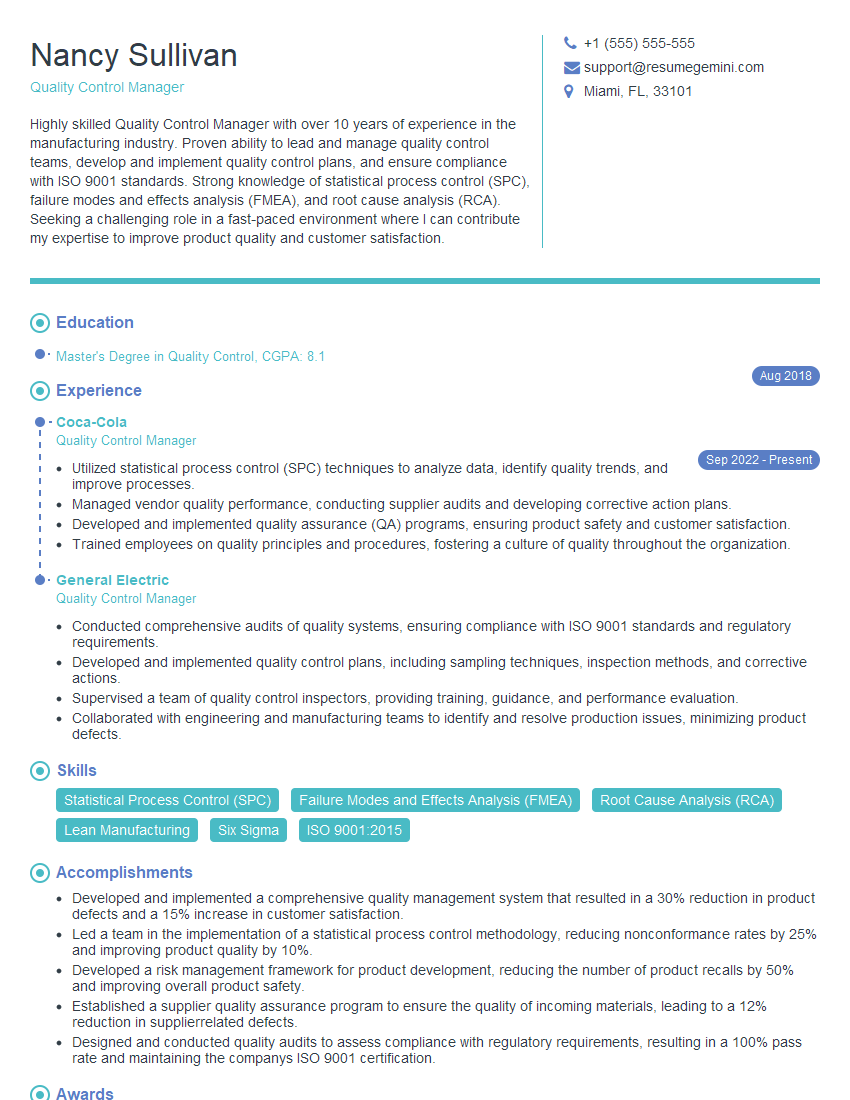
Quality Control Manager Resume Sample

Engineering Manager Resume Sample
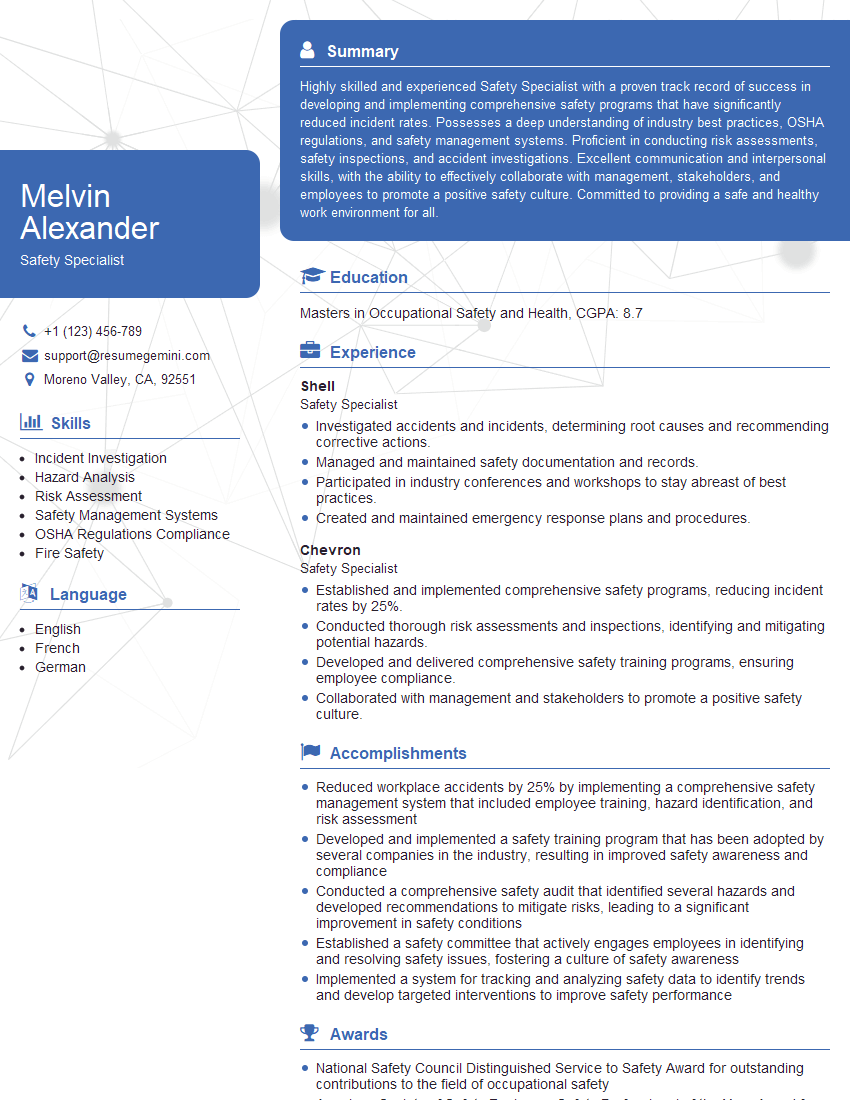
Safety Specialist Resume Sample
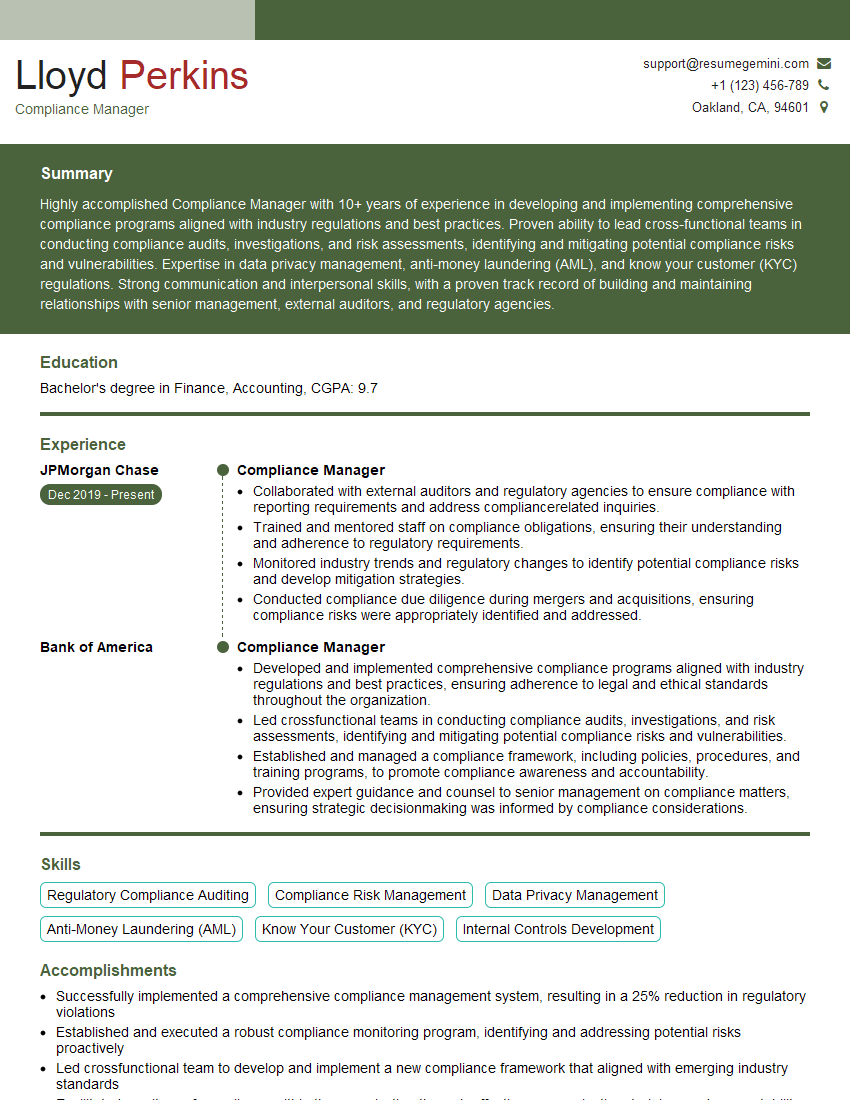
Compliance Manager Resume Sample
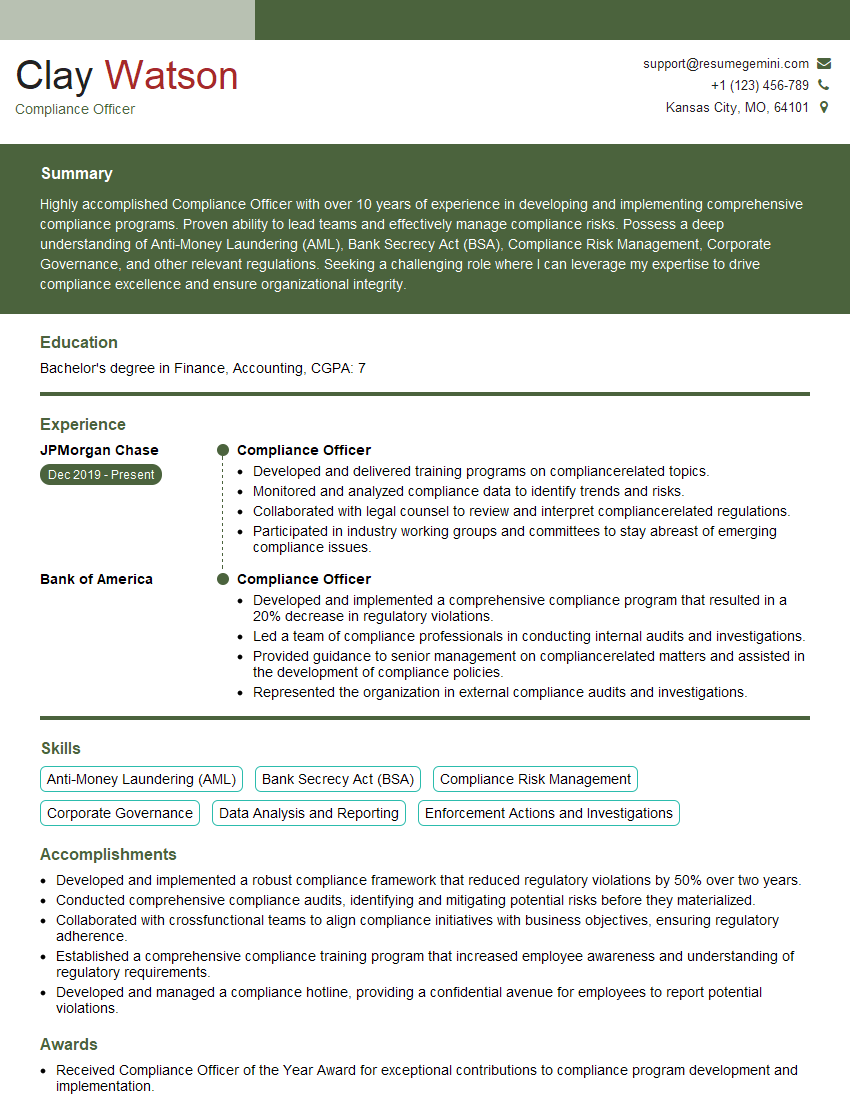
Compliance Officer Resume Sample
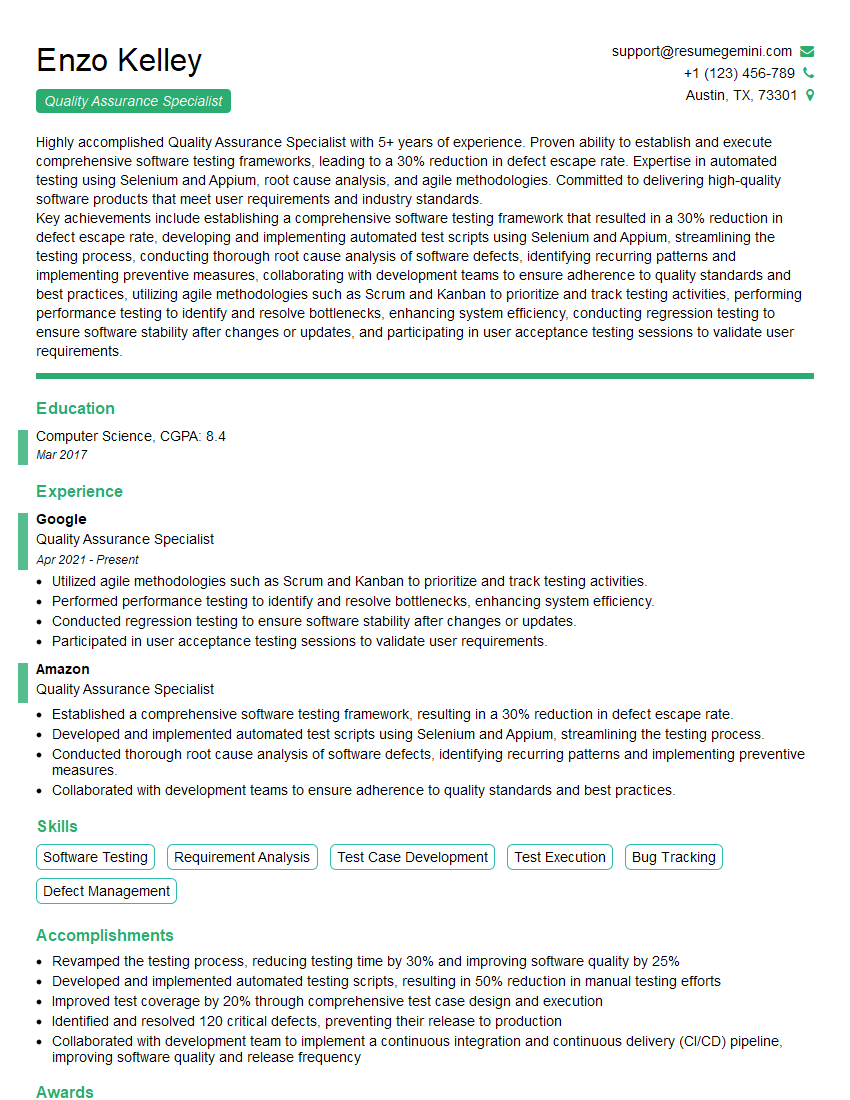
Quality Assurance Specialist Resume Sample
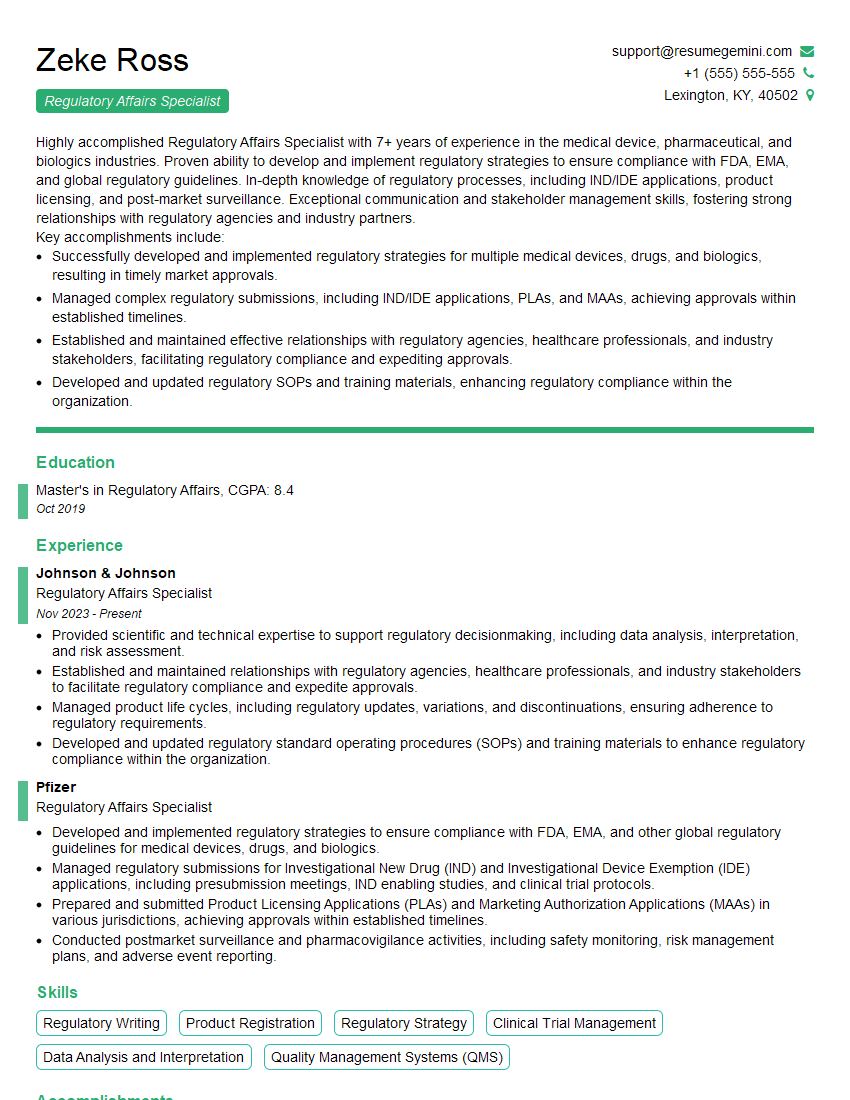
Regulatory Affairs Specialist Resume Sample
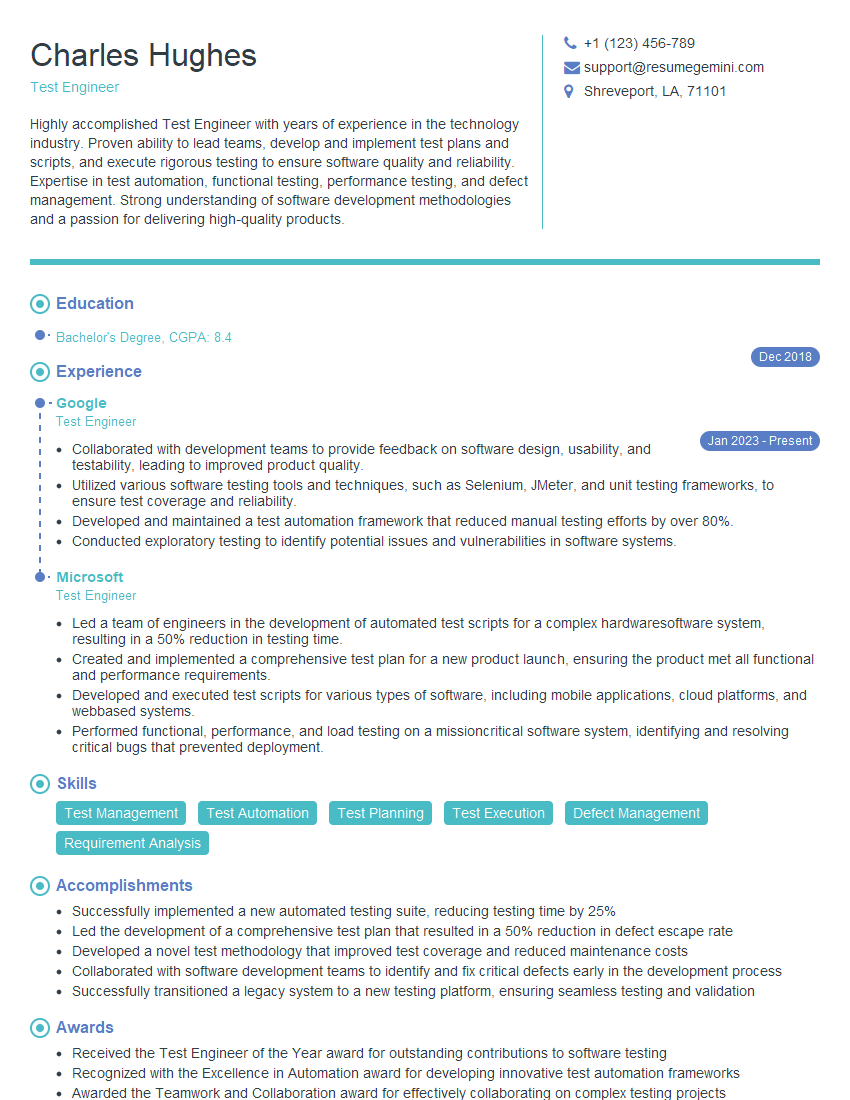
Test Engineer Resume Sample
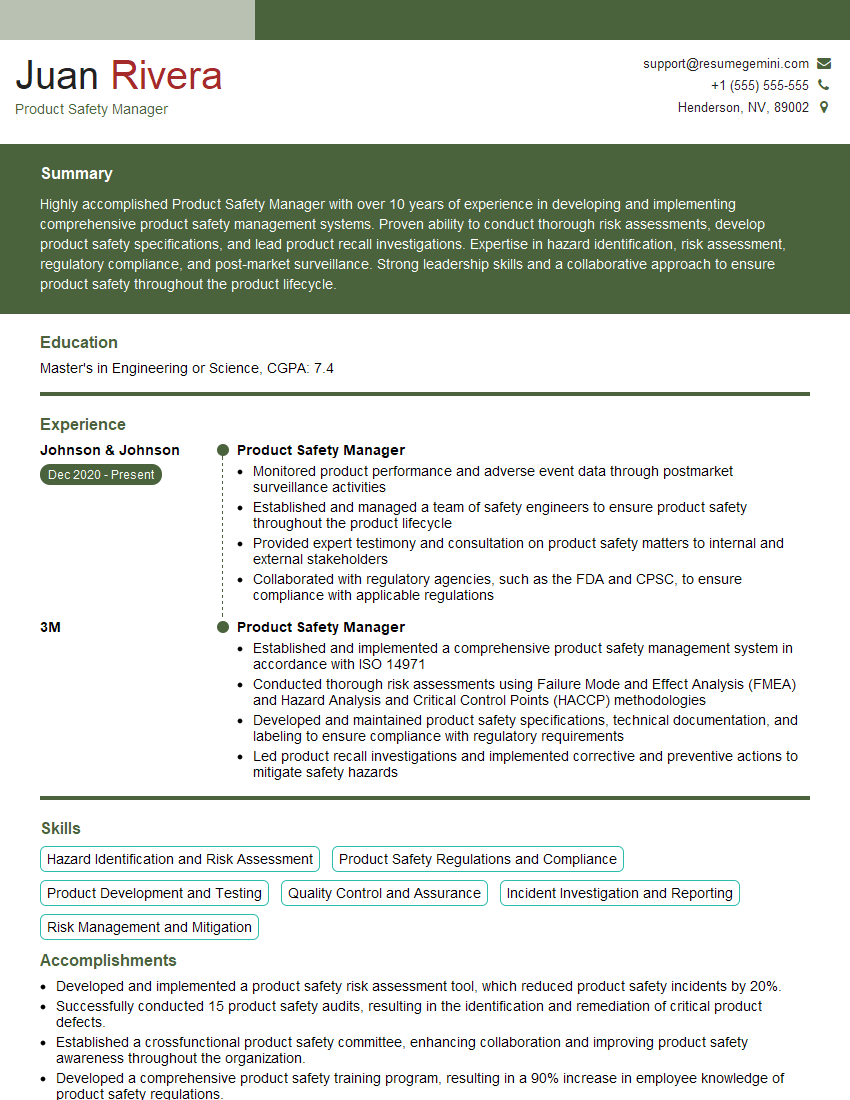
Product Safety Manager Resume Sample
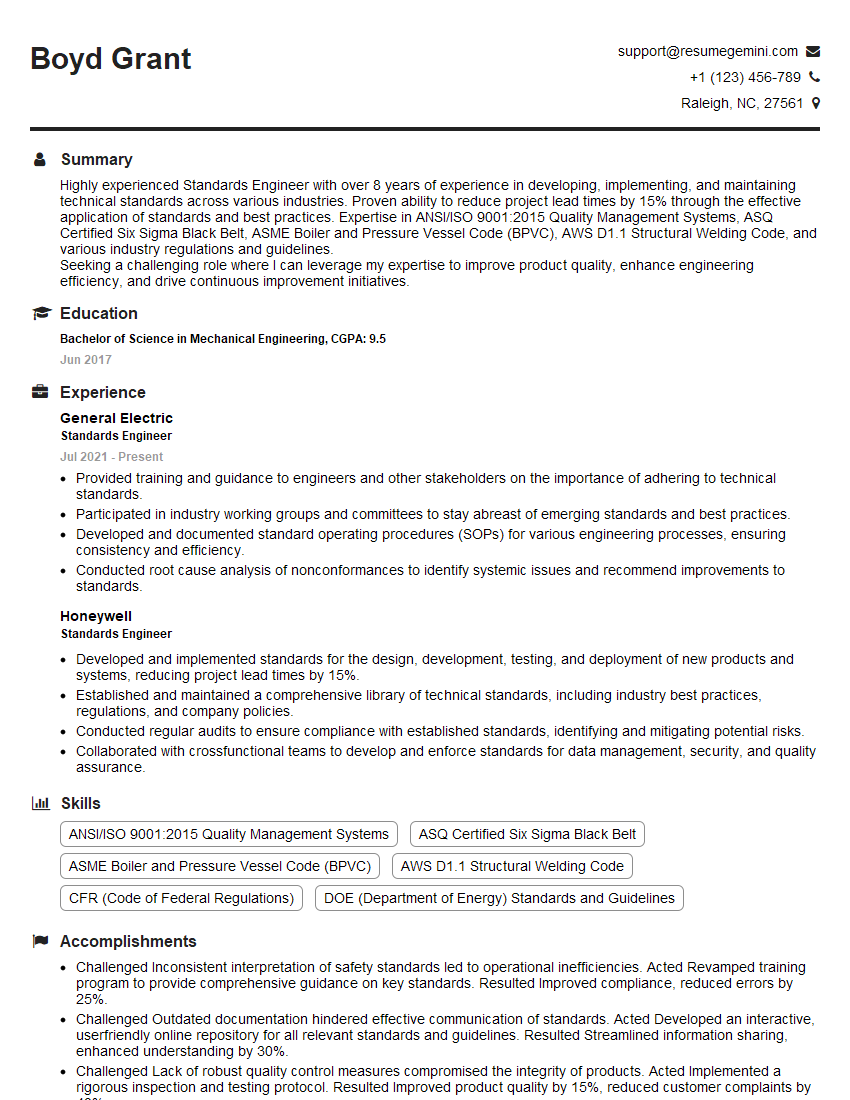
Standards Engineer Resume Sample
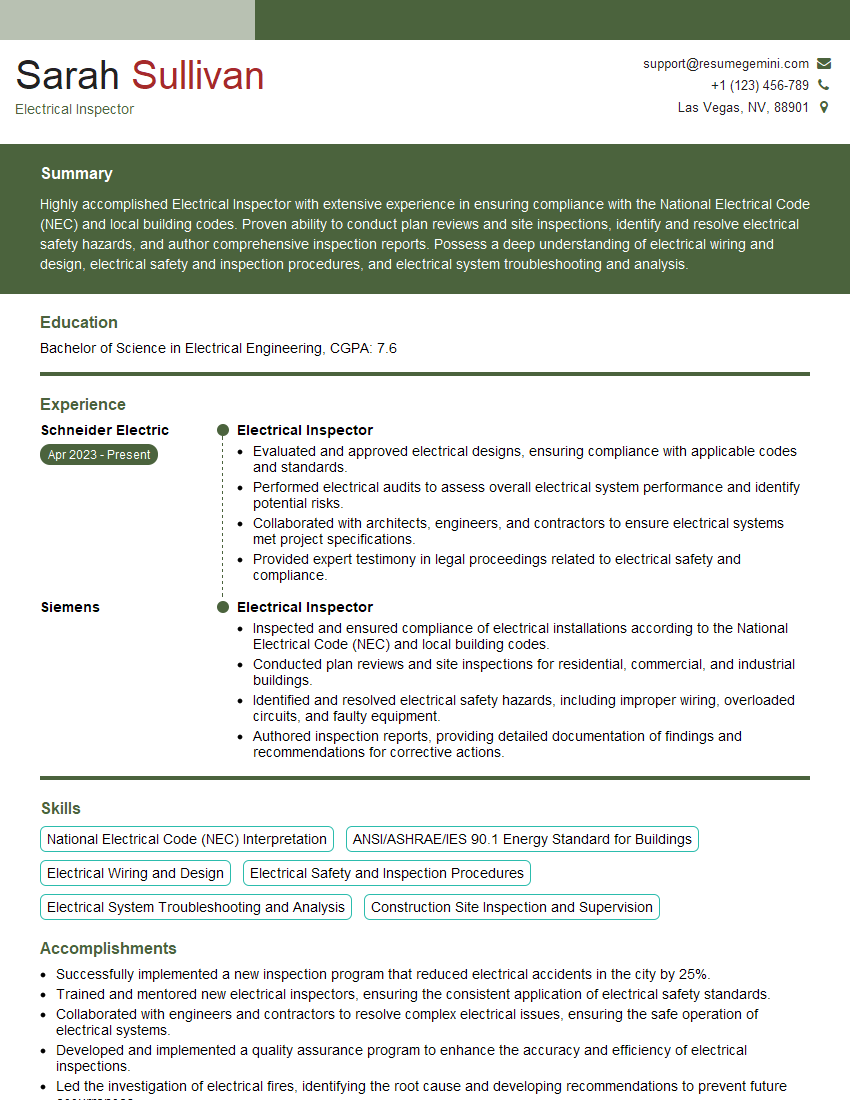
Electrical Inspector Resume Sample
Explore more articles
Users Rating of Our Blogs
Share Your Experience
We value your feedback! Please rate our content and share your thoughts (optional).
What Readers Say About Our Blog
Very informative content, great job.
good