Interviews are more than just a Q&A session—they’re a chance to prove your worth. This blog dives into essential Insurance Negotiations interview questions and expert tips to help you align your answers with what hiring managers are looking for. Start preparing to shine!
Questions Asked in Insurance Negotiations Interview
Q 1. Explain the different types of insurance negotiation strategies.
Insurance negotiation strategies vary depending on the specific situation, but generally fall into a few key categories. Think of it like a chess game – you need different moves for different situations.
- Distributive Negotiation (Win-Lose): This approach focuses on claiming value. One party’s gain is the other’s loss. Imagine negotiating a car price – every dollar you save is a dollar the seller loses. This strategy is useful when dealing with a less cooperative party or when resources are truly limited.
- Integrative Negotiation (Win-Win): This collaborative approach seeks to create value and find mutually beneficial solutions. This is like finding a solution that allows both parties to save money, time, or stress. For example, a quick settlement on a smaller claim could be better for both the insurer and the insured than prolonged litigation.
- Principled Negotiation (Interest-Based): Focuses on the underlying interests of both parties, not just their positions. It involves separating the people from the problem, focusing on objective criteria, and generating options for mutual gain. This is like focusing on the ‘why’ behind a claim, rather than just arguing the ‘what’. For example, understanding that the insured’s main concern is getting their property repaired, even if the policy coverage is complex.
Choosing the right strategy depends on factors such as the relationship with the other party, the complexity of the claim, and the overall goal. Often a blend of these approaches is most effective.
Q 2. Describe your experience negotiating complex insurance claims.
I have extensive experience negotiating complex insurance claims, involving everything from multi-million dollar liability cases to intricate property damage settlements. One case involved a major fire at a commercial building with multiple parties, including the building owner, tenants, and several subcontractors. The claims were entangled with complex contracts and multiple layers of insurance coverage. My approach involved:
- Detailed investigation: I meticulously reviewed all policy documentation, incident reports, and expert assessments to fully understand the scope of damage and liability.
- Collaboration with experts: I worked closely with engineers, adjusters, and legal counsel to assess the validity of various claims.
- Strategic communication: I maintained open communication with all parties involved, keeping them informed of the progress and addressing their concerns. This fostered trust and facilitated a smooth negotiation process.
- Creative problem-solving: Given the numerous conflicting interests, I facilitated a collaborative approach, identifying common ground and exploring creative solutions to fairly distribute the available funds.
The result was a timely and equitable settlement that satisfied all involved parties, preventing lengthy and costly litigation. This experience highlighted the importance of thorough investigation, clear communication, and creative solutions in managing complex insurance claim negotiations.
Q 3. How do you identify and address the key issues in an insurance negotiation?
Identifying and addressing key issues in an insurance negotiation requires a structured approach. I typically follow these steps:
- Clarify the objectives: Understand what each party wants to achieve. What are their underlying interests, and what are their absolute must-haves?
- Identify the points of contention: Pinpoint the specific areas where disagreement exists. Are there discrepancies in the assessment of damages? Are there disagreements on the policy interpretation?
- Prioritize the issues: Determine which issues are most important and which ones can be easily resolved. Focus on the high-impact points first.
- Analyze the strengths and weaknesses of each position: Understand where the leverage lies for both parties. Are there legal precedents or strong evidence that support a particular position?
- Develop potential solutions: Explore a range of options that could address the key issues. This might involve compromise, concessions, or innovative solutions.
This systematic approach allows for a focused negotiation, maximizing efficiency and increasing the chances of a successful outcome.
Q 4. What techniques do you use to build rapport with opposing parties during negotiations?
Building rapport is crucial in any negotiation, especially in insurance disputes where emotions can run high. I employ several techniques:
- Active listening: I carefully listen to the other party’s perspective, showing genuine interest in their concerns. Asking clarifying questions demonstrates my engagement and helps me understand their position more fully.
- Empathetic communication: I acknowledge their feelings and concerns, even if I don’t agree with their position. Phrases like, ‘I understand your frustration’ can go a long way.
- Professional demeanor: Maintaining a calm, respectful, and professional manner helps to de-escalate tensions and builds trust.
- Finding common ground: Identifying shared goals or interests helps to build a foundation for collaboration. For example, we both want a fair and efficient resolution.
- Building personal connections (appropriately): Sometimes, a brief, informal conversation about non-related topics can help to humanize the interaction and reduce adversarial feelings.
By fostering a collaborative environment, I can create an atmosphere conducive to finding mutually acceptable solutions.
Q 5. How do you handle situations where the other party is unwilling to compromise?
Handling situations where the other party is unwilling to compromise requires patience, strategic thinking, and a willingness to adapt. It’s like trying to negotiate a deal with someone who is entrenched in their position. Here’s how I approach such scenarios:
- Re-assess the situation: Review my own position to ensure I have thoroughly considered all aspects and haven’t overlooked any potential avenues for compromise. Is my initial offer reasonable?
- Explore underlying reasons: Attempt to understand the reasons for their intransigence. Are they under pressure from others? Are there misunderstandings about the facts?
- Offer alternative solutions: Instead of pushing for a specific outcome, propose different options that might address their concerns in a way that is also acceptable to me. This shows flexibility and a willingness to work together.
- Set clear boundaries and consequences: If collaboration fails, I prepare to walk away or pursue alternative dispute resolution (ADR) methods.
- Document everything: Maintaining comprehensive records of all communications and offers ensures a clear record of the negotiation process, important should litigation become necessary.
It’s important to remember that not all negotiations end in a mutually agreeable compromise. Sometimes, knowing when to walk away is the most strategic move.
Q 6. Describe your experience using mediation or arbitration in insurance disputes.
I have extensive experience utilizing mediation and arbitration in resolving insurance disputes. Mediation involves a neutral third party facilitating communication and helping the parties reach a mutually agreeable settlement. Arbitration involves a neutral third party making a binding decision on the dispute.
In one case, a complex commercial liability claim went to mediation. The parties were deeply entrenched in their positions and unable to reach an agreement on their own. The mediator effectively helped clarify the issues, facilitated communication between parties, and proposed creative solutions that eventually led to a mutually acceptable settlement. This avoided costly litigation, saving both time and resources.
In another instance, a dispute regarding coverage under a homeowner’s policy went to arbitration. The arbitrator carefully considered the evidence, policy language, and legal precedents before issuing a final binding decision that was accepted by both parties. This process provided a fair and efficient resolution in a situation where direct negotiation had failed.
The use of ADR methods is often a more efficient and cost-effective means of dispute resolution compared to litigation, particularly in complex insurance cases.
Q 7. How do you assess the strengths and weaknesses of your own position in an insurance negotiation?
Assessing my own position requires a thorough and objective self-evaluation. I use a SWOT analysis (Strengths, Weaknesses, Opportunities, Threats) framework to do this:
- Strengths: What are the strong points of my case? This could include strong policy language, compelling evidence, favorable legal precedents, and my own expertise in negotiation.
- Weaknesses: Where are the potential vulnerabilities in my position? This could be gaps in evidence, ambiguities in policy language, or potential counterarguments by the other party.
- Opportunities: Are there any opportunities to strengthen my position? This might involve securing additional evidence, clarifying ambiguities, or developing creative solutions that could appeal to the other party.
- Threats: What are the potential risks or negative consequences if I don’t achieve my desired outcome? This could include lengthy litigation, reputational damage, or financial loss.
By objectively evaluating my strengths and weaknesses and considering potential opportunities and threats, I can develop a robust negotiation strategy and make informed decisions throughout the process. It’s like a pre-game strategy meeting for a critical game – the more prepared you are, the more successful you will likely be.
Q 8. How do you manage time effectively during an insurance negotiation?
Effective time management in insurance negotiations is crucial for achieving optimal outcomes. It’s not just about sticking to a schedule; it’s about prioritizing tasks and strategically allocating time to maximize leverage. I start by setting clear objectives for each negotiation stage. This might involve securing specific policy terms, obtaining a certain settlement amount, or clarifying ambiguous clauses.
Next, I create a detailed timeline with allocated time blocks for research, preparation, meetings, and follow-up actions. I utilize time-blocking techniques, scheduling specific tasks for specific time slots, preventing distractions and ensuring focused work. During the negotiation itself, I actively listen, avoid getting sidetracked by irrelevant issues, and consistently steer the conversation back to the key objectives. I also prioritize using concise and targeted communication to save time and avoid misunderstandings. Finally, I always incorporate buffer time to account for unforeseen delays or complexities.
For example, in a recent liability claim negotiation, I allocated 2 hours for initial document review, 1 hour for strategy planning, 4 hours for the negotiation meeting itself, and 1 hour for post-meeting documentation and follow-up. This structured approach ensures efficiency and prevents the negotiation from dragging on unnecessarily.
Q 9. What are your strategies for preparing for an insurance negotiation?
Thorough preparation is paramount for successful insurance negotiations. It involves a multi-step process starting with a comprehensive understanding of the case. This includes reviewing all relevant policy documents, medical records (if applicable), accident reports, witness statements, and any other supporting documentation. I meticulously analyze the policy to identify potential loopholes, exclusions, or ambiguities that might influence the negotiation.
Secondly, I thoroughly research the insurance company’s claim handling history and reputation. Understanding their usual negotiation tactics and settlement patterns can be extremely valuable. I also develop several potential negotiation strategies, anticipating various scenarios and formulating counter-arguments. This could involve researching comparable cases and industry benchmarks for settlement values.
Thirdly, I prepare a detailed negotiation plan, including my desired outcome and potential compromise points. I also anticipate potential objections from the opposing party and prepare persuasive responses. For instance, before negotiating a property damage claim, I would obtain multiple independent appraisals to justify my valuation. This demonstrates preparedness and strengthens my negotiating position.
Q 10. How do you handle unexpected challenges or information during a negotiation?
Unexpected challenges and information are inevitable in insurance negotiations. My approach centers on maintaining composure and adapting strategically. When faced with new information, I first verify its authenticity and relevance. I don’t make hasty decisions; instead, I take the time to assess its impact on my negotiation strategy.
For example, if the opposing party suddenly presents new evidence suggesting reduced liability, I wouldn’t immediately concede. I would carefully examine the evidence, cross-reference it with existing data, and potentially seek expert opinions to verify its validity and impact. This allows me to make an informed decision on how to proceed.
I also value maintaining open communication, clearly expressing my concerns and seeking clarification when needed. This transparency can build trust and de-escalate tensions. Moreover, I utilize my contingency plans and adjust my strategies accordingly. This flexibility allows me to navigate unexpected situations effectively and still strive towards a favorable outcome. Sometimes, a seemingly negative development can lead to an advantageous position if handled strategically.
Q 11. Explain your understanding of insurance policy terms and conditions.
A deep understanding of insurance policy terms and conditions is fundamental to my work. I’m familiar with various policy types, including property, casualty, liability, and health insurance. My knowledge encompasses key clauses such as deductibles, exclusions, coverage limits, subrogation rights, and policy periods.
I understand the nuances of legal terminology and their practical implications. For instance, I can differentiate between ‘actual cash value’ and ‘replacement cost’ in property insurance, and how it affects claim settlements. I can also interpret complex clauses on liability coverage, understanding the implications of comparative negligence or contributory fault.
I’m adept at identifying and analyzing policy loopholes or ambiguities that might benefit my client. However, ethical considerations are paramount; I always ensure that any advantage gained is within the bounds of the law and professional ethics. My knowledge extends to state and federal regulations that govern insurance practices, ensuring compliance in all aspects of the negotiation.
Q 12. How do you determine a fair and reasonable settlement in an insurance claim?
Determining a fair and reasonable settlement in an insurance claim involves a multi-faceted approach that balances legal, ethical, and practical considerations. It starts with a thorough assessment of damages, which might include medical expenses, lost wages, property damage, or pain and suffering.
I gather supporting documentation to quantify these damages, including medical bills, repair estimates, income statements, and expert reports. Next, I analyze the policy coverage and applicable exclusions to determine the insurer’s liability. I also consider comparable cases and industry benchmarks to develop a realistic settlement range.
The negotiation process itself involves strategic communication and compromise. I present a well-justified claim, highlighting the evidence supporting the client’s damages. I’m prepared to negotiate, offering counter-proposals and exploring alternative solutions. The ultimate goal is to reach a settlement that is both fair to my client and within the bounds of the insurer’s liability, avoiding lengthy and costly litigation if possible. Sometimes, this might require exploring mediation or arbitration to reach a resolution.
Q 13. How do you document the negotiation process effectively?
Effective documentation is crucial for transparency and accountability in insurance negotiations. I maintain detailed records of every interaction, including meeting notes, emails, phone calls, and any documents exchanged.
These records are organized chronologically, with clear identification of the date, time, participants, and key discussion points. I use a combination of digital tools and physical files to maintain organized records. For instance, I utilize a dedicated software for case management, allowing for easy tracking of communications and documents.
My documentation includes not only the factual details of each interaction but also my analysis and strategic considerations. This includes noting the progress towards a settlement, any concessions made, and any remaining challenges. This detailed record is essential not only for the current negotiation but also for potential future disputes or litigation, ensuring a clear and verifiable account of the entire process.
Q 14. What are some common pitfalls to avoid during insurance negotiations?
Several common pitfalls can hinder successful insurance negotiations. One major pitfall is underestimating the insurer’s position and not adequately preparing for their potential counterarguments. Another is failing to properly document all communications and agreements. This can lead to misunderstandings and disputes later on.
Another common mistake is getting emotionally involved and losing objectivity. Negotiations should be approached strategically, focusing on facts and evidence rather than emotional appeals. Rushing into a settlement without fully understanding the implications of the agreement is another significant pitfall.
Finally, neglecting to utilize available resources such as expert witnesses, legal counsel, or mediation services can limit the negotiation’s effectiveness. A well-prepared negotiator anticipates these pitfalls and takes proactive steps to mitigate potential risks. For example, before accepting a settlement, I always carefully review the terms and conditions with my client, ensuring a full understanding and agreement. Proactive strategies and thorough preparation are key to avoiding these common pitfalls.
Q 15. Describe your experience negotiating with different types of stakeholders (e.g., adjusters, lawyers, clients).
Negotiating in the insurance field requires a nuanced understanding of different stakeholder perspectives. My experience spans interactions with adjusters, lawyers, and clients, each requiring a tailored approach. With adjusters, the focus is on objective evidence and policy interpretation to reach a fair settlement. I leverage data analysis and industry best practices to support my claims. With lawyers, the approach is more formal, emphasizing legal precedent and clear communication to avoid misunderstandings. Here, preparation and meticulous documentation are crucial. Finally, with clients, empathy and clear explanations are paramount. I strive to build trust by providing realistic expectations and addressing their emotional concerns with compassion. For instance, I recently worked with a client whose home was damaged by a severe storm. While working with the adjuster to assess the damage, I also took the time to listen to their concerns about displacement and rebuilding, ensuring they felt heard and understood, even while advocating for a fair settlement amount on their behalf. This multifaceted approach allows for effective communication and successful negotiation across all parties.
Career Expert Tips:
- Ace those interviews! Prepare effectively by reviewing the Top 50 Most Common Interview Questions on ResumeGemini.
- Navigate your job search with confidence! Explore a wide range of Career Tips on ResumeGemini. Learn about common challenges and recommendations to overcome them.
- Craft the perfect resume! Master the Art of Resume Writing with ResumeGemini’s guide. Showcase your unique qualifications and achievements effectively.
- Don’t miss out on holiday savings! Build your dream resume with ResumeGemini’s ATS optimized templates.
Q 16. How do you ensure compliance with all applicable laws and regulations during negotiations?
Compliance is paramount in insurance negotiations. I ensure adherence to all applicable state and federal regulations, including those related to unfair claims settlement practices. This involves a thorough understanding of the specific policy language, relevant case law, and regulatory guidelines, such as those established by the state’s Department of Insurance. Before every negotiation, I meticulously review the policy documentation, assessing coverage limits, exclusions, and relevant endorsements. I also maintain detailed records of all communications and agreements. For example, in cases involving bodily injury, I am acutely aware of privacy regulations (like HIPAA) and ensure all communications comply. Furthermore, I regularly attend continuing education courses to stay updated on legal changes and best practices. This proactive approach not only protects the company but also fosters ethical and transparent interactions with all stakeholders.
Q 17. How do you prioritize multiple competing interests in an insurance negotiation?
Prioritizing competing interests requires a strategic approach. In insurance negotiations, the interests of the insurer, the insured, and potentially third-party claimants often conflict. I employ a principled negotiation strategy, focusing on identifying the key interests of each party—not just their stated positions. This often involves active listening and asking probing questions. For example, a client might initially focus on the total amount of damages. However, understanding their underlying needs, such as securing safe and timely housing after a fire, allows me to explore creative solutions. I use a weighted scoring system to prioritize interests based on the legal and financial ramifications, ensuring fairness and transparency. I then work to identify solutions that create value for all parties involved, even if it’s not achieving everyone’s initial demands completely. It’s akin to baking a cake; you need the right balance of ingredients (interests) to achieve the perfect outcome (settlement).
Q 18. How do you handle emotional responses during tense negotiations?
Insurance negotiations can be emotionally charged. When dealing with tense situations, I prioritize active listening and empathy. I acknowledge the emotional component of the situation without being drawn into emotional reactivity. I use techniques like paraphrasing to ensure understanding and de-escalate tension. For instance, if a client is expressing frustration, I might say, “I understand your frustration with the delay; let’s work together to find a solution.” I also maintain a professional and calm demeanor, avoiding confrontational language. Separating the person from the problem is crucial. Focus remains on the facts and the legal aspects of the claim, creating a space for a reasonable discussion. A calm and professional demeanor often helps diffuse the situation and facilitates productive dialogue.
Q 19. How do you know when to walk away from a negotiation?
Knowing when to walk away is a critical skill. I will walk away from a negotiation when the other party’s demands are unreasonable, lack legal basis, or when continuing the negotiation would expose the company to undue risk or violate ethical standards. This is also true when the cost of pursuing the negotiation outweighs any potential benefit. This decision is usually based on a comprehensive cost-benefit analysis, considering potential legal costs, settlement amounts, and the reputation risks involved. I will evaluate the strength of our position, the likelihood of success, and the potential negative consequences of proceeding. There is also a cost of time involved in protracted negotiations. I recently walked away from a negotiation where the claimant’s demands were significantly inflated and unsupported by evidence. This was the most fiscally prudent decision given the lack of merit in the claim.
Q 20. What is your approach to ethical considerations in insurance negotiations?
Ethical considerations are paramount in my approach to insurance negotiations. I adhere to a strict code of conduct, prioritizing honesty, fairness, and transparency in all my interactions. This includes providing accurate information, avoiding deceptive practices, and treating all stakeholders with respect. I fully disclose all relevant information to clients and opposing parties. Furthermore, I comply with all applicable laws and regulations, including those related to privacy and confidentiality. For me, maintaining ethical integrity builds trust and fosters long-term positive relationships with clients, other insurance professionals, and the legal community. This principled approach is the cornerstone of my professional practice.
Q 21. Describe a time you successfully negotiated a favorable settlement.
In a recent case involving a significant commercial property claim, the initial demand from the claimant was far above what our assessment indicated. However, by thoroughly investigating the damages, meticulously documenting our findings, and engaging in open communication with the claimant and their legal representatives, we were able to successfully negotiate a settlement well below the initial demand, while still providing a fair resolution for the claimant. A key part of our success was using expert engineering assessments to demonstrate the validity of our lower valuation. We also explored creative solutions that addressed the claimant’s immediate needs, such as temporary relocation assistance, while remaining within the company’s financial parameters. The outcome showcased the value of comprehensive preparation, effective communication, and a commitment to finding mutually agreeable solutions.
Q 22. How do you maintain objectivity when negotiating on behalf of your client or company?
Maintaining objectivity in insurance negotiations is crucial for achieving the best possible outcome for my client. It requires a conscious effort to separate emotions from the process and focus on facts and data. I achieve this through several key strategies:
- Thorough Preparation: Before any negotiation, I conduct extensive research, gathering all relevant information about the claim, policy details, and the opposing party’s potential arguments. This allows me to approach the discussion with a clear understanding of the situation and prevents emotional reactions based on incomplete information.
- Active Listening: I prioritize actively listening to the other party’s perspective, understanding their needs and concerns. This helps build rapport and identify potential areas of compromise. It also allows me to objectively assess the validity of their claims.
- Focus on Data and Evidence: My arguments and counter-arguments are always supported by concrete evidence, such as medical reports, damage assessments, or policy documents. This ensures the negotiation remains grounded in facts, rather than opinions or emotions.
- Seeking External Perspectives: When facing complex or emotionally charged situations, I consult with colleagues or mentors to gain an unbiased perspective and ensure I’m not overlooking critical aspects.
- Role-Playing: To prepare for potential scenarios, I often engage in role-playing exercises to practice maintaining objectivity under pressure. This helps me anticipate difficult questions and develop appropriate responses.
For instance, in a recent case involving a significant property damage claim, I meticulously analyzed the damage report, consulted independent assessors, and reviewed the policy wording. This allowed me to objectively assess the claim’s validity and negotiate a fair settlement that aligned with both the policy terms and the assessed damage.
Q 23. How do you handle the pressure of working within strict deadlines?
Working under tight deadlines is a common aspect of insurance negotiations. My approach involves prioritizing tasks, leveraging technology, and maintaining effective communication.
- Prioritization: I identify the most critical aspects of the negotiation and focus my efforts accordingly. This includes prioritizing tasks based on their impact on the overall outcome and the time constraints.
- Efficient Time Management: I utilize project management tools to track deadlines, schedule meetings, and monitor progress. This provides a clear overview of the timeline and allows for proactive adjustments as needed.
- Technology and Automation: I leverage technology to streamline tasks such as document review, data analysis, and communication. This helps optimize time usage and reduces the risk of delays.
- Clear Communication: Maintaining open and transparent communication with all stakeholders, including clients and opposing counsel, is essential. This ensures everyone is informed about the progress and potential challenges, facilitating collaborative problem-solving and reducing delays caused by misunderstandings.
- Contingency Planning: I anticipate potential delays and develop contingency plans to mitigate their impact. This involves identifying potential roadblocks and outlining alternative strategies to ensure that the negotiation stays on track.
In one instance, I was given just two weeks to settle a complex liability claim. By prioritizing key information, leveraging digital tools for document review, and maintaining constant communication with all parties, I successfully negotiated a settlement within the deadline, securing a favorable outcome for my client.
Q 24. How familiar are you with different types of insurance policies (e.g., liability, property, health)?
My familiarity with various insurance policies is extensive. I have experience negotiating claims across a wide range of products, including:
- Liability Insurance: This covers financial losses arising from legal liability for bodily injury or property damage to third parties. I understand different types of liability policies, including general liability, professional liability (Errors & Omissions), and product liability.
- Property Insurance: This covers losses to physical property, encompassing dwelling fire insurance, commercial property insurance, and specialized policies for unique assets.
- Health Insurance: I’m knowledgeable about various health insurance plans, including individual, family, and employer-sponsored plans. I understand the intricacies of coverage, benefits, and claims procedures. I understand the complexities of medical billing and coding, which is crucial for effective negotiation.
- Auto Insurance: This covers liability, collision, and comprehensive coverage for motor vehicles. I’m familiar with different types of auto policies and the variations in coverage among various insurers.
- Workers’ Compensation Insurance: This covers medical expenses and lost wages for employees injured on the job. I understand the specific regulations and procedures related to workers’ compensation claims.
My expertise spans policy interpretation, coverage analysis, and claim valuation for all these types of insurance. I regularly stay updated on industry regulations and case law to ensure my knowledge remains current.
Q 25. Explain your understanding of the legal aspects of insurance claims.
Understanding the legal aspects of insurance claims is fundamental to effective negotiation. This involves knowledge of:
- Contract Law: Insurance policies are contracts, and their terms and conditions govern the rights and obligations of both the insurer and the insured. I’m adept at interpreting policy language, identifying exclusions, and understanding the legal implications of policy provisions.
- Tort Law: This relates to civil wrongs, such as negligence, that can lead to liability claims. Understanding tort law is crucial for assessing the validity and potential value of liability claims.
- Evidence Law: The admissibility and weight of evidence are critical in insurance disputes. I’m experienced in gathering and presenting evidence to support my client’s case.
- Statutory Law: Insurance is regulated by various state and federal laws that govern claim handling practices, coverage requirements, and insurer responsibilities. I’m intimately familiar with these regulations.
- Precedent and Case Law: I stay informed about relevant court decisions and legal precedents, which help shape negotiation strategies and inform assessments of case value.
For example, knowing that a particular state’s law favors the insured in certain types of claims informs my strategy. I can use this knowledge to anticipate the other party’s arguments and develop a stronger negotiation position.
Q 26. How do you calculate reserves in an insurance negotiation?
Calculating reserves in insurance negotiations is a critical step in determining a fair settlement. Reserves represent the estimated amount an insurer needs to set aside to cover a claim. The calculation process involves:
- Assessing the Claim: A thorough investigation of the claim is essential. This involves gathering all relevant documentation, interviewing witnesses, and potentially conducting independent investigations (e.g., hiring engineers for property damage claims).
- Determining Liability: Establishing the degree of the insurer’s liability is a critical step. This requires analyzing policy terms, assessing the cause of the loss, and considering any potential defenses.
- Estimating Damages: This involves accurately assessing the financial losses incurred as a result of the claim. This could include medical expenses, lost wages, property damage repair costs, and pain and suffering.
- Considering Legal Costs: The potential costs associated with litigation should be factored into the reserve calculation.
- Applying Statistical Models: Insurers often use statistical models and historical data to estimate the likely cost of settling similar claims. This helps provide a more objective assessment.
The final reserve calculation is a complex process that requires considerable experience and judgment. It is not simply a mathematical formula but incorporates legal and factual considerations specific to each claim.
Q 27. How do you use data and analytics to support your negotiation positions?
Data and analytics play a pivotal role in strengthening my negotiation positions. I use them to:
- Support Claim Valuation: I use data to analyze similar claims, identifying trends and patterns in settlement amounts. This provides a strong basis for justifying a proposed settlement amount.
- Identify Risk Factors: Data analysis helps identify potential risk factors associated with a claim. This may influence the negotiation strategy and settlement approach.
- Optimize Negotiation Strategies: Data can reveal insights into the other party’s negotiation behavior. This allows me to tailor my approach for optimal results.
- Improve Forecasting: Data-driven forecasts help predict the likely outcome of a claim, including the potential for litigation. This aids in strategic planning and resource allocation.
- Measure Negotiation Success: I use data to track the performance of various negotiation strategies, enabling continuous improvement.
For instance, in a recent series of similar claims, I analyzed claim data to identify patterns in the types of injuries and treatment costs, which helped in establishing a fair range for settlement. The data-driven approach resulted in more efficient and successful negotiations.
Q 28. Describe your experience with different negotiation styles.
My experience encompasses various negotiation styles, and I adapt my approach based on the specific circumstances of the claim and the characteristics of the opposing party. I’m proficient in:
- Principled Negotiation (Interest-Based): This approach focuses on understanding the underlying interests of all parties involved. It emphasizes collaboration and finding mutually beneficial solutions.
- Distributive Negotiation (Positional): This is a more competitive approach where parties focus on their individual positions and strive to maximize their own gains. I use this style strategically, particularly when dealing with parties who are less cooperative.
- Integrative Negotiation: This style combines aspects of principled and distributive negotiation, aiming to create value and find mutually agreeable outcomes. I often utilize this approach in complex claims involving multiple stakeholders.
My ability to switch between these styles allows me to effectively navigate diverse negotiation situations. Choosing the appropriate style is critical to achieving a positive outcome and building strong relationships. For instance, a collaborative approach is often more effective with parties who value long-term relationships, whereas a more assertive style might be required with parties who are less willing to compromise. I’m adept at sensing the best approach for each unique circumstance.
Key Topics to Learn for Insurance Negotiations Interview
- Understanding Policy Structures: Analyze different policy types, clauses, and coverage limitations to effectively assess risk and negotiate favorable terms.
- Risk Assessment and Mitigation: Develop strategies for identifying and quantifying potential risks, and negotiating solutions that minimize exposure for both parties.
- Claim Analysis and Settlement: Evaluate the validity and value of claims, employing effective negotiation techniques to reach fair and mutually acceptable settlements.
- Legal and Regulatory Compliance: Demonstrate a thorough understanding of relevant insurance laws, regulations, and ethical considerations to ensure compliant negotiations.
- Communication and Persuasion: Master active listening, clear communication, and persuasive negotiation strategies to build rapport and achieve optimal outcomes.
- Financial Modeling and Analysis: Utilize financial tools and models to analyze policy costs, potential payouts, and the overall financial implications of different negotiation scenarios.
- Strategic Negotiation Tactics: Employ various negotiation techniques, such as collaborative bargaining, distributive bargaining, and principled negotiation, adapting your approach based on the specific situation and counterparty.
- Conflict Resolution and Mediation: Effectively manage disagreements and conflicts, finding creative solutions and employing mediation strategies when necessary.
- Data Analysis and Interpretation: Utilize data-driven insights to support your negotiation positions, leveraging actuarial data and statistical analysis to bolster your arguments.
Next Steps
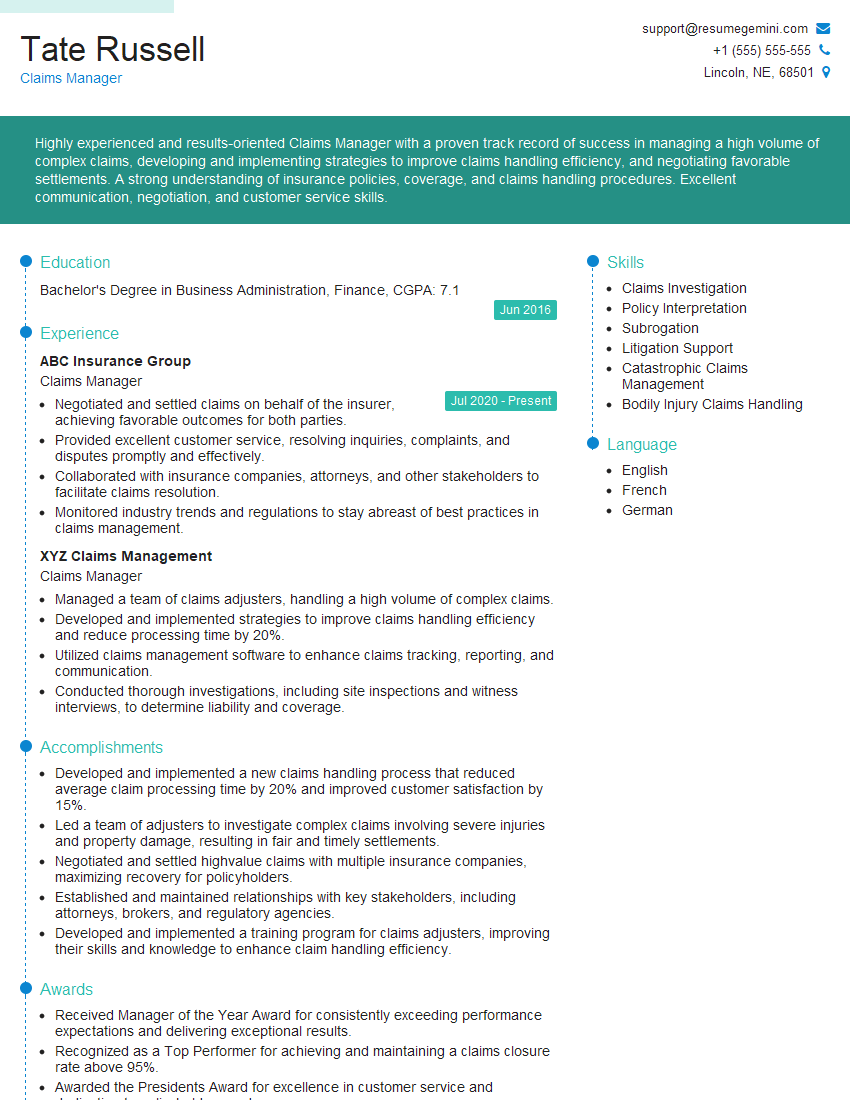
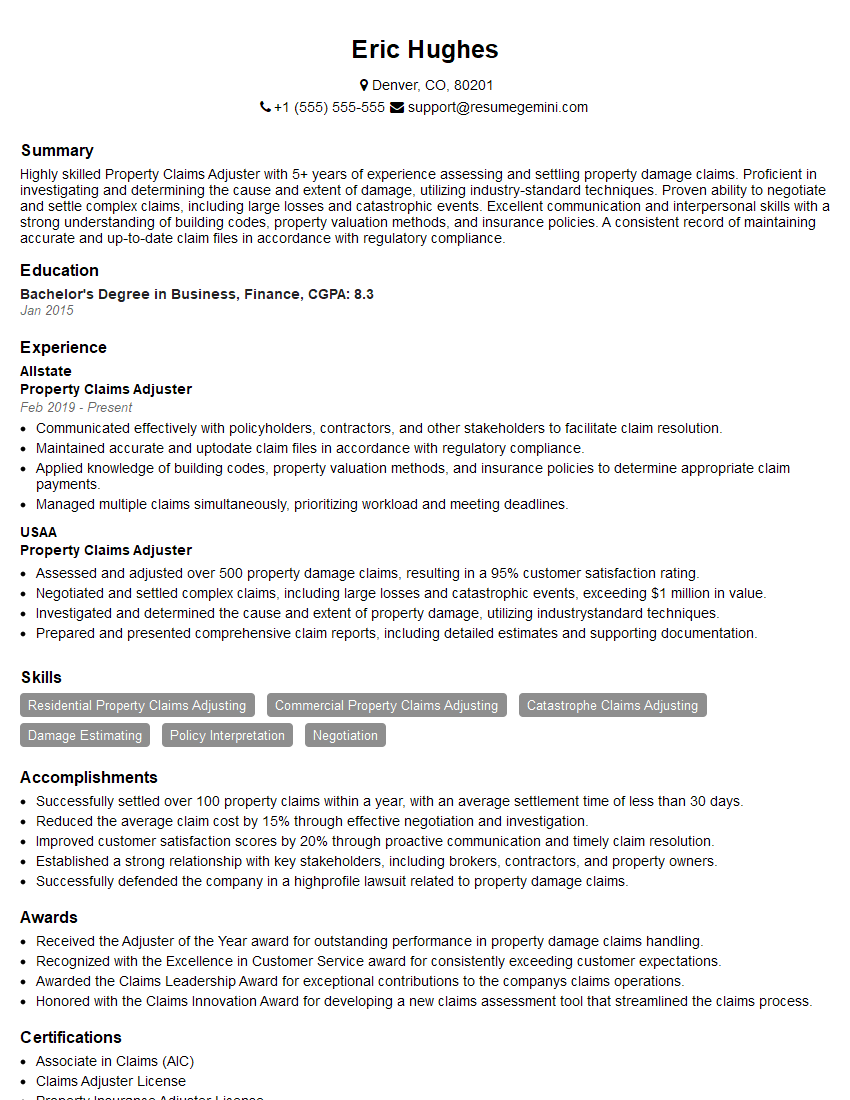
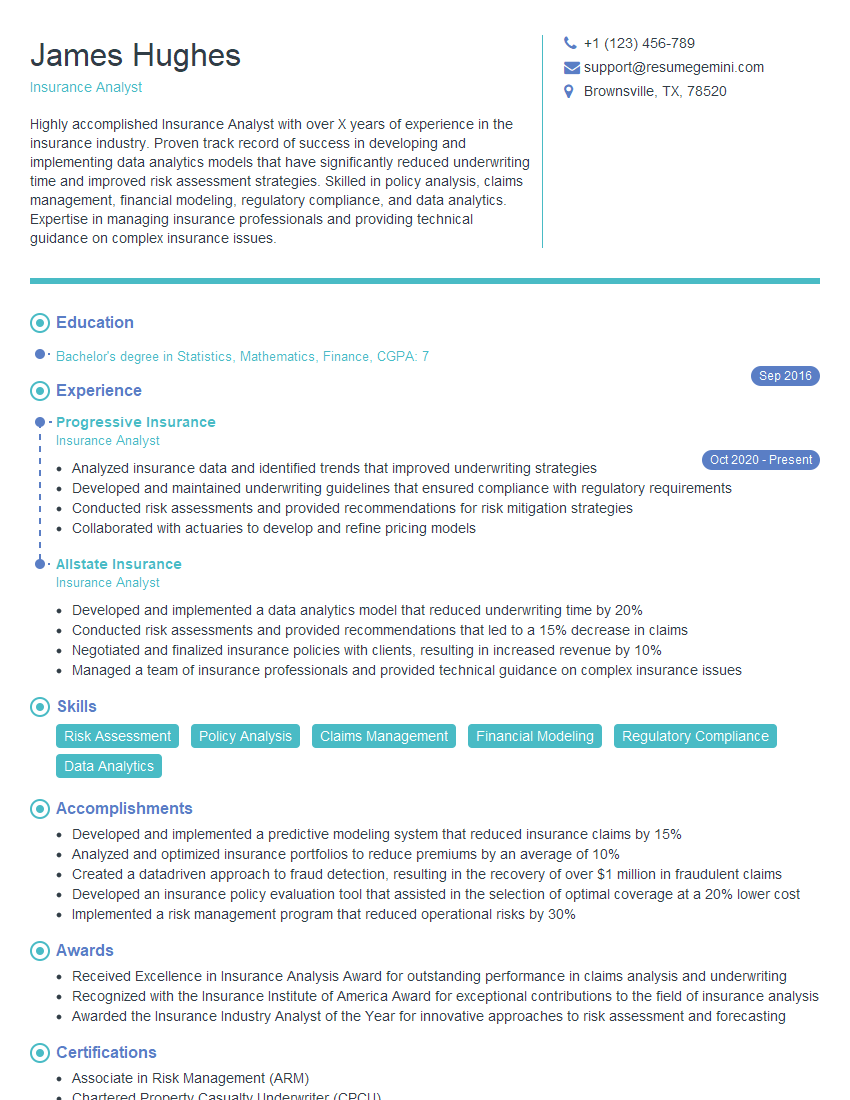
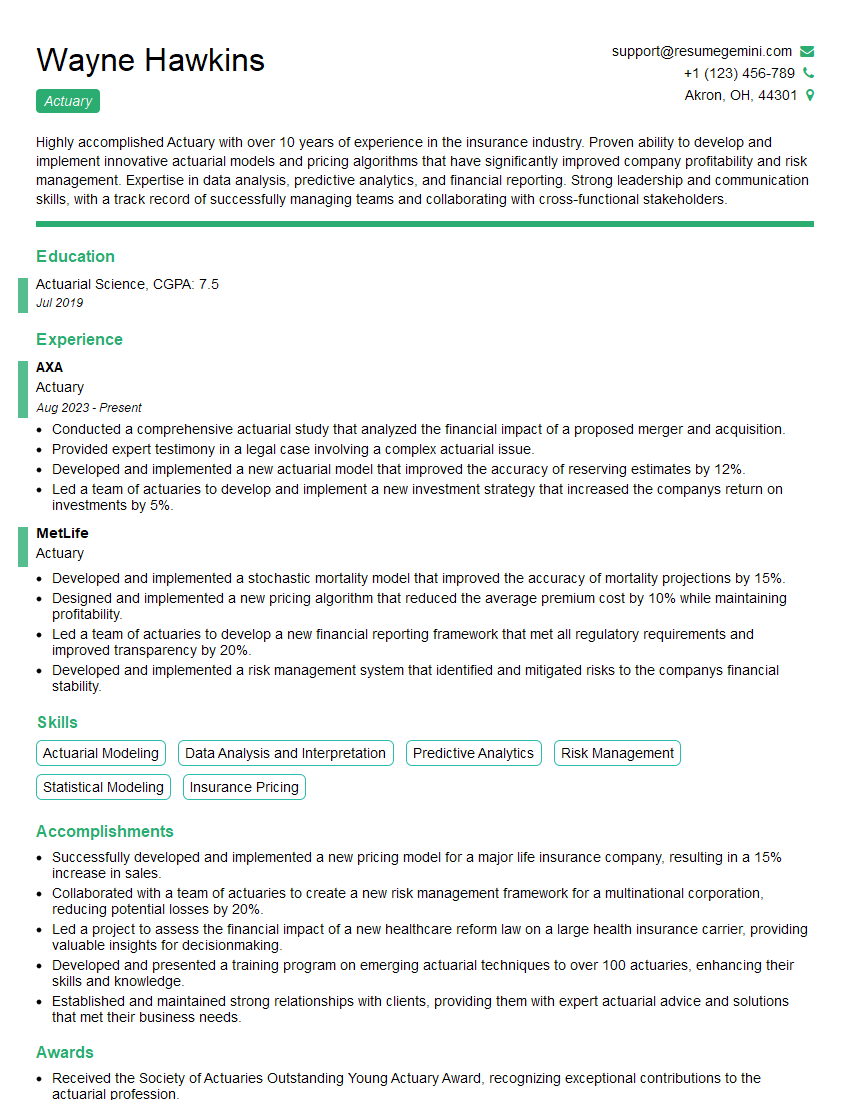
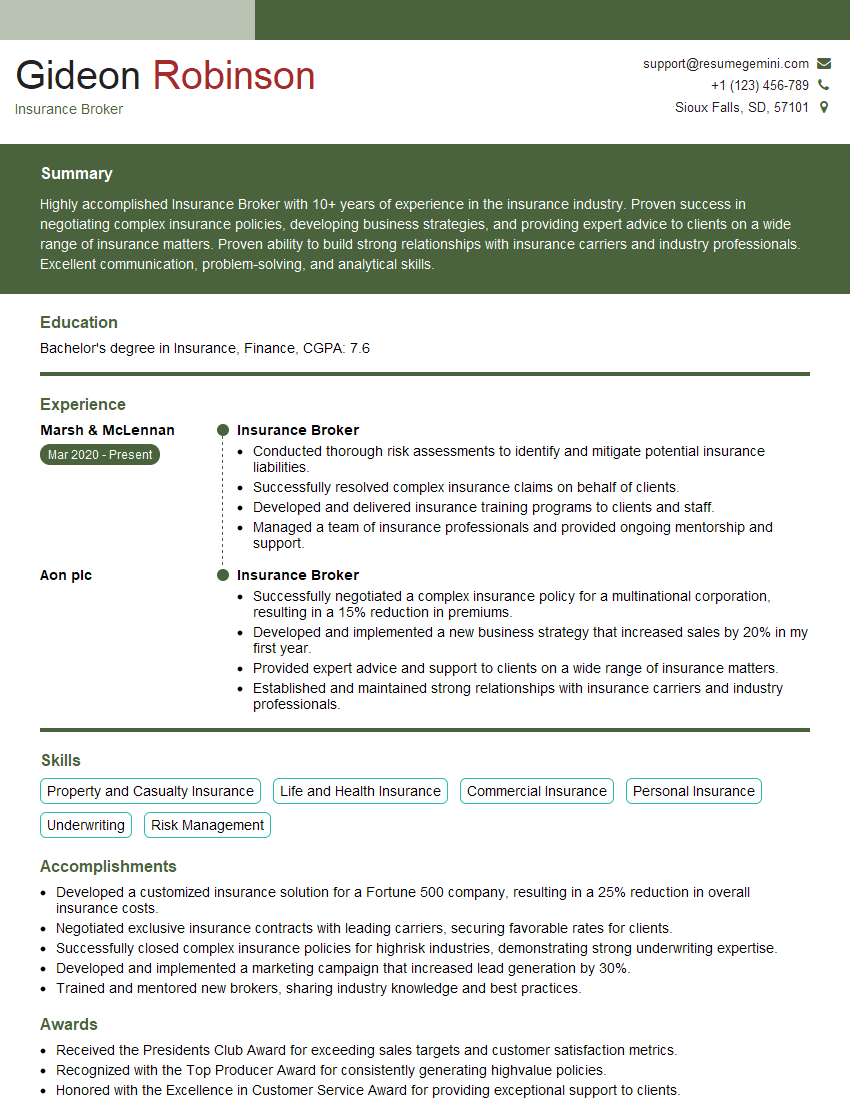
Mastering insurance negotiations is crucial for career advancement in this dynamic field, opening doors to leadership roles and higher earning potential. A strong resume is your first impression; ensuring it’s ATS-friendly is paramount to getting noticed by recruiters. To significantly boost your job prospects, we highly recommend building a professional and impactful resume. ResumeGemini is a trusted resource that can help you create a compelling resume tailored to your experience. Examples of resumes tailored specifically for Insurance Negotiations professionals are available to help guide your creation.
Explore more articles
Users Rating of Our Blogs
Share Your Experience
We value your feedback! Please rate our content and share your thoughts (optional).
What Readers Say About Our Blog
Very informative content, great job.
good