Every successful interview starts with knowing what to expect. In this blog, we’ll take you through the top Using ladders interview questions, breaking them down with expert tips to help you deliver impactful answers. Step into your next interview fully prepared and ready to succeed.
Questions Asked in Using ladders Interview
Q 1. What are the three key points of a proper ladder setup?
Proper ladder setup hinges on three crucial aspects: stability, angle, and surface.
- Stability: Ensure the ladder’s base is on a firm, level surface. Avoid soft ground, ice, or uneven terrain. Think of it like building a house – you wouldn’t start on shaky ground! If the ground is uneven, use ladder stabilizers or create a solid base with planks.
- Angle: The ladder must be positioned at the correct angle. A good rule of thumb is the 4:1 ratio: for every 4 feet of height, the base should be 1 foot away from the wall. This creates a stable, non-slip support.
- Surface: The area where the ladder contacts the wall or support structure must also be stable and secure. Avoid leaning against anything that might shift or give way.
For example, imagine painting a two-story house. Incorrect ladder placement could lead to a serious fall. By adhering to the 4:1 rule and ensuring a stable base, you mitigate this risk significantly.
Q 2. Explain the importance of inspecting a ladder before each use.
Inspecting a ladder before each use is paramount for safety. A seemingly minor defect can have catastrophic consequences. Think of a car’s pre-trip check; it’s a vital preventative measure.
A thorough inspection includes:
- Checking for cracks or damage: Examine all rungs, rails, and supporting structures for any signs of wear, tear, or cracks, especially near joints and the base.
- Testing the locking mechanisms (for extension ladders): Make sure all locks are engaged and securely hold the ladder sections in place. A poorly functioning lock can lead to collapse.
- Checking for loose bolts or rivets: Any loose hardware indicates structural weakness and should be addressed immediately.
- Assessing the feet or base: Ensure the feet are undamaged and provide adequate grip on the surface. Worn or damaged feet can significantly reduce stability.
- Checking the labels and rating: Confirm the ladder’s weight capacity and ensure it aligns with the intended load. A ladder overloaded with both the worker and materials is much more prone to accidents.
If any damage is found, the ladder should be immediately taken out of service and repaired or replaced by a qualified professional. Ignoring even small imperfections can lead to serious injury.
Q 3. Describe the different types of ladders and their appropriate uses.
Various ladder types cater to different needs. Choosing the right ladder is crucial for safety and efficiency.
- Step Ladders: These self-supporting ladders are ideal for shorter tasks and have a wide, stable base. They are perfect for tasks like changing lightbulbs or reaching high shelves.
- Extension Ladders: These ladders extend to reach greater heights. Their versatility makes them suitable for a wide range of applications, including exterior house painting, gutter cleaning, and roof work.
- Straight Ladders: These ladders are typically used when reaching higher points or for leaning against walls. They lack a built-in platform and are best for simple tasks where the user only needs to climb a certain height and work directly against a structure. Safety precautions should be paramount, and it’s important that you never overextend the ladder.
- Multi-Position Ladders: These ladders offer flexible configurations, functioning as stepladders, extension ladders, or scaffolding depending on the requirements. This versatile design makes them popular among professionals.
The selection depends entirely on the job at hand. For instance, a step ladder is perfect for changing a light fixture, but an extension ladder is needed for roof work. Using the wrong ladder type can dramatically increase the risk of an accident.
Q 4. What is the proper angle for setting up an extension ladder?
The proper angle for an extension ladder is crucial for stability and safety. The commonly accepted guideline is the 4:1 rule. This means that for every four feet of height the ladder reaches, the base should be one foot away from the wall or support. This creates a secure angle that prevents the ladder from tipping.
For example, if you need to reach a height of 12 feet, you should place the base of the ladder approximately 3 feet from the wall. Using a measuring tape to ensure accurate placement is always advised. Improper angle setup can result in serious instability and accidents. It is important to confirm the ladder reaches a stable resting point at its upper position.
Q 5. How do you ensure stability on uneven ground when using a ladder?
Uneven ground poses a significant stability risk. To maintain safety on uneven surfaces, several strategies can be used.
- Leveling the base: Use sturdy planks or boards to create a level platform for the ladder’s base. Ensure the planks extend well beyond the base of the ladder for a stable footing.
- Ladder stabilizers: These devices provide extra support and grip on uneven terrain. They’re particularly useful on sloping surfaces and can significantly increase stability.
- Additional Support: If possible, have a spotter assist in keeping the ladder steady. This can help prevent slips or unexpected movement.
Never attempt to use a ladder on unstable ground without implementing additional measures. A fall from a ladder on uneven ground is significantly more dangerous than one on level ground. A simple strategy, such as using planks to level a surface, can significantly improve safety.
Q 6. What safety equipment should be used when working at heights with a ladder?
Working at heights demands appropriate safety equipment beyond just the ladder itself. This ensures additional protection and reduces the risk of injury.
- Safety harness and lanyard: A fall arrest system is crucial for high-risk situations. The harness should be properly fitted and the lanyard secured to a suitable anchor point.
- Safety glasses or goggles: Protect eyes from falling debris or accidental impacts during work. These will help shield you from harm from falling objects.
- Work gloves: Gloves provide better grip and protect hands from scratches or injuries.
- Hard hat: Especially important for working near overhead obstructions. The hard hat will guard you from impacts should something fall from above.
- Appropriate footwear: Wear sturdy, non-slip shoes or boots to maintain your footing and prevent falls.
Safety equipment should be properly inspected before use. Using inadequate or damaged equipment increases risks significantly. Always prioritize safety when working at heights. Remember, safety isn’t optional.
Q 7. What is the maximum load capacity you should place on a ladder?
Never exceed the maximum load capacity specified by the ladder manufacturer. This rating accounts for both the ladder’s weight and the maximum safe weight it can support. Exceeding this limit significantly increases the risk of structural failure and a potentially fatal fall.
The load capacity is usually clearly stated on a label affixed to the ladder. It’s imperative to always check this rating and ensure the combined weight of the user, tools, and materials remains well below the maximum. The calculation must consider the combined weight of the person and the objects carried.
For instance, if the maximum load is 250 lbs and the user weighs 180 lbs, they can only carry an additional 70 lbs. Always err on the side of caution. If you are unsure, it’s always better to make multiple trips than to overload the ladder.
Q 8. How do you safely move a ladder from one location to another?
Moving a ladder safely requires careful planning and execution. Think of it like carrying a very long, somewhat unwieldy package. Never rush the process.
- Assess the route: Before you even touch the ladder, survey the path. Remove any obstacles like debris, cords, or uneven surfaces. Ensure the route is wide enough for the ladder’s length and your own movement.
- Secure the ladder: If it’s a long ladder, consider having a colleague assist. Keep a firm grip and maintain a balanced posture. For shorter ladders, use a carrying technique appropriate for its size and weight. Avoid lifting too heavy a ladder yourself.
- Carry it vertically or horizontally?: For shorter ladders, carrying vertically might be feasible. For longer ladders, a horizontal carry with one person at each end is safer. Ensure both individuals have a firm grip.
- Controlled movement: Move slowly and deliberately, making small adjustments as needed. Watch out for unexpected obstacles or changes in elevation.
- Set down carefully: Once you reach your destination, carefully set the ladder down on a stable surface, ensuring the feet are level and the ladder is properly positioned.
Example: Imagine moving a 16-foot ladder across a construction site. You’d want to clear a path beforehand, ensure someone else helps carry it, and lift it together smoothly to avoid twisting your back or dropping it. You would never try to carry such a heavy ladder completely alone.
Q 9. What are the common hazards associated with ladder use?
Ladder use is inherently risky. Hazards can be broadly categorized into three main areas:
- Falls: This is the biggest risk. Falls can result from improper setup, slippery surfaces, reaching too far, overloading the ladder, or unstable footing. The consequences can range from minor injuries to fatalities.
- Electrocution: Contact with overhead power lines is a significant hazard, especially for those working outdoors near utility poles or electrical equipment. Always maintain a safe distance.
- Slips and trips: Wet surfaces, loose materials, and uneven terrain can increase the risk of slipping or tripping, leading to falls. Poor ladder placement can also make slipping easy.
Example: A worker attempting to reach a high window without securing the ladder base properly could fall and sustain severe injuries. Working near power lines without checking for clearance risks electrocution. Using a ladder on a wet, muddy surface can lead to a slip and fall.
Q 10. Explain the proper techniques for ascending and descending a ladder.
Ascending and descending a ladder safely requires mindful technique:
- Ascending: Always face the ladder, maintaining three points of contact (two hands and one foot, or two feet and one hand). Use handholds to steady yourself, and ascend and descend one step at a time.
- Descending: Descend in the same controlled manner, keeping three points of contact, never rush down.
- Avoid overreaching: Never overreach or reach for tools beyond your comfortable reach. Move the ladder instead.
- Overlapping rungs: Make sure the feet are firmly placed on overlapping rungs.
Example: Imagine painting a house. You wouldn’t attempt to carry the paint can up and down while climbing the ladder simultaneously. Instead you would take the paint can up in one trip, do your work, and carry it down safely. Never reach out for a distant brush; move the ladder instead to maintain balance.
Q 11. Describe how to safely work near power lines with a ladder.
Working near power lines with a ladder is extremely dangerous and should be avoided if at all possible. Never use a ladder near power lines unless you’re trained in the procedures.
- Check clearance: Before approaching, confirm the distance to the nearest power line. Consult utility companies or qualified electricians to determine safe working distances.
- Contact utility companies: Notify power companies of your work to request a temporary power outage or to ensure they are aware of your activities. This is crucial for safety.
- Use alternative methods: If working near power lines is unavoidable, consider alternative methods, like using specialized equipment or scaffolding.
- Never allow the ladder to touch power lines: Maintain a significant safe distance. This distance needs to be professionally determined based on voltage and the type of lines.
Example: Attempting to trim a tree branch that’s near a power line is extremely risky. You should always contact your utility company to arrange for a power line professional to handle this work safely.
Q 12. How do you handle a ladder in windy conditions?
Wind significantly impacts ladder stability. In windy conditions, it’s best to avoid using a ladder altogether.
- Assess wind speed: Check the weather forecast. If winds are significant, postpone ladder work.
- Secure the base: If the wind is light, ensure the ladder base is extremely secure and heavy. Use additional support to prevent tipping.
- Avoid work in high winds: Any noticeable wind swaying the ladder significantly should be sufficient reason to stop work.
- Have a spotter: If it is absolutely necessary to use a ladder, a spotter should be present to ensure the ladder doesn’t get knocked over.
Example: A slight breeze might not be an immediate cause for concern, but strong gusts that make the ladder sway are a critical reason to postpone work until conditions improve. Any serious swaying indicates the task is too dangerous to undertake.
Q 13. What are the regulations regarding ladder safety in your workplace?
Workplace regulations regarding ladder safety vary depending on location and industry. However, most follow similar principles. The general principles are compliant with OSHA (Occupational Safety and Health Administration) regulations in the US and similar regulations in other regions. It’s crucial to review and comply with your specific workplace’s safety policies.
- Proper training: All employees using ladders should receive adequate training on safe ladder use and hazard recognition.
- Regular inspection: Ladders should undergo regular inspections to identify damage and ensure they meet safety standards.
- Proper use: Ladders should only be used for their intended purpose and following all manufacturers’ instructions.
- Protective equipment: Appropriate personal protective equipment (PPE) such as safety harnesses and helmets may be required depending on the worksite.
Example: Our company’s safety policy mandates annual ladder inspections and requires all employees to complete a ladder safety training course before using them on the job. We also use safety harnesses when working at significant heights.
Q 14. How do you maintain a ladder to ensure its structural integrity?
Regular maintenance is crucial for ensuring a ladder’s structural integrity and preventing accidents. A damaged ladder is an extremely hazardous object.
- Regular inspection: Inspect the ladder regularly, looking for cracks, loose rungs, damaged rails, or other signs of wear and tear. Pay close attention to the base and the top.
- Cleanliness: Keep the ladder clean and free of debris or slippery substances. Wash it down regularly with a suitable cleaner to remove any dirt or build up.
- Storage: Store the ladder in a dry, sheltered location to prevent damage from moisture or extreme temperatures. Never store it outside in the elements.
- Repair or replacement: If any damage is found, the ladder should be repaired by a qualified professional or, if the damage is extensive, replaced entirely.
Example: During a routine inspection, if we discover a crack in one of the rails, we’ll immediately remove the ladder from service and get it repaired by a specialist before returning it to service. If a rung is damaged or loose, this requires immediate replacement.
Q 15. What are the signs of a damaged or unsafe ladder?
Identifying a damaged or unsafe ladder is crucial for preventing accidents. Look for several key indicators:
- Cracks or Splintering: Any cracks, breaks, or splintering in the rails, steps, or side rails are major red flags. Think of it like a hairline fracture in a bone – it might seem small, but it compromises structural integrity.
- Loose Rungs or Steps: Wobbly or loose rungs indicate a weakening of the ladder’s structure. This can lead to collapse under weight.
- Damaged Feet or Shoes: Worn or damaged feet can compromise stability, especially on uneven surfaces. Imagine trying to stand on a ladder with worn-out shoe soles – you’d be much more likely to slip.
- Bent or Twisted Rails: Significant bending or twisting of the rails significantly reduces the ladder’s load-bearing capacity. It’s like bending a piece of wood until it’s no longer strong enough to hold weight.
- Missing or Damaged Hardware: Loose bolts, missing screws, or damaged hardware are critical indicators of structural weakness. These are the essential components that hold the ladder together.
- Corrosion or Rust: Significant rust or corrosion weakens the ladder’s metal components, making it brittle and prone to failure. Think of how rust eats away at a car, weakening the body over time.
Regular inspections are key. Before each use, visually examine the ladder for any of these signs. If you’re unsure, it’s always better to err on the side of caution and use a different ladder.
Career Expert Tips:
- Ace those interviews! Prepare effectively by reviewing the Top 50 Most Common Interview Questions on ResumeGemini.
- Navigate your job search with confidence! Explore a wide range of Career Tips on ResumeGemini. Learn about common challenges and recommendations to overcome them.
- Craft the perfect resume! Master the Art of Resume Writing with ResumeGemini’s guide. Showcase your unique qualifications and achievements effectively.
- Don’t miss out on holiday savings! Build your dream resume with ResumeGemini’s ATS optimized templates.
Q 16. What actions should you take if you suspect a ladder is unsafe?
If you suspect a ladder is unsafe, never use it. Your safety is paramount. Here’s the proper procedure:
- Tag and Remove from Service: Immediately tag the ladder as “Do Not Use” and remove it from service. This prevents others from using it accidentally.
- Report the Damage: Report the damaged ladder to your supervisor or appropriate authority. Provide detailed information about the damage.
- Proper Disposal or Repair: Follow your company’s procedures for disposing of damaged equipment or getting it professionally repaired. Don’t attempt repairs yourself unless you are qualified.
- Use a Safe Alternative: Find a safe alternative to complete the task. This might involve using a different ladder, scaffolding, or a lift.
Remember, using an unsafe ladder puts yourself and others at serious risk. Reporting a damaged ladder is not just about following protocol; it’s about preventing potential accidents.
Q 17. How do you ensure secure footing while working on a ladder?
Secure footing is absolutely critical for ladder safety. Here’s how to ensure it:
- Stable Base: Place the ladder on a firm, level surface. Avoid soft ground, uneven terrain, or slippery surfaces. Imagine trying to stand on a ladder on a muddy hill – extremely unstable!
- Proper Angle: The ladder should be at the correct angle – generally a 4:1 ratio (for every 4 feet of height, the base should be 1 foot away from the wall). Use the “toe-kick” method to check (the base should be a comfortable kick distance away from the wall).
- Non-Slip Surfaces: If necessary, use non-slip mats or rubber feet to improve traction. If the ground is wet or icy, find alternative solutions to working at height.
- Three Points of Contact: Maintain three points of contact with the ladder at all times – two hands and one foot or two feet and one hand. Avoid stretching or overreaching.
- Clear Area: Keep the area around the ladder clear of obstacles to prevent tripping or falling.
By following these steps, you significantly reduce the risk of slips, trips, and falls. Think of it like a three-legged stool: It’s much more stable than a two-legged stool.
Q 18. What is the proper procedure for using a ladder in confined spaces?
Using a ladder in confined spaces requires extra caution. The key is to assess the space and plan accordingly:
- Space Assessment: Thoroughly assess the space for overhead obstructions, low ceilings, and potential hazards before setting up the ladder.
- Ladder Selection: Choose a ladder that is the correct length and fits comfortably within the confined space. Consider using a shorter, more maneuverable ladder if space is tight.
- Secure Placement: Ensure the ladder is securely placed and won’t tip over, even with minimal movement. You might need assistance to stabilize it.
- Safe Entry and Exit: Plan safe entry and exit points. Ensure there’s enough room to move around safely without bumping into anything.
- Additional Support: Consider using extra support or bracing, such as a ladder stabilizer or an assistant to hold the base, in limited space conditions.
Never compromise safety for expediency. If the space is too confined, use alternative methods such as scaffolding or a scissor lift.
Q 19. Describe your experience with fall protection equipment used with ladders.
My experience includes extensive use of fall protection equipment with ladders, primarily full-body harnesses and fall arrest systems. I’ve worked with various types of anchor points, including those built into structures and portable anchors attached to stable points near the work area. I’m proficient in inspecting and ensuring correct attachment of harnesses and lanyards, and I understand the importance of regular equipment inspections for wear and tear. We utilize systems that meet or exceed OSHA standards to ensure that in the event of a fall, the system properly arrests the fall, preventing injury or death. I’ve used these systems in a variety of contexts, from installing exterior lighting to working on elevated platforms. Regular training and hands-on experience have reinforced my competence in safely employing these vital safety measures.
Q 20. How do you communicate safety procedures to co-workers when using ladders?
Communicating safety procedures effectively is essential. My approach involves:
- Pre-Task Briefing: Before starting any work involving ladders, I conduct a short briefing to cover the specifics of the job and the safety procedures. This includes reviewing the ladder’s condition, the planned method of working, and any potential hazards.
- Demonstrating Safe Techniques: I model correct ladder usage, highlighting important points like proper angle, three points of contact, and avoidance of overreaching. I make sure to clearly communicate the importance of adhering to these safety rules.
- Clear and Concise Instructions: I use clear and concise language, ensuring everyone understands the instructions and feels comfortable asking questions.
- Open Communication: I encourage open communication and answer any questions or concerns my coworkers may have about ladder safety. The goal is a shared understanding and a commitment to safety.
- Observation and Correction: Throughout the job, I actively monitor my colleagues to make sure everyone is following safe practices. I’ll gently correct anyone exhibiting unsafe behaviors. This is a demonstration of shared responsibility.
Safety is a team effort. By clearly communicating and working together, we create a safer work environment for everyone.
Q 21. Explain your understanding of OSHA regulations pertaining to ladder safety.
My understanding of OSHA ladder safety regulations is comprehensive. Key aspects include:
- Proper Selection and Condition: OSHA mandates using ladders appropriate for the task and ensuring they are in good condition, free from damage. Regular inspection is critical.
- Safe Setup and Use: OSHA regulations specify correct ladder placement, angle (typically a 4:1 ratio), and the importance of maintaining three points of contact at all times. Overreaching and overloading are strictly prohibited.
- Fall Protection: For tasks exceeding a certain height (often defined as 6 feet or more depending on specifics), OSHA mandates the use of fall protection equipment such as harnesses and guardrails.
- Proper Training: OSHA emphasizes the importance of proper employee training on safe ladder usage and fall protection. Employees need to be aware of the rules and how to apply them properly.
- Inspection and Maintenance: Regular inspection and maintenance of ladders are crucial according to OSHA guidelines. Damaged ladders should be taken out of service immediately.
Staying compliant with OSHA regulations isn’t just about avoiding penalties; it’s about creating a work environment that prioritizes the safety and well-being of every employee. It’s about creating a culture of safety.
Q 22. What is your experience using different ladder types (e.g., step ladders, extension ladders)?
My experience with ladders spans over 15 years, encompassing various types used in diverse settings – from residential renovations to commercial construction projects. I’m proficient with step ladders, extension ladders, single and double-sided ladders, and scaffold towers. Step ladders are ideal for shorter tasks requiring stability, like changing light bulbs or painting interior walls. Their design ensures a wide, stable base. Extension ladders, on the other hand, are essential for reaching significant heights, such as gutter cleaning or exterior painting. I’ve also extensively used articulated ladders for accessing awkward spaces and scaffold towers for prolonged, large-scale projects demanding substantial stability and working platform. Each type demands a unique understanding of its setup, limitations, and safe operating procedures.
For instance, I’ve used a 6ft stepladder hundreds of times for interior painting, but a recent project involved cleaning the second-story gutters of a two-story house, necessitating the safe and efficient deployment of a 24ft extension ladder, carefully considering factors like ground stability, ladder placement angle, and securing the base.
Q 23. How do you assess the suitability of a ladder for a specific job?
Assessing ladder suitability requires a thorough evaluation of several key factors. First, determine the required working height. You need a ladder that extends at least 3ft beyond your intended reach to ensure safe access and work. Next, consider the weight capacity of the ladder. This is critical as it relates to the total weight of the worker and any materials being carried. The ladder’s material (aluminum, fiberglass, wood) also influences its suitability for the environment. Fiberglass is superior for electrical work due to its non-conductive properties, while aluminum offers strength and lightness. The working surface also matters—uneven ground requires additional stabilization measures such as outriggers or securing the ladder’s base. Lastly, always check the ladder for any signs of damage or wear before use; even slight damage can compromise its structural integrity.
For example, if I’m tasked with replacing a light fixture on a 10ft ceiling, a standard 12ft stepladder would suffice. However, if I need to replace roof tiles, a 24ft extension ladder with appropriate stabilizer outriggers might be necessary, also factoring in the height and type of roof.
Q 24. Describe a time you had to solve a problem related to ladder safety.
During a roofing repair project, I noticed the extension ladder’s feet were sinking slightly into soft ground. This posed a significant risk of the ladder tipping. My immediate solution was to create a more stable base. Instead of placing the ladder directly on the soft ground, I strategically positioned large, heavy-duty plywood sheets under the ladder’s feet. This created a solid, level platform that distributed the ladder’s weight evenly, preventing further sinking and ensuring a secure working environment. A near miss like this highlights the importance of constantly assessing the work environment and reacting proactively to potential hazards.
Q 25. How do you prioritize safety when working under time pressure with ladders?
Time pressure never compromises safety. My approach involves a structured, risk-assessment-first methodology. I prioritize the safe setup and use of the ladder over speed. This includes carefully inspecting the ladder, selecting the right ladder for the job, ensuring proper footing and stabilization, and confirming there’s no overhead interference. I prioritize completing the job safely and correctly, even if it means taking more time. Speed is secondary to avoiding injury or property damage. Rushing increases the probability of an accident. If the task demands exceptional speed, I’d explore alternative solutions, like scaffolding or specialized equipment.
Q 26. What is your understanding of different ladder materials and their strengths/weaknesses?
Ladders are primarily made from aluminum, fiberglass, and wood. Aluminum ladders are lightweight, strong, and relatively inexpensive. However, they conduct electricity, making them unsuitable for electrical work. Fiberglass ladders are non-conductive and ideal for electrical work, but they are heavier and more expensive than aluminum. Wooden ladders are generally the most affordable but also heavy, can be prone to cracking, and may require more frequent inspections for wear and tear. Each material has strengths and weaknesses that must be considered based on the specific job application and environmental factors.
Q 27. How do you react to a near-miss incident involving a ladder?
A near-miss incident demands immediate attention and thorough investigation. My response begins with a complete assessment of what happened, focusing on identifying the root cause of the near miss. Was it improper ladder placement, inadequate ground conditions, user error, or equipment malfunction? I would report the incident to the supervisor, providing a detailed account of the events. This information helps establish a plan for preventative measures, possibly modifying procedures, improving training, or replacing aging equipment. Post-incident discussions with fellow workers are crucial in enhancing overall safety awareness and competence.
Q 28. What steps do you take to prevent ladder-related accidents?
Preventing ladder-related accidents involves a multifaceted approach. Pre-use ladder inspections are critical. Always check for damage to rungs, rails, and feet. Proper setup is paramount—ensure the ladder’s base is stable and level, and the ladder is at the correct angle (generally a 4:1 ratio – for every 4 feet of height, the base should be 1 foot away from the wall). Always maintain three points of contact when climbing (two hands and one foot, or two feet and one hand). Avoid overreaching; it’s safer to climb down and reposition the ladder. Proper personal protective equipment (PPE), like safety gloves and footwear, should be worn. Regular safety training is essential to reinforce safe practices and update knowledge on changes in safety regulations and best practices. Finally, always choose the right ladder for the specific task, considering factors like height, weight capacity, and environmental conditions.
Key Topics to Learn for Using Ladders Interview
- Safety Regulations and Procedures: Understanding OSHA standards and company-specific safety protocols for ladder use. This includes proper inspection techniques before each use.
- Ladder Selection and Setup: Choosing the appropriate ladder type (extension, step, etc.) for the task and terrain. This includes correct placement, securing, and angle considerations.
- Proper Climbing Techniques: Safe ascending and descending practices, maintaining three points of contact, and avoiding overreaching.
- Working at Heights: Understanding fall protection measures, including harnesses, and the importance of maintaining balance and stability.
- Load Capacity and Weight Distribution: Knowing the weight limits of different ladders and distributing weight evenly to prevent accidents.
- Emergency Procedures: Knowing what to do in case of a fall or other emergency, including reporting procedures.
- Common Hazards and Risk Mitigation: Identifying potential hazards associated with ladder use (e.g., electrical wires, unstable surfaces) and implementing preventative measures.
- Different Ladder Types and Their Applications: Understanding the strengths and weaknesses of various ladder types (e.g., fiberglass, aluminum, wood) and selecting the appropriate type for different tasks.
- Maintaining Ladders: Regular inspection and maintenance to ensure ladders are in good working condition and identify potential hazards.
Next Steps
Mastering safe ladder usage is crucial for any job involving working at heights, significantly enhancing your safety and employability. A strong understanding of these principles demonstrates responsibility and commitment to workplace safety, making you a valuable asset to any team. To further boost your job prospects, create an ATS-friendly resume that highlights your skills and experience. We highly recommend using ResumeGemini to craft a professional and impactful resume that showcases your expertise in using ladders effectively and safely. Examples of resumes tailored to using ladders are available to help guide you.

Facility Manager Resume Sample
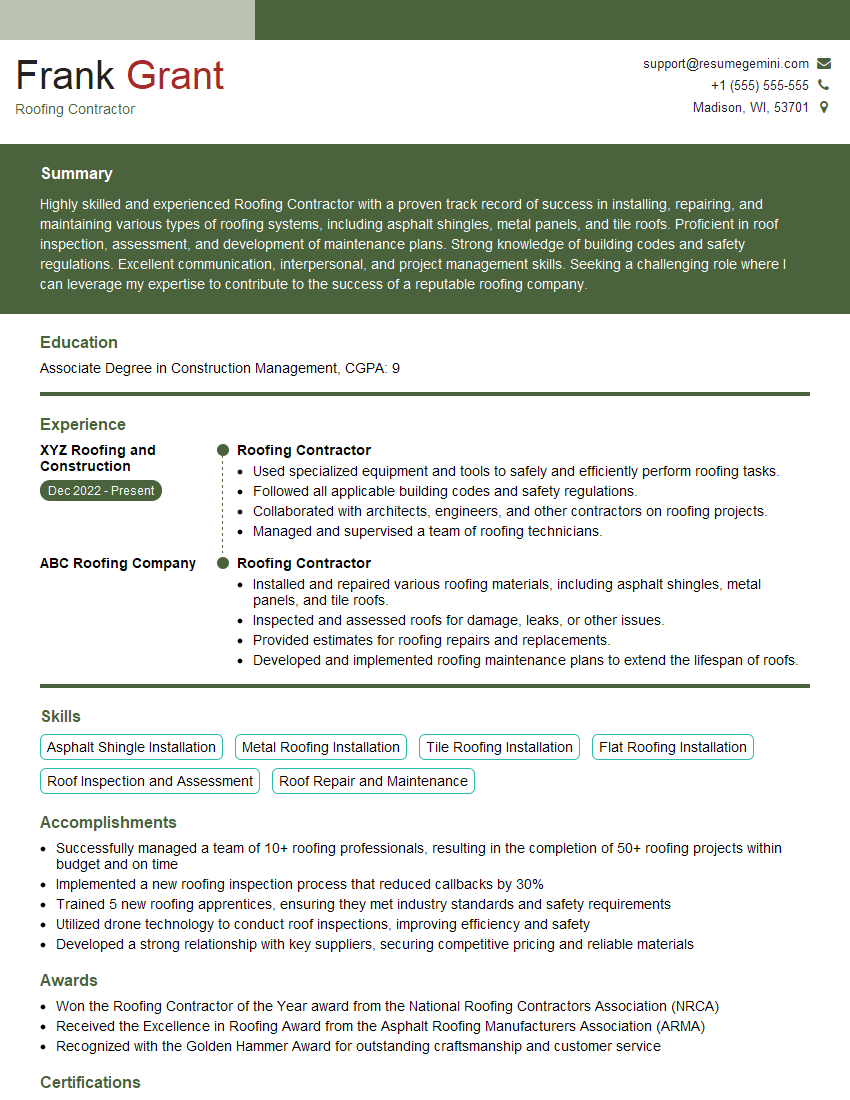
Roofing Contractor Resume Sample

Property Manager Resume Sample

Maintenance Technician Resume Sample

Safety Inspector Resume Sample

Painter Resume Sample

Building Inspector Resume Sample

Lineman Resume Sample

Utility Worker Resume Sample
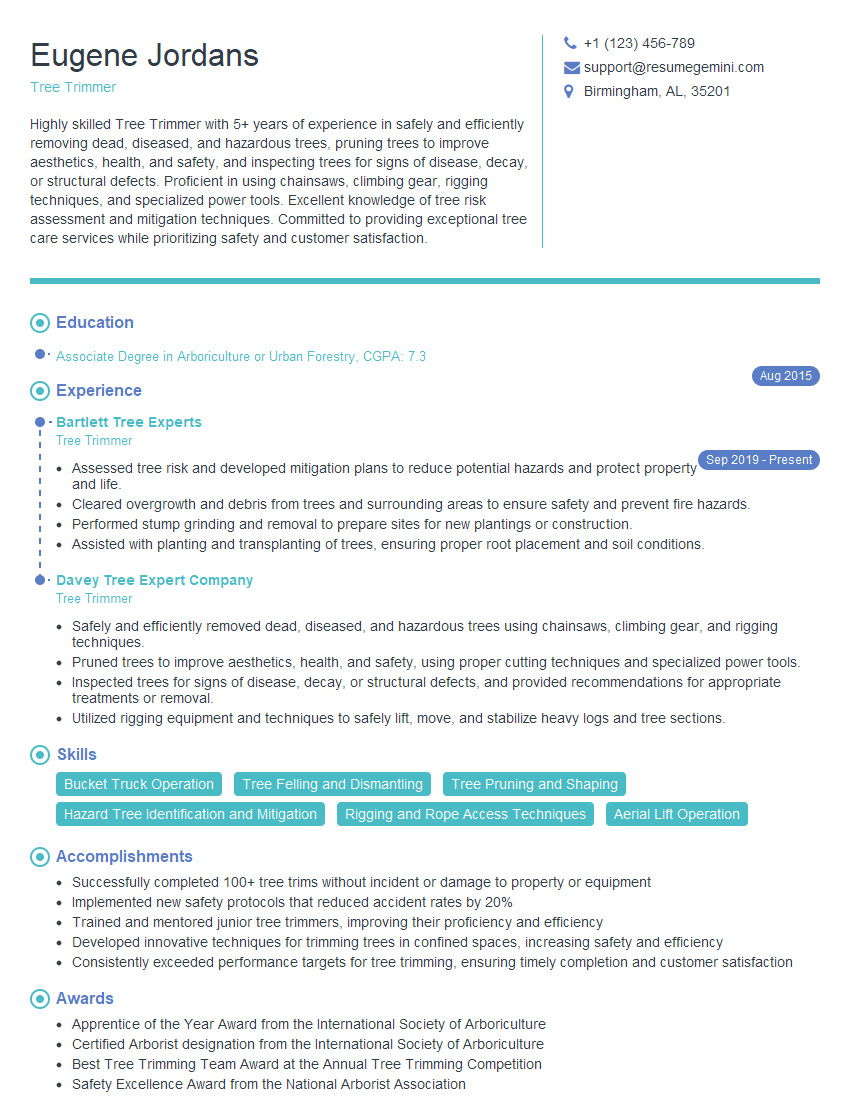
Tree Trimmer Resume Sample

Construction Worker Resume Sample

Carpenter Resume Sample
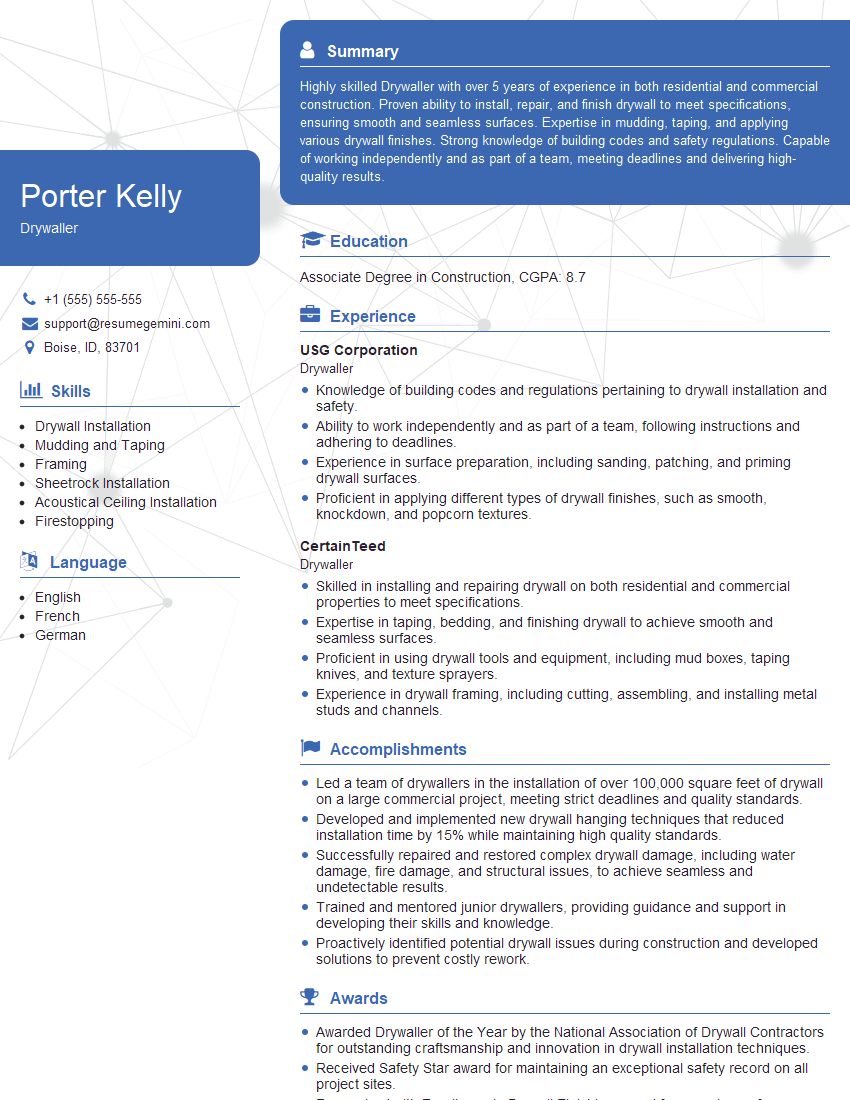
Drywaller Resume Sample

Electrician Resume Sample

Insulator Resume Sample

Plasterer Resume Sample

Ironworker Resume Sample

Rigger Resume Sample

Sign Installer Resume Sample

Telecommunications Technician Resume Sample

HVAC Technician Resume Sample
- Facility Manager
- Roofing Contractor
- Property Manager
- Maintenance Technician
- Safety Inspector
- Painter
- Building Inspector
- Lineman
- Utility Worker
- Tree Trimmer
- Construction Worker
- Carpenter
- Drywaller
- Electrician
- Insulator
- Plasterer
- Ironworker
- Rigger
- Sign Installer
- Telecommunications Technician
- HVAC Technician
Explore more articles
Users Rating of Our Blogs
Share Your Experience
We value your feedback! Please rate our content and share your thoughts (optional).
What Readers Say About Our Blog
Very informative content, great job.
good