The thought of an interview can be nerve-wracking, but the right preparation can make all the difference. Explore this comprehensive guide to Strong Storytelling Skills interview questions and gain the confidence you need to showcase your abilities and secure the role.
Questions Asked in Strong Storytelling Skills Interview
Q 1. Describe your approach to crafting a compelling narrative.
Crafting a compelling narrative begins with a strong understanding of your audience and your core message. It’s not just about stringing words together; it’s about building an emotional connection. My approach involves a five-step process: Ideation, Structure, Character Development, Voice & Tone, and Refinement.
- Ideation: This involves brainstorming and defining the central conflict or theme. What’s the core problem? What’s at stake? What’s the emotional arc?
- Structure: I utilize classic narrative structures like the hero’s journey or Freytag’s pyramid to ensure a logical flow and impactful climax. This often involves outlining key plot points and emotional beats.
- Character Development: Creating relatable and believable characters is crucial. I give each character motivations, flaws, and arcs that drive the narrative forward. They need to feel real and their decisions need to feel justified within the narrative context.
- Voice & Tone: The story’s voice and tone are critical in setting the mood and establishing a connection with the audience. This is determined by the story’s genre, target audience, and the overall message.
- Refinement: This is an iterative process of editing and rewriting to polish the narrative, ensure clarity, and maximize emotional impact. Feedback is vital during this stage.
For example, when crafting a narrative for a marketing campaign, the ideation phase would focus on the product’s benefits and the target customer’s needs, aligning them with a compelling narrative arc.
Q 2. How do you tailor your storytelling to different audiences?
Adapting storytelling to different audiences requires understanding their unique perspectives, knowledge levels, and communication preferences. Consider these factors:
- Age and Background: A story for children will differ significantly from one for adults, employing simpler language and focusing on different themes.
- Cultural Context: Cultural nuances and sensitivities must be carefully considered to avoid misinterpretations or offense.
- Level of Expertise: Technical narratives require a different approach than stories for a general audience. Jargon and detailed explanations might be appropriate for experts, but not for the general public.
- Communication Style: Formal versus informal, direct versus indirect—the communication style must match the audience’s expectations.
For instance, a scientific discovery could be presented with detailed data and jargon to fellow scientists, while a simplified, emotionally resonant narrative focusing on the broader implications could be used for a public audience.
Q 3. Explain how you structure a story to maximize impact.
Effective story structure is essential for maximizing impact. I often employ variations of the classic narrative arc: Exposition, Rising Action, Climax, Falling Action, Resolution.
- Exposition: Sets the scene, introduces characters, and establishes the initial situation.
- Rising Action: Builds tension and suspense through a series of complications and challenges.
- Climax: The point of highest tension, where the conflict reaches its peak.
- Falling Action: The aftermath of the climax, where the consequences unfold.
- Resolution: The story’s conclusion, offering a sense of closure or a new beginning.
However, I don’t rigidly adhere to this structure. Sometimes a non-linear structure, like using flashbacks or multiple perspectives, can enhance the impact and create a more engaging experience. The key is to create a logical flow that keeps the audience invested and emotionally satisfied.
Q 4. How do you incorporate data or evidence into your narratives?
Integrating data or evidence into narratives requires careful consideration to avoid overwhelming the audience with raw facts. The goal is to use data to support the story, not to let it dominate. Effective techniques include:
- Visualizations: Charts, graphs, and images can present complex data in an accessible and engaging way.
- Analogies and Metaphors: Relating data to familiar concepts can make it more understandable and memorable.
- Storytelling with Data Points: Embed key statistics within the narrative, highlighting their relevance to the story’s overall arc.
- Focus on the Human Element: Frame the data within a human context, showing how it impacts people’s lives.
For example, instead of simply stating ‘crime rates have decreased by 15%’, a narrative could focus on the positive impact this reduction has had on a specific community, using the 15% statistic as supporting evidence.
Q 5. What techniques do you use to build suspense or intrigue in your storytelling?
Building suspense and intrigue involves creating anticipation and uncertainty. Techniques include:
- Foreshadowing: Hint at future events without revealing too much.
- Cliffhangers: End scenes or chapters on a dramatic note, leaving the audience wanting more.
- Red Herrings: Introduce misleading clues to keep the audience guessing.
- Mysterious Characters: Develop characters with hidden agendas or unknown pasts.
- Unresolved Questions: Pose unanswered questions that linger in the reader’s mind, creating a sense of mystery.
For example, in a mystery novel, foreshadowing might involve a character mentioning a recurring dream about a specific location, later revealed to be crucial to the plot. This creates suspense and increases the reader’s engagement.
Q 6. Describe a time you used storytelling to solve a problem.
I once used storytelling to resolve a conflict between two departments in a company. The marketing and sales teams were at odds over the launch of a new product. Marketing felt the sales team wasn’t adequately prepared, while sales felt the marketing materials were insufficient.
Instead of a formal meeting, I organized an informal storytelling session. I asked each team to share their perspective on the product launch through a narrative. This allowed them to express their concerns and frustrations creatively and empathetically. Hearing each other’s stories, framed within a narrative rather than accusations, helped them understand the other’s viewpoint and discover common ground. The session concluded with collaborative brainstorming, leading to a mutually agreeable plan for the launch.
Q 7. How do you handle feedback on your storytelling?
I value feedback as an essential part of the storytelling process. I treat feedback as an opportunity for growth and improvement, not as criticism. My approach includes:
- Active Listening: I carefully listen to feedback, paying attention to both the specifics and the overall sentiment.
- Seeking Clarification: I ask clarifying questions to ensure I understand the feedback accurately.
- Objective Evaluation: I objectively evaluate the feedback, considering its validity and relevance to the story’s goals.
- Iterative Refinement: I incorporate the constructive feedback into revisions, always keeping the original vision in mind.
Even negative feedback can be incredibly valuable, highlighting areas that need improvement or adjustments. It’s about learning, refining, and delivering the most impactful story possible.
Q 8. How do you ensure your storytelling is both engaging and informative?
Engaging and informative storytelling walks a tightrope: it needs to captivate the audience while delivering valuable information. The key lies in weaving information seamlessly into a compelling narrative. Think of it like baking a cake: the information is the essential ingredients, but the engaging story is what makes it delicious and memorable.
Show, don’t tell: Instead of stating facts, illustrate them through vivid descriptions, anecdotes, and relatable characters. For example, instead of saying ‘The company’s profits increased,’ you might say, ‘Our innovative marketing campaign resulted in a 20% surge in sales, allowing us to expand our team and invest in new technologies.’ This paints a picture and makes the data more meaningful.
Humanize the information: Connect the data to human experiences and emotions. If you’re presenting financial data, relate it to the impact on employees’ jobs or the community the company serves. This creates empathy and makes the information more relevant.
Structure for impact: Use a clear narrative structure with a beginning, rising action, climax, falling action, and resolution. This provides a framework that guides the audience through the information, making it easier to digest and remember.
Q 9. What are some common pitfalls to avoid in storytelling?
Many pitfalls can derail even the most well-intentioned story. Avoiding these common mistakes is crucial for effective storytelling.
Information overload: Too much information presented at once can overwhelm the audience and hinder understanding. Focus on key points and prioritize clarity.
Lack of a clear narrative: A story without a clear beginning, middle, and end will leave the audience confused and disengaged. Establish a compelling storyline and ensure the information supports it.
Weak character development: In narratives, characters are crucial for engagement. Give them depth, motivations, and relatable traits, even in a business context. Weak characters lack impact and create a detached experience.
Ignoring the audience: Failing to consider the audience’s background, interests, and expectations can result in a story that misses the mark. Tailor your approach to resonate with your specific audience.
Overly complex language or jargon: Keep the language accessible and avoid technical jargon unless your audience is already familiar with it. Plain language fosters understanding and engagement.
Q 10. How do you adapt your storytelling approach for different media (e.g., written, visual, spoken)?
Adapting storytelling to different media requires understanding the unique strengths and limitations of each format. A story told effectively in writing might fall flat when presented orally, and vice versa.
Written: Written stories allow for more detail and complexity. Focus on crafting vivid descriptions, using strong verbs, and creating a compelling narrative arc. Think of novels or well-written articles.
Visual: Visual media like video or presentations relies heavily on visuals to complement the narrative. Use strong imagery, concise text, and compelling visuals to reinforce the story’s message. Think of animated explainer videos or impactful slideshows.
Spoken: Spoken word storytelling demands strong vocal delivery, pacing, and engagement with the audience. Use pauses, vocal inflection, and body language to emphasize key points and create emotional connection. Think of TED Talks or engaging presentations.
Regardless of the medium, the core narrative should remain consistent, but the delivery must be tailored to best suit each form.
Q 11. Describe your experience with using storytelling in a professional setting.
In my previous role at a marketing agency, I used storytelling extensively to present campaign strategies to clients. Instead of simply presenting data points, I framed the campaigns as narratives with challenges, characters (the target audience), and resolutions (successful campaign outcomes). For instance, I once presented a social media strategy for a new product launch by comparing it to a classic ‘hero’s journey’ narrative. This resonated much better with the clients than a dry presentation of data and projections. This approach helped them visualize the campaign’s potential and build confidence in our plan. It resulted in securing the contract and delivering a successful campaign.
Q 12. How do you create a strong emotional connection with your audience through storytelling?
Creating an emotional connection involves tapping into universal human experiences. This goes beyond simply telling a story; it’s about making the audience *feel* something.
Appeal to emotions: Identify the emotions relevant to your story and evoke them through vivid descriptions, relatable characters, and compelling language. For example, sharing a story of overcoming adversity can inspire hope and resilience in your audience.
Use sensory details: Engage multiple senses through vivid descriptions. Instead of saying ‘It was a cold day,’ you might say, ‘The biting wind whipped at our faces, turning our cheeks numb as we trudged through the snow.’ This creates a much more immersive and emotionally resonant experience.
Show vulnerability: Sharing personal experiences, even if just slightly, can create a sense of connection and trust. Authenticity is key to building emotional resonance.
Relatable characters: Develop characters that the audience can connect with on an emotional level. Give them flaws, struggles, and triumphs that mirror the audience’s own experiences.
Q 13. How do you determine the best way to open and close a story?
The opening and closing of a story are critical for setting the tone and leaving a lasting impression. A strong opening grabs attention, while a powerful closing reinforces the message.
Openings: Consider starting with a compelling question, a surprising statistic, a vivid anecdote, or a captivating image. The goal is to immediately pique the audience’s interest and set the stage for the rest of the story.
Closings: The closing should summarize the main points, reinforce the emotional impact, and leave the audience with a clear takeaway. A strong call to action, a thought-provoking question, or a memorable image can create a powerful conclusion. Avoid abrupt endings.
Think of it like a journey: the opening is the invitation, and the closing is the farewell – both equally crucial.
Q 14. How do you incorporate conflict and resolution in your narratives?
Conflict and resolution are fundamental elements of a compelling narrative. Conflict creates tension and interest, while resolution provides a sense of closure and satisfaction. Without conflict, a story is often flat and uninteresting.
Types of Conflict: Conflict can be internal (a character’s inner struggle) or external (a character’s struggle against an outside force). Both can be used effectively to drive the narrative forward.
Building Tension: Gradually escalate the conflict to build tension and keep the audience engaged. Avoid resolving conflicts too easily or too quickly.
Satisfying Resolution: The resolution should feel earned and appropriate to the conflict. It doesn’t necessarily mean a ‘happy’ ending, but it should provide a sense of closure and allow the audience to reflect on the narrative’s themes and messages.
Consider a classic business story: a company facing a challenging market downturn (conflict) might overcome it through innovation and strategic planning (resolution).
Q 15. How do you use metaphors and analogies effectively in your storytelling?
Metaphors and analogies are powerful tools for making complex ideas relatable and memorable. They work by drawing comparisons between two seemingly different things, illuminating the shared characteristics and making the unfamiliar understandable. I use them strategically, ensuring the comparison is both relevant and insightful. For example, if explaining a complex business strategy, instead of using dense jargon, I might say ‘Our strategy is like a finely tuned engine; each part, carefully designed and interconnected, contributes to its overall performance’. This instantly creates a mental picture and makes the concept easier to grasp.
The effectiveness depends on choosing the right analogy. If my audience is primarily engineers, a technical analogy might resonate. However, for a general audience, a more universal comparison like nature or everyday life is often more effective. I carefully consider my audience’s background and knowledge when selecting a metaphor or analogy.
Career Expert Tips:
- Ace those interviews! Prepare effectively by reviewing the Top 50 Most Common Interview Questions on ResumeGemini.
- Navigate your job search with confidence! Explore a wide range of Career Tips on ResumeGemini. Learn about common challenges and recommendations to overcome them.
- Craft the perfect resume! Master the Art of Resume Writing with ResumeGemini’s guide. Showcase your unique qualifications and achievements effectively.
- Don’t miss out on holiday savings! Build your dream resume with ResumeGemini’s ATS optimized templates.
Q 16. How do you evaluate the effectiveness of your storytelling?
Evaluating storytelling effectiveness involves a multi-faceted approach. Firstly, I gauge audience engagement: Did they listen attentively? Were they asking questions? Did their facial expressions reflect understanding and interest? Secondly, I assess the clarity and memorability of the message: Did they understand the core message? Can they retell the story? I often use post-story feedback mechanisms like surveys or informal conversations to get direct insights into how the narrative resonated. Finally, I analyze the impact of the story on the intended outcome. For instance, did my story successfully motivate the team, secure funding, or change a perspective? This helps me understand the practical effectiveness of my storytelling.
Q 17. What are some of your favorite storytelling examples and why?
One of my favorite storytelling examples is the TED Talk by Brené Brown on vulnerability. It’s powerful because it’s deeply personal and relatable. She connects vulnerability to courage and authenticity, making a potentially uncomfortable topic accessible and inspiring. Another example is the narrative structure of ‘The Hero’s Journey’ – a timeless framework that resonates across cultures and stories because it taps into fundamental human experiences of struggle, transformation, and triumph. These examples demonstrate the power of genuine connection, clear structure, and impactful messaging.
Q 18. How do you maintain authenticity and credibility in your storytelling?
Maintaining authenticity and credibility relies heavily on honesty and transparency. I ensure my stories are rooted in truth, even if they’re not strictly factual accounts. The narrative should reflect genuine emotions and experiences, or a truthful representation of researched facts. If I’m sharing a story that’s not directly my own, I always attribute the source properly. I avoid embellishment or exaggeration that could compromise the story’s integrity. Building trust through transparency is essential to building credibility.
Q 19. How do you ensure your storytelling is inclusive and avoids stereotypes?
Inclusive storytelling requires careful consideration of representation and perspective. I actively seek to feature diverse characters and perspectives in my narratives, avoiding stereotypes and tropes that perpetuate harmful biases. This includes representing diverse ethnicities, genders, sexual orientations, abilities, and socioeconomic backgrounds accurately and respectfully. I strive to tell stories that challenge preconceived notions and promote empathy and understanding. Regularly reviewing my work through the lens of inclusivity is crucial to ensure fairness and avoid unintentional harm.
Q 20. Explain the role of narrative structure in effective communication.
Narrative structure is the backbone of effective communication. A well-structured story guides the audience through a clear progression, making the message more understandable and engaging. A typical structure might include: a compelling beginning (hook), rising action (building tension), a climax (turning point), falling action (resolution), and a satisfying conclusion. This framework ensures a coherent and impactful message. A poorly structured story can be confusing and lose the audience’s interest. Mastering narrative structure helps tailor the message for optimal impact.
Q 21. How do you use storytelling to build relationships?
Storytelling is a powerful tool for building relationships because it fosters connection and understanding. Sharing personal anecdotes, or stories that resonate with shared experiences, creates a sense of common ground and empathy. When I share a story about overcoming a challenge, it reveals my vulnerability and builds trust. When I listen to others’ stories attentively, it shows that I value their experiences and perspectives. This reciprocal exchange strengthens bonds and fosters deeper connections based on shared human experience. Authentic storytelling creates a space for genuine human interaction and forms stronger bonds.
Q 22. How can storytelling improve decision-making?
Storytelling significantly enhances decision-making by transforming complex information into easily digestible narratives. Instead of presenting dry facts and figures, a story contextualizes data, making it more relatable and memorable. This improved comprehension fosters deeper understanding and facilitates more informed, intuitive choices.
For example, imagine presenting financial projections for a new product launch. A simple chart might show predicted revenue, but a story about the team’s dedication, the market need the product addresses, and the potential impact on customers paints a far more compelling picture. This narrative approach helps stakeholders connect emotionally with the data, making them more receptive to the decision to invest.
- Increased Engagement: Stories capture attention and maintain interest, leading to better absorption of crucial information.
- Improved Recall: Narratives are more easily remembered than abstract data, ensuring key facts remain accessible during the decision-making process.
- Enhanced Empathy: Stories create emotional connection, enabling stakeholders to understand the perspectives and experiences of those impacted by the decision.
- Risk Mitigation: By visualizing potential scenarios through narrative, you can anticipate challenges and develop more robust strategies.
Q 23. What types of stories resonate most with your target audiences?
The types of stories that resonate most depend heavily on the target audience and the communication goal. However, some universal themes consistently prove effective. Audiences connect with stories that feature:
- Authenticity and Relatability: Stories featuring genuine characters facing realistic challenges—and their triumphs and failures—create a strong connection. People see themselves reflected in the narrative.
- Emotional Resonance: Evoking empathy, hope, or even a touch of humor creates a memorable experience. Consider the power of a story that inspires hope, or one that shows the human cost of a decision.
- Clear Moral or Insight: The best stories offer a takeaway message or a valuable lesson learned. This provides a sense of closure and leaves the audience with something to ponder.
- Transformation or Change: Stories about overcoming obstacles and achieving growth inspire and motivate. The journey, not just the destination, holds power.
For instance, when speaking to a group of young entrepreneurs, a story about overcoming startup challenges would resonate more strongly than a purely data-driven presentation. Conversely, when presenting to a board of directors, highlighting financial success with a human-centered story about employee commitment can be more persuasive than a purely financial report.
Q 24. How do you handle challenging or sensitive topics in your storytelling?
Handling sensitive topics requires tact, empathy, and careful consideration. The key is to approach the subject with respect and avoid sensationalism. It’s crucial to prioritize the emotional impact on your audience.
- Emphasize Empathy and Understanding: Begin by acknowledging the sensitivities involved and demonstrating your awareness of potential negative reactions.
- Focus on Facts and Data: Base your narrative on accurate information and avoid making assumptions or generalizations that could be harmful or offensive.
- Use Inclusive Language: Choose words that are neutral and avoid language that could be interpreted as judgmental or biased.
- Offer Diverse Perspectives: Include multiple viewpoints to present a comprehensive and nuanced understanding of the topic.
- Provide a Path Forward: If appropriate, conclude with a message of hope, resilience, or a call to action that focuses on positive change.
For example, when discussing a controversial environmental issue, rather than simply presenting statistics about pollution, the story could focus on the personal experiences of affected communities and highlight efforts towards sustainable solutions. This human element enhances empathy and fosters a more meaningful dialogue.
Q 25. How do you ensure your storytelling is concise and impactful?
Conciseness and impact are achieved through careful planning and execution. Before crafting the narrative, identify the core message and ensure every element contributes to its delivery.
- Define a Clear Objective: What is the single most important point you want your audience to take away?
- Structure the Narrative: Use a compelling beginning, a well-developed middle, and a satisfying conclusion.
- Eliminate Unnecessary Details: Cut out anything that doesn’t directly support your main point. Every word should count.
- Use Vivid Language: Employ strong verbs, powerful imagery, and evocative descriptions to enhance engagement and recall.
- Practice and Refine: Rehearse your story multiple times, paying attention to pacing, tone, and delivery. Seek feedback to identify areas for improvement.
For instance, instead of describing a product’s features in a lengthy, technical explanation, a concise narrative could focus on how those features solve a specific customer problem. This directly connects the product’s value to the audience’s needs.
Q 26. How do you adapt your storytelling style to different communication goals?
Adapting storytelling style requires understanding your audience and communication goals. The same story can be told in many ways depending on the context.
- Formal vs. Informal: A presentation to a corporate board demands a more formal tone and structure than a casual conversation with colleagues.
- Length and Depth: A brief anecdote might suffice for a quick update, while a detailed narrative is better suited for a longer presentation or training session.
- Medium: The style will vary depending on whether you’re delivering a speech, writing an article, creating a video, or using another medium.
- Audience Knowledge: Adapt the complexity and vocabulary to suit the audience’s understanding of the topic.
For example, a complex technical innovation might be explained using simple analogies for a non-technical audience but presented with more technical detail to engineers. The core message remains the same, but the language and level of detail are adjusted for optimal comprehension.
Q 27. Describe a time you had to change your story mid-presentation. How did you handle that?
During a presentation on a new software platform, I noticed the audience struggling to grasp a complex technical feature I was explaining. My initial narrative, while accurate, was too dense. I recognized the audience’s confusion through their body language and lack of engagement.
Instead of continuing with my prepared script, I paused and acknowledged the challenge. I switched to a simpler analogy—comparing the feature to a familiar household appliance—to illustrate its function. I also used a visual aid, a simplified diagram, to clarify the technical process. This immediate adaptation made the information far more accessible. By acknowledging the audience’s difficulty and adapting my approach, I transformed a potentially frustrating situation into a learning opportunity. The audience’s understanding and engagement noticeably improved.
Q 28. How do you incorporate visual aids effectively into your storytelling?
Visual aids are powerful storytelling tools, enhancing understanding and memorability. They should complement, not replace, the narrative.
- Relevance: Ensure visuals directly support your message and don’t distract from it.
- Clarity and Simplicity: Use clean, uncluttered visuals. Avoid excessive text or complex graphics.
- Visual Appeal: High-quality images, well-designed charts, and engaging videos make a greater impact.
- Strategic Placement: Integrate visuals seamlessly into your presentation flow. Don’t just throw them up on the screen—explain and interact with them.
- Accessibility: Consider the needs of all audience members, ensuring visuals are clear and easy to understand for everyone, including those with visual impairments.
For example, when discussing sales growth, a simple line graph illustrating the upward trend is more effective than a lengthy table of figures. Similarly, a short video showcasing customer testimonials can add a personal touch and enhance the impact of your narrative.
Key Topics to Learn for Strong Storytelling Skills Interview
- Narrative Structure: Understanding the components of a compelling narrative – beginning, middle, and end – and how to apply them to your experiences.
- Show, Don’t Tell: Mastering the art of using vivid language and specific examples to illustrate your points, rather than simply stating facts.
- Audience Awareness: Tailoring your story to resonate with your interviewer by considering their perspective and expectations.
- STAR Method Application: Structuring your responses using the STAR method (Situation, Task, Action, Result) to create concise and impactful narratives.
- Emotional Resonance: Connecting with the interviewer on an emotional level by conveying your passion, dedication, and commitment.
- Conflict and Resolution: Highlighting challenges you’ve faced and the creative solutions you implemented to showcase your problem-solving abilities.
- Practice and Feedback: Rehearsing your stories and seeking feedback to refine your delivery and maximize impact.
Next Steps
Mastering strong storytelling skills is crucial for career advancement. It allows you to effectively communicate your achievements, showcase your value, and build rapport with potential employers. To significantly increase your job prospects, invest time in crafting an ATS-friendly resume that highlights your storytelling abilities. ResumeGemini is a trusted resource that can help you build a professional and impactful resume that stands out. Examples of resumes tailored to showcasing strong storytelling skills are available to guide you. Take the next step towards a successful career – build a resume that tells your story.
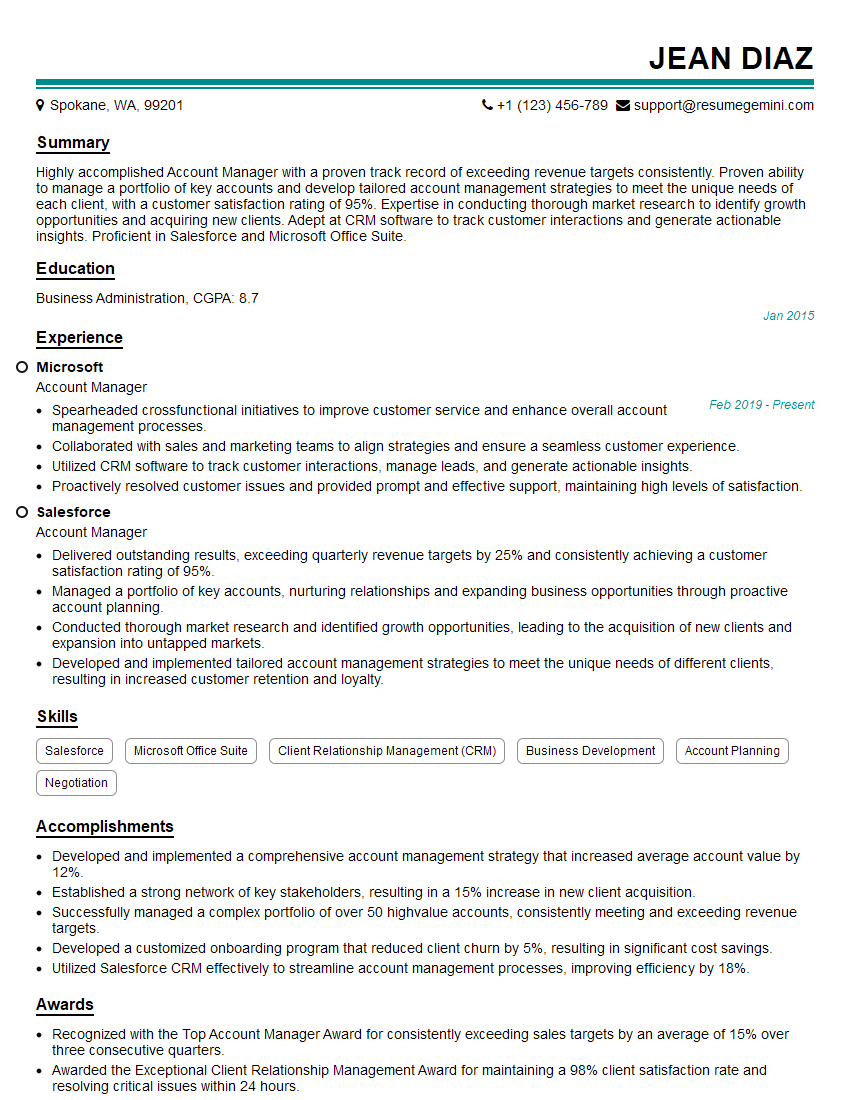
Account Manager Resume Sample
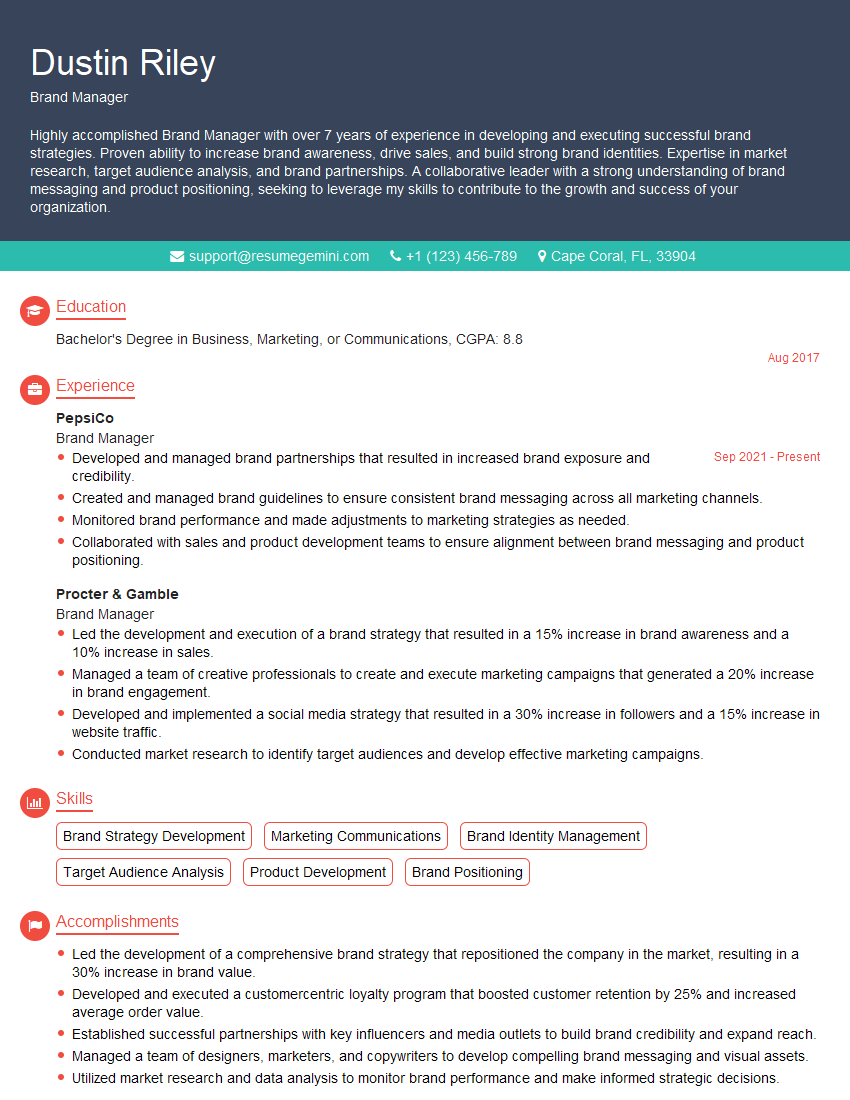
Brand Manager Resume Sample
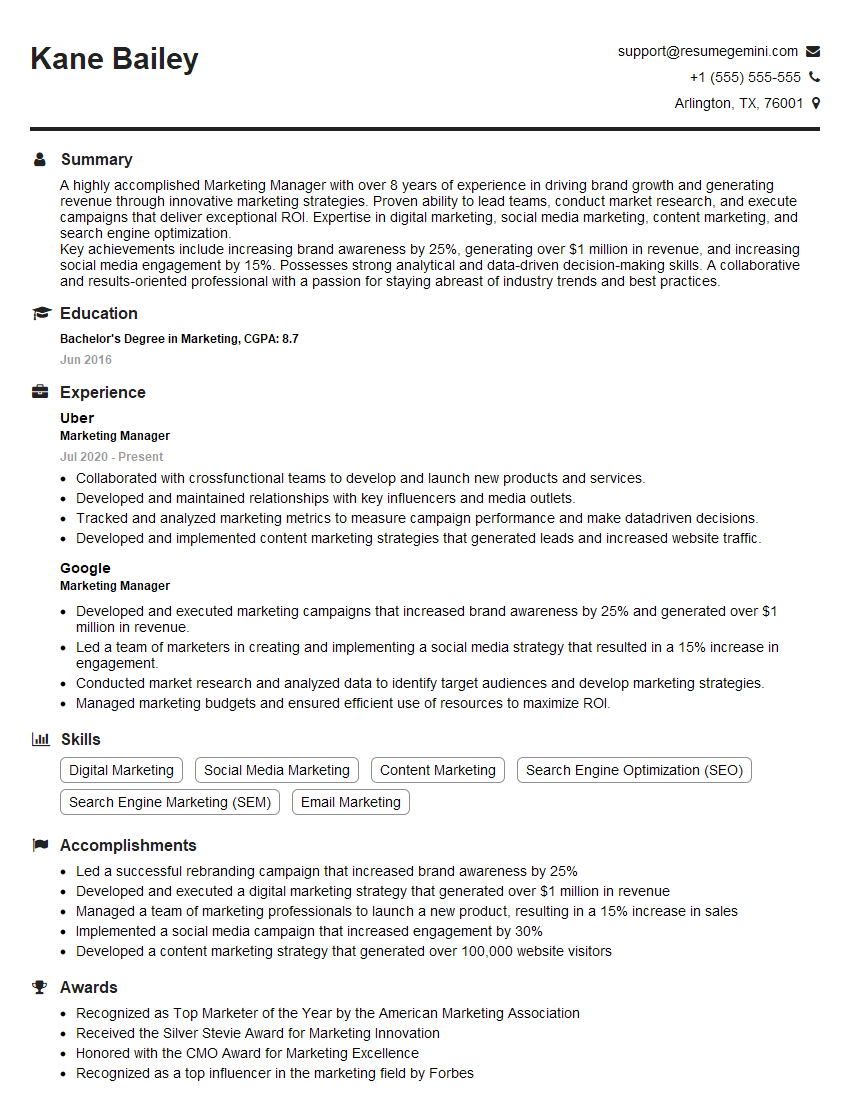
Marketing Manager Resume Sample
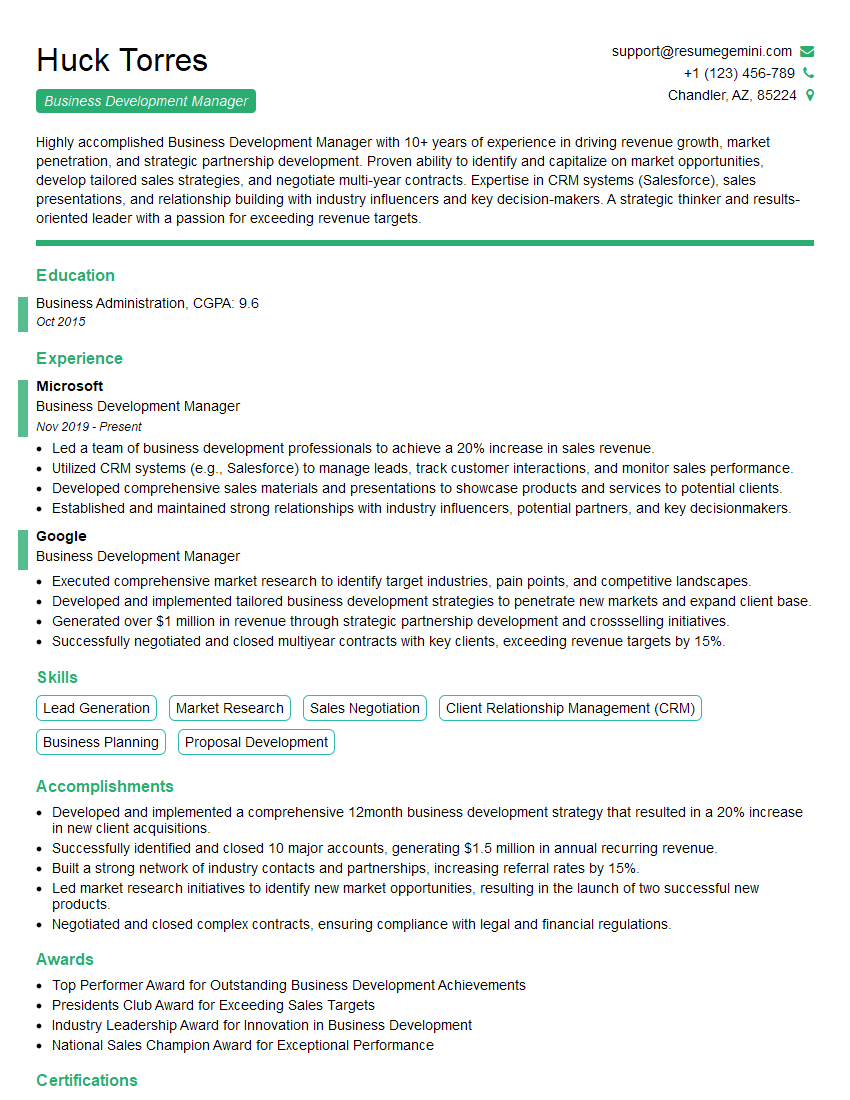
Business Development Manager Resume Sample
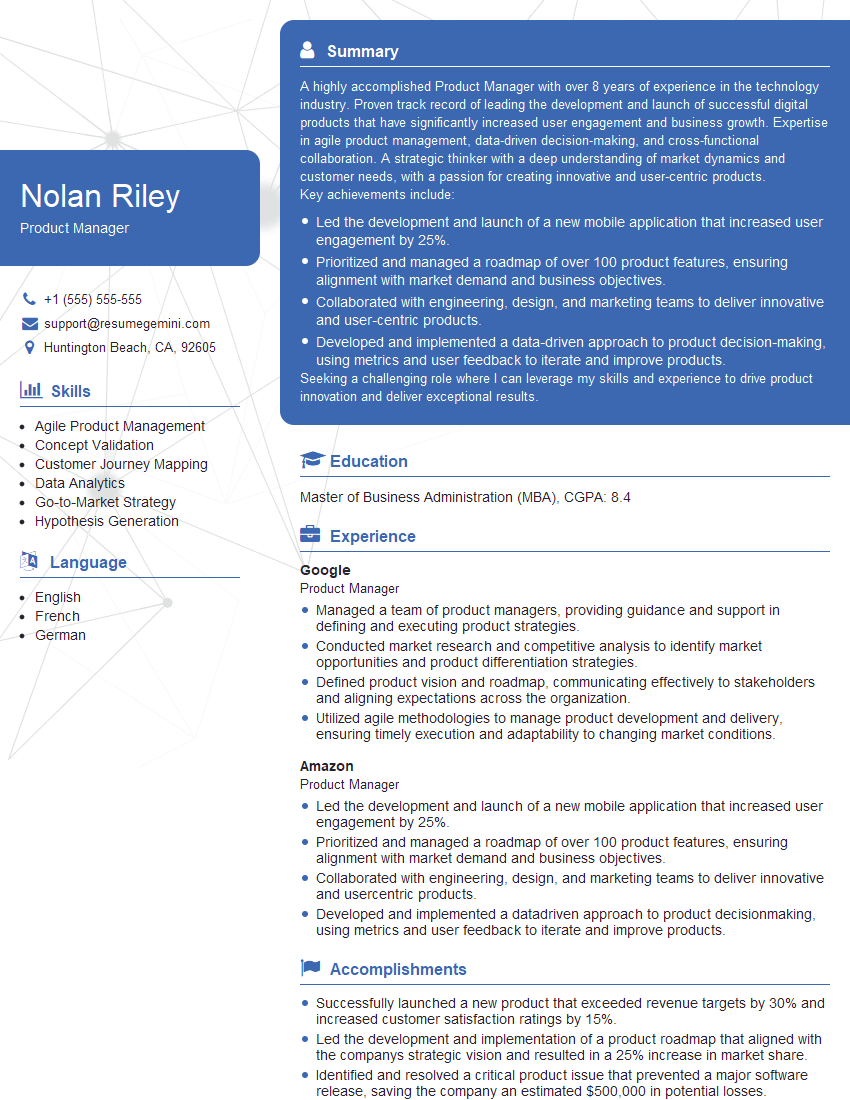
Product Manager Resume Sample
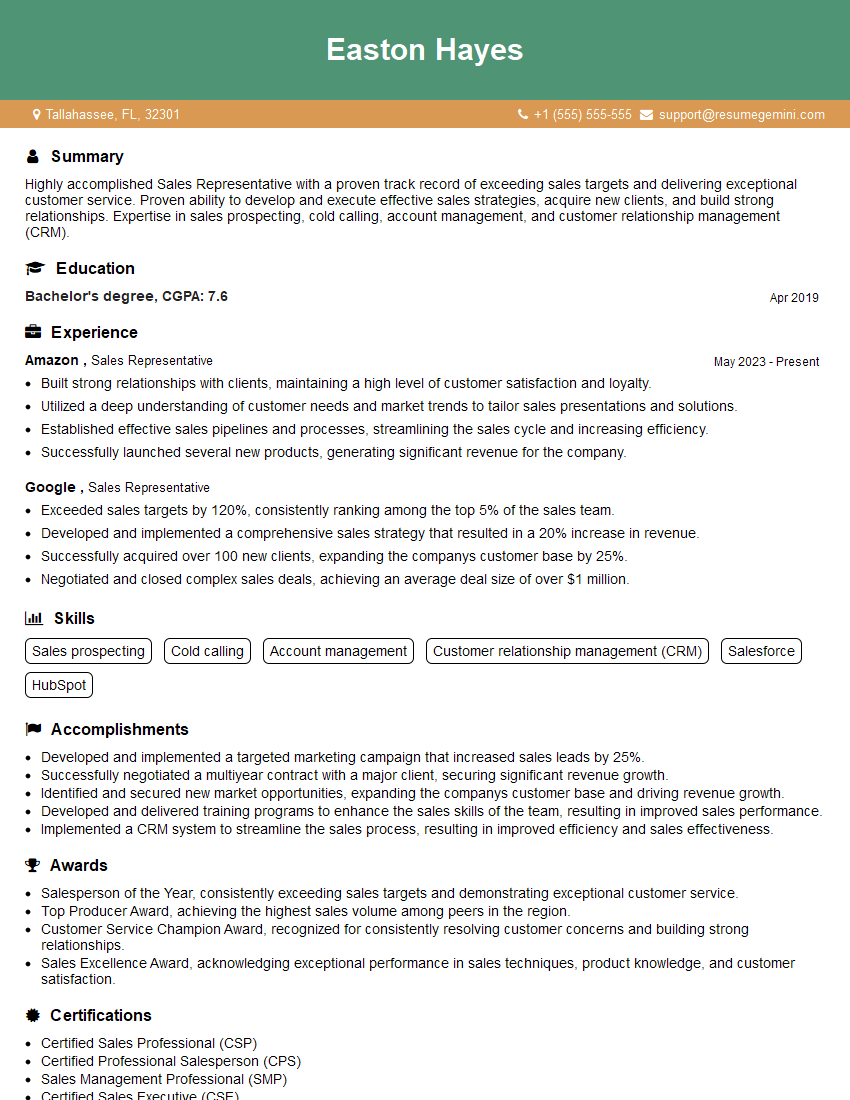
Sales Representative Resume Sample

Communications Manager Resume Sample
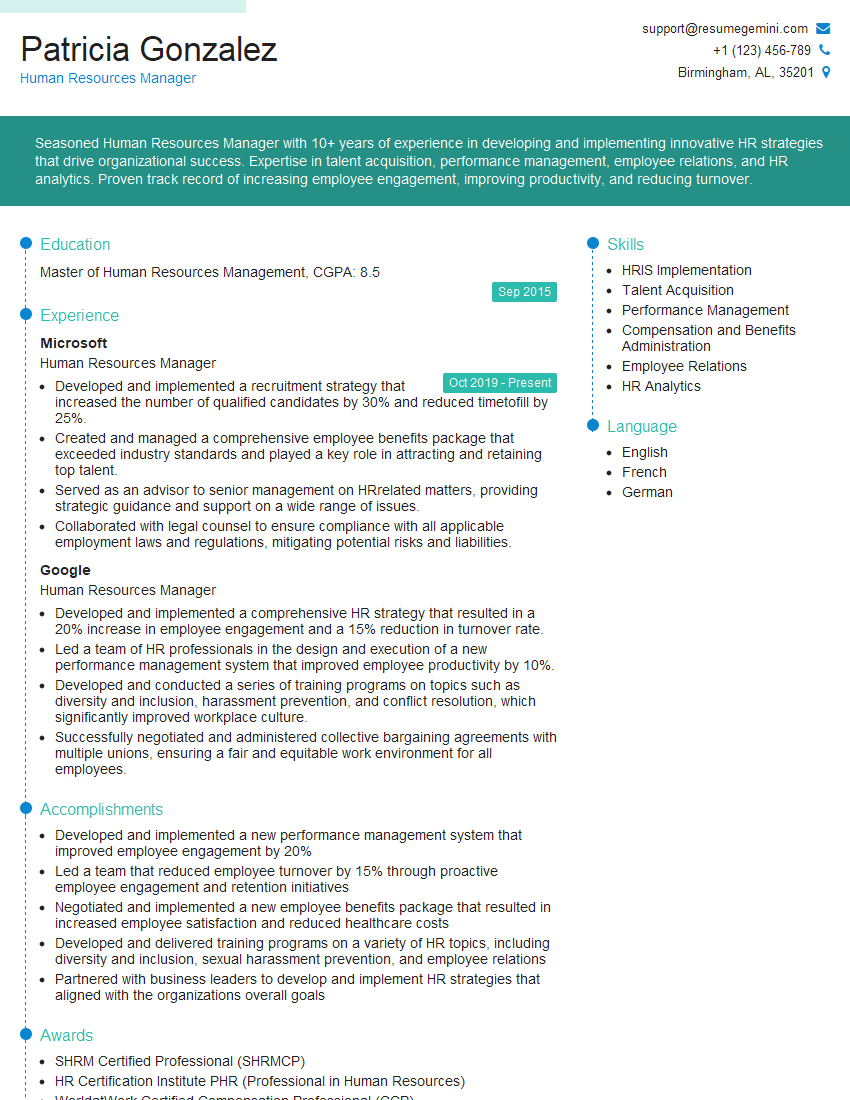
Human Resources Manager Resume Sample
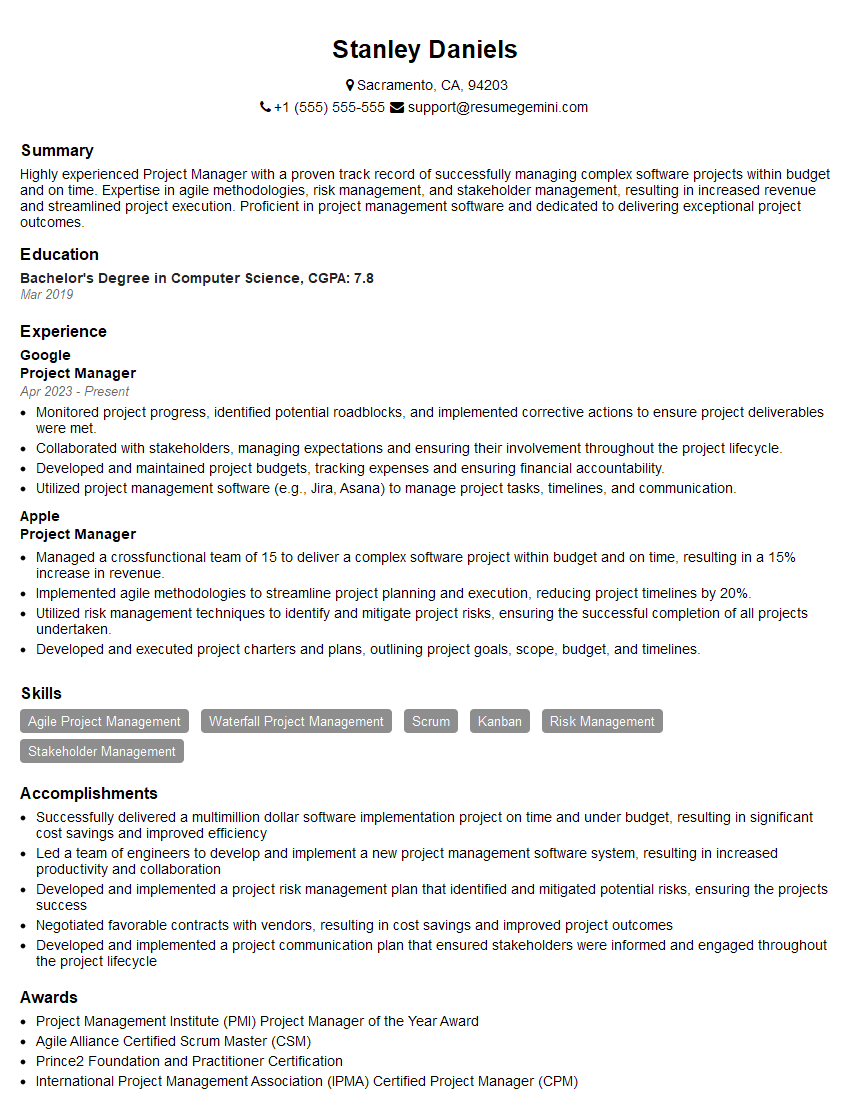
Project Manager Resume Sample

Training Specialist Resume Sample

Social Media Manager Resume Sample
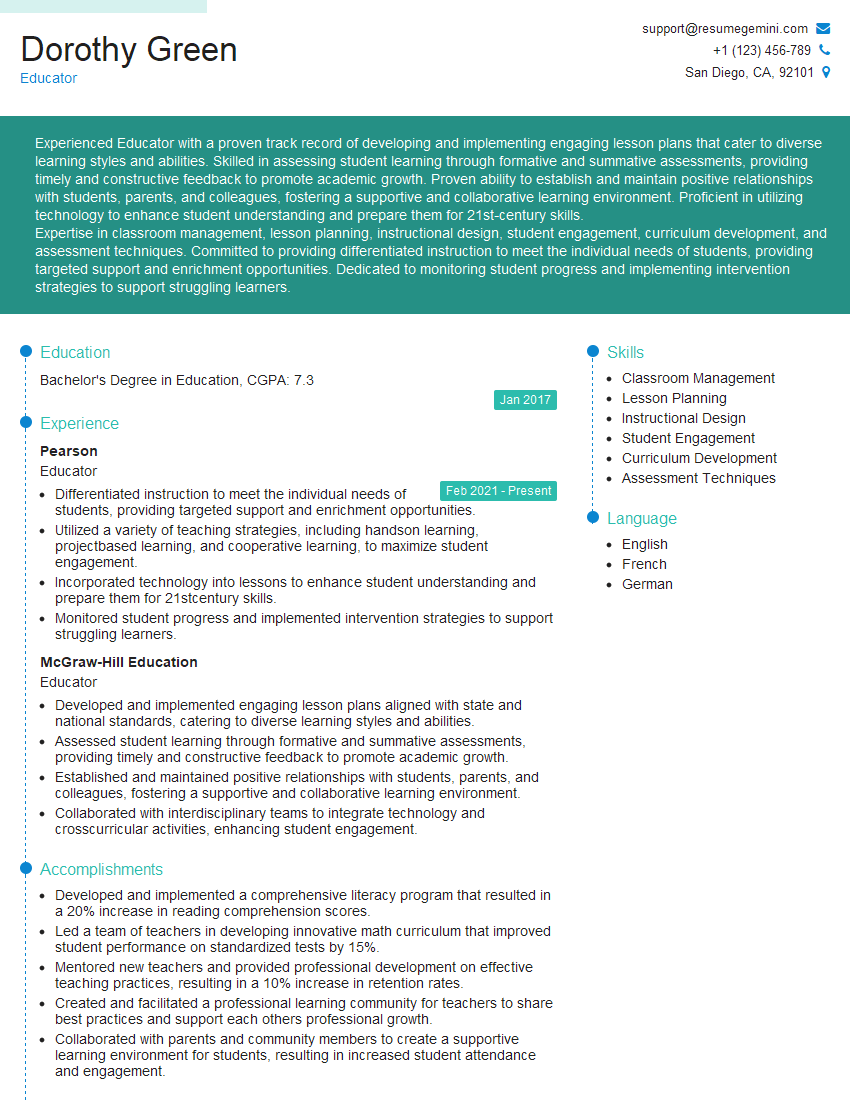
Educator Resume Sample
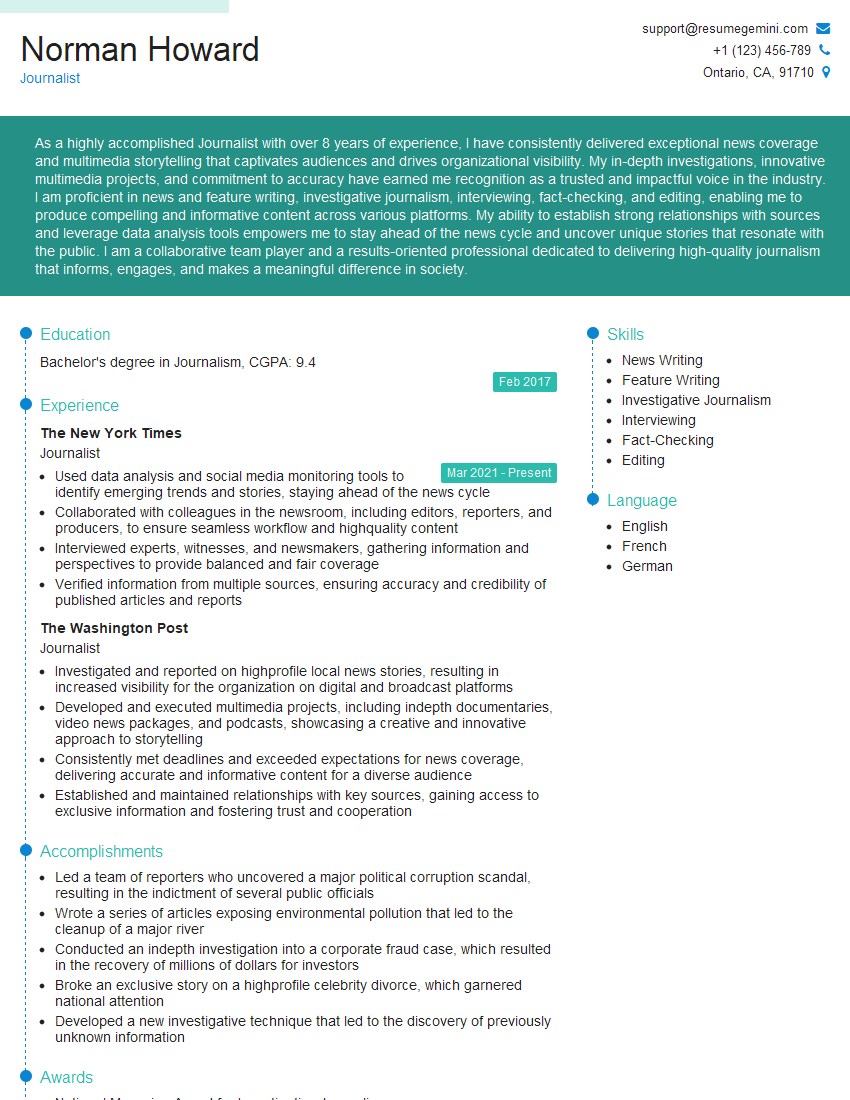
Journalist Resume Sample

Technical Writer Resume Sample

Copywriter Resume Sample
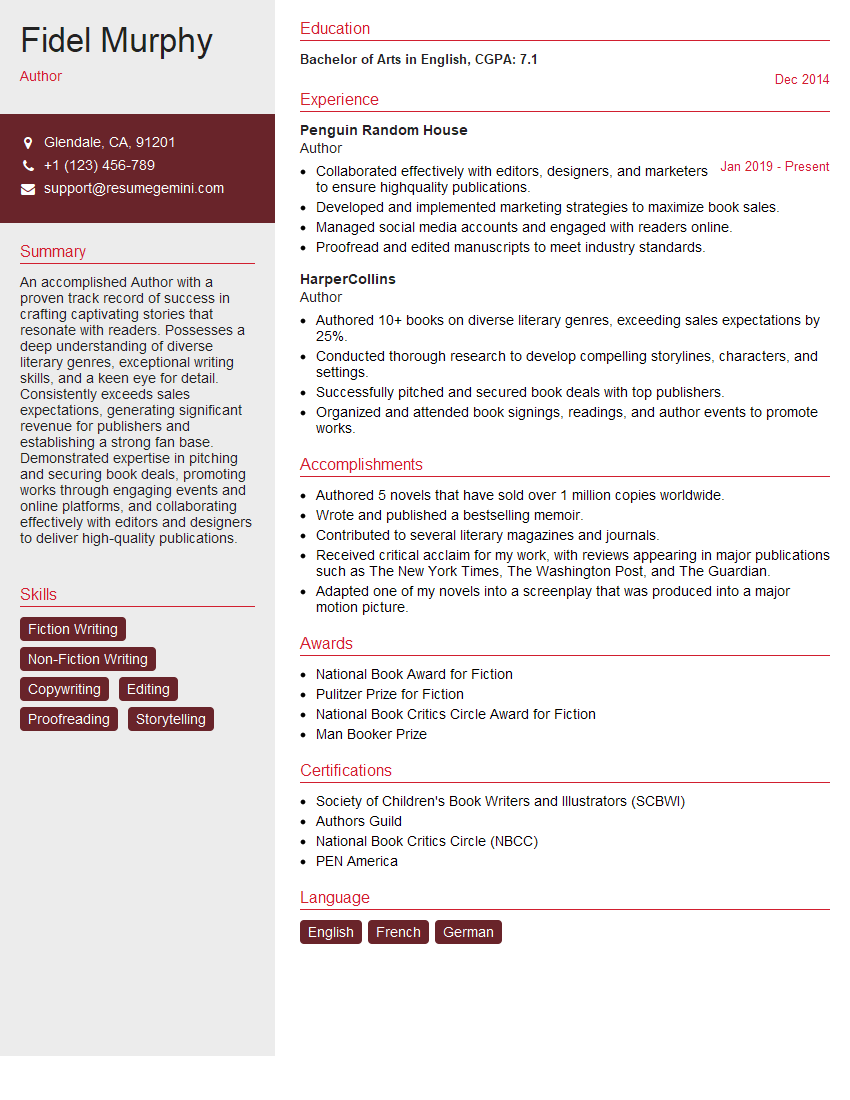
Author Resume Sample
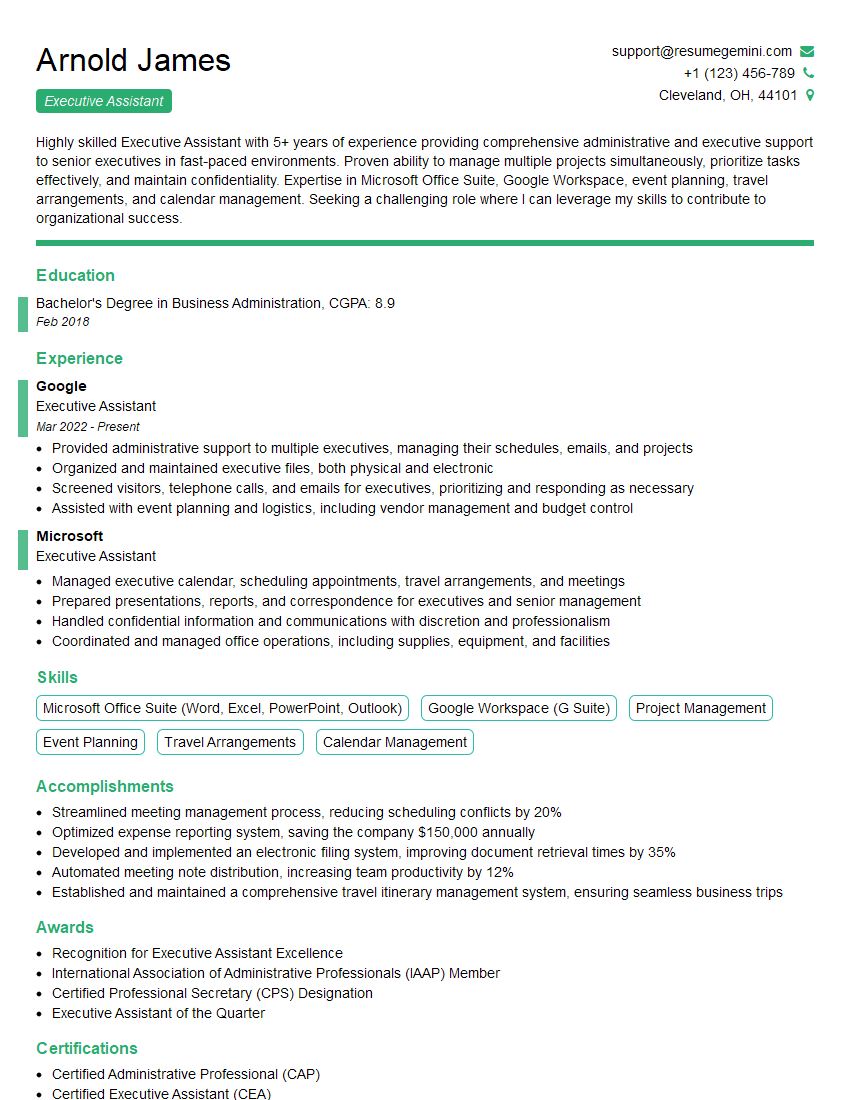
Executive Assistant Resume Sample
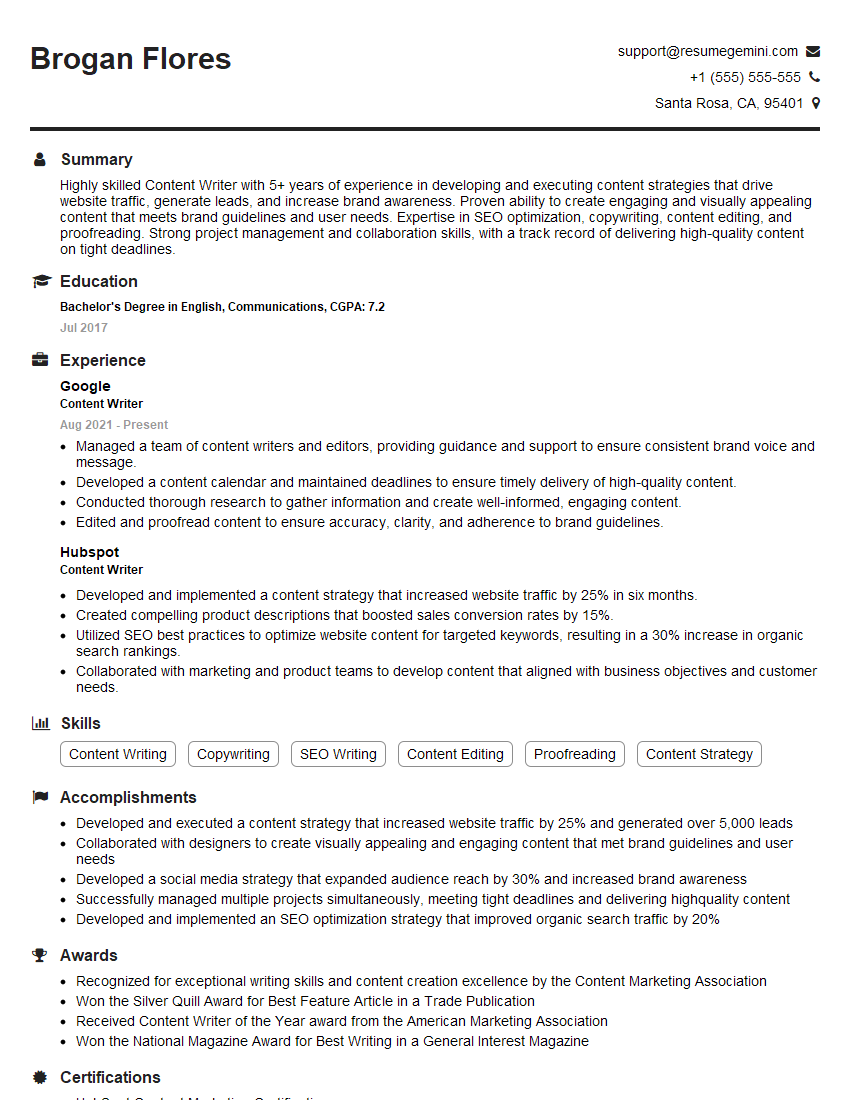
Content Writer Resume Sample
- Account Manager
- Brand Manager
- Marketing Manager
- Business Development Manager
- Product Manager
- Sales Representative
- Communications Manager
- Human Resources Manager
- Project Manager
- Training Specialist
- Social Media Manager
- Educator
- Journalist
- Technical Writer
- Copywriter
- Author
- Executive Assistant
- Content Writer
Explore more articles
Users Rating of Our Blogs
Share Your Experience
We value your feedback! Please rate our content and share your thoughts (optional).
What Readers Say About Our Blog
Very informative content, great job.
good