Preparation is the key to success in any interview. In this post, we’ll explore crucial Acrylic & Gouache interview questions and equip you with strategies to craft impactful answers. Whether you’re a beginner or a pro, these tips will elevate your preparation.
Questions Asked in Acrylic & Gouache Interview
Q 1. Explain the difference between acrylic and gouache paints.
Acrylic and gouache are both water-based paints, but they differ significantly in their composition and properties. Acrylic paints are made with pigment suspended in a polymer emulsion, which creates a durable, flexible film upon drying. Gouache, on the other hand, uses pigment suspended in a binder typically made from gum arabic and sometimes other additives. This results in a matte, opaque finish.
Think of it like this: acrylics are like plastic; they form a hard, somewhat glossy surface. Gouache is more akin to watercolor, but significantly more opaque. The key difference lies in the binder: the acrylic polymer creates a strong, water-resistant film, while the gum arabic in gouache allows for rewetting, although it does become less workable over time.
Q 2. Describe your preferred method for mixing acrylic colors.
My preferred method for mixing acrylic colors prioritizes accuracy and efficiency. I always start with a palette that’s clean and well-lit. I begin by squeezing out small amounts of each color I intend to use, avoiding overly large quantities to prevent waste. Then, I use a palette knife to gently mix my colors, working from the lightest to the darkest shade. For precise color mixing, I use a small amount of the base color first, adding other colors gradually until I achieve the desired hue. It’s a layering approach that allows for more control and better refinement.
A common mistake is to mix too much paint at once. It’s better to mix smaller batches as you need them, ensuring freshness and preventing the paint from drying out on the palette.
Q 3. What are the advantages and disadvantages of using acrylics vs. gouache?
Acrylics and gouache each possess unique advantages and disadvantages.
- Acrylics: Advantages: Durable, water-resistant finish; fast drying time; wide range of finishes (matte, gloss, etc.); can be layered easily; versatile on various surfaces. Disadvantages: Can dry quickly, requiring fast working; less forgiving for blending; can crack if applied too thickly; can be slightly less vibrant than gouache in certain instances.
- Gouache: Advantages: Matte finish, beautiful opacity; excellent for detailed work and vibrant colors; easy blending, allowing for soft transitions; rewettable (to a degree); relatively inexpensive. Disadvantages: More susceptible to water damage; can be prone to cracking if applied too thickly; dries slower than acrylics; colors can appear less luminous when dry.
The choice between them depends heavily on the desired effect and the artist’s working style. I often use acrylics for larger canvases and outdoor scenes where durability is crucial, while gouache is perfect for illustrations, detailed studies, and works where a matte, less reflective finish is desired.
Q 4. How do you achieve different levels of opacity with gouache?
Controlling opacity in gouache is a matter of adjusting the paint-to-water ratio. A higher concentration of pigment, with minimal water, will create a highly opaque, nearly solid layer of color. Conversely, adding more water increases the transparency, allowing underlying layers to show through. You can also build opacity through layering – applying multiple thin, slightly transparent layers will build up an intense, opaque color over time.
For achieving subtle variations in opacity, I sometimes use a glazing technique. By adding a tiny amount of water to my brush, I can dilute the paint and create a translucent wash that imparts a delicate hue, modifying opacity without obscuring the underlying layers entirely.
Q 5. Explain your process for preparing a canvas for acrylic painting.
Preparing a canvas for acrylic painting is essential for achieving optimal adhesion and longevity of the artwork. First, I begin by checking the canvas for any loose fibers or imperfections. Then, I apply a gesso primer. Gesso creates a smooth, slightly textured surface ideal for acrylics and also helps to prevent the absorption of the paint into the canvas fibers. Two thin coats of gesso are typically sufficient, allowing each coat to dry completely before applying the next. This helps to create a level surface, preventing uneven paint application and cracking.
After the gesso dries, I lightly sand the canvas with very fine sandpaper, eliminating any imperfections, and then wipe it clean. This creates a smoother surface for painting and helps the paint adhere evenly.
Q 6. Describe your techniques for layering acrylic paints.
Layering acrylics effectively is key to achieving depth and richness in a painting. I typically work in thin layers, allowing each layer to dry completely before applying the next. This prevents the layers from mixing unexpectedly and allows for a smoother, more controlled finish. I often use a glazing technique, applying transparent washes of color over the existing layers to modify the hue and create subtle shifts in value and saturation.
In some cases, I’ll use a dry brush technique, applying paint sparsely to achieve a textured effect. Knowing when to use thin layers versus thicker applications for impasto effects is an important consideration based on the desired outcome. Allowing ample drying time between layers also prevents the layers from mixing in unwanted ways.
Q 7. How do you handle blending colors with acrylics?
Blending acrylics effectively requires speed and precision because of their quick drying time. I often use a wet-on-wet technique, blending the colors directly on the canvas while they’re still wet. A soft brush with a good amount of water is vital for this. Another useful technique is to use a palette knife to blend colors quickly and smoothly, especially for larger areas and impasto techniques.
However, once acrylics begin to dry, achieving a seamless blend becomes increasingly difficult. So, planning and efficiency are crucial. Consider working in sections and completing your blending before moving on to the next part. Using mediums, such as retarders, can help to slow down the drying time, offering more working time for blending.
Q 8. How do you prevent cracking in acrylic paintings?
Cracking in acrylic paintings is usually caused by insufficient flexibility in the paint film as it dries. This can happen if you apply thick layers of paint without allowing each layer to dry completely, or if you’re using a rigid support that doesn’t allow for expansion and contraction. Think of it like a thin layer of plastic – if it’s too thick or on a non-flexible surface, it’ll crack under stress.
- Solution 1: Thin your paints: Using a medium like acrylic glazing liquid allows for more flexible layers. This lets the paint dry more evenly and prevents cracking. Think of it like using a softer plastic.
- Solution 2: Multiple thin layers: Instead of one thick layer, apply several thin layers, allowing each one to dry completely before adding the next. This creates a more flexible and durable overall finish. It’s like building up strength gradually rather than trying to create one extremely strong layer at once.
- Solution 3: Prepare your canvas: Use a canvas that’s primed appropriately. A well-primed canvas provides a better surface for your paint to adhere to, reducing the chance of cracking. You want a strong foundation for your ‘plastic’ layer.
- Solution 4: Avoid overworking: Overworking the paint on the canvas can also cause cracks. Let the paint flow naturally rather than trying to constantly manipulate it.
Q 9. What are some common mistakes beginners make when using gouache?
Beginners often struggle with gouache’s unique properties. It’s a water-based medium that dries to a matte finish, and its opaque nature can lead to some common pitfalls.
- Overworking: Gouache can become streaky and lose its vibrancy if over-blended. It’s best to work quickly and confidently.
- Uneven application: Because of its opacity, uneven application can create noticeable patches of lighter and darker areas. Good brush control is key.
- Too much water: Adding too much water washes out the pigment, resulting in weak, muddy colors, and can lead to lifting of previous layers.
- Lifting: Once dried, gouache is fairly water-resistant, but layers applied when still wet can be lifted by subsequent applications of water. Allow sufficient drying time between layers.
- Incorrect paper choice: Using paper that isn’t absorbent enough can result in pooling and uneven drying, while paper that’s too absorbent might suck away the pigment before it can be applied smoothly.
For example, a beginner might try to blend gouache like watercolor, leading to muddy colors and loss of intensity. Instead, they should focus on layering with the colors left relatively unblended or placing them next to each other to allow the opaque nature to create the desired effect.
Q 10. How do you create texture with acrylic paints?
Creating texture with acrylics is a fun aspect of the medium! You have several tools and techniques at your disposal.
- Impasto Technique: Applying thick layers of paint with a palette knife or a stiff brush allows the paint to build up and create visible texture. Think of a thick, cake-like layer of paint.
- Adding texture mediums: There are various acrylic mediums designed to add texture, such as modeling paste, gel medium, or texture paste. These can be applied directly to the canvas or mixed with the paint.
- Using unconventional tools: Experiment with different tools such as sponges, rags, palette knives, or even your fingers to create interesting surface textures.
- Collage elements: Incorporate materials such as sand, fabric scraps, or small objects directly into the painting to create three-dimensional texture.
- Dry brush technique: Using a dry brush with minimal paint produces a scratchy, textured effect.
For instance, applying a thick impasto layer of white paint with a palette knife onto a red background immediately creates a strong textural contrast and visual interest.
Q 11. Explain your approach to color mixing and color theory in your work.
My approach to color mixing and color theory is firmly grounded in understanding the color wheel. I prioritize understanding the relationships between primary, secondary, and tertiary colors.
I often use a limited palette approach, selecting a few key colors and mixing them to achieve a wider range. This helps unify the painting and creates harmony. For example, I might start with a base of cadmium yellow, alizarin crimson, and ultramarine blue, then use various combinations and dilutions to build up a range of hues, tints, and shades.
In terms of color theory, I utilize principles like complementary colors (colors opposite each other on the wheel) to create contrast and visual excitement, and analogous colors (colors next to each other) to achieve harmony and tranquility. I consider the emotional impact of color and how it can contribute to the overall mood and narrative of the painting. For example, warm colors might suggest a feeling of energy and excitement, while cool colors might evoke a sense of calmness and serenity.
Q 12. Describe your process for cleaning your brushes after using acrylics and gouache.
Cleaning brushes properly is crucial for maintaining their quality and longevity. For both acrylics and gouache, prompt cleaning is essential.
- Acrylics: Immediately after use, rinse your brushes under warm running water. Use a brush soap or a gentle dish soap to work out any stubborn paint. Continue rinsing until the water runs clear. Reshape the bristles and lay the brushes flat to dry. Avoid leaving brushes to soak in water for extended periods.
- Gouache: Gouache, being water-based, is generally easier to clean than acrylics. Follow the same process as acrylics, rinsing immediately and using soap if needed. The biggest issue with gouache is that it can dry quickly within the bristles, so faster cleaning is particularly vital.
If you notice any paint build-up hardening in the ferrule (the metal part connecting the bristles to the handle), you can carefully use a small brush cleaning tool or even a toothpick to loosen it, followed by rinsing. Regular maintenance prevents paint build-up from permanently damaging your brushes.
Q 13. What types of brushes are best for acrylics and gouache, and why?
Brush selection is critical for both acrylics and gouache because the right brush allows you to achieve your desired effects.
- Acrylics: Synthetic brushes are usually preferred for acrylics because they are more resistant to the wear and tear of the slightly abrasive nature of the paint. Synthetic brushes in various shapes and sizes are needed for different techniques. For example, a flat brush might be perfect for laying down broad strokes of color or for applying impasto, while a round brush is suitable for fine details and lines.
- Gouache: Gouache responds well to both synthetic and natural hair brushes. Natural hair brushes, such as sable or kolinsky, can create very delicate washes and fine lines, but require more careful cleaning. Synthetic brushes provide good durability and are easy to maintain. Round and flat brushes are versatile for different gouache techniques.
Choosing a brush depends not only on its material but also its shape, size, and stiffness. It’s like having a toolbox; you need various tools for different jobs.
Q 14. How do you achieve different effects with different brushstrokes?
Brushstrokes are the artist’s signature. Different strokes create distinct effects, adding depth and visual interest to your artwork.
- Short, dabbing strokes: Create a textured, impasto effect, adding a sense of roughness or energy.
- Long, sweeping strokes: Achieve a smooth, flowing effect, suggesting movement and elegance.
- Cross-hatching: Using short, intersecting lines creates a sense of depth and shadow. It’s like weaving together threads of color.
- Scumbling: A dry-brush technique where you lightly drag the brush across the surface of the paint, creating a delicate, hazy effect.
- Stippling: Using small, dotted strokes creates a textured effect similar to pointillism.
For example, using short, rapid brush strokes can give a sense of urgency or movement in a painting, whereas long, fluid strokes might convey calmness or tranquility. Experimenting and learning to control your brushstrokes takes practice, but the results are well worth the effort.
Q 15. Discuss your experience with different brands of acrylic and gouache paints.
My experience spans a wide range of acrylic and gouache brands, each with its unique characteristics. For acrylics, I’ve extensively used professional-grade paints from Golden, Liquitex, and Winsor & Newton. Golden’s heavy body acrylics are my go-to for impasto techniques due to their rich texture and pigment load. Liquitex offers a great balance of quality and affordability, particularly their Soft Body paints for smooth blends. Winsor & Newton’s Galeria range is excellent for students or those starting out. In gouache, I appreciate the vibrant hues and velvety matte finish of Holbein, Winsor & Newton Cotman, and M. Graham. Holbein’s are exceptionally pigmented and offer excellent lightfastness, while Cotman provides a more economical option without compromising quality significantly. M. Graham’s gouache stands out for its unique texture and granulation, perfect for creating textural effects. Ultimately, the best brand depends on the specific project and desired outcome. The pigment load, texture, and lightfastness are key factors in my selection.
Career Expert Tips:
- Ace those interviews! Prepare effectively by reviewing the Top 50 Most Common Interview Questions on ResumeGemini.
- Navigate your job search with confidence! Explore a wide range of Career Tips on ResumeGemini. Learn about common challenges and recommendations to overcome them.
- Craft the perfect resume! Master the Art of Resume Writing with ResumeGemini’s guide. Showcase your unique qualifications and achievements effectively.
- Don’t miss out on holiday savings! Build your dream resume with ResumeGemini’s ATS optimized templates.
Q 16. How do you create sharp lines and details in your work?
Achieving sharp lines and details requires careful attention to several factors. First, using a fine-tipped brush is crucial. I often use synthetic brushes with very fine points for intricate details. For acrylics, I might thin the paint slightly with water to improve flow and control. Gouache requires a bit more finesse, as it can be prone to feathering. Using a clean, dry brush for precise lines is essential. Another key technique is masking. I use masking fluid or tape to protect areas I don’t want painted, allowing for sharp edges and clean lines when working with washes or layering colors. For instance, when painting fine architectural details, masking tape helps ensure the crispness of window frames against the wall. Finally, a steady hand and patience are indispensable! Practice makes perfect when it comes to fine detail.
Q 17. What are your preferred methods for creating washes with gouache?
Creating beautiful washes with gouache involves a delicate balance of water and pigment. My preferred method is to mix the gouache with a significant amount of water – usually a ratio of 2:1 water to paint or even more, depending on the desired transparency. I start with a light wash, building up layers gradually. This layering allows for depth and richness without losing vibrancy. It’s crucial to use high-quality, cold-pressed watercolor paper that can handle the washes without buckling. I often use a large, flat brush for even application, working quickly before the paint dries. If the wash gets too thick, it can become streaky; using plenty of water is key to preventing this. For more intense washes, I might pre-mix a larger batch of color to maintain consistency throughout the wash. One effective technique is to slightly tilt the paper to help the wash flow evenly and naturally.
Q 18. How do you approach creating a value study for your painting?
A value study is a fundamental step in my painting process. It helps establish the light and shadow relationships within a scene before committing to full color. I typically begin with a monochrome sketch, often using graphite or charcoal, to outline the main forms and composition. Then, I transition to a limited palette, usually shades of gray or sepia, created using my chosen medium (acrylic or gouache). I focus on accurately representing the range of values—from the darkest darks to the brightest lights—using a series of gradations. This process helps me understand the overall tonal structure of the painting and identify areas that need adjustment before introducing color. A well-executed value study ensures a harmonious and balanced final piece, preventing problems with dullness or excessive contrast.
Q 19. Describe your process for creating underpaintings.
Underpainting serves as a foundation, influencing the final look and feel of the painting. My approach depends on the desired effect. For acrylics, I might use a diluted mixture of burnt umber or a neutral tone as a base to establish the overall composition and values. This underpainting is usually applied thinly, allowing the top layers to shine through. This approach works particularly well when building up layers to achieve luminosity. For gouache, a similar approach can be used, though I often opt for a slightly thicker application to better establish the shapes and values. I might also use a thin layer of a complementary color in the underpainting to subtly influence the final color mix. For example, a warm underpainting of red-orange can subtly enhance the vibrancy of blues and greens in the final layers.
Q 20. How do you correct mistakes in your acrylic or gouache paintings?
Correcting mistakes is an inevitable part of the creative process. With acrylics, when the paint is still wet, I can easily wipe away the mistake with a damp brush or rag. If the paint is dry, I might use a palette knife or sandpaper to gently remove the unwanted section, then repaint the area. For gouache, I prefer a more delicate approach. If the mistake is wet, careful lifting with a damp brush can work. If dry, a soft eraser or a very fine sanding tool can be used very sparingly, always being mindful not to damage the underlying layers. Sometimes, strategically placed elements or color changes can cleverly disguise a mistake, making it part of the composition rather than something to be eliminated completely. Remember, embracing mistakes can sometimes lead to unexpected and exciting artistic outcomes!
Q 21. Explain your understanding of color temperature and its application in your work.
Color temperature refers to the warmth or coolness of a color. Warm colors (reds, oranges, yellows) evoke feelings of warmth, energy, and excitement, while cool colors (blues, greens, purples) create a sense of calmness, serenity, and distance. Understanding this is crucial for creating mood and atmosphere in my work. For example, I might use warm colors in the foreground to draw the viewer’s eye, while cooler colors recede into the background, creating depth. I might also use contrasting color temperatures to create visual interest. A warm light source casting cool shadows on a subject can create a dramatic and captivating effect. By carefully choosing and manipulating color temperatures, I can control the emotional impact of my artwork and guide the viewer’s attention effectively. This is particularly important when depicting landscapes or portraits, where light and atmosphere play a key role.
Q 22. What are some common challenges you face while working with acrylics and gouache, and how do you overcome them?
Acrylics and gouache, while both water-based, present unique challenges. With acrylics, the fast drying time can be problematic, leading to visible brushstrokes and making blending difficult. I overcome this by using retarder mediums to slow the drying process, working in thin layers, and employing wet-on-wet techniques where possible. Gouache, on the other hand, can be prone to cracking if applied too thickly or on absorbent surfaces. To prevent this, I use a high-quality gouache with a good pigment load, apply thin layers, and ensure my surface is properly primed. Another common challenge with both is achieving smooth gradients. For this, I use a wet blending technique, carefully layering colors and using brushes with soft bristles. Lastly, achieving vibrant colors consistently requires understanding pigment properties and adjusting mixing ratios.
Q 23. Describe a time when you had to adapt your technique to achieve a specific artistic effect.
I was once commissioned to create a piece depicting a shimmering, ethereal underwater scene. The challenge was to capture the subtle light refraction and the translucent quality of water. My initial attempts using traditional layering techniques fell short. I needed a way to achieve luminosity and depth without obscuring the colors underneath. My solution was to adapt the glazing technique, typically used in oils, to my acrylics. By applying many thin, transparent layers of color, each slightly altered in hue and value, I was able to build up a sense of depth and luminous glow, mimicking the effect of light passing through water. This required patience and careful planning, but the result was a significantly more effective representation of the intended effect.
Q 24. Explain your understanding of different painting mediums and their interactions with acrylic and gouache.
Understanding painting mediums is crucial for controlling the properties of acrylic and gouache. Water, the most common medium, thins the paint, increasing its transparency and flow. Acrylic mediums, such as retarders, gloss mediums, and gels, offer additional control over drying time, sheen, and texture. Retarders, for example, slow down the drying process, while gels add texture and body. In gouache, the use of masking fluid is common for reserving areas of white, or even creating intricate details before layering color. Other mediums, like gum arabic, can be used sparingly to improve flow and adhesion. However, it’s important to note that overuse of any medium can affect the longevity and stability of the artwork. It’s all about achieving the right balance to get the desired effect.
Q 25. Describe your process for creating a finished artwork, from initial sketch to final product.
My process begins with a thorough sketch, often done in pencil or charcoal, to plan composition, values, and overall design. I then transfer this sketch to my chosen surface – usually high-quality watercolor paper for gouache and canvas board for acrylics – using methods like tracing or light projection. Next, I establish a base layer of color, focusing on large shapes and values, usually with acrylics for gouache work. Then, I refine the details, building up layers gradually to develop texture and depth. This process often involves various techniques such as glazing, dry brushing, impasto, and blending. I meticulously layer colors, paying close attention to how the light interacts with the subject. Finally, I step back and evaluate the painting, making adjustments and refinements as needed until I achieve the desired artistic expression. The final step involves appropriate sealing and varnishing depending on the medium.
Q 26. What are your methods for preserving and archiving your artwork?
Preserving artwork is essential for its longevity. For both acrylic and gouache, I begin by applying a high-quality archival varnish, specifically designed for the medium. This protects the paint layer from UV damage and environmental factors. I store my finished pieces in a cool, dry, and dark place, avoiding direct sunlight and extreme temperature fluctuations. Furthermore, I meticulously document each artwork, including details of the materials, techniques, and date of completion, to ensure proper archival records. Acid-free materials are used for any framing or mounting purposes to avoid potential damage to the artwork. For very precious pieces, additional steps such as professional framing and conservation-grade materials may be employed.
Q 27. How do you incorporate different artistic styles into your use of acrylic and gouache?
I find inspiration in a variety of styles, blending elements from different approaches to enhance my creative process. For example, I might utilize the bold, expressive brushstrokes of Impressionism in an acrylic painting, while incorporating the delicate detail and precise lines of realism in a gouache piece. I’ve integrated elements of abstract expressionism in my acrylics, building texture and layers to reflect movement and emotion, while maintaining a narrative structure. Sometimes I’ll blend the flatness of minimalist styles with more realistic elements in my gouache work. The key is to use techniques from various styles in a way that complements and expands the unique qualities of each medium rather than trying to force a particular style.
Q 28. How do you stay updated on current trends and techniques in acrylic and gouache painting?
Staying current in the art world is vital. I regularly attend workshops and online courses, both from reputable institutions and individual artists specializing in acrylic and gouache. Exploring artist websites, online galleries, and art magazines helps stay updated on the latest techniques and trends. Engaging with online art communities, attending exhibitions, and actively engaging with other artists through discussions and critiques provides valuable insight and inspiration. The constant exploration of techniques and styles keeps my artistic practice fresh and innovative.
Key Topics to Learn for Acrylic & Gouache Interview
- Acrylic Paint Properties: Understanding pigment concentration, binder properties (acrylic polymer), and the effect of mediums on viscosity, drying time, and finish.
- Gouache Paint Properties: Distinguishing gouache from watercolor and acrylic; exploring its opaque nature, matte finish, and ability to layer.
- Color Theory & Mixing: Mastering color mixing techniques in both mediums, understanding color harmonies (complementary, analogous, etc.), and achieving desired hues and values.
- Brush Techniques & Application: Exploring different brushstrokes for texture creation, achieving smooth blends, and mastering control over both wet-on-wet and wet-on-dry techniques.
- Surface Preparation & Priming: Knowing appropriate surface preparation for each medium, understanding the importance of priming canvases or paper, and selecting suitable substrates.
- Blending & Layering Techniques: Mastering techniques for creating smooth gradations and achieving depth and dimension through layering in both acrylics and gouache.
- Glazing & Underpainting: Understanding the principles of glazing and underpainting in both mediums to achieve luminosity and depth in artwork.
- Troubleshooting & Problem-solving: Recognizing and addressing common issues such as cracking, uneven drying, color inconsistencies, and finding solutions.
- Artistic Styles & Influences: Demonstrating familiarity with various artistic styles and how they utilize acrylics and gouache, showing an awareness of historical and contemporary approaches.
- Health & Safety: Understanding and adhering to proper safety practices, including ventilation, cleanup, and responsible disposal of materials.
Next Steps
Mastering both acrylic and gouache painting techniques significantly enhances your artistic versatility and opens doors to diverse career opportunities in illustration, fine art, design, and more. To maximize your job prospects, crafting an ATS-friendly resume is crucial. ResumeGemini is a trusted resource that can help you build a professional and impactful resume tailored to your skills and experience. Examples of resumes specifically designed for Acrylic & Gouache artists are available to guide you.
Art Director Resume Sample
Art Instructor Resume Sample
Art Teacher Resume Sample
Museum Curator Resume Sample
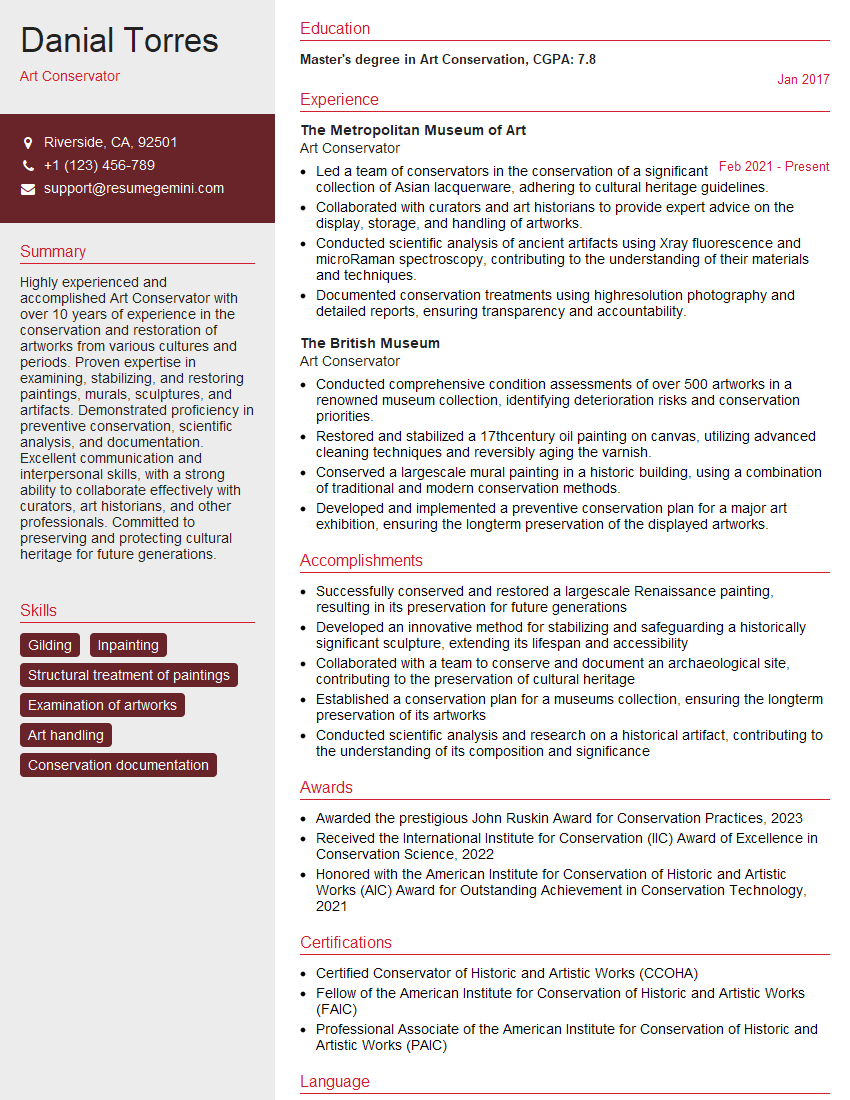
Art Conservator Resume Sample
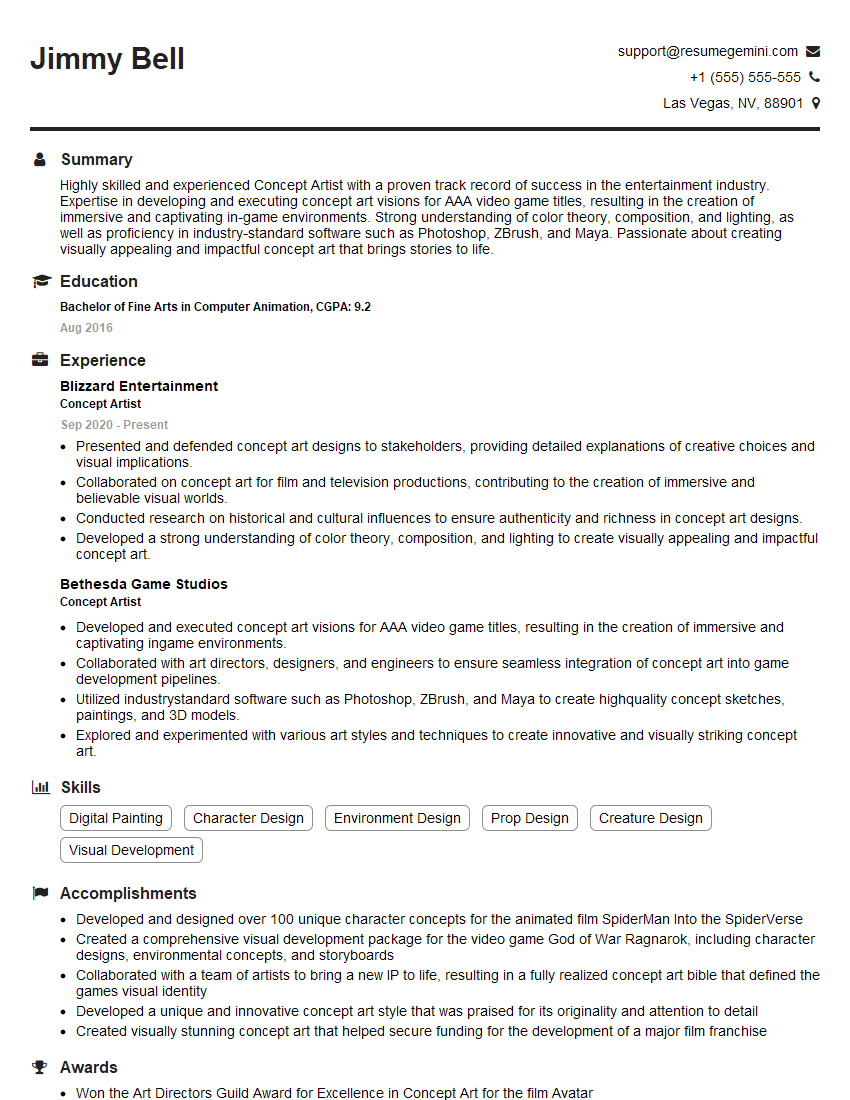
Concept Artist Resume Sample
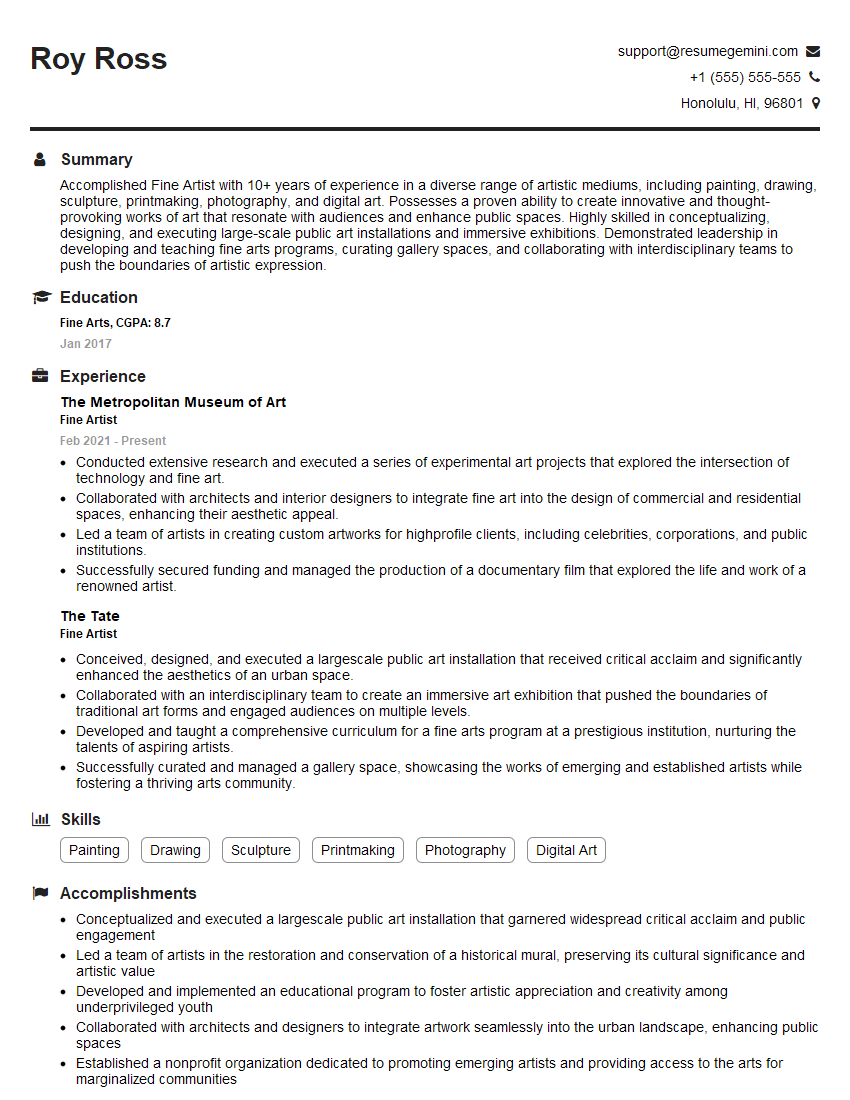
Fine Artist Resume Sample
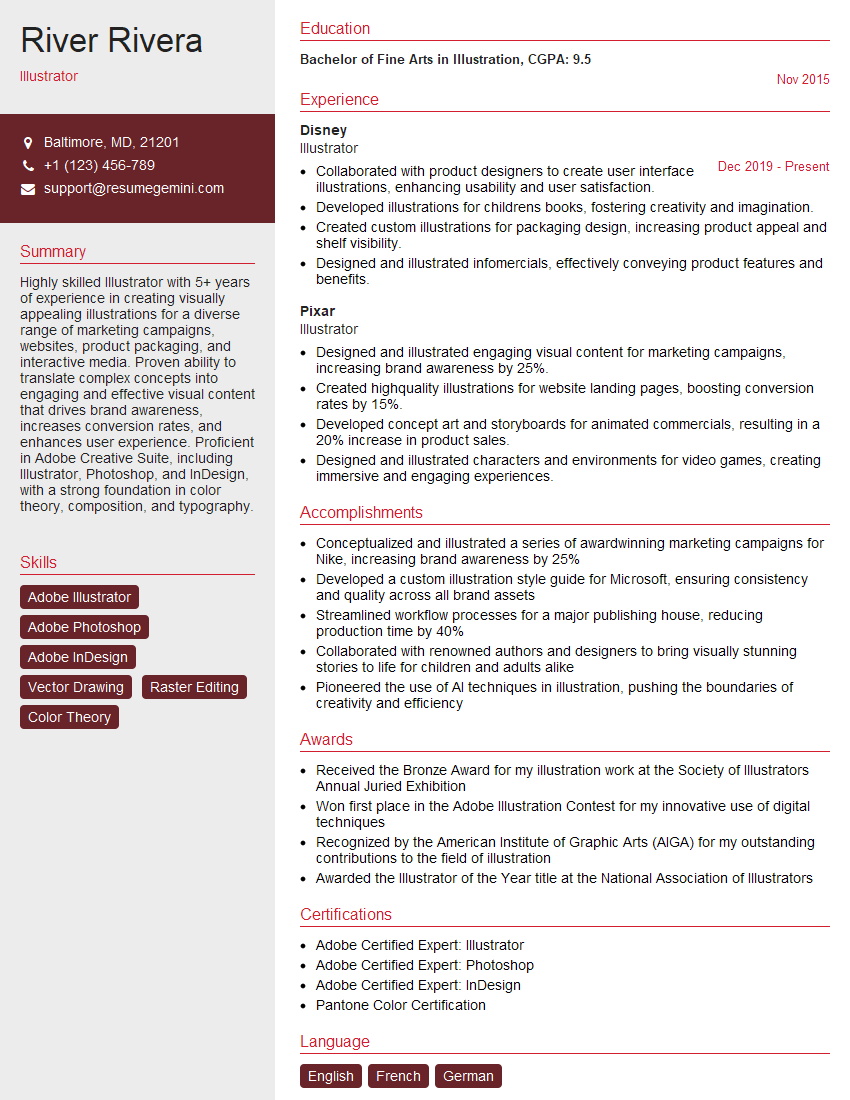
Illustrator Resume Sample
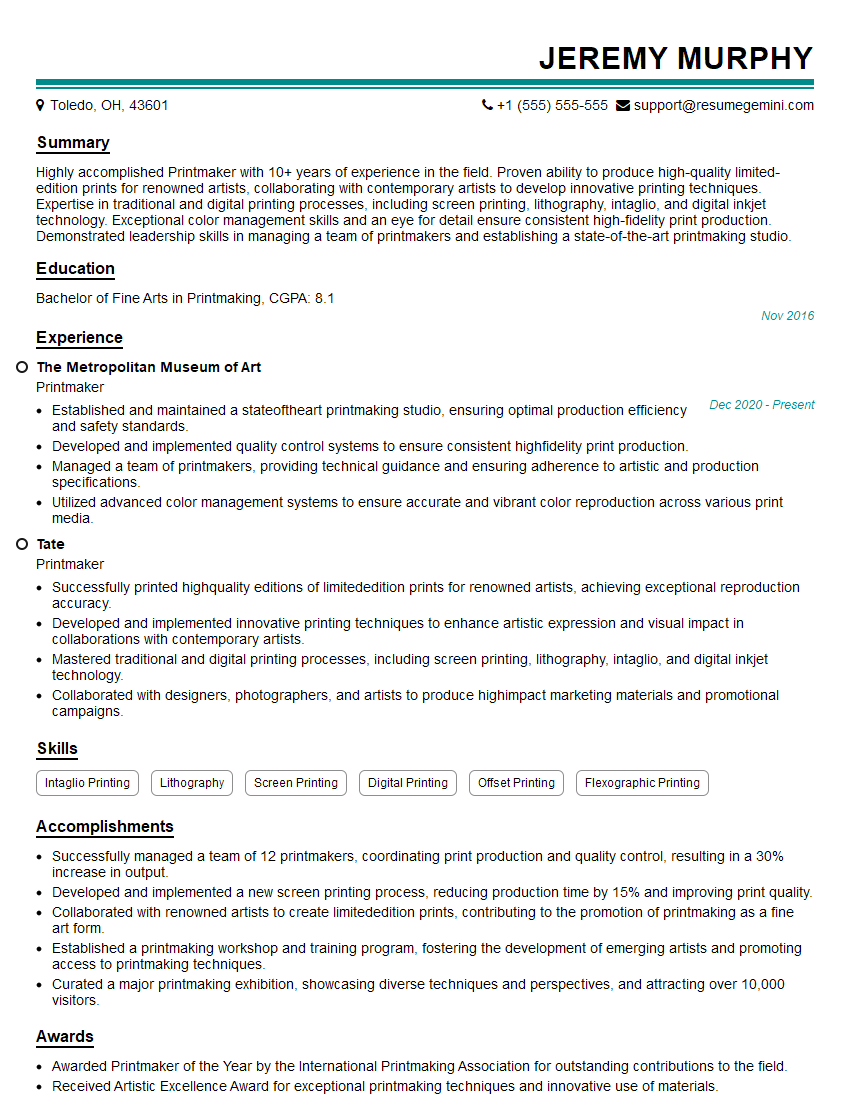
Printmaker Resume Sample
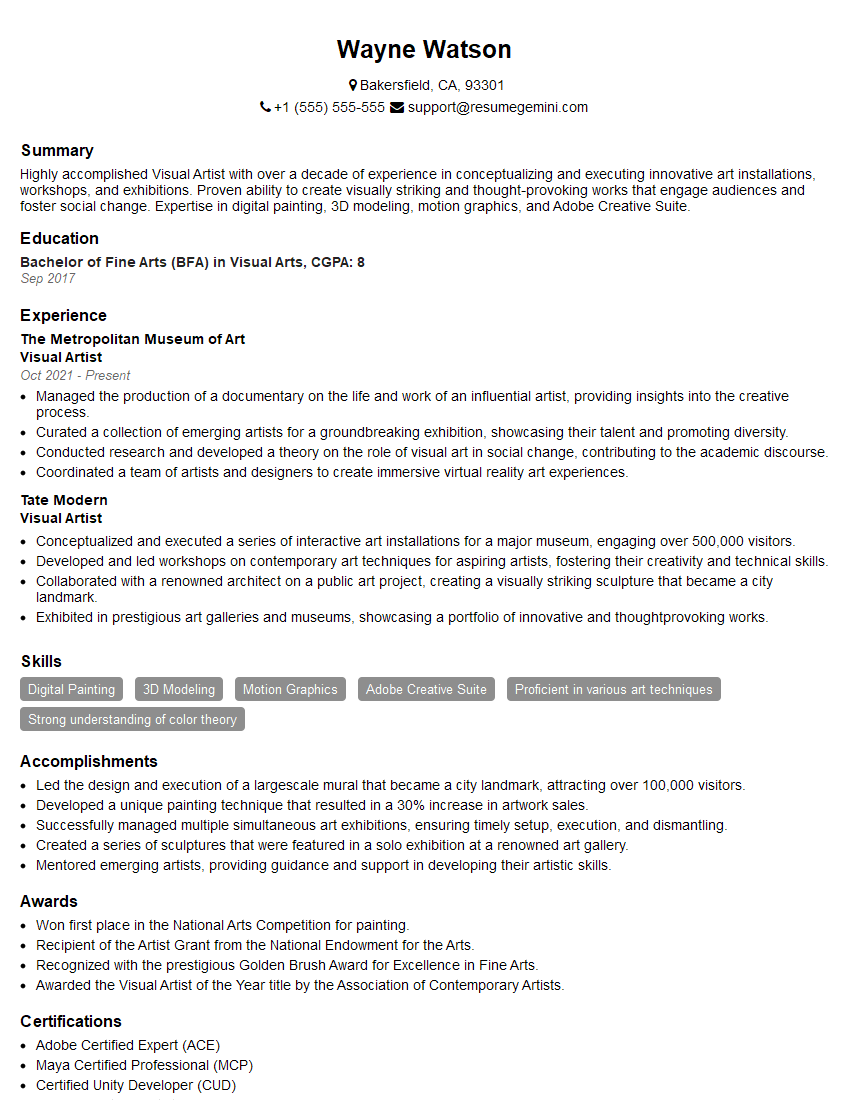
Visual Artist Resume Sample
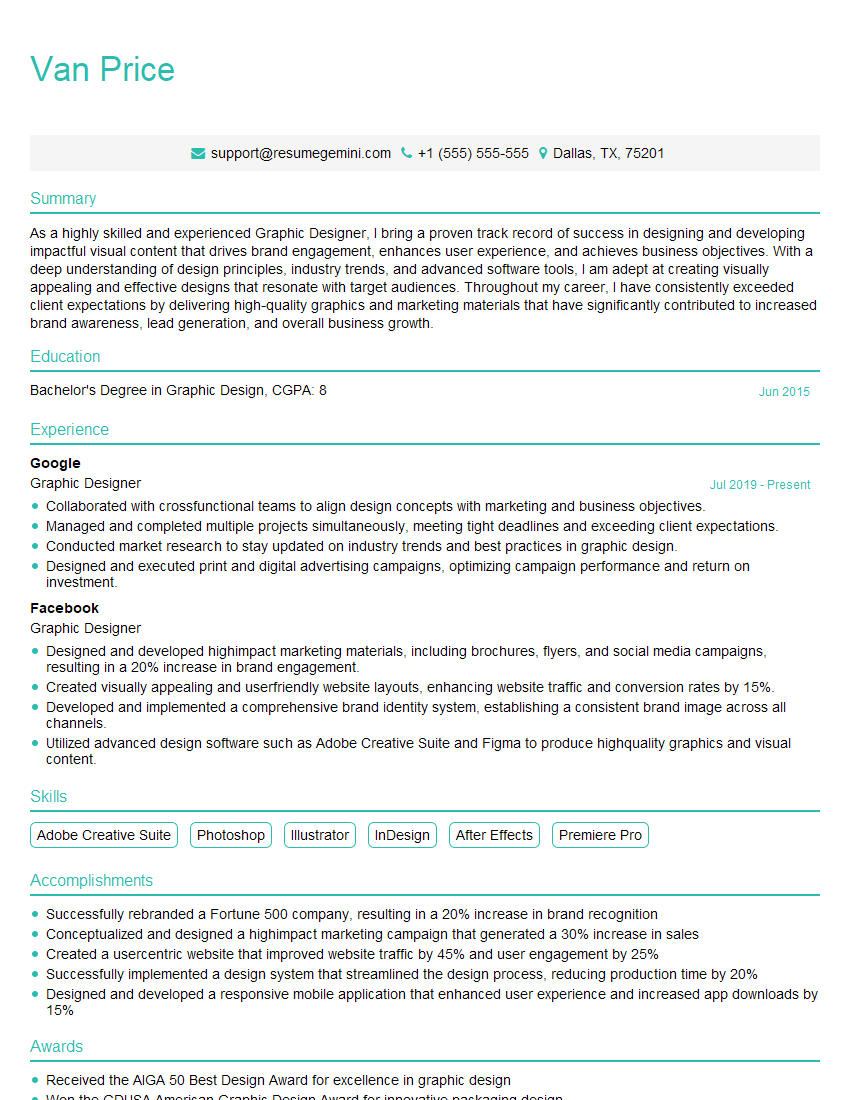
Graphic Designer Resume Sample
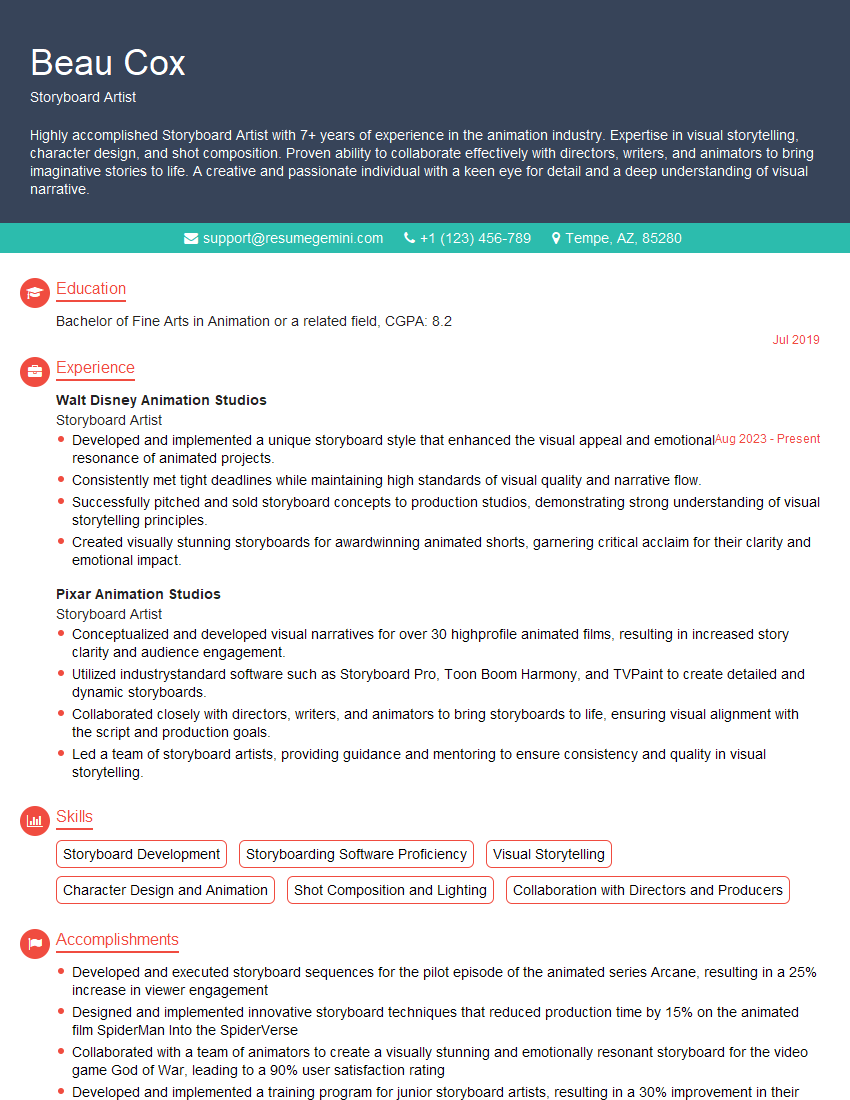
Storyboard Artist Resume Sample
Production Artist Resume Sample
Explore more articles
Users Rating of Our Blogs
Share Your Experience
We value your feedback! Please rate our content and share your thoughts (optional).
What Readers Say About Our Blog
Attention music lovers!
Wow, All the best Sax Summer music !!!
Spotify: https://open.spotify.com/artist/6ShcdIT7rPVVaFEpgZQbUk
Apple Music: https://music.apple.com/fr/artist/jimmy-sax-black/1530501936
YouTube: https://music.youtube.com/browse/VLOLAK5uy_noClmC7abM6YpZsnySxRqt3LoalPf88No
Other Platforms and Free Downloads : https://fanlink.tv/jimmysaxblack
on google : https://www.google.com/search?q=22+AND+22+AND+22
on ChatGPT : https://chat.openai.com?q=who20jlJimmy20Black20Sax20Producer
Get back into the groove with Jimmy sax Black
Best regards,
Jimmy sax Black
www.jimmysaxblack.com
Hi I am a troller at The aquatic interview center and I suddenly went so fast in Roblox and it was gone when I reset.
Hi,
Business owners spend hours every week worrying about their website—or avoiding it because it feels overwhelming.
We’d like to take that off your plate:
$69/month. Everything handled.
Our team will:
Design a custom website—or completely overhaul your current one
Take care of hosting as an option
Handle edits and improvements—up to 60 minutes of work included every month
No setup fees, no annual commitments. Just a site that makes a strong first impression.
Find out if it’s right for you:
https://websolutionsgenius.com/awardwinningwebsites
Hello,
we currently offer a complimentary backlink and URL indexing test for search engine optimization professionals.
You can get complimentary indexing credits to test how link discovery works in practice.
No credit card is required and there is no recurring fee.
You can find details here:
https://wikipedia-backlinks.com/indexing/
Regards
NICE RESPONSE TO Q & A
hi
The aim of this message is regarding an unclaimed deposit of a deceased nationale that bears the same name as you. You are not relate to him as there are millions of people answering the names across around the world. But i will use my position to influence the release of the deposit to you for our mutual benefit.
Respond for full details and how to claim the deposit. This is 100% risk free. Send hello to my email id: lukachachibaialuka@gmail.com
Luka Chachibaialuka
Hey interviewgemini.com, just wanted to follow up on my last email.
We just launched Call the Monster, an parenting app that lets you summon friendly ‘monsters’ kids actually listen to.
We’re also running a giveaway for everyone who downloads the app. Since it’s brand new, there aren’t many users yet, which means you’ve got a much better chance of winning some great prizes.
You can check it out here: https://bit.ly/callamonsterapp
Or follow us on Instagram: https://www.instagram.com/callamonsterapp
Thanks,
Ryan
CEO – Call the Monster App
Hey interviewgemini.com, I saw your website and love your approach.
I just want this to look like spam email, but want to share something important to you. We just launched Call the Monster, a parenting app that lets you summon friendly ‘monsters’ kids actually listen to.
Parents are loving it for calming chaos before bedtime. Thought you might want to try it: https://bit.ly/callamonsterapp or just follow our fun monster lore on Instagram: https://www.instagram.com/callamonsterapp
Thanks,
Ryan
CEO – Call A Monster APP
To the interviewgemini.com Owner.
Dear interviewgemini.com Webmaster!
Hi interviewgemini.com Webmaster!
Dear interviewgemini.com Webmaster!
excellent
Hello,
We found issues with your domain’s email setup that may be sending your messages to spam or blocking them completely. InboxShield Mini shows you how to fix it in minutes — no tech skills required.
Scan your domain now for details: https://inboxshield-mini.com/
— Adam @ InboxShield Mini
support@inboxshield-mini.com
Reply STOP to unsubscribe
Hi, are you owner of interviewgemini.com? What if I told you I could help you find extra time in your schedule, reconnect with leads you didn’t even realize you missed, and bring in more “I want to work with you” conversations, without increasing your ad spend or hiring a full-time employee?
All with a flexible, budget-friendly service that could easily pay for itself. Sounds good?
Would it be nice to jump on a quick 10-minute call so I can show you exactly how we make this work?
Best,
Hapei
Marketing Director
Hey, I know you’re the owner of interviewgemini.com. I’ll be quick.
Fundraising for your business is tough and time-consuming. We make it easier by guaranteeing two private investor meetings each month, for six months. No demos, no pitch events – just direct introductions to active investors matched to your startup.
If youR17;re raising, this could help you build real momentum. Want me to send more info?
Hi, I represent an SEO company that specialises in getting you AI citations and higher rankings on Google. I’d like to offer you a 100% free SEO audit for your website. Would you be interested?
Hi, I represent an SEO company that specialises in getting you AI citations and higher rankings on Google. I’d like to offer you a 100% free SEO audit for your website. Would you be interested?