Every successful interview starts with knowing what to expect. In this blog, we’ll take you through the top Chemical Mixing and Application interview questions, breaking them down with expert tips to help you deliver impactful answers. Step into your next interview fully prepared and ready to succeed.
Questions Asked in Chemical Mixing and Application Interview
Q 1. Describe your experience with different mixing techniques (e.g., high-shear, low-shear, in-line mixing).
My experience encompasses a wide range of mixing techniques, each chosen based on the specific properties of the chemicals involved and the desired outcome. High-shear mixing, for instance, is ideal for creating emulsions and suspensions where we need to break down large particles into smaller ones, like in the production of paints or cosmetics. I’ve extensively used high-shear mixers with rotor-stator designs, achieving excellent particle size reduction and homogeneity. Conversely, low-shear mixing is gentler, perfect for handling sensitive materials prone to degradation under high stress. This is often used in the pharmaceutical industry when mixing delicate ingredients. In-line mixing, on the other hand, is advantageous for continuous processing, where chemical streams are mixed while flowing through a pipeline. I’ve applied this technique in optimizing reaction times and maintaining consistent product quality in a large-scale industrial setting where continuous flow is crucial. For example, I was involved in optimizing an in-line mixing system for a polymer synthesis process, leading to a significant reduction in reaction time and improved yield.
- High-Shear Mixing: Used for emulsions, suspensions (e.g., paints, cosmetics).
- Low-Shear Mixing: Used for delicate materials, pharmaceuticals.
- In-line Mixing: Used for continuous processing (e.g., polymer synthesis, food processing).
Q 2. Explain the importance of maintaining precise mixing ratios and tolerances.
Maintaining precise mixing ratios and tolerances is paramount for several reasons. Inconsistent ratios can significantly impact product quality, leading to variations in performance, appearance, and even safety. For example, in the formulation of adhesives, even slight deviations from the optimal ratio of components can drastically reduce the adhesive strength. Similarly, in pharmaceutical manufacturing, maintaining accurate ratios is crucial to ensuring the efficacy and safety of the medication. Tolerances define the acceptable range of deviation from the ideal ratio. Tight tolerances translate to highly consistent and reliable products. The cost of non-conformance can also be significant, including rework, waste disposal, and potentially product recalls. Consider the example of a food coloring where a small change in the ratio of dyes could result in an unacceptable color variation, leading to customer dissatisfaction and financial losses. Therefore, precise control over the mixing process is not just about quality; it’s a fundamental aspect of ensuring the safety and effectiveness of a final product and avoiding substantial financial consequences.
Q 3. How do you ensure the quality and consistency of chemical mixtures?
Ensuring quality and consistency involves a multi-pronged approach. First, we meticulously follow standardized operating procedures (SOPs) for each mixing process, ensuring accurate weighing, controlled addition of components, and precise mixing parameters such as time, speed, and temperature. Second, regular calibration and maintenance of mixing equipment are critical. This includes verifying the accuracy of scales, flow meters, and temperature sensors. Third, in-process quality control (IPQC) is implemented throughout the mixing process. This can involve taking samples at various stages and analyzing key parameters such as viscosity, pH, and particle size distribution using analytical instruments. Finally, thorough documentation of all parameters and results helps track trends and identify any potential issues early on. For instance, in a recent project, we identified a recurring issue with viscosity deviations by analyzing historical data, tracing it to a faulty temperature sensor in our mixing vessel. This highlights the importance of data-driven quality control.
Q 4. What safety precautions do you take when handling and mixing chemicals?
Safety is my top priority. When handling chemicals, I always adhere to strict safety protocols. This begins with a thorough review of the Safety Data Sheets (SDS) for each chemical, understanding its hazards and necessary precautions. Appropriate Personal Protective Equipment (PPE), including gloves, goggles, lab coats, and respirators, is always worn, selecting PPE based on the specific chemical hazards involved. Mixing operations are conducted in designated areas with adequate ventilation. In case of spills or accidents, we have emergency response plans in place, including readily available spill kits and training in emergency procedures. Moreover, all mixing equipment is regularly inspected for any potential leaks or malfunction, and proper disposal procedures are followed for all chemical waste. For example, in a recent project involving highly reactive chemicals, we implemented a rigorous permit-to-work system, ensuring that only trained personnel could access the mixing area and all necessary safety procedures were followed.
Q 5. Describe your experience with different types of mixing equipment.
My experience includes working with a variety of mixing equipment, each suitable for different applications. I’m proficient with high-shear mixers (rotor-stator, Silverson), low-shear mixers (paddle, anchor), and in-line mixers (static mixers, dynamic mixers). I have also worked with specialized equipment like planetary mixers for viscous materials and fluidized bed processors for powder mixing. My experience extends to selecting and optimizing equipment based on factors such as viscosity, particle size, volume, and the specific chemical properties of the materials. For example, I’ve chosen a high-shear mixer with a specific rotor-stator configuration to produce a stable emulsion of water and oil, while opting for a low-shear mixer for mixing a heat-sensitive pharmaceutical ingredient. The right choice of mixing equipment is crucial for achieving the desired product consistency and quality.
Q 6. How do you troubleshoot common mixing problems (e.g., clumping, incomplete mixing)?
Troubleshooting mixing problems requires a systematic approach. Clumping, for instance, often indicates insufficient wetting of the powder components or inadequate mixing energy. To address this, I would systematically try adjusting the mixing speed, adding wetting agents or solvents, or changing the mixing time and order of addition of components. Incomplete mixing suggests insufficient mixing time or inadequate mixing intensity. Here, I would increase the mixing time, possibly switch to a higher shear mixer, or modify the impeller design. Analyzing the rheological properties of the mixture (viscosity, yield stress) helps pinpoint the cause. For example, if the viscosity is too high, the mixing may be inefficient. Data logging throughout the mixing process is essential for identifying recurring problems. Detailed record keeping allows for identification of root causes through pattern recognition. Through a combination of experience, analytical techniques, and methodical adjustments, effective solutions can usually be found.
Q 7. Explain your understanding of chemical reaction kinetics and its impact on mixing.
Chemical reaction kinetics significantly influence mixing. The rate at which chemicals react depends on factors such as concentration, temperature, and the presence of catalysts. Efficient mixing ensures reactants are uniformly distributed, preventing localized high concentrations that might lead to unwanted side reactions or localized overheating. The rate of reaction directly influences the mixing time and the energy input required to achieve complete reaction. For example, in a highly exothermic reaction (a reaction that releases heat), efficient mixing is crucial for managing the heat generated and preventing runaway reactions. Inadequate mixing can cause hot spots that could lead to safety hazards or product degradation. In contrast, in some cases, we might want to control the reaction rate, thus modifying the mixing strategy to promote slow or gradual reaction for product quality. Understanding reaction kinetics is essential for optimizing the mixing process to achieve the desired product quality and safety.
Q 8. How do you ensure the proper dispersion of solids in a liquid?
Ensuring proper dispersion of solids in a liquid is crucial for achieving consistent product quality and performance. It involves overcoming the forces of attraction between solid particles (agglomeration) and ensuring they’re evenly distributed throughout the liquid phase. This is achieved through a combination of techniques and equipment selection.
- High Shear Mixing: High-shear mixers, such as rotor-stator mixers or high-speed dispersers, generate intense turbulence that breaks down agglomerates effectively. Imagine a powerful blender breaking down clumps of flour in batter. The shear forces overcome the particle-particle interactions, creating a homogenous mixture. The selection of the impeller is crucial; a smaller, faster rotating impeller creates stronger shear forces while a large impeller might be appropriate for larger quantities with lower viscosity.
- Wetting Agents: Adding surfactants or wetting agents reduces the surface tension between the solid and liquid phases, allowing the liquid to penetrate the solid particles more easily. This prevents clumping and promotes better dispersion. For instance, in paint manufacturing, wetting agents ensure the pigments are evenly distributed for a uniform color and finish.
- Controlled Addition Rate: Slowly adding the solid powder into the liquid, while constantly mixing, prevents the formation of large agglomerates. Think of slowly adding sugar to water while stirring; you avoid creating big lumps.
- Proper Mixing Time: Sufficient mixing time is essential. The required time depends on the particle size, concentration, liquid viscosity, and the mixer’s capabilities. It’s not just about mixing; we’re looking for complete homogenization. We might use process analytical technology (PAT) like near-infrared spectroscopy (NIRS) to ensure complete dissolution or dispersion.
In my experience, I’ve successfully tackled dispersion challenges in various projects, from formulating pharmaceutical suspensions to creating high-performance coatings. For instance, in one project, we used a combination of high-shear mixing and ultrasonic processing to achieve exceptional dispersion of nanomaterials in a polymer matrix.
Q 9. What are the different types of chemical reactors and their applications?
Chemical reactors are vessels designed to facilitate chemical reactions. The choice of reactor depends heavily on the reaction kinetics, heat transfer requirements, and the desired product quality. Here are some common types:
- Batch Reactors: These are simple, versatile reactors where reactants are charged, the reaction proceeds, and the products are discharged. Think of a large cooking pot. They are ideal for small-scale production or reactions requiring precise control over time and temperature. Examples include the production of specialty chemicals or pharmaceuticals.
- Continuous Stirred-Tank Reactors (CSTRs): Reactants continuously flow in and products continuously flow out. Imagine a constantly flowing river. These are well-suited for large-scale production of relatively simple reactions and excellent for maintaining homogenous conditions.
- Plug Flow Reactors (PFRs): Reactants flow through a tube or pipe with minimal backmixing. This design is optimal for reactions that are sensitive to residence time or those requiring longer reaction times. Example applications include many polymerization reactions or gas-phase reactions.
- Fluidized Bed Reactors: Solids are suspended in a gas stream, creating a fluidized bed. This is excellent for gas-solid reactions with high heat transfer rates, and applications include gas-phase catalytic reactions.
The choice depends on factors such as reaction kinetics, heat transfer requirements, scale of operation, and product specifications. For example, a CSTR might be chosen for its ease of control and scalability, while a PFR might be preferred for its higher conversion rates in certain types of reactions.
Q 10. Describe your experience with scale-up and scale-down of chemical mixing processes.
Scale-up and scale-down are critical aspects of chemical mixing. Scale-up involves increasing production capacity from a smaller scale, while scale-down aims to replicate larger-scale processes at a smaller scale for testing purposes.
My experience includes both scenarios. I’ve worked on several projects where we successfully scaled up batch mixing processes from laboratory-scale to pilot plant-scale and then to full-scale industrial production. This involved careful consideration of geometric similarity, power input per unit volume, and the Reynolds number to maintain consistent mixing performance across different scales.
For scale-down, I’ve used smaller-scale models to investigate the effects of different mixing parameters on product quality. This saves time and resources compared to testing directly at a large scale. However, complete similarity between scales is rarely achievable, so careful interpretation of results is important. We often use computational fluid dynamics (CFD) simulations to aid in both scale-up and scale-down, allowing us to predict mixing patterns and optimize designs before physical implementation.
One example involved scaling up a polymerization reaction. We used scale-up criteria based on maintaining constant power input per unit volume, and we implemented advanced process controls to account for differences in heat transfer at different scales. We also used scale-down modelling to study the influence of micromixing on the polymer molecular weight distribution.
Q 11. How do you validate mixing processes to ensure consistency and reproducibility?
Validation of mixing processes is essential to ensure consistency and reproducibility. This involves a combination of quantitative and qualitative methods.
- Process Analytical Technology (PAT): Techniques like near-infrared (NIR) spectroscopy, particle size analysis, or rheological measurements provide real-time data about the mixing process. These are monitored to ensure consistent mixing and homogeneity.
- Statistical Process Control (SPC): SPC charts help monitor key process parameters (temperature, mixing time, power input) over time to detect any deviations from the established process parameters.
- Visual Inspection: In many cases, visual observation of the mixture’s homogeneity is still a valuable tool, especially for qualitative assessments.
- Sampling and Analysis: Regularly sampling and analyzing the mixture at different locations within the mixer helps evaluate mixing uniformity and product quality. This might involve chemical analysis (e.g., concentration measurements) or physical property measurements (e.g., viscosity, particle size).
- Documentation: Meticulous record-keeping of all process parameters, sampling data, and analytical results is crucial for validating and optimizing mixing processes. Documentation builds a traceable historical account for auditing and regulatory compliance.
A well-defined validation plan, including acceptance criteria, is essential. The plan outlines the methods used to assess the consistency and effectiveness of the mixing process. We aim to define a mixing index or other metrics to quantify mixing performance and ensure it remains within the established acceptance criteria over time.
Q 12. Explain your experience with different types of chemical applications (e.g., spraying, coating, dipping).
I have extensive experience with various chemical application methods, including spraying, coating, and dipping.
- Spraying: I’ve worked on projects involving airless spraying, air assisted airless spraying, and electrostatic spraying for the application of coatings, paints, and other liquids. The choice of spraying technique depends on factors like viscosity, surface tension, required film thickness, and the substrate’s properties. Factors that influence spray uniformity and efficiency include air pressure, nozzle type, and fluid flow rate. Airless spraying is suitable for high viscosity and solid content systems, for example, industrial coatings or paints, while air assisted airless spraying may be preferable for low to medium viscosity liquids.
- Coating: This includes knife coating, roll coating, and dip coating. The choice of coating method is again determined by the liquid’s properties, the required coating thickness, and the substrate’s geometry. Maintaining a uniform coating thickness and avoiding defects such as air bubbles and orange peel are important considerations. I’ve worked on projects involving high solids content coatings, particularly those used in electronics and industrial applications where consistent layer thickness is crucial.
- Dipping: Dipping is a simple and effective method for coating small objects. The process parameters (immersion time, withdrawal speed, and bath temperature) significantly impact the uniformity and thickness of the coating. It’s a simple technique commonly used to coat small components or parts, particularly if the geometry allows for uniform coating with minimal variation in thickness.
In each case, careful control of process parameters is vital to achieve the desired coating quality and consistency. For example, in one project involving a high-viscosity coating applied via a spraying method, we used a rheological model to predict the coating behavior and optimized the nozzle parameters to achieve a uniform coating thickness. I’ve learned to leverage advanced techniques such as high-speed imaging and image analysis to characterize and optimize coating uniformity and eliminate defects.
Q 13. How do you select the appropriate mixing equipment for a given application?
Selecting the appropriate mixing equipment requires a thorough understanding of the application’s specific requirements. The key factors to consider include:
- Fluid properties: Viscosity, density, surface tension, and particle size distribution significantly impact the choice of mixer. High-viscosity fluids require higher shear mixers, while low-viscosity fluids may be mixed with simpler impellers.
- Scale of operation: The desired production capacity dictates the mixer’s size and type. Small-scale production might use a simple laboratory mixer, while large-scale production requires industrial-sized mixers.
- Mixing objectives: The desired level of mixing (blending, dispersion, homogenization) dictates the type of mixer needed. Blending requires less vigorous mixing than homogenization, which may require high-shear forces to break down agglomerates and create a fine emulsion.
- Material compatibility: The mixer’s materials of construction must be compatible with the fluids being mixed. For example, corrosive liquids may require mixers made of stainless steel or other corrosion-resistant materials.
- Budget and maintenance: Cost and ease of maintenance are always important considerations.
For example, a high-viscosity paste would require a high-shear mixer like a sigma blade mixer, while a low-viscosity liquid might be adequately mixed using a simple impeller.
Q 14. What are the factors affecting the viscosity of a mixture?
The viscosity of a mixture is influenced by several factors:
- Temperature: Viscosity generally decreases with increasing temperature. Think of honey – it’s much thicker at room temperature than when heated.
- Concentration: The concentration of the components significantly impacts viscosity. A higher concentration of solid particles or polymers usually leads to higher viscosity. Imagine a thick milkshake compared to a thinner one – more ingredients lead to higher viscosity.
- Particle size and shape: The size and shape of suspended particles affect viscosity. Smaller particles or those with a lower aspect ratio generally result in lower viscosity, while larger or more elongated particles increase viscosity. This is because larger particles cause more resistance to flow.
- Molecular weight: For polymeric liquids, the molecular weight of the polymer has a significant influence on viscosity. Higher molecular weight polymers typically lead to higher viscosity.
- Intermolecular forces: The strength of intermolecular forces between the components (e.g., hydrogen bonding, van der Waals forces) impacts viscosity. Stronger forces result in higher viscosity.
- Additives: The presence of certain additives, such as thickeners or rheology modifiers, can dramatically alter the viscosity of a mixture. These are commonly used to fine-tune the viscosity for specific applications.
Understanding these factors is critical for controlling and predicting the viscosity of mixtures in various chemical processes. This understanding is used to fine-tune the properties of products across many different industries and applications, ensuring that the end-product performs as intended.
Q 15. How do you control the temperature during the mixing process?
Controlling temperature during mixing is crucial for achieving desired reaction rates, product quality, and safety. Methods vary depending on the process and the materials involved. For exothermic reactions (those that release heat), we might use jacketed vessels with cooling fluids circulating through the jacket. The temperature is monitored using thermocouples or RTDs (Resistance Temperature Detectors) and a control system adjusts the coolant flow rate to maintain the set point. For endothermic reactions (those that absorb heat), heating jackets or steam coils may be employed. In some cases, we might use ice baths for highly sensitive reactions. Imagine baking a cake: too high a temperature, and it burns; too low, and it stays raw. Chemical reactions are similar in that temperature precision is key to a successful outcome.
For instance, in a polymerization reaction, maintaining a precise temperature range is paramount to prevent runaway reactions or incomplete polymerization. We often use sophisticated PID (Proportional-Integral-Derivative) controllers to maintain precise temperature control, adjusting the heating or cooling based on the error between the target and actual temperature.
Career Expert Tips:
- Ace those interviews! Prepare effectively by reviewing the Top 50 Most Common Interview Questions on ResumeGemini.
- Navigate your job search with confidence! Explore a wide range of Career Tips on ResumeGemini. Learn about common challenges and recommendations to overcome them.
- Craft the perfect resume! Master the Art of Resume Writing with ResumeGemini’s guide. Showcase your unique qualifications and achievements effectively.
- Don’t miss out on holiday savings! Build your dream resume with ResumeGemini’s ATS optimized templates.
Q 16. Describe your experience with in-situ mixing techniques.
In-situ mixing refers to mixing components directly within the reactor or process vessel, rather than pre-mixing them separately. This is advantageous for reactions that are highly exothermic or require rapid mixing to prevent undesirable side reactions or local concentration gradients. My experience includes working with various in-situ mixing techniques, including the use of high-shear mixers, static mixers, and specialized impellers designed for specific applications. For example, I’ve worked on projects involving the polymerization of highly viscous materials, where in-situ mixing with a high-shear rotor-stator mixer ensured homogenous mixing and prevented the formation of lumps. Another example involved the dispersion of nanoparticles in a liquid, where efficient in-situ mixing was critical to achieving the desired particle size distribution.
The key challenges with in-situ mixing involve optimizing the mixer design and operating parameters to ensure effective mixing while avoiding excessive energy consumption or equipment damage. Careful consideration of fluid rheology (the flow properties of the fluids) is essential. In-situ mixing often requires precise control of mixing intensity and time, which we monitor through process analytical techniques like inline turbidity or particle size analysis.
Q 17. Explain your understanding of the different types of mixing impellers and their applications.
Mixing impellers are the heart of many mixing processes, each designed for specific applications depending on fluid properties and mixing goals. We have various types including:
- Axial Flow Impellers: These create a strong axial flow, moving the fluid primarily in a vertical direction, ideal for blending large volumes of relatively low-viscosity fluids. Examples include pitched-blade turbines and hydrofoils.
- Radial Flow Impellers: These impellers move the fluid predominantly in a radial direction, generating high shear and being suited for high viscosity fluids or situations demanding intense mixing. Rushton turbines are a classic example.
- Helical Ribbon Impellers: These are perfect for highly viscous materials, moving the fluid in both axial and radial directions, ensuring thorough mixing even in the thickest fluids.
- Anchor Impellers: Designed to scrape the walls of the vessel, preventing build-up and ensuring complete mixing of highly viscous materials that tend to stick to the walls.
The selection of the appropriate impeller depends on factors like viscosity, density, desired mixing time, and power requirements. For instance, a low-viscosity liquid would use an axial flow impeller, while a high-viscosity paste might require a helical ribbon or anchor impeller. Mismatched impellers can lead to inefficient mixing, product inconsistency, and potentially, safety hazards.
Q 18. How do you manage waste generated during the chemical mixing process?
Waste management in chemical mixing is crucial from both an environmental and regulatory perspective. We adhere strictly to established protocols for handling and disposing of chemical waste. This begins with minimizing waste generation through careful planning and optimization of the mixing process. We use techniques like accurate stoichiometric calculations and efficient material handling to reduce excess materials and byproducts. All waste streams are characterized – their composition and quantities are carefully determined. This characterization guides safe and compliant disposal.
Hazardous wastes are segregated and handled according to their specific properties, with appropriate personal protective equipment (PPE) and safety protocols in place. We often utilize specialized waste contractors licensed to handle and dispose of hazardous chemicals in accordance with all relevant regulations. Documentation of all waste handling procedures is meticulously maintained for auditing and compliance purposes. Waste reduction is a key element of our sustainability efforts, and we continuously explore methods to optimize our processes to minimize our environmental footprint.
Q 19. What is your experience with process control systems used in chemical mixing?
My experience with process control systems in chemical mixing involves extensive use of programmable logic controllers (PLCs) and supervisory control and data acquisition (SCADA) systems. These systems allow for automated control of mixing parameters such as speed, temperature, and the addition of reagents. We use sophisticated control algorithms, including PID control, to maintain setpoints and ensure consistent product quality. For instance, in a batch mixing process, the PLC controls the impeller speed, heating/cooling system, and addition of ingredients according to a pre-programmed recipe.
Data logging and historical trending capabilities within these systems are critical for process optimization, troubleshooting, and regulatory compliance. Modern SCADA systems often provide remote monitoring and control capabilities, allowing for real-time process monitoring and adjustments from off-site locations. The integration of process analytical technology (PAT) tools further enhances the effectiveness of these systems by providing real-time process data that enables in-line adjustments for improved product quality and consistency.
Q 20. Explain your experience with GMP (Good Manufacturing Practices) in a chemical mixing environment.
Good Manufacturing Practices (GMP) are paramount in our chemical mixing operations. We maintain a clean and organized workspace, following strict procedures for equipment sanitation and cleaning validation. All personnel receive thorough training on GMP principles and safe chemical handling practices. Detailed batch records are meticulously maintained, including all process parameters, raw material specifications, and quality control test results. These records are vital for traceability, auditing, and compliance with regulatory requirements.
Calibration and maintenance of all equipment, including mixers, temperature sensors, and analytical instruments, are scheduled and meticulously documented. We conduct regular internal audits to ensure our processes consistently meet GMP standards. Our commitment to GMP extends to the supply chain, involving the careful selection and qualification of our raw material suppliers. Non-conformance to GMP protocols results in immediate corrective actions and thorough investigation to prevent recurrence. The objective is to guarantee consistent, high-quality products that meet the required specifications and are safe for their intended use.
Q 21. How do you interpret and utilize data from process analytical technology (PAT) in mixing?
Process Analytical Technology (PAT) plays a significant role in improving the efficiency and consistency of our mixing processes. PAT tools provide real-time data on critical process parameters, allowing for immediate adjustments and optimization. I have experience utilizing various PAT techniques, including inline spectroscopy (e.g., NIR, Raman), particle size analyzers, and online rheometers.
For example, inline NIR spectroscopy can monitor the concentration of reactants or products during the mixing process, allowing us to adjust the addition rates to optimize the reaction. Similarly, online particle size analyzers can monitor the particle size distribution in a dispersion process, ensuring the desired uniformity is achieved. We analyze PAT data using statistical process control (SPC) techniques to identify trends and deviations from target values, enabling us to proactively address any potential problems and ensure consistent product quality. The ultimate goal is to move from a system of reactive quality control to one of proactive process control, minimizing waste and maximizing efficiency.
Q 22. Describe your understanding of the different types of flowmeters used in chemical mixing.
Selecting the right flowmeter is crucial for precise chemical mixing. Different flowmeters cater to various fluid properties and flow rates. Common types include:
- Mass Flow Meters: These measure the mass flow rate, regardless of fluid density variations. They’re ideal for applications requiring precise mass control, like blending high-value chemicals where density changes significantly with temperature. For example, in pharmaceutical mixing, ensuring the correct mass of active pharmaceutical ingredients is paramount.
- Volumetric Flow Meters: These measure the volume flow rate. They’re simpler and generally less expensive than mass flow meters, but their accuracy can be affected by changes in fluid density and temperature. These are often suitable for less critical mixing operations, like blending large volumes of less expensive raw materials.
- Positive Displacement Flow Meters: These meters trap a known volume of fluid and deliver it in a series of discrete pulses. They offer high accuracy and repeatability, making them suitable for precise metering of viscous fluids or those with suspended solids, often encountered in the food and beverage industry.
- Coriolis Flow Meters: These are high-accuracy mass flow meters measuring the Coriolis effect on the flowing fluid. They’re expensive but very accurate, suited for applications demanding high precision and traceability, such as in semiconductor manufacturing.
The choice depends on factors such as accuracy requirements, fluid properties (viscosity, density, temperature), budget, and the overall process needs. For instance, mixing highly volatile solvents might necessitate a mass flow meter to control the mass added irrespective of temperature fluctuations.
Q 23. How do you ensure the accurate measurement of ingredients during the mixing process?
Accurate ingredient measurement is paramount for consistent product quality and efficiency. My approach involves a multi-pronged strategy:
- Calibration and Verification: Regular calibration of all measuring devices (flowmeters, scales, level sensors) is essential. This ensures accuracy and traceability, reducing variability and waste. We use traceable standards and maintain detailed calibration records.
- Redundancy and Verification: Where critical, I use redundant measurement systems to cross-check readings, for instance, using both a scale and a volumetric flowmeter to measure a batch input.
- Automated Systems: Whenever feasible, I incorporate automated systems with closed-loop control. These systems use sensors to monitor and adjust flow rates, ensuring accurate delivery even if there are minor fluctuations in the process.
- Good Manufacturing Practices (GMP): Strict adherence to GMP guidelines and documentation procedures helps maintain traceability and data integrity throughout the mixing process. Every measurement is recorded and validated.
- Statistical Process Control (SPC): Regularly monitoring key process parameters using SPC techniques helps identify and correct deviations from the desired values, ensuring ongoing accuracy.
For example, during the production of a particular adhesive, we use a calibrated mass flow controller to add a specific amount of a reactive resin. The entire process is automated and monitored, ensuring consistent product quality and minimizing waste due to inaccurate measurement.
Q 24. What is your experience with safety data sheets (SDS) and their use in chemical mixing?
Safety Data Sheets (SDS) are fundamental to safe chemical handling. My experience involves thoroughly reviewing SDSs before initiating any mixing process. This includes understanding:
- Hazardous Properties: Identifying potential hazards like flammability, toxicity, reactivity, and health effects.
- Handling Precautions: Following instructions on proper personal protective equipment (PPE), ventilation requirements, and safe handling procedures.
- First Aid Measures: Familiarizing myself with appropriate first aid procedures in case of accidental exposure.
- Storage and Disposal: Adhering to guidelines on safe storage and appropriate waste disposal procedures.
In one instance, an SDS indicated a specific chemical’s incompatibility with certain materials. Reviewing this allowed us to choose appropriate mixing tank materials and prevent a potential reaction that could have caused equipment damage or safety hazards.
Q 25. Describe your experience with cleaning and sanitizing mixing equipment.
Cleaning and sanitizing mixing equipment is vital for preventing cross-contamination and ensuring product quality. My experience includes:
- Standard Operating Procedures (SOPs): Following established SOPs for cleaning and sanitizing, tailored to the specific chemicals being mixed and the equipment used. This usually involves multiple rinsing steps to remove all traces of the previous batch.
- Cleaning Agents: Selecting appropriate cleaning agents based on the nature of the residues and equipment material. I’m experienced in using both chemical and physical cleaning methods. In some cases, CIP (Clean-in-Place) systems are used for automated cleaning.
- Validation: Employing validated methods to verify the effectiveness of cleaning and sanitizing procedures. This might involve microbiological testing to ensure the absence of contaminants. We document and maintain records of all cleaning procedures.
- Equipment Maintenance: Regular maintenance checks to identify and address any potential sources of contamination, like damaged seals or leaks.
For instance, when transitioning from mixing a food-grade product to a pharmaceutical one, a rigorous multi-step cleaning process with validated sanitizing agents was essential to prevent cross-contamination and maintain product safety.
Q 26. How do you handle emergencies or incidents during chemical mixing?
Emergency preparedness is essential in chemical mixing. My training includes:
- Emergency Response Plan: Following established emergency response plans, including procedures for spills, fires, and exposure incidents.
- Personal Protective Equipment (PPE): Using appropriate PPE, such as respirators, gloves, and safety glasses, according to the specific hazards.
- Emergency Shutdown Procedures: Knowing how to safely shut down mixing equipment in emergency situations.
- Communication Protocols: Effectively communicating with emergency services and colleagues during an incident.
In one scenario, a minor spill occurred. Following our established spill response plan, we immediately contained the spill, utilized appropriate absorbent materials, and notified the appropriate personnel. We documented the incident and implemented corrective actions to prevent future occurrences.
Q 27. Explain your experience with statistical process control (SPC) in chemical mixing.
Statistical Process Control (SPC) is integral to maintaining consistent product quality in chemical mixing. My experience includes:
- Control Charts: Using control charts (e.g., X-bar and R charts) to monitor key process parameters like temperature, pressure, and flow rate, identifying trends and variations.
- Process Capability Analysis: Assessing the capability of the mixing process to meet specifications using Cp and Cpk indices.
- Root Cause Analysis: Employing techniques like Pareto charts and Fishbone diagrams to identify the root causes of process variations and implement corrective actions.
- Data Analysis: Using statistical software to analyze process data, identify trends, and make data-driven decisions to improve process efficiency and product quality.
In a previous role, we used SPC to monitor the viscosity of a polymer solution during mixing. By tracking the data using control charts, we identified a consistent upward trend in viscosity. This led to a thorough investigation revealing a slight increase in raw material density. Adjustments were made, and SPC analysis demonstrated process stability and product quality was restored.
Q 28. What are your salary expectations for this role?
My salary expectations are commensurate with my experience and the demands of this role. Based on my research and understanding of the market rate for a domain expert in chemical mixing and application with my skillset and years of experience, I am targeting a salary range of [Insert Salary Range]. I am open to discussing this further based on the complete details of the compensation package.
Key Topics to Learn for Chemical Mixing and Application Interview
- Mixing Principles: Understanding different mixing techniques (e.g., impeller types, mixing vessel design), their applications in various chemical processes, and the factors affecting mixing efficiency (e.g., viscosity, rheology).
- Scale-Up and Scale-Down: Applying mixing principles across different scales, from lab-scale experiments to industrial-scale production, and addressing the challenges associated with scaling.
- Reactor Design and Operation: Knowledge of various reactor types (e.g., batch, continuous, CSTR) and their suitability for different chemical mixing applications, including understanding reaction kinetics and heat transfer considerations.
- Process Control and Instrumentation: Familiarity with instrumentation used to monitor and control mixing processes (e.g., flow meters, level sensors, temperature sensors) and the principles of process control loops.
- Safety and Hazard Management: Understanding safety protocols related to chemical handling, mixing, and application, including hazard identification, risk assessment, and mitigation strategies. This includes knowledge of relevant safety regulations and best practices.
- Material Compatibility: Selecting appropriate materials for mixing vessels and equipment based on chemical compatibility and process conditions (e.g., corrosion resistance, temperature limitations).
- Quality Control and Assurance: Implementing quality control measures to ensure the consistency and quality of the final product, understanding statistical process control (SPC) techniques.
- Troubleshooting and Problem-Solving: Diagnosing and resolving common problems encountered in chemical mixing and application processes, such as poor mixing, unexpected reactions, or equipment malfunctions. This includes applying root cause analysis techniques.
- Computational Fluid Dynamics (CFD): Understanding the application of CFD modeling for optimizing mixing processes and predicting flow patterns within mixing vessels.
Next Steps
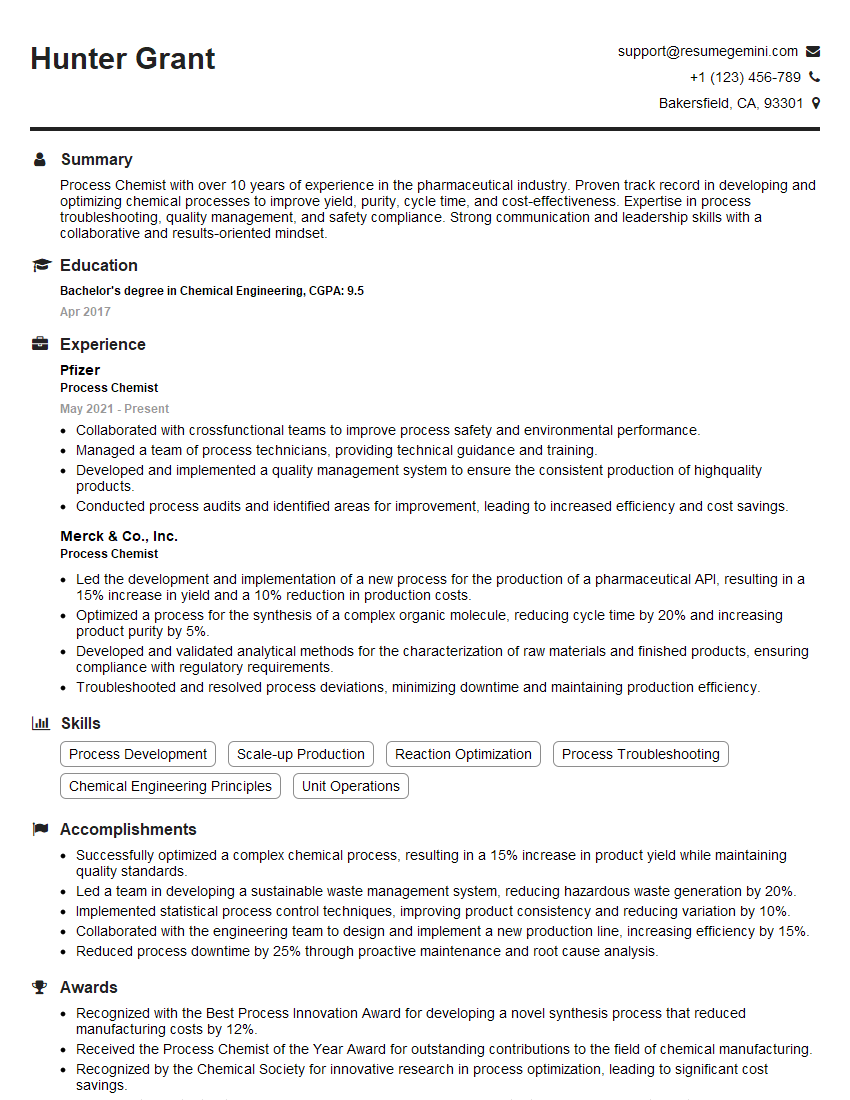
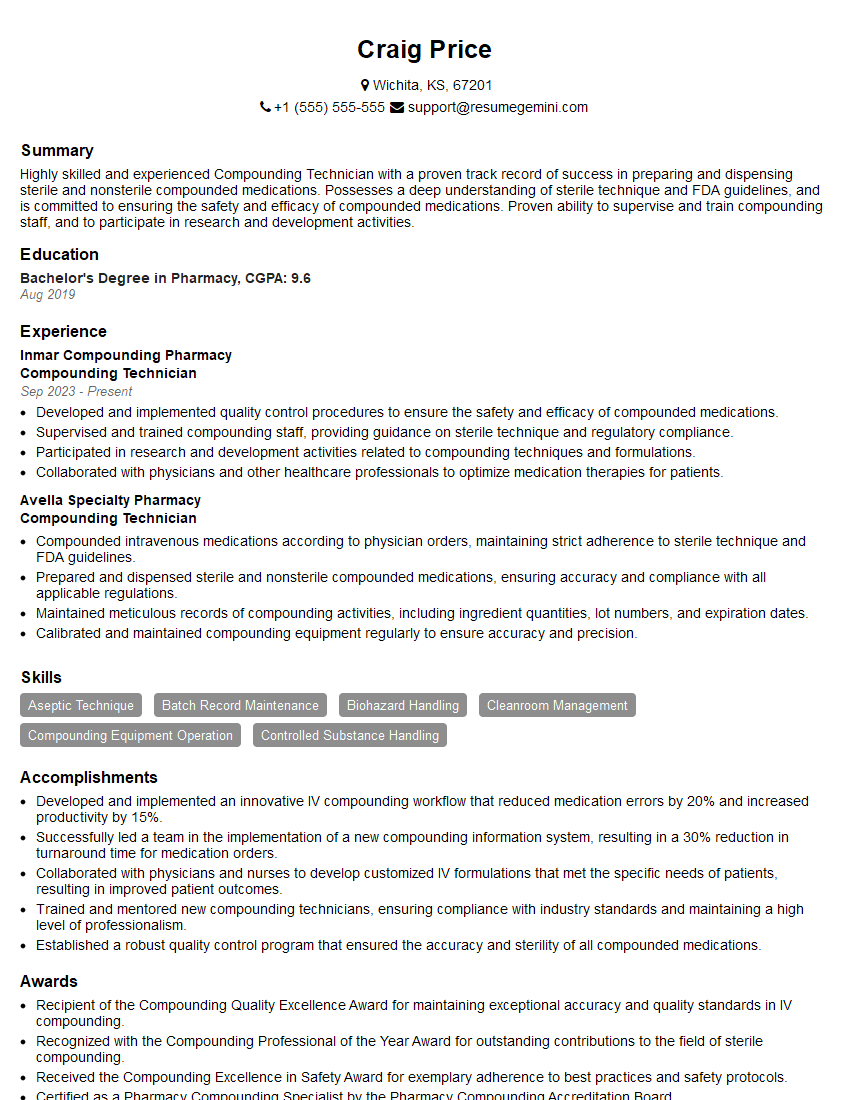
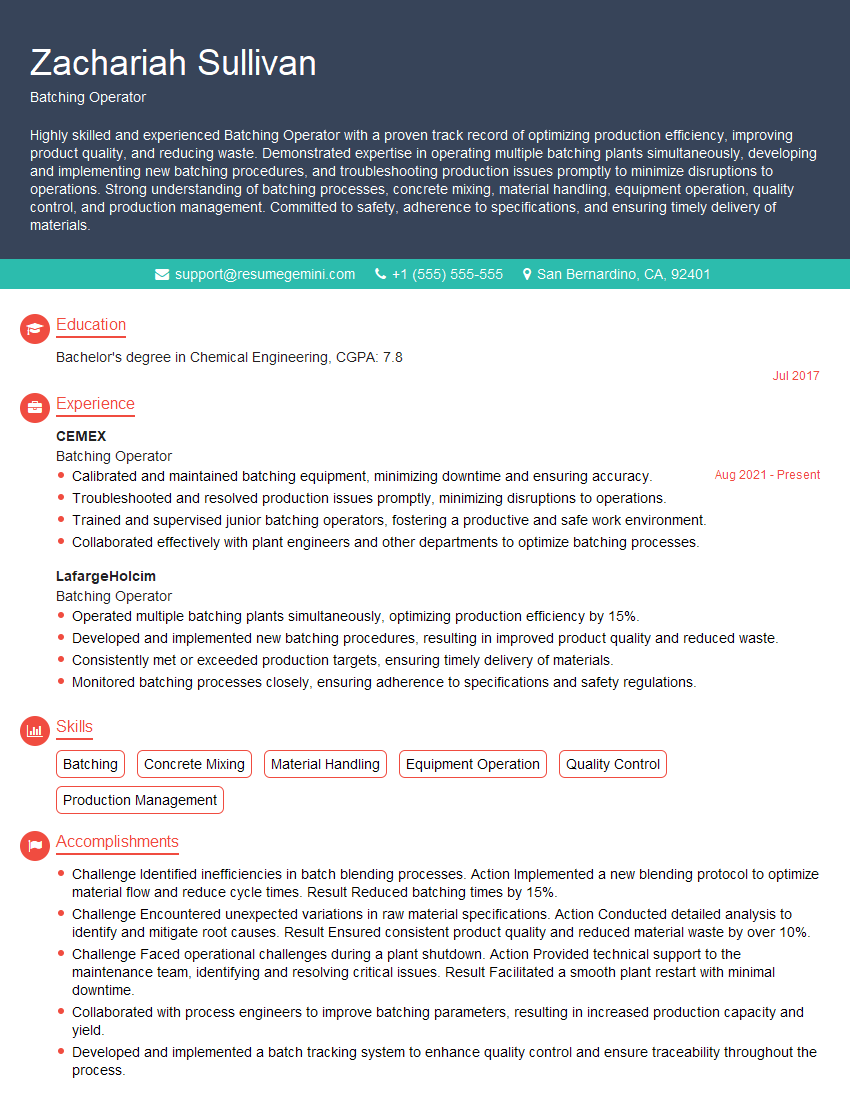
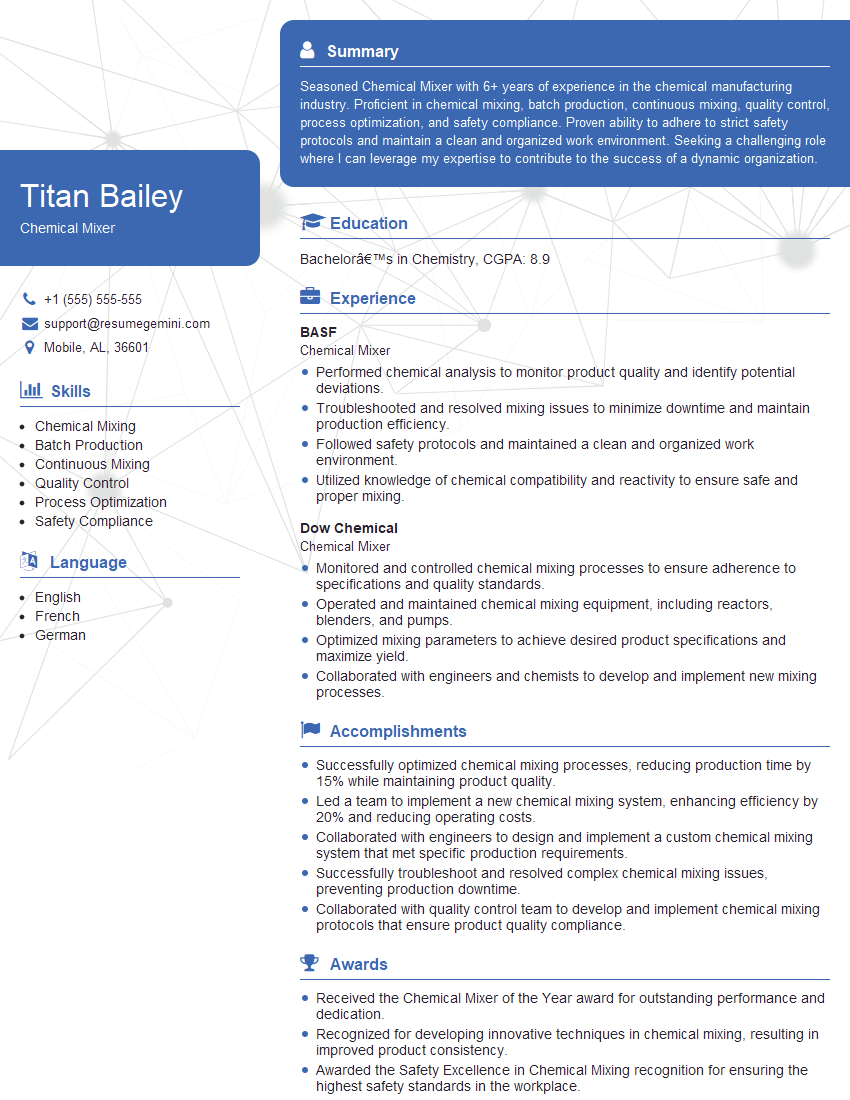
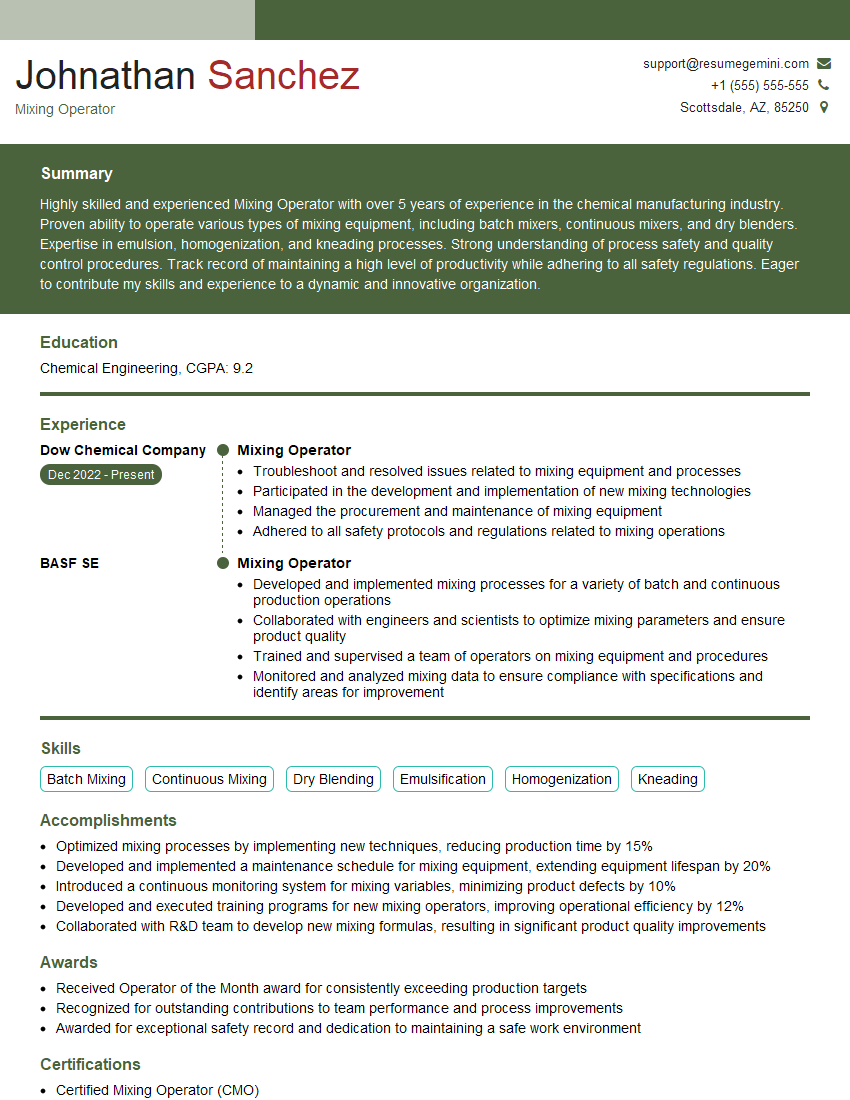
Mastering Chemical Mixing and Application opens doors to exciting career opportunities in diverse industries. A strong understanding of these principles is crucial for advancement and success in this field. To maximize your job prospects, creating a compelling and ATS-friendly resume is essential. ResumeGemini is a trusted resource that can significantly enhance your resume-building experience, helping you present your skills and experience effectively to potential employers. Examples of resumes tailored to Chemical Mixing and Application are available to guide you in crafting a winning application. Invest the time to build a strong resume; it’s your first impression on a potential employer.


Explore more articles
Users Rating of Our Blogs
Share Your Experience
We value your feedback! Please rate our content and share your thoughts (optional).
What Readers Say About Our Blog
Very informative content, great job.
good