Unlock your full potential by mastering the most common Use of Grooming Equipment interview questions. This blog offers a deep dive into the critical topics, ensuring you’re not only prepared to answer but to excel. With these insights, you’ll approach your interview with clarity and confidence.
Questions Asked in Use of Grooming Equipment Interview
Q 1. Describe your experience with various types of hair clippers.
My experience with hair clippers spans over a decade, encompassing various brands and models, from corded clippers like the Wahl Legend and Andis Master, to cordless options such as the Wahl Cordless Magic Clip and the Oster Fast Feed. I’m proficient in using both rotary and magnetic motor clippers, understanding their distinct strengths. Rotary motors offer more power for cutting through thick hair, while magnetic motors provide smoother, quieter operation ideal for detailed work and fades. I’ve worked with clippers featuring various blade sizes and types, including standard, detailer, and trimming blades, and I understand how to adjust blade tension for optimal performance. For instance, I’ve learned to adjust blade tension on Wahl clippers to achieve a precise taper, and I’ve honed my skills in using different blade guards to create various hair lengths. This diverse experience allows me to adapt quickly to any clipper and achieve the desired haircut.
Q 2. How do you maintain and clean professional hair cutting shears?
Maintaining professional hair cutting shears is crucial for their longevity and performance. After each use, I meticulously clean the blades with a soft cloth and shear cleaning solution to remove hair and debris. This prevents the build-up of residues which can dull the blades. Regular lubrication using a high-quality shear oil is also vital; I apply a few drops to the pivot point and then open and close the shears several times to distribute the oil evenly. This reduces friction and prevents rust. Sharpening is essential; I typically have my shears professionally sharpened every 6-12 months, depending on usage. I also store my shears in a protective case to prevent damage or accidental dulling.
Ignoring these steps can lead to dull blades resulting in uneven cuts, and potentially damage to the shears, significantly impacting the quality of the haircut.
Q 3. Explain the proper use and safety precautions for a hot towel cabinet.
A hot towel cabinet provides warm, moist towels for clients, enhancing the comfort and experience of a haircut or shave. Before each use, I ensure the cabinet is clean and the water reservoir is filled with fresh, clean water. I carefully follow the manufacturer’s instructions regarding the temperature settings to prevent burns. The towels used should be clean and lint-free. After use, I wipe down the cabinet’s exterior and ensure all surfaces are dry to prevent mold or mildew growth. Important safety precautions include checking for any leaks or malfunctions, ensuring the unit is unplugged before cleaning, and never leaving the cabinet unattended while it’s operating. Furthermore, I instruct clients on how to safely use the hot towel to avoid burns.
Q 4. What are the different types of curling irons and their applications?
Curling irons come in various types, each designed for different curl styles and hair textures.
- Wand curling irons offer versatility, creating various curls from loose waves to tight ringlets depending on the barrel size and technique.
- Clamp curling irons are classic tools with a clamp to hold the hair in place, creating consistent curls, especially useful for beginners.
- Spiral curling irons create defined spirals.
- Triple barrel curling irons create voluminous, beachy waves.
Q 5. How do you select the appropriate hair dryer for different hair types?
Selecting the appropriate hairdryer depends on the client’s hair type and desired style. For fine hair, a low-wattage hairdryer with multiple heat and speed settings prevents damage. Thick, coarse hair benefits from a high-wattage hairdryer with strong airflow for efficient drying. Hair dryers with ionic technology are beneficial for reducing frizz and static, particularly useful for curly or dry hair. Ceramic or tourmaline technology provides even heat distribution, minimizing heat damage. For example, I would use a lower heat setting and ionic dryer for fine hair to avoid heat damage and frizz, while a high-wattage ceramic hairdryer would be suitable for thick, coarse hair to achieve faster and more efficient drying.
Q 6. Describe your experience with different types of hair straighteners.
My experience encompasses various hair straighteners, from basic models to advanced ones with features like temperature control, ionic technology, and different plate materials. I’ve worked with ceramic, titanium, and tourmaline plates. Ceramic plates offer even heat distribution, titanium plates heat up quickly and are durable, while tourmaline plates produce negative ions to reduce frizz. The choice depends on hair type and desired results. For instance, clients with fine hair benefit from lower heat settings and ceramic plates to minimize damage, while clients with thick, coarse hair may need a straightener with titanium plates and higher heat settings. Furthermore, understanding the importance of using a heat protectant is crucial when using any hair straightener.
Q 7. How do you sanitize and sterilize grooming tools?
Sanitizing and sterilizing grooming tools is paramount to maintaining hygiene and preventing the spread of infections. I use a multi-step process: First, I thoroughly clean tools with soap and water, removing all visible hair and debris. Then, I immerse the tools in a hospital-grade disinfectant solution, following the manufacturer’s instructions for contact time. For tools that can withstand high heat, such as shears and clippers, I use a UV sterilizer to eliminate bacteria and viruses. After the sterilization process, I carefully rinse and dry the tools before storing them in a clean, designated area. This ensures client safety and maintains professional standards. Ignoring these steps puts both myself and the clients at risk.
Q 8. What are the safety protocols for using chemical hair treatments?
Safety protocols for chemical hair treatments are paramount to prevent adverse reactions and ensure client well-being. These protocols begin before the treatment even starts with a thorough consultation to identify potential allergies or sensitivities. A crucial step is performing a patch test at least 48 hours prior to the full application. This involves applying a small amount of the product to a discreet area of skin, usually behind the ear or on the inner elbow, and observing for any signs of irritation, redness, or allergic reaction.
- Always wear appropriate personal protective equipment (PPE), including gloves, a protective apron, and eye protection. This protects you from accidental contact with chemicals.
- Work in a well-ventilated area to minimize inhalation of fumes. Opening windows and using ventilation fans can help.
- Follow the manufacturer’s instructions precisely regarding mixing ratios, application techniques, and processing times. Improper mixing or excessive processing time can lead to damage or allergic reactions.
- Perform a strand test before applying the product to the entire head. This allows you to test the product’s effect on a small section of hair, helping to predict the final result and identify potential problems.
- Have emergency procedures in place, including knowledge of first aid for chemical burns and allergic reactions, and access to emergency contact information.
For instance, I once had a client with a mild allergy to a particular brand of ammonia-based color. By following the patch test procedure, we identified this early and substituted a gentler, ammonia-free alternative. This prevented a serious allergic reaction and maintained client trust.
Q 9. Explain the proper use and maintenance of a facial steamer.
Facial steamers offer a beneficial pre-treatment step for facials by opening pores and softening skin, making extractions and moisturizing treatments more effective. Proper use involves filling the reservoir with distilled water (tap water can leave mineral deposits) to the indicated level. Turn the steamer on and allow it to heat, usually indicated by a light or indicator. Maintain a safe distance from the face to avoid burns – typically 12-18 inches – and direct the steam gently over the face for 5-10 minutes.
Maintenance is crucial for longevity and hygiene. After each use, allow the steamer to cool completely, then empty the reservoir and clean it with a mild disinfectant solution and a soft cloth. Regular cleaning prevents mineral buildup and the growth of bacteria. Always unplug the steamer before cleaning. Storing it in a clean, dry place protects it from dust and damage. Neglecting maintenance can lead to malfunctioning, reduced efficiency, and the potential for bacterial contamination.
Q 10. How do you use and maintain a paraffin wax warmer?
Paraffin wax warmers are used in manicures and pedicures to soften the skin and improve the penetration of lotions and creams. Proper use requires filling the warmer with paraffin wax pellets, following the manufacturer’s instructions for the amount. Heat the wax according to the warmer’s settings, ensuring it reaches the appropriate temperature (usually around 125-135°F). Always test the temperature on your own wrist before applying it to a client.
Maintenance is key. After each use, allow the wax to cool completely before removing and storing it in an airtight container, preventing contamination and oxidation. Clean the warmer’s interior with a mild detergent and warm water, thoroughly drying it before storing. Regular cleaning avoids wax build-up and ensures hygienic use. Failing to properly clean the warmer can result in contamination and wax becoming unusable.
Q 11. Describe your experience with various types of nail files and buffers.
My experience encompasses a wide variety of nail files and buffers. I am proficient in using different grits of nail files – coarse (80-100 grit) for shaping, medium (150-180 grit) for refining, and fine (240 grit and above) for smoothing. The choice of grit depends on the specific task and desired outcome. I also use various buffers to achieve a high shine, and I select them based on the desired level of shine and the client’s nail condition. Using the proper grit and technique prevents nail damage and promotes healthy nail growth.
For instance, I might use a coarse file to shape a severely damaged nail, follow with a medium file for refining, and finish with a fine file and buffer for a smooth and polished finish. This layered approach ensures the best possible result without causing unnecessary damage.
Q 12. How do you safely use and dispose of sharps, such as razors?
Safe handling and disposal of sharps like razors are vital to prevent accidental injuries. Always use razors carefully and avoid excessive pressure. After each use, immediately place used razors in a designated sharps container, which is a puncture-resistant container specifically designed for this purpose. Never recap or reuse disposable razors. These containers should be properly sealed and disposed of according to local regulations; often this involves handing them over to a medical waste disposal service.
Never leave sharps lying around, particularly in areas where clients or others might accidentally come into contact with them. This simple practice prevents serious and preventable injuries.
Q 13. Explain the proper technique for applying different types of hair color.
Applying different hair colors requires precision and knowledge of various techniques. For permanent hair color, application involves sectioning the hair, applying the color carefully to the roots and working through to the ends, ensuring even saturation. Processing time is crucial, and it should be carefully monitored. Semi-permanent and demi-permanent colors are often applied differently and typically do not require as strict sectioning.
Highlights and lowlights may use various techniques, including foiling, balayage, or color melting, each requiring specialized skills. Bleach application for highlights demands extra caution, as it can easily damage the hair if not applied correctly. It’s vital to regularly monitor the bleaching process and prevent over-processing. In each case, understanding the specific product instructions is essential for achieving the best result and preventing damage.
Q 14. How do you perform a patch test before applying a chemical treatment?
A patch test is a crucial step before any chemical treatment to identify potential allergic reactions. Apply a small amount of the product to a discreet area of skin, usually behind the ear or on the inner elbow, using a cotton swab. Leave it undisturbed for 48 hours. Observe the area for any signs of redness, swelling, itching, burning, or other irritation. If any adverse reactions occur, do not use the product and consult a dermatologist or allergist. A negative reaction means it’s generally safe to proceed with the full application, although client reactions can still vary.
For example, I always perform a patch test before using any new hair color or chemical treatment, regardless of the client’s past history. This preventative measure protects my clients and ensures their comfort and safety.
Q 15. What are the signs of skin irritation or allergic reaction to grooming products?
Recognizing skin irritation or an allergic reaction to grooming products is crucial for client safety and maintaining a professional reputation. Symptoms can vary widely in severity and presentation.
- Mild Reactions: These might include redness, slight swelling, mild itching, or a feeling of warmth or burning at the application site. Think of a mild sunburn; it’s uncomfortable but generally resolves quickly.
- Moderate Reactions: More pronounced redness, significant swelling, persistent itching, and the appearance of small bumps or hives (urticaria) signal a moderate reaction. It might be accompanied by some discomfort or pain.
- Severe Reactions: These are less common but require immediate attention. Severe reactions include extensive swelling (potentially affecting the airway), difficulty breathing, dizziness, widespread hives, blistering, or the formation of welts. In these cases, immediate medical attention is necessary.
Example: I once had a client who developed a mild rash after using a new hair removal cream. We immediately stopped using the product, applied a cool compress, and switched to a hypoallergenic alternative. The rash cleared up within a day.
Career Expert Tips:
- Ace those interviews! Prepare effectively by reviewing the Top 50 Most Common Interview Questions on ResumeGemini.
- Navigate your job search with confidence! Explore a wide range of Career Tips on ResumeGemini. Learn about common challenges and recommendations to overcome them.
- Craft the perfect resume! Master the Art of Resume Writing with ResumeGemini’s guide. Showcase your unique qualifications and achievements effectively.
- Don’t miss out on holiday savings! Build your dream resume with ResumeGemini’s ATS optimized templates.
Q 16. Describe your experience with various types of waxing equipment and techniques.
My experience with waxing equipment encompasses various types, each suited to different needs and client preferences.
- Hard Wax: I’m proficient with both manual application and the use of a warmer for hard wax. Hard wax is excellent for sensitive skin because it adheres only to the hair, minimizing skin irritation. The application technique involves spreading a thin layer and allowing it to cool and harden before removing it in the opposite direction of hair growth. I frequently use this for Brazilian and bikini waxes.
- Soft Wax: Soft wax, typically applied with a spatula, requires fabric strips for removal. This method is quicker for larger areas, like legs or arms, but it can be slightly more irritating for sensitive skin. I adjust my technique by applying the wax in the direction of hair growth and removing it against the grain, using a swift, decisive motion to minimize discomfort.
- Wax Warmers: I’m skilled in operating various wax warmer models, ensuring the wax is at the optimal temperature to avoid burns. Regular cleaning and maintenance of these machines are crucial to prevent wax buildup and contamination.
Technique Adaptation: My waxing technique adapts to individual client needs. For instance, I would modify my approach for a client with very fine hair by using a softer wax and multiple applications to ensure thorough hair removal. For clients with sensitive skin, I always perform a patch test before waxing the entire area and opt for hard wax whenever possible.
Q 17. How do you maintain a clean and organized workstation?
Maintaining a clean and organized workstation is paramount for hygiene and efficiency. My routine involves several steps:
- Pre-Service Cleaning: Before each client, I thoroughly disinfect all surfaces, equipment (including combs, brushes, clippers, and tools), and instruments with a hospital-grade disinfectant.
- Organization: All tools and products are neatly arranged in designated areas, making them easily accessible during the service. This prevents wasted time searching for supplies and ensures a smoother workflow.
- Waste Management: Used materials, including wax strips, applicators, and cotton swabs are disposed of properly in designated waste containers to maintain hygiene and comply with safety regulations.
- Post-Service Cleaning: After each client, I perform a thorough cleaning of the workstation, including sweeping hair and wiping down surfaces. All reusable equipment is properly cleaned, disinfected, and stored away.
- Regular Deep Cleaning: I schedule regular deep cleaning of the workstation, involving more thorough disinfection and equipment maintenance, which could include sharpening scissors or lubricating clippers.
Example: I use a color-coded system for my supplies. All tools related to waxing are kept in one area, and hair cutting tools in another. This immediately identifies the needed item and streamlines the service.
Q 18. What are the ergonomic considerations when using grooming equipment?
Ergonomic considerations are crucial to prevent injuries and maintain comfort during long workdays. Using grooming equipment properly involves mindful posture and movement.
- Posture: Maintaining a neutral posture, with the back straight and shoulders relaxed, is essential. Adjusting the height of the chair and client’s position ensures that I don’t have to strain my neck, back, or shoulders.
- Tool Handling: Holding tools correctly, avoiding unnecessary strain on the wrist and hands, is essential. I use ergonomic shears and clippers whenever possible.
- Movement: Minimizing repetitive movements, such as bending or twisting excessively, helps prevent injuries. I incorporate strategic breaks into my workday to reduce strain and fatigue.
- Equipment Placement: Tools and supplies should be easily accessible to reduce reaching and stretching, improving workflow efficiency and minimizing physical stress.
Example: I use a cushioned chair with adjustable height and lumbar support. I frequently switch between standing and sitting to ease physical stress and avoid stiffness.
Q 19. How do you troubleshoot common issues with grooming equipment?
Troubleshooting is a regular part of my work. The key is identifying the issue systematically.
- Clippers/Trimmers: If clippers aren’t cutting properly, I first check the blades for dullness or clogs. Cleaning and lubricating them, or replacing dull blades usually solves the problem. If the problem persists, I check the power source and motor for any malfunction.
- Hair Dryer: If a hair dryer isn’t working, I check the power cord, outlet, and the dryer’s fuse. If a heating element is faulty, professional repair might be necessary.
- Wax Warmer: If the wax isn’t heating properly, I check the thermostat settings, power supply and the warmer’s functionality. Addressing wax buildup inside the unit often resolves the problem.
Example: When my client’s clipper suddenly stopped working mid-haircut, I quickly checked the cord and found it was frayed. I immediately switched to a backup clipper to continue the service and scheduled a repair for the damaged equipment.
Q 20. Explain the differences between different types of hair cutting techniques using various tools.
Hair cutting techniques vary significantly depending on the desired style and the tools used.
- Scissor Cutting: This offers precision and control, ideal for creating sharp lines, layering, and texturizing. Different scissor techniques, like point cutting, slide cutting, and carving, achieve distinct effects.
- Clipper Cutting: This is efficient for creating even lengths and fades. Various clipper guards allow for adjustments in length. Techniques like blending and over-lapping help create seamless transitions.
- Razor Cutting: Razor cutting introduces texture and movement, softening lines and adding volume. This technique requires skillful control to avoid uneven results. This is more advanced and not always recommended for all hair types.
- Shears & Thinning Shears: Thinning shears are specialized tools used to remove bulk from hair, creating texture and volume. The amount of thinning depends on the type of shears and the technique used.
Example: For a client wanting a sharp bob, I would utilize scissor-over-comb techniques for precision. For a client desiring a more textured look, I might incorporate razor cutting or thinning shears.
Q 21. How do you adapt your use of equipment for clients with different hair textures and conditions?
Adapting my equipment and techniques to different hair textures and conditions is crucial for achieving optimal results and preventing damage.
- Fine Hair: I avoid heavy products and use lightweight styling tools. Gentle techniques and sharp, precise cutting are important to avoid excessive thinning.
- Thick Hair: I might use stronger, more durable clippers and shears to cut through the hair easily. Techniques like texturizing and point cutting can help manage the thickness.
- Curly Hair: Special attention is paid to avoid creating frizz or breakage. I use shears designed for curly hair to preserve its natural shape and diffuse drying techniques for a smoother finish.
- Damaged Hair: I use gentler tools and techniques. Avoid harsh chemicals and excessive heat, and select products that help repair damaged hair.
Example: When working with a client with very thick, coarse hair, I use a heavy-duty clipper with a wider blade for faster, more efficient cutting. Conversely, for a client with fine, delicate hair, I’d opt for a lightweight clipper and use a softer touch to avoid breakage or damage.
Q 22. Describe your experience working with specialized equipment for hair extensions or wigs.
My experience with specialized equipment for hair extensions and wigs is extensive. I’m proficient in using various tools, from bonding and fusion tools for applying extensions to specialized wig caps and adhesives. I’m also experienced in using heated tools like curling irons and straighteners to style both extensions and wigs, ensuring they blend seamlessly with natural hair. For example, I’ve mastered the art of using micro-link pliers for installing seamless tape-in extensions, minimizing damage to the client’s hair. I also understand the nuances of different wig cap constructions – from monofilament to lace front – and how to properly secure and style them for a natural look. Furthermore, I’m adept at using tools for cleaning and maintaining both synthetic and human hair extensions and wigs, extending their lifespan and maintaining their quality. Finally, I’m always careful to select the appropriate tools for each hair type and extension method to prevent damage and achieve optimal results.
Q 23. How do you ensure the safety and comfort of your clients while using grooming equipment?
Client safety and comfort are my top priorities. Before using any equipment, I always explain the process to the client, addressing any concerns they may have. I ensure all tools are clean, sanitized, and in perfect working order. For example, I always use freshly sanitized clippers and shears, and I regularly check the temperature of heated tools to prevent burns. When using heated tools near the face or scalp, I use protective guards or shields as necessary and take extra precautions to avoid accidental burns. I regularly assess client comfort throughout the service and make adjustments to the chair position or techniques to maximize their relaxation. I also regularly check the power cords of all equipment to avoid any electrical hazards. Maintaining a clean and organized workstation free of clutter also contributes significantly to a safe and comfortable experience for the client.
Q 24. What are the maintenance requirements for different types of salon chairs and equipment?
Maintenance of salon chairs and equipment is crucial for longevity and hygiene. Salon chairs, for example, require regular cleaning with appropriate disinfectants – different cleaners may be necessary for different upholstery materials. Leather chairs might require specialized conditioners to prevent cracking, while fabric chairs need regular vacuuming and spot cleaning. Hydraulic mechanisms should be lubricated periodically to ensure smooth operation. For styling tools, this involves cleaning plates or barrels after each use and occasional deep cleaning to remove product buildup. Clippers and shears need regular lubrication and sharpening to maintain their sharpness and efficiency. I always follow the manufacturer’s instructions for cleaning and maintenance for each piece of equipment, ensuring all equipment is cleaned and disinfected before and after each client and regularly checked for wear and tear.
Q 25. How do you handle equipment malfunctions during a service?
Equipment malfunctions are always handled professionally and promptly. My first step is to assess the situation and ensure client safety – for instance, if a clipper malfunctions, I immediately stop the service and disconnect the power source. Then, I calmly explain the situation to the client, offering an alternative solution if possible (e.g., using a backup clipper). If the issue cannot be quickly resolved, I reschedule the appointment and apologize for the inconvenience. For minor issues, I’m adept at troubleshooting common problems (like a clogged nozzle on a hair dryer). However, for more significant malfunctions, I contact the equipment manufacturer or a qualified repair technician. Maintaining a log of equipment maintenance and repairs is crucial for identifying recurring issues and ensuring prompt resolution.
Q 26. What are your preferred brands of grooming equipment and why?
My preferred brands reflect a balance of quality, reliability, and ergonomics. For clippers, I favor Wahl and Andis due to their durability and precision. Their various models cater to diverse hair types and cutting techniques. For shears, I prefer Jaguar or Matsuzaki because of their superior craftsmanship and sharpness, contributing to precise cuts and reducing client fatigue. For hair dryers, I’ve found that Parlux and Dyson offer excellent performance and long-lasting durability. My choice of brands is influenced by factors such as ease of use, client comfort, and the brands’ reputations for consistent quality. I also value manufacturers committed to sustainable practices and ethical production.
Q 27. Explain your knowledge of OSHA regulations regarding the use of salon equipment.
My understanding of OSHA regulations concerning salon equipment is comprehensive. I’m well-versed in the requirements for proper sanitation and disinfection of all tools and equipment to prevent the spread of infectious diseases. This involves using EPA-registered disinfectants and following proper protocols for cleaning and sterilization. I also understand the safety regulations regarding electrical equipment, including properly grounded outlets and regularly inspecting power cords for damage. OSHA regulations emphasize the importance of maintaining a safe working environment, free from hazards like sharp objects or slippery floors. My adherence to these regulations ensures both client and personal safety. Staying updated on the latest OSHA guidelines is an ongoing commitment, as regulations can change and new research on safety and sanitation practices emerges regularly.
Q 28. How do you stay updated on the latest advancements in grooming equipment technology?
Staying updated on advancements in grooming equipment is essential. I regularly attend industry trade shows and workshops, where manufacturers showcase new technologies. I subscribe to professional journals and online publications dedicated to the beauty industry, keeping me abreast of the latest tools and techniques. I also actively participate in online forums and communities with other stylists, sharing knowledge and learning about new products and innovations. Furthermore, I meticulously follow the manufacturers’ websites and social media for updates on their product lines. By actively seeking out information from various sources, I can consistently adapt my skillset and utilize the most advanced and effective tools in my practice.
Key Topics to Learn for Use of Grooming Equipment Interview
- Safety and Sanitation: Understanding and implementing proper hygiene protocols for equipment and workspaces, including sterilization techniques and infection control measures.
- Equipment Operation and Maintenance: Demonstrating proficiency in the safe and effective use of various grooming tools (clippers, shears, dryers, etc.), including regular cleaning, maintenance, and troubleshooting.
- Product Knowledge: Familiarity with different grooming products (shampoos, conditioners, styling aids) and their appropriate application based on client needs and hair types.
- Client Consultation and Assessment: Mastering the art of effective client communication to understand their needs and preferences, followed by a thorough assessment of their hair and skin condition to determine the best grooming approach.
- Specific Grooming Techniques: Proficiency in various grooming techniques, such as haircutting, styling, shaving, and grooming for specific animal breeds (if applicable). Understanding the underlying principles behind each technique.
- Troubleshooting and Problem Solving: Developing the ability to identify and address common issues that may arise during the grooming process, such as tangled fur, difficult-to-manage hair, or client concerns.
- Ethical Considerations: Understanding and adhering to professional ethical standards, including confidentiality, client respect, and responsible use of equipment and products.
Next Steps
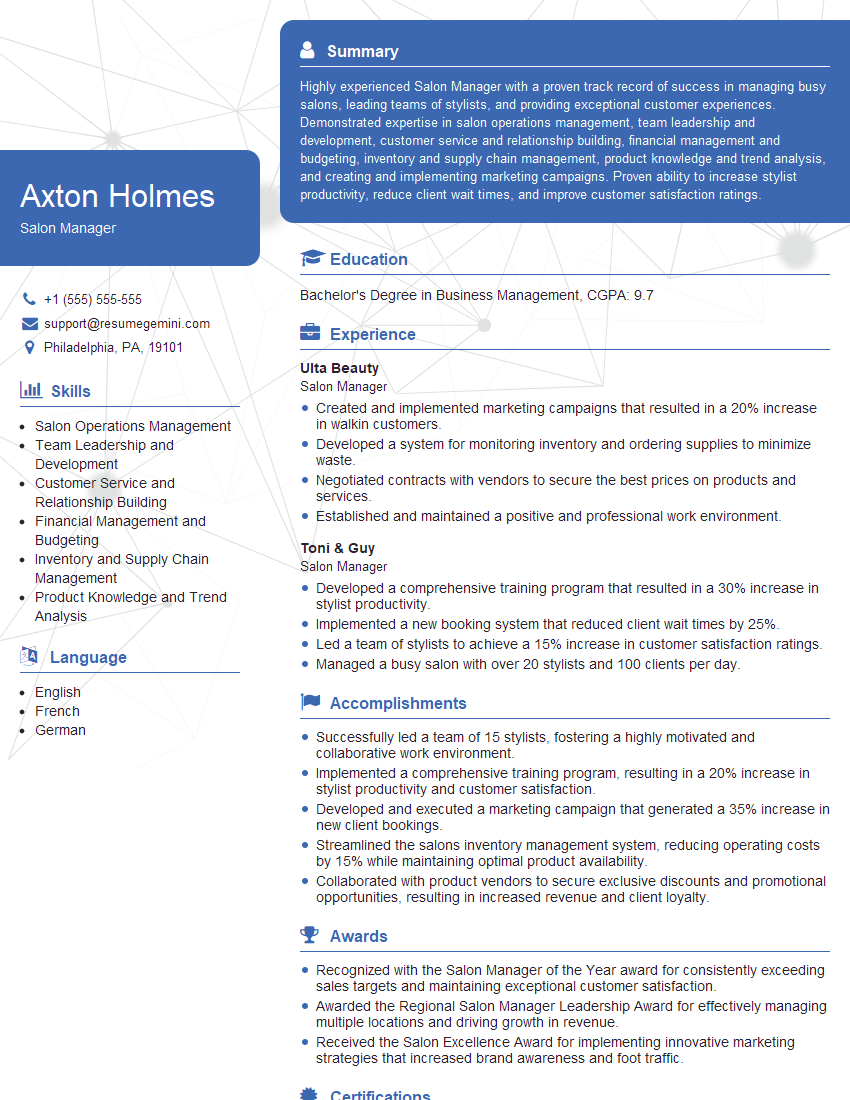
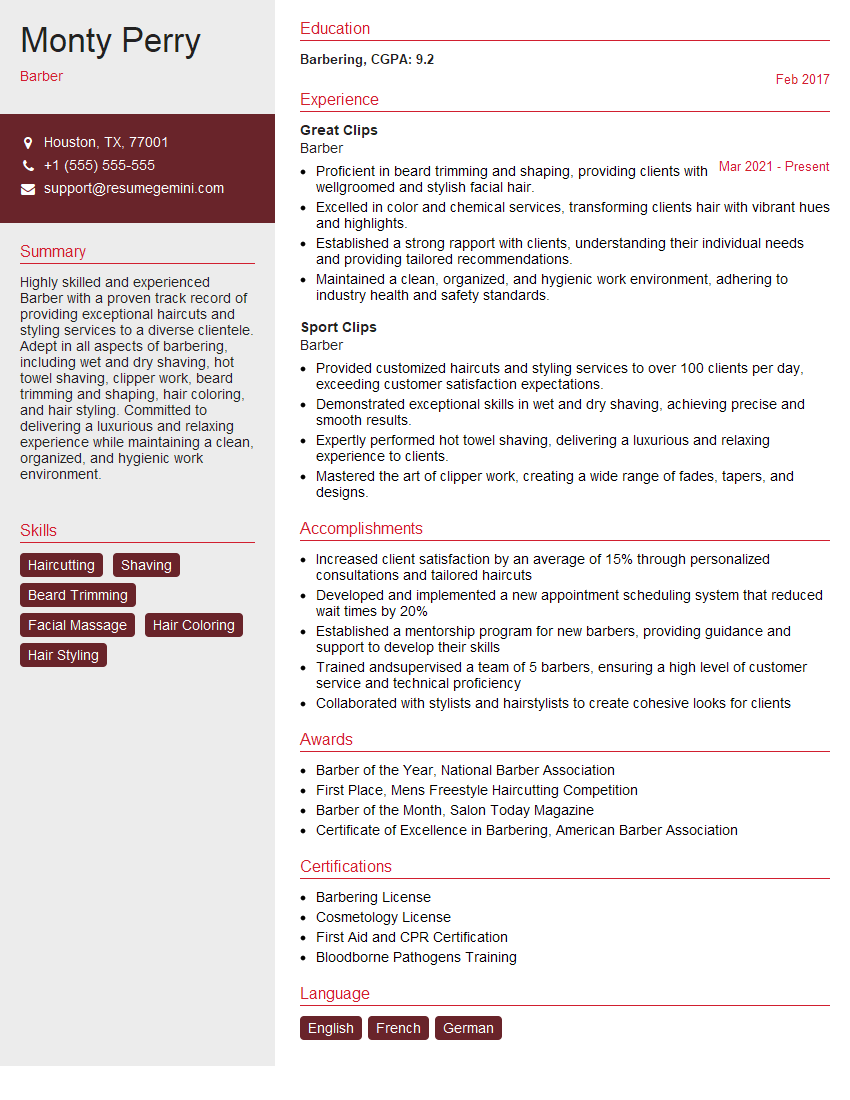
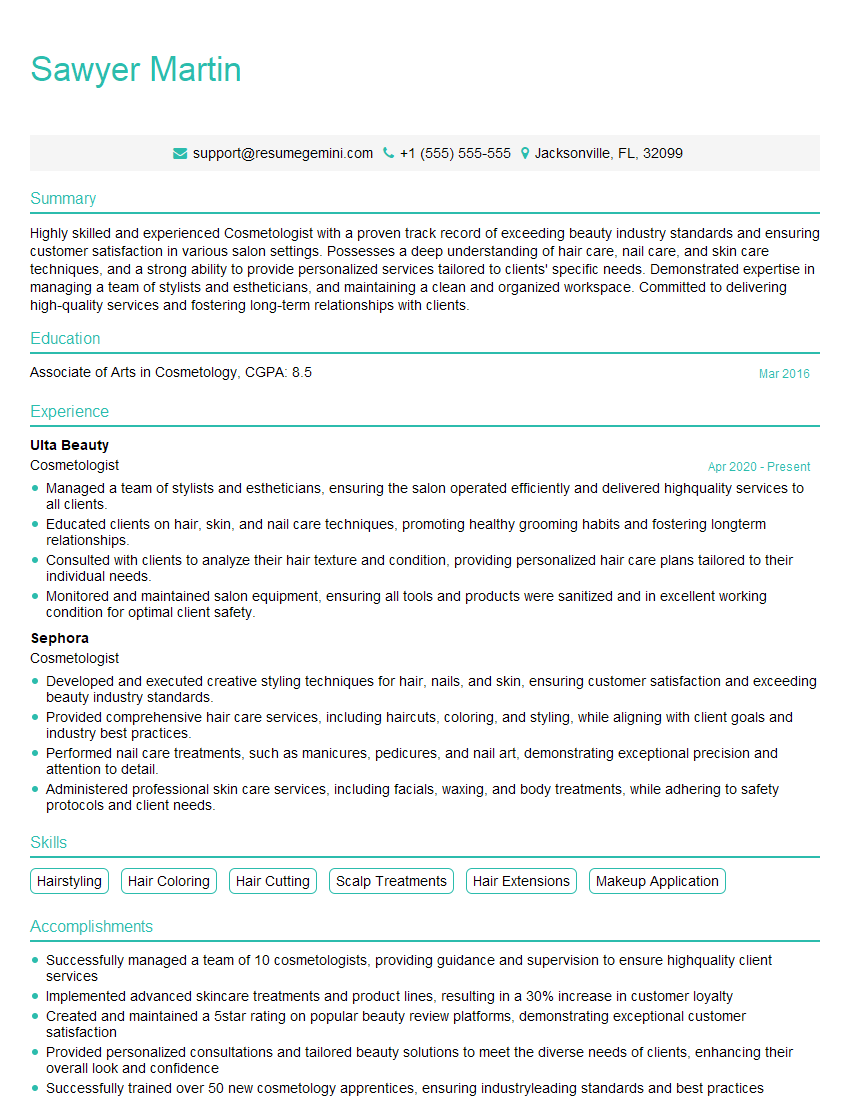
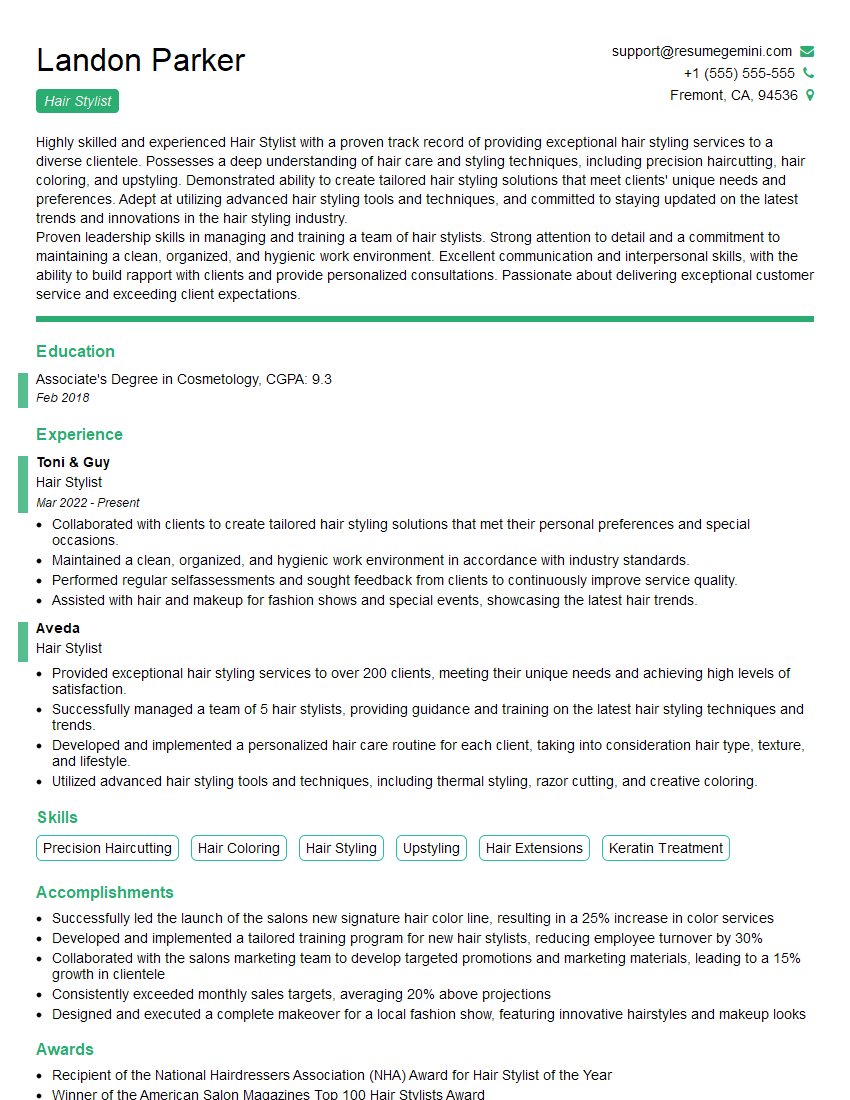
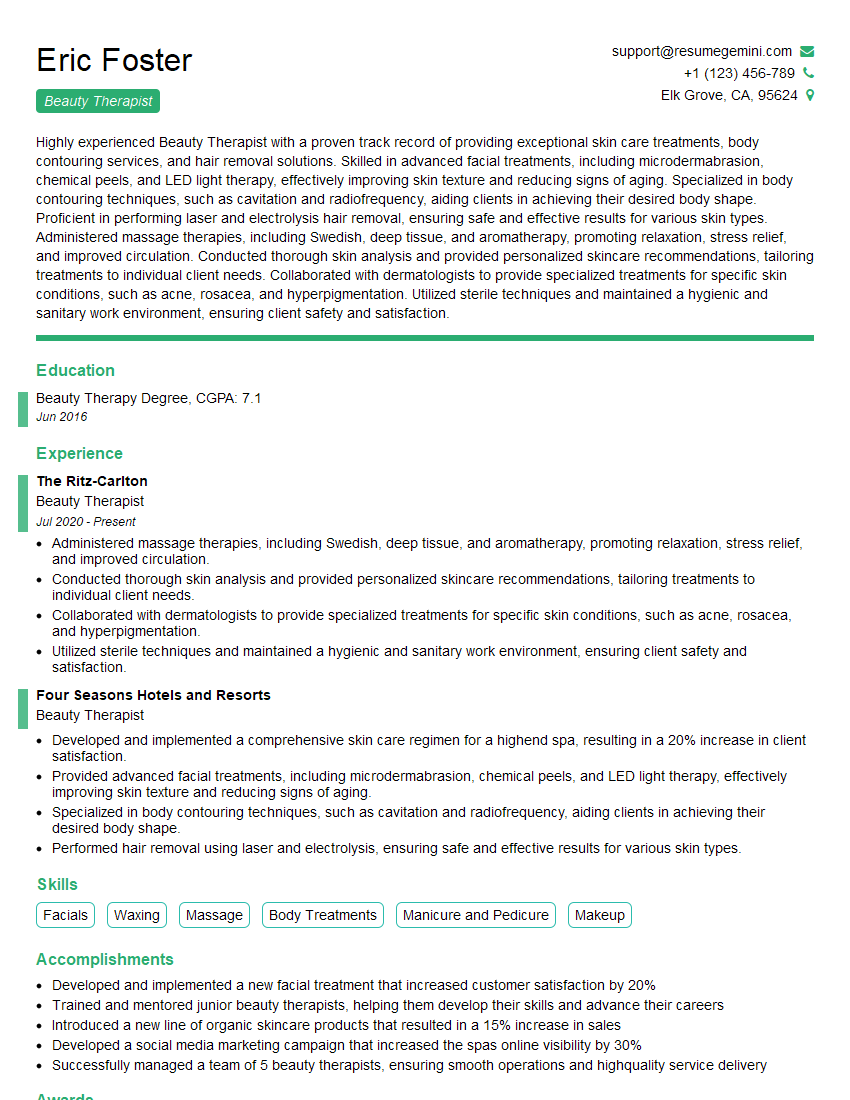
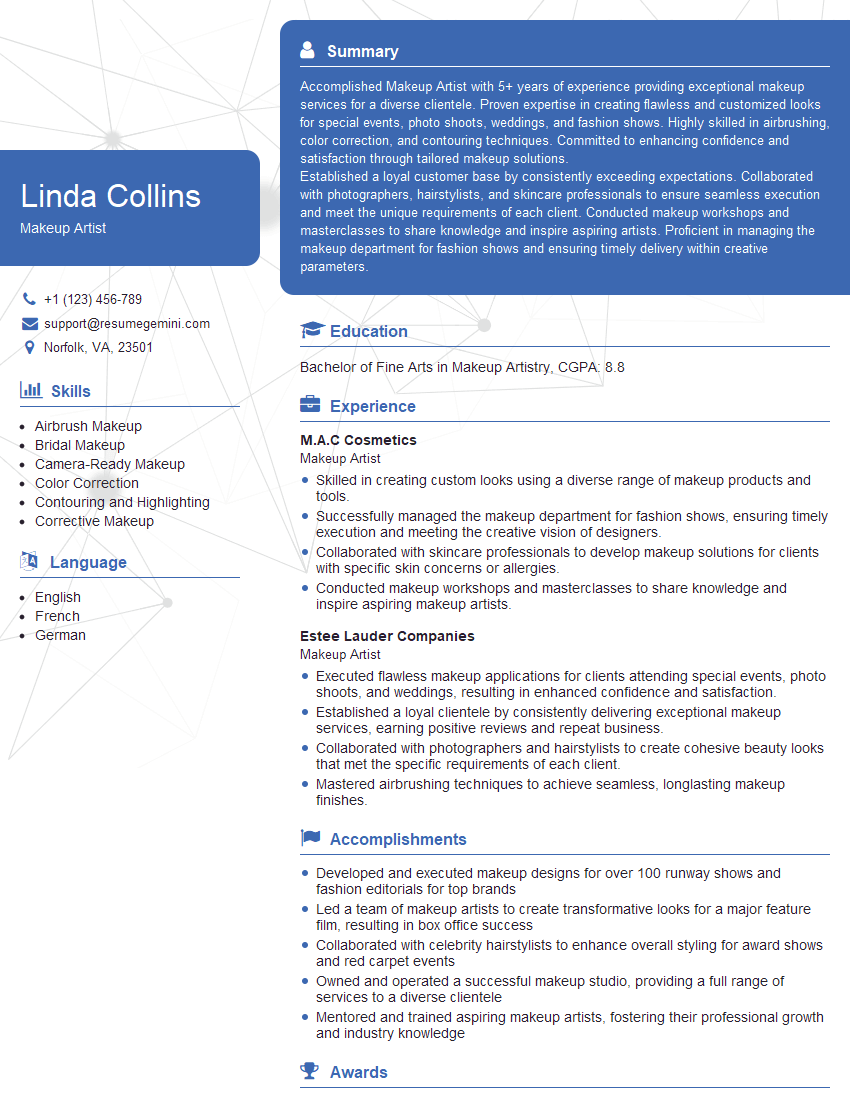
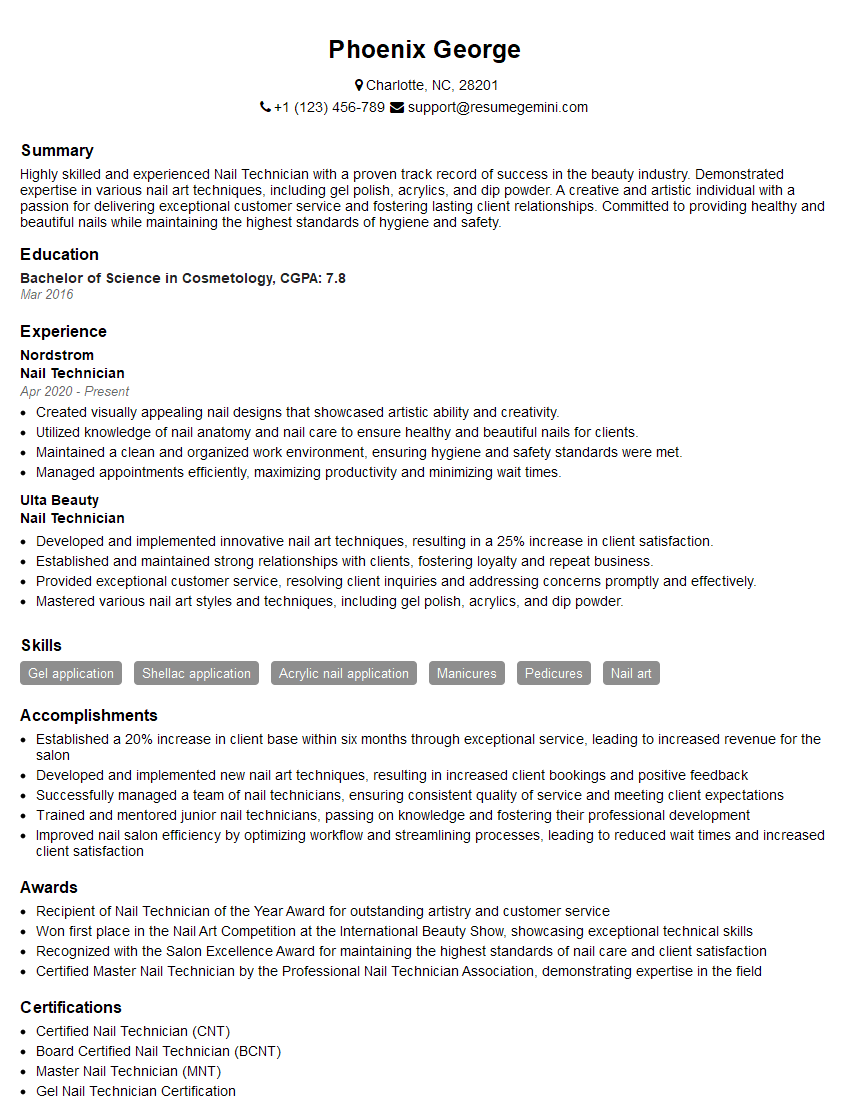
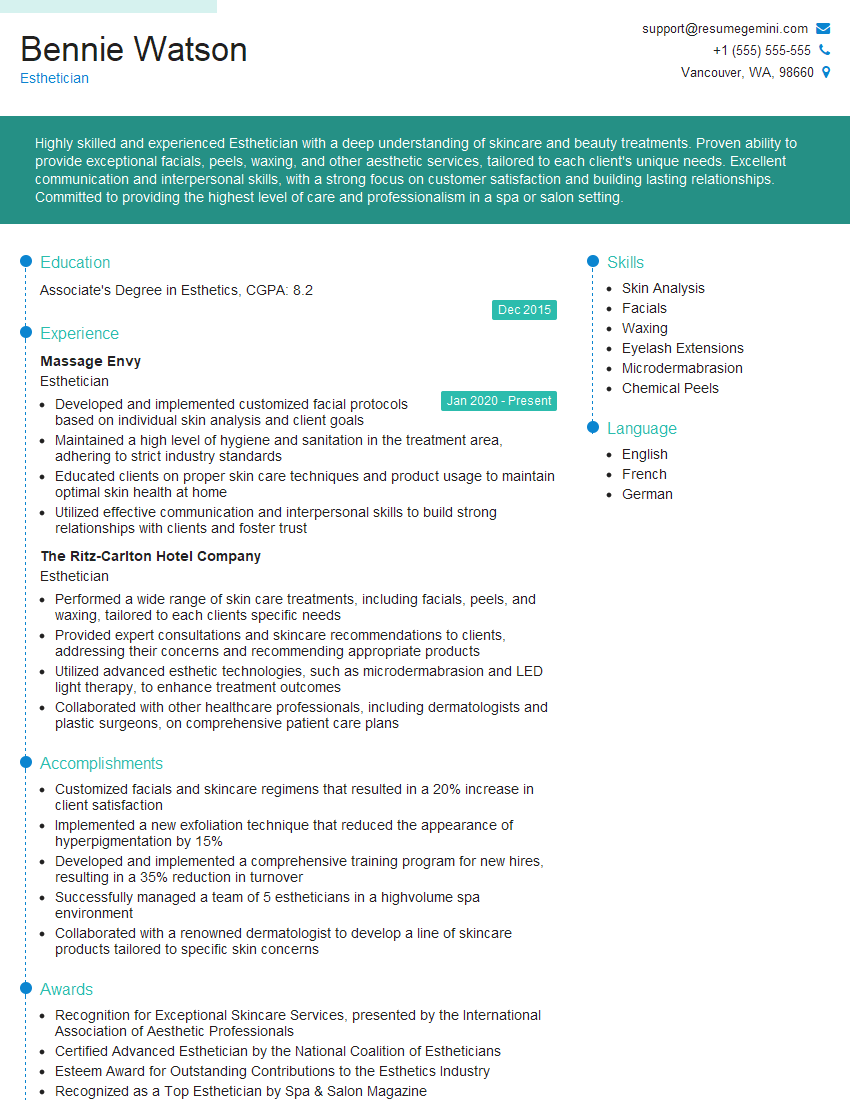
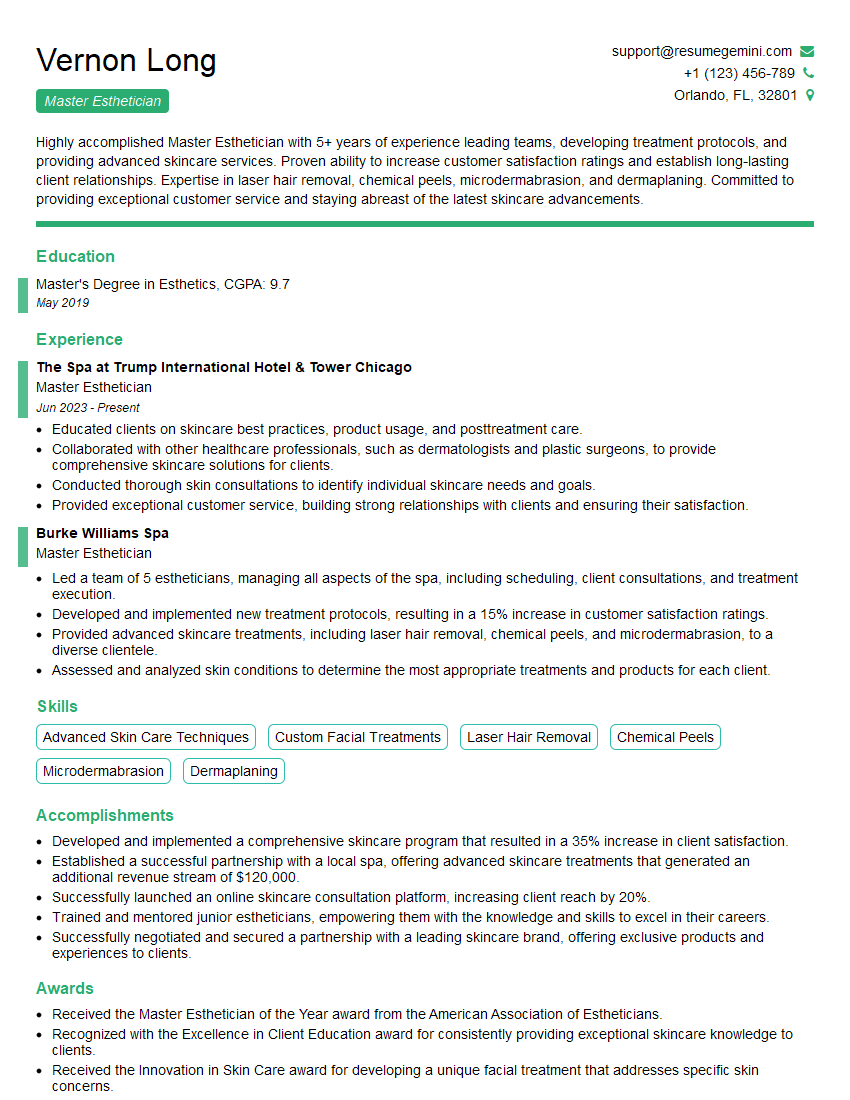
Mastering the use of grooming equipment is crucial for career advancement in this dynamic field. A strong foundation in these skills will open doors to exciting opportunities and increased earning potential. To maximize your job prospects, create an ATS-friendly resume that highlights your capabilities. ResumeGemini is a trusted resource to help you build a professional and impactful resume that showcases your skills effectively. Examples of resumes tailored to Use of Grooming Equipment are available to guide you. Invest time in crafting a compelling resume – it’s your first impression on potential employers.
Explore more articles
Users Rating of Our Blogs
Share Your Experience
We value your feedback! Please rate our content and share your thoughts (optional).
What Readers Say About Our Blog
Very informative content, great job.
good