Feeling uncertain about what to expect in your upcoming interview? We’ve got you covered! This blog highlights the most important 3 Position Frontal Leg Lift interview questions and provides actionable advice to help you stand out as the ideal candidate. Let’s pave the way for your success.
Questions Asked in 3 Position Frontal Leg Lift Interview
Q 1. Describe the proper form and technique for a 3 Position Frontal Leg Lift.
The 3 Position Frontal Leg Lift is a fundamental assessment used in physical therapy and fitness to evaluate hip stability and identify muscle imbalances. Proper form is crucial for accurate assessment. The test involves lifting one leg straight out in front of the body, holding it for a few seconds, and repeating the process at three different heights: low (just off the ground), mid-range (about 45 degrees), and high (near parallel to the ground).
Technique:
- Start by standing tall with feet hip-width apart, core engaged, and maintaining a neutral spine.
- Slowly lift one leg forward, keeping the leg straight and the movement controlled. Avoid any twisting or swaying of the torso.
- Hold the raised position for a few seconds, maintaining balance and a stable core.
- Slowly lower the leg back to the starting position.
- Repeat for the other leg and each of the three height levels.
- Observe for any deviations in form or stability during the lift.
Imagine trying to balance a book on your head; you’ll need a strong core and stable hips to keep it from falling. The 3 Position Frontal Leg Lift is similar – it assesses your ability to maintain balance and stability with your leg extended.
Q 2. What muscles are primarily activated during a 3 Position Frontal Leg Lift?
The 3 Position Frontal Leg Lift primarily activates muscles responsible for hip flexion, abduction, and stabilization. These include:
- Hip Flexors: Iliacus, Psoas Major, Rectus Femoris
- Abductors: Gluteus Medius, Gluteus Minimus, Tensor Fascia Latae
- Core Stabilizers: Transverse Abdominis, Multifidus, Internal and External Obliques
However, the degree of activation varies with the height of the leg lift. The higher the leg, the more these muscles are challenged. Additionally, the stabilizing muscles around the hip and core work to maintain postural control and prevent compensations.
Q 3. Explain the biomechanics of the 3 Position Frontal Leg Lift.
The biomechanics of the 3 Position Frontal Leg Lift involve a complex interplay of forces and muscle actions. As you lift your leg, your hip flexors contract concentrically (shortening) to produce the movement. Simultaneously, your hip abductors fire to stabilize the pelvis and prevent it from dropping towards the supporting leg. Your core muscles work isometrically (without changing length) to maintain spinal stability and prevent excessive trunk movement. The three different leg heights challenge the system progressively; at higher elevations, the demand on the hip abductors and core increases significantly.
Think of it like a lever system; the hip joint is the fulcrum, your leg is the lever arm, and your muscles provide the force. A stronger lever (longer leg lift) requires more force to maintain stability and control.
Q 4. How does the 3 Position Frontal Leg Lift assess hip stability?
The 3 Position Frontal Leg Lift effectively assesses hip stability by challenging the ability of the hip abductors and core muscles to control movement and maintain balance. Weakness or imbalances in these muscles often result in compensations, like trunk leaning or pelvic dropping, which can be observed during the test. The different heights progressively challenge the system, revealing subtle imbalances that may not be apparent during a single height lift. A client who demonstrates good form across all three positions shows strong hip stability and control.
For instance, a client who can easily perform the lift at the low position but struggles to maintain balance at the high position indicates a possible weakness in their hip abductors or core muscles.
Q 5. What are common compensations observed during a 3 Position Frontal Leg Lift?
Common compensations observed during the 3 Position Frontal Leg Lift include:
- Lateral Trunk Lean: Leaning towards the supporting leg to compensate for weakness in the hip abductors on the lifted leg side.
- Pelvic Drop: The pelvis dips towards the unsupported side due to weakness of the gluteus medius and minimus.
- Increased Lumbar Lordosis: Excessive arching of the lower back due to weakness in the core musculature.
- Hip Hiking: Lifting the hip of the supporting leg.
- Knee Valgus (Knee Collapse): The knee collapses inwards during the lift due to weakness of the hip abductors and external rotators.
Observing these compensations helps clinicians identify specific muscle weaknesses and develop targeted interventions.
Q 6. How do you modify the 3 Position Frontal Leg Lift for clients with limited mobility?
Modifications for clients with limited mobility are essential to ensure safety and effectiveness. The modifications depend on the specific limitation. Examples include:
- Performing the lift while seated or supported: This reduces the balance challenge and allows the focus to remain on muscle activation.
- Reducing the range of motion: Lifting the leg only to a comfortable height.
- Using assistive devices: Using a chair, wall, or other support for balance.
- Isometric holds: Holding the leg at a certain height without changing position, focusing on muscle activation rather than range of motion.
- Using Theraband resistance: Adding resistance can help build strength to progress to a less supported version.
The goal is to gradually progress the client towards the standard form as their mobility and strength improve.
Q 7. Explain the difference between a successful and unsuccessful 3 Position Frontal Leg Lift.
A successful 3 Position Frontal Leg Lift demonstrates good control and stability throughout the movement. The client maintains a neutral spine, avoids any significant compensations (leaning, pelvic drop, etc.), and smoothly lifts and lowers the leg at each height. The movement is controlled and purposeful.
An unsuccessful lift often involves compensations, indicating weakness or imbalance in hip abductors, core muscles, or both. The client may lean excessively, show pelvic drop, or exhibit other compensatory movements to maintain balance. The movement might be jerky or uncontrolled, indicating difficulty in maintaining stability.
Consider an athlete performing a vertical jump; a successful jump is clean and powerful, while an unsuccessful jump may involve swaying, instability, or loss of balance.
Q 8. What are the potential benefits of incorporating the 3 Position Frontal Leg Lift into a rehabilitation program?
The 3 Position Frontal Leg Lift (3PLF) is a valuable assessment tool in rehabilitation, offering several benefits. Primarily, it helps improve hip strength and stability, crucial for many activities of daily living. By isolating the hip flexors, it allows for targeted strengthening, addressing weaknesses often contributing to lower back pain, knee problems, and poor posture. Furthermore, it helps improve neuromuscular control, enhancing the ability to activate the correct muscles at the right time, reducing the risk of injury. For example, a patient recovering from a knee injury might benefit from 3PLF to regain leg strength and stability before returning to activities.
Specifically, improvements in hip flexor strength translate to better performance in activities requiring hip flexion like climbing stairs, walking, and even simple movements like getting out of a chair. By strengthening these muscles gradually and in a controlled manner, the 3PLF helps to reduce compensatory movements that could strain other muscles and joints.
Q 9. How can the 3 Position Frontal Leg Lift be used to identify muscle imbalances?
The 3PLF excels at identifying muscle imbalances by observing asymmetry in leg lift height and control. If one leg lifts higher or exhibits more difficulty than the other, it indicates a potential imbalance between the left and right hip flexors. Similarly, observing compensatory movements such as excessive trunk flexion or pelvic tilting points towards weakness in specific hip flexor muscles or imbalances between hip flexors and core muscles. For instance, if a patient exhibits pelvic tilting during a leg lift, it could indicate weakness in the deep abdominal muscles that work synergistically with the hip flexors.
This assessment doesn’t just identify the problem; it pinpoints the exact muscle group or area of weakness, which allows for targeted interventions. This is far more effective than blanket exercises and can significantly enhance the rehabilitation process.
Q 10. Describe the progression and regression of the 3 Position Frontal Leg Lift.
Progression and regression of the 3PLF are crucial for safe and effective rehabilitation. Progression involves increasing the challenge by adding external resistance (e.g., ankle weights), increasing the range of motion (lifting the leg higher), decreasing the support base (performing the lift on an unstable surface), or increasing the number of repetitions or sets. A simple progression example would be starting with no weight, then moving to 1-pound ankle weights, then 2 pounds, and so on.
Regression, on the other hand, reduces the challenge. This might involve decreasing the range of motion (lifting the leg to a lower height), using less resistance, increasing the support base (performing the lift while holding onto a stable object), decreasing the number of repetitions or sets, or modifying the position (e.g., performing the lift while lying down instead of seated). If a patient struggles with a certain weight, it would be necessary to regress to a lighter weight before further progression.
Q 11. What are the contraindications for performing a 3 Position Frontal Leg Lift?
Contraindications for the 3PLF exist primarily when performing the exercise would aggravate a pre-existing condition. These include acute lower back pain, recent hip surgery, significant knee pain or instability, and any condition where movement could compromise joint integrity. For instance, individuals with severe osteoarthritis in the hip or knee would not be suitable candidates. Similarly, patients with severe neurological conditions affecting lower limb control should avoid this exercise until appropriate medical clearance is obtained.
Prior to initiating 3PLF, a thorough assessment of the patient’s medical history and current condition is vital. Any pain or discomfort during the exercise must be heeded, and the exercise should be immediately stopped. Always consult with a physician or physical therapist before initiating a new exercise program.
Q 12. How do you interpret the results of a 3 Position Frontal Leg Lift assessment?
Interpreting the results of a 3PLF assessment involves a holistic approach, considering both quantitative and qualitative data. Quantitative data includes the height of the leg lift, the number of repetitions achieved, and the amount of resistance used. Qualitative data includes observations of form, such as compensatory movements (e.g., trunk flexion, pelvic tilting), smoothness of movement, and presence of pain or discomfort. For example, a patient lifting their leg to a significantly lower height on one side than the other may suggest muscle weakness on the weaker side.
Significant asymmetry in leg lift height, difficulty maintaining proper posture, excessive compensatory movements, or expression of pain during the exercise indicates the need for further assessment and targeted intervention. Comparing results across multiple assessments over time allows for monitoring progress and adjustments to the rehabilitation program.
Q 13. What are some alternative assessments that provide similar information to the 3PLF?
Several alternative assessments provide similar information to the 3PLF. These include the straight leg raise (SLR), which assesses hip flexor and hamstring flexibility and strength, and various other functional assessments that evaluate hip strength and stability in different positions. These assessments may include single-leg stance tests, step-up tests, or timed-up-and-go tests. The choice of alternative assessment depends on the specific clinical question and the patient’s capabilities.
For instance, if a patient struggles with SLR due to hamstring tightness, it suggests a different area of focus compared to a weakness identified by the 3PLF. It’s important to use a battery of tests to obtain a more comprehensive picture rather than relying on a single assessment.
Q 14. How do you ensure client safety during a 3 Position Frontal Leg Lift assessment?
Ensuring client safety during a 3PLF assessment involves several key steps. First, obtain a thorough medical history and obtain consent before initiating any assessment. Explain the procedure clearly, answering any questions the client may have. Then, position the client correctly, providing adequate support as needed. Closely monitor the client’s form during the exercise, immediately stopping if any pain or discomfort is reported. If using external resistance, start with minimal weight and gradually increase as tolerated.
Consider the environment. The assessment should be done in a clean, safe space with appropriate equipment to avoid slips and falls. If needed, a spotter or assistant can be employed for additional safety and support, especially with patients who have balance issues or other limitations.
Q 15. Explain the importance of proper warm-up before performing a 3 Position Frontal Leg Lift.
A proper warm-up before a 3 Position Frontal Leg Lift (3PLF) is crucial for injury prevention and optimal assessment results. Think of it like warming up your car engine before a long drive – you wouldn’t just jump in and floor it! The warm-up prepares your muscles and joints for the demands of the exercise, increasing blood flow and reducing the risk of strains or tears.
- Cardiovascular activity: 5-10 minutes of light cardio, such as jogging in place or jumping jacks, increases heart rate and blood flow to muscles.
- Dynamic stretching: Gentle, controlled movements like leg swings, torso twists, and arm circles improve range of motion and prepare muscles for the 3PLF’s specific movements. Avoid static stretches (holding a stretch) before the assessment, as these can temporarily decrease muscle strength.
- Specific warm-up for the 3PLF: Perform a few repetitions of the 3PLF at a very low intensity, focusing on proper form and technique before attempting the actual assessment. This allows your body to acclimate to the movements.
Failing to warm-up properly could lead to inaccurate assessment results and potentially increase the risk of injury. A client who isn’t properly warmed up might exhibit compensatory movements, masking underlying weaknesses or imbalances.
Career Expert Tips:
- Ace those interviews! Prepare effectively by reviewing the Top 50 Most Common Interview Questions on ResumeGemini.
- Navigate your job search with confidence! Explore a wide range of Career Tips on ResumeGemini. Learn about common challenges and recommendations to overcome them.
- Craft the perfect resume! Master the Art of Resume Writing with ResumeGemini’s guide. Showcase your unique qualifications and achievements effectively.
- Don’t miss out on holiday savings! Build your dream resume with ResumeGemini’s ATS optimized templates.
Q 16. How do you communicate the results of a 3PLF assessment to a client?
Communicating the results of a 3PLF assessment requires clarity and empathy. I avoid overwhelming the client with technical jargon. Instead, I use simple language and visual aids.
- Start with the overall picture: I explain the purpose of the 3PLF – to assess pelvic stability and hip muscle strength and control. I might say something like, ‘This test helps us understand how well your core and hip muscles work together to control your leg movement.’
- Visual aids: I often use pictures or videos to illustrate proper form and compare it to the client’s performance. This makes the feedback more concrete and understandable.
- Focus on specific findings: I discuss any asymmetries (differences between the left and right sides) or deviations from ideal form. For example, ‘We noticed that your left leg shows some weakness compared to your right when lifting at the hip. This could indicate a slight muscular imbalance.’
- Actionable steps: I don’t just point out problems; I create a personalized plan for improvement. This might involve strengthening exercises, stretching, or modifications to their current exercise routine.
- Encourage and motivate: I emphasize the client’s progress and celebrate their successes, creating a positive and supportive atmosphere.
For example, if a client demonstrates significant pelvic drop during the 3PLF, I would explain that this indicates weakness in the core muscles that are responsible for pelvic stabilization. I would then recommend exercises to target these muscles, such as planks, bridges, and side planks.
Q 17. How can you use the 3PLF to track progress over time?
Tracking progress over time using the 3PLF is essential for monitoring improvements in strength, stability, and neuromuscular control. To effectively track progress, consistency is key. The same testing protocol should be followed each time to ensure reliable and comparable results.
- Standardized protocol: Use the same starting position, leg lift height, and assessment criteria each time. This reduces variability and ensures the comparisons are meaningful.
- Video recording: Video recording the 3PLF allows for objective review and analysis of the client’s form and technique across sessions. This is especially useful in identifying subtle changes that might be missed with just visual observation.
- Quantitative measurements: If possible, measure the degree of pelvic tilt or leg lift height using a goniometer or inclinometer. This adds an objective quantitative layer to the qualitative observations.
- Regular reassessments: Schedule regular reassessments (e.g., every 4-6 weeks) depending on the client’s progress and goals. Consistent reassessment provides crucial data points that illustrate the effectiveness of the training program.
- Documentation: Meticulous record-keeping is essential. Note any changes in the client’s form, pain levels, and any other relevant information. Comparing these notes with the assessment provides a comprehensive overview of their progress.
By consistently and objectively documenting the changes over time, you can confidently demonstrate the client’s progress and adjust the intervention plan accordingly.
Q 18. Describe the role of core stability in the 3 Position Frontal Leg Lift.
Core stability plays a fundamental role in successful 3PLF performance. Think of the core as the body’s center of gravity, responsible for stabilizing the spine and pelvis during movement. During the 3PLF, the core muscles (transverse abdominis, rectus abdominis, obliques, and multifidus) work together to maintain a neutral pelvic position and prevent excessive spinal movement.
Without adequate core stability, the client may compensate by arching their back or tilting their pelvis, indicating weakness and potentially leading to injury. A strong core allows for efficient transfer of force from the legs to the torso, facilitating a smooth and controlled leg lift.
A client with weak core muscles might struggle to maintain a neutral spine during the 3PLF, exhibiting a noticeable anterior or posterior pelvic tilt. This highlights the critical interaction between core strength and pelvic control during the exercise.
Q 19. How does the 3PLF assess pelvic control?
The 3PLF directly assesses pelvic control by observing the position of the pelvis throughout the three stages of the exercise: supine, 90 degrees of hip flexion, and full leg extension. The ideal is to maintain a neutral pelvis (minimal anterior or posterior tilt) throughout the movement.
Any deviation from a neutral pelvis indicates a deficiency in pelvic stability. For example, an anterior pelvic tilt suggests weakness in the abdominal muscles, while a posterior pelvic tilt suggests weakness in the hip flexors.
By carefully observing the pelvis during each phase of the 3PLF, we can identify specific muscle weaknesses or imbalances that contribute to poor pelvic control. This targeted information helps develop tailored intervention strategies to improve stability and functional movement.
Q 20. What are the limitations of using the 3 Position Frontal Leg Lift as an assessment tool?
While the 3PLF is a valuable assessment tool, it has limitations. It’s essential to consider these limitations to avoid misinterpretations of the results.
- Limited scope: The 3PLF primarily focuses on hip flexor strength and pelvic stability. It doesn’t assess the full range of core muscles or other muscle groups involved in lower extremity function. It provides a snapshot, not a comprehensive picture.
- Subjectivity: Visual assessment of pelvic position can be subjective, even for experienced professionals. Slight variations in observation can affect the interpretation of results.
- Influence of pain: Pain can significantly affect a client’s ability to perform the 3PLF accurately, leading to inaccurate results. Pre-existing conditions or pain should be taken into consideration.
- Lack of quantitative data: The 3PLF, in its basic form, primarily relies on qualitative observations. Incorporating quantitative measures would increase the reliability of the assessment.
It’s important to combine the 3PLF with other assessment tools to gain a more holistic understanding of the client’s functional movement capabilities.
Q 21. How can you modify the 3 Position Frontal Leg Lift to assess different muscle groups?
Modifications to the 3PLF can assess different muscle groups and aspects of movement control. This adaptability makes it a versatile assessment tool.
- Side-lying 3PLF: Performing the 3PLF in a side-lying position primarily assesses hip abductor and lateral core strength.
- Adding resistance: Incorporating resistance bands or weights can increase the challenge and provide insights into the client’s ability to control the movement under load, revealing more about their strength capabilities. This helps to assess maximal strength.
- Varying the leg lift speed: Controlling the speed of the leg lift adds a dynamic component to the assessment, highlighting neuromuscular control and coordination.
- Adding isometric holds: Pausing at specific points in the leg lift (e.g., at 90 degrees of hip flexion) assesses isometric strength endurance, providing a different perspective on muscle performance.
- Single leg stance modifications: A single-leg stance variation increases the challenge and tests balance and unilateral strength and stability.
These modifications allow for a more comprehensive assessment of the client’s abilities beyond just basic pelvic control and hip flexor strength. This ensures the assessment is tailored to their specific needs and goals.
Q 22. Describe the relationship between the 3 Position Frontal Leg Lift and other functional movement screens.
The 3 Position Frontal Leg Lift (3PLF) is a functional movement screen assessing hip flexion, abduction, and internal rotation, as well as core stability and neuromuscular control. It’s intricately linked to other screens like the single-leg stance test, which examines balance and proprioception – crucial elements also tested in the 3PLF. Similarly, the 3PLF relates to assessments of hip mobility and strength, such as the Thomas test and hip abduction strength test. Weakness or limitations revealed in the 3PLF often point to underlying deficits in these areas, necessitating a holistic approach that considers multiple movement screens for a complete picture.
For example, an individual failing the 3PLF due to pelvic drop might also exhibit poor performance in a single-leg stance test. This suggests weakness in the hip abductors and gluteus medius, contributing to both instability and compromised hip mechanics. The 3PLF acts as a critical piece of a larger puzzle, highlighting specific areas of concern identified by other functional movement assessments.
Q 23. How do you address common errors during the 3 Position Frontal Leg Lift?
Common errors during the 3PLF usually stem from inadequate hip strength and stability, poor core engagement, or restricted hip mobility. Addressing these requires a multifaceted approach.
- Pelvic Drop: This indicates weakness in the gluteus medius and minimus on the supporting leg. Corrective exercises focus on strengthening these muscles using side-lying hip abduction exercises, clamshells, and lateral band walks.
- Trunk Rotation: This suggests core instability. Exercises to improve core strength and stability include planks, anti-rotation presses, and pallof presses.
- Knee Valgus (Knee Collapse): Often signals weakness in the hip abductors and gluteus medius, combined with potential overactivity of the adductors. Corrective exercises should target hip abductor strengthening and address adductor flexibility through stretches like pigeon pose and groin stretches.
- Limited Hip Flexion: This may indicate tightness in the hip flexors or limited mobility in the hip joint. Stretching exercises for the hip flexors such as kneeling hip flexor stretch and addressing hip mobility with techniques such as foam rolling and dynamic stretching should be implemented.
It’s essential to progress gradually, focusing on proper form over speed or range of motion. It is often beneficial to work with a physical therapist or certified movement specialist to design a tailored corrective exercise program.
Q 24. What are the key anatomical landmarks to observe during a 3PLF assessment?
During a 3PLF assessment, careful observation of several key anatomical landmarks is crucial for accurate evaluation. These include:
- Pelvis: Assess for any tilting, rotation, or asymmetry, indicating potential core weakness or muscle imbalances. Look for a neutral pelvic position throughout the movement.
- Hips: Observe for adequate flexion, abduction, and internal rotation, watching for compensations such as excessive lumbar extension, anterior pelvic tilt, or knee valgus.
- Knees: Note any knee valgus (knees caving inward) or varus (knees bowing outward), which can indicate muscular imbalances or joint instability.
- Ankles and Feet: Observe for any pronation or supination, as foot and ankle mechanics can influence hip and knee alignment.
- Spine: Monitor spinal alignment throughout the movement for any excessive flexion, extension or lateral bending, indicative of core weakness or muscle imbalances.
By meticulously observing these landmarks, clinicians can identify specific movement patterns and compensations that may increase the risk of injury.
Q 25. How does the 3PLF help identify potential risk factors for injury?
The 3PLF effectively identifies potential risk factors for lower extremity and core injuries. Limitations or compensations during the test often indicate muscle weakness, instability, or mobility restrictions that predispose individuals to injury. For example:
- Knee valgus during the lift suggests weakness in hip abductors and gluteus medius. This can increase stress on the medial knee structures, increasing the risk of medial collateral ligament (MCL) sprains and meniscus tears.
- Pelvic drop shows weakness in the hip abductors and gluteus medius, which can lead to pelvic instability, increasing the risk of low back pain and sacroiliac joint dysfunction.
- Excessive lumbar extension reveals weak core muscles, increasing the risk of back pain and potentially herniated discs.
- Limited hip flexion may restrict movement during activities such as running or jumping, possibly resulting in hamstring strains or other lower extremity injuries.
By identifying these risk factors, appropriate interventions, such as targeted strengthening and mobility exercises, can be implemented to reduce the likelihood of future injury.
Q 26. Describe the use of visual observation during 3PLF assessment.
Visual observation is paramount in 3PLF assessment. The assessor must carefully watch the client’s movement from the side and front, noting any deviations from ideal form. This involves:
- Observing the alignment of the body segments (pelvis, hips, knees, and ankles) throughout the entire range of motion.
- Identifying compensations such as pelvic drop, knee valgus, or excessive lumbar extension.
- Assessing the quality of movement – is it smooth and controlled or jerky and hesitant?
- Considering the client’s symmetry; are movements identical on both sides?
High-quality video recording can enhance visual observation, allowing for detailed review and analysis of the movement pattern. This can be particularly useful for identifying subtle compensations that might be missed during live observation.
Q 27. How do you document the results of a 3PLF assessment?
Documentation of 3PLF results should be thorough and concise. A standardized format enhances clarity and reproducibility. This typically involves:
- Client Demographics: Age, gender, activity level.
- Date of Assessment: To track progress over time.
- Description of the Movement: A narrative description of the observed movement, including any compensations or limitations.
- Grading System: A numerical or qualitative grading system to quantify the performance (e.g., pass/fail, or a rating scale 1-5 based on specific criteria).
- Photographic or Video Evidence (optional): Visual documentation can provide valuable supporting information.
- Corrective Exercises Prescribed (if applicable): A list of the recommended exercises to address identified limitations.
Using a standardized form ensures consistency and facilitates efficient communication between healthcare professionals. This allows for the effective tracking of progress and adjustments to the treatment plan.
Q 28. How do you integrate the findings from a 3PLF into a comprehensive treatment plan?
The findings from a 3PLF assessment are integrated into a comprehensive treatment plan based on the identified limitations and risk factors. The plan must be individualized to the client’s specific needs and goals. It might include:
- Targeted Strengthening Exercises: To address weaknesses in specific muscle groups, such as the gluteus medius, hip abductors, and core muscles.
- Mobility Exercises: To improve flexibility and range of motion in the hips and surrounding tissues.
- Neuromuscular Re-education: To improve coordination and control of movement patterns.
- Functional Training: To improve performance in activities of daily living and sport-specific movements.
- Manual Therapy Techniques (if appropriate): For example, soft tissue mobilization to release tight muscles or joint mobilization to improve joint mobility.
The 3PLF acts as a guide, highlighting areas of concern that need to be addressed. The treatment plan should be monitored and adjusted regularly based on the client’s progress. Regular reassessment using the 3PLF is critical to gauge improvements and modify the intervention as needed. For instance, if a patient initially exhibits significant knee valgus, the progression might involve initial focus on gluteus medius strengthening, gradually increasing the difficulty to incorporate functional activities.
Key Topics to Learn for 3 Position Frontal Leg Lift Interview
- Biomechanics of the 3 Position Frontal Leg Lift: Understanding the muscle groups involved (quadriceps, hip flexors, core), joint movements, and the role of proper form in maximizing effectiveness and minimizing injury risk.
- Practical Applications and Variations: Exploring different variations of the exercise (e.g., using different equipment, adjusting range of motion) and their applications in various training contexts (strength training, rehabilitation, athletic performance enhancement).
- Progressive Overload and Training Principles: Discussing how to safely and effectively increase the challenge of the 3 Position Frontal Leg Lift over time, incorporating principles of progressive overload, periodization, and proper rest and recovery.
- Troubleshooting Common Errors: Identifying and correcting common mistakes in form, such as arching the back, using momentum, or insufficient range of motion. This includes understanding how these errors impact effectiveness and increase injury risk.
- Safety Considerations and Injury Prevention: Addressing potential risks associated with the exercise and outlining strategies to minimize injury, including proper warm-up, cool-down, and appropriate modifications for individuals with pre-existing conditions.
- Assessing Performance and Progress: Explaining methods for tracking progress, such as using repetitions, sets, weight lifted, or subjective measures of fatigue. This includes understanding how to modify the exercise based on individual progress and goals.
Next Steps
Mastering the 3 Position Frontal Leg Lift demonstrates a strong understanding of exercise science and its practical application, significantly enhancing your marketability in fitness-related roles. To increase your chances of landing your dream job, it’s crucial to have a resume that effectively showcases your skills and experience. Crafting an ATS-friendly resume is essential in today’s competitive job market. ResumeGemini is a trusted resource to help you build a professional and impactful resume that highlights your expertise in 3 Position Frontal Leg Lift and beyond. Examples of resumes tailored to this specific area of expertise are available to guide you. Take the next step in your career journey – build a winning resume with ResumeGemini.
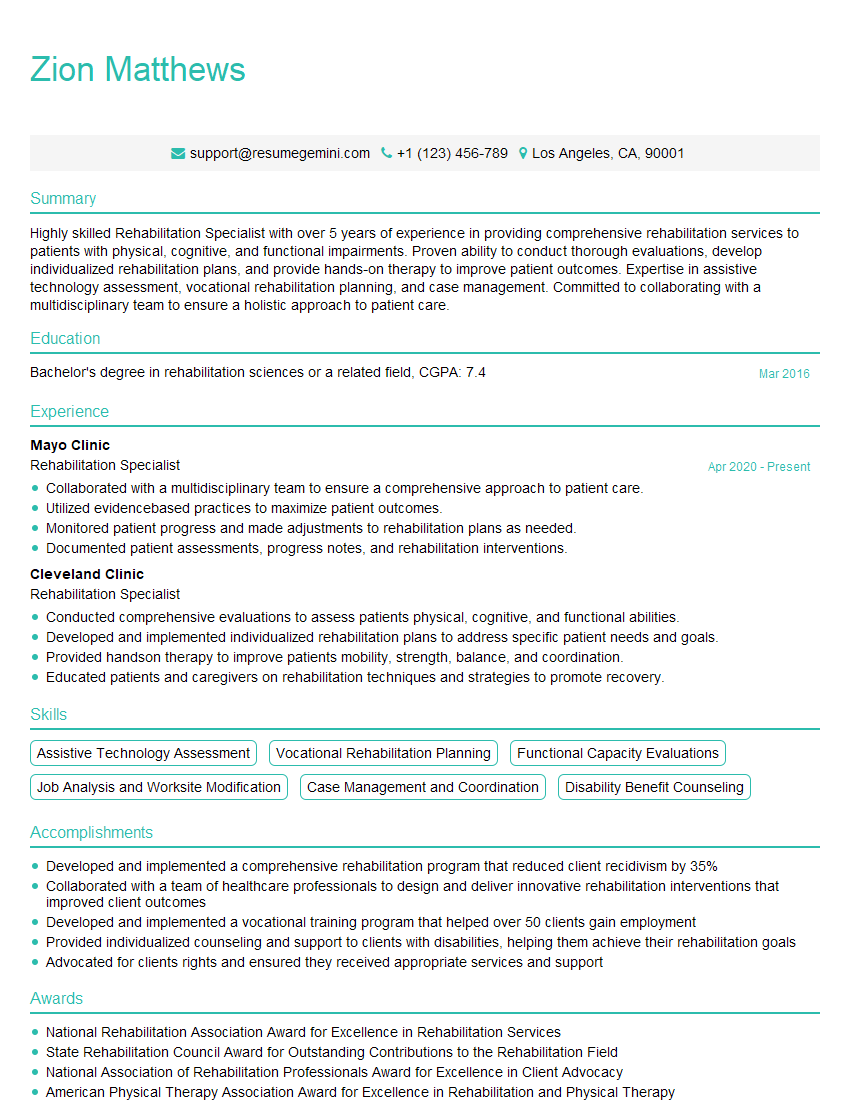
Rehabilitation Specialist Resume Sample

Athletic Trainer Resume Sample

Dance Instructor Resume Sample

Fitness Instructor Resume Sample

Yoga Instructor Resume Sample
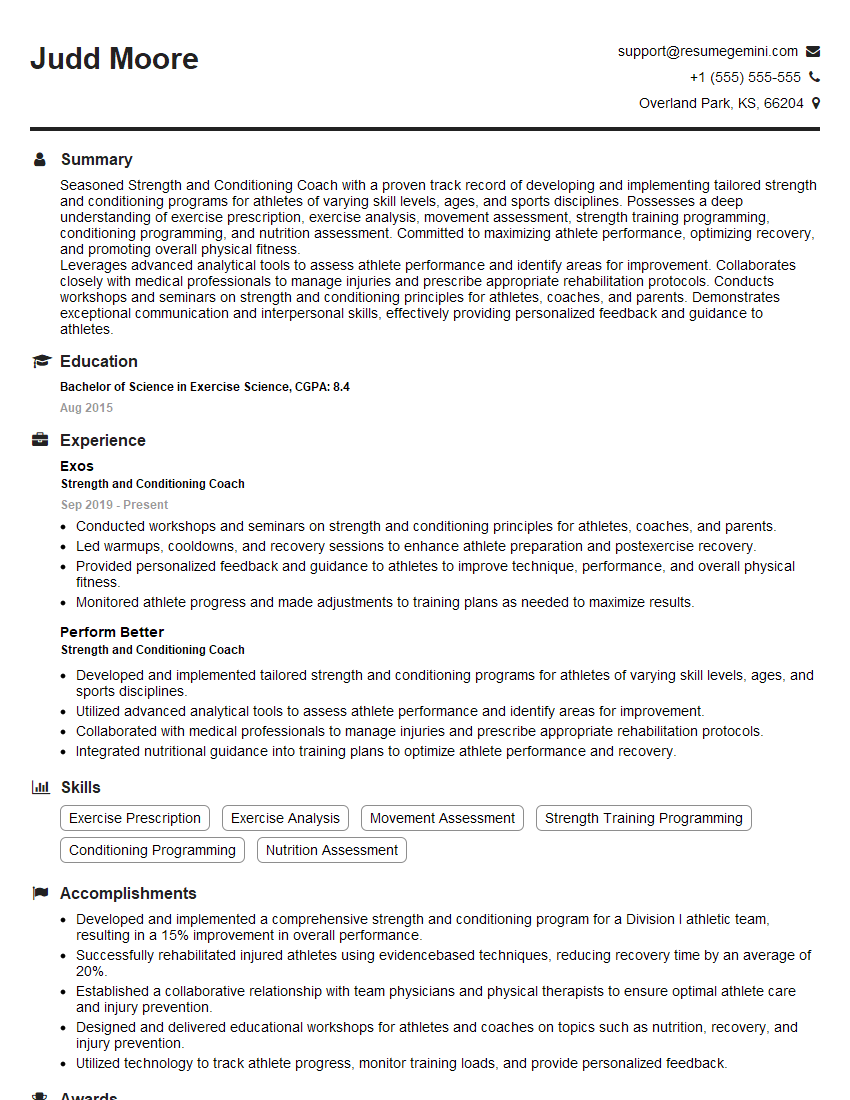
Strength and Conditioning Coach Resume Sample
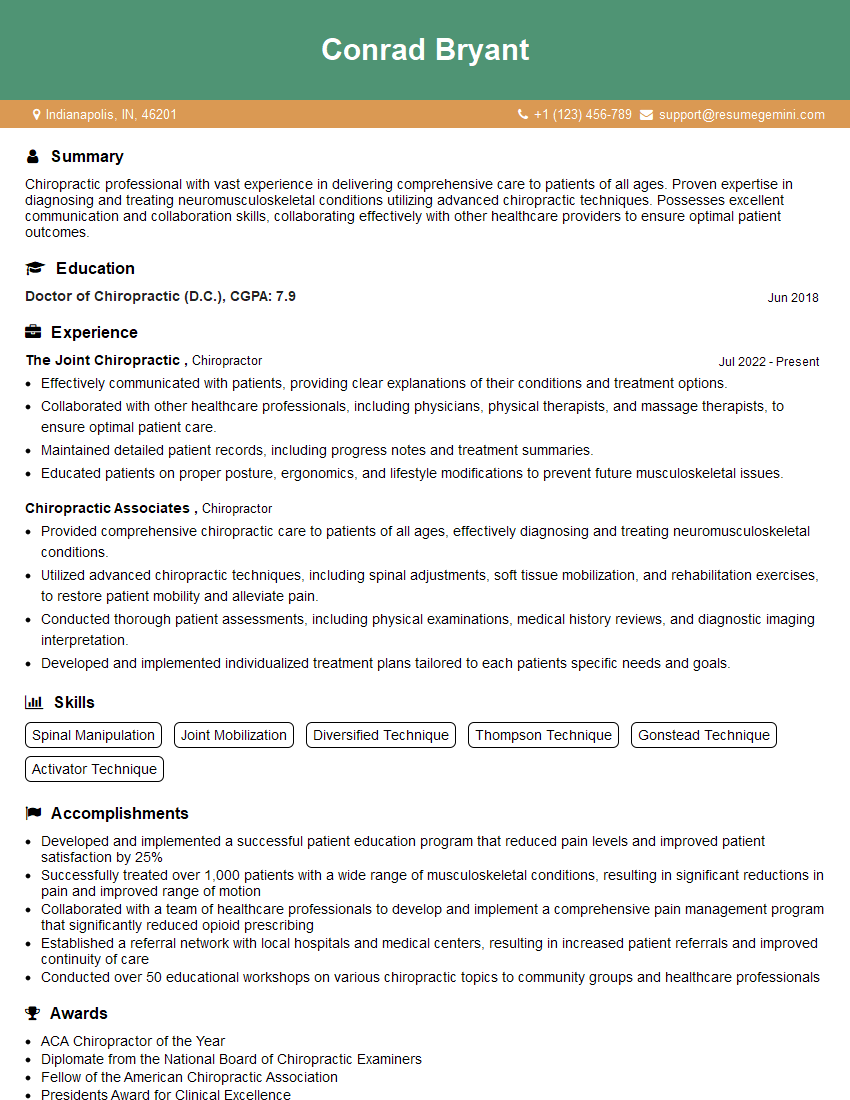
Chiropractor Resume Sample

Orthopedic Surgeon Resume Sample

Sports Medicine Physician Resume Sample

Exercise Physiologist Resume Sample

Kinesiologist Resume Sample
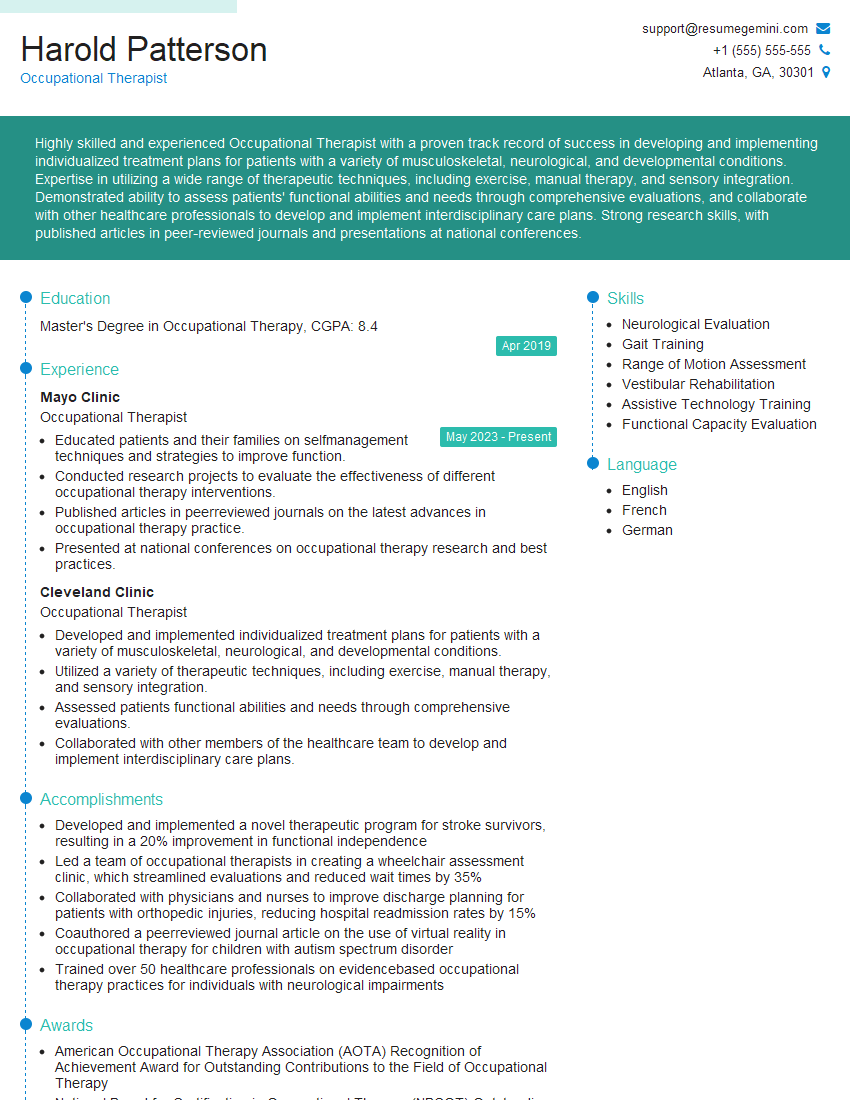
Occupational Therapist Resume Sample

Rehabilitation Aide Resume Sample

Massage Therapist Resume Sample
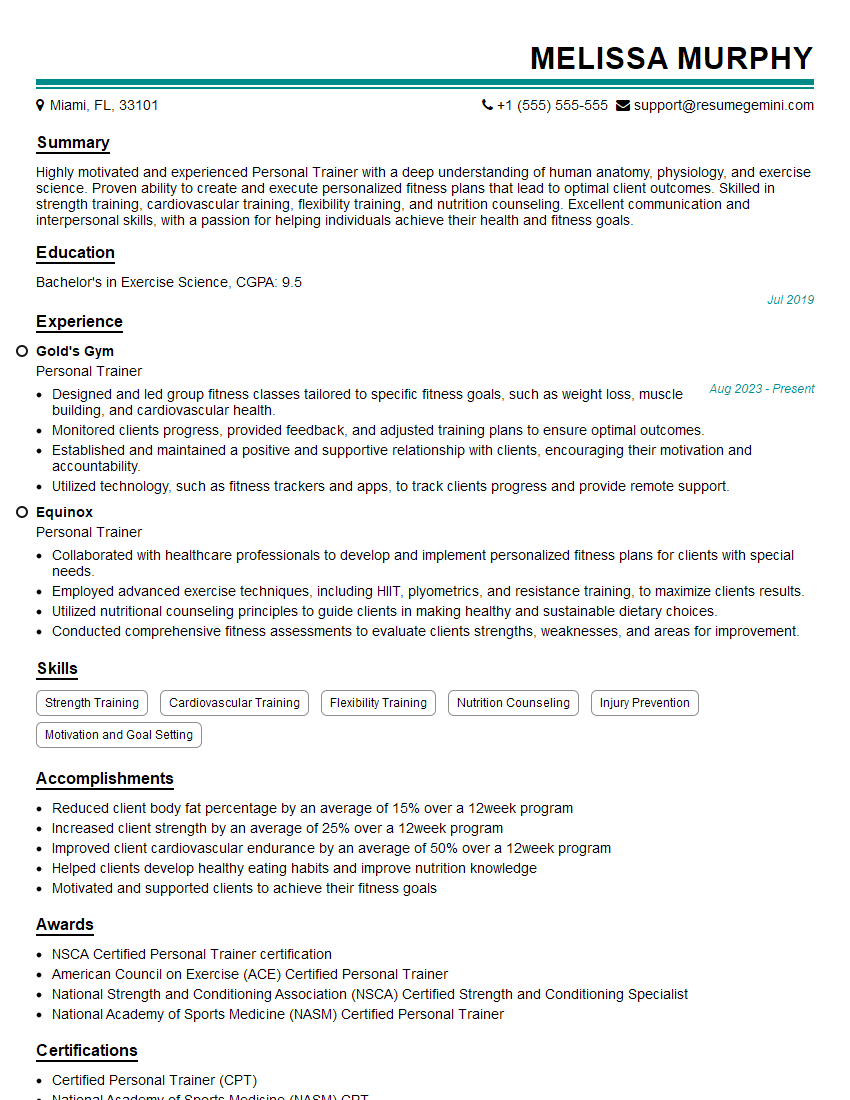
Personal Trainer Resume Sample

Pilates Instructor Resume Sample
- Rehabilitation Specialist
- Athletic Trainer
- Dance Instructor
- Fitness Instructor
- Yoga Instructor
- Strength and Conditioning Coach
- Chiropractor
- Orthopedic Surgeon
- Sports Medicine Physician
- Exercise Physiologist
- Kinesiologist
- Occupational Therapist
- Rehabilitation Aide
- Massage Therapist
- Personal Trainer
- Pilates Instructor
Explore more articles
Users Rating of Our Blogs
Share Your Experience
We value your feedback! Please rate our content and share your thoughts (optional).
What Readers Say About Our Blog
Very informative content, great job.
good