Preparation is the key to success in any interview. In this post, we’ll explore crucial Root Cause Analysis and Failure Investigation interview questions and equip you with strategies to craft impactful answers. Whether you’re a beginner or a pro, these tips will elevate your preparation.
Questions Asked in Root Cause Analysis and Failure Investigation Interview
Q 1. Explain the 5 Whys technique and its limitations.
The 5 Whys is a simple yet effective iterative interrogative technique used in root cause analysis. It involves repeatedly asking “Why?” to peel back the layers of an issue, progressively uncovering deeper causes. Each answer becomes the basis for the next ‘why’ question. The goal is to reach the root cause, which is often not immediately apparent.
Example: Let’s say a car won’t start.
- Why? The battery is dead.
- Why? The alternator isn’t charging the battery.
- Why? The alternator belt is broken.
- Why? The belt was worn out.
- Why? The belt wasn’t replaced during routine maintenance.
The root cause is therefore inadequate maintenance, leading to a worn-out alternator belt.
Limitations: While straightforward, the 5 Whys has some limitations. It can be subjective, leading to different conclusions depending on the person asking the questions. It might not be suitable for complex issues with multiple interwoven causes, and it can sometimes oversimplify the situation, missing nuances or systemic factors. It also assumes a linear cause-and-effect relationship, which isn’t always the case in real-world scenarios.
Q 2. Describe the Fishbone diagram (Ishikawa) and its application in RCA.
A Fishbone diagram, also known as an Ishikawa diagram, is a visual tool used to brainstorm and organize potential root causes of a problem. It resembles a fish skeleton, with the problem statement forming the head and the ‘bones’ representing potential contributing factors categorized into major categories (typically 6M: Manpower, Method, Machine, Material, Measurement, and Environment).
Application in RCA: A team gathers around the diagram and collaboratively identifies factors that may have contributed to the problem. Each ‘bone’ is further broken down into sub-causes, allowing for a structured exploration of potential reasons. This facilitates a comprehensive exploration of the problem and aids in identifying the most likely root causes.
Example: If the problem is ‘High defect rate in a manufacturing process’, the categories might include:
- Manpower: Inadequate training, insufficient staff, fatigue
- Method: Poorly defined process, incorrect instructions
- Machine: Malfunctioning equipment, lack of maintenance
- Material: Low-quality raw materials, inconsistent material supply
- Measurement: Inaccurate measuring instruments, insufficient quality control
- Environment: High temperature fluctuations, poor lighting
The diagram visually shows the relationship between the problem and its potential causes, aiding in identifying the primary root cause(s).
Q 3. What is Fault Tree Analysis (FTA) and how is it used?
Fault Tree Analysis (FTA) is a top-down, deductive reasoning approach used to analyze the causes of system failures. It graphically represents the various combinations of events that can lead to a specific undesirable event (top event). The analysis proceeds from the top event down, identifying the events that could cause it, and further breaking down those events until basic events (causes that cannot be broken down further) are reached.
How it’s used: FTA utilizes logic gates (AND, OR) to model the relationships between events. An AND gate means all the events connected to it must occur for the outcome to happen; an OR gate means that at least one event connected to it must occur. The resulting tree provides a clear visual representation of the failure pathways, allowing for an identification of critical components or events that contribute most significantly to the top event. Probabilities can also be assigned to each basic event to help quantify the likelihood of the top event occurring.
Example: Imagine the top event is ‘System shutdown’. The FTA might show that this can be caused by ‘Power failure’ (OR) ‘Software crash’. ‘Power failure’ could be caused by ‘Power surge’ (AND) ‘Backup power failure’, and so on. The FTA would depict this systematically using AND/OR gates. Using FTA allows for a proactive identification of vulnerabilities and the implementation of preventive measures.
Q 4. Explain the difference between a root cause and a contributing factor.
A root cause is the fundamental reason for a problem or failure. It is the underlying issue that, if addressed, prevents the problem from recurring. A contributing factor, on the other hand, is an event or condition that increases the likelihood of the problem occurring but isn’t the primary driver of the problem. It’s a factor that contributes to the problem but doesn’t fully explain it.
Example: Consider a car accident. A contributing factor might be icy road conditions. But the root cause might be the driver’s excessive speed, ignoring weather warnings and driving inappropriately for the conditions.
Q 5. How do you determine the root cause when multiple contributing factors exist?
When multiple contributing factors exist, determining the root cause requires a systematic approach that goes beyond simply identifying all factors. Techniques like Fishbone diagrams, 5 Whys, or FTA can help, but careful consideration and analysis are crucial. Here’s a step-by-step approach:
- Identify all contributing factors: Use brainstorming techniques to ensure all possible factors are identified.
- Analyze the relationships: Determine the relationships between the different factors. Are they independent or dependent? Does one factor trigger or worsen another?
- Prioritize factors: Use techniques like Pareto analysis to identify the factors with the most significant impact on the problem’s occurrence.
- Apply root cause analysis methods: Utilize methods like the 5 Whys or FTA to investigate the most impactful factors, tracing them back to their fundamental causes.
- Validate root cause: Verify if addressing the identified root cause would prevent the problem from recurring. This may involve simulations, testing, or expert judgment.
- Consider systemic factors: Check for systemic issues in the process, organization, or system design, that may be influencing the contributing factors.
The root cause is the factor that, when addressed, directly eliminates or significantly reduces the likelihood of the problem recurring. This might require addressing multiple contributing factors to mitigate the root cause effectively.
Q 6. Describe your experience using Pareto analysis in RCA.
Pareto analysis, also known as the 80/20 rule, is a crucial tool in RCA. It helps prioritize the contributing factors by identifying the ‘vital few’ factors that contribute to the majority (often 80%) of the problem. It emphasizes focusing efforts on addressing the most significant issues rather than spreading resources thinly across less critical factors.
Experience: In a recent project analyzing customer complaints, I utilized Pareto analysis to identify the key drivers of customer dissatisfaction. We collected data on all complaints for a specified period, categorizing them into various types of issues (e.g., product defects, delivery delays, customer service issues). The Pareto chart clearly showed that a small percentage of issues (product defects related to a specific component) accounted for the majority of complaints. This allowed us to focus our corrective actions on this specific component, leading to a substantial reduction in overall customer complaints. This targeted approach was significantly more effective than trying to address all the issues simultaneously.
Q 7. What is a failure mode and effects analysis (FMEA)?
Failure Mode and Effects Analysis (FMEA) is a proactive technique used to identify potential failure modes in a system or process and assess their potential effects. It’s a systematic approach to prevent failures before they occur rather than reacting to them after they happen.
How it works: FMEA involves creating a table that lists each component or step in the system, identifying potential failure modes for each component, the effects of those failures, the severity of the effects, the likelihood of occurrence, and the ability to detect the failure before it happens. By multiplying these factors, a risk priority number (RPN) is calculated, which prioritizes failure modes based on their potential risk. This allows for focusing resources on addressing the most critical failure modes first.
Example: In designing a new aircraft, FMEA can be used to analyze potential failures in the landing gear system. Potential failure modes, such as hydraulic failure or structural fatigue, are identified, along with their effects (e.g., aircraft crash), severity, likelihood of occurrence and detectability. The high RPN of such failures highlights the need for robust design and testing to mitigate these potential risks.
Q 8. How do you prioritize root causes for corrective action?
Prioritizing root causes for corrective action is crucial for efficient resource allocation and preventing future failures. I use a multi-faceted approach that combines risk assessment with the severity and frequency of the problem. We use a matrix that considers the likelihood of recurrence, the potential impact on safety, production, or the environment, and the cost of implementing corrective actions.
- Severity: How significant was the impact of the failure? (e.g., minor inconvenience, significant downtime, safety hazard)
- Frequency: How often does this problem occur? (e.g., one-off event, recurring issue)
- Likelihood of Recurrence: What’s the chance this problem will happen again? (e.g., low, medium, high)
- Cost of Correction: How much will it cost to fix the problem? (e.g., low, medium, high)
Causes with high severity, high frequency, and high likelihood of recurrence are always prioritized first, even if the cost of correction is high. A simple example would be prioritizing the repair of a faulty safety mechanism over fixing a minor cosmetic defect. This ensures that we focus our resources on the most critical issues and reduce the risk of further incidents.
Q 9. Explain how you would develop a corrective action plan.
Developing a corrective action plan requires a structured approach. It begins with clearly defining the root cause(s) identified during the RCA process. Then, I create a plan that outlines specific actions, responsibilities, timelines, and resources needed for implementation. The plan should also include methods for verifying the effectiveness of the actions.
- Action Items: Precisely define what needs to be done to address each root cause.
- Responsibility: Assign ownership of each action item to a specific individual or team.
- Timeline: Set realistic deadlines for each action item.
- Resources: Identify the necessary resources, including budget, personnel, equipment, and materials.
- Verification Method: Outline how the effectiveness of each action will be verified (e.g., data monitoring, testing).
For example, if the root cause of a production line failure is identified as worn-out bearings, the corrective action plan would include purchasing new bearings, scheduling maintenance downtime, and assigning a specific technician to perform the replacement. The verification would involve confirming the bearings are replaced correctly, and then monitoring the production line’s performance post-repair to ensure the issue is resolved.
Q 10. How do you validate the effectiveness of a corrective action?
Validating the effectiveness of a corrective action is crucial to ensure the problem is truly solved and doesn’t reoccur. My approach involves monitoring key metrics before, during, and after implementation. I use both qualitative and quantitative methods.
- Data Monitoring: Track relevant data to see if the problem’s frequency or severity has decreased. This could include production output, defect rates, safety incidents, or customer complaints.
- Testing and Inspection: Conduct thorough tests and inspections to verify the corrective action has fixed the underlying issue. This might involve running simulations, performing functional tests, or conducting visual inspections.
- Audits and Reviews: Regularly review the implemented changes to ensure they are consistently followed and effective in the long term.
For instance, if we replaced faulty software causing system crashes, we would monitor system uptime, error logs, and user feedback to ensure the crashes have stopped. Regular audits of our software development process would also be implemented to prevent similar errors in future releases. Any persistent issues trigger a further investigation, possibly needing a re-evaluation of the root cause analysis.
Q 11. What are some common barriers to effective RCA?
Several barriers can hinder effective RCA. These can include:
- Lack of time and resources: Thorough RCA can be time-consuming, requiring dedicated resources and expertise. Often, pressure to get things running again quickly can lead to superficial analysis.
- Organizational culture: A culture of blame or fear can prevent individuals from openly sharing information or admitting mistakes, hindering the identification of root causes.
- Insufficient data: Lack of data or access to relevant information limits the analysis’s depth and accuracy.
- Complexity of systems: Modern systems are often complex and interconnected, making it difficult to isolate the root cause among many contributing factors.
- Cognitive biases: Confirmation bias and anchoring bias can lead analysts to focus on their initial assumptions, rather than exploring alternative explanations.
Addressing these barriers requires fostering a culture of learning from failures, investing in appropriate training and resources, and using structured methodologies to guide the RCA process.
Q 12. Describe your experience with data analysis techniques in RCA (e.g., statistical process control).
Data analysis is integral to effective RCA. I routinely utilize techniques like Statistical Process Control (SPC) to identify trends, patterns, and anomalies in process data. SPC charts, such as control charts (X-bar and R charts, p-charts, c-charts etc.), allow us to distinguish between common cause variation (inherent to the process) and special cause variation (indicative of a problem).
For example, I used SPC to analyze a manufacturing process where defect rates were fluctuating. By plotting the defect rate on a p-chart, we identified a period of consistently high defect rates outside the control limits, indicating a special cause. Further investigation, guided by the SPC data, revealed a faulty machine component as the root cause.
Beyond SPC, I also use other data analysis methods, such as regression analysis to understand relationships between variables and root cause identification and fault tree analysis to systematically explore possible failure modes and their causes.
Q 13. How do you handle situations where the root cause is unclear or complex?
When the root cause is unclear or complex, a systematic and iterative approach is vital. I often employ these strategies:
- ‘5 Whys’ Technique: Repeatedly asking ‘why’ to delve deeper into the layers of causation, until the underlying root cause is identified.
- Fishbone Diagram (Ishikawa Diagram): This visual tool helps to brainstorm and organize potential causes categorized by different factors (e.g., people, machines, methods, materials, environment).
- Fault Tree Analysis (FTA): A deductive reasoning technique starting with the undesired event and working backwards to identify the contributing causes.
- Data Gathering and Analysis: Gathering more data from various sources and analyzing it using appropriate statistical methods, helps build a more complete picture and validate hypotheses.
- Expert Consultation: Engaging subject matter experts to contribute their knowledge and insights.
If the root cause remains elusive despite these efforts, it’s important to acknowledge the uncertainty and document what’s known and unknown. Sometimes, even after extensive investigation, a definitive root cause can’t be identified. It’s still crucial to implement interim corrective actions to mitigate the risks associated with the problem.
Q 14. Describe a time you successfully identified and resolved a complex technical problem.
In a previous role, we experienced intermittent failures in a critical network infrastructure. The initial symptoms were sporadic network outages affecting a significant portion of our client base. Initial investigations pointed to various potential causes – hardware failures, software bugs, even external network issues. However, none of these explanations fully accounted for the intermittent nature of the problem.
Using a combination of network monitoring tools, log analysis, and a thorough review of the system architecture, we discovered that the issue was related to an interaction between a newly implemented software patch and a legacy network component. The combination caused resource contention under specific high-load conditions, leading to the outages. The software patch itself wasn’t faulty; it was the unforeseen interaction with the outdated component. We addressed the problem by upgrading the legacy component and thoroughly testing the integration with the new patch before deployment.
This experience highlighted the importance of thorough system-level analysis and understanding the interplay between various components within a system. The resolution involved not only a technical fix but also updating our change management processes to better account for potential unforeseen interactions when deploying new software or hardware.
Q 15. What software tools are you familiar with for RCA (e.g., Minitab, JMP)?
I’m proficient in several software tools used for Root Cause Analysis (RCA). My experience includes using Minitab for statistical analysis, particularly for identifying trends and correlations in data related to failures. JMP is another tool I’ve used extensively; its powerful visualization capabilities are excellent for presenting RCA findings in a clear and compelling manner. Beyond these, I’m comfortable with spreadsheet software like Excel for data manipulation and creating reports, and I’ve used specialized software within specific industries for tracking and analyzing equipment performance, generating failure rates, and pinpointing potential failure modes.
For instance, in a previous role investigating recurring server crashes, I used Minitab to analyze log files, identifying a strong correlation between memory usage spikes and system failures. This led to the root cause: insufficient RAM allocation. JMP then helped visualize this relationship in an easy-to-understand graph for stakeholders.
Career Expert Tips:
- Ace those interviews! Prepare effectively by reviewing the Top 50 Most Common Interview Questions on ResumeGemini.
- Navigate your job search with confidence! Explore a wide range of Career Tips on ResumeGemini. Learn about common challenges and recommendations to overcome them.
- Craft the perfect resume! Master the Art of Resume Writing with ResumeGemini’s guide. Showcase your unique qualifications and achievements effectively.
- Don’t miss out on holiday savings! Build your dream resume with ResumeGemini’s ATS optimized templates.
Q 16. How do you ensure effective communication of your RCA findings?
Effective communication of RCA findings is crucial. I approach this by tailoring my communication style to the audience. For technical teams, I present detailed analyses, including data visualizations and technical explanations. For management, I focus on the high-level implications, recommended actions, and projected cost savings. I always use clear, concise language, avoiding jargon unless absolutely necessary and then defining it clearly. My reports are visually appealing and easy to navigate, using charts, graphs, and bullet points to highlight key information. I also utilize presentations and interactive discussions to ensure understanding and facilitate a Q&A session.
For example, when presenting findings to a senior management team regarding a production line downtime, I would start with the impact (e.g., X units of lost production, Y dollars in losses), then concisely explain the root cause and the proposed solutions. A visual representation of the cost savings from implementing the solutions would be critical in this scenario.
Q 17. How do you involve stakeholders in the RCA process?
Stakeholder involvement is paramount for a successful RCA. I actively engage stakeholders from the outset, starting with identifying all relevant parties impacted by the failure. This includes representatives from operations, engineering, maintenance, and potentially even customers. I use various methods for this involvement, such as interviews, surveys, and workshops. I aim to foster a collaborative environment where everyone feels comfortable sharing their perspectives and insights, even if they are contradictory.
During the RCA process, I regularly update stakeholders on progress and solicit their feedback. This collaborative approach not only improves the accuracy and completeness of the analysis but also ensures buy-in for implemented solutions. For instance, involving the maintenance team early on in the investigation of a machine malfunction might reveal crucial operational details that were missed by the initial investigation team.
Q 18. What is your experience with different RCA methodologies (e.g., 5 Whys, FTA, FMEA)?
My experience encompasses various RCA methodologies. The 5 Whys is a simple but effective technique for drilling down to the root cause by repeatedly asking “Why?” It’s particularly useful for straightforward problems. Fault Tree Analysis (FTA) is a more structured approach, graphically representing the various events and failures that can lead to an undesired outcome. This is especially helpful for complex systems.
Failure Mode and Effects Analysis (FMEA) is a proactive technique that helps identify potential failures before they occur. I’ve applied these methods in diverse situations: the 5 Whys to troubleshoot minor software glitches, FTA for analyzing a major power outage, and FMEA for risk assessment in new product development. The choice of methodology depends on the complexity of the problem and the available resources and data.
Q 19. How do you handle conflicting information during RCA?
Handling conflicting information is a common challenge in RCA. My approach involves documenting all information, regardless of apparent contradictions. I then analyze the data objectively, considering all perspectives and looking for patterns or inconsistencies. If necessary, I may conduct further investigation to gather additional data or clarification. Triangulation – using multiple sources of information to confirm findings – is a critical strategy.
For example, if two witnesses give conflicting accounts of an incident, I would interview each separately to understand the details, search for physical evidence that supports or refutes each account, and analyze any relevant data logs. Sometimes, the truth lies in uncovering the underlying biases or assumptions that lead to different perspectives.
Q 20. Explain the importance of documenting the RCA process.
Thorough documentation is vital for several reasons. First, it provides a complete record of the RCA process, including methodologies employed, data collected, analysis performed, and conclusions reached. This documentation allows for traceability and facilitates future investigations of similar issues. Second, it serves as evidence for regulatory compliance or legal purposes. Third, it improves learning and knowledge sharing within the organization by creating a valuable knowledge base for future problem-solving.
I usually document the RCA process using a structured template, including sections for problem description, data collection, analysis techniques, root cause identification, corrective actions, and verification steps. All supporting documentation, like interview transcripts, data logs, and photos, are carefully referenced and archived.
Q 21. What are the key performance indicators (KPIs) for RCA effectiveness?
Key Performance Indicators (KPIs) for RCA effectiveness are crucial for continuous improvement. These include the time taken to complete the RCA, the accuracy of the identified root cause (validated by subsequent events), the effectiveness of the implemented corrective actions (measured by a reduction in recurrence rates), and the cost savings resulting from the solutions. Additionally, tracking customer satisfaction related to the resolution of issues arising from the RCA process is also a valuable KPI. The ultimate goal is not only to fix immediate problems but to prevent them from happening again.
For instance, if the average time to complete an RCA was 10 days, and after implementing process improvements we reduced it to 5 days, that’s a positive indicator. Similarly, if the recurrence rate of a particular failure mode drops significantly after corrective actions, it confirms the effectiveness of the RCA.
Q 22. How do you measure the success of your RCA efforts?
Measuring the success of a Root Cause Analysis (RCA) isn’t simply about finding a root cause; it’s about demonstrably improving the situation. I measure success through a multi-faceted approach focusing on both immediate and long-term impact.
- Immediate Impact: Did the RCA identify the root cause(s) accurately? Were the findings accepted by stakeholders? Did the recommended corrective actions effectively address the immediate problem? For example, if a server crash caused downtime, a successful RCA would demonstrate a quick resolution and restoration of service.
- Long-term Impact: Did the implemented corrective actions prevent recurrence of the issue? Did the RCA lead to process improvements or changes that prevent similar issues in the future? We track metrics like the number of similar incidents after implementation. A successful RCA for the server crash would show a significant reduction in server downtime post-implementation of the corrective actions (e.g., improved system monitoring, updated software).
- Learning and Development: Did the RCA lead to valuable learning and improved organizational knowledge? We assess this through post-RCA training sessions and knowledge base updates, which reflect the organizational learning from the failure.
Ultimately, success is measured by the reduction in the likelihood and impact of future similar failures. A successful RCA isn’t just about fixing a problem; it’s about building resilience into the system.
Q 23. Describe a time you had to deal with pressure during an investigation.
During an investigation into a major network outage affecting a critical client, we were under immense pressure. The outage resulted in significant financial losses for the client and considerable reputational risk for our company. Management demanded a quick resolution and root cause within 24 hours, even though a thorough investigation could take longer.
My approach involved:
- Prioritization: We immediately focused on restoring service – the top priority – while simultaneously initiating the RCA. We used a triage approach, tackling the most critical aspects first.
- Transparency and Communication: We kept all stakeholders informed regularly, sharing updates and challenges transparently. This fostered trust and mitigated anxiety.
- Teamwork and Delegation: The investigation was divided into smaller, manageable tasks, assigned to different team members based on their expertise. This ensured efficiency and prevented bottlenecks.
- Data-Driven Approach: We relied heavily on data analysis from logs, monitoring tools, and network performance metrics. This provided an objective foundation for our findings.
Although we couldn’t complete a fully exhaustive investigation within 24 hours, we identified the immediate cause that allowed service restoration and delivered a preliminary report to management. The complete RCA followed shortly after, leading to long-term solutions to prevent recurrence.
Q 24. How do you balance speed and thoroughness in RCA?
Balancing speed and thoroughness in RCA is crucial. A rushed investigation might miss the true root cause, while an overly meticulous one might take too long to yield actionable results, allowing the problem to persist.
My approach involves:
- Structured Methodology: Employing a structured RCA methodology like the ‘5 Whys,’ Fishbone diagrams, or Fault Tree Analysis provides a framework for both speed and thoroughness. This helps us to systematically investigate and prioritize.
- Prioritization Matrix: We create a prioritization matrix, weighting the urgency and severity of the problem against the potential effort required for investigation. This allows us to focus on the most critical issues first, without sacrificing the completeness of the analysis.
- Timeboxing: We allocate specific timeframes for different phases of the investigation. Regular checkpoints ensure we remain on track and adapt our approach as needed.
- Data Analysis Tools: Leveraging automated tools for data collection and analysis significantly speeds up the process while increasing accuracy. This allows for efficient identification of patterns and anomalies which might otherwise be missed.
Ultimately, the balance depends on the context of the failure. A critical safety incident demands immediate attention, whereas a minor software bug allows for a more detailed, methodical analysis.
Q 25. How do you stay updated on the latest techniques and best practices in RCA?
Staying updated on the latest RCA techniques and best practices requires a multi-pronged approach:
- Professional Organizations: Active participation in professional organizations like the Reliability Society or similar groups provides access to conferences, publications, and networking opportunities. These often feature the latest research and techniques.
- Industry Publications and Journals: I regularly read publications focused on reliability engineering, risk management, and failure analysis. This keeps me abreast of new methodologies and case studies.
- Online Courses and Webinars: Many reputable online platforms offer courses and webinars on RCA and related fields. These provide structured learning opportunities and practical insights.
- Networking and Collaboration: Connecting with other professionals in the field through online forums, conferences, and industry events enables the exchange of knowledge and best practices.
- Case Study Analysis: Studying documented case studies of RCA investigations provides valuable insights into the application of different techniques and the challenges encountered in real-world scenarios.
Continuous learning ensures my skills remain current and allows me to adapt my approach to new challenges.
Q 26. What is your approach to preventing recurrence of identified root causes?
Preventing recurrence requires a proactive approach that goes beyond simply fixing the immediate problem. It requires implementing changes that address the root cause(s) and enhance the system’s resilience.
- Corrective Actions: The RCA report should clearly outline specific corrective actions needed to address each identified root cause. These might include repairing faulty equipment, improving processes, enhancing training, or modifying designs.
- Preventive Actions: Beyond immediate fixes, preventive actions should be implemented to prevent similar issues in the future. This could involve implementing new safety protocols, developing robust monitoring systems, or conducting regular inspections.
- Process Improvements: The RCA often reveals flaws in existing processes. Addressing these flaws through process improvements reduces the risk of future failures. For instance, a failure might highlight a weakness in change management, prompting an improvement to that process.
- System Redesign: In some cases, a fundamental redesign of a system or process is necessary to eliminate recurring failures. This might involve using more robust components, implementing redundancy, or adopting a more resilient architecture.
- Verification and Validation: Once corrective and preventive actions are implemented, it’s crucial to verify their effectiveness and validate that they have addressed the root cause. This often involves monitoring system performance and conducting follow-up investigations.
Following these steps ensures that the RCA isn’t just a reactive exercise but a catalyst for long-term system improvement.
Q 27. How do you manage expectations of stakeholders during an investigation?
Managing stakeholder expectations during an investigation requires proactive communication and transparency.
- Early Communication: Begin by clearly outlining the investigation’s scope, timeline, and communication plan. This sets expectations from the outset.
- Regular Updates: Provide regular updates to stakeholders, keeping them informed of progress, challenges, and anticipated completion dates. Transparency builds trust and reduces uncertainty.
- Realistic Timelines: Avoid making unrealistic promises about completion times. It’s better to provide a range of possible completion times and explain the factors influencing the timeline.
- Manage Expectations Regarding Root Cause Identification: Explain that pinpointing the root cause may take time and that multiple contributing factors may be involved. This prevents unrealistic expectations of finding a single, simple answer.
- Open Communication Channels: Establish clear communication channels for stakeholders to ask questions and express concerns. This ensures everyone feels heard and involved.
By prioritizing communication and managing expectations, you can maintain positive relationships with stakeholders throughout the investigation process, which ensures collaboration and minimizes conflict.
Q 28. Describe your experience with different types of failure analysis (e.g., destructive, non-destructive).
My experience encompasses various failure analysis techniques, both destructive and non-destructive. The choice of technique depends heavily on the nature of the failure, the available resources, and the information sought.
- Non-Destructive Techniques: These methods preserve the integrity of the component or system being analyzed. Examples include visual inspection, radiography (X-ray), ultrasonic testing, and magnetic particle inspection. I’ve used these methods extensively for analyzing cracks in pressure vessels, identifying internal flaws in electronics, and evaluating the integrity of structural components without causing damage.
- Destructive Techniques: These methods involve dismantling or damaging the component to examine its internal structure and identify the failure mechanisms. Examples include cross-sectioning, microscopy (optical and electron), chemical analysis, and mechanical testing. I’ve used these methods for analyzing the fracture surfaces of failed components, determining the cause of material degradation, and examining the microstructure of materials to identify material defects.
Often, a combination of techniques is employed to gain a comprehensive understanding of the failure. For example, in a recent investigation of a failed turbine blade, we used non-destructive methods (visual inspection, dye penetrant testing) to initially assess the damage, followed by destructive techniques (metallographic analysis, tensile testing) to determine the root cause of failure, which was identified as fatigue cracking due to a design flaw.
Key Topics to Learn for Root Cause Analysis and Failure Investigation Interview
- Defining Root Cause vs. Contributing Factors: Understanding the difference and applying appropriate methodologies to distinguish between them. This includes practical application in scenarios involving complex systems.
- Methodologies: Proficiency in various RCA techniques such as the 5 Whys, Fishbone Diagram (Ishikawa), Fault Tree Analysis (FTA), and Failure Mode and Effects Analysis (FMEA). Practical application might include comparing the effectiveness of different techniques for specific scenarios.
- Data Analysis & Interpretation: Skills in collecting, analyzing, and interpreting data relevant to failures. This includes statistical methods and data visualization techniques to support your findings and conclusions.
- Problem-Solving Frameworks: Applying structured problem-solving approaches like DMAIC (Define, Measure, Analyze, Improve, Control) to effectively investigate failures and implement corrective actions.
- Communication & Reporting: Clearly and concisely communicating findings, recommendations, and corrective actions to both technical and non-technical audiences. This includes presenting data effectively through reports and presentations.
- Human Factors Analysis: Understanding the role of human error in failures and applying appropriate techniques to identify and mitigate risks related to human performance.
- System Thinking: Recognizing the interconnectedness of components within complex systems to identify systemic weaknesses contributing to failures.
Next Steps
Mastering Root Cause Analysis and Failure Investigation is crucial for career advancement in numerous fields, demonstrating your ability to solve complex problems and improve operational efficiency. A strong resume is your first step toward showcasing these skills. To maximize your job prospects, create an ATS-friendly resume that highlights your relevant experience and expertise. ResumeGemini is a trusted resource for building professional and effective resumes, ensuring your qualifications stand out to recruiters. Examples of resumes tailored to Root Cause Analysis and Failure Investigation are available to help you build your own compelling application materials.
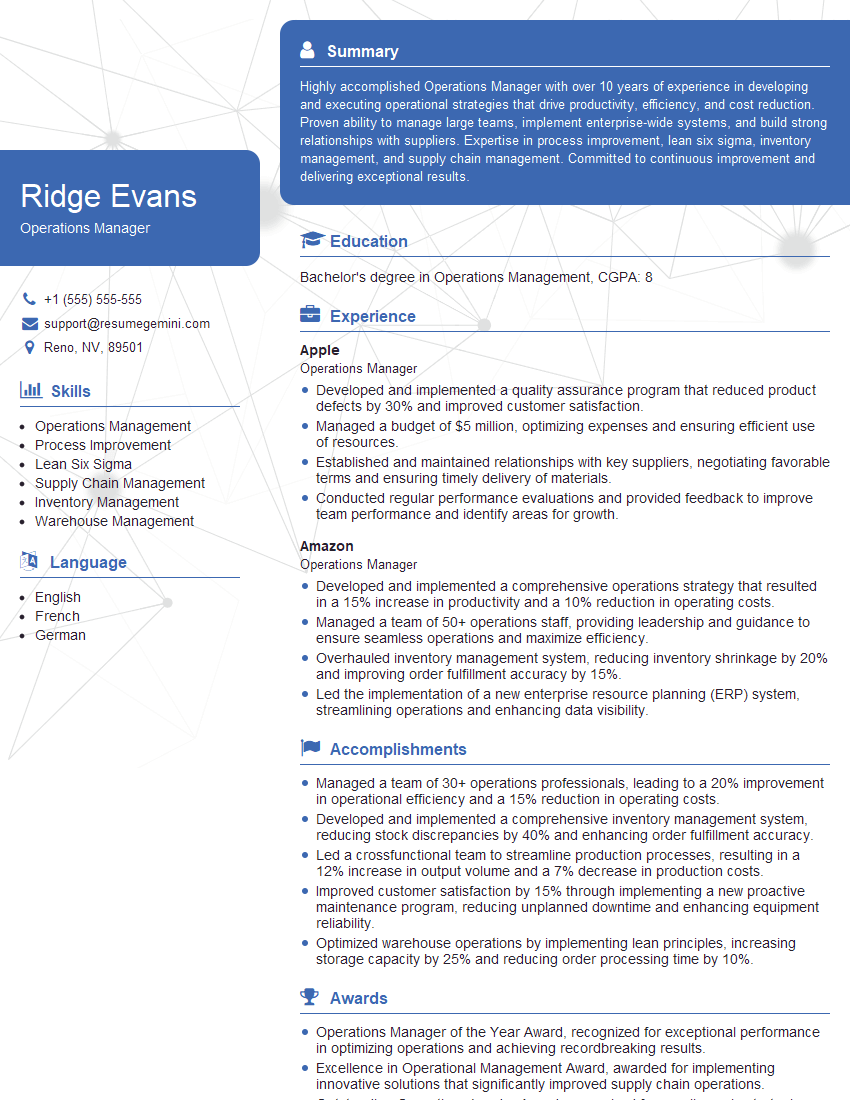
Operations Manager Resume Sample
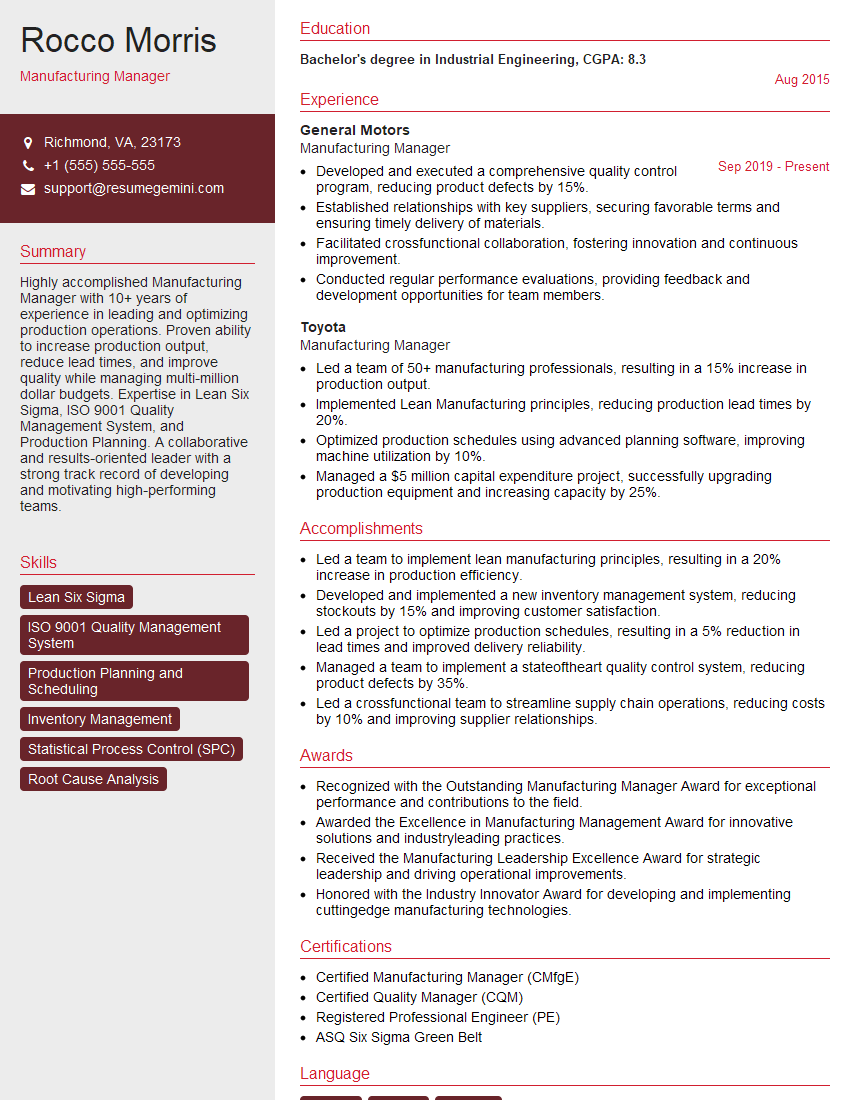
Manufacturing Manager Resume Sample
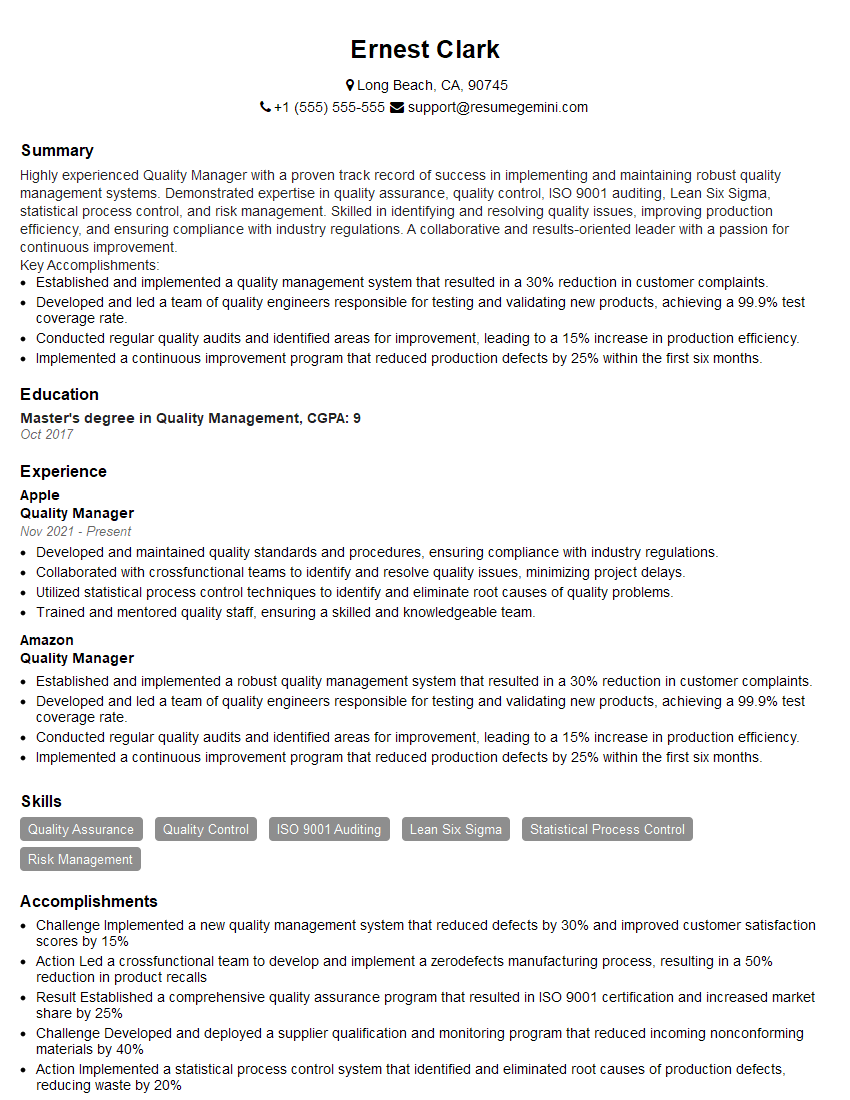
Quality Manager Resume Sample
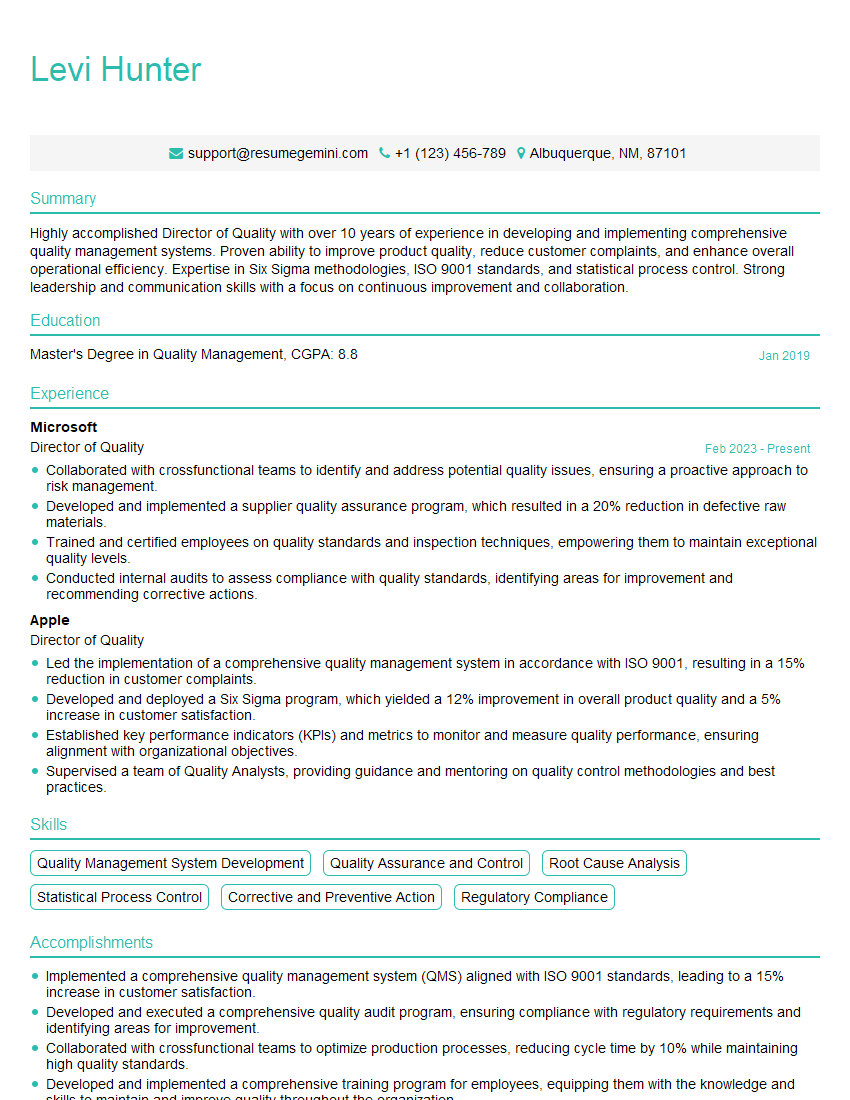
Director of Quality Resume Sample
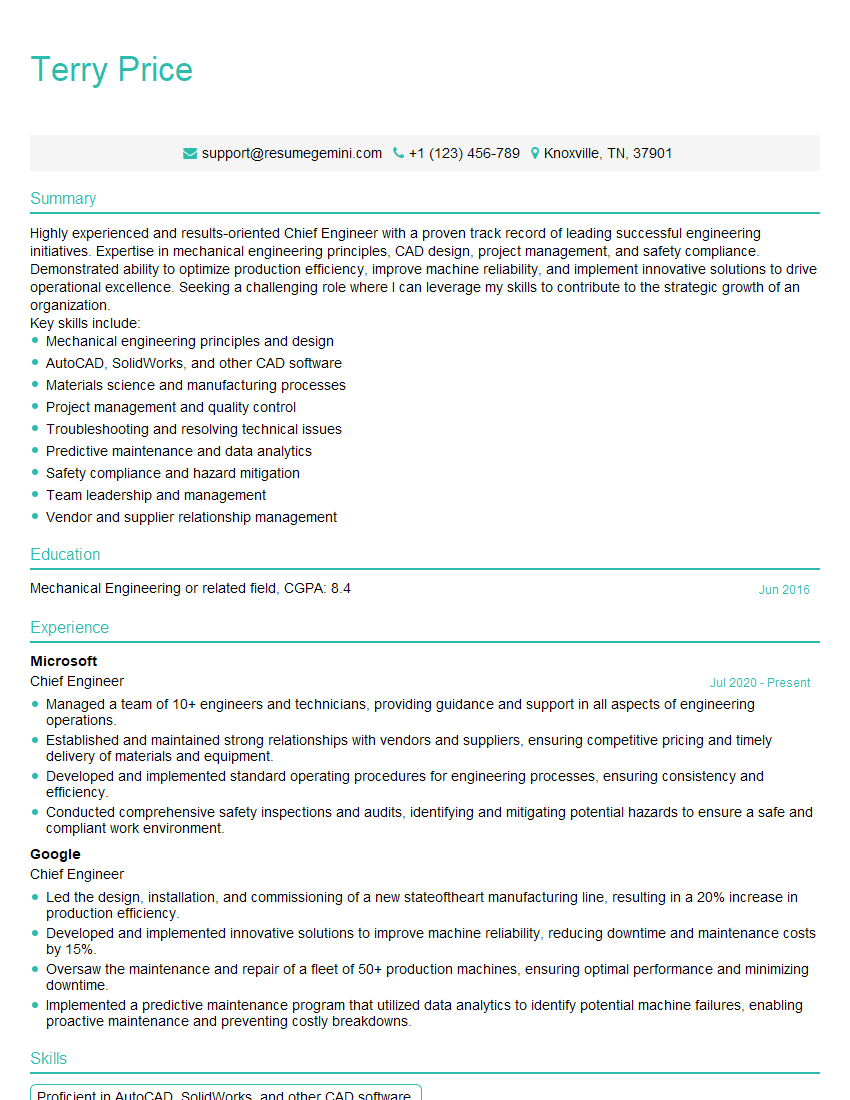
Chief Engineer Resume Sample

Project Engineer Resume Sample
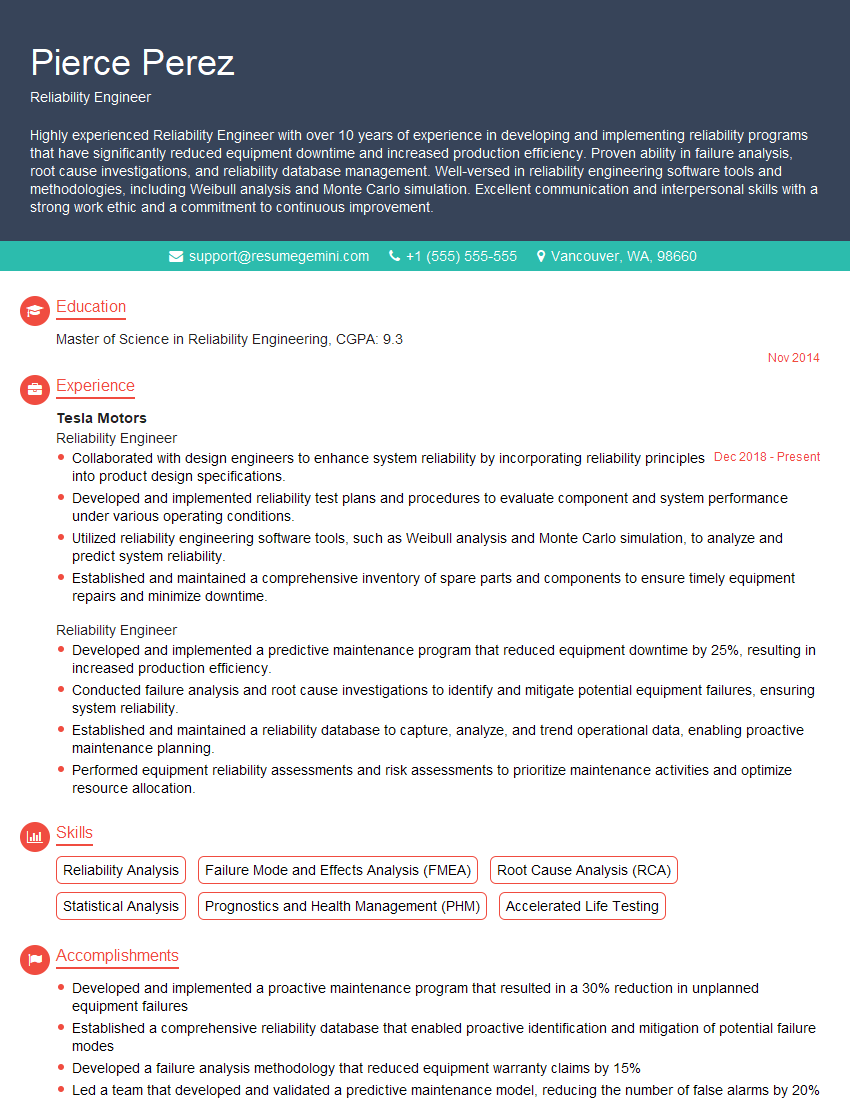
Reliability Engineer Resume Sample
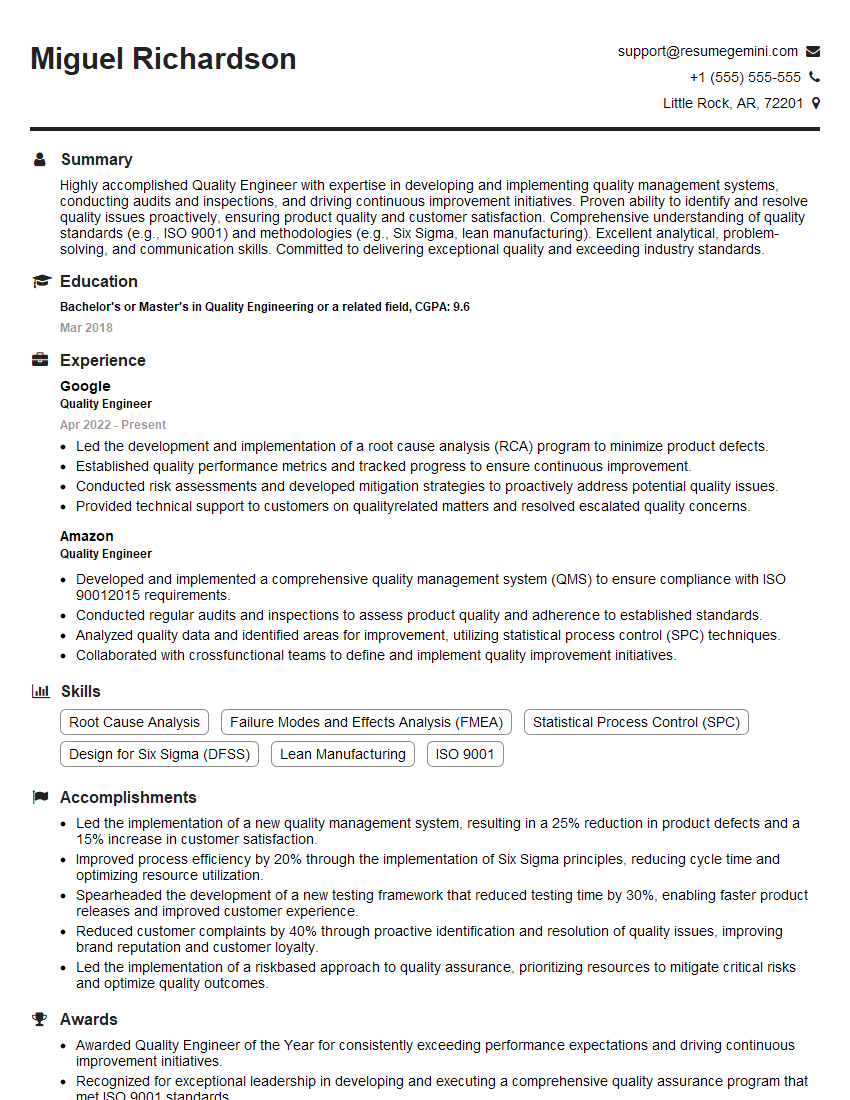
Quality Engineer Resume Sample
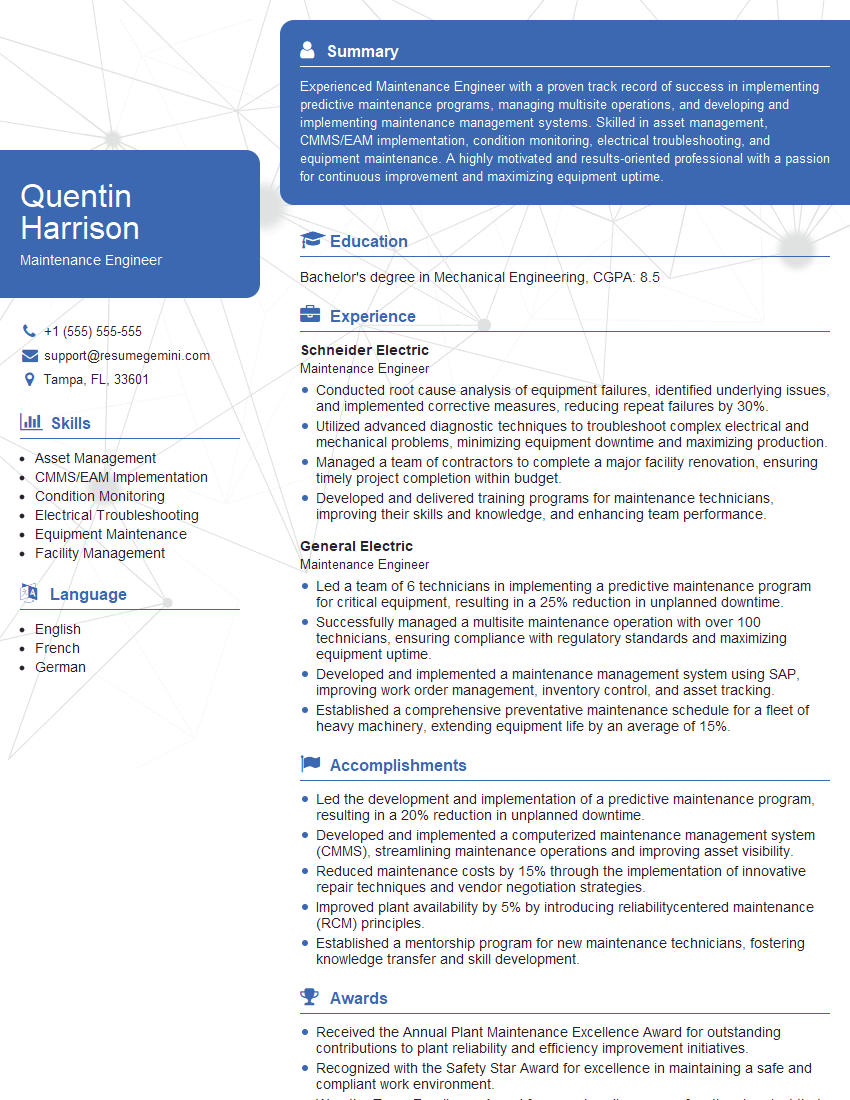
Maintenance Engineer Resume Sample
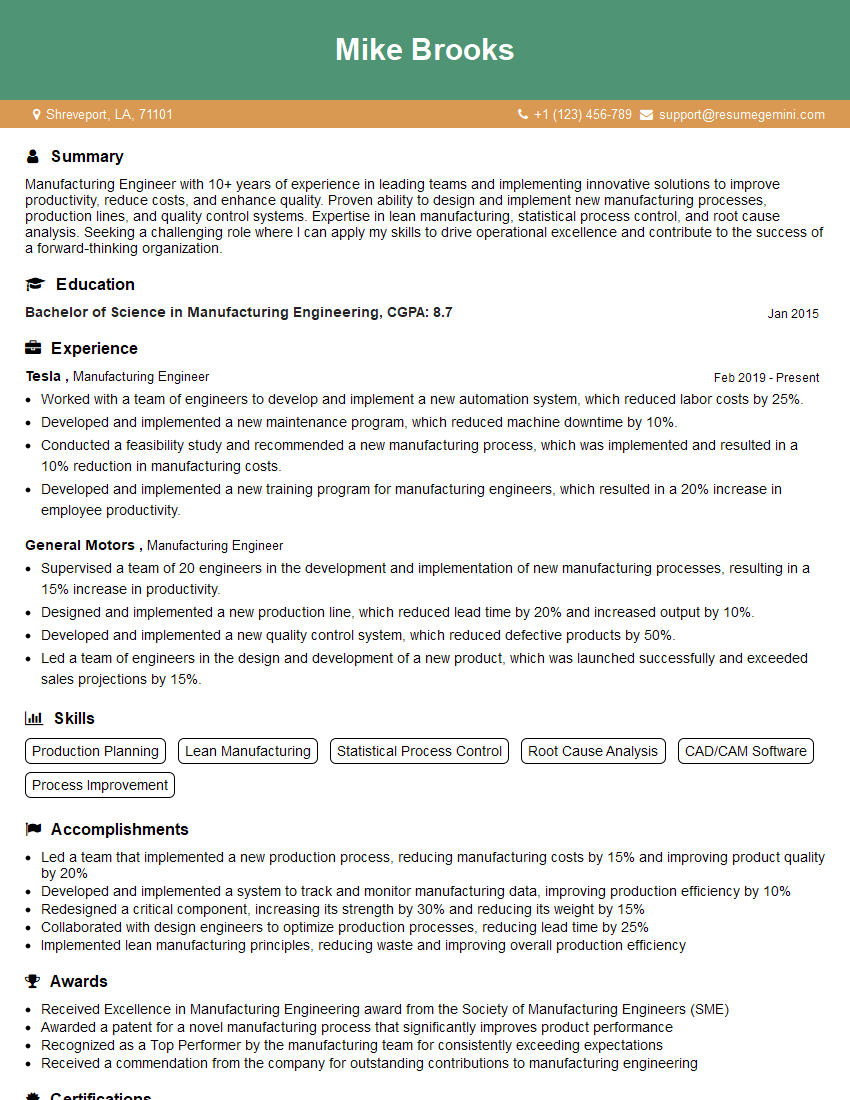
Manufacturing Engineer Resume Sample
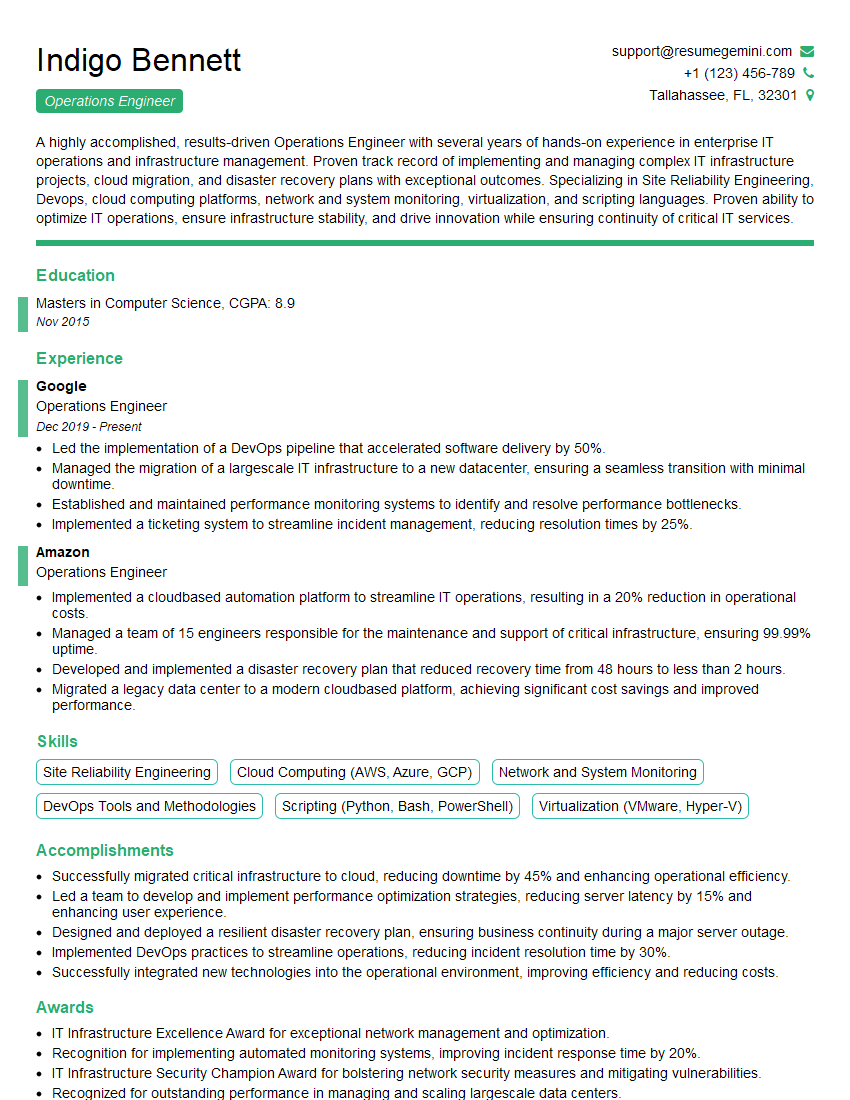
Operations Engineer Resume Sample
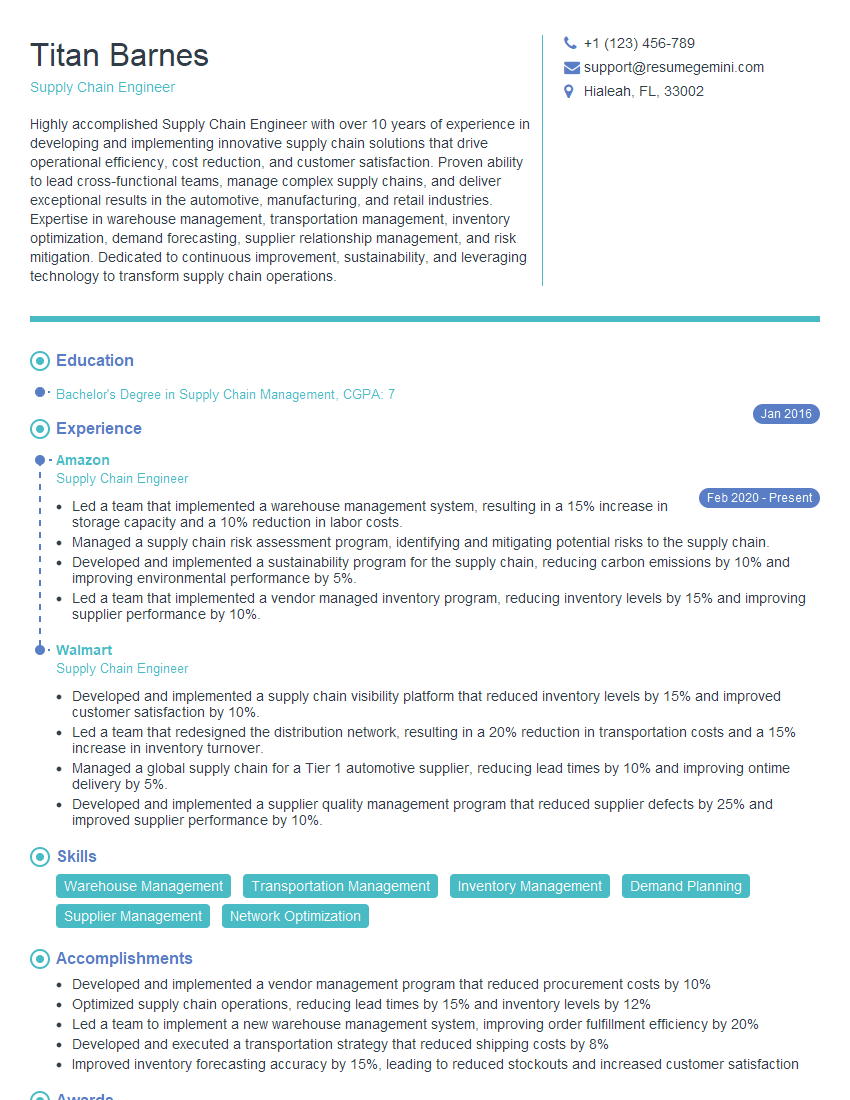
Supply Chain Engineer Resume Sample
Explore more articles
Users Rating of Our Blogs
Share Your Experience
We value your feedback! Please rate our content and share your thoughts (optional).
What Readers Say About Our Blog
Very informative content, great job.
good