Interviews are more than just a Q&A session—they’re a chance to prove your worth. This blog dives into essential Troubleshooting Electrical and Mechanical Systems interview questions and expert tips to help you align your answers with what hiring managers are looking for. Start preparing to shine!
Questions Asked in Troubleshooting Electrical and Mechanical Systems Interview
Q 1. Explain the process of diagnosing a faulty electrical circuit.
Diagnosing a faulty electrical circuit involves a systematic approach, much like solving a puzzle. We start by ensuring safety – always disconnect power before working on any live circuit! Then, we move through a series of steps:
- Visual Inspection: Look for obvious problems like loose connections, burned wires, or damaged components. A simple visual check often reveals the culprit.
- Testing with a Multimeter: This is our primary tool. We use it to check voltage, current, and resistance at various points in the circuit. For example, we’d check for voltage at the source, then along the circuit to see if it’s dropping unexpectedly, indicating a problem like a high-resistance connection or a short circuit.
- Continuity Testing: This helps identify breaks in the circuit. We use the multimeter’s continuity test setting to check if there’s a continuous path for current flow. A lack of continuity points to a broken wire or a faulty component.
- Tracing the Circuit: We follow the path of the circuit, carefully examining each component and connection. Circuit diagrams are invaluable here.
- Component Testing (if necessary): If a specific component is suspected, we’ll test it individually using appropriate methods. For instance, we might test a capacitor for capacitance or a resistor for resistance.
- Load Testing: Once the problem is identified and repaired, we’ll test the circuit under load to ensure it’s functioning correctly. This involves applying the intended load and monitoring voltage and current to make sure everything is stable.
For instance, I once diagnosed a faulty circuit in a conveyor system where a motor wasn’t running. Visual inspection revealed nothing. However, using a multimeter, I found a significant voltage drop across a specific connection, indicating a loose wire. Tightening it solved the problem.
Q 2. Describe your experience with troubleshooting hydraulic systems.
My experience with hydraulic systems spans several years and includes troubleshooting various types of equipment, from industrial presses to agricultural machinery. I’m proficient in diagnosing leaks, identifying pump failures, and addressing issues with valves and actuators.
Troubleshooting hydraulic systems requires a different approach than electrical systems. It often involves understanding fluid dynamics and pressure. A key part is identifying the source of leaks, whether it’s a damaged hose, a faulty seal, or a crack in a component. This usually involves careful visual inspection, pressure testing, and sometimes dye testing to pinpoint the leak location. I’ve also had extensive experience in diagnosing pump failures, which can manifest as reduced pressure, unusual noise, or overheating. This might require checking the pump’s internal components or the hydraulic fluid itself for contamination.
One memorable experience involved troubleshooting a hydraulic press where the pressure was dropping significantly during operation. After systematically checking the hoses and seals, I discovered a microscopic crack in the cylinder, which was only detectable using dye penetrant inspection.
Q 3. How do you approach troubleshooting a malfunctioning motor?
Troubleshooting a malfunctioning motor follows a structured process, focusing on systematically eliminating potential causes. The first step is always safety – ensuring the power is off before any direct examination.
- Visual Inspection: Check for any obvious damage, such as broken belts, loose connections, or physical obstructions.
- Power Supply Check: Use a multimeter to verify the presence and stability of the power supply voltage. Ensure that the correct voltage is reaching the motor terminals.
- Motor Winding Resistance Test: Measure the resistance of the motor windings using the multimeter’s ohmmeter function. High resistance indicates a winding fault. Short circuits can show up as very low resistance readings.
- Check for Overheating: Inspect the motor for signs of overheating such as discoloration or unusual smells. Overheating could indicate a variety of problems from mechanical friction to electrical faults.
- Mechanical Checks: If the motor is directly driven, examine the coupling or shaft for damage or misalignment. If belt-driven, check the belt tension and condition.
- Load Test: Carefully apply a reduced load to see if it improves performance.
- Advanced Diagnostics: In complex cases, specialized tools like motor current analyzers or vibration analyzers might be necessary to pinpoint issues like bearing wear, rotor imbalance, or stator faults.
I once diagnosed a motor that wouldn’t start. Initial checks revealed correct voltage. However, resistance tests showed an open circuit in one of the windings, indicating a burnt winding and necessitating a motor replacement.
Q 4. What are the common causes of bearing failure in rotating machinery?
Bearing failure in rotating machinery is a common problem with several root causes. These can be broadly categorized as:
- Lubrication Issues: Inadequate lubrication, incorrect lubricant type, or contamination of the lubricant are major contributors. Lack of lubrication leads to excessive friction and heat, causing premature wear.
- Overload: Operating the machine beyond its designed capacity places excessive stress on the bearings, leading to fatigue and failure.
- Misalignment: Improper alignment of shafts and components introduces additional loads and stresses to the bearings, accelerating wear.
- Vibration: Excessive vibration, often caused by imbalance or resonance, can induce fatigue and premature bearing failure.
- Corrosion: Environmental factors like moisture or chemicals can corrode bearings, reducing their lifespan and leading to failure.
- Contamination: Dust, debris, or metal particles entering the bearing can cause abrasive wear.
- Improper Installation: Incorrect installation techniques can damage the bearings or create conditions that promote premature failure.
For example, I once encountered a bearing failure in a pump due to misalignment. Correcting the alignment resolved the issue and prevented further damage.
Q 5. Explain your understanding of root cause analysis in a maintenance setting.
Root cause analysis (RCA) is a systematic approach to identifying the underlying cause of a problem, not just the symptom. In a maintenance setting, this is crucial for preventing recurrences. It goes beyond fixing the immediate problem to understand why it happened in the first place. I typically use a combination of techniques such as the ‘5 Whys,’ fault tree analysis, and fishbone diagrams.
The ‘5 Whys’ technique involves repeatedly asking ‘why’ to drill down to the root cause. For example, if a pump failed, we might ask:
- Why did the pump fail? (Overheating)
- Why did it overheat? (Insufficient lubrication)
- Why was there insufficient lubrication? (Blocked lubrication line)
- Why was the line blocked? (Contamination)
- Why wasn’t the system cleaned regularly? (Lack of maintenance schedule)
The last ‘why’ often reveals the true root cause and allows us to develop effective preventative measures. Fault tree analysis visually maps potential causes and their relationships, providing a systematic approach to investigating complex failures. Fishbone diagrams, also known as Ishikawa diagrams, help visualize potential contributing factors categorized by factors like people, methods, materials, and machines. Effective RCA allows for efficient corrective actions and improvements to preventive maintenance.
Q 6. How do you use diagnostic tools such as multimeters and oscilloscopes?
Multimeters and oscilloscopes are essential diagnostic tools. A multimeter measures voltage, current, and resistance, providing valuable information about the electrical characteristics of a circuit. I use it routinely for troubleshooting electrical circuits and components.
For instance, I might use a multimeter to check the voltage at a motor’s terminals to ensure it’s receiving the correct power, or measure the resistance of a circuit to detect open or short circuits. I also use it for continuity checks to verify the integrity of wiring and connections.
An oscilloscope is a more advanced tool that displays voltage waveforms over time. This is invaluable for analyzing signals and identifying transient events. I use an oscilloscope to diagnose intermittent faults, analyze motor control signals, and examine the timing and shape of voltage and current waveforms. For instance, I’ve used an oscilloscope to identify signal noise that was causing intermittent problems in a control system. These tools work in tandem – the multimeter provides static information, while the oscilloscope provides dynamic analysis.
Q 7. Describe a situation where you had to troubleshoot a complex electromechanical system.
I once encountered a complex problem with a robotic arm used in a manufacturing process. The arm would occasionally stop unexpectedly during operation, and the error messages were cryptic. This involved both electrical and mechanical components.
My troubleshooting started with a thorough examination of the error logs and the system’s schematics. Using a multimeter, I checked the various sensors and actuators for proper voltage and signal levels. I also used an oscilloscope to examine the control signals to the motor drivers, identifying a noticeable amount of electrical noise. This noise was traced to a poorly shielded cable near high-power equipment. Further mechanical investigation revealed slight misalignment in the arm’s joints that was amplified by the vibrations from the noisy cable. Replacing the cable with a shielded variant and performing minor adjustments to the joint alignment resolved the issue, ensuring smooth, consistent robotic arm operation.
Q 8. What safety precautions do you follow when troubleshooting electrical equipment?
Safety is paramount when troubleshooting electrical equipment. My approach begins with a thorough risk assessment. This involves identifying potential hazards like energized circuits, high voltages, and arc flashes. I always follow a strict lockout/tagout (LOTO) procedure before beginning any work. This means de-energizing the equipment, locking out the power source, and tagging it to clearly indicate that work is in progress. I also use appropriate personal protective equipment (PPE), including insulated gloves, safety glasses, and arc flash suits where necessary. Furthermore, I always double-check my work before re-energizing the system and ensure that all safety measures are in place.
For instance, while troubleshooting a faulty motor control circuit, I wouldn’t just visually inspect the wiring; I’d utilize a non-contact voltage tester to verify that the circuit is truly de-energized before physically touching any components. This layered approach to safety minimizes the risks associated with electrical work and ensures my personal safety and that of others.
Q 9. How do you determine the appropriate replacement parts for a faulty component?
Determining the correct replacement part involves a systematic process. First, I need to accurately diagnose the faulty component. This often involves using multimeters, oscilloscopes, or other diagnostic tools to isolate the problem. Once the faulty component is identified, I carefully note its specifications, including its manufacturer, model number, and any other relevant markings. This information is crucial for ordering the exact replacement. I consult manufacturer documentation or online databases to ensure compatibility. A crucial aspect is considering the operating environment; if the component is in a high-temperature or high-vibration setting, I need to ensure the replacement is rated for those conditions. Finally, I compare prices and lead times from different suppliers to select the most suitable option.
For example, if a faulty relay is diagnosed in a PLC (Programmable Logic Controller) system, I will carefully note its coil voltage, contact rating, and physical dimensions to choose a precise replacement that maintains the integrity of the entire control system. Failure to do so could lead to cascading failures or even safety hazards.
Q 10. Explain your experience with preventative maintenance scheduling.
Preventative maintenance scheduling is essential for ensuring equipment reliability and longevity. I utilize a combination of methods, including both time-based and condition-based maintenance. Time-based maintenance involves performing routine inspections and servicing at predetermined intervals, such as monthly, quarterly, or annually. This might include lubricating moving parts, cleaning components, and tightening connections. Condition-based maintenance uses sensor data or diagnostic tools to assess the equipment’s condition and schedule maintenance only when needed. This is more cost-effective, as it prevents unnecessary servicing. I often work with CMMS (Computerized Maintenance Management Systems) software to track maintenance activities, schedule tasks, and generate reports.
In a previous role, I implemented a preventative maintenance program for a large industrial facility. By implementing a combination of time-based and condition-based maintenance, we reduced equipment downtime by 15% and extended the lifespan of critical machinery. The CMMS allowed us to monitor the equipment’s performance and predict potential issues before they became major problems.
Q 11. How do you handle unexpected equipment failures during operation?
Unexpected equipment failures require immediate action. My first priority is to ensure the safety of personnel and prevent further damage. This involves immediately shutting down the affected equipment using appropriate safety procedures. Then, I conduct a preliminary assessment to determine the extent of the failure and its potential impact on the overall operation. A comprehensive investigation is then carried out to identify the root cause of the failure. This often involves reviewing logs, inspecting the damaged components, and interviewing operators. Once the root cause is determined, I initiate repairs or replacements, prioritizing critical components and systems.
For example, if a pump unexpectedly fails in a water treatment plant, I would immediately shut down the affected system, identify the cause (e.g., bearing failure, impeller damage), order replacement parts, and then complete the repair as quickly as possible, minimizing disruption to the plant’s operation. A post-incident report is critical to review and learn from the failure, ensuring preventative measures can be implemented.
Q 12. Describe your experience with troubleshooting pneumatic systems.
I have extensive experience troubleshooting pneumatic systems. My approach involves systematically checking each component in the system, starting from the compressed air source and working towards the end effector (e.g., a pneumatic cylinder or valve). I use tools like pressure gauges, air flow meters, and leak detectors to identify pressure drops, leaks, or blockages in the lines. I also check for proper air filter and regulator settings. I examine actuators for proper operation and look for signs of wear and tear. Understanding the principles of fluid dynamics and pneumatic components is crucial in this process. For example, understanding the concept of flow restriction is key to diagnosing problems with underperforming actuators.
I once diagnosed a production line slowdown caused by a failing pneumatic cylinder. Using a pressure gauge, I identified a significant pressure drop across the cylinder, indicating an internal leak. This was then confirmed through visual inspection revealing a damaged piston seal. Replacing the seal resolved the issue and restored the production line’s efficiency.
Q 13. What is your experience with interpreting electrical schematics and mechanical drawings?
Interpreting electrical schematics and mechanical drawings is fundamental to my work. Electrical schematics provide a visual representation of the electrical connections and components in a system, showing the flow of power and signals. I am proficient in reading various symbols and notations, including those for different types of switches, relays, motors, and sensors. Mechanical drawings depict the physical dimensions, arrangement, and components of a machine or system. I can interpret various views (e.g., orthographic projections, isometric views) and understand tolerances, material specifications, and assembly procedures. My experience allows me to effectively use this information for troubleshooting, repair, and preventative maintenance.
For instance, when troubleshooting a complex control panel, I use the electrical schematic to trace the signal path from sensors to the Programmable Logic Controller (PLC). Similarly, when repairing a mechanical component, I use the mechanical drawing to identify part numbers, dimensions, and assembly procedures, ensuring the repair is done correctly and efficiently.
Q 14. How familiar are you with different types of sensors and transducers?
I am familiar with a wide range of sensors and transducers used in various systems. These devices convert physical quantities (like temperature, pressure, or displacement) into electrical signals that can be processed and interpreted by control systems. My experience includes working with various types, including:
- Temperature sensors: Thermocouples, RTDs (Resistance Temperature Detectors), and thermistors.
- Pressure sensors: Piezoresistive, capacitive, and strain gauge-based sensors.
- Displacement sensors: Linear potentiometers, LVDTs (Linear Variable Differential Transformers), and encoders.
- Flow sensors: Orifice plates, rotameters, and ultrasonic flow meters.
Understanding the operating principles, calibration methods, and limitations of these sensors is vital for accurate diagnosis and troubleshooting. For example, I know that the selection of a specific sensor is heavily dependent on the application’s accuracy requirements, operating temperature range, and environmental factors.
Q 15. Explain your understanding of PLC programming and troubleshooting.
PLC programming is the heart of industrial automation, allowing us to control complex machinery through programmable logic controllers. Think of a PLC as the brain of a factory, coordinating everything from conveyor belts to robotic arms. My understanding encompasses the entire lifecycle – from designing the program using ladder logic or structured text, to implementing it on the hardware, and finally, troubleshooting any issues that arise. Troubleshooting involves systematically identifying the root cause of malfunctions. This often begins with reviewing alarm logs and using diagnostic tools to pinpoint faulty components or incorrect program logic. For example, if a conveyor belt stops unexpectedly, I’d first check the PLC’s input signals to see if the sensors indicating belt status are functioning correctly. If the sensors are fine, I’d investigate the program’s logic to see if there are any conditions causing an unintended stop. This might involve tracing the flow of execution within the PLC’s program to isolate the problematic section of code. Then, I’d modify the program accordingly, test the change, and meticulously document the fix.
A common scenario I’ve encountered involves a malfunctioning automated palletizer. Using the PLC’s diagnostic tools, I discovered a communication error between the robot arm’s controller and the PLC. By carefully examining the PLC program and related hardware, I traced the issue to a faulty cable connection. Replacing the cable immediately restored functionality.
Career Expert Tips:
- Ace those interviews! Prepare effectively by reviewing the Top 50 Most Common Interview Questions on ResumeGemini.
- Navigate your job search with confidence! Explore a wide range of Career Tips on ResumeGemini. Learn about common challenges and recommendations to overcome them.
- Craft the perfect resume! Master the Art of Resume Writing with ResumeGemini’s guide. Showcase your unique qualifications and achievements effectively.
- Don’t miss out on holiday savings! Build your dream resume with ResumeGemini’s ATS optimized templates.
Q 16. Describe your experience with vibration analysis and its application in troubleshooting.
Vibration analysis is a crucial non-destructive testing technique that helps predict and prevent equipment failures. It involves measuring the vibrations produced by machinery to identify imbalances, misalignments, looseness, or bearing problems before they lead to catastrophic damage. Think of it like listening to your car’s engine – unusual sounds indicate a problem. Similarly, unusual vibrations signal trouble in rotating machinery. I’ve extensively used vibration analysis techniques such as spectral analysis (identifying frequencies related to specific faults) and time-waveform analysis (visualizing vibration patterns). This data, collected using accelerometers and analyzed using specialized software, helps pinpoint the source of the problem and even estimate the remaining useful life of the component. For instance, a high-frequency vibration in a motor might indicate bearing wear, requiring immediate attention to prevent complete motor failure. In one project, I used vibration analysis to detect an impending bearing failure in a large centrifugal pump. This allowed for a timely replacement, preventing an unplanned shutdown and substantial production loss.
Q 17. How do you prioritize maintenance tasks in a high-pressure environment?
Prioritizing maintenance in high-pressure environments requires a structured approach. I typically use a combination of methods, including criticality analysis and risk assessment. I start by identifying critical assets – those whose failure would severely impact production or safety. Then, I assess the risk of failure for each asset, considering factors such as age, operating conditions, and past maintenance history. This helps me prioritize tasks based on their potential impact and likelihood of failure. I also leverage predictive maintenance techniques like vibration analysis and thermal imaging to anticipate problems before they occur. This allows for scheduled maintenance, minimizing downtime. A good analogy is a hospital emergency room – critical cases are prioritized over less urgent ones. The same logic applies to maintenance, ensuring that the most critical assets receive timely attention while less critical tasks are scheduled efficiently.
Q 18. What is your approach to documenting troubleshooting procedures?
Detailed documentation is paramount for effective troubleshooting and maintenance. I typically use a structured approach, starting with a clear description of the problem, including timestamps and any relevant error codes. Then, I meticulously document the steps taken to diagnose the problem. This includes measurements obtained, tools used, and observations made. Finally, the solution, including parts replaced or code modifications, is meticulously recorded. I use digital tools, creating searchable databases of troubleshooting procedures that include photos, diagrams, and even short videos, making it easier for others to understand and replicate the solution. This standardized documentation ensures consistency and improves efficiency across the team. For example, if a specific type of motor failure occurs repeatedly, documented procedures ensure that repairs are done quickly and efficiently, reducing downtime.
Q 19. How do you stay updated with the latest technologies and troubleshooting techniques?
Staying updated in this rapidly evolving field requires continuous learning. I actively participate in industry conferences and webinars, attending workshops and training sessions on new technologies. I regularly subscribe to professional journals and online resources, keeping abreast of the latest research and best practices. Engaging in online forums and communities allows me to share knowledge and learn from experienced colleagues. Additionally, I actively seek out opportunities to work with new equipment and technologies, providing hands-on experience with the latest advancements. For instance, I recently completed a training course on the application of AI in predictive maintenance, learning how machine learning algorithms can analyze sensor data to predict equipment failures with greater accuracy.
Q 20. Explain your experience with thermal imaging and its use in troubleshooting.
Thermal imaging is a powerful tool that uses infrared cameras to detect temperature variations, making it incredibly useful for troubleshooting electrical and mechanical systems. Overheating is often a precursor to failure, so thermal imaging allows us to identify potential problems before they escalate. For example, a hot motor winding can indicate an impending failure, allowing for preventive maintenance. Similarly, identifying a hot connection in an electrical panel can help prevent fires. I use thermal imaging regularly to inspect electrical panels, motor windings, bearings, and other components, creating detailed thermal maps. This allows for the identification of hot spots indicating insulation breakdown, loose connections, or impending mechanical failures. In one instance, thermal imaging revealed a loose connection in a high-voltage power supply, preventing a potential fire hazard. This non-invasive technique allows us to quickly assess the health of equipment and perform targeted maintenance.
Q 21. Describe your experience working with different types of motors (AC, DC, Servo).
My experience encompasses a wide range of motor types, including AC, DC, and servo motors. AC motors are ubiquitous in industrial applications, and I’m proficient in troubleshooting issues such as faulty windings, bearing failures, and capacitor issues. DC motors are common in applications requiring precise speed control, and I understand the nuances of their commutation systems and associated problems like brush wear. Servo motors, offering precise position control, are crucial in robotics and automation. I’m familiar with their feedback systems, encoders, and associated control electronics, knowing how to troubleshoot issues related to encoder errors, amplifier malfunctions, and mechanical limitations. For example, I recently resolved a problem with a servo motor in a robotic welding cell. By carefully analyzing the error messages and performing systematic checks, I identified a faulty encoder, leading to a quick and effective repair. Understanding the specific characteristics and troubleshooting techniques for each motor type allows me to effectively address a wide array of industrial challenges.
Q 22. How do you handle situations where you need to collaborate with other technicians?
Effective collaboration is crucial in troubleshooting complex systems. My approach centers around clear communication, mutual respect, and a shared understanding of the problem. I always begin by actively listening to my colleagues’ perspectives, even if they seem to contradict my initial assessment. This collaborative brainstorming often unearths vital information that I might have overlooked independently. For instance, during a recent incident involving a malfunctioning conveyor belt, an electrician pointed out inconsistent power readings that I, initially focused on mechanical aspects, had missed. This led to a much faster and more efficient solution. I also make sure to clearly articulate my own findings and proposed solutions, using visual aids like diagrams or schematics when helpful, ensuring everyone is on the same page.
Furthermore, I believe in assigning roles and responsibilities clearly to avoid duplication of effort and ensure accountability. For example, in a large-scale outage, one person might focus on isolating the fault, while another tackles data logging and reporting. Finally, I advocate for regular check-ins and open communication throughout the process to maintain momentum and address any emerging issues proactively.
Q 23. Explain your experience with troubleshooting power distribution systems.
My experience with troubleshooting power distribution systems spans several years and various settings, including industrial plants and large commercial buildings. I am proficient in identifying problems across different voltage levels, from low-voltage circuits to high-voltage systems. My troubleshooting approach involves a systematic process: Firstly, I prioritize safety and ensure that all necessary safety precautions are in place before commencing any work. Then, I begin by visually inspecting the system for any obvious signs of damage or malfunction, such as loose connections, burned components, or tripped breakers. Next, I use specialized testing equipment, such as multimeters, clamp meters, and insulation testers, to measure voltage, current, and resistance to identify potential issues. For instance, I recently resolved a power fluctuation issue in a manufacturing plant by identifying a faulty transformer using a transformer ratio test and then confirming it with an infrared thermal scan that showed uneven heating. If the problem is more complex, I may employ advanced diagnostic techniques, such as harmonic analysis, to pinpoint the root cause. Finally, I always document my findings thoroughly and create a detailed report detailing the problem, the troubleshooting steps, and the implemented solution. This ensures future issues can be easily addressed.
Q 24. What are your strategies for effective communication during troubleshooting?
Effective communication is paramount in troubleshooting. My strategies are built around clarity, conciseness, and active listening. I always start by clearly explaining the problem in simple terms, avoiding technical jargon unless absolutely necessary. I often use visual aids like diagrams or flowcharts to illustrate the system and the potential areas of failure. For example, when explaining a complex circuit fault, I might use a simplified schematic to show the path of the current flow and identify the point of failure. I make sure to actively listen to the responses of others, asking clarifying questions to ensure I fully understand the situation. I also prioritize documenting all communications, including emails, test results, and repair notes, to maintain a clear and accurate record of the troubleshooting process. This meticulous record keeping is critical for analysis of past incidents and helps prevent future recurrences. It fosters a culture of learning and improvement.
Q 25. How do you identify and mitigate potential safety hazards during troubleshooting?
Safety is my top priority. Before starting any troubleshooting, I meticulously assess the potential hazards. This includes identifying energized equipment, potential arc flash hazards, confined space entry risks, and the presence of hazardous materials. I always follow relevant safety procedures and utilize appropriate Personal Protective Equipment (PPE), such as insulated gloves, safety glasses, and arc flash suits, as needed. Lockout/Tagout (LOTO) procedures are strictly adhered to when working on energized equipment to prevent accidental energization. For example, before working on a high-voltage electrical panel, I would first de-energize the panel, then apply LOTO devices to ensure the panel remains isolated. I also establish clear communication protocols with other personnel in the area to ensure their safety. I continuously monitor the work environment for any emerging hazards and adjust safety precautions as needed. Regular safety training is essential to maintain awareness of evolving safety standards and best practices. A proactive approach to safety is crucial and I’m always looking for ways to improve our safety measures.
Q 26. Describe a time you had to troubleshoot a problem with limited resources.
During a recent assignment at a remote site, we faced a critical failure of a crucial pumping system with limited resources. Our usual diagnostic tools were unavailable. We had to rely on basic multimeters, a limited set of spare parts, and our knowledge. We systematically checked every component, starting from the power supply to the pump itself, using simple tests and visual inspections. We discovered a corroded connection in the motor wiring, causing intermittent power loss. Although we didn’t have a specialized crimp tool, we used an alternative technique to carefully secure the connection using readily available materials. This temporary fix allowed the system to operate until we received the necessary replacement parts. This experience highlighted the importance of creative problem-solving and resourcefulness in challenging circumstances. The temporary fix bought us enough time to properly order the new parts and restore the system permanently.
Q 27. How do you balance the need for quick repairs with the importance of thorough troubleshooting?
Balancing speed and thoroughness is a crucial skill. While quick repairs are often necessary to minimize downtime, rushing the troubleshooting process can lead to incomplete fixes and recurrent failures. My approach involves a structured methodology that prioritizes diagnosis before repair. I start with a quick assessment to identify the most likely causes and implement any immediate safety measures. I then proceed with a thorough investigation to pinpoint the root cause. This may involve systematic testing, data logging, and analysis. While performing these steps, I communicate the expected downtime to stakeholders and manage expectations. For example, I might say, “We need about four hours to thoroughly diagnose the problem, but I believe we can have a temporary fix in place within two hours to restore partial functionality”. This approach ensures that the repair is not only quick but also effective and durable. This prevents costly recurrence of the same issues.
Q 28. Describe your experience with using Computerized Maintenance Management Systems (CMMS).
I have extensive experience using Computerized Maintenance Management Systems (CMMS). These systems are invaluable for managing work orders, scheduling maintenance, tracking inventory, and analyzing equipment performance data. I am proficient in using CMMS software to create and assign work orders, input data on maintenance activities, and generate reports on equipment history and performance. For example, I routinely use CMMS software to schedule preventative maintenance tasks, such as oil changes and inspections, reducing the likelihood of equipment failure. The data logged through the CMMS provides critical insights into system performance, allowing us to anticipate potential failures and plan proactive maintenance interventions. This system not only streamlines the maintenance process but also enhances efficiency and reduces downtime. I find CMMS software indispensable for ensuring the optimal performance of our equipment and streamlining our maintenance procedures.
Key Topics to Learn for Troubleshooting Electrical and Mechanical Systems Interview
- Electrical System Fundamentals: Understanding Ohm’s Law, Kirchhoff’s Laws, circuit diagrams, and basic AC/DC theory. Practical application: Diagnosing faults in simple circuits using multimeters and oscilloscopes.
- Mechanical System Fundamentals: Understanding basic mechanics (forces, motion, energy), hydraulics, pneumatics, and common mechanical components (gears, bearings, levers). Practical application: Identifying the root cause of mechanical failures in machinery through visual inspection and diagnostic testing.
- Troubleshooting Methodologies: Mastering systematic troubleshooting techniques such as the 5 Whys, fault tree analysis, and using diagnostic tools effectively. Practical application: Efficiently isolating and resolving complex system failures in a timely manner.
- Safety Procedures: Understanding and adhering to relevant safety regulations and procedures for working with electrical and mechanical systems. Practical application: Prioritizing safety in all troubleshooting activities to prevent accidents and injuries.
- Diagnostic Tools and Equipment: Familiarity with various diagnostic tools (multimeters, oscilloscopes, pressure gauges, thermal cameras) and their proper usage. Practical application: Selecting the appropriate tools for specific troubleshooting tasks and interpreting the data obtained.
- Preventive Maintenance: Understanding the importance of preventive maintenance schedules and their role in reducing system failures. Practical application: Developing and implementing effective preventive maintenance strategies.
- Data Analysis and Interpretation: Analyzing data from diagnostic tools and system logs to identify trends and potential problems. Practical application: Using data-driven insights to improve troubleshooting efficiency and prevent future failures.
Next Steps
Mastering Troubleshooting Electrical and Mechanical Systems is crucial for career advancement in many high-demand industries. A strong understanding of these systems demonstrates valuable problem-solving skills and technical expertise, leading to greater opportunities and higher earning potential. To maximize your job prospects, create an ATS-friendly resume that highlights your skills and experience effectively. ResumeGemini is a trusted resource that can help you build a professional and impactful resume. Examples of resumes tailored to Troubleshooting Electrical and Mechanical Systems are available to guide you through the process.

Maintenance Planner Resume Sample

Maintenance Supervisor Resume Sample

Reliability Engineer Resume Sample
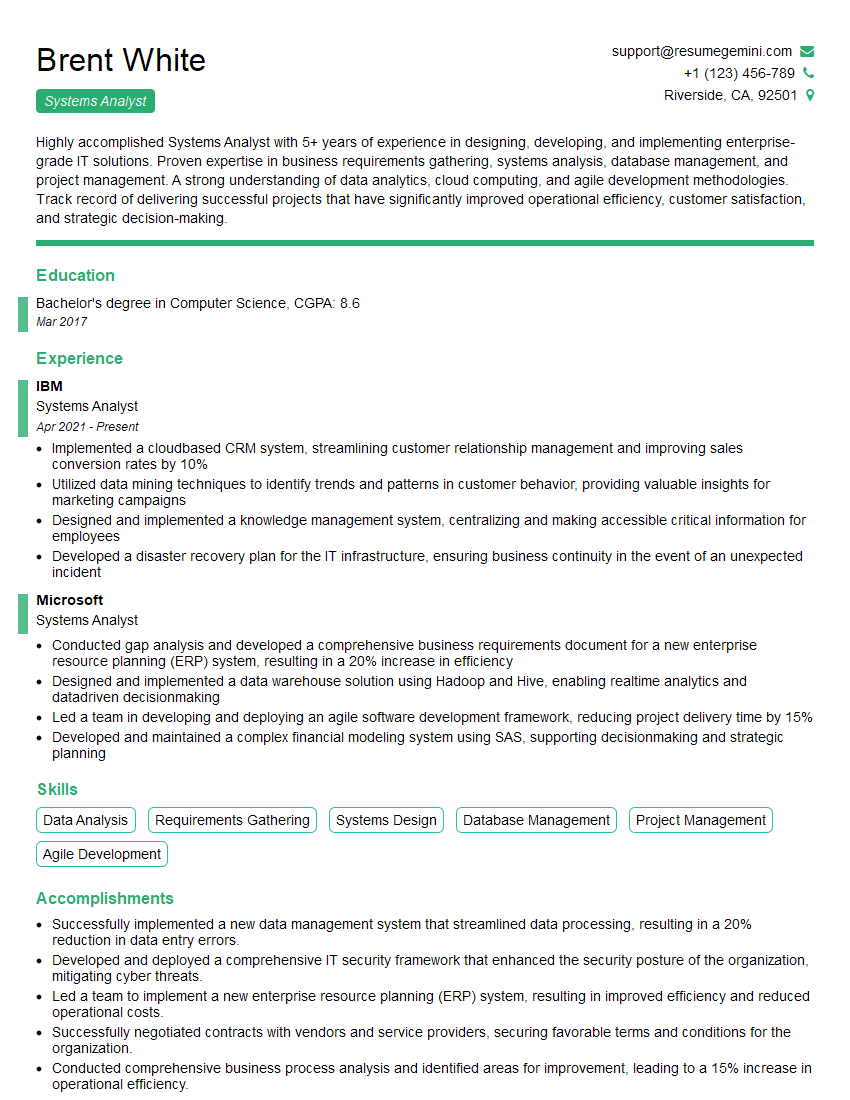
Systems Analyst Resume Sample

Technical Specialist Resume Sample
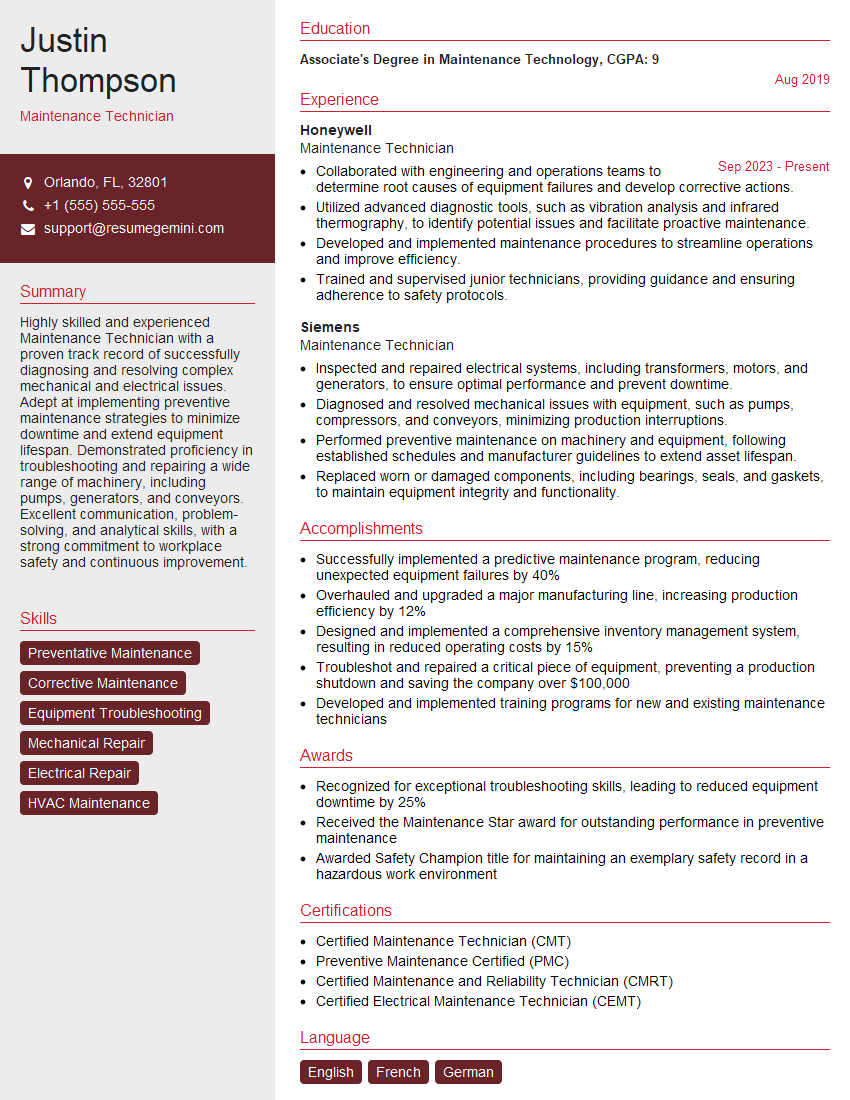
Maintenance Technician Resume Sample

Engineering Technician Resume Sample
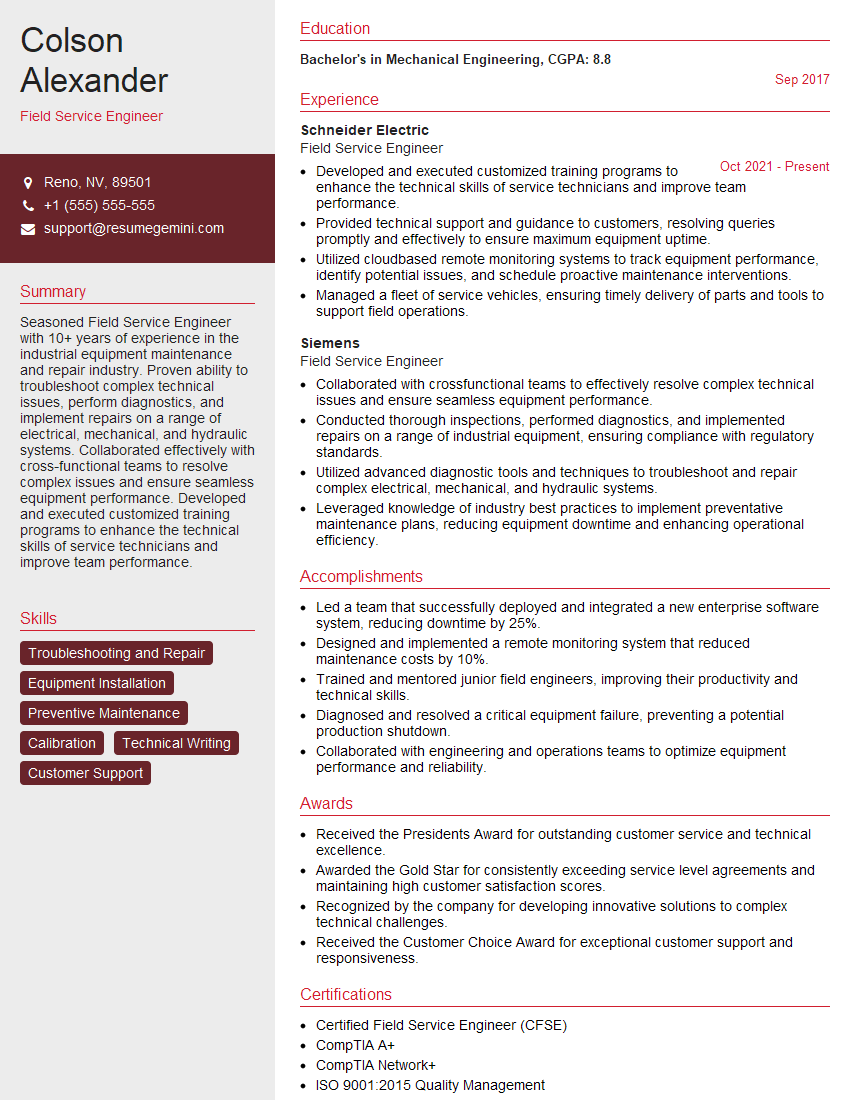
Field Service Engineer Resume Sample

Mechatronics Engineer Resume Sample
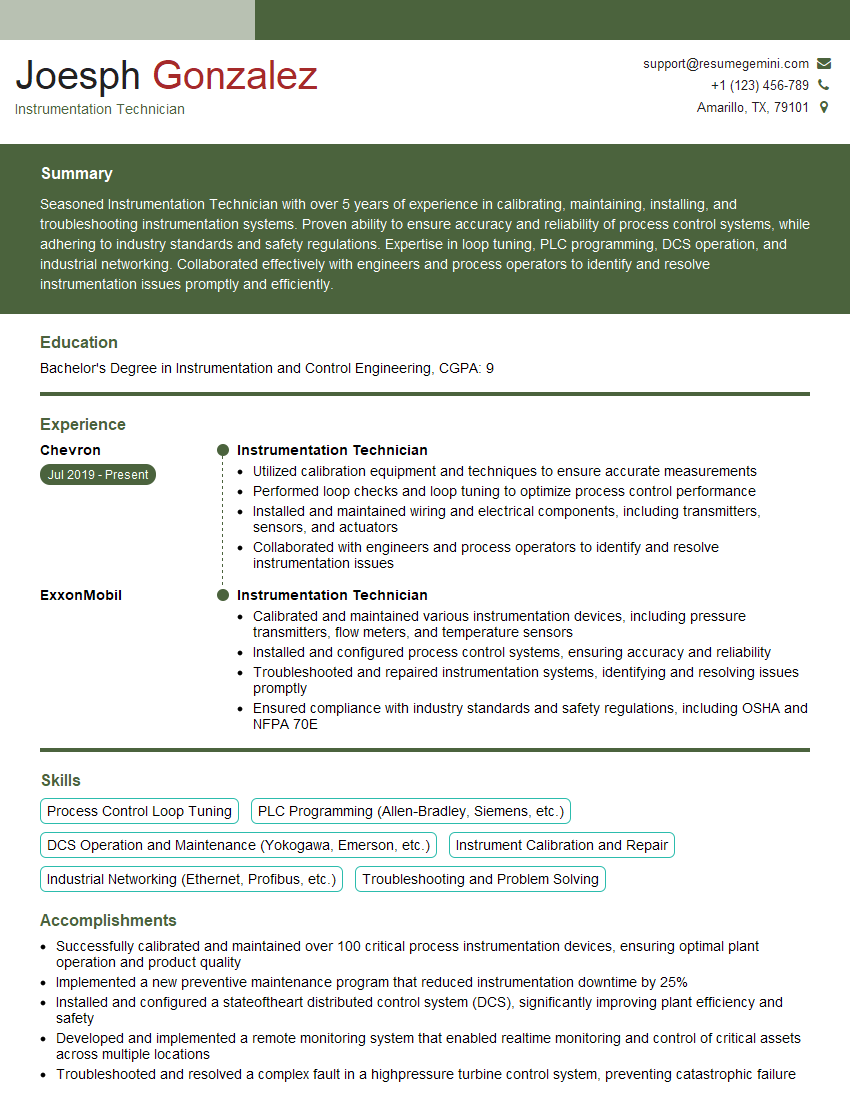
Instrumentation Technician Resume Sample

Automation Technician Resume Sample

Electrical Technician Resume Sample
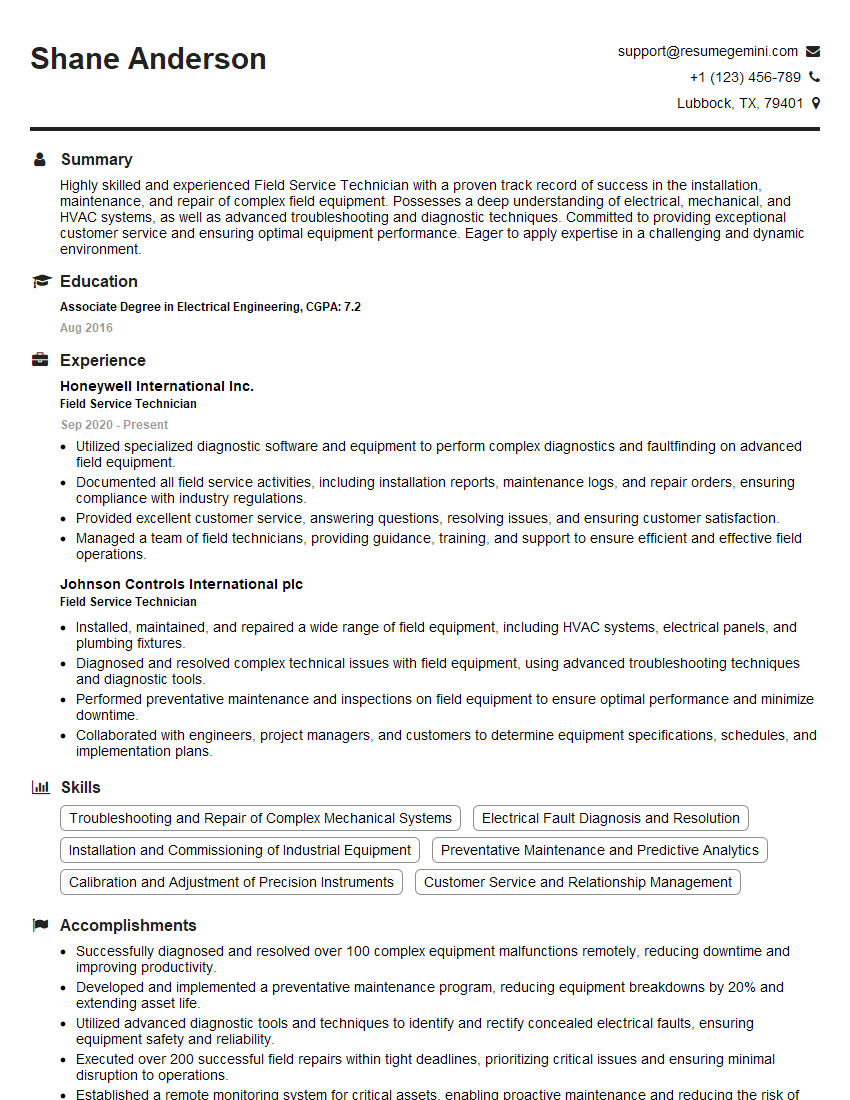
Field Service Technician Resume Sample

Mechanical Technician Resume Sample

Robotics Technician Resume Sample
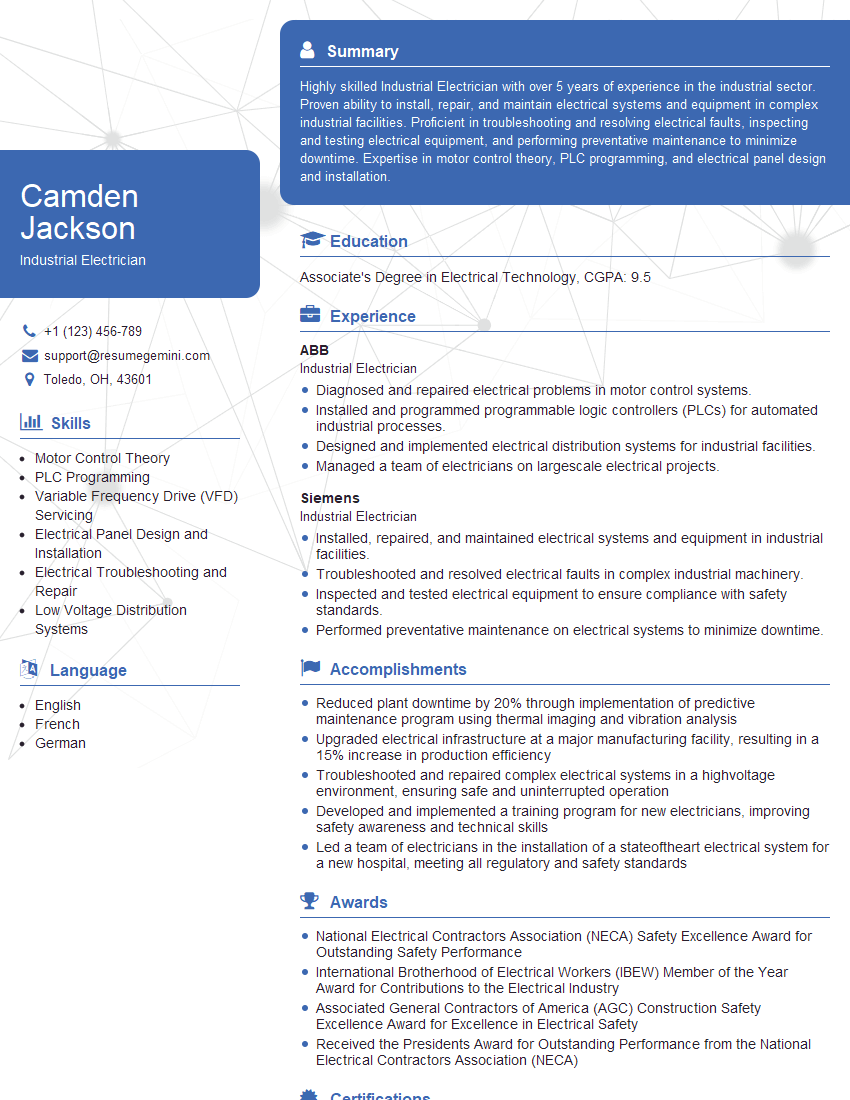
Industrial Electrician Resume Sample

Control Systems Technician Resume Sample

Electromechanical Technician Resume Sample
- Maintenance Planner
- Maintenance Supervisor
- Reliability Engineer
- Systems Analyst
- Technical Specialist
- Maintenance Technician
- Engineering Technician
- Field Service Engineer
- Mechatronics Engineer
- Instrumentation Technician
- Automation Technician
- Electrical Technician
- Field Service Technician
- Mechanical Technician
- Robotics Technician
- Industrial Electrician
- Control Systems Technician
- Electromechanical Technician
Explore more articles
Users Rating of Our Blogs
Share Your Experience
We value your feedback! Please rate our content and share your thoughts (optional).
What Readers Say About Our Blog
Very informative content, great job.
good