Preparation is the key to success in any interview. In this post, we’ll explore crucial Advanced Exercise Techniques interview questions and equip you with strategies to craft impactful answers. Whether you’re a beginner or a pro, these tips will elevate your preparation.
Questions Asked in Advanced Exercise Techniques Interview
Q 1. Explain the principles of periodization in strength training.
Periodization in strength training is like planning a marathon, not just sprinting. It’s a systematic approach to structuring training programs, varying the intensity, volume, and type of training over time to optimize performance and minimize injury risk. Instead of constantly training at a high intensity, periodization divides training into distinct phases, each with specific goals.
- Macrocycle: The longest phase, often a year or more, encompassing the overall training plan (e.g., preparing for a powerlifting competition).
- Mesocycle: Shorter phases within the macrocycle, typically lasting several weeks to months, focusing on specific aspects like strength building or hypertrophy (muscle growth). For example, a mesocycle might focus entirely on building a strong base.
- Microcycle: The shortest phase, usually a week or less, detailing the daily or weekly training schedule. A microcycle could focus on a specific muscle group or movement pattern.
A common periodization model is linear periodization, where intensity gradually increases as volume decreases over time. Conversely, undulating periodization varies intensity and volume within each microcycle or mesocycle. Choosing the right model depends on the individual’s goals and training experience.
For instance, a beginner might start with a linear periodization model, gradually increasing the weight they lift over several weeks. An experienced athlete might benefit from undulating periodization, incorporating high-intensity days followed by lower-intensity recovery days within the same week.
Q 2. Describe the difference between concentric and eccentric muscle contractions.
Concentric and eccentric muscle contractions are two sides of the same coin, representing the phases of a single muscle movement. Think of a bicep curl:
- Concentric contraction: This is the shortening phase of the muscle. In the bicep curl, it’s the lifting phase where your biceps shorten to bring the weight towards your shoulder. It requires more effort and is often associated with greater muscle growth.
- Eccentric contraction: This is the lengthening phase of the muscle. In the bicep curl, it’s the lowering phase where your biceps lengthen as you slowly control the weight back down. Though seemingly less demanding, eccentric contractions are crucial for strength building and injury prevention, generating higher force than concentric contractions.
Ignoring eccentric contractions is a common mistake! Failing to control the lowering phase of an exercise can lead to injuries. Incorporating both phases is essential for balanced muscle development and overall strength gains. For example, in rehabilitation following an injury, carefully controlled eccentric exercises can help rebuild strength and improve muscle function without causing further damage.
Q 3. What are the key considerations for designing a program for an elderly client?
Designing a program for an elderly client requires careful consideration of their physical limitations, medical history, and functional goals. Safety is paramount.
- Assessment: Start with a thorough health assessment, including medical history, functional capacity (e.g., balance, mobility), and any existing conditions (e.g., arthritis, osteoporosis).
- Low Impact Exercises: Prioritize low-impact exercises to minimize stress on joints, such as walking, cycling, swimming, and chair exercises. Resistance training should involve lighter weights with higher repetitions.
- Gradual Progression: Start slowly and gradually increase intensity and duration. It’s better to err on the side of caution and build a solid foundation of strength and endurance before increasing the challenge.
- Focus on Functional Fitness: Incorporate exercises that improve daily living activities like balance, gait, and flexibility (e.g., Tai Chi, Yoga).
- Proper Form: Emphasize proper form over lifting heavy weights to prevent injuries.
- Regular Monitoring: Regularly monitor the client’s progress and adjust the program as needed.
For example, instead of heavy squats, an elderly client might benefit from chair squats or wall sits, focusing on maintaining proper posture and controlling the movement.
Q 4. How do you assess and correct for muscle imbalances?
Muscle imbalances occur when certain muscles are stronger or more developed than their opposing muscles, potentially leading to pain, injury, and decreased performance. Assessment and correction are vital.
- Visual Assessment: Observe posture and body alignment for asymmetries, which may indicate imbalances. A client with rounded shoulders might have weak upper back muscles and tight chest muscles.
- Range of Motion (ROM) Testing: Assess the flexibility and range of motion in specific joints. Restricted ROM may suggest muscle tightness or weakness.
- Strength Testing: Compare strength levels between opposing muscle groups (e.g., comparing bicep and triceps strength). Significant discrepancies indicate an imbalance.
- Functional Movement Screen (FMS): A comprehensive assessment tool that evaluates fundamental movement patterns to identify potential muscle imbalances and movement dysfunction.
Corrective strategies involve:
- Stretching: Address tight muscles by incorporating static or dynamic stretching into the program.
- Strengthening: Focus on strengthening weaker muscles to improve balance and symmetry.
- Proprioceptive Training: Exercises that improve body awareness and balance, such as balance boards or single-leg stance exercises.
For example, if someone has weak glutes, this can lead to knee pain, which can be corrected by strengthening exercises for the glutes and stretching the hip flexors.
Q 5. Explain the importance of proper warm-up and cool-down routines.
Proper warm-up and cool-down routines are crucial for injury prevention, performance enhancement, and overall well-being. They prepare the body for exercise and allow for a gradual return to a resting state.
- Warm-up (5-10 minutes): Includes light cardio (e.g., jogging, cycling) to increase blood flow and body temperature, followed by dynamic stretching (e.g., arm circles, leg swings) to improve range of motion and prepare muscles for activity.
- Cool-down (5-10 minutes): Involves light cardio to gradually decrease heart rate and body temperature, followed by static stretching (holding stretches for 20-30 seconds) to improve flexibility and reduce muscle soreness.
A good warm-up is like warming up a car engine before driving it. It prevents strain on the muscles and joints, reduces the risk of injury, and improves overall performance. Similarly, the cool-down helps the body recover and reduces the risk of muscle stiffness and soreness.
Q 6. Describe various methods for measuring exercise intensity.
Measuring exercise intensity is key to ensuring training is effective and safe. Different methods cater to various fitness levels and goals.
- Heart Rate (HR): Monitoring HR provides a simple and widely used method. Target heart rate zones (THZ) are calculated based on maximum heart rate (MHR). For example, the Karvonen method factors in resting heart rate for a more precise THZ.
- Rating of Perceived Exertion (RPE): A subjective scale (e.g., Borg scale) where individuals rate their exertion level from 0 (very light) to 10 (maximal exertion). This is valuable for those who may not have accurate HR monitors.
- Talk Test: A simple method based on conversational ability during exercise. If you can comfortably hold a conversation, the intensity is likely moderate. If you are breathless, the intensity is high.
- Metabolic Equivalents (METs): METs quantify the energy expenditure relative to rest. This is often used in research and clinical settings.
- % of 1-Rep Max (1RM): In weight training, intensity is often expressed as a percentage of the maximum weight that can be lifted in one repetition.
The best method depends on the individual and the type of exercise. A runner might use HR, while a weightlifter would use %1RM. Combining methods provides a more comprehensive picture of training intensity.
Q 7. How do you adapt exercise programs for clients with specific medical conditions (e.g., hypertension, diabetes)?
Adapting exercise programs for clients with specific medical conditions requires close collaboration with healthcare professionals. Always prioritize safety and individual needs.
- Hypertension: Focus on aerobic exercise that improves cardiovascular health without excessively raising blood pressure. Avoid isometric exercises (holding a position without movement), which can temporarily increase blood pressure. Regular monitoring of blood pressure is crucial.
- Diabetes: Regular physical activity improves insulin sensitivity and blood glucose control. Include both aerobic and resistance training. Careful monitoring of blood glucose levels is essential before, during, and after exercise. The timing and type of exercise should be adjusted based on blood glucose levels.
For both conditions, it is extremely important to obtain clearance from a physician before beginning an exercise program. It is also important to start with a low intensity and slowly increase based on the patient’s tolerance. Communication and close monitoring are crucial elements of a safe and effective program.
For example, a client with hypertension might start with brisk walking for 20 minutes three times a week, gradually increasing the duration and intensity. A client with diabetes might need to adjust their insulin dosage or carbohydrate intake around their workout schedule.
Q 8. What are the benefits and risks of plyometrics?
Plyometrics, also known as jump training, involves explosive movements that utilize the stretch-shortening cycle of muscles. This means you’re using the elastic energy stored in a muscle during an eccentric (lengthening) contraction to enhance the power of the subsequent concentric (shortening) contraction.
Benefits: Plyometrics significantly improve power, speed, and agility. Think of a basketball player’s jump shot or a volleyball player’s spike – plyometrics are key to their explosive movements. They also enhance neuromuscular coordination, improving the communication between your brain and muscles. Increased bone density is another benefit, crucial for injury prevention.
Risks: Because of the high-impact nature, plyometrics carry a risk of injury, particularly to joints like knees and ankles. Improper technique, insufficient warm-up, and overuse are major culprits. Pre-existing conditions like knee problems should be carefully considered before starting a plyometric program. It’s crucial to progress gradually and listen to your body. For example, starting with simple exercises like box jumps with a low box height and gradually increasing the height is important. Another example is starting with a low number of repetitions and gradually increasing both the number of repetitions and sets.
Q 9. Explain the concept of progressive overload.
Progressive overload is a fundamental principle of training that states you must consistently increase the demands placed on your body to continue seeing improvements in strength, power, or endurance. It’s like climbing a staircase – you need to keep ascending to reach higher levels. You can’t stay on the same step and expect to reach the top.
This ‘overload’ can be achieved in several ways:
- Increasing weight: Lifting heavier weights over time.
- Increasing repetitions: Performing more repetitions with the same weight.
- Increasing sets: Adding more sets of an exercise.
- Decreasing rest time: Shortening the rest periods between sets.
- Increasing training frequency: Training more frequently per week.
- Adding advanced techniques: Incorporating more challenging variations of exercises, like drop sets or supersets.
For example, if you’re bench pressing 100 lbs for 8 repetitions, progressive overload could involve increasing the weight to 105 lbs, increasing repetitions to 10, adding a set, shortening rest time, or a combination of these.
It’s crucial to gradually increase the overload to avoid overtraining and injury. A general rule of thumb is to increase the weight or reps by only 2.5% – 10% at each session. Listening to your body is key! If you experience excessive soreness or fatigue, it’s time to back off and adjust your program.
Q 10. How do you design a resistance training program using different training splits?
Resistance training program design using different training splits focuses on strategically dividing exercises across different muscle groups throughout the week. This allows for sufficient rest and recovery between workouts, promoting muscle growth and preventing overtraining.
Here are some common training splits:
- Full-body: Working all major muscle groups in each workout (suitable for beginners or those with limited time).
- Upper/Lower: Splitting workouts between upper body and lower body exercises (allows for more frequent training of each muscle group).
- Push/Pull/Legs: Separating exercises into pushing movements (chest, shoulders, triceps), pulling movements (back, biceps), and leg exercises (quads, hamstrings, calves). This is efficient for addressing specific muscle groups and promotes better recovery.
- Body Part Split: Focusing on one or two muscle groups per day (e.g., chest day, back day, leg day). This allows for greater training volume per muscle group, useful for intermediate to advanced lifters, but requires a more organized schedule and sufficient recovery time.
Designing a program:
- Assessment: Determine the client’s fitness level, goals, and experience.
- Exercise Selection: Choose appropriate exercises targeting major muscle groups for the selected split. Consider compound movements (e.g., squats, deadlifts, bench press) for overall strength and hypertrophy and isolation exercises for targeted muscle development.
- Sets and Reps: Based on the client’s goals and experience, set the number of sets and repetitions. For example, 3-4 sets of 8-12 reps is commonly used for muscle hypertrophy.
- Rest Periods: Determine appropriate rest times between sets. Longer rest periods are generally used for heavier weight training (2-3 minutes), while shorter rest periods are used for higher-rep training (30-60 seconds).
- Progressive Overload: Incorporate progressive overload throughout the program to ensure continued improvement.
- Progression: As the client progresses, adjust the training volume, intensity, and exercise variations to continue challenging them.
Example: Upper/Lower Split
Monday: Upper Body
Tuesday: Lower Body
Wednesday: Rest
Thursday: Upper Body
Friday: Lower Body
Saturday & Sunday: Rest
Q 11. What are the different types of flexibility exercises, and when should each be used?
Flexibility exercises improve the range of motion (ROM) in your joints. There are several types:
- Static Stretching: Holding a stretch in a comfortable position for a sustained period (e.g., 15-30 seconds). This is best used after a workout or as a separate session, as it is more effective when muscles are already warm. An example is holding a hamstring stretch by extending one leg straight out and gently pulling towards the chest.
- Dynamic Stretching: Performing controlled movements that gradually increase the range of motion. These are best used as part of a warm-up to prepare muscles for activity. Examples include arm circles, leg swings, and torso twists.
- Ballistic Stretching: Involves bouncing or jerky movements to stretch muscles. This type is generally less recommended, particularly for beginners, due to the higher risk of injury.
- Proprioceptive Neuromuscular Facilitation (PNF): Involves contracting and relaxing muscles during a stretch. Often performed with a partner, this technique can enhance flexibility beyond the limits of other methods. It requires proper instruction and guidance.
- Active Stretching: Using your own muscle strength to hold a stretch (e.g., holding a leg up without support). It improves both flexibility and strength.
- Passive Stretching: Using external force (e.g., a partner, gravity, or resistance band) to hold the stretch. Useful for increasing flexibility but less effective for developing strength.
When to use each type: Dynamic stretches are ideal for warm-ups before exercise to improve ROM and prepare muscles. Static stretching is best after workouts or as a separate flexibility session to improve flexibility and reduce muscle soreness. PNF stretching is more advanced and requires proper instruction and can be utilized for improving flexibility after sufficient training experience.
Q 12. Explain the principles of motor learning and how they apply to exercise prescription.
Motor learning is the process of acquiring and refining motor skills. Understanding its principles is essential for effective exercise prescription because it directly impacts how well clients learn and retain new movements.
Key principles include:
- Stages of Learning: Motor skill acquisition progresses through cognitive, associative, and autonomous stages. In the cognitive stage, the learner focuses heavily on understanding the movement. The associative stage involves refining the movement, and the autonomous stage is characterized by automatic performance.
- Practice: Consistent practice is vital. Varied practice (performing the skill under different conditions) is often more effective than massed practice (lots of repetitions in one session).
- Feedback: Providing appropriate feedback – knowledge of results (how well the skill was performed) and knowledge of performance (how the skill was performed) – guides learning and improves performance.
- Transfer of Learning: Skills learned in one context can transfer to others. For example, improving balance in yoga can improve balance in other activities.
- Individual Differences: Learners have different strengths and weaknesses. Exercise prescription should adapt to individual needs and learning styles.
Application to Exercise Prescription: When designing an exercise program, you must consider these principles. Start with simple movements, provide clear instructions and demonstrations, and gradually increase complexity. Provide regular feedback, adapt to the client’s learning style, and use varied practice to enhance long-term skill retention and performance improvements.
Q 13. How do you assess a client’s fitness level and design a program based on their assessment?
Assessing a client’s fitness level is crucial for designing a safe and effective program. This involves a combination of methods:
- Health History Questionnaire: Gathering information about medical conditions, injuries, and exercise history.
- Physical Assessments: Evaluating posture, flexibility, balance, and cardiovascular fitness. This can include tests such as resting heart rate, blood pressure, and simple flexibility tests.
- Fitness Tests: Measuring muscular strength, endurance, and power. Examples include push-up tests, sit-up tests, and various strength assessments using weights or resistance bands.
- Movement Screen: Assessing movement quality to identify limitations or potential injury risks (e.g., overhead squat assessment).
Program Design based on Assessment: Once the assessment is complete, you design a program tailored to the client’s fitness level, goals, and limitations. Beginners might start with basic exercises, low intensity and volume, and gradually progress. More advanced clients can handle more challenging exercises, higher intensity and volume. Adaptations based on the client’s specific physical limitations or needs may be required.
Example: A client with low back pain might benefit from starting with bodyweight exercises that improve core stability and avoiding movements that aggravate the pain. Progression would involve gradual increases in exercise intensity and the addition of more challenging exercises as their back pain decreases and their strength improves. Consistent monitoring and feedback are essential throughout the program.
Q 14. Describe various methods for assessing body composition.
Body composition assessment measures the proportion of fat mass and fat-free mass (muscle, bone, and water) in the body. Several methods exist:
- Skinfold Calipers: This inexpensive and relatively easy method measures skinfold thickness at multiple sites using specialized calipers. The measurements are then used in equations to estimate body fat percentage. Accuracy depends on the skill of the technician.
- Bioelectrical Impedance Analysis (BIA): This method uses a small electrical current passed through the body to estimate body fat. It’s quick and convenient, but accuracy can be affected by hydration levels and other factors.
- Underwater Weighing (Hydrostatic Weighing): This is a more accurate method that measures body density by weighing the individual underwater. It’s more complex and expensive than other methods.
- Air Displacement Plethysmography (Bod Pod): Similar to underwater weighing, this method uses air displacement to measure body volume and estimate body composition. It’s more comfortable than underwater weighing but equally expensive.
- Dual-Energy X-ray Absorptiometry (DEXA): This is considered the gold standard for body composition assessment. It uses low-dose X-rays to measure bone mineral density, fat mass, and lean mass. DEXA is expensive and requires specialized equipment.
The choice of method depends on factors such as cost, accessibility, accuracy requirements, and the client’s individual needs. It’s important to understand the limitations of each method and interpret the results appropriately. Often, using a combination of methods provides a more comprehensive assessment.
Q 15. What are the signs and symptoms of exercise-induced asthma?
Exercise-induced asthma (EIA) is a condition where physical activity triggers bronchospasm, leading to airway narrowing and breathing difficulties. It’s distinct from asthma that occurs at rest. Symptoms typically appear during or immediately after exercise and can range in severity.
- Mild EIA: A slight wheeze or cough, a feeling of tightness in the chest, and mild shortness of breath.
- Moderate EIA: Increased wheezing, coughing fits, significant chest tightness, and shortness of breath that interferes with exercise.
- Severe EIA: Severe wheezing and coughing, difficulty breathing, needing to stop activity immediately, and potential bluish discoloration of the lips and fingertips (cyanosis).
These symptoms are often accompanied by a decrease in peak expiratory flow (PEF), measurable with a peak flow meter. It’s crucial to note that the severity and trigger threshold can vary significantly between individuals. Some might experience symptoms only during intense exercise, while others might have difficulties even during moderate activity.
Career Expert Tips:
- Ace those interviews! Prepare effectively by reviewing the Top 50 Most Common Interview Questions on ResumeGemini.
- Navigate your job search with confidence! Explore a wide range of Career Tips on ResumeGemini. Learn about common challenges and recommendations to overcome them.
- Craft the perfect resume! Master the Art of Resume Writing with ResumeGemini’s guide. Showcase your unique qualifications and achievements effectively.
- Don’t miss out on holiday savings! Build your dream resume with ResumeGemini’s ATS optimized templates.
Q 16. How do you address client adherence to an exercise program?
Client adherence is paramount for successful exercise programs. It’s not just about creating a good workout plan but also about fostering a sustainable relationship and a positive experience. I use a multi-faceted approach:
- Setting realistic and achievable goals: Start with small, attainable targets, gradually increasing intensity and duration as fitness improves. Celebrate milestones along the way to maintain motivation.
- Personalized program design: Tailoring exercises to individual needs, preferences, and limitations is crucial. Incorporating activities the client genuinely enjoys increases adherence.
- Regular check-ins and communication: Open communication and regular feedback sessions allow adjustments to the plan based on progress and challenges encountered. Addressing concerns promptly builds trust and rapport.
- Providing support and accountability: Creating a supportive environment through regular communication and encouragement can make a substantial difference. Utilizing technology, such as fitness tracking apps, or buddy systems can bolster accountability.
- Educating the client: Explaining the ‘why’ behind the exercise plan and demonstrating its benefits fosters a sense of ownership and purpose. Understanding the process is vital for commitment.
For instance, I recently worked with a client who initially struggled with adherence. We started with short, enjoyable walks, gradually increasing the distance and incorporating some strength training. Regular check-ins helped us adjust the program based on her feedback and progress. By focusing on small wins and consistent encouragement, we saw a dramatic improvement in her adherence and fitness levels.
Q 17. Explain the concept of kinetic chain movement.
The kinetic chain refers to the interconnected segments of the body (muscles, bones, joints, and nervous system) that work together to produce movement. It’s not just about isolated muscle actions but a sequence of movements where one segment’s action influences subsequent segments. The kinetic chain can be open or closed.
- Open Kinetic Chain (OKC): The distal segment (the end furthest from the body) is free to move. Examples include bicep curls (hand free to move) or leg extensions (foot free to move). OKC exercises typically isolate specific muscle groups.
- Closed Kinetic Chain (CKC): The distal segment is fixed or relatively stable. Examples include squats (feet fixed to the ground), push-ups (hands fixed to the ground), or lunges (foot planted). CKC exercises often engage multiple muscle groups and mimic real-world movements more closely.
Understanding the kinetic chain is vital for designing effective exercise programs. Ignoring the interconnectedness of body segments can lead to inefficient movement patterns and increased risk of injury. For example, a weakness in the core muscles can affect the efficiency of leg presses (CKC) and lead to compensatory movements that may strain other joints. Therefore, integrating both OKC and CKC exercises into a program helps develop functional strength and improves overall movement quality.
Q 18. Describe the role of nutrition in optimizing exercise performance.
Nutrition plays a crucial role in optimizing exercise performance. Proper nutrition fuels muscle growth and repair, replenishes energy stores, and supports overall health and recovery. A balanced diet should consist of:
- Carbohydrates: The primary source of energy for exercise. Complex carbohydrates like whole grains, fruits, and vegetables provide sustained energy.
- Proteins: Essential for muscle building and repair. Lean sources like chicken, fish, beans, and lentils are ideal.
- Fats: Provide energy and support hormone production. Choose healthy fats from sources like avocados, nuts, and olive oil.
- Hydration: Maintaining proper hydration is critical for performance and prevents dehydration.
The timing of nutrient intake is also important. Consuming carbohydrates before exercise provides immediate energy. Post-workout, a combination of carbohydrates and protein promotes muscle recovery and replenishes glycogen stores. A balanced diet, tailored to the individual’s training volume and intensity, is key to maximizing performance and minimizing the risk of injury and overtraining.
Q 19. What are some common injuries associated with specific exercises and how can they be prevented?
Many exercises, if performed incorrectly or excessively, can lead to injuries. Here are some examples and prevention strategies:
- Squats: Knee injuries (meniscus tears, ACL sprains) are common. Prevention: Maintain proper form, avoid excessive weight, and warm up thoroughly. Focus on controlled movements and appropriate depth.
- Bench press: Rotator cuff injuries (tendinitis, tears) are prevalent. Prevention: Use proper technique, control the weight, and don’t sacrifice form for heavier weights. Include rotator cuff strengthening exercises.
- Deadlifts: Lower back injuries (sprains, disc herniations) are a concern. Prevention: Maintain a neutral spine, use proper grip, and avoid rounding the back. Start with lighter weights and focus on form.
- Running: Knee pain (runner’s knee), shin splints, and plantar fasciitis are common. Prevention: Wear appropriate footwear, gradually increase mileage, incorporate strength training for leg muscles, and pay attention to running form and surface.
Proper warm-up, appropriate progression, correct technique, and adequate rest are crucial in injury prevention. Listening to your body and stopping if pain occurs are equally important.
Q 20. Explain your experience with different training modalities (e.g., CrossFit, HIIT, Calisthenics).
I have extensive experience across various training modalities. Each approach offers unique benefits and challenges:
- CrossFit: High-intensity, functional fitness incorporating elements of weightlifting, gymnastics, and metabolic conditioning. I’ve used CrossFit programming to enhance overall fitness, power, and endurance. However, it requires careful attention to proper form to minimize injury risk.
- HIIT (High-Intensity Interval Training): Short bursts of intense exercise interspersed with brief recovery periods. I’ve integrated HIIT into programs to improve cardiovascular fitness, fat burning, and efficiency of training. It’s crucial to monitor client exertion levels and ensure adequate rest periods to prevent overtraining.
- Calisthenics: Bodyweight training using exercises like push-ups, pull-ups, and squats. I’ve used calisthenics to build strength, improve body awareness, and increase functional movement. It’s a versatile modality that requires progressive overload to continue challenging the body.
My experience encompasses adapting these modalities to meet individual client goals and fitness levels. I believe in combining the benefits of different approaches for a holistic and effective training program, always prioritizing safety and progressive overload.
Q 21. How do you assess and address client motivation?
Assessing and addressing client motivation is crucial for program success. I start by understanding their intrinsic and extrinsic motivations:
- Intrinsic Motivation: Driven by internal factors like enjoyment, satisfaction, and a sense of accomplishment. I encourage this by tailoring programs to clients’ interests and celebrating their successes.
- Extrinsic Motivation: Driven by external rewards, such as weight loss or improved fitness scores. I can use these as short-term goals, but focus on developing intrinsic motivation for long-term sustainability.
I use various techniques to boost motivation:
- Setting SMART goals: Specific, Measurable, Achievable, Relevant, and Time-bound goals provide clear direction and a sense of accomplishment.
- Regular feedback and progress tracking: Monitoring progress helps clients see their achievements and stay motivated. This can be through measurements, photos, or simply noting how they feel.
- Creating a supportive environment: Fostering a positive and encouraging atmosphere, maybe even introducing a workout buddy, enhances adherence and motivation.
- Addressing barriers and challenges: Identifying and proactively addressing obstacles, such as time constraints or lack of resources, helps overcome difficulties and maintain momentum.
For example, I had a client who lacked motivation. By focusing on achievable goals like walking for 15 minutes three times a week (something enjoyable for them) and gradually building up, celebrating successes, and emphasizing the health benefits, we were able to transform their attitude and build a long-lasting commitment to fitness.
Q 22. How do you integrate flexibility, strength, and cardiovascular training into a program?
Integrating flexibility, strength, and cardiovascular training is crucial for holistic fitness. It’s not about doing them in isolation, but rather creating a synergistic program where each element complements the others. Think of it like building a house: you need a strong foundation (strength training), reliable plumbing (cardiovascular health), and aesthetically pleasing interiors (flexibility).
A well-structured program might look like this:
- Warm-up (5-10 minutes): Dynamic stretches like arm circles, leg swings, and torso twists to prepare the body for exercise.
- Cardiovascular Training (20-45 minutes): This could involve activities like running, swimming, cycling, or HIIT (High-Intensity Interval Training). Intensity and duration should be adjusted based on individual fitness levels.
- Strength Training (30-45 minutes): Focus on compound exercises (like squats, deadlifts, bench presses) that work multiple muscle groups simultaneously. Include isolation exercises (bicep curls, tricep extensions) to target specific muscles. Ensure proper form to prevent injuries.
- Cool-down and Flexibility Training (10-15 minutes): Static stretches, holding each stretch for 20-30 seconds, targeting major muscle groups worked during the session. This improves flexibility, reduces muscle soreness, and promotes recovery.
Example Program Schedule (3 days/week):
- Monday: Strength Training (Upper Body) + Cardio (30 minutes moderate intensity)
- Wednesday: Strength Training (Lower Body) + Cardio (30 minutes HIIT)
- Friday: Full Body Flexibility and light Cardio (Yoga or Pilates)
This is just a sample; the specific exercises, intensity, and frequency should be tailored to the individual’s goals, fitness level, and any existing limitations.
Q 23. Explain the importance of proper exercise technique.
Proper exercise technique is paramount for maximizing results and minimizing injury risk. Poor form can lead to muscle imbalances, joint pain, and even serious injuries. Think of it like driving a car – you wouldn’t drive recklessly; similarly, you shouldn’t perform exercises haphazardly.
Importance of Proper Technique:
- Injury Prevention: Correct form ensures that the stress is distributed appropriately across muscles and joints, reducing the risk of strains, sprains, and other injuries.
- Muscle Activation: Proper technique allows for optimal recruitment of the target muscle groups, leading to greater strength gains and muscle hypertrophy (growth).
- Enhanced Performance: Correct form promotes efficiency in movement, allowing for better performance and improved athletic ability.
- Reduced Pain: Proper technique helps to avoid unnecessary stress on joints and muscles, thereby reducing pain and discomfort.
Example: During a squat, maintaining proper spinal alignment (neutral spine) prevents lower back pain. Rounded back during squats puts excessive stress on the spine.
To ensure proper technique, I always prioritize individualized instruction, demonstrating exercises, and providing feedback based on observation. I may also utilize video analysis to identify areas for improvement.
Q 24. How do you adjust exercise programs for clients with limitations due to injury or disability?
Adapting exercise programs for clients with limitations requires a thorough understanding of their condition and capabilities. It’s crucial to collaborate with healthcare professionals like physical therapists or physicians to ensure the safety and effectiveness of the program.
Strategies for Adaptation:
- Assessment: A detailed assessment of the client’s limitations, including range of motion, strength levels, and pain tolerance, is essential.
- Modification: Exercises are modified to accommodate limitations. This could involve reducing weight, altering the range of motion, using alternative exercises, or substituting exercises with lower impact variations.
- Progression: A gradual progression of exercises is crucial to avoid re-injury and build strength and endurance progressively.
- Proper Equipment: Using specialized equipment like resistance bands, stability balls, or adaptive exercise equipment can facilitate safe and effective training.
- Communication: Clear and open communication with the client is crucial to monitor their progress and adjust the program as needed. Pain should never be ignored.
Example: A client with a knee injury might benefit from substituting squats with seated leg presses or using a modified range of motion during squats. For a client with limited mobility, exercises performed while seated or lying down may be more appropriate.
Q 25. Describe your experience with different types of exercise equipment.
My experience with various types of exercise equipment is extensive. I am proficient in using and instructing on the safe and effective use of:
- Weight Machines: Familiar with a wide range of weight machines, including those targeting specific muscle groups and compound movements.
- Free Weights: Proficient in the use of dumbbells, barbells, and kettlebells, emphasizing proper form and safety protocols.
- Cardio Equipment: Experienced in instructing clients on the use of treadmills, elliptical trainers, stationary bikes, stair climbers, and rowing machines.
- Resistance Bands: Skilled in utilizing resistance bands for strength training, flexibility exercises, and rehabilitation.
- Stability Balls: Proficient in using stability balls to enhance core strength and improve balance.
- Functional Training Equipment: Experienced in utilizing equipment like plyometric boxes, medicine balls, and suspension trainers for functional fitness training.
I understand the benefits and limitations of each type of equipment and can select the most appropriate equipment based on the client’s goals, fitness level, and any physical limitations. Safety is always my top priority when using any equipment.
Q 26. What are some common misconceptions about exercise?
Several misconceptions surround exercise, leading to ineffective training or even injury. Here are a few common ones:
- “No pain, no gain”: This is a dangerous myth. While some muscle soreness is normal, sharp pain is a sign to stop. Pain indicates potential injury.
- “Spot reduction” of fat: You cannot target fat loss in specific areas. Overall body fat reduction is achieved through a combination of diet and exercise.
- “More is always better”: Overtraining can be detrimental. Adequate rest and recovery are essential for muscle growth and injury prevention.
- “Cardio is the only way to lose weight”: Strength training is crucial for building muscle mass, which increases metabolism and aids in weight loss.
- “Exercise machines are safer than free weights”: Both can be safe or dangerous depending on proper technique. Free weights often require more skill and focus on form.
Addressing these misconceptions is crucial for guiding clients toward realistic goals and safe, effective training programs.
Q 27. How do you stay up-to-date on the latest research and best practices in advanced exercise techniques?
Staying current in the field of advanced exercise techniques requires a multifaceted approach:
- Professional Certifications and Continuing Education: I maintain updated certifications from reputable organizations and actively participate in continuing education courses to learn about the latest research and best practices.
- Peer-Reviewed Journals and Scientific Literature: I regularly review peer-reviewed journals and scientific literature published in reputable journals like the Journal of Strength and Conditioning Research and the American Journal of Sports Medicine to stay informed about new findings and advancements.
- Professional Conferences and Workshops: Attending conferences and workshops allows me to network with other professionals and learn about new techniques and methodologies from leading experts.
- Online Resources and Professional Organizations: I leverage reputable online resources and memberships with professional organizations to access the latest research, guidelines, and best practices.
- Mentorship and Collaboration: I actively seek mentorship from experienced professionals and collaborate with colleagues to share knowledge and experiences.
This continuous learning process ensures I can provide my clients with the most effective, safe, and evidence-based training programs.
Key Topics to Learn for Advanced Exercise Techniques Interview
- Program Design & Periodization: Understanding the principles of periodization, including macrocycles, mesocycles, and microcycles, and their application in designing effective training programs for diverse populations and goals.
- Advanced Resistance Training Techniques: Mastering techniques beyond the basics, such as variable resistance training, eccentric overload, and plyometrics; understanding their biomechanical principles and practical applications for strength and power development.
- Movement Analysis & Biomechanics: Analyzing movement patterns to identify inefficiencies and potential injury risks; applying biomechanical principles to correct technique and optimize performance; understanding the relationship between muscle activation and joint mechanics.
- Flexibility & Mobility Training: Going beyond static stretching; exploring dynamic stretching, self-myofascial release (SMR), and other advanced techniques to improve range of motion, flexibility, and injury prevention; understanding the role of flexibility in performance enhancement.
- Exercise Prescription for Special Populations: Adapting exercise programs for individuals with specific health conditions or limitations (e.g., cardiovascular disease, obesity, arthritis); understanding exercise contraindications and modifications.
- Strength & Conditioning Testing & Measurement: Utilizing various assessment tools to accurately measure strength, power, endurance, and flexibility; interpreting test results to inform training program design and progress monitoring.
- Exercise Program Evaluation & Modification: Continuously evaluating the effectiveness of training programs; making necessary modifications based on client progress, feedback, and emerging research.
- Injury Prevention & Rehabilitation: Understanding common exercise-related injuries; implementing strategies to prevent injuries; applying principles of rehabilitation to restore function after injury.
Next Steps
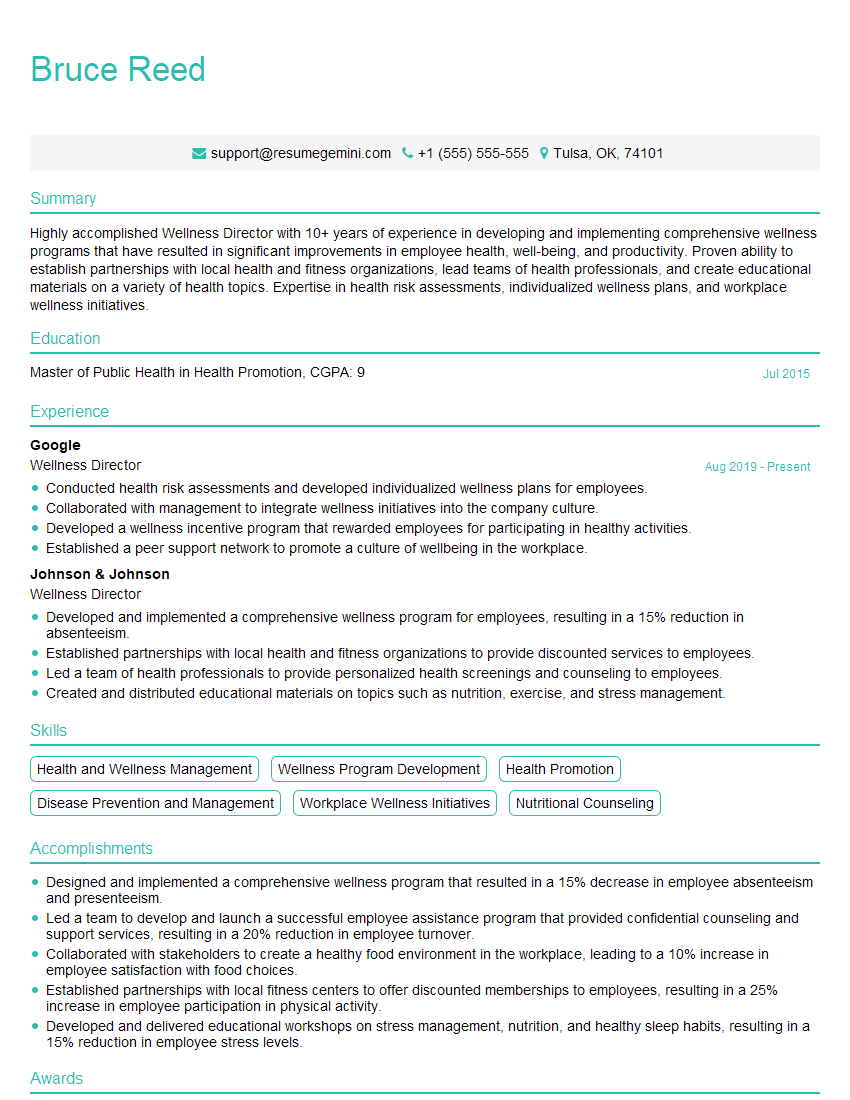
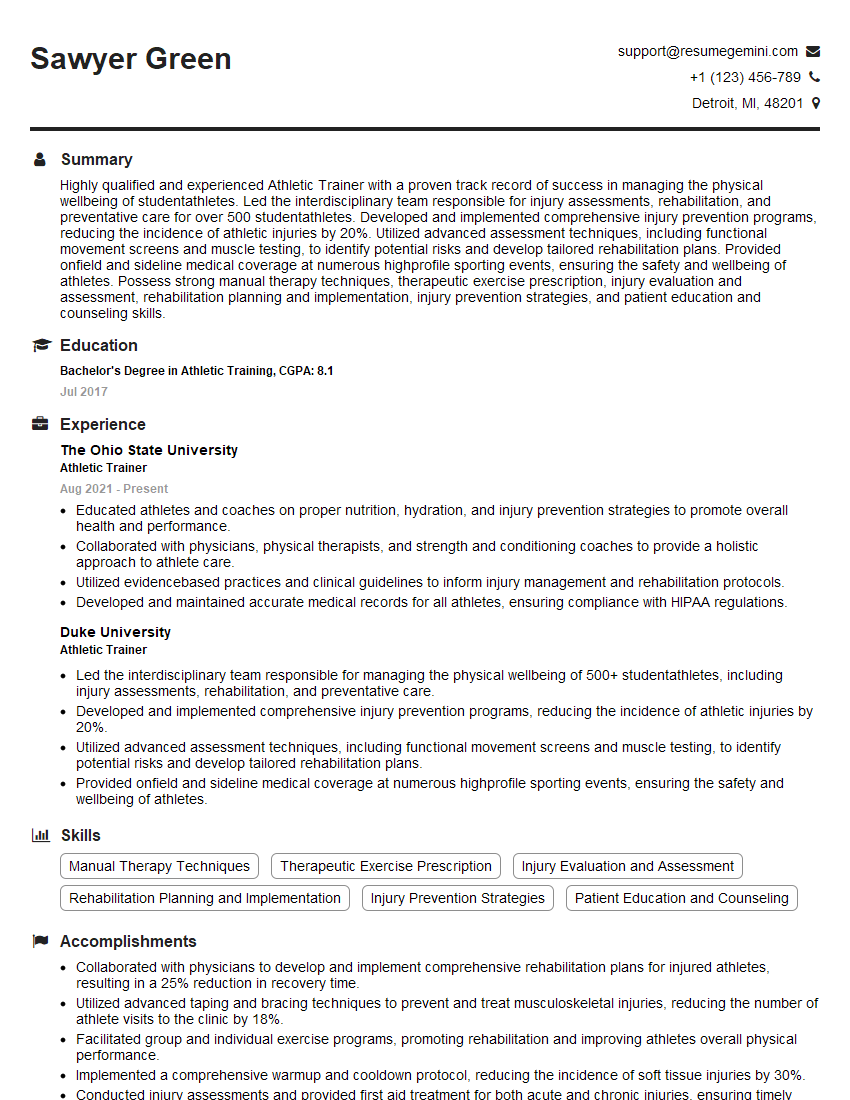
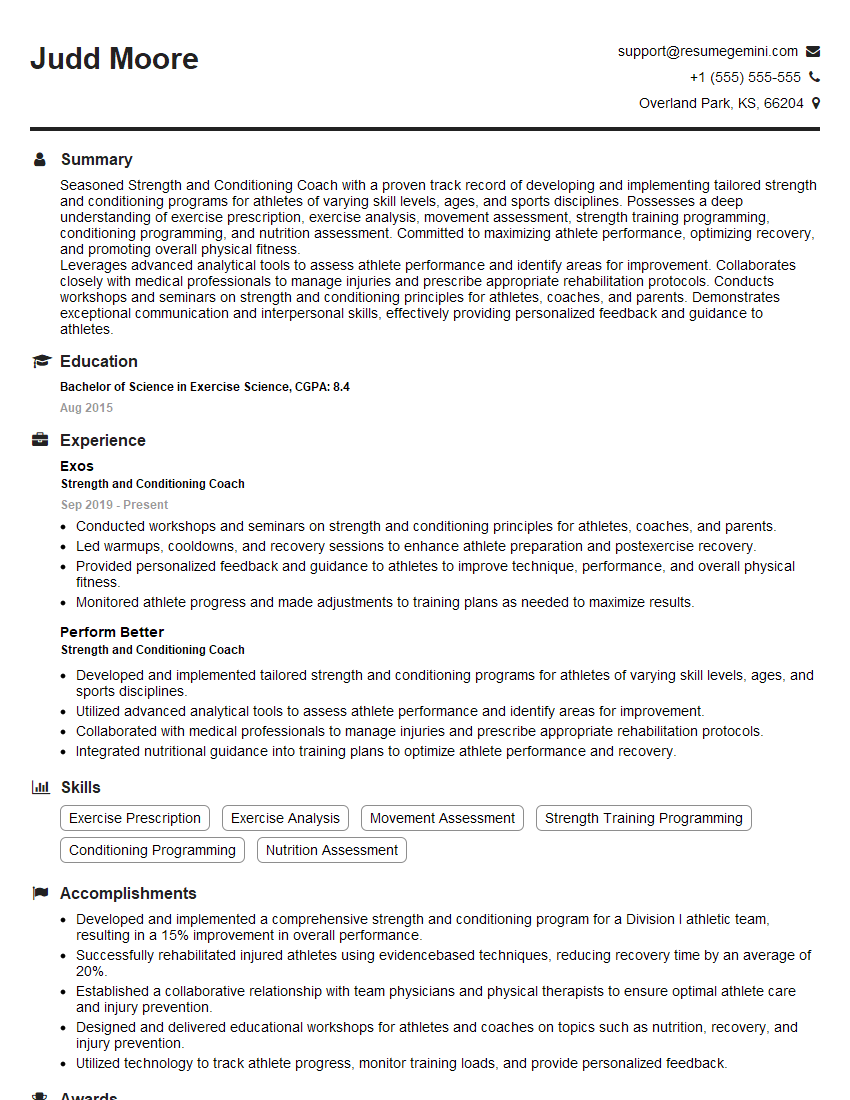
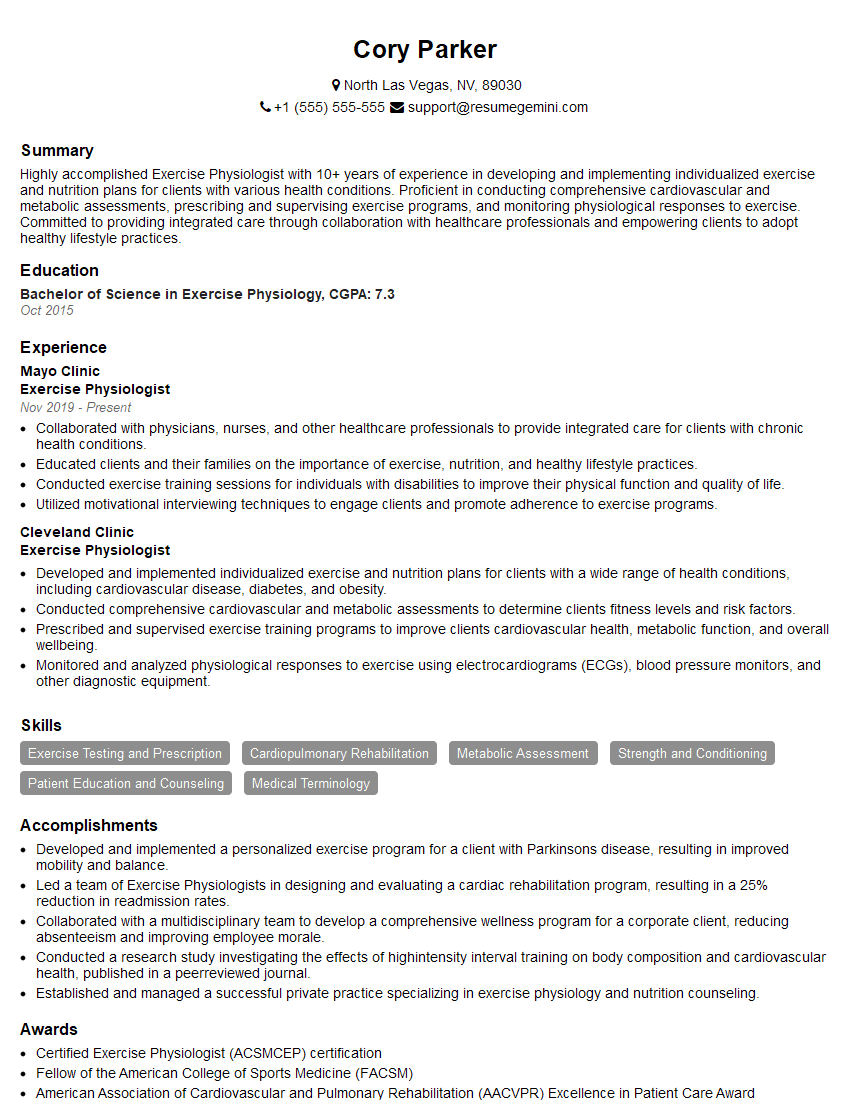
Mastering advanced exercise techniques is crucial for career advancement in the fitness industry, opening doors to specialized roles and higher earning potential. A strong resume is your key to unlocking these opportunities. Create an ATS-friendly resume that highlights your expertise and showcases your achievements. ResumeGemini can help you build a professional and impactful resume, tailored to the specific requirements of Advanced Exercise Techniques positions. Examples of resumes specifically designed for this field are available to help you get started.

Explore more articles
Users Rating of Our Blogs
Share Your Experience
We value your feedback! Please rate our content and share your thoughts (optional).
What Readers Say About Our Blog
Very informative content, great job.
good