Feeling uncertain about what to expect in your upcoming interview? We’ve got you covered! This blog highlights the most important Knowledge of ASCE/ANSI Standards interview questions and provides actionable advice to help you stand out as the ideal candidate. Let’s pave the way for your success.
Questions Asked in Knowledge of ASCE/ANSI Standards Interview
Q 1. Explain the significance of ASCE 7 in structural design.
ASCE 7, the Minimum Design Loads and Associated Criteria for Buildings and Other Structures, is the cornerstone of structural engineering in the United States. It’s a hugely significant standard because it dictates the minimum loads that structural engineers must consider when designing buildings and other structures. Think of it as the rulebook for ensuring buildings can withstand the forces of nature and occupancy. Without ASCE 7, we’d have no consistent, nationally-recognized framework for ensuring structural safety.
The standard covers a wide range of loads, including:
- Dead Loads: The weight of the structure itself (e.g., walls, floors, roof).
- Live Loads: The weight of occupants, furniture, and movable equipment.
- Wind Loads: Forces exerted by wind on the structure.
- Snow Loads: The weight of accumulated snow on roofs.
- Earthquake Loads (Seismic Loads): Forces generated by ground shaking during an earthquake.
Failure to properly account for these loads as defined in ASCE 7 can lead to structural collapse, resulting in significant property damage, injury, and even loss of life. It’s essential for structural engineers to meticulously follow the prescribed methods in ASCE 7 to ensure the safety and longevity of the structures they design.
Q 2. Describe the role of ANSI standards in construction safety.
While ASCE focuses primarily on structural design, ANSI (American National Standards Institute) develops standards across a broader range of industries, including those impacting construction safety. ANSI standards don’t directly dictate design loads like ASCE 7, but they play a crucial role in establishing safety protocols and guidelines for construction practices. Think of it as setting the rules for the *process* of construction, ensuring worker safety throughout the project.
Examples of ANSI standards relevant to construction safety include those related to:
- Personal Protective Equipment (PPE): These standards define the requirements and testing procedures for things like hard hats, safety glasses, and harnesses.
- Scaffolding Safety: ANSI standards ensure scaffolding is built and used safely, preventing falls.
- Material Handling: Guidelines for safe lifting and transport of materials to prevent injuries.
- Electrical Safety: Standards covering electrical installations on construction sites to prevent electrocution.
Compliance with these ANSI standards is critical for minimizing workplace accidents and ensuring a safe working environment for construction workers. They often tie into OSHA regulations, creating a robust safety net for construction projects.
Q 3. How do ASCE standards impact building codes?
ASCE standards, like ASCE 7, heavily influence building codes. Building codes, such as the International Building Code (IBC), are legal requirements that govern the design and construction of buildings. These codes often directly incorporate or reference ASCE standards to define acceptable design practices. Think of ASCE standards as the technical expertise backing up the legal requirements of building codes.
For instance, the IBC will specify requirements for wind and seismic design. These requirements will, in turn, reference the detailed provisions and methodologies outlined in ASCE 7. The building official uses the building code to verify that the designs meet the minimum requirements for safety, and the designer uses the referenced ASCE standards to determine how to meet those requirements.
This close relationship ensures that building designs are consistent with nationally recognized best practices in structural engineering, promoting safety and uniformity across jurisdictions.
Q 4. What are the key differences between ASCE and ANSI standards?
ASCE and ANSI standards serve different purposes, even though they both contribute to the safety and efficiency of the construction industry. ASCE focuses specifically on civil engineering disciplines, with a strong emphasis on the structural design of buildings and infrastructure. Their standards provide technical guidance on how to design structures to withstand various loads and environmental factors.
ANSI, on the other hand, is a broader organization that develops standards across a vast array of industries. While some ANSI standards relate to construction, they often cover broader aspects like safety protocols, material specifications, and terminology, not the specific structural design calculations.
In essence: ASCE provides the *engineering* guidance for structural design, while ANSI provides broader standards for *processes*, *safety*, and *consistency* across numerous industries, including construction.
Q 5. Explain your understanding of load combinations according to ASCE 7.
ASCE 7 outlines load combinations that reflect the various ways loads can act on a structure simultaneously. It’s crucial to consider these combinations because the effect of multiple loads acting together can be greater than the sum of their individual effects. Think of it like this: a structure might withstand a strong wind, and it might also withstand a heavy snow load individually, but the combination of both could lead to failure.
ASCE 7 provides specific equations for calculating these load combinations. These equations typically involve factors that account for the probability that various loads will occur simultaneously. A typical load combination might look something like this (with specific factors depending on the load type and importance factor of the structure):
1.4D (1.4 times the dead load)
1.2D + 1.6L + 0.5(Lr or S or R) (Dead load, Live load, and other loads like snow, rain or roof live load)
1.2D + 1.0W + 0.5L + 0.2S (Dead load, Wind load, Live load, and Snow load)
where:
Drepresents dead loadLrepresents live loadLrrepresents roof live loadSrepresents snow loadRrepresents rain loadWrepresents wind load
The engineer must check the structural capacity of the building against each of these load combinations to ensure the safety of the structure.
Q 6. How do you interpret and apply wind load provisions from ASCE 7?
Interpreting and applying wind load provisions from ASCE 7 involves a multi-step process that requires careful consideration of various factors. It’s not simply a matter of looking up a single number; it’s about understanding the complex interaction between wind speed, building shape, and local terrain.
The process generally includes:
- Determining the basic wind speed: This is obtained from ASCE 7 maps based on the building’s location. This value is usually given as a 3-second gust wind speed with an annual probability of being exceeded of 2%.
- Calculating the wind pressure: ASCE 7 provides equations to determine the external wind pressure on different parts of the building based on the basic wind speed, height above ground, and exposure category (open terrain, suburban, or urban). The pressure varies with the height of the building and the importance of the structure.
- Considering wind directionality: Wind loads can act on any direction of the building, so structural elements need to be designed to account for pressure from different directions.
- Determining the internal pressure: Buildings can also experience pressure differences between the interior and exterior, which needs to be considered in the design of cladding and walls.
- Applying appropriate load factors: Similar to load combinations, the wind pressure is amplified by applying an appropriate load factor specified in ASCE 7.
For example, a tall skyscraper in an urban area would experience significantly higher wind pressures than a small house in a rural area. The design must account for this variation to ensure safety.
Q 7. Describe your experience with seismic design according to ASCE 7.
My experience with seismic design according to ASCE 7 encompasses various aspects, from basic site classification to advanced nonlinear analysis. Seismic design is a critical component of structural engineering, particularly in seismically active regions. I’ve worked on projects ranging from low-rise residential buildings to high-rise commercial structures, each presenting unique seismic challenges.
My approach to seismic design according to ASCE 7 typically includes:
- Site Classification: Determining the soil characteristics at the project site to determine its seismic response and influence on design. This involves reviewing geotechnical reports and classifying the soil using the procedures outlined in ASCE 7.
- Selecting the appropriate design response spectrum: ASCE 7 provides design response spectra based on the site’s location and soil classification. The design spectrum represents the likely ground acceleration as a function of frequency.
- Performing structural analysis: Using appropriate analysis methods, such as static equivalent lateral force analysis or dynamic analysis, to determine the forces and displacements induced by the earthquake.
- Design of structural elements: Sizing and detailing structural elements (e.g., columns, beams, shear walls, braces) to resist the seismic forces. This includes ensuring adequate strength, ductility, and energy dissipation capacity.
- Checking drift limits: Ensuring that the lateral displacements of the structure remain within acceptable limits to prevent damage or collapse.
I have extensive experience with both simplified and advanced analysis techniques, adapting my approach based on the complexity of the structure and the required level of accuracy. Detailed structural modeling in software is an integral part of my workflow.
Q 8. How do you ensure compliance with relevant ASCE/ANSI standards on a project?
Ensuring compliance with ASCE/ANSI standards starts with a thorough understanding of the project’s scope and requirements. We identify all applicable standards early in the planning phase. This involves reviewing the project specifications, relevant building codes, and jurisdictional regulations. For example, a bridge project will necessitate adherence to standards related to structural design, materials, and construction methods, which might include ASCE 7 (Minimum Design Loads and Associated Criteria for Buildings and Other Structures) and ASCE 41 (Design Loads on Bridges). Then, a comprehensive compliance plan is developed, detailing how each standard will be met. This plan is integrated into the project’s Quality Management System (QMS). Throughout the project lifecycle, regular inspections, audits, and testing are conducted to verify adherence to the plan and address any deviations promptly. Documentation of all compliance activities is crucial, forming an auditable trail.
- Standard Selection: Carefully identifying all relevant standards—structural, geotechnical, materials, etc.—is the first crucial step.
- Design & Specification: All design calculations and material specifications must explicitly reference and comply with the selected standards.
- Construction Oversight: Regular site inspections ensure that construction adheres to design specifications and the chosen standards.
- Testing & Verification: Independent testing and verification of materials and constructed elements are performed to confirm compliance.
- Documentation: Comprehensive records of all aspects of compliance are maintained.
Q 9. What is your experience using ANSI standards for materials testing?
My experience with ANSI standards for materials testing spans several years, encompassing various projects and materials. I’ve been directly involved in the testing and verification of concrete, steel, and aggregates, adhering to relevant ANSI/ASTM standards. For example, I’ve overseen concrete cylinder compressive strength testing (ASTM C39) and the determination of the slump and air content of fresh concrete (ASTM C143). In steel testing, I’ve ensured compliance with standards for tensile strength and yield strength (ASTM A370). This involves understanding the specific test methods, interpreting the results, and ensuring that the materials meet the specified requirements. I’m also experienced in managing the chain of custody for samples to ensure test results are reliable and legally defensible.
Example: Ensuring that the concrete used in a high-rise building project meets the specified compressive strength as per ASTM C39 is crucial for structural integrity and safety.Q 10. Explain the process of selecting appropriate ASCE/ANSI standards for a given project.
Selecting appropriate ASCE/ANSI standards is a systematic process. It begins with a clear understanding of the project’s location, type, and scope. Then, we refer to relevant building codes and jurisdictional regulations, which often dictate the mandatory standards to be used. For instance, if designing a building in California, the California Building Code will dictate the use of certain ASCE standards related to seismic design. Next, we comprehensively analyze the project’s specific requirements and risk profile. A project in a high-seismic zone will necessitate more stringent standards than one in a low-seismic zone. We also consider the types of materials being used and relevant industry best practices. Once all applicable standards are identified, they’re reviewed to ensure consistency and avoid conflicts. A crucial aspect is keeping updated on the latest revisions of standards to leverage the latest engineering knowledge and safety improvements.
Q 11. How do you handle conflicts between different ASCE/ANSI standards?
Conflicts between different ASCE/ANSI standards are sometimes unavoidable, particularly with older and newer versions of a standard. When this happens, a thorough understanding of the rationale behind each conflicting requirement is essential. We approach this systematically: First, determine if one standard supersedes another. Then, if there isn’t clear precedence, a thorough engineering judgment is applied, considering factors like the project’s specific context, risk assessment, and potential implications of choosing one standard over another. This often involves consulting with senior engineers, reviewing relevant research, and documenting the decision-making process transparently. In some cases, we might need to obtain waivers or exceptions from the relevant authorities. Prioritizing safety is paramount throughout this process. The goal is to reach a solution that ensures the project meets the highest standards of safety and functionality.
Q 12. Describe your experience with the use of ASCE 7-16 or later.
I have extensive experience with ASCE 7-16 (and subsequent revisions), the standard for minimum design loads in buildings. I’ve used it extensively in the design of various structures, from residential buildings to high-rise complexes. This includes determining wind loads, snow loads, seismic loads, and other environmental effects. ASCE 7-16 has several significant improvements over its predecessors. For instance, changes to the wind load provisions significantly impacted design parameters in many projects, requiring a detailed understanding of the updated methodologies. A key aspect of my experience is translating the abstract concepts within the standard into practical design applications, using software tools such as ETABS or SAP2000 to model and analyze structures according to its provisions. I’m proficient in performing both risk-targeted and prescriptive designs, depending on the project’s demands and location-specific hazards.
Q 13. How familiar are you with the latest revisions of relevant ASCE standards?
I actively maintain my familiarity with the latest revisions of relevant ASCE standards. This involves subscribing to ASCE publications, attending industry conferences and webinars, and participating in professional development courses. I use resources like the ASCE website and engineering journals to stay abreast of the updates. Understanding these revisions is not just about keeping current; it’s about incorporating improved design techniques, enhanced safety features, and updated methodologies that often reflect the latest research and understanding of structural behavior and environmental impacts. Staying updated is a continuous process that helps ensure that projects benefit from the most current engineering standards and practices.
Q 14. Explain the importance of proper documentation related to ASCE/ANSI compliance.
Proper documentation related to ASCE/ANSI compliance is absolutely crucial. It’s not just about ticking boxes; it’s a cornerstone of project success and liability protection. This documentation serves multiple purposes: It demonstrates compliance with the standards, supports project decision-making, and provides an auditable trail for future reference and potential litigation. The documentation should include a clear and traceable record of standard selection, design calculations and analyses, material test results, inspection reports, and any waivers or exceptions. All these should be well-organized, easily accessible, and stored securely. In case of disputes or investigations, this comprehensive record provides irrefutable evidence of adherence to the highest professional standards. Without this thorough documentation, the entire project’s compliance and legality could be challenged.
Q 15. How do you address discrepancies between design specifications and ASCE/ANSI standards?
Discrepancies between design specifications and ASCE/ANSI standards are a serious concern, potentially leading to structural failures or legal issues. Addressing them requires a systematic approach.
- Identify the Discrepancy: First, clearly define the conflict. Is the specification exceeding the standard’s requirements, or is it falling short? Document everything with meticulous detail.
- Evaluate the Implications: Assess the risk associated with the discrepancy. Is it a minor deviation with negligible impact, or does it pose a significant safety hazard? Consider the potential consequences of accepting or rejecting the specification.
- Consult Relevant Parties: Discuss the discrepancy with the design engineers, project managers, and relevant stakeholders. This collaborative approach ensures a shared understanding and promotes informed decision-making. A structural engineer’s input is crucial.
- Seek Clarification and Justification: If the specification is indeed deviating from the standard, the responsible party must provide a clear justification. This could involve engineering analysis, calculations, or peer review to support the proposed design.
- Document the Resolution: Once a solution is agreed upon, thoroughly document the decision-making process, including rationale, risks considered, and mitigation strategies. This documentation is crucial for legal and audit purposes.
- Implement Changes (If Necessary): If the specification needs revision, the necessary changes must be implemented, followed by rigorous testing and verification to ensure compliance with all applicable codes.
For example, imagine a design specification calls for a smaller beam size than recommended by ASCE 7 for wind load considerations. Addressing this involves analysis of wind loads, confirming the adequacy of the smaller beam through engineering calculations, and possibly justifying it with wind tunnel testing if necessary. If it is not deemed adequate, the beam size must be increased to meet the standards.
Career Expert Tips:
- Ace those interviews! Prepare effectively by reviewing the Top 50 Most Common Interview Questions on ResumeGemini.
- Navigate your job search with confidence! Explore a wide range of Career Tips on ResumeGemini. Learn about common challenges and recommendations to overcome them.
- Craft the perfect resume! Master the Art of Resume Writing with ResumeGemini’s guide. Showcase your unique qualifications and achievements effectively.
- Don’t miss out on holiday savings! Build your dream resume with ResumeGemini’s ATS optimized templates.
Q 16. Describe a situation where you had to interpret a complex ASCE/ANSI standard.
During a recent project involving seismic design of a high-rise building, we encountered a complex interpretation within ASCE 7 regarding the interaction of soil conditions and the building’s structural system. The standard provided different approaches for calculating seismic loads based on site-specific soil profiles and building characteristics.
The challenge was determining the most appropriate methodology for our unique soil profile and building configuration. There wasn’t a straightforward answer; different interpretations could lead to significantly different design requirements. We consulted the latest commentary to the standard, reviewed relevant research papers, and engaged with a geotechnical expert to obtain a site-specific soil profile and associated parameters. We also conducted sensitivity analyses to evaluate how different interpretations might affect the design, eventually selecting the method that provided the most conservative and reliable results. The successful resolution involved not just knowledge of the standard itself, but also strong analytical skills and a robust understanding of geotechnical engineering principles.
Q 17. How do you stay updated on the latest changes and revisions to ASCE/ANSI standards?
Staying updated on ASCE/ANSI standards is essential for professional competence and ethical practice. I employ several strategies:
- ASCE Membership: Active membership provides access to updates, newsletters, and conferences, keeping me informed of revisions and new standards.
- Online Resources: Regularly checking the ASCE website and relevant online databases for updates and notifications is essential.
- Professional Development Courses: Attending workshops and seminars focusing on relevant code changes ensures my knowledge stays current and relevant.
- Networking: Engaging with peers and industry professionals through conferences and professional organizations enables the exchange of knowledge and insights into recent standard updates.
- Subscription to Journals: Subscribing to relevant engineering journals provides access to technical articles discussing the latest interpretations and applications of standards.
It’s not a passive process but an ongoing commitment. It’s akin to a doctor staying up-to-date on the latest medical research – continuous learning is mandatory for reliable professional practice.
Q 18. What are the key considerations for incorporating sustainability principles in accordance with relevant ASCE/ANSI standards?
Incorporating sustainability principles in accordance with ASCE/ANSI standards requires a holistic approach encompassing various aspects of the design and construction process.
- Material Selection: Choosing sustainable materials with low embodied carbon, recycled content, and locally sourced options minimizes environmental impact. ASCE standards indirectly support this through their emphasis on durability and life-cycle performance.
- Energy Efficiency: Designing for energy efficiency is crucial. ASCE standards, particularly those related to building performance, influence energy-efficient design choices. This may involve optimized building orientation, efficient HVAC systems, and the use of renewable energy sources.
- Water Conservation: Incorporating water-saving strategies throughout the project lifecycle aligns with broader sustainability goals. ASCE standards related to water resource management indirectly guide this process.
- Waste Management: Minimizing construction waste through efficient planning and construction techniques is key. This is indirectly covered by standards that promote efficient use of materials and reduce rework.
- Lifecycle Assessment: Conducting a thorough lifecycle assessment (LCA) helps evaluate the environmental impacts of the project from cradle to grave, promoting informed decision-making and sustainable choices. This isn’t explicitly mandated by standards but is best practice supported implicitly.
For instance, opting for sustainable concrete with lower carbon emissions might increase initial costs but would drastically reduce the long-term environmental impact, aligning with ASCE’s emphasis on long-term durability and performance.
Q 19. Explain your understanding of the impact of ASCE/ANSI standards on project costs.
ASCE/ANSI standards significantly influence project costs, both directly and indirectly. Adherence to these standards can lead to higher upfront costs but often reduces long-term expenses.
- Increased Material Costs: Using higher-quality materials meeting stringent code requirements can increase initial material costs.
- Enhanced Labor Costs: Complying with complex standards often requires specialized labor and more rigorous quality control, leading to increased labor costs.
- Design Complexity: Meeting detailed standard requirements may lead to a more complex design process, necessitating more design time and potentially higher design fees.
- Reduced Life-Cycle Costs: Although initial costs may be higher, adherence to standards often leads to reduced long-term expenses through increased durability, lower maintenance costs, and prolonged service life. This makes the initial investment worthwhile.
- Risk Mitigation: Strict adherence to standards reduces the risk of failures and costly repairs later in the project, preventing significant financial losses.
For example, while using higher-grade steel might be more expensive upfront, its superior strength and durability could translate to less frequent maintenance and repairs over the building’s lifespan, resulting in net savings.
Q 20. How do you incorporate ASCE/ANSI standards into risk management planning?
ASCE/ANSI standards are fundamental to risk management planning in engineering projects. They provide a baseline for identifying, assessing, and mitigating potential risks.
- Risk Identification: Standards define acceptable levels of risk and help identify potential hazards associated with non-compliance. By adhering to the standards, many potential risks are mitigated proactively.
- Risk Assessment: Standards provide a framework for quantitatively assessing the likelihood and impact of potential risks. This enables prioritizing risks and developing appropriate mitigation strategies.
- Risk Mitigation: Meeting the requirements outlined in ASCE/ANSI standards inherently mitigates numerous risks related to structural integrity, safety, and performance. This often involves incorporating redundancies and safety factors.
- Risk Communication: Transparent documentation of compliance with standards strengthens communication among stakeholders regarding risks and mitigation efforts.
- Legal Compliance: Adherence to standards helps avoid legal liabilities associated with structural failures or non-compliance.
For instance, properly detailing connections according to ASCE standards greatly reduces the risk of premature fatigue failure. This meticulous attention to detail, directly driven by the standards, is an integral component of effective risk management.
Q 21. How familiar are you with the use of software for compliance with ASCE/ANSI standards?
I am proficient in using various software applications to ensure compliance with ASCE/ANSI standards. These tools automate many aspects of compliance, enhancing efficiency and accuracy.
- Structural Analysis Software (e.g., SAP2000, ETABS): These programs are essential for conducting structural analysis, ensuring designs meet the load and stress requirements of relevant standards. They incorporate many aspects of the standards directly into their calculation engines.
- Finite Element Analysis (FEA) Software (e.g., ANSYS, ABAQUS): For more complex scenarios, FEA software allows for detailed stress analysis, ensuring structural integrity and compliance with standards related to fatigue and other advanced design considerations.
- Building Information Modeling (BIM) Software (e.g., Revit, ArchiCAD): BIM software aids in creating detailed digital models of structures, facilitating better coordination and compliance checks against standards.
- Specialized Code-Checking Software: Some software packages are specifically designed for checking designs against ASCE/ANSI standards, automating many complex calculations and validations.
My experience includes using these tools to perform various analyses, generating reports, and validating design solutions against specific standards. Using software enhances the precision and efficiency of design, reducing the chance of human error and ultimately leading to more reliable and compliant structures.
Q 22. Describe your experience with the use of ANSI standards for quality control in construction.
ANSI standards are crucial for ensuring quality control in construction. My experience involves leveraging these standards throughout the project lifecycle, from initial design review to final inspection. I’ve used ANSI standards for various aspects, including:
- Material Specifications: Verifying that materials used meet the required strength, durability, and other performance characteristics outlined in relevant ANSI standards (e.g., ANSI/AISC 360 for structural steel).
- Welding Procedures: Ensuring adherence to ANSI/AWS D1.1 for structural welding, crucial for the safety and integrity of welded joints.
- Dimensional Tolerances: Utilizing ANSI standards to define acceptable deviations from design specifications, preventing costly rework and ensuring project consistency.
- Quality Management Systems: Implementing ANSI/ASQ Z1.4-2008 quality management system standards to establish robust processes for quality control and continuous improvement throughout the construction process.
For instance, on a recent high-rise project, I utilized ANSI/AISC 360 to review the structural steel design calculations and ensure the selected steel members met the required strength and stability criteria. This proactive approach prevented potential structural deficiencies and ensured the project’s safety and longevity.
Q 23. Explain how you would address non-compliance with ASCE/ANSI standards on a project.
Addressing non-compliance with ASCE/ANSI standards requires a systematic and documented approach. My process involves:
- Identification and Documentation: First, thoroughly document the specific non-compliance issue, including location, severity, and the relevant ASCE/ANSI standard violated.
- Root Cause Analysis: Investigate the root cause of the non-compliance. Was it due to design oversight, fabrication errors, inadequate inspection, or something else? This step is crucial for preventing future occurrences.
- Corrective Action Plan: Develop a detailed corrective action plan to remedy the non-compliance. This could involve rework, material replacement, design modifications, or enhanced inspection procedures. The plan needs to be reviewed and approved by relevant stakeholders.
- Implementation and Verification: Implement the corrective action plan, meticulously documenting each step. Then, verify that the corrective actions have effectively resolved the non-compliance issue and brought the project into compliance.
- Preventative Measures: Implement preventative measures to prevent similar non-compliance issues from arising in the future. This may involve improved training, updated procedures, or enhanced quality control checks.
For example, if non-compliant concrete is discovered, the corrective action might involve removing and replacing the affected concrete, followed by enhanced testing procedures and tighter quality control during subsequent pours. This detailed approach minimizes risk and safeguards project quality.
Q 24. What is your experience with the application of ASCE standards in geotechnical engineering?
ASCE standards are foundational in geotechnical engineering. My experience spans various applications, including:
- Soil Mechanics: Utilizing ASCE 7 for load calculations and seismic design, considering soil properties obtained through geotechnical investigations (following ASCE guidelines).
- Foundation Design: Applying ASCE standards for the design of various foundation types, including shallow and deep foundations, ensuring stability and preventing settlement.
- Slope Stability: Using ASCE standards to analyze and design slopes for stability, crucial in projects involving excavations or earthworks. This often includes factor of safety calculations as per accepted industry practices guided by ASCE guidelines.
- Earth Retaining Structures: Designing and analyzing retaining walls using appropriate ASCE standards, ensuring proper stability and resistance to lateral earth pressure.
In a recent project involving a large-scale excavation, I utilized ASCE 7-16’s guidance on seismic design to ensure the stability of the excavation’s retaining walls and the building’s foundation under seismic conditions. Accurate soil characterization and rigorous analysis were key to successful execution.
Q 25. Describe your approach to verifying the compliance of materials with relevant ANSI standards.
Verifying material compliance with ANSI standards is a critical aspect of my work. My approach involves a multi-step process:
- Material Procurement Specifications: Begin by ensuring that the material procurement specifications explicitly reference the relevant ANSI standards. This sets clear expectations for suppliers from the outset.
- Supplier Qualification: Select qualified suppliers with a proven track record of providing materials that meet or exceed ANSI standards. Review their quality control procedures.
- Mill Certificates: Require mill certificates or test reports from suppliers, demonstrating that the materials meet the specified requirements of the relevant ANSI standards. These documents verify material properties.
- Independent Testing: In some cases, particularly for critical materials or projects with high risk, I’ll independently test a sample of materials to verify compliance with ANSI standards. This provides an additional layer of assurance.
- Documentation and Record Keeping: Maintain meticulous records of all material testing and verification procedures. This documentation serves as proof of compliance and is essential for audits and dispute resolution.
For example, for structural steel, we always require mill test reports confirming the steel’s yield strength and other critical properties align with ANSI/AISC 360 requirements.
Q 26. How do you communicate effectively with other team members regarding ASCE/ANSI standard compliance?
Effective communication about ASCE/ANSI standard compliance is paramount for successful project execution. I utilize several strategies:
- Regular Meetings: Conduct regular meetings with the project team to discuss compliance issues, share relevant information, and address any concerns.
- Clear and Concise Documentation: Prepare clear and concise documents outlining the relevant ASCE/ANSI standards, specifying compliance requirements, and detailing any deviations and proposed corrective actions.
- Training and Education: Provide regular training to team members on the interpretation and application of the relevant ASCE/ANSI standards, enhancing their understanding and ability to ensure compliance.
- Open Communication Channels: Encourage open communication among team members. Provide a platform for raising concerns and reporting any potential non-compliance issues promptly.
- Visual Aids: Use diagrams, drawings, and other visual aids to explain complex standards and concepts in a way that is easily understood by everyone involved.
For instance, during a recent project, I used a series of illustrated presentations and site walks to clearly explain the implications of specific welding codes according to ANSI/AWS D1.1 to our welding crew. This led to better understanding and a significant improvement in compliance.
Q 27. Explain your familiarity with the use of ANSI standards for data exchange in BIM.
My familiarity with ANSI standards for data exchange in BIM (Building Information Modeling) is extensive. While ASCE doesn’t directly publish standards for data exchange in the same way as ANSI, understanding and applying ANSI standards for data interoperability is crucial for successful BIM implementation. Key ANSI standards include:
- Industry Foundation Classes (IFC): IFC standards, although not strictly ANSI, are widely adopted and provide a neutral framework for exchanging BIM data between different software platforms. Understanding IFC’s data schemas and their implementation is vital.
- ISO 19650 (BIM Data Management): While an ISO standard, it’s highly relevant as it guides data exchange workflows. Its principles align with efficient use of ANSI standards within BIM.
These standards ensure that BIM models can be shared and utilized effectively across different disciplines and software applications, minimizing data loss and inconsistencies during the project lifecycle. My experience involves using these standards to coordinate design models, detect clashes, and facilitate effective communication among design professionals.
Q 28. Describe a time you had to resolve a technical challenge related to the interpretation or application of ASCE/ANSI standards.
During a recent project involving the construction of a bridge, a disagreement arose concerning the interpretation of allowable stresses for high-strength concrete as per ACI 318 (though not directly an ANSI standard, it is frequently referenced alongside ANSI documents and illustrates similar challenges). One party interpreted a clause in ACI 318 allowing for higher stresses under certain conditions, while another held a more conservative interpretation.
To resolve this, I:
- Reviewed the relevant sections of ACI 318: I meticulously examined the specific clause in question, considering the surrounding context and relevant commentary.
- Consulted industry best practices: I researched relevant publications, including technical papers and engineering handbooks, to gather different perspectives on the interpretation.
- Engaged experts: I consulted with structural engineers experienced in high-strength concrete design for their insight and interpretations.
- Presented a reasoned argument: I presented a comprehensive report outlining the different interpretations, their potential implications, and my reasoned recommendation based on my research and consultations.
- Reached consensus: Through collaboration and open discussion, we reached a consensus on the interpretation of the standard, ensuring consistency and avoiding potential issues with structural safety.
This experience highlighted the importance of thorough research, careful interpretation of standards, and effective communication in resolving technical disagreements.
Key Topics to Learn for Knowledge of ASCE/ANSI Standards Interview
- Understanding the Scope and Purpose: Familiarize yourself with the overarching goals and applications of relevant ASCE/ANSI standards within civil engineering. Consider the historical context and evolution of these standards.
- Specific Standard Interpretations: Choose a few key standards relevant to your experience (e.g., those related to structural design, geotechnical engineering, or construction management) and deeply understand their requirements, limitations, and practical implications. Practice interpreting their clauses and applying them to hypothetical scenarios.
- Code Compliance and Practical Application: Explore real-world case studies where ASCE/ANSI standards were applied. Focus on how these standards influenced design choices, construction methods, or project outcomes. Be ready to discuss the challenges and solutions encountered during compliance.
- Safety and Risk Management: Understand how ASCE/ANSI standards contribute to safety protocols and risk mitigation strategies in civil engineering projects. Be prepared to discuss best practices for incorporating these standards into a project lifecycle.
- Design Considerations and Calculations: Review the calculations and design methodologies informed by specific ASCE/ANSI standards. Be prepared to demonstrate your understanding through hypothetical problems or case studies.
- Materials and Construction Methods: Understand how material properties and construction methods are governed or influenced by relevant ASCE/ANSI standards. This may involve knowledge of material testing and quality control procedures.
- Professional Ethics and Responsibilities: Discuss the ethical considerations and professional responsibilities associated with adhering to and applying ASCE/ANSI standards in practice.
Next Steps
Mastering ASCE/ANSI standards is crucial for career advancement in civil engineering, demonstrating your commitment to safe and compliant practices. A strong understanding will significantly improve your interview performance and open doors to higher-level roles. To enhance your job prospects, create an ATS-friendly resume that effectively highlights your knowledge and experience. ResumeGemini is a trusted resource to help you build a professional and impactful resume. Examples of resumes tailored to showcasing expertise in ASCE/ANSI standards are available to guide you through the process. Invest the time to craft a compelling resume – it’s your first impression with potential employers.
Contract Administrator Resume Sample
Transportation Engineer Resume Sample
Construction Manager Resume Sample
Engineering Manager Resume Sample

Project Engineer Resume Sample
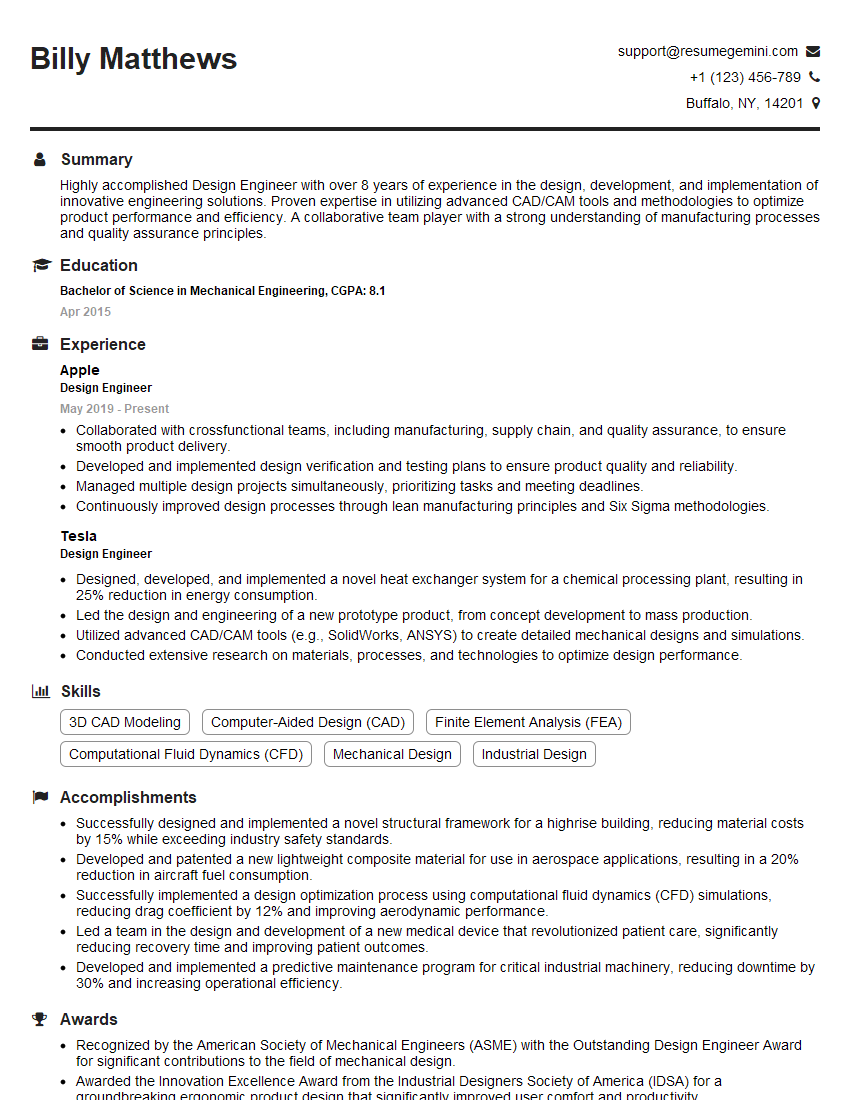
Design Engineer Resume Sample
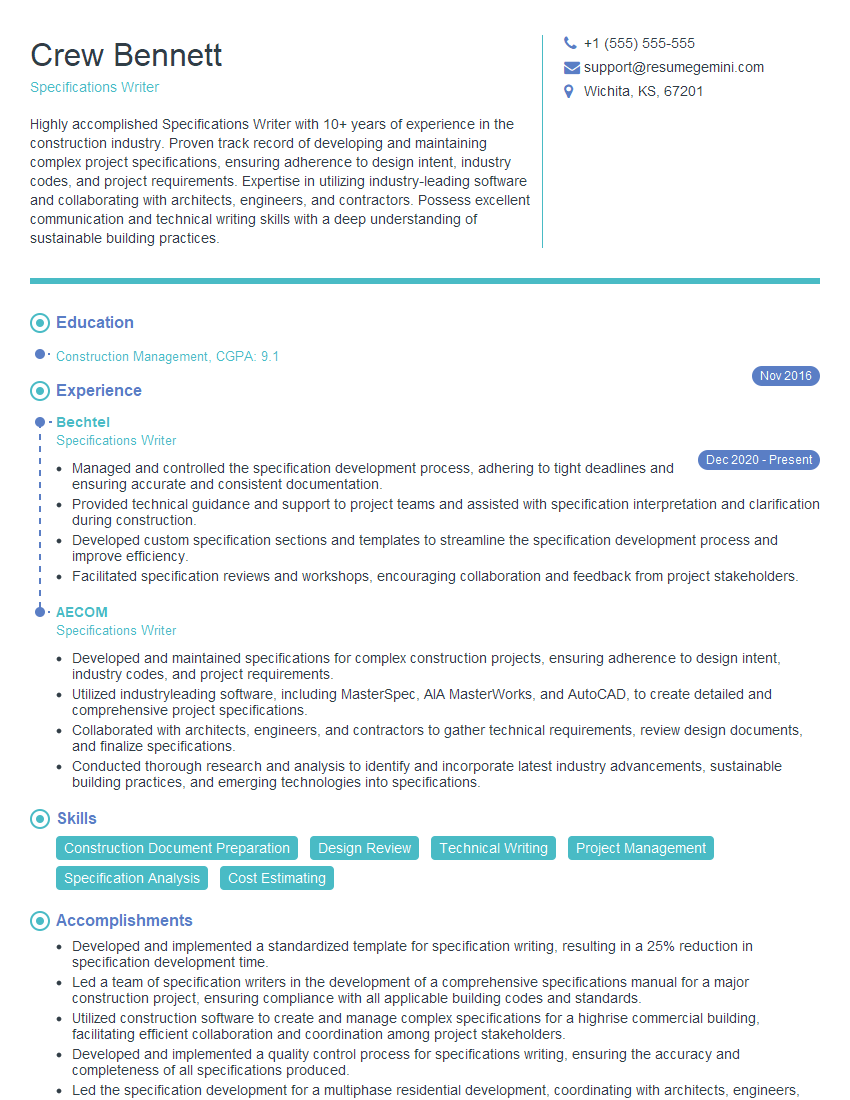
Specifications Writer Resume Sample
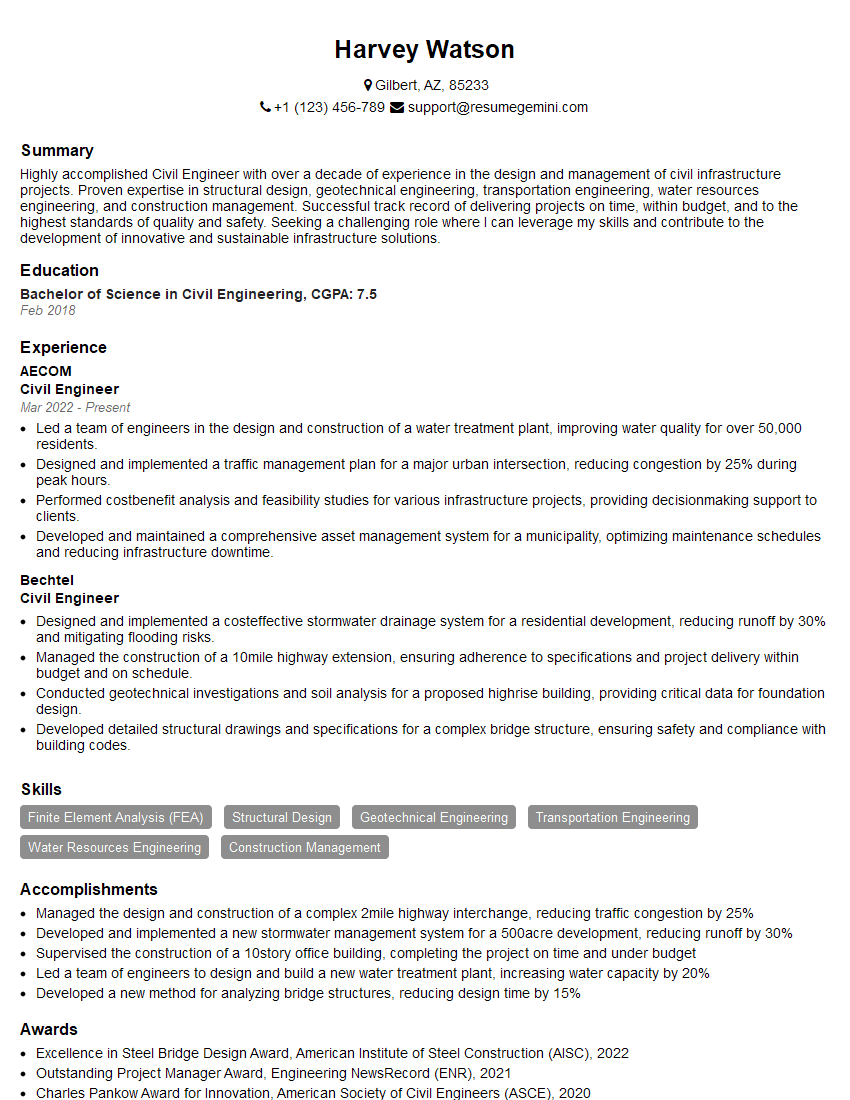
Civil Engineer Resume Sample
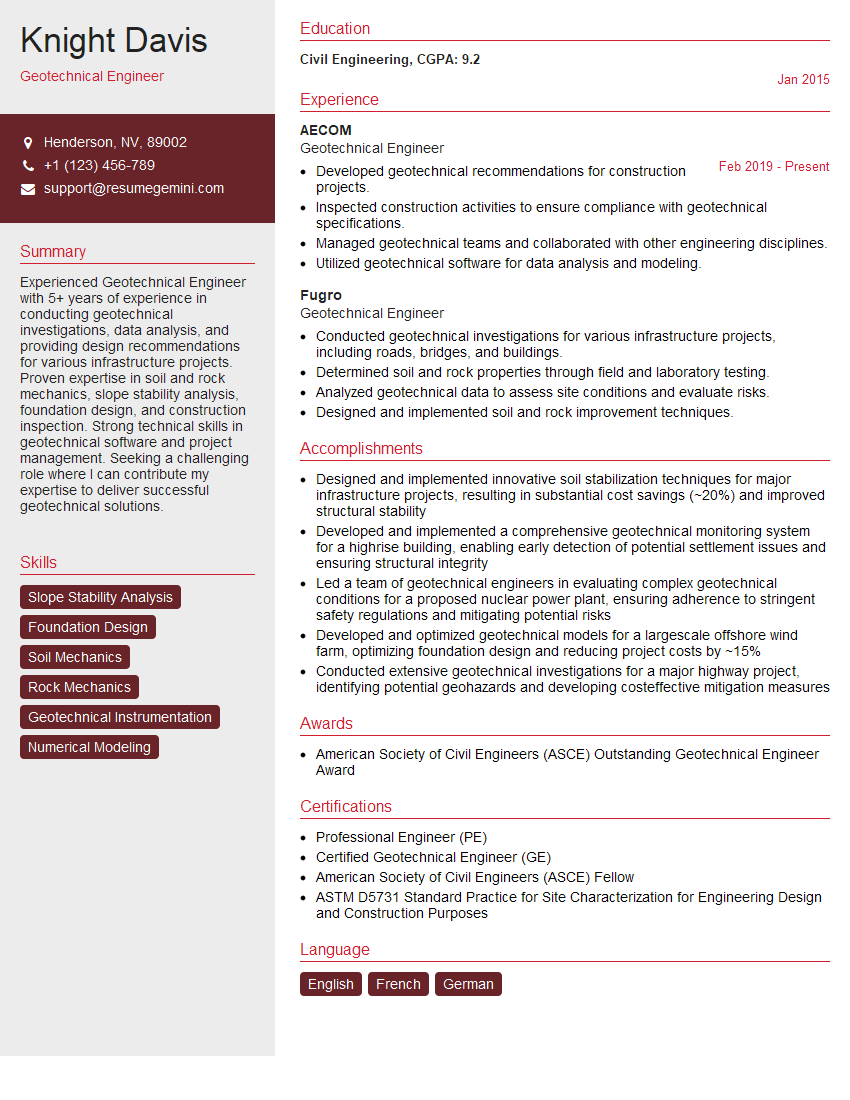
Geotechnical Engineer Resume Sample
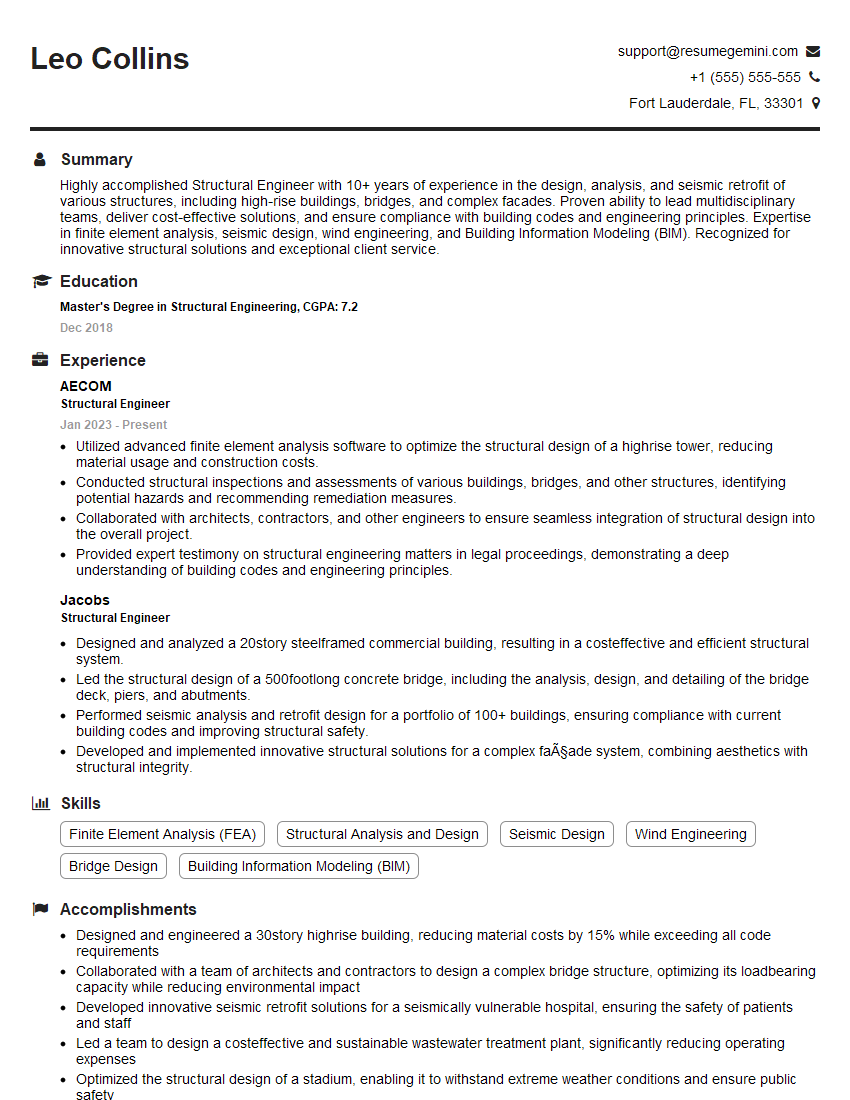
Structural Engineer Resume Sample
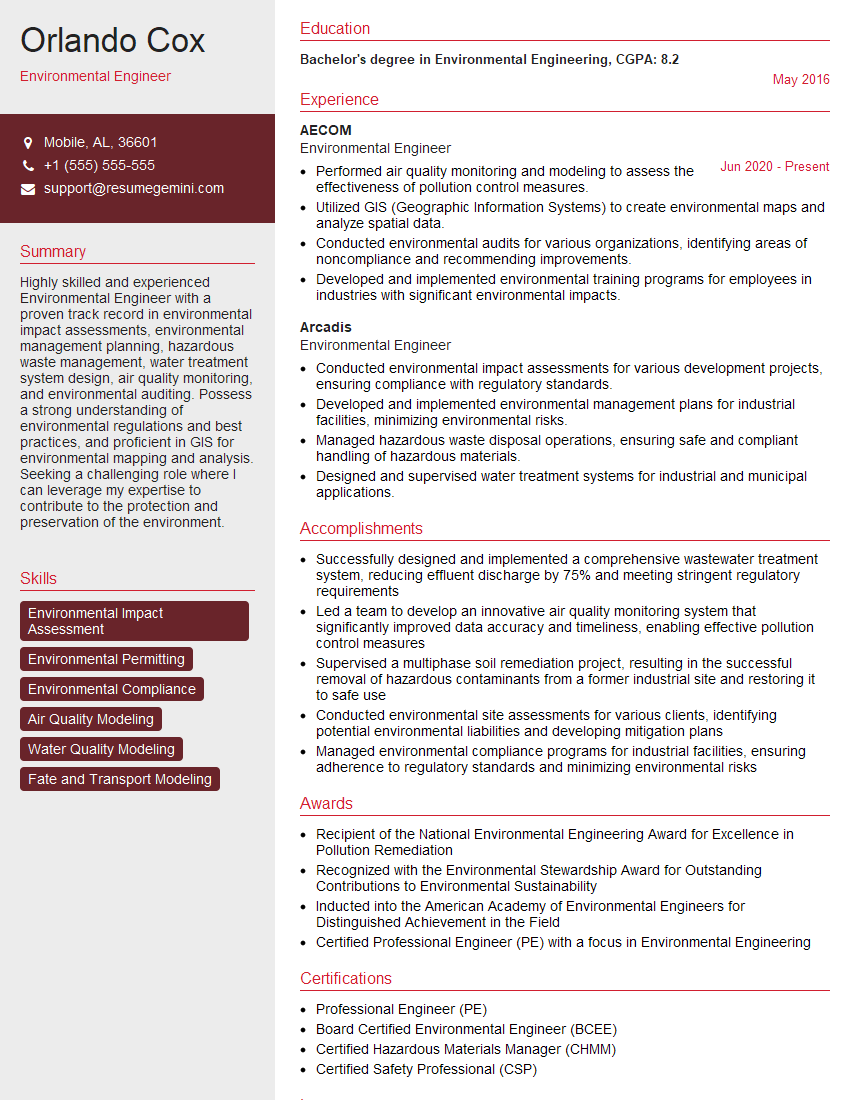
Environmental Engineer Resume Sample
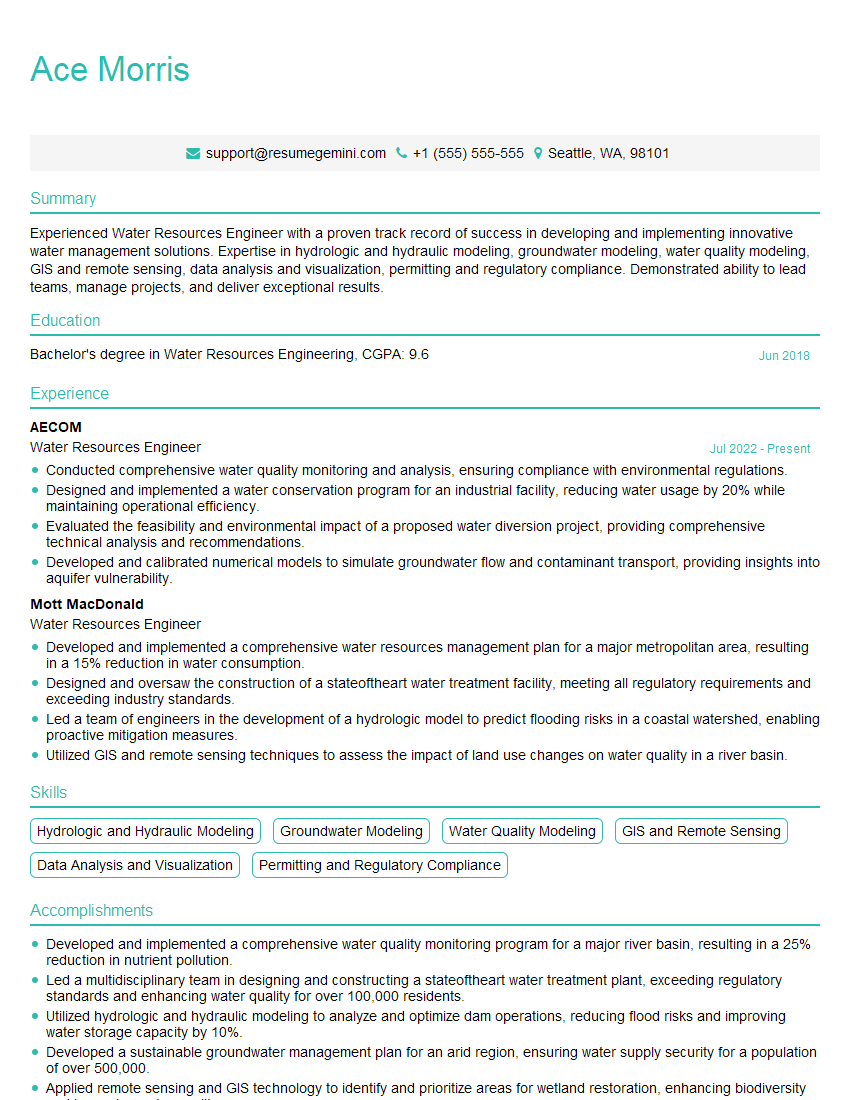
Water Resources Engineer Resume Sample
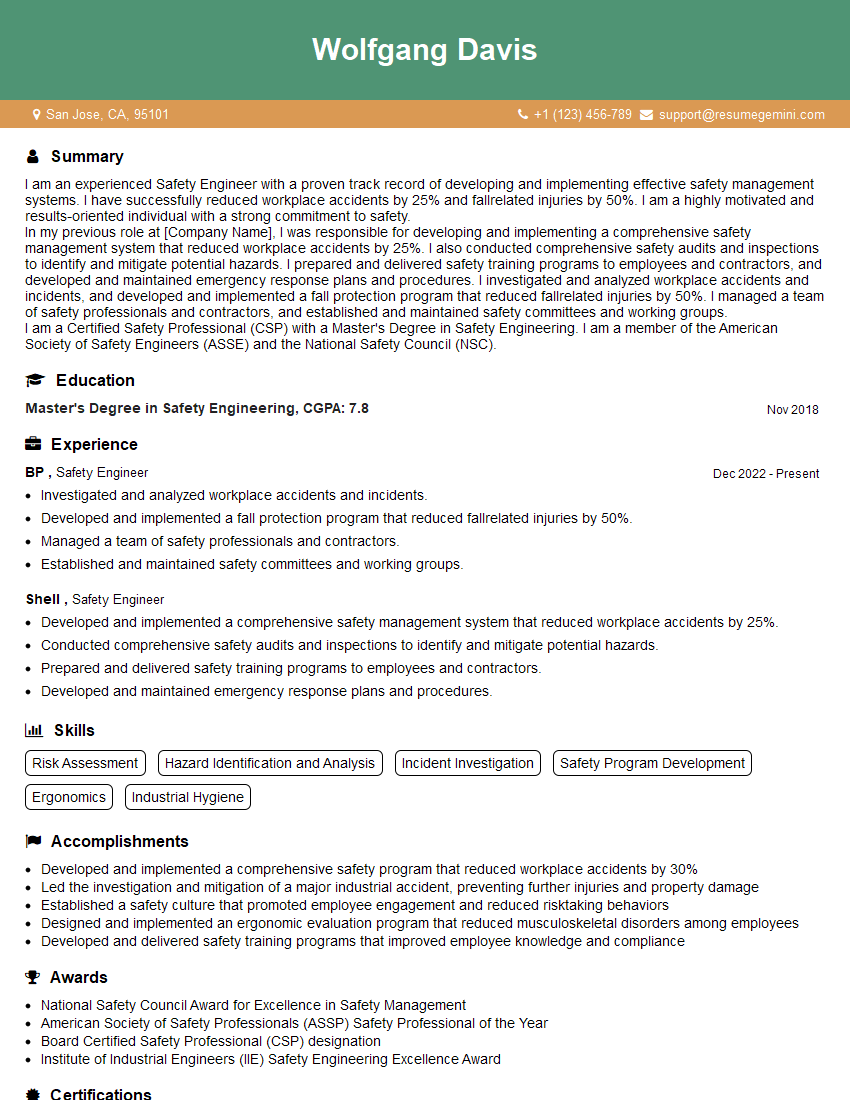
Safety Engineer Resume Sample
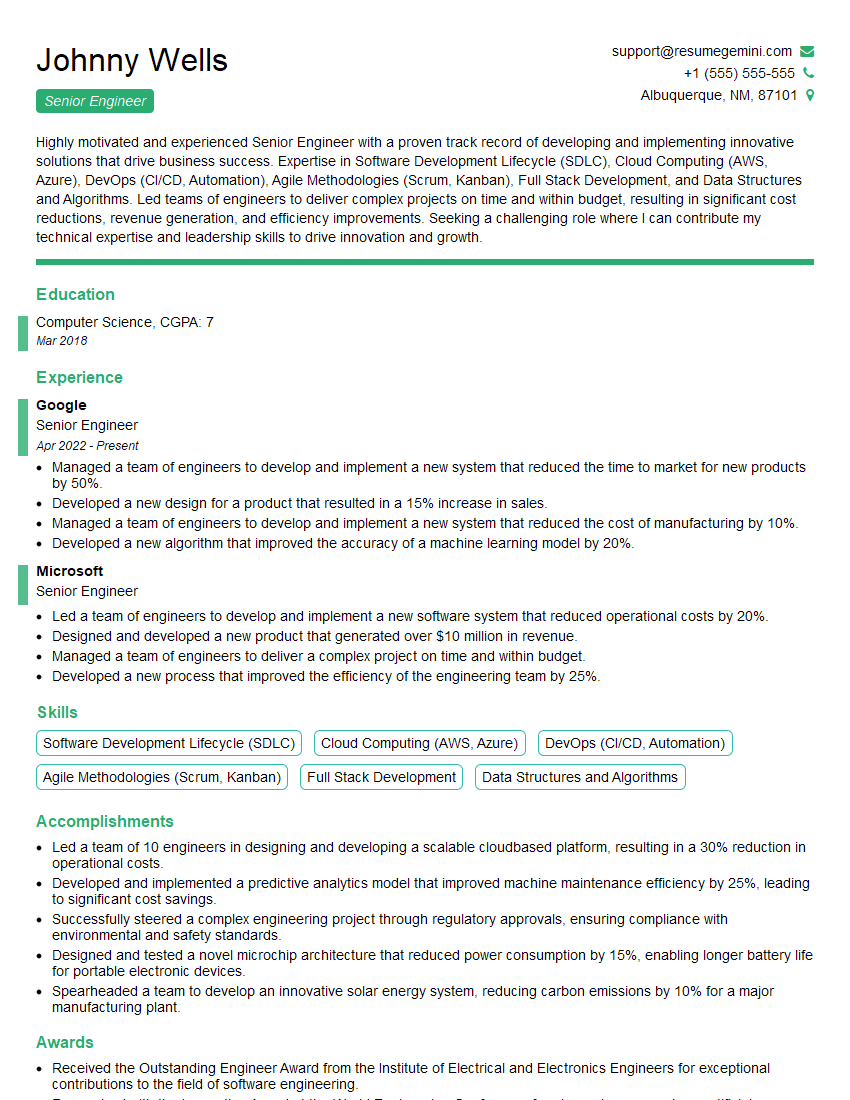
Senior Engineer Resume Sample
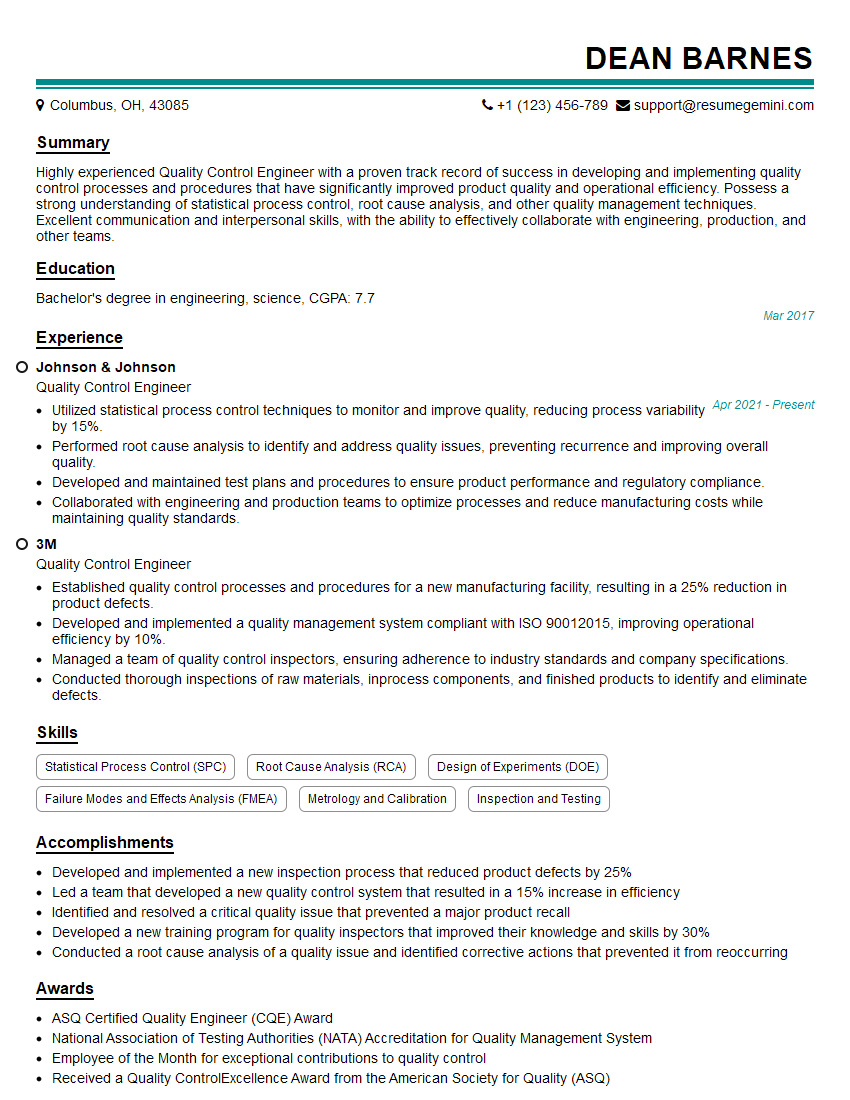
Quality Control Engineer Resume Sample
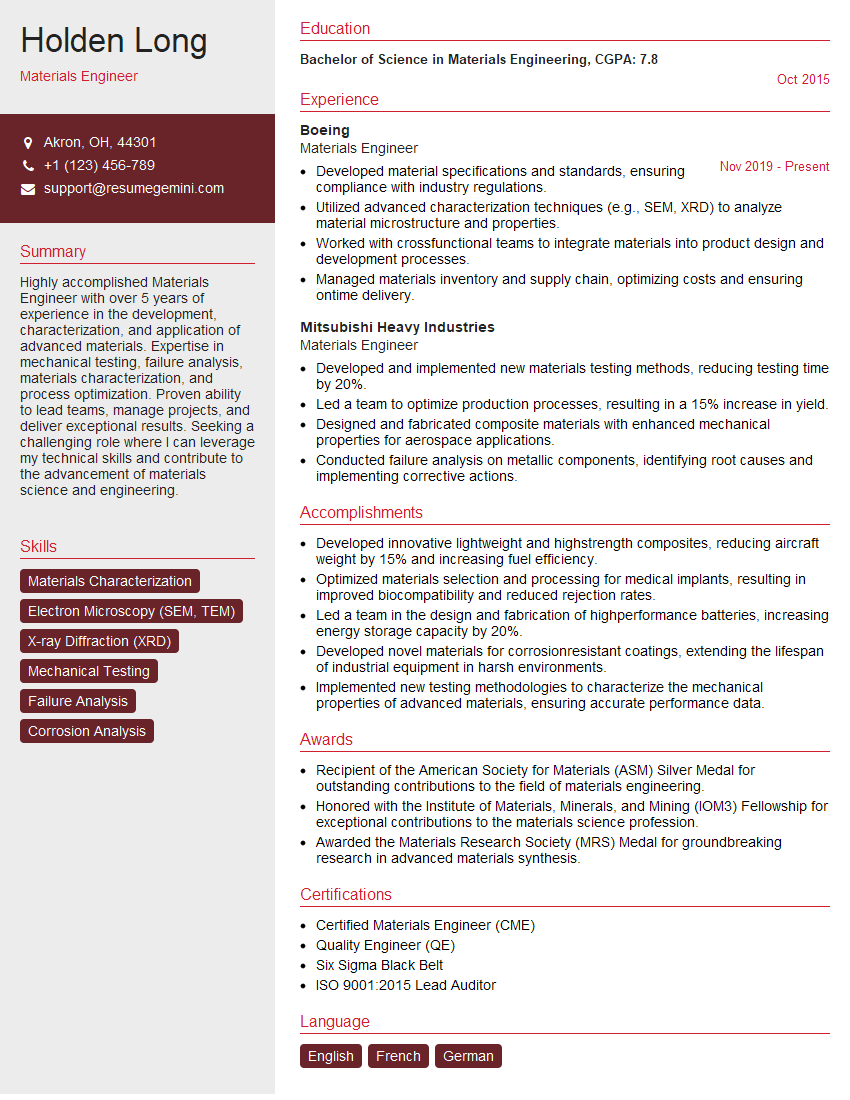
Materials Engineer Resume Sample

Quality Assurance Engineer Resume Sample
- Contract Administrator
- Transportation Engineer
- Construction Manager
- Engineering Manager
- Project Engineer
- Design Engineer
- Specifications Writer
- Civil Engineer
- Geotechnical Engineer
- Structural Engineer
- Environmental Engineer
- Water Resources Engineer
- Safety Engineer
- Senior Engineer
- Quality Control Engineer
- Materials Engineer
- Quality Assurance Engineer
Explore more articles
Users Rating of Our Blogs
Share Your Experience
We value your feedback! Please rate our content and share your thoughts (optional).
What Readers Say About Our Blog
Very informative content, great job.
good