The thought of an interview can be nerve-wracking, but the right preparation can make all the difference. Explore this comprehensive guide to Milk Production Management interview questions and gain the confidence you need to showcase your abilities and secure the role.
Questions Asked in Milk Production Management Interview
Q 1. Describe your experience in managing a dairy herd of at least X cows.
Throughout my career, I’ve been fortunate to manage dairy herds ranging in size from 200 to over 1000 cows. My experience encompasses various operational aspects, from pasture management and herd health to milk production optimization and financial management. For instance, while managing a 500-cow herd, I implemented a precision feeding system that resulted in a 15% increase in milk production within six months. This involved careful analysis of individual cow data, tailored ration formulations, and regular monitoring of feed intake. The success of this project stemmed from a deep understanding of the cows’ nutritional needs at different stages of lactation and a commitment to data-driven decision-making. In another instance, I oversaw the transition of a 300-cow herd from conventional to robotic milking, a process that required meticulous planning, staff training, and close monitoring of the system’s performance to ensure seamless integration and optimize efficiency. This involved close collaboration with veterinarians, nutritionists and robotic system engineers.
Q 2. What are the key performance indicators (KPIs) you monitor in milk production?
Key Performance Indicators (KPIs) in milk production are crucial for monitoring herd health, productivity, and overall profitability. I typically focus on a range of metrics, including:
- Milk yield per cow per day/lactation: This provides a direct measure of productivity.
- Milk components (fat, protein): Essential for assessing milk quality and value.
- Somatic cell count (SCC): A crucial indicator of udder health and milk quality. High SCC signifies potential mastitis issues.
- Reproductive performance: Metrics such as calving interval, conception rate, and days open are vital for maintaining herd fertility and replacement rates. For example, targeting a calving interval of under 13 months is a key objective.
- Feed conversion ratio (FCR): Shows the efficiency of feed utilization in producing milk. A lower FCR indicates better efficiency.
- Mortality rate: Tracking cow mortality helps identify potential health or management issues.
- Culling rate: High culling rates may indicate underlying health or management problems that require attention. A healthy culling rate helps maintain a productive herd.
Regular monitoring of these KPIs allows for proactive adjustments to improve efficiency and profitability. For example, a sudden increase in SCC might prompt an immediate investigation into potential mastitis outbreaks and implementation of treatment protocols.
Q 3. Explain your approach to optimizing milk yield and quality.
Optimizing milk yield and quality requires a holistic approach. My strategy involves:
- Nutritional management: Providing balanced rations tailored to different physiological stages (pregnancy, lactation, dry period). This includes using high-quality forages, optimizing concentrate levels and supplementing with essential minerals and vitamins.
- Breeding management: Employing effective reproductive programs to minimize calving intervals and maximize the number of lactations per cow. This involves using reproductive technologies such as artificial insemination and estrus detection.
- Herd health management: Implementing preventative measures such as vaccination programs and regular health checks to minimize diseases and ensure optimal cow health. This includes meticulous hoof trimming and footbaths to prevent lameness.
- Comfort and welfare: Providing comfortable housing, adequate ventilation, and access to clean water. Stressed cows produce less milk, and their health is compromised.
- Data analysis and technology: Utilizing data from herd management software and sensors to monitor individual cow performance and identify areas for improvement. Precision dairy farming is crucial.
For example, implementing a tailored feeding program based on individual cow milk production and body condition score can significantly improve milk yield. Similarly, a proactive approach to managing mastitis through timely detection, treatment, and hygiene protocols can prevent significant milk production losses and improve milk quality.
Q 4. How do you manage feed costs and ensure optimal nutrition for your dairy herd?
Managing feed costs while ensuring optimal nutrition is a constant balancing act. My approach incorporates:
- Forage production and management: Growing high-quality forages on-farm whenever possible reduces reliance on expensive purchased feed. This includes proper pasture management, soil testing, and the use of appropriate fertilization techniques.
- Feed formulation: Working with nutritionists to create cost-effective rations that meet the nutritional needs of the herd while minimizing waste. Analyzing feed prices and adjusting rations based on market fluctuations is essential.
- Feed efficiency monitoring: Regularly monitoring feed intake and milk production to assess feed conversion ratio (FCR) and make necessary adjustments to the ration. Reducing feed waste through proper storage and feeding practices also significantly impacts costs.
- Alternative feed sources: Exploring cost-effective alternatives like by-products from local industries whenever appropriate and safe, while maintaining high nutritional standards.
- Inventory management: Implementing efficient inventory management systems to prevent spoilage and reduce losses.
For instance, switching from a high-priced commercial feed to a locally produced equivalent with similar nutritional value can drastically lower feed costs without compromising milk production. Regularly evaluating the cost-effectiveness of different feed ingredients enables making data-driven decisions to optimize cost and quality.
Q 5. Describe your experience with dairy herd reproductive management programs.
Effective reproductive management is critical for dairy profitability. My experience encompasses implementing and monitoring various programs, including:
- Heat detection: Using a combination of visual observations, activity monitors, and potentially even technology such as tail paint and activity sensors, to accurately identify cows in estrus.
- Timed artificial insemination (TAI): Utilizing timed AI protocols to increase the chances of conception and reduce labor costs associated with heat detection. Synchronization protocols are crucial.
- Pregnancy diagnosis: Regularly conducting pregnancy checks using ultrasound or blood tests to identify non-pregnant cows early and implement appropriate strategies. This minimizes time spent on non-productive cows.
- Reproductive health monitoring: Tracking key reproductive KPIs such as calving interval, conception rate, services per conception, and days open to identify potential issues and implement corrective measures. This enables proactive herd management and prevention of issues.
- Data analysis: Employing herd management software to track reproductive data and identify patterns or trends that may indicate problems with specific cows or overall herd fertility.
For example, implementing a TAI program resulted in a significant improvement in conception rates compared to relying solely on natural service. This strategy also reduces labor costs associated with heat detection. Closely monitoring reproductive data allows for prompt identification and management of reproductive diseases or nutritional deficiencies.
Q 6. How do you manage and prevent common dairy cattle diseases?
Disease management is paramount in maintaining a healthy and productive dairy herd. My approach emphasizes:
- Preventative measures: Implementing vaccination programs against common diseases like mastitis, leptospirosis, and BVD. This includes timely and efficient vaccination schedules.
- Biosecurity: Maintaining strict biosecurity protocols to prevent the introduction of new diseases onto the farm. This involves restricting access to the farm and implementing quarantine procedures for new animals.
- Early detection and treatment: Regular health checks, utilizing tools such as body condition scoring, and prompt treatment of sick animals. Early detection is crucial for preventing larger outbreaks and reducing losses.
- Hygiene protocols: Implementing strict hygiene procedures in the milking parlor and throughout the farm to minimize the spread of pathogens. Proper cleaning and disinfection are essential to maintain hygiene.
- Veterinary collaboration: Close collaboration with a veterinarian to develop and implement herd health plans, and address specific disease challenges.
For example, implementing a comprehensive mastitis control program, involving regular udder health checks, proper antibiotic use, and hygienic milking practices, significantly reduced the incidence of mastitis in the herd. This improved milk quality and increased milk production.
Q 7. What are your strategies for maintaining high standards of milk quality and safety?
Maintaining high standards of milk quality and safety is critical for consumer confidence and market access. My strategy incorporates:
- Udder health management: Implementing a robust mastitis control program to minimize somatic cell counts (SCC) and ensure high-quality milk. SCC is a key indicator of udder health.
- Milking hygiene: Adhering to strict milking hygiene protocols, including proper pre- and post-milking teat disinfection to prevent bacterial contamination. Maintaining clean equipment and surroundings is essential.
- Milk cooling and storage: Rapid cooling of milk immediately after milking and storing it at appropriate temperatures to prevent bacterial growth. This is vital in maintaining milk quality.
- Compliance with regulations: Strict adherence to all relevant food safety regulations and standards, including record-keeping, traceability, and testing procedures. This ensures safe and high-quality milk.
- Employee training: Providing thorough training to all employees on proper hygiene practices, milk handling procedures, and food safety regulations. Proper staff training is critical in maintaining high standards.
For example, regular monitoring of SCC and implementing corrective actions when necessary ensures consistent high milk quality and meets the standards required by buyers and regulatory bodies. Proactive adherence to safety protocols and effective training programs contribute to continuous improvements in milk quality and safety.
Q 8. How do you implement and manage a dairy farm’s budget?
Dairy farm budgeting requires a meticulous approach, encompassing both short-term operational expenses and long-term investments. It’s akin to household budgeting, but on a much larger scale, requiring forecasting, tracking, and adjustments.
- Forecasting: This involves estimating income from milk sales, cull cows, and other products, alongside projected costs like feed, labor, veterinary care, fuel, and repairs. I use historical data, market projections, and anticipated production levels to create realistic forecasts.
- Budgeting Categories: I segment the budget into clear categories for easier tracking and analysis. These include feed costs (a significant portion), labor expenses, veterinary and breeding costs, utilities, equipment maintenance, and marketing/administration. For example, feed costs are broken down by type of feed, allowing for detailed analysis of efficiency.
- Tracking and Monitoring: Regular monitoring is critical. I use accounting software to track expenses against the budget, identifying variances early. This allows for proactive adjustments, preventing budget overruns. For example, if feed costs are exceeding the budget, we investigate reasons – perhaps a change in feed prices or lower-than-expected milk production – and adjust purchasing strategies or feeding practices accordingly.
- Variance Analysis: Understanding why costs deviate from the budget is crucial. I use variance analysis to pinpoint areas requiring attention, such as unexpected veterinary bills or increased fuel costs due to transportation issues. This informs future budgeting and operational improvements.
For example, on a farm I managed, we initially overestimated milk production. By analyzing the variance between budgeted and actual production, we identified a nutritional deficiency impacting milk yield. Addressing this nutritional issue through diet adjustments improved milk production and ultimately brought the budget back on track.
Q 9. Explain your experience with dairy farm technology and automation.
My experience with dairy farm technology spans various automation systems designed to enhance efficiency and productivity. I’ve worked with automated milking systems (AMS), feed management systems, and herd management software. These systems provide significant advantages over traditional methods.
- Automated Milking Systems (AMS): These systems automate the milking process, allowing for increased milking frequency and reduced labor costs. Data from the AMS provides valuable insights into individual cow performance, enabling targeted interventions for improved milk production.
- Feed Management Systems: Automated feed mixing and distribution systems ensure consistent feed quality and quantity, optimizing cow nutrition. These systems often integrate with herd management software to track feed consumption and tailor diets based on individual cow needs.
- Herd Management Software: This software centralizes various data points, including milk production, reproductive health, and individual animal health records. The integrated system provides valuable decision support for reproductive management, animal health, and overall herd management.
For instance, I implemented an AMS in a farm that experienced significant labor shortages. The AMS not only reduced labor requirements but also improved milk yield due to more frequent and efficient milking. The data generated by the AMS allowed us to identify cows with mastitis early, leading to prompt treatment and reduced economic losses.
Q 10. Describe your methods for tracking and analyzing dairy farm data.
Data tracking and analysis are paramount to efficient dairy farm management. This involves collecting data from various sources, using software to analyze that data, and using insights to make informed decisions.
- Data Sources: Data is gathered from various sources including automated milking systems (AMS), activity monitors, weighing scales, reproductive tracking systems, and manual recording of health events. Data points include milk yield, milk composition, somatic cell count (SCC), activity levels, reproductive performance, and health records.
- Data Management Software: I use dedicated herd management software to store, organize, and analyze this data. This software allows for easy visualization of trends and enables early identification of potential problems.
- Data Analysis: I regularly analyze data to identify patterns and trends. This helps identify high-producing cows, cows with reproductive problems, and cows requiring veterinary attention. For example, tracking SCC allows for early detection and treatment of mastitis, preventing further economic losses.
- Key Performance Indicators (KPIs): I focus on key performance indicators such as milk yield per cow, milk solids production, reproductive efficiency, and somatic cell count to monitor farm performance and identify areas for improvement.
In one instance, through data analysis, we identified a correlation between low activity levels and reduced milk production in a specific group of cows. Further investigation revealed a nutritional deficiency, which was then corrected, resulting in improved milk yield and overall herd health.
Q 11. How do you ensure compliance with relevant dairy industry regulations?
Compliance with dairy industry regulations is non-negotiable. This involves understanding and adhering to all relevant local, regional, and national regulations pertaining to milk quality, animal welfare, environmental protection, and labor laws. It’s a continuous process requiring vigilance and proactive measures.
- Record Keeping: Meticulous record-keeping is crucial. This includes detailed records of animal health, feed management, milk production, and employee training. Records must be accurate and readily accessible for audits.
- Employee Training: Employees must be well-trained in all relevant regulations and standard operating procedures. Regular training and updates ensure everyone understands and adheres to the rules.
- Regular Audits: Proactive participation in regular audits (both internal and external) ensures adherence to regulations and identifies areas for improvement before compliance issues arise. Addressing any deficiencies immediately is vital.
- Environmental Compliance: This involves adhering to regulations concerning manure management, water usage, and waste disposal. Sustainable practices, such as implementing anaerobic digesters, can aid in environmental compliance while offering economic benefits.
For example, we implemented a comprehensive manure management plan to ensure compliance with environmental regulations regarding nutrient runoff. This plan, while requiring an initial investment, minimized the risk of hefty fines and protected the surrounding environment.
Q 12. How do you manage employee relations and training within a dairy operation?
Effective employee relations and training are cornerstones of successful dairy farm management. A motivated and well-trained workforce is crucial for efficient and profitable operations. My approach emphasizes open communication, fair treatment, and continuous professional development.
- Open Communication: Maintaining open and honest communication channels is vital. Regular meetings, feedback sessions, and readily available management ensure all employees feel heard and valued.
- Fair Compensation and Benefits: Competitive wages, health insurance, and other benefits attract and retain skilled employees. A fair compensation structure fosters loyalty and improves morale.
- Training and Development: Regular training programs covering animal handling, milking techniques, farm safety, and regulatory compliance are essential. Opportunities for professional development show a commitment to employee growth.
- Employee Recognition: Recognizing and rewarding employees for their hard work and contributions creates a positive work environment and boosts morale. Simple gestures like acknowledging good work go a long way.
In a previous role, I implemented a mentorship program, pairing experienced workers with newer employees. This improved employee training while fostering a collaborative and supportive team environment.
Q 13. Explain your experience in handling and resolving conflicts within a dairy team.
Conflict resolution is an inevitable part of managing any team, including a dairy farm. My approach prioritizes open communication, active listening, and finding mutually agreeable solutions. It’s about addressing issues promptly and fairly to maintain a harmonious work environment.
- Identifying the Root Cause: The first step is to understand the underlying cause of the conflict. This often requires active listening to all parties involved, ensuring everyone feels heard and understood.
- Mediation and Facilitation: I act as a mediator, guiding the discussion towards a constructive resolution. This involves facilitating open communication, ensuring everyone feels respected, and helping them find common ground.
- Fair and Consistent Application of Rules: Addressing conflicts fairly and consistently builds trust and respect. All parties must understand and agree upon the established procedures and expectations.
- Follow-Up and Monitoring: After resolving a conflict, it’s crucial to monitor the situation to ensure the solution is effective and that similar issues do not arise in the future.
One situation involved a disagreement between two employees regarding milking procedures. By carefully listening to both sides, identifying the source of confusion, and clarifying the protocols, I successfully resolved the conflict and improved team collaboration.
Q 14. Describe your strategies for improving dairy farm sustainability.
Improving dairy farm sustainability is crucial for the long-term viability of the industry and the environment. My strategies focus on optimizing resource use, minimizing environmental impact, and promoting animal welfare. It’s a multifaceted approach that considers economic viability and environmental responsibility.
- Feed Efficiency: Improving feed efficiency reduces the amount of feed needed to produce a unit of milk. This minimizes feed costs and reduces the environmental impact associated with feed production and transportation. Techniques include precise feeding based on individual cow needs and utilization of by-products from other agricultural industries.
- Manure Management: Effective manure management systems, such as anaerobic digesters, reduce greenhouse gas emissions and provide valuable biogas for energy production. Proper manure storage and application minimize nutrient runoff and protect water quality.
- Precision Dairy Farming: Utilizing technology like sensors and data analytics helps optimize resource use, identify areas for improvement, and make data-driven decisions to minimize waste and environmental impact.
- Renewable Energy: Integrating renewable energy sources such as solar or wind power reduces reliance on fossil fuels and decreases carbon footprint.
- Water Conservation: Implementing efficient irrigation systems and recycling water where possible reduces water consumption.
For instance, in a farm I worked with, we implemented an anaerobic digester to process manure, reducing greenhouse gas emissions and generating biogas for electricity. This not only reduced the farm’s carbon footprint but also provided an additional revenue stream.
Q 15. How do you adapt your management strategies to changing market conditions?
Adapting to changing market conditions in dairy production requires a proactive and data-driven approach. It’s not enough to simply react to price fluctuations; we must anticipate them and build resilience into the operation. This involves several key strategies.
Market Research and Forecasting: Closely monitoring milk prices, commodity costs (feed, fuel), and consumer demand allows us to predict potential challenges and opportunities. Subscription to market reports, attending industry conferences, and networking with buyers are crucial.
Diversification of Products and Markets: Relying solely on bulk milk sales is risky. Diversifying into value-added products like cheese, yogurt, or ice cream reduces reliance on fluctuating raw milk prices and opens up access to different markets. Direct-to-consumer sales (farmers’ markets, CSAs) can also build customer loyalty and provide price stability.
Efficient Cost Management: Analyzing operating costs – feed, labor, energy, veterinary care – and implementing cost-saving measures is essential. This includes optimizing feed rations, improving energy efficiency, and exploring alternative suppliers. Negotiating better deals with suppliers is another critical area.
Strategic Planning and Risk Management: Developing a robust business plan that considers different market scenarios allows us to make informed decisions and adapt quickly to changing circumstances. This also includes having contingency plans for potential disruptions like disease outbreaks or feed shortages.
For example, during a period of low milk prices, I shifted a portion of our production towards making artisanal cheeses, which command higher prices and tap into a growing niche market. This helped offset losses from lower bulk milk prices and even increased overall profitability.
Career Expert Tips:
- Ace those interviews! Prepare effectively by reviewing the Top 50 Most Common Interview Questions on ResumeGemini.
- Navigate your job search with confidence! Explore a wide range of Career Tips on ResumeGemini. Learn about common challenges and recommendations to overcome them.
- Craft the perfect resume! Master the Art of Resume Writing with ResumeGemini’s guide. Showcase your unique qualifications and achievements effectively.
- Don’t miss out on holiday savings! Build your dream resume with ResumeGemini’s ATS optimized templates.
Q 16. What is your experience with different dairy breeds and their management needs?
My experience encompasses managing herds of several dairy breeds, each with its own unique characteristics and management needs. Holstein Friesians, known for their high milk production, require careful attention to nutrition and udder health to maintain their output. Their size also necessitates robust facilities and equipment. In contrast, Jersey cattle are smaller, more efficient converters of feed, and better adapted to warmer climates, though their milk volume is lower. Brown Swiss are another breed I’ve worked with that are robust and known for high-quality milk, though again with less total output than Holsteins.
Effective management entails tailoring strategies to specific breeds: for example, the feeding regimen will differ depending on the breed’s milk production potential and metabolic needs. Genetic selection, breeding programs, and health protocols should also account for breed-specific strengths and vulnerabilities. For example, Holsteins can be prone to certain metabolic disorders, necessitating proactive monitoring and preventative measures.
Q 17. Explain your approach to selecting and breeding dairy cattle.
Selecting and breeding dairy cattle is a multifaceted process aimed at improving milk yield, quality, and overall herd health. It starts with careful selection of breeding animals based on performance records (milk production, fat and protein content, somatic cell count), pedigree, and physical characteristics. I use genetic evaluations (like Dairy Herd Improvement Association, DHIA, data) to identify superior animals with desirable traits.
Artificial Insemination (AI): AI allows access to superior genetics regardless of geographical location, improving the herd’s overall genetic potential. I select sires with proven records of transmitting desirable traits to their offspring.
Embryo Transfer: This technology allows for rapid genetic improvement by transferring embryos from high-producing cows to recipient cows. It maximizes the reproductive potential of elite animals.
Genomic Selection: Using genomic testing provides early identification of an animal’s genetic merit, allowing for quicker and more informed breeding decisions. This aids in accelerating genetic progress within the herd.
Health and Fertility Management: Maintaining a healthy and fertile herd is crucial for successful breeding. This involves routine health checks, vaccinations, and appropriate nutrition, all of which directly influence reproductive performance and overall genetic progress.
For example, I recently used genomic selection to identify a young heifer with exceptional genetic potential for milk production and disease resistance. This allowed me to prioritize her in my breeding program, accelerating the genetic improvement of the herd.
Q 18. How do you assess the health and well-being of your dairy herd?
Assessing the health and well-being of a dairy herd is a continuous process that involves proactive monitoring and rapid response to any detected issues. A multi-pronged approach is necessary for optimal health management.
Routine Physical Examinations: Regular checks by a veterinarian allow for early detection of diseases and health problems. This includes checking for lameness, udder health, body condition, and overall demeanor.
Milk Quality Monitoring: Somatic cell count (SCC) in milk is a key indicator of udder health and potential mastitis (inflammation of the udder). Regular testing helps identify early signs of infection and allows for prompt treatment.
Production Records: Tracking milk production, feed intake, and reproductive performance helps identify potential health issues. Sudden dips in milk production or changes in feeding behavior may indicate underlying health problems.
Behavioral Observation: Changes in behavior (e.g., lethargy, decreased appetite, isolation) can signal illness. Careful observation by farm staff allows for early identification of potential problems.
Preventative Measures: Vaccinations, proper hoof care, and biosecurity measures help prevent disease outbreaks and maintain herd health.
For instance, a sudden rise in SCC in a particular cow prompted immediate treatment for mastitis, preventing further infection and economic losses.
Q 19. What is your experience with managing manure management systems?
Manure management is crucial for environmental sustainability and regulatory compliance. Effective strategies incorporate responsible storage, treatment, and utilization of manure.
Storage: Properly designed storage facilities (lagoons, solid manure storage) prevent runoff and minimize environmental pollution. Regular maintenance is essential to prevent leaks and ensure containment.
Treatment: Various treatment options are available, including anaerobic digesters (producing biogas), composting, and liquid manure application. The choice depends on factors like farm size, location, and regulatory requirements.
Utilization: Manure is a valuable source of nutrients. Appropriate land application practices (e.g., nutrient management plans) maximize its value as a fertilizer while minimizing environmental impact.
Regulatory Compliance: Staying updated on local and national environmental regulations regarding manure storage, treatment, and application is critical to prevent legal issues and environmental damage.
In my previous role, we implemented an anaerobic digester system, converting manure into biogas for energy generation and reducing greenhouse gas emissions. This improved our environmental footprint and generated additional income.
Q 20. Describe your experience with dairy farm infrastructure maintenance and upgrades.
Maintaining and upgrading dairy farm infrastructure is essential for efficient production and animal welfare. Regular maintenance extends the lifespan of equipment and buildings, reducing long-term costs. Upgrading infrastructure improves efficiency, productivity, and worker safety.
Building Maintenance: Regular inspections and repairs prevent structural damage and ensure optimal functionality of barns, milking parlors, and storage facilities.
Equipment Maintenance: Preventive maintenance schedules for milking equipment, feeding systems, and other machinery minimize downtime and maximize operational efficiency. This includes lubrication, cleaning, and timely replacement of worn parts.
Upgrades: Strategic upgrades improve operational efficiency and animal welfare. This can include installing automated feeding systems, improving ventilation, or upgrading milking parlors to increase throughput.
Safety Improvements: Regular safety inspections and implementation of safety protocols ensure a safe working environment for all staff.
For example, I oversaw the installation of a new automated feeding system that reduced labor costs and improved feed efficiency. We also upgraded the milking parlor, increasing milking capacity and reducing the time required to milk the herd.
Q 21. Explain your knowledge of different milking systems and their maintenance.
Different milking systems cater to various herd sizes, labor availability, and budget constraints. My experience encompasses several systems, including rotary, parallel, and robotic milking systems.
Rotary Milking Systems: Efficient for large herds, rotary systems offer high throughput and can reduce labor requirements. Maintenance involves regular lubrication, cleaning, and inspection of the rotating platform and milking units.
Parallel Milking Systems: Suitable for medium-sized herds, parallel systems offer a balance between efficiency and labor needs. Maintenance is similar to rotary systems, focusing on cleaning and lubrication of milking units and the system’s overall plumbing.
Robotic Milking Systems: Automated systems provide flexibility and reduce labor demands, but require significant upfront investment. Maintenance is crucial to ensure system reliability and involves regular cleaning, calibration, and software updates.
Each system requires a tailored maintenance program to maximize its efficiency and lifespan. Regular cleaning and sanitization are paramount to prevent bacterial contamination and maintain milk quality. For example, in a robotic milking system, regular calibration of the robotic arm and sensors ensures accurate milk yield recording and prevents damage to the cows’ udders.
Q 22. How do you ensure the safety and well-being of your workers?
Ensuring worker safety and well-being is paramount in dairy farming. It’s not just an ethical imperative, but also crucial for productivity and reducing liability. My approach is multifaceted and centers around proactive measures, training, and ongoing monitoring.
- Comprehensive Safety Training: All employees receive thorough training on safe operating procedures for all machinery, including milking equipment, tractors, and feed mixers. This includes hazard identification, risk assessment, and emergency response protocols. We conduct regular refresher courses to ensure knowledge remains current and relevant.
- Personal Protective Equipment (PPE): Providing and enforcing the use of appropriate PPE is non-negotiable. This includes steel-toed boots, gloves, safety glasses, and hearing protection, depending on the task. Regular inspections ensure PPE is in good condition.
- Ergonomic Practices: We invest in ergonomic equipment and promote best practices to minimize repetitive strain injuries. This includes adjustable milking stands, proper lifting techniques training, and regular breaks to prevent fatigue. We also assess workstation design for optimal comfort and efficiency.
- Regular Safety Audits and Inspections: Scheduled safety audits and inspections identify potential hazards and ensure compliance with all relevant regulations. Corrective actions are immediately implemented to mitigate identified risks.
- Open Communication and Reporting System: We foster a culture where employees feel comfortable reporting safety concerns without fear of reprisal. A robust system allows for immediate investigation and resolution of any issues.
For example, we recently implemented a new system for cleaning and sanitizing milking equipment, which reduced the risk of slips and falls significantly. Prioritizing worker well-being translates into a safer, more productive, and more engaged workforce.
Q 23. Describe your experience in dealing with emergencies on a dairy farm.
Dairy farms are inherently prone to various emergencies, requiring swift and effective responses. My experience encompasses handling a range of incidents, from equipment malfunctions to animal health crises.
- Equipment Malfunctions: I’ve dealt with situations involving broken milking machines, faulty feed dispensers, and tractor breakdowns. Our emergency protocols involve immediate shutdowns, assessment of damage, and contacting qualified repair personnel. We also have backup systems in place to minimize downtime.
- Animal Health Emergencies: Dealing with sick or injured cows necessitates prompt action. This involves isolating the affected animal, contacting the veterinarian immediately, and administering first aid as necessary, following veterinary instructions precisely. Maintaining accurate records of animal health is crucial for identifying patterns and preventing future issues.
- Power Outages: We’ve implemented backup generators to ensure continuous operation of essential systems during power outages. This is crucial for maintaining milk quality and animal welfare.
- Fire Safety: Regular fire drills and routine inspection of fire safety systems are essential. Knowing the location of fire extinguishers and emergency exits is crucial, and we frequently conduct training on fire safety procedures.
A critical aspect is clear communication during emergencies. A designated emergency response team ensures coordinated efforts, and we utilize a centralized communication system to keep everyone informed and involved in the resolution process. Learning from past incidents helps continually improve our emergency response plan.
Q 24. How do you effectively communicate with farmers, veterinarians, and other stakeholders?
Effective communication is the cornerstone of successful dairy farm management. I utilize a variety of methods to communicate clearly and efficiently with farmers, veterinarians, and other stakeholders.
- Regular Meetings: Scheduled meetings with farmers allow for open discussion of production goals, challenges, and progress. These meetings ensure everyone is on the same page.
- Clear and Concise Reporting: Regular reports detailing milk production, animal health, and financial performance provide transparent information to all stakeholders. These reports are presented in an easily understandable format, using graphs and charts where appropriate.
- Technology-Based Communication: Email, messaging apps, and farm management software facilitate quick and easy communication, particularly for sharing timely updates or addressing urgent issues. For instance, I use a specific app to share real-time milk production data with the processing plant.
- Active Listening and Feedback: Truly effective communication involves active listening to understand different perspectives and provide constructive feedback. I value farmer input and encourage open dialogue to address concerns promptly.
- Collaboration with Veterinarians: Maintaining a strong relationship with the veterinarian is crucial for animal health management. Regular consultations, sharing of health records, and transparent communication ensures timely intervention for any animal health issues.
For example, when a disease outbreak threatened a local herd, I quickly coordinated with the veterinarian, the regulatory authorities, and other farmers to contain the spread and minimize losses. Successful communication facilitated a swift and effective response, minimizing economic and animal welfare impacts.
Q 25. What are the latest trends and technologies you are aware of in dairy farming?
The dairy industry is undergoing a significant transformation, driven by technological advancements and evolving consumer demands. I’m constantly seeking to integrate the latest innovations into my management practices.
- Precision Dairy Farming: This involves using sensors and data analytics to monitor various aspects of the farm, including milk yield, feed intake, and animal health. This allows for more precise management decisions, leading to improved efficiency and productivity.
- Automated Milking Systems: Automated milking robots significantly improve efficiency, reduce labor costs, and enhance cow comfort. They allow for more frequent milking, leading to increased milk production.
- Data Analytics and Farm Management Software: Software solutions integrate data from various sources to provide a holistic view of farm operations, enabling better decision-making and improved resource allocation.
- Robotics in Feed Management: Automated feed systems optimize feed distribution, minimizing waste and ensuring consistent feed quality. This contributes to improved animal health and milk production.
- Improved Genetic Selection: Advances in genomics enable the selection of cows with superior genetic traits, leading to improved milk production and disease resistance.
For example, we recently implemented a precision feeding system that uses sensors to monitor individual cow feed intake. This allows us to tailor feed rations based on individual needs, leading to a significant improvement in milk production and overall herd health.
Q 26. How do you identify and address areas for improvement in dairy production?
Identifying areas for improvement in dairy production is an ongoing process requiring a data-driven approach and a commitment to continuous learning.
- Data Analysis: Regularly analyzing production data, including milk yield, somatic cell count, and feed conversion ratios, allows for the identification of trends and potential problems. We utilize various key performance indicators (KPIs) to track progress and identify areas needing attention.
- Benchmarking: Comparing our performance to industry benchmarks helps identify areas where we can improve our efficiency and productivity. This involves studying best practices from other successful dairy farms.
- Regular Audits: Conducting internal and external audits provides a comprehensive evaluation of all farm operations, identifying areas for improvement in areas like biosecurity, animal welfare, and environmental sustainability.
- Employee Feedback: Valuing employee feedback is crucial. Frontline workers often have valuable insights into operational inefficiencies and areas needing improvement.
- Continuous Learning: Staying abreast of the latest advancements in dairy farming practices and technology is essential for identifying and implementing improvements.
For example, by analyzing our milk production data, we identified a correlation between feed quality and milk yield. This led us to improve our feed management practices, resulting in a significant increase in milk production.
Q 27. Describe your experience with milk marketing and sales strategies.
Milk marketing and sales strategies are vital for maximizing profitability. My experience encompasses various aspects, from understanding market trends to negotiating favorable contracts.
- Understanding Market Demands: Knowing consumer preferences, including demand for organic milk, specific milk types (e.g., whole, skim), and packaging preferences, is crucial for tailoring our offerings.
- Building Relationships with Buyers: Strong relationships with processors and distributors are essential for securing favorable contracts and ensuring consistent market access.
- Negotiating Prices: Understanding milk pricing dynamics and negotiating optimal prices with buyers are critical skills. This involves considering factors like milk components, supply and demand, and market fluctuations.
- Branding and Marketing: Developing a strong brand identity and implementing marketing strategies to highlight the quality and uniqueness of our milk can enhance market appeal and command premium prices.
- Diversification: Exploring alternative sales channels, such as direct-to-consumer sales or value-added products (e.g., yogurt, cheese), can reduce reliance on a single buyer and increase revenue streams.
For instance, we successfully negotiated a contract with a local organic grocery chain, which provided us with a premium price for our organically produced milk and significantly boosted our revenue.
Q 28. Explain your understanding of milk pricing and market dynamics.
Milk pricing is complex and influenced by various factors, creating dynamic market conditions. Understanding these dynamics is critical for effective farm management.
- Supply and Demand: The fundamental principle of supply and demand significantly impacts milk prices. High demand coupled with low supply usually leads to higher prices, while the opposite leads to lower prices.
- Milk Components: Milk pricing is often based on the components of milk, namely fat and protein. Higher fat and protein content usually command higher prices.
- Government Regulations and Subsidies: Government policies and regulations, including milk production quotas or subsidies, can significantly impact milk prices.
- Market Competition: The level of competition among dairy producers influences pricing. High competition can suppress prices, while lower competition may allow for higher prices.
- Global Market Conditions: International trade and global market dynamics affect prices, especially for exporting countries. Changes in global demand or supply can ripple through local markets.
For example, a sudden increase in the demand for cheese can drive up the price of milk, as cheese production consumes a significant amount of milk. Conversely, a surplus in global milk production can lead to lower prices for local producers. Staying informed about these market factors is essential for making sound business decisions.
Key Topics to Learn for Milk Production Management Interview
- Dairy Herd Management: Understanding herd health, reproduction strategies, nutrition planning, and genetic selection to optimize milk production.
- Feed Management and Nutrition: Developing and implementing efficient feeding programs, analyzing feed costs, and ensuring optimal nutrient intake for high milk yield and animal health. Practical application includes cost-benefit analysis of different feed options.
- Milk Quality and Processing: Maintaining high standards of milk quality throughout the production process, understanding sanitation protocols, and complying with industry regulations. This includes troubleshooting issues related to milk composition and bacterial contamination.
- Farm Management and Operations: Efficient resource allocation, budgeting, cost control, labor management, and record-keeping. This includes practical experience in managing a dairy farm’s operational aspects.
- Animal Welfare and Biosecurity: Implementing practices to ensure animal welfare, prevent disease outbreaks, and maintain a biosecure environment. This requires a deep understanding of animal behavior and disease prevention strategies.
- Data Analysis and Technology: Utilizing technology and data analysis tools to monitor and improve herd performance, optimize resource allocation and predict future trends in production. This includes experience with farm management software and data interpretation.
- Sustainability and Environmental Impact: Implementing sustainable practices to minimize the environmental footprint of milk production, including waste management and responsible resource use.
- Financial Management and Budgeting: Developing and managing budgets, understanding profit margins, and making sound financial decisions to ensure the profitability and sustainability of the dairy operation.
Next Steps
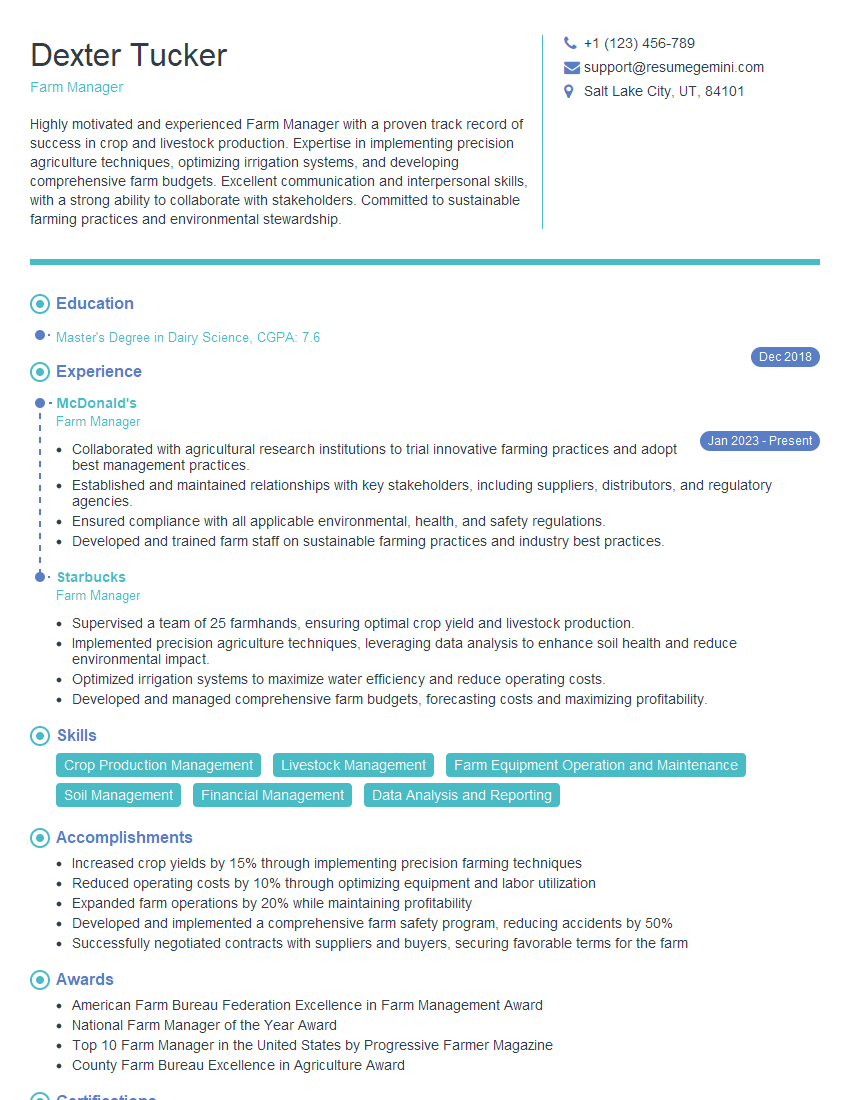
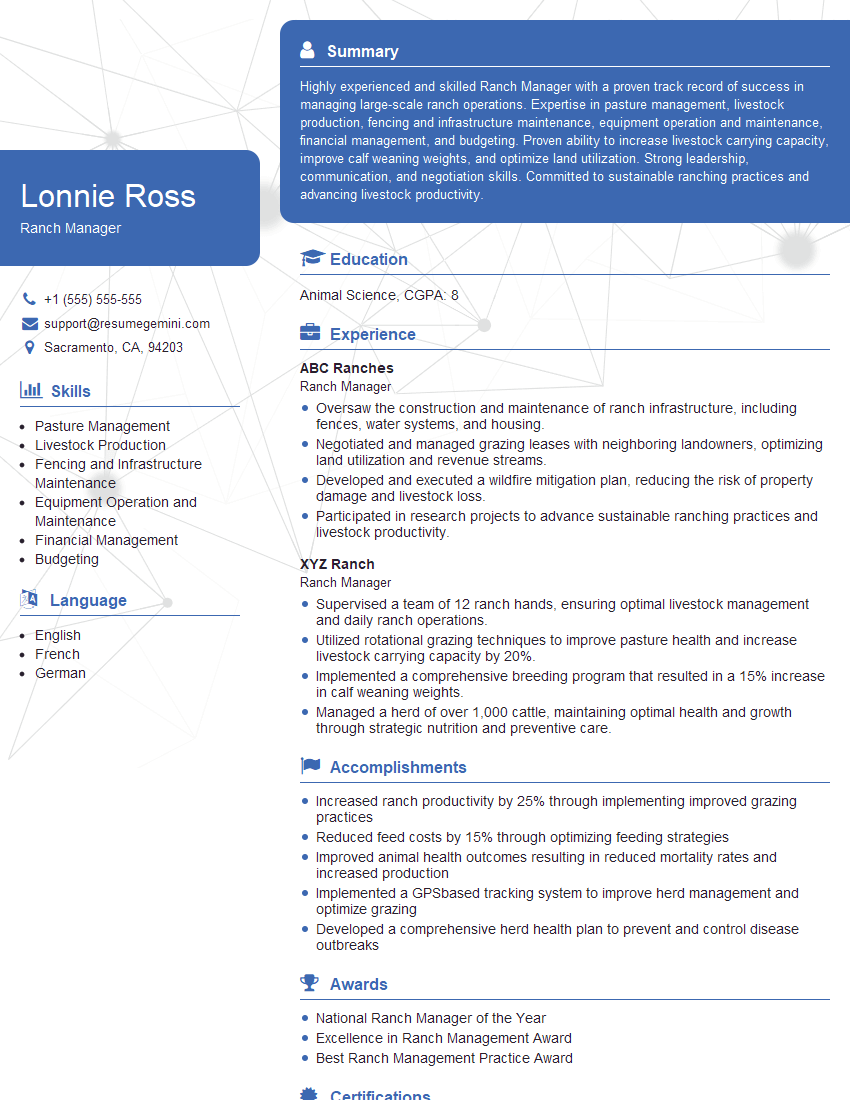
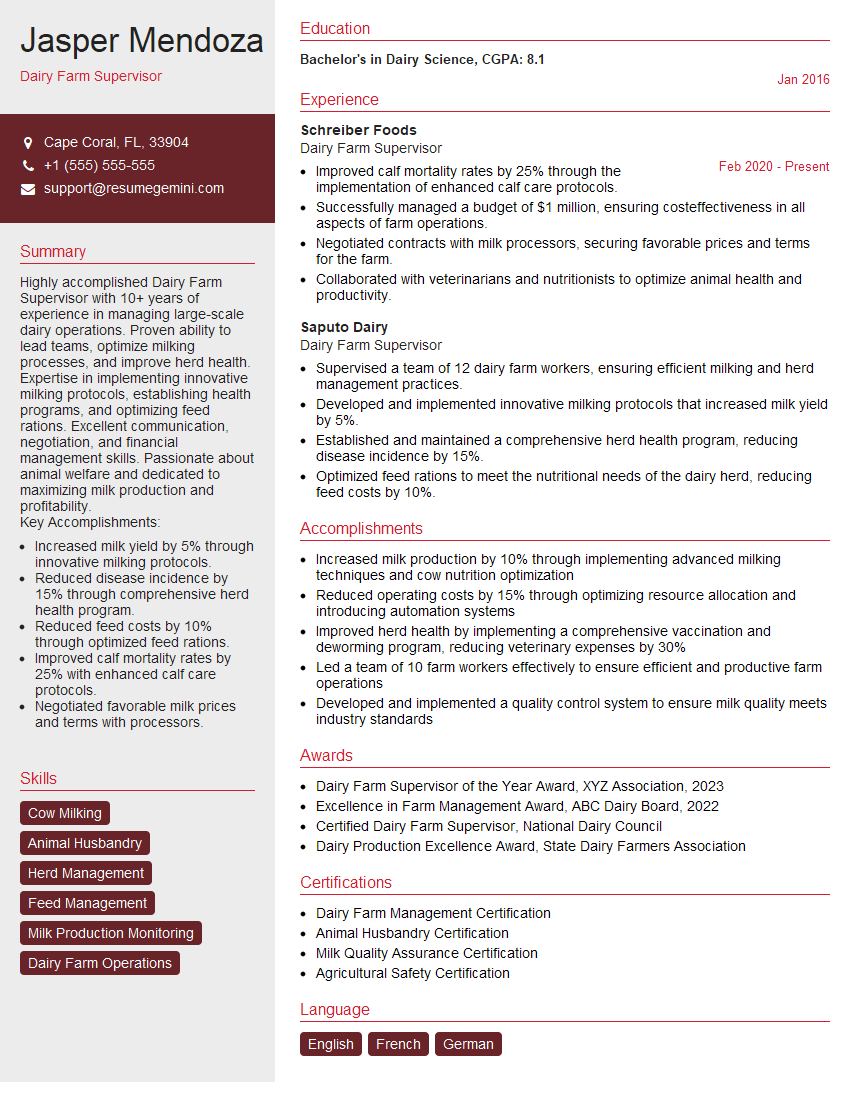
Mastering Milk Production Management is crucial for a successful and rewarding career in the dairy industry. It opens doors to leadership roles, higher earning potential, and the opportunity to contribute significantly to a vital food production sector. To maximize your job prospects, creating a strong, ATS-friendly resume is essential. ResumeGemini is a trusted resource to help you build a professional and impactful resume that highlights your skills and experience effectively. Examples of resumes tailored to Milk Production Management are available to help guide you.
Explore more articles
Users Rating of Our Blogs
Share Your Experience
We value your feedback! Please rate our content and share your thoughts (optional).
What Readers Say About Our Blog
Very informative content, great job.
good