Every successful interview starts with knowing what to expect. In this blog, we’ll take you through the top Tactical Mission Management interview questions, breaking them down with expert tips to help you deliver impactful answers. Step into your next interview fully prepared and ready to succeed.
Questions Asked in Tactical Mission Management Interview
Q 1. Describe your experience in developing tactical mission plans.
Developing tactical mission plans involves a systematic approach encompassing several key phases. It begins with a thorough understanding of the mission objective, including the desired end state and any constraints. Next, I conduct a detailed analysis of the operational environment, identifying potential threats, obstacles, and opportunities. This involves leveraging intelligence data, terrain analysis, and understanding the adversary’s capabilities. Then, I develop a series of courses of action (COAs), carefully evaluating the risks and benefits of each. This includes considering various factors such as troop strength, equipment availability, and time constraints. The chosen COA is then meticulously detailed, creating a comprehensive plan with clear timelines, responsibilities, and communication protocols. Finally, the plan undergoes rigorous rehearsals and is continuously refined based on feedback and evolving circumstances. For example, during my time in [mention organization if allowed, else use a general example: a military operation], we planned a reconnaissance mission in a mountainous region. The plan accounted for potential ambushes, adverse weather conditions, and the need for effective communication across varied terrain, involving thorough route planning, contingency measures, and extensive pre-mission briefings.
Q 2. How do you prioritize tasks during a time-sensitive mission?
Prioritizing tasks in a time-sensitive mission relies heavily on a combination of established priorities and real-time assessment. I utilize a prioritization matrix, often incorporating the Eisenhower Matrix (urgent/important), to categorize tasks. Tasks critical to mission success and those with imminent deadlines receive top priority. However, adaptability is key. A dynamic situation might necessitate a shift in priorities. This requires continuous communication and a willingness to adjust the plan based on the unfolding events. Imagine a hostage rescue scenario; securing the hostages’ safety immediately surpasses other mission objectives, no matter how critical they previously seemed. This necessitates constant reassessment and flexible adaptation, with a clear understanding of the overall mission objectives guiding decisions.
Q 3. Explain your process for risk assessment and mitigation in tactical operations.
Risk assessment and mitigation are integral components of my tactical planning process. I begin by identifying potential hazards, categorizing them by likelihood and severity. This often involves brainstorming sessions with the team, drawing on individual expertise and experience. For each identified risk, we develop mitigation strategies. This may involve implementing redundancies, employing safety protocols, or adjusting the plan to minimize exposure to threats. A quantitative risk assessment matrix can assist with objectively analyzing the risks. For example, the potential for equipment failure during a long-range patrol might be mitigated through rigorous pre-mission checks, carrying spare parts, and establishing contingency plans for repair or evacuation. Regular risk reviews throughout the mission help to dynamically adjust mitigation efforts based on the evolving situation.
Q 4. What methods do you utilize for maintaining situational awareness during a mission?
Maintaining situational awareness requires a multi-faceted approach. I leverage a combination of intelligence reports, real-time surveillance (if available), and continuous communication with team members. Mapping tools, including both physical and digital maps, play a crucial role in tracking our location and the enemy’s movements. Establishing observation posts and utilizing aerial surveillance when possible enhances our understanding of the battlefield. Furthermore, open communication encourages team members to report any observations or changes in the environment. This constant flow of information allows for timely adaptation to changing circumstances, which is paramount in dynamic tactical environments. Think of it as a 360-degree view; any blind spot compromises situational awareness. Proactive measures to eliminate or minimize these blind spots are paramount.
Q 5. How do you handle unexpected events or changes in mission parameters?
Unexpected events are inevitable in tactical operations. My response involves a structured approach focused on rapid assessment, decisive action, and effective communication. First, I assess the nature and impact of the unexpected event on the overall mission objective. Then, I determine the best course of action, which may involve adapting the existing plan, implementing contingency plans, or developing entirely new plans. Communication is crucial; all team members must be informed of the change and their updated roles. For example, encountering an unexpected obstacle might require a route change. This requires quickly assessing alternative routes, communicating the change to the team, and ensuring everyone understands the new plan. The ability to think on your feet and make sound judgments under pressure is essential.
Q 6. Describe your experience in resource allocation and management during a tactical mission.
Resource allocation and management are critical for mission success. Before the mission, I meticulously evaluate resource availability (personnel, equipment, supplies, etc.) and allocate them based on mission priorities and individual team member capabilities. This involves careful planning and consideration of potential resource limitations. During the mission, I monitor resource consumption, making adjustments as needed. This involves constant communication with team members to ensure resources are used effectively and efficiently. Waste or mismanagement could compromise the mission, highlighting the need for both careful planning and dynamic adjustments throughout the operation. For instance, fuel allocation for vehicles needs to consider the mission duration, terrain, and potential delays, ensuring enough fuel without overburdening transport capabilities.
Q 7. How do you ensure effective communication and coordination among team members?
Effective communication and coordination are the cornerstones of any successful tactical mission. Before the mission, I establish clear communication protocols, including designated communication channels and reporting procedures. During the mission, I utilize a variety of communication tools, adapting to the operational environment. This may involve radio communications, visual signals, or even messenger systems. Regular briefings and debriefings ensure that everyone is informed, and any issues or concerns are addressed promptly. Moreover, establishing clear roles and responsibilities minimizes confusion and fosters teamwork. A well-rehearsed team communicates efficiently, reducing misunderstandings that could lead to serious repercussions. Consider the analogy of a well-oiled machine; each part works in perfect harmony to achieve a common goal. Communication is the lubricant that makes this happen smoothly and effectively.
Q 8. What software or tools are you proficient in using for tactical mission management?
My proficiency in tactical mission management software spans a range of tools, tailored to different mission needs. I’m highly experienced with mission planning and execution software such as Mission Command Systems (MCS), which integrate mapping, communication, and situational awareness capabilities. I’m also proficient in using geospatial intelligence (GEOINT) platforms like ArcGIS and QGIS for analyzing terrain, identifying targets, and planning routes. Furthermore, I have extensive experience with collaborative communication platforms that enable real-time information sharing and coordination during a mission, including secure messaging applications and dedicated tactical radios.
For example, during a recent counter-narcotics operation, I utilized MCS to coordinate the movement of multiple teams, integrating real-time intelligence feeds to adjust our approach dynamically. The geospatial analysis capabilities helped us select optimal patrol routes and identify potential ambush points, enhancing operational security.
Q 9. Explain your understanding of the command and control process.
Command and control (C2) is the exercise of authority and direction by a properly designated commander over assigned forces in the accomplishment of a mission. It’s a cyclical process involving planning, execution, and assessment. Think of it like conducting an orchestra: the conductor (commander) sets the tempo and directs the individual sections (teams) to create a harmonious whole (mission success).
- Planning: This involves defining the mission objective, developing a course of action, allocating resources, and disseminating orders.
- Execution: This phase focuses on implementing the plan, monitoring progress, and making adjustments based on real-time situational awareness. This involves constant communication and coordination among teams.
- Assessment: This involves continuously evaluating the effectiveness of the operation, identifying challenges, and making necessary corrections or adapting the plan as needed. Post-mission analysis is a critical part of this.
A crucial element is the OODA loop (Observe, Orient, Decide, Act) which describes the cyclical process of decision making. By effectively cycling through this loop, commanders can react quickly and decisively to changing circumstances.
Q 10. How do you track mission progress and measure success?
Tracking mission progress and measuring success requires a multi-faceted approach. We employ several methods to monitor our objectives.
- Key Performance Indicators (KPIs): Defining specific, measurable, achievable, relevant, and time-bound (SMART) KPIs allows for objective assessment. Examples include target acquisition rate, successful mission completion rate, and casualties suffered.
- Real-time data feeds: Integrating data from various sources, such as GPS tracking devices, communication intercepts, and sensor data, provides a real-time overview of mission progress.
- Regular progress reports: Teams provide regular updates on their status, challenges encountered, and any changes in the operational environment.
- After-action reviews: These are informal reviews conducted during the mission to identify challenges and implement immediate corrective actions.
Success is measured not just by achieving the primary objective but also by considering secondary factors such as minimizing collateral damage, maintaining operational security, and ensuring the safety of personnel. For example, a successful hostage rescue mission might be judged not only by the number of hostages released but also by the number of casualties on both sides and the extent of damage to the surrounding area.
Q 11. Describe your experience in post-mission analysis and reporting.
Post-mission analysis and reporting are crucial for continuous improvement. This involves a thorough review of the entire operation, from planning to execution, to identify both successes and areas needing improvement.
- Data collection: This step involves gathering all relevant data, including mission logs, communication transcripts, intelligence reports, and after-action reports from participating teams.
- Analysis: The collected data is analyzed to identify trends, patterns, and any deviations from the plan. This helps to pinpoint areas where the plan was effective and where it fell short.
- Reporting: Findings are compiled into a comprehensive report, which includes recommendations for improving future operations.
- Lessons Learned: This critical phase involves extracting actionable insights from the analysis and incorporating them into future training, planning, and operations. This ensures continuous learning and improvement in operational effectiveness.
For instance, in a recent counter-terrorism exercise, post-mission analysis revealed a communication breakdown between two teams. This led to the implementation of new communication protocols and additional training to ensure seamless coordination in future operations.
Q 12. How do you integrate intelligence information into tactical decision-making?
Integrating intelligence information into tactical decision-making is paramount to mission success. Intelligence provides a crucial situational understanding, allowing commanders to make informed, data-driven decisions.
- Intelligence Fusion: Combining intelligence from various sources—HUMINT (human intelligence), SIGINT (signals intelligence), IMINT (imagery intelligence), etc.—provides a more complete picture of the operational environment.
- Threat Assessment: Analyzing intelligence to identify potential threats, vulnerabilities, and risks allows for proactive risk mitigation.
- Target Prioritization: Intelligence helps to prioritize targets based on their significance and potential impact.
- Course of Action Development: Intelligence directly informs the development of effective strategies and tactics.
For example, during a search and rescue mission, real-time intelligence regarding the terrain, weather conditions, and the location of the missing person, significantly influenced the search strategy and deployment of resources. The use of aerial imagery (IMINT) to identify suitable landing zones and potential hazards was pivotal.
Q 13. What are your strategies for managing stress and pressure during critical missions?
Managing stress and pressure during critical missions is crucial for maintaining clear thinking and effective decision-making. My strategies include:
- Physical Fitness and Wellness: Maintaining a high level of physical and mental fitness provides a strong foundation for resilience under pressure.
- Teamwork and Support: A strong, supportive team environment is critical. Open communication and mutual trust help manage stress and prevent burnout.
- Breaks and Rest: Scheduling regular breaks and adequate rest periods helps prevent fatigue and cognitive overload.
- Mindfulness and Breathing Techniques: Practicing mindfulness and breathing exercises can help calm nerves and enhance focus under pressure.
- Debriefing and Support Systems: Post-mission debriefing and access to psychological support services are essential for processing stress and preventing long-term negative effects.
Maintaining a disciplined routine, both in training and during missions, ensures a sense of control, reducing overall anxiety.
Q 14. Explain your approach to conflict resolution within a tactical team.
Conflict resolution within a tactical team requires a proactive and structured approach. My strategy focuses on:
- Open Communication: Encouraging open and honest communication among team members is paramount. This allows for early identification and resolution of disagreements.
- Active Listening: Actively listening to all perspectives helps to understand the root cause of conflicts.
- Mediation and Facilitation: If conflicts escalate, I act as a mediator, facilitating discussions and helping team members reach a mutually acceptable solution.
- Respectful Dialogue: Maintaining a respectful and professional tone throughout the conflict resolution process is vital.
- Clear Expectations and Roles: Clearly defining roles, responsibilities, and expectations at the outset helps to avoid misunderstandings and conflicts.
For instance, if two team members have conflicting opinions on the best course of action, I encourage open discussion, facilitating a collaborative decision-making process where all views are considered before reaching a consensus. The emphasis is always on the mission objective and team cohesion.
Q 15. How do you ensure mission compliance with regulations and safety protocols?
Ensuring mission compliance hinges on a proactive, multi-layered approach. It starts with meticulous pre-mission planning where we thoroughly review all relevant regulations and safety protocols, incorporating them into the mission plan itself. This includes everything from airspace restrictions and environmental regulations to specific equipment safety checks and personnel certifications. We use checklists and standardized operating procedures (SOPs) to minimize human error.
During the mission, constant monitoring and communication are key. We establish clear lines of authority and responsibility, with designated personnel responsible for ensuring adherence to regulations. Real-time data feeds, such as GPS tracking and sensor readings, allow us to identify potential deviations from the plan early on. If a breach or potential breach is detected, we have established escalation procedures to address the issue promptly and efficiently. Post-mission, we conduct thorough debriefings, analyzing performance against the established regulations and identifying areas for improvement in future missions. This feedback loop is vital for continuous improvement and enhanced safety.
For example, in a search and rescue operation, strict adherence to airspace rules is crucial. We would coordinate closely with air traffic control, submitting a detailed flight plan and adhering strictly to assigned altitudes and routes. Failure to do so could lead to dangerous airspace collisions and mission failure. A robust post-mission debriefing would review all aspects of this coordination to ensure future compliance.
Career Expert Tips:
- Ace those interviews! Prepare effectively by reviewing the Top 50 Most Common Interview Questions on ResumeGemini.
- Navigate your job search with confidence! Explore a wide range of Career Tips on ResumeGemini. Learn about common challenges and recommendations to overcome them.
- Craft the perfect resume! Master the Art of Resume Writing with ResumeGemini’s guide. Showcase your unique qualifications and achievements effectively.
- Don’t miss out on holiday savings! Build your dream resume with ResumeGemini’s ATS optimized templates.
Q 16. Describe your experience with different mission planning methodologies.
My experience encompasses various mission planning methodologies, each suited to different contexts. I’m proficient in the traditional linear planning approach, which is highly structured and works well for predictable environments. This involves breaking the mission down into sequential phases, defining objectives, and outlining tasks for each phase. However, for dynamic environments, agile planning offers greater flexibility. This iterative approach allows for adaptation to unexpected circumstances, embracing change and adjusting the plan as new information emerges. We often use a hybrid approach, combining the structure of linear planning with the flexibility of agile techniques to create a robust and adaptable plan.
I also have experience with scenario-based planning, where we simulate various potential scenarios and develop contingency plans for each. This proactive approach prepares us for unexpected events and reduces the risk of mission failure. Finally, I’m familiar with collaborative planning tools that facilitate real-time information sharing and collaboration among team members, significantly enhancing communication and decision-making throughout the process. The choice of methodology always depends on the specific mission parameters, risk profile, and anticipated operational environment.
Q 17. How do you adapt to changing environments and unforeseen challenges?
Adaptability is paramount in tactical mission management. My approach relies on a combination of proactive planning, robust communication, and decisive decision-making under pressure. We build flexibility into our initial plans, anticipating potential disruptions and developing contingency plans to mitigate risks. This might involve identifying alternate routes, establishing backup communication systems, or pre-positioning resources in case of unexpected delays or challenges.
During the mission, maintaining constant situational awareness is crucial. This involves closely monitoring the environment for changes and utilizing available intelligence to anticipate potential problems. We use a collaborative decision-making process, engaging all team members and leveraging their expertise to find creative solutions to unexpected challenges. Communication is key; clear, concise, and timely updates allow us to respond effectively to evolving circumstances. A willingness to deviate from the initial plan, when necessary, is also critical, and we regularly assess the risk-benefit ratio of any such deviations. For instance, if a crucial supply route is blocked, we might quickly adjust the plan to use a secondary route or adjust logistics accordingly.
Q 18. Explain your understanding of different communication systems used in tactical missions.
Tactical missions rely on a diverse range of communication systems, selected based on factors like range, security, and bandwidth requirements. Line-of-sight radios are commonly used for short-range communication, while satellite communication systems provide long-range capabilities, crucial for operations in remote areas. Data links facilitate the transmission of high-bandwidth data, such as imagery and sensor information. Encrypted communication systems are essential to protect sensitive information from interception.
In many scenarios, we use a combination of these systems to ensure redundancy and resilience. For example, a team might use line-of-sight radios for immediate communication within a close proximity, while relying on satellite communication for broader coordination and updates to command. The choice of systems depends heavily on the specifics of the operation: high-frequency radios may be crucial for long-range communication in some scenarios, while a secure, encrypted network might be needed in others. Interoperability between systems is a critical factor to ensure seamless information flow.
Q 19. How do you manage logistics and supply chain for a tactical operation?
Managing logistics and supply chain for a tactical operation requires meticulous planning and execution. This begins with a thorough assessment of the mission’s resource requirements, including personnel, equipment, fuel, ammunition, and medical supplies. We develop detailed supply plans, considering factors such as transportation routes, timelines, and potential logistical challenges. These plans outline the procurement, storage, and distribution of supplies, ensuring availability when and where needed.
We utilize technology to enhance efficiency. Tracking systems, such as GPS and RFID, provide real-time visibility of supply locations and movement. This allows us to optimize routes, anticipate potential delays, and proactively address any logistical bottlenecks. We regularly monitor inventory levels and forecast future requirements to ensure timely resupply. Effective communication is critical, coordinating with various logistics providers and personnel to maintain a smooth supply chain and ensure mission success. For instance, in a prolonged operation, we need to carefully manage fuel, ensuring adequate resupply for vehicles and aircraft without compromising our operational security.
Q 20. Describe your experience with crisis management and incident response.
My experience with crisis management and incident response is extensive. My approach is based on a structured framework that emphasizes rapid assessment, decisive action, and effective communication. The first step involves a quick assessment of the situation, identifying the nature and scope of the crisis and its potential impact. This is followed by the activation of established emergency response plans, which outline specific procedures and responsibilities for different scenarios. Simultaneously, we establish clear communication channels to disseminate timely and accurate information to all stakeholders.
Effective crisis management involves prioritizing actions based on urgency and impact. We might need to evacuate personnel, secure the area, or provide immediate medical assistance, depending on the nature of the incident. Throughout the process, we maintain rigorous documentation and conduct regular briefings to ensure transparency and coordinated effort. Post-incident, we conduct a thorough analysis to identify lessons learned and make recommendations for improvement in future responses. For example, during a hostage situation, a calm, coordinated response is crucial, which would include establishing communication with the perpetrators, preparing for potential negotiation or rescue attempts, and protecting bystanders’ safety.
Q 21. How do you ensure the security and confidentiality of mission-critical information?
Securing mission-critical information is a top priority. We employ a multi-layered approach, combining physical security measures with robust cybersecurity protocols. This includes controlling access to sensitive information through strict authorization procedures and utilizing encryption techniques to protect data both in transit and at rest. We implement rigorous data handling procedures, limiting access to authorized personnel only, and regularly audit our systems to detect and address vulnerabilities. Regular training for all personnel on security protocols is also essential.
Communication security is another crucial aspect, employing secure communication channels and techniques to prevent unauthorized access or interception. We regularly assess and update our security measures based on emerging threats and technological advancements. For instance, we might use classified communication systems for high-sensitivity data, restricting access only to authorized personnel with appropriate clearances. Regular security audits, penetration testing and employee security training are all implemented to minimize risk.
Q 22. How do you develop and maintain effective working relationships with stakeholders?
Developing and maintaining effective working relationships with stakeholders in tactical mission management hinges on clear communication, mutual respect, and a shared understanding of objectives. I approach this by proactively engaging stakeholders early in the planning process, ensuring their input is valued and incorporated. This includes regular briefings, transparent communication of progress and challenges, and actively soliciting feedback.
- Proactive Communication: I schedule regular meetings, leveraging various communication channels – formal briefings, informal check-ins, and collaborative online platforms – to ensure everyone is informed and engaged.
- Empathy and Understanding: I actively listen to the concerns and perspectives of all stakeholders, acknowledging their different priorities and working to find common ground. For example, in a recent operation, I spent extra time explaining the rationale behind a potentially controversial decision to a concerned civilian authority, leading to their cooperation and support.
- Building Trust: Consistently delivering on commitments and demonstrating competence builds trust. Following through on promises, even small ones, fosters a sense of reliability and strengthens relationships.
Q 23. What is your approach to team building and leadership within a tactical setting?
Team building in a tactical setting requires fostering a culture of trust, mutual respect, and shared responsibility. My approach focuses on clear roles and responsibilities, effective communication, and continuous training and development. I utilize a leadership style that blends strong direction with empowering delegation, ensuring team members feel valued and their contributions are recognized.
- Clear Roles and Responsibilities: I ensure each team member understands their role, responsibilities, and how their contributions impact the overall mission. This minimizes confusion and maximizes efficiency.
- Open Communication: I encourage open and honest communication, creating a safe space for team members to share concerns, ideas, and feedback. Regular after-action reviews (AARs) are crucial for identifying areas for improvement and fostering learning.
- Empowering Delegation: While providing clear direction, I empower team members to take ownership of their tasks, fostering a sense of responsibility and increasing their confidence.
- Continuous Training: Regularly scheduled training exercises, simulations, and scenario-based learning are essential to enhance team cohesion and proficiency.
For example, during a complex urban search and rescue operation, I empowered team leaders to make critical decisions based on the immediate situation, trusting their judgment and experience while maintaining overall mission objectives.
Q 24. How do you identify and address potential weaknesses in a tactical plan?
Identifying weaknesses in a tactical plan is a continuous process that relies on critical thinking, scenario planning, and rigorous analysis. I utilize a multi-faceted approach, incorporating various techniques to ensure thorough assessment.
- Risk Assessment: A thorough risk assessment identifies potential threats, vulnerabilities, and challenges. This includes considering environmental factors, enemy capabilities, and potential technological failures.
- Scenario Planning: I develop contingency plans for various scenarios, anticipating potential problems and devising solutions. This includes ‘what-if’ scenarios based on different variables and unexpected developments.
- Red Teaming: I employ red-teaming exercises where a separate team attempts to identify vulnerabilities and exploit weaknesses in the plan. This provides an objective perspective and helps expose blind spots.
- Peer Review: Sharing the plan with colleagues for review allows for a diverse set of perspectives and helps identify potential flaws that might be overlooked by the original planners.
For example, during a counter-terrorism operation, a red team identified a critical vulnerability in our communication plan which was then addressed by implementing backup systems and alternative communication channels.
Q 25. Describe your experience using decision support tools in tactical mission management.
Decision support tools are integral to effective tactical mission management. My experience encompasses the use of Geographic Information Systems (GIS), computer-aided dispatch (CAD) systems, and various simulation software.
- GIS: GIS allows for real-time visualization of the operational environment, enabling better situational awareness and informed decision-making. I’ve used GIS to plan routes, identify optimal positions, and analyze terrain characteristics.
- CAD: CAD systems support resource allocation and dispatch, helping to optimize the deployment of personnel and assets. I’ve used CAD to track units, manage resources, and coordinate responses to dynamic events.
- Simulation Software: Simulation software facilitates training and scenario planning, allowing us to test various approaches and refine strategies in a risk-free environment. This includes simulating combat scenarios, emergency responses, and logistical challenges.
For example, in a recent hostage rescue mission, our GIS system helped us visualize the building layout in 3D, allowing us to plan entry points and anticipate potential obstacles before even arriving on site.
Q 26. How do you ensure the continuous improvement of tactical mission processes?
Continuous improvement of tactical mission processes is achieved through a systematic cycle of planning, execution, assessment, and refinement. The cornerstone of this is the after-action review (AAR).
- After-Action Reviews (AARs): AARs provide a structured framework to analyze the strengths and weaknesses of completed missions. They are crucial for identifying areas for improvement and preventing future errors.
- Data Analysis: Collecting and analyzing data from past missions helps identify trends and patterns, informing future planning and decision-making. This includes studying performance metrics, mission outcomes, and environmental factors.
- Feedback Mechanisms: Establishing feedback mechanisms from team members, stakeholders, and participants ensures diverse perspectives are captured, contributing to more comprehensive improvements.
- Lessons Learned Database: Maintaining a lessons-learned database centrally stores valuable information from past operations, making it readily available to future mission planners.
In a recent exercise, an AAR revealed a communication breakdown during a critical phase. This led to changes in our communication protocols and training, significantly improving subsequent team performance.
Q 27. Explain your understanding of ethical considerations in tactical operations.
Ethical considerations are paramount in tactical operations. My approach prioritizes adherence to the law, respect for human rights, and the principles of proportionality and discrimination. I firmly believe that ethical conduct is essential for maintaining public trust and achieving operational success.
- Adherence to the Law: All actions must be conducted within the bounds of the law and relevant regulations. I ensure that all team members understand and comply with legal requirements.
- Respect for Human Rights: I always strive to minimize harm to civilians and uphold the dignity of all individuals. This includes adhering to rules of engagement and minimizing collateral damage.
- Proportionality: The level of force used must be proportional to the threat. Excessive force is unacceptable and undermines ethical conduct.
- Discrimination: Actions must be free from discrimination based on race, religion, gender, or any other protected characteristic. Unbiased and impartial execution of mission objectives is essential.
In any situation, I prioritize ethical decision-making, even when it means compromising mission objectives to avoid potential breaches of ethical guidelines.
Q 28. How do you handle pressure and maintain composure under high-stress situations?
Handling pressure and maintaining composure under high-stress situations requires a combination of training, experience, and a disciplined approach. My strategy involves maintaining a clear focus on the mission, delegating effectively, and practicing self-care.
- Mission Focus: Focusing on the objective helps to reduce anxiety and prioritize actions. Breaking complex tasks into smaller, manageable steps can also help manage stress.
- Effective Delegation: Delegating tasks to trusted team members reduces workload and allows for better management of the overall situation. This ensures that critical tasks are handled efficiently and prevents overload.
- Self-Care: This includes adequate rest, proper nutrition, and stress management techniques like deep breathing exercises. Maintaining physical and mental well-being is crucial for effective performance under pressure.
- Training and Experience: Extensive training and prior experience in similar high-stress situations build confidence and resilience. This includes participation in simulations, exercises, and real-world operations.
For instance, during a critical incident, I maintained composure by prioritizing communication, delegating essential tasks, and focusing on the immediate next step, helping my team to navigate the situation effectively.
Key Topics to Learn for Tactical Mission Management Interview
- Mission Planning & Execution: Understand the lifecycle of a tactical mission, from initial planning and resource allocation to execution and post-mission analysis. Consider different mission types and their unique challenges.
- Risk Assessment & Mitigation: Explore methodologies for identifying, analyzing, and mitigating risks inherent in tactical operations. Practical application includes developing contingency plans and decision-making under pressure.
- Communication & Coordination: Examine the critical role of effective communication and coordination among team members and external stakeholders. This includes understanding different communication platforms and protocols.
- Decision-Making Under Pressure: Develop your ability to analyze complex situations rapidly, make informed decisions under time constraints, and adapt to changing circumstances. Explore decision-making frameworks and models.
- Technological Proficiency: Showcase your understanding of relevant technologies used in tactical mission management, such as mapping software, communication systems, and data analysis tools.
- Team Leadership & Management: Demonstrate your understanding of effective team leadership, including motivation, delegation, and conflict resolution within a tactical environment.
- Intelligence Gathering & Analysis: Discuss your knowledge of intelligence gathering methods, data analysis techniques, and their application to informing tactical decisions.
- Ethical Considerations & Legal Frameworks: Understand the ethical and legal implications of tactical operations and demonstrate your commitment to responsible decision-making.
Next Steps
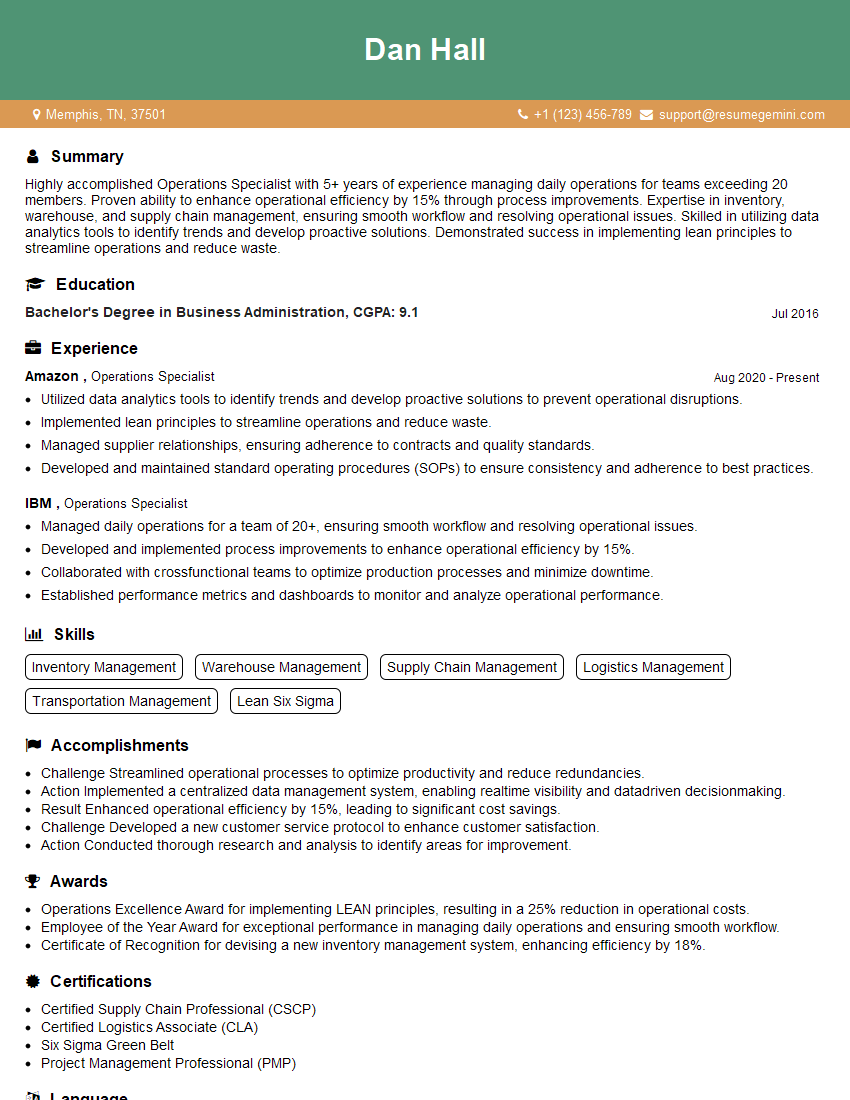
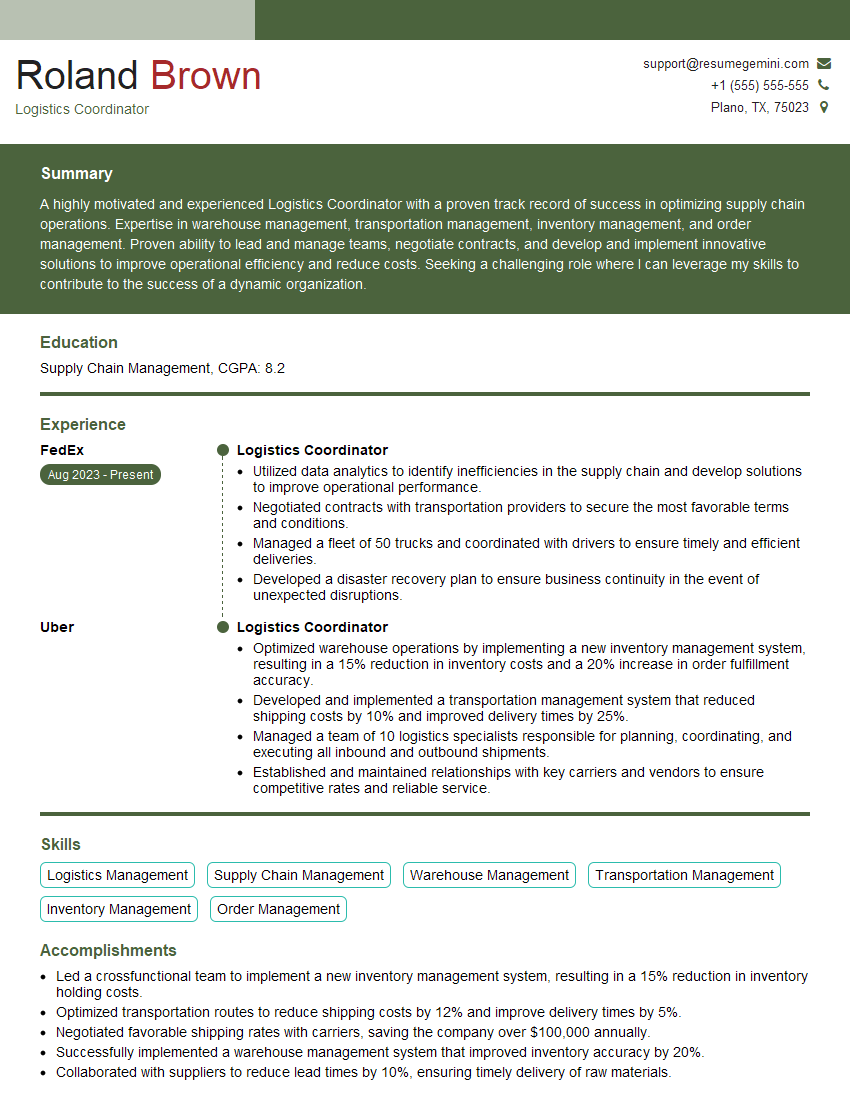
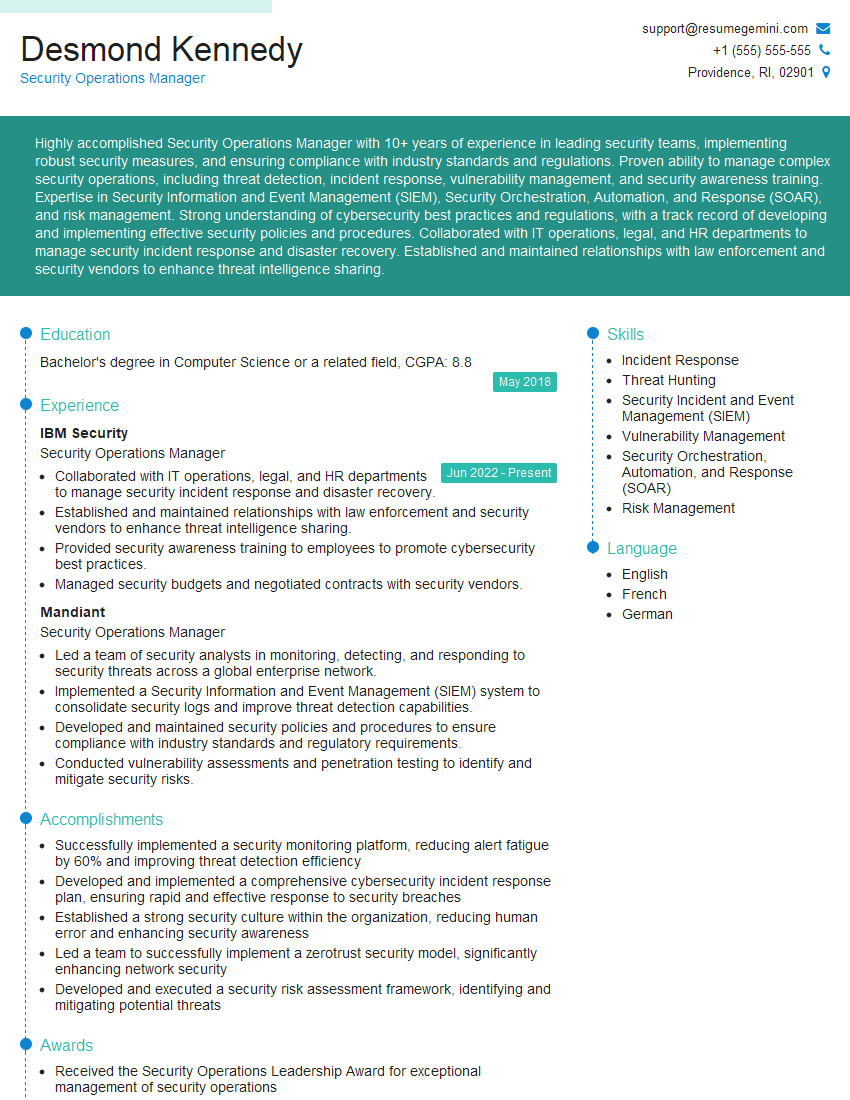
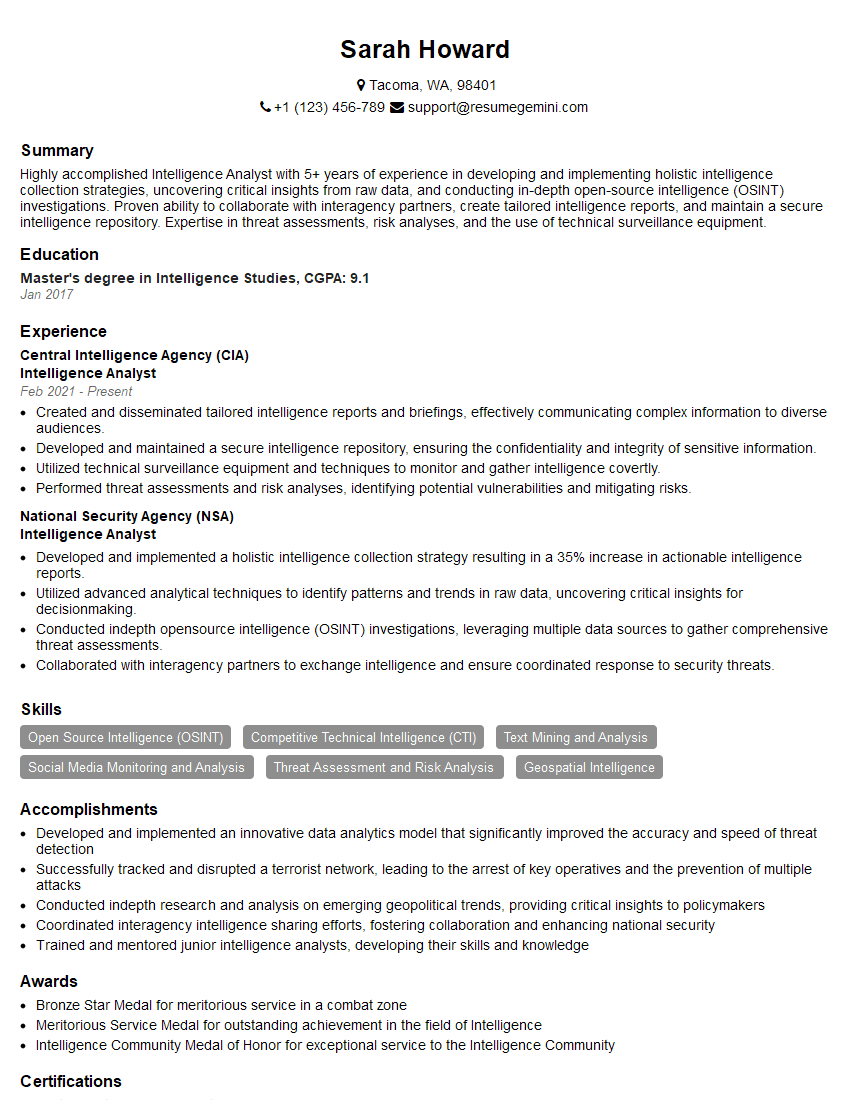
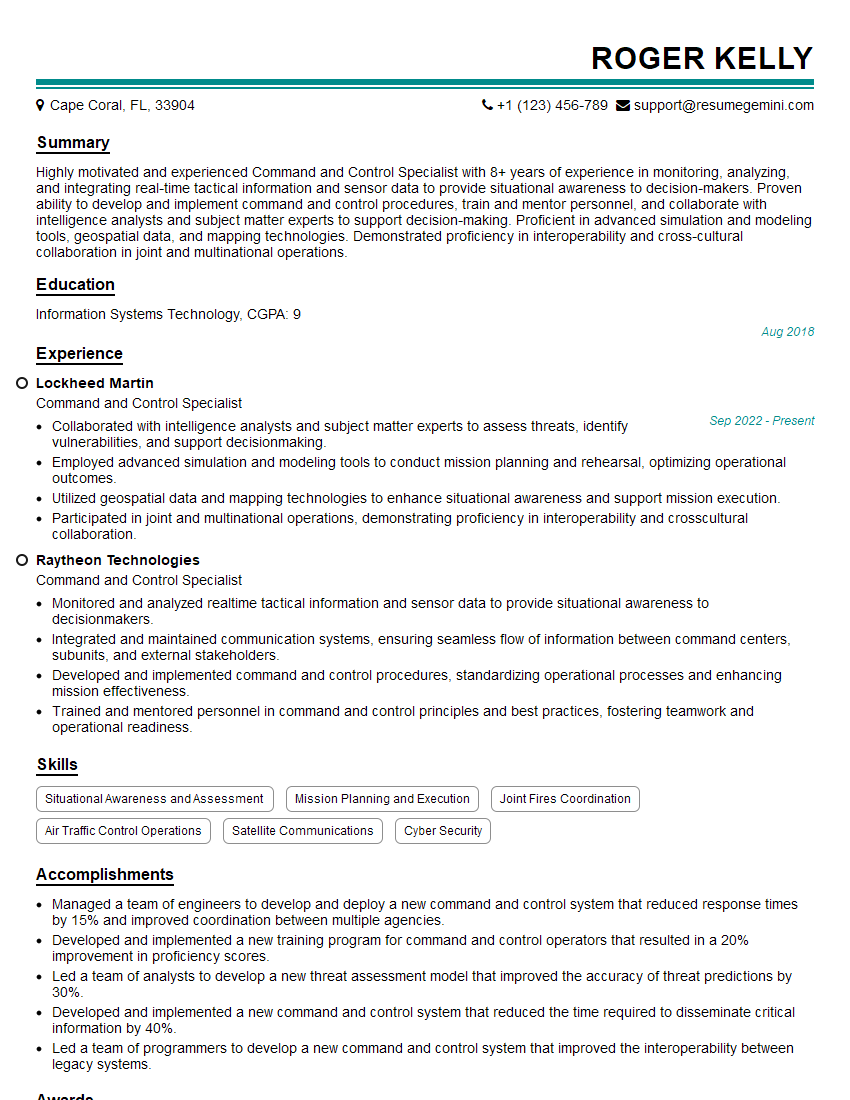
Mastering Tactical Mission Management opens doors to exciting and impactful career opportunities, offering significant growth potential within the field. To maximize your chances of securing your ideal role, creating a strong, ATS-friendly resume is crucial. This ensures your qualifications are effectively highlighted to potential employers. We highly recommend using ResumeGemini to build a professional and impactful resume tailored to the specific demands of Tactical Mission Management positions. ResumeGemini offers valuable tools and resources to help you craft a compelling narrative that showcases your skills and experience. Examples of resumes tailored to Tactical Mission Management are available to help you get started.
Explore more articles
Users Rating of Our Blogs
Share Your Experience
We value your feedback! Please rate our content and share your thoughts (optional).
What Readers Say About Our Blog
Very informative content, great job.
good