Cracking a skill-specific interview, like one for Instructor Certification, requires understanding the nuances of the role. In this blog, we present the questions you’re most likely to encounter, along with insights into how to answer them effectively. Let’s ensure you’re ready to make a strong impression.
Questions Asked in Instructor Certification Interview
Q 1. Describe your experience in developing and delivering instructor-led training.
My experience in developing and delivering instructor-led training spans over 10 years, encompassing a wide range of subjects and industries. I’ve designed and delivered training for technical teams, sales professionals, and management personnel. This includes creating course outlines, developing engaging presentations, designing hands-on activities, and facilitating group discussions. For example, I recently developed a comprehensive training program on project management methodologies for a tech startup. This involved analyzing their existing processes, identifying skill gaps, and crafting a modular training program covering Agile, Scrum, and Kanban. The result was a significant improvement in project completion rates and team collaboration.
I also have extensive experience in adapting training materials to suit different learning preferences. In one instance, I transformed a purely lecture-based course on data analysis into a more interactive experience incorporating real-world case studies, group projects, and individual practice exercises. This diversified approach significantly improved participant engagement and knowledge retention, as evidenced by a 20% increase in post-training test scores.
Q 2. What instructional design models are you familiar with (e.g., ADDIE, SAM, AGILE)?
I’m proficient in several instructional design models, including ADDIE, SAM, and aspects of Agile. The ADDIE model (Analysis, Design, Development, Implementation, Evaluation) provides a structured approach, particularly useful for large-scale, formal training programs. I often use ADDIE’s systematic steps to ensure thorough needs analysis, comprehensive design, and rigorous evaluation. SAM (Successive Approximation Model) is beneficial for iterative development, allowing for adjustments based on feedback throughout the process. This is ideal when dealing with rapidly evolving technologies or unclear learning objectives. Finally, elements of the Agile methodology, such as short sprints and continuous feedback loops, are integrated into my workflow, allowing for flexibility and responsiveness to learner needs.
Q 3. How do you assess the effectiveness of your training programs?
Assessing training effectiveness is crucial. My approach is multi-faceted and involves both formative and summative evaluation. Formative evaluation, which occurs throughout the design and delivery process, utilizes methods like observation, feedback sessions, and pre-tests to ensure the course is on track and addressing learning objectives. Summative evaluation, conducted after the training, focuses on measuring the impact. This includes post-training tests, surveys (measuring satisfaction and knowledge gain), and observation of on-the-job performance. For instance, I recently tracked the impact of a sales training program by monitoring sales figures and customer satisfaction scores after the training. This data-driven approach provided quantifiable evidence of the program’s success.
Q 4. Explain your process for creating engaging and effective learning materials.
Creating engaging and effective learning materials requires careful planning and execution. I begin by thoroughly understanding the learners’ needs, background, and learning styles. My process involves developing clear learning objectives, selecting appropriate content formats (presentations, videos, simulations, hands-on activities), and incorporating various multimedia elements to enhance engagement. For example, when developing training for a visually-oriented audience, I incorporate more visual aids, such as infographics and videos. For learners who prefer hands-on activities, I incorporate real-world simulations and group exercises. I always test and refine materials based on feedback and observations to ensure clarity, accuracy, and effectiveness.
Q 5. How do you adapt your teaching style to different learning styles?
Adapting my teaching style to different learning styles is paramount. I recognize that learners process information differently, with some preferring visual aids, others auditory explanations, and some hands-on experiences. Therefore, I employ a multimodal approach, integrating various teaching methods into my sessions. For example, I might use visuals such as diagrams and videos to explain complex concepts, and then follow up with group discussions and interactive exercises to solidify understanding. I also cater to individual preferences by offering flexible learning options, such as self-paced modules and personalized coaching. Observing learners’ engagement during the training and adapting accordingly is key to success.
Q 6. How do you handle difficult or disruptive learners in a classroom setting?
Handling difficult or disruptive learners requires a calm, professional, and empathetic approach. My strategy involves proactive measures like establishing clear expectations at the start of the training, creating a safe and respectful learning environment, and providing opportunities for individual attention. If a learner becomes disruptive, I address the situation privately, attempting to understand the underlying cause. Sometimes a simple conversation can resolve the issue. However, if disruptive behavior persists, I may involve management or adjust the learning environment to accommodate the individual’s needs. The goal is to ensure everyone has a positive and productive learning experience.
Q 7. Describe your experience with various training delivery methods (online, in-person, blended).
I have experience delivering training using various methods: in-person, online, and blended learning. In-person training provides immediate interaction and fosters a strong sense of community. Online training, utilizing platforms like Zoom or learning management systems (LMS), offers flexibility and accessibility. Blended learning combines the strengths of both, offering online modules for self-paced learning and in-person sessions for interaction and collaboration. For example, I recently designed a blended learning program that used online modules for pre-work, followed by a two-day in-person workshop with hands-on exercises and group projects. This approach maximized learner engagement and accommodated different learning preferences and schedules.
Q 8. How do you incorporate technology into your training programs?
Technology is integral to modern instructor certification training. I incorporate it in several ways to enhance engagement and learning outcomes. For example, I utilize Learning Management Systems (LMS) like Moodle or Canvas for delivering course content, managing assignments, and tracking learner progress. This allows for a flexible, self-paced learning experience accessible anytime, anywhere. I also leverage interactive tools such as online quizzes, simulations, and virtual reality experiences where applicable, to make learning more immersive and engaging. Furthermore, I utilize video conferencing tools like Zoom for live sessions, allowing for real-time interaction and Q&A. Finally, I incorporate collaborative tools like Google Docs or Microsoft Teams to facilitate group projects and peer-to-peer learning.
For instance, in a recent instructor certification program on project management, I used a project management software simulation to allow trainees to practice applying the methodologies learned. The LMS tracked their progress and provided feedback, while Zoom facilitated live Q&A sessions where I could address individual challenges.
Q 9. What are your strengths and weaknesses as an instructor?
My strengths lie in my ability to connect with learners on a personal level, fostering a supportive and engaging learning environment. I’m adept at tailoring my teaching style to different learning preferences and incorporating diverse teaching methods. I’m also a strong communicator, capable of explaining complex concepts clearly and concisely. I’m highly organized and detail-oriented, which ensures the smooth delivery of training programs.
One area for improvement is my comfort level with incorporating certain cutting-edge technologies. While I utilize many technologies effectively, I am continuously seeking opportunities to expand my skills and explore emerging educational technologies. To address this, I actively participate in webinars and workshops focusing on new technologies in adult education and actively experiment with new tools in my training programs.
Q 10. How do you maintain currency with best practices in adult learning?
Maintaining currency in adult learning best practices is crucial. I achieve this through a multifaceted approach. I regularly subscribe to professional journals and publications such as those published by the ATD (Association for Talent Development) and read research articles on adult learning theory and pedagogy. I actively participate in professional development workshops and conferences focused on adult education, instructional design, and technology integration. I also network with other instructors and professionals in the field, engaging in discussions and sharing best practices. Finally, I regularly review and update my training materials, incorporating new research and techniques to ensure relevance and effectiveness.
For example, I recently attended a workshop on microlearning techniques and have since incorporated short, engaging video modules into my training programs, resulting in improved learner engagement and knowledge retention.
Q 11. Describe your experience with needs analysis and curriculum design.
Needs analysis and curriculum design are foundational aspects of effective training. My process begins with a thorough needs analysis, involving interviews, surveys, and document reviews to identify the target audience’s learning needs, existing knowledge, and skill gaps. This informs the development of learning objectives – clear, measurable, achievable, relevant, and time-bound (SMART) goals for the program. Based on these objectives, I design a curriculum that incorporates a variety of learning activities, including lectures, discussions, group work, and hands-on activities, chosen to best cater to the learning styles and needs of the participants. I meticulously sequence the content to ensure a logical flow and build upon previous knowledge. The final step involves developing assessment strategies to measure the learners’ achievement of the stated objectives.
In a recent project, I conducted a needs analysis for a client who needed to train their staff on a new software system. Through interviews and surveys, I identified that most staff had limited computer skills. My curriculum incorporated foundational computer skills training alongside the software system training, ensuring that all participants could successfully complete the course.
Q 12. How do you measure the return on investment (ROI) of a training program?
Measuring the ROI of a training program is crucial for demonstrating its value. This involves a multifaceted approach. Firstly, I define key performance indicators (KPIs) aligned with the training objectives. These KPIs could include improved employee performance, increased efficiency, reduced error rates, or improved customer satisfaction. Secondly, I collect data both before and after the training program through methods like pre- and post-training assessments, surveys, and performance evaluations. Finally, I analyze the data to quantify the impact of the training program on the chosen KPIs and then translate these improvements into monetary value. For example, a reduction in error rates might translate directly into cost savings. This detailed analysis allows for a comprehensive calculation of the training program’s ROI.
In one instance, we measured the ROI of a sales training program by tracking the increase in sales figures post-training. The data showed a significant increase in sales, directly attributable to the improved sales skills gained during the training, demonstrating a high ROI.
Q 13. How do you use formative and summative assessment effectively?
Formative and summative assessments are integral to effective training. Formative assessments are ongoing evaluations conducted throughout the training program to monitor learner progress and identify areas needing improvement. Examples include quizzes, short assignments, and informal feedback sessions. This allows for adjustments to teaching methods or content in real-time, ensuring learners stay on track. Summative assessments are conducted at the end of the training program to measure overall learning outcomes and assess the effectiveness of the program. Examples include final exams, projects, or case studies. This provides a comprehensive evaluation of learners’ mastery of the material.
In a recent workshop, I used short quizzes after each module (formative) to check for understanding and adjust my teaching accordingly. A final exam (summative) at the end evaluated their comprehensive understanding of the entire course material.
Q 14. What is your experience with creating and managing training budgets?
My experience with training budgets involves careful planning and resource allocation. I begin by clearly defining the scope of the training program, including the number of participants, duration, and resources required. This forms the basis for developing a detailed budget that includes instructor fees, materials costs, technology expenses, venue costs (if applicable), and marketing or promotion expenses. I work collaboratively with stakeholders to secure necessary funding, justifying the budget based on the projected ROI of the training program. During program implementation, I carefully monitor expenses and track progress against the budget, making adjustments as needed while remaining accountable for responsible spending.
For example, in one project, I successfully secured funding by demonstrating the potential cost savings resulting from improved employee performance post-training. Through careful budgeting and management, I was able to deliver the program within budget and achieve the desired outcomes.
Q 15. How do you build rapport with your trainees?
Building rapport with trainees is crucial for effective learning. It’s about creating a safe and welcoming environment where everyone feels comfortable participating and asking questions. I achieve this through several key strategies:
- Active Listening and Empathy: I start by actively listening to trainees’ concerns and experiences, demonstrating genuine empathy. This shows that I value their perspectives and am invested in their success.
- Creating a Safe Space: I explicitly state that it’s okay to ask questions, even if they seem simple or basic. I encourage respectful dialogue and foster a culture of collaboration.
- Relatable Stories and Examples: I share relevant anecdotes and real-world examples from my own experience to connect with trainees on a personal level, demonstrating that I understand their challenges.
- Early Introductions and Icebreakers: I begin each training session with an icebreaker activity to help trainees get to know each other and feel more comfortable. A simple ‘round robin’ where everyone shares their name and one thing they hope to learn works well.
- Open Communication: I maintain open communication channels, encouraging feedback and providing regular updates. This keeps trainees informed and strengthens our relationship.
For instance, in a recent instructor certification course, one trainee seemed hesitant to participate. By approaching them individually after class and expressing my understanding of their initial nervousness, I was able to build trust and encourage their involvement, resulting in significant improvements in their understanding and confidence throughout the program.
Career Expert Tips:
- Ace those interviews! Prepare effectively by reviewing the Top 50 Most Common Interview Questions on ResumeGemini.
- Navigate your job search with confidence! Explore a wide range of Career Tips on ResumeGemini. Learn about common challenges and recommendations to overcome them.
- Craft the perfect resume! Master the Art of Resume Writing with ResumeGemini’s guide. Showcase your unique qualifications and achievements effectively.
- Don’t miss out on holiday savings! Build your dream resume with ResumeGemini’s ATS optimized templates.
Q 16. How do you provide feedback to trainees constructively?
Constructive feedback is about guiding improvement, not criticizing. I follow a structured approach:
- Specific and Actionable Feedback: I avoid vague statements and provide specific examples of what the trainee did well and where they can improve. My feedback always includes actionable suggestions for improvement.
- Focus on Behavior, Not Personality: I address specific behaviors and actions rather than making judgments about the trainee’s personality or character. For example, instead of saying ‘You’re disorganized,’ I might say, ‘Your lesson plan could benefit from a clearer structure, perhaps using a more defined timeline for each activity.’
- Balance Positive and Negative Feedback: I start with positive feedback, highlighting strengths before addressing areas for growth. This helps maintain morale and encourages a receptive attitude.
- Two-Way Conversation: I invite trainees to share their perspectives and ask questions. Feedback should be a dialogue, not a monologue.
- Follow-Up and Support: I provide resources and support to help trainees implement the feedback. I follow up on their progress to ensure they are making positive changes.
For example, if a trainee’s presentation lacked visual aids, I would provide feedback like, ‘Your presentation was engaging, but incorporating visual aids like graphs or images could further enhance understanding and memorability. Here are some resources to help you create effective visuals.’ This approach offers a constructive pathway for improvement.
Q 17. Describe your experience with different learning management systems (LMS).
I have extensive experience with various Learning Management Systems (LMS), including Moodle, Canvas, Blackboard, and Coursera. My experience encompasses:
- Course Design and Development: I’ve designed and uploaded entire courses, including assignments, quizzes, and discussion forums, within these systems.
- Content Management: I am proficient in managing course content, updating materials, and organizing resources within the LMS interface.
- Assessment and Grading: I’ve utilized built-in assessment tools like quizzes and assignments, as well as customized assessments where necessary, and effectively managed the grading process within the LMS.
- Communication and Collaboration: I utilize the communication tools within the LMS, such as announcements, email, and discussion forums, to maintain consistent communication with trainees and facilitate collaboration amongst them.
- Data Analysis and Reporting: I’m familiar with using the LMS’s reporting capabilities to track student progress, identify areas needing improvement, and adapt my teaching strategies.
Each LMS has its own strengths and weaknesses, and my ability to adapt and effectively use diverse platforms ensures I can seamlessly integrate my teaching strategies into various learning environments.
Q 18. How do you ensure the accessibility of your training materials?
Ensuring accessibility is paramount. I make my training materials accessible to learners with diverse needs by following these principles:
- Alternative Text for Images: All images have descriptive alt text, enabling screen readers to convey the image’s content to visually impaired learners.
- Captions and Transcripts for Videos: All videos include captions and transcripts for hearing-impaired learners and those who prefer reading.
- Accessible Documents: Documents are created in accessible formats like PDF/UA or DOCX, ensuring compatibility with assistive technologies.
- Color Contrast: I ensure sufficient color contrast between text and background to enhance readability for learners with visual impairments.
- Keyboard Navigation: All interactive elements are navigable using only a keyboard, catering to users who cannot use a mouse.
- Simplified Language: I use clear and concise language, avoiding jargon, to improve comprehension for all learners.
- Provide Multiple Formats: Offering materials in different formats (e.g., audio, video, text) caters to diverse learning styles and needs.
For example, when designing presentations, I always ensure sufficient color contrast and use clear, concise bullet points to aid comprehension. I also provide transcripts of any audio or video content.
Q 19. How do you handle questions and concerns from trainees?
Handling trainee questions and concerns is a vital aspect of effective instruction. My approach involves:
- Creating a Culture of Questions: I encourage trainees to ask questions at any point during the training, emphasizing that there are no silly questions.
- Active Listening and Clarification: I listen attentively to each question and ask clarifying questions to ensure I fully understand the trainee’s concern.
- Providing Clear and Concise Answers: I answer questions clearly and concisely, using simple language and relevant examples.
- Addressing Concerns Empathetically: I acknowledge and address concerns with empathy and understanding.
- Referrals to Resources: If I cannot answer a question immediately, I will direct the trainee to relevant resources or schedule a follow-up discussion.
- Group Discussions: Where appropriate, I use trainee questions as opportunities for group discussions, fostering collaboration and peer learning.
If a question reveals a gap in my explanation, I openly acknowledge it and adjust my teaching strategy to address the common misunderstanding.
Q 20. Describe your experience with creating training evaluations and surveys.
Creating effective training evaluations and surveys is essential for assessing the effectiveness of the training and making improvements. My experience includes:
- Defining Clear Objectives: Before creating any evaluation, I clearly define the learning objectives of the training to ensure the evaluation measures the desired outcomes.
- Variety of Question Types: I use a mix of question types, including multiple-choice, Likert scales, open-ended questions, and rating scales, to gather comprehensive feedback.
- Targeted Questions: The questions are specifically designed to assess various aspects of the training, such as content clarity, instructor effectiveness, and overall satisfaction.
- Pilot Testing: I always pilot test the evaluation instruments with a small group to identify any issues or ambiguities before deploying it to the entire group.
- Data Analysis and Interpretation: I’m skilled in analyzing the data collected from evaluations to identify areas of strength and weakness in the training program.
- Actionable Insights: The analysis results inform future improvements and revisions to the training materials and delivery methods.
For example, a recent evaluation included questions assessing the clarity of the course materials, the effectiveness of the instructor’s teaching methods, and the overall satisfaction with the training program. The feedback obtained allowed me to fine-tune the course content and teaching strategies for future sessions.
Q 21. How do you stay organized and manage your time effectively as an instructor?
Effective time management and organization are critical for success as an instructor. My strategies include:
- Detailed Lesson Planning: I create detailed lesson plans that outline the learning objectives, activities, and assessments for each session. This ensures a structured and efficient delivery.
- Prioritization and Task Management: I use task management tools (like Trello or Asana) to prioritize tasks and track progress. This ensures I focus on the most critical activities first.
- Time Blocking: I allocate specific time blocks for different activities, such as lesson preparation, grading assignments, and responding to trainee inquiries.
- Efficient Resource Management: I organize my resources effectively, utilizing cloud storage and efficient filing systems for easy access.
- Regular Review and Adjustment: I regularly review my schedule and adjust my plans as needed, remaining flexible and responsive to changing needs.
- Delegation (where applicable): If possible and appropriate, I delegate tasks such as administrative work to free up my time for focusing on teaching and curriculum development.
By maintaining a well-structured approach to planning and execution, I am able to maximize my efficiency and ensure that I dedicate sufficient time to both the preparation and delivery of high-quality instruction.
Q 22. How do you utilize technology for remote training and collaboration?
Technology is absolutely crucial for effective remote instructor certification training. My approach centers around a blended learning model, combining the best of synchronous and asynchronous learning.
Synchronous Learning: I utilize platforms like Zoom or Google Meet for live webinars and interactive sessions. This allows for real-time Q&A, immediate feedback, and a more engaging experience. We also use collaborative whiteboards (like Miro) for brainstorming and problem-solving activities.
Asynchronous Learning: Learning Management Systems (LMS) such as Moodle or Canvas are essential for delivering pre-recorded video lectures, downloadable resources, and assignments. These platforms offer tracking capabilities, enabling me to monitor student progress and identify areas where additional support is needed. I also incorporate communication tools like Slack or Microsoft Teams for announcements, quick questions, and fostering a sense of community among trainees.
Interactive Elements: To enhance engagement, I leverage interactive tools like quizzes (using platforms like Kahoot! or Quizizz), polls, and online simulations. These keep learners actively involved and provide immediate feedback on their understanding.
For example, during a recent remote certification program on project management, we used a project simulation tool within the LMS where participants managed virtual teams and budgets, mimicking real-world scenarios. This hands-on approach significantly enhanced their learning and retention.
Q 23. What experience do you have with microlearning or gamification in training?
Microlearning and gamification are powerful tools in my training arsenal. Microlearning involves breaking down large chunks of information into smaller, easily digestible modules. This is ideal for adult learners with busy schedules, as it allows for flexible learning and focused attention spans.
Example: Instead of a lengthy lecture on safety procedures, I would create several short videos, each focusing on a specific aspect (e.g., proper use of PPE, emergency protocols). This makes learning more manageable and improves knowledge retention.
Gamification adds an element of fun and competition to the learning process. I incorporate leaderboards, points systems, badges, and challenges to motivate learners and track progress.
Example: In a compliance training program, I might design a quiz with a point system and award badges for achieving certain scores. This makes the learning experience more engaging and encourages learners to strive for mastery.
The combination of microlearning and gamification is incredibly effective in boosting learner motivation and engagement, particularly in online environments.
Q 24. How do you ensure the quality of your training materials and delivery?
Quality assurance is paramount in instructor certification. My approach involves a multi-faceted strategy:
Content Review: All training materials undergo rigorous review by subject matter experts (SMEs) to ensure accuracy, clarity, and alignment with industry best practices. This often involves peer review and feedback cycles.
Pilot Testing: Before launching a full-scale program, I conduct pilot tests with a smaller group of learners. This allows me to identify any ambiguities, technical glitches, or areas that need improvement in the materials or delivery method.
Learner Feedback: Post-training surveys and feedback sessions are critical for identifying areas for enhancement. I actively solicit feedback from learners and use this data to continuously improve the training program.
Regular Updates: The landscape of many industries is constantly changing. Therefore, I regularly review and update training materials to reflect the latest regulations, best practices, and technological advancements.
For example, in a recent safety training program, pilot testing revealed some confusion regarding a specific safety procedure. We revised the instructions and added a short video demonstration, which dramatically improved learner understanding.
Q 25. Describe your experience with compliance training (e.g., safety, harassment).
I have extensive experience developing and delivering compliance training, particularly in areas like workplace safety, harassment prevention, and data privacy. My approach involves:
Scenario-Based Learning: I use realistic scenarios and case studies to help learners apply concepts to real-world situations. This is far more effective than simply presenting regulations in a dry, theoretical manner.
Interactive Modules: Interactive exercises, quizzes, and simulations help learners actively engage with the material and test their understanding.
Clear and Concise Communication: Compliance training can often be dense and complex. I strive to present the information in a clear, concise, and engaging manner that is easily understood by learners of varying backgrounds.
Documentation and Tracking: I ensure all training records are accurately documented and tracked to meet legal and regulatory requirements. This often involves using an LMS with robust reporting capabilities.
For instance, in a recent harassment prevention training program, I incorporated interactive scenarios where learners had to identify and respond to various forms of harassment. This active learning approach improved their understanding of the policy and their ability to respond appropriately in real-life situations.
Q 26. How do you incorporate adult learning principles into your training design?
Adult learning principles are central to my training design. I adhere to the key tenets of andragogy, which emphasizes self-directed learning, experience-based learning, and the importance of relevance:
Relevance: I begin by identifying the learners’ needs and expectations. The training content must be clearly relevant to their roles and responsibilities.
Experience: I leverage learners’ existing knowledge and experience. This is done through discussions, group work, and case studies that allow them to connect new information to what they already know.
Self-Direction: I encourage learners to take ownership of their learning. This involves providing choices in activities, allowing time for self-study, and fostering a collaborative learning environment.
Problem-Centered Approach: Instead of just presenting facts, I focus on solving real-world problems and applying knowledge to practical situations.
For example, when designing a training course on leadership skills, I would start by asking participants to share their leadership challenges. This allows me to tailor the content to their specific needs and ensures the training is directly relevant to their work.
Q 27. What are some common challenges in instructor certification and how have you overcome them?
Some common challenges in instructor certification include:
Keeping Up with Industry Changes: The rapid pace of technological and regulatory change requires constant updating of training materials and methods.
Maintaining Learner Engagement: Keeping learners motivated and engaged, especially in online environments, can be challenging.
Assessing Learning Outcomes: Developing effective assessment methods that accurately measure learner comprehension and skill acquisition is critical.
Balancing Theory and Practice: Finding the right balance between theoretical knowledge and practical application is important for effective learning.
I overcome these challenges by:
Continuous Learning: I actively seek out professional development opportunities to stay current with industry best practices and new technologies.
Innovative Training Methods: I use a variety of engaging methods, including gamification, microlearning, and simulations, to keep learners motivated.
Data-Driven Assessment: I use data from learner assessments and feedback to continuously improve the training program.
Real-World Case Studies: I incorporate real-world case studies and scenarios to help learners connect theory to practice.
Q 28. What are your salary expectations for this role?
My salary expectations for this role are in the range of $[Lower Bound] to $[Upper Bound] annually, depending on the specific responsibilities and benefits package. This is based on my experience, qualifications, and the current market rates for similar roles.
Key Topics to Learn for Instructor Certification Interview
- Curriculum Design & Development: Understand the principles of effective curriculum design, including learning objectives, assessment strategies, and lesson planning. Consider diverse learning styles and accessibility needs.
- Instructional Strategies & Methods: Explore various teaching methodologies (e.g., active learning, collaborative learning, problem-based learning) and their practical application in different learning environments.
- Classroom Management & Communication: Master techniques for creating a positive and productive learning environment, managing student behavior, and communicating effectively with learners of varying backgrounds and skill levels.
- Assessment & Evaluation: Familiarize yourself with different assessment methods (e.g., formative and summative assessments, projects, presentations) and how to provide constructive feedback to students.
- Technology Integration in Education: Explore the effective use of educational technology to enhance learning experiences and understand the challenges and opportunities associated with integrating technology in the classroom.
- Professional Development & Ethics: Understand the importance of ongoing professional development and ethical considerations in teaching, including maintaining confidentiality and adhering to professional standards.
- Understanding Diverse Learners: Develop strategies for adapting instruction to meet the needs of diverse learners, including students with disabilities and those from different cultural backgrounds.
- Learning Theories and Principles: Demonstrate a solid understanding of key learning theories (e.g., behaviorism, cognitivism, constructivism) and how they inform instructional practices.
Next Steps
Mastering Instructor Certification significantly enhances your career prospects, opening doors to rewarding roles with increased responsibility and earning potential. To maximize your job search success, it’s crucial to create a compelling and ATS-friendly resume that highlights your skills and experience effectively. We strongly encourage you to leverage ResumeGemini, a trusted resource for building professional resumes. ResumeGemini offers valuable tools and guidance to help you craft a resume that stands out from the competition. Examples of resumes tailored to Instructor Certification are available to guide your process.
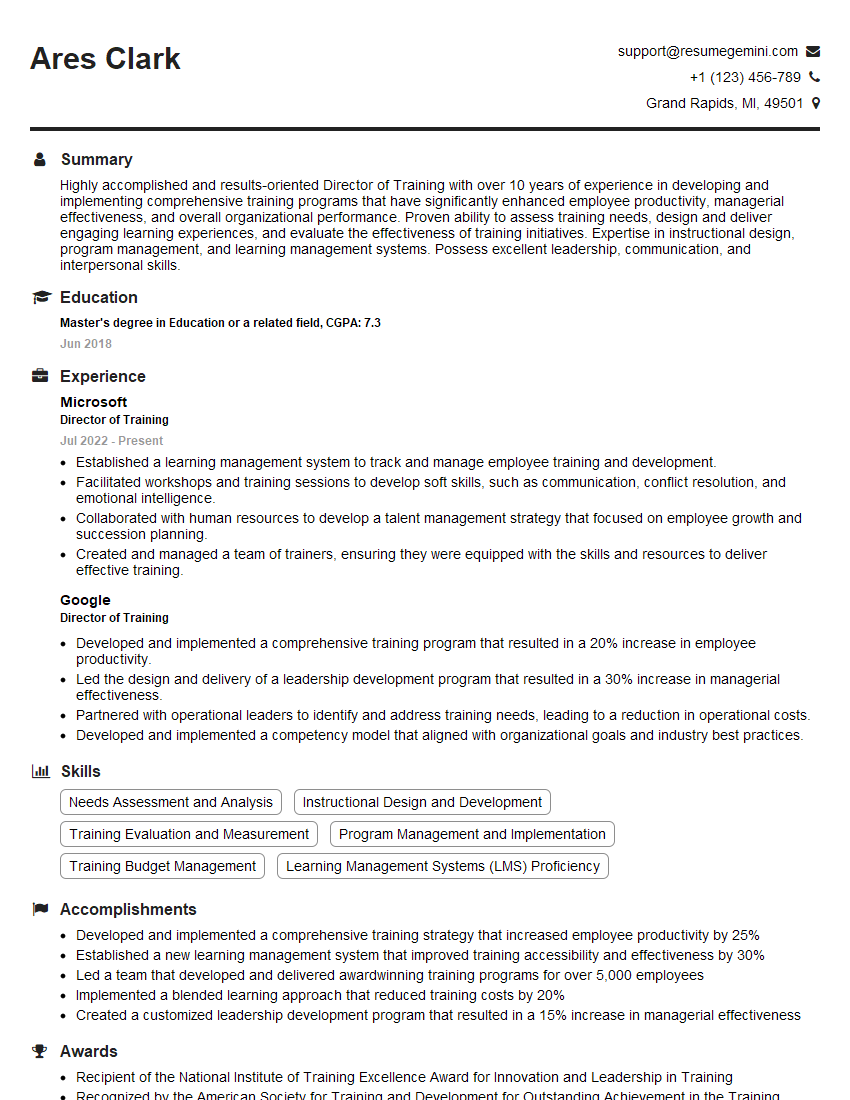
Director of Training Resume Sample
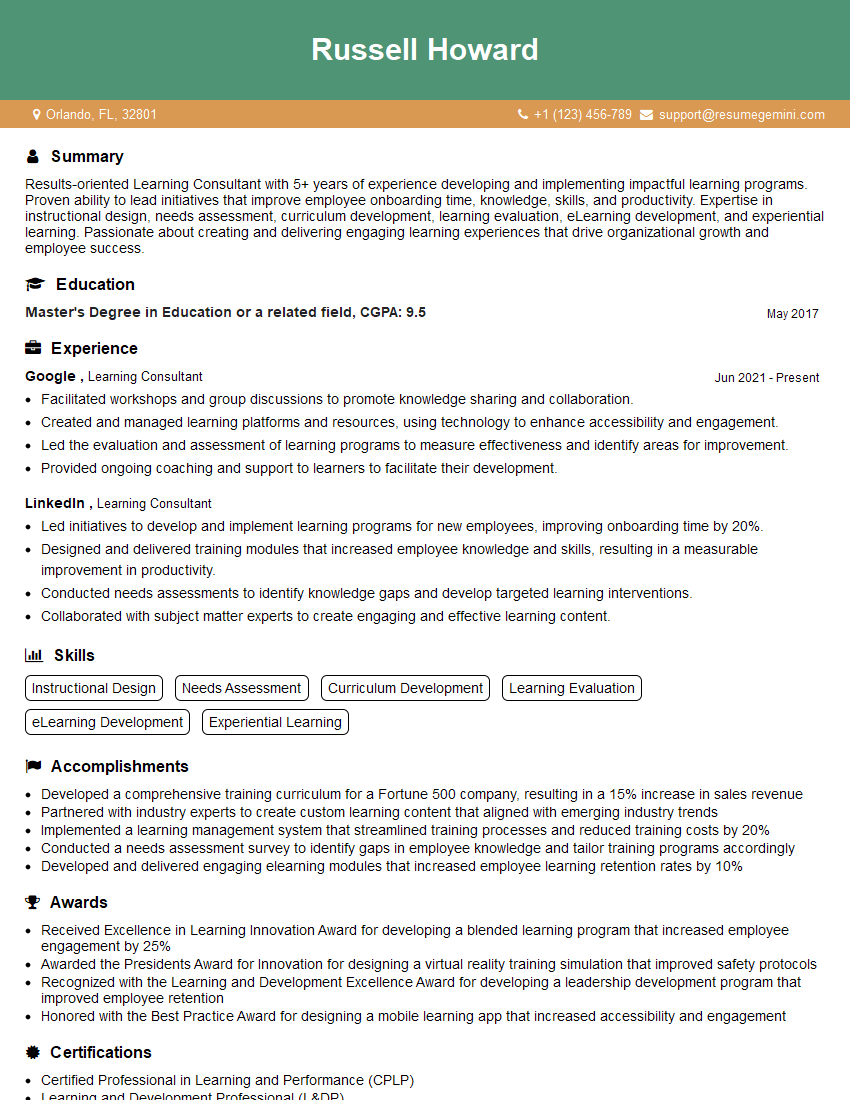
Learning Consultant Resume Sample
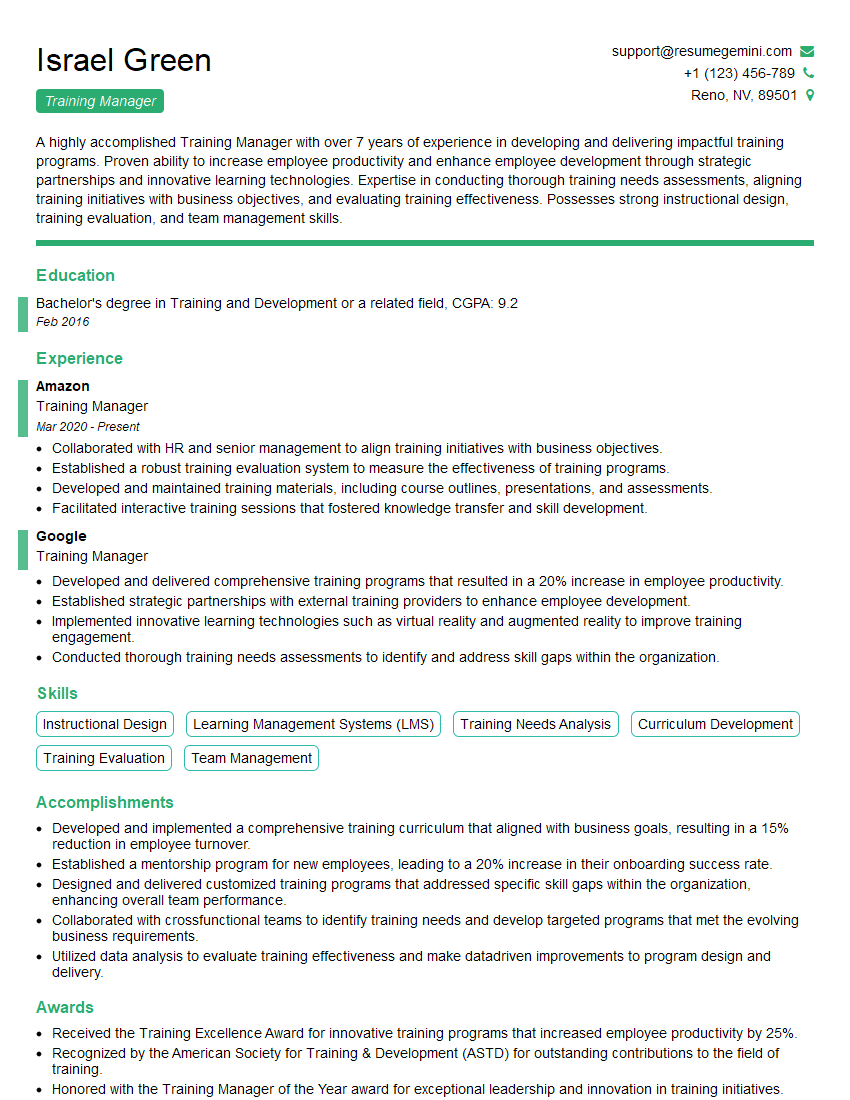
Training Manager Resume Sample
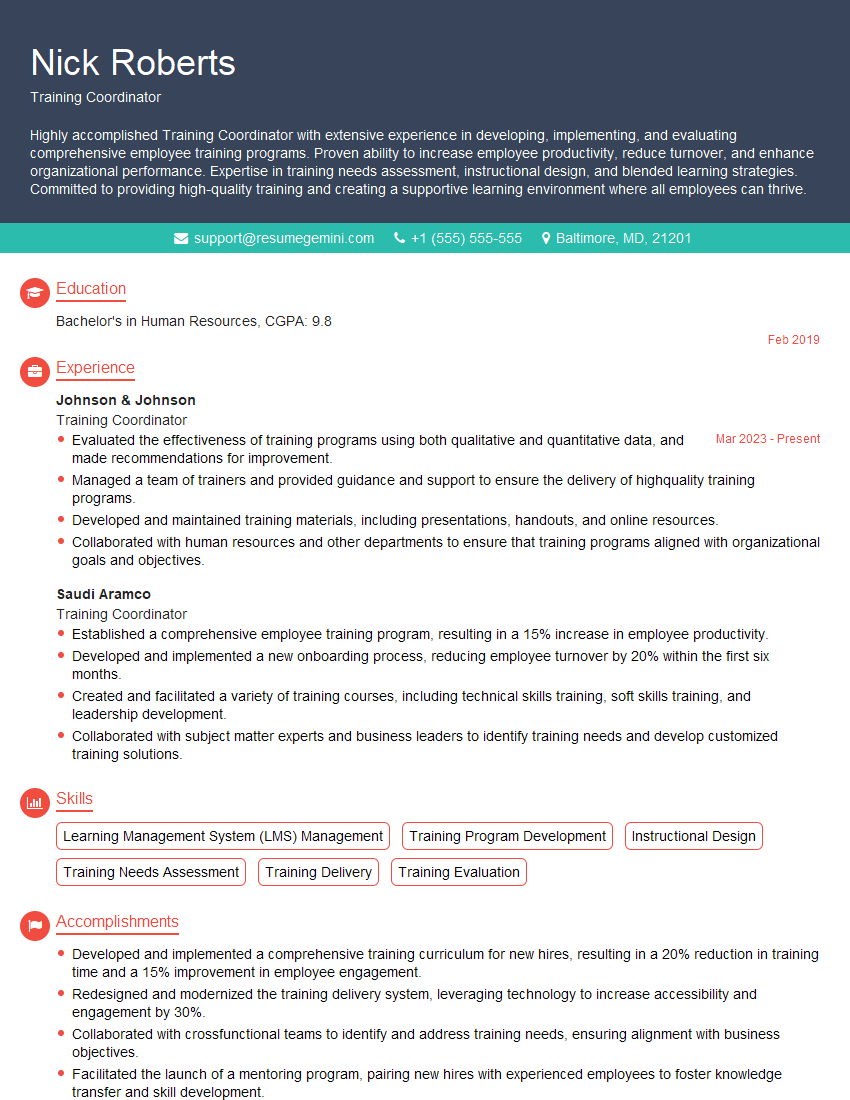
Training Coordinator Resume Sample
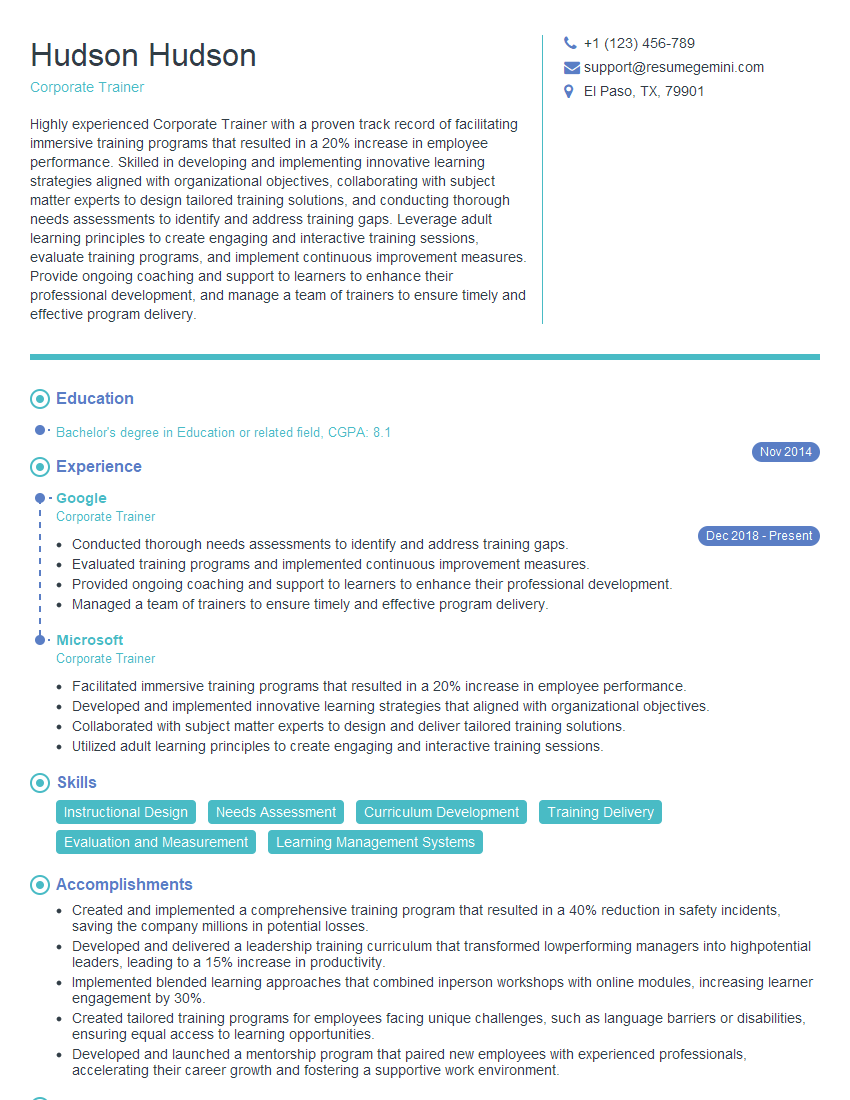
Corporate Trainer Resume Sample

Training Specialist Resume Sample
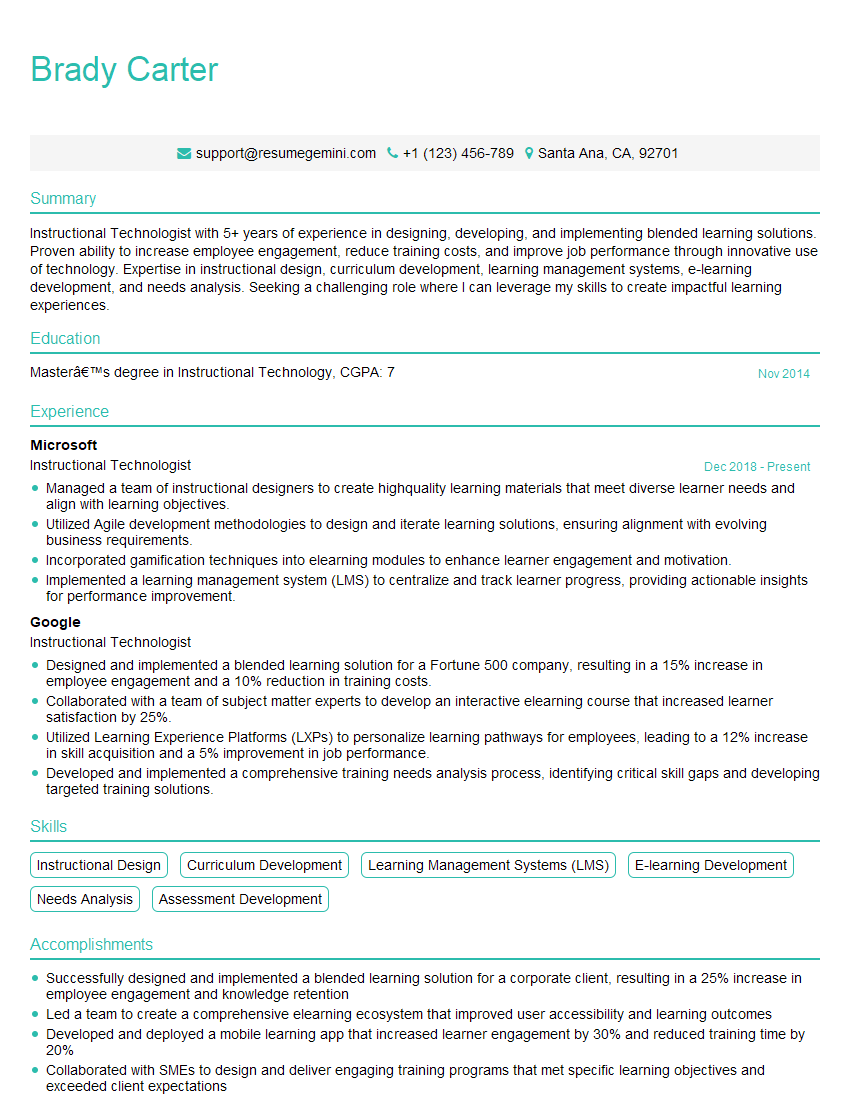
Instructional Technologist Resume Sample
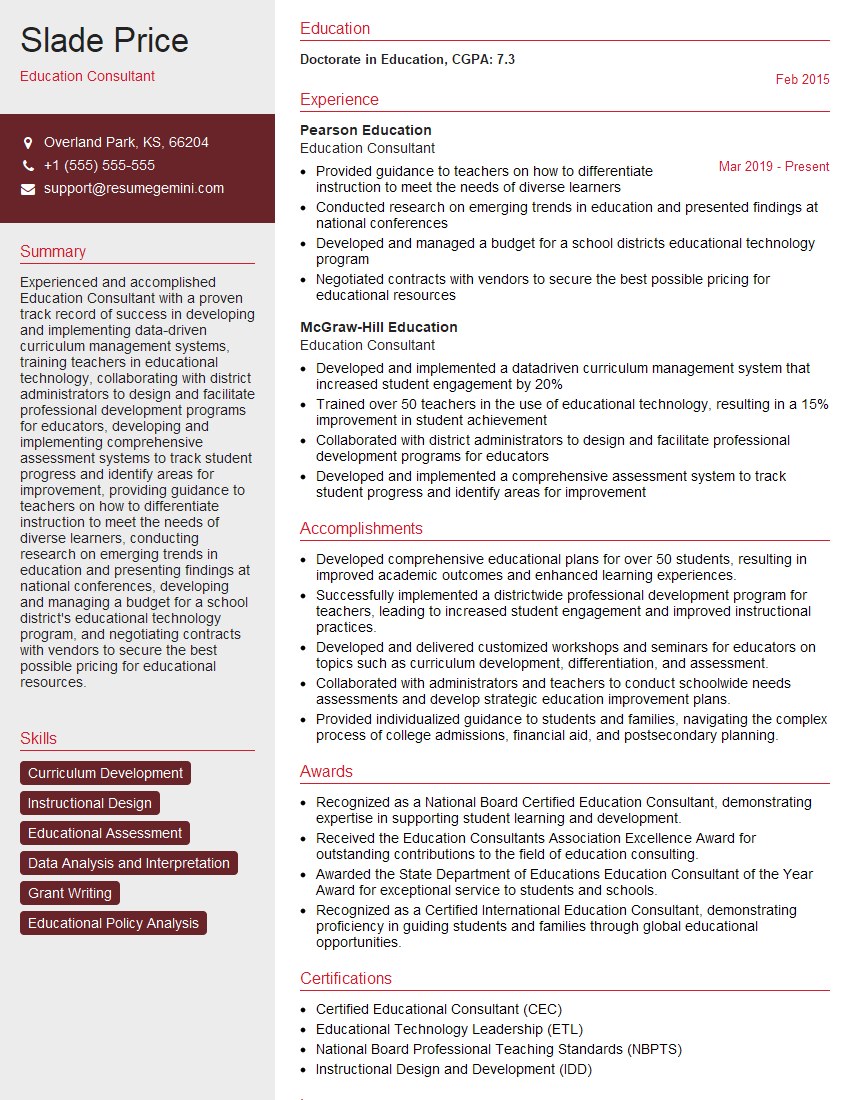
Education Consultant Resume Sample
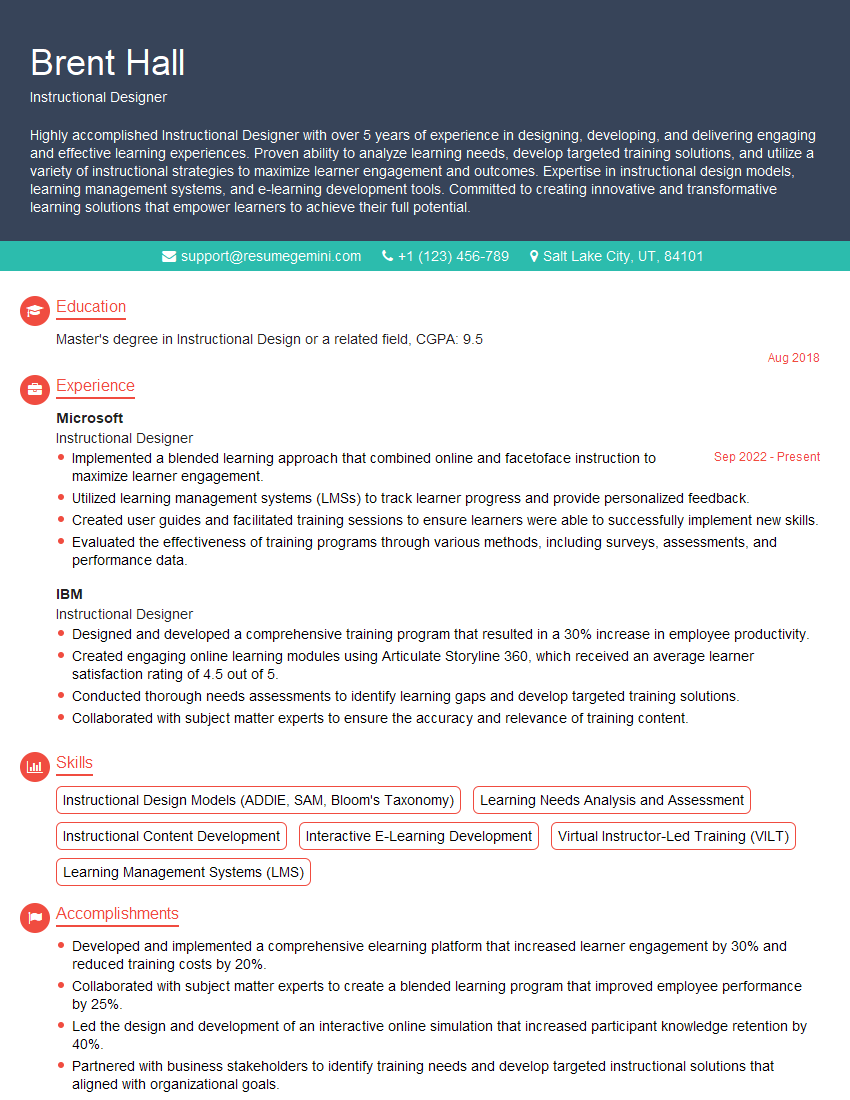
Instructional Designer Resume Sample

Educational Technologist Resume Sample
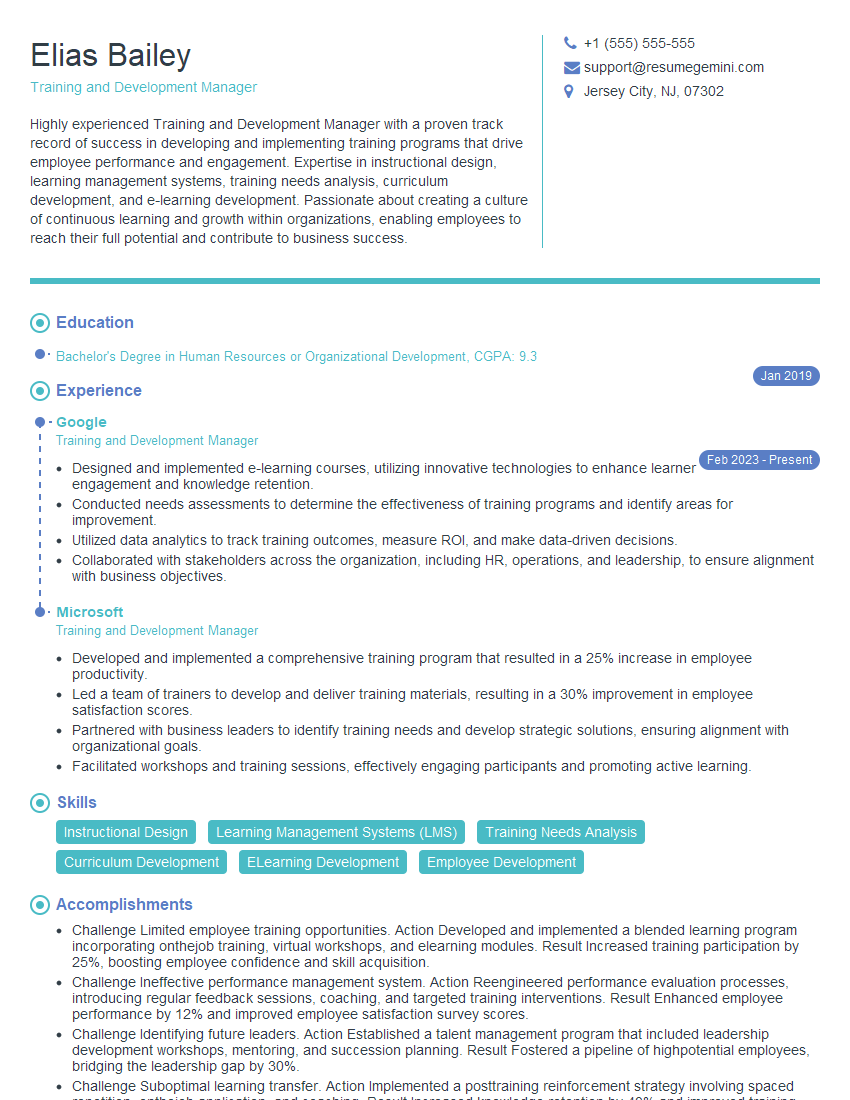
Training and Development Manager Resume Sample
Explore more articles
Users Rating of Our Blogs
Share Your Experience
We value your feedback! Please rate our content and share your thoughts (optional).
What Readers Say About Our Blog
Attention music lovers!
Wow, All the best Sax Summer music !!!
Spotify: https://open.spotify.com/artist/6ShcdIT7rPVVaFEpgZQbUk
Apple Music: https://music.apple.com/fr/artist/jimmy-sax-black/1530501936
YouTube: https://music.youtube.com/browse/VLOLAK5uy_noClmC7abM6YpZsnySxRqt3LoalPf88No
Other Platforms and Free Downloads : https://fanlink.tv/jimmysaxblack
on google : https://www.google.com/search?q=22+AND+22+AND+22
on ChatGPT : https://chat.openai.com?q=who20jlJimmy20Black20Sax20Producer
Get back into the groove with Jimmy sax Black
Best regards,
Jimmy sax Black
www.jimmysaxblack.com
Hi I am a troller at The aquatic interview center and I suddenly went so fast in Roblox and it was gone when I reset.
Hi,
Business owners spend hours every week worrying about their website—or avoiding it because it feels overwhelming.
We’d like to take that off your plate:
$69/month. Everything handled.
Our team will:
Design a custom website—or completely overhaul your current one
Take care of hosting as an option
Handle edits and improvements—up to 60 minutes of work included every month
No setup fees, no annual commitments. Just a site that makes a strong first impression.
Find out if it’s right for you:
https://websolutionsgenius.com/awardwinningwebsites
Hello,
we currently offer a complimentary backlink and URL indexing test for search engine optimization professionals.
You can get complimentary indexing credits to test how link discovery works in practice.
No credit card is required and there is no recurring fee.
You can find details here:
https://wikipedia-backlinks.com/indexing/
Regards
NICE RESPONSE TO Q & A
hi
The aim of this message is regarding an unclaimed deposit of a deceased nationale that bears the same name as you. You are not relate to him as there are millions of people answering the names across around the world. But i will use my position to influence the release of the deposit to you for our mutual benefit.
Respond for full details and how to claim the deposit. This is 100% risk free. Send hello to my email id: lukachachibaialuka@gmail.com
Luka Chachibaialuka
Hey interviewgemini.com, just wanted to follow up on my last email.
We just launched Call the Monster, an parenting app that lets you summon friendly ‘monsters’ kids actually listen to.
We’re also running a giveaway for everyone who downloads the app. Since it’s brand new, there aren’t many users yet, which means you’ve got a much better chance of winning some great prizes.
You can check it out here: https://bit.ly/callamonsterapp
Or follow us on Instagram: https://www.instagram.com/callamonsterapp
Thanks,
Ryan
CEO – Call the Monster App
Hey interviewgemini.com, I saw your website and love your approach.
I just want this to look like spam email, but want to share something important to you. We just launched Call the Monster, a parenting app that lets you summon friendly ‘monsters’ kids actually listen to.
Parents are loving it for calming chaos before bedtime. Thought you might want to try it: https://bit.ly/callamonsterapp or just follow our fun monster lore on Instagram: https://www.instagram.com/callamonsterapp
Thanks,
Ryan
CEO – Call A Monster APP
To the interviewgemini.com Owner.
Dear interviewgemini.com Webmaster!
Hi interviewgemini.com Webmaster!
Dear interviewgemini.com Webmaster!
excellent
Hello,
We found issues with your domain’s email setup that may be sending your messages to spam or blocking them completely. InboxShield Mini shows you how to fix it in minutes — no tech skills required.
Scan your domain now for details: https://inboxshield-mini.com/
— Adam @ InboxShield Mini
support@inboxshield-mini.com
Reply STOP to unsubscribe
Hi, are you owner of interviewgemini.com? What if I told you I could help you find extra time in your schedule, reconnect with leads you didn’t even realize you missed, and bring in more “I want to work with you” conversations, without increasing your ad spend or hiring a full-time employee?
All with a flexible, budget-friendly service that could easily pay for itself. Sounds good?
Would it be nice to jump on a quick 10-minute call so I can show you exactly how we make this work?
Best,
Hapei
Marketing Director
Hey, I know you’re the owner of interviewgemini.com. I’ll be quick.
Fundraising for your business is tough and time-consuming. We make it easier by guaranteeing two private investor meetings each month, for six months. No demos, no pitch events – just direct introductions to active investors matched to your startup.
If youR17;re raising, this could help you build real momentum. Want me to send more info?
Hi, I represent an SEO company that specialises in getting you AI citations and higher rankings on Google. I’d like to offer you a 100% free SEO audit for your website. Would you be interested?
Hi, I represent an SEO company that specialises in getting you AI citations and higher rankings on Google. I’d like to offer you a 100% free SEO audit for your website. Would you be interested?