Are you ready to stand out in your next interview? Understanding and preparing for Game Day Operations interview questions is a game-changer. In this blog, we’ve compiled key questions and expert advice to help you showcase your skills with confidence and precision. Let’s get started on your journey to acing the interview.
Questions Asked in Game Day Operations Interview
Q 1. Describe your experience managing large crowds during a game day event.
Managing large crowds during game day requires meticulous planning and real-time adaptability. Think of it like orchestrating a complex symphony – each section (security, ticketing, concessions, etc.) needs to play in harmony. My experience involves overseeing crowds ranging from 20,000 to 60,000 attendees at various sporting and entertainment events. This includes proactively managing entry and exit points, deploying crowd control personnel strategically, and constantly monitoring crowd density using both physical observation and technological tools like CCTV and crowd analytics software. For example, during a particularly busy concert, we used real-time data to identify bottlenecks at specific gates and rerouted fans to alleviate congestion. We also implemented a system of color-coded zones to help our staff quickly assess crowd density and respond appropriately to potential overcrowding situations.
Key to success is anticipating potential choke points and implementing proactive measures. This includes having contingency plans in place for various scenarios, such as sudden downpours or unexpected surges in attendance. Constant communication between ground teams and command center personnel ensures a swift and coordinated response to any emerging issue.
Q 2. Explain your approach to ensuring efficient flow of fans through entry points.
Ensuring efficient fan flow starts long before game day. It’s about optimizing the entire fan journey, from pre-purchase ticket information to post-game egress. My approach focuses on three core principles: planning, technology, and communication.
- Planning: This involves analyzing historical data on attendance patterns, mapping out entry and exit points, and designing queue management systems. We might use simulations or modeling tools to predict potential bottlenecks and adjust our strategy accordingly.
- Technology: Implementing mobile ticketing, digital wayfinding systems, and electronic queue management tools significantly improves efficiency. For example, we’ve used mobile ticketing to reduce the lines at entry gates, while digital signage helps guide fans to their designated seating areas.
- Communication: Clear and consistent communication with fans is crucial. Pre-event emails, website updates, and in-stadium announcements can inform fans about expected wait times, parking arrangements, and entry procedures. This reduces confusion and frustration.
For instance, at one event, we implemented a staggered entry system based on ticket section, significantly reducing congestion at peak times compared to a previous event with a more generalized approach. This resulted in much shorter wait times and a smoother fan experience overall.
Q 3. How do you handle unexpected emergencies or incidents during a game?
Handling unexpected emergencies requires a well-defined emergency action plan (EAP) and a highly trained team. Imagine a fire alarm going off – we’ve rehearsed numerous scenarios to ensure a swift and coordinated response. Our EAP outlines procedures for various emergencies, including medical incidents, security breaches, and weather-related disruptions.
- Incident Command System (ICS): We utilize ICS to establish clear roles and responsibilities during emergencies, ensuring effective communication and coordination among different teams.
- Communication Protocols: Clear and concise communication channels – both internal and external – are essential. This involves using radio communication, text alerts, and dedicated phone lines for immediate updates and instructions.
- Evacuation Procedures: We regularly practice evacuation drills to ensure staff and fans understand procedures, especially for scenarios such as building evacuations or severe weather events.
In one instance, a medical emergency occurred mid-game. Our trained first responders were on the scene immediately, and clear communication with the event staff, stadium security, and local paramedics ensured the person received immediate medical attention, while minimising disruption to the event for the remaining attendees.
Q 4. What is your experience with implementing and managing security protocols?
Implementing and managing security protocols is paramount. This involves a multi-layered approach, combining physical security measures, technological solutions, and highly trained personnel.
- Pre-Event Security Screening: Implementing thorough security screenings at all entry points, utilizing metal detectors, bag checks, and potentially K9 units, helps prevent prohibited items from entering the venue.
- Surveillance Systems: Utilizing CCTV cameras throughout the venue for real-time monitoring and recording provides a crucial layer of security and allows us to respond rapidly to any suspicious activities.
- Crowd Management Training: Our security personnel are trained in crowd control techniques, de-escalation strategies, and emergency response procedures. Regular training and drills are vital.
- Collaboration with Law Enforcement: Working closely with local law enforcement ensures a coordinated response in case of significant incidents or security breaches.
For instance, at a large festival, we implemented a combination of advanced security technology and visible security presence. This created a secure environment that deterred any potential threats and reassured the attendees. We also developed an online communication channel for security concerns reporting, which assisted greatly in timely addressing issues raised by our attendees.
Q 5. How do you coordinate with different departments during game day operations?
Coordinating different departments during game day requires seamless communication and collaboration. Think of it as a well-oiled machine, with each part working in unison. We establish clear communication channels and regular meetings to ensure everyone is on the same page.
- Pre-Event Meetings: Regular meetings with representatives from all departments – security, ticketing, concessions, medical, marketing – allow us to discuss logistics, timelines, and potential challenges.
- Dedicated Communication Channels: Using radios, walkie-talkies, or dedicated communication apps during the event enables instant communication among teams to address real-time issues.
- Central Command Center: Establishing a central command center allows for real-time monitoring of various aspects of the event and ensures coordinated responses to any incidents.
For example, during a particularly challenging weather event, we used our central command center to coordinate efforts between security, concessions, and medical teams to ensure fans were safe and comfortable. The central command center provided a crucial communication hub in mitigating the impact of the unexpected event.
Q 6. Describe your experience with managing staff and volunteers during large events.
Managing staff and volunteers during large events requires strong leadership, clear communication, and effective training. Building a positive and supportive work environment is key to success. This is comparable to leading a team project where clear roles and responsibilities, along with open communication channels, are vital to a successful conclusion.
- Pre-Event Training: Providing thorough training to all staff and volunteers – covering their roles, responsibilities, safety procedures, and communication protocols – is crucial. Role-playing scenarios helps prepare them for real-world situations.
- Clear Roles & Responsibilities: Defining clear roles and responsibilities for each team member ensures efficient work allocation and reduces ambiguity.
- Effective Communication: Establishing clear communication channels and using regular briefings to update staff and volunteers on the event status and any changes in procedures keeps everyone informed and engaged.
- Recognition & Appreciation: Recognizing and appreciating staff and volunteers for their hard work boosts morale and encourages teamwork.
At a recent event, we implemented a buddy system for new volunteers, pairing them with experienced staff. This approach provided a comfortable onboarding experience and fostered better team collaboration overall.
Q 7. How do you ensure timely execution of game day schedules and timelines?
Ensuring timely execution of game day schedules and timelines involves meticulous planning, proactive monitoring, and adaptive responses to any unforeseen circumstances. It’s similar to project management, where careful scheduling and risk mitigation are essential.
- Detailed Schedules: Creating detailed schedules for all activities – pre-game, game time, post-game – helps everyone understand their responsibilities and expected timelines. We often utilize Gantt charts to visualize these schedules.
- Real-Time Monitoring: Tracking progress throughout the day is critical, using technology such as check-in systems or communication apps to monitor progress against schedule. We often use dashboards to visualize progress in real-time.
- Contingency Planning: Developing contingency plans to address potential delays or disruptions keeps the event on track even when things don’t go as planned.
- Post-Event Debriefing: After each event, we conduct a post-event debriefing to identify areas for improvement in scheduling and timeline management. This iterative process of improvement is vital for long-term success.
In one instance, an unexpected power outage threatened to delay the start of a game. Our contingency plan, which involved utilizing backup generators and rerouting power, allowed us to minimize the delay and keep the event running smoothly.
Q 8. How do you monitor and assess the effectiveness of game day operations?
Monitoring and assessing the effectiveness of game day operations is a continuous process that relies on a multi-faceted approach. It’s not just about reacting to problems, but proactively identifying areas for improvement and ensuring a smooth, enjoyable experience for all attendees.
- Real-time Monitoring: We utilize a command center equipped with various technologies, including CCTV cameras providing comprehensive venue coverage, crowd density sensors, and real-time data feeds from ticketing, concessions, and parking systems. This gives us a bird’s-eye view of the entire operation.
- Post-Event Analysis: After each game, we conduct thorough post-event reviews. This involves analyzing data gathered during the event, reviewing staff feedback, and conducting surveys among fans to gather their experiences. This helps identify bottlenecks, successful strategies, and areas needing improvement.
- Key Performance Indicators (KPIs): We track key metrics (detailed below) to provide quantifiable data on operational efficiency. This allows us to benchmark performance against previous games and identify trends.
- Feedback Mechanisms: We establish multiple channels for receiving feedback, including social media monitoring, dedicated email addresses, and feedback boxes at strategic locations within the venue. This ensures we capture a wide range of perspectives.
By combining real-time monitoring with post-event analysis and leveraging feedback, we can continuously improve game day operations and deliver an exceptional experience.
Q 9. What metrics do you use to measure the success of game day operations?
Measuring the success of game day operations involves tracking a range of Key Performance Indicators (KPIs) across different aspects of the event. These metrics provide quantifiable data to assess performance and identify areas for improvement.
- Fan Satisfaction: Measured through surveys, social media sentiment analysis, and feedback forms. High satisfaction scores indicate a positive experience.
- Event Efficiency: KPIs include the average time spent in lines for concessions, merchandise, and restrooms; the percentage of on-time event start and end times; and staff productivity.
- Safety and Security: This includes the number of incidents reported, the response time to emergencies, and the overall perception of safety among attendees.
- Financial Performance: We track revenue generated from ticket sales, concessions, merchandise, and parking, alongside operational costs, to assess profitability.
- Operational Smoothness: This involves assessing factors such as the efficiency of entry and exit processes, crowd management, and the overall flow of traffic within the venue.
By tracking these KPIs and analyzing trends, we can identify areas of excellence and pinpoint areas requiring attention. For example, consistently long lines at concessions might indicate a need for additional staff or point-of-sale systems.
Q 10. How would you handle a sudden power outage during a game?
A sudden power outage during a game requires a rapid and coordinated response. Our emergency protocols are meticulously designed to minimize disruption and ensure the safety of all attendees.
- Activate Emergency Procedures: Our command center immediately triggers the emergency power backup system. Simultaneously, we alert all relevant personnel – security, medical staff, and event management – via our internal communication system.
- Communicate with Attendees: We utilize public address systems and digital displays to inform attendees about the situation and provide updates on the restoration efforts. This involves calm, reassuring messages and clear instructions.
- Safety First: Our priority is the safety of our patrons. Security personnel guide attendees to designated areas where lighting remains adequate and provide assistance as needed.
- Concessions and other Systems: We have procedures in place for managing concessions and other systems during a power outage. Procedures include cash handling protocols for a possible interruption to card payment processing.
- Restoration Efforts: We work closely with the venue’s electrical team and the power company to restore power as quickly as possible, providing regular updates to attendees.
- Post-Incident Review: A thorough post-incident review is conducted to identify any shortcomings in our procedures and to improve our response for future events.
Regular drills and simulations of power outages are conducted to ensure staff proficiency in executing these procedures efficiently and effectively.
Q 11. How do you maintain effective communication with fans, staff, and stakeholders?
Maintaining effective communication with fans, staff, and stakeholders is crucial for successful game day operations. We utilize a multi-channel approach to ensure information dissemination is comprehensive and timely.
- Public Address System: For real-time updates and announcements to all attendees within the venue.
- Digital Displays: Placed strategically throughout the venue to reinforce key messages and provide information.
- Social Media: We actively monitor and engage on social media platforms to address fan queries, concerns, and disseminate important information.
- Mobile App: Our dedicated app allows fans to access real-time updates, venue maps, and other essential information.
- Internal Communication System: A secure system for communicating with staff, ensuring efficient coordination and information sharing.
- Regular Stakeholder Meetings: We conduct meetings with stakeholders, including vendors, sponsors, and security personnel, to keep everyone informed and address any concerns.
- Email and SMS Notifications: For sending out pre-game reminders, event updates, and post-game summaries.
Transparency and proactive communication are key. By maintaining open channels, we build trust and ensure everyone is informed, leading to a more enjoyable and hassle-free experience for all.
Q 12. Describe your experience with managing concessions and merchandise sales.
Managing concessions and merchandise sales requires a comprehensive strategy encompassing inventory management, staff training, sales optimization, and financial reconciliation. My experience spans diverse scenarios, from large-scale events to smaller-venue operations.
- Inventory Management: Accurately forecasting demand based on past sales data, ticket sales, and anticipated attendance. This prevents stockouts and minimizes waste.
- Staff Training: Providing thorough training to concession and merchandise staff on POS systems, cash handling procedures, customer service, and conflict resolution.
- Sales Optimization: Implementing strategies to maximize sales, such as strategic product placement, promotional offers, and upselling techniques. This might involve analyzing sales data to determine popular items and adjusting inventory accordingly.
- Point-of-Sale (POS) Systems: Utilizing efficient POS systems to streamline transactions and generate accurate sales reports, including real-time sales tracking to quickly adapt to evolving demands.
- Financial Reconciliation: Ensuring accurate financial reconciliation to account for all sales and expenses. This includes regular audits and reconciliation reports.
For example, during a particularly high-attendance game, I successfully implemented a temporary mobile concession unit to alleviate long lines and increase sales, demonstrating adaptability and proactive problem-solving.
Q 13. What is your familiarity with emergency response procedures?
I have extensive familiarity with emergency response procedures, encompassing various scenarios, from medical emergencies to evacuations and severe weather events. My experience includes developing and implementing emergency action plans, conducting regular drills and training, and coordinating with external agencies such as emergency medical services and law enforcement.
- Emergency Action Plan (EAP): I’m proficient in developing and maintaining comprehensive EAPs specific to the venue’s layout, characteristics, and potential risks. These plans address a range of emergencies, including medical, fire, bomb threats, and severe weather.
- Staff Training: I’ve trained staff on emergency procedures, including evacuation routes, first aid, and communication protocols.
- Coordination with External Agencies: I’ve successfully coordinated with local emergency services and law enforcement agencies to ensure effective responses in emergencies.
- Regular Drills and Simulations: I’ve conducted regular drills and simulations to test the effectiveness of emergency plans and identify areas for improvement.
- Post-Incident Reviews: I lead post-incident reviews to analyze events and enhance our readiness.
For instance, during a medical emergency at a game, I coordinated the timely response of medical personnel, ensured the safety of the affected individual, and maintained calm among other attendees.
Q 14. How do you handle potential conflicts or disputes among attendees?
Handling potential conflicts or disputes among attendees requires a calm, decisive, and professional approach. Our goal is to de-escalate the situation quickly and ensure the safety and comfort of everyone.
- Early Intervention: Our trained security personnel are vigilant in identifying and addressing potential conflicts before they escalate. They use techniques such as conflict de-escalation and communication strategies to resolve minor issues immediately.
- Clear Communication: If a conflict arises, our team communicates clearly and calmly with all parties involved, trying to establish the root cause of the issue.
- Mediation: We attempt to mediate the conflict, encouraging the parties to find a mutually acceptable resolution. If necessary, we involve senior staff or law enforcement.
- Separation: If mediation fails, we separate the individuals involved to prevent further conflict. This might involve escorting them out of the area or even ejecting them from the venue.
- Documentation: We thoroughly document all incidents, including details of the conflict, actions taken, and the outcome. This helps in identifying trends and improving our conflict resolution strategies.
For example, we’ve successfully resolved disputes involving disagreements over seating, noise complaints, and even minor physical altercations through prompt action and calm communication. Our success lies in our proactive approach, trained staff, and clear protocols.
Q 15. What is your experience with ticketing systems and procedures?
Ticketing systems are the backbone of any large-scale event. My experience encompasses everything from implementing and managing ticketing platforms like Ticketmaster or Eventbrite to handling on-site ticket scanning and resolving discrepancies. I’m proficient in understanding various ticketing models, including general admission, reserved seating, and dynamic pricing.
For example, during a major music festival I oversaw the implementation of a barcode scanning system that reduced entry times by 40% compared to the previous year’s manual process. This involved careful planning, staff training, and real-time data analysis to ensure smooth operations and minimize bottlenecks. We also incorporated a robust system for handling lost or stolen tickets, including a secure reissue process to prevent fraud.
Beyond the technology, I understand the importance of clear ticketing procedures. This includes detailed instructions for ticket purchase, distribution, and entry, ensuring that both staff and attendees have a seamless experience. I also have experience managing VIP ticketing, ensuring preferential treatment and access for high-value guests.
Career Expert Tips:
- Ace those interviews! Prepare effectively by reviewing the Top 50 Most Common Interview Questions on ResumeGemini.
- Navigate your job search with confidence! Explore a wide range of Career Tips on ResumeGemini. Learn about common challenges and recommendations to overcome them.
- Craft the perfect resume! Master the Art of Resume Writing with ResumeGemini’s guide. Showcase your unique qualifications and achievements effectively.
- Don’t miss out on holiday savings! Build your dream resume with ResumeGemini’s ATS optimized templates.
Q 16. How do you manage transportation logistics for a large-scale event?
Managing transportation logistics for a large-scale event requires meticulous planning and coordination. It’s like orchestrating a complex ballet of vehicles, people, and routes. I begin by analyzing attendee demographics to predict transportation needs, factoring in arrival and departure times, parking availability, and public transportation options.
For instance, at a recent sporting event, I coordinated with local transit authorities to increase bus and train frequency during peak hours, reducing wait times and congestion. We also partnered with ride-sharing services to provide alternative transportation options and implemented a real-time traffic monitoring system to reroute vehicles as needed, thus avoiding significant delays.
Efficient parking management is crucial. This involves designating specific parking zones, utilizing parking management software to optimize space, and providing clear signage and instructions. We also ensure adequate shuttle services are in place to transport attendees from remote parking areas to the venue.
Q 17. Describe your experience with risk assessment and mitigation strategies.
Risk assessment is a proactive measure that helps anticipate and mitigate potential problems. My approach involves identifying potential hazards – everything from weather-related issues and medical emergencies to security threats and logistical breakdowns – and then developing strategies to lessen their impact.
This often involves using a structured risk assessment matrix, where we categorize risks by likelihood and severity. For example, a high likelihood, high severity risk like severe weather might necessitate a detailed contingency plan including postponements, evacuation procedures, and shelter provisions. Lower-likelihood, lower-severity risks, such as minor equipment malfunctions, can be addressed with readily available backup equipment and well-trained staff.
Mitigation strategies can include anything from developing comprehensive emergency response plans to implementing robust security measures and providing adequate staff training. Regular drills and simulations further refine our readiness to handle unexpected situations.
Q 18. How do you ensure compliance with all relevant safety and security regulations?
Compliance with safety and security regulations is paramount. This involves a deep understanding of local, state, and federal laws related to event safety, crowd control, and emergency management.
I work closely with local authorities and regulatory bodies to obtain all necessary permits and licenses. This includes fire safety inspections, security assessments, and adherence to building codes. We also ensure our security personnel are properly trained and equipped, following best practices for crowd management and emergency response.
We regularly update our safety and security protocols to reflect the latest best practices and technological advancements, implementing measures like enhanced surveillance systems, improved communication networks, and accessible facilities for people with disabilities. Maintaining meticulous documentation of compliance measures ensures accountability and transparency.
Q 19. How do you handle customer complaints or feedback efficiently?
Handling customer complaints effectively is vital to maintaining a positive event experience. My approach involves a multi-pronged strategy focusing on prompt response, empathy, and resolution. We use multiple channels – phone lines, email, social media – to collect feedback.
Upon receiving a complaint, we acknowledge it promptly, showing the customer that we value their feedback. We then thoroughly investigate the issue, determining the root cause and identifying steps for resolution. This might involve issuing refunds, offering complimentary tickets, or implementing process improvements to prevent similar issues from happening again.
We also utilize customer feedback to identify trends and make improvements. For example, recurring complaints about long wait times at concession stands might lead to adding more stands or optimizing service workflows.
Q 20. What is your experience with using event management software or technology?
Proficiency in event management software is essential for streamlined operations. I’m experienced with various platforms, including Eventbrite, Ticketmaster, and specialized event management systems. This includes using these systems for ticketing, registration, marketing, scheduling, and reporting.
For example, using Eventbrite’s reporting features provides valuable insights into attendee demographics, purchase patterns, and overall event success. This allows for data-driven decision-making in future events. We also utilize CRM software to track attendee interactions and personalize communication, enhancing customer satisfaction.
Furthermore, I am adept at leveraging technology to enhance the attendee experience, including mobile apps for ticketing, wayfinding, and communication. This creates a seamless and enjoyable experience throughout the event lifecycle.
Q 21. How do you adapt to unexpected changes or challenges during a game day?
Adaptability is key in game day operations. Unexpected challenges are inevitable, ranging from sudden weather changes and equipment malfunctions to medical emergencies and security threats. My approach involves a combination of proactive planning, swift decision-making, and effective communication.
For example, during a severe thunderstorm, we swiftly implemented our emergency action plan, evacuating attendees to designated safe zones and maintaining clear communication through multiple channels. We also adapted our scheduling to accommodate the delay, coordinating with vendors and performers to minimize disruption.
A key aspect is having a well-trained and adaptable team. Regular training exercises and clear communication protocols empower staff to respond effectively to unexpected situations. This ensures we can maintain control, mitigate risk, and ultimately ensure the safety and satisfaction of everyone involved.
Q 22. Describe your experience with post-event reporting and analysis.
Post-event reporting and analysis are crucial for continuous improvement in game day operations. It involves systematically collecting data, analyzing performance, identifying areas for improvement, and implementing changes for future events.
My process typically involves:
- Data Collection: Gathering data from various sources like ticketing systems, security logs, concession sales records, customer surveys, and staff feedback forms.
- Performance Metrics Analysis: Evaluating key performance indicators (KPIs) like attendance, wait times at concessions and restrooms, security incidents, and customer satisfaction scores. I use spreadsheets and data visualization tools to identify trends and patterns.
- Problem Identification: Pinpointing bottlenecks, inefficiencies, and areas that negatively impacted the fan experience. For example, unusually long lines at a specific concession stand might indicate insufficient staffing or a flawed ordering system.
- Recommendation & Implementation: Developing and proposing solutions based on the analysis. This could involve anything from adjusting staffing levels to implementing a new queuing system, or enhancing digital signage to improve wayfinding.
- Documentation & Reporting: Creating comprehensive reports that detail the findings, recommendations, and implemented changes. These reports are shared with relevant stakeholders to ensure transparency and promote accountability.
For instance, in one event, our post-event analysis revealed unusually high wait times at the main entrance. By analyzing security check procedures and entry point utilization, we implemented a system of pre-scanning tickets and additional entry points resulting in a 30% reduction in wait times during the following event.
Q 23. How would you improve the fan experience at a game day event?
Improving the fan experience is paramount. It’s about creating a memorable and enjoyable atmosphere that keeps fans coming back. My approach focuses on several key areas:
- Enhanced Digital Experience: Implementing a user-friendly mobile app providing real-time information on parking, wait times, concessions, and event schedules. Push notifications can alert fans to important updates and promotions.
- Streamlined Concessions: Utilizing mobile ordering and cashless payment systems to minimize wait times. Offering a wider variety of food and beverage options catering to diverse preferences.
- Improved Wayfinding: Clear and intuitive signage throughout the venue, supported by digital maps and wayfinding kiosks, making it easy for fans to navigate.
- Interactive Entertainment: Integrating engaging pre-game and halftime entertainment that increases fan excitement, such as interactive games, fan contests, and appearances by mascots or local celebrities.
- Personalized Service: Training staff to be friendly, helpful, and responsive to fan needs. Creating opportunities for personalized interactions, like meet-and-greets with players.
- Accessibility & Inclusivity: Ensuring the venue is accessible to fans with disabilities, offering accessible seating, ramps, restrooms, and sensory-friendly spaces.
Think of it like building a memorable vacation – it’s the small details that add up to a truly great experience.
Q 24. What are the key performance indicators you track for Game Day operations?
Key Performance Indicators (KPIs) are essential for measuring the success of game day operations. I track a range of metrics categorized for clarity and effective analysis:
- Attendance & Revenue: Ticket sales, attendance figures, concession revenue, merchandise sales – providing a financial overview.
- Customer Satisfaction: Customer surveys, social media sentiment analysis, and feedback forms assess overall satisfaction and identify potential areas for improvement.
- Operational Efficiency: Wait times at concessions, restrooms, and security checkpoints; staffing levels; event setup and teardown times – showing operational smoothness.
- Safety & Security: Number of security incidents, response times to emergencies, crowd control effectiveness – emphasizing safety provisions.
- Logistics & Infrastructure: Parking utilization rates, traffic flow patterns, transportation efficiency, and facility maintenance – ensuring effective event logistics.
By monitoring these KPIs, I can identify trends, measure the impact of changes, and continually refine our operational strategies.
Q 25. How do you ensure a safe and accessible environment for all attendees?
Ensuring a safe and accessible environment requires a multifaceted approach. It’s not just about security; it’s about creating an inclusive experience for everyone.
- Security Personnel & Protocols: Employing adequate security personnel trained in crowd management, emergency response, and de-escalation techniques. Implementing clear security protocols and emergency action plans.
- Accessibility Features: Providing accessible entrances, seating, restrooms, and parking. Employing assistive technology and services like sign language interpreters or wheelchair assistance.
- Crowd Management Strategies: Implementing effective crowd control strategies to prevent overcrowding and ensure safe movement of people. Using crowd analytics tools to monitor crowd density in real-time.
- Emergency Preparedness: Developing and regularly practicing emergency response plans addressing various scenarios (medical emergencies, fire, evacuations). Ensuring clear communication channels and procedures.
- Communication & Information Sharing: Communicating safety guidelines and emergency procedures to attendees clearly through signage, announcements, and digital channels.
Safety and accessibility are not just nice-to-haves; they are fundamental to a successful and responsible event.
Q 26. Explain your experience with managing parking and traffic flow.
Managing parking and traffic flow is crucial for a smooth game day experience. It involves a combination of pre-planning, real-time monitoring, and adaptive strategies.
- Pre-Event Planning: Mapping out parking zones, establishing traffic routes, implementing a parking management system (potentially with online pre-booking), and coordinating with local transportation authorities.
- Real-Time Monitoring: Utilizing real-time traffic data and parking lot occupancy sensors to monitor traffic flow and parking availability. Adjusting traffic patterns as needed to alleviate congestion.
- Communication & Guidance: Providing clear signage and directions to parking areas. Utilizing digital tools like real-time parking maps on the event app or website. Deploying traffic personnel to direct vehicles and pedestrians.
- Post-Event Management: Developing an efficient post-event traffic management plan to ensure smooth egress from parking lots and the surrounding area. Collecting data to inform future parking and traffic strategies.
In one instance, we implemented a dynamic parking system based on real-time occupancy data, leading to a 20% reduction in pre-game traffic congestion and significantly improved parking lot utilization.
Q 27. Describe a time you had to make a quick decision during a game day emergency.
During a major thunderstorm with heavy rain and lightning, we had to make a quick decision about the safety of attendees already inside the stadium. The game was in progress, and there was potential for a significant safety hazard.
The situation required immediate action. After consulting with the weather service and our security team, I made the decision to temporarily suspend the game and initiate a controlled evacuation. We prioritized the safety of our attendees by activating our emergency communication channels—using stadium speakers, digital signage, and the event app—to guide fans to designated safe zones. Our security and first aid teams were deployed throughout the venue to assist.
The evacuation was conducted calmly and efficiently, with minimal incidents. While the game resumption was delayed, the priority was the safety and well-being of our attendees. Post-event analysis revealed the effectiveness of our emergency plan and communication strategies.
Q 28. How do you prioritize tasks during high-pressure situations?
Prioritizing tasks during high-pressure situations requires a structured approach. I utilize a combination of techniques:
- Risk Assessment: Identifying and prioritizing tasks based on their potential impact on safety, event success, and legal compliance. High-risk, high-impact tasks take precedence.
- Time Management: Estimating the time required for each task, considering dependencies and potential delays. Focusing on tasks with the shortest deadlines or greatest immediate impact.
- Delegation: Effectively delegating tasks to capable team members, ensuring clear communication and accountability. This frees up time for me to focus on critical tasks.
- Communication & Collaboration: Maintaining open and clear communication with the team, coordinating efforts, and making informed decisions collaboratively.
- Flexibility & Adaptability: Remaining flexible and adaptable to changing circumstances, adjusting priorities as needed based on new information or unforeseen events.
Think of it like a fire fighter – you need to assess the situation, prioritize immediate threats, and work efficiently with your team to manage the emergency.
Key Topics to Learn for Game Day Operations Interview
- Event Logistics & Planning: Understanding the intricate planning process, from pre-event preparations to post-event analysis, including scheduling, resource allocation, and risk mitigation strategies.
- Crowd Management & Security: Practical application of crowd control techniques, emergency procedures, and security protocols to ensure a safe and enjoyable experience for all attendees. This includes understanding capacity limits, flow management, and communication strategies.
- Ticketing & Access Control: Deep dive into the ticketing system, its integration with access control technologies, and effective strategies for managing ticket sales, distribution, and entry processes. Consider exploring potential challenges and solutions related to fraud prevention and customer service.
- Vendor Management & Coordination: Understanding the process of coordinating with various vendors, managing contracts, ensuring timely setup and breakdown, and resolving any arising issues during the event.
- Communication & Collaboration: Effective communication strategies with various stakeholders, including staff, volunteers, vendors, and emergency services, emphasizing clear protocols and efficient reporting mechanisms. Practice effective problem-solving and decision-making in high-pressure situations.
- Technology Integration & Troubleshooting: Familiarity with various technologies used in Game Day Operations, from ticketing systems to communication platforms, and the ability to troubleshoot technical issues effectively during the event.
- Post-Event Analysis & Reporting: Understanding the importance of post-event reviews to identify areas for improvement, gather valuable data, and optimize future event operations. This includes data analysis, report writing and presentation of findings.
Next Steps
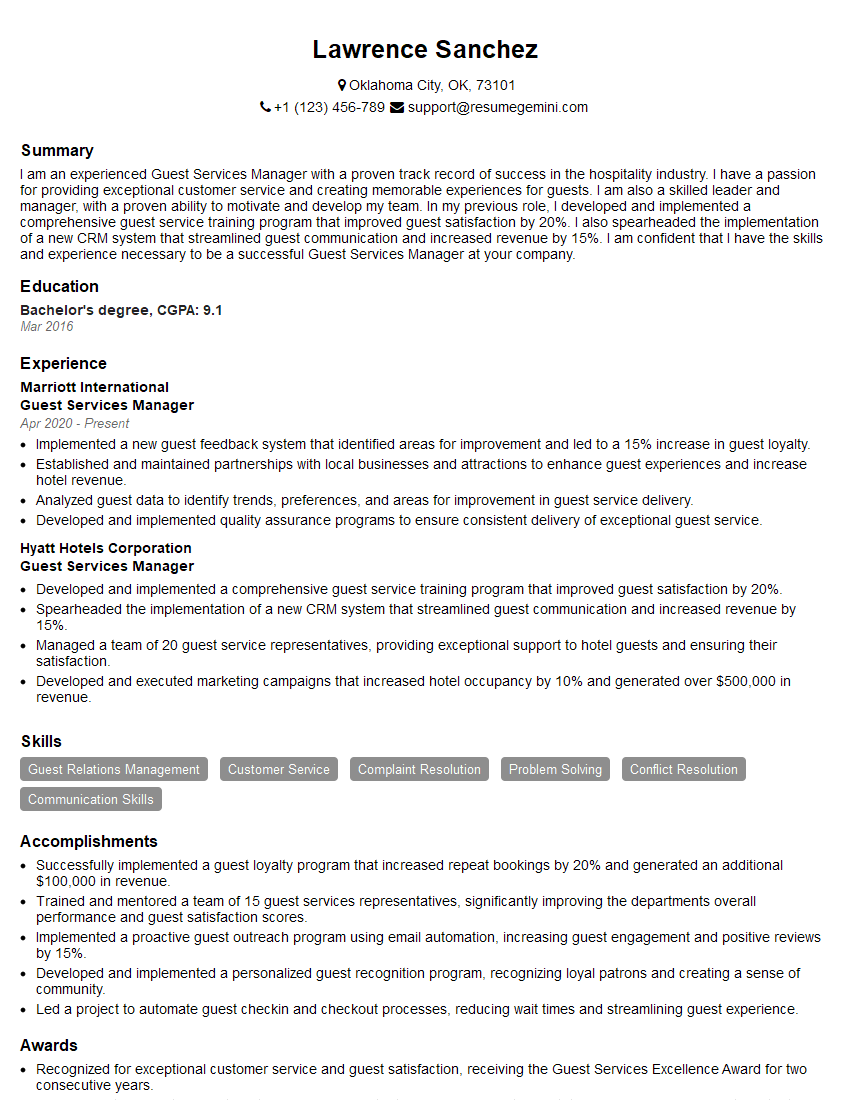
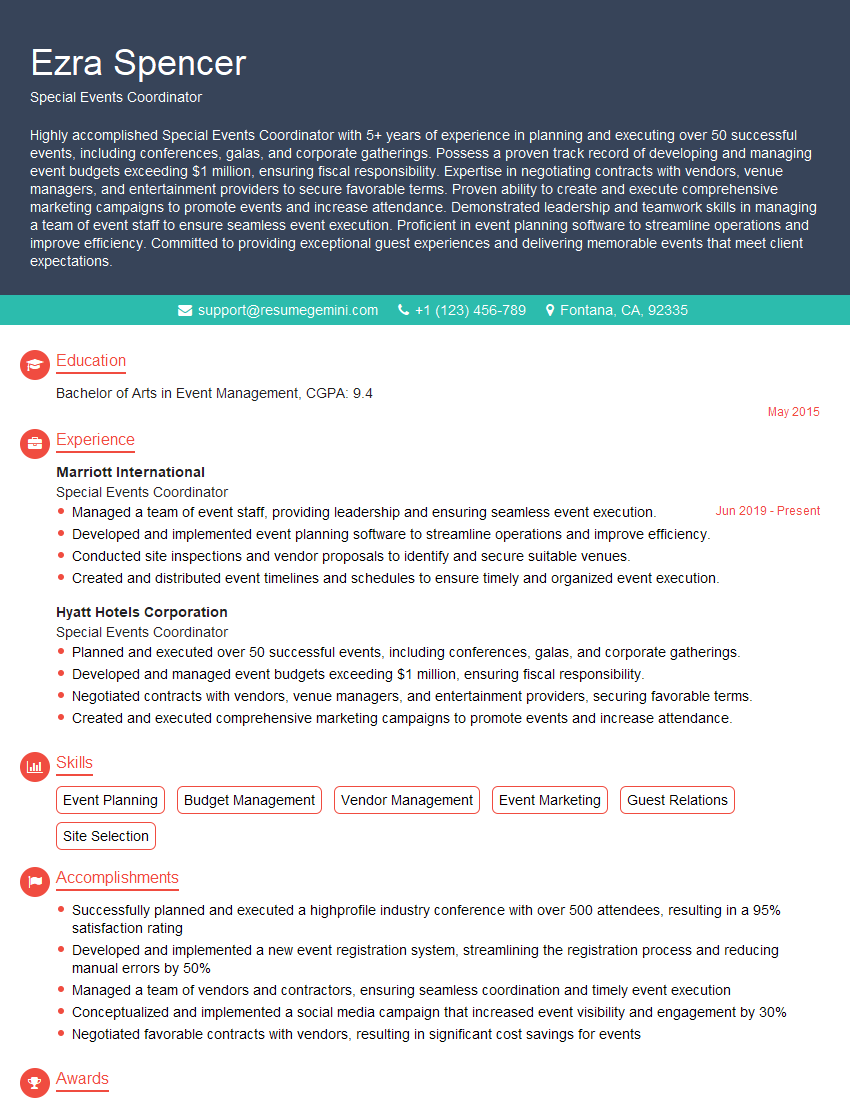
Mastering Game Day Operations significantly enhances your career prospects in the sports and entertainment industries, opening doors to diverse and exciting roles. To maximize your chances, creating an ATS-friendly resume is crucial. This ensures your application gets noticed by recruiters. ResumeGemini is a trusted resource to help you build a professional and impactful resume tailored to the specific requirements of the job. Examples of resumes tailored to Game Day Operations are available to help guide your resume creation. Invest the time to craft a compelling resume – it’s your first impression!
Explore more articles
Users Rating of Our Blogs
Share Your Experience
We value your feedback! Please rate our content and share your thoughts (optional).
What Readers Say About Our Blog
Attention music lovers!
Wow, All the best Sax Summer music !!!
Spotify: https://open.spotify.com/artist/6ShcdIT7rPVVaFEpgZQbUk
Apple Music: https://music.apple.com/fr/artist/jimmy-sax-black/1530501936
YouTube: https://music.youtube.com/browse/VLOLAK5uy_noClmC7abM6YpZsnySxRqt3LoalPf88No
Other Platforms and Free Downloads : https://fanlink.tv/jimmysaxblack
on google : https://www.google.com/search?q=22+AND+22+AND+22
on ChatGPT : https://chat.openai.com?q=who20jlJimmy20Black20Sax20Producer
Get back into the groove with Jimmy sax Black
Best regards,
Jimmy sax Black
www.jimmysaxblack.com
Hi I am a troller at The aquatic interview center and I suddenly went so fast in Roblox and it was gone when I reset.
Hi,
Business owners spend hours every week worrying about their website—or avoiding it because it feels overwhelming.
We’d like to take that off your plate:
$69/month. Everything handled.
Our team will:
Design a custom website—or completely overhaul your current one
Take care of hosting as an option
Handle edits and improvements—up to 60 minutes of work included every month
No setup fees, no annual commitments. Just a site that makes a strong first impression.
Find out if it’s right for you:
https://websolutionsgenius.com/awardwinningwebsites
Hello,
we currently offer a complimentary backlink and URL indexing test for search engine optimization professionals.
You can get complimentary indexing credits to test how link discovery works in practice.
No credit card is required and there is no recurring fee.
You can find details here:
https://wikipedia-backlinks.com/indexing/
Regards
NICE RESPONSE TO Q & A
hi
The aim of this message is regarding an unclaimed deposit of a deceased nationale that bears the same name as you. You are not relate to him as there are millions of people answering the names across around the world. But i will use my position to influence the release of the deposit to you for our mutual benefit.
Respond for full details and how to claim the deposit. This is 100% risk free. Send hello to my email id: lukachachibaialuka@gmail.com
Luka Chachibaialuka
Hey interviewgemini.com, just wanted to follow up on my last email.
We just launched Call the Monster, an parenting app that lets you summon friendly ‘monsters’ kids actually listen to.
We’re also running a giveaway for everyone who downloads the app. Since it’s brand new, there aren’t many users yet, which means you’ve got a much better chance of winning some great prizes.
You can check it out here: https://bit.ly/callamonsterapp
Or follow us on Instagram: https://www.instagram.com/callamonsterapp
Thanks,
Ryan
CEO – Call the Monster App
Hey interviewgemini.com, I saw your website and love your approach.
I just want this to look like spam email, but want to share something important to you. We just launched Call the Monster, a parenting app that lets you summon friendly ‘monsters’ kids actually listen to.
Parents are loving it for calming chaos before bedtime. Thought you might want to try it: https://bit.ly/callamonsterapp or just follow our fun monster lore on Instagram: https://www.instagram.com/callamonsterapp
Thanks,
Ryan
CEO – Call A Monster APP
To the interviewgemini.com Owner.
Dear interviewgemini.com Webmaster!
Hi interviewgemini.com Webmaster!
Dear interviewgemini.com Webmaster!
excellent
Hello,
We found issues with your domain’s email setup that may be sending your messages to spam or blocking them completely. InboxShield Mini shows you how to fix it in minutes — no tech skills required.
Scan your domain now for details: https://inboxshield-mini.com/
— Adam @ InboxShield Mini
support@inboxshield-mini.com
Reply STOP to unsubscribe
Hi, are you owner of interviewgemini.com? What if I told you I could help you find extra time in your schedule, reconnect with leads you didn’t even realize you missed, and bring in more “I want to work with you” conversations, without increasing your ad spend or hiring a full-time employee?
All with a flexible, budget-friendly service that could easily pay for itself. Sounds good?
Would it be nice to jump on a quick 10-minute call so I can show you exactly how we make this work?
Best,
Hapei
Marketing Director
Hey, I know you’re the owner of interviewgemini.com. I’ll be quick.
Fundraising for your business is tough and time-consuming. We make it easier by guaranteeing two private investor meetings each month, for six months. No demos, no pitch events – just direct introductions to active investors matched to your startup.
If youR17;re raising, this could help you build real momentum. Want me to send more info?
Hi, I represent an SEO company that specialises in getting you AI citations and higher rankings on Google. I’d like to offer you a 100% free SEO audit for your website. Would you be interested?
Hi, I represent an SEO company that specialises in getting you AI citations and higher rankings on Google. I’d like to offer you a 100% free SEO audit for your website. Would you be interested?