Are you ready to stand out in your next interview? Understanding and preparing for Tactical Employment of Airpower interview questions is a game-changer. In this blog, we’ve compiled key questions and expert advice to help you showcase your skills with confidence and precision. Let’s get started on your journey to acing the interview.
Questions Asked in Tactical Employment of Airpower Interview
Q 1. Explain the concept of air superiority and its importance in tactical airpower employment.
Air superiority is the degree of dominance in the air battle that permits the conduct of operations by friendly air forces, and also ensures freedom from interference by hostile air forces. It’s not simply about having more planes; it’s about achieving a decisive advantage that allows your forces to operate freely while denying the enemy the same opportunity. Think of it like controlling the skies – you dictate the terms of engagement.
Its importance in tactical airpower employment is paramount. Without air superiority, ground forces are vulnerable to enemy air attacks, supply lines are easily disrupted, and the overall campaign is significantly hampered. Securing air superiority allows for effective close air support, precision strikes, and reconnaissance missions, fundamentally shaping the battlefield and influencing the outcome of the conflict. For example, during the Gulf War, the US-led coalition’s overwhelming air superiority allowed for a swift and decisive ground offensive.
Q 2. Describe the different types of airpower capabilities and their respective roles in a joint operation.
Airpower capabilities are diverse and crucial in joint operations. They broadly fall into several categories:
- Close Air Support (CAS): Providing direct air support to ground forces engaged in combat. This involves coordinating air strikes with ground troops to neutralize threats and suppress enemy fire.
- Interdiction: Attacking enemy forces and supplies before they can reach the battlefield, disrupting their logistical flow and combat effectiveness. This might include targeting bridges, supply convoys, or troop movements.
- Strategic Bombing: Targeting key enemy infrastructure, industrial facilities, or military bases deep within enemy territory to cripple their war-making capacity. This is often part of a broader, long-term strategy.
- Reconnaissance and Surveillance: Gathering intelligence on enemy positions, movements, and capabilities through aerial platforms like drones or manned aircraft. This information is critical for effective targeting and planning.
- Airlift and Transport: Moving troops, equipment, and supplies to the battlefield quickly and efficiently. This is essential for maintaining logistical support and responding to rapidly evolving situations.
- Electronic Warfare: Disrupting enemy communications, radar, and navigation systems using electronic countermeasures. This creates confusion and reduces the enemy’s ability to effectively operate.
In a joint operation, each capability plays a distinct yet interconnected role. For example, reconnaissance might identify an enemy armor buildup, leading to interdiction strikes on their supply lines, followed by CAS to support ground troops pushing forward.
Q 3. How do you determine the appropriate type of airpower for a specific target and operational environment?
Selecting the appropriate airpower is a complex process dependent on several factors. It’s a matter of carefully weighing the capabilities of different aircraft, weapons, and tactics against the specific target and environment. A systematic approach is required.
- Target Characteristics: What is the target? Is it a hardened bunker, a moving convoy, or a dispersed group of troops? This dictates the type of weapon and the level of precision needed.
- Operational Environment: What are the weather conditions? Is the area densely populated? Is there significant enemy air defense? This impacts aircraft survivability and the types of munitions that can be used safely and effectively.
- Risk Assessment: What are the risks to friendly forces, civilians, and collateral damage? Minimizing collateral damage is paramount.
- Available Assets: What aircraft and munitions are available? This might dictate constraints on the choice of airpower.
For instance, a hardened target might require a precision-guided munition dropped from a stealth bomber, whereas a lightly defended convoy in clear weather might be suitable for a close air support attack using fast jets with unguided rockets.
Q 4. What are the key considerations when planning a close air support (CAS) mission?
Planning a CAS mission requires meticulous coordination and attention to detail. Key considerations include:
- Precise Targeting Information: Accurate coordinates, target description, and the nature of the threat are essential. This often involves close communication between ground troops and the aircrew.
- Timing and Coordination: The air strike needs to occur at the right time and in the right place, synchronized with ground operations. This demands seamless communication between all parties involved.
- De-confliction: Ensuring friendly forces are not in the vicinity of the target to minimize the risk of fratricide is absolutely vital.
- Rules of Engagement (ROE): Adherence to strict ROE is crucial to prevent civilian casualties and maintain operational legality.
- Communication Protocols: Establish clear communication channels between ground troops, aircrew, and command and control centers to prevent confusion and ensure mission success.
- Emergency Procedures: Develop contingency plans for situations such as aborting the mission due to bad weather or unforeseen circumstances.
Effective CAS relies on trust and precise communication between air and ground elements. Poor coordination can lead to tragic results, highlighting the importance of thorough planning and rehearsals.
Q 5. Explain the process of target acquisition and identification in a tactical airpower context.
Target acquisition and identification in tactical airpower is a critical process that ensures the right target is engaged. It involves several steps:
- Intelligence Gathering: Using various intelligence sources (satellite imagery, human intelligence, signals intelligence) to identify potential targets and their characteristics.
- Reconnaissance: Employing aerial platforms like drones or manned aircraft to confirm the target’s existence, location, and surrounding environment.
- Target Confirmation: Verifying the target’s identity to avoid collateral damage or fratricide. This often involves multiple sources of information and visual confirmation.
- Target Marking: Designating the target’s precise coordinates and potentially using laser designators or other marking methods to help guide weapons.
- Weapon Selection: Selecting the appropriate weapon based on the target characteristics and the operational environment.
Failure in any of these steps can lead to mission failure or unintended consequences. Robust processes and technologies, such as advanced sensor systems and real-time data analysis, are essential for ensuring accurate target acquisition and identification.
Q 6. How do you assess the effectiveness of an airpower campaign?
Assessing the effectiveness of an airpower campaign is a multifaceted process that goes beyond simply counting destroyed targets. It requires a holistic evaluation of various factors:
- Military Objectives: Were the campaign’s military objectives achieved? This often involves measuring the reduction of enemy capabilities, disruption of enemy operations, and support provided to ground forces.
- Collateral Damage: Assess the extent of unintended damage to civilian infrastructure and casualties. This is a crucial factor in evaluating the success of the campaign and its overall impact.
- Enemy Capabilities: How significantly were the enemy’s military capabilities degraded by the air campaign? This might include assessing the loss of personnel, equipment, and infrastructure.
- Political Objectives: Were the campaign’s political goals achieved? This is often a longer-term assessment that considers the broader geopolitical context.
- Cost-Effectiveness: Analyze the relationship between the resources expended and the military and political achievements. This involves calculating the cost per target destroyed or other relevant metrics.
A robust assessment often involves quantitative data (e.g., number of targets destroyed, enemy casualties) and qualitative factors (e.g., impact on enemy morale, political implications). This comprehensive approach leads to a more accurate evaluation of an airpower campaign’s true effectiveness.
Q 7. What are the potential risks and challenges associated with employing airpower in urban environments?
Employing airpower in urban environments presents unique challenges and risks. The high density of civilians and structures increases the risk of collateral damage significantly. Furthermore, the complex three-dimensional nature of urban areas complicates target acquisition and weapon delivery.
- Collateral Damage: The presence of non-combatants and the potential for unintended harm to civilian structures are major concerns. Minimizing civilian casualties is paramount but challenging in such environments.
- Complex Targeting: Navigating the maze of buildings, roads, and obstacles in urban areas makes target acquisition and identification more difficult and increases the risk of friendly fire.
- Anti-Aircraft Defenses: Urban areas often present concealed anti-aircraft positions, which increase the vulnerability of attacking aircraft.
- Debris and Environmental Impact: The destruction of buildings and infrastructure can lead to significant debris fields and environmental contamination, compounding the challenges on the ground.
- Difficult Access: Restricted airspace and limitations on maneuverability reduce the effectiveness of airpower.
Mitigation strategies often involve employing precision-guided munitions, meticulous target selection, and strict adherence to ROE. The need for thorough intelligence gathering and careful planning becomes even more pronounced in urban environments to minimize risks and maximize effectiveness.
Q 8. Describe your understanding of the principles of mission command as they apply to airpower employment.
Mission command in airpower employment centers on providing commanders with the authority to act decisively within a clearly defined operational framework. It’s less about rigid control and more about empowering subordinate units to adapt to the dynamic battlefield. This involves a crucial balance between providing clear intent and granting the flexibility needed to overcome unforeseen challenges.
- Intent-based planning: Instead of micromanaging every detail, commanders articulate their overall objective and desired end state, allowing subordinate units to develop their own plans to achieve it.
- Decentralized execution: Airpower assets, spread across a wide geographical area, require a decentralized command structure to enable rapid response to evolving situations. Pilots and aircrew must have the ability to make crucial decisions on the ground.
- Trust and mutual understanding: Effective communication and shared understanding are paramount. Commanders must trust their subordinates’ expertise and judgement, while subordinates need to understand the commander’s intent and priorities.
- Continuous assessment and adaptation: The dynamic nature of air operations requires constant assessment of the situation and adjustment of plans based on new information. This iterative process is essential for mission success.
Example: In a counter-insurgency operation, a commander might specify the objective of disrupting enemy supply lines. Individual air units could then choose the best tactics to achieve this, employing different types of aircraft and munitions as needed, adapting to weather or enemy reactions.
Q 9. How do you integrate airpower with other military branches in a joint operation?
Integrating airpower with other military branches requires meticulous planning and seamless communication. Airpower’s unique capabilities, such as speed, range, and precision, can greatly amplify the effectiveness of ground and naval forces. Effective integration hinges on understanding each branch’s capabilities, limitations, and operational needs.
- Joint planning: Airpower integration begins in the planning phase with joint operations centers (JOCs). Air planners work closely with ground and naval counterparts to align air operations with overall campaign objectives.
- Close air support (CAS): Airpower provides critical CAS for ground troops, employing precision-guided munitions to neutralize enemy threats while minimizing civilian casualties. This requires real-time coordination between air and ground elements.
- Airborne operations: Airpower facilitates airborne operations by inserting troops and equipment into hostile territory, utilizing specialized aircraft like C-130s or CH-53s. Detailed coordination is required for accurate insertion and extraction.
- Maritime operations: Airpower provides reconnaissance, surveillance, and strike capabilities for naval operations, protecting naval assets and supporting amphibious assaults. This might involve carrier-based aircraft or long-range bombers.
Example: In an amphibious assault, airpower could provide suppression of enemy air defenses (SEAD), pave the way with precision strikes, and then offer CAS during the beach landing. This coordinated effort requires extensive pre-mission planning, real-time communication, and a strong understanding of each service’s strengths and limitations.
Q 10. Discuss the importance of deconfliction in airpower operations.
Deconfliction is crucial in airpower operations to prevent accidents, friendly fire incidents, and wasted resources. It involves coordinating the movement and activities of multiple air assets to avoid collisions and ensure that friendly forces don’t become targets. Without deconfliction, chaos and catastrophic consequences could ensue.
- Air traffic control (ATC): ATC systems manage the flow of air traffic within controlled airspace, ensuring aircraft maintain safe separation distances. Military ATC plays a critical role in deconflicting military operations.
- Mission coordination: Detailed mission planning and coordination between different air units are essential to minimize the chance of conflict. This includes defining operational areas, timelines, and communication protocols.
- Data sharing: Sharing real-time information on aircraft positions and mission parameters among different units and commands is critical for effective deconfliction. Modern systems often automate data sharing to a great extent.
- Rules of engagement (ROE): Clear ROE prevent accidental targeting of friendly forces. They establish precise procedures for identifying targets and engaging them, minimizing the risk of mistakes.
Example: During a large-scale air campaign, multiple aircraft from various units, conducting different missions, might be operating in the same general airspace. Deconfliction processes prevent collisions, ensure no friendly aircraft are targeted, and optimize resource allocation.
Q 11. Explain the role of intelligence, surveillance, and reconnaissance (ISR) in supporting airpower employment.
Intelligence, surveillance, and reconnaissance (ISR) are the eyes and ears of airpower. ISR assets provide the critical information necessary for effective targeting, mission planning, and assessment of results. Without robust ISR, airpower operations become significantly less effective and more dangerous.
- Target identification and location: ISR assets, such as satellites, drones, and manned reconnaissance aircraft, pinpoint enemy targets for precision strikes, ensuring that the right targets are engaged.
- Battle damage assessment (BDA): After a strike, ISR helps assess the effectiveness of attacks, identifying remaining threats and informing future operations. This feedback loop helps refine targeting strategies.
- Situational awareness: ISR provides real-time information on enemy movements, deployments, and capabilities. This understanding of the battlespace helps commanders make informed decisions and adapt to changing circumstances.
- Weather monitoring: Weather conditions drastically influence air operations. ISR assets can provide crucial information on weather patterns, allowing for adjustments in mission planning and execution.
Example: Before a strike on an enemy command center, ISR assets might provide high-resolution imagery to confirm the target’s location and identify potential collateral damage. During the strike, real-time updates from ISR assets would help ensure successful engagement and the post-strike BDA would determine the effectiveness of the operation.
Q 12. How do you manage and mitigate risks associated with friendly fire incidents during airpower operations?
Managing and mitigating the risk of friendly fire incidents requires a multi-layered approach, encompassing rigorous procedures, advanced technology, and constant vigilance.
- Positive identification (PID): Strict adherence to PID procedures is vital to ensure that only legitimate targets are engaged. This involves rigorous verification through multiple sources to avoid mistakes.
- Advanced identification systems: Employing technology like IFF (Identification Friend or Foe) systems, data links, and advanced sensors improves the accuracy and reliability of target identification.
- Standardized procedures and communication protocols: Clear, concise communication protocols and standardized procedures help avoid confusion and minimize the risk of misidentification.
- Rules of engagement (ROE): Rigorous ROE establish clear guidelines for engagement, limiting the potential for accidental attacks on friendly forces.
- Real-time monitoring and deconfliction: Continuous monitoring of operations and active deconfliction processes help identify and resolve potential conflicts in real-time.
Example: A strict procedure might require multiple confirmations from different sources before an air strike is authorized, along with real-time monitoring of the airspace to prevent unintentional engagements.
Q 13. Describe your experience with employing different types of munitions.
My experience encompasses employing a wide array of munitions, each suited for different scenarios and targets. The choice depends heavily on mission objectives, environmental factors, and collateral damage concerns.
- General Purpose Bombs (GPBs): Used for area attacks against less-precise targets. Their effectiveness is limited in urban environments due to collateral damage risks.
- Precision-Guided Munitions (PGMs): Offer superior accuracy, minimizing civilian casualties. PGMs include guided bombs (like JDAMs and Paveways), which use GPS or laser guidance to hit their targets precisely.
- Cluster munitions: Disperse smaller bomblets over a wide area. However, their use is increasingly controversial due to concerns about unexploded ordnance (UXO) and civilian casualties.
- Air-to-ground rockets: Offer a combination of speed and firepower, particularly effective against lightly armored vehicles or emplacements.
- Cruise missiles: Used for long-range precision strikes against high-value targets. They can be launched from various platforms, including aircraft and ships.
Example: In an urban environment, PGMs would be preferred to minimize civilian casualties. Conversely, against a large, open enemy encampment, GPBs might suffice for a less precise, high-impact attack.
Q 14. What are the key factors to consider when selecting airbases for an operation?
Selecting airbases for an operation involves considering numerous factors that can significantly influence mission success and overall safety.
- Runway length and strength: Must accommodate the aircraft types to be employed, considering weight and takeoff/landing requirements.
- Proximity to targets: Shorter distances reduce flight time and fuel consumption, increasing operational efficiency.
- Infrastructure: The base needs adequate facilities for maintenance, fuel storage, and personnel support.
- Security: The base’s security and defensibility against potential attacks are paramount. This may include proximity to friendly forces.
- Weather conditions: The base’s weather patterns should be assessed to ensure minimal disruption to operations.
- Political considerations: Securing overflight and landing rights may involve sensitive diplomatic negotiations.
Example: For a large-scale operation, a large base with robust infrastructure and strong defenses might be selected. For a smaller, more clandestine operation, a smaller, more remote base with better security might be preferred.
Q 15. How do you ensure the safety of aircrews during combat operations?
Ensuring aircrew safety during combat operations is paramount and involves a multi-layered approach. It begins long before takeoff with rigorous training, encompassing advanced flight techniques, threat recognition, and emergency procedures. Pre-flight checks are meticulously conducted to guarantee aircraft airworthiness. During the mission, comprehensive intelligence gathering about potential threats – like enemy air defenses or hostile forces – allows for mission planning that minimizes risk. This includes selecting optimal routes, altitudes, and speeds to avoid known dangers. Airborne early warning and control (AEW&C) aircraft provide situational awareness, alerting crews to potential threats and guiding them to safety. Finally, robust communication systems allow for constant contact between aircrews, ground control, and other aircraft, facilitating rapid response to emergencies. Think of it like a layered security system – multiple overlapping safeguards to mitigate risk. For example, a pilot might have a pre-planned escape route programmed into their navigation system, and a dedicated support crew monitoring their progress constantly.
Career Expert Tips:
- Ace those interviews! Prepare effectively by reviewing the Top 50 Most Common Interview Questions on ResumeGemini.
- Navigate your job search with confidence! Explore a wide range of Career Tips on ResumeGemini. Learn about common challenges and recommendations to overcome them.
- Craft the perfect resume! Master the Art of Resume Writing with ResumeGemini’s guide. Showcase your unique qualifications and achievements effectively.
- Don’t miss out on holiday savings! Build your dream resume with ResumeGemini’s ATS optimized templates.
Q 16. Explain the concept of effects-based operations and how it applies to airpower.
Effects-based operations (EBO) is a military operational concept that focuses on achieving specific desired effects on an enemy rather than solely targeting physical objects. In the context of airpower, this means carefully selecting targets and employing airpower assets to achieve a strategic goal – like disrupting an enemy’s supply lines or weakening their morale – rather than just destroying individual enemy vehicles or buildings. For example, instead of simply bombing a factory, an effects-based approach would consider the broader impact. Destroying the power grid supplying the factory might be more effective, causing a wider disruption to enemy war efforts. It’s about thinking several steps ahead – what are the desired effects, and how can the employment of airpower maximize those effects while minimizing collateral damage? This requires detailed intelligence analysis to understand the enemy’s structure, command and control, and critical vulnerabilities.
Q 17. How do you account for weather conditions when planning airpower operations?
Weather conditions significantly impact airpower operations. Planning must account for visibility, cloud cover, precipitation, wind speed, and temperature. Poor visibility restricts the use of precision-guided munitions and increases the risk of accidents. Strong winds affect flight performance and potentially endanger landings. Severe weather events like thunderstorms or icing conditions may ground aircraft altogether. Sophisticated weather forecasting and modeling are integrated into mission planning. Aircrews receive detailed weather briefings before missions, and flight paths may be adjusted to avoid hazardous conditions. For instance, a mission might be delayed or re-routed to avoid a severe thunderstorm, potentially sacrificing some tactical advantage for the sake of crew safety and mission success. Using advanced weather radar on aircraft and ground-based systems helps to continuously monitor conditions in real-time and make appropriate adaptations.
Q 18. Discuss the ethical considerations associated with employing airpower.
Ethical considerations are crucial in employing airpower. Minimizing civilian casualties and collateral damage is paramount. This necessitates strict adherence to the laws of armed conflict and the principles of proportionality and distinction. Proportionality assesses whether the military advantage gained justifies the potential civilian harm. Distinction requires differentiating between combatants and civilians, minimizing harm to the latter. The selection of targets must be carefully scrutinized, and appropriate weapons systems chosen to limit collateral effects. After every operation, thorough assessments are conducted to evaluate its impact, both intended and unintended. This includes examining potential civilian casualties and implementing lessons learned into future operations. Ethical considerations are not an afterthought; they form the basis of every decision in the planning and execution of airpower operations. In short, this isn’t simply about achieving a military objective; it’s about doing so responsibly and ethically.
Q 19. What are the advantages and disadvantages of using different types of aircraft in a tactical airpower context?
Different aircraft types offer unique advantages and disadvantages in a tactical airpower context. Fighter aircraft excel in air-to-air combat but may have limited payload for ground attacks. Bombers, conversely, possess large payloads but are typically slower and less maneuverable. Attack aircraft, such as the A-10 Warthog, are designed for close air support, providing highly accurate fire on ground targets. Helicopters offer vertical takeoff and landing capabilities, making them useful for insertion and extraction of troops and reconnaissance missions. Unmanned aerial vehicles (UAVs) provide persistent surveillance and intelligence gathering capabilities at relatively low risk. The selection of aircraft depends on the specific mission requirements. For example, a mission requiring pinpoint strikes on a highly defended target might employ stealth fighters, while a large-scale bombing campaign might utilize strategic bombers. Each aircraft’s strengths and weaknesses must be carefully weighed against the mission’s objectives to optimize effectiveness and safety.
Q 20. Explain the role of command and control (C2) in coordinating airpower operations.
Command and control (C2) is the backbone of coordinating airpower operations. It involves the efficient and effective planning, direction, coordination, and control of air assets. This includes the dissemination of information, the assignment of tasks, the monitoring of progress, and the resolution of conflicts. A robust C2 system uses various communication tools – from radio to satellite links – to maintain a clear and consistent flow of information between ground control, airborne platforms, and other relevant units. A well-functioning C2 system is crucial for maintaining situational awareness, avoiding fratricide (friendly fire), and ensuring that airpower is employed effectively to achieve the desired effects. Think of it like an orchestra conductor guiding each instrument to create a harmonious whole. Without effective C2, operations would become chaotic, dangerous, and ineffective. Systems such as AWACS aircraft play a crucial role in providing the real-time situational awareness needed for effective C2.
Q 21. How do you assess the impact of enemy air defenses on airpower operations?
Assessing the impact of enemy air defenses on airpower operations is critical. This involves intelligence gathering to determine the type, quantity, and location of enemy air defense systems (ADS). Satellite imagery, reconnaissance aircraft, and electronic intelligence are employed to build a comprehensive picture of the threat. This intelligence is then used to assess the risk to friendly aircraft, informing mission planning. Various tactics are employed to mitigate the risk posed by ADS, including employing electronic warfare assets to jam or deceive enemy radars, utilizing stealth aircraft to evade detection, and employing suppression of enemy air defenses (SEAD) missions to neutralize enemy threats before the main attack commences. The effectiveness of these tactics is continuously assessed to adjust strategies and tactics based on real-time information obtained during missions. Accurate assessments of enemy air defenses are essential for mission success and aircrew safety. Essentially, we’re playing a game of chess, constantly anticipating and adapting to our opponent’s moves.
Q 22. What are some of the emerging technologies that are influencing tactical airpower employment?
Emerging technologies are revolutionizing tactical airpower employment. We’re seeing significant advancements in several key areas:
- Unmanned Aerial Systems (UAS) and Artificial Intelligence (AI): AI-powered drones are becoming increasingly sophisticated, capable of autonomous flight, target identification, and even engagement. This allows for increased persistence, reduced risk to human pilots, and the ability to perform tasks in high-risk environments. For example, swarm tactics using numerous AI-controlled drones could overwhelm enemy air defenses.
- Advanced Sensors and Data Fusion: The integration of diverse sensor data from various platforms (satellites, airborne sensors, ground-based radar) allows for a more comprehensive and accurate picture of the battlefield. This improved situational awareness is crucial for effective targeting and mission planning. Real-time data fusion algorithms can process vast amounts of information to identify critical targets quickly.
- Cyber Warfare and Electronic Warfare (EW): The increasing reliance on digital systems makes airpower vulnerable to cyberattacks. Conversely, employing cyber and EW capabilities can disrupt enemy command and control, sensor systems, and communication networks, creating significant advantages in the battlespace.
- Hypersonic Weapons: The development of hypersonic weapons presents both challenges and opportunities. Their speed and maneuverability make them difficult to intercept, requiring new strategies for defense and offense. This necessitates advanced early warning systems and defensive countermeasures.
- Precision-Guided Munitions (PGMs): Continued advancements in PGM technology lead to greater accuracy and reduced collateral damage. This is critical for minimizing civilian casualties and maximizing the effectiveness of airpower in urban environments.
These technologies are not independent; they are increasingly integrated, creating a synergistic effect that dramatically alters tactical airpower employment.
Q 23. Describe your experience with airpower employment planning software or systems.
My experience with airpower employment planning software encompasses several systems, including Joint Operation Planning and Execution System (JOPES) and its various derivatives. I’m proficient in using these systems to develop detailed air tasking orders (ATOs), integrating various platforms, weapons, and intelligence data. These systems allow for collaborative planning, simulation of different scenarios, and the optimization of mission parameters.
For example, I’ve used JOPES to create ATOs for complex multi-national operations involving close air support (CAS), suppression of enemy air defenses (SEAD), and deep interdiction strikes. The software’s ability to visualize the operational environment and track the progress of the mission in real-time is invaluable. We can model different airframes, weapon loads, and engagement strategies to find the optimal solutions that minimize risk and maximize effectiveness.
I also have experience with more specialized software for mission rehearsal and pilot training simulators that incorporate realistic flight models and environmental conditions. These are crucial for developing and maintaining proficiency in complex scenarios.
Q 24. How do you adapt your airpower strategy based on real-time intelligence updates?
Adapting airpower strategy in response to real-time intelligence is paramount. A rigid plan is rarely successful in the dynamic environment of modern warfare. Our process typically involves:
- Rapid Intelligence Assessment: Dedicated analysts immediately process incoming intelligence, assessing its validity and impact on the current mission.
- Risk Re-evaluation: We reassess the potential risks and threats based on the new information. This might involve analyzing changes in enemy disposition, the emergence of new targets, or shifts in the threat landscape.
- Mission Replanning (if necessary): Based on the updated assessment, we might need to adjust the ATO. This could involve changing targets, adjusting routes, re-allocating assets, or even aborting parts of the mission if the risk outweighs the benefits.
- Communication and Coordination: Crucially, all changes must be communicated clearly and promptly to all involved parties, including aircrews, ground controllers, and other supporting elements.
- Contingency Planning: Having pre-planned contingencies for various scenarios allows us to react more quickly and effectively to unexpected events.
For instance, if intelligence reveals a newly deployed enemy air defense system within the planned flight path, we would immediately divert aircraft, adjust routes, or consider employing SEAD assets to neutralize the threat before proceeding with the main mission.
Q 25. Explain the importance of maintaining situational awareness during airpower operations.
Maintaining situational awareness (SA) is fundamental to the success of any airpower operation. SA encompasses a comprehensive understanding of the battlespace, including the location and capabilities of friendly and enemy forces, weather conditions, terrain, and the overall operational environment. Loss of SA can lead to fratricide, mission failure, and significant risk to personnel and assets.
We achieve SA through a combination of:
- Sensor Fusion: Integrating data from various sources (radar, satellite imagery, ground-based sensors, and airborne sensors) provides a more complete picture of the battlefield.
- Communication Networks: Secure and reliable communication networks are crucial for sharing information among aircrews, ground control, and other stakeholders in real-time.
- Data Links: Data links allow for the seamless exchange of information between aircraft and ground control, enhancing collaboration and responsiveness.
- Intelligence Gathering and Analysis: Continuous intelligence gathering and analysis provide crucial context and anticipate potential threats.
Think of SA as a pilot’s crucial sense of ‘sixth sense’ – without a constantly updated understanding of the surroundings, even the best pilot is operating blind.
Q 26. How do you handle unexpected events or changes in the operational environment during airpower missions?
Unexpected events are inevitable in airpower operations. Our response depends on the nature and severity of the event but generally involves:
- Rapid Assessment: Quickly assess the situation and determine its impact on the mission.
- Risk Evaluation: Evaluate the risks associated with different courses of action.
- Decision-Making: Make a timely and informed decision based on the available information and risk assessment.
- Communication: Communicate the decision and any necessary changes to all relevant personnel.
- Execution: Implement the chosen course of action efficiently and effectively.
- Post-Mission Debrief: After the mission, a thorough debrief is critical to identify lessons learned and improve future responses to similar situations.
For example, if an aircraft experiences a mechanical malfunction, the aircrew will follow emergency procedures, while ground control will coordinate support and divert other aircraft if necessary. A pre-planned contingency procedure allows for a swift and coordinated response.
Q 27. Describe a time when you had to make a critical decision regarding airpower employment under pressure.
During a CAS mission in a complex urban environment, we received intelligence indicating the presence of civilian casualties near a designated target. The target was a high-value enemy position, but the risk of civilian casualties was significant. I had to decide whether to proceed with the strike or abort the mission, under intense pressure from both ground forces and higher command.
After careful consideration of the intelligence, risk assessment, and the potential consequences of both actions, I decided to abort the strike. The potential loss of innocent lives outweighed the tactical advantage of the target. This decision was not easy; it involved significant pressure and potential repercussions. However, the priority is always to minimize civilian casualties. Post-mission analysis showed that the decision to abort was correct, and alternative targeting solutions were successfully implemented.
Q 28. How do you communicate effectively with other personnel involved in airpower operations?
Effective communication is critical in airpower operations. I utilize a multi-faceted approach:
- Clear and Concise Language: Using precise language and avoiding jargon whenever possible ensures clear understanding across all ranks and specializations.
- Multiple Communication Channels: Employing various methods like voice radio, data links, and secure messaging platforms ensures redundancy and resilience.
- Standard Operating Procedures (SOPs): Adhering to established SOPs for communication minimizes confusion and facilitates efficient information exchange.
- Active Listening: Paying close attention to others’ input ensures a shared understanding and addresses potential concerns.
- Regular Briefings and Debriefs: These sessions facilitate information sharing, coordinate efforts, and identify potential problems.
Building strong relationships with personnel from different branches and specialties is crucial for seamless collaboration. Trust and mutual respect underpin effective communication, enabling quick decision-making and efficient execution of complex operations.
Key Topics to Learn for Tactical Employment of Airpower Interview
- Airpower Principles: Understanding the fundamental principles of airpower, including its capabilities, limitations, and potential impact on various operational environments.
- Targeting and Effects: Analyzing target selection processes, evaluating the effects of various air weapons, and understanding collateral damage minimization strategies. Practical application includes case studies of successful (and unsuccessful) targeting operations.
- Air-Ground Integration: Mastering the coordination between air and ground forces, including close air support (CAS) procedures, joint targeting processes, and effective communication protocols. Consider exploring different command and control structures.
- Mission Planning & Execution: Developing mission plans that consider factors like weather, enemy capabilities, and political considerations. Analyze different mission types and their execution phases.
- Intelligence, Surveillance, and Reconnaissance (ISR): Understanding the vital role of ISR in informing airpower operations, including data analysis and its impact on decision-making processes.
- Air Combat Maneuvering (ACM): Understanding basic air combat tactics and the employment of air superiority fighters, including basic engagement scenarios and the application of different fighter tactics.
- Technological Integration: Familiarity with current and emerging technologies used in airpower, such as precision-guided munitions (PGMs) and unmanned aerial vehicles (UAVs), and their strategic implications.
- Air Base Operations: Understanding the logistical and operational challenges related to maintaining air bases in different environments, including security and supply chain considerations.
- Legal and Ethical Considerations: Familiarity with the laws of armed conflict (LOAC) and the ethical implications of airpower employment. This includes understanding the rules of engagement and collateral damage assessments.
- Problem-Solving and Decision-Making under Pressure: Developing a systematic approach to problem-solving, including risk assessment and contingency planning, within the context of dynamic operational environments. Practice scenarios requiring quick decision-making based on limited information.
Next Steps
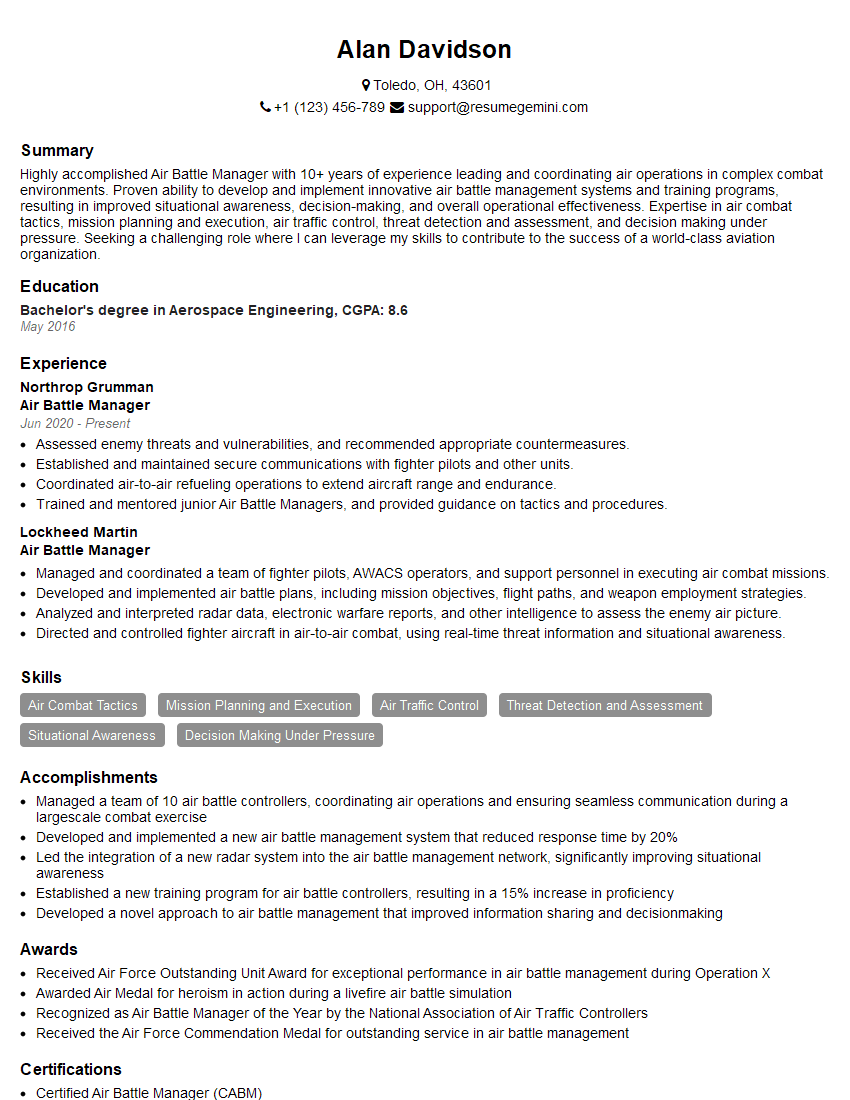
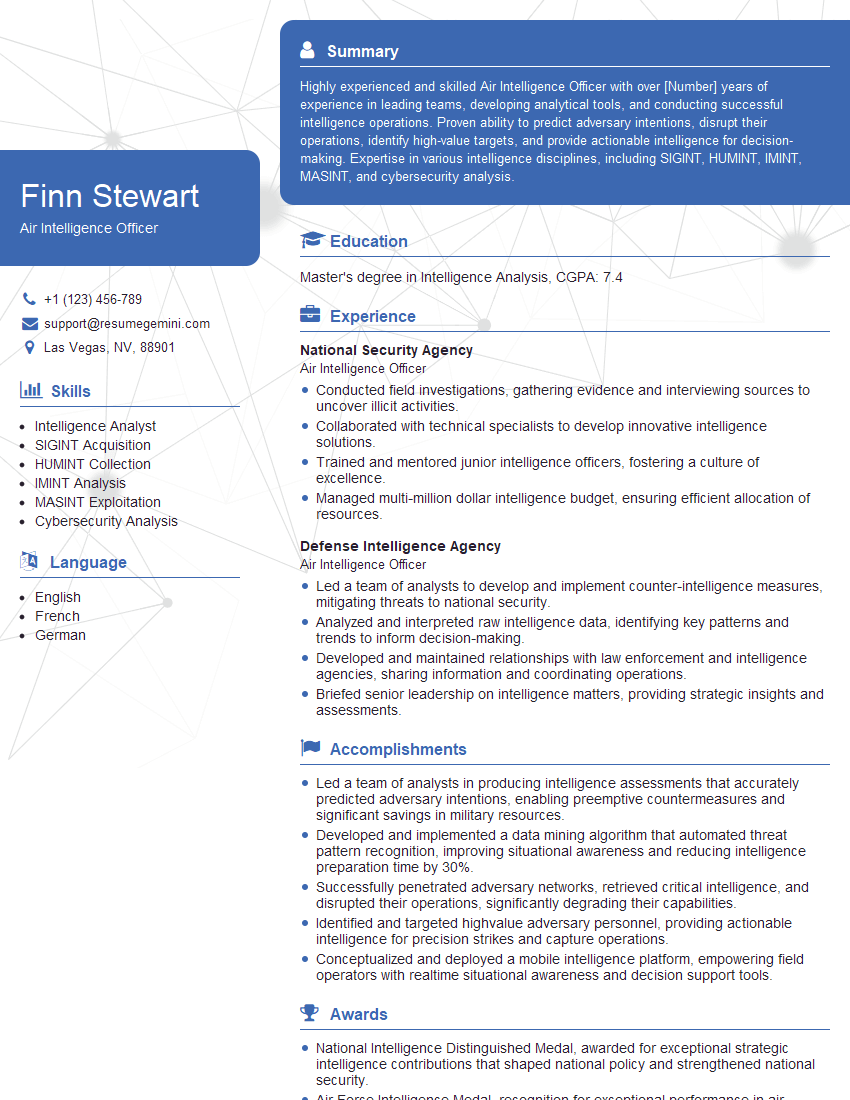
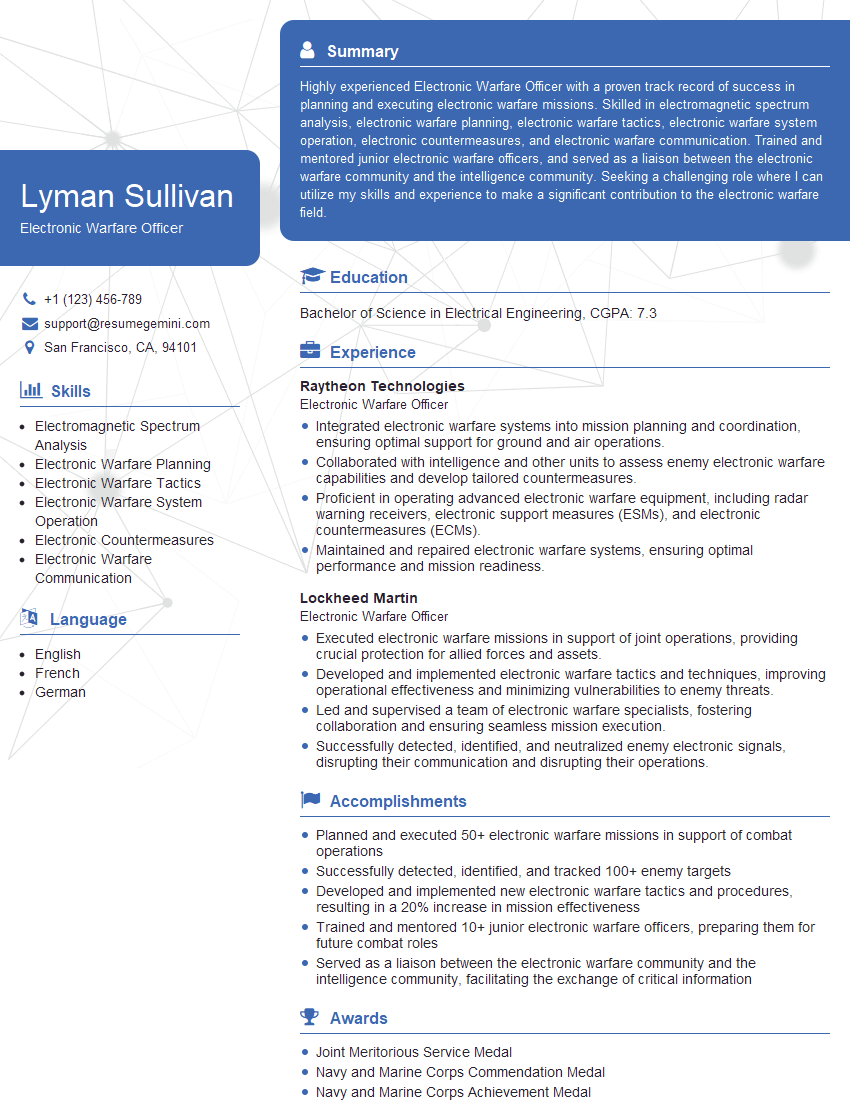
Mastering Tactical Employment of Airpower is crucial for career advancement in the defense and aerospace industries, opening doors to leadership roles and specialized assignments. An ATS-friendly resume is essential for maximizing your job prospects. ResumeGemini is a trusted resource to help you craft a compelling and effective resume, ensuring your skills and experience are clearly highlighted. ResumeGemini provides examples of resumes tailored to Tactical Employment of Airpower roles to guide your process and help you stand out from the competition.
Explore more articles
Users Rating of Our Blogs
Share Your Experience
We value your feedback! Please rate our content and share your thoughts (optional).
What Readers Say About Our Blog
Attention music lovers!
Wow, All the best Sax Summer music !!!
Spotify: https://open.spotify.com/artist/6ShcdIT7rPVVaFEpgZQbUk
Apple Music: https://music.apple.com/fr/artist/jimmy-sax-black/1530501936
YouTube: https://music.youtube.com/browse/VLOLAK5uy_noClmC7abM6YpZsnySxRqt3LoalPf88No
Other Platforms and Free Downloads : https://fanlink.tv/jimmysaxblack
on google : https://www.google.com/search?q=22+AND+22+AND+22
on ChatGPT : https://chat.openai.com?q=who20jlJimmy20Black20Sax20Producer
Get back into the groove with Jimmy sax Black
Best regards,
Jimmy sax Black
www.jimmysaxblack.com
Hi I am a troller at The aquatic interview center and I suddenly went so fast in Roblox and it was gone when I reset.
Hi,
Business owners spend hours every week worrying about their website—or avoiding it because it feels overwhelming.
We’d like to take that off your plate:
$69/month. Everything handled.
Our team will:
Design a custom website—or completely overhaul your current one
Take care of hosting as an option
Handle edits and improvements—up to 60 minutes of work included every month
No setup fees, no annual commitments. Just a site that makes a strong first impression.
Find out if it’s right for you:
https://websolutionsgenius.com/awardwinningwebsites
Hello,
we currently offer a complimentary backlink and URL indexing test for search engine optimization professionals.
You can get complimentary indexing credits to test how link discovery works in practice.
No credit card is required and there is no recurring fee.
You can find details here:
https://wikipedia-backlinks.com/indexing/
Regards
NICE RESPONSE TO Q & A
hi
The aim of this message is regarding an unclaimed deposit of a deceased nationale that bears the same name as you. You are not relate to him as there are millions of people answering the names across around the world. But i will use my position to influence the release of the deposit to you for our mutual benefit.
Respond for full details and how to claim the deposit. This is 100% risk free. Send hello to my email id: lukachachibaialuka@gmail.com
Luka Chachibaialuka
Hey interviewgemini.com, just wanted to follow up on my last email.
We just launched Call the Monster, an parenting app that lets you summon friendly ‘monsters’ kids actually listen to.
We’re also running a giveaway for everyone who downloads the app. Since it’s brand new, there aren’t many users yet, which means you’ve got a much better chance of winning some great prizes.
You can check it out here: https://bit.ly/callamonsterapp
Or follow us on Instagram: https://www.instagram.com/callamonsterapp
Thanks,
Ryan
CEO – Call the Monster App
Hey interviewgemini.com, I saw your website and love your approach.
I just want this to look like spam email, but want to share something important to you. We just launched Call the Monster, a parenting app that lets you summon friendly ‘monsters’ kids actually listen to.
Parents are loving it for calming chaos before bedtime. Thought you might want to try it: https://bit.ly/callamonsterapp or just follow our fun monster lore on Instagram: https://www.instagram.com/callamonsterapp
Thanks,
Ryan
CEO – Call A Monster APP
To the interviewgemini.com Owner.
Dear interviewgemini.com Webmaster!
Hi interviewgemini.com Webmaster!
Dear interviewgemini.com Webmaster!
excellent
Hello,
We found issues with your domain’s email setup that may be sending your messages to spam or blocking them completely. InboxShield Mini shows you how to fix it in minutes — no tech skills required.
Scan your domain now for details: https://inboxshield-mini.com/
— Adam @ InboxShield Mini
support@inboxshield-mini.com
Reply STOP to unsubscribe
Hi, are you owner of interviewgemini.com? What if I told you I could help you find extra time in your schedule, reconnect with leads you didn’t even realize you missed, and bring in more “I want to work with you” conversations, without increasing your ad spend or hiring a full-time employee?
All with a flexible, budget-friendly service that could easily pay for itself. Sounds good?
Would it be nice to jump on a quick 10-minute call so I can show you exactly how we make this work?
Best,
Hapei
Marketing Director
Hey, I know you’re the owner of interviewgemini.com. I’ll be quick.
Fundraising for your business is tough and time-consuming. We make it easier by guaranteeing two private investor meetings each month, for six months. No demos, no pitch events – just direct introductions to active investors matched to your startup.
If youR17;re raising, this could help you build real momentum. Want me to send more info?
Hi, I represent an SEO company that specialises in getting you AI citations and higher rankings on Google. I’d like to offer you a 100% free SEO audit for your website. Would you be interested?
Hi, I represent an SEO company that specialises in getting you AI citations and higher rankings on Google. I’d like to offer you a 100% free SEO audit for your website. Would you be interested?