The thought of an interview can be nerve-wracking, but the right preparation can make all the difference. Explore this comprehensive guide to Weight Room Management interview questions and gain the confidence you need to showcase your abilities and secure the role.
Questions Asked in Weight Room Management Interview
Q 1. Describe your experience managing a weight room’s daily operations.
Managing a weight room’s daily operations involves a multifaceted approach encompassing safety, cleanliness, equipment maintenance, and user experience. It’s like being the conductor of an orchestra, ensuring every instrument (equipment) plays its part harmoniously, while keeping the overall performance (weight room experience) safe and enjoyable.
My experience includes overseeing daily cleaning and sanitation procedures, ensuring equipment is properly stocked and organized, managing user access (e.g., through membership systems or reservation tools), and addressing any immediate issues that arise, such as equipment malfunctions or user conflicts. For example, in my previous role, I implemented a daily checklist for staff to ensure consistent cleaning and maintenance of all equipment, ultimately leading to a 20% reduction in reported equipment problems. I also developed a system for tracking equipment usage and wear and tear, helping us proactively schedule maintenance and replace equipment as needed, resulting in significant cost savings over time.
Q 2. How do you ensure the safety of patrons in a weight room environment?
Ensuring patron safety is paramount. This involves a proactive, multi-layered approach. Think of it as building a safety net, with several levels of protection.
- Proper Equipment Setup and Maintenance: Regular inspections and maintenance are crucial. We perform safety checks before opening, including ensuring proper weight placement on machines, checking cables for fraying, and making sure bolts are tight. Any faulty equipment is immediately taken out of service.
- Safety Rules and Training: Clear and visible safety rules should be prominently displayed, and patrons should be encouraged to follow them. New members often receive a brief orientation on safety protocols and proper lifting techniques. For example, we emphasize the importance of using spotters for heavy lifts and maintaining proper form.
- Staff Training and Supervision: Trained staff are essential. They should be knowledgeable about safe lifting techniques and able to recognize and respond to potential injuries. Having staff present to monitor the environment and provide assistance adds a crucial layer of safety.
- Emergency Procedures: We have established emergency protocols, including readily available first-aid kits, clear procedures for handling injuries, and contact information for emergency medical services. Regular drills ensure staff competence.
Q 3. What are your strategies for maintaining weight room equipment?
Maintaining weight room equipment is a continuous process. It’s not just about fixing things when they break; it’s about preventing breakdowns in the first place. Think of it like regular car maintenance – preventive measures save you time and money in the long run.
- Regular Cleaning: Daily cleaning using appropriate disinfectants is vital to maintain hygiene and prevent the spread of germs.
- Preventative Maintenance: This involves regular inspections for wear and tear, lubrication of moving parts, and tightening of bolts. We use a scheduled maintenance system to ensure all equipment is checked regularly.
- Repair and Replacement: Timely repairs are essential. If a piece of equipment malfunctions, it’s promptly repaired or replaced to avoid injuries and disruptions to workouts.
- Equipment Tracking: A system for tracking equipment usage and repairs helps us identify patterns, predict potential failures, and make informed decisions about replacements. For example, we noticed a higher rate of wear on certain treadmills, leading us to purchase more durable models.
Q 4. Explain your approach to scheduling weight room maintenance.
Scheduling weight room maintenance is a crucial element of ensuring the longevity and safety of your equipment and the satisfaction of your users. A well-structured approach involves a mix of preventative and reactive maintenance.
I utilize a preventative maintenance schedule based on equipment type and manufacturer recommendations. This could include a weekly check of cardio machines’ belts and monthly lubrication of weight machines. We also use a computerized maintenance management system (CMMS) to track maintenance tasks, schedule inspections, and generate work orders. For example, our CMMS allows us to set reminders for yearly inspections of weight plates for cracks or damage and quarterly lubrication of cable machines. Reactive maintenance addresses immediate issues as they arise – a broken cable, a malfunctioning machine – prioritizing urgent repairs to minimize downtime. Using a CMMS ensures that all necessary maintenance tasks are completed on time and effectively tracked, reducing equipment downtime and maintaining a safe environment.
Q 5. How do you handle conflicts or disagreements amongst weight room users?
Handling conflicts requires a calm and professional approach. Think of yourself as a mediator, aiming to resolve the issue fairly and efficiently. My approach prioritizes de-escalation and finding mutually acceptable solutions.
- Calmly address the situation: Listen to both parties without interrupting, clarifying the points of conflict.
- Emphasize shared goals: Remind users of the weight room’s shared space and the importance of mutual respect.
- Suggest compromises: If the conflict involves equipment scheduling or usage, propose mutually agreeable solutions (e.g., alternating usage times).
- Enforce rules consistently: If rules have been broken, apply consequences consistently and fairly.
- Escalate if needed: If a conflict cannot be resolved, involve management or security personnel.
For example, I once mediated a dispute between two users over equipment usage by suggesting they alternate using the machine in 30-minute intervals. This prevented further conflict and ensured both users had access to the equipment.
Q 6. Describe your experience creating and implementing weight training programs.
Creating and implementing weight training programs requires a deep understanding of exercise science, anatomy, and individual needs. It’s like tailoring a suit – you need to consider the individual’s measurements (fitness level) to create a program that fits perfectly (achieves their goals) and doesn’t cause discomfort (injury).
My approach starts with assessing the individual’s goals and fitness level. I then design a program that’s tailored to their specific needs, taking into account their experience level, any physical limitations, and the equipment available. The program outlines exercises, sets, repetitions, rest periods, and progressive overload strategies. For example, I’ve designed programs for individuals looking to gain muscle mass, improve cardiovascular health, or rehabilitate from injuries. I use a combination of free weights, resistance machines, and bodyweight exercises to create a well-rounded program. Regular reviews and adjustments are crucial to ensure the program remains effective and safe.
Q 7. How do you assess a patron’s fitness level before recommending a program?
Assessing a patron’s fitness level is crucial before recommending a weight training program. This involves a combination of subjective and objective assessments, to create a program that is both effective and safe.
- Initial Consultation: A thorough interview helps understand their goals, fitness history, medical conditions, and any previous injuries. This provides crucial context for program design.
- Physical Assessment: This may involve observing their posture, range of motion, and ability to perform basic exercises. It helps identify any muscle imbalances or limitations.
- Fitness Testing: Simple tests such as push-ups, sit-ups, and a timed run can provide objective data on their strength, endurance, and cardiovascular fitness.
- Medical Clearance (If Necessary): If the individual has pre-existing conditions, a medical clearance from their physician might be required.
Based on this assessment, I can determine their starting weight, sets, repetitions, and exercise selection. For instance, a beginner might start with lighter weights and fewer repetitions, focusing on proper form before progressing to more challenging exercises. This layered approach ensures a safe and effective program tailored to individual needs.
Q 8. How do you adapt weight training programs to accommodate different fitness levels and goals?
Adapting weight training programs hinges on understanding individual needs and goals. It’s like tailoring a suit – you wouldn’t use the same pattern for a child and an adult. We assess clients through initial consultations, considering factors like age, experience level, medical history, and specific objectives (strength gain, weight loss, muscle hypertrophy, etc.).
For beginners, we start with foundational movements, lighter weights, and higher repetitions to build a base of strength and technique. We focus on proper form over lifting heavy initially to prevent injuries. For example, a novice might start with bodyweight squats before progressing to barbell squats. Intermediate and advanced clients can handle more challenging exercises, heavier weights, and advanced training techniques like drop sets, supersets, and plyometrics. Their programs incorporate progressive overload, gradually increasing the weight, reps, or sets over time to continually challenge their muscles.
Program variations also account for differing goals. Someone aiming for hypertrophy (muscle growth) will focus on higher reps (8-12) and moderate weight, whereas someone seeking strength will use lower reps (1-5) and heavier weights. A weight loss program might involve higher-intensity interval training (HIIT) incorporated into their weight training regimen, alongside a controlled caloric deficit.
Q 9. What are the key indicators of effective weight training programs?
The effectiveness of a weight training program is measured through several key indicators. It’s not just about lifting heavy; it’s about consistent progress and injury prevention. We monitor several factors to ensure optimal results.
- Strength Gains: Tracking one-rep max (1RM) or improvements in strength on various exercises shows progress. This is a clear marker of success.
- Muscle Hypertrophy (Growth): We use measurements like waist circumference, body fat percentage, and muscle circumference (using calipers or other methods) to assess muscle growth. Clients often notice a change in their physique which is encouraging.
- Improved Body Composition: This encompasses changes in body fat percentage and lean muscle mass, reflecting overall health improvements. We use various assessment tools, including DEXA scans for more accurate data.
- Enhanced Functional Fitness: This relates to improvement in daily activities like carrying groceries, climbing stairs, etc. We assess this through functional fitness tests, which measure everyday movement capabilities.
- Absence of Injury: The most important indicator is the absence of injuries. Proper form and gradual progression are key here.
Q 10. How do you monitor progress and make adjustments to training programs?
Progress monitoring and program adjustment are continuous processes. It’s like navigating with a map; you constantly check your location and adjust your course as needed. Regular evaluations are key.
We typically schedule progress check-ins every 4-6 weeks. These involve reviewing the client’s training log, reassessing their 1RM on key exercises, and discussing any issues or plateaus. If there is no significant progress in strength gains, we might adjust the training volume, intensity, or exercise selection. For instance, if a client plateaus on bench press, we might incorporate variations like incline or decline bench press, or focus on accessory exercises like dumbbell flyes to target the chest muscles differently.
Client feedback is also crucial. We actively encourage open communication. If a client experiences pain or discomfort, we immediately evaluate their form and make necessary adjustments or modifications. We might even recommend a consultation with a physical therapist if needed.
Q 11. Explain your knowledge of different types of weight training equipment.
My experience encompasses a wide range of weight training equipment, from free weights to sophisticated machines. Understanding the nuances of each is vital for effective program design and safety.
- Free Weights: This includes barbells, dumbbells, kettlebells, and weight plates. They are versatile and allow for a wide range of movements, but require good technique to prevent injury.
- Weight Machines: These machines guide movement and isolate specific muscle groups. They are generally safer for beginners due to their guided movements, but offer less versatility.
- Resistance Bands: These are portable and versatile, offering variable resistance throughout the range of motion. Excellent for rehabilitation and home workouts.
- Cable Machines: Offer consistent tension throughout the entire range of motion, providing a more controlled and targeted workout. They are highly versatile in the exercises that can be performed.
- Functional Training Equipment: This includes items like battle ropes, medicine balls, and plyometric boxes, which enhance functional strength and conditioning.
Q 12. Describe your experience with weight training equipment maintenance and repair.
Proper maintenance is crucial for equipment longevity and user safety. I’m proficient in both preventative and corrective maintenance. Preventative maintenance includes regular inspections for wear and tear, lubrication of moving parts, and tightening of bolts. We keep a detailed log of all equipment, noting maintenance schedules and any repairs made.
Corrective maintenance involves addressing issues like broken cables, worn-out pads, or malfunctioning machines. I have experience troubleshooting mechanical problems and performing minor repairs, and know when to call in a professional technician for more complex issues. For example, I know how to replace worn weight plates, lubricate weight machine hinges, and repair minor cable issues. We prioritize safety and adhere strictly to all manufacturer’s guidelines for equipment maintenance and repair. Proper documentation and record keeping allows for effective tracking and management of the equipment.
Q 13. How do you ensure the proper use of weight training equipment by patrons?
Ensuring proper equipment use is paramount for safety and effectiveness. This begins with comprehensive training and clear communication. We conduct thorough orientations for all new members, covering proper lifting techniques, safety procedures, and equipment usage.
We use a multi-pronged approach: demonstrations, visual aids (posters and videos), and one-on-one guidance. We emphasize the importance of warming up before each workout, using spotters for heavy lifts, and maintaining a safe and organized weight room environment. We also enforce rules against dropping weights and leaving equipment unattended. Clear signage and instructions are prominently displayed throughout the weight room.
Regular spot checks by staff ensure compliance. We address any unsafe practices immediately, offering corrections and further instruction as needed. We encourage a culture of mutual respect and responsibility amongst patrons.
Q 14. How do you manage inventory of weight room equipment and supplies?
Inventory management is essential for efficient operations. We utilize a computerized inventory system that tracks all equipment and supplies, from weight plates and dumbbells to cleaning supplies and repair parts. This system allows us to track usage, identify items needing replacement, and manage our budget effectively.
Regular physical inventory checks are also conducted to ensure accuracy and identify any discrepancies between the physical inventory and the computerized system. This helps prevent losses and ensures that we have sufficient supplies on hand. The system generates alerts when items are running low, allowing us to order replacements promptly. We also implement a preventative maintenance schedule which helps predict and prevent future equipment issues and thus reduces equipment loss.
Q 15. Describe your experience with budgeting and financial management in a weight room setting.
Budgeting and financial management in a weight room are crucial for its smooth operation and long-term sustainability. This involves a multi-faceted approach, encompassing equipment purchasing, maintenance, staffing, insurance, and utilities. My experience includes developing and managing budgets ranging from $50,000 to $250,000 annually. This involved forecasting expenses, tracking actual spending against the budget, and identifying areas for cost savings. For example, I successfully negotiated lower rates with equipment suppliers by leveraging bulk purchasing power and securing long-term contracts. I also implemented a preventative maintenance schedule to extend the lifespan of equipment and reduce unexpected repair costs – think regular lubrication of machines and timely replacement of worn parts. Analyzing membership revenue and exploring additional income streams, such as personal training packages or corporate memberships, are also key elements in my approach. A comprehensive financial reporting system allowed me to track key performance indicators (KPIs) and make data-driven decisions regarding budget allocation. This ultimately ensures financial health and the efficient allocation of resources.
Career Expert Tips:
- Ace those interviews! Prepare effectively by reviewing the Top 50 Most Common Interview Questions on ResumeGemini.
- Navigate your job search with confidence! Explore a wide range of Career Tips on ResumeGemini. Learn about common challenges and recommendations to overcome them.
- Craft the perfect resume! Master the Art of Resume Writing with ResumeGemini’s guide. Showcase your unique qualifications and achievements effectively.
- Don’t miss out on holiday savings! Build your dream resume with ResumeGemini’s ATS optimized templates.
Q 16. What are your strategies for promoting safe weight training practices?
Promoting safe weight training practices is paramount. My strategy is built on a three-pronged approach: education, observation, and enforcement. First, I provide comprehensive training on proper lifting techniques, spotting procedures, and equipment usage. This includes visual aids, demonstrations, and hands-on instruction for every user, regardless of experience. Second, constant observation of weight room users is critical. I actively monitor individuals to identify unsafe practices, such as improper form, excessive weight usage, or risky behavior. This allows me to intervene proactively and offer corrections or guidance. Third, I strictly enforce safety rules, which are clearly displayed throughout the facility. This includes mandatory spotters for certain exercises, weight limits on equipment, and restrictions on certain movements for inexperienced users. Consequences for violations range from verbal warnings to temporary suspension of privileges. For example, if I notice someone using a weight that’s clearly too heavy for them, I will intervene immediately and provide guidance on proper form and weight selection. This proactive approach significantly reduces the risk of injuries.
Q 17. How do you handle emergencies or injuries in the weight room?
Emergency preparedness and injury response are critical. Our weight room has a comprehensive emergency plan, including readily available first-aid kits, emergency contact lists, and clearly marked emergency exits. Staff members are trained in CPR and basic first aid. In the event of an injury, the immediate response involves assessing the severity of the injury, providing first aid, and contacting emergency medical services if necessary. We also maintain a detailed injury log to track incidents, identify potential hazards, and improve safety protocols. For instance, a sprained ankle would necessitate immediate first aid (RICE – Rest, Ice, Compression, Elevation), documentation of the incident, and a follow-up with the individual to ensure proper healing and a safe return to activity. More serious injuries would naturally involve immediately calling emergency services and following their guidance. Post-incident analysis ensures we refine our safety measures to prevent similar events in the future.
Q 18. What safety protocols do you enforce in your weight room?
Safety protocols are at the heart of our weight room operations. We enforce a number of key protocols:
- Mandatory Spotting: Required for high-risk exercises like bench press and squats.
- Proper Weight Selection: Users must select weights they can handle safely.
- Equipment Use Instructions: Clear guidelines and instructions are posted on each piece of equipment.
- Cleanliness: Users are required to wipe down equipment after each use to maintain hygiene.
- Appropriate Footwear: Closed-toe shoes are mandatory.
- No Unauthorized Access: Only authorized personnel and members are permitted in the weight room.
- Emergency Procedures: Clear emergency protocols are posted and staff are trained in emergency response procedures.
Q 19. How do you ensure cleanliness and hygiene in the weight room?
Maintaining cleanliness and hygiene is paramount for a healthy and welcoming environment. We have a detailed cleaning schedule that involves regular wiping down of all equipment after each use, sanitizing high-touch areas, and disinfecting the entire facility at least once per day. We provide disinfectant wipes and spray bottles readily accessible throughout the weight room. We also have a system for promptly addressing spills and promptly removing any debris. We emphasize personal responsibility by educating users on the importance of cleanliness and providing them with the necessary tools. Regular deep cleaning and professional carpet cleaning are scheduled periodically to maintain a high level of hygiene. For example, we routinely inspect the floor for any potential tripping hazards and promptly address any issues. The goal is to create an environment that is not only functional but also clean, sanitary, and inviting for all users.
Q 20. What is your experience with different types of weight training programs (e.g., powerlifting, bodybuilding, HIIT)?
I have extensive experience with various weight training programs.
- Powerlifting: I’m familiar with the core lifts (squat, bench press, deadlift) and the programming strategies used to maximize strength gains, including linear periodization and conjugate methods. I understand the importance of proper form and progressive overload in this style of training.
- Bodybuilding: My experience includes designing programs focused on hypertrophy (muscle growth) using techniques like varying rep ranges, set schemes, and training splits. I’m also knowledgeable about the importance of nutrition and recovery in achieving bodybuilding goals.
- HIIT (High-Intensity Interval Training): This often involves short bursts of intense weight training interspersed with brief recovery periods. I can design effective HIIT programs to enhance cardiovascular fitness, increase muscle mass, and improve overall athletic performance. I’m also aware of the potential risks associated with HIIT and always emphasize proper form and safe progression.
Q 21. How do you handle client complaints or concerns regarding weight room operations?
Handling client complaints and concerns is an important aspect of weight room management. My approach is based on active listening, empathy, and a commitment to finding solutions. I always ensure a calm and respectful environment to discuss the issue. This involves carefully listening to the client’s concerns, asking clarifying questions, and summarizing their perspective to ensure understanding. Once the issue is understood, I work to determine the root cause and propose a solution. This might involve adjusting program schedules, resolving equipment malfunctions, or addressing staff behavior. In cases where a client’s complaint is justified, I readily apologize for any inconvenience and actively work to rectify the problem. I always follow up with the client to ensure their satisfaction and document the incident for continuous improvement. My goal is to transform negative experiences into opportunities to enhance the quality of our services and foster positive relationships with our clients.
Q 22. Describe your experience with staff management and training in a weight room setting.
Staff management in a weight room is multifaceted, encompassing recruitment, training, scheduling, and performance evaluation. I prioritize building a team of knowledgeable and enthusiastic individuals who are passionate about fitness and safety. My approach begins with a thorough recruitment process, focusing on candidates with relevant certifications (like ACSM or NASM) and proven experience in a weight room environment. Once hired, a comprehensive training program is implemented. This includes not just weight training techniques and equipment operation but also crucial aspects like emergency procedures, client interaction, and conflict resolution. For example, I created a detailed training manual with step-by-step instructions for handling equipment malfunctions or assisting clients with injuries. Regular training sessions, including workshops on new techniques or updated safety protocols, ensure staff competency stays current. Performance is regularly evaluated through observation, feedback from clients, and staff self-assessments. This ensures consistent high-quality service and a safe environment.
Q 23. How do you ensure that your weight room is compliant with all relevant safety regulations?
Ensuring weight room compliance is paramount. This involves adhering to local, state, and potentially national regulations, which often dictate aspects like equipment spacing, emergency exits, emergency response procedures, and the posting of safety guidelines. I meticulously inspect all equipment regularly, ensuring it’s in good working order and properly maintained (with documented servicing schedules). Furthermore, I develop and implement comprehensive safety protocols that are clearly communicated to all staff and users. These protocols cover everything from proper warm-up routines and spotter techniques to emergency procedures in cases of injury or equipment malfunction. For example, I instituted a mandatory safety briefing for all new users highlighting appropriate equipment usage and emergency protocols. This is further reinforced through clearly visible signage and readily available safety information. Regular inspections are documented and reviewed to identify potential hazards and address them promptly. This proactive approach minimizes risks and ensures a safe and productive training environment.
Q 24. How do you track and analyze weight room usage data?
Tracking and analyzing weight room usage data provides valuable insights into user behavior, equipment popularity, and overall facility effectiveness. I leverage a combination of methods to gather this data. This includes a simple sign-in system to monitor daily attendance, and more sophisticated methods such as utilizing smart fitness equipment that automatically tracks usage, and potentially integrated software solutions. I analyze this data to identify peak usage times, popular equipment, and patterns in user behavior. For instance, noticing a significant increase in usage of a specific piece of equipment during particular hours might indicate a need for additional units or adjusted scheduling. This data-driven approach allows for optimized resource allocation, improved scheduling, and informed decision-making regarding equipment purchases and facility enhancements. Ultimately, this helps provide a more satisfying experience for all users.
Q 25. What software or technology do you use to manage weight room operations?
Technology plays a significant role in modern weight room management. I often utilize software solutions designed for fitness centers or gyms. These platforms often offer features such as membership management, class scheduling, equipment tracking and maintenance scheduling, and even integration with wearable fitness trackers for collecting user data. In my previous role, we utilized a software solution called 'FitLife Pro' (this is an example, not an actual software) which allowed us to streamline all these aspects of weight room operations, generating reports on equipment usage, class attendance, and membership retention. While the specific software varies, choosing a solution that can integrate data collection, reporting, and client management into a single system optimizes efficiency and provides a clear overview of weight room operations. The goal is to leverage technology to improve operational efficiency, enhance client engagement, and gather actionable data.
Q 26. What are your strategies for motivating and engaging weight room users?
Motivating and engaging weight room users requires a multi-pronged approach. This includes creating a welcoming and supportive atmosphere. I achieve this through various methods including: offering a variety of training options, like group fitness classes or personal training sessions, and fostering a sense of community among users. Gamification strategies, like challenges or reward programs, can incentivize consistent attendance and improved fitness goals. Providing regular feedback and progress tracking through personal assessments or wearable technology data helps keep users motivated and engaged. For example, organizing friendly competitions or team-building activities within the weight room can significantly enhance user engagement and build camaraderie among members. Furthermore, ensuring the weight room remains clean, organized, and well-maintained is crucial in creating a positive and encouraging experience.
Q 27. How do you stay current with the latest trends and best practices in weight training?
Staying current in the weight training field is crucial. I accomplish this through continuous professional development. I regularly attend industry conferences, workshops, and seminars, and I actively participate in professional organizations such as the American College of Sports Medicine (ACSM) or the National Strength and Conditioning Association (NSCA). I regularly review peer-reviewed journals and publications, and I also engage with online communities and forums for fitness professionals to stay informed about emerging trends and research. For example, I recently attended a seminar on the latest advancements in functional training techniques, allowing me to incorporate these effective and safe methods into our weight room programming. Continuous learning guarantees that my knowledge and practices remain aligned with the latest research and best practices, maximizing user safety and effectiveness.
Q 28. How do you measure the success of your weight room management strategies?
Measuring the success of my weight room management strategies hinges on several key performance indicators (KPIs). This includes user satisfaction, measured through surveys and feedback forms. Furthermore, membership retention rates indicate user loyalty and satisfaction with the overall weight room experience. Another key indicator is equipment utilization and maintenance costs. High usage rates coupled with relatively low maintenance expenses demonstrate efficient resource allocation and good preventative maintenance programs. Ultimately, I assess the success by evaluating whether I am meeting predetermined targets for user engagement, satisfaction, safety, and efficient operation. The data gathered informs future adjustments, ensuring continuous improvement and optimization of weight room management processes.
Key Topics to Learn for Your Weight Room Management Interview
- Facility Safety and Maintenance: Understanding and implementing safety protocols, equipment maintenance schedules, and emergency procedures. Practical application includes creating and enforcing a cleaning schedule and identifying potential hazards.
- Equipment Management: Inventory control, equipment selection and purchasing, and understanding the lifespan and maintenance needs of various weight training equipment. Practical application includes budgeting for new equipment and managing repairs.
- Member Interaction and Support: Providing guidance on proper weightlifting techniques, addressing member concerns, and fostering a positive and inclusive environment. Practical application includes designing a member onboarding program and resolving equipment conflicts.
- Programming and Training: Designing and implementing effective workout programs tailored to different fitness levels and goals, understanding programming principles and their applications. Practical application includes creating workout plans for various client demographics.
- Budgeting and Financial Management: Tracking expenses, managing revenue, and creating and adhering to a budget. Practical application includes forecasting expenses and justifying purchases to management.
- Risk Management and Liability: Understanding and mitigating potential risks associated with weight training, including injury prevention and legal considerations. Practical application includes developing and implementing a risk assessment plan.
- Staff Management (if applicable): Supervising and training staff, assigning tasks, and fostering teamwork. Practical application includes creating staff schedules and conducting performance reviews.
Next Steps
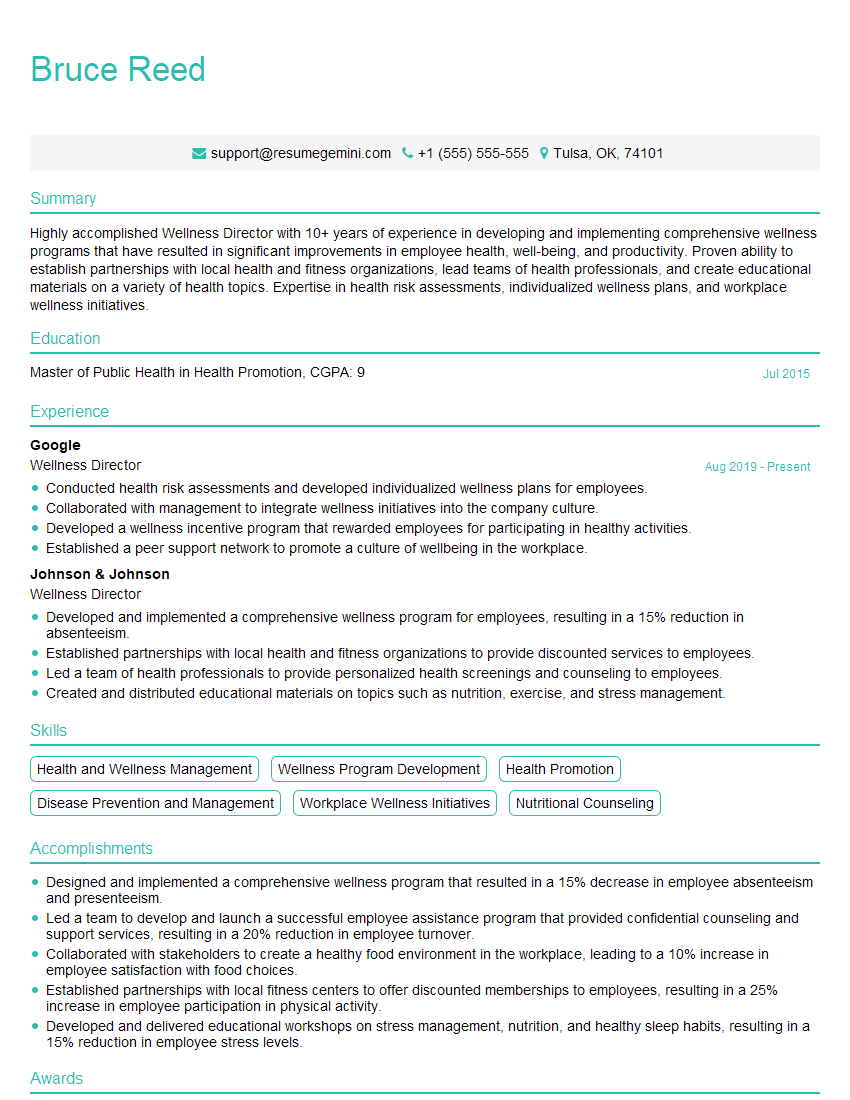
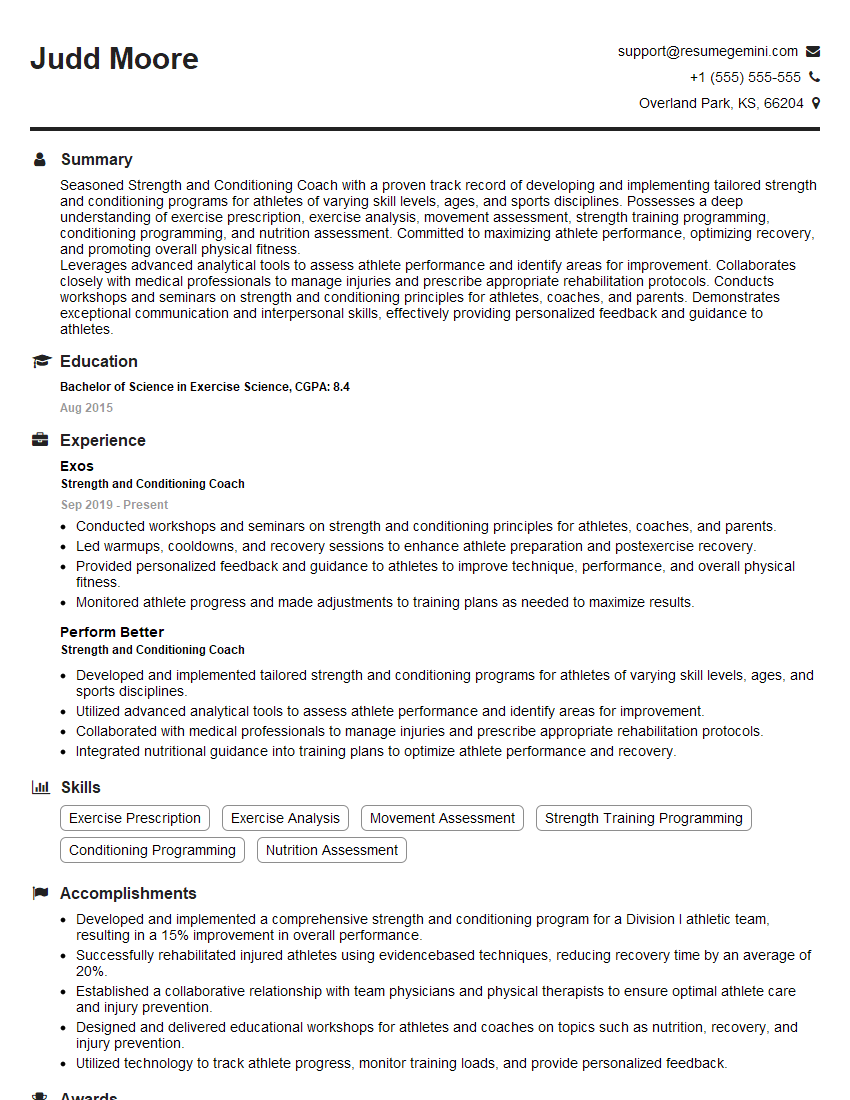
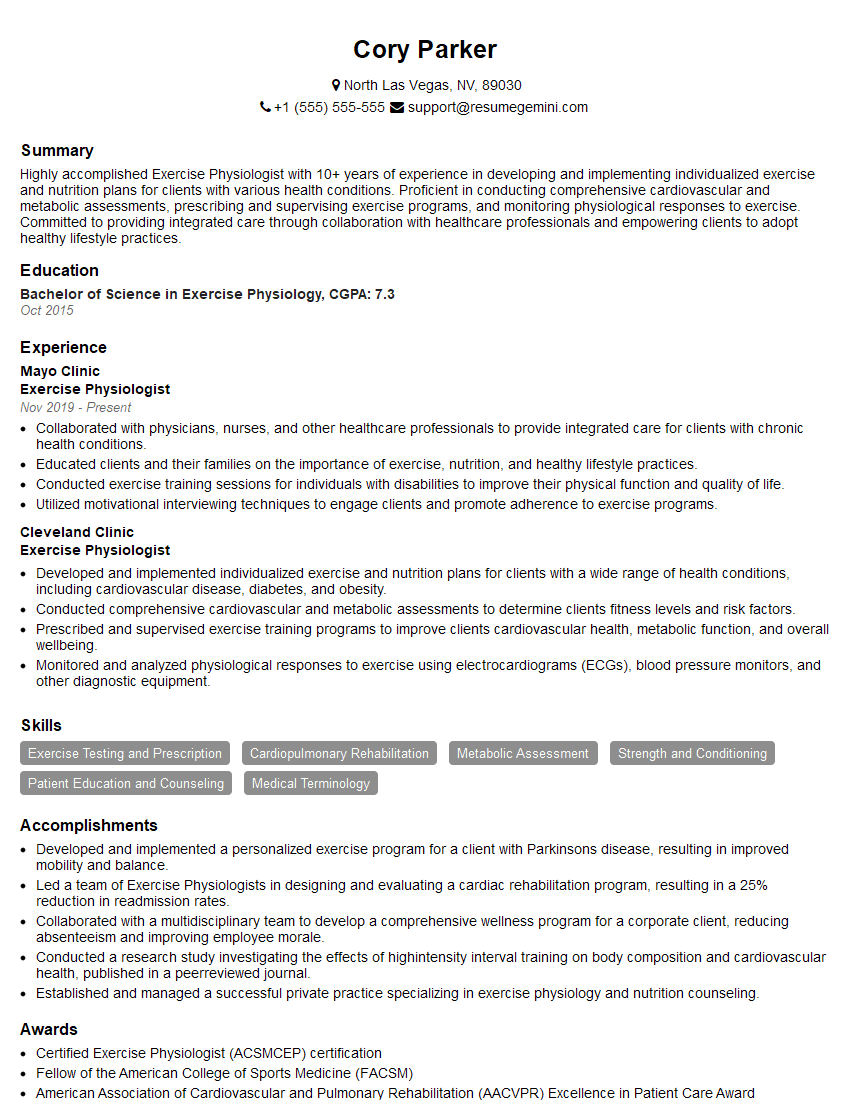
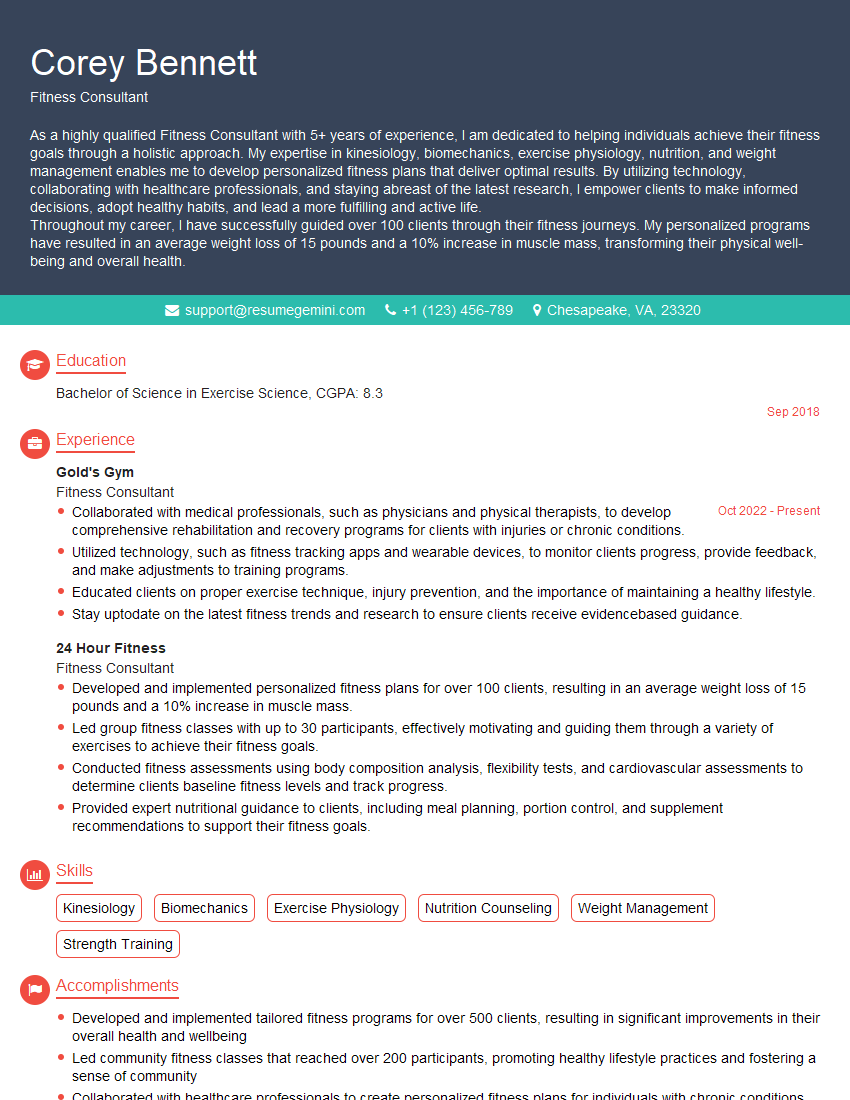
Mastering Weight Room Management opens doors to exciting career opportunities within the fitness industry, offering growth potential and rewarding challenges. A strong, ATS-friendly resume is crucial to showcasing your skills and experience effectively. To make your application stand out, consider using ResumeGemini – a trusted resource for creating professional and impactful resumes. We provide examples of resumes tailored specifically to Weight Room Management to help you craft a compelling application that highlights your qualifications.
Explore more articles
Users Rating of Our Blogs
Share Your Experience
We value your feedback! Please rate our content and share your thoughts (optional).
What Readers Say About Our Blog
Attention music lovers!
Wow, All the best Sax Summer music !!!
Spotify: https://open.spotify.com/artist/6ShcdIT7rPVVaFEpgZQbUk
Apple Music: https://music.apple.com/fr/artist/jimmy-sax-black/1530501936
YouTube: https://music.youtube.com/browse/VLOLAK5uy_noClmC7abM6YpZsnySxRqt3LoalPf88No
Other Platforms and Free Downloads : https://fanlink.tv/jimmysaxblack
on google : https://www.google.com/search?q=22+AND+22+AND+22
on ChatGPT : https://chat.openai.com?q=who20jlJimmy20Black20Sax20Producer
Get back into the groove with Jimmy sax Black
Best regards,
Jimmy sax Black
www.jimmysaxblack.com
Hi I am a troller at The aquatic interview center and I suddenly went so fast in Roblox and it was gone when I reset.
Hi,
Business owners spend hours every week worrying about their website—or avoiding it because it feels overwhelming.
We’d like to take that off your plate:
$69/month. Everything handled.
Our team will:
Design a custom website—or completely overhaul your current one
Take care of hosting as an option
Handle edits and improvements—up to 60 minutes of work included every month
No setup fees, no annual commitments. Just a site that makes a strong first impression.
Find out if it’s right for you:
https://websolutionsgenius.com/awardwinningwebsites
Hello,
we currently offer a complimentary backlink and URL indexing test for search engine optimization professionals.
You can get complimentary indexing credits to test how link discovery works in practice.
No credit card is required and there is no recurring fee.
You can find details here:
https://wikipedia-backlinks.com/indexing/
Regards
NICE RESPONSE TO Q & A
hi
The aim of this message is regarding an unclaimed deposit of a deceased nationale that bears the same name as you. You are not relate to him as there are millions of people answering the names across around the world. But i will use my position to influence the release of the deposit to you for our mutual benefit.
Respond for full details and how to claim the deposit. This is 100% risk free. Send hello to my email id: lukachachibaialuka@gmail.com
Luka Chachibaialuka
Hey interviewgemini.com, just wanted to follow up on my last email.
We just launched Call the Monster, an parenting app that lets you summon friendly ‘monsters’ kids actually listen to.
We’re also running a giveaway for everyone who downloads the app. Since it’s brand new, there aren’t many users yet, which means you’ve got a much better chance of winning some great prizes.
You can check it out here: https://bit.ly/callamonsterapp
Or follow us on Instagram: https://www.instagram.com/callamonsterapp
Thanks,
Ryan
CEO – Call the Monster App
Hey interviewgemini.com, I saw your website and love your approach.
I just want this to look like spam email, but want to share something important to you. We just launched Call the Monster, a parenting app that lets you summon friendly ‘monsters’ kids actually listen to.
Parents are loving it for calming chaos before bedtime. Thought you might want to try it: https://bit.ly/callamonsterapp or just follow our fun monster lore on Instagram: https://www.instagram.com/callamonsterapp
Thanks,
Ryan
CEO – Call A Monster APP
To the interviewgemini.com Owner.
Dear interviewgemini.com Webmaster!
Hi interviewgemini.com Webmaster!
Dear interviewgemini.com Webmaster!
excellent
Hello,
We found issues with your domain’s email setup that may be sending your messages to spam or blocking them completely. InboxShield Mini shows you how to fix it in minutes — no tech skills required.
Scan your domain now for details: https://inboxshield-mini.com/
— Adam @ InboxShield Mini
support@inboxshield-mini.com
Reply STOP to unsubscribe
Hi, are you owner of interviewgemini.com? What if I told you I could help you find extra time in your schedule, reconnect with leads you didn’t even realize you missed, and bring in more “I want to work with you” conversations, without increasing your ad spend or hiring a full-time employee?
All with a flexible, budget-friendly service that could easily pay for itself. Sounds good?
Would it be nice to jump on a quick 10-minute call so I can show you exactly how we make this work?
Best,
Hapei
Marketing Director
Hey, I know you’re the owner of interviewgemini.com. I’ll be quick.
Fundraising for your business is tough and time-consuming. We make it easier by guaranteeing two private investor meetings each month, for six months. No demos, no pitch events – just direct introductions to active investors matched to your startup.
If youR17;re raising, this could help you build real momentum. Want me to send more info?
Hi, I represent an SEO company that specialises in getting you AI citations and higher rankings on Google. I’d like to offer you a 100% free SEO audit for your website. Would you be interested?
Hi, I represent an SEO company that specialises in getting you AI citations and higher rankings on Google. I’d like to offer you a 100% free SEO audit for your website. Would you be interested?