Cracking a skill-specific interview, like one for Knowledge of geological formations, requires understanding the nuances of the role. In this blog, we present the questions you’re most likely to encounter, along with insights into how to answer them effectively. Let’s ensure you’re ready to make a strong impression.
Questions Asked in Knowledge of geological formations Interview
Q 1. Describe the process of sedimentary rock formation.
Sedimentary rocks are formed through a fascinating process called lithification. Imagine a river carrying sand, silt, and clay – these are sediments. Over time, these sediments settle out, layer upon layer, in a lake, ocean, or even a desert. This process is called deposition. As more and more sediment accumulates, the weight of the overlying layers compresses the lower layers. This compaction squeezes out water and air, reducing the volume of the sediment. Simultaneously, dissolved minerals precipitate from groundwater, acting like a natural cement, binding the sediment particles together. This process is called cementation. The end result is a solid sedimentary rock.
For example, sandstone is formed from sand grains cemented together by silica, while shale is formed from compacted clay particles. The type of sedimentary rock formed depends on the type of sediment, the environment of deposition, and the diagenetic processes (compaction and cementation).
Understanding sedimentary rock formation is crucial in various fields. For instance, geologists use the layering (stratification) and the fossils within sedimentary rocks to reconstruct past environments and understand Earth’s history. Petroleum geologists, in particular, rely heavily on understanding sedimentary environments to locate oil and gas reservoirs, as these resources are often trapped within sedimentary rock formations.
Q 2. Explain the difference between igneous, sedimentary, and metamorphic rocks.
The three main rock types – igneous, sedimentary, and metamorphic – are distinguished by their formation processes. Think of it like this: each rock type represents a stage in a continuous rock cycle.
- Igneous rocks are formed from the cooling and solidification of molten rock (magma or lava). Magma, formed deep within the Earth, cools slowly underground, forming intrusive igneous rocks like granite, which have large crystals. Lava, which erupts onto the Earth’s surface, cools quickly, forming extrusive igneous rocks like basalt, which have small crystals. Imagine a volcano erupting and the lava rapidly solidifying. That’s how basalt is formed.
- Sedimentary rocks, as discussed earlier, are formed from the accumulation and cementation of sediments (like sand, silt, and clay). These sediments can be fragments of pre-existing rocks, mineral crystals, or the remains of organisms. The layering in these rocks often records different depositional environments.
- Metamorphic rocks are formed from the transformation of pre-existing rocks (igneous, sedimentary, or even other metamorphic rocks) through heat, pressure, and/or chemically active fluids. Think of it like baking a cake – heat and pressure change the initial ingredients into a completely new product. For instance, shale (sedimentary) can transform into slate (metamorphic) under pressure. Marble is metamorphic rock derived from limestone.
The identification of these rock types is fundamental to geological mapping and understanding tectonic processes. For instance, the presence of certain metamorphic rocks indicates zones of high pressure and temperature, possibly near a fault zone.
Q 3. What are the main types of faults and their geological implications?
Faults are fractures in the Earth’s crust along which rocks have moved. Different types of faults are categorized based on the relative movement of the rock blocks on either side of the fault plane (the surface of the fracture).
- Normal faults occur when the hanging wall (the block above the fault plane) moves down relative to the footwall (the block below). These are often associated with extensional forces, like those found at divergent plate boundaries. Imagine pulling apart a piece of clay – the resulting cracks resemble normal faults.
- Reverse faults occur when the hanging wall moves up relative to the footwall. These are formed by compressional forces, common in convergent plate boundaries where plates collide. Think of squeezing a piece of clay – the resulting folding and fracturing can lead to reverse faults. If the fault plane is steeply inclined, it is called a thrust fault.
- Strike-slip faults involve horizontal movement of the rock blocks, parallel to the strike (direction) of the fault plane. The San Andreas Fault in California is a famous example of a strike-slip fault, characterized by lateral movement of the Earth’s crust.
Faults have significant geological implications. They can cause earthquakes, creating seismic hazards. They also control the flow of groundwater, impacting aquifer systems. Understanding fault types and their activity is essential in assessing geological risks and managing resources.
Q 4. How do folds form in rock strata?
Folds are bends or wave-like structures in rock strata formed by ductile deformation. This means the rocks deform plastically, bending instead of breaking, usually under compressional stresses. Imagine bending a soft piece of clay – this is analogous to how folds form in rocks.
The process typically involves several steps. Firstly, layers of rock are subjected to compressional forces, often during tectonic plate collisions. Secondly, if the rocks are ductile (capable of flowing under pressure) and the temperature is high enough, they will bend instead of fracturing. Thirdly, the bending results in different types of folds, including anticlines (upward-arching folds) and synclines (downward-arching folds). The shape and orientation of the folds depend on the magnitude and direction of the compressive forces and the rock’s ductility.
Studying folds is important for understanding tectonic history and stress regimes. The orientation and geometry of folds can provide crucial information about the direction and magnitude of past tectonic forces.
Q 5. Explain the concept of geological time and its significance.
Geological time refers to the immense span of time over which geological processes have shaped the Earth. It’s vastly different from human timescales, spanning billions of years. This timescale is divided into eons, eras, periods, and epochs, each representing significant geological events and changes in the Earth’s history.
The concept is crucial because it provides a framework for understanding the Earth’s history, including the evolution of life, the formation of mountains and oceans, and the occurrence of major climate changes. For instance, the age of rocks can be determined using radiometric dating techniques, placing events within the context of geological time. This knowledge is essential in various fields, including geology, paleontology, and climate science, allowing us to understand the long-term changes and processes that shaped our planet.
Consider the age of dinosaurs – they lived during the Mesozoic Era, millions of years ago. Understanding geological time allows us to accurately place these events in the context of Earth’s overall history.
Q 6. Describe the characteristics of different types of unconformities.
Unconformities are gaps in the geological record, representing significant periods of time during which erosion or non-deposition occurred. These gaps break the continuous sequence of rock strata. Several types exist:
- Angular unconformity: This occurs when older, tilted or folded rock layers are overlain by younger, horizontally layered rocks. Imagine tilted layers being eroded, followed by deposition of horizontal layers on top.
- Disconformity: This involves a break in deposition between parallel layers of sedimentary rock. There’s a gap in the sedimentary record, but the layers above and below are parallel.
- Nonconformity: This is a contact between sedimentary rock layers and underlying igneous or metamorphic rocks. This signifies a long period of erosion and uplift, exposing the igneous or metamorphic basement before sedimentary deposition began.
Unconformities are crucial in understanding the geological history of an area because they indicate periods of significant change, such as uplift, erosion, and sea-level changes. They provide information about past geological events and are key to reconstructing the chronological sequence of events within a region.
Q 7. What is the significance of index fossils in stratigraphy?
Index fossils are the fossilized remains of organisms that lived for a relatively short period but were geographically widespread. They are crucial in stratigraphy (the study of rock layers) because they serve as markers to correlate rock layers across different locations and determine their relative ages.
Because these organisms existed for a limited time, their presence in a rock layer indicates that layer is from a specific geological period. Imagine finding a specific type of coin – its existence within a certain layer of sediment tells us something about the age of that layer. Different index fossils are used to date different geological time periods. Trilobites are a classic example of an index fossil, helpful for dating Paleozoic rocks.
The use of index fossils allows geologists to correlate rock layers from different locations, even if the layers themselves are different lithologies. This is essential for constructing geological time scales and understanding the broader geological history of the Earth.
Q 8. Explain the principles of superposition and cross-cutting relationships.
The principles of superposition and cross-cutting relationships are fundamental to relative dating in geology – determining the order of events without assigning specific numerical ages.
Superposition states that in an undisturbed sequence of sedimentary rocks or layered igneous rocks, the youngest layers are on top and the oldest are at the bottom. Imagine a stack of pancakes; the pancake placed last is on top, and the first one is at the bottom. This principle works because sediments settle out of water or air, with each new layer deposited on top of the previous one.
Cross-cutting relationships dictate that a geologic feature which cuts another is the younger of the two features. For example, if a fault cuts through a sequence of sedimentary rock layers, the fault is younger than the layers it disrupts. Similarly, a dike (a sheet-like intrusion of magma) that cuts through pre-existing rocks is younger than those rocks. Think of it like cutting a cake – the cut is made after the cake is baked.
These two principles, used together, allow geologists to construct a relative chronology of geological events in an area, determining which events happened first, second, and so on, even without knowing their exact ages.
Q 9. How are geological maps used in resource exploration?
Geological maps are crucial tools in resource exploration, providing a visual representation of the distribution of different rock types, structures, and geological features at the Earth’s surface.
Exploration geologists use these maps to identify potential areas for mineral deposits, hydrocarbons (oil and gas), and groundwater resources. For example:
- Identifying favorable host rocks: Certain types of rocks are more likely to contain specific resources. Geological maps help pinpoint areas with these rocks.
- Understanding geological structures: Structures like folds and faults can trap hydrocarbons or create zones of concentrated mineralization. Maps help visualize these structures and their potential for resource accumulation.
- Predicting subsurface geology: While maps show surface geology, geologists can extrapolate information to infer subsurface conditions, helping target exploration drilling.
- Assessing risks and hazards: Maps reveal potential hazards like unstable slopes or areas prone to landslides, crucial for safe and efficient exploration.
By integrating geological maps with geophysical data (e.g., gravity, magnetic surveys) and geochemical data (e.g., soil and rock sample analyses), geologists can significantly improve the efficiency and success rate of exploration programs. Ultimately, geological maps act as essential guides, narrowing down vast areas to more promising targets for resource discovery.
Q 10. Describe different methods for dating geological formations.
Geologists employ various methods to date geological formations, broadly categorized as relative dating (determining the sequence of events) and absolute dating (assigning numerical ages).
Relative dating techniques, like superposition and cross-cutting relationships (explained earlier), establish the chronological order of events.
Absolute dating methods provide numerical ages, primarily using radioactive decay.
- Radiocarbon dating: Useful for dating organic materials up to around 50,000 years old, based on the decay of Carbon-14.
- Potassium-Argon (K-Ar) dating: Employs the decay of potassium-40 to argon-40, suitable for dating volcanic rocks millions of years old.
- Uranium-Lead (U-Pb) dating: A highly accurate method for dating rocks billions of years old, using the decay of uranium isotopes to lead isotopes.
Other techniques include: fission track dating (measuring damage tracks from spontaneous fission of uranium), luminescence dating (measuring the accumulated light emitted by minerals), and dendrochronology (tree-ring dating).
The choice of dating method depends on the type of material, its age, and the desired precision. Often, multiple methods are used to cross-check results and improve accuracy.
Q 11. What are the key factors influencing groundwater flow?
Groundwater flow, the movement of water beneath the Earth’s surface, is governed by several key factors:
- Hydraulic gradient: The slope of the water table or potentiometric surface. Water flows from areas of high hydraulic head to areas of low hydraulic head.
- Hydraulic conductivity: The ease with which water can move through a geologic material. Highly permeable materials like gravel and sand allow for rapid flow, while less permeable materials like clay impede flow.
- Porosity: The amount of void space within a rock or sediment that can hold water. Higher porosity generally means greater water storage capacity.
- Aquifer properties: Aquifers, underground layers that transmit groundwater, have varying properties affecting flow. Confined aquifers (overlain by impermeable layers) have different flow characteristics than unconfined aquifers.
- Recharge and discharge areas: Groundwater is replenished in recharge areas (e.g., infiltration from rainfall) and discharged in discharge areas (e.g., springs, wells).
Understanding these factors is crucial for managing groundwater resources sustainably. For instance, over-pumping from an aquifer can lower the water table, leading to well depletion and land subsidence. Conversely, knowledge of groundwater flow paths can help predict contaminant transport and mitigate pollution.
Q 12. Explain how geological formations impact slope stability.
Geological formations significantly influence slope stability – the resistance of a slope to failure (landslides, rockfalls).
Rock type and structure: Weak or fractured rocks are more susceptible to slope failure than strong, intact rocks. Geological structures such as faults, joints, and bedding planes can create zones of weakness, making slopes less stable. For example, a slope composed of steeply dipping shale layers is inherently more unstable than one with gently dipping sandstone.
Soil properties: The type of soil, its moisture content, and its shear strength influence slope stability. Saturated soils are significantly weaker than dry soils, increasing the risk of landslides.
Topography: Steeper slopes are inherently more unstable than gentle slopes. The angle of repose (the steepest angle at which a material remains stable) is a key factor.
Groundwater: Increased water pressure within a slope reduces the effective stress holding the soil or rock together, thereby decreasing stability and increasing the likelihood of landslides.
Understanding these geological influences is critical for engineering safe infrastructure on slopes. Geotechnical investigations, including geological mapping and subsurface exploration, are essential to assess slope stability and implement appropriate mitigation measures, such as retaining walls, terraces, or drainage systems.
Q 13. Describe the different types of geological hazards.
Geological hazards are natural events originating from geological processes that pose risks to human life, property, and infrastructure. They include:
- Earthquakes: Sudden ground shaking caused by the movement of tectonic plates.
- Volcanic eruptions: Eruptions of molten rock, ash, and gases from volcanoes.
- Landslides: Downslope movement of soil and rock.
- Flooding: Inundation of land by water, often exacerbated by geological factors like impermeable layers or steep slopes.
- Rockfalls and debris flows: Rapid downslope movement of rock fragments or debris-saturated soil.
- Subsidence: Gradual sinking of the ground surface, often caused by groundwater withdrawal or underground mining.
- Tsunamis: Large waves generated by underwater earthquakes or volcanic eruptions.
The impact of these hazards varies depending on location, intensity, and preparedness. Geological mapping, hazard assessment, and land-use planning are crucial for mitigating risks and minimizing damage.
Q 14. How can geological formations influence infrastructure development?
Geological formations significantly influence infrastructure development, impacting design, construction, and safety.
Foundation conditions: The type of rock or soil underlying a construction site determines the suitability of the foundation. Weak or unconsolidated materials require specialized foundation design to prevent settlement or failure.
Excavation challenges: The presence of hard rock, fractured zones, or unstable soils can make excavation difficult and expensive. Appropriate excavation techniques and ground support measures may be necessary.
Tunneling: Geological conditions significantly influence tunneling projects. Hard rock requires specialized equipment, while soft or unstable ground requires ground support to prevent collapses.
Slope stability: As discussed earlier, geological factors significantly impact slope stability, requiring careful consideration during road, railway, or building construction on slopes.
Groundwater conditions: High water tables or aggressive groundwater can affect foundation stability and construction methods. Appropriate drainage systems may be required.
Geotechnical investigations, involving geological mapping, drilling, and laboratory testing, are essential for assessing site conditions and designing appropriate infrastructure that accounts for geological factors, ensuring safety and longevity.
Q 15. What are the environmental impacts of geological processes?
Geological processes exert a profound influence on our environment, shaping landscapes and impacting ecosystems in both subtle and dramatic ways. These impacts can be broadly categorized into several key areas:
Erosion and Sedimentation: The weathering and erosion of rocks by wind, water, and ice transport vast quantities of sediment, leading to changes in river courses, coastal erosion, and the formation of deltas. This can impact water quality, habitat destruction, and agricultural productivity. For example, the Grand Canyon is a breathtaking testament to the erosive power of the Colorado River over millions of years, dramatically altering the landscape and ecosystem.
Volcanic Activity: Volcanic eruptions release large amounts of gases and ash into the atmosphere, potentially causing short-term climate changes and impacting air quality. Lava flows and pyroclastic flows can destroy habitats and infrastructure. The 1991 eruption of Mount Pinatubo, for instance, temporarily lowered global temperatures due to the massive release of aerosols.
Earthquakes: Earthquakes can cause ground shaking, landslides, and tsunamis, leading to significant loss of life and infrastructure damage. The devastating 2011 Tohoku earthquake and tsunami in Japan highlighted the catastrophic environmental consequences of these events.
Glaciation: The advance and retreat of glaciers reshape landscapes, carving out valleys, depositing sediment, and altering drainage patterns. This process significantly influences the distribution of water resources and biodiversity.
Sea Level Change: Changes in global sea level, driven by factors like glacial melting and tectonic movements, impact coastal ecosystems, leading to habitat loss and saltwater intrusion into freshwater sources.
Understanding these impacts is crucial for effective environmental management and mitigating risks associated with geological hazards.
Career Expert Tips:
- Ace those interviews! Prepare effectively by reviewing the Top 50 Most Common Interview Questions on ResumeGemini.
- Navigate your job search with confidence! Explore a wide range of Career Tips on ResumeGemini. Learn about common challenges and recommendations to overcome them.
- Craft the perfect resume! Master the Art of Resume Writing with ResumeGemini’s guide. Showcase your unique qualifications and achievements effectively.
- Don’t miss out on holiday savings! Build your dream resume with ResumeGemini’s ATS optimized templates.
Q 16. Explain the concept of plate tectonics and its relation to geological formations.
Plate tectonics is the unifying theory explaining the movement of Earth’s lithosphere – its rigid outer shell composed of tectonic plates. These plates, constantly in motion, interact at their boundaries, leading to a variety of geological phenomena and formations.
The theory posits that the Earth’s lithosphere is fragmented into several major and numerous minor plates that float on the semi-molten asthenosphere. The movement of these plates, driven by convection currents in the mantle, results in three primary types of plate boundaries:
Divergent Boundaries: Plates move apart, creating new crust through volcanic activity (e.g., the Mid-Atlantic Ridge).
Convergent Boundaries: Plates collide, leading to subduction (one plate sliding under another) or mountain building (e.g., the Himalayas formed by the collision of the Indian and Eurasian plates).
Transform Boundaries: Plates slide past each other horizontally, causing earthquakes (e.g., the San Andreas Fault).
These plate interactions are directly responsible for the formation of many geological features, including mountains, volcanoes, ocean basins, and rift valleys. For example, the majestic Andes Mountains are a direct result of the Nazca Plate subducting beneath the South American Plate. Understanding plate tectonics is fundamental to comprehending the distribution of geological formations and predicting geological hazards.
Q 17. Describe the various techniques used in subsurface geological investigations.
Subsurface geological investigations employ a range of techniques to understand the subsurface geology, crucial for various applications, from resource exploration to infrastructure development. These techniques can be broadly classified into:
Geophysical Methods: These methods use physical principles to infer subsurface properties without directly drilling. Examples include:
Seismic Surveys: Use sound waves to image subsurface structures.
Gravity Surveys: Measure variations in gravity to detect density contrasts.
Magnetic Surveys: Measure variations in the Earth’s magnetic field to detect magnetic minerals.
Electrical Resistivity Surveys: Measure the electrical conductivity of the subsurface.
Geotechnical Investigations: These methods directly assess the engineering properties of the subsurface materials. Examples include:
Borehole Drilling: Drilling boreholes to collect rock and soil samples.
In-situ Testing: Performing tests directly in the ground to measure strength, permeability, and other properties (e.g., cone penetration testing, pressuremeter testing).
Laboratory Testing: Analyzing soil and rock samples in a laboratory to determine their physical and mechanical properties.
Remote Sensing: Utilizes satellite and aerial imagery to map geological features and identify areas of interest for further investigation.
The choice of techniques depends on the specific geological problem, project goals, and budget constraints. Often, a combination of methods is employed to obtain a comprehensive understanding of the subsurface.
Q 18. What are the challenges associated with interpreting geological data?
Interpreting geological data presents several significant challenges, requiring a high degree of expertise and careful consideration of various factors:
Data Ambiguity: Geological data are often indirect and ambiguous. For instance, seismic data can be difficult to interpret unequivocally, leading to multiple possible geological models.
Incomplete Data: It’s rarely possible to obtain complete data coverage across a study area. Gaps in data can limit the accuracy and resolution of geological interpretations.
Scale and Resolution Issues: Data acquired at different scales (e.g., outcrop-scale versus regional-scale) may reveal different geological features. Resolution limitations can obscure fine-scale details.
Uncertainty and Error: All geological data contain uncertainties and errors associated with measurement techniques, data processing, and inherent geological variability.
Integration of Multiple Data Sets: Geological investigations often involve integrating data from multiple sources (e.g., geophysical surveys, borehole logs, and geological maps). Reconciling inconsistencies between these data sets can be challenging.
Addressing these challenges involves employing rigorous data analysis techniques, incorporating geological knowledge and experience, and acknowledging the uncertainties inherent in the interpretations. Probabilistic modeling techniques can be particularly useful in handling uncertainties.
Q 19. How are geological models constructed and utilized?
Geological models are three-dimensional representations of the subsurface geology. They are constructed using a variety of data sources, including geophysical surveys, borehole data, geological maps, and remote sensing imagery. The process typically involves several steps:
Data Acquisition and Processing: Gathering and processing relevant geological data.
Interpretation and Integration: Interpreting individual data sets and integrating them to develop a consistent geological framework.
Model Building: Constructing a three-dimensional model using specialized software. This may involve creating geological surfaces (e.g., fault surfaces, stratigraphic horizons) and defining geological units.
Model Validation and Refinement: Testing the model’s validity against available data and refining it based on new information or insights.
Geological models are utilized for a wide range of applications, including:
Resource Exploration: Identifying potential locations for hydrocarbon accumulations, mineral deposits, or groundwater resources.
Geotechnical Engineering: Assessing the suitability of sites for infrastructure projects.
Environmental Management: Understanding groundwater flow patterns and contaminant transport.
Risk Assessment: Evaluating the potential for geological hazards such as earthquakes or landslides.
The accuracy and reliability of geological models are crucial for decision-making in many industries and applications.
Q 20. Explain the role of geological formations in hydrocarbon exploration.
Geological formations play a critical role in hydrocarbon exploration. Hydrocarbons (oil and gas) are typically found trapped within porous and permeable rocks known as reservoirs. These reservoirs are often sealed by impermeable cap rocks, preventing the hydrocarbons from escaping to the surface. The geological setting, including the type of rocks, their structural arrangement, and their burial history, determines the potential for hydrocarbon accumulation.
Key geological elements in hydrocarbon exploration include:
Source Rocks: Rocks rich in organic matter that, under specific conditions of temperature and pressure, generate hydrocarbons.
Reservoir Rocks: Porous and permeable rocks that store and transmit hydrocarbons (e.g., sandstones, carbonates).
Cap Rocks: Impermeable rocks that prevent hydrocarbons from migrating upwards (e.g., shales, evaporites).
Traps: Geological structures that trap hydrocarbons underground, preventing them from escaping (e.g., anticlines, faults, stratigraphic traps).
Understanding the interplay of these geological elements is essential for identifying and evaluating potential hydrocarbon accumulations. Geological mapping, seismic surveys, and borehole analysis are crucial tools used to characterize the subsurface geology and predict hydrocarbon prospectivity. For example, the identification of a faulted anticline with a suitable reservoir rock and cap rock might indicate a promising exploration target.
Q 21. Discuss the application of GIS in geological mapping and analysis.
Geographic Information Systems (GIS) are powerful tools for geological mapping and analysis, offering several advantages over traditional methods. GIS enables the integration and visualization of diverse spatial data sets, facilitating a more comprehensive understanding of geological features and processes.
Applications of GIS in geology include:
Geological Mapping: Creating and updating geological maps, incorporating data from various sources, including field observations, aerial photography, satellite imagery, and geophysical surveys.
Spatial Analysis: Performing spatial analysis to identify patterns, relationships, and trends in geological data. This might involve creating thematic maps showing the distribution of different rock types, identifying geological lineaments, or analyzing the spatial relationships between geological structures and other features.
3D Modeling: Creating 3D geological models, allowing for a more realistic representation of the subsurface geology. This is particularly useful for resource exploration and geotechnical engineering applications.
Data Management: Managing and organizing large volumes of geological data efficiently. GIS provides a central repository for storing, accessing, and sharing geological information.
Geospatial Modeling: Developing and running geospatial models to simulate geological processes, such as groundwater flow, erosion, and landslides.
The use of GIS has revolutionized geological mapping and analysis, enabling more accurate, efficient, and comprehensive studies. For example, GIS can be used to create predictive models of mineral deposits based on the spatial distribution of known occurrences and geological characteristics.
Q 22. Describe the importance of understanding geological formations in mining operations.
Understanding geological formations is absolutely critical for successful mining operations. It’s like having a detailed blueprint before starting construction – without it, you risk significant cost overruns, safety hazards, and even project failure. Geological knowledge helps us locate ore deposits, assess their size and grade (the concentration of valuable minerals), and predict potential challenges during extraction.
For example, knowing the orientation and strength of rock formations helps determine the best mining method (e.g., open-pit vs. underground mining). Understanding the presence of faults or fractures can help predict potential ground instability, allowing for safer and more efficient mining practices. Furthermore, analyzing geological structures can help predict the presence of groundwater, which can impact both mine stability and water management strategies.
Imagine trying to build a house without knowing the soil type; you might build on unstable ground and the entire structure could collapse. Similarly, mining without understanding the geological formations can lead to catastrophic consequences.
Q 23. How do geological formations impact groundwater quality?
Geological formations significantly influence groundwater quality. The type of rock, its porosity (how much space there is between grains), and permeability (how easily water can flow through it) all play crucial roles. Different formations act as natural filters, and some may contain minerals that dissolve into the groundwater, altering its chemical composition.
For instance, limestone formations, which are relatively soluble, can lead to hard water rich in calcium and magnesium. Conversely, formations rich in heavy metals like arsenic or lead can contaminate groundwater, posing serious health risks. The presence of fractures and faults can create pathways for surface contaminants to infiltrate aquifers, altering water quality. Understanding these relationships is vital for protecting and managing our precious groundwater resources.
Think of it like a coffee filter: different geological formations act like different filters, impacting the final product (the groundwater).
Q 24. What are the different types of geological structures found in sedimentary basins?
Sedimentary basins, areas where sediments accumulate over time, are home to a variety of geological structures. These structures provide valuable clues about the basin’s history and the processes that formed it.
- Strata: These are the layers of sediment deposited over time. The thickness, composition, and arrangement of strata can reveal information about past environments and climate changes.
- Folds: Formed by the compression of rock layers, folds can range from gentle undulations to tight, complex structures. They often indicate periods of tectonic activity.
- Faults: Fractures in the earth’s crust along which there has been movement. Faults can cause displacement of rock layers and create pathways for groundwater flow. They are often associated with earthquakes.
- Unconformities: These represent gaps in the geological record, where erosion has removed older layers before the deposition of newer ones. They signify periods of uplift or erosion.
- Sedimentary Domes and Basins: Large-scale structures formed by the accumulation of sediment or the upward movement of underlying rock.
Imagine a layer cake: each layer represents a different stratum, and the entire cake represents the sedimentary basin with its various structures.
Q 25. Explain the relationship between geological formations and soil types.
Geological formations are the parent material from which soils are derived. The type of rock, its weathering characteristics, and the climate all influence soil development. Different parent materials lead to distinct soil types.
For example, soils developed from granitic rocks tend to be sandy and well-drained, while those derived from basalt are often rich in nutrients. The texture and structure of the underlying rock influence water infiltration and drainage, affecting soil properties. The chemical composition of the parent rock also impacts soil fertility, influencing plant growth.
Think of it like baking a cake: the parent rock is the flour, the climate is the oven, and the resulting soil is the final cake.
Q 26. Describe the impact of weathering and erosion on geological formations.
Weathering and erosion are powerful forces that constantly shape geological formations. Weathering is the breakdown of rocks at or near the Earth’s surface, while erosion is the transportation of weathered material. Both processes act together to modify landscapes over geological timescales.
Physical weathering, like freeze-thaw cycles, breaks rocks into smaller pieces. Chemical weathering, like the dissolution of limestone, alters the chemical composition of rocks. Erosion then transports these weathered materials, often depositing them elsewhere, leading to the formation of new landforms.
For example, the Grand Canyon is a spectacular example of the combined effects of weathering and erosion, carving a vast gorge through millions of years of geological processes. Understanding these processes is vital for predicting land instability and managing natural hazards like landslides.
Q 27. Explain the role of geological formations in landscape evolution.
Geological formations are the fundamental building blocks of landscapes. Their composition, structure, and resistance to erosion determine the overall topography. The interplay between tectonic forces (like plate movement), weathering, and erosion shapes the evolution of landscapes over millions of years.
For instance, the formation of mountain ranges is a direct consequence of tectonic uplift and subsequent erosion. Coastal landscapes are shaped by the interaction between sea level changes, erosion by waves, and the deposition of sediment. Understanding the relationship between geological formations and landscape evolution is crucial for predicting land use suitability, managing resources, and assessing environmental risks.
Imagine sculpting a landscape: geological formations are the clay, and weathering and erosion are the tools that shape it.
Q 28. How can geological data be used to predict future geological events?
Geological data, gathered through various techniques like seismic surveys, remote sensing, and core drilling, is essential for predicting future geological events. Analyzing past events and identifying patterns allows geologists to develop models that predict future occurrences.
For instance, studying the history of earthquakes along a fault line can help assess the likelihood of future seismic activity. Analyzing historical patterns of volcanic eruptions can inform predictions about future eruptions. Monitoring ground deformation using GPS can provide early warning signs of potential landslides or volcanic activity.
These predictive models, while not perfect, are vital for mitigating risks associated with natural hazards, improving infrastructure planning, and ensuring public safety.
Key Topics to Learn for Knowledge of Geological Formations Interview
- Igneous, Sedimentary, and Metamorphic Rocks: Understand their formation processes, characteristic textures, and mineral compositions. Be prepared to discuss examples and differentiate between various rock types.
- Structural Geology: Familiarize yourself with folds, faults, joints, and other geological structures. Practice interpreting geological maps and cross-sections, and be ready to explain the forces that create these structures.
- Stratigraphy and Geochronology: Master the principles of relative and absolute dating. Understand how to interpret stratigraphic sequences and utilize various dating techniques (e.g., radiometric dating) to determine the age of geological formations.
- Geological Mapping and Interpretation: Develop your skills in interpreting geological maps, cross-sections, and subsurface data. Practice analyzing geological data to reconstruct the geological history of an area.
- Hydrogeology: Understand groundwater flow, aquifer systems, and the interaction between groundwater and surface water. Be prepared to discuss issues related to groundwater contamination and management.
- Geophysical Techniques: Gain a basic understanding of geophysical methods used to explore subsurface geology (e.g., seismic reflection, gravity, magnetic surveys). Know how these techniques provide information about subsurface structures and formations.
- Practical Application: Prepare examples showcasing how your knowledge of geological formations has been applied in previous projects or research, highlighting problem-solving skills and practical applications in areas like resource exploration, environmental assessment, or hazard mitigation.
Next Steps
A strong understanding of geological formations is crucial for career advancement in many geoscience fields, opening doors to exciting opportunities in exploration, research, and environmental consulting. To maximize your job prospects, creating an ATS-friendly resume is essential. This ensures your qualifications are effectively communicated to potential employers. ResumeGemini is a trusted resource to help you build a compelling and effective resume that highlights your expertise in geological formations. Examples of resumes tailored to geological formation expertise are available to guide you through the process.
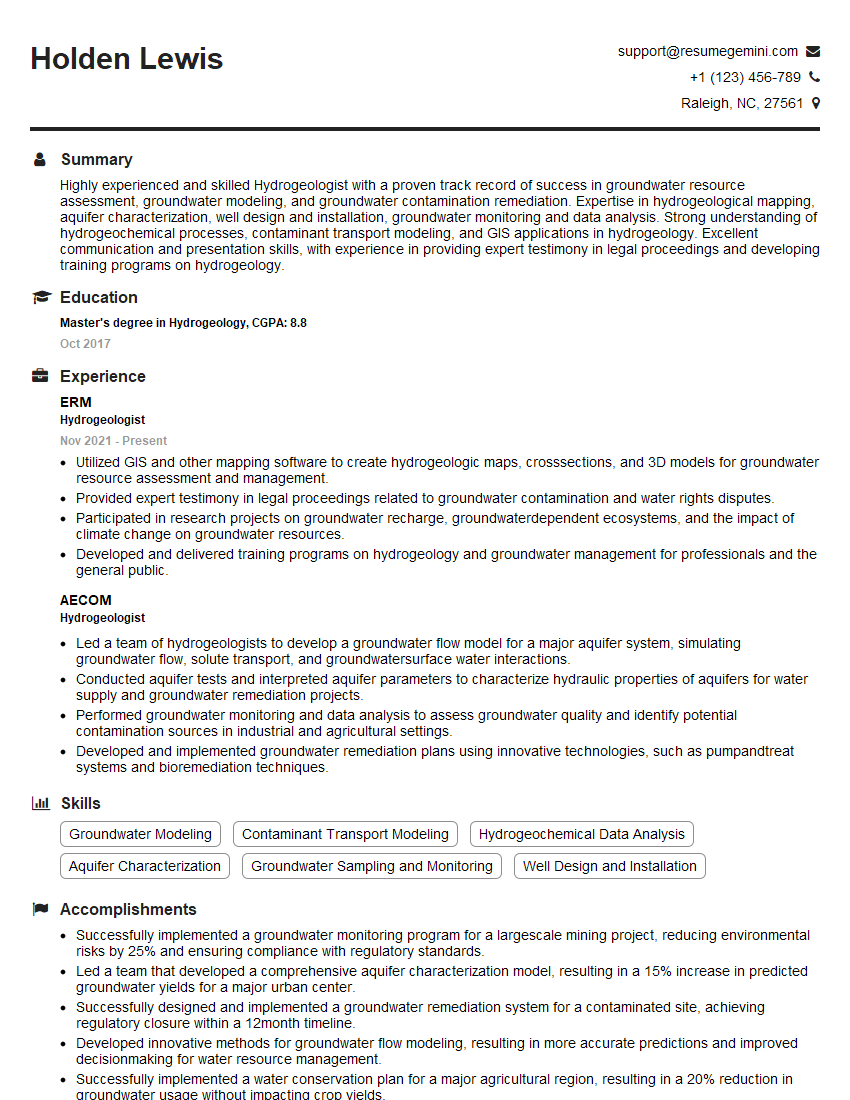
Hydrogeologist Resume Sample
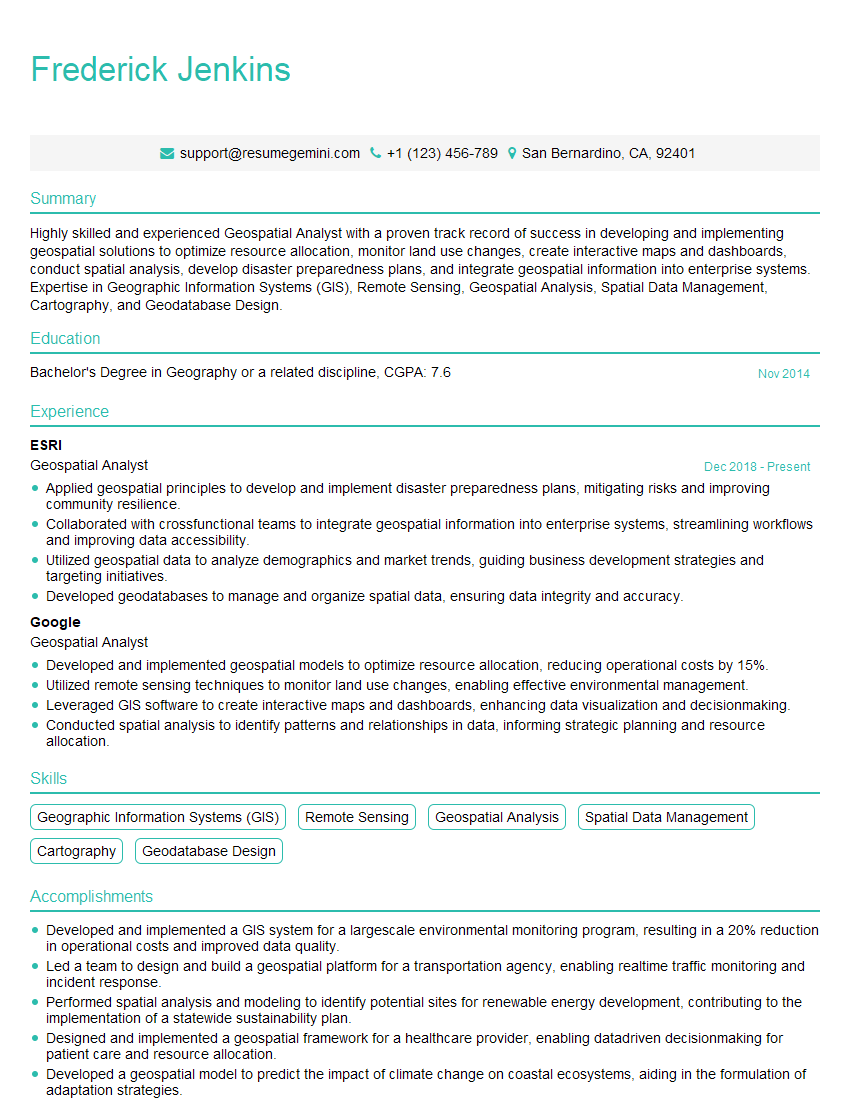
Geospatial Analyst Resume Sample

Geologist Resume Sample

Geological Engineer Resume Sample
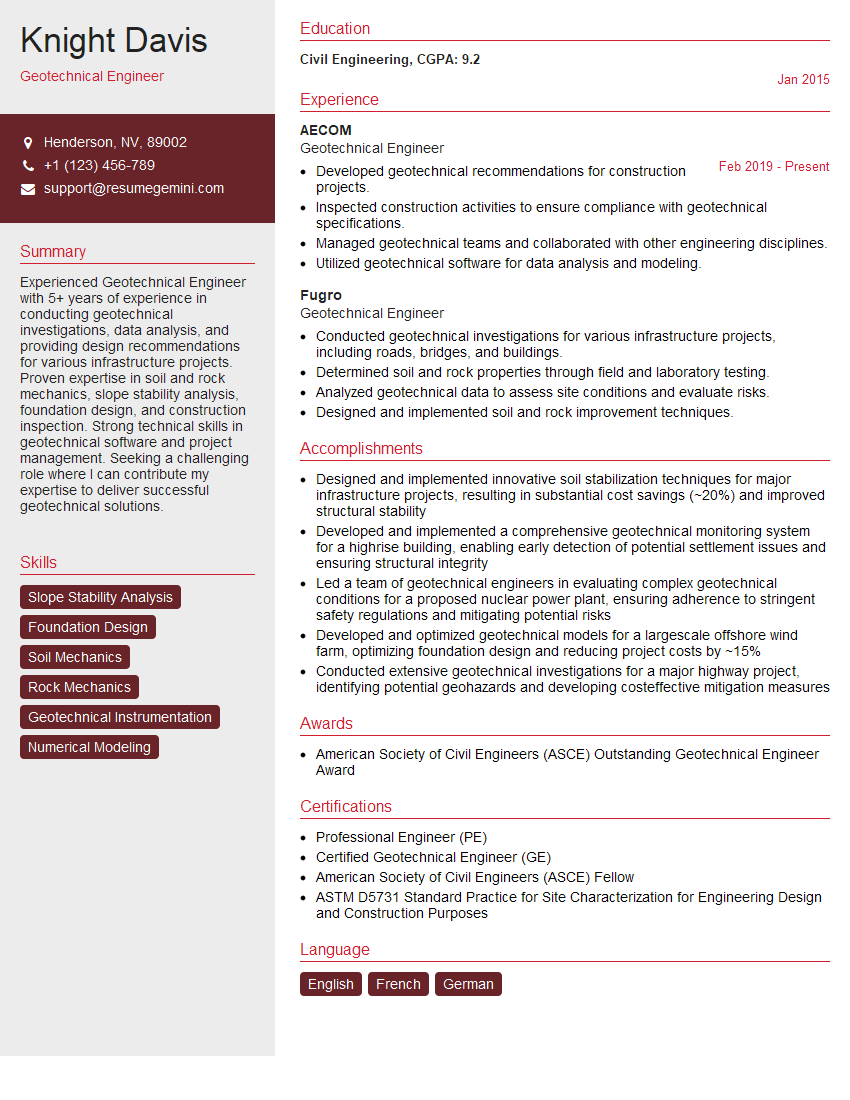
Geotechnical Engineer Resume Sample
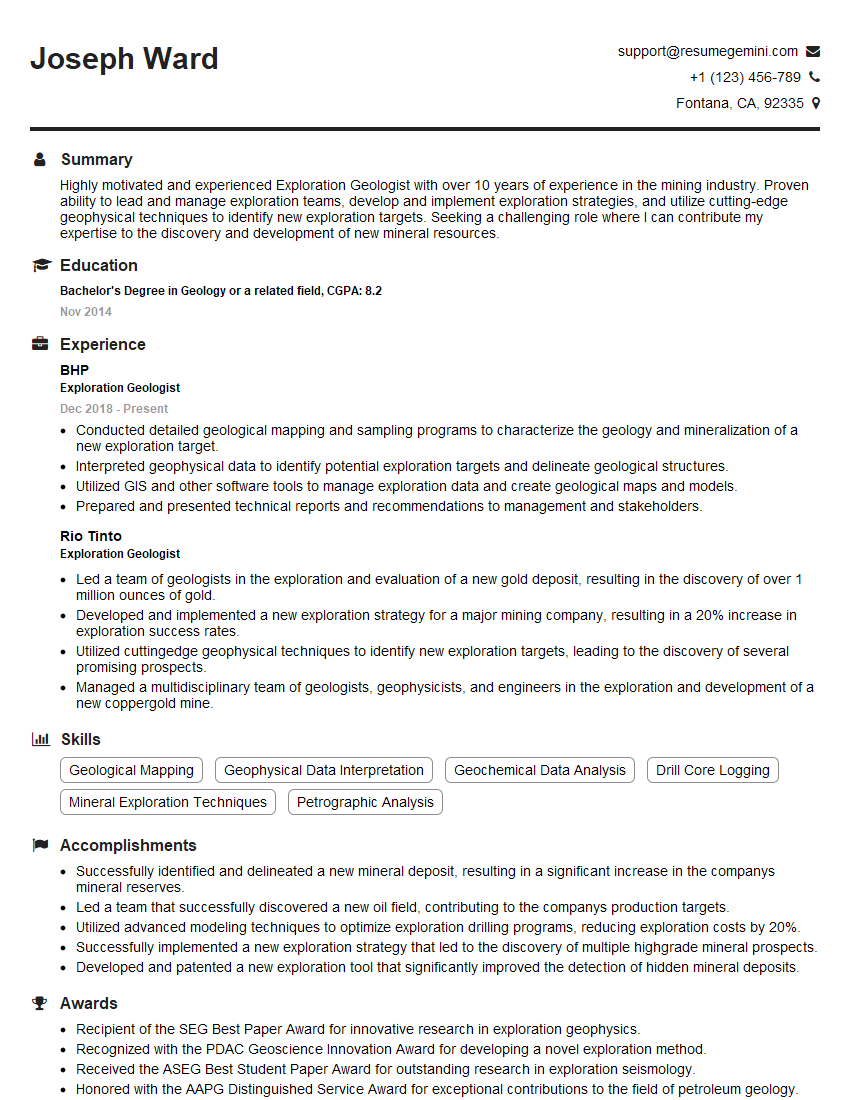
Exploration Geologist Resume Sample

Engineering Geologist Resume Sample
Environmental Geologist Resume Sample
Geochemist Resume Sample
Geophysicist Resume Sample
Mineralogist Resume Sample
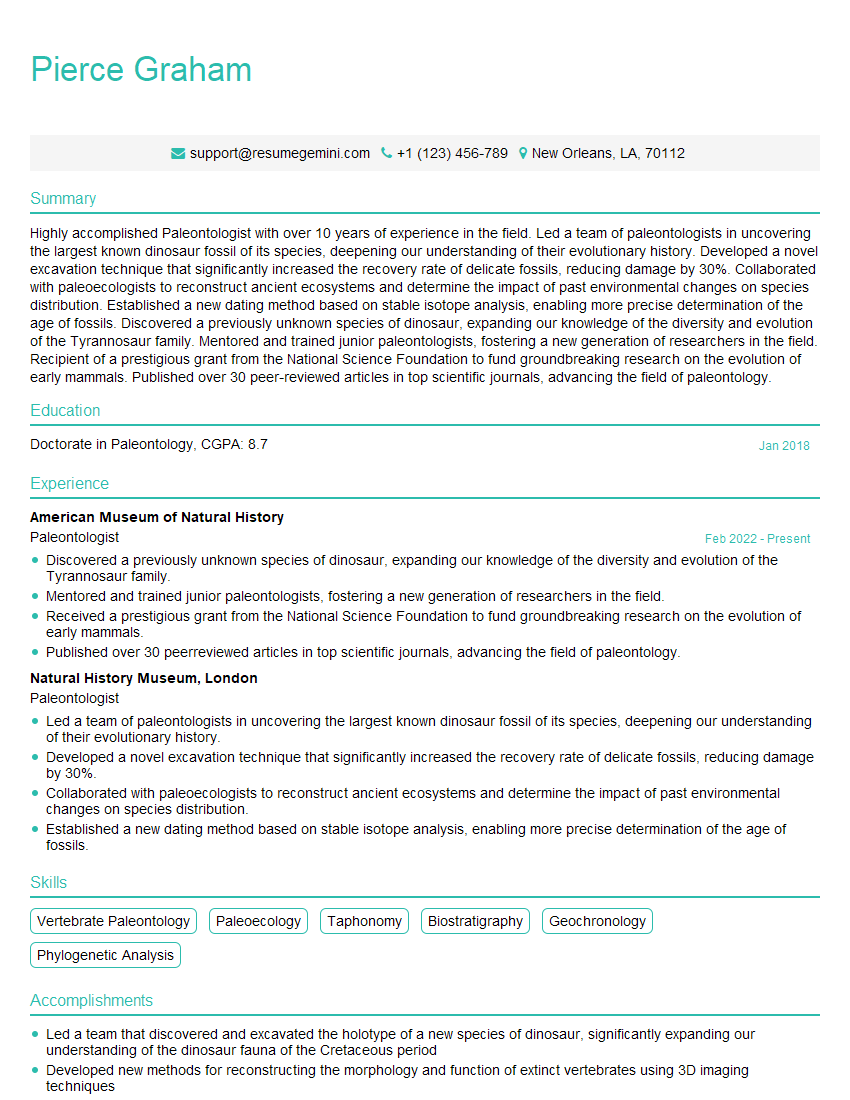
Paleontologist Resume Sample

Petroleum Geologist Resume Sample
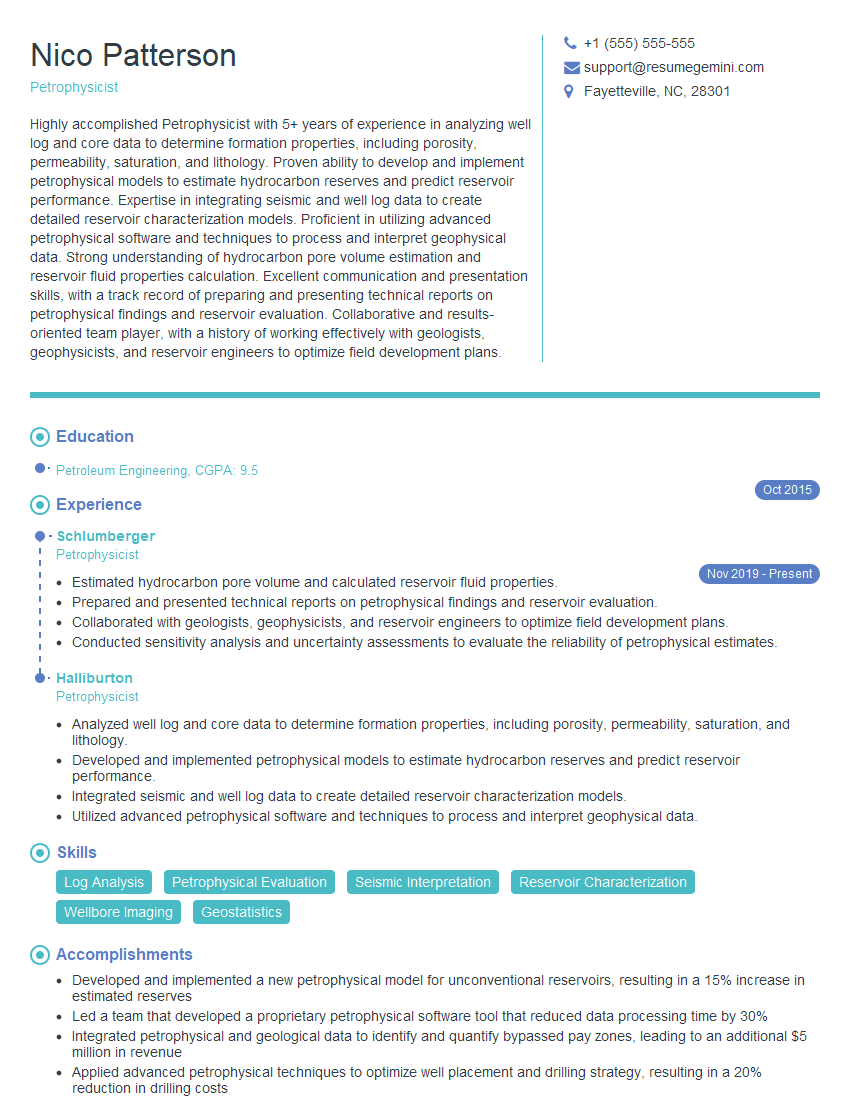
Petrophysicist Resume Sample
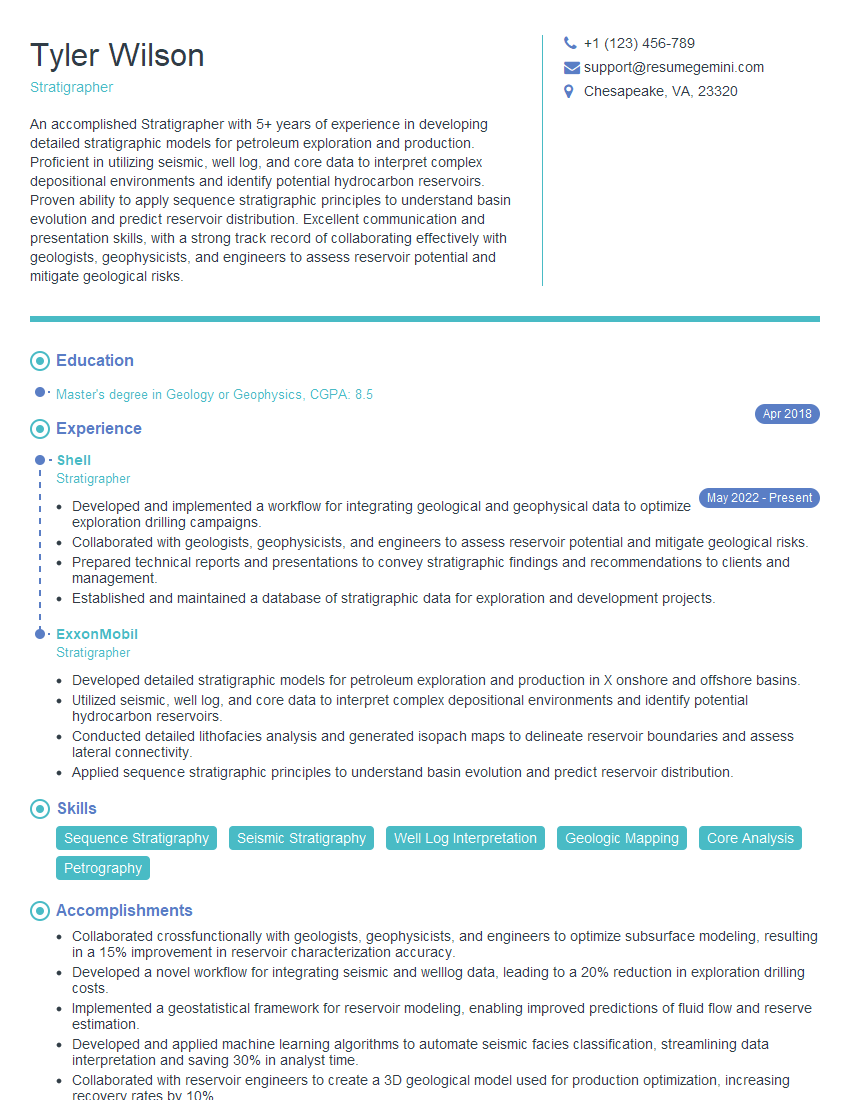
Stratigrapher Resume Sample

Geological Technician Resume Sample
Explore more articles
Users Rating of Our Blogs
Share Your Experience
We value your feedback! Please rate our content and share your thoughts (optional).
What Readers Say About Our Blog
Attention music lovers!
Wow, All the best Sax Summer music !!!
Spotify: https://open.spotify.com/artist/6ShcdIT7rPVVaFEpgZQbUk
Apple Music: https://music.apple.com/fr/artist/jimmy-sax-black/1530501936
YouTube: https://music.youtube.com/browse/VLOLAK5uy_noClmC7abM6YpZsnySxRqt3LoalPf88No
Other Platforms and Free Downloads : https://fanlink.tv/jimmysaxblack
on google : https://www.google.com/search?q=22+AND+22+AND+22
on ChatGPT : https://chat.openai.com?q=who20jlJimmy20Black20Sax20Producer
Get back into the groove with Jimmy sax Black
Best regards,
Jimmy sax Black
www.jimmysaxblack.com
Hi I am a troller at The aquatic interview center and I suddenly went so fast in Roblox and it was gone when I reset.
Hi,
Business owners spend hours every week worrying about their website—or avoiding it because it feels overwhelming.
We’d like to take that off your plate:
$69/month. Everything handled.
Our team will:
Design a custom website—or completely overhaul your current one
Take care of hosting as an option
Handle edits and improvements—up to 60 minutes of work included every month
No setup fees, no annual commitments. Just a site that makes a strong first impression.
Find out if it’s right for you:
https://websolutionsgenius.com/awardwinningwebsites
Hello,
we currently offer a complimentary backlink and URL indexing test for search engine optimization professionals.
You can get complimentary indexing credits to test how link discovery works in practice.
No credit card is required and there is no recurring fee.
You can find details here:
https://wikipedia-backlinks.com/indexing/
Regards
NICE RESPONSE TO Q & A
hi
The aim of this message is regarding an unclaimed deposit of a deceased nationale that bears the same name as you. You are not relate to him as there are millions of people answering the names across around the world. But i will use my position to influence the release of the deposit to you for our mutual benefit.
Respond for full details and how to claim the deposit. This is 100% risk free. Send hello to my email id: lukachachibaialuka@gmail.com
Luka Chachibaialuka
Hey interviewgemini.com, just wanted to follow up on my last email.
We just launched Call the Monster, an parenting app that lets you summon friendly ‘monsters’ kids actually listen to.
We’re also running a giveaway for everyone who downloads the app. Since it’s brand new, there aren’t many users yet, which means you’ve got a much better chance of winning some great prizes.
You can check it out here: https://bit.ly/callamonsterapp
Or follow us on Instagram: https://www.instagram.com/callamonsterapp
Thanks,
Ryan
CEO – Call the Monster App
Hey interviewgemini.com, I saw your website and love your approach.
I just want this to look like spam email, but want to share something important to you. We just launched Call the Monster, a parenting app that lets you summon friendly ‘monsters’ kids actually listen to.
Parents are loving it for calming chaos before bedtime. Thought you might want to try it: https://bit.ly/callamonsterapp or just follow our fun monster lore on Instagram: https://www.instagram.com/callamonsterapp
Thanks,
Ryan
CEO – Call A Monster APP
To the interviewgemini.com Owner.
Dear interviewgemini.com Webmaster!
Hi interviewgemini.com Webmaster!
Dear interviewgemini.com Webmaster!
excellent
Hello,
We found issues with your domain’s email setup that may be sending your messages to spam or blocking them completely. InboxShield Mini shows you how to fix it in minutes — no tech skills required.
Scan your domain now for details: https://inboxshield-mini.com/
— Adam @ InboxShield Mini
support@inboxshield-mini.com
Reply STOP to unsubscribe
Hi, are you owner of interviewgemini.com? What if I told you I could help you find extra time in your schedule, reconnect with leads you didn’t even realize you missed, and bring in more “I want to work with you” conversations, without increasing your ad spend or hiring a full-time employee?
All with a flexible, budget-friendly service that could easily pay for itself. Sounds good?
Would it be nice to jump on a quick 10-minute call so I can show you exactly how we make this work?
Best,
Hapei
Marketing Director
Hey, I know you’re the owner of interviewgemini.com. I’ll be quick.
Fundraising for your business is tough and time-consuming. We make it easier by guaranteeing two private investor meetings each month, for six months. No demos, no pitch events – just direct introductions to active investors matched to your startup.
If youR17;re raising, this could help you build real momentum. Want me to send more info?
Hi, I represent an SEO company that specialises in getting you AI citations and higher rankings on Google. I’d like to offer you a 100% free SEO audit for your website. Would you be interested?
Hi, I represent an SEO company that specialises in getting you AI citations and higher rankings on Google. I’d like to offer you a 100% free SEO audit for your website. Would you be interested?