Preparation is the key to success in any interview. In this post, we’ll explore crucial Physically Fit and Enduring interview questions and equip you with strategies to craft impactful answers. Whether you’re a beginner or a pro, these tips will elevate your preparation.
Questions Asked in Physically Fit and Enduring Interview
Q 1. Describe your experience maintaining peak physical condition.
Maintaining peak physical condition is a holistic process requiring a consistent commitment to training, nutrition, and recovery. It’s not a destination, but a journey of continuous improvement. My approach involves a carefully structured program encompassing cardiovascular fitness, strength training, and flexibility exercises.
For cardiovascular health, I incorporate activities like running, cycling, and swimming, varying intensity and duration to avoid plateaus. Strength training focuses on compound movements that work multiple muscle groups simultaneously, like squats, deadlifts, and bench presses, enhancing overall strength and power. Flexibility and mobility are addressed through activities like yoga and regular stretching to prevent injuries and improve performance.
I meticulously track my progress, adjusting my training plan based on performance data and listening to my body. Rest and recovery are integral parts of the process, allowing my body to repair and rebuild. This dedication ensures I consistently operate at a high level of physical fitness.
Q 2. How do you manage physical fatigue during demanding tasks?
Managing fatigue during demanding tasks requires a multifaceted strategy. Prioritizing sleep is paramount – aiming for 7-9 hours of quality sleep allows the body to recover and repair. Proper hydration is crucial; dehydration significantly impacts energy levels and performance. I also break down large tasks into smaller, manageable segments, incorporating regular short breaks to rest and rehydrate. This prevents burnout and maintains focus.
Nutrition plays a vital role. Consuming nutrient-rich foods throughout the day provides sustained energy and prevents crashes. I avoid sugary snacks and processed foods, opting for complex carbohydrates, lean proteins, and healthy fats. Furthermore, mental strategies like mindfulness and deep breathing techniques can help manage stress and fatigue.
In particularly demanding situations, I might use caffeine strategically to provide a temporary boost, but I always maintain a balanced approach to avoid over-reliance on stimulants. Understanding my own body’s limitations and respecting the need for rest is key to sustainable performance.
Q 3. Explain your approach to injury prevention and recovery.
Injury prevention and recovery are fundamental to long-term physical fitness. My approach is proactive, emphasizing proper warm-up and cool-down routines before and after physical activity. This includes dynamic stretches to increase blood flow and static stretches to improve flexibility. I prioritize proper form during exercise to minimize strain on joints and muscles. I also listen to my body and avoid pushing through pain.
Should an injury occur, I immediately stop activity and follow the RICE protocol: Rest, Ice, Compression, and Elevation. Depending on the severity, I might seek professional medical advice, including physical therapy. I prioritize gradual rehabilitation, avoiding overexertion and following a structured recovery plan to minimize the risk of re-injury. This approach ensures a faster and safer return to peak performance.
Q 4. What strategies do you employ to maintain stamina and endurance?
Maintaining stamina and endurance requires a combination of consistent training and strategic planning. Interval training, which involves alternating periods of high-intensity exercise with periods of rest or lower intensity, is incredibly effective in improving both cardiovascular fitness and endurance. Long, slow distance training helps build the body’s capacity to process oxygen and fuels efficiently over extended periods.
I also incorporate hill training to improve leg strength and power, which translates to greater endurance on challenging terrain or during prolonged exertion. Strength training plays a crucial role, as a strong core and supportive muscles improve efficiency and reduce fatigue. Nutrition is crucial; consuming adequate carbohydrates provides the necessary fuel for endurance activities. Finally, proper hydration and sufficient rest are non-negotiable components of a sustainable endurance program.
Q 5. Describe a time you had to perform physically demanding work under pressure.
During a challenging outdoor expedition, we faced unexpected heavy snowfall and extreme cold. Our mission required us to navigate treacherous terrain and set up camp before nightfall. The physical demands were immense: we were carrying heavy packs, traversing icy slopes, and battling exhaustion. The pressure to complete the task before darkness set in was significant.
My strategy involved prioritizing teamwork and pacing ourselves. We took frequent breaks to rest, rehydrate, and refuel. We supported each other, both physically and mentally, sharing the workload and boosting morale. By carefully managing our energy expenditure and staying focused on the immediate tasks, we successfully completed the mission before nightfall, demonstrating the importance of resilience, teamwork, and efficient resource management under duress.
Q 6. How do you adapt your physical approach based on varying work conditions?
Adapting my physical approach to varying work conditions is essential for safety and effectiveness. If working in extreme heat, I increase hydration and adjust the intensity and duration of physical activities to avoid heatstroke. In cold environments, I prioritize layering clothing to maintain body temperature and adjust training to account for reduced mobility. Working at high altitudes requires acclimatization, pacing, and careful monitoring of oxygen levels.
On uneven or hazardous terrain, I adjust my movements to maintain balance and stability. I might utilize additional safety equipment, such as harnesses or ropes. Working with heavy equipment necessitates proper lifting techniques to prevent injuries. The key is to remain adaptable, prioritize safety, and assess the environment before engaging in any physical activity.
Q 7. What’s your understanding of proper nutrition for physical performance?
Proper nutrition is fundamental to physical performance. It provides the fuel for energy, aids in muscle recovery, and supports overall health. My diet emphasizes complex carbohydrates, which are digested slowly and provide sustained energy. Sources include whole grains, fruits, and vegetables.
Lean protein is essential for muscle growth and repair. Good sources include chicken, fish, beans, and lentils. Healthy fats, such as those found in avocados, nuts, and olive oil, are important for hormone production and overall health. I minimize processed foods, sugary drinks, and excessive saturated and unhealthy fats. Hydration is also crucial, ensuring adequate water intake throughout the day to maintain optimal performance and prevent dehydration. Finally, timing of meals is important; consuming carbohydrates before exercise provides readily available energy, while protein after exercise supports muscle recovery.
Q 8. How do you handle extreme weather conditions during physically demanding work?
Handling extreme weather during physically demanding work requires a multi-faceted approach prioritizing safety and performance. It’s not just about pushing through; it’s about adapting and mitigating risks.
- Hydration and Thermoregulation: In hot conditions, I prioritize frequent water intake, even before feeling thirsty, and wear light-colored, breathable clothing. In cold conditions, I layer clothing to trap heat, utilize hand and foot warmers when necessary, and stay aware of signs of hypothermia. Regular breaks in shaded areas (heat) or sheltered locations (cold) are crucial.
- Acclimatization: Gradual acclimatization to extreme conditions is key. I don’t jump into intense activity in extreme weather without prior adaptation. This could mean shorter work periods initially, increasing duration as my body adjusts.
- Safety Precautions: I use appropriate sun protection (SPF 50+ sunscreen, hat) in hot weather and monitor for heatstroke symptoms (dizziness, nausea, rapid pulse). In cold weather, I’m vigilant about frostbite (numbness, skin discoloration) and take frequent breaks to restore circulation.
- Equipment: Using appropriate equipment, like cooling vests in hot weather or heated clothing in cold weather, significantly improves comfort and safety.
- Monitoring: I regularly self-monitor for signs of heat exhaustion or hypothermia. Knowing my body’s limits and respecting them is paramount.
For example, during a wildfire fighting operation in extreme heat, I’d prioritize frequent water breaks, wear specialized protective clothing, and constantly monitor my core body temperature using a thermometer. Knowing when to take a break to avoid heatstroke is a critical skill.
Q 9. Describe your experience with different types of physical training.
My physical training experience is diverse, encompassing various disciplines designed to build strength, endurance, and overall fitness. I’ve focused on a holistic approach, rather than specializing in a single area.
- Strength Training: I’ve utilized both bodyweight exercises (calisthenics) and weight training (free weights, machines) to develop muscular strength and power. I incorporate compound exercises like squats, deadlifts, and bench presses for overall body strength and functional fitness. I also incorporate isolation exercises to target specific muscle groups.
- Cardiovascular Training: My cardio routine incorporates a mix of activities, including running (trail running and road running), swimming, cycling, and HIIT (High-Intensity Interval Training) workouts to enhance my cardiovascular endurance and stamina. I vary the intensity and duration of my sessions to avoid plateaus.
- Flexibility and Mobility: I actively work on maintaining flexibility and mobility through regular stretching (static and dynamic), yoga, and Pilates. This is crucial for injury prevention and optimal performance.
For instance, during a demanding project requiring prolonged physical labor, my strength training background enabled me to handle heavy loads without fatigue, while my cardiovascular training provided the necessary endurance.
Q 10. What are your strengths and weaknesses regarding physical fitness?
Identifying both strengths and weaknesses is crucial for self-improvement. It allows for targeted training and focused development.
- Strengths: My strengths lie in my high level of cardiovascular endurance, a consistent training ethic, and good injury prevention practices. I’m adept at adapting my workouts to different environments and circumstances.
- Weaknesses: One area I’m actively working on is upper body strength compared to my lower body strength. While I have a decent baseline, there’s room for improvement in specific exercises to balance overall muscular development. Another weakness is my recovery time after exceptionally strenuous physical activity. I am always exploring strategies to improve this.
I actively address my weaknesses through targeted training programs. For example, I incorporate specialized upper body strength exercises into my routine and prioritize sufficient rest and recovery to improve my post-exertion recovery.
Q 11. How do you measure and track your physical fitness progress?
Tracking progress is essential to understand effectiveness and adjust training accordingly. I use a combination of methods for comprehensive monitoring.
- Performance Metrics: I track key performance indicators (KPIs) relevant to my training goals. This could include the amount of weight lifted, distance covered, time taken to complete an exercise, or personal bests (PRs).
- Body Composition Analysis: I regularly assess my body fat percentage using body fat calipers or bioelectrical impedance analysis (BIA) scales to monitor body composition changes. This helps determine the effectiveness of my training.
- Fitness Tracking Devices: I utilize wearable fitness trackers (smartwatches, fitness bands) to monitor heart rate, sleep patterns, and daily activity levels. This data provides valuable insights into my overall fitness and recovery.
- Regular Assessments: I perform regular fitness tests, such as timed runs or strength tests, to objectively assess improvements over time.
- Journaling: I maintain a detailed training journal that records workouts, rest days, diet, and any physical sensations. This helps identify patterns and areas for adjustment.
For example, tracking my 5k run time over several months shows a clear progression, motivating me to continue. Similarly, monitoring my weight and body fat percentage allows for necessary adjustments to diet and training plans.
Q 12. What is your preferred method for building muscular endurance?
Building muscular endurance relies on a combination of strategies, focusing on both the volume and intensity of training.
My preferred method involves incorporating high repetitions (12-20 reps per set) with moderate weight in my strength training routines. This encourages muscular endurance by forcing the muscles to work for extended periods under a load. It’s crucial to maintain good form throughout each repetition to prevent injury.
I also prioritize compound exercises (exercises that work multiple muscle groups simultaneously), such as squats, deadlifts, and bench presses, over isolation exercises. Compound exercises engage more muscle fibers, boosting endurance gains more efficiently. Finally, incorporating circuit training, where different exercises are performed consecutively with minimal rest, is excellent for building muscular endurance and cardiovascular fitness simultaneously.
For example, a circuit could include squats, push-ups, rows, and lunges, performed for 3-4 sets with limited rest between exercises.
Q 13. How do you recover from strenuous physical activity?
Recovery is as crucial as training itself. Neglecting recovery can lead to overtraining, injury, and stalled progress.
- Rest and Sleep: I prioritize sufficient sleep (7-9 hours per night) to allow my body to repair and rebuild muscle tissue. Adequate rest between workouts is equally important.
- Nutrition: I focus on a balanced diet rich in protein to support muscle repair, carbohydrates for energy replenishment, and healthy fats for overall health. I also ensure sufficient hydration.
- Active Recovery: Light activities like walking, stretching, or yoga can improve blood circulation and promote muscle recovery. I avoid intense workouts during active recovery periods.
- Cold-Water Immersion: Methods like ice baths or cold showers can reduce inflammation and muscle soreness.
- Massage Therapy: Regular massage therapy can help alleviate muscle tension and improve blood flow. Self-massage using foam rollers can be beneficial as well.
After a particularly intense workout, I might opt for a light walk, consume a protein shake, and get a good night’s sleep. Listening to my body’s signals and adjusting my recovery strategies based on the intensity of the activity is key.
Q 14. Have you ever had to modify a physical task due to injury or limitation?
Yes, modifying physical tasks due to injury or limitation is essential to prevent further harm and ensure continued productivity.
I once sustained a minor knee injury during a particularly strenuous hike. To continue my work without exacerbating the injury, I modified my hiking technique, using trekking poles for extra stability and support, and reducing the duration and intensity of hikes until my knee fully recovered. This involved careful planning and communication with my team to ensure the task was completed safely and efficiently.
In another instance, a pre-existing back condition required me to adjust my weightlifting program. I switched to lighter weights and incorporated more bodyweight exercises to avoid strain. This involved consultation with a physical therapist to develop a modified program that maintained my fitness while protecting my back.
Adaptability and the ability to adjust techniques or tasks based on physical limitations are vital for both personal safety and the successful completion of demanding physical work.
Q 15. Describe your experience with teamwork in physically demanding environments.
Teamwork in physically demanding environments requires a unique blend of trust, communication, and mutual respect. It’s not just about lifting heavy objects together; it’s about anticipating each other’s needs, recognizing limitations, and adjusting strategies collaboratively.
For instance, during a demanding search and rescue operation in mountainous terrain, our team relied heavily on clear communication of our physical limitations and planned our routes accordingly. If one team member was experiencing exhaustion, the others would adjust the pace, share the load, and ensure proper hydration and rest breaks. This prevented injuries and ensured the mission’s success. We used established protocols, such as buddy systems and regular check-ins, to monitor each other’s well-being and make necessary adjustments. Successful teamwork in these scenarios hinges on proactive risk assessment and adaptation.
Another example involved a construction project where we had to lift and maneuver heavy beams. Pre-lift assessments, load distribution planning, and the clear communication of hand signals were crucial to avoid injury and complete the task efficiently and safely. Each team member had a designated role with clearly defined responsibilities, improving coordination and safety. This collaborative approach, where everyone understood their role and its importance within the larger mission, was key to avoiding accidents and completing the task successfully.
Career Expert Tips:
- Ace those interviews! Prepare effectively by reviewing the Top 50 Most Common Interview Questions on ResumeGemini.
- Navigate your job search with confidence! Explore a wide range of Career Tips on ResumeGemini. Learn about common challenges and recommendations to overcome them.
- Craft the perfect resume! Master the Art of Resume Writing with ResumeGemini’s guide. Showcase your unique qualifications and achievements effectively.
- Don’t miss out on holiday savings! Build your dream resume with ResumeGemini’s ATS optimized templates.
Q 16. How do you ensure your physical fitness does not negatively impact other aspects of your work?
Maintaining peak physical fitness is paramount, but it’s crucial to balance it with the demands of other work aspects. Neglecting other areas can lead to burnout and reduced overall effectiveness. To mitigate this, I prioritize a holistic approach to well-being.
- Strategic scheduling: I meticulously plan my training sessions to avoid impacting crucial work deadlines. Early morning or late-evening workouts, for instance, allow for maximum productivity during working hours.
- Proper nutrition and recovery: Fueling my body with nutritious foods and ensuring adequate rest is as vital as the workout itself. This prevents fatigue and optimizes my performance in both the gym and workplace.
- Mindfulness and stress management: Stress can negatively impact physical and mental health. I incorporate mindfulness techniques and stress-reduction strategies to maintain mental clarity and avoid the physical symptoms of stress.
- Prioritization: Understanding my limits is key. If a heavy workout would compromise my ability to complete critical tasks, I adapt the intensity or reschedule my training.
In essence, my fitness regime supports, rather than detracts from, my overall work performance. It’s about achieving a synergistic relationship between physical well-being and professional productivity.
Q 17. Describe your understanding of the principles of exercise physiology.
Exercise physiology explores the intricate relationship between the body’s systems and physical activity. My understanding encompasses several key principles:
- Energy systems: Understanding how the body utilizes different energy systems (phosphagen, glycolytic, oxidative) helps determine training intensity and duration for optimal results. For example, high-intensity interval training (HIIT) primarily utilizes the phosphagen and glycolytic systems, while endurance training relies heavily on the oxidative system.
- Cardiorespiratory fitness: This refers to the efficiency of the heart, lungs, and circulatory system in delivering oxygen to working muscles. Improving this capacity is crucial for endurance and overall health.
- Muscle physiology: Understanding muscle fiber types (Type I, Type IIa, Type IIx) and their respective roles in different activities is crucial for designing targeted training programs.
- Adaptation and overload: The body adapts to stress; therefore, progressive overload (gradually increasing the intensity or duration of workouts) is essential for continuous improvement.
- Recovery and supercompensation: The body requires adequate rest and recovery to rebuild and surpass its previous capacity. This concept of supercompensation explains the increase in performance after adequate recovery from training stress.
Applying these principles allows me to design effective training programs tailored to specific goals, whether it’s increasing strength, endurance, or overall fitness.
Q 18. What is your experience with ergonomic practices to prevent injury?
Ergonomic practices focus on designing workplaces and tasks to minimize physical strain and prevent injuries. My experience includes understanding and applying several key aspects:
- Proper posture: Maintaining correct posture while sitting or standing is crucial for preventing back pain and other musculoskeletal issues. This includes utilizing ergonomic chairs, adjustable desks, and appropriate monitor placement.
- Body mechanics: Learning and applying safe lifting techniques, avoiding awkward postures, and utilizing assistive devices when necessary are vital in reducing the risk of injury.
- Tool design and selection: Using tools that are appropriately sized and designed for the task reduces strain and fatigue. For example, using power tools rather than manual ones for repetitive tasks reduces the strain on joints.
- Workstation setup: Configuring workstations to accommodate individual body dimensions is essential. This might involve adjusting chair height, keyboard position, and monitor placement to prevent strain and discomfort.
- Regular breaks and stretching: Incorporating regular micro-breaks and stretching exercises throughout the workday prevents muscle fatigue and stiffness.
Proactive application of these principles minimizes the risk of injury and increases productivity by ensuring comfort and efficiency in the workplace.
Q 19. How do you handle unexpected physical demands on the job?
Handling unexpected physical demands requires a combination of preparedness, adaptability, and sound judgment.
First, I would assess the situation quickly to understand the nature and severity of the demand. Is it a short burst of intense activity, or a sustained period of strenuous work? This assessment helps in deciding the appropriate response.
Second, I leverage my training and experience to determine the safest and most efficient way to handle the situation. This might involve employing proper lifting techniques, utilizing available tools and resources, or seeking assistance from colleagues. Prioritizing safety is paramount in such circumstances.
Third, I’ll adjust my pace and intensity to manage my energy effectively. Pushing myself beyond my limits could result in injury; therefore, recognizing my limitations and adapting my approach accordingly is vital. Finally, post-incident, I will evaluate the situation to understand how I could have better anticipated or mitigated the physical demands in the future. This helps improve my preparedness and overall safety protocols.
Q 20. What is your experience with safety procedures related to physical work?
Safety procedures related to physical work are paramount. My experience encompasses a wide range of procedures, including:
- Hazard identification and risk assessment: Proactively identifying potential hazards, such as uneven terrain, heavy machinery, or hazardous materials, and assessing the risks associated with each hazard is critical. This allows for implementing appropriate safety measures.
- Personal protective equipment (PPE): Correct use and maintenance of PPE, including safety glasses, gloves, hard hats, and safety shoes, are crucial in preventing injuries.
- Lockout/Tagout procedures: Understanding and adhering to procedures for locking out and tagging out energy sources during maintenance or repair work prevents accidental injuries from unexpected equipment activation.
- Emergency response procedures: Knowledge of emergency response procedures, including first aid and emergency contact information, is vital in handling unforeseen incidents. Regular training and drills enhance preparedness.
- Following established safety protocols: Adhering to all established safety rules and regulations within the workplace, including reporting near misses and accidents, is a crucial part of a proactive safety approach.
A comprehensive understanding of these procedures ensures a safer working environment and reduces the likelihood of incidents.
Q 21. Describe a time you had to overcome a significant physical challenge.
During a long-distance trekking expedition in challenging terrain, I faced a significant physical challenge when I suffered a severe ankle sprain. The remote location meant no immediate medical assistance was available.
Initially, I was faced with significant pain and limited mobility. My training in first aid proved vital in applying immediate treatment, including RICE (Rest, Ice, Compression, Elevation) and pain management techniques.
I collaborated with my team members, who adjusted our plans to support my injury. We slowed our pace and adjusted the route to avoid further strain on my ankle. They helped with carrying my share of the load and ensuring I received adequate rest and hydration.
Overcoming this challenge required resilience, adaptability, and effective teamwork. I learned the importance of preparing for unexpected injuries and the value of collaboration in challenging circumstances. It also reinforced my commitment to ongoing physical and mental conditioning.
Q 22. How do you prioritize your physical health alongside job demands?
Prioritizing physical health alongside demanding job responsibilities requires a structured approach. It’s not about finding perfect balance, but rather consistent effort. I utilize a strategy incorporating time blocking, mindful scheduling, and proactive health management. For instance, I dedicate specific times in my day for exercise, even if it’s just a 30-minute brisk walk during lunch. I also prioritize sleep, aiming for 7-8 hours per night. This is crucial for recovery and energy levels. I track my fitness and sleep patterns to identify trends and adjust my schedule accordingly. Furthermore, I incorporate healthy eating habits by packing nutritious lunches and snacks to avoid impulsive unhealthy food choices during busy workdays. This holistic approach ensures both my professional and personal well-being are attended to.
Q 23. What types of physical activities do you enjoy outside of work?
Outside of work, I enjoy a variety of physical activities to maintain my fitness and prevent burnout. I’m an avid hiker, often exploring local trails and enjoying the outdoors. Hiking provides a fantastic full-body workout while simultaneously offering mental rejuvenation. I also regularly participate in rock climbing, a sport that demands both physical strength and mental focus. It’s challenging and rewarding, pushing my physical limits in a fun and engaging way. In addition, I incorporate yoga and swimming into my routine, offering complementary forms of exercise that focus on flexibility, strength, and cardiovascular health. This diverse approach ensures a well-rounded fitness regimen that’s both enjoyable and sustainable.
Q 24. How do you stay motivated to maintain your fitness level?
Maintaining motivation in fitness requires a multifaceted approach. I find setting realistic, achievable goals is crucial. Instead of aiming for drastic changes, I focus on small, incremental improvements. For example, instead of aiming to run a marathon immediately, I might start with a 5k and gradually increase the distance and intensity. Tracking progress is also essential. I utilize fitness trackers and apps to monitor my workouts and celebrate milestones. This visual representation of my progress is incredibly motivating. Finally, I find accountability partners beneficial. Working out with a friend or joining a fitness group provides external motivation and keeps me committed to my fitness goals, even on days when I lack intrinsic motivation.
Q 25. Explain your understanding of the relationship between fitness and mental well-being.
The relationship between fitness and mental well-being is profoundly interconnected. Physical activity releases endorphins, which have mood-boosting effects. Regular exercise can alleviate symptoms of stress, anxiety, and depression. Moreover, achieving fitness goals provides a sense of accomplishment and boosts self-esteem. For instance, completing a challenging workout can instill a feeling of competence and self-efficacy, positively impacting overall mental health. Conversely, neglecting physical health can negatively impact mental well-being, leading to reduced energy levels, increased irritability, and a decline in overall mood. Maintaining a balanced and active lifestyle is, therefore, essential for holistic well-being.
Q 26. Describe your experience with working with heavy equipment or machinery.
I have extensive experience operating heavy equipment and machinery, encompassing both safety protocols and practical application. My experience includes operating forklifts, cranes, and various types of construction equipment. I am certified in the safe operation of all equipment I use, and I always adhere to stringent safety regulations before starting any task. I understand the importance of pre-operational checks, risk assessments, and the proper use of personal protective equipment (PPE). I’m meticulous in following all manufacturer guidelines and company safety policies. My experience includes completing extensive training programs on safe operation and maintenance procedures for all machinery. I am confident and capable in operating this equipment safely and efficiently.
Q 27. How do you assess risk associated with physically demanding tasks?
Assessing risk associated with physically demanding tasks involves a systematic approach. First, I conduct a thorough job hazard analysis (JHA), identifying potential hazards and evaluating their severity and likelihood. This includes considering factors like the weight of objects being lifted, the posture required, the environmental conditions (temperature, slippery surfaces), and the availability of appropriate equipment. Next, I implement appropriate risk mitigation strategies, including using proper lifting techniques, wearing protective gear, and utilizing appropriate equipment to reduce physical strain. Finally, I regularly monitor the work environment and adjust my approach as needed to ensure ongoing safety. I always prioritize safety and will stop work if I feel a task is too risky until appropriate safeguards are in place.
Q 28. Describe your experience in adhering to safety regulations in a physical work environment.
Adhering to safety regulations in a physical work environment is paramount. My experience encompasses consistent compliance with all company and regulatory safety policies. This includes regular participation in safety training programs, understanding and applying safe work practices, and immediately reporting any unsafe conditions or incidents. I am proficient in using and maintaining personal protective equipment (PPE) including safety helmets, gloves, safety glasses, and steel-toed boots, as appropriate for the task. I’m also familiar with lockout/tagout procedures, ensuring equipment is safely shut down before maintenance or repairs. Safety is not just a procedure for me; it’s a core value I uphold in every aspect of my work. My commitment to safety stems from a deep understanding of potential hazards and the importance of preventing accidents.
Key Topics to Learn for Physically Fit and Enduring Interview
- Physical Fitness Assessment & Training: Understanding different fitness assessments, designing personalized training programs, and adapting training to diverse populations and environments.
- Endurance Training Principles: Applying principles of aerobic and anaerobic training, periodization, and recovery strategies to enhance endurance capacity.
- Nutrition and Hydration for Performance: Knowledge of macronutrient balance, hydration strategies, and the impact of nutrition on performance and recovery.
- Injury Prevention and Management: Identifying risk factors for common injuries, implementing preventative measures, and understanding basic injury management techniques.
- Mental Toughness and Resilience: Strategies for building mental resilience, managing stress, and maintaining motivation during challenging training regimens.
- Performance Monitoring and Evaluation: Utilizing various methods to track progress, analyze performance data, and adjust training plans accordingly.
- Teamwork and Communication: Demonstrating effective communication skills and the ability to collaborate effectively within a team setting.
- Safety Procedures and Risk Management: Understanding and adhering to safety protocols in training and competition environments.
- Adaptability and Problem-Solving: Demonstrating the ability to adapt training plans and problem-solve in various contexts.
Next Steps
Mastering the principles of Physically Fit and Enduring is crucial for career advancement in fields demanding physical stamina, resilience, and performance optimization. A strong resume is your first step towards securing your dream role. Creating an ATS-friendly resume that highlights your relevant skills and experiences is essential to get noticed by recruiters. ResumeGemini can help you build a professional and impactful resume that showcases your capabilities effectively. We provide examples of resumes tailored to the Physically Fit and Enduring field to guide you in crafting your own compelling application materials.
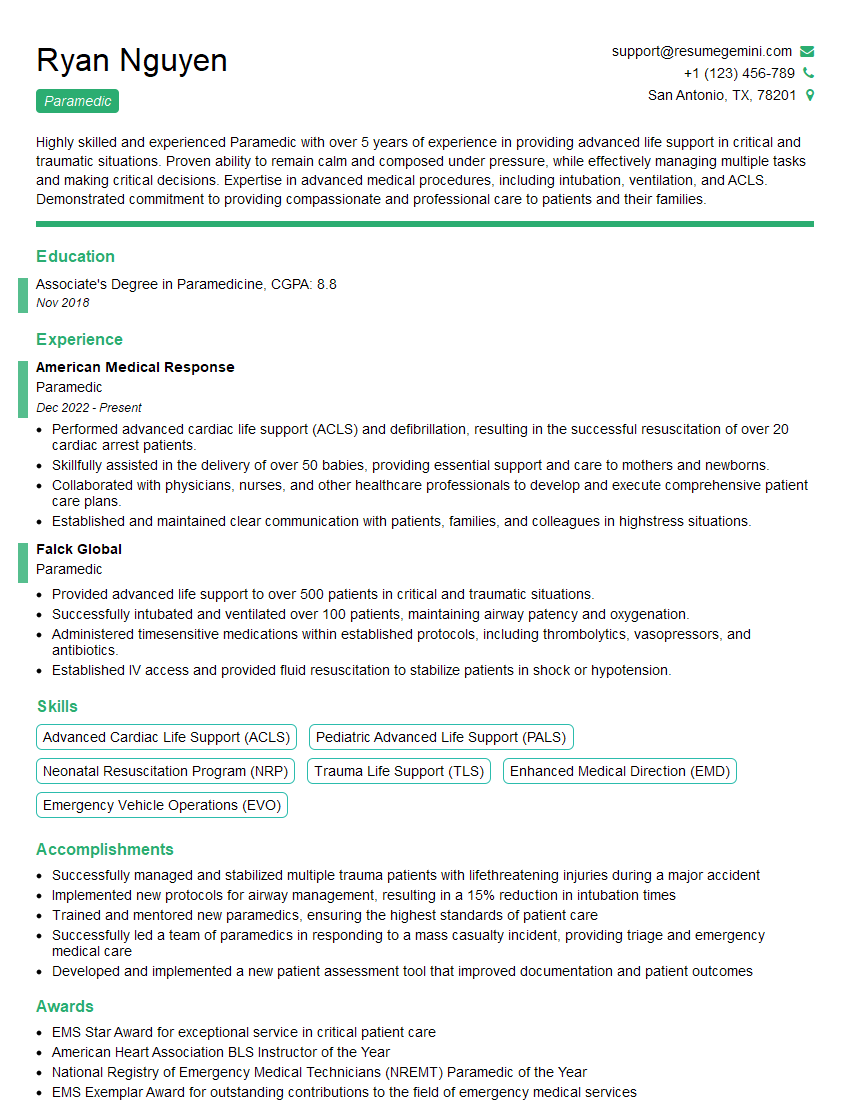
Paramedic Resume Sample
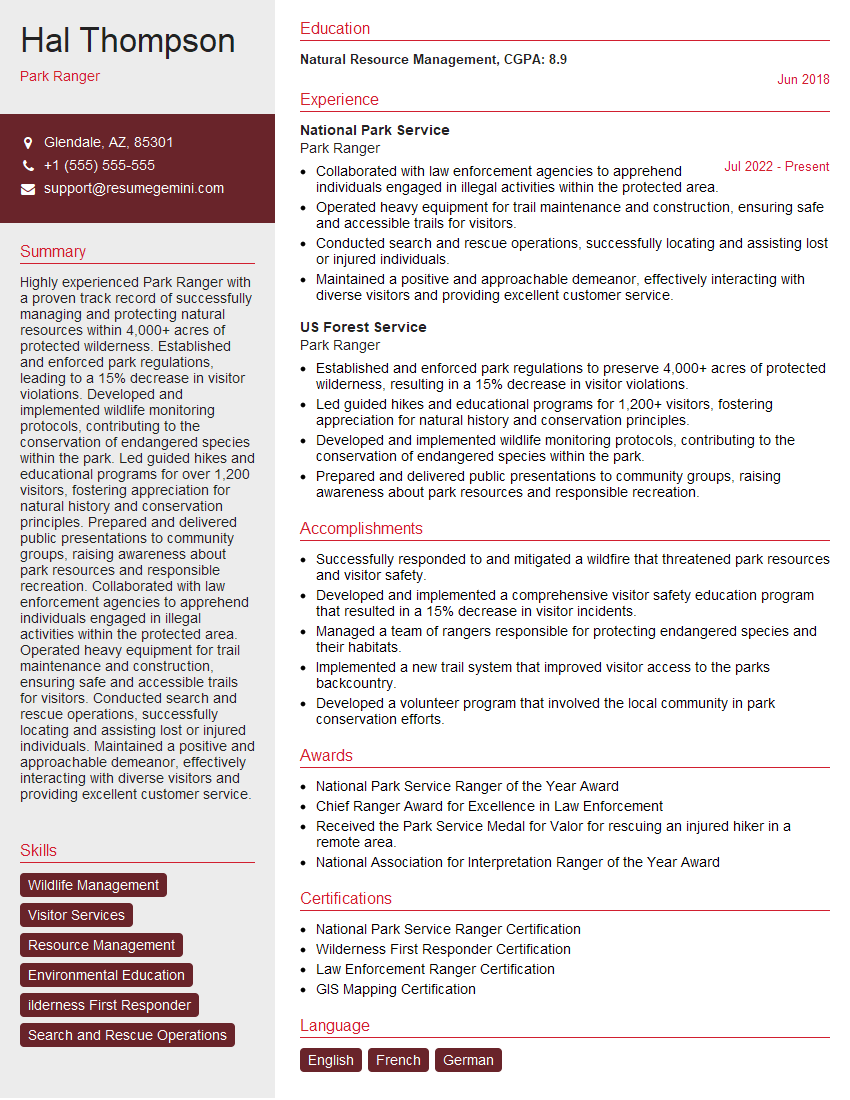
Park Ranger Resume Sample
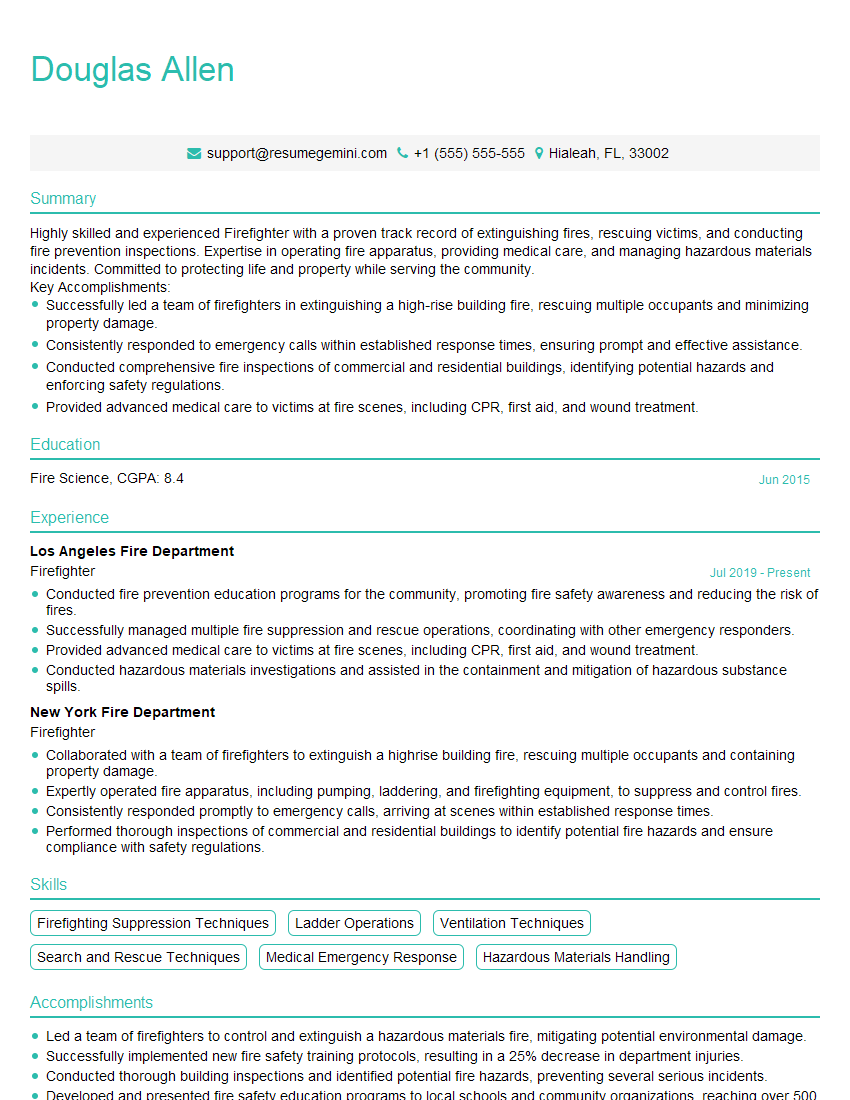
Firefighter Resume Sample
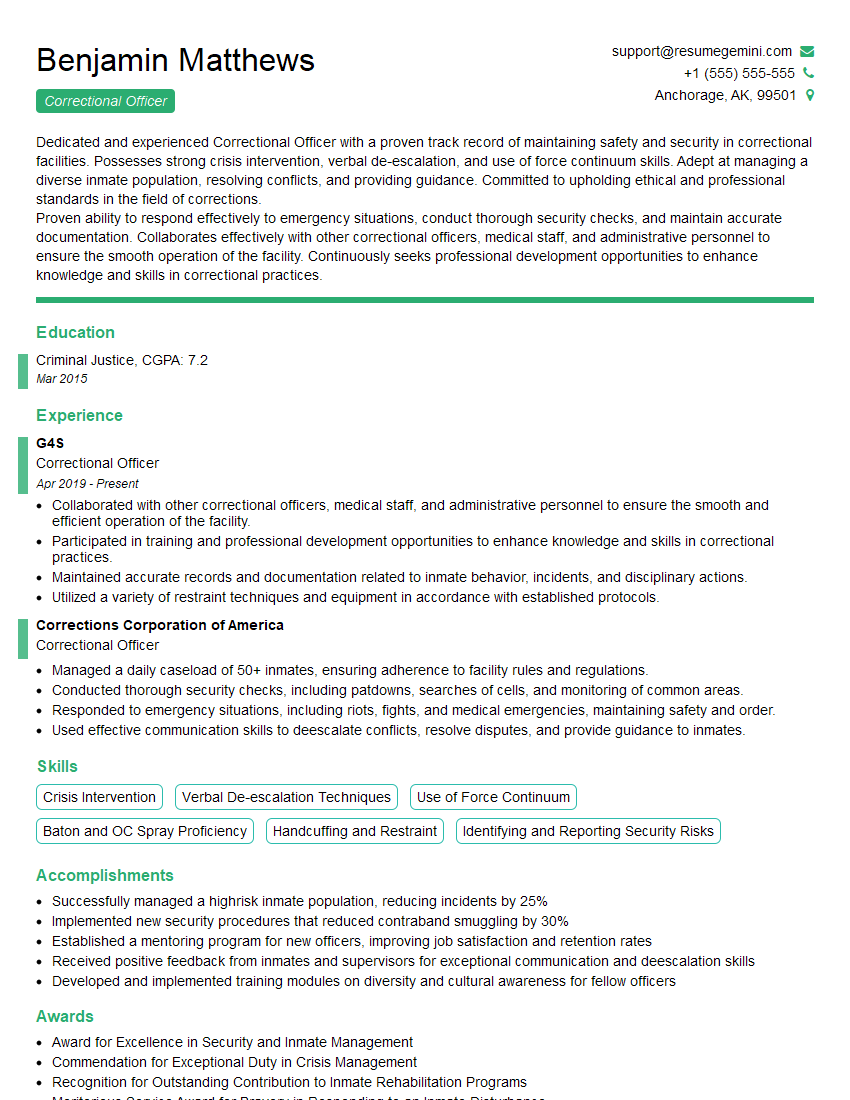
Correctional Officer Resume Sample
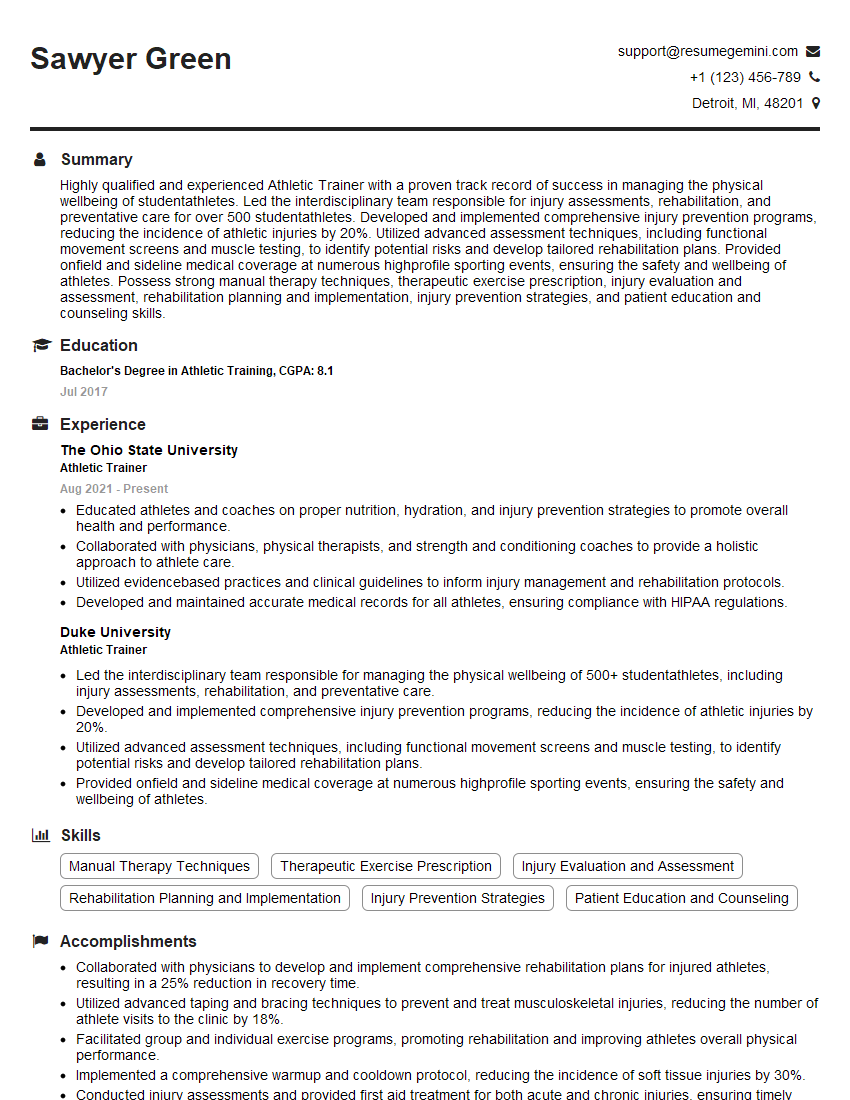
Athletic Trainer Resume Sample
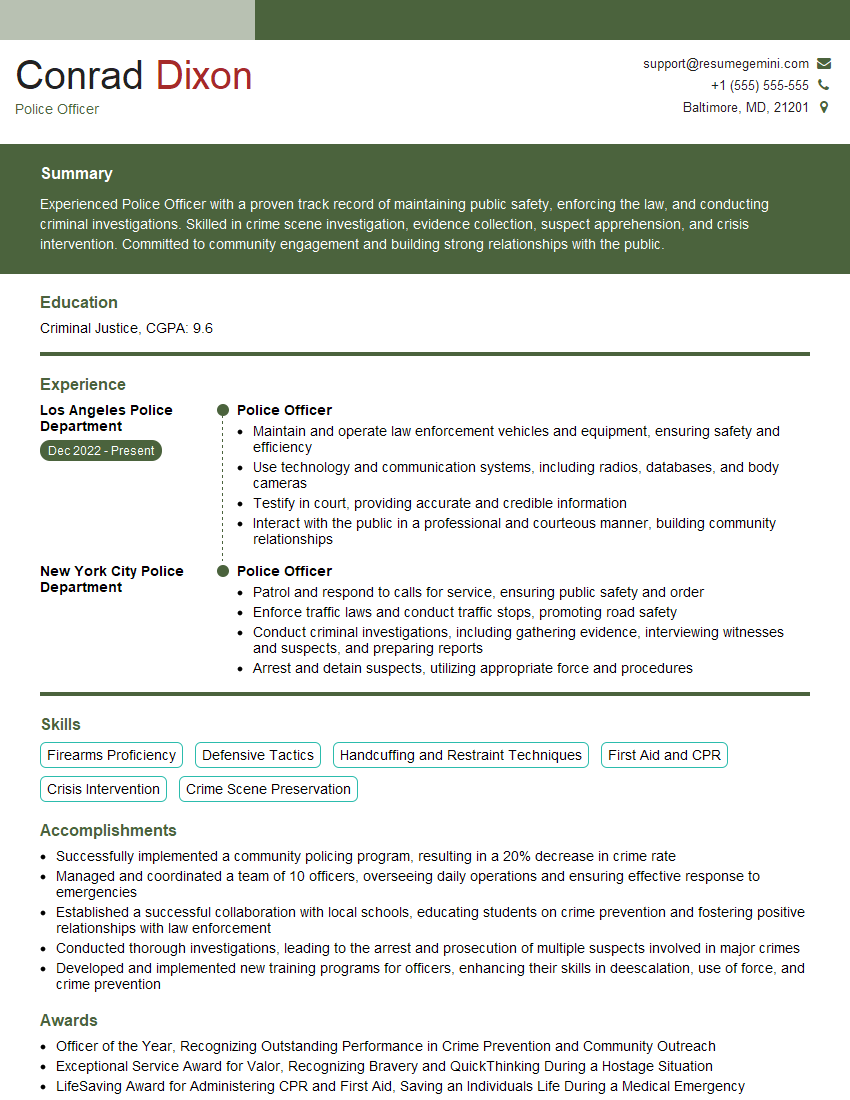
Police Officer Resume Sample
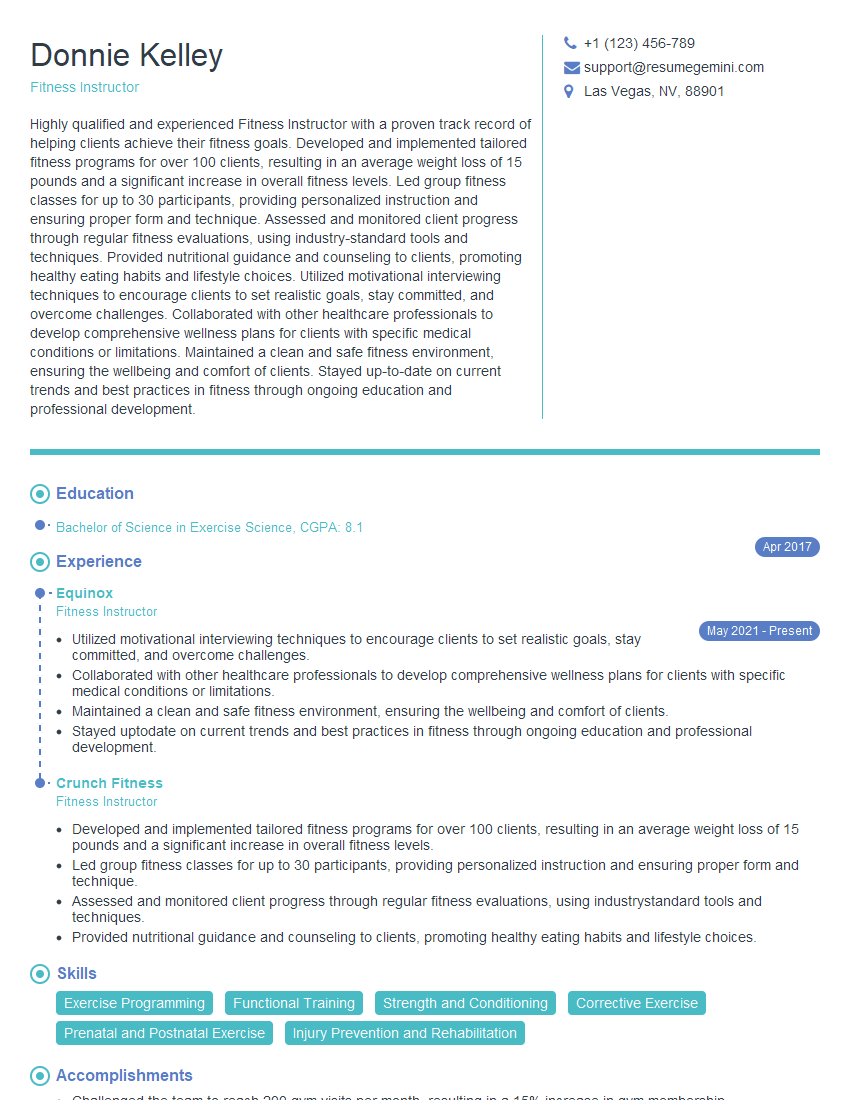
Fitness Instructor Resume Sample
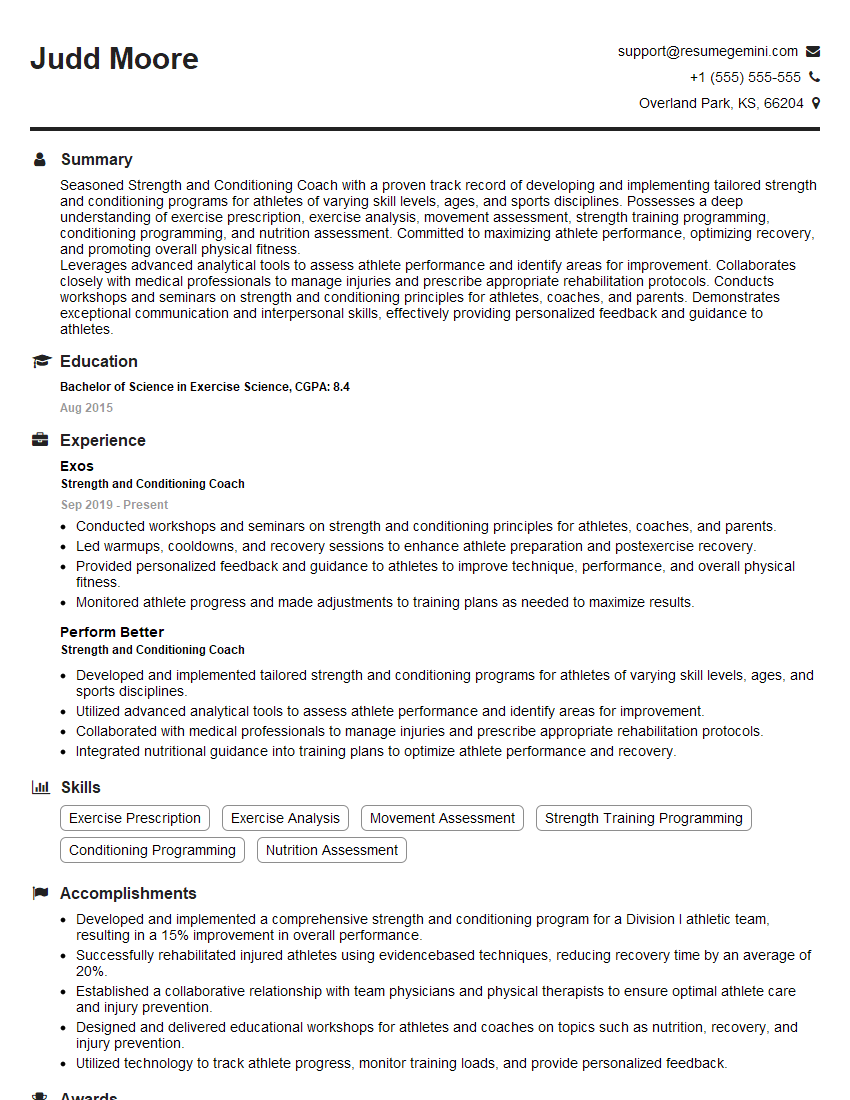
Strength and Conditioning Coach Resume Sample
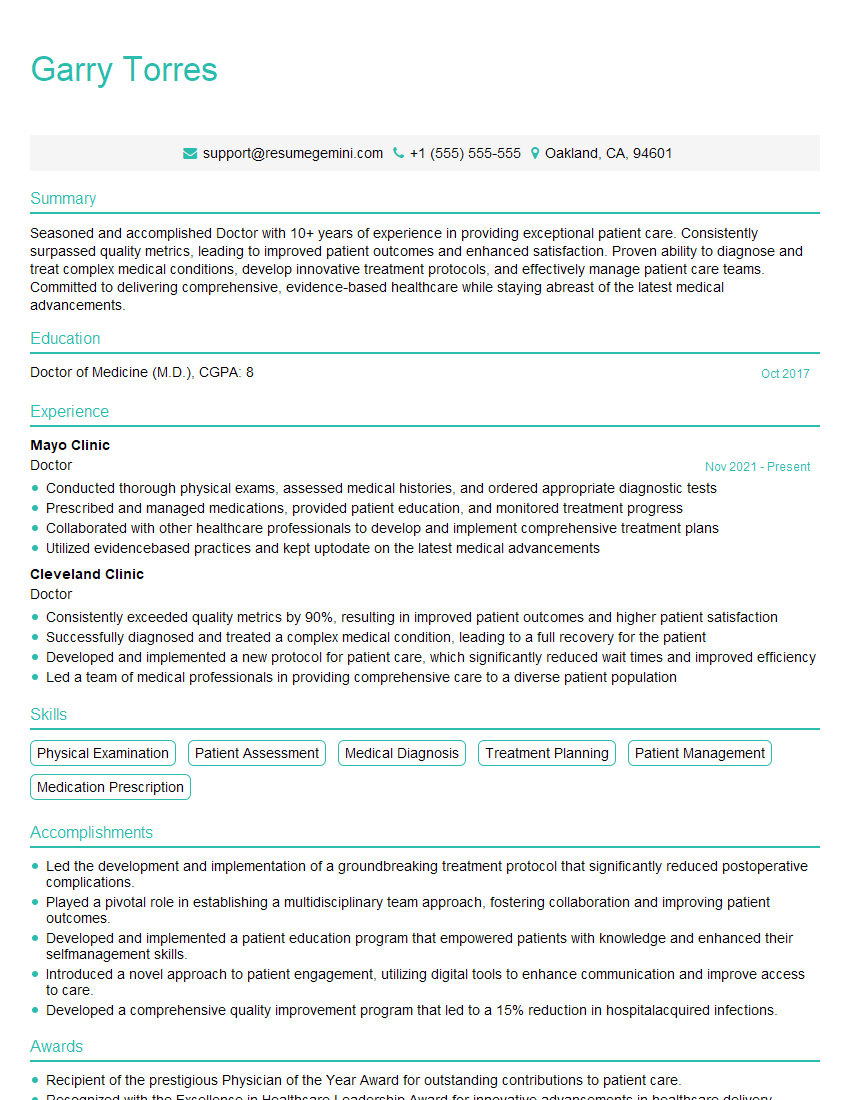
Doctor Resume Sample
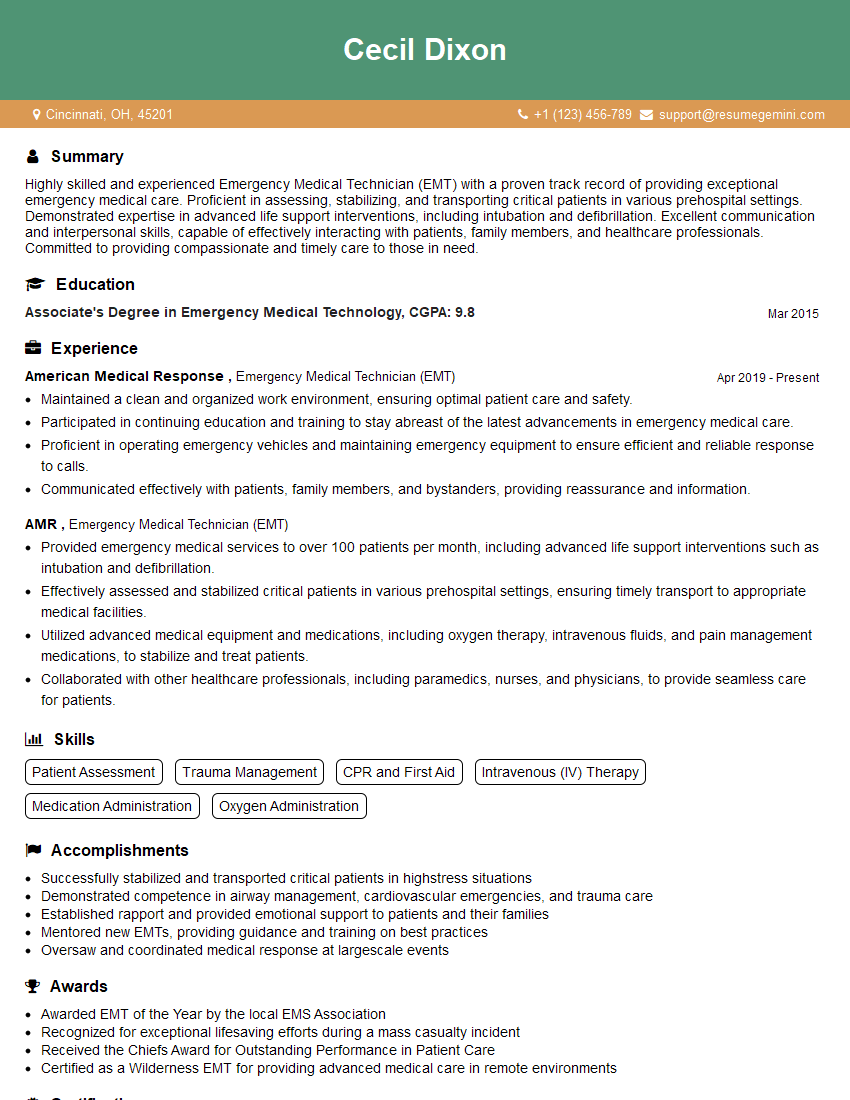
Emergency Medical Technician (EMT) Resume Sample
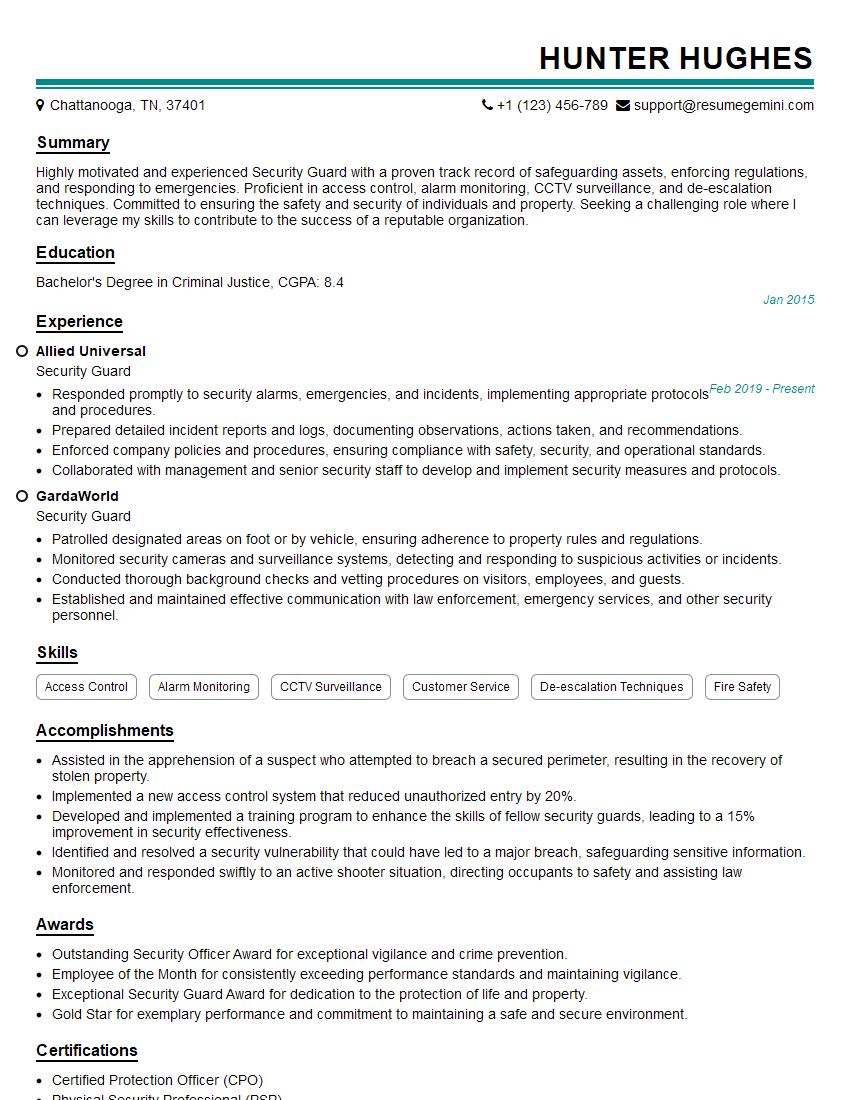
Security Guard Resume Sample
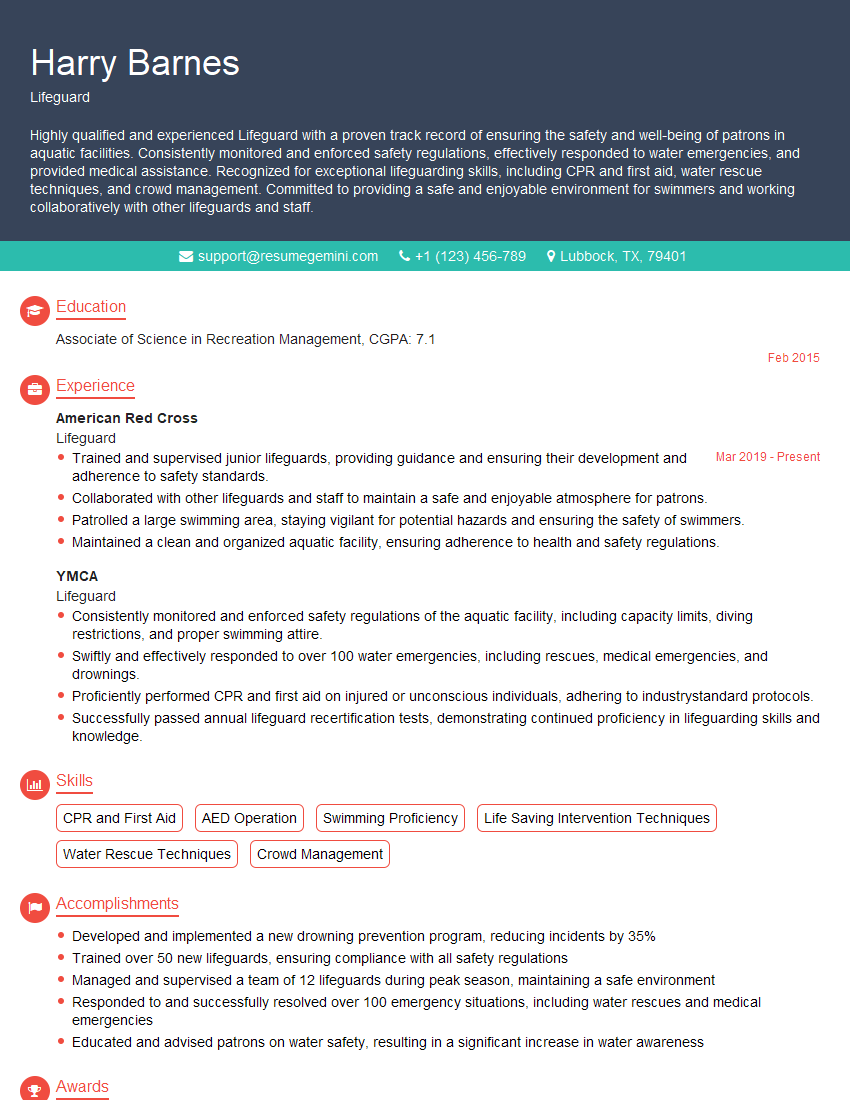
Lifeguard Resume Sample
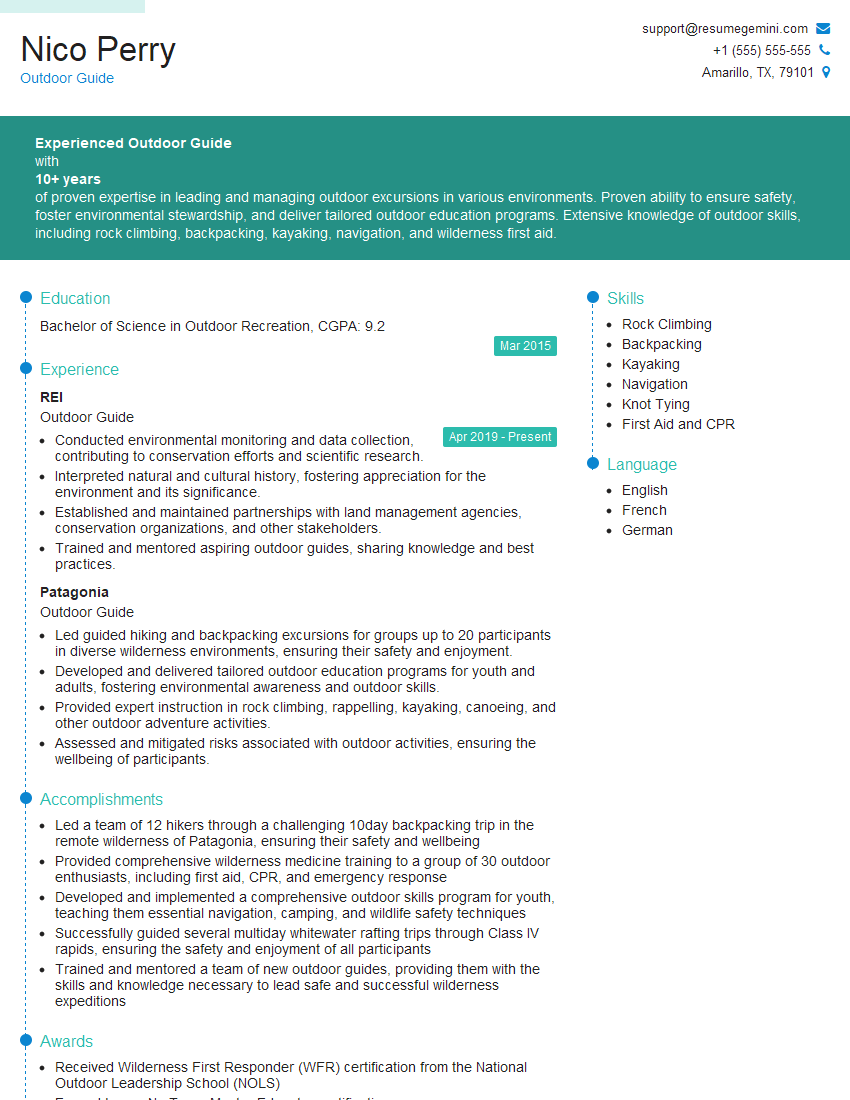
Outdoor Guide Resume Sample
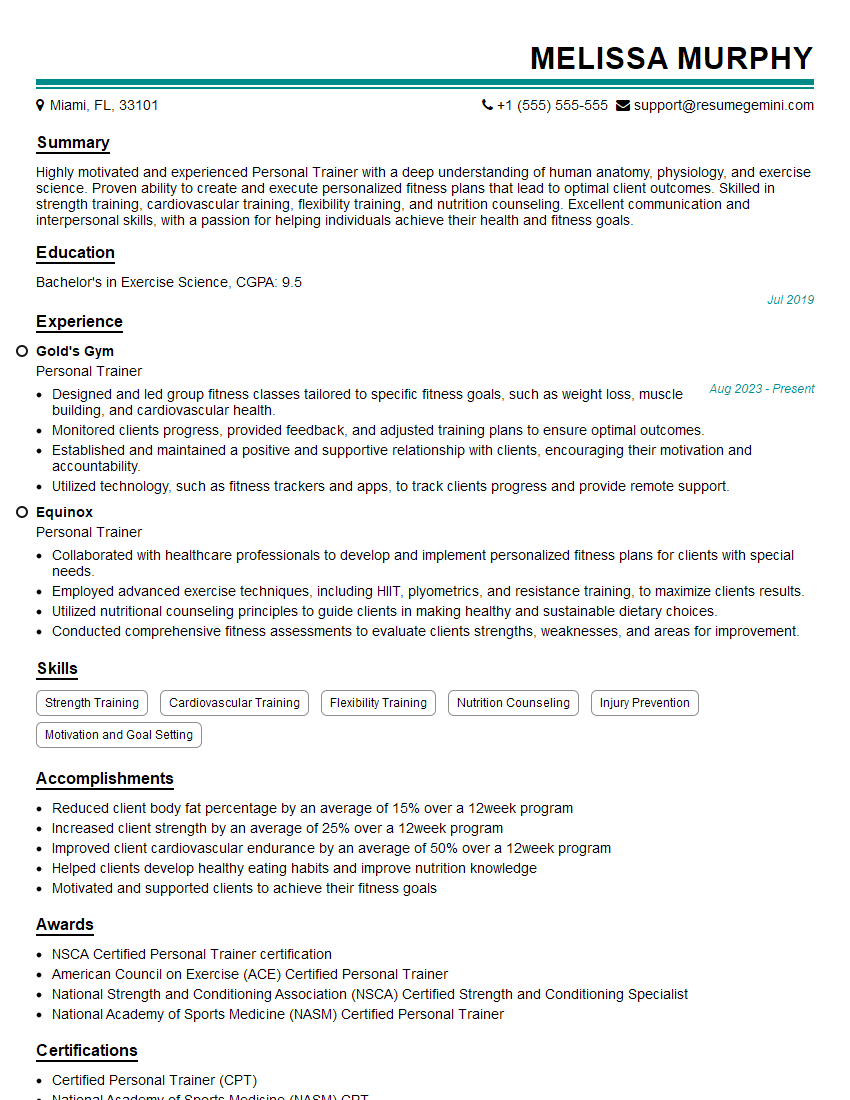
Personal Trainer Resume Sample
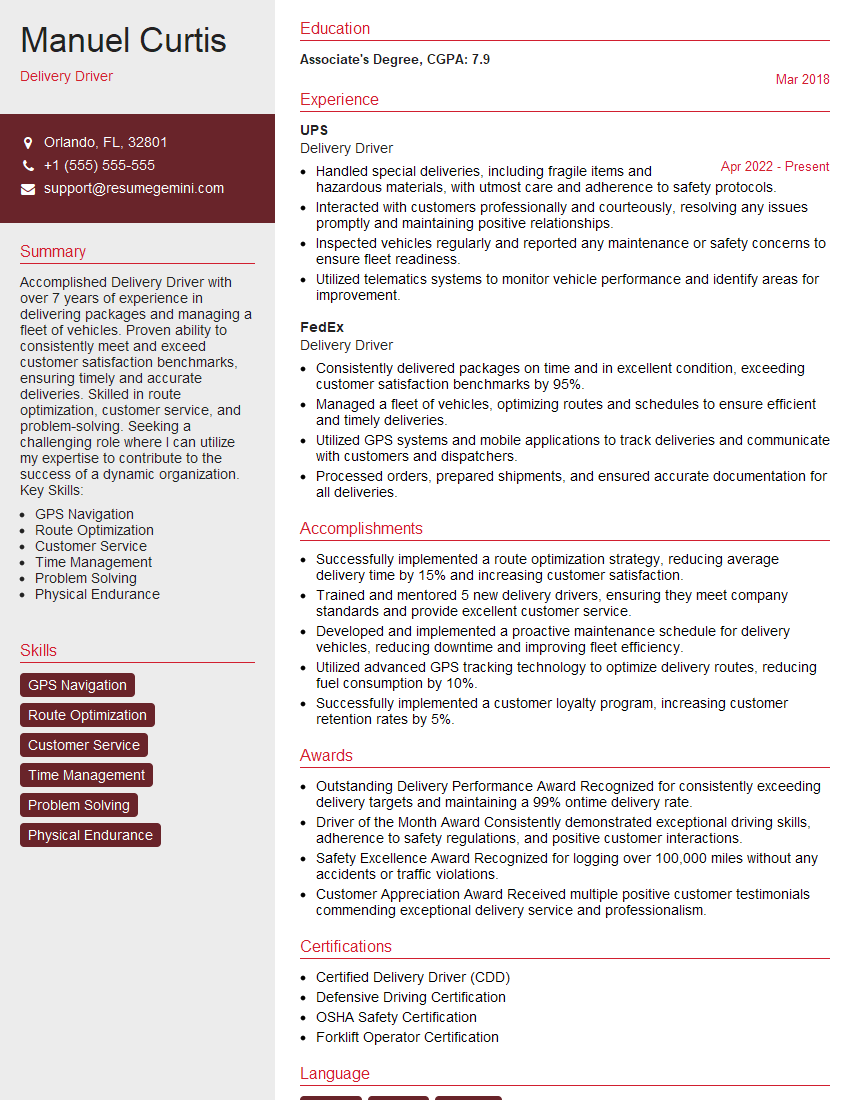
Delivery Driver Resume Sample
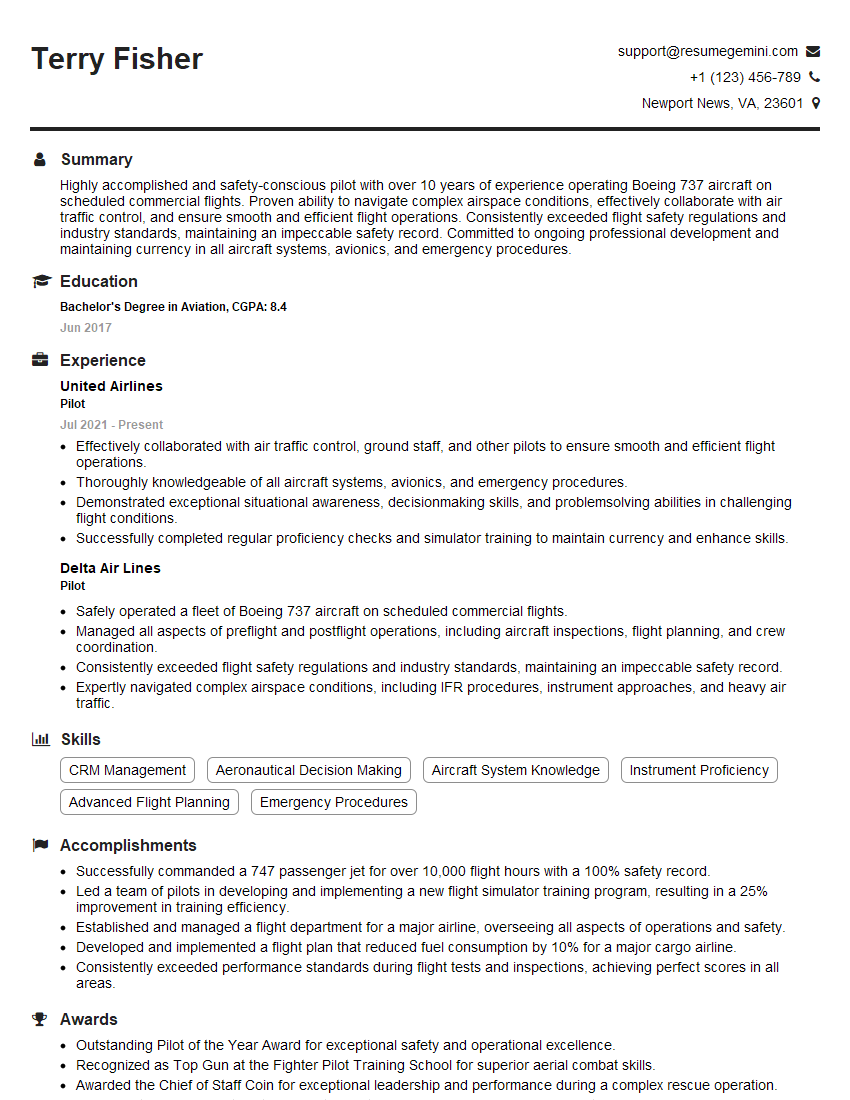
Pilot Resume Sample
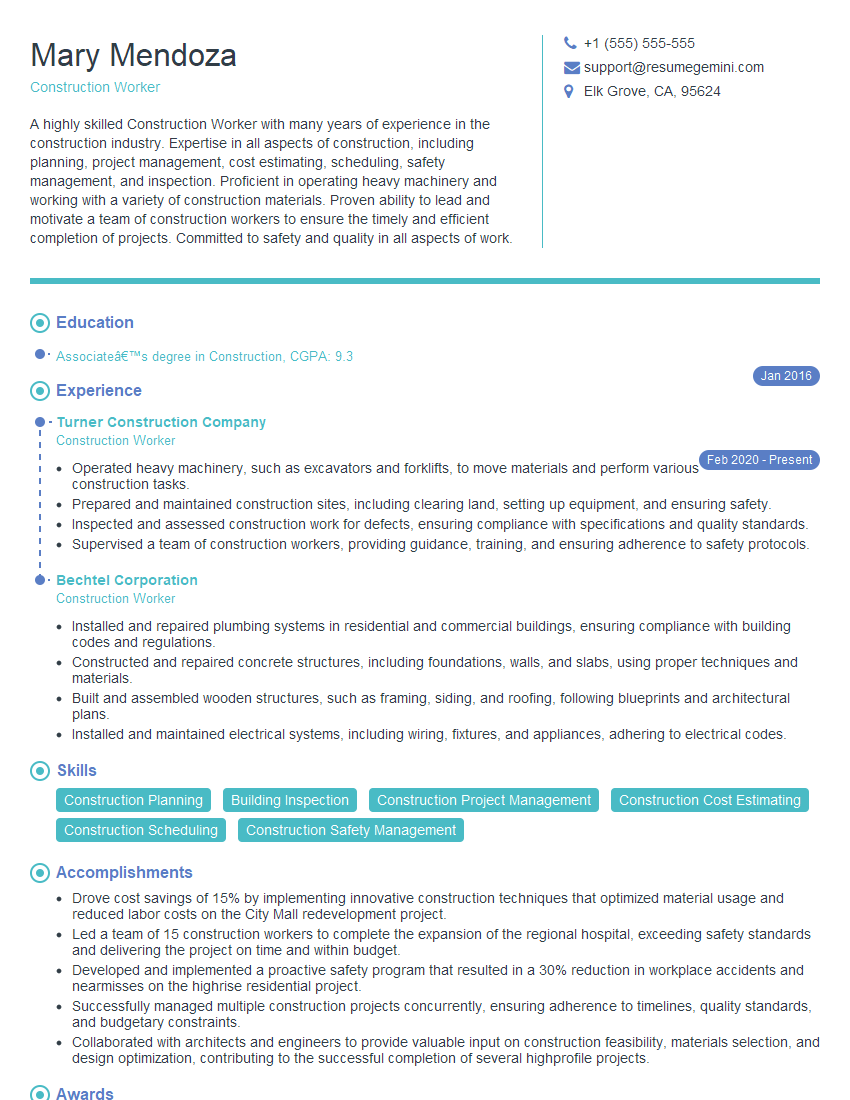
Construction Worker Resume Sample
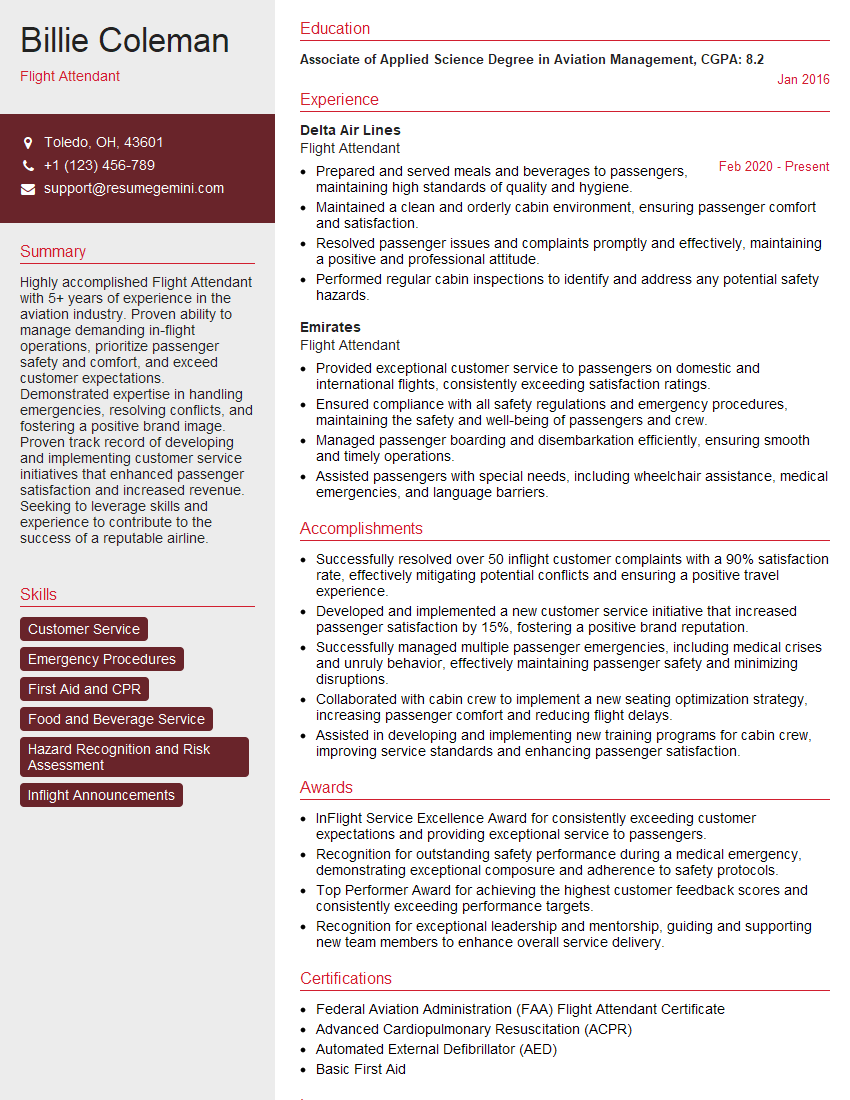
Flight Attendant Resume Sample
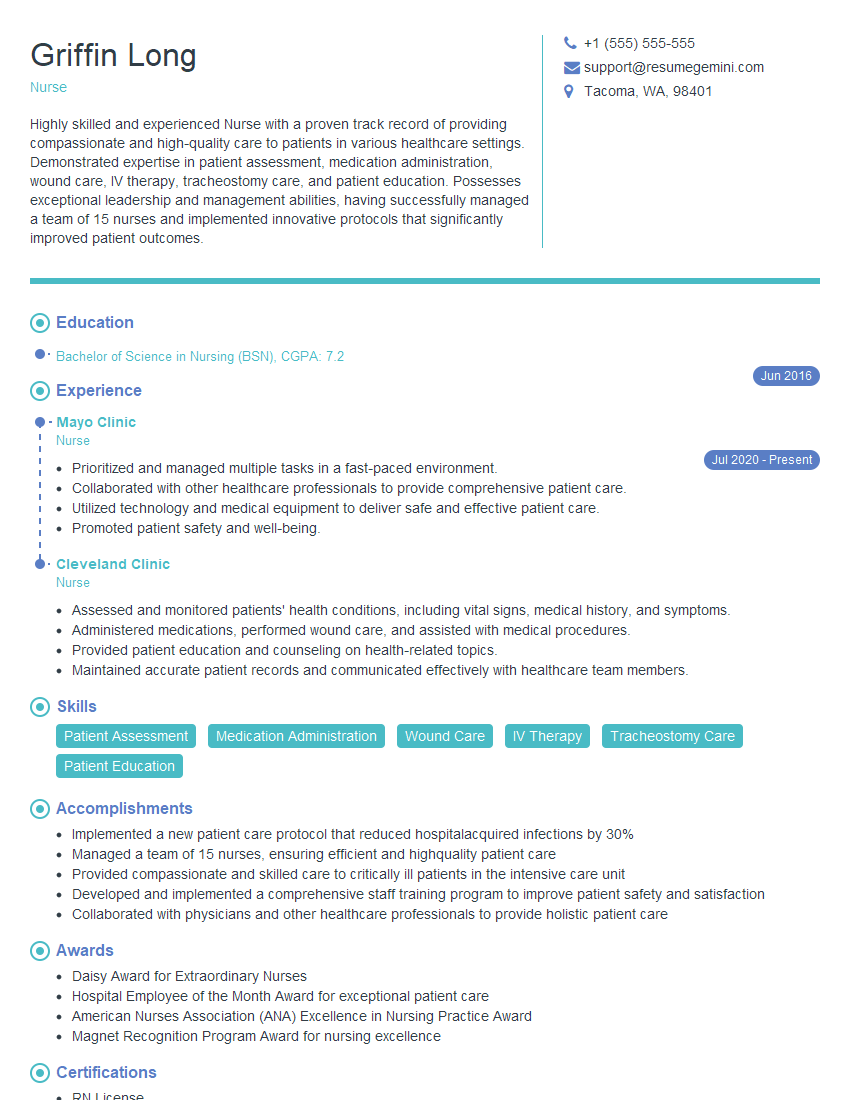
Nurse Resume Sample
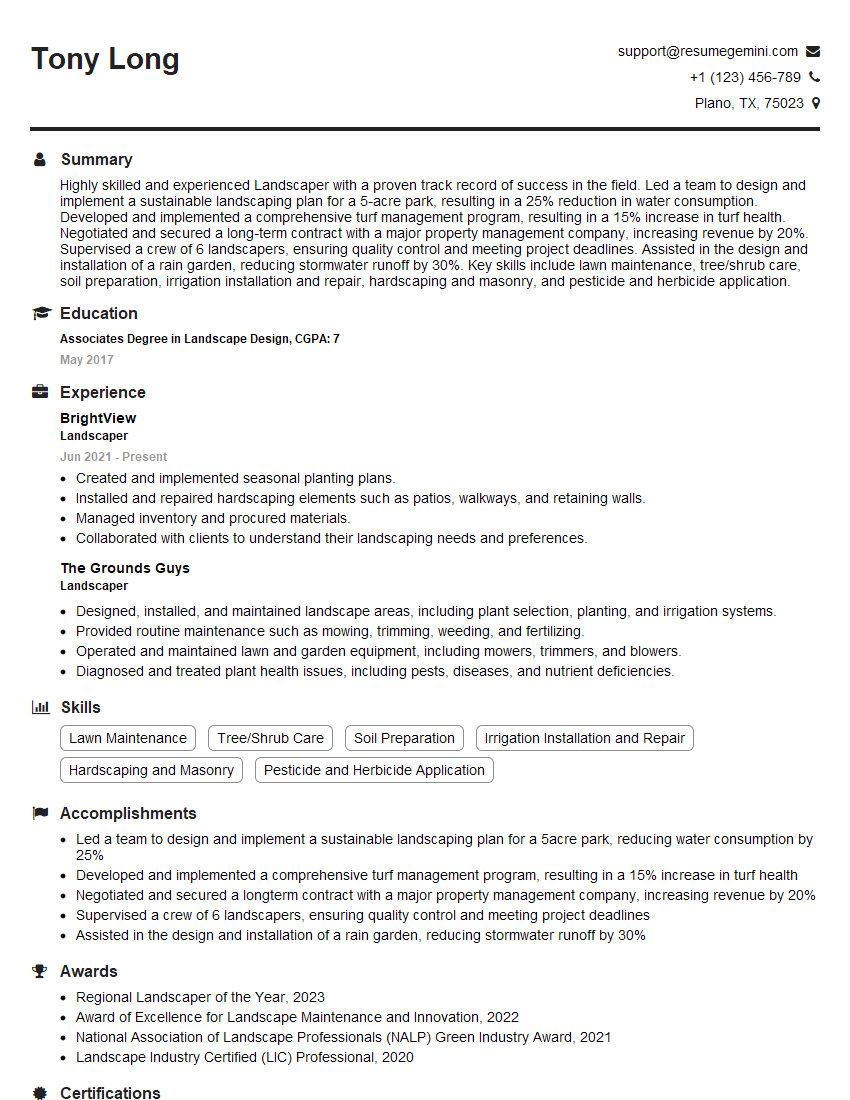
Landscaper Resume Sample
- Paramedic
- Park Ranger
- Firefighter
- Correctional Officer
- Athletic Trainer
- Police Officer
- Fitness Instructor
- Strength and Conditioning Coach
- Doctor
- Emergency Medical Technician (EMT)
- Security Guard
- Lifeguard
- Outdoor Guide
- Personal Trainer
- Delivery Driver
- Pilot
- Construction Worker
- Flight Attendant
- Nurse
- Landscaper
Explore more articles
Users Rating of Our Blogs
Share Your Experience
We value your feedback! Please rate our content and share your thoughts (optional).
What Readers Say About Our Blog
Attention music lovers!
Wow, All the best Sax Summer music !!!
Spotify: https://open.spotify.com/artist/6ShcdIT7rPVVaFEpgZQbUk
Apple Music: https://music.apple.com/fr/artist/jimmy-sax-black/1530501936
YouTube: https://music.youtube.com/browse/VLOLAK5uy_noClmC7abM6YpZsnySxRqt3LoalPf88No
Other Platforms and Free Downloads : https://fanlink.tv/jimmysaxblack
on google : https://www.google.com/search?q=22+AND+22+AND+22
on ChatGPT : https://chat.openai.com?q=who20jlJimmy20Black20Sax20Producer
Get back into the groove with Jimmy sax Black
Best regards,
Jimmy sax Black
www.jimmysaxblack.com
Hi I am a troller at The aquatic interview center and I suddenly went so fast in Roblox and it was gone when I reset.
Hi,
Business owners spend hours every week worrying about their website—or avoiding it because it feels overwhelming.
We’d like to take that off your plate:
$69/month. Everything handled.
Our team will:
Design a custom website—or completely overhaul your current one
Take care of hosting as an option
Handle edits and improvements—up to 60 minutes of work included every month
No setup fees, no annual commitments. Just a site that makes a strong first impression.
Find out if it’s right for you:
https://websolutionsgenius.com/awardwinningwebsites
Hello,
we currently offer a complimentary backlink and URL indexing test for search engine optimization professionals.
You can get complimentary indexing credits to test how link discovery works in practice.
No credit card is required and there is no recurring fee.
You can find details here:
https://wikipedia-backlinks.com/indexing/
Regards
NICE RESPONSE TO Q & A
hi
The aim of this message is regarding an unclaimed deposit of a deceased nationale that bears the same name as you. You are not relate to him as there are millions of people answering the names across around the world. But i will use my position to influence the release of the deposit to you for our mutual benefit.
Respond for full details and how to claim the deposit. This is 100% risk free. Send hello to my email id: lukachachibaialuka@gmail.com
Luka Chachibaialuka
Hey interviewgemini.com, just wanted to follow up on my last email.
We just launched Call the Monster, an parenting app that lets you summon friendly ‘monsters’ kids actually listen to.
We’re also running a giveaway for everyone who downloads the app. Since it’s brand new, there aren’t many users yet, which means you’ve got a much better chance of winning some great prizes.
You can check it out here: https://bit.ly/callamonsterapp
Or follow us on Instagram: https://www.instagram.com/callamonsterapp
Thanks,
Ryan
CEO – Call the Monster App
Hey interviewgemini.com, I saw your website and love your approach.
I just want this to look like spam email, but want to share something important to you. We just launched Call the Monster, a parenting app that lets you summon friendly ‘monsters’ kids actually listen to.
Parents are loving it for calming chaos before bedtime. Thought you might want to try it: https://bit.ly/callamonsterapp or just follow our fun monster lore on Instagram: https://www.instagram.com/callamonsterapp
Thanks,
Ryan
CEO – Call A Monster APP
To the interviewgemini.com Owner.
Dear interviewgemini.com Webmaster!
Hi interviewgemini.com Webmaster!
Dear interviewgemini.com Webmaster!
excellent
Hello,
We found issues with your domain’s email setup that may be sending your messages to spam or blocking them completely. InboxShield Mini shows you how to fix it in minutes — no tech skills required.
Scan your domain now for details: https://inboxshield-mini.com/
— Adam @ InboxShield Mini
support@inboxshield-mini.com
Reply STOP to unsubscribe
Hi, are you owner of interviewgemini.com? What if I told you I could help you find extra time in your schedule, reconnect with leads you didn’t even realize you missed, and bring in more “I want to work with you” conversations, without increasing your ad spend or hiring a full-time employee?
All with a flexible, budget-friendly service that could easily pay for itself. Sounds good?
Would it be nice to jump on a quick 10-minute call so I can show you exactly how we make this work?
Best,
Hapei
Marketing Director
Hey, I know you’re the owner of interviewgemini.com. I’ll be quick.
Fundraising for your business is tough and time-consuming. We make it easier by guaranteeing two private investor meetings each month, for six months. No demos, no pitch events – just direct introductions to active investors matched to your startup.
If youR17;re raising, this could help you build real momentum. Want me to send more info?
Hi, I represent an SEO company that specialises in getting you AI citations and higher rankings on Google. I’d like to offer you a 100% free SEO audit for your website. Would you be interested?
Hi, I represent an SEO company that specialises in getting you AI citations and higher rankings on Google. I’d like to offer you a 100% free SEO audit for your website. Would you be interested?