Cracking a skill-specific interview, like one for Proactive and Self-Motivated, requires understanding the nuances of the role. In this blog, we present the questions you’re most likely to encounter, along with insights into how to answer them effectively. Let’s ensure you’re ready to make a strong impression.
Questions Asked in Proactive and Self-Motivated Interview
Q 1. Describe a time you identified a problem and proactively sought a solution without being asked.
Proactive problem-solving involves identifying issues before they escalate and taking initiative to find solutions. It’s about being a valuable asset, not just reacting to directives.
In my previous role at Acme Corp., we were using a cumbersome, outdated CRM system. This was impacting sales efficiency and causing frustration among the team. While no one had officially voiced concerns, I noticed a significant drop in sales productivity metrics directly correlated with the CRM’s limitations. I didn’t wait for someone to assign the task; instead, I independently researched alternative CRM solutions, comparing features, pricing, and ease of integration with our existing systems. I then presented a comprehensive report to my manager, outlining the problem, my proposed solution, and a detailed implementation plan. My proactive approach led to the adoption of a new CRM, resulting in a 15% increase in sales productivity within three months.
Q 2. How do you prioritize tasks when faced with multiple competing deadlines?
Prioritizing tasks with competing deadlines requires a structured approach. I employ a combination of techniques, including Eisenhower Matrix (Urgent/Important), and time-blocking techniques.
The Eisenhower Matrix helps categorize tasks based on urgency and importance. This allows me to focus on urgent and important tasks first, delegate where possible, schedule less urgent tasks, and eliminate tasks that are neither urgent nor important. Time-blocking involves allocating specific time slots for each task. This ensures focused work and prevents task-switching, which can reduce efficiency.
For example, if I have a critical presentation due tomorrow and a less urgent report due next week, I would use time-blocking to dedicate the morning to the presentation preparation and the afternoon to the report, ensuring both are completed to a high standard.
Q 3. Give an example of a time you went above and beyond your job description.
Going above and beyond involves exceeding expectations and demonstrating commitment to the team and organizational goals. It’s about showing initiative and a willingness to contribute beyond the defined responsibilities.
During a particularly busy project at Beta Solutions, our marketing team was struggling to meet a tight deadline for a major product launch. I noticed they were overwhelmed, so I volunteered to assist, even though it was outside my core responsibilities as a software engineer. I helped them create engaging social media content and coordinated with the design team to ensure consistency in branding. My contribution helped the marketing team meet the deadline successfully, and it strengthened the cross-functional collaboration within the company.
Q 4. How do you stay motivated when faced with challenging or repetitive tasks?
Maintaining motivation with challenging or repetitive tasks requires a strategic approach that incorporates both intrinsic and extrinsic rewards.
I focus on breaking down large tasks into smaller, manageable steps. This provides a sense of accomplishment as each step is completed, increasing my motivation. I also set realistic goals and celebrate milestones. Furthermore, I actively seek feedback to identify areas for improvement, which provides a sense of purpose and learning.
For instance, if I am working on a long coding project, I might set daily goals such as completing a specific module or fixing a particular bug. Once completed, I reward myself with a short break or a small treat. This approach prevents burnout and fosters a positive outlook.
Q 5. How do you handle setbacks or unexpected obstacles?
Handling setbacks and obstacles involves a combination of resilience, problem-solving, and adaptability. It’s about maintaining a positive outlook and learning from failures.
When faced with an unexpected obstacle, I start by analyzing the situation objectively. I identify the root cause of the problem, brainstorm potential solutions, and evaluate the pros and cons of each option. I then implement the most viable solution and monitor the results. If the initial solution doesn’t work, I iterate and try another approach. It’s crucial to learn from the setback and adjust my strategy accordingly, rather than allowing it to derail my progress.
For example, if a project is delayed due to unforeseen technical difficulties, I wouldn’t simply panic; instead, I’d work with the team to identify the source of the problem, explore alternative solutions, and adjust the project timeline realistically. The key is to remain focused and solution-oriented, and learn from each challenge to become more effective in the future.
Q 6. Describe your approach to learning new skills or technologies.
Learning new skills and technologies is a continuous process that I approach systematically. I combine different learning styles to maximize effectiveness.
My approach usually involves a combination of online courses, practical application, and mentorship. I start by identifying the specific skills I need to acquire and then research online courses or tutorials that align with my learning style. I then actively apply my newly acquired knowledge in real-world projects to solidify my understanding and identify gaps in my knowledge. I also actively seek mentorship from experienced professionals to get personalized feedback and guidance.
For instance, when I needed to learn Python for data analysis, I enrolled in an online course, completed coding exercises, worked on personal data analysis projects, and engaged in discussions with colleagues who were proficient in Python. This multi-pronged approach ensured that I quickly gained proficiency and confidence.
Q 7. How do you measure your own success?
Measuring success is multifaceted and depends on the context. It’s not solely about achieving quantitative goals, but also about qualitative improvements and personal growth.
I measure my success through a combination of objective metrics and subjective evaluations. Objective metrics include meeting deadlines, achieving project goals, and exceeding performance expectations. Subjective evaluations involve assessing the impact of my work on the team and the organization, and evaluating my personal growth and skill development. For example, I consider successful not only completing a project on time and within budget, but also whether the project resulted in improved efficiency or customer satisfaction and if I’ve learned new skills in the process.
Q 8. How do you identify opportunities for improvement in your work?
Identifying opportunities for improvement is a continuous process that involves a blend of proactive observation, critical thinking, and a willingness to question the status quo. I approach this by employing several strategies:
Data Analysis: I meticulously analyze data relevant to my work, looking for trends, bottlenecks, or inefficiencies. For example, if I noticed a consistent delay in a particular stage of a project, I’d investigate the root cause, perhaps through process mapping or reviewing individual task completion times.
Feedback Collection: I actively solicit feedback from colleagues, clients, and stakeholders, understanding that diverse perspectives can illuminate blind spots. This could involve informal conversations, formal surveys, or even analyzing customer reviews.
Benchmarking: I compare our processes and performance to industry best practices and competitors to identify areas where we can improve. This might involve researching innovative methodologies or examining how other successful organizations handle similar tasks.
Process Mapping: I visualize workflows to identify redundancy or inefficiencies. A simple flowchart can often reveal hidden bottlenecks or opportunities for streamlining.
By combining these methods, I create a holistic picture of areas needing improvement and prioritize them based on their potential impact and feasibility.
Q 9. Describe a time you took initiative to improve a process or system.
In my previous role, we used a cumbersome, manual system for tracking client communication. It involved multiple spreadsheets, email chains, and a lot of manual data entry. This led to missed deadlines, duplicated efforts, and inconsistent information. I took the initiative to propose and implement a new CRM system.
My approach involved:
Research: I researched different CRM platforms, comparing their features, costs, and user-friendliness.
Proposal: I developed a detailed proposal outlining the benefits of the new system, including improved efficiency, enhanced communication, and better data management. I presented this proposal to my manager and team, addressing any concerns they raised.
Implementation: After approval, I led the team in the implementation process. This involved data migration, user training, and ongoing support.
Evaluation: Post-implementation, I tracked key metrics like response times and error rates to demonstrate the system’s effectiveness. We saw a significant improvement in efficiency and client satisfaction.
This experience highlighted the power of proactive problem-solving and the positive impact it can have on team productivity and organizational success.
Q 10. How do you stay organized and manage your time effectively?
Effective time and organization management is crucial for maximizing productivity. I employ a multi-faceted approach:
Prioritization: I use methods like Eisenhower Matrix (urgent/important) to prioritize tasks, focusing on high-impact activities first.
Planning: I plan my day and week in advance, breaking down large tasks into smaller, manageable steps. I use digital tools like calendars and task management software to schedule appointments and set deadlines.
Time Blocking: I allocate specific time blocks for focused work on particular tasks, minimizing interruptions and maximizing concentration.
Delegation: Where appropriate, I delegate tasks to others to leverage team strengths and optimize workflow.
Regular Review: I regularly review my progress, adjusting my schedule and priorities as needed. This involves reflecting on what worked well and what could be improved.
This structured approach ensures I’m focused, efficient, and able to consistently meet deadlines.
Q 11. Give an example of a time you had to work independently to achieve a goal.
During a project involving the development of a new algorithm, I was assigned the task of optimizing a crucial component independently. The timeline was tight, and it required deep technical expertise. I tackled this by:
Thorough Understanding: I thoroughly reviewed the existing codebase and documentation to gain a complete understanding of the algorithm and its limitations.
Structured Approach: I broke down the optimization challenge into smaller, manageable sub-problems. This allowed me to address them systematically, testing and refining each component iteratively.
Resource Management: I utilized online resources, technical documentation, and relevant literature to identify potential solutions and best practices.
Self-Evaluation: Throughout the process, I regularly assessed my progress against the defined goals, adjusting my approach as needed.
Through dedicated effort and a methodical approach, I successfully optimized the algorithm, resulting in a significant performance improvement. This experience demonstrated my capacity for independent work and problem-solving.
Q 12. How do you handle criticism or feedback?
I view criticism and feedback as invaluable opportunities for growth. My approach involves:
Active Listening: I actively listen to the feedback, seeking to understand the perspective and concerns being expressed.
Clarification: I ask clarifying questions to ensure I fully grasp the points made.
Reflection: I reflect on the feedback, identifying areas where I can improve and areas where the feedback might be subjective or require further discussion.
Action Plan: Based on my reflection, I develop an action plan to address the constructive criticism. This might involve seeking additional training, adjusting my approach, or improving my communication skills.
Follow-up: I follow up with the person who provided the feedback, demonstrating that I have taken their comments seriously and outlining the steps I’ve taken to address them.
Constructive criticism is a gift, and I strive to utilize it to become a more effective and well-rounded professional.
Q 13. Describe your preferred working style.
My preferred working style is collaborative yet independent. I thrive in environments that encourage both teamwork and individual contribution. I’m highly organized and detail-oriented, ensuring accuracy and efficiency in my work. I enjoy tackling challenging problems and find fulfillment in contributing to a team’s overall success. I am comfortable taking initiative and working independently when necessary, but I also appreciate and value the input and perspectives of others.
My approach can be summarized as:
- Proactive: I anticipate needs and proactively seek solutions.
- Collaborative: I value teamwork and open communication.
- Structured: I prefer a structured approach to problem-solving.
- Results-Oriented: I am focused on achieving tangible outcomes.
Q 14. How do you adapt to change?
Adaptability is a critical skill in today’s dynamic work environment. I approach change with a positive and proactive mindset. My approach involves:
Understanding the Change: I strive to thoroughly understand the reasons behind the change and its potential impact on my work.
Seeking Clarification: I don’t hesitate to ask questions to clarify any uncertainties or ambiguities.
Openness to Learning: I embrace the opportunity to learn new skills or adapt my existing skills to meet the demands of the change.
Positive Attitude: I maintain a positive attitude throughout the transition, focusing on the opportunities that the change may bring.
Collaboration: I actively collaborate with my team and colleagues to ensure a smooth transition and to identify any potential challenges.
I see change not as an obstacle but as a catalyst for growth and innovation. I’m confident in my ability to adapt quickly and effectively to evolving circumstances.
Q 15. How do you maintain your motivation over the long term?
Maintaining long-term motivation is a multifaceted process that requires a conscious and proactive approach. It’s not about chasing fleeting bursts of enthusiasm, but cultivating a sustainable internal drive. I achieve this through a combination of strategies:
Setting Meaningful Goals: I focus on goals that align with my values and passions. This gives my work a sense of purpose, making the effort inherently rewarding. For example, instead of just focusing on ‘finishing a project,’ I aim to ‘create a solution that improves the user experience significantly.’ This broader perspective fuels my motivation.
Breaking Down Tasks: Large projects can feel overwhelming. I break them into smaller, manageable steps, celebrating each milestone along the way. This creates a sense of accomplishment and momentum, preventing burnout.
Continuous Learning and Development: I actively seek opportunities to learn new skills and expand my knowledge. This keeps my work fresh and exciting, preventing stagnation and boredom. This could involve taking online courses, attending workshops, or engaging in mentorship programs.
Self-Care and Work-Life Balance: I prioritize my physical and mental well-being. This includes regular exercise, sufficient sleep, and mindful breaks throughout the day. A healthy lifestyle fuels my energy and focus, making me more productive and motivated.
Seeking Feedback and Recognition: Regular feedback helps me identify areas for improvement and reinforces my strengths. Positive feedback boosts my confidence and reinforces my motivation. I actively solicit feedback from colleagues and supervisors.
Career Expert Tips:
- Ace those interviews! Prepare effectively by reviewing the Top 50 Most Common Interview Questions on ResumeGemini.
- Navigate your job search with confidence! Explore a wide range of Career Tips on ResumeGemini. Learn about common challenges and recommendations to overcome them.
- Craft the perfect resume! Master the Art of Resume Writing with ResumeGemini’s guide. Showcase your unique qualifications and achievements effectively.
- Don’t miss out on holiday savings! Build your dream resume with ResumeGemini’s ATS optimized templates.
Q 16. Describe a time you had to overcome a significant challenge.
In a previous role, we faced a critical deadline for a major software release with several unresolved bugs. The pressure was immense, and the team was nearing burnout. I stepped up, taking the initiative to reorganize our workflow. We implemented a new bug-tracking system and prioritized tasks based on severity and impact. This involved clear communication with the team and collaborating with external stakeholders to expedite solutions. We also introduced shorter, more frequent meetings focused on problem-solving rather than updates. This helped focus our energy and improve our morale. Through collaborative effort and strategic problem-solving, we managed to resolve the critical bugs on time, delivering a successful software release. This experience taught me the value of clear communication, strategic problem-solving, and the importance of adapting and evolving under pressure.
Q 17. How do you build relationships with colleagues and stakeholders?
Building strong relationships is crucial for success in any collaborative environment. My approach involves:
Active Listening: I prioritize understanding others’ perspectives before sharing my own. This fosters trust and creates a sense of mutual respect.
Open Communication: I maintain open and honest communication channels, proactively sharing information and seeking feedback. This ensures transparency and prevents misunderstandings.
Collaboration and Teamwork: I actively participate in team activities and collaborate effectively with colleagues, sharing knowledge and celebrating successes.
Networking and Relationship Building: I actively build relationships with stakeholders, attending networking events and leveraging professional platforms to connect with others in the field. This expands my professional network and creates opportunities for collaboration.
Empathy and Understanding: I try to understand the different perspectives and needs of my colleagues and stakeholders and adapt my communication style accordingly.
Q 18. Describe a time you had to make a difficult decision.
In a past project, I had to decide whether to prioritize adding a highly requested feature or focusing on improving the existing system’s stability. Adding the new feature would have pleased many customers immediately but could compromise system stability, potentially causing greater problems down the line. After careful analysis of user data, system performance metrics, and risk assessment, I opted to prioritize stability. This was a difficult decision as it meant delaying the new feature, but it prevented potential widespread disruptions and long-term damage to the system’s reputation. This taught me the importance of prioritizing long-term health and stability over short-term gains, a principle I now apply to all decision-making.
Q 19. How do you handle conflict?
I approach conflict resolution constructively, focusing on understanding the underlying issues rather than assigning blame. My approach involves:
Active Listening and Empathy: I listen attentively to all parties involved, seeking to understand their perspectives and concerns.
Clear and Respectful Communication: I express my own views clearly and respectfully, avoiding accusatory language or personal attacks.
Collaborative Problem-Solving: I work with those involved to identify the root causes of the conflict and collaboratively develop solutions that address everyone’s concerns.
Mediation (if necessary): If I’m unable to resolve the conflict independently, I seek assistance from a neutral third party to facilitate mediation.
Documentation: I document the conflict and the agreed-upon resolutions to ensure accountability and prevent future recurrences.
Q 20. How do you stay informed about industry trends and best practices?
Staying informed about industry trends is essential for maintaining a competitive edge. I achieve this through:
Professional Publications and Journals: I regularly read industry-specific publications and journals to stay up-to-date on the latest research, advancements, and best practices.
Industry Conferences and Webinars: I attend industry conferences and webinars to learn from experts and network with colleagues.
Online Communities and Forums: I engage in online communities and forums to share knowledge and learn from others’ experiences.
Mentorship and Networking: I actively seek mentorship opportunities and engage in networking to learn from experienced professionals.
Continuous Learning Platforms: I leverage online learning platforms to stay abreast of emerging technologies and best practices.
Q 21. How do you delegate tasks effectively?
Effective delegation is about entrusting tasks to the right people and empowering them to succeed. My approach involves:
Clear Communication of Goals and Expectations: I clearly define the task, goals, timelines, and expected outcomes before delegating.
Selecting the Right Person: I assess the skills and experience of team members to assign tasks that match their abilities and interests.
Providing Necessary Resources and Support: I ensure that the team member has access to the necessary resources, tools, and information to complete the task.
Monitoring Progress and Providing Feedback: I provide regular check-ins and feedback to offer guidance and support, but avoid micromanaging.
Recognizing and Rewarding Success: I acknowledge and appreciate the efforts and accomplishments of the team member.
Q 22. How do you provide constructive feedback to others?
Constructive feedback is about helping someone improve, not criticizing them. My approach focuses on the behavior, not the person. I use the SBI model (Situation, Behavior, Impact) to frame my feedback.
- Situation: I describe the specific situation where the behavior occurred. For example, ‘During the recent team meeting…’
- Behavior: I objectively describe the behavior I observed. For example, ‘…you interrupted several team members while they were presenting their ideas.’
- Impact: I explain the impact of the behavior, focusing on the consequences, not personal feelings. For example, ‘…this interrupted the flow of the meeting and prevented others from fully sharing their thoughts.’
Following this, I offer specific, actionable suggestions for improvement, focusing on what they can do differently next time. I always conclude by reaffirming their value to the team and expressing my confidence in their ability to grow.
For instance, I might say, ‘Next time, perhaps try to jot down your points and wait for your turn to speak. Your insights are valuable, and I know you can contribute effectively while ensuring everyone has a chance to be heard.’ I aim to create a safe space where feedback is received positively and used for growth.
Q 23. Describe your approach to problem-solving.
My approach to problem-solving is systematic and data-driven. I follow a structured process:
- Define the problem: Clearly articulate the issue, gathering all relevant information and ensuring I understand the context.
- Analyze the problem: Break down the problem into smaller, manageable parts to identify root causes and potential contributing factors. This often involves brainstorming and considering different perspectives.
- Develop solutions: Generate multiple potential solutions, considering their feasibility, cost, and potential impact. I evaluate each solution using criteria like effectiveness, efficiency, and risk.
- Implement the solution: Choose the most promising solution and implement it, carefully monitoring the results.
- Evaluate the results: Assess whether the chosen solution effectively resolved the problem. If not, I iterate, refining my approach based on the learnings and exploring alternative solutions.
For example, if faced with declining sales, I would analyze sales data, conduct market research, interview customers, and explore potential issues like pricing, marketing, or product quality. I might test different solutions, like adjusting pricing or launching a new marketing campaign, and track the impact of each before deciding on the best course of action.
Q 24. How do you handle pressure?
I thrive under pressure. My ability to stay calm and focused in high-pressure situations comes from experience and a proactive approach. I prioritize tasks, break down large projects into smaller, manageable steps, and utilize time management techniques like the Pomodoro Technique. I also actively seek clarification when unsure, ensuring I’m clear on expectations and deadlines.
Maintaining a healthy lifestyle—including sufficient sleep, regular exercise, and a balanced diet—is crucial for managing stress effectively. I also practice mindfulness techniques, such as deep breathing exercises, to remain centered and focused, even under intense pressure. When overwhelmed, I don’t hesitate to seek support from colleagues or mentors. Open communication is key to mitigating stress and ensuring a successful outcome.
Q 25. What are your long-term career goals?
My long-term career goals center around leveraging my proactive and self-motivated nature to contribute to impactful projects and teams within a dynamic and challenging environment. I aspire to become a recognized leader in my field, mentoring and guiding others to achieve their full potential. I envision myself taking on increasing levels of responsibility, contributing strategically to organizational goals, and continuously developing my skills through ongoing learning and professional development. Specific roles might include team leadership or project management positions where I can influence strategic decisions and guide initiatives that drive innovation and positive change.
Q 26. How do you manage your workload during periods of high stress?
During periods of high stress, effective workload management is paramount. My strategy involves prioritizing tasks based on urgency and importance using methods like the Eisenhower Matrix (urgent/important). I break down large tasks into smaller, manageable chunks to avoid feeling overwhelmed. I utilize time-blocking techniques to schedule specific times for particular tasks, ensuring dedicated focus and minimizing distractions. I also actively communicate with my team and manager to ensure transparency and manage expectations, often seeking clarification or assistance when needed. Finally, I protect my personal time to recharge and maintain a healthy work-life balance, recognizing that this is crucial for sustained performance and well-being.
Q 27. Describe a time you had to influence others to achieve a common goal.
In a previous role, our team faced a significant challenge in integrating a new software system. Initial resistance from some team members hampered progress. To influence others and achieve our common goal, I initiated several strategies. First, I organized a series of workshops to demonstrate the software’s benefits and address their concerns directly. Second, I proactively addressed their anxieties by showcasing the system’s ease of use through hands-on training. Finally, I actively solicited their feedback and incorporated their suggestions into the implementation process, making them feel valued and heard. By actively listening, demonstrating empathy, and building consensus, I successfully influenced my colleagues, leading to a smoother and more effective system integration.
Q 28. How do you balance your work and personal life?
Maintaining a healthy work-life balance is crucial for my well-being and productivity. I achieve this by setting clear boundaries between work and personal life. This includes disconnecting from work emails and calls outside of designated work hours. I schedule regular time for activities that I enjoy, such as exercise, hobbies, and spending time with loved ones. Prioritizing self-care activities, like mindfulness practices or simply taking breaks throughout the day, also plays a key role in preventing burnout. I approach work-life balance not as a rigid separation but as a fluid integration, where I allocate time strategically to maximize both personal fulfillment and professional success.
Key Topics to Learn for Proactive and Self-Motivated Interview
- Understanding Proactivity: Defining proactivity, differentiating it from reactivity, and articulating how you proactively identify and address challenges.
- Demonstrating Proactive Behaviors: Providing specific examples from your past experiences where you took initiative, anticipated problems, and offered solutions. Focus on quantifiable results.
- Self-Motivation: Defining what self-motivation means to you and explaining how you maintain your drive and focus, especially in the face of setbacks.
- Practical Application: Discuss scenarios where you independently managed projects, sought out learning opportunities, or improved processes without direct supervision. Highlight your problem-solving skills.
- Goal Setting and Achievement: Explain your approach to setting realistic goals, breaking down large tasks into smaller manageable steps, and tracking your progress towards achieving them.
- Adaptability and Resourcefulness: Showcase your ability to adapt to changing circumstances and utilize available resources effectively to overcome obstacles. Provide concrete examples.
- Time Management and Prioritization: Describe your strategies for effective time management and prioritizing tasks, particularly when facing multiple deadlines or competing priorities.
Next Steps
Mastering the demonstration of proactive and self-motivated qualities is crucial for career advancement. Employers highly value individuals who can take initiative, solve problems independently, and contribute meaningfully to a team. To significantly increase your chances of landing your dream job, it’s vital to create a resume that effectively highlights these skills and is optimized for Applicant Tracking Systems (ATS). ResumeGemini is a trusted resource that can help you build a professional and ATS-friendly resume. We provide examples of resumes tailored to showcasing proactive and self-motivated attributes, enabling you to present yourself in the best possible light. Take the next step towards your career success!
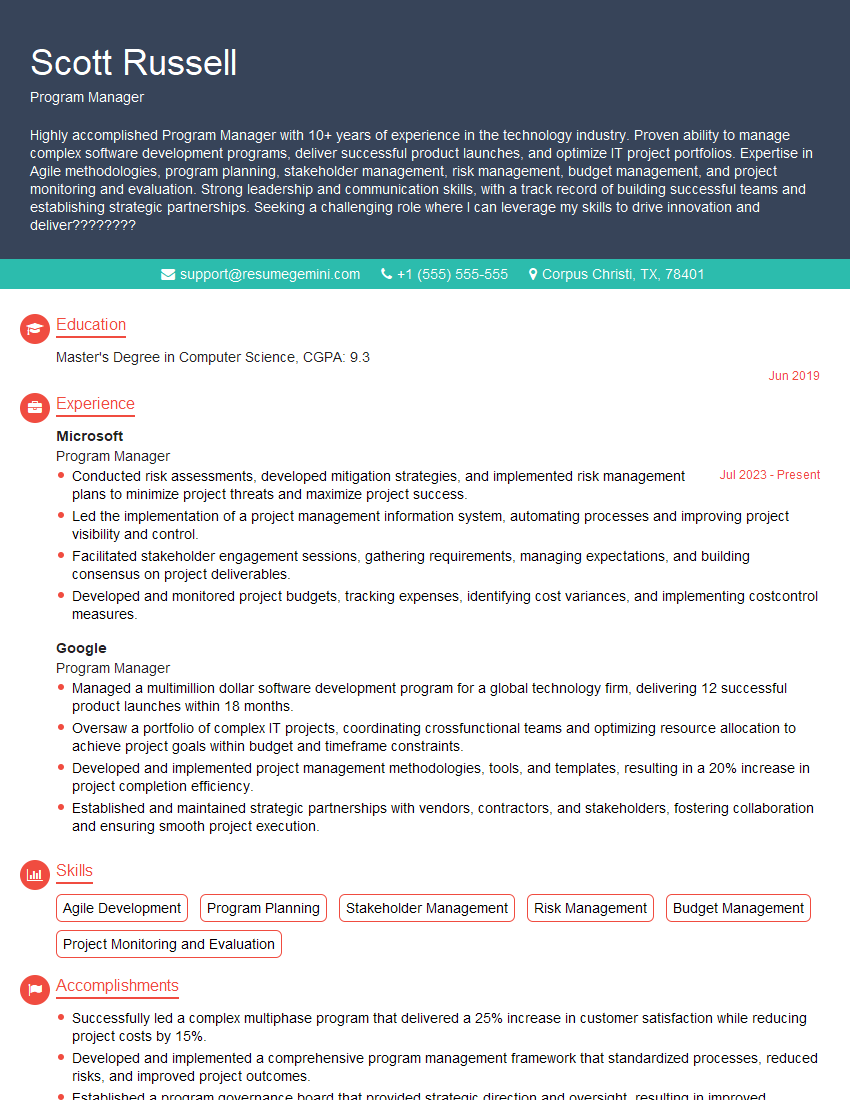
Program Manager Resume Sample

Operations Manager Resume Sample
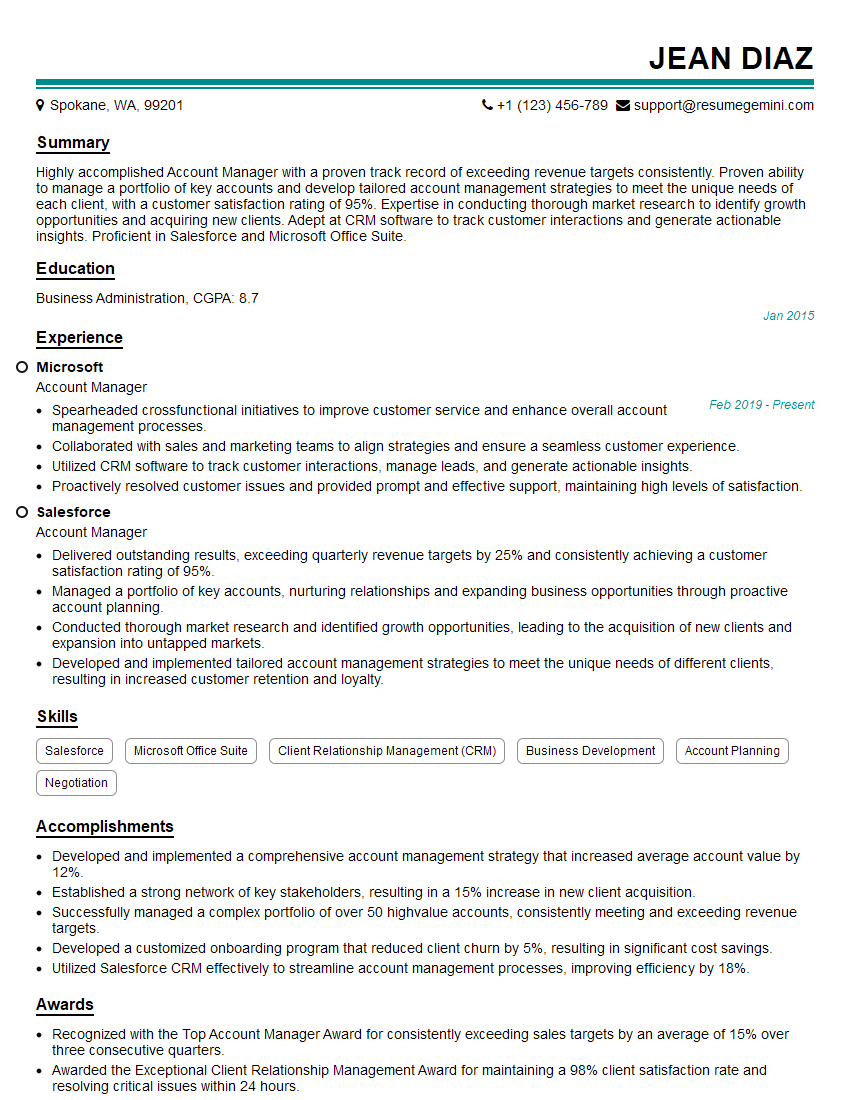
Account Manager Resume Sample
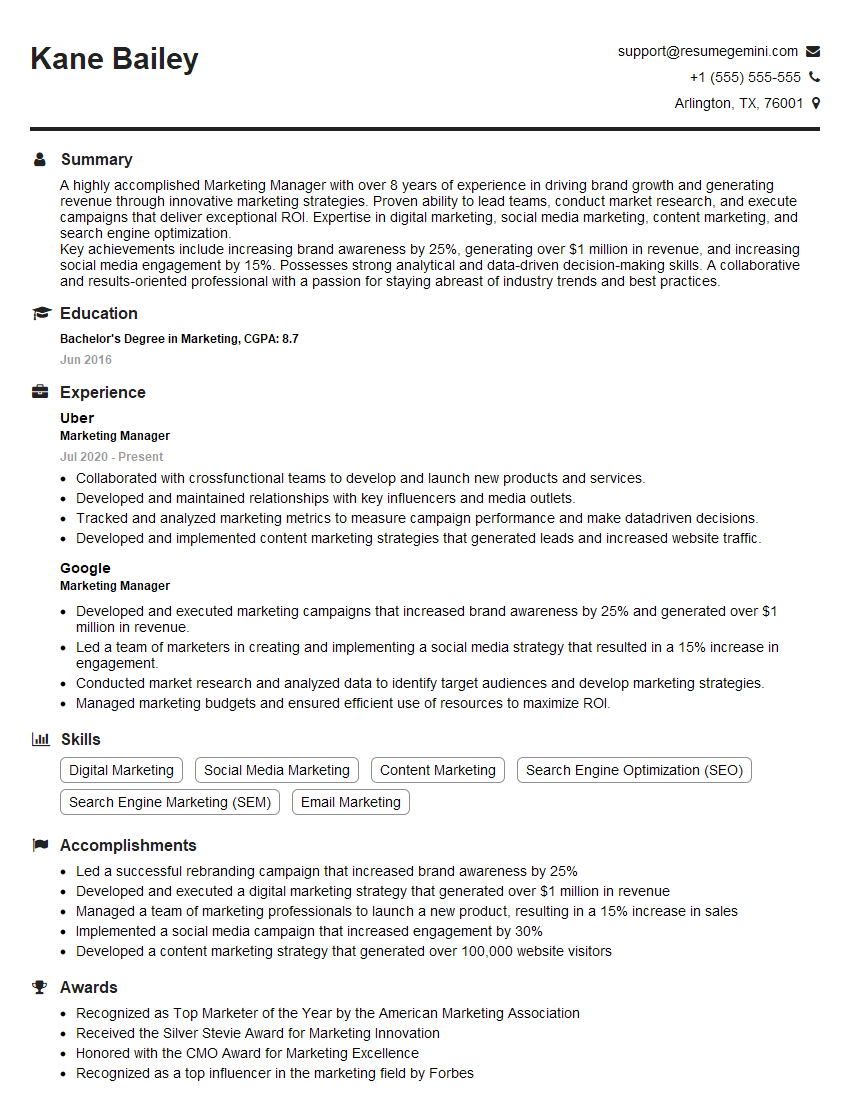
Marketing Manager Resume Sample
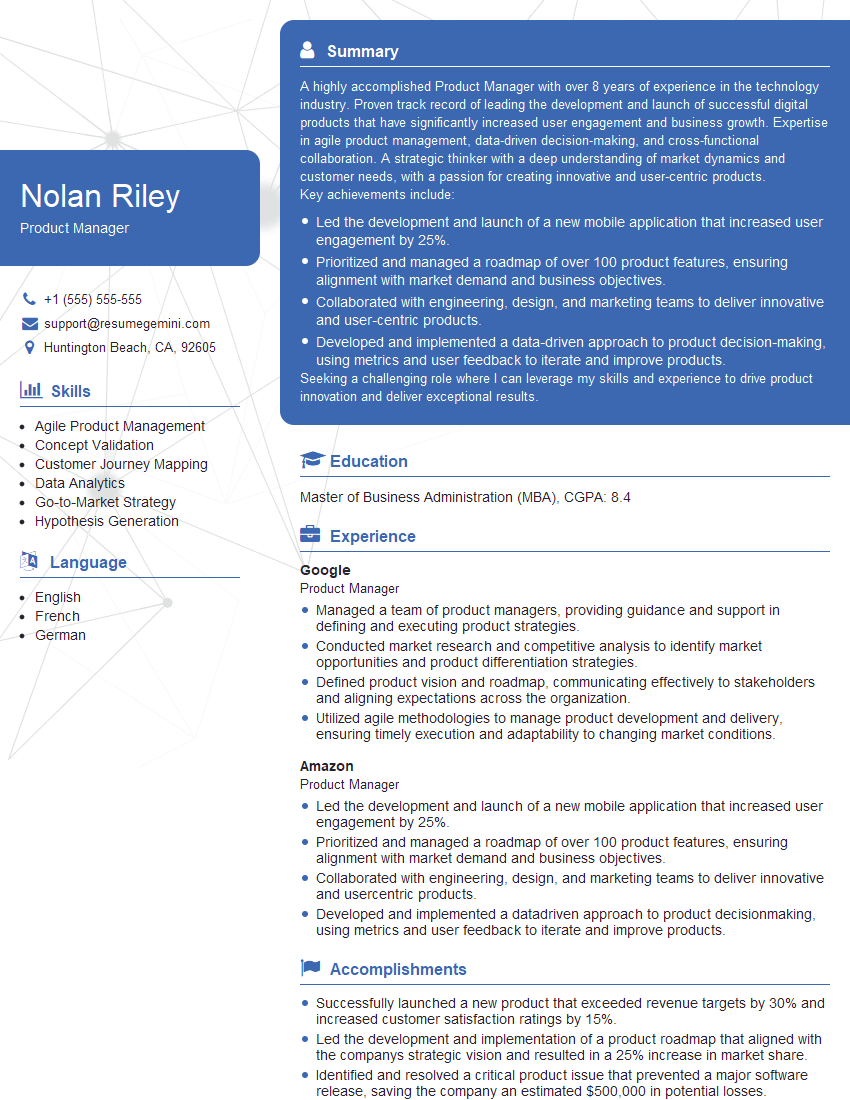
Product Manager Resume Sample
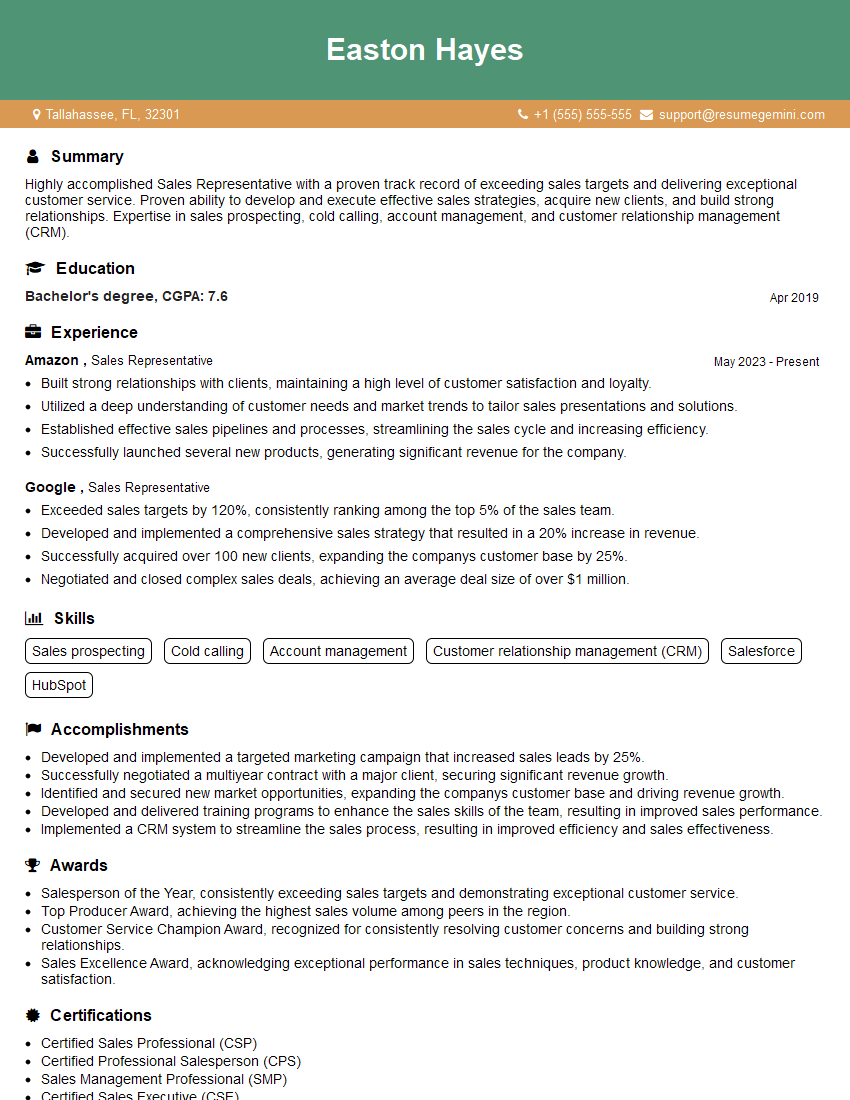
Sales Representative Resume Sample

Supply Chain Manager Resume Sample
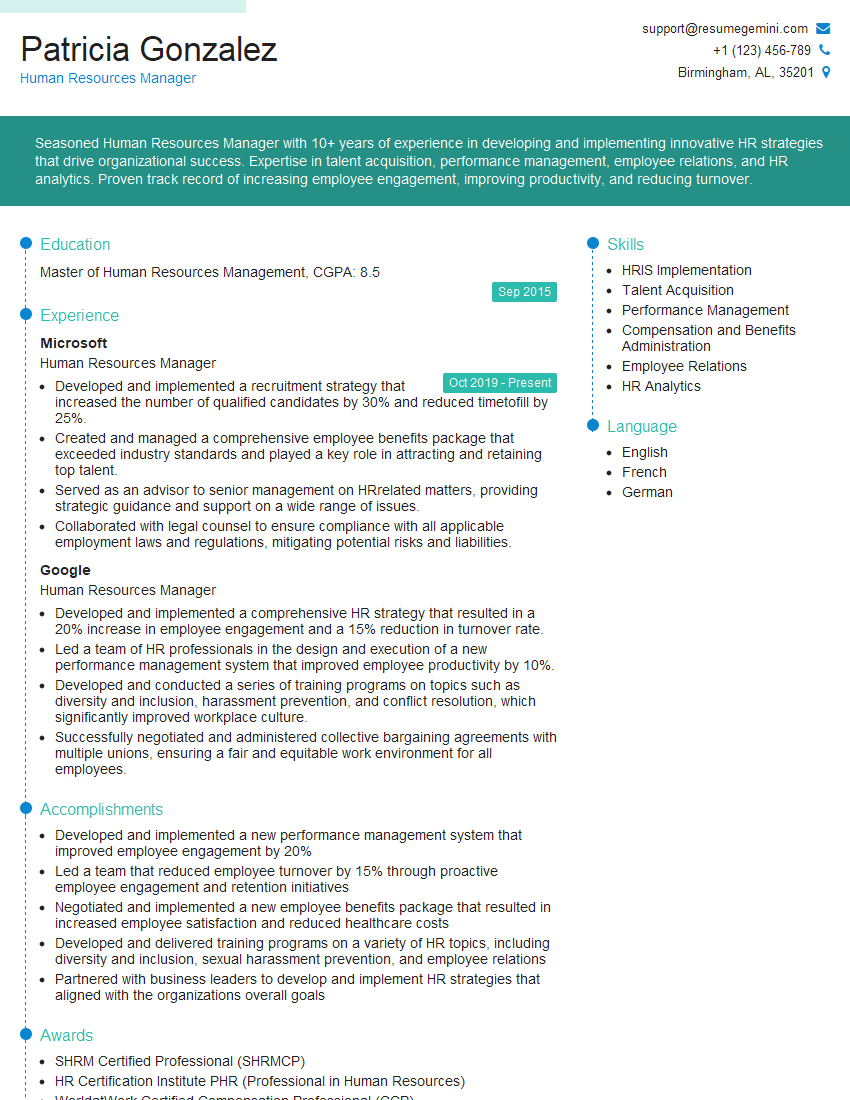
Human Resources Manager Resume Sample
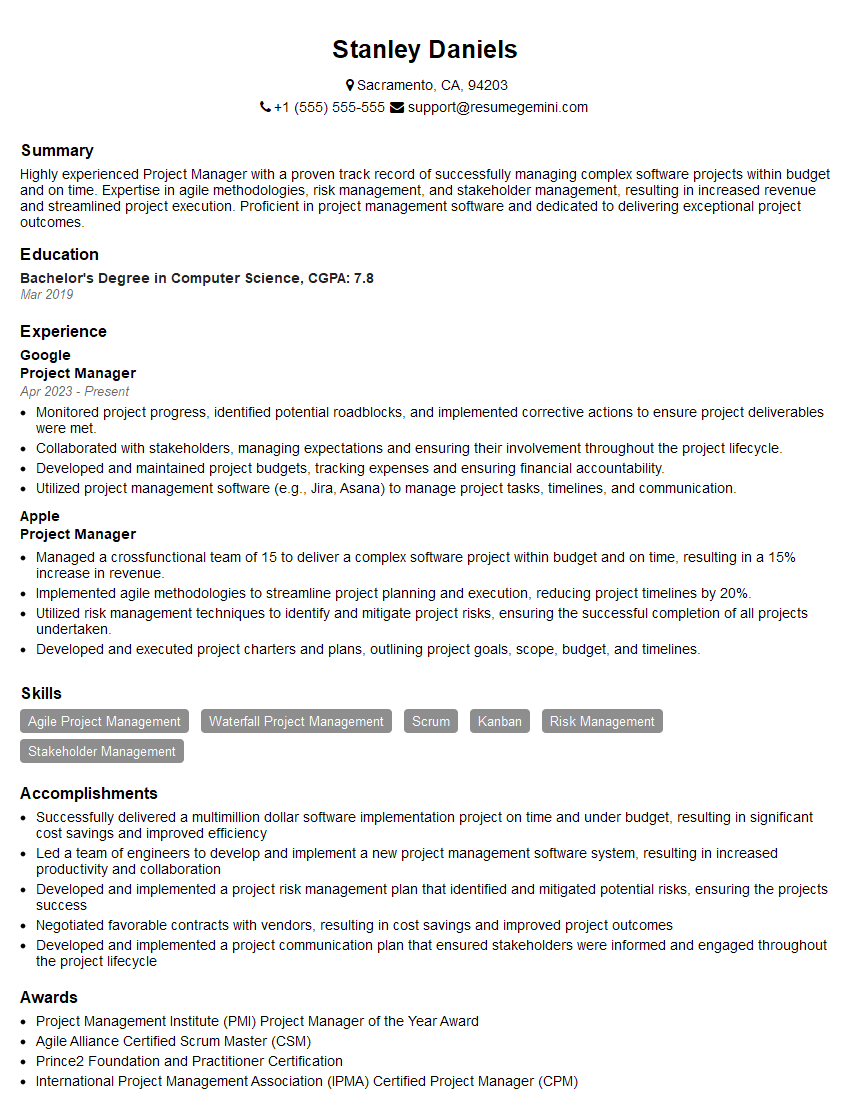
Project Manager Resume Sample
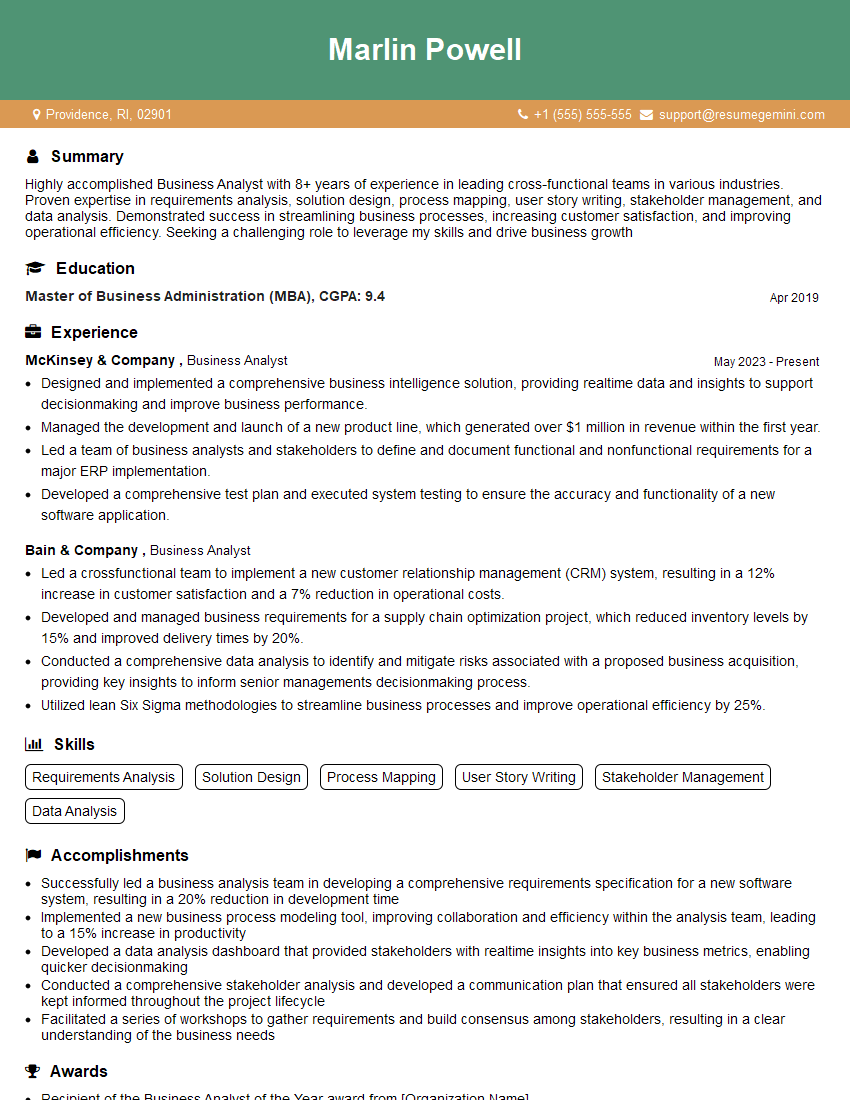
Business Analyst Resume Sample
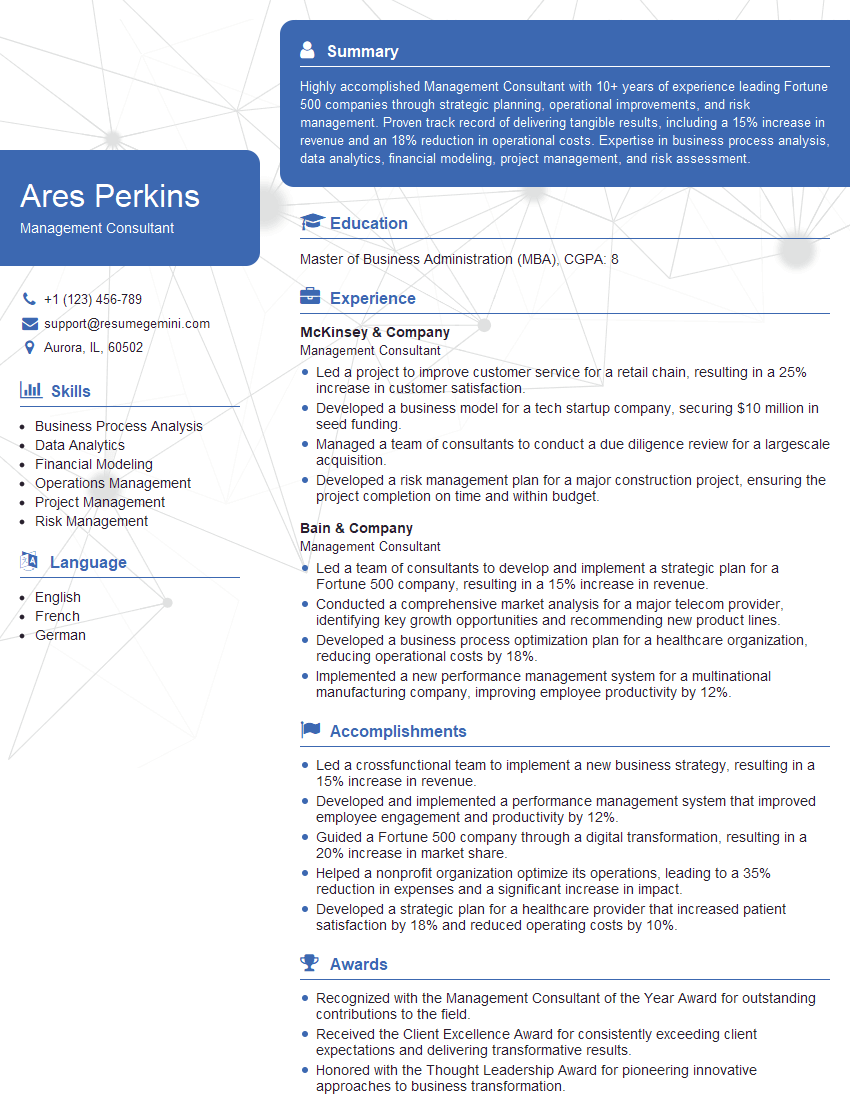
Management Consultant Resume Sample
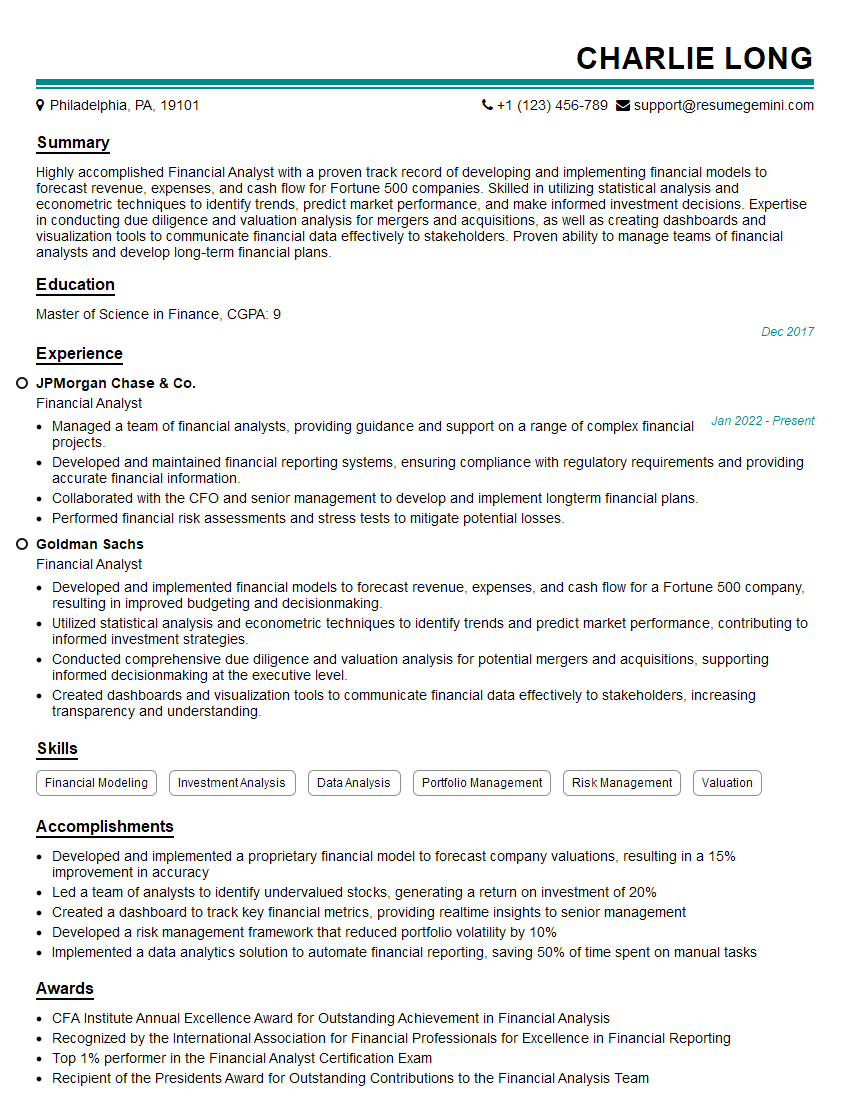
Financial Analyst Resume Sample
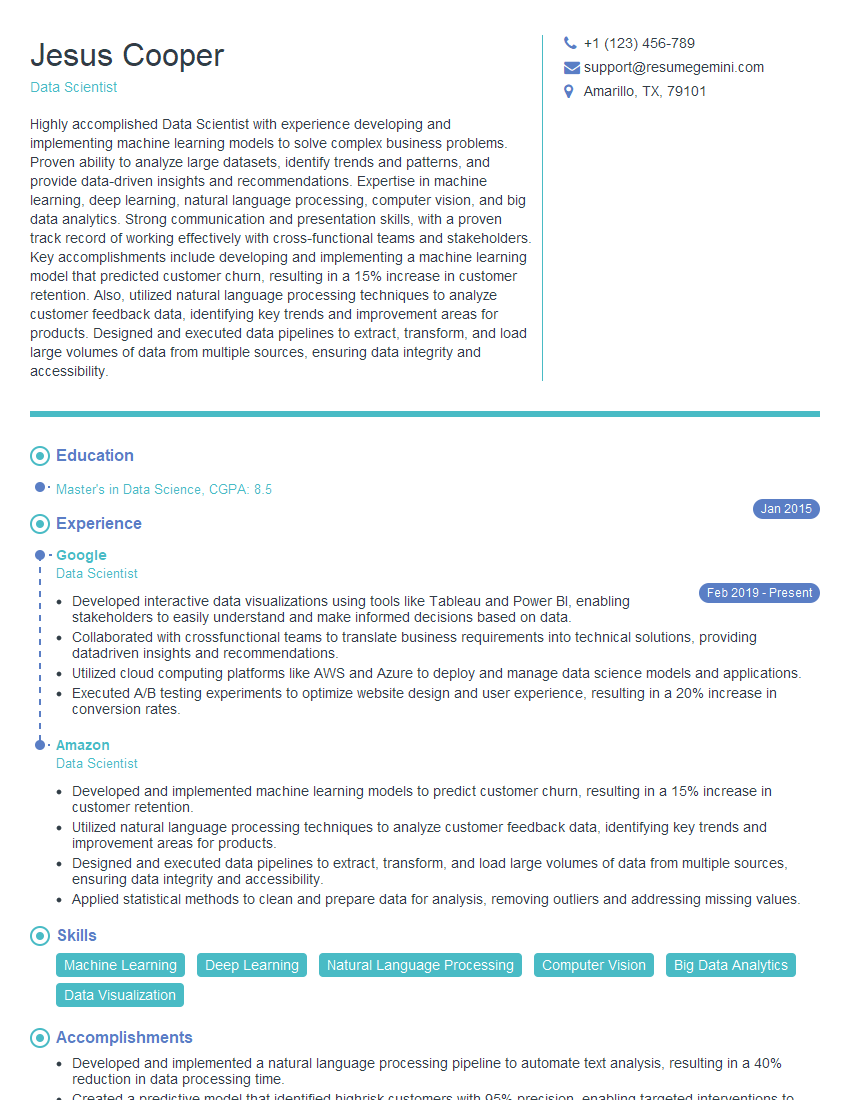
Data Scientist Resume Sample
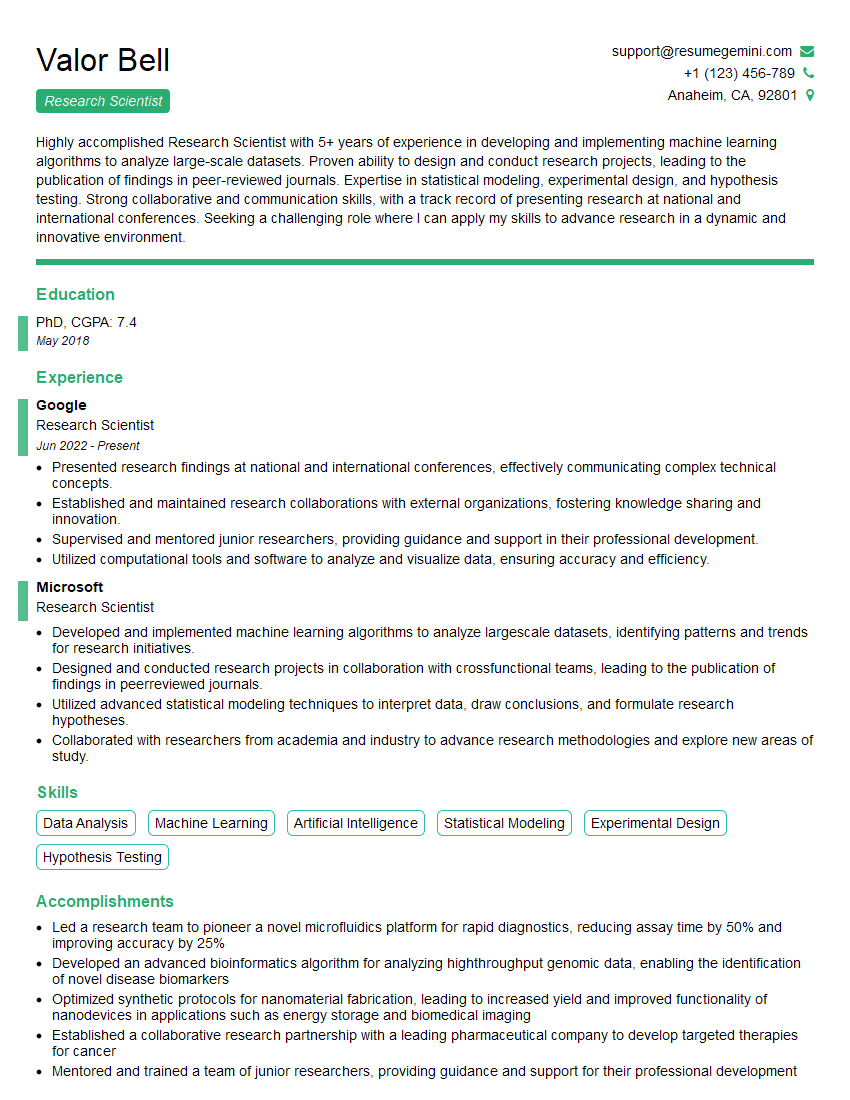
Research Scientist Resume Sample
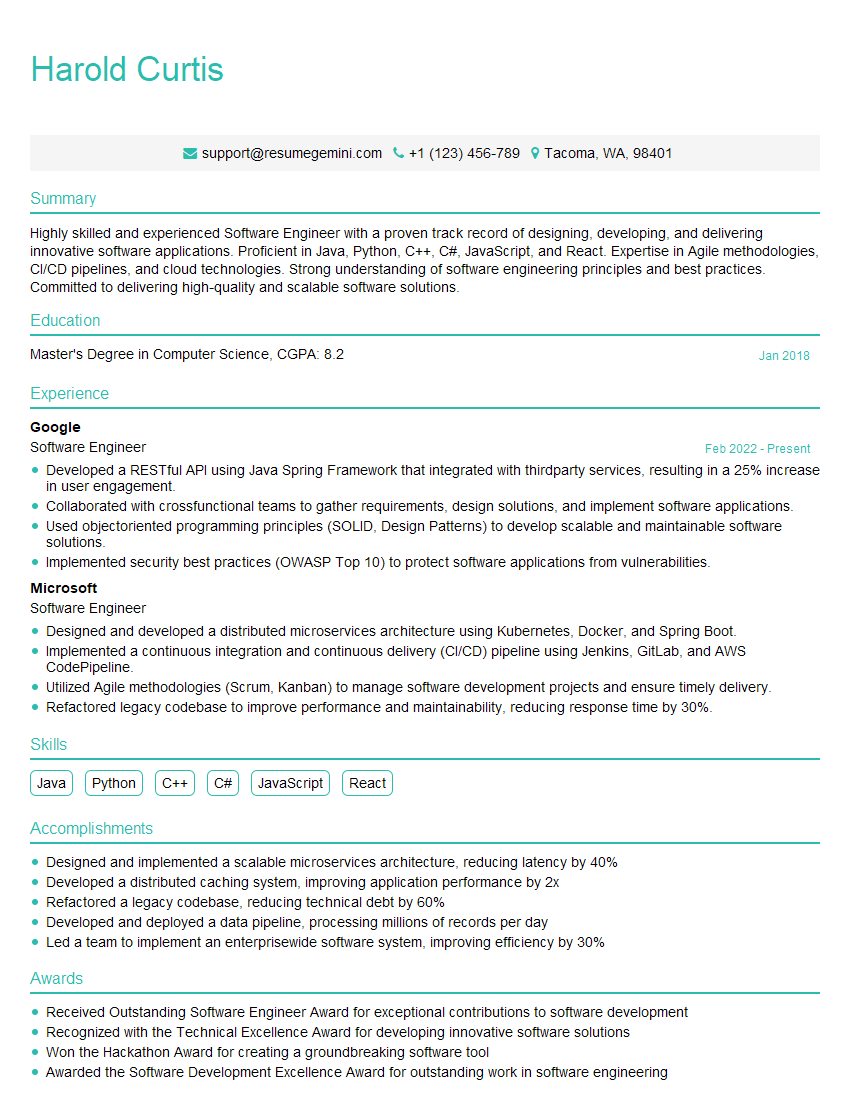
Software Engineer Resume Sample
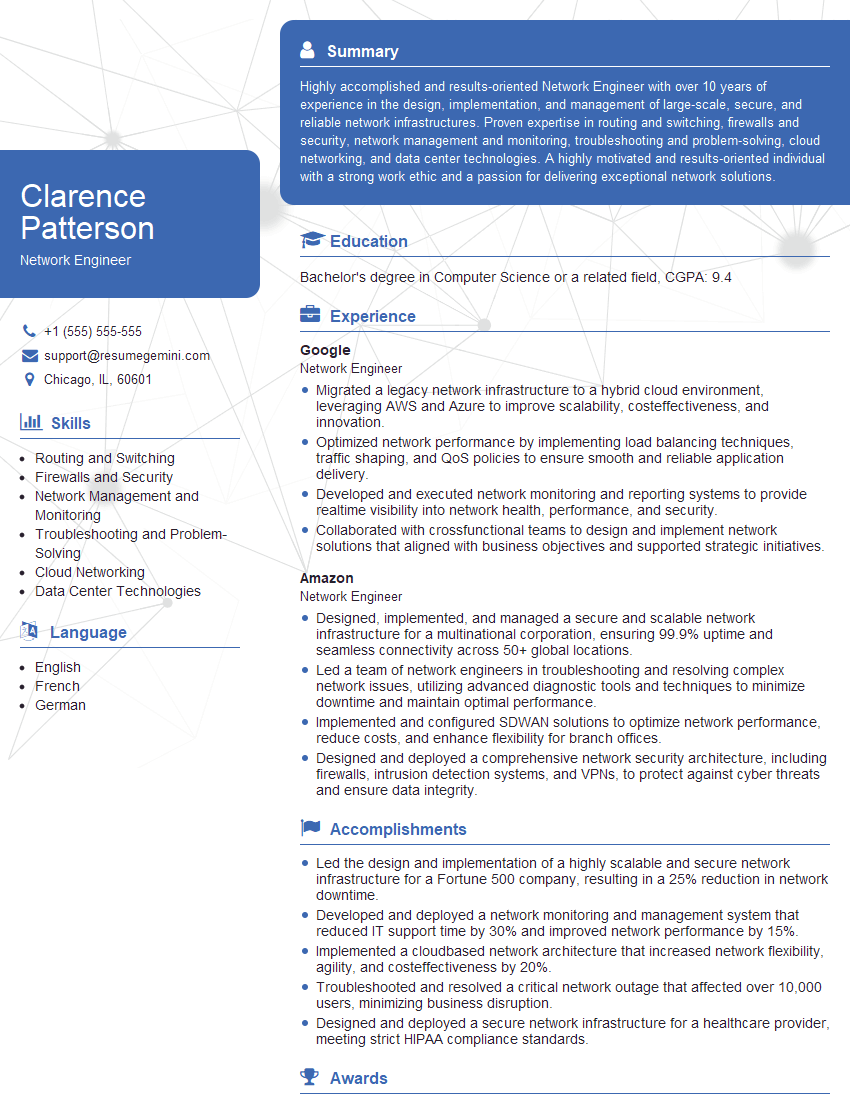
Network Engineer Resume Sample
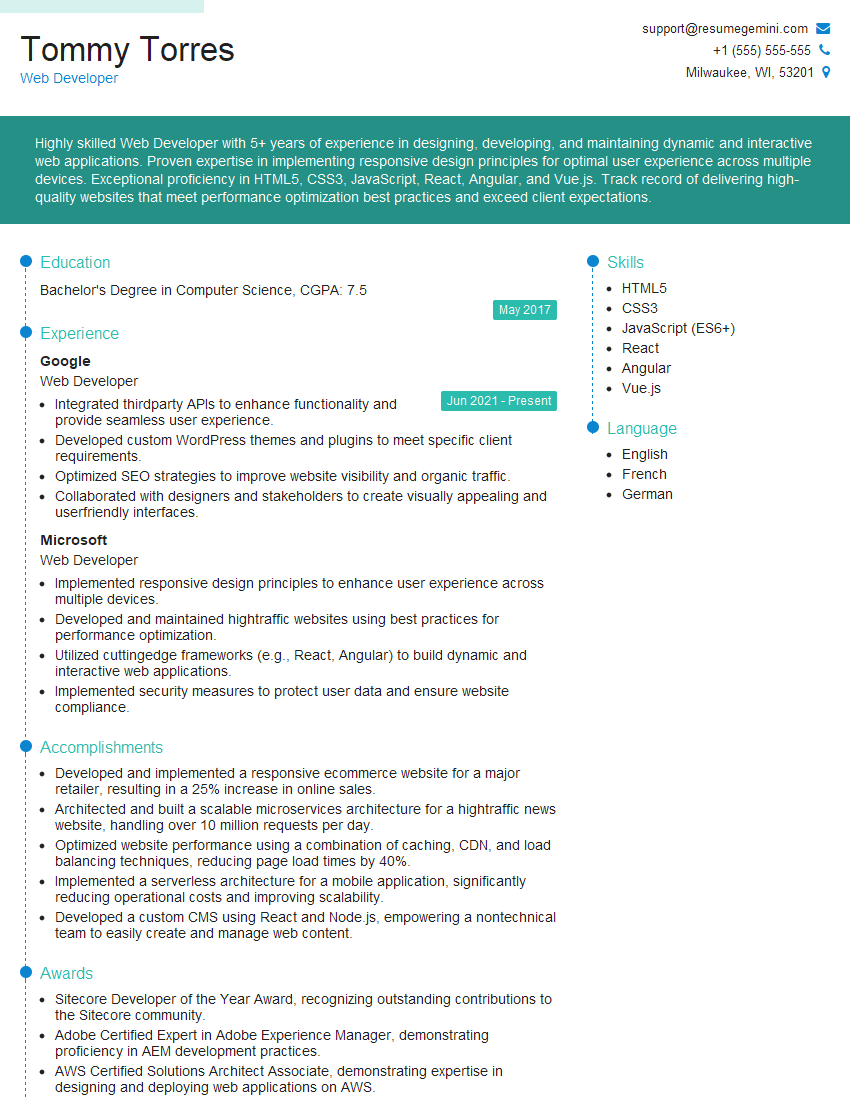
Web Developer Resume Sample

Technical Writer Resume Sample
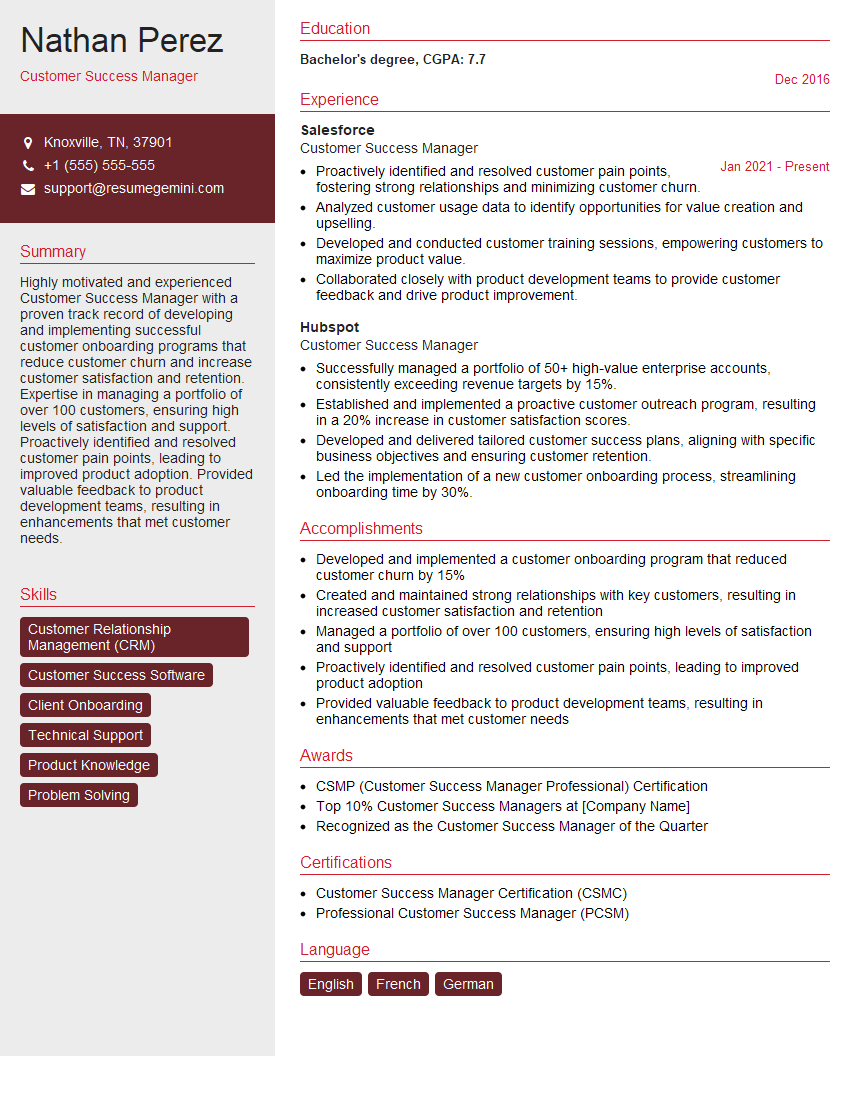
Customer Success Manager Resume Sample
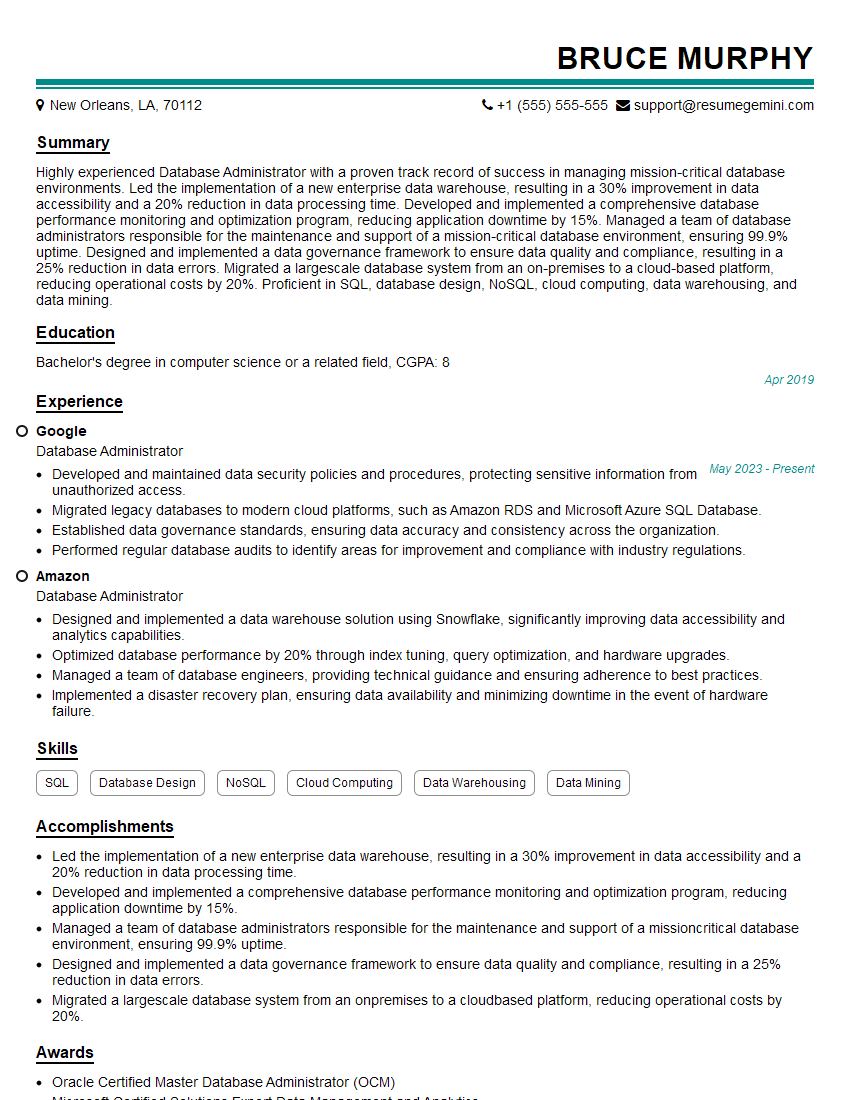
Database Administrator Resume Sample
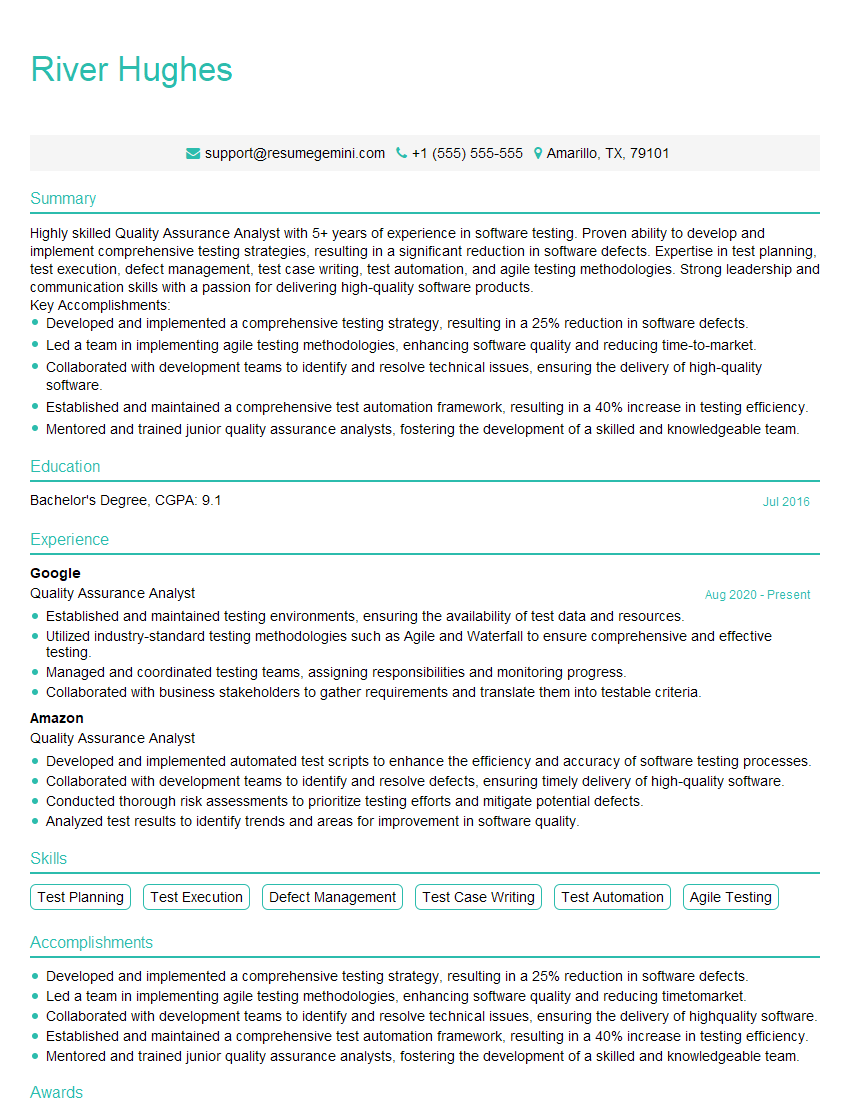
Quality Assurance Analyst Resume Sample
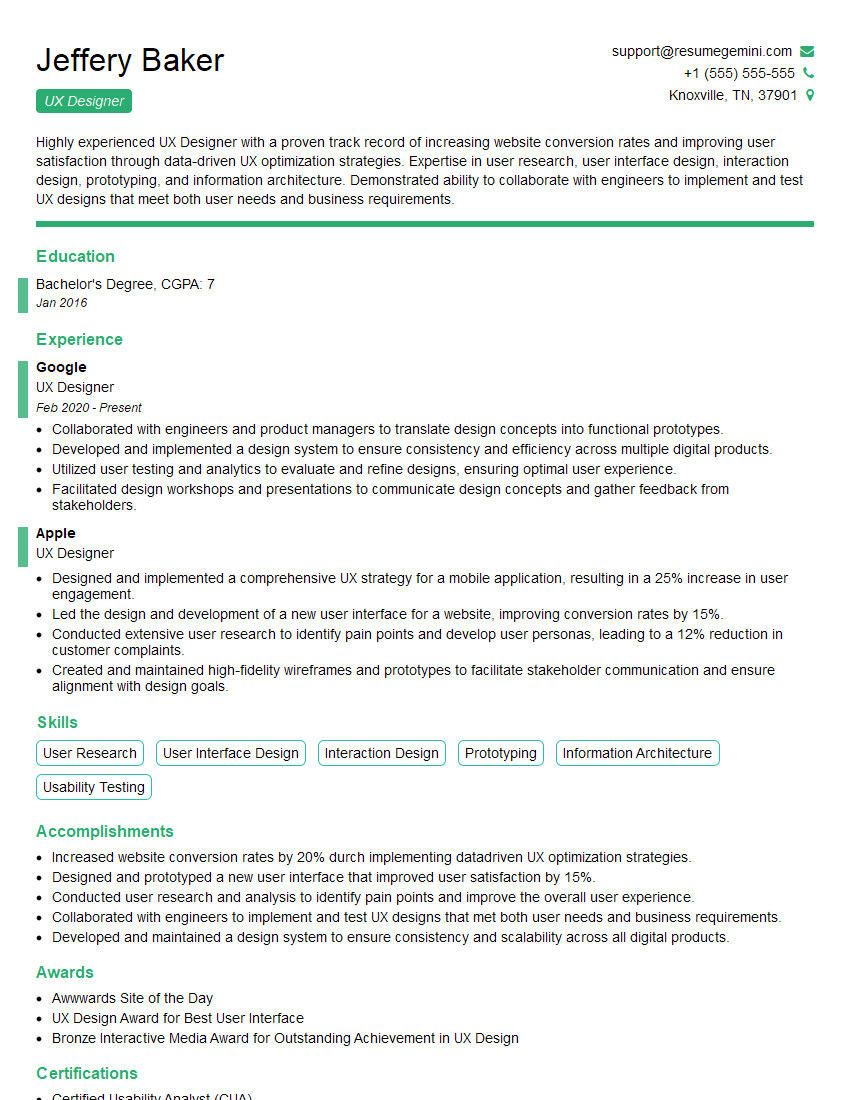
UX Designer Resume Sample
- Program Manager
- Operations Manager
- Account Manager
- Marketing Manager
- Product Manager
- Sales Representative
- Supply Chain Manager
- Human Resources Manager
- Project Manager
- Business Analyst
- Management Consultant
- Financial Analyst
- Data Scientist
- Research Scientist
- Software Engineer
- Network Engineer
- Web Developer
- Technical Writer
- Customer Success Manager
- Database Administrator
- Quality Assurance Analyst
- UX Designer
Explore more articles
Users Rating of Our Blogs
Share Your Experience
We value your feedback! Please rate our content and share your thoughts (optional).
What Readers Say About Our Blog
Very informative content, great job.
good