The thought of an interview can be nerve-wracking, but the right preparation can make all the difference. Explore this comprehensive guide to Adaptable and Flexible interview questions and gain the confidence you need to showcase your abilities and secure the role.
Questions Asked in Adaptable and Flexible Interview
Q 1. Describe a situation where you had to quickly adapt to a changing work environment.
Adaptability is crucial in today’s dynamic work environments. One instance where I had to rapidly adapt was during a major system migration at my previous company. We were transitioning from an outdated CRM to a completely new platform with a vastly different interface and workflow. Initially, there was significant resistance and confusion among the sales team, who were accustomed to the old system.
To overcome this, I proactively organized training sessions, tailored to different experience levels, focusing on practical application rather than just theoretical knowledge. I created short, easily digestible video tutorials demonstrating key features and workflows. Furthermore, I established an open communication channel where team members could ask questions and share their challenges. This hands-on approach, combined with consistent support, eased the transition significantly, minimizing disruption and boosting team morale. The result was a smoother migration and quicker adoption of the new system, exceeding initial expectations.
Q 2. How do you prioritize tasks when faced with unexpected changes?
Prioritizing tasks amidst unexpected changes requires a structured approach. I utilize a modified Eisenhower Matrix, focusing on urgency and importance. However, when faced with sudden shifts, I add a layer of flexibility. I first assess the impact of the change on existing priorities, identifying immediate dependencies and potential bottlenecks. Tasks are then re-prioritized using a system I call ‘Impact-Urgency-Dependency’ scoring.
This involves assigning a numerical value to each task based on its impact on overall goals, its urgency, and its dependency on other tasks. The highest-scoring tasks get immediate attention, while less critical ones are either delegated, rescheduled, or potentially dropped altogether. This dynamic prioritization allows me to quickly adapt to evolving situations while ensuring critical tasks remain on track.
Q 3. Give an example of a time you had to adjust your approach due to new information or feedback.
Adjusting approaches based on new information is a core aspect of continuous improvement. During a project involving the development of a new marketing campaign, we initially focused on a predominantly digital strategy. However, after conducting thorough market research and receiving customer feedback, we realized that a significant segment of our target audience preferred traditional marketing methods like print advertising and direct mail.
Instead of rigidly sticking to the initial plan, we quickly pivoted, incorporating a balanced approach that incorporated both digital and traditional channels. This required adjusting the budget, timelines, and creative assets. The revised strategy, informed by data and feedback, ultimately yielded a 20% increase in campaign effectiveness compared to our original projections. This highlights the importance of being open to adjusting strategies based on new evidence.
Q 4. How do you handle conflicting priorities?
Conflicting priorities are inevitable, especially in fast-paced environments. My approach involves open communication and collaborative problem-solving. First, I identify all conflicting priorities and clearly define the goals and constraints of each. Then, I engage in discussions with stakeholders to clarify expectations and explore potential trade-offs.
Sometimes, it’s about renegotiating deadlines or scope to balance competing demands. Other times, it necessitates seeking buy-in for re-prioritization, explaining the rationale and the potential consequences of delaying certain tasks. The key is transparent communication and a willingness to find mutually acceptable solutions, ensuring that everyone feels heard and understands the decision-making process. Using a collaborative approach fosters trust and minimizes resentment.
Q 5. Explain your experience with agile methodologies and their impact on your adaptability.
Agile methodologies have profoundly impacted my adaptability. My experience with Scrum and Kanban has instilled in me a deep appreciation for iterative development, frequent feedback loops, and the importance of flexibility in response to change. The iterative nature of sprints allows for adjustments based on evolving requirements and unforeseen challenges.
For example, in a recent project utilizing Scrum, we encountered a significant technical challenge during the second sprint. Instead of trying to push through, we adapted by holding a daily stand-up meeting specifically dedicated to problem-solving. This agile approach allowed us to quickly identify and address the issue, minimizing project delays. The emphasis on continuous improvement through retrospectives further enhances adaptability by learning from past experiences and refining processes for future projects. The agile mindset is deeply ingrained in my professional approach.
Q 6. Describe a time you had to learn a new skill quickly.
Learning new skills quickly is essential for career growth and staying competitive. A prime example is when our team adopted a new project management software. While I had experience with other project management tools, this platform had a unique interface and set of features. To quickly master it, I combined several learning methods.
I started with the software’s built-in tutorials, followed by online courses and documentation. I also actively sought opportunities to use the software on real-world projects, even small tasks, to solidify my understanding. Simultaneously, I engaged with colleagues who had more experience, asking for guidance and sharing best practices. This multi-pronged approach ensured a rapid learning curve, allowing me to effectively leverage the new software within a short time frame.
Q 7. How do you manage stress when dealing with unexpected challenges?
Managing stress under pressure involves a combination of proactive measures and coping mechanisms. Proactive strategies include proper time management, clear communication to avoid misunderstandings, and breaking down large tasks into smaller, manageable chunks. When unexpected challenges arise, I utilize techniques such as deep breathing exercises and mindfulness to manage stress levels.
I also prioritize self-care, including adequate sleep, regular exercise, and maintaining a healthy work-life balance. If the stress becomes overwhelming, I don’t hesitate to seek support from colleagues, mentors, or even professional resources. Recognizing personal limits and actively managing stress is crucial for maintaining effectiveness and well-being in demanding environments.
Q 8. How do you maintain flexibility when working with diverse teams?
Maintaining flexibility with diverse teams hinges on embracing individual differences and fostering a collaborative environment. It’s about understanding that diverse perspectives are a strength, not a weakness. I approach this by actively listening to each team member’s input, valuing their unique contributions, and creating a safe space for open communication and constructive feedback.
For example, in a recent project involving engineers, designers, and marketers, I ensured regular check-ins where each team could express their concerns and ideas. I facilitated these discussions by employing techniques like brainstorming and round-robin discussions. This proactive approach fostered collaboration and prevented misunderstandings which is critical for maintaining project flexibility and adaptability. I also encourage team members to use various communication channels suited to their preferences—some prefer email, others instant messaging, and some prefer face-to-face conversations. Catering to these differences ensures inclusivity and improves communication effectiveness.
Q 9. Have you ever had to adjust your communication style to suit different audiences?
Adapting my communication style is crucial for effective collaboration. I believe in tailoring my approach to the audience, considering their background, technical expertise, and communication preferences. For instance, when presenting to a technical team, I use precise terminology and detailed explanations. With a less technical audience, I focus on high-level concepts and use simpler language, avoiding jargon. I also adjust my communication medium based on the context; email for formal updates, instant messaging for quick questions, and presentations for conveying complex information.
In a previous project, I was tasked with explaining a complex data migration strategy to both the IT team and the executive board. To the IT team, I used technical diagrams and detailed explanations of the algorithms involved. With the executive board, I focused on the key business benefits and presented the information in a concise, easy-to-understand manner using high-level summaries and impactful visuals.
Q 10. Describe a time you had to compromise to reach a solution.
Compromise is essential for reaching effective solutions, especially in collaborative projects. One instance where I had to compromise significantly was during a software development project. The design team favored a visually appealing but technically complex solution, while the development team preferred a simpler, though less visually attractive, approach.
To find a solution, I facilitated a series of meetings where each team presented their arguments and outlined the pros and cons of their approaches. We used a weighted scoring system to evaluate different aspects like user experience, development time, and maintainability. The final solution involved a compromise: we adopted the simpler architecture while incorporating some key visual elements proposed by the design team. This process required me to actively listen to both sides, understand their concerns, and find common ground that balanced functionality, aesthetics, and project timeline. This taught me that successful compromise requires empathy, active listening, and a willingness to make concessions to achieve a common goal.
Q 11. How do you stay updated on industry trends and adapt your skills accordingly?
Staying updated on industry trends is crucial for adaptability. I use a multi-pronged approach: I subscribe to relevant industry publications and newsletters, actively participate in online communities and forums, attend industry conferences and workshops, and actively engage in professional development courses.
Specifically, I utilize platforms like LinkedIn Learning and Coursera for skill enhancement. I also follow key thought leaders on Twitter and other social media to keep my finger on the pulse of emerging technologies and best practices. I make a point of dedicating a specific amount of time each week to continuous learning, making it part of my routine, rather than treating it as an occasional activity. This ensures I’m constantly honing my existing skills and acquiring new ones to stay relevant and competitive in a rapidly changing landscape.
Q 12. How do you handle criticism and use it to improve your flexibility?
Criticism, when delivered constructively, is a valuable tool for growth and improvement. I welcome feedback, viewing it as an opportunity to learn and refine my approach. When receiving criticism, I actively listen without getting defensive. I ask clarifying questions to fully understand the perspective, and I reflect on the feedback to identify areas for improvement.
For example, I received feedback on a previous project that my communication style was sometimes too direct and could be perceived as insensitive. Instead of becoming defensive, I carefully analyzed the feedback. I enrolled in a communication skills workshop focused on empathy and active listening. This helped me to develop a more nuanced approach to communication, leading to improved team dynamics and project outcomes. Learning from criticism strengthens my ability to adapt to new situations and work more effectively with different personalities.
Q 13. How do you approach problem-solving in dynamic situations?
In dynamic situations, my problem-solving approach is iterative and agile. I start by clearly defining the problem and identifying the key constraints. Then, I quickly brainstorm multiple potential solutions and evaluate them based on their feasibility, effectiveness, and impact. I prioritize solutions that are adaptable and can be easily adjusted if circumstances change.
I utilize frameworks like the ‘5 Whys’ to identify the root cause of the problem and avoid addressing only the symptoms. Throughout the process, I actively seek input from others, ensuring a collaborative and inclusive approach. I regularly reassess the situation and adapt the chosen solution as needed, using a cyclical approach that allows for continuous refinement. The emphasis is on rapid iteration, experimentation and learning from any mistakes made along the way. It’s about adapting and optimizing the solution as the dynamic context evolves.
Q 14. Give an example of a time you had to work under pressure with limited resources.
I once faced a situation where a critical project component failed unexpectedly just a week before the launch deadline. We had limited resources, both in terms of personnel and budget, and were under immense pressure to deliver.
My initial reaction was to remain calm and assess the situation systematically. We immediately formed a small, dedicated team focused on identifying the root cause of the failure and developing a quick fix. We prioritized the most critical functionalities to ensure a minimum viable product could be launched on time. We even reached out to our network of external contacts for advice and assistance. We prioritized tasks based on their impact and worked extended hours, fostering a supportive and collaborative team environment to navigate the intense pressure. Though stressful, this experience solidified my problem-solving abilities and emphasized the importance of adaptability and resilience in high-pressure situations.
Q 15. How do you delegate tasks effectively when changes occur?
Effective delegation during change requires a flexible approach. It’s not simply about assigning tasks; it’s about empowering individuals to adapt. My strategy involves:
- Open Communication: I ensure everyone understands the overall goals and the reasons behind any changes. This transparency fosters buy-in and helps them adjust priorities effectively.
- Prioritization and Re-evaluation: We collaboratively review the task list, prioritizing what’s most critical given the new circumstances. This might involve dropping less crucial tasks or re-sequencing them.
- Skill Matching: I assess individual strengths and re-delegate tasks accordingly, leveraging the unique capabilities of each team member. This ensures tasks are handled efficiently and effectively.
- Regular Check-ins: Frequent updates and check-ins are crucial. This allows for quick adjustments, addresses emerging issues, and keeps everyone informed. It avoids surprises and promotes a sense of shared responsibility.
- Empowerment and Autonomy: I delegate not just tasks but also the authority to make necessary decisions within defined parameters. This promotes ownership and fosters problem-solving skills.
For example, during a recent project redesign, I adjusted task assignments based on updated design specifications. By having open communication and empowering team members to adapt their tasks, we successfully delivered the project on time and with high quality.
Career Expert Tips:
- Ace those interviews! Prepare effectively by reviewing the Top 50 Most Common Interview Questions on ResumeGemini.
- Navigate your job search with confidence! Explore a wide range of Career Tips on ResumeGemini. Learn about common challenges and recommendations to overcome them.
- Craft the perfect resume! Master the Art of Resume Writing with ResumeGemini’s guide. Showcase your unique qualifications and achievements effectively.
- Don’t miss out on holiday savings! Build your dream resume with ResumeGemini’s ATS optimized templates.
Q 16. Describe a time you successfully navigated a conflict due to changes in project scope.
In a previous project, a late-stage scope change led to a conflict between the design and development teams. The design team felt the new requirements were impossible to implement within the existing timeline, leading to frustration and tension. I navigated this conflict by:
- Facilitating Open Dialogue: I organized a meeting with both teams to openly discuss their concerns and perspectives. This created a safe space for expressing emotions and identifying the root causes of the disagreement.
- Collaborative Problem-Solving: Instead of dictating solutions, I guided the teams to collaboratively explore alternative approaches. We brainstormed ways to streamline the design process or adjust the development schedule.
- Finding Common Ground: We identified shared goals (delivering a successful product) and used them to bridge the gap between differing priorities. This helped refocus the discussion on finding a workable solution.
- Objective Decision-Making: Based on our collaborative findings, I made a data-driven decision about the way forward, ensuring transparency and clarity regarding the reasoning behind my choice.
- Monitoring and Adjusting: Post-decision, I maintained ongoing communication to address any issues and adjust plans as needed. This demonstrated a commitment to finding solutions and kept everyone involved and informed.
The result was a revised project plan that was acceptable to both teams, allowing us to complete the project successfully albeit with a minor schedule adjustment.
Q 17. How do you maintain a positive attitude when faced with setbacks?
Maintaining a positive attitude during setbacks is crucial for adaptability. I approach this by:
- Focusing on Solutions: Instead of dwelling on the problem, I actively seek solutions. This shifts my focus from negativity to constructive action.
- Learning from Mistakes: I view setbacks as learning opportunities. Analyzing what went wrong helps prevent future errors and improve my problem-solving skills.
- Seeking Support: I don’t hesitate to reach out to colleagues, mentors, or friends for support and perspective. A fresh viewpoint can often be invaluable.
- Practicing Self-Care: Maintaining physical and mental well-being is vital. This might involve exercise, mindfulness, or spending time on hobbies to recharge.
- Celebrating Small Wins: Recognizing and acknowledging even small achievements helps build momentum and maintain a positive outlook.
Think of it like a marathon, not a sprint. Setbacks are inevitable, but a positive attitude keeps you moving forward towards the finish line.
Q 18. How do you balance flexibility with maintaining structure and deadlines?
Balancing flexibility and structure is key to successful project management. It’s about finding the right level of both to ensure efficiency and responsiveness to change.
- Agile Methodologies: Employing agile principles such as iterative development and regular feedback loops allows for flexibility while maintaining a structured approach. Sprints provide manageable chunks of work, making adaptation easier.
- Clear Expectations: Establishing clear goals, milestones, and deadlines ensures everyone is working towards the same objectives, providing the necessary structure. However, these should be flexible enough to accommodate change.
- Risk Assessment: Proactively identifying potential risks and developing contingency plans provides a framework for responding to unexpected changes without derailing the project.
- Effective Communication: Open and transparent communication helps manage expectations and ensures everyone is aware of any changes or adjustments.
- Prioritization Matrix: Utilizing a prioritization matrix (e.g., MoSCoW method) helps determine which tasks are crucial, allowing flexibility in the sequencing and execution of less critical items.
In practice, this might mean adjusting a sprint backlog based on new information while still adhering to the overall project timeline and deliverables.
Q 19. How do you measure your own adaptability and identify areas for improvement?
Measuring adaptability is an ongoing process of self-reflection and feedback. I use a combination of methods:
- Self-Assessment: I regularly reflect on how I handled challenging situations, identifying instances where I adapted well and areas needing improvement. I use a rubric or checklist to guide this process.
- 360-Degree Feedback: Seeking feedback from colleagues, supervisors, and even clients provides external perspectives on my adaptability. This helps identify blind spots and areas for growth.
- Performance Reviews: I analyze my performance reviews, focusing on comments related to flexibility and responsiveness to change. This provides a structured evaluation of my adaptability in a professional context.
- Tracking Metrics: In project management roles, I track metrics such as task completion rates, project timeline adherence, and client satisfaction. These data points offer concrete indicators of my effectiveness in adapting to changing circumstances.
- Continuous Learning: I proactively seek out opportunities for professional development, focusing on areas where I’ve identified weaknesses in my adaptability. This could involve workshops, online courses, or mentoring.
For example, if feedback highlights difficulty handling unexpected changes, I’d focus on improving my risk assessment skills or adopting agile methodologies.
Q 20. How do you proactively anticipate potential changes and prepare for them?
Proactive anticipation is key to effective adaptability. My approach includes:
- Environmental Scanning: I continuously monitor industry trends, technological advancements, and market conditions to identify potential disruptions and opportunities.
- Stakeholder Analysis: Understanding the needs and expectations of all stakeholders (clients, team members, management) helps anticipate potential conflicts or challenges related to change.
- Scenario Planning: I develop multiple scenarios considering different potential futures, enabling me to prepare for various outcomes and adjust strategies accordingly.
- Early Warning Systems: I establish systems for early detection of potential problems, such as regular project status reviews, risk registers, or feedback mechanisms.
- Building Flexibility into Plans: Project plans should include buffer time and alternative approaches to account for unforeseen circumstances. This avoids rigid adherence to plans that can hinder adaptation.
For example, in a rapidly changing technology landscape, I might proactively research new tools or methodologies to ensure we remain competitive and efficient. This forward-thinking approach helps prevent being caught off guard by unexpected developments.
Q 21. Describe a time you had to make a quick decision based on incomplete information.
Making quick decisions with incomplete information is a common occurrence, especially in dynamic environments. My approach is:
- Gather Available Data: First, I collect as much relevant information as possible, even if it’s incomplete. This helps inform the decision, even if it’s not perfect.
- Identify Key Factors: I focus on the most critical factors affecting the decision, prioritizing those with the greatest impact.
- Assess Risks and Benefits: I evaluate the potential risks and benefits of different options, weighing the potential consequences of each choice.
- Seek Quick Feedback: If possible, I seek input from trusted colleagues, keeping the urgency of the situation in mind.
- Make a Decision and Monitor: Once a decision is made, I implement it promptly and closely monitor its impact. This allows for course correction if necessary.
For example, during a client presentation, a crucial piece of data was missing. I made a decision to proceed with the presentation, highlighting the missing data and its potential implications, rather than delaying the entire presentation. This approach, while risky, proved successful as it preserved the client relationship and allowed us to address the data gap afterward.
Q 22. How do you use technology to enhance your adaptability and flexibility?
Technology is crucial for enhancing my adaptability and flexibility. I leverage several tools and strategies to stay agile in a dynamic environment. For instance, I use project management software like Asana or Trello to track tasks, deadlines, and changing priorities effectively. This allows me to quickly re-allocate my time and resources when unexpected changes arise. Furthermore, I utilize cloud-based collaboration tools like Google Workspace or Microsoft 365 to ensure seamless communication and document sharing, fostering quick responses to evolving project needs. Finally, I actively seek out and utilize online learning platforms like Coursera or LinkedIn Learning to quickly acquire new skills relevant to emerging technologies or project requirements. This proactive approach ensures I can adapt to new tools and techniques as needed.
Q 23. How do you ensure team members are also flexible and adaptable?
Fostering adaptability and flexibility within a team requires a multifaceted approach. Firstly, I emphasize open communication and transparency, ensuring everyone understands the overall project goals and potential shifts in direction. Regular team meetings and check-ins allow for proactive problem-solving and collaborative adjustments. Secondly, I encourage a culture of continuous learning and development by providing access to training resources and supporting employees in exploring new skills. This empowers team members to confidently handle evolving demands. Thirdly, I promote a growth mindset within the team, emphasizing learning from mistakes and celebrating successes – both large and small. This creates a supportive environment where experimentation and adaptation are not only tolerated but actively encouraged. Finally, I delegate responsibilities based on individual strengths and interests, allowing team members to use their unique talents in the most effective way, contributing to overall flexibility.
Q 24. Describe your experience working in a fast-paced, ever-changing environment.
In my previous role at a fast-growing startup, I thrived in a highly dynamic environment. We were constantly launching new products and adapting to rapid market changes. One instance stands out: We discovered a major flaw in our flagship product just weeks before its planned launch. Instead of panicking, we immediately assembled a cross-functional team, prioritizing transparency and collaboration. We utilized Agile methodologies to break down the problem, implement rapid fixes, and rigorously test the solutions. Through this experience, I learned the importance of clear communication, rapid iteration, and unwavering teamwork in successfully navigating highly unpredictable situations. This experience not only honed my problem-solving abilities but also solidified my comfort level with ambiguity and change.
Q 25. How do you handle ambiguity and uncertainty in the workplace?
Ambiguity and uncertainty are inherent in many workplaces. My approach is to embrace these challenges as opportunities for learning and growth. First, I proactively gather information from various sources, including colleagues, clients, and market research to create a clearer understanding of the situation. Then, I identify key variables and potential risks, outlining various scenarios and their potential outcomes. This enables data-driven decision-making. I use a structured problem-solving framework, such as the ‘5 Whys’ technique, to drill down into the root cause of the uncertainty. Finally, I communicate openly with stakeholders, managing expectations and keeping everyone informed of the progress and potential adjustments. This transparency builds trust and facilitates collaborative problem-solving.
Q 26. How do you leverage your flexibility to contribute to team success?
My flexibility contributes significantly to team success by allowing me to seamlessly adapt to changing priorities and seamlessly fill in gaps where needed. For example, during a project crunch, I willingly took on additional responsibilities outside my core tasks to ensure timely delivery. My ability to quickly learn new skills and tools, and my willingness to assist colleagues, proved invaluable in alleviating pressure points and ensuring the project was completed successfully. I believe that flexibility isn’t just about adapting to changes; it’s about proactively identifying areas where your skills can provide the greatest value to the team and acting decisively to contribute to shared goals.
Q 27. Describe your approach to learning and developing new skills.
My approach to learning is proactive and continuous. I believe that professional development is a lifelong journey. I actively seek opportunities to expand my skill set through various methods. This includes online courses, workshops, mentoring, and actively seeking feedback from colleagues and supervisors. I also prioritize practical application of new knowledge by seeking out projects that allow me to use recently acquired skills. I document my learning process through notes and reflective journaling, helping to reinforce my understanding and identify areas for improvement. I am particularly interested in applying new methodologies like Agile or Lean practices to my projects, actively seeking out relevant training.
Q 28. How do you manage your time effectively when faced with multiple competing demands?
Effective time management is critical when juggling multiple demands. My approach combines planning, prioritization, and execution. I start by creating a prioritized to-do list, focusing on high-impact tasks first. I utilize time-blocking techniques to allocate specific time slots for focused work on individual tasks, minimizing distractions. I also leverage tools like project management software to track progress and manage deadlines. Furthermore, I proactively communicate with stakeholders to manage expectations and negotiate deadlines when necessary. Regularly reviewing my schedule and adjusting priorities as needed ensures I remain focused and productive, even under pressure.
Key Topics to Learn for Adaptable and Flexible Interview
- Understanding Adaptability: Explore the theoretical underpinnings of adaptability – defining it, understanding its various dimensions (cognitive, emotional, behavioral), and recognizing its importance in diverse work environments.
- Practical Application of Adaptability: Consider how you’ve demonstrated adaptability in past roles. Think about situations requiring you to adjust to changing priorities, learn new skills quickly, or navigate ambiguous situations. Prepare examples that showcase your problem-solving skills and proactive approach to change.
- Flexibility in Teamwork: Discuss your experience collaborating in dynamic teams, navigating conflicting viewpoints, and contributing effectively in diverse group settings. Highlight instances where you adapted your communication style or approach to better suit the team’s needs.
- Embracing Change Management: Understand different change management models and how you can contribute to a smooth transition during organizational change. Prepare examples demonstrating your ability to support colleagues and maintain productivity during periods of uncertainty.
- Continuous Learning and Development: Show your commitment to lifelong learning. Highlight any instances where you proactively sought out new skills or knowledge to improve your performance or adapt to new technologies or processes.
- Stress Management and Resilience: Discuss your strategies for managing stress and maintaining productivity under pressure. Show how you bounce back from setbacks and adapt your approach when faced with challenges.
- Problem-Solving in Dynamic Environments: Illustrate your ability to solve problems effectively in situations where information is incomplete or the situation is rapidly evolving. Highlight your analytical skills and ability to make quick, informed decisions.
Next Steps
Mastering adaptability and flexibility is crucial for career advancement. These skills are highly sought after by employers and demonstrate your ability to thrive in today’s dynamic workplace. To significantly improve your job prospects, it’s vital to craft an ATS-friendly resume that effectively showcases these abilities. ResumeGemini is a trusted resource to help you build a professional and impactful resume that highlights your key skills and experiences. Examples of resumes tailored to emphasize adaptability and flexibility are available to help guide you. Use ResumeGemini to create a resume that truly reflects your capabilities and sets you apart from the competition.
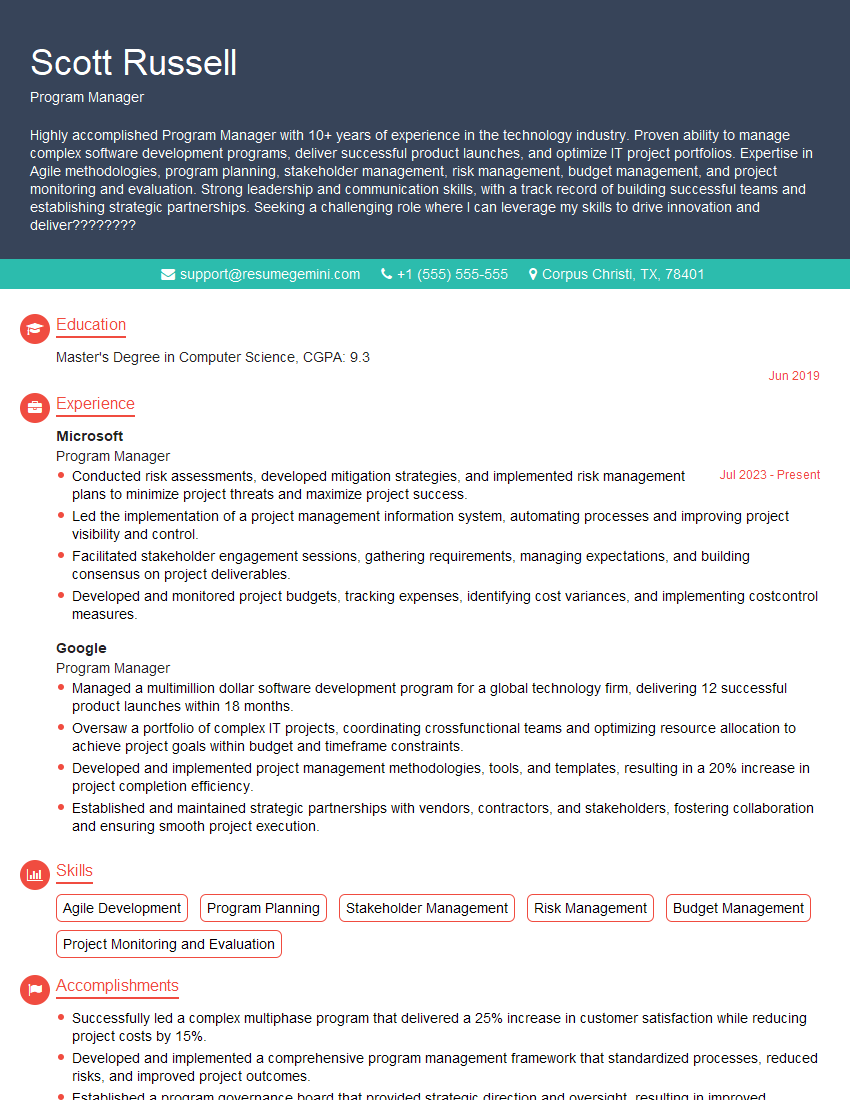
Program Manager Resume Sample

Operations Manager Resume Sample
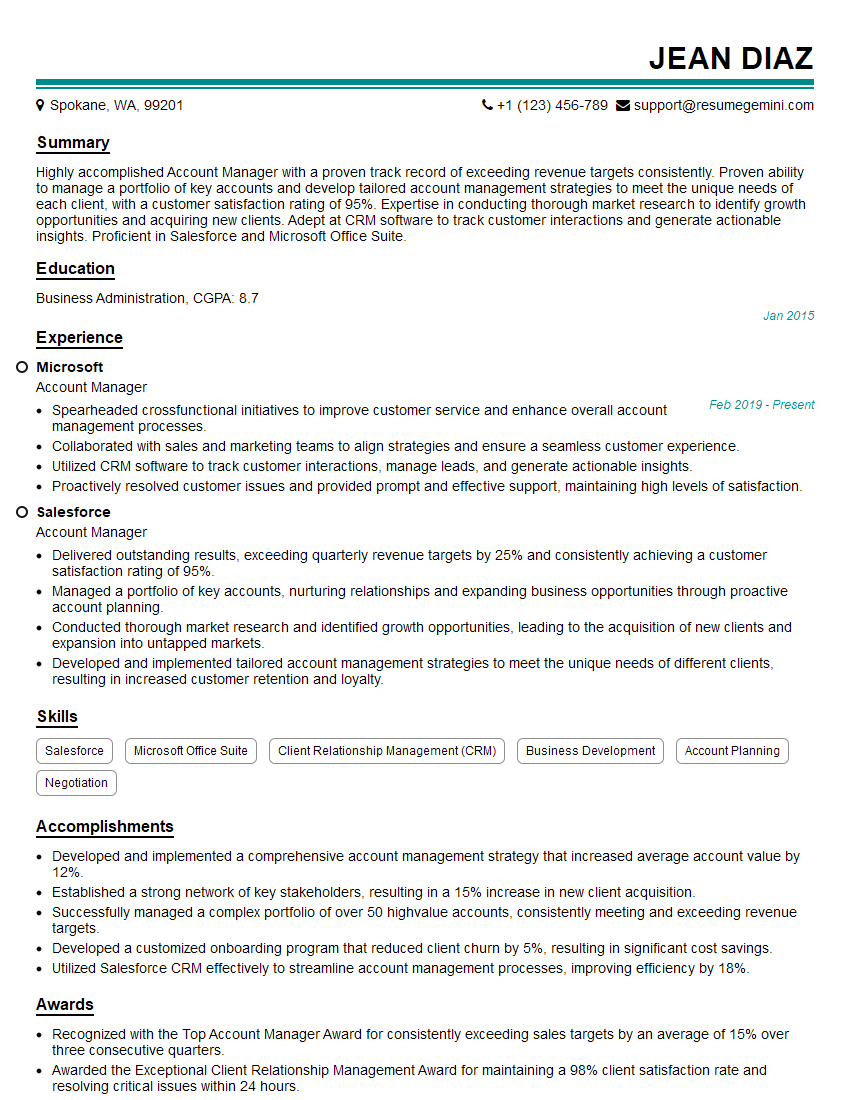
Account Manager Resume Sample
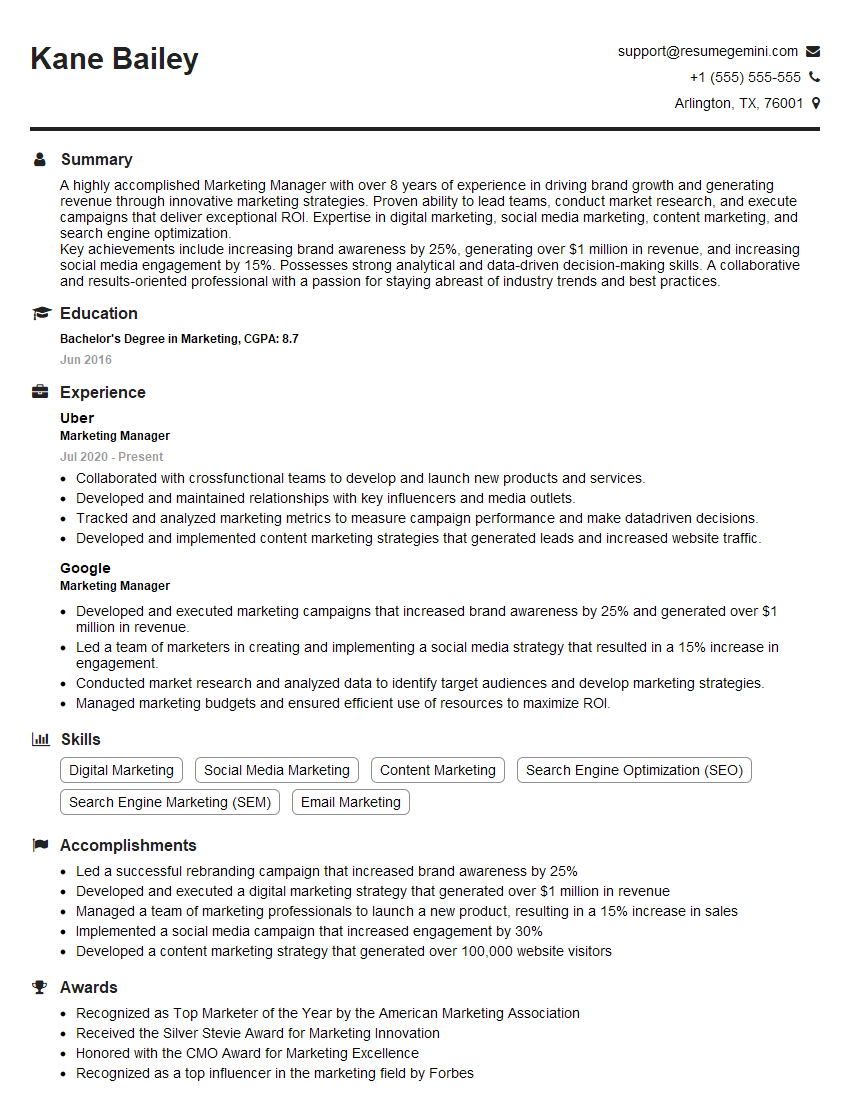
Marketing Manager Resume Sample
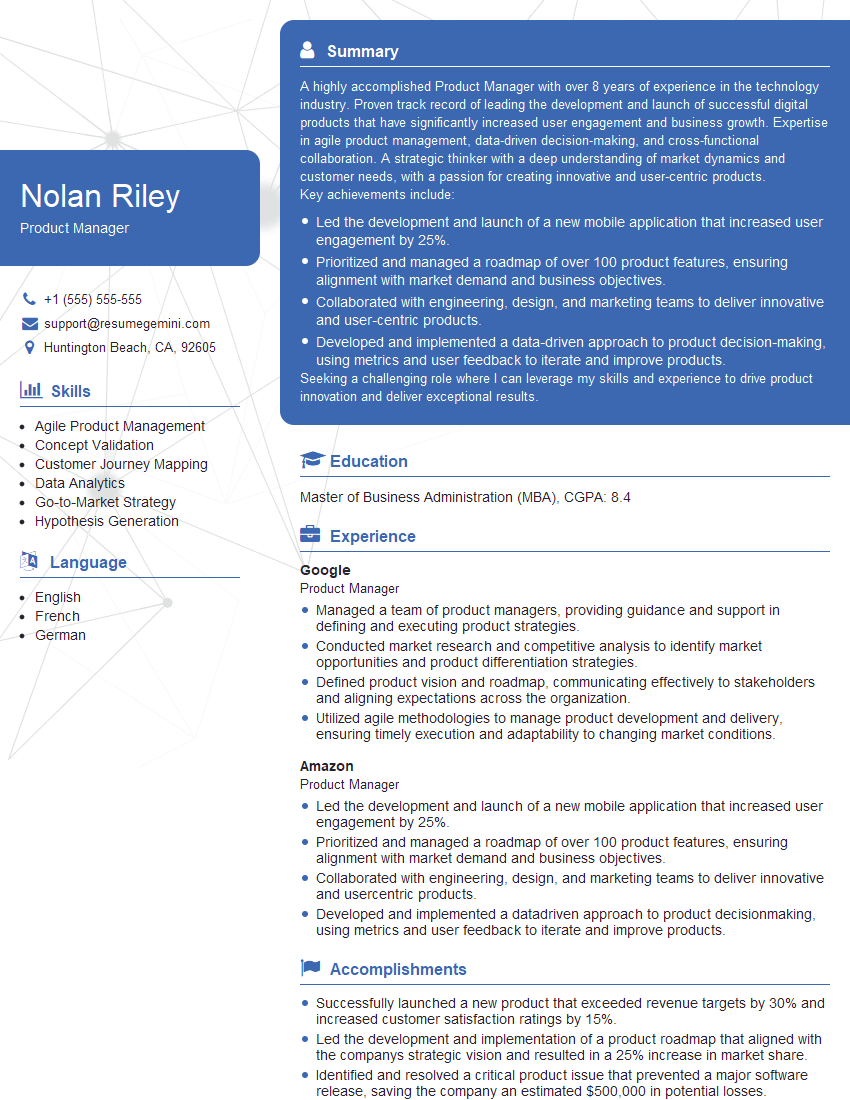
Product Manager Resume Sample
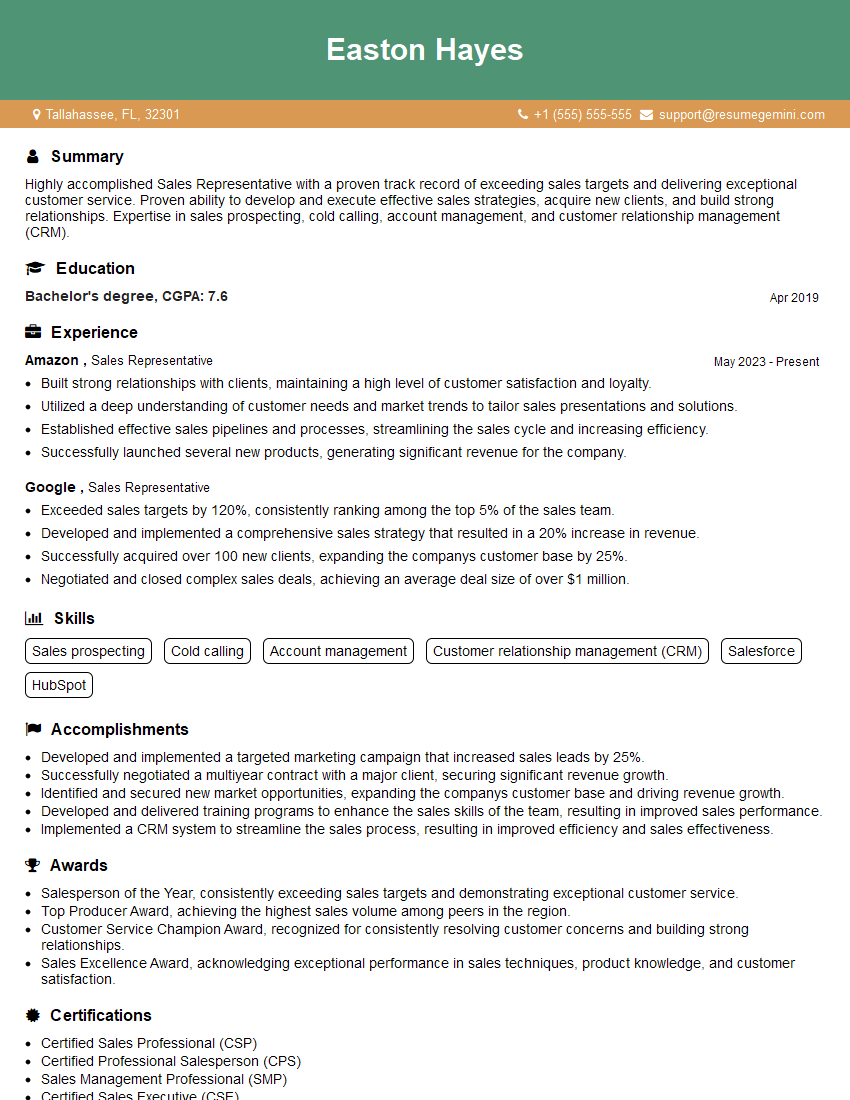
Sales Representative Resume Sample
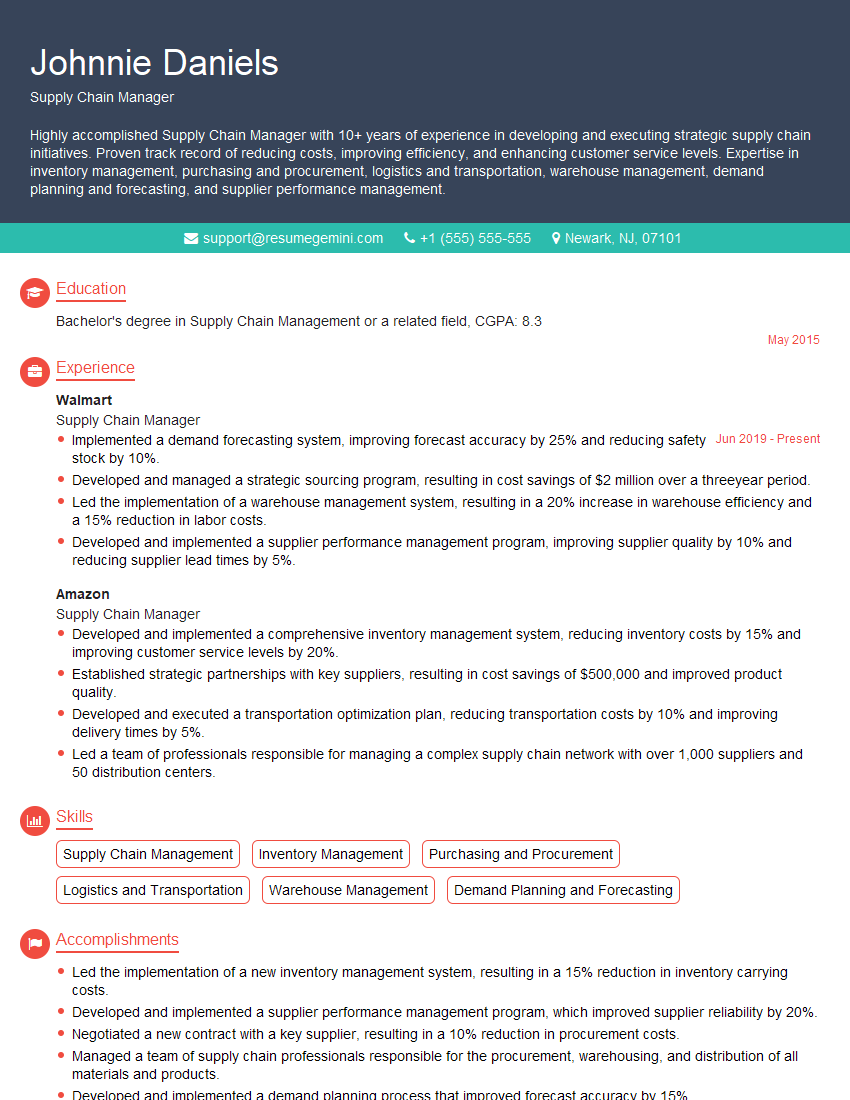
Supply Chain Manager Resume Sample
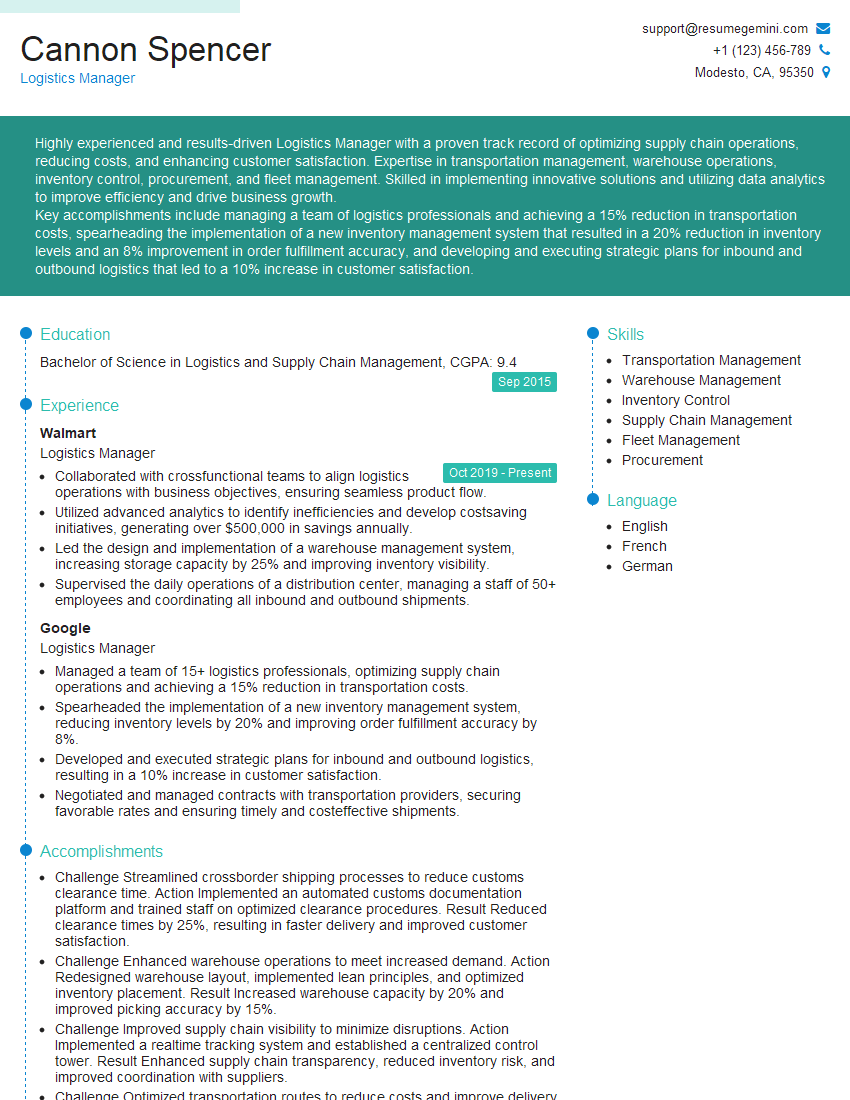
Logistics Manager Resume Sample
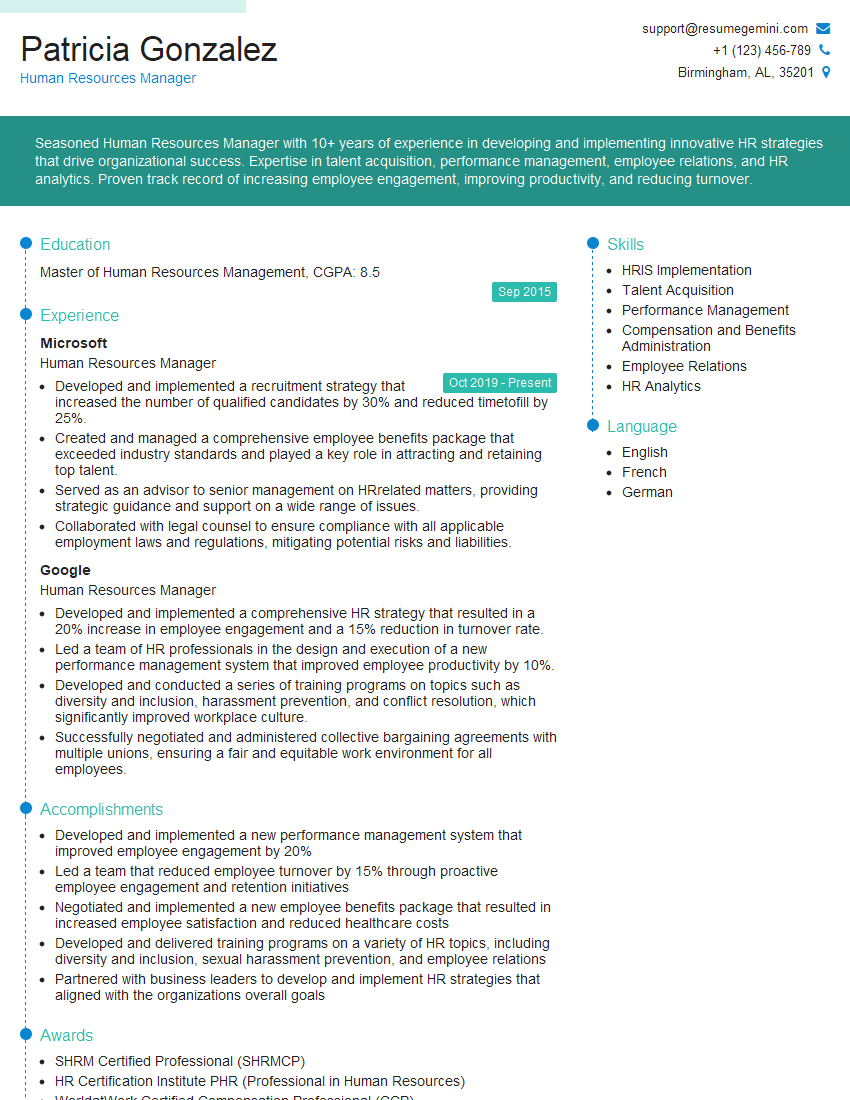
Human Resources Manager Resume Sample

Project Manager Resume Sample
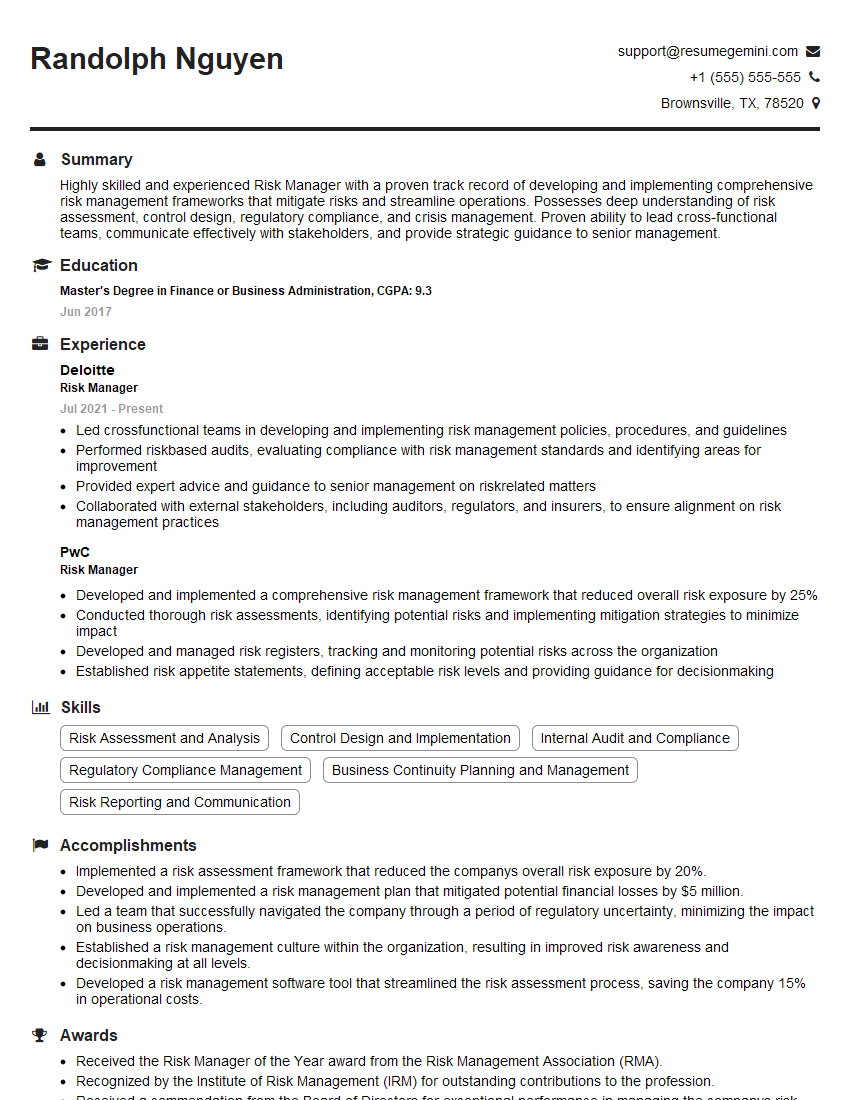
Risk Manager Resume Sample
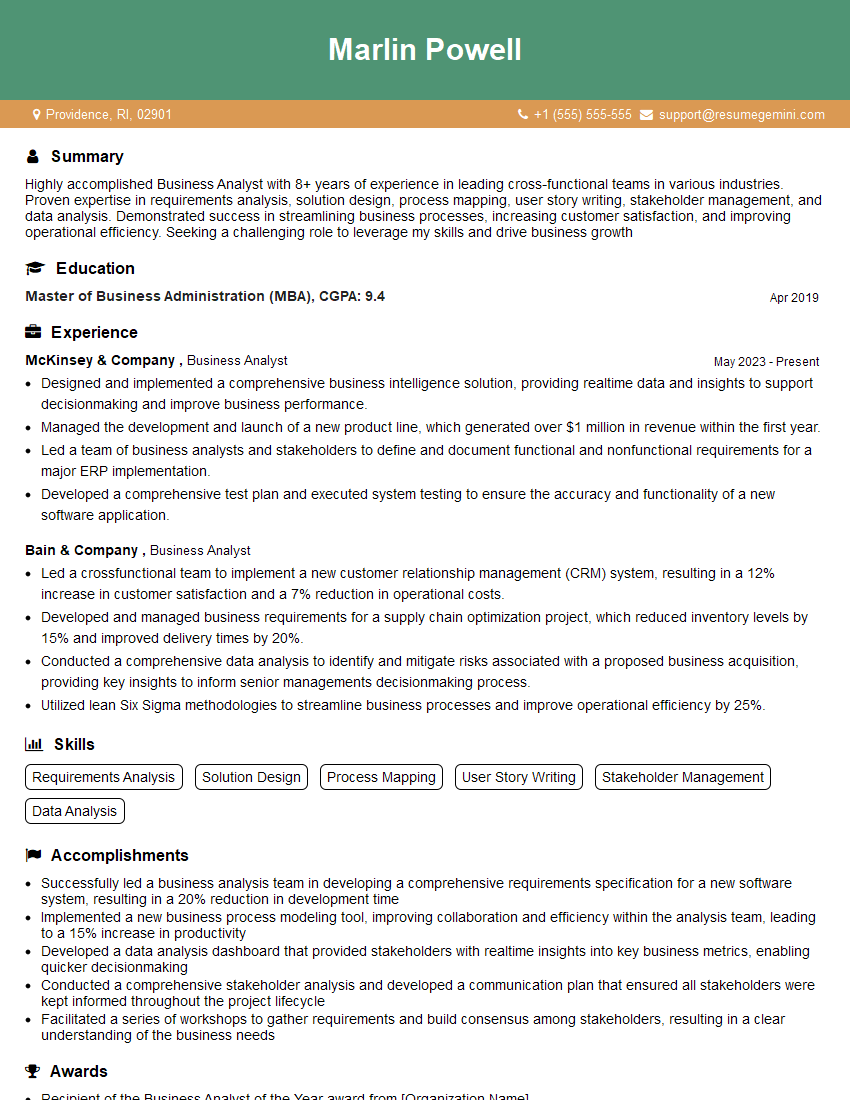
Business Analyst Resume Sample
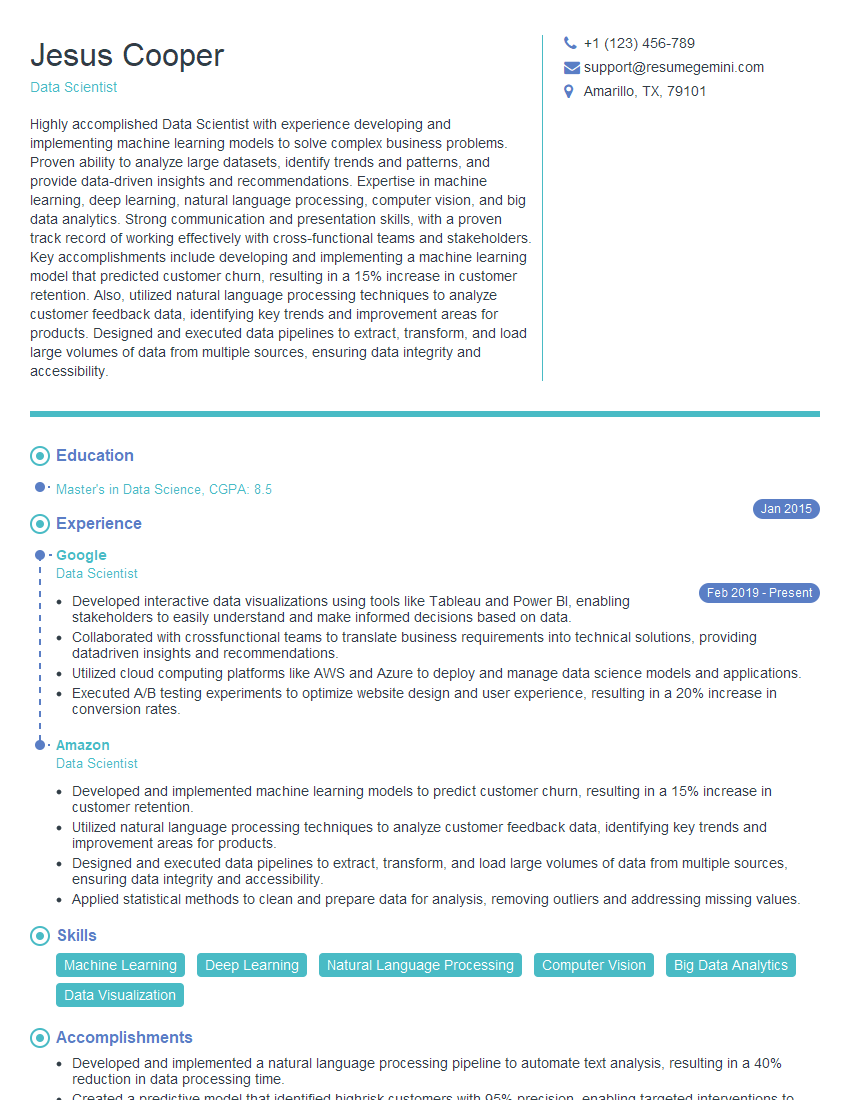
Data Scientist Resume Sample
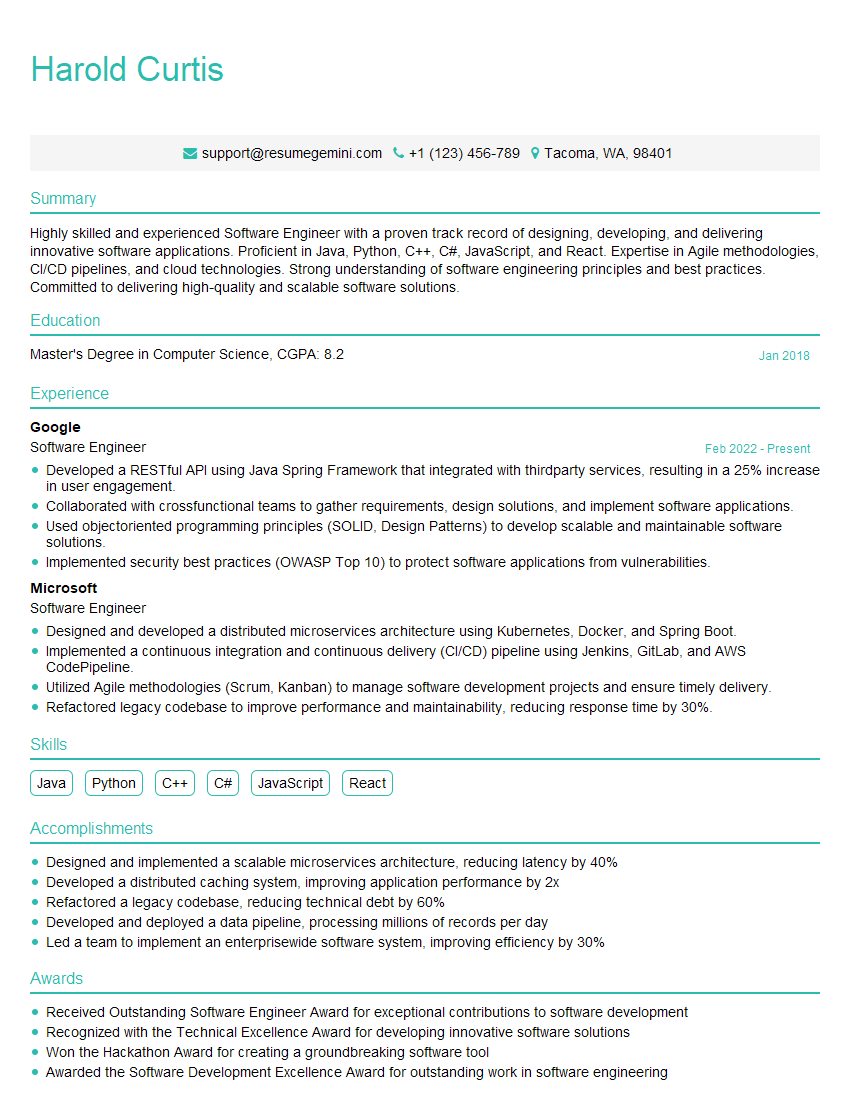
Software Engineer Resume Sample
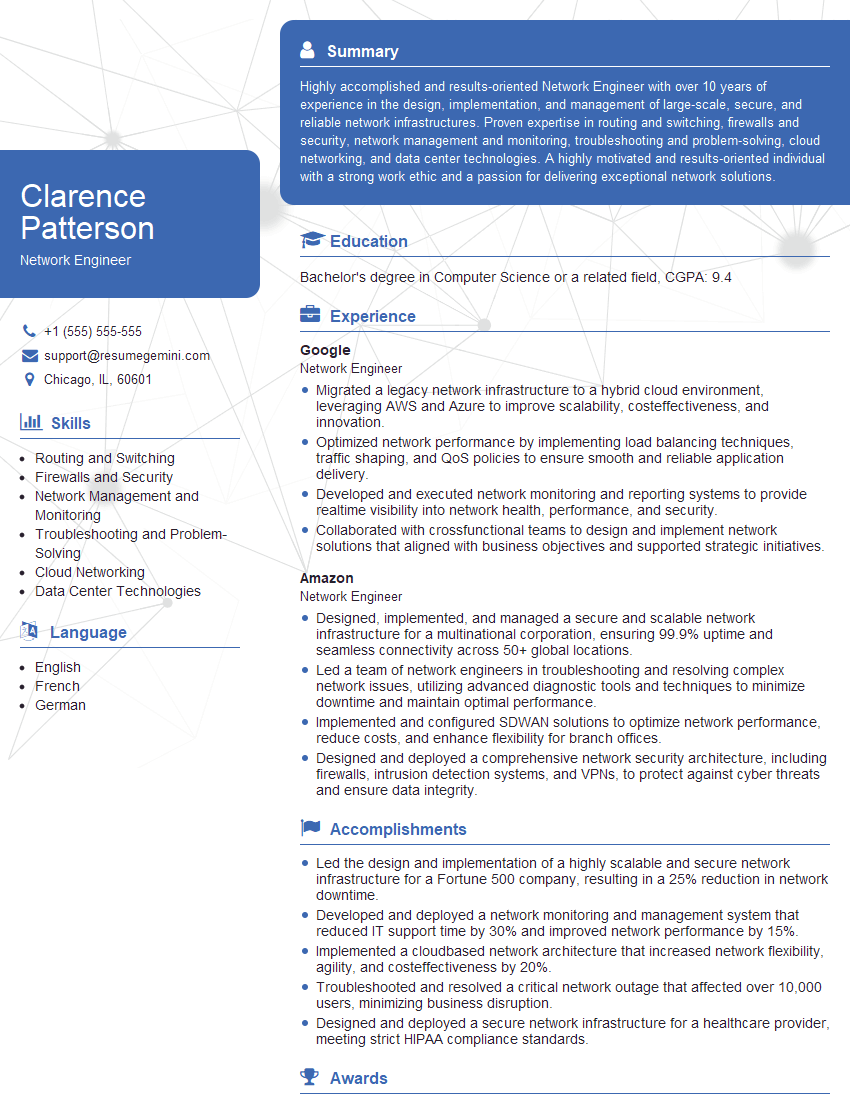
Network Engineer Resume Sample
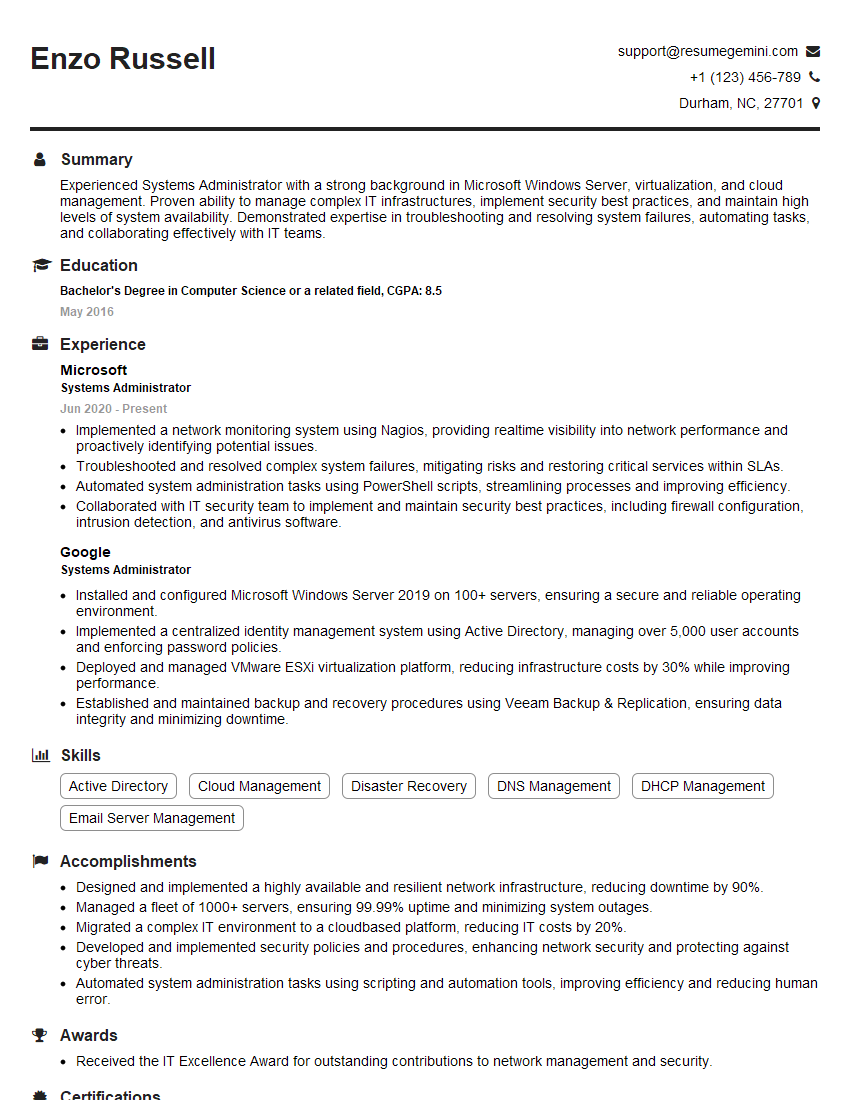
Systems Administrator Resume Sample
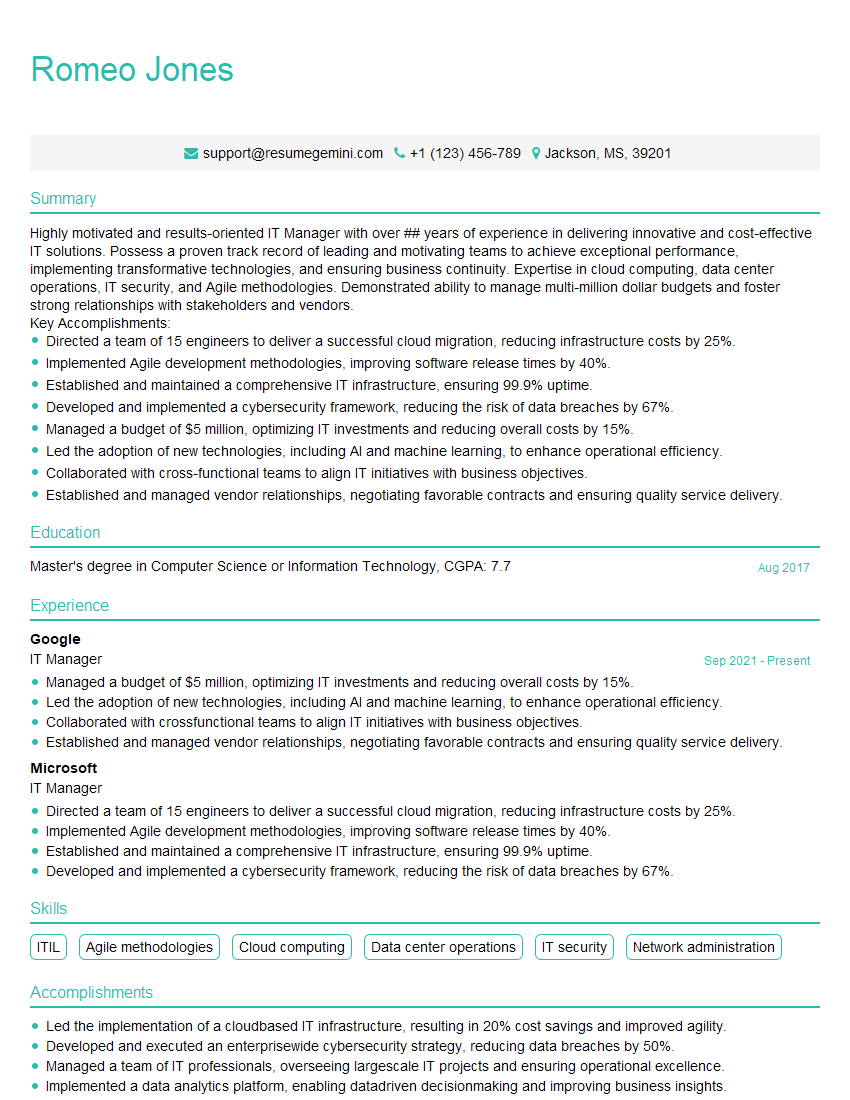
IT Manager Resume Sample
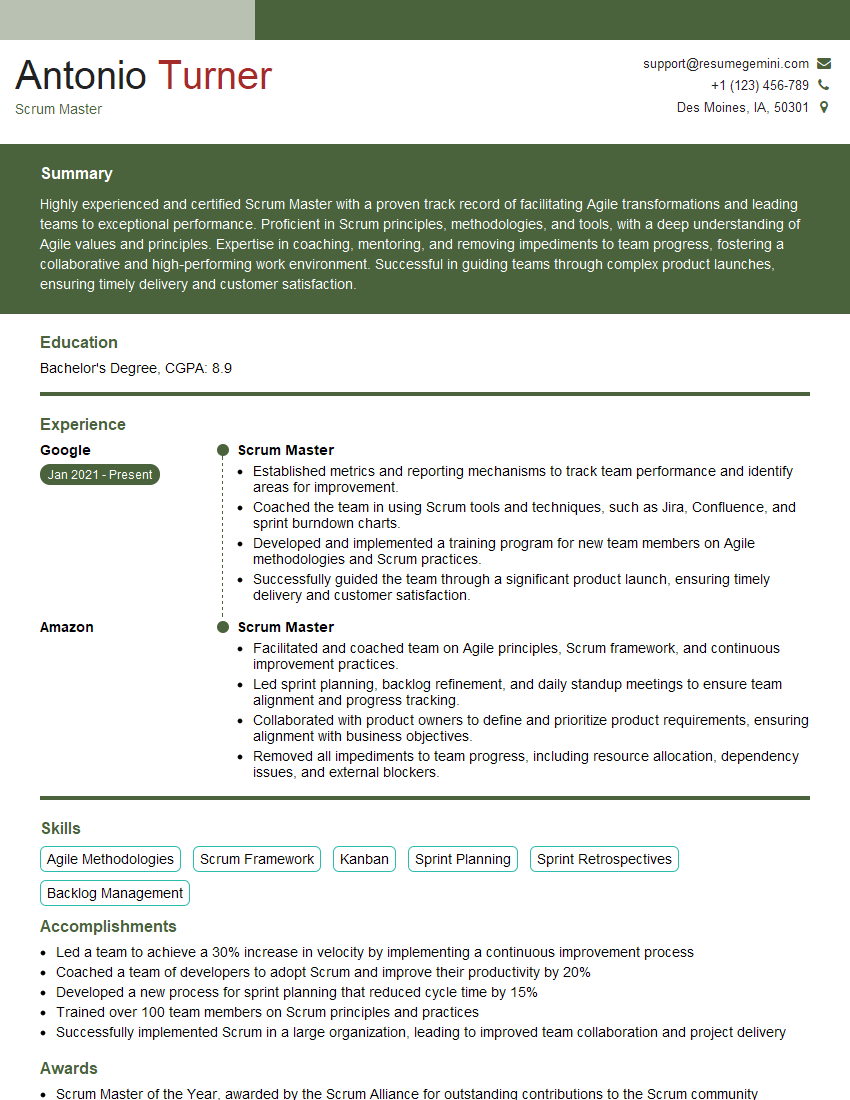
Scrum Master Resume Sample

Technical Writer Resume Sample
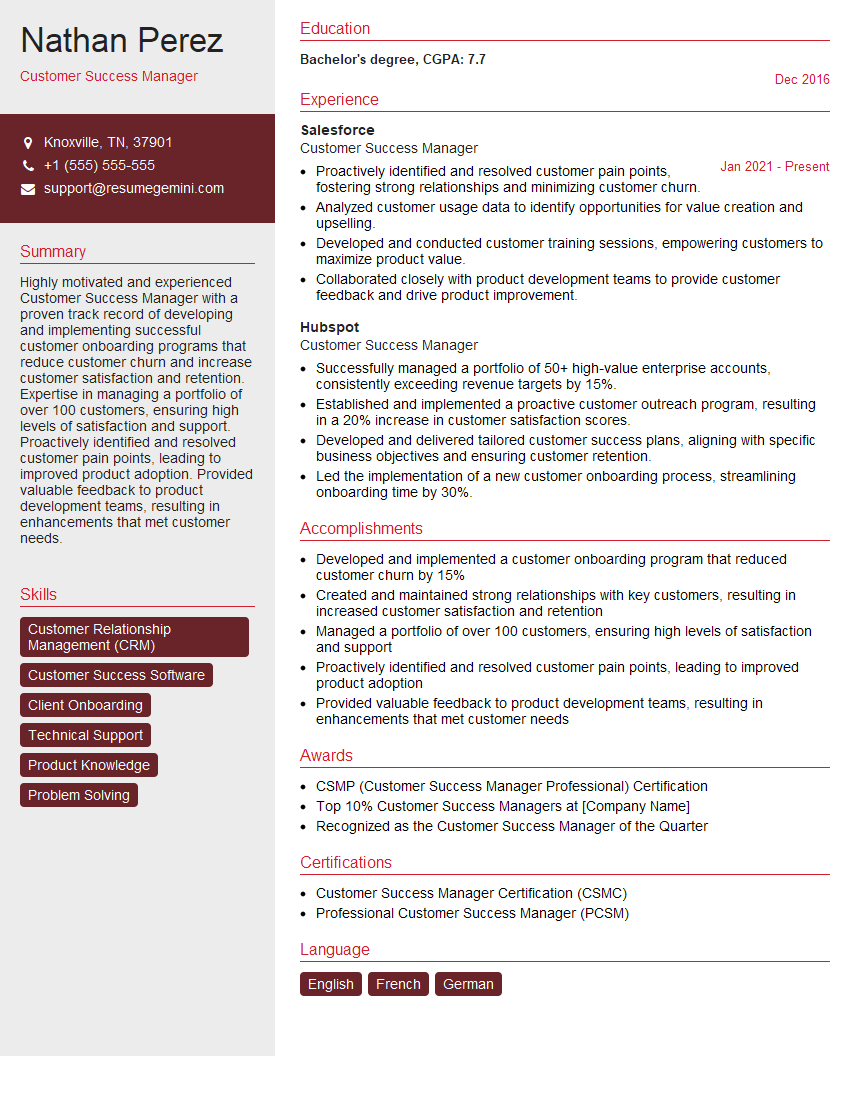
Customer Success Manager Resume Sample
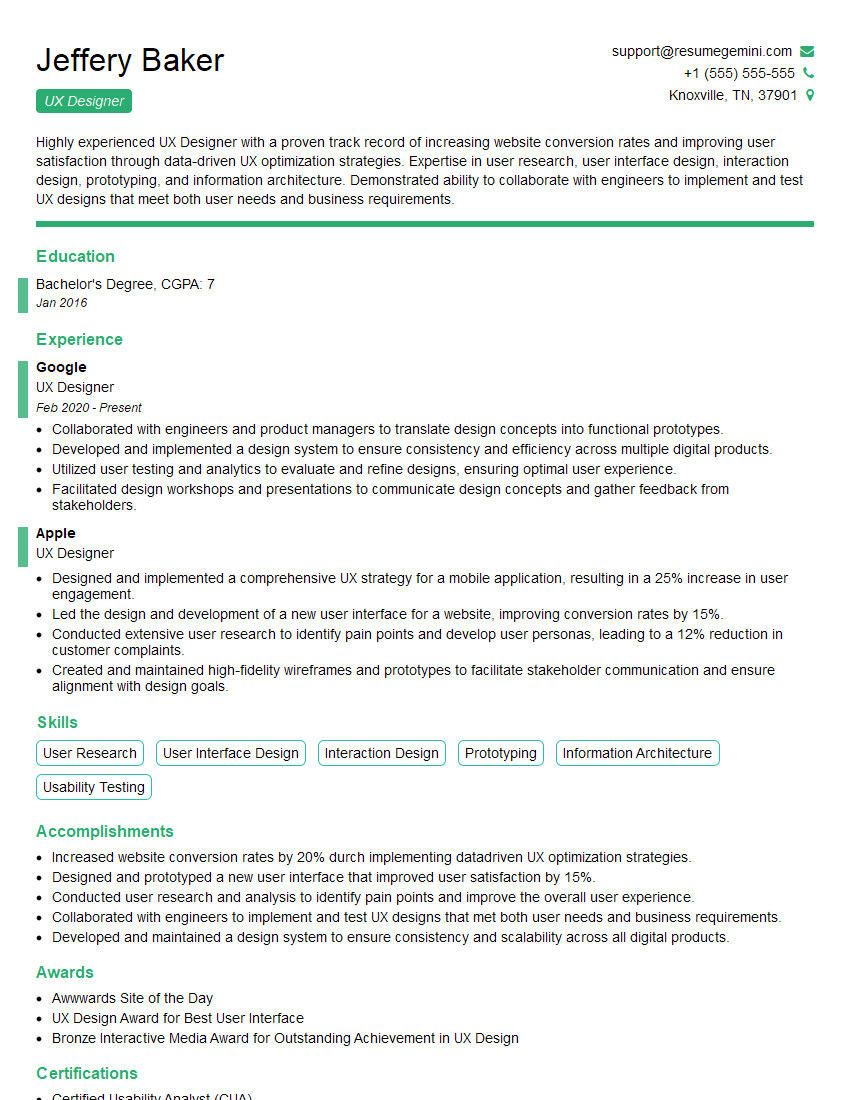
UX Designer Resume Sample
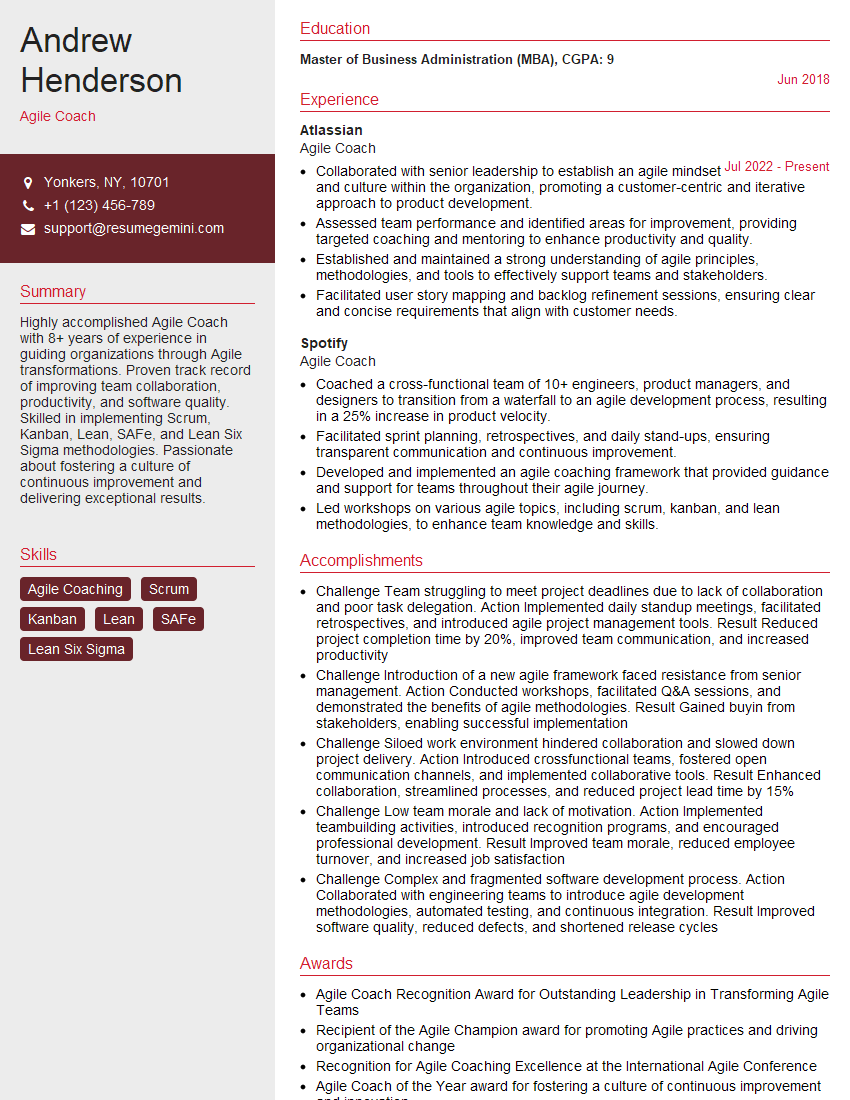
Agile Coach Resume Sample
- Program Manager
- Operations Manager
- Account Manager
- Marketing Manager
- Product Manager
- Sales Representative
- Supply Chain Manager
- Logistics Manager
- Human Resources Manager
- Project Manager
- Risk Manager
- Business Analyst
- Data Scientist
- Software Engineer
- Network Engineer
- Systems Administrator
- IT Manager
- Scrum Master
- Technical Writer
- Customer Success Manager
- UX Designer
- Agile Coach
Explore more articles
Users Rating of Our Blogs
Share Your Experience
We value your feedback! Please rate our content and share your thoughts (optional).
What Readers Say About Our Blog
Very informative content, great job.
good