Preparation is the key to success in any interview. In this post, we’ll explore crucial Player Transfer Management interview questions and equip you with strategies to craft impactful answers. Whether you’re a beginner or a pro, these tips will elevate your preparation.
Questions Asked in Player Transfer Management Interview
Q 1. Explain your experience in negotiating player contracts. What strategies do you employ?
Negotiating player contracts is a delicate dance requiring a deep understanding of the player’s value, the team’s financial capabilities, and the intricacies of contract law. My strategy involves a multi-pronged approach. Firstly, I conduct thorough due diligence, analyzing the player’s performance data, injury history, and potential future value. This informs my initial offer. Secondly, I build rapport with the player and their agent. Open communication and mutual respect are crucial. I present a compelling narrative highlighting the benefits of joining our club – not just financially, but also in terms of career progression and playing opportunities. Finally, I’m prepared to negotiate strategically, exploring different contract structures (e.g., signing-on fees, performance-related bonuses, image rights) to reach a mutually acceptable agreement. I’ve successfully negotiated contracts for both established stars and promising young talents, always prioritizing a win-win outcome. For example, during my time at [Previous Club Name], I negotiated a contract with a young midfielder that included significant performance-based incentives, resulting in both a valuable asset for the team and a lucrative deal for the player.
Q 2. Describe your process for identifying and assessing potential player transfers.
Identifying and assessing potential transfers is a systematic process. It begins with scouting – both live and through video analysis – to identify players who fit our team’s needs and playing style. We consider factors such as position, age, skillset, injury record, and character. Next, we delve into their current contract situation, agent representation, and transfer market value. This involves thorough background checks and discussions with trusted sources within the footballing community. Finally, we conduct detailed performance analysis, comparing their stats to league averages and benchmarking them against other players in their position. A robust internal scoring system helps us rank players and prioritize targets. For instance, while scouting a young striker in a lesser league, we used advanced statistical modeling to project his potential performance at a higher level, successfully justifying his acquisition despite his lack of top-tier experience.
Q 3. How do you evaluate a player’s market value?
Evaluating a player’s market value is complex, encompassing both objective and subjective factors. Objective factors include age, contract length, playing statistics (goals, assists, tackles, etc.), and recent performance. We use statistical models and algorithms to analyze these factors, factoring in inflation and the general economic climate of the football market. Subjective factors include reputation, potential for future growth, and intangible qualities like leadership and work ethic. These are assessed through scouting reports, agent feedback, and expert opinions. Ultimately, a player’s market value is a negotiated figure, influenced by supply and demand, the urgency of the buyer and seller, and the negotiating skills of all parties involved. For example, a player with outstanding statistics might have a high objective value, but a bad reputation might depress their market value considerably.
Q 4. How do you manage relationships with player agents?
Managing relationships with player agents is paramount. It’s a collaborative rather than adversarial relationship. I foster open communication and transparency, keeping agents informed throughout the process. I strive to build trust by being fair, respectful, and professional, even when negotiations are challenging. Regular communication, including regular updates on our progress, prevents misunderstandings and keeps the process moving smoothly. This proactive approach ensures a smoother negotiation, minimizing conflicts. In my career, maintaining strong relationships with agents has led to many successful deals, as a good rapport frequently unlocks favorable terms.
Q 5. What are the key legal considerations in player transfers?
Legal considerations in player transfers are significant and often complex. Key aspects include contract law, compliance with FIFA regulations (including the transfer window rules and the International Transfer Matching System (ITMS)), employment law, and tax implications. We must ensure that all contracts are legally sound, that compensation is correctly handled, and that all relevant authorities are informed. Failure to adhere to these regulations can result in hefty fines, transfer bans, and legal disputes. We always work closely with our legal team to ensure full compliance.
Q 6. How do you assess a player’s suitability for a specific team?
Assessing a player’s suitability for a specific team involves a holistic approach. We analyze their tactical fit within the team’s system, considering their playing style, strengths, and weaknesses. Their personality and character are also evaluated to determine their compatibility with the team’s culture and existing players. We assess their potential to integrate into the squad, considering factors like language barriers and cultural differences. Data analysis, scouting reports, and discussions with the coaching staff help us make informed decisions. For example, a technically gifted player might not be suitable for a team that relies on a high-intensity, physical style of play.
Q 7. Describe your experience with international player transfers. What challenges are unique to this?
International player transfers present unique challenges. Work permit regulations vary considerably across countries, often involving complex bureaucratic processes. Currency exchange rates, tax implications in multiple jurisdictions, and logistical arrangements for travel and relocation add layers of complexity. Cultural differences between players and the new club can also impact adaptation and performance. Language barriers can hamper communication and team integration. Successfully navigating these challenges requires a strong network of international contacts, detailed knowledge of the rules and regulations in different countries, and cultural sensitivity. For example, securing a work permit for a player from outside the European Union often involves demonstrating that the player meets stringent eligibility criteria.
Q 8. How do you use data analytics in player recruitment?
Data analytics is revolutionizing player recruitment, moving beyond gut feeling to evidence-based decision-making. We use data to identify and assess potential players across various metrics. This includes analyzing performance statistics (goals, assists, tackles, pass completion rates etc.), tracking movement data (speed, acceleration, distance covered), and even utilizing advanced metrics like expected goals (xG) and expected assists (xA) to predict future performance.
For example, we might use a statistical model to identify young players in lesser-known leagues who possess a similar playing style and statistical profile to a proven star in a top league. This allows us to potentially discover hidden gems at a more affordable price. We also analyze injury history and disciplinary records to assess a player’s overall reliability and longevity.
Furthermore, data analytics helps us understand the market value of players, allowing us to negotiate more effectively and avoid overspending. We compare our target’s data with players who have previously transferred, allowing for informed predictions about transfer fees and wages.
Q 9. What are your preferred sources for scouting potential players?
My preferred sources for scouting are multifaceted and designed to maximize our reach. We leverage a combination of approaches to ensure we don’t miss out on talent.
- Live Scouting: Our extensive network of scouts attend matches across various leagues and levels globally. This provides irreplaceable qualitative data on a player’s tactical awareness, decision-making under pressure, and overall game intelligence.
- Statistical Databases: We subscribe to various data analytics platforms that provide detailed performance statistics, allowing for objective comparisons across players and leagues. Opta, Wyscout, and InStat are excellent examples.
- Agent Networks: We maintain strong relationships with reputable agents who provide insights into players who might not be widely publicized. It’s crucial to carefully vet agents to ensure integrity.
- Video Analysis: We meticulously analyze game footage, focusing not only on highlight reels but also on less spectacular aspects of play, such as positioning, defensive contribution, and work rate.
- Social Media & Online Platforms: While requiring careful consideration and verification, online sources can offer valuable information about player performance, attitude, and social media presence.
Q 10. How do you handle difficult negotiations with other clubs?
Negotiations with other clubs can be challenging, requiring a strategic and diplomatic approach. It’s essential to maintain a professional and respectful demeanor while firmly advocating for our club’s interests. I approach these negotiations with a structured framework:
- Preparation: Thorough research of the selling club’s financial situation and their valuation of the player is crucial. Understanding their motivations and potential alternatives is key.
- Building Rapport: Establishing a respectful relationship with the opposing negotiator helps foster trust and facilitate open communication.
- Strategic Concessions: Sometimes, making small concessions to secure a larger goal is beneficial. The ability to identify where flexibility can bring greater long-term gain is vital.
- Clear Communication: Clearly articulating our club’s position and financial limitations is crucial. Transparency can help avoid misunderstandings and wasted time.
- Alternative Solutions: If negotiations stall, exploring alternative solutions, such as structured payment plans or including add-ons, can unlock a deal.
For instance, in a past negotiation, we offered a lower initial fee but included significant performance-based add-ons tied to the player’s achievements. This satisfied the selling club’s immediate financial needs while aligning our financial risk with the player’s potential success.
Q 11. Explain your understanding of FIFA regulations related to player transfers.
A comprehensive understanding of FIFA Regulations on the Status and Transfer of Players (RSTP) is paramount. These regulations govern all aspects of international player transfers, including registration, work permits, and dispute resolution.
Key aspects I focus on include:
- International Transfer Certificates (ITC): Ensuring the timely issuance and transfer of ITCs between clubs is fundamental to completing a transfer.
- Third-Party Ownership (TPO): Understanding and adhering to the prohibitions against TPO is crucial. This ensures compliance and avoids potential sanctions.
- Agent Regulations: Working within the regulations related to player agents, including their registration, fees, and roles, is crucial for avoiding breaches of FIFA regulations.
- Minimum Transfer Fees: Being aware of the FIFA rules concerning minimum transfer fees, particularly for underage players, is essential.
- Dispute Resolution Chamber (DRC): Knowing the avenues available for resolving disputes through the DRC is critical for managing potential conflicts related to player transfers.
Failure to comply with these regulations can result in significant penalties, including transfer bans and fines. Staying abreast of the latest updates and interpretations is a continuous process.
Q 12. How do you balance financial constraints with the sporting needs of the club?
Balancing financial constraints with sporting needs requires a sophisticated approach. It’s not simply about maximizing performance irrespective of cost; it’s about optimizing performance within our budgetary limitations. We prioritize strategic investments.
We use a combination of methods:
- Financial Modeling: We develop detailed financial models that project the club’s financial performance under different transfer scenarios. This allows for a data-driven approach to decision-making.
- Prioritization of Needs: We carefully identify the areas where we need immediate reinforcement, prioritizing positions and player profiles based on tactical needs and squad depth.
- Negotiation and Market Research: We conduct thorough market research to identify players who offer good value for money, carefully negotiating favorable contracts and transfer fees.
- Long-Term Vision: We consider the long-term financial implications of each transfer, including future wages, potential resale values, and the impact on the club’s overall financial health.
- Youth Development Investment: Investing in our youth academy and promoting young talent helps reduce reliance on expensive transfers and provides long-term sustainability.
For example, we might prioritize signing a young, promising player with high potential over an established star with a high transfer fee and significant wage demands, if the club’s long-term strategy involves building through youth development.
Q 13. Describe your experience in managing player loans.
Managing player loans requires careful planning and execution to maximize benefits for both the player and the club. The goal is to provide valuable experience for a player while also addressing our immediate team needs.
Key considerations include:
- Player Suitability: Assessing whether the loan move aligns with the player’s development goals and our own strategic objectives is crucial. The loan should offer a suitable playing environment and opportunities to improve specific skills.
- Loan Agreement Terms: Negotiating favorable loan terms with the borrowing club, including options for extension, buy-out clauses, and performance-related clauses, is essential to protecting our club’s interests.
- Regular Monitoring: We maintain close contact with the player and the borrowing club to monitor their progress, address any concerns, and ensure the loan is meeting the planned outcomes.
- Post-Loan Assessment: After the loan, we conduct a thorough assessment of the player’s development to inform future decisions about their role in the club.
For example, we might loan a promising young player to a club in a lower league where they can receive regular playing time, developing their experience and potentially increasing their market value before returning to our senior team.
Q 14. How do you build and maintain a strong scouting network?
Building and maintaining a strong scouting network is an ongoing process requiring investment in people, technology, and relationships. It’s about more than just identifying talent; it’s about creating a culture of information sharing and continuous improvement.
My approach includes:
- Recruitment of Skilled Scouts: Attracting and retaining experienced and talented scouts who possess a deep understanding of football and a keen eye for talent is paramount.
- Technology Integration: Utilizing scouting software and data analysis tools enhances efficiency and allows for more effective data sharing and collaboration.
- Training and Development: Providing continuous training to scouts, focusing on data analysis, video analysis techniques, and understanding different playing styles and tactical approaches, ensures they remain at the forefront of their profession.
- Collaboration and Networking: Fostering a collaborative environment among scouts, encouraging knowledge sharing and open communication, enhances the overall effectiveness of the network.
- International Reach: Extending the scouting network internationally, across diverse leagues and playing styles, increases the pool of potential talent that we can access.
- Maintaining Relationships: Cultivating long-term relationships with agents, coaches, and club personnel provides continuous access to valuable insights and emerging talent.
Regular meetings, feedback sessions, and performance reviews are essential to ensure the scouting network operates effectively and consistently delivers on its objectives.
Q 15. How do you prioritize targets when multiple players are being considered?
Prioritizing transfer targets is a crucial aspect of player recruitment. It’s not simply about picking the most talented player; it’s about finding the best fit for the team’s needs and budget. We use a multi-faceted approach.
- Need Assessment: We begin by identifying the team’s weaknesses and tactical requirements. This might involve needing a creative midfielder, a strong center-back, or a clinical striker, based on the team’s current performance and future objectives.
- Player Profiling: Each potential target undergoes rigorous profiling. This includes analyzing their strengths, weaknesses, playing style, statistics, injury history, character and even their personality compatibility with the existing squad. We utilize scouting reports, statistical analysis tools like those provided by Wyscout or InStat, and sometimes even consult with sports psychologists.
- Financial Constraints: The budget is a major factor. We assess the player’s transfer fee, wages, agent fees and other related costs to ensure the deal is financially viable and within the club’s financial fair play constraints.
- Ranking & Prioritization: We create a shortlist of targets and rank them based on a weighted scoring system that considers the factors above. A player who perfectly fits a crucial need and is affordable might rank higher than a more talented but expensive player who fills a less critical role.
- Contingency Planning: We always have backup options. The transfer market is unpredictable, so having alternative targets ensures we don’t waste valuable time if negotiations fail.
For example, if we need a proven goalscorer and have three potential targets, we might prioritize the player with the highest goals-per-game ratio who also fits our playing style, even if his transfer fee is slightly higher than another option with a similar goal-scoring record but less suited to our tactical approach.
Career Expert Tips:
- Ace those interviews! Prepare effectively by reviewing the Top 50 Most Common Interview Questions on ResumeGemini.
- Navigate your job search with confidence! Explore a wide range of Career Tips on ResumeGemini. Learn about common challenges and recommendations to overcome them.
- Craft the perfect resume! Master the Art of Resume Writing with ResumeGemini’s guide. Showcase your unique qualifications and achievements effectively.
- Don’t miss out on holiday savings! Build your dream resume with ResumeGemini’s ATS optimized templates.
Q 16. What is your approach to due diligence on potential transfers?
Due diligence is paramount. It’s about mitigating risk and ensuring we’re making informed decisions. Our process involves:
- Background Checks: We thoroughly investigate the player’s history, including their disciplinary record, any legal issues, and their reputation on and off the field.
- Medical Assessments: A comprehensive medical examination is essential. This helps identify any pre-existing conditions or injury risks that might impact their availability or long-term performance. We often use independent medical specialists.
- Performance Analysis: We deeply analyze their past performances using advanced statistical analysis and video footage to assess their actual capabilities and suitability for our system.
- Agent & Club Interactions: We verify information provided by the player’s agent and the selling club. We cross-reference details, and don’t hesitate to involve lawyers to check the legality of contracts and clauses.
- Reference Checks: We often speak to former coaches, teammates, and even people who know the player personally to get a 360-degree view of their character and professionalism.
For example, a seemingly impressive player with a high goal-scoring rate might have a history of disciplinary problems or recurring injuries which would significantly reduce their value to the team. Due diligence helps to uncover such crucial information.
Q 17. How do you integrate new players into the team?
Integrating new players smoothly is key to successful transfers. It’s about making them feel welcome, understanding their role, and fostering team cohesion.
- Pre-Arrival Preparation: We prepare the player for their move, providing information about the city, the club, their teammates, and the team’s culture. We may even arrange accommodation to facilitate a seamless transition.
- Team Introduction: We organize a formal introduction to the team and coaching staff to help build rapport and foster a sense of belonging.
- Individualized Training Plans: We create tailored training plans that focus on helping them adapt to our tactical system, team dynamics and the physical demands of our style of play. We might even incorporate specific training modules designed to integrate with existing players.
- Mentorship Program: We often pair the new player with a senior member of the squad who can serve as a mentor and help with settling in. This helps build trust and provide guidance on and off the field.
- Regular Feedback & Communication: We maintain open communication to address any issues or concerns the player might have. We provide constructive feedback on their performance, helping them understand expectations and adjust their game.
For example, one way to facilitate integration is to arrange informal social events with team members. This can be as simple as a team dinner, helping to build personal relationships, which are crucial for team cohesion.
Q 18. Describe a situation where a transfer negotiation didn’t go as planned. What was the outcome?
One memorable transfer negotiation involved a highly-rated young midfielder. We’d agreed personal terms, and the selling club had initially seemed enthusiastic. However, at the last minute, they demanded a significantly higher transfer fee, citing increased interest from a rival club. We felt this new fee was unreasonable and inflated, given the information and due diligence we had already performed.
The outcome was that we walked away from the deal. It was a difficult decision as the player was talented, but paying an inflated fee would have set a bad precedent and undermined our budget management. Instead, we shifted our focus to our contingency plan and ultimately secured a different midfielder who proved to be a more impactful addition to the squad, and at a better value. It reinforced the importance of sticking to our initial evaluation and not getting emotionally involved in heated negotiations.
Q 19. How do you measure the success of your player recruitment efforts?
Measuring the success of recruitment isn’t solely about immediate on-field performance. It’s a holistic assessment that spans several areas:
- On-Field Performance: Goals scored, assists, tackles won, passes completed, and overall team performance are key metrics, but we must also consider the context and contribution to the wider team dynamic.
- Adaptability & Integration: How quickly did the player integrate into the team? Did they adapt to our playing style successfully? This often takes longer to evaluate.
- Long-Term Growth: Are they developing as expected? Are they improving their skills and demonstrating the potential that led us to acquire them initially?
- Return on Investment (ROI): This evaluates the player’s performance against the costs involved in acquiring and retaining them. This is often measured over multiple seasons.
- Resale Value: Did the player increase in market value, or prove a financially successful transfer?
We regularly review player performance through data analysis and coaching reports. We then compare the player’s performance against our initial expectations and the costs involved in the transfer, to get an accurate measure of the recruitment’s success.
Q 20. What are the key performance indicators (KPIs) you use to assess transfer success?
Key Performance Indicators (KPIs) used to assess transfer success are multifaceted and often depend on the player’s role and expectations. However, some common KPIs include:
- Goals/Assists per Game: For attacking players, this is a fundamental metric reflecting direct contributions to scoring.
- Tackles/Interceptions per Game: For defensive players, this highlights their effectiveness in disrupting the opposition’s attacks.
- Pass Completion Rate: This indicates the player’s accuracy and efficiency in distributing the ball.
- Minutes Played: This reflects the player’s availability and contribution to the team’s overall minutes played throughout the season.
- Player Ratings (from reputable sources): These provide an overall assessment of a player’s performance across various aspects of the game.
- Market Value Changes: An increase in market value signifies the player has added value to the club, and may reflect their successful integration and development.
It’s important to consider these KPIs within the context of the player’s role and the team’s overall performance. A defender with a high number of tackles might still be considered successful even if they don’t have many assists.
Q 21. How do you handle player injuries or underperformance post-transfer?
Handling player injuries or underperformance requires a proactive and empathetic approach.
- Medical Support: For injuries, we provide access to the best medical professionals to ensure proper diagnosis, treatment, and rehabilitation. This could involve specialists such as physiotherapists and sports doctors.
- Performance Analysis: For underperformance, we analyse their game thoroughly to identify the root causes. Is it tactical issues? Is the player struggling mentally? Are there fitness concerns? We try to understand if the player has adjusted to the team environment and culture successfully.
- Coaching Intervention: We work closely with the coaching staff to adjust the player’s role or training regime. This might involve more one-on-one coaching sessions, positional changes, or adjustments to training intensity.
- Mental Health Support: We also offer access to sports psychologists to address any mental health challenges that might be affecting their performance.
- Open Communication: We maintain open and honest communication with the player, providing support, guidance and constructive feedback.
For instance, a player struggling to adapt to a new system might benefit from additional training and mental health support, rather than just being written off as a failed transfer. We always strive for a solution that prioritizes the player’s well-being and helps them regain their form. Sometimes, this may mean considering a loan move, if the situation doesn’t improve after a fair period.
Q 22. How familiar are you with different types of transfer fees (e.g., fixed fee, performance-related) and their implications?
Transfer fees are the cornerstone of player acquisitions, and understanding their nuances is crucial. A fixed fee is straightforward; a predetermined amount is paid in one lump sum or installments. For example, a club might agree to pay €50 million for a player. This offers predictability for both buyer and seller.
Performance-related fees, also known as add-ons, introduce variability. These are additional payments contingent upon achieving specific milestones. These could be based on the player’s appearances, goals scored, team achievements (e.g., winning a league title), or even the club’s overall financial performance. A contract might stipulate an initial fee of €30 million plus €10 million if the player wins a Champions League trophy. This type of fee can be beneficial to the selling club as it leverages future success while providing the buying club with some level of risk mitigation. It’s also important to consider potential complications, like disputes over whether performance metrics were actually met. Finally, there are installments, where the fee is divided into smaller payments spread over a time frame and often includes various clauses such as delayed payments or incentives.
Understanding the implications of each fee type is critical for financial planning. Fixed fees offer budget certainty, while performance-related fees add complexity and uncertainty, requiring careful consideration of the player’s potential and the likelihood of meeting the conditions. My experience allows me to model various scenarios to assess the potential total cost of acquisition accurately.
Q 23. Explain your understanding of contract clauses (e.g., release clauses, buy-back options).
Contract clauses are critical components of player agreements, often influencing the dynamics of a transfer significantly. Release clauses are stipulations that define a pre-agreed fee at which a player can be released from their contract. They provide a clear path for other clubs to sign the player while potentially limiting negotiation time and complexity. This is often used to manage expectation and give the player leverage in the transfer market.
Buy-back options grant a selling club the right to reacquire the player within a specified timeframe and for a predetermined fee. This offers a strategic safeguard for the selling club, allowing them to potentially re-sign a player who has outperformed expectations or to capitalize on future market value if the player flourishes at their new club. For example, a club selling a young star for €20 million might include a buy-back option at €40 million after two seasons, allowing them to reclaim the player at a reasonable cost if he achieves greater success. Other important clauses to consider are: First refusal rights, which allow the selling club the first option to match another club’s offer, giving the club the opportunity to retain a valued player; Sell-on clauses, where the selling club receives a percentage of any future transfer fee when the player is sold again; and Agent fees, determining who bears the cost of player representation.
Q 24. How do you prepare a detailed transfer budget and justify its allocation?
Creating a transfer budget necessitates a holistic approach. It begins with understanding the club’s overall financial status and strategic objectives. I would initiate by analyzing the club’s current financial resources, considering revenue streams (e.g., matchday income, broadcasting rights, sponsorships, merchandise sales), existing debt, and potential sources of funding (e.g., loans, investment). This information will directly influence the budget’s overall size. Once the overall budget is established, I allocate funds based on several factors:
- Squad needs: Identifying positional weaknesses and areas for improvement within the team. A thorough analysis of existing players’ performances, contracts, and potential departures is essential. For example, if the club needs a world-class striker and has sufficient budget, a significant portion will be allocated to that position.
- Player valuation: Conducting thorough market research, analyzing potential transfers based on the availability, performance, reputation and the desired skills of players. It also entails weighing the cost against the player’s projected contribution and expected return on investment.
- Contract negotiations: Negotiating with players, agents, and the selling clubs requires a keen understanding of the financial markets. This entails understanding the players’ valuation based on multiple factors such as age, performance, market demand and potential.
- Contingency planning: It’s prudent to include a buffer in the budget to account for unforeseen circumstances, such as unexpected injuries, contract negotiations failing, or a player’s market value fluctuating.
Finally, justifying budget allocation requires a comprehensive report detailing the rationale behind each transfer decision. This report should include detailed player profiles, market analysis, potential ROI estimations, and an overview of the overall strategic fit for the club.
Q 25. Describe your experience with managing the complexities of transfer windows.
Managing transfer windows requires meticulous planning and adaptability. It’s a high-pressure environment with tight deadlines. The process begins well in advance of the window opening. I would typically start by identifying targets early, initiating due diligence, exploring market options and initiating negotiations. The next step is to prioritize the players based on the necessity and fit within the club. This process often involves evaluating multiple players, evaluating their contract situation, and comparing their potential value to the cost. Then, negotiations often take place simultaneously with multiple clubs and agents, thus requiring skilled negotiation and the ability to manage multiple, sometimes contradictory expectations. I also need to be aware of the impact of financial fair play rules and compliance regulations to ensure the clubs actions are compliant and ethical.
Throughout the transfer window, I closely monitor market developments, considering the ever-changing dynamics. Maintaining strong relationships with agents, scouts, and other clubs is crucial. Post-window, I would analyze the success of acquisitions to refine future strategies and improve efficiency. Flexibility is key as situations can change quickly and unexpected opportunities or challenges arise. Experience teaches you how to prioritize, remain calm under pressure, and adapt your approach as needed.
Q 26. How do you adapt your recruitment strategy based on the club’s overall strategic goals?
Recruitment strategy must be tightly aligned with the club’s overall strategic goals. If a club is aiming for immediate success, the recruitment strategy might focus on acquiring experienced, proven players who can contribute immediately. In contrast, a club focused on long-term growth might prioritize acquiring young, promising talents with high potential. The club’s financial resources will also strongly influence the recruitment strategy. A club with limited funds might focus on free agents, low-cost signings, or loan deals. A club with ample resources could target high-profile players to significantly improve the squad.
My approach involves working closely with the club’s management and coaching staff to define clear recruitment objectives. We would collaboratively analyze the squad’s strengths and weaknesses and identify areas where improvement is needed. This collaborative approach ensures that every transfer supports the club’s overarching strategy. The ultimate goal is to build a balanced squad, while maintaining a focus on sustainable growth and development.
Q 27. How do you deal with media pressure and speculation surrounding potential transfers?
Media speculation is an inevitable part of the transfer process. The key is to manage expectations and control information flow. I would typically implement a communications strategy focused on transparency, but only when appropriate, and discretion. This might involve releasing carefully crafted statements, responding to inquiries professionally, and keeping stakeholders (players, agents, the club) informed. It’s important to avoid fueling speculation through excessive comments and to remain focused on the club’s operational and competitive priorities.
Developing a strong relationship with trusted journalists can be helpful in managing the narrative. However, it is crucial to always remain professional and to only provide information which is factual and does not compromise the confidentiality and security of the player or the club. My focus is on ensuring that the club maintains its reputation during times of intense media scrutiny.
Q 28. What are your salary expectations?
My salary expectations are commensurate with my experience and expertise in player transfer management. I am confident that my contributions would significantly benefit your club. I would prefer to discuss my compensation package in more detail during a formal negotiation process where we can thoroughly evaluate the role and my responsibilities.
Key Topics to Learn for Player Transfer Management Interview
- Market Analysis & Valuation: Understanding player value, market trends, and competitive bidding strategies. Practical application: Analyzing player statistics, contract details, and market reports to determine a fair transfer fee.
- Negotiation & Contract Law: Mastering negotiation techniques and understanding the legal intricacies of player contracts. Practical application: Successfully negotiating transfer fees, wages, agent commissions, and release clauses.
- Financial Modeling & Budgeting: Developing financial models to assess the financial implications of player transfers. Practical application: Projecting the cost of a transfer, including wages, agent fees, and potential future earnings.
- Relationship Management: Building and maintaining strong relationships with players, agents, and club officials. Practical application: Effectively communicating and collaborating to reach mutually beneficial agreements.
- International Regulations & Transfer Windows: Navigating the complexities of international transfer regulations and understanding transfer window deadlines. Practical application: Ensuring compliance with FIFA regulations and meeting transfer deadlines.
- Data Analysis & Scouting Reports: Utilizing data analysis tools and scouting reports to identify and assess potential transfer targets. Practical application: Interpreting player performance data and scouting reports to inform transfer decisions.
- Risk Management & Due Diligence: Identifying and mitigating potential risks associated with player transfers. Practical application: Conducting thorough background checks and due diligence on potential transfers.
Next Steps
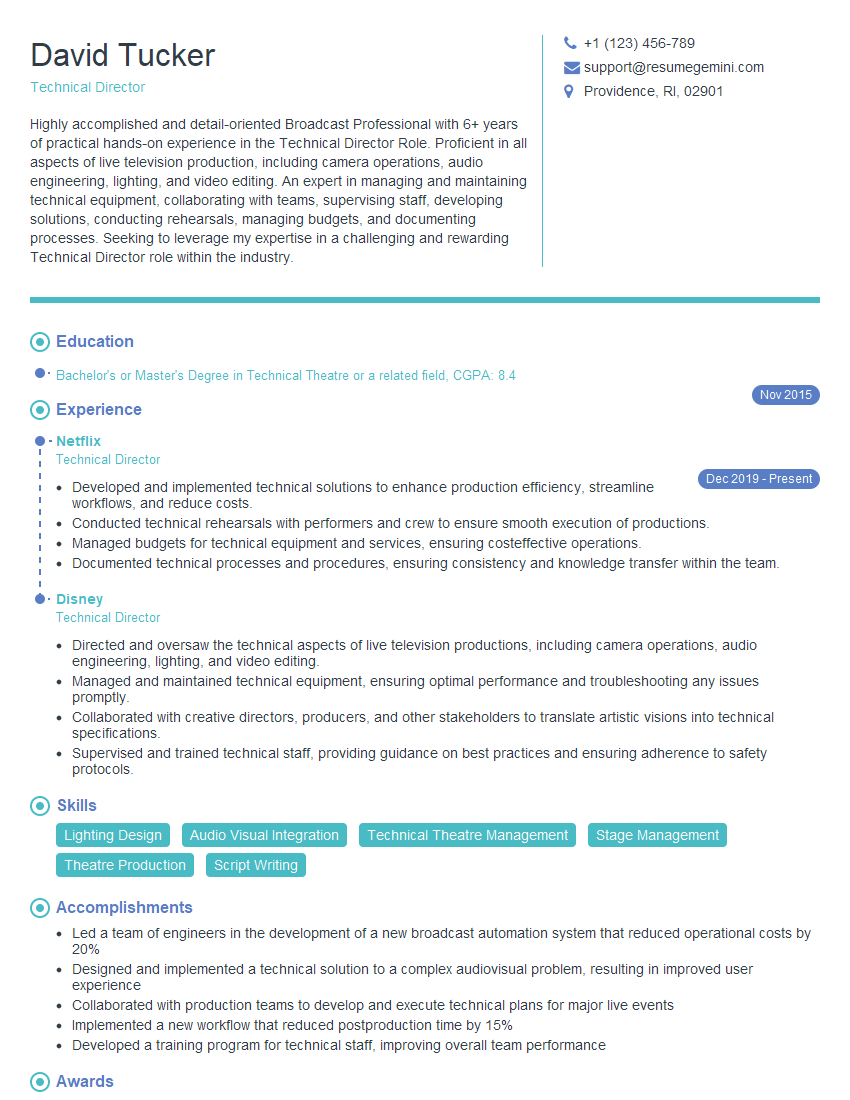
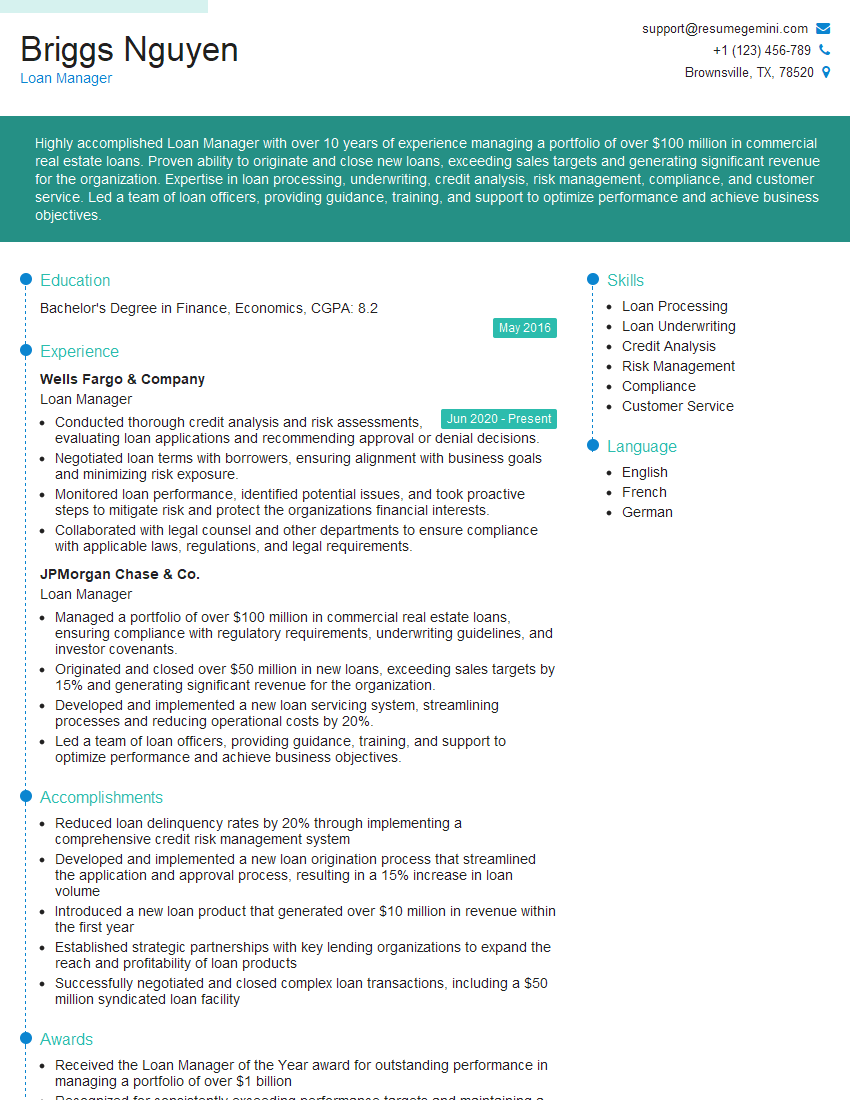
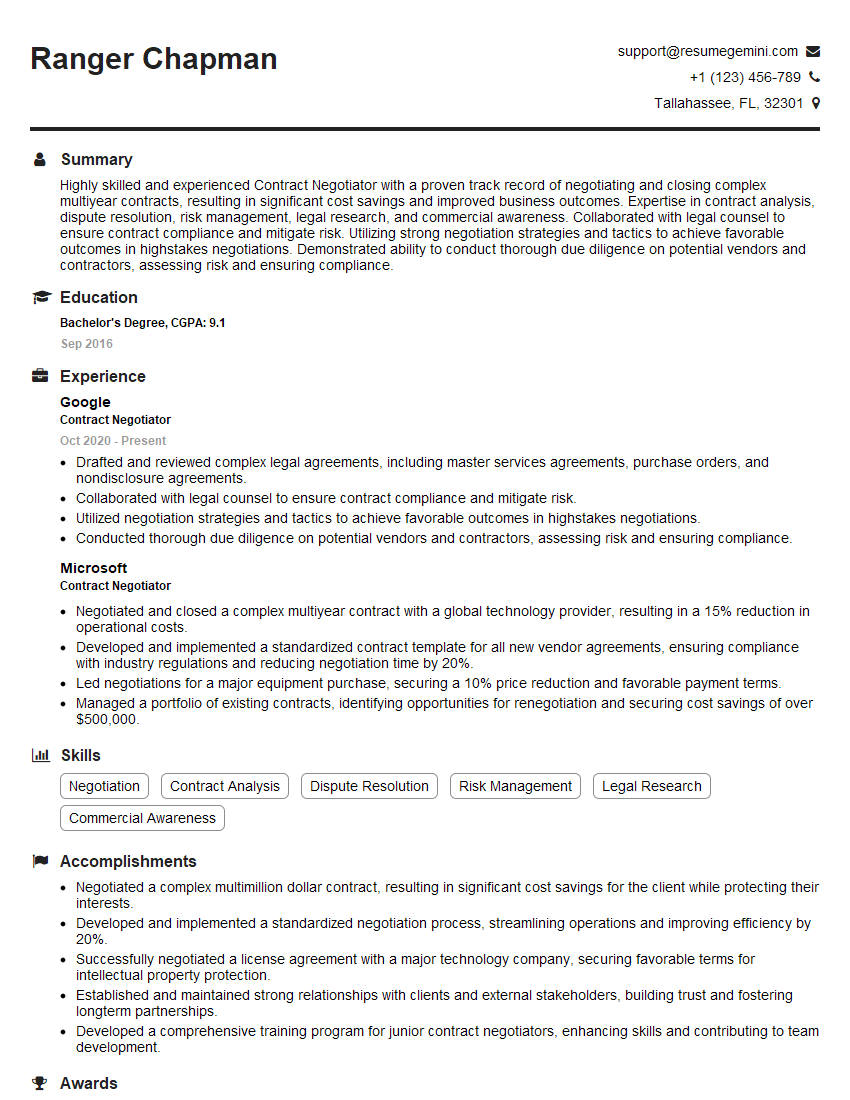
Mastering Player Transfer Management opens doors to exciting career opportunities within the dynamic world of sports. To maximize your chances of landing your dream role, a strong, ATS-friendly resume is crucial. ResumeGemini can help you craft a compelling resume that showcases your skills and experience effectively. We provide examples of resumes tailored specifically to Player Transfer Management to help you present yourself in the best possible light. Take the next step towards your career success – build your resume with ResumeGemini today!
Explore more articles
Users Rating of Our Blogs
Share Your Experience
We value your feedback! Please rate our content and share your thoughts (optional).
What Readers Say About Our Blog
Very informative content, great job.
good