The thought of an interview can be nerve-wracking, but the right preparation can make all the difference. Explore this comprehensive guide to Knowledge of medical and injury management issues in hockey interview questions and gain the confidence you need to showcase your abilities and secure the role.
Questions Asked in Knowledge of medical and injury management issues in hockey Interview
Q 1. Explain the common injuries seen in hockey players.
Hockey, a fast-paced and physically demanding sport, presents a unique set of injury risks. Common injuries can be broadly categorized into:
- Upper Body Injuries: These frequently involve the shoulder (rotator cuff tears, AC joint separations), clavicle (fractures), and hands (finger sprains, fractures). Repeated impacts and forceful movements during stickhandling, shooting, and checking contribute significantly.
- Lower Body Injuries: Knee injuries, including medial collateral ligament (MCL) and anterior cruciate ligament (ACL) sprains, meniscus tears, and patellar tendinitis are very common. Ankle sprains are also prevalent due to quick changes in direction and forceful skating. Hip and groin strains are possible from powerful skating and body checks.
- Head Injuries: Concussions are a major concern in hockey, resulting from direct impacts to the head or indirect forces causing whiplash. These can range in severity and require careful management.
- Other Injuries: Muscle strains (hamstring, quadriceps, groin) are common, often resulting from explosive movements. Facial injuries, such as cuts and broken noses, occur frequently due to the contact nature of the game. Dental injuries also happen frequently.
The frequency of specific injuries varies based on position, level of play, and protective equipment usage. For example, goalies may experience more lower body injuries due to the agility required, while forwards might have a higher incidence of upper body injuries from checking and fighting.
Q 2. Describe the immediate on-ice management of a suspected concussion.
Immediate on-ice management of a suspected concussion prioritizes player safety and minimizing further risk. The key steps are:
- Remove the player from the game immediately: No exceptions. Return-to-play decisions should be made only after a thorough medical evaluation.
- Assess the player’s level of consciousness and neurological status: Check for responsiveness, orientation (person, place, time), memory, and any signs of neurological impairment such as dizziness, headache, nausea, or vomiting.
- Immobilize the player’s head and neck: Prevent further injury by keeping the head and neck stable, using a cervical collar if available.
- Monitor vital signs: Observe breathing, heart rate, and blood pressure.
- Transport to a medical facility: Arrange for immediate transport to a hospital or medical clinic for a comprehensive evaluation by a physician. This is crucial to rule out any serious underlying conditions.
- Inform appropriate personnel: Notify the team physician, coach, and emergency medical services as soon as possible.
Remember, even seemingly minor head impacts warrant careful evaluation. The consequences of delayed or inadequate management can be serious and long-lasting.
Q 3. Outline the return-to-play protocol for a Grade 2 MCL sprain.
A Grade 2 MCL sprain indicates a significant tear of the medial collateral ligament in the knee. The return-to-play protocol is structured and requires careful monitoring:
- Immediate Management: RICE (Rest, Ice, Compression, Elevation) is crucial initially to reduce swelling and pain.
- Physical Therapy: A comprehensive rehabilitation program is essential. This typically starts with range-of-motion exercises, progressing to strengthening exercises focusing on quadriceps, hamstrings, and hip muscles. Proprioception (balance and coordination) exercises are also vital.
- Gradual Progression: The return-to-play process is incremental, starting with non-weight-bearing exercises, followed by partial weight-bearing, and finally, full weight-bearing activities. This allows the ligament to heal properly and reduces the risk of re-injury.
- Functional Testing: Before resuming hockey-specific activities, functional tests (e.g., agility drills, jumping tests) are performed to assess the knee’s stability and strength.
- Return-to-Play: Only after successfully completing all phases of rehabilitation and demonstrating full functional capacity should the player return to practice and eventually games. This may take several weeks or even months, depending on the severity of the injury and individual healing response.
A structured approach, closely monitored by medical professionals, is critical to ensure successful rehabilitation and minimize the risk of long-term complications.
Q 4. What is your experience with the use of ice, heat, and compression in injury treatment?
Ice, heat, and compression are commonly used in injury management, although their application depends heavily on the type and stage of the injury.
- Ice: Used in the immediate phase after an acute injury (first 24-72 hours) to reduce swelling, inflammation, and pain. It works by constricting blood vessels, limiting blood flow to the injured area. Applying ice in 15-20 minute intervals, separated by periods of rest, is generally recommended.
- Heat: Applied after the initial inflammatory phase (typically after 72 hours) to increase blood flow, promote healing, and relieve muscle stiffness. Heat therapy can improve range of motion and reduce muscle spasms.
- Compression: Used throughout the healing process to reduce swelling and provide support to the injured area. Compression bandages or sleeves are commonly used. The compression should be snug but not constricting, avoiding reduced blood flow.
The combination of these modalities – often called RICE – is a fundamental part of managing many soft tissue injuries. However, their application needs to be tailored to the specific injury and its stage of healing. For example, applying heat too early after an injury can worsen swelling. Always seek professional medical guidance to determine the appropriate application.
Q 5. Discuss the role of an athletic trainer in preventing injuries in hockey.
Athletic trainers play a critical role in injury prevention in hockey through several key functions:
- Pre-season Physicals and Fitness Assessments: Identifying pre-existing conditions and assessing players’ physical readiness reduces the risk of injuries.
- Developing and Implementing Injury Prevention Programs: Designing tailored programs that incorporate strength and conditioning, flexibility exercises, and injury-specific drills that focus on areas prone to injury in hockey.
- Proper Equipment Fitting and Maintenance: Ensuring players use properly fitted and maintained protective equipment is crucial. Improper equipment can significantly increase injury risk.
- On-Ice Supervision and Injury Management: Observing practices and games to identify potential hazards and providing immediate care for injuries.
- Education and Communication: Educating players and coaches about proper training techniques, injury prevention strategies, and the importance of reporting any pain or discomfort.
- Rehabilitation and Return-to-Play Protocols: Designing and supervising individualized rehabilitation programs, ensuring players return to play safely and effectively.
A proactive and well-trained athletic trainer can significantly reduce the incidence and severity of injuries, improving player safety and team performance.
Q 6. How do you assess the severity of an ankle sprain?
Assessing the severity of an ankle sprain involves a combination of clinical examination and imaging (if necessary). Key elements include:
- Mechanism of Injury: How the injury occurred provides clues about the severity. A forceful inversion (rolling the ankle inward) often indicates a more serious injury than a minor twist.
- Pain and Swelling: The degree of pain and swelling immediately after and in the following days correlates with injury severity. Severe pain and significant swelling suggest a more severe sprain.
- Range of Motion: Assessing the range of motion in the ankle helps determine the extent of ligament damage. Limited range of motion is a significant indicator of a serious sprain.
- Stability Testing: The physician or athletic trainer will test the stability of the ankle by applying stress to the joint. Significant instability points to a higher grade sprain.
- Imaging (X-ray and MRI): X-rays are done to rule out fractures. MRI scans provide detailed images of the ligaments and soft tissues, helping to assess the extent of the ligament damage and guiding treatment.
Ankle sprains are graded based on the severity of the ligament damage, ranging from mild (Grade 1) to severe (Grade 3). Accurate assessment ensures appropriate treatment and guides the return-to-play decisions.
Q 7. Explain the difference between a strain and a sprain.
While both strains and sprains are musculoskeletal injuries, they affect different tissues:
- Strain: A strain is an injury to a muscle or tendon (the tissue connecting muscle to bone). It occurs when the muscle or tendon is overstretched or torn. Strains can range from mild (minor overstretching) to severe (complete tear). Think of pulling a muscle as a strain.
- Sprain: A sprain is an injury to a ligament (the tissue connecting bone to bone). It occurs when the ligament is stretched or torn. Like strains, sprains are graded based on severity, from mild (Grade 1) to severe (Grade 3).
The main difference lies in the affected tissue: strains involve muscles or tendons, while sprains involve ligaments. Both can cause pain, swelling, and reduced function, but their treatment may differ depending on the specific tissue involved. Accurate diagnosis is crucial for appropriate management.
Q 8. Describe your experience with taping and bracing techniques used in hockey.
Taping and bracing in hockey are crucial for injury prevention and management. My experience encompasses a wide range of techniques, from basic ankle taping for support to more complex procedures like wrist and knee bracing. I’m proficient in applying various types of tape, including athletic tape, kinesiology tape, and specialized hockey tapes designed for flexibility and durability.
- Ankle Taping: I utilize figure-eight and stirrup techniques, adapting them based on the specific injury or risk factors of the player. For example, a player prone to lateral ankle sprains might receive additional support using a protective taping pattern.
- Knee Bracing: I’m experienced in fitting and adjusting a variety of knee braces, from prophylactic braces used for prevention in high-risk players to more supportive braces for post-injury rehabilitation, selecting the appropriate brace based on the specific injury and stage of recovery.
- Wrist Support: Wrist injuries are common, so I use both taping and bracing to support the wrist joint and reduce the risk of further injury. This often involves taping the wrist and thumb for additional stability.
I always assess each player individually, considering their injury history, playing style, and level of activity when determining the appropriate taping or bracing method. Proper application is essential for effectiveness and to avoid complications, and I am meticulous in my technique. I also educate players on proper brace care and the signs to watch out for that would warrant seeing a medical professional.
Q 9. How do you communicate effectively with coaches, players, and medical personnel?
Effective communication is paramount in hockey injury management. My approach involves clear, concise, and empathetic communication with coaches, players, and medical personnel. I strive to explain medical information in a way that everyone can understand, avoiding jargon whenever possible.
- With Coaches: I provide regular updates on injured players, explaining injury severity, recovery timelines, and return-to-play protocols. We discuss strategies for managing workload and player modification during rehabilitation.
- With Players: I build a strong rapport with each player, fostering trust and open communication. I explain injuries clearly, outline rehabilitation plans, and answer their questions honestly and thoroughly. I also emphasize the importance of adherence to the rehab plan for optimal recovery.
- With Medical Personnel: I maintain open lines of communication with other medical professionals, such as physicians, physiotherapists, and athletic trainers, facilitating seamless collaboration in patient care. This often involves sharing medical reports and actively participating in patient care conferences.
I utilize various communication methods, such as face-to-face discussions, phone calls, emails, and medical records to ensure timely and efficient information exchange. I also document all communication thoroughly and maintain a well-organized record of each player’s care.
Q 10. What is your familiarity with HIPAA regulations?
I am very familiar with HIPAA (Health Insurance Portability and Accountability Act) regulations and adhere strictly to them in all aspects of my practice. This includes protecting the privacy and security of protected health information (PHI) through secure storage, confidential communication, and authorization procedures. I understand the importance of obtaining informed consent before disclosing any information and I am meticulous in ensuring compliance with all relevant HIPAA guidelines.
For example, I would never discuss a player’s injury details with anyone not directly involved in their care, without their explicit consent. All medical records are stored securely and accessed only by authorized personnel. I regularly update myself on changes and best practices related to HIPAA compliance.
Q 11. What is the role of nutrition in injury recovery?
Nutrition plays a vital role in injury recovery. Proper nutrition provides the body with the necessary building blocks for tissue repair, reduces inflammation, and boosts the immune system, all crucial for faster and more effective healing.
- Protein: Essential for muscle repair and growth.
- Carbohydrates: Provide energy for training and rehabilitation.
- Healthy Fats: Important for hormone production and cell function.
- Vitamins and Minerals: Support various bodily functions, including immune system function.
- Hydration: Crucial for overall bodily function and efficient nutrient transport.
I often collaborate with registered dieticians to develop individualized nutrition plans for injured players, considering their specific needs, dietary preferences, and the nature of their injury. A well-planned diet can significantly impact the recovery process, reducing recovery times and minimizing the risk of re-injury.
Q 12. Explain your experience with rehabilitation programs for hockey-related injuries.
My experience with rehabilitation programs for hockey-related injuries is extensive. I develop and implement individualized plans based on the specific injury, the player’s medical history, and their fitness level. These programs typically involve a phased approach, progressing from early-stage healing to advanced functional training.
- Early Stage: Focuses on pain management, range of motion, and reducing inflammation, potentially utilizing modalities such as ice, heat, and electrical stimulation.
- Mid-Stage: Incorporates exercises to improve strength, flexibility, and neuromuscular control, progressing gradually to more challenging exercises.
- Late Stage: Includes functional exercises simulating hockey-specific movements and drills, preparing the player for a safe return to the ice.
I carefully monitor progress, adjusting the program as needed, and collaborate closely with physicians, physiotherapists, and strength and conditioning coaches to ensure a coordinated and effective rehabilitation strategy. I might employ tools such as isokinetic dynamometry (measuring muscle strength) to track progress objectively. I always prioritize the player’s safety and ensure that they are fully prepared before returning to play.
Q 13. How do you utilize sports medicine technology to improve player care?
Sports medicine technology is constantly evolving, and I leverage these advancements to improve player care. This includes the use of tools such as:
- Electronic Medical Records (EMR): Provides efficient record-keeping and secure access to patient information.
- Wearable Technology (GPS trackers, heart rate monitors): Allows for objective monitoring of training load and recovery status, helping to prevent overuse injuries.
- Diagnostic Imaging (X-ray, MRI, Ultrasound): Provides accurate diagnosis and informs the development of tailored rehabilitation programs.
- Therapeutic Ultrasound and Electrical Stimulation: Assists in pain management and tissue repair.
By integrating these technologies into my practice, I can enhance the accuracy of diagnosis, personalize rehabilitation plans, and objectively track player progress, leading to improved outcomes and faster recovery times. The data gathered through these technologies also allows for proactive injury management, allowing us to identify potential risks and intervene early before an injury develops.
Q 14. Describe your experience with managing multiple injuries simultaneously.
Managing multiple injuries simultaneously requires excellent organizational skills, prioritization, and effective communication. I use a systematic approach, focusing on the most urgent needs first while ensuring all players receive adequate care.
My strategy involves:
- Prioritization: Assessing the severity and urgency of each injury and developing a prioritized treatment plan.
- Time Management: Efficient scheduling of appointments, treatments, and rehabilitation sessions.
- Communication: Maintaining clear communication with all stakeholders, ensuring everyone understands the treatment plan and any potential conflicts in scheduling.
- Documentation: Meticulous record-keeping to ensure accurate tracking of each player’s progress and treatment plan.
One example might be managing a player with a concussion alongside another with a sprained ankle. I would prioritize the management of the concussion, ensuring proper rest and cognitive recovery. Simultaneously, I would implement appropriate treatment for the ankle sprain, adjusting the rehabilitation program to account for the limitations posed by the concussion. The key is to develop a plan that is both effective and manageable.
Q 15. How do you stay updated on the latest research in sports medicine?
Staying current in sports medicine requires a multi-faceted approach. I regularly read peer-reviewed journals like the American Journal of Sports Medicine and the British Journal of Sports Medicine. I also actively participate in professional organizations such as the American Medical Society for Sports Medicine (AMSSM), attending their conferences and webinars to learn about the latest research and treatment protocols. Furthermore, I maintain a strong network with other sports medicine professionals, engaging in discussions and sharing knowledge. Finally, I utilize online resources like PubMed and Google Scholar to search for specific studies and emerging trends in injury management and prevention.
For example, I recently attended a webinar on the use of platelet-rich plasma (PRP) therapy in the management of hamstring injuries in hockey players. This helped me understand the current evidence base and refine my clinical practice.
Career Expert Tips:
- Ace those interviews! Prepare effectively by reviewing the Top 50 Most Common Interview Questions on ResumeGemini.
- Navigate your job search with confidence! Explore a wide range of Career Tips on ResumeGemini. Learn about common challenges and recommendations to overcome them.
- Craft the perfect resume! Master the Art of Resume Writing with ResumeGemini’s guide. Showcase your unique qualifications and achievements effectively.
- Don’t miss out on holiday savings! Build your dream resume with ResumeGemini’s ATS optimized templates.
Q 16. Explain your understanding of the psychological impact of injury on athletes.
The psychological impact of injury on athletes is significant and often overlooked. Injury can lead to a range of emotional responses, including frustration, anger, anxiety, depression, and even feelings of isolation and identity loss, especially in high-stakes environments like professional hockey. An athlete’s identity is often intrinsically tied to their sport, and injury can disrupt this sense of self. The fear of not returning to the same level of performance, or even of never playing again, is a common source of anxiety. This can significantly impact their mental health and overall well-being, potentially leading to decreased motivation and delayed recovery.
I address this by incorporating a holistic approach to care, working closely with sports psychologists to provide athletes with the necessary emotional and psychological support. We often employ strategies such as cognitive behavioral therapy (CBT) to help athletes manage negative thoughts and emotions, and goal-setting to help them focus on their recovery and rehabilitation process.
Q 17. How do you collaborate with other members of the medical team?
Collaboration is crucial in sports medicine. I work closely with a multidisciplinary team, including athletic trainers, physical therapists, strength and conditioning coaches, and sports psychologists. Effective communication is key. We use regular team meetings and shared electronic health records to ensure seamless care. For example, I might consult with a physical therapist to determine the best rehabilitation plan for a player with a knee injury, ensuring that the program aligns with my medical assessment and prognosis. Similarly, I’ll work with the strength and conditioning coach to ensure that a player’s return to play is carefully managed to prevent re-injury.
Clear, concise communication, often through shared electronic health records, is paramount to maintain efficiency and transparency.
Q 18. What is your understanding of the use of NSAIDs in sports medicine?
Non-steroidal anti-inflammatory drugs (NSAIDs) are commonly used in sports medicine to manage pain and inflammation. However, their use must be carefully considered, weighing benefits against potential risks. While they can effectively reduce pain and swelling in the short term, long-term use can have side effects, including gastrointestinal issues, renal dysfunction, and increased risk of bleeding. In hockey, the need to quickly return to play sometimes outweighs the potential side effects, but using NSAIDs to mask pain might allow athletes to play when an injury is not fully healed, potentially leading to a more serious injury. I always carefully assess the risks and benefits of NSAID use for each individual patient and consider alternatives such as ice, rest, and compression whenever appropriate.
For example, I’d likely avoid NSAIDs in a situation where a player has an existing ulcer or kidney issue. I’d prefer to prioritize other pain management techniques.
Q 19. What are some common causes of shoulder injuries in hockey players?
Shoulder injuries are common in hockey due to the repetitive overhead movements involved in shooting, passing, and checking. Some common causes include rotator cuff tears (often from overuse or sudden trauma), acromioclavicular (AC) joint sprains (from direct blows or falls), and labral tears (from repetitive stress or forceful movements). Additionally, dislocations are possible due to the forceful nature of the sport. The repetitive impact of checking and falling can also lead to chronic shoulder instability.
For example, a sudden forceful check can cause an AC joint separation, while repetitive overhead shots can contribute to the gradual development of a rotator cuff tear.
Q 20. Discuss your experience with the management of chronic injuries.
Managing chronic injuries requires a long-term perspective and a comprehensive approach. It often involves a combination of medical management, physical therapy, and lifestyle modifications. For example, a player with chronic back pain might benefit from a tailored exercise program, manual therapy, and possibly injections to manage inflammation. Open communication with the athlete is key to creating a successful treatment plan, considering their physical capabilities, pain levels, and overall goals. Setting realistic expectations and focusing on improving function rather than solely on achieving complete pain resolution is important.
A recent case involved a player with chronic patellar tendinitis. We implemented a progressive rehabilitation program focused on strengthening the surrounding musculature, alongside regular ice and stretching, ultimately enabling him to return to play with minimal discomfort.
Q 21. How do you document medical records effectively and accurately?
Accurate and effective documentation is crucial for providing optimal care and legal protection. I use a standardized electronic health record (EHR) system, documenting all patient encounters meticulously. This includes a detailed history of the present illness, past medical history, physical examination findings, diagnostic test results (X-rays, MRIs, etc.), treatment plans, and progress notes. The documentation follows a chronological order, is clear, concise, and avoids medical jargon wherever possible. Using standardized terminology ensures consistency and facilitates efficient communication within the medical team. For example, I’ll detail the mechanism of injury, the specific findings from my physical exam, and any treatment administered – everything is meticulously tracked in the system.
Maintaining complete and accurate documentation is essential for quality patient care and ensures legal compliance, providing a detailed record of the patient’s health journey and the management of their condition.
Q 22. What is your knowledge of concussion management protocols?
Concussion management is a critical aspect of hockey injury care. It involves a multi-step process, starting with immediate removal from play following any suspected head injury. This is followed by a thorough neurological assessment, often using standardized tools like the SCAT5 (Sport Concussion Assessment Tool 5). This assessment looks for symptoms like headache, dizziness, confusion, and balance issues. The athlete is then managed based on their symptoms, which may include rest, gradual return to play protocols, and in some cases, referral to a neurologist or other specialist.
The return-to-play protocol is crucial and typically involves a stepwise progression through several stages, starting with complete rest and then gradual introduction of physical and cognitive activities. Each stage requires symptom-free progression before moving to the next, ensuring the athlete’s safety and complete recovery. Ignoring this process can lead to serious long-term consequences, including prolonged symptoms (post-concussion syndrome) and increased risk of further injury. Proper education of coaches and athletes on concussion recognition and management is paramount.
- Immediate removal from play: Absolutely crucial, no exceptions.
- SCAT5 assessment: Standardized assessment for objective measurements.
- Gradual return-to-play: A stepwise progression to avoid re-injury.
Q 23. What is your experience with the use of ultrasound in assessing injuries?
Ultrasound is a valuable diagnostic tool in assessing various musculoskeletal injuries in hockey players. Its non-invasive nature makes it ideal for initial evaluations, especially in acute situations. I frequently use ultrasound to assess soft tissue injuries like muscle strains, ligament sprains (e.g., assessing the integrity of MCL or ACL in the knee), and tendonitis. It can help visualize hematomas (blood clots), identify tears, and assess the extent of the injury. While ultrasound doesn’t replace MRI in all cases (for example, bone fractures are better assessed with X-rays or MRI), its portability and real-time imaging capabilities make it extremely useful in the immediate assessment and monitoring of injuries on the sidelines or in a clinic setting.
For example, in assessing a suspected hamstring strain, ultrasound can clearly show the extent of muscle fiber damage, guiding treatment decisions. Similarly, it can help visualize fluid accumulation in a joint, indicating a potential ligamentous injury. I often use ultrasound findings in conjunction with clinical examination to create a comprehensive picture of the injury and guide appropriate management.
Q 24. Explain your understanding of the impact of different playing surfaces on injury risk.
Playing surface significantly impacts injury risk in hockey. Ice, the traditional surface, presents unique challenges, increasing the risk of lower extremity injuries like ACL tears and ankle sprains due to the slippery and unpredictable nature of the surface. The forceful twisting and sudden changes in direction inherent in the sport are amplified on ice. Conversely, playing on softer surfaces, like artificial turf, reduces the risk of some injuries but can increase the risk of other injuries, such as abrasions and turf burns. The characteristics of the surface, including its hardness, friction, and evenness, can all influence the type and frequency of injuries observed.
For example, older, uneven ice surfaces increase the likelihood of ankle sprains, while newer, well-maintained surfaces can still lead to ACL injuries due to the high speeds and lateral movements of the game. Understanding these factors is important in injury prevention strategies; this includes choosing appropriate equipment, designing training drills that incorporate surface-specific considerations, and implementing appropriate injury prevention programs.
Q 25. How do you differentiate between various types of knee injuries?
Differentiating between various knee injuries requires a thorough clinical examination combined with appropriate imaging techniques (X-ray, MRI, ultrasound). Knee injuries can range from minor sprains to serious ligament tears or fractures. A detailed history of the injury mechanism (how it happened), along with a physical exam focusing on range of motion, stability testing (like the Lachman test for ACL), and assessment for swelling and tenderness, is critical.
- Meniscus tears often present with pain, clicking, locking, and swelling. MRI is often used to confirm the diagnosis.
- ACL tears typically involve a popping sound at the time of injury followed by rapid swelling, instability, and difficulty bearing weight. The Lachman and anterior drawer tests are common clinical assessments, confirmed with MRI.
- MCL sprains result from a valgus force (blow to the outside of the knee) and cause pain and tenderness on the inner side of the knee. Grading of severity is based on the degree of instability.
- LCL sprains result from varus forces (blow to the inside of the knee), causing pain and tenderness on the outer knee.
- Patellar injuries can include dislocation, tendinitis, or patellofemoral pain syndrome, each with its specific symptoms and diagnostic approaches.
A combination of these assessments allows for accurate diagnosis and appropriate treatment planning, ranging from conservative management (rest, ice, physical therapy) to surgical intervention.
Q 26. What is your experience in managing athletes with various levels of physical fitness?
Managing athletes with varying levels of physical fitness requires a tailored approach. Individualized training programs are crucial, considering factors such as age, training history, current fitness level, and the specific demands of hockey. For athletes with lower fitness levels, I start with a comprehensive assessment, focusing on building a solid base of strength, flexibility, and cardiovascular endurance before progressing to more sport-specific training. This phased approach reduces the risk of overuse injuries. For highly fit athletes, the focus shifts to maintaining peak performance, preventing fatigue, and optimizing recovery strategies. Regular monitoring of training load and athlete response are essential, employing strategies to minimize injury risk and optimize performance across all fitness levels.
For example, a newly recruited player may need a much more gradual introduction to the training regimen compared to a seasoned player who is accustomed to high-intensity training. Monitoring key indicators such as heart rate, sleep patterns, and subjective well-being is crucial to avoid overtraining regardless of the athlete’s fitness level.
Q 27. Describe your experience in communicating complex medical information to non-medical professionals.
Communicating complex medical information to non-medical professionals requires clear, concise, and patient-centered communication. I employ a simple, straightforward approach, avoiding medical jargon whenever possible. I use analogies and visual aids to illustrate concepts, and I actively check for understanding by asking clarifying questions and encouraging open dialogue. I tailor my explanations to the audience’s level of understanding and ensure they can grasp the key points, including diagnosis, treatment plan, prognosis, and any necessary lifestyle adjustments. For example, instead of saying “You have a Grade II MCL sprain,” I might say, “Your knee ligament is partially torn, and we’ll need to protect it to allow it to heal.”
Written materials, such as handouts or pamphlets summarizing key information, are frequently used as valuable supplementary tools that reinforce what has been discussed verbally. Active listening and empathy build rapport and trust, enhancing the communication process. I consistently aim to empower patients and their families by enabling them to actively participate in their healthcare decisions.
Q 28. What is your approach to maintaining a safe and effective training environment?
Maintaining a safe and effective training environment involves a multi-faceted approach. It starts with proper facility maintenance, ensuring the ice or playing surface is safe and well-maintained. Equipment checks are essential; this includes checking the condition of protective gear (helmets, shoulder pads, etc.) to ensure its effectiveness. Warm-up and cool-down routines are crucial to prepare the body for activity and aid in recovery. Proper hydration and nutrition education are integrated into the program to optimize athlete performance and minimize the risk of injury. Furthermore, the training program itself should be progressive, gradually increasing intensity and volume to avoid overuse injuries. Coaches should be well-trained in recognizing signs of fatigue and overtraining to make timely adjustments to the program.
Crucially, regular communication among coaches, athletes, and medical staff is essential. Open communication fosters a culture of safety where athletes feel comfortable reporting injuries or concerns, ensuring timely intervention to prevent escalation of minor issues into major problems. The implementation of comprehensive injury prevention programs that include strength and conditioning exercises targeted at hockey-specific injury patterns contributes significantly to a safe environment.
Key Topics to Learn for Knowledge of Medical and Injury Management Issues in Hockey Interview
- Common Hockey Injuries: Understanding the prevalence and mechanisms of injuries like concussions, knee injuries (ACL, MCL), shoulder dislocations, and fractures. Consider the unique biomechanics of the sport in your understanding.
- On-Ice Emergency Response: Familiarize yourself with appropriate protocols for managing injuries on the ice, including immediate assessment, stabilization, and evacuation strategies. Think about the differences between amateur and professional settings.
- Injury Prevention Strategies: Discuss techniques and strategies for injury prevention, such as proper conditioning, equipment fitting, and skill development. This includes recognizing risk factors and mitigating them proactively.
- Rehabilitation and Return-to-Play Protocols: Explore the stages of rehabilitation, the role of various medical professionals (physiotherapists, athletic trainers, physicians), and criteria for safe return to play. Understand the importance of graduated progression.
- Medical Terminology and Documentation: Develop a strong understanding of common medical terms related to hockey injuries and the importance of accurate documentation for injury reporting and insurance purposes.
- Legal and Ethical Considerations: Familiarize yourself with relevant legal and ethical considerations related to player health, privacy, and informed consent. This includes understanding liability and duty of care.
- Current Research and Best Practices: Stay updated on the latest research and best practices in hockey injury management. Demonstrating awareness of current trends shows initiative and commitment.
Next Steps
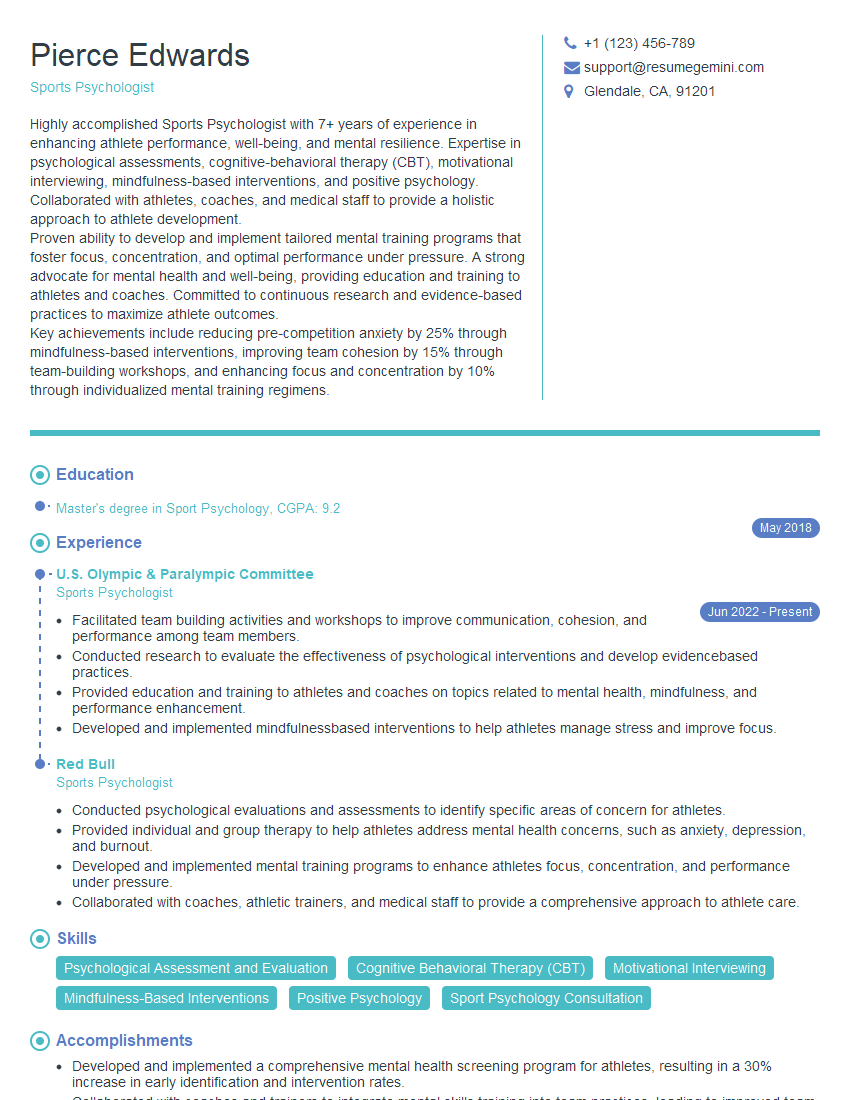
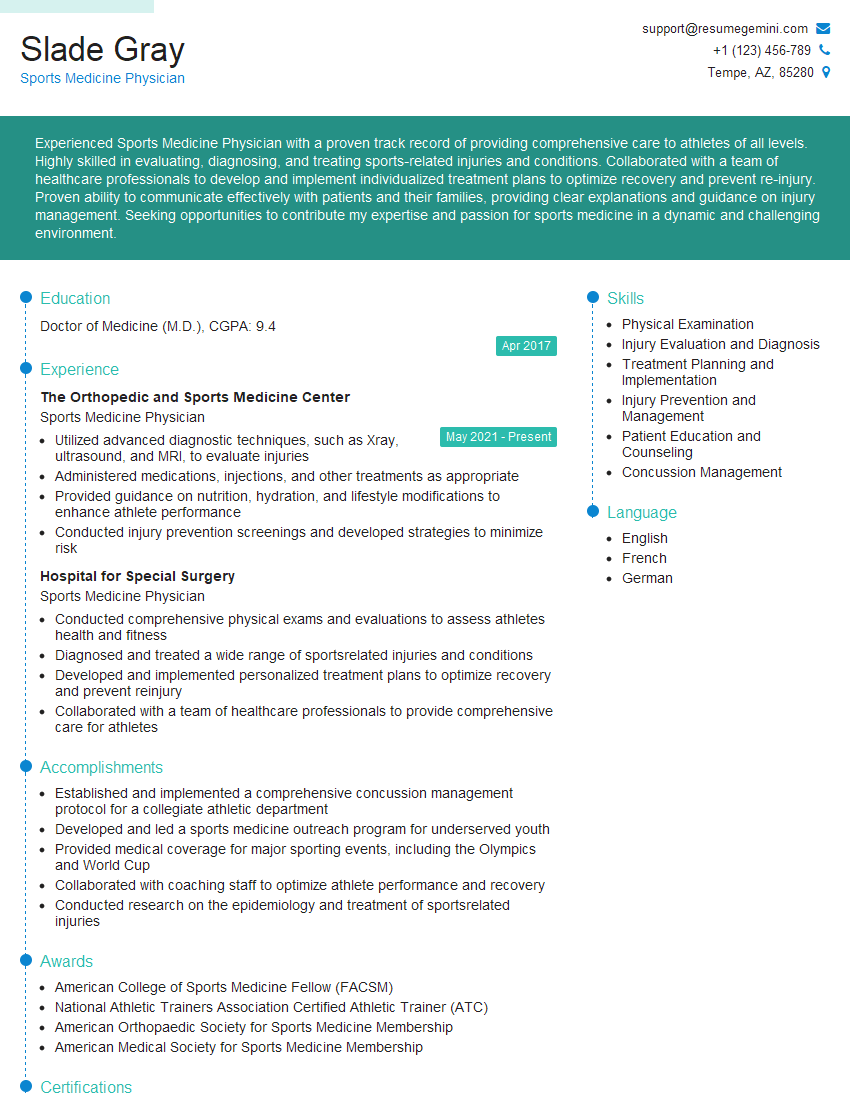
Mastering knowledge of medical and injury management issues in hockey is crucial for career advancement in sports medicine, athletic training, and related fields. A strong understanding of these topics demonstrates your competence and commitment to player well-being. To maximize your job prospects, create an ATS-friendly resume that effectively highlights your skills and experience. ResumeGemini is a trusted resource that can help you build a professional and impactful resume tailored to the specific requirements of this field. Examples of resumes tailored to Knowledge of medical and injury management issues in hockey are available to guide you in this process. Take the next step and build a resume that showcases your expertise!
Explore more articles
Users Rating of Our Blogs
Share Your Experience
We value your feedback! Please rate our content and share your thoughts (optional).
What Readers Say About Our Blog
Very informative content, great job.
good