Every successful interview starts with knowing what to expect. In this blog, we’ll take you through the top Nutrition and Supplement Knowledge interview questions, breaking them down with expert tips to help you deliver impactful answers. Step into your next interview fully prepared and ready to succeed.
Questions Asked in Nutrition and Supplement Knowledge Interview
Q 1. Explain the difference between macronutrients and micronutrients.
Macronutrients and micronutrients are both essential components of a healthy diet, but they differ significantly in the amounts we need and their roles in the body. Macronutrients are required in large quantities and provide energy: these are carbohydrates, proteins, and fats. Micronutrients, on the other hand, are needed in much smaller amounts, and they primarily function as catalysts in various metabolic processes. Think of it like this: macronutrients are the building blocks of your house, providing the bulk of the structure, while micronutrients are the electrical wiring, plumbing, and other vital systems that make the house function.
- Macronutrients: These provide calories and are crucial for energy production, growth, and repair. We measure them in grams.
- Micronutrients: These are vitamins and minerals, essential for various bodily functions, but not a source of energy. We measure them in milligrams or micrograms.
Q 2. Describe the role of protein in the body.
Protein is a fundamental building block of life. It’s composed of amino acids, and its role extends far beyond just muscle growth. Think of proteins as the versatile Lego bricks of our bodies. They’re used to build and repair tissues, create enzymes and hormones, transport substances within the blood, and even participate in immune function.
- Tissue Repair and Growth: Protein is essential for repairing damaged tissues, like muscles after exercise, or skin after a cut. This is why athletes and individuals recovering from surgery often require a higher protein intake.
- Enzyme and Hormone Production: Many enzymes, which catalyze biochemical reactions, and hormones, which regulate various bodily functions, are proteins. For example, insulin, a crucial hormone for regulating blood sugar, is a protein.
- Immune Function: Antibodies, which fight off infections, are proteins. A sufficient protein intake is vital for maintaining a strong immune system.
Q 3. What are the essential fatty acids and their importance?
Essential fatty acids (EFAs) are fats our bodies can’t produce on their own, so we must obtain them from our diet. These are crucial for various bodily functions, influencing everything from brain health to inflammation. There are two main types:
- Omega-3 Fatty Acids: These are known for their anti-inflammatory effects. Examples include EPA (eicosapentaenoic acid) and DHA (docosahexaenoic acid), found in fatty fish like salmon, and ALA (alpha-linolenic acid), found in flaxseeds and walnuts.
- Omega-6 Fatty Acids: While essential, an imbalance between omega-6 and omega-3 intake can contribute to inflammation. Linoleic acid (LA) is a key omega-6 fatty acid found in vegetable oils.
A proper balance of omega-3 and omega-6 fatty acids is crucial for optimal health. An overconsumption of omega-6, often found in processed foods, can contribute to chronic inflammation.
Q 4. Explain the function of carbohydrates in providing energy.
Carbohydrates are the body’s primary source of energy. They’re broken down into glucose, a simple sugar that fuels cells. Think of glucose as the gasoline that powers our bodies. When we consume carbohydrates, our digestive system breaks them down into glucose, which is then absorbed into the bloodstream. This glucose is then used by cells for energy or stored as glycogen in the liver and muscles for later use.
- Simple Carbohydrates: These are quickly digested and absorbed, leading to rapid spikes in blood sugar. Examples include table sugar, fruit juices, and candy.
- Complex Carbohydrates: These are digested more slowly, providing a sustained release of energy. Examples include whole grains, fruits, vegetables, and legumes.
Prioritizing complex carbohydrates over simple carbohydrates is vital for maintaining stable blood sugar levels and preventing energy crashes.
Q 5. What are the recommended daily allowances (RDAs) for key vitamins and minerals?
Recommended Daily Allowances (RDAs) vary depending on age, sex, and overall health. It’s crucial to consult a healthcare professional or registered dietitian for personalized recommendations. However, I can provide some general guidelines. These are *not* a substitute for professional advice.
Note: These are examples and may not encompass all vitamins and minerals. RDAs are constantly being reviewed and updated by organizations like the Institute of Medicine.
- Vitamin D: The RDA varies significantly by age and sun exposure. Adults generally need around 600 IU, but this can be higher.
- Calcium: Crucial for bone health. The RDA is approximately 1000mg for adults.
- Iron: Essential for oxygen transport. The RDA differs between men and women (men typically require less).
- Vitamin B12: Important for nerve function and red blood cell production. The RDA is typically around 2.4 mcg for adults.
Q 6. Discuss the importance of fiber in the diet.
Fiber, a type of carbohydrate the body can’t digest, is crucial for digestive health and overall well-being. Think of fiber as the broom that sweeps your digestive system clean. It adds bulk to the stool, making it easier to pass and preventing constipation. Soluble fiber dissolves in water, forming a gel-like substance that can help lower cholesterol. Insoluble fiber adds bulk to the stool, promoting regularity.
- Improved Digestive Health: Fiber promotes regular bowel movements, prevents constipation, and can alleviate symptoms of irritable bowel syndrome (IBS).
- Cholesterol Regulation: Soluble fiber can bind to cholesterol in the digestive tract, preventing its absorption and helping to lower blood cholesterol levels.
- Blood Sugar Control: Fiber slows down the absorption of sugar into the bloodstream, helping to prevent blood sugar spikes and crashes.
Q 7. What are the potential risks associated with vitamin and mineral deficiencies?
Vitamin and mineral deficiencies can have a wide range of serious consequences, impacting various systems in the body. The severity of the effects depends on the specific nutrient and the degree of deficiency. Early detection and intervention are key.
- Anemia: Iron deficiency leads to anemia, characterized by fatigue, weakness, and shortness of breath.
- Rickets/Osteomalacia: Vitamin D deficiency can lead to weakened bones in children (rickets) and adults (osteomalacia).
- Scurvy: Vitamin C deficiency results in scurvy, causing bleeding gums, fatigue, and impaired wound healing.
- Neural Tube Defects: Folic acid deficiency during pregnancy increases the risk of neural tube defects in the developing fetus.
- Immune Dysfunction: Deficiencies in various vitamins and minerals, such as zinc and vitamin A, can impair immune function, increasing susceptibility to infections.
It’s important to note that severe deficiencies can have long-term and potentially irreversible health consequences. A balanced diet and, if necessary, supplementation under the guidance of a healthcare professional can help prevent these issues.
Q 8. Explain the concept of glycemic index (GI) and glycemic load (GL).
The glycemic index (GI) and glycemic load (GL) are two important concepts in understanding how carbohydrates affect blood sugar levels. The glycemic index (GI) ranks carbohydrate-containing foods on a scale of 0 to 100 based on how quickly they raise blood glucose levels after ingestion. Pure glucose has a GI of 100, serving as the reference point. Foods with a high GI (70 or above) cause a rapid and significant spike in blood sugar, while low-GI foods (55 or below) lead to a slower, more gradual increase.
For example, white bread has a high GI, whereas whole-wheat bread has a lower GI. This is because the fiber and other nutrients in whole-wheat bread slow down the digestion and absorption of glucose.
The glycemic load (GL) takes into account both the GI of a food and the amount of carbohydrates in a serving. It provides a more comprehensive picture of a food’s impact on blood sugar. GL is calculated by multiplying the GI of a food by the number of grams of carbohydrates per serving and then dividing by 100. A food with a high GL contributes significantly to a rise in blood sugar. For instance, a small serving of candy might have a high GI and a relatively low GL, whereas a large serving of pasta could have a moderate GI but a high GL.
Understanding GI and GL is crucial for managing blood sugar levels, especially for individuals with diabetes or insulin resistance. Dietitians use this knowledge to help clients make informed food choices and manage their carbohydrate intake effectively.
Q 9. How do you assess a client’s nutritional needs?
Assessing a client’s nutritional needs involves a comprehensive approach combining several methods. It’s not just about what they eat, but understanding the ‘why’ behind their dietary choices and current health status.
- Detailed Dietary History: This involves a thorough review of their current eating habits, including food frequency, portion sizes, and preparation methods. We use tools like food frequency questionnaires or 24-hour dietary recalls.
- Anthropometric Measurements: This includes height, weight, body mass index (BMI), waist circumference, and other relevant measurements to assess their body composition and potential health risks.
- Biochemical Data: Blood tests can reveal important information about nutrient levels, organ function, and metabolic processes. For example, measuring hemoglobin A1c for diabetes risk or lipid panels for cardiovascular health.
- Physical Examination: A visual assessment of the client’s overall health, observing signs of deficiencies or excesses, such as skin conditions or edema.
- Lifestyle Assessment: This encompasses factors like physical activity level, stress levels, smoking habits, sleep patterns, and medication use, all of which impact nutritional needs. For example, a highly active individual will require more calories than someone with a sedentary lifestyle.
- Client Interview: A critical component is open communication, understanding their goals, preferences, any dietary restrictions or allergies, cultural background, and their level of motivation to make changes. This helps tailor a plan that aligns with their individual circumstances and preferences.
By integrating these elements, I build a holistic picture of my client’s nutritional status and needs, leading to a personalized and effective dietary plan.
Q 10. Describe different methods for measuring body composition.
Several methods exist for measuring body composition, each with its own advantages and limitations:
- Bioelectrical Impedance Analysis (BIA): This non-invasive technique measures the resistance of electrical currents passing through the body. Fat tissue has higher resistance than lean tissue, allowing for an estimation of body fat percentage. It’s relatively inexpensive and easy to use but can be influenced by hydration status and other factors.
- Skinfold Calipers: This involves measuring the thickness of subcutaneous fat at various body sites using specialized calipers. It’s a relatively inexpensive method but requires trained personnel for accurate measurements and the results can vary depending on the technician’s skill.
- Underwater Weighing (Hydrostatic Weighing): This technique determines body density by measuring weight in air and underwater. It’s considered a gold standard method but requires specialized equipment and is not easily accessible.
- Air Displacement Plethysmography (Bod Pod): This method uses air displacement to measure body volume, which is then used to calculate body density and fat percentage. It’s more convenient than underwater weighing but still requires specialized equipment.
- Dual-Energy X-ray Absorptiometry (DEXA): Considered the most accurate method, DEXA uses low-dose X-rays to scan the body and differentiate between bone mineral, lean tissue, and fat mass. It’s expensive and requires specialized equipment found mainly in clinical settings.
The choice of method depends on factors such as cost, availability, accuracy requirements, and client preferences. Often, a combination of methods may provide the most comprehensive assessment.
Q 11. What are some common dietary assessment tools?
Several dietary assessment tools help gather information about a client’s eating habits. The choice depends on the research question, resources available, and the client’s characteristics:
- 24-Hour Dietary Recall: Clients recall everything they ate and drank in the past 24 hours. Simple to administer but susceptible to recall bias and may not represent usual intake.
- Food Frequency Questionnaires (FFQs): Clients report how often they consume specific foods over a specified period. More efficient than 24-hour recalls but may lack detail on portion sizes.
- Food Records/Diaries: Clients record everything they eat and drink over several days or weeks. Provides detailed information but requires client cooperation and is time-consuming.
- Direct Observation: Observing clients’ eating habits in their natural environment, which can be useful for specific populations like children or those with swallowing difficulties. Time-consuming and expensive, often only done for research purposes.
- Duplicate Food Collection: Clients collect and weigh all their food waste over several days. Provides highly accurate data, but it’s costly and invasive.
Often, a combination of methods is used to minimize biases and maximize accuracy.
Q 12. Explain the concept of Basal Metabolic Rate (BMR).
Basal Metabolic Rate (BMR) is the number of calories your body burns at rest to maintain basic functions like breathing, circulation, and cell repair. It’s the minimum energy expenditure required to keep your body functioning. Factors influencing BMR include age, sex, body composition (muscle mass vs. fat mass), genetics, and thyroid hormone levels. A higher BMR means your body burns more calories even when at rest. For instance, individuals with more muscle mass tend to have a higher BMR than those with less muscle mass.
Think of it like the engine of your car idling; even when stationary, it consumes fuel (calories) to keep running.
Q 13. How do you calculate Total Daily Energy Expenditure (TDEE)?
Total Daily Energy Expenditure (TDEE) represents the total number of calories your body burns in a day, encompassing BMR plus energy expenditure from physical activity and thermic effect of food (TEF). TEF is the energy used to digest, absorb, and metabolize food.
Calculating TDEE often involves using an equation or online calculator. The most common approach involves:
- Determine BMR: This can be estimated using equations that incorporate factors like age, sex, weight, and height (e.g., Mifflin-St Jeor equation). Several online calculators provide estimates.
- Calculate Activity Level: This factor accounts for the energy expenditure due to physical activity. It’s often expressed as a multiplier based on activity levels (sedentary, lightly active, moderately active, very active, extra active).
- Add TEF: The thermic effect of food typically accounts for 10% of the total daily energy expenditure.
- Calculate TDEE: TDEE = BMR x Activity Multiplier + TEF
For example: If a person’s BMR is 1500 calories, their activity multiplier is 1.5 (moderately active), and TEF is 150 calories (10% of BMR): TDEE = 1500 x 1.5 + 150 = 2400 calories.
This calculation provides an estimate. Actual energy expenditure can vary based on individual factors and the accuracy of the estimation methods.
Q 14. Discuss the role of antioxidants in health.
Antioxidants are substances that protect your cells against damage caused by unstable molecules called free radicals. Free radicals are produced during normal metabolic processes and are also triggered by environmental factors like pollution and UV radiation. They can damage cells, leading to oxidative stress which is implicated in various chronic diseases. Antioxidants neutralize free radicals by donating electrons, preventing them from damaging cells.
Examples of antioxidants include vitamins C and E, beta-carotene, selenium, and various phytochemicals found in fruits, vegetables, and other plant-based foods. Their role in health is multifaceted:
- Protection against chronic diseases: Oxidative stress contributes to the development of diseases like heart disease, cancer, Alzheimer’s, and type 2 diabetes. Antioxidants help mitigate this risk.
- Immune system support: A healthy immune system is vital for fighting off infections. Antioxidants play a supporting role in immune function.
- Reducing inflammation: Chronic inflammation is a contributor to many health problems. Antioxidants can help regulate inflammation.
- Improving skin health: Oxidative stress damages skin cells. Antioxidants are often included in skincare products to protect against UV damage and improve skin appearance.
While antioxidants are beneficial, it’s important to obtain them through a balanced diet rather than relying solely on supplements. A diet rich in colorful fruits and vegetables provides a wide range of antioxidants and other essential nutrients.
Q 15. What are the potential benefits and risks of dietary supplements?
Dietary supplements, while potentially beneficial, come with a range of risks. The benefits depend heavily on individual needs and the specific supplement. For example, Vitamin D supplementation can significantly improve bone health in individuals with deficiencies, while omega-3 fatty acids may support heart health. However, over-supplementation can lead to adverse effects. Too much Vitamin D can cause hypercalcemia (high blood calcium), and excessive omega-3s can increase bleeding risk.
- Potential Benefits: Addressing nutrient deficiencies, supporting specific health goals (e.g., improved immunity, better sleep), enhancing athletic performance.
- Potential Risks: Interactions with medications, allergic reactions, toxicity from excessive intake, lack of quality control in manufacturing, mislabeling, and unsubstantiated health claims.
It’s crucial to remember that supplements are not a replacement for a balanced diet and regular exercise. They should be considered only after consulting a healthcare professional, especially if you have pre-existing conditions or are taking other medications.
Career Expert Tips:
- Ace those interviews! Prepare effectively by reviewing the Top 50 Most Common Interview Questions on ResumeGemini.
- Navigate your job search with confidence! Explore a wide range of Career Tips on ResumeGemini. Learn about common challenges and recommendations to overcome them.
- Craft the perfect resume! Master the Art of Resume Writing with ResumeGemini’s guide. Showcase your unique qualifications and achievements effectively.
- Don’t miss out on holiday savings! Build your dream resume with ResumeGemini’s ATS optimized templates.
Q 16. How do you evaluate the quality and safety of dietary supplements?
Evaluating supplement quality and safety involves a multi-faceted approach. First, look for third-party certifications like USP (United States Pharmacopeia) verification. This indicates that the product meets specific standards for purity, potency, and disintegration. Then, examine the label carefully. It should list all ingredients with their quantities, and avoid vague or misleading claims.
- Check the Manufacturing Practices: Look for information on Good Manufacturing Practices (GMP) compliance. GMP certification ensures the product is made under strict quality controls.
- Scrutinize the Ingredient List: Be aware of potential allergens or additives. Also check for the presence of fillers or binders that might not be beneficial.
- Research the Brand’s Reputation: Look for reviews and feedback from reputable sources.
- Consult a Healthcare Professional: Always discuss supplement use with your doctor or a registered dietitian, especially if you’re on other medications.
For example, I recently worked with a client who was taking a high-potency multivitamin. We discovered that the supplement contained significantly more Vitamin A than indicated on the label. By carefully reviewing the supplement’s details and comparing it with other brands, we found a more trustworthy option. This highlights the importance of comprehensive evaluation.
Q 17. Describe the regulatory landscape for dietary supplements.
The regulatory landscape for dietary supplements in many countries, including the United States, is significantly different from that of pharmaceuticals. Unlike prescription drugs, dietary supplements are not subject to the same rigorous pre-market approval process. The Dietary Supplement Health and Education Act of 1994 (DSHEA) established a framework for these products.
- Pre-Market Approval: Unlike drugs, supplements don’t require FDA pre-approval before hitting the market.
- Manufacturer Responsibility: Manufacturers are responsible for ensuring their products are safe and that their labels are accurate.
- Post-Market Surveillance: The FDA can take action against products if evidence of safety concerns or misleading claims emerges after market release.
- Health Claims: Claims made on supplement labels are subject to regulation, with restrictions on unsubstantiated health claims. The FDA can issue warning letters if it determines a claim is false or misleading.
This regulatory structure places a greater burden on consumers to carefully evaluate products and seek guidance from healthcare professionals. The lack of pre-market approval means that quality and safety can vary significantly across brands, necessitating thorough scrutiny by consumers and healthcare practitioners.
Q 18. Explain the difference between fat-soluble and water-soluble vitamins.
The key difference between fat-soluble and water-soluble vitamins lies in how they are absorbed, stored, and excreted by the body. Fat-soluble vitamins (A, D, E, and K) are absorbed with dietary fats and stored in the liver and fatty tissues. This means they can accumulate in the body, potentially leading to toxicity with excessive intake. Water-soluble vitamins (B vitamins and vitamin C) are readily absorbed into the bloodstream and are easily excreted in urine. Excess amounts are typically not stored, reducing the risk of toxicity but requiring regular intake.
- Fat-Soluble Vitamins: Stored in the body, potential for toxicity with high intake, require fat for absorption.
- Water-Soluble Vitamins: Not stored significantly, less risk of toxicity, readily excreted in urine.
Think of it like this: fat-soluble vitamins are like oil – they don’t mix easily with water and tend to stick around. Water-soluble vitamins are like sugar – they dissolve quickly and are easily flushed out.
Q 19. What are the potential interactions between medications and dietary supplements?
Medications and dietary supplements can interact in various ways, sometimes with serious consequences. These interactions can alter the effectiveness of medications, increase the risk of side effects, or even lead to dangerous complications. Some supplements can inhibit or induce the enzymes that metabolize drugs, affecting their levels in the body. Others might directly interact with a specific drug’s mechanism of action.
- Enzyme Inhibition/Induction: Some supplements can interfere with how the body processes medications, either slowing down or speeding up their metabolism.
- Additive or Antagonistic Effects: Supplements might enhance or counteract the effects of a medication, leading to either over or under-treatment.
- Increased Risk of Side Effects: A combination of supplements and medications can increase the likelihood of experiencing side effects.
For example, St. John’s Wort, a herbal supplement, is known to induce certain liver enzymes, which can reduce the effectiveness of many medications, including birth control pills and some antidepressants. It’s absolutely crucial to inform your healthcare provider about all supplements you’re taking before starting or changing any medication.
Q 20. How do you address misinformation related to nutrition and supplements?
Addressing misinformation regarding nutrition and supplements requires a multi-pronged approach focusing on critical evaluation of sources, education, and empowering individuals to make informed decisions.
- Identify the Source: Determine the credibility of the source. Is it a peer-reviewed journal, a reputable organization, or an individual with relevant expertise? Be wary of biased or unverified information.
- Check for Scientific Evidence: Look for studies supporting the claims made. Anecdotal evidence is not sufficient to prove efficacy or safety.
- Consider the Context: The context in which information is presented can influence its interpretation. Be aware of potential biases or marketing tactics.
- Educate Yourself and Others: Utilize reliable sources of information, such as government health websites and professional organizations, to learn about nutrition and supplements.
A helpful strategy is to teach people to question the source and evidence, fostering critical thinking. By promoting health literacy and access to reliable resources, we can effectively combat the spread of misinformation.
Q 21. What is your approach to designing a personalized nutrition plan?
Designing a personalized nutrition plan involves a holistic approach that considers individual needs, preferences, and health goals. It begins with a comprehensive assessment to understand the client’s current dietary habits, health status, lifestyle, and preferences.
- Assessment: This includes a detailed dietary history, physical examination, and possibly blood tests or other diagnostic tools to assess nutritional status.
- Goal Setting: Clearly defined and achievable goals are essential – be it weight management, improved energy levels, or managing a chronic condition.
- Dietary Recommendations: Based on the assessment and goals, a personalized dietary plan is developed incorporating culturally appropriate and enjoyable foods. This plan may include recommendations for specific nutrient intakes, meal timing, and food choices.
- Monitoring and Adjustment: Regular follow-up appointments are crucial to monitor progress, address challenges, and adjust the plan as needed.
For instance, I worked with a client who was a vegetarian athlete trying to improve endurance. Her assessment revealed a Vitamin B12 deficiency, a common concern among vegetarians. We adjusted her diet to include B12-rich foods and supplements, optimized her carbohydrate intake for endurance, and tailored her meal timing to enhance energy levels. The process is highly iterative, requiring careful monitoring and adaptation.
Q 22. Describe your experience with different types of diets (e.g., ketogenic, vegan, Mediterranean).
My experience encompasses a wide range of dietary approaches, each with its own nutritional benefits and challenges. I’ve worked extensively with clients following ketogenic, vegan, and Mediterranean diets, tailoring my advice to their individual needs and health goals.
Ketogenic Diet: I’ve helped clients understand the principles of ketosis – the metabolic state where the body burns fat for energy – focusing on appropriate macronutrient ratios (high fat, moderate protein, very low carbohydrate), managing potential side effects like the “keto flu,” and ensuring adequate micronutrient intake. I emphasize the importance of sustainable keto, avoiding restrictive approaches that can lead to nutrient deficiencies.
Vegan Diet: With vegan clients, I address the potential for deficiencies in vitamin B12, vitamin D, iron, zinc, and omega-3 fatty acids, providing guidance on supplementation and strategic food choices to ensure optimal nutrient intake. I help them plan meals to ensure sufficient protein and create balanced, flavorful meals.
Mediterranean Diet: I advise clients on this heart-healthy approach emphasizing whole grains, fruits, vegetables, legumes, nuts, and olive oil. I emphasize the importance of portion control and mindful eating, highlighting the benefits for weight management, cardiovascular health, and overall well-being. I often incorporate culturally appropriate recipes and cooking methods to enhance adherence.
Understanding the nuances of each diet allows me to provide personalized recommendations and address potential challenges effectively. For instance, I might help a vegan athlete optimize their protein intake or guide a client on the ketogenic diet to avoid nutrient deficiencies through strategic food choices and supplements.
Q 23. How do you counsel clients on making sustainable dietary changes?
Sustainable dietary changes aren’t about quick fixes; they’re about building lasting habits. I employ a collaborative, client-centered approach focusing on small, achievable goals. It’s not about complete overhauls, but gradual, incremental shifts.
Goal Setting: We work together to establish realistic, specific, measurable, achievable, relevant, and time-bound (SMART) goals. For example, instead of aiming for a complete overhaul, we might start with adding one serving of vegetables to each meal.
Mindful Eating: I teach clients mindful eating techniques – paying attention to hunger and fullness cues, savoring food without distractions, and recognizing emotional eating patterns. This helps them build a healthier relationship with food.
Behavior Modification: I utilize strategies like habit stacking (linking a new behavior to an existing one) and reward systems to reinforce positive changes. For example, rewarding themselves after a week of sticking to their goals with a non-food related treat.
Personalized Plans: I create personalized plans considering their lifestyle, preferences, and cultural background, making the process less daunting and more enjoyable. This might involve incorporating their favorite recipes or finding healthy alternatives to their favorite comfort foods.
Regular Check-ins: Consistent follow-ups and monitoring provide support, address challenges, and make adjustments as needed, ensuring the plan remains relevant and effective. This ensures clients feel supported and empowered throughout the process.
The key is to foster self-efficacy and empower clients to make informed choices, resulting in sustained, positive dietary changes.
Q 24. Explain the importance of hydration and its role in overall health.
Hydration is fundamental to overall health, impacting nearly every bodily function. Water plays crucial roles in:
Temperature Regulation: Water helps maintain body temperature through sweating.
Nutrient Transport: It carries nutrients to cells and removes waste products.
Joint Lubrication: Adequate hydration keeps joints lubricated and functioning smoothly.
Organ Function: Kidneys, liver, and other organs require sufficient water for optimal performance.
Energy Levels: Dehydration can lead to fatigue and reduced cognitive function.
Physical Performance: Proper hydration is vital for athletic performance and recovery.
Dehydration, even mild, can negatively impact energy levels, cognitive function, and physical performance. I counsel clients on strategies for optimal hydration, considering factors such as activity level, climate, and overall health. I emphasize drinking water throughout the day rather than relying on thirst as a sole indicator of hydration needs.
Q 25. How do you stay current with the latest research in nutrition and supplements?
Staying current in nutrition and supplements requires a multifaceted approach. I utilize several strategies:
Peer-Reviewed Journals: I regularly review peer-reviewed journals such as the American Journal of Clinical Nutrition and the Journal of the Academy of Nutrition and Dietetics to stay abreast of the latest research findings.
Professional Organizations: Active membership in professional organizations like the Academy of Nutrition and Dietetics provides access to continuing education opportunities, webinars, and newsletters featuring cutting-edge research.
Conferences and Workshops: Attending nutrition conferences and workshops allows me to network with colleagues and learn about the latest advancements in the field directly from leading experts.
Reputable Online Resources: I carefully select reputable online resources like the National Institutes of Health (NIH) and credible university websites, avoiding unreliable or biased sources.
Critical Evaluation: It’s vital to critically evaluate information, considering study design, sample size, and potential conflicts of interest before integrating new research into my practice.
This commitment to ongoing learning ensures I provide clients with evidence-based advice, always emphasizing a cautious approach to supplement use and prioritizing whole-foods nutrition.
Q 26. Describe your experience with creating educational materials related to nutrition.
I have extensive experience developing educational materials on various nutrition topics. My materials are designed to be accessible, engaging, and evidence-based.
Client Handouts: I create customized handouts tailored to specific client needs, providing practical information on topics like meal planning, healthy eating on a budget, or understanding food labels.
Workshops and Presentations: I regularly conduct workshops and presentations for both individual clients and community groups on various topics, utilizing visual aids and interactive activities to enhance engagement.
Blog Posts and Articles: I contribute articles and blog posts to share my expertise with a wider audience, addressing common nutrition questions and debunking myths.
Recipe Development: I develop healthy and delicious recipes that align with clients’ dietary needs and preferences, making healthy eating more appealing and approachable.
Visual Aids: I use infographics, charts, and videos to simplify complex information and make it more memorable.
My goal is to empower individuals with the knowledge and tools they need to make informed choices about their nutrition.
Q 27. What software or tools do you use for tracking client progress?
I utilize several software and tools to track client progress effectively:
Electronic Health Records (EHR): A secure system to store client information, progress notes, and dietary plans.
Spreadsheet Software (e.g., Excel, Google Sheets): For tracking key metrics such as weight, body measurements, and blood work results.
Nutrition Analysis Software: To assess dietary intake and ensure clients meet their nutrient requirements.
Client Portals: Secure platforms for communication, sharing educational resources, and accessing progress reports.
Fitness Tracking Apps (with client permission): To integrate physical activity data with nutritional information for a holistic view of client progress.
Data privacy and security are paramount, and I strictly adhere to all relevant regulations when using these tools. The combination of these tools allows for a comprehensive and efficient tracking system, enabling me to provide personalized feedback and adjust plans as necessary.
Q 28. How do you handle challenging client situations or resistance to dietary changes?
Handling resistance to dietary changes requires empathy, understanding, and a collaborative approach. I avoid judgmental language and focus on building rapport and trust.
Identify Underlying Concerns: I begin by exploring the reasons behind the resistance, addressing concerns about taste, convenience, cost, or social factors that might be hindering progress. This often involves active listening and open-ended questions.
Collaborative Problem-Solving: Instead of dictating changes, I work collaboratively with clients to find solutions that fit their lifestyle. This may involve modifying the plan, finding healthier alternatives to their favorite foods, or addressing practical challenges.
Celebrate Small Wins: Acknowledging and celebrating even small successes helps reinforce positive behaviors and motivates continued progress.
Adjust Expectations: Sometimes, adjusting goals to make them more realistic and attainable is necessary. This is a process of ongoing adjustment and refinement, not a rigid, inflexible plan.
Referral to Other Professionals: If the resistance stems from deeper psychological or emotional issues, referring the client to a therapist or counselor may be appropriate.
Ultimately, creating a supportive and understanding environment is crucial in overcoming resistance. My aim is to empower clients to take control of their health, fostering self-efficacy and a sense of agency.
Key Topics to Learn for Nutrition and Supplement Knowledge Interview
- Macronutrient Metabolism: Understand the metabolic pathways of carbohydrates, proteins, and fats, including their roles in energy production and storage. Consider practical applications like designing meal plans based on individual metabolic needs.
- Micronutrient Functions & Deficiencies: Master the roles of vitamins and minerals in bodily functions and the consequences of deficiencies. Be prepared to discuss how these deficiencies manifest and how they can be addressed through dietary modifications or supplementation.
- Dietary Guidelines & Recommendations: Familiarize yourself with current dietary guidelines (e.g., Dietary Guidelines for Americans) and their applications to various populations (e.g., athletes, pregnant women, older adults). Practice applying these guidelines to create balanced meal plans.
- Supplement Science & Safety: Understand the science behind various supplements, including their mechanisms of action, potential benefits, and risks. Be able to critically evaluate supplement claims and identify potential interactions with medications or other supplements.
- Nutritional Assessment & Counseling: Learn about different methods of nutritional assessment (e.g., dietary recall, biochemical tests) and techniques for providing effective nutritional counseling. Consider ethical considerations in providing advice.
- Weight Management Strategies: Understand the principles of effective weight management, including the role of diet, exercise, and behavior modification. Be ready to discuss different approaches and their effectiveness.
- Sports Nutrition: (Optional, depending on the role) Explore the nutritional needs of athletes, including considerations for energy balance, hydration, and specific nutrient requirements based on activity level and type.
- Functional Foods & Nutraceuticals: (Optional, depending on the role) Understand the concept of functional foods and nutraceuticals and their potential health benefits. Be prepared to discuss examples and their scientific basis.
Next Steps
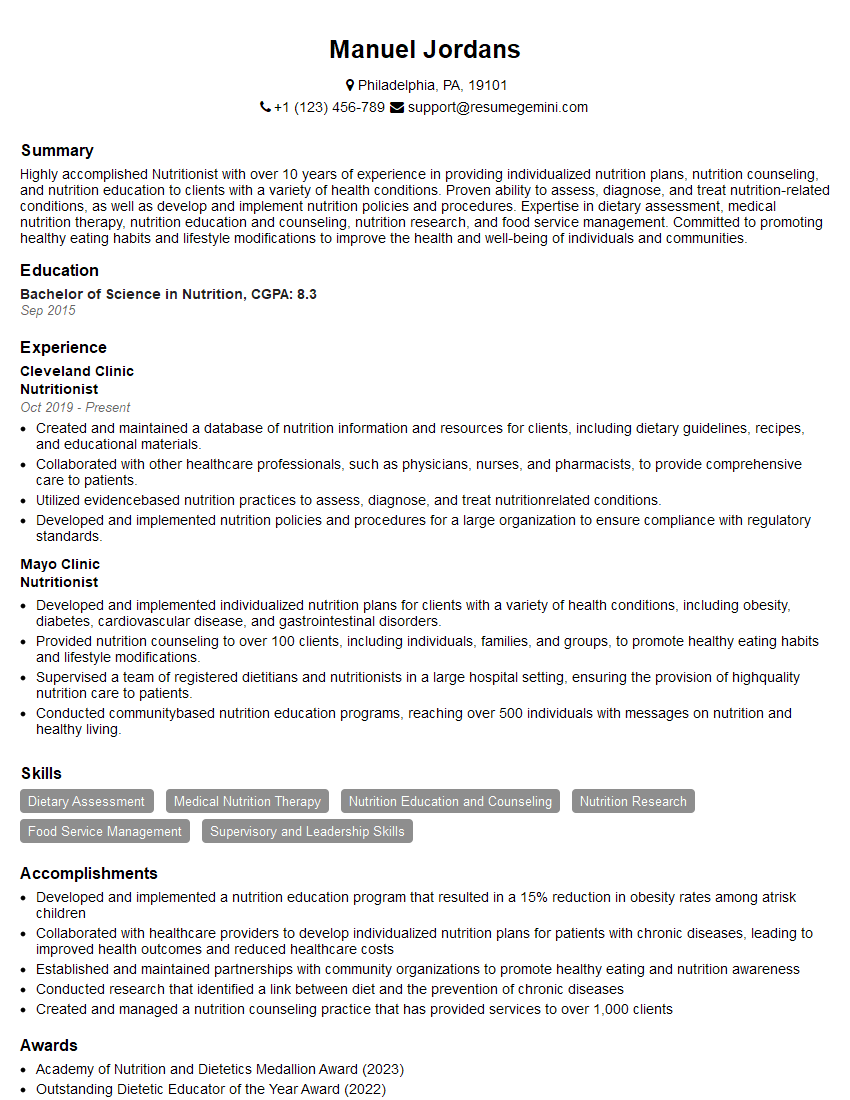
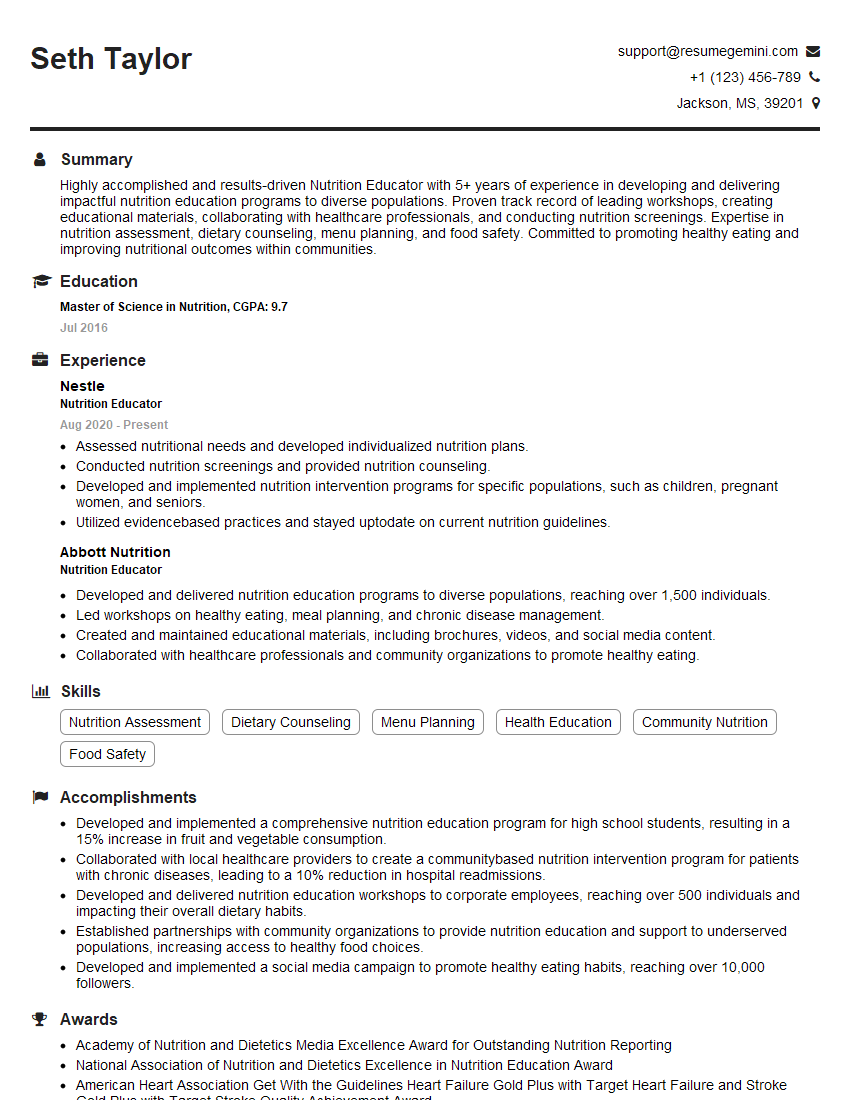
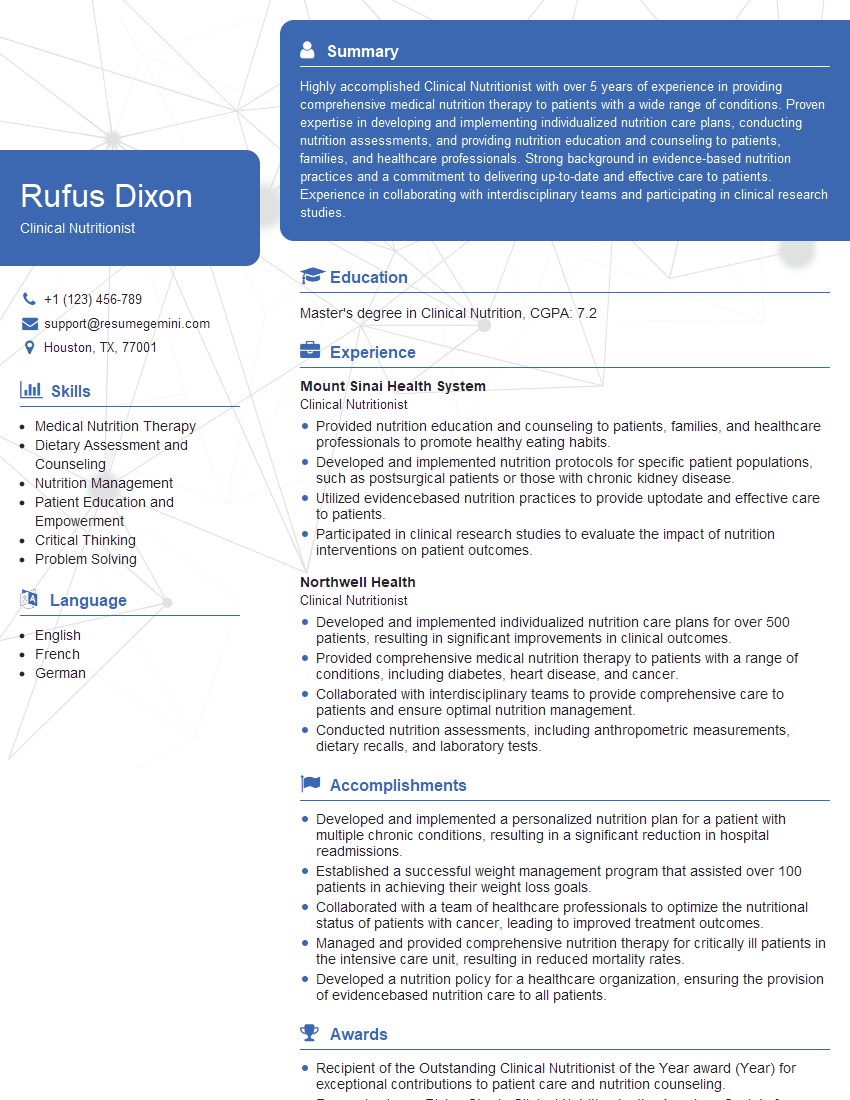
Mastering Nutrition and Supplement Knowledge is crucial for career advancement in this dynamic field. A strong understanding of these concepts will significantly enhance your interview performance and demonstrate your expertise to potential employers. To increase your job prospects, focus on building an ATS-friendly resume that highlights your skills and experience effectively. ResumeGemini is a trusted resource that can help you create a professional and impactful resume. They offer examples of resumes tailored to Nutrition and Supplement Knowledge to guide you through the process. Invest time in crafting a compelling resume – it’s your first impression!
Explore more articles
Users Rating of Our Blogs
Share Your Experience
We value your feedback! Please rate our content and share your thoughts (optional).
What Readers Say About Our Blog
Attention music lovers!
Wow, All the best Sax Summer music !!!
Spotify: https://open.spotify.com/artist/6ShcdIT7rPVVaFEpgZQbUk
Apple Music: https://music.apple.com/fr/artist/jimmy-sax-black/1530501936
YouTube: https://music.youtube.com/browse/VLOLAK5uy_noClmC7abM6YpZsnySxRqt3LoalPf88No
Other Platforms and Free Downloads : https://fanlink.tv/jimmysaxblack
on google : https://www.google.com/search?q=22+AND+22+AND+22
on ChatGPT : https://chat.openai.com?q=who20jlJimmy20Black20Sax20Producer
Get back into the groove with Jimmy sax Black
Best regards,
Jimmy sax Black
www.jimmysaxblack.com
Hi I am a troller at The aquatic interview center and I suddenly went so fast in Roblox and it was gone when I reset.
Hi,
Business owners spend hours every week worrying about their website—or avoiding it because it feels overwhelming.
We’d like to take that off your plate:
$69/month. Everything handled.
Our team will:
Design a custom website—or completely overhaul your current one
Take care of hosting as an option
Handle edits and improvements—up to 60 minutes of work included every month
No setup fees, no annual commitments. Just a site that makes a strong first impression.
Find out if it’s right for you:
https://websolutionsgenius.com/awardwinningwebsites
Hello,
we currently offer a complimentary backlink and URL indexing test for search engine optimization professionals.
You can get complimentary indexing credits to test how link discovery works in practice.
No credit card is required and there is no recurring fee.
You can find details here:
https://wikipedia-backlinks.com/indexing/
Regards
NICE RESPONSE TO Q & A
hi
The aim of this message is regarding an unclaimed deposit of a deceased nationale that bears the same name as you. You are not relate to him as there are millions of people answering the names across around the world. But i will use my position to influence the release of the deposit to you for our mutual benefit.
Respond for full details and how to claim the deposit. This is 100% risk free. Send hello to my email id: lukachachibaialuka@gmail.com
Luka Chachibaialuka
Hey interviewgemini.com, just wanted to follow up on my last email.
We just launched Call the Monster, an parenting app that lets you summon friendly ‘monsters’ kids actually listen to.
We’re also running a giveaway for everyone who downloads the app. Since it’s brand new, there aren’t many users yet, which means you’ve got a much better chance of winning some great prizes.
You can check it out here: https://bit.ly/callamonsterapp
Or follow us on Instagram: https://www.instagram.com/callamonsterapp
Thanks,
Ryan
CEO – Call the Monster App
Hey interviewgemini.com, I saw your website and love your approach.
I just want this to look like spam email, but want to share something important to you. We just launched Call the Monster, a parenting app that lets you summon friendly ‘monsters’ kids actually listen to.
Parents are loving it for calming chaos before bedtime. Thought you might want to try it: https://bit.ly/callamonsterapp or just follow our fun monster lore on Instagram: https://www.instagram.com/callamonsterapp
Thanks,
Ryan
CEO – Call A Monster APP
To the interviewgemini.com Owner.
Dear interviewgemini.com Webmaster!
Hi interviewgemini.com Webmaster!
Dear interviewgemini.com Webmaster!
excellent
Hello,
We found issues with your domain’s email setup that may be sending your messages to spam or blocking them completely. InboxShield Mini shows you how to fix it in minutes — no tech skills required.
Scan your domain now for details: https://inboxshield-mini.com/
— Adam @ InboxShield Mini
support@inboxshield-mini.com
Reply STOP to unsubscribe
Hi, are you owner of interviewgemini.com? What if I told you I could help you find extra time in your schedule, reconnect with leads you didn’t even realize you missed, and bring in more “I want to work with you” conversations, without increasing your ad spend or hiring a full-time employee?
All with a flexible, budget-friendly service that could easily pay for itself. Sounds good?
Would it be nice to jump on a quick 10-minute call so I can show you exactly how we make this work?
Best,
Hapei
Marketing Director
Hey, I know you’re the owner of interviewgemini.com. I’ll be quick.
Fundraising for your business is tough and time-consuming. We make it easier by guaranteeing two private investor meetings each month, for six months. No demos, no pitch events – just direct introductions to active investors matched to your startup.
If youR17;re raising, this could help you build real momentum. Want me to send more info?
Hi, I represent an SEO company that specialises in getting you AI citations and higher rankings on Google. I’d like to offer you a 100% free SEO audit for your website. Would you be interested?
Hi, I represent an SEO company that specialises in getting you AI citations and higher rankings on Google. I’d like to offer you a 100% free SEO audit for your website. Would you be interested?