Cracking a skill-specific interview, like one for Weapon System Employment, requires understanding the nuances of the role. In this blog, we present the questions you’re most likely to encounter, along with insights into how to answer them effectively. Let’s ensure you’re ready to make a strong impression.
Questions Asked in Weapon System Employment Interview
Q 1. Describe your experience with different weapon system platforms.
My experience encompasses a broad range of weapon system platforms, from ground-based artillery systems like the M777 howitzer to air-launched munitions such as the AIM-120 AMRAAM and naval systems including the Phalanx CIWS. I’ve worked extensively with their operation, maintenance, and integration within larger combat systems. For example, during my time at [Previous Employer Name], I was responsible for the operational readiness of a fleet of Patriot missile batteries. This involved overseeing preventative maintenance, conducting performance testing, and troubleshooting system malfunctions. My experience with the M777 involved extensive field training, focusing on accurate fire control and effective coordination within a larger artillery group. With the AIM-120, my focus was on understanding its capabilities within a multi-layered air defense system and integrating it effectively with other sensors and effectors. Each system presented unique challenges and opportunities in terms of tactical employment and logistical considerations.
Q 2. Explain the process of target acquisition and engagement.
Target acquisition and engagement is a multi-stage process that relies heavily on sensor integration and effective communication. It begins with intelligence gathering, which might involve reconnaissance drones, satellite imagery, or human intelligence to identify potential targets. This information is then fed into a sensor system—radar, electro-optical sensors, or sonar—to locate and track the target. This data undergoes sensor fusion, combining inputs from different sources for a more accurate picture. Next comes target identification, ensuring the target is legitimate and warrants engagement, and avoiding collateral damage. Finally, the weapon system is aimed and fired, based on calculated trajectories and firing solutions, with continuous monitoring for accuracy and effectiveness. For instance, in an air-to-air engagement, a pilot might use radar to acquire a target, verify the identity via visual confirmation, and then launch an AIM-120 missile using the missile’s onboard guidance system to complete the engagement. The process requires constant feedback loops, adjusting for factors like wind, atmospheric conditions, and target maneuverability.
Q 3. How would you troubleshoot a malfunctioning weapon system component?
Troubleshooting a malfunctioning weapon system component follows a systematic approach. First, I’d isolate the problem by reviewing operational logs and diagnostic data. This data might pinpoint the faulty component. I then use built-in test equipment (BITE) to identify the specific fault. For example, if a missile’s guidance system is failing, BITE diagnostics might reveal a faulty gyroscope. If BITE is inconclusive, I move to more advanced diagnostics, potentially involving specialized tools and software. Once the malfunctioning component is identified, I would consult technical manuals and repair procedures. This might involve replacing the defective part or performing more complex repairs. Throughout the process, safety protocols are paramount, ensuring the weapon system is rendered safe before any maintenance is undertaken. Following repair, rigorous testing is performed to ensure the system is fully operational and meets performance standards. Documenting every step of the troubleshooting process is crucial for future reference and to improve maintenance practices.
Q 4. What are the key performance indicators (KPIs) for a weapon system?
Key Performance Indicators (KPIs) for a weapon system vary depending on its intended role, but several common metrics are crucial. These include: Accuracy (how precisely the weapon hits its target), Reliability (how often the weapon functions correctly), Availability (how often the weapon system is ready for use), Mean Time Between Failures (MTBF), Mean Time To Repair (MTTR), lethality (the weapon’s ability to inflict damage) and Cost-Effectiveness (the balance between effectiveness and operating costs). For example, a surface-to-air missile system’s KPIs might prioritize high reliability, rapid target acquisition, and a high kill probability. In contrast, a precision-guided bomb might focus on accuracy and minimizing collateral damage. Tracking these KPIs allows for performance assessment, identifying areas for improvement, and justifying resource allocation.
Q 5. Discuss the importance of system reliability and maintainability.
System reliability and maintainability are paramount for effective weapon system operation. High reliability ensures the weapon functions as intended when needed, reducing mission failure risk. Maintainability influences how quickly and easily the system can be restored to operational status after a malfunction. A reliable system minimizes downtime, maximizing its operational readiness. Easy maintainability reduces repair time and costs. Consider a scenario where a tank’s main gun malfunctions during combat: a highly reliable system will minimize the chance of failure, while high maintainability will allow for a swift repair, enabling the tank to resume combat quickly. These factors directly influence a weapon system’s overall effectiveness and its contribution to mission success.
Q 6. How do you ensure the safety and security of weapon systems?
Ensuring the safety and security of weapon systems involves multiple layers of protection. These include stringent physical security measures, such as secured storage facilities, access control systems, and surveillance technologies, to prevent unauthorized access or theft. Cybersecurity is crucial to prevent hacking or manipulation of the system’s control systems. Regular software updates and vulnerability assessments are essential. Strict operational procedures and comprehensive training for personnel are vital to minimize accidental discharges or misuse. Proper armourers, responsible for the safe handling and maintenance of weaponry, are essential. Finally, adhering to national and international arms control treaties and regulations ensures responsible handling and prevents the proliferation of dangerous weapons.
Q 7. Describe your experience with weapon system integration and testing.
My experience with weapon system integration and testing spans various phases, from initial system design and component testing to final system verification and validation. I’ve participated in the integration of numerous sensors, effectors, and command-and-control systems into larger weapon platforms. During the testing phase, I’ve conducted extensive simulations, both in laboratory settings and in field exercises, replicating diverse operational scenarios. This involved assessing performance, identifying deficiencies, and refining system design. For instance, during the integration of a new fire control system onto an existing artillery platform, I was responsible for verifying the accuracy and reliability of the system under various environmental conditions. This involved meticulous data collection, analysis, and reporting to ensure the integrated system met performance specifications. Successful weapon system integration and testing require a collaborative approach, involving engineers, technicians, and operational personnel, demanding a clear understanding of systems engineering principles and meticulous attention to detail.
Q 8. Explain your understanding of different targeting modes (e.g., active, passive).
Targeting modes define how a weapon system acquires and tracks a target. They are broadly categorized into active and passive systems, each with strengths and weaknesses.
- Active Targeting: The weapon system emits energy (e.g., radar, laser) to illuminate the target and determine its location. This provides precise targeting but also reveals the weapon system’s position to the enemy. Think of a spotlight – it clearly illuminates the target but also reveals the spotlight’s location. Examples include radar-guided missiles or laser-designated bombs.
- Passive Targeting: The weapon system relies on energy emitted or reflected by the target itself (e.g., heat signature, radio waves). This is stealthier as it doesn’t emit energy to reveal its location, but it can be less precise and vulnerable to countermeasures like chaff or flares. Imagine a hunter tracking prey by its footprints – it’s stealthy, but finding the exact location may take more time and effort. Examples include infrared-guided missiles or some types of anti-radiation missiles.
- Semi-Active Targeting: This combines elements of both. A separate illuminator (e.g., another aircraft or ground-based radar) illuminates the target, and the weapon uses this reflected energy to guide itself to the target. This offers a balance between precision and stealth, as the weapon itself is not actively emitting targeting energy. Think of a friend shining a light on the target while you use a tracking device to navigate to it.
The choice of targeting mode depends heavily on the mission, threat environment, and available resources. For example, a stealth aircraft might prefer passive or semi-active modes to avoid detection, while a close-air support mission might utilize active targeting for precise strikes on known enemy positions.
Q 9. How familiar are you with various types of munitions and their effects?
My familiarity with munitions extends across various types and their effects. Understanding these effects is crucial for effective weapon system employment.
- High-Explosive (HE): Designed for maximum blast and fragmentation effects, HE munitions are effective against lightly armored targets, personnel, and fortifications. The blast effect creates a shockwave that damages structures and kills personnel, while fragmentation creates a wide-area effect with numerous deadly projectiles.
- Incendiary: These munitions cause fires, devastating both personnel and equipment. They are particularly effective against fuel depots, forested areas, and flammable materials.
- Shaped Charge: Utilizing the Munroe effect, shaped charges focus explosive energy into a high-velocity jet capable of penetrating heavily armored targets. They are commonly used in anti-tank weapons.
- Cluster Munitions: These release numerous smaller submunitions over a wide area. While effective against area targets, they pose significant risks to civilians due to their wide dispersion and potential for unexploded ordnance.
- Guided Munitions: These incorporate guidance systems (GPS, laser, etc.) allowing for precise targeting, minimizing collateral damage and maximizing effectiveness. This technology has greatly increased the precision and lethality of modern weaponry.
The selection of a munition is determined by the target type, the desired effect, and the operational environment. For example, a shaped-charge warhead would be appropriate for targeting a tank, whereas an HE munition might be chosen for destroying a building.
Q 10. Explain your knowledge of weapon system effectiveness assessments.
Weapon system effectiveness assessments are crucial for evaluating a weapon’s performance and identifying areas for improvement. This involves a multifaceted approach.
- Probability of Kill (Pk): This metric quantifies the likelihood of a single weapon successfully neutralizing a target under specified conditions. It considers factors such as weapon accuracy, target vulnerability, and environmental influences.
- Lethality: This refers to the weapon’s capability to inflict damage, encompassing its destructive power, range, and accuracy.
- Survivability: This metric assesses the weapon system’s ability to withstand enemy actions, encompassing its resistance to countermeasures, its defense systems, and its ability to operate in harsh environments.
- Cost-Effectiveness: This considers the weapon’s acquisition cost, operational costs, and effectiveness in relation to its price. This is essential for optimizing resource allocation.
- Reliability: This measures the consistent functionality of the weapon system, encompassing its mean time between failures (MTBF) and mean time to repair (MTTR). High reliability is vital for operational success.
Assessments often involve simulations, field tests, and data analysis. For example, analyzing Pk data from a recent engagement can highlight areas needing improvement in weapon accuracy or target acquisition.
Q 11. Describe your experience with simulation and modeling of weapon systems.
I have extensive experience with weapon system simulation and modeling using various software packages (e.g., MATLAB, Six Sigma). These tools are invaluable for:
- Testing and Evaluation: Simulations allow for the testing of different scenarios, weapon configurations, and tactics without the cost and risk of live-fire exercises. This helps optimize weapon employment strategies and identify potential vulnerabilities.
- Training: Simulations provide a safe and realistic environment for training personnel on weapon system operation, maintenance, and employment. This improves proficiency and reduces risk in real-world operations.
- Predictive Analysis: Modeling helps forecast weapon system performance under various conditions, such as different target types, environmental factors, and adversary countermeasures. This helps inform procurement decisions and operational planning.
For example, I’ve used simulations to analyze the effectiveness of different targeting algorithms for an air-to-ground missile, comparing their performance under various levels of electronic countermeasures.
// Example Code Snippet (Conceptual): // Simulate missile trajectory under varying wind conditions function simulateTrajectory(windSpeed, windDirection){ // ... complex calculations ... return finalPosition; }
Q 12. How do you prioritize system upgrades and maintenance?
Prioritizing system upgrades and maintenance requires a balanced approach, considering several factors.
- Operational Urgency: Addressing critical system failures that directly impact operational readiness is paramount. This might involve immediate repairs or emergency procurement of spare parts.
- Risk Assessment: Analyzing the potential consequences of system failures, identifying vulnerabilities, and prioritizing upgrades based on the likelihood and severity of the potential impact.
- Cost-Benefit Analysis: Evaluating the cost of upgrades or maintenance against the benefits gained in terms of improved performance, increased reliability, or reduced risks. This ensures efficient resource allocation.
- Life-Cycle Costs: Considering not just the initial costs of upgrades but also their long-term implications on maintenance and operational costs.
- Technological Advancements: Evaluating the potential benefits of incorporating new technologies, but only when they demonstrably improve performance or reliability and are cost-effective.
A prioritization matrix or a similar framework can be employed to systematically rank upgrades and maintenance tasks according to their urgency, risk, and cost-effectiveness. This ensures that resources are allocated efficiently and effectively.
Q 13. Discuss the impact of technological advancements on weapon systems.
Technological advancements have revolutionized weapon systems, significantly impacting their capabilities and effectiveness.
- Precision-Guided Munitions (PGMs): PGMs have drastically reduced collateral damage and increased the accuracy of strikes, improving the effectiveness of military operations.
- Network-Centric Warfare: The ability to share real-time information across multiple platforms has enhanced situational awareness and coordination, allowing for more effective joint operations.
- Artificial Intelligence (AI): AI is being increasingly incorporated into weapon systems for tasks like target identification, autonomous navigation, and threat assessment, leading to increased efficiency and lethality.
- Hypersonics: The development of hypersonic weapons poses significant challenges to current defense systems, potentially altering the balance of power.
- Cyber Warfare: The increasing reliance on networked systems makes weapon systems vulnerable to cyberattacks, requiring robust cybersecurity measures.
The integration of these advancements, however, necessitates careful consideration of their ethical implications, potential vulnerabilities, and the need for robust training and maintenance programs.
Q 14. How would you handle a critical system failure in a high-pressure situation?
Handling a critical system failure in a high-pressure situation requires a calm, methodical approach.
- Assessment: Quickly assess the nature and extent of the failure, identifying the affected systems and their impact on overall functionality.
- Emergency Procedures: Initiate pre-defined emergency procedures specific to the failed system. This often involves switching to backup systems or implementing contingency plans.
- Damage Control: Implement measures to mitigate further damage or escalation of the situation. This could involve isolating affected components or implementing safety protocols.
- Communication: Maintain clear and concise communication with all relevant personnel, including command, maintenance crews, and support teams.
- Problem Solving: Based on the available information and resources, work to diagnose the root cause of the failure and implement a solution. This could involve troubleshooting, repairs, or temporary workarounds.
- Documentation: Meticulously document the failure, corrective actions, and lessons learned to improve future preparedness and prevent recurrence.
A successful response hinges on thorough training, well-defined emergency procedures, and clear communication protocols. Past experiences, simulations, and regular drills are essential for developing the necessary skills and reflexes to effectively handle such events.
Q 15. Describe your understanding of weapon system lifecycle management.
Weapon system lifecycle management (WSLM) encompasses all activities from initial concept and design through production, deployment, operation, maintenance, upgrades, and eventual disposal. Think of it like the life cycle of a car, but much more complex and with far higher stakes. It’s a continuous process, demanding careful planning and execution at each stage.
- Concept & Design: Defining requirements, conducting feasibility studies, and creating detailed designs.
- Production: Manufacturing the weapon system, including testing and quality control.
- Deployment: Delivering and integrating the system into its operational environment.
- Operation & Maintenance: Utilizing the system, performing routine maintenance, and addressing any failures.
- Upgrades & Modernization: Implementing enhancements to improve capabilities and extend the system’s lifespan. This is crucial given the rapidly evolving technological landscape.
- Disposal: Safely decommissioning and disposing of the system at the end of its service life, in accordance with environmental regulations and security protocols.
Effective WSLM requires a strong collaborative effort across various stakeholders, including engineers, logisticians, procurement specialists, and end-users. A well-managed lifecycle ensures the weapon system meets its performance objectives, remains cost-effective throughout its life, and adheres to safety and security regulations.
Career Expert Tips:
- Ace those interviews! Prepare effectively by reviewing the Top 50 Most Common Interview Questions on ResumeGemini.
- Navigate your job search with confidence! Explore a wide range of Career Tips on ResumeGemini. Learn about common challenges and recommendations to overcome them.
- Craft the perfect resume! Master the Art of Resume Writing with ResumeGemini’s guide. Showcase your unique qualifications and achievements effectively.
- Don’t miss out on holiday savings! Build your dream resume with ResumeGemini’s ATS optimized templates.
Q 16. Explain your experience with data analysis related to weapon systems performance.
My experience with data analysis in weapon systems performance revolves around extracting actionable insights from large datasets to optimize system effectiveness, predict potential failures, and inform decision-making. I’ve utilized statistical modeling, machine learning techniques, and data visualization tools to analyze data from various sources, including flight tests, simulations, and operational feedback.
For instance, in one project, I analyzed sensor data from a missile defense system to identify patterns that predicted system failures before they occurred. This allowed for proactive maintenance, reducing downtime and improving overall system reliability. Another project involved analyzing engagement data to optimize targeting algorithms, resulting in a significant improvement in hit probability.
My approach typically involves: data cleaning and preprocessing, exploratory data analysis to identify patterns and trends, building predictive models, and finally, visualizing results for clear communication to stakeholders. I am proficient in tools such as R, Python (with libraries like Pandas, Scikit-learn, and Matplotlib), and specialized defense-related software.
Q 17. How do you stay up-to-date on the latest advancements in weapon technology?
Staying current in the rapidly evolving field of weapon technology requires a multifaceted approach. I actively participate in industry conferences and workshops, attending presentations and engaging with experts from academia, industry, and government. Trade publications, professional journals, and online resources are essential for keeping up with the latest research and developments.
Furthermore, I maintain a network of contacts in the field, exchanging information and insights through professional organizations and informal communication. This network provides valuable perspectives and often leads to early awareness of emerging trends. Finally, I actively seek out opportunities to participate in research projects and development efforts, which provides firsthand experience with cutting-edge technologies.
Q 18. What are the ethical considerations involved in weapon system development and use?
Ethical considerations are paramount in weapon system development and use. We must consider the potential for unintended harm, the impact on civilian populations, and the broader implications for international security and stability. This includes:
- Minimizing civilian casualties: Designing systems with features that reduce the risk of collateral damage.
- Compliance with international law: Ensuring that weapon systems adhere to international humanitarian law and the laws of armed conflict.
- Responsible use of autonomous weapons systems: Addressing the ethical challenges posed by AI and autonomous systems, including issues of accountability and potential for bias.
- Transparency and accountability: Establishing clear lines of responsibility and ensuring transparency in the development and deployment of weapon systems.
- Arms control and non-proliferation: Contributing to efforts to prevent the proliferation of weapons of mass destruction and other dangerous technologies.
These ethical considerations are not merely abstract principles; they directly impact the design, development, and use of weapon systems and must be integrated into every stage of the lifecycle. Failing to do so can have devastating consequences.
Q 19. Describe your experience with communication and collaboration in a weapons system team.
Effective communication and collaboration are crucial within a weapons system team. I’ve worked on multidisciplinary teams involving engineers, scientists, logisticians, and program managers. My approach emphasizes clear and concise communication, active listening, and respectful collaboration. I’m adept at translating technical information into accessible language for non-technical stakeholders, fostering a shared understanding of project goals and challenges.
In previous projects, I utilized various communication tools, including project management software, collaborative platforms, and regular team meetings, to ensure seamless information flow and coordinated effort. Conflict resolution is also a key skill; I have a history of addressing disagreements constructively, focusing on finding mutually agreeable solutions while upholding project deadlines and standards.
Q 20. How do you balance cost, performance, and risk in weapon system decisions?
Balancing cost, performance, and risk is a constant challenge in weapon system decisions. It often requires making trade-offs, as optimizing one factor may compromise another. I approach this challenge using a structured decision-making framework that considers:
- Defining clear performance requirements: Establishing specific, measurable, achievable, relevant, and time-bound (SMART) goals.
- Cost estimation and analysis: Developing realistic cost models that account for all aspects of the system’s lifecycle.
- Risk assessment and mitigation: Identifying and evaluating potential risks, developing strategies to mitigate those risks, and establishing contingency plans.
- Trade-off analysis: Exploring different design options and evaluating the trade-offs between cost, performance, and risk.
- Sensitivity analysis: Assessing the impact of changes in key parameters on the overall cost, performance, and risk profile.
Ultimately, the goal is to find the optimal solution that meets the mission needs within budgetary constraints and acceptable risk levels. This often involves iterative refinement and continuous monitoring throughout the system’s lifecycle.
Q 21. Explain your understanding of different weapon system architectures.
Weapon system architectures can vary significantly depending on the mission requirements and technological capabilities. Some common architectures include:
- Modular Architecture: Components are designed as independent modules that can be easily replaced, upgraded, or reconfigured. This offers flexibility and reduces lifecycle costs. Example: A fighter jet with interchangeable weapon pods.
- Hierarchical Architecture: Systems are organized in a hierarchical structure with a central control unit managing lower-level components. This simplifies control and coordination. Example: A missile defense system with a central command center managing multiple interceptor missiles.
- Network-centric Architecture: Systems are interconnected through a network, allowing for distributed sensing, processing, and control. This enhances situational awareness and coordination. Example: A modern battlefield management system where all elements of the force can share data.
- Open Architecture: Systems are designed using open standards, allowing for interoperability with other systems and easier integration of new technologies. This increases flexibility and extends the system’s lifespan. Example: A system designed to integrate new sensors and communication equipment as technology advances.
The choice of architecture significantly impacts the system’s performance, maintainability, and scalability. Understanding the strengths and weaknesses of different architectures is critical for successful weapon system development and deployment.
Q 22. How would you manage a project involving the integration of multiple weapon systems?
Managing the integration of multiple weapon systems is a complex undertaking requiring meticulous planning and execution. It’s akin to orchestrating a symphony – each instrument (weapon system) must play its part in harmony to achieve the overall objective. My approach involves a phased methodology, starting with a comprehensive needs analysis to define system requirements and interoperability standards.
- Requirements Definition: This critical first step involves detailed analysis of each weapon system’s capabilities, limitations, and interfaces. We’d create a System Requirements Specification (SRS) document, outlining the desired functionality and performance metrics of the integrated system.
- Interface Design and Development: This stage focuses on designing the communication protocols and data exchange mechanisms between the different systems. This might involve developing custom software interfaces or adapting existing ones to ensure seamless data flow. For example, integrating a radar system with a missile guidance system requires precise data transfer about target location and trajectory. Failure here can lead to catastrophic consequences.
- Testing and Verification: Rigorous testing is crucial throughout the integration process. We’d conduct unit tests on individual system components, integration tests to verify communication and data exchange, and finally system tests to evaluate the overall performance of the integrated system under various operational scenarios. This includes simulation-based testing and potentially live-fire exercises.
- Documentation and Training: Comprehensive documentation is paramount. This includes system architecture diagrams, interface specifications, operational procedures, and troubleshooting guides. Similarly, well-structured training programs for personnel are vital to ensure proper operation and maintenance of the integrated system.
A successful integration project hinges on effective communication, collaboration, and a rigorous approach to risk management. I’ve successfully managed similar projects, leveraging my expertise in systems engineering, software development, and project management to ensure timely and effective integration of diverse weapon systems.
Q 23. Discuss your experience with various communication protocols used in weapon systems.
My experience encompasses a wide range of communication protocols used in weapon systems, from legacy systems to modern, high-speed networks. These protocols are critical for data exchange, command and control, and situational awareness. Understanding their strengths and weaknesses is essential for successful system operation.
- MIL-STD-1553B: A widely used military standard for high-speed data bus communication. It’s robust and reliable but can be complex to implement and maintain.
- Ethernet: Increasingly common in modern weapon systems, offering high bandwidth and flexibility. However, its susceptibility to cyberattacks needs careful consideration.
- AFDX (Avionics Full Duplex Switched Ethernet): A deterministic Ethernet variant designed for real-time applications, particularly relevant in aerospace and naval systems. It provides guaranteed bandwidth and low latency, crucial for critical control applications.
- Wireless Protocols (e.g., Tactical Data Links): Used for communication between platforms and units, often employing encryption and secure protocols to maintain confidentiality and integrity. Examples include Link-16 and various other data links tailored to specific military needs. They’re particularly valuable in dispersed operational environments.
The selection of appropriate communication protocols depends on the specific requirements of the weapon system, considering factors like bandwidth, latency, security, and reliability. I have practical experience selecting and implementing these protocols across several different projects. For example, I once oversaw the migration from MIL-STD-1553B to AFDX in a fighter jet’s avionics system, improving both performance and maintainability.
Q 24. Explain your knowledge of cybersecurity threats to weapon systems and mitigation strategies.
Cybersecurity threats to weapon systems are a critical concern, as a successful attack could have devastating consequences. These threats range from simple denial-of-service attacks to sophisticated intrusions aimed at manipulating system functionality or stealing sensitive data. My approach to mitigating these risks is multifaceted and proactive.
- Network Segmentation: Dividing the weapon system network into isolated segments limits the impact of a breach. This prevents an attacker from gaining access to the entire system by compromising a single component.
- Intrusion Detection and Prevention Systems (IDS/IPS): These systems monitor network traffic for suspicious activity and can automatically block or alert on potential threats. They act as a crucial first line of defense.
- Regular Security Audits and Penetration Testing: Identifying vulnerabilities proactively is paramount. This involves periodic security assessments to check for known vulnerabilities and penetration tests to simulate real-world attacks.
- Secure Software Development Practices: Secure coding practices, including rigorous code reviews, vulnerability analysis, and software updates, are essential to minimize software vulnerabilities. Using secure programming languages and frameworks is also a significant factor.
- Access Control: Strict access control measures, such as multi-factor authentication and role-based access control, are crucial to limiting who can access sensitive system components and data. The principle of least privilege should be strictly enforced.
Addressing cybersecurity threats requires a holistic approach, encompassing hardware, software, and operational security. My experience includes developing and implementing cybersecurity plans for several critical weapon systems, ensuring their resilience against a range of threats.
Q 25. Describe your experience with the development and use of weapon system documentation.
Weapon system documentation is not just a formality; it’s the bedrock of safe, reliable, and maintainable operation. It’s the single source of truth, guiding everything from initial design to eventual decommissioning.
- Technical Manuals: These detailed guides cover system architecture, component specifications, operational procedures, maintenance instructions, and troubleshooting techniques. They are crucial for technicians and operators.
- System Design Documents: These capture the high-level design choices, rationale, and tradeoffs made during the system’s development. They serve as valuable reference points for future modifications and upgrades.
- Software Documentation: Includes source code comments, design specifications, test plans, and user manuals for the software components of the weapon system.
- Training Materials: Essential for effective operator training, encompassing both theoretical knowledge and hands-on practice. This could include simulators, interactive modules, and practical exercises.
I’ve been involved in creating and updating documentation for a variety of weapon systems, emphasizing clarity, accuracy, and completeness. A well-structured and easily navigable document set significantly reduces operational errors and speeds up troubleshooting. I have even led efforts to digitize documentation and implement version control systems to ensure documents are always up-to-date and accessible. For example, I implemented a knowledge management system for a large-scale missile defense system, significantly improving the efficiency of maintenance and repair operations.
Q 26. How familiar are you with different types of sensors and their applications in weapon systems?
Sensors are the eyes and ears of a weapon system, providing critical information about the environment and targets. My familiarity extends across a wide spectrum of sensor technologies and their specific applications.
- Radar: Used for target detection, tracking, and ranging. Different types of radar exist, each with unique capabilities. For instance, active electronically scanned array (AESA) radars offer enhanced performance and flexibility.
- Electro-Optical (EO) Sensors: These include cameras, infrared (IR) sensors, and laser rangefinders. EO sensors are invaluable for target identification and tracking, especially in low-light or adverse weather conditions.
- Acoustic Sensors (Sonar): Primarily used in underwater applications for detecting submarines and other underwater targets. Different frequencies and sonar types are used depending on the mission requirements.
- Infrared (IR) Sensors: Detect heat signatures, providing a means for target acquisition even in darkness or through obscurants like smoke or fog. They are crucial for night vision and guided missile targeting.
- Magnetic Sensors: Detect changes in the Earth’s magnetic field, used in navigation and detecting certain types of metal objects.
Sensor integration requires careful consideration of sensor characteristics, data fusion techniques, and platform limitations. I’ve worked on projects involving the integration of multiple sensor types to improve situational awareness and enhance weapon system effectiveness. For example, I helped develop a data fusion algorithm that combined radar and EO sensor data to improve target tracking accuracy in a complex urban environment.
Q 27. Explain your understanding of the legal and regulatory aspects of weapon systems.
Understanding the legal and regulatory aspects of weapon systems is crucial for ethical and responsible development and deployment. This includes compliance with international treaties, national laws, and export control regulations.
- International Humanitarian Law (IHL): Weapon systems must be designed and used in accordance with IHL, which aims to minimize harm to civilians and protect non-combatants. This involves considering factors like proportionality and distinction.
- Export Control Regulations: The transfer of weapon systems and related technology is subject to strict controls to prevent proliferation and ensure responsible use. These regulations vary by country and are complex to navigate.
- National Security Regulations: National laws govern the development, testing, and deployment of weapon systems, often involving security clearances and stringent oversight. This includes managing sensitive information and ensuring compliance with data protection regulations.
- Environmental Regulations: The environmental impact of weapon system production, testing, and deployment must be considered, including the potential for pollution and waste disposal. Compliance with environmental laws is critical.
I’ve consistently worked within the legal and regulatory framework, ensuring that all projects adhered to national and international standards. This requires thorough knowledge of relevant laws and regulations, ongoing monitoring of changes, and close collaboration with legal experts. Understanding this domain is not just a compliance requirement; it’s essential for ethical and responsible innovation.
Q 28. Describe your experience with the training and development of personnel using weapon systems.
Training and development of personnel are vital for effective weapon system operation and maintenance. Effective training ensures safe and efficient use, minimizes errors, and maximizes the system’s effectiveness.
- Curriculum Development: Creating comprehensive training programs that cover both theoretical knowledge and practical skills. This would involve designing training materials, selecting appropriate training methods, and tailoring the program to meet the specific needs of the target audience.
- Simulator-Based Training: Employing simulators to provide realistic training environments for operators without the risks and costs associated with live exercises. This can encompass both individual and team training scenarios.
- Hands-on Training: Practical training on real weapon systems, supervised by experienced instructors. This is crucial for developing proficiency in operating and maintaining the system.
- Continuing Education: Providing opportunities for ongoing professional development to keep personnel up-to-date on the latest technologies and operational procedures. This ensures they remain proficient throughout their career.
- Performance Evaluation: Implementing mechanisms for assessing trainee performance and identifying areas for improvement. This helps to ensure that training is effective and that personnel meet the required proficiency levels.
I’ve been involved in the design and delivery of training programs for diverse personnel, from junior technicians to senior commanders. My approach focuses on a blended learning methodology combining classroom instruction, simulation, and practical exercises to create a comprehensive and engaging learning experience. For example, I helped develop a virtual reality-based training program for an advanced missile system which dramatically reduced training time and increased operator proficiency.
Key Topics to Learn for Weapon System Employment Interview
- System Architecture and Design: Understanding the overall structure and functionality of weapon systems, including hardware and software components. This includes analyzing system diagrams and understanding interoperability.
- Operational Procedures and Tactics: Familiarize yourself with standard operating procedures, deployment strategies, and tactical considerations for effective weapon system utilization. Consider real-world scenarios and how the system would function within them.
- Maintenance and Logistics: Gain a solid understanding of the maintenance cycles, logistical requirements, and supply chain management associated with weapon systems. This includes preventative maintenance and troubleshooting common issues.
- Safety and Security Protocols: Thoroughly understand the safety regulations and security protocols surrounding the handling, operation, and maintenance of weapon systems. This includes risk assessment and mitigation strategies.
- Technological Advancements: Stay updated on current and emerging technologies impacting weapon systems. Be prepared to discuss the implications of new technologies and their potential applications.
- Problem-Solving and Troubleshooting: Practice your ability to identify, diagnose, and resolve technical problems related to weapon systems. Develop a structured approach to troubleshooting complex issues.
- Teamwork and Communication: Highlight your experience working effectively in teams, communicating technical information clearly, and collaborating with diverse individuals to achieve common goals.
Next Steps
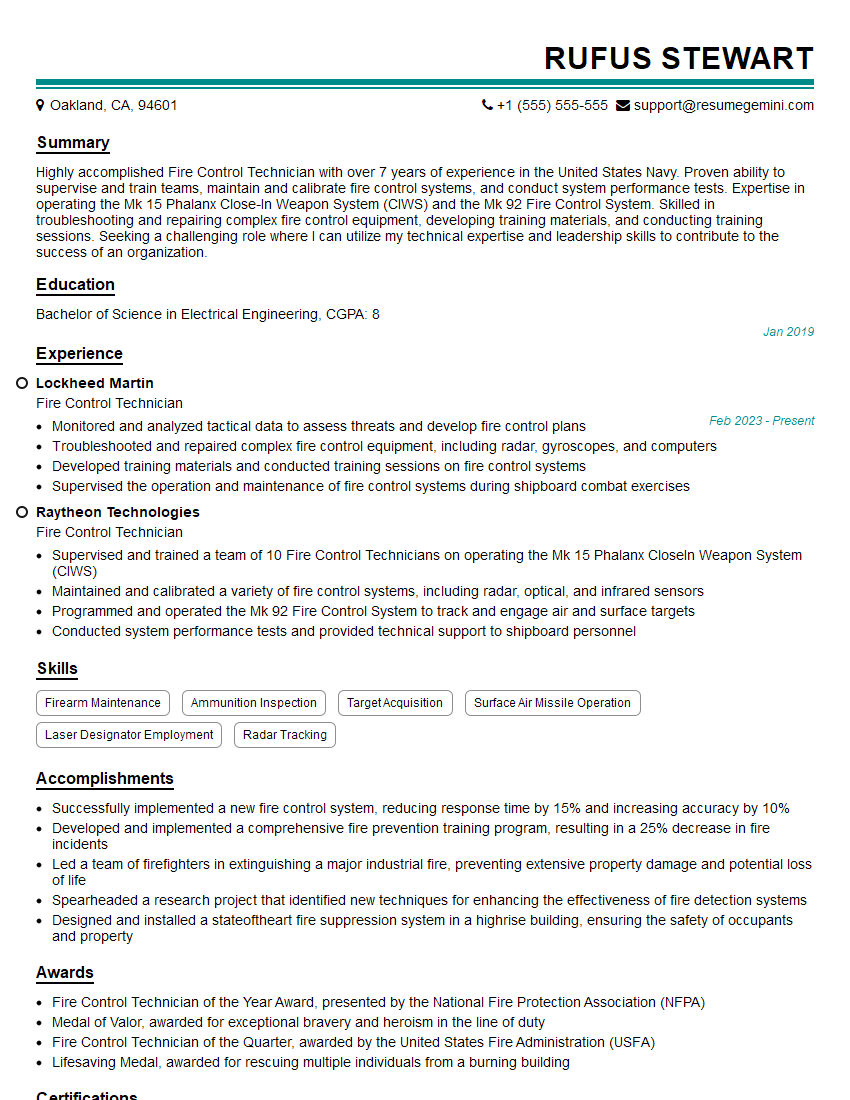
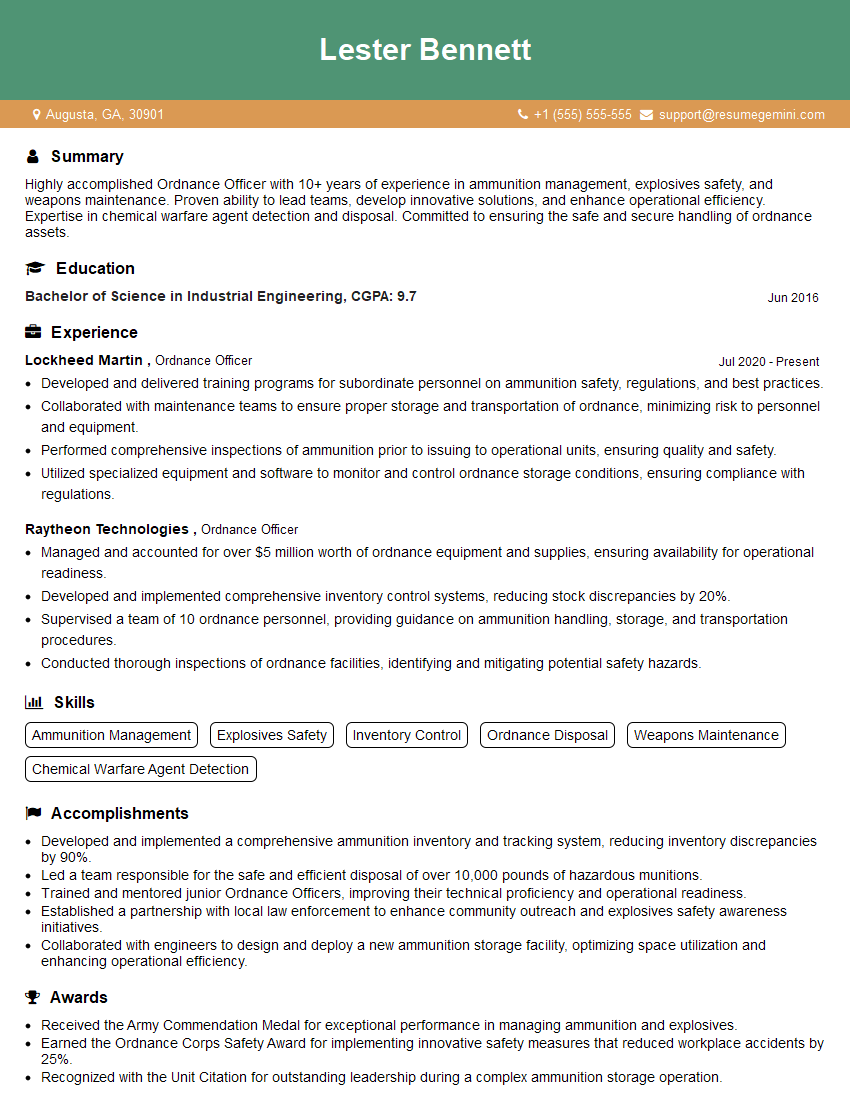
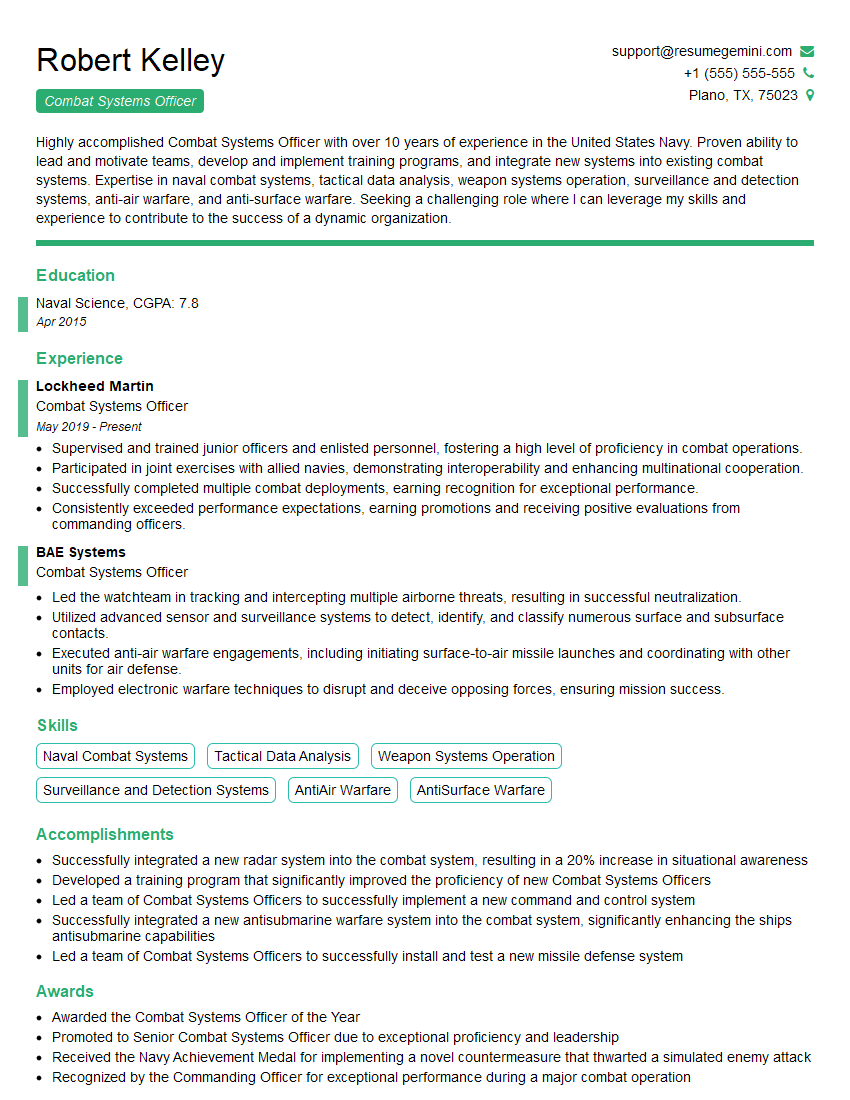
Mastering Weapon System Employment opens doors to exciting and impactful careers, offering opportunities for professional growth and advancement within the defense and security sectors. To maximize your job prospects, creating a strong, ATS-friendly resume is crucial. This ensures your qualifications are effectively communicated to potential employers. We highly recommend using ResumeGemini to build a professional and compelling resume that showcases your skills and experience. ResumeGemini provides examples of resumes tailored specifically for Weapon System Employment, helping you create a document that stands out from the competition. Take advantage of these resources to present yourself effectively and achieve your career aspirations.
Explore more articles
Users Rating of Our Blogs
Share Your Experience
We value your feedback! Please rate our content and share your thoughts (optional).
What Readers Say About Our Blog
Attention music lovers!
Wow, All the best Sax Summer music !!!
Spotify: https://open.spotify.com/artist/6ShcdIT7rPVVaFEpgZQbUk
Apple Music: https://music.apple.com/fr/artist/jimmy-sax-black/1530501936
YouTube: https://music.youtube.com/browse/VLOLAK5uy_noClmC7abM6YpZsnySxRqt3LoalPf88No
Other Platforms and Free Downloads : https://fanlink.tv/jimmysaxblack
on google : https://www.google.com/search?q=22+AND+22+AND+22
on ChatGPT : https://chat.openai.com?q=who20jlJimmy20Black20Sax20Producer
Get back into the groove with Jimmy sax Black
Best regards,
Jimmy sax Black
www.jimmysaxblack.com
Hi I am a troller at The aquatic interview center and I suddenly went so fast in Roblox and it was gone when I reset.
Hi,
Business owners spend hours every week worrying about their website—or avoiding it because it feels overwhelming.
We’d like to take that off your plate:
$69/month. Everything handled.
Our team will:
Design a custom website—or completely overhaul your current one
Take care of hosting as an option
Handle edits and improvements—up to 60 minutes of work included every month
No setup fees, no annual commitments. Just a site that makes a strong first impression.
Find out if it’s right for you:
https://websolutionsgenius.com/awardwinningwebsites
Hello,
we currently offer a complimentary backlink and URL indexing test for search engine optimization professionals.
You can get complimentary indexing credits to test how link discovery works in practice.
No credit card is required and there is no recurring fee.
You can find details here:
https://wikipedia-backlinks.com/indexing/
Regards
NICE RESPONSE TO Q & A
hi
The aim of this message is regarding an unclaimed deposit of a deceased nationale that bears the same name as you. You are not relate to him as there are millions of people answering the names across around the world. But i will use my position to influence the release of the deposit to you for our mutual benefit.
Respond for full details and how to claim the deposit. This is 100% risk free. Send hello to my email id: lukachachibaialuka@gmail.com
Luka Chachibaialuka
Hey interviewgemini.com, just wanted to follow up on my last email.
We just launched Call the Monster, an parenting app that lets you summon friendly ‘monsters’ kids actually listen to.
We’re also running a giveaway for everyone who downloads the app. Since it’s brand new, there aren’t many users yet, which means you’ve got a much better chance of winning some great prizes.
You can check it out here: https://bit.ly/callamonsterapp
Or follow us on Instagram: https://www.instagram.com/callamonsterapp
Thanks,
Ryan
CEO – Call the Monster App
Hey interviewgemini.com, I saw your website and love your approach.
I just want this to look like spam email, but want to share something important to you. We just launched Call the Monster, a parenting app that lets you summon friendly ‘monsters’ kids actually listen to.
Parents are loving it for calming chaos before bedtime. Thought you might want to try it: https://bit.ly/callamonsterapp or just follow our fun monster lore on Instagram: https://www.instagram.com/callamonsterapp
Thanks,
Ryan
CEO – Call A Monster APP
To the interviewgemini.com Owner.
Dear interviewgemini.com Webmaster!
Hi interviewgemini.com Webmaster!
Dear interviewgemini.com Webmaster!
excellent
Hello,
We found issues with your domain’s email setup that may be sending your messages to spam or blocking them completely. InboxShield Mini shows you how to fix it in minutes — no tech skills required.
Scan your domain now for details: https://inboxshield-mini.com/
— Adam @ InboxShield Mini
support@inboxshield-mini.com
Reply STOP to unsubscribe
Hi, are you owner of interviewgemini.com? What if I told you I could help you find extra time in your schedule, reconnect with leads you didn’t even realize you missed, and bring in more “I want to work with you” conversations, without increasing your ad spend or hiring a full-time employee?
All with a flexible, budget-friendly service that could easily pay for itself. Sounds good?
Would it be nice to jump on a quick 10-minute call so I can show you exactly how we make this work?
Best,
Hapei
Marketing Director
Hey, I know you’re the owner of interviewgemini.com. I’ll be quick.
Fundraising for your business is tough and time-consuming. We make it easier by guaranteeing two private investor meetings each month, for six months. No demos, no pitch events – just direct introductions to active investors matched to your startup.
If youR17;re raising, this could help you build real momentum. Want me to send more info?
Hi, I represent an SEO company that specialises in getting you AI citations and higher rankings on Google. I’d like to offer you a 100% free SEO audit for your website. Would you be interested?
Hi, I represent an SEO company that specialises in getting you AI citations and higher rankings on Google. I’d like to offer you a 100% free SEO audit for your website. Would you be interested?