The thought of an interview can be nerve-wracking, but the right preparation can make all the difference. Explore this comprehensive guide to Time management and coordination interview questions and gain the confidence you need to showcase your abilities and secure the role.
Questions Asked in Time management and coordination Interview
Q 1. Describe your preferred time management methodology.
My preferred time management methodology is a blend of the Eisenhower Matrix (prioritizing tasks by urgency and importance) and the Getting Things Done (GTD) methodology. I find this combination incredibly effective for managing both my time and workload. The Eisenhower Matrix helps me quickly categorize tasks, while GTD provides a structured system for capturing, clarifying, organizing, reflecting on, and engaging with those tasks.
Eisenhower Matrix in Action: I use this to quickly triage incoming tasks. Urgent and Important tasks are tackled immediately. Important but not urgent tasks are scheduled. Urgent but not important tasks are delegated if possible, or quickly handled. Finally, tasks that are neither urgent nor important are eliminated or deferred.
GTD Methodology: This provides a robust system for managing a large volume of tasks. I use it to capture all my tasks in a central inbox, clarify what each task actually involves, organize them into projects and contexts (e.g., @Home, @Office, @Phone), reflect regularly on my progress and adjust priorities, and then engage with the tasks, ensuring a smooth workflow.
Q 2. How do you prioritize tasks with competing deadlines?
Prioritizing tasks with competing deadlines requires a structured approach. I use a combination of the Eisenhower Matrix and a clear understanding of project dependencies. First, I identify all tasks and deadlines. Then, I assess each task’s importance and urgency using the Eisenhower Matrix. If multiple tasks fall into the ‘Urgent and Important’ category, I further prioritize based on potential impact and consequences of delay. For example, a critical bug fix for a live product would take precedence over a less critical feature request.
Dependency Mapping: Critical to effective prioritization is identifying task dependencies. If Task B requires the completion of Task A, Task A comes first regardless of its perceived urgency. Using a visual tool like a Gantt chart can be extremely helpful in visualizing these dependencies and managing deadlines effectively.
Q 3. Explain your approach to managing multiple projects simultaneously.
Managing multiple projects simultaneously demands a highly organized approach. I rely heavily on project management tools and a robust system for tracking progress across all projects. My strategy involves:
- Dedicated Project Time Blocks: I allocate specific time blocks each day or week for focused work on individual projects, minimizing context switching.
- Clear Project Goals and Milestones: I ensure each project has clearly defined objectives and milestones with associated deadlines. This provides a clear roadmap for progress and allows me to track performance effectively.
- Regular Review and Adjustment: I conduct weekly reviews of all active projects, assessing progress against goals and making necessary adjustments to the schedule or resource allocation.
- Communication and Collaboration: Open communication with stakeholders across all projects is vital. Regular updates and transparent reporting help maintain alignment and address potential conflicts proactively.
Example: In a previous role, I managed three projects concurrently: a website redesign, a new software launch, and a marketing campaign. Using this approach, each project had its dedicated time slots, progress was tracked via project management software, and weekly meetings were held to ensure smooth collaboration and problem resolution.
Q 4. How do you handle unexpected interruptions or delays?
Unexpected interruptions and delays are inevitable. My approach focuses on minimizing their impact and recovering quickly. I use a few key strategies:
- Buffer Time: I intentionally build buffer time into my schedule to accommodate unforeseen events. This allows me to absorb minor delays without significant disruption.
- Prioritization and Re-evaluation: When a significant interruption occurs, I re-evaluate my priorities, focusing on the most critical tasks that need immediate attention. Less urgent tasks are moved or rescheduled.
- Communication: I promptly communicate any delays or changes to relevant stakeholders, keeping them informed and minimizing potential misunderstandings.
- Problem-Solving: I proactively address the root cause of the interruption or delay, striving to prevent similar occurrences in the future.
Example: If a critical supplier experiences a delay, I immediately explore alternative options, communicate the delay to affected teams, and adjust project timelines accordingly.
Q 5. What tools or techniques do you use for scheduling and task management?
For scheduling and task management, I utilize a combination of tools. My primary tool is a project management software (like Asana or Trello), which helps manage tasks, deadlines, and dependencies across multiple projects. I also use a digital calendar (like Google Calendar or Outlook Calendar) for scheduling meetings and appointments, integrating it with my project management software for a holistic view of my workload. In addition, I find pen and paper useful for brainstorming, quick note-taking, and prioritizing tasks in a visual manner.
Q 6. How do you delegate tasks effectively?
Effective delegation involves more than simply assigning tasks. It requires careful selection of the right person, clear communication, and ongoing support. My approach involves:
- Selecting the Right Person: I assess individuals’ skills, experience, and capacity before delegating tasks. The task should be aligned with their capabilities and interests.
- Clear Communication: I provide clear instructions, deadlines, and expected outcomes. This includes defining the scope of work, outlining success criteria, and identifying potential challenges.
- Providing Support: I offer ongoing support and guidance, providing regular check-ins and addressing any questions or challenges.
- Empowerment: I empower individuals to own the task, fostering their growth and development.
Example: When delegating a research task, I provide the research objectives, relevant resources, and a clear deadline. I schedule follow-up meetings to discuss progress and address any roadblocks.
Q 7. How do you track your progress on projects and tasks?
Tracking progress is crucial for effective project management. I use several methods to track my progress on projects and tasks:
- Project Management Software: I utilize project management tools to track task completion, milestones, and overall project progress. Many tools offer built-in progress tracking features and reporting capabilities.
- Regular Check-ins and Reviews: I schedule regular check-in meetings with team members to review progress, identify any obstacles, and adjust plans as needed.
- Visual Progress Charts: I utilize visual tools like Gantt charts or Kanban boards to provide a clear overview of project progress and identify potential delays.
- Time Tracking: I sometimes use time tracking software to monitor how much time is spent on specific tasks, identifying areas for improvement in efficiency.
Regular monitoring of these metrics helps me identify potential issues early and make necessary adjustments to stay on track.
Q 8. Describe a situation where you had to improve a team’s workflow.
Improving team workflow often involves identifying bottlenecks and optimizing processes. In a previous role, our marketing team was struggling to meet deadlines due to inefficient communication and unclear task assignments. We were using email chains for everything, resulting in missed information and duplicated effort.
To address this, I implemented a project management system (Asana, in this case) to centralize all tasks, deadlines, and communication. I created clear roles and responsibilities, breaking down large projects into smaller, manageable tasks. We also instituted regular stand-up meetings to facilitate quick communication and problem-solving. This streamlined the workflow, resulting in a 25% increase in on-time project delivery and significantly reduced stress levels within the team.
- Before: Email overload, unclear responsibilities, missed deadlines.
- After: Centralized project management, clearly defined roles, improved communication, increased on-time delivery.
Q 9. How do you ensure timely completion of projects within budget constraints?
Ensuring timely and budget-conscious project completion requires a proactive approach starting with meticulous planning. This involves a detailed breakdown of tasks, resource allocation, and a realistic timeline. I utilize techniques like Work Breakdown Structure (WBS) to decompose projects into manageable components, assigning clear owners and deadlines to each. Regular monitoring against the budget and schedule is crucial. I employ tools like Gantt charts to visualize progress and identify potential roadblocks early on. If issues arise, I convene meetings to identify solutions, possibly involving trade-offs between scope, time, and cost – utilizing the iron triangle principle.
For instance, on a recent website redesign project, we anticipated potential delays due to unforeseen design complexities. By proactively adjusting the timeline and resource allocation during the planning phase, we successfully launched the website on time and within budget.
Q 10. How do you communicate project updates and timelines to stakeholders?
Communicating project updates and timelines effectively is paramount. I tailor my communication approach to each stakeholder group, considering their level of technical understanding and interest. I utilize a variety of tools: regular email updates for high-level overviews, project management software for detailed task tracking and collaboration, and presentations or meetings for critical updates or milestone reviews. Visual aids such as Gantt charts and progress reports are very useful. Transparency is key – I proactively communicate both successes and challenges.
For example, with executive stakeholders, I focus on high-level progress, key milestones, and potential risks. With the project team, I delve into more detail, providing daily updates and facilitating open dialogue.
Q 11. How do you identify and resolve scheduling conflicts?
Scheduling conflicts are inevitable, and proactive identification and resolution are crucial. I use project management software to identify overlapping tasks or resource constraints. When conflicts arise, I prioritize tasks based on urgency and importance, employing techniques like the Eisenhower Matrix (urgent/important). I then facilitate discussions with the involved parties, finding solutions such as task re-assignment, timeline adjustments, or resource reallocation. Open communication and collaborative problem-solving are essential in resolving these issues.
Imagine two team members needing the same equipment at the same time. I would facilitate a discussion to find a solution, perhaps by rescheduling one task, borrowing additional equipment, or finding an alternative resource.
Q 12. How do you handle pressure and tight deadlines?
Handling pressure and tight deadlines requires a combination of proactive planning, efficient execution, and stress management. My approach involves prioritizing tasks, delegating effectively, and breaking down large tasks into smaller, manageable chunks. I also focus on maintaining clear communication with my team and stakeholders to manage expectations and prevent misunderstandings. Personally, I practice time management techniques like the Pomodoro Technique to maintain focus and prevent burnout. Regular breaks and self-care are essential to sustain productivity under pressure.
In high-pressure situations, I maintain a calm and organized demeanor to guide the team and ensure that we stay focused on the immediate priorities.
Q 13. Describe your experience with project planning software.
I have extensive experience with various project planning software, including Asana, Trello, Jira, and MS Project. My proficiency extends beyond basic task management; I can effectively utilize features such as Gantt charts, Kanban boards, resource allocation tools, and reporting dashboards. I am comfortable customizing workflows to fit specific project needs and training team members on the chosen software. For example, in one project, I leveraged Jira’s issue tracking capabilities to manage bug fixes and feature development, significantly improving our development team’s efficiency. Choosing the right tool depends on the project’s complexity and team size; a simple project might utilize Trello, while a large-scale software development project may benefit from Jira.
Q 14. How do you measure your success in time management and coordination?
Measuring success in time management and coordination involves evaluating both individual and team performance. Key metrics I use include:
- On-time project delivery rate: The percentage of projects completed within their scheduled timelines.
- Project budget adherence: How closely the project’s actual costs match the planned budget.
- Team member satisfaction: Gauged through feedback surveys or informal conversations.
- Stakeholder satisfaction: Measured through feedback on communication, responsiveness, and project outcomes.
- Resource utilization: Assessing how effectively resources (time, budget, personnel) are allocated and used.
Ultimately, successful time management and coordination translate to on-time and within-budget project delivery, high team morale, and satisfied stakeholders.
Q 15. What is your approach to managing team members’ time effectively?
Effective time management for a team isn’t about dictating schedules; it’s about empowering individuals and fostering a collaborative environment. My approach is multifaceted and starts with understanding individual work styles and preferences. I begin by holding one-on-one meetings to understand each team member’s strengths, weaknesses, and preferred working methods. This allows me to assign tasks that align with their skills and energy levels, promoting both productivity and job satisfaction.
Next, I utilize a combination of project management tools and techniques like agile methodologies (sprints, daily stand-ups) and Kanban boards to visualize workflow and track progress. These tools provide transparency and facilitate open communication, allowing team members to self-manage their time effectively within the agreed-upon project timelines. Regular check-ins, both individual and team-based, are crucial for addressing roadblocks and course-correcting as needed. Finally, I promote a culture of open communication and encourage team members to proactively communicate any time constraints or challenges they face. This proactive approach minimizes delays and allows for timely adjustments.
For example, on a recent project, I noticed one team member consistently falling behind schedule. After a one-on-one conversation, we discovered they were struggling with a specific technical aspect of the project. By assigning a mentor and providing additional training, we were able to get them back on track and prevent any major delays.
Career Expert Tips:
- Ace those interviews! Prepare effectively by reviewing the Top 50 Most Common Interview Questions on ResumeGemini.
- Navigate your job search with confidence! Explore a wide range of Career Tips on ResumeGemini. Learn about common challenges and recommendations to overcome them.
- Craft the perfect resume! Master the Art of Resume Writing with ResumeGemini’s guide. Showcase your unique qualifications and achievements effectively.
- Don’t miss out on holiday savings! Build your dream resume with ResumeGemini’s ATS optimized templates.
Q 16. How do you proactively identify potential scheduling issues?
Proactively identifying scheduling issues requires a blend of meticulous planning and continuous monitoring. I start by creating a detailed project plan that accounts for potential dependencies between tasks and incorporates buffer time for unforeseen circumstances. This plan should clearly outline task durations, milestones, and deadlines. Then, I use project management software to track progress against this plan in real-time. This allows me to identify potential bottlenecks or delays early on.
Furthermore, I actively solicit feedback from team members. Regular progress reports and stand-up meetings provide opportunities to surface any emerging issues. I also analyze historical project data to identify patterns and recurring problems. This might reveal that certain tasks consistently take longer than estimated, prompting adjustments in future project planning. Finally, risk assessment is crucial. Identifying potential risks and developing mitigation strategies is a key component of proactive scheduling.
For instance, during a previous project, my team identified a potential delay in receiving essential resources. By proactively engaging with the supplier and developing a contingency plan (using alternative resources), we successfully avoided any significant disruption to the schedule.
Q 17. How do you adapt your time management strategies to different project types?
Adaptability is key in project management. My time management strategies are tailored to the specific characteristics of each project type. For instance, Agile projects necessitate frequent iterations, short sprints, and daily stand-ups, requiring a flexible and responsive approach. I utilize daily scrum meetings and Kanban boards to ensure continuous monitoring and swift adaptation to changing priorities.
In contrast, waterfall projects, with their sequential nature, demand a more structured approach. Detailed planning upfront is essential, with meticulous task breakdown and clearly defined timelines. Regular progress reviews and milestone checkpoints ensure that the project remains on track. For projects requiring high precision and sequential steps (e.g., manufacturing), I utilize critical path analysis (CPA) to identify the most time-sensitive tasks and allocate resources accordingly.
Essentially, the methodology dictates the level of detail and flexibility needed in time management. A project’s size, complexity, and dependencies will also heavily influence my strategic approach. I use a combination of tools and techniques—selecting the most appropriate ones for the project’s unique demands—to ensure efficient and effective time management.
Q 18. Explain your experience with resource allocation and optimization.
Resource allocation and optimization is a critical aspect of effective project management. My approach involves a three-step process: assessment, allocation, and monitoring. First, I meticulously assess the resources available, including personnel skills, equipment, budget, and time. This involves identifying both internal and external resources and analyzing their capabilities and limitations.
Next, I allocate resources strategically, considering task dependencies, team member expertise, and resource availability. This often involves prioritizing tasks based on their criticality and urgency. I utilize tools like resource leveling techniques to optimize resource utilization and minimize conflicts. For example, if a team member is over-allocated, I may reassign tasks or adjust deadlines to balance the workload.
Finally, continuous monitoring is crucial. Regular tracking of resource utilization ensures that resources are employed efficiently and that potential issues are identified and addressed promptly. This involves using project management software and regular progress reviews to identify any discrepancies between planned and actual resource usage.
Q 19. How do you utilize Gantt charts or other visual tools for project planning?
Gantt charts and other visual tools are invaluable in project planning and communication. A Gantt chart provides a visual representation of the project schedule, illustrating tasks, durations, dependencies, and milestones. This allows for easy identification of critical paths and potential conflicts.
I use Gantt charts to communicate the project plan effectively to the team and stakeholders. The visual nature of the chart makes it easy to understand the project’s scope and timeline. However, I also utilize other visual tools depending on the project’s needs. For example, Kanban boards are excellent for visualizing workflow and tracking progress in agile environments, while network diagrams are useful for complex projects with intricate dependencies.
Beyond visual tools, I often incorporate data-driven insights into project planning. I may use Earned Value Management (EVM) techniques to track project performance against budget and schedule, enabling proactive adjustments and improved resource allocation.
Q 20. Describe your process for creating and maintaining a project schedule.
Creating and maintaining a project schedule is an iterative process. It starts with a detailed work breakdown structure (WBS) that decomposes the project into smaller, manageable tasks. Then, I estimate the duration of each task, considering factors like complexity, resource availability, and potential risks. I use historical data and expert judgment to ensure realistic estimations.
Next, I define task dependencies—identifying which tasks must be completed before others can begin. This helps determine the critical path, the sequence of tasks that determines the project’s overall duration. The schedule is then created, incorporating task durations, dependencies, and milestones. I use project management software to build the schedule and track progress.
Finally, maintaining the schedule involves regular monitoring and updates. Progress is tracked against the planned schedule, and any deviations are investigated and addressed promptly. This might involve adjusting task durations, re-allocating resources, or negotiating deadlines. The schedule is a living document, constantly evolving to reflect the project’s actual progress.
Q 21. How do you ensure accountability for tasks within a team?
Ensuring accountability within a team requires a combination of clear expectations, effective communication, and transparent tracking mechanisms. I begin by assigning clear roles and responsibilities to each team member, outlining specific tasks and deadlines. This ensures everyone understands their contribution to the project.
Regular communication is vital. This includes daily stand-up meetings, weekly progress reports, and one-on-one check-ins. These interactions allow for early identification of potential issues and provide opportunities to address any concerns. I also utilize project management software to track task completion, providing a transparent view of individual and team progress.
Finally, recognition and rewards play a crucial role in reinforcing accountability. Acknowledging individual contributions and celebrating successes fosters a sense of ownership and encourages team members to take responsibility for their work. Constructive feedback, both positive and negative, is also crucial for continuous improvement and maintaining a high level of accountability.
Q 22. How do you handle conflicting priorities from different stakeholders?
Handling conflicting priorities requires a structured approach. It’s not about simply choosing one over the other, but rather understanding the context and strategically managing the demands. I typically start by clarifying the goals and desired outcomes of each stakeholder. This involves active listening and asking clarifying questions to ensure I have a complete understanding of their needs and the urgency behind them. Then, I prioritize using a framework like the Eisenhower Matrix (Urgent/Important), categorizing tasks based on their impact and immediacy. This allows me to focus on high-impact, urgent tasks first, while strategically scheduling less urgent but important tasks. Transparent communication is crucial. I keep all stakeholders informed about the prioritization process and any potential delays, proactively managing expectations.
For instance, if I’m managing a project with deadlines from the marketing team, the development team, and the sales team, I’d first meet with each team to understand their priorities and deadlines. Then, I’d map out all tasks, identify dependencies, and apply the Eisenhower Matrix. This ensures critical marketing materials are ready in time for a major product launch, while also allocating sufficient time for development and sales support.
Q 23. Describe a time you had to re-prioritize tasks due to a change in circumstances.
During the launch of a new software application, we encountered unexpected bugs in the final testing phase. The initial launch date was jeopardized. My team and I immediately convened to re-prioritize tasks. We used a Kanban board to visualize the workflow and identified the tasks directly impacted by the bugs. We focused on fixing these critical bugs, temporarily postponing less critical features and marketing materials. The development team worked overtime, and we communicated the delay and revised launch date transparently to all stakeholders. While it was stressful, the re-prioritization ensured a smoother, more stable launch, minimizing potential negative consequences.
Q 24. How do you measure the effectiveness of your time management strategies?
Measuring the effectiveness of time management strategies requires a multi-faceted approach. I use both quantitative and qualitative metrics. Quantitatively, I track project completion rates, the time spent on specific tasks, and the number of tasks completed within deadlines. These metrics provide objective data on my productivity. Qualitatively, I assess my level of stress, energy levels, and overall job satisfaction. If I’m consistently stressed and burnt out, it signals a need to re-evaluate my strategies. Regularly reviewing my calendar and task lists, analyzing where I spent my time, and identifying recurring time-wasters provides valuable insights. Client feedback, project reviews, and performance evaluations also offer external perspectives on my time management effectiveness.
Q 25. What are some common time management pitfalls and how do you avoid them?
Common time management pitfalls include poor planning, multitasking, perfectionism, and a lack of delegation. Poor planning leads to reactive work rather than proactive scheduling. Multitasking reduces efficiency and often results in errors. Perfectionism can lead to analysis paralysis, delaying task completion. A reluctance to delegate prevents leveraging the strengths of others. I avoid these by:
- Proactive planning: I utilize project management tools to plan and schedule tasks, setting realistic deadlines.
- Focused work: I dedicate blocks of time to focused work, minimizing interruptions and avoiding multitasking.
- Prioritization: I use techniques like the Eisenhower Matrix to prioritize tasks based on urgency and importance.
- Delegation: I effectively delegate tasks based on team members’ skills and workload.
- Regular review: I regularly review my schedule and adjust my strategies based on performance.
Q 26. How do you build and maintain strong working relationships to improve coordination?
Building and maintaining strong working relationships are essential for effective coordination. Open and honest communication is key. I actively listen to my colleagues, understand their perspectives, and provide constructive feedback. I foster trust by being reliable, consistent, and transparent in my actions. Regular check-ins, team meetings, and informal conversations help maintain strong relationships and keep everyone informed about project progress. Recognizing individual contributions and celebrating successes boosts morale and reinforces teamwork. Addressing conflicts promptly and fairly is also vital. By creating a collaborative and supportive environment, coordination improves significantly. For example, I regularly schedule one-on-one meetings with team members to discuss their progress, address any challenges, and provide support.
Q 27. How do you utilize technology to enhance time management and coordination?
Technology plays a crucial role in enhancing time management and coordination. I use project management software like Asana or Trello to track tasks, deadlines, and progress. These tools facilitate collaboration, allowing team members to update their work and share information in real-time. Calendar applications help in scheduling appointments and meetings efficiently, minimizing scheduling conflicts. Communication tools like Slack or Microsoft Teams ensure quick and efficient communication, reducing the time spent on email exchanges. Automation tools, like Zapier, can be used to automate repetitive tasks, freeing up time for more strategic activities. Data analytics dashboards provide insights into project progress and help identify potential bottlenecks.
Q 28. Describe your experience in using a collaborative project management tool.
I have extensive experience using Asana for collaborative project management. I’ve utilized it in various projects, from small team initiatives to large-scale software development projects. I’ve found Asana’s task management features, project timelines, and communication tools extremely beneficial. The ability to create custom workflows and assign tasks to specific team members with deadlines significantly improved our team’s efficiency. The integration with other applications, like Google Calendar, further streamlines workflow. The ability to track progress visually using Kanban boards or list views provides a clear understanding of the project status. Asana’s reporting features helped in monitoring project completion rates and identifying areas for improvement. Through Asana, we’ve improved team communication, accountability, and overall project efficiency.
Key Topics to Learn for Time Management and Coordination Interviews
- Prioritization Techniques: Understanding methods like Eisenhower Matrix (urgent/important), MoSCoW method (Must have/Should have/Could have/Won’t have), and Pareto Principle (80/20 rule) to effectively allocate time and resources.
- Scheduling and Planning: Practical application of calendars, to-do lists, and project management tools (e.g., Gantt charts) for efficient task scheduling and deadline management. Discuss the benefits of different scheduling approaches and how to adapt them to various project needs.
- Delegation and Teamwork: Effective strategies for assigning tasks, providing clear instructions, and fostering collaborative environments. Explore the importance of communication and accountability in team-based projects.
- Time Tracking and Analysis: Utilizing time tracking methods to identify time sinks, unproductive activities, and areas for improvement. Discuss how to analyze this data to optimize workflows and improve personal efficiency.
- Stress Management and Productivity: Strategies for managing stress and maintaining productivity under pressure. Explore techniques like time blocking, minimizing distractions, and incorporating breaks for optimal performance.
- Meeting Management: Effective techniques for planning, conducting, and following up on meetings, including agenda setting, participation encouragement, and concise communication.
- Risk Management and Contingency Planning: Identifying potential delays or roadblocks and developing proactive strategies to mitigate risks and ensure project success. Discuss the importance of flexible planning.
Next Steps
Mastering time management and coordination is crucial for career advancement. It demonstrates your ability to handle multiple priorities, meet deadlines consistently, and contribute effectively to team success. To increase your job prospects, create an ATS-friendly resume that highlights your skills and experience in these areas. ResumeGemini is a trusted resource that can help you build a professional and impactful resume. We provide examples of resumes tailored to time management and coordination roles to help you get started. Invest the time to craft a compelling resume; it’s your first impression on potential employers.
Program Manager Resume Sample
Office Manager Resume Sample

Operations Manager Resume Sample
Marketing Coordinator Resume Sample
Sales Coordinator Resume Sample

Production Coordinator Resume Sample

Supply Chain Manager Resume Sample
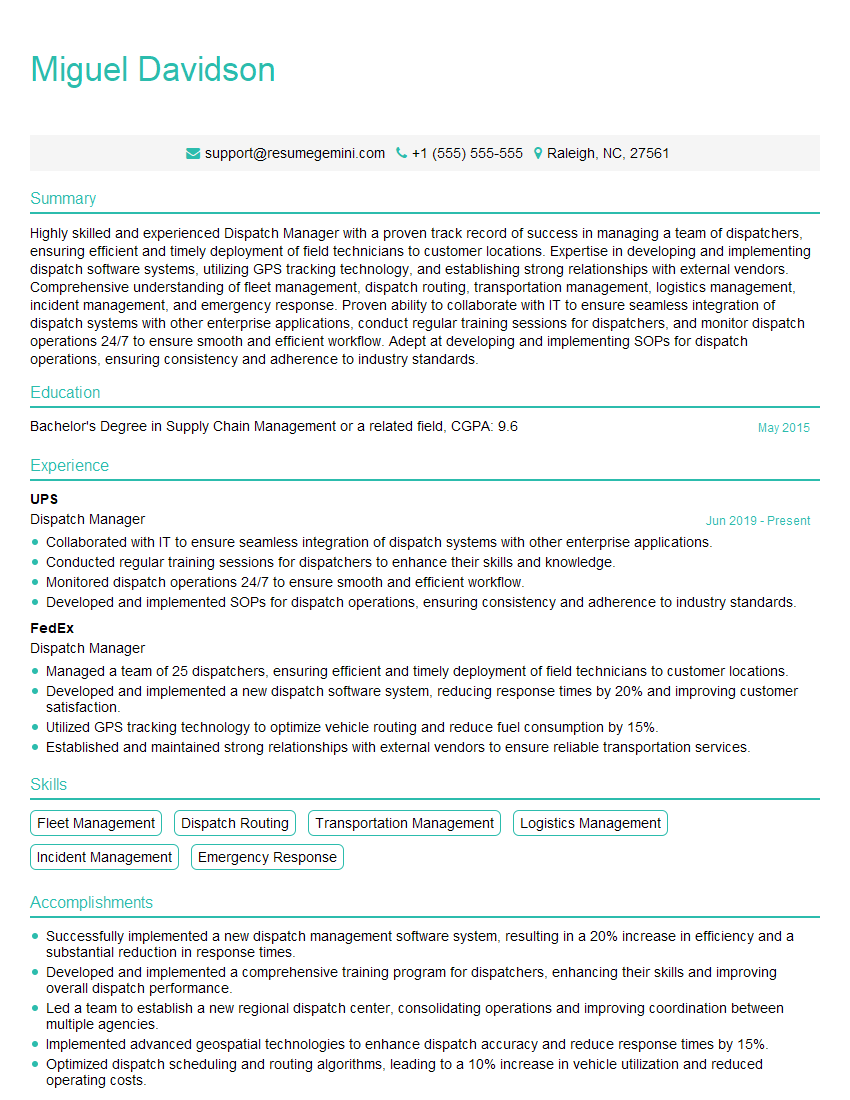
Dispatch Manager Resume Sample
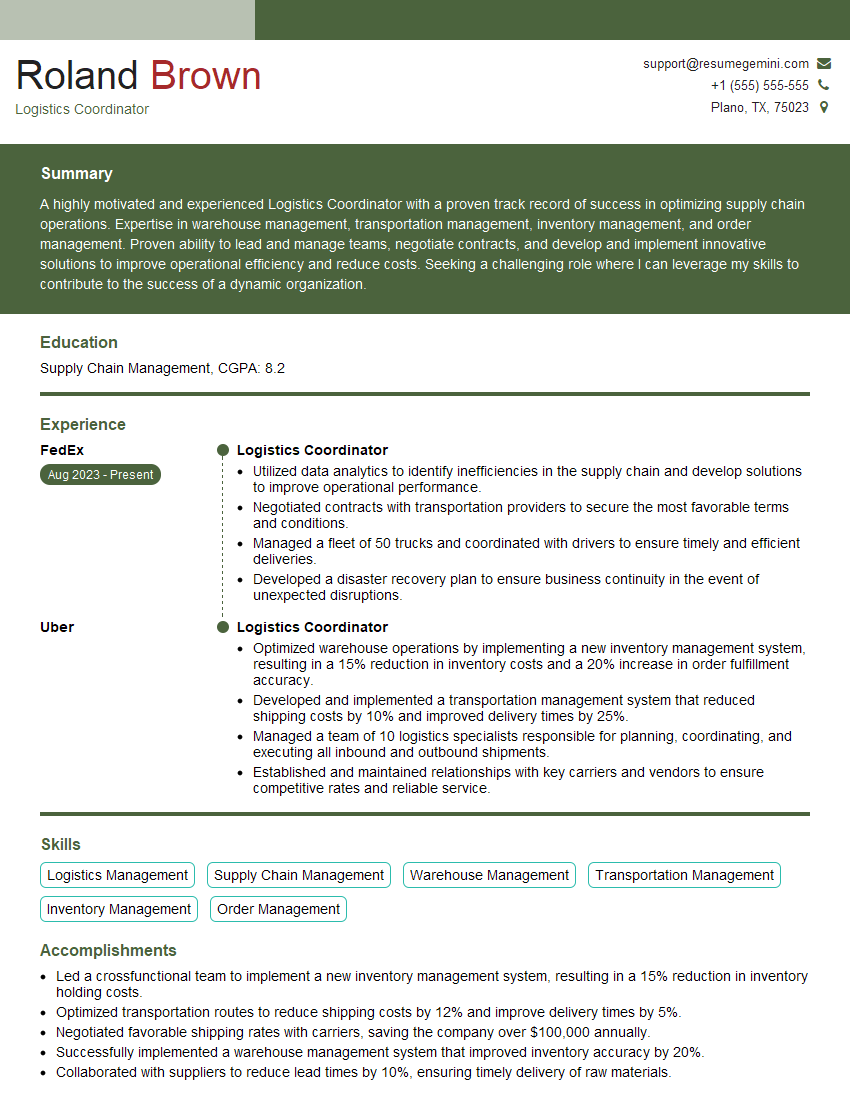
Logistics Coordinator Resume Sample

Project Manager Resume Sample
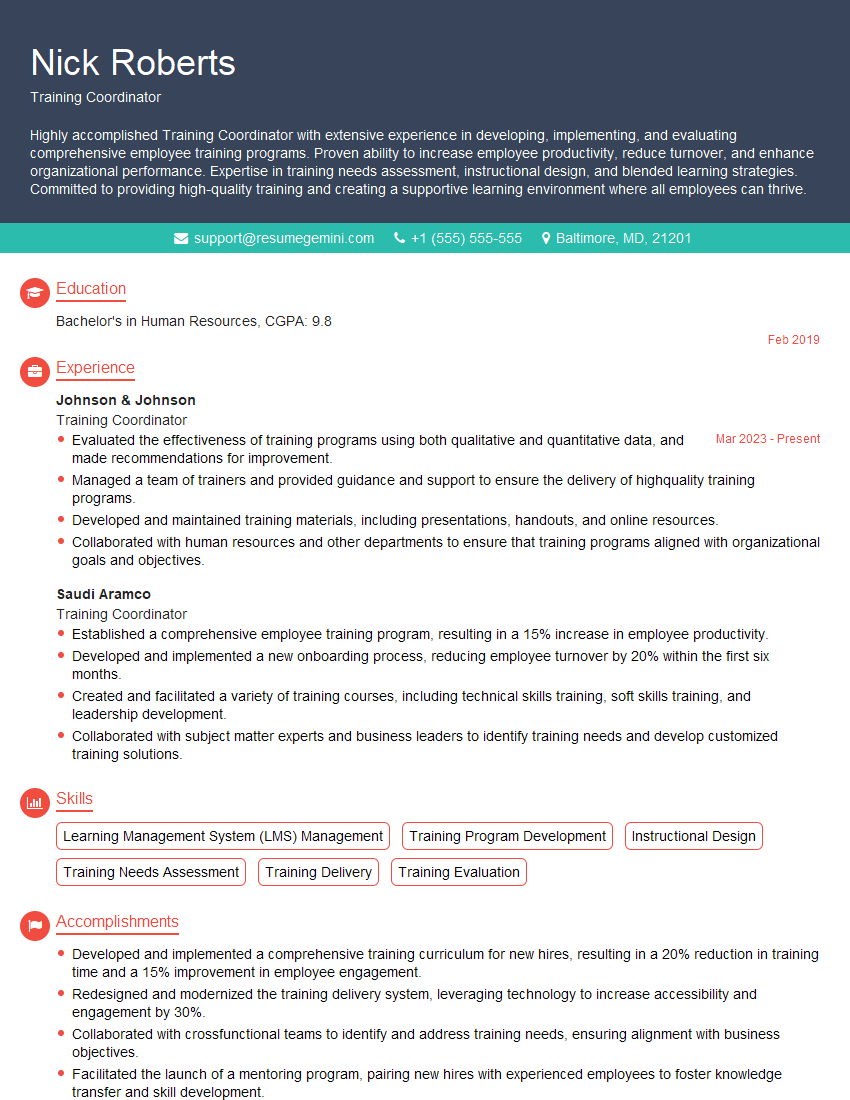
Training Coordinator Resume Sample
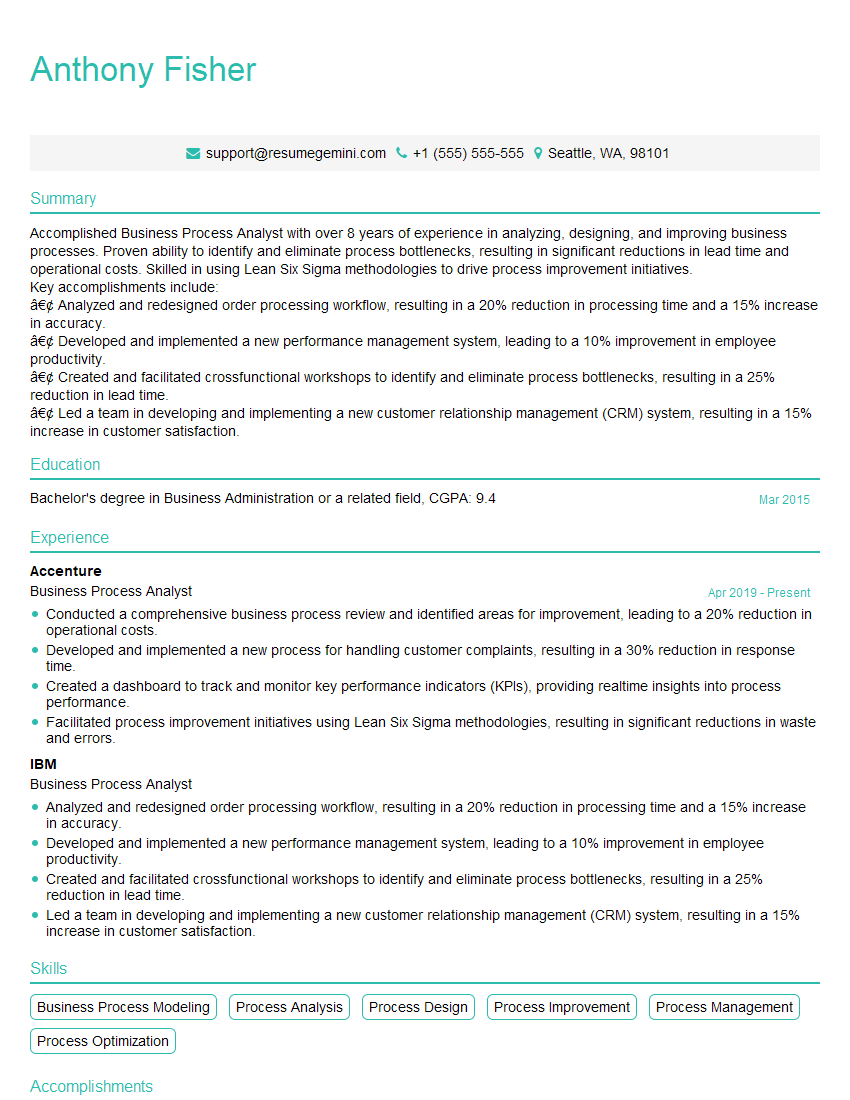
Business Process Analyst Resume Sample
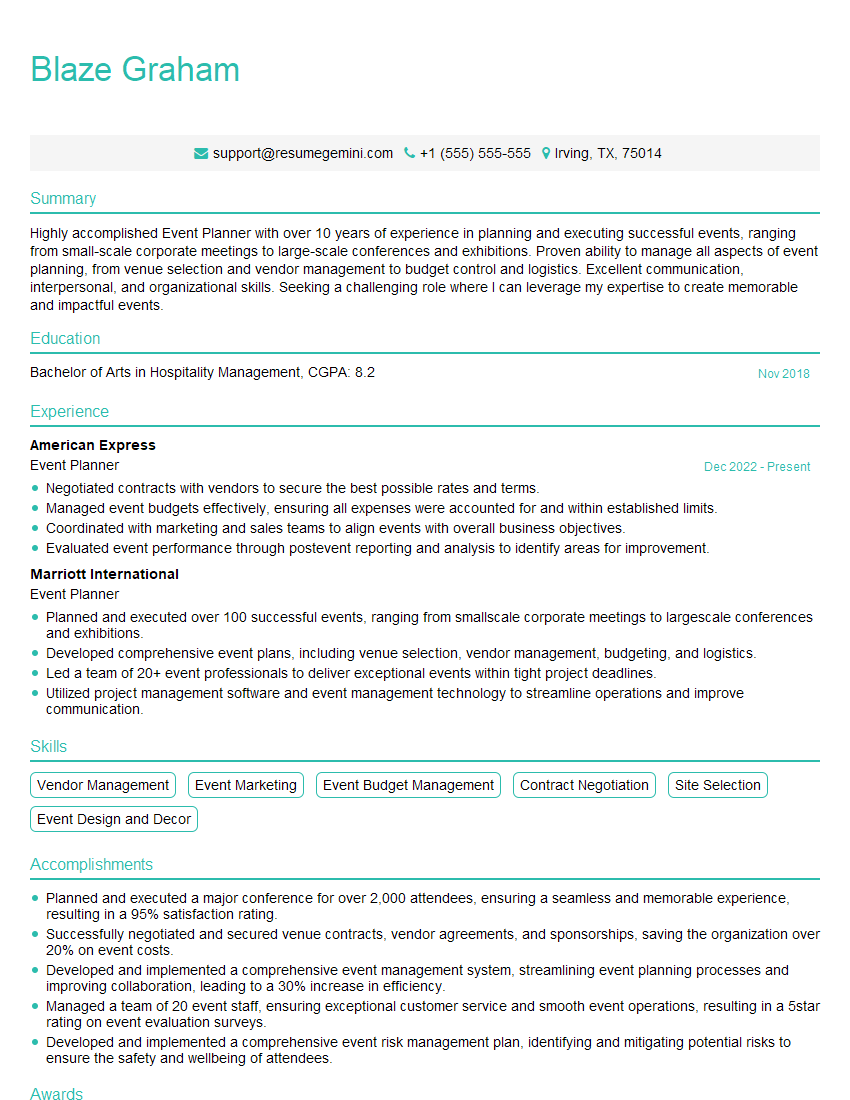
Event Planner Resume Sample

Scheduling Coordinator Resume Sample
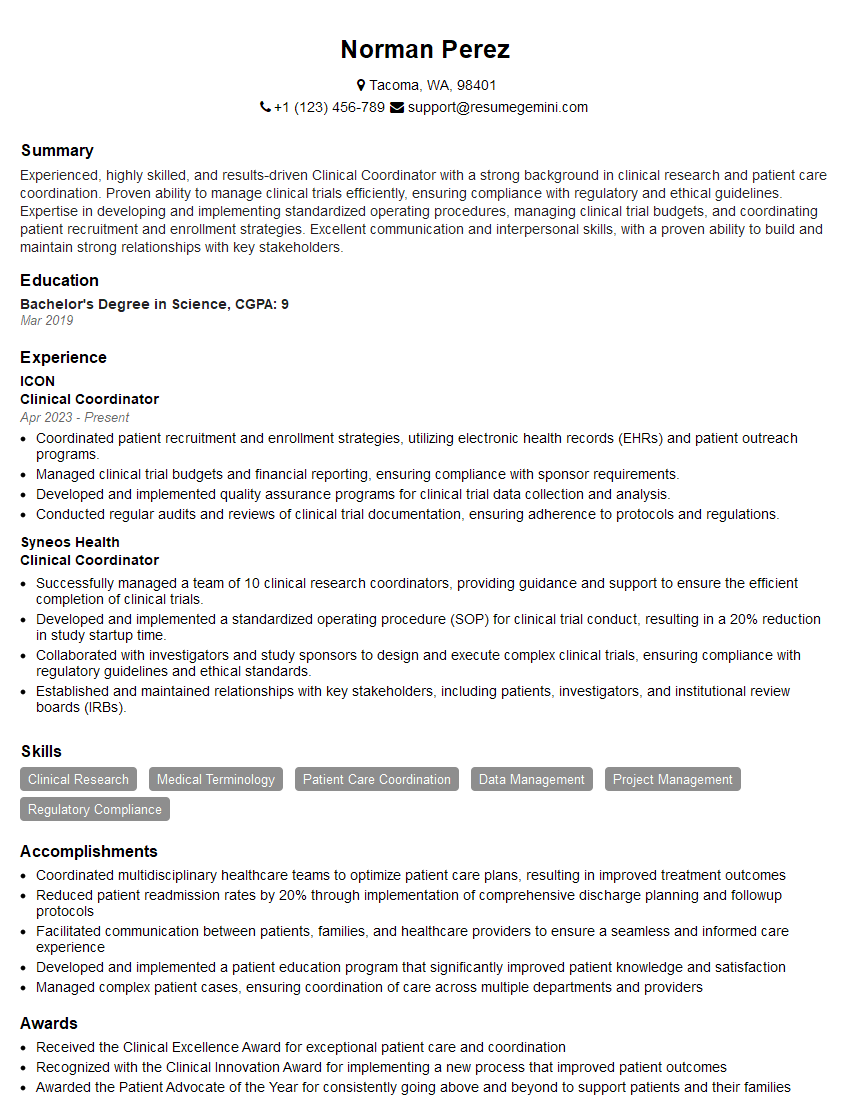
Clinical Coordinator Resume Sample
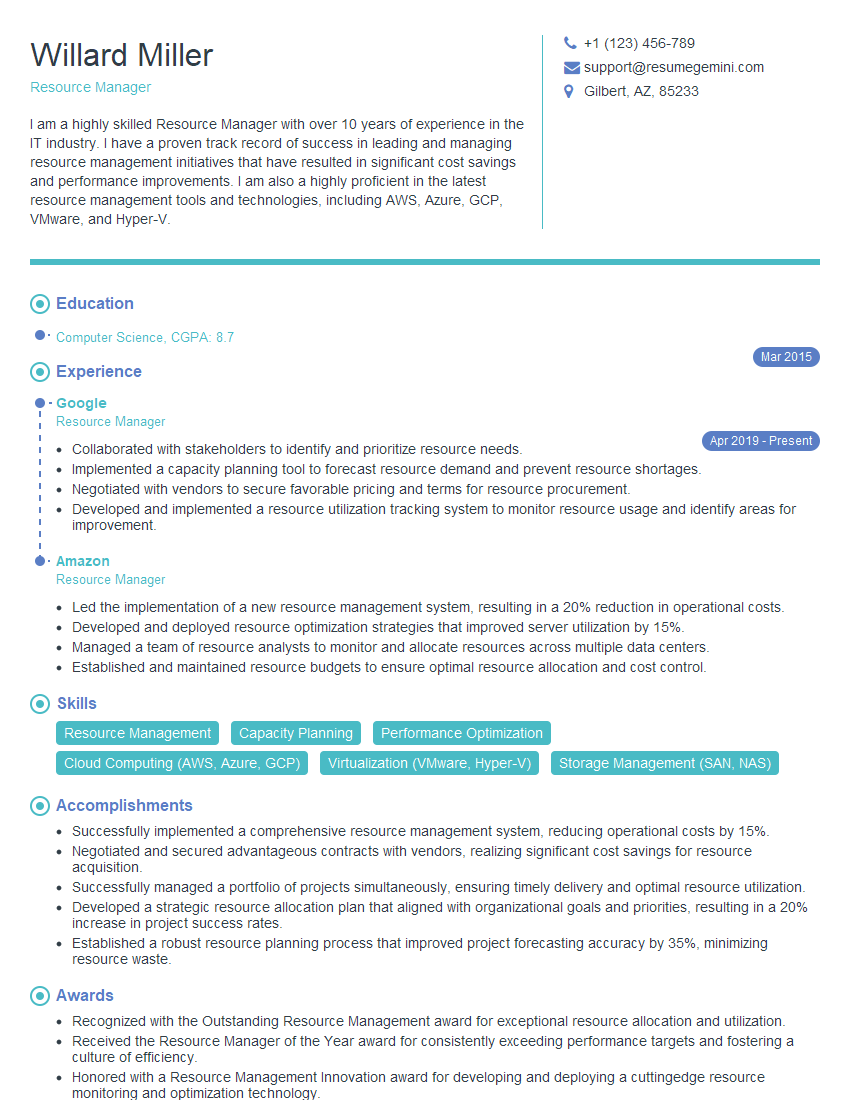
Resource Manager Resume Sample
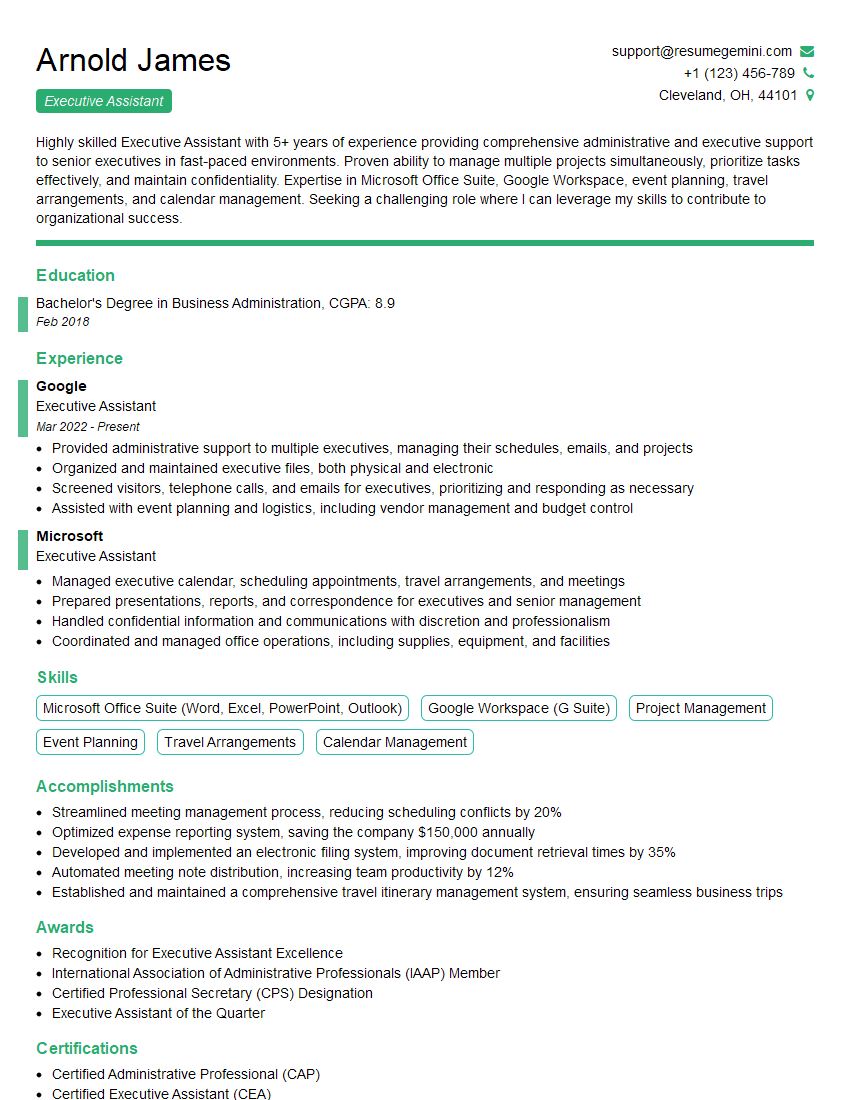
Executive Assistant Resume Sample
- Program Manager
- Office Manager
- Operations Manager
- Marketing Coordinator
- Sales Coordinator
- Production Coordinator
- Supply Chain Manager
- Dispatch Manager
- Logistics Coordinator
- Project Manager
- Training Coordinator
- Business Process Analyst
- Event Planner
- Scheduling Coordinator
- Clinical Coordinator
- Resource Manager
- Executive Assistant
Explore more articles
Users Rating of Our Blogs
Share Your Experience
We value your feedback! Please rate our content and share your thoughts (optional).
What Readers Say About Our Blog
Attention music lovers!
Wow, All the best Sax Summer music !!!
Spotify: https://open.spotify.com/artist/6ShcdIT7rPVVaFEpgZQbUk
Apple Music: https://music.apple.com/fr/artist/jimmy-sax-black/1530501936
YouTube: https://music.youtube.com/browse/VLOLAK5uy_noClmC7abM6YpZsnySxRqt3LoalPf88No
Other Platforms and Free Downloads : https://fanlink.tv/jimmysaxblack
on google : https://www.google.com/search?q=22+AND+22+AND+22
on ChatGPT : https://chat.openai.com?q=who20jlJimmy20Black20Sax20Producer
Get back into the groove with Jimmy sax Black
Best regards,
Jimmy sax Black
www.jimmysaxblack.com
Hi I am a troller at The aquatic interview center and I suddenly went so fast in Roblox and it was gone when I reset.
Hi,
Business owners spend hours every week worrying about their website—or avoiding it because it feels overwhelming.
We’d like to take that off your plate:
$69/month. Everything handled.
Our team will:
Design a custom website—or completely overhaul your current one
Take care of hosting as an option
Handle edits and improvements—up to 60 minutes of work included every month
No setup fees, no annual commitments. Just a site that makes a strong first impression.
Find out if it’s right for you:
https://websolutionsgenius.com/awardwinningwebsites
Hello,
we currently offer a complimentary backlink and URL indexing test for search engine optimization professionals.
You can get complimentary indexing credits to test how link discovery works in practice.
No credit card is required and there is no recurring fee.
You can find details here:
https://wikipedia-backlinks.com/indexing/
Regards
NICE RESPONSE TO Q & A
hi
The aim of this message is regarding an unclaimed deposit of a deceased nationale that bears the same name as you. You are not relate to him as there are millions of people answering the names across around the world. But i will use my position to influence the release of the deposit to you for our mutual benefit.
Respond for full details and how to claim the deposit. This is 100% risk free. Send hello to my email id: lukachachibaialuka@gmail.com
Luka Chachibaialuka
Hey interviewgemini.com, just wanted to follow up on my last email.
We just launched Call the Monster, an parenting app that lets you summon friendly ‘monsters’ kids actually listen to.
We’re also running a giveaway for everyone who downloads the app. Since it’s brand new, there aren’t many users yet, which means you’ve got a much better chance of winning some great prizes.
You can check it out here: https://bit.ly/callamonsterapp
Or follow us on Instagram: https://www.instagram.com/callamonsterapp
Thanks,
Ryan
CEO – Call the Monster App
Hey interviewgemini.com, I saw your website and love your approach.
I just want this to look like spam email, but want to share something important to you. We just launched Call the Monster, a parenting app that lets you summon friendly ‘monsters’ kids actually listen to.
Parents are loving it for calming chaos before bedtime. Thought you might want to try it: https://bit.ly/callamonsterapp or just follow our fun monster lore on Instagram: https://www.instagram.com/callamonsterapp
Thanks,
Ryan
CEO – Call A Monster APP
To the interviewgemini.com Owner.
Dear interviewgemini.com Webmaster!
Hi interviewgemini.com Webmaster!
Dear interviewgemini.com Webmaster!
excellent
Hello,
We found issues with your domain’s email setup that may be sending your messages to spam or blocking them completely. InboxShield Mini shows you how to fix it in minutes — no tech skills required.
Scan your domain now for details: https://inboxshield-mini.com/
— Adam @ InboxShield Mini
support@inboxshield-mini.com
Reply STOP to unsubscribe
Hi, are you owner of interviewgemini.com? What if I told you I could help you find extra time in your schedule, reconnect with leads you didn’t even realize you missed, and bring in more “I want to work with you” conversations, without increasing your ad spend or hiring a full-time employee?
All with a flexible, budget-friendly service that could easily pay for itself. Sounds good?
Would it be nice to jump on a quick 10-minute call so I can show you exactly how we make this work?
Best,
Hapei
Marketing Director
Hey, I know you’re the owner of interviewgemini.com. I’ll be quick.
Fundraising for your business is tough and time-consuming. We make it easier by guaranteeing two private investor meetings each month, for six months. No demos, no pitch events – just direct introductions to active investors matched to your startup.
If youR17;re raising, this could help you build real momentum. Want me to send more info?
Hi, I represent an SEO company that specialises in getting you AI citations and higher rankings on Google. I’d like to offer you a 100% free SEO audit for your website. Would you be interested?
Hi, I represent an SEO company that specialises in getting you AI citations and higher rankings on Google. I’d like to offer you a 100% free SEO audit for your website. Would you be interested?