The thought of an interview can be nerve-wracking, but the right preparation can make all the difference. Explore this comprehensive guide to Sewer Lift Station Maintenance interview questions and gain the confidence you need to showcase your abilities and secure the role.
Questions Asked in Sewer Lift Station Maintenance Interview
Q 1. Describe your experience with troubleshooting malfunctioning lift station pumps.
Troubleshooting malfunctioning lift station pumps involves a systematic approach. I begin by assessing the situation: Is the pump completely unresponsive, running intermittently, or exhibiting unusual noise? I’ll check the easily accessible components first – power supply, fuses, circuit breakers. Is there power reaching the pump? If not, I trace the electrical path to identify the fault, perhaps a blown fuse or a tripped breaker. A simple reset might solve the problem. If power is present, I then move on to examine the pump itself for mechanical issues, such as impeller wear, bearing failure, or seal leaks. I would use instruments like multimeters to check voltage, amperage and insulation resistance. Visual inspection for leaks or damage is crucial.
For example, I once encountered a pump that wouldn’t start; initial checks revealed power was present. Closer examination showed a jammed impeller caused by rags accumulating in the pump intake. Removing the blockage and cleaning the impeller restored functionality. Another time, a high amperage draw indicated a bearing failure, necessitating pump replacement. Each situation requires a different approach, emphasizing the importance of careful diagnostics and the use of appropriate safety procedures.
If the issue is more complex, I might use specialized tools, consult manuals or even call for additional expertise, demonstrating my ability to recognize the limits of my own skill set and prioritize efficient problem resolution.
Q 2. Explain the process of performing preventative maintenance on a lift station.
Preventative maintenance is crucial for ensuring lift station reliability and longevity. A comprehensive program typically includes regular inspections, cleaning, and lubrication. This involves checking all mechanical and electrical components, including pumps, motors, valves, controls, and the entire wet well. I’d visually inspect for corrosion, leaks, cracks or any signs of wear. I would carefully inspect and clean the screens to prevent blockages. Lubrication of moving parts helps minimize friction and extends the lifespan of the equipment.
The frequency of preventative maintenance varies based on the lift station’s size, usage, and local conditions but generally follows a schedule of monthly, quarterly, and annual checks. Monthly checks could involve a quick visual inspection, monitoring pump run times and checking alarm logs. Quarterly checks are more comprehensive and may include detailed inspections of pumps and motors. Annual checks involve more extensive maintenance, potentially including pump removal for inspection and cleaning. These detailed checks are documented meticulously to ensure compliance, provide a historical record, and allow for trend analysis, enabling predictive maintenance.
Think of it like servicing your car – regular oil changes and tune-ups prevent major breakdowns down the road. Preventative maintenance on a lift station is just as important, ensuring smooth operation and reducing the likelihood of costly emergency repairs and potential environmental damage.
Q 3. How do you identify and address potential safety hazards in a lift station?
Safety is paramount in lift station maintenance. Potential hazards include confined space entry, exposure to hazardous materials (e.g., sewage), electrical shock, and moving machinery. Before any work begins, a thorough risk assessment is mandatory, identifying potential dangers specific to that lift station. This involves checking the atmosphere for harmful gases (methane, hydrogen sulfide), verifying the integrity of the electrical system, and ensuring appropriate lockout/tagout procedures are in place before working on any electrical components. Proper personal protective equipment (PPE) – including respirators, hard hats, safety glasses, gloves, and waterproof suits – is crucial.
For confined space entry, a permit-to-work system is vital, ensuring a qualified attendant is present outside the confined space to monitor conditions and provide assistance if needed. Regular training for all personnel on safe working practices, emergency procedures, and the use of PPE is essential. Additionally, clear signage warning of potential hazards should be displayed prominently. Effective communication amongst the team is also important, ensuring that everyone is aware of the potential risks and the safety measures in place. Proper documentation of all safety measures taken is crucial for legal compliance and internal audits.
For example, in a recent situation we had a potential hydrogen sulfide leak detected, halting all work until the area was properly ventilated and tested before any maintenance personnel were allowed to re-enter the wet well. Our meticulous approach to safety not only safeguards our workers but also ensures the integrity of the lift station and the environment.
Q 4. What are the common causes of lift station backups and how do you resolve them?
Lift station backups can stem from several causes: blockages in the sewer lines, pump failures, insufficient pump capacity, and electrical malfunctions. Diagnosing the specific cause is key to effective resolution. Blockages are frequently caused by grease buildup, debris (rags, sanitary products), and root intrusion. Using CCTV cameras to inspect the sewer lines can pinpoint the blockage location. High-pressure water jetting is often effective in clearing blockages.
Pump failures, as discussed earlier, might be due to mechanical issues (impeller wear, bearing failure) or electrical problems. Insufficient pump capacity may necessitate pump upgrades or the addition of a backup pump. Electrical malfunctions – blown fuses, tripped breakers, or faulty wiring – need careful electrical troubleshooting. Beyond the obvious mechanical problems, there can also be issues caused by the control systems such as faulty sensors or controller malfunctions that would impact pumping. By using diagnostic tools and systematically investigating each potential cause, one can often trace the root of the backup.
For instance, one backup was traced to a significant grease buildup in the main sewer line, which we resolved using a high-pressure jetter. Another case involved a faulty float switch preventing the pumps from activating, a quick and easy fix after locating the failed component. Each situation demands a unique and tailored approach based on the underlying problem.
Q 5. What is your experience with SCADA systems in lift station monitoring and control?
SCADA (Supervisory Control and Data Acquisition) systems are invaluable in lift station monitoring and control. They provide real-time data on pump operation, water levels, and alarm conditions, allowing for remote monitoring and control. This can dramatically improve operational efficiency and reduce response times to problems. SCADA systems typically utilize sensors to collect data, a communication network to transmit this data, and a central control system to process and display it. The collected data provides valuable insights into the lift station’s performance, identifying potential issues before they escalate into major problems.
My experience includes working with various SCADA platforms, configuring and troubleshooting communication networks, analyzing data trends, and generating reports. For example, I’ve used SCADA systems to remotely diagnose a pump failure by analyzing real-time data on power consumption and pump run times. This allowed for prompt dispatch of technicians, minimizing downtime. The ability to access data remotely also proves useful for scheduling routine maintenance and planning resource allocation more efficiently. The historical data stored by SCADA systems are very important for trend analysis allowing predictive maintenance and optimizing the system.
Q 6. Describe your understanding of lift station alarm systems and response protocols.
Lift station alarm systems are crucial for alerting operators to critical events, such as high water levels, pump failures, or power outages. These systems typically involve sensors that monitor key parameters and a control system that triggers alarms when pre-defined thresholds are exceeded. The alarms can be local (visual and audible signals at the lift station) or remote (notifications via phone, email, or SCADA system). Response protocols should be well-defined and clearly communicated to all personnel, outlining steps to take depending on the specific alarm triggered.
This might involve immediate dispatch of personnel to assess the situation, contacting emergency services, or implementing backup systems. Detailed procedures are essential for ensuring timely and effective responses. Regular testing of the alarm system is necessary to ensure its functionality. For instance, we conduct routine alarm tests and simulations to train our personnel and verify the system’s responsiveness. Detailed logs are kept to record each alarm event including response time and the resolution. Effective alarm systems and protocols are fundamental in preventing major failures and environmental damage.
Q 7. How do you maintain accurate records and documentation for lift station maintenance?
Maintaining accurate records and documentation is vital for effective lift station management and compliance with regulations. This includes maintaining detailed logs of all maintenance activities, including inspections, repairs, and replacements. The documentation should specify the date, time, work performed, personnel involved, materials used, and any observations made. Records of alarm events, SCADA data, and any unusual occurrences should also be carefully documented. Digital record keeping through a computerized maintenance management system (CMMS) is frequently employed. This allows efficient data storage, retrieval, and analysis. Additionally, the CMMS system facilitates the scheduling of maintenance activities and tracks the lifecycle of equipment.
For example, we utilize a CMMS to track all pump maintenance, including dates of service, parts replaced, and any performance data. This allows us to identify patterns, predict future maintenance needs, and ensure regulatory compliance. Our detailed records, including digital photographs and videos, support audits and enable us to quickly retrieve essential information in case of an emergency or a failure investigation. The ability to effectively maintain and analyze data is crucial for maximizing the lifespan of equipment and minimizing maintenance costs.
Q 8. What is your experience with different types of lift station pumps (e.g., submersible, centrifugal)?
My experience encompasses a wide range of lift station pumps, primarily submersible and centrifugal types. Submersible pumps, completely housed underwater within the wet well, are ideal for handling wastewater containing solids due to their robust design and ability to self-prime. I’ve extensively worked with various submersible pump brands, troubleshooting issues like impeller wear, seal failures, and motor burnout. Centrifugal pumps, on the other hand, sit outside the wet well, requiring a priming system. They’re often preferred for larger lift stations due to their higher flow capacity and easier maintenance access. I’ve managed projects involving both horizontal and vertical centrifugal pumps, addressing challenges like cavitation, bearing wear, and improper alignment.
For example, in one project, we replaced aging submersible pumps with energy-efficient models, resulting in significant cost savings. In another, we diagnosed a recurring cavitation issue in a centrifugal pump by carefully analyzing the system’s piping configuration and implementing adjustments to optimize flow velocity.
Q 9. Explain your understanding of wet well and dry well components in a lift station.
A lift station’s heart lies in its wet well and dry well. The wet well is the submerged chamber where wastewater collects before pumping. Key components here include the pumps themselves, level sensors to monitor wastewater levels, and check valves to prevent backflow. The dry well houses the electrical control panels, pump motors, and other supporting equipment, keeping them dry and safe. It’s crucial to understand the relationship between these two – a malfunction in either can severely impact the station’s functionality. Imagine the wet well as a reservoir and the dry well as the control center.
For instance, a clogged inlet screen in the wet well can lead to a rapid rise in water levels, potentially causing a pump to overload or even trigger an alarm. Conversely, a faulty motor starter in the dry well could prevent the pumps from operating altogether, leading to a backup of wastewater. Regular inspection of both areas, including cleaning, is paramount.
Q 10. How do you handle emergency situations, such as power outages, in a lift station?
Power outages are a serious threat to lift station operation. My approach emphasizes preparedness and rapid response. Each lift station I’ve managed has a comprehensive emergency plan including standby generators that automatically kick in upon power failure. Regular testing of these generators is crucial. I also establish communication protocols to quickly inform relevant personnel and coordinate emergency repairs. Beyond generators, we often implement secondary backup systems such as battery-powered alarms, manual override switches, and emergency pumping systems.
In one instance, a severe storm caused a widespread power outage. Our standby generator immediately engaged, ensuring uninterrupted pumping, preventing a significant wastewater overflow and potential environmental hazard. A well-drafted emergency plan and readily available backup systems make all the difference during these critical situations.
Q 11. What safety precautions do you take when working in a confined space, such as a wet well?
Safety is paramount when working in confined spaces like wet wells. Before entering, a thorough atmospheric test is mandatory to check for oxygen deficiency, toxic gases, and explosive atmospheres. We always use appropriate personal protective equipment (PPE) including harnesses, safety lines, respirators, and waterproof boots. A confined space entry permit system is strictly followed, ensuring at least two workers are present, one acting as an attendant outside the wet well. Rescue equipment is readily available at the site.
For example, before any maintenance or repair, a detailed risk assessment is conducted, identifying potential hazards and outlining mitigation steps. Regular training and refresher courses on confined space entry procedures are integral to our safety program.
Q 12. Describe your experience with different types of sensors used in lift stations (e.g., level sensors, flow sensors).
My experience involves working with various sensor technologies vital for lift station monitoring. Level sensors, such as ultrasonic and float-based types, accurately measure wastewater levels in the wet well, triggering pumps to start and stop as needed. Flow sensors, employing technologies like magnetic flow meters or ultrasonic Doppler sensors, measure the flow rate of wastewater, providing valuable data on system performance. Pressure sensors monitor pump discharge pressure, and other sensors can detect factors such as temperature and power consumption.
For instance, in one project we upgraded from older float-based level sensors to more reliable ultrasonic sensors, minimizing false alarms and ensuring more accurate pump control. Understanding sensor limitations and their calibration requirements is key to ensuring data accuracy and operational efficiency.
Q 13. How do you interpret data from lift station monitoring systems to identify potential problems?
Lift station monitoring systems generate a wealth of data that needs careful interpretation to identify potential issues. I utilize data analysis techniques, including trend analysis and anomaly detection, to pinpoint deviations from normal operating parameters. For example, a consistently high level alarm suggests a problem with pump capacity or inflow. A sudden surge in power consumption might indicate a pump bearing failure. Similarly, frequent pump cycling could point to clogging or a malfunctioning level sensor.
Through regular data review, I can proactively schedule maintenance, preventing major breakdowns and minimizing downtime. This data-driven approach allows for efficient resource allocation and optimized system performance. Real-time monitoring systems with visual dashboards are invaluable in this regard.
Q 14. Explain your knowledge of relevant regulations and safety standards for wastewater treatment.
My understanding of relevant regulations and safety standards is comprehensive. I am familiar with OSHA guidelines for confined space entry, electrical safety, and hazardous waste handling, as well as EPA regulations regarding wastewater discharge permits and environmental protection. Specific codes and ordinances vary by location, but adherence to all applicable standards is strictly maintained. This includes regular inspections, documentation of maintenance procedures, and employee training on safety protocols and emergency response procedures. Staying updated on the latest regulations and best practices is an ongoing professional commitment.
Compliance with these regulations not only prevents accidents and protects the environment but also ensures responsible and sustainable operation of lift stations. Proactive compliance is more efficient and cost-effective than reactive remediation.
Q 15. What are your troubleshooting skills for electrical and mechanical issues in lift stations?
Troubleshooting electrical and mechanical issues in lift stations requires a systematic approach. I begin by assessing the situation safely, ensuring the power is isolated if necessary. Then, I use a combination of diagnostic tools and my experience to pinpoint the problem.
For electrical issues, I might use a multimeter to check voltage, current, and continuity. For example, if a pump isn’t starting, I’d check the power supply, motor windings, and control circuitry, systematically ruling out potential causes. I’m familiar with various types of motor starters (e.g., across-the-line, soft starters, variable frequency drives) and can troubleshoot their specific problems. I also understand the importance of proper grounding and safety measures in electrical work.
For mechanical issues, visual inspection is key. I look for leaks, blockages, wear and tear on components (like bearings, seals, and impellers), and alignment problems. For pumps, this often involves checking for proper impeller rotation, checking for cavitation, and evaluating the pump’s performance curve. Tools like vibration analyzers can help diagnose bearing issues before they become catastrophic. I also have experience with various types of pumps (e.g., centrifugal, submersible, positive displacement) and their particular failure modes.
Ultimately, effective troubleshooting combines careful observation, the use of appropriate diagnostic tools, and a deep understanding of the lift station’s systems. I always document my findings and steps taken for future reference and to facilitate effective communication with colleagues and supervisors.
Career Expert Tips:
- Ace those interviews! Prepare effectively by reviewing the Top 50 Most Common Interview Questions on ResumeGemini.
- Navigate your job search with confidence! Explore a wide range of Career Tips on ResumeGemini. Learn about common challenges and recommendations to overcome them.
- Craft the perfect resume! Master the Art of Resume Writing with ResumeGemini’s guide. Showcase your unique qualifications and achievements effectively.
- Don’t miss out on holiday savings! Build your dream resume with ResumeGemini’s ATS optimized templates.
Q 16. Describe your experience with using specialized tools and equipment for lift station maintenance.
My experience encompasses a wide range of specialized tools and equipment used in lift station maintenance. This includes:
- Diagnostics Tools: Multimeters, clamp meters, vibration analyzers, infrared thermometers, pressure gauges, flow meters. I use these tools to identify problems in electrical systems, mechanical components, and hydraulic/pneumatic systems.
- Lifting and Handling Equipment: Chain hoists, come-alongs, and forklift certification for safe handling of heavy components like pumps and motors.
- Welding and Cutting Equipment: I’m proficient in using welding and cutting equipment for repairs and modifications, always prioritizing safety measures.
- Specialized Hand Tools: A complete set of hand tools, including those specifically designed for working in confined spaces or on delicate equipment, like torque wrenches for proper tightening of bolts.
- Cleaning Equipment: High-pressure washers, specialized brushes, and safety equipment to ensure safe cleaning operations and the prevention of cross-contamination.
Safety is always paramount. I am familiar with and strictly adhere to all relevant safety regulations and procedures associated with the operation and maintenance of the specialized equipment and tools utilized in this role. I’ve had extensive training in confined space entry and lockout/tagout procedures, essential for preventing accidents in lift station environments.
Q 17. How do you prioritize maintenance tasks to ensure optimal lift station performance?
Prioritizing maintenance tasks is crucial for optimal lift station performance and preventing costly failures. My approach involves a combination of preventative, predictive, and corrective maintenance strategies.
- Preventative Maintenance: This includes regular inspections, lubrication, cleaning, and scheduled replacements of parts with known lifespans. I follow manufacturer recommendations and establish a preventative maintenance schedule tailored to the specific needs of each lift station, considering factors like age, usage, and environmental conditions. This is like scheduling regular oil changes for your car – preventing bigger problems down the line.
- Predictive Maintenance: I use data-driven approaches to anticipate potential problems before they occur. This often involves monitoring key parameters like pump vibrations, motor currents, and flow rates. Anomalies in these parameters can signal impending failures, allowing for timely interventions. This is like checking the tire pressure on your car regularly to avoid blowouts.
- Corrective Maintenance: This involves addressing problems as they arise. I efficiently diagnose and repair equipment failures, minimizing downtime and ensuring the continued operation of the lift station. This is like fixing a flat tire on your car.
I use computerized maintenance management systems (CMMS) to track maintenance activities, schedule tasks, and manage inventory. This ensures a systematic and efficient approach to prioritizing and managing maintenance across multiple lift stations.
Q 18. What is your experience with hydraulic and pneumatic systems in lift stations?
I have extensive experience with hydraulic and pneumatic systems commonly found in lift stations. Hydraulic systems, using pressurized liquids, are frequently used in larger stations to power pumps or control valves. Pneumatic systems, using compressed air, are often used for smaller tasks like controlling valves or operating air-operated diaphragm pumps.
My experience includes troubleshooting issues like leaks in hydraulic lines, malfunctioning hydraulic pumps, and air leaks in pneumatic systems. I’m familiar with the components of these systems, including actuators, valves, pressure regulators, and reservoirs. I understand the importance of regular maintenance, including fluid changes, air filter replacements, and proper lubrication to ensure efficient and reliable operation. I’m adept at diagnosing problems by systematically checking pressure, flow rates, and the condition of components. For example, a slow-acting hydraulic cylinder might indicate a problem with the hydraulic fluid, a leak in the system, or a faulty actuator.
Q 19. How do you manage and dispose of wastewater solids properly?
Proper management and disposal of wastewater solids are critical for environmental protection and public health. This involves adhering to all local, state, and federal regulations. My experience includes working with various methods of solids handling, including:
- Screening: Removing large debris using bar screens or other screening devices.
- Grit Removal: Separating grit from the wastewater using grit chambers.
- Thickening and Dewatering: Reducing the volume and water content of the solids using various thickening and dewatering methods (gravity thickeners, belt presses, centrifuges).
- Disposal: Proper disposal of solids through methods such as land application (following stringent regulations), landfill disposal, or incineration. I’m knowledgeable about permit requirements and regulatory compliance for all disposal methods.
Safety is always a primary concern when handling wastewater solids. I’m trained in proper safety procedures, including the use of personal protective equipment (PPE) like respirators, gloves, and protective clothing, to minimize the risk of exposure to hazardous materials.
Q 20. What is your experience working with contractors and other personnel involved in lift station maintenance?
Effective collaboration with contractors and other personnel is essential for efficient lift station maintenance. My experience includes working effectively with various contractors specializing in electrical, mechanical, plumbing, and civil works. I’m skilled in coordinating maintenance activities, ensuring work is completed safely, efficiently, and according to specifications. This involves clear communication, establishing timelines, and documenting all work performed.
I’m adept at reviewing contractor proposals, ensuring they meet the required standards and specifications. I conduct thorough inspections of completed work to ensure it adheres to quality standards and safety regulations. Furthermore, I maintain positive working relationships with all involved parties, fostering a collaborative environment to overcome challenges and complete maintenance tasks successfully. I value open communication and teamwork as crucial elements in maintaining efficient and reliable lift station operations.
Q 21. Describe your knowledge of different types of valves used in lift stations.
Lift stations utilize various types of valves to control the flow of wastewater. My knowledge encompasses several valve types, including:
- Gate Valves: Simple on/off valves suitable for large diameter pipelines. They are not ideal for throttling (regulating flow).
- Globe Valves: Used for flow control and shut-off. They offer good throttling capabilities but can cause higher pressure drops than gate valves.
- Butterfly Valves: Lightweight, compact valves suitable for both on/off and throttling applications. They are commonly used in larger pipelines.
- Check Valves: Prevent backflow in pipelines. They automatically open and close based on flow direction.
- Ball Valves: Quarter-turn valves offering quick on/off operation, increasingly used in lift station control systems.
- Air Release Valves: Allow air to escape from pipelines, preventing airlocks and improving flow efficiency.
Understanding the characteristics and applications of each valve type is critical for effective troubleshooting and maintenance. For instance, a faulty check valve might lead to backflow problems, and a leaking gate valve could indicate wear or damage requiring repair or replacement. Regular inspection and maintenance, including lubrication and testing, help prevent valve failures and ensure reliable lift station operation.
Q 22. How do you ensure the longevity and efficiency of lift station equipment?
Ensuring the longevity and efficiency of lift station equipment is paramount for reliable wastewater management. This involves a multi-faceted approach encompassing preventative maintenance, proactive repairs, and operator training.
- Preventative Maintenance: A meticulously planned preventative maintenance (PM) schedule is crucial. This includes regular inspections of pumps, motors, valves, and control systems. We’re talking about everything from checking oil levels and belt tension to inspecting for wear and tear on impellers and seals. For instance, a weekly visual inspection of the wet well can reveal issues like debris buildup before they become major problems.
- Proactive Repairs: Addressing minor issues promptly prevents them from escalating into costly major repairs. If a bearing starts to make noise, it’s better to replace it proactively than to wait until it fails completely, potentially causing a pump shutdown and a sewage overflow.
- Operator Training: Well-trained operators are essential. They can identify potential problems early on, perform basic maintenance tasks, and understand how to react effectively during emergencies. Regular training on proper operation and troubleshooting techniques greatly extends equipment lifespan.
- Proper Material Selection: From the beginning, utilizing corrosion-resistant materials for components exposed to wastewater is vital. Selecting high-quality equipment from reputable manufacturers is also a key factor. This includes choosing pumps that are designed for the specific flow rates and solids characteristics of the wastewater.
Think of it like maintaining a car – regular oil changes, tire rotations, and inspections prevent major breakdowns. The same principle applies to lift station equipment; consistent preventative maintenance is far cheaper and less disruptive in the long run.
Q 23. Explain your understanding of the role of aeration in lift station operation.
Aeration in lift station operation plays a vital role in managing odor control and preventing the build-up of harmful gases like hydrogen sulfide (H2S). H2S is highly toxic and corrosive.
Aeration introduces oxygen into the wastewater in the wet well. This oxygen promotes aerobic bacterial activity, which breaks down organic matter more efficiently than anaerobic bacteria. Anaerobic decomposition produces more H2S and foul odors. Aeration helps maintain a more benign environment by converting foul-smelling, harmful anaerobic bacteria to beneficial aerobic bacteria.
Methods for aeration include:
- Surface Aerators: These mechanically agitate the surface of the wastewater to increase oxygen transfer.
- Diffused Aerators: These introduce air bubbles directly into the wastewater, maximizing oxygen contact.
The effectiveness of aeration depends on factors like the aeration system’s design, the wastewater’s characteristics, and the required oxygen transfer rate. Regular maintenance, including cleaning aerators and checking for leaks, ensures optimal performance and minimizes odor problems.
Q 24. How do you address issues related to corrosion and wear in lift station components?
Corrosion and wear are significant challenges in lift station components, primarily due to the aggressive nature of wastewater. Addressing these issues requires a combination of strategies:
- Material Selection: Using corrosion-resistant materials like stainless steel, ductile iron with appropriate coatings (like epoxy), and specialized polymers is paramount. Choosing materials compatible with the wastewater’s pH and chemical composition is vital.
- Protective Coatings: Applying epoxy coatings or other protective layers to metal components extends their lifespan significantly, especially in areas prone to abrasion or chemical attack.
- Cathodic Protection: This electrochemical technique protects metal surfaces from corrosion by creating a sacrificial anode that corrodes instead of the main structure. It is commonly used on submerged components in the wet well.
- Regular Inspections and Cleaning: Regularly inspecting components for signs of wear and corrosion allows for timely repairs or replacements. Removing debris and sludge buildup minimizes abrasive wear and prevents corrosion-promoting stagnant conditions.
- Proper Ventilation: Effective ventilation reduces the build-up of corrosive gases like hydrogen sulfide, which accelerates corrosion.
For example, in a lift station I worked on, we experienced significant corrosion on the pump’s impeller shaft. By switching to a stainless steel shaft and implementing a regular cleaning schedule, we drastically reduced corrosion and extended the pump’s lifespan.
Q 25. What is your familiarity with different types of lift station control panels?
My familiarity with lift station control panels encompasses various types, ranging from simple electromechanical systems to sophisticated PLC (Programmable Logic Controller)-based systems.
- Electromechanical Panels: These utilize relays, timers, and switches to control pump operation based on level sensors. They are relatively simple but may lack the advanced features of more modern systems.
- PLC-Based Panels: These offer advanced control capabilities, including data logging, alarm monitoring, and remote access. They can handle multiple pumps and complex control strategies, often integrating with SCADA (Supervisory Control and Data Acquisition) systems for remote monitoring and management. They allow for customized programming to meet site-specific requirements.
- SCADA Systems: These centralized monitoring systems provide real-time data from multiple lift stations, enabling remote diagnostics, troubleshooting, and improved operational efficiency. They can integrate data from various sensors and equipment to provide a holistic overview of the wastewater system.
My experience includes troubleshooting and repairing all three types. For instance, I recently upgraded an older electromechanical panel with a PLC-based system at a lift station, significantly improving its reliability and the ability to monitor critical parameters like pump run time and amperage draw.
Q 26. Describe your experience with maintaining and repairing sewage grinder pumps.
Sewage grinder pumps are crucial for handling wastewater containing solids. My experience includes both maintenance and repair of these pumps. Maintenance involves regular inspections for wear on cutting blades, ensuring proper lubrication, and checking for leaks.
Repairs often involve replacing worn or damaged cutting blades, impellers, or seals. Troubleshooting issues like pump binding or motor overheating requires careful diagnosis. I have experience with various pump brands and models, and understanding the unique features of each is essential for effective maintenance and repair.
For instance, I recently repaired a grinder pump that experienced a jammed cutting chamber. Through systematic troubleshooting, we identified a buildup of rags and debris, which was removed. Then, after thorough cleaning and lubrication, we restored the pump to full operation. This demonstrates my ability to diagnose and resolve complex problems related to these critical components of the lift station.
Q 27. Explain your understanding of the impact of extreme weather conditions on lift station operation.
Extreme weather conditions significantly impact lift station operation. Heavy rainfall can overwhelm the system, leading to flooding of the wet well and potential overflows. Conversely, prolonged periods of drought can lead to high concentrations of solids and increased risk of pump binding or damage due to reduced flow velocities.
Preparation is key. This includes:
- Emergency Response Plan: A well-defined plan outlines actions to be taken during extreme weather events. This includes procedures for managing high inflow events, deploying backup pumps, and notifying relevant authorities.
- Preventative Maintenance Schedule: A proactive maintenance schedule that addresses vulnerabilities during extreme weather conditions is a must. Before the start of severe weather, check all equipment for proper functionality and potential weaknesses.
- Backup Power: Having reliable backup power, such as generators, ensures continued operation during power outages, which can occur frequently during storms.
- Site Security: Ensuring the site remains secure during flooding or extreme conditions is important to protect the integrity of equipment and prevent damage from theft or vandalism.
For example, during a heavy rainstorm, we implemented our emergency response plan, deploying a backup pump to handle the increased inflow. This prevented an overflow and protected the environment. Planning for and anticipating extreme weather significantly reduces the risk of costly damage and environmental consequences.
Q 28. What is your experience with using computerized maintenance management systems (CMMS)?
I have extensive experience using Computerized Maintenance Management Systems (CMMS) for lift station management. These systems allow for efficient tracking of preventative maintenance schedules, work orders, repairs, inventory management, and reporting.
Specifically, I’ve used CMMS software to:
- Schedule Preventative Maintenance: Creating and tracking preventative maintenance schedules, ensuring timely servicing of equipment.
- Manage Work Orders: Generating and tracking work orders for repairs, ensuring accountability and timely completion of tasks.
- Track Inventory: Managing spare parts inventory and ensuring sufficient stock for quick repairs.
- Generate Reports: Generating reports on equipment performance, maintenance costs, and other key metrics to identify trends and improve efficiency.
Utilizing a CMMS improves operational efficiency, reduces downtime, and optimizes maintenance costs. It streamlines workflows and improves communication between maintenance personnel and management.
For instance, at a previous facility, we implemented a CMMS that enabled us to move from a reactive maintenance approach to a proactive one. This led to a significant reduction in emergency repairs, resulting in substantial cost savings and improved operational reliability.
Key Topics to Learn for Sewer Lift Station Maintenance Interview
- Pump System Operation and Maintenance: Understanding centrifugal, submersible, and other pump types; preventative maintenance schedules; troubleshooting common pump failures (e.g., impeller wear, bearing failure, seal leaks).
- Electrical Systems: Knowledge of motor control circuits, VFD operation, troubleshooting electrical faults, safety procedures for working with high voltage equipment, understanding of control panels and PLC systems.
- Instrumentation and Controls: Familiarization with level sensors (ultrasonic, float switches), pressure transducers, flow meters, alarm systems, and their applications in lift station monitoring and control.
- SCADA Systems (Supervisory Control and Data Acquisition): Understanding the basic principles of SCADA systems, remote monitoring capabilities, data logging, and alarm management within the context of lift station operation.
- Safety Procedures and Regulations: OSHA compliance, confined space entry procedures, lockout/tagout procedures, personal protective equipment (PPE) requirements, and handling of hazardous materials (e.g., sewage).
- Troubleshooting and Problem-Solving: Developing systematic approaches to diagnose and resolve issues with lift station equipment, including the ability to interpret data from sensors and alarms to pinpoint problems efficiently.
- Preventive Maintenance Programs: Understanding the importance of routine maintenance, developing and implementing effective maintenance schedules, and utilizing computerized maintenance management systems (CMMS).
- Hydraulics and Pneumatics: Understanding basic principles of fluid mechanics relevant to lift station operations, including pressure, flow, and head. Knowledge of pneumatic controls and air compressor systems.
- Wastewater Treatment Basics: A foundational understanding of wastewater characteristics, treatment processes, and the role of lift stations within the overall wastewater infrastructure.
Next Steps
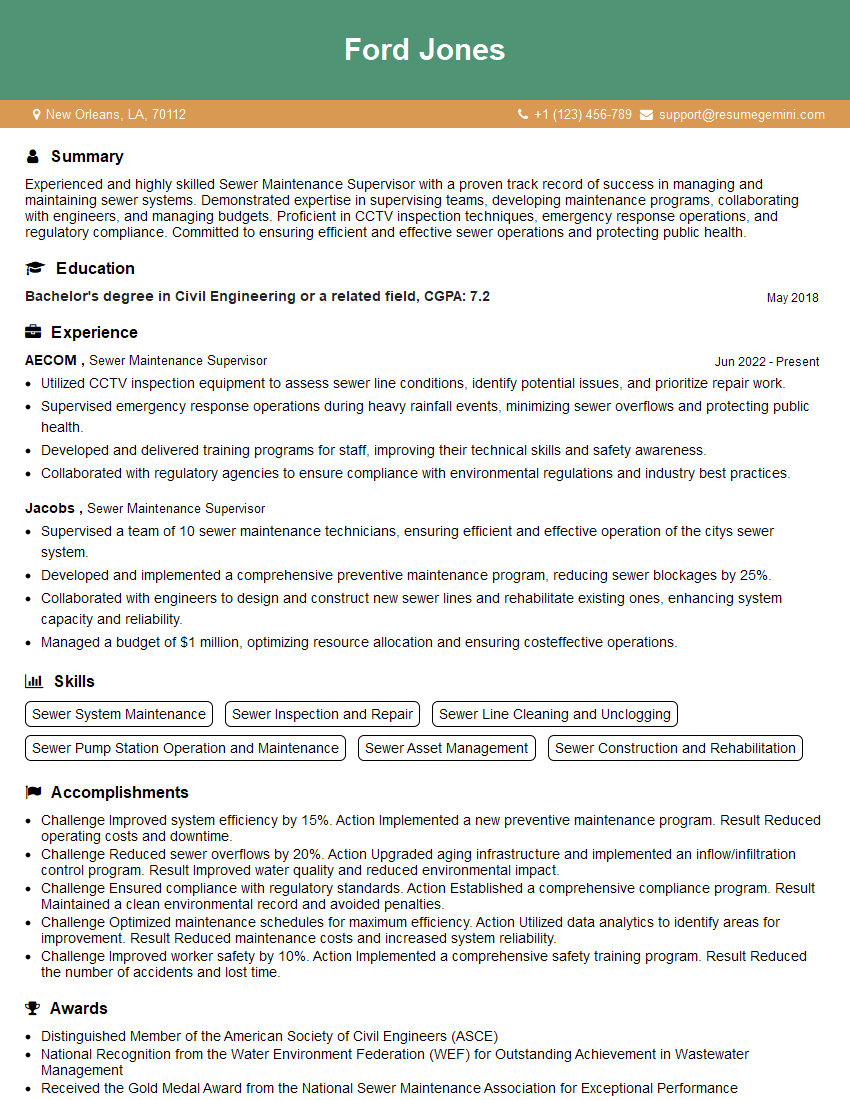
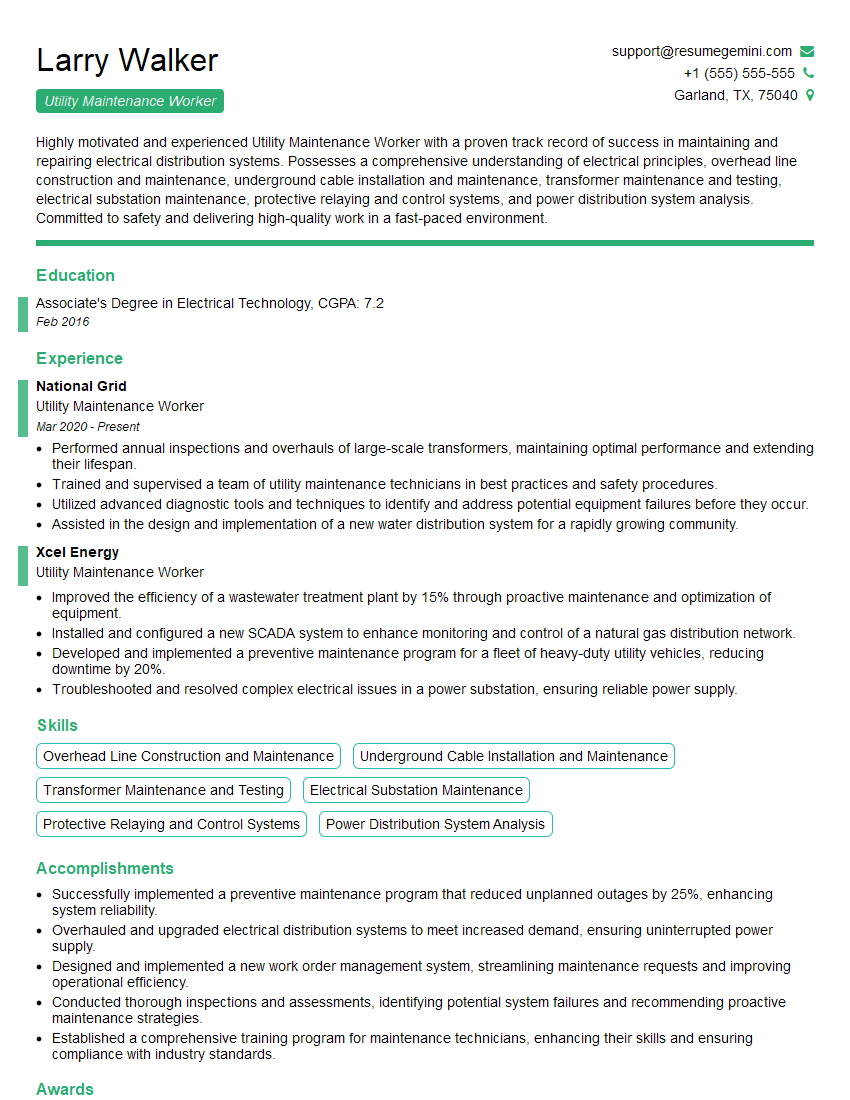
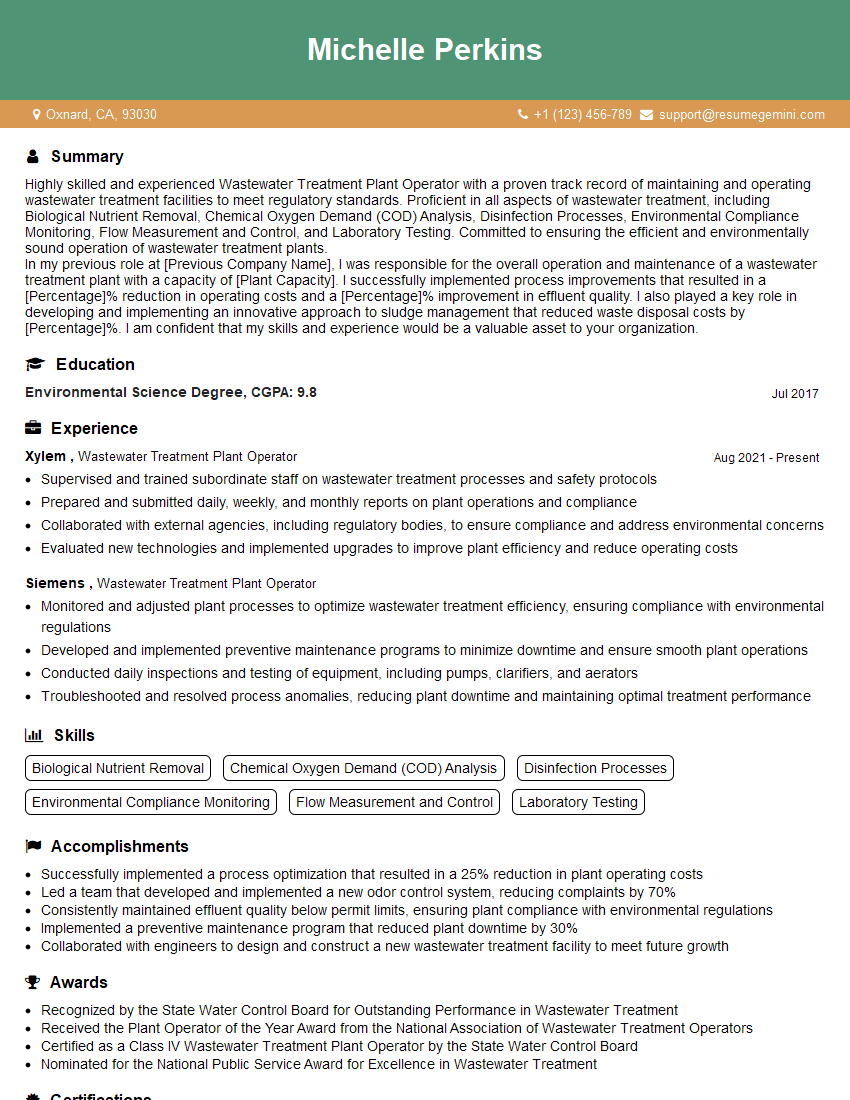
Mastering Sewer Lift Station Maintenance opens doors to a rewarding career with excellent growth potential. Advancement opportunities include supervisory roles, specialized maintenance technician positions, and opportunities in project management. To significantly boost your job prospects, create a compelling, ATS-friendly resume that showcases your skills and experience effectively. ResumeGemini is a trusted resource to help you build a professional and impactful resume. We provide examples of resumes tailored specifically to Sewer Lift Station Maintenance to guide you through the process. Take the next step towards your dream career – craft a winning resume with ResumeGemini!
Explore more articles
Users Rating of Our Blogs
Share Your Experience
We value your feedback! Please rate our content and share your thoughts (optional).
What Readers Say About Our Blog
Very informative content, great job.
good