The right preparation can turn an interview into an opportunity to showcase your expertise. This guide to Offshore Fishing and Navigation interview questions is your ultimate resource, providing key insights and tips to help you ace your responses and stand out as a top candidate.
Questions Asked in Offshore Fishing and Navigation Interview
Q 1. Describe your experience with various fishing techniques (e.g., trolling, longlining, trawling).
My experience spans a wide range of offshore fishing techniques, each tailored to specific target species and environmental conditions. Trolling involves dragging lures or baits behind a moving vessel, ideal for pelagic species like tuna and marlin. I’ve extensively used this technique, varying lure types, speeds, and depths to optimize catches. Longlining, on the other hand, employs long lines with hundreds of baited hooks, particularly effective for catching deep-water fish like swordfish and halibut. This requires careful line management and precise deployment. Finally, trawling utilizes large nets dragged through the water column, suitable for capturing schooling fish like cod and shrimp. I’ve operated both midwater and bottom trawls, adapting techniques based on the target species and seabed topography. Each technique demands different skills: from precise boat handling during trolling, to meticulous baiting and line maintenance in longlining, to understanding the dynamics of net deployment and hauling in trawling.
- Trolling Example: During a tuna fishing trip, we experimented with different lure colors and retrieval speeds, finding that a dark blue lure trolled at 6 knots yielded the best results.
- Longlining Example: Setting a longline involved meticulously baiting each hook, ensuring consistent spacing to avoid tangles and maximize efficiency.
- Trawling Example: We adjusted the net’s depth and opening based on sonar readings to target a specific schooling fish formation.
Q 2. Explain your understanding of different types of navigation equipment (e.g., GPS, radar, sonar, chartplotter).
Modern offshore navigation relies on a suite of integrated equipment. GPS (Global Positioning System) provides precise location data, crucial for navigation and plotting fishing grounds. Radar assists in detecting other vessels, landmasses, and even weather formations, improving safety and situational awareness. Sonar, both single and multibeam, provides crucial information about the seabed, water column, and the presence of fish schools. The chartplotter integrates these data sources, displaying them on a single screen for easy interpretation and route planning. It allows for route planning, waypoint setting, and even integration with autopilots. Each piece of equipment plays a vital role in safe and efficient operation.
- GPS: Essential for determining precise location, creating waypoints, and tracking vessel movements.
- Radar: Provides early warning of approaching vessels or land, crucial in low visibility conditions.
- Sonar: Used to locate fish schools, map the seabed, and avoid underwater hazards.
- Chartplotter: Integrates GPS, radar, and sonar data to provide a comprehensive navigational picture.
Q 3. How do you handle emergency situations at sea (e.g., engine failure, man overboard, fire)?
Emergency preparedness is paramount in offshore fishing. Procedures are rigorously practiced. Engine failure requires immediate action: Assessing the situation, attempting restarts, deploying emergency sails or using a backup engine (if available), and contacting emergency services. A man overboard situation involves immediate actions: Throwing a life ring, deploying a rescue boat or deploying the man overboard function on the GPS, marking the position, and initiating a search pattern. Fire demands swift action: Containing the fire using onboard extinguishers, activating the vessel’s fire alarm and emergency systems, and potentially activating distress signals. Regular safety drills, detailed emergency plans, and the use of appropriate safety equipment are critical aspects of my training.
- Engine Failure: We conduct regular engine maintenance and always carry spare parts for crucial components.
- Man Overboard: Every crew member knows the exact procedures for a man overboard situation, including the importance of immediately noting the position before commencing rescue.
- Fire: We conduct regular fire drills, ensuring all crew understands the location and use of fire extinguishers.
Q 4. What is your experience with maintaining fishing gear and equipment?
Maintaining fishing gear and equipment is essential for operational efficiency and safety. This involves regular inspections, cleaning, repairs, and replacements as needed. For example, fishing nets need regular patching and mending to prevent tears and ensure optimal catching efficiency. Hooks are inspected and replaced if bent or damaged. Lines are checked for fraying or weakening. Regular servicing of winches, engines, and other onboard systems prevents breakdowns and extends their lifespan. Proactive maintenance reduces downtime and increases overall productivity.
- Net Repair: I am proficient in repairing various types of fishing nets, using specialized techniques to ensure their strength and integrity.
- Line Maintenance: Regular inspection and replacement of lines prevent accidents due to line failure.
- Equipment Servicing: We stick to a strict schedule for preventative maintenance, ensuring that all equipment is in top condition before each trip.
Q 5. Describe your knowledge of maritime regulations and safety procedures.
I possess a thorough understanding of maritime regulations and safety procedures, including SOLAS (Safety of Life at Sea) conventions, and relevant national and international regulations pertaining to fishing operations. This knowledge covers aspects like vessel registration, licensing, reporting requirements, safety equipment mandates, crew certifications, and environmental protection standards. I’m familiar with the procedures for handling hazardous materials, pollution prevention, and reporting accidents or incidents to the relevant authorities. Strict adherence to these regulations ensures the safety of the crew and protects the marine environment.
- SOLAS Compliance: I’m familiar with the requirements for life rafts, life jackets, fire extinguishers, and other safety equipment.
- Environmental Regulations: I am aware of the rules for handling waste and avoiding damage to marine habitats.
- Reporting Procedures: I understand the necessity of reporting any accidents, incidents, or environmental concerns to the appropriate authorities.
Q 6. How do you interpret nautical charts and publications?
Interpreting nautical charts and publications is a fundamental skill for safe navigation. Nautical charts depict geographical features, depths, hazards, navigational aids, and other important information. I can interpret chart symbols and notations, calculate distances and bearings, and use various methods for plotting position. Associated publications like sailing directions, tide tables, and Notices to Mariners provide supplementary information vital for safe navigation, accounting for tidal changes, current patterns, and navigational warnings. Combining chart reading with GPS and other electronic navigational systems provides a comprehensive navigation strategy.
- Chart Symbols: I can identify and understand the meaning of various chart symbols, such as buoys, lighthouses, depths, and hazards.
- Position Plotting: I can accurately plot a vessel’s position using various methods, such as GPS, visual bearings, and celestial navigation.
- Tidal Calculations: I can use tide tables to accurately predict water levels and currents.
Q 7. Explain your experience with vessel maintenance and repairs.
Vessel maintenance and repairs are essential aspects of my experience. This involves regular checks of the engine, hull, rigging, and other critical systems. I can perform basic maintenance tasks like oil changes, filter replacements, and minor repairs. I also know when to call upon specialized technicians for more complex issues. Preventative maintenance is crucial for preventing major breakdowns and ensuring the vessel’s seaworthiness. Experience with fiberglass repair, electrical system troubleshooting, and engine maintenance contribute to keeping the vessel in optimal condition.
- Engine Maintenance: I’m proficient in performing routine engine maintenance and troubleshooting minor engine issues.
- Hull Repair: I can perform minor repairs to the vessel’s hull and apply anti-fouling paint to protect against marine growth.
- Electrical Systems: I am familiar with the vessel’s electrical system and can troubleshoot minor electrical problems.
Q 8. How do you manage a crew and ensure their safety?
Crew management in offshore fishing hinges on fostering a safe and productive work environment. It starts with clear communication. I ensure everyone understands their roles and responsibilities, using both formal briefings and informal check-ins. Safety training is paramount; we conduct regular drills on emergency procedures, including man overboard, fire, and medical emergencies. I emphasize the importance of reporting any safety concerns immediately, creating a culture where open communication is valued over potential reprimand. Furthermore, I delegate tasks based on crew members’ skills and experience, ensuring fair workload distribution. Maintaining a positive team dynamic through respect, clear expectations, and mutual support is crucial for both safety and efficiency. For instance, during a particularly rough storm, clear communication prevented panic and enabled us to successfully weather the event.
- Regular safety briefings
- Emergency drill practice
- Clear role definition
- Open communication policy
- Fair workload distribution
Q 9. How do you calculate and adjust vessel course and speed based on weather conditions and sea state?
Calculating and adjusting vessel course and speed involves considering several factors: the intended destination, prevailing weather conditions (wind speed and direction, wave height, sea state), and the vessel’s capabilities. I utilize navigational charts, weather forecasts (obtained through satellite communication or VHF radio), and electronic charting systems (ECDIS). The process usually involves:
- Assessing the weather forecast: This includes identifying significant weather systems and their projected path.
- Determining the optimal course: Considering factors like wind and current, we select a course that minimizes fuel consumption and maximizes safety. This might involve sailing slightly off-course to avoid rough seas.
- Adjusting speed: Based on sea state and visibility, we adjust the speed accordingly. In rough seas, reducing speed enhances stability and safety.
- Continuous monitoring: I continuously monitor the vessel’s position, speed, and the evolving weather situation, making adjustments as needed.
For example, if a strong headwind is predicted, I might adjust the course slightly to reduce the wind’s impact and then reduce speed to maintain a comfortable ride. This iterative process ensures safe and efficient navigation.
Q 10. What are your experience and knowledge of different types of marine engines?
My experience encompasses various marine engine types, including both main propulsion systems and auxiliary engines. I’m proficient with diesel engines – both four-stroke and two-stroke – commonly found in offshore fishing vessels. I understand the principles of engine operation, maintenance, and troubleshooting, including aspects like fuel injection systems, lubrication systems, and cooling systems. I also have experience with auxiliary engines used for generating electricity, hydraulic power, and other onboard systems. I’m familiar with the preventative maintenance procedures for all these systems, ensuring optimal performance and longevity. During my career, I’ve successfully diagnosed and repaired various engine malfunctions, ranging from minor issues like fuel leaks to more significant problems requiring specialized knowledge and tools.
- Diesel engines (four-stroke and two-stroke)
- Auxiliary engines (generator sets, hydraulic pumps)
- Engine maintenance and troubleshooting
- Preventative maintenance schedules
Q 11. Explain your proficiency in using various navigational tools and software.
My navigational expertise involves using a combination of traditional and modern tools. I’m proficient in using paper charts and parallel rules for traditional navigation, though these are often used in conjunction with electronic systems now. My primary tools include:
- ECDIS (Electronic Chart Display and Information System): This is my primary navigational tool, providing real-time position, charts, and other navigational data.
- GPS (Global Positioning System): For precise position fixing.
- Radar: For detecting other vessels and navigational hazards.
- AIS (Automatic Identification System): To track the position and movement of other vessels.
- VHF Radio: For communication with other vessels and shore-based personnel.
- Various navigational software: including weather routing programs which optimize routes based on weather conditions.
I regularly update my knowledge of navigational software and techniques to ensure I’m using the most current and effective methods.
Q 12. Describe your knowledge of different fishing species and their habitats.
My knowledge of fish species and their habitats is extensive. I understand the life cycles, migration patterns, and preferred habitats of various commercially important fish. This includes understanding the relationship between water temperature, salinity, depth, and bottom type to the distribution and abundance of fish. For example, I know that tuna prefer warmer waters and often congregate around oceanographic features like current boundaries and seamounts, whereas cod thrive in colder, deeper waters on the continental shelf. This understanding informs my fishing strategies, allowing me to target specific species in their preferred habitats using the most effective fishing gear. I also have a strong understanding of sustainable fishing practices, aiming to minimize environmental impact while ensuring the long-term health of the fish stocks.
- Tuna species (bluefin, yellowfin, etc.) and their habitat preferences
- Groundfish species (cod, haddock, etc.) and their habitat preferences
- Pelagic fish species (mackerel, sardines, etc.) and their habitat preferences
- Sustainable fishing practices
Q 13. How do you handle communication with shore-based personnel?
Communication with shore-based personnel is critical for effective offshore operations. I primarily use VHF radio for immediate communication regarding position reports, weather updates, and any urgent situations. For less urgent matters, I utilize satellite phone or email. Clear and concise communication is vital; I use standardized terminology and reporting formats to prevent misunderstandings. I always confirm the received information to ensure accurate transmission. Regular updates on our position, catch, and any potential issues ensure that shore-based personnel are kept informed of our progress and any necessary support requests can be efficiently addressed. For instance, during a medical emergency, timely and accurate communication via satellite phone and VHF radio enabled rapid assistance and a successful outcome.
- VHF radio for urgent communication
- Satellite phone or email for less urgent communication
- Standardized reporting formats
- Regular position and catch reports
Q 14. Explain your understanding of tides, currents, and weather patterns.
Understanding tides, currents, and weather patterns is fundamental to successful offshore fishing. Tides affect water depth and currents, influencing fish behavior and the accessibility of fishing grounds. I utilize tide charts and current forecasts to plan fishing operations, optimizing our time on productive fishing grounds. Weather patterns, including wind speed, direction, wave height, and visibility, significantly impact vessel safety and fishing operations. I regularly monitor weather forecasts to anticipate changes and adjust our plans accordingly. I take into account the interaction between tides, currents, and weather. For instance, strong winds can create significant waves that influence currents. By carefully considering these factors, I can make informed decisions about navigation, fishing strategies, and crew safety.
- Use of tide charts and current forecasts
- Monitoring of weather forecasts
- Understanding the interaction of tides, currents, and weather
- Adapting fishing strategies based on environmental factors
Q 15. How do you plan and execute a fishing trip, considering all relevant factors?
Planning an offshore fishing trip requires meticulous attention to detail. It’s like orchestrating a complex symphony, where each instrument (factor) plays a crucial role. First, we define the target species and fishing grounds based on seasonal migrations and historical data. Then, weather forecasting becomes paramount; we utilize sophisticated meteorological models and consult experienced forecasters to minimize risks associated with storms. Vessel preparedness is key – ensuring proper maintenance, sufficient fuel, ice, and supplies. Navigation planning involves charting the most efficient route, considering factors like currents, tides, and potential hazards. Crew allocation and safety procedures, including emergency plans and communication protocols, are meticulously documented. Finally, we prepare the necessary fishing gear and tackle, tailored to the specific target species and fishing techniques. For instance, targeting tuna requires different gear and strategies compared to bottom fishing for grouper. A successful trip stems from a well-executed plan, adapting to unforeseen circumstances with agility and experience.
- Example: For a tuna fishing trip, we’d plan the route based on known tuna migration patterns, factor in the optimal time of day for fishing (related to light and tuna feeding behavior), and choose high-speed fishing vessels capable of covering vast distances in pursuit of schools of tuna.
Career Expert Tips:
- Ace those interviews! Prepare effectively by reviewing the Top 50 Most Common Interview Questions on ResumeGemini.
- Navigate your job search with confidence! Explore a wide range of Career Tips on ResumeGemini. Learn about common challenges and recommendations to overcome them.
- Craft the perfect resume! Master the Art of Resume Writing with ResumeGemini’s guide. Showcase your unique qualifications and achievements effectively.
- Don’t miss out on holiday savings! Build your dream resume with ResumeGemini’s ATS optimized templates.
Q 16. What is your experience with fish handling and processing procedures?
Proper fish handling and processing is critical for maintaining quality and ensuring safety. This involves a series of steps starting immediately after the catch. We prioritize keeping the fish cool to prevent spoilage, often using ice slush or refrigerated sea water. Depending on the species and intended use (e.g., fresh market, freezing, processing into fillets), different methods are employed. For instance, certain species are bled immediately to improve the taste and texture, while others require careful handling to avoid damaging delicate flesh. We meticulously follow hygiene protocols, ensuring clean and sanitized equipment to prevent contamination. Onboard processing may involve filleting, scaling, and cleaning the fish, packing them in ice, or freezing them to preserve their quality. Post-trip processing may vary greatly; some catches are directly sold to markets, while others undergo further processing in shore-based facilities.
- Example: When catching highly prized fish like swordfish or marlin, we prioritize quick bleeding and chilling to retain the best quality and ensure high market value.
Q 17. Describe your experience with vessel loading and unloading procedures.
Vessel loading and unloading procedures are crucial for efficiency and safety, and vary depending on the vessel type and cargo. Safe loading practices, including proper weight distribution and securing of cargo, are fundamental to prevent instability and damage. Unloading procedures often depend on whether the vessel is docked or alongside a processing vessel. For docked vessels, cranes, forklifts, or conveyor belts may be used, requiring coordination between crew members and shore personnel. When transferring to a processing vessel, techniques like using specialized cranes or pumps for liquid cargo ensure safe and efficient transfers. Record-keeping, including manifests and weight tracking, is vital for inventory management and compliance. Safety precautions, like personal protective equipment (PPE) for crew members, are strictly enforced throughout the loading and unloading process.
- Example: Loading a smaller fishing vessel might involve manually transferring the catch into ice-filled bins. On a larger trawler, it may involve conveyor belts and automated sorting systems.
Q 18. How do you ensure compliance with environmental regulations during fishing operations?
Environmental compliance is paramount in offshore fishing. We strictly adhere to regulations concerning catch limits, protected species, and fishing gear. This involves meticulous record-keeping, accurate reporting of catches, and use of selective fishing gear to minimize bycatch (unintended catch of non-target species). We must also be mindful of marine protected areas and adhere to regulations on discarding fish or marine debris. Using appropriate fishing gear, such as turtle excluder devices (TEDs) for shrimp trawling, is vital in protecting endangered sea turtles. Regular training on environmental regulations and best practices ensures that the entire crew understands and follows these vital guidelines. Failure to comply can lead to substantial penalties and damage to the reputation of the fishing operation. Our commitment to sustainability goes beyond legal compliance, encompassing responsible fishing practices to preserve marine ecosystems.
Q 19. How do you manage the budget and resources of a fishing vessel?
Managing the budget and resources of a fishing vessel requires meticulous planning and control. This involves forecasting operational costs, including fuel, maintenance, crew wages, and gear expenses, against projected revenue. We carefully monitor fuel consumption, optimizing routes and engine settings to minimize costs. Regular maintenance schedules prevent costly breakdowns and extend the lifespan of equipment. Efficient crew management, including fair wages and clear responsibilities, is key to maintaining morale and productivity. Inventory management, tracking supplies and gear, is crucial to avoid waste and ensure sufficient resources. Financial planning involves accurately projecting revenue, accounting for fluctuating market prices and managing cash flow to ensure solvency. This is as important to the captain as it is to the owner of the fishing operation.
- Example: We might negotiate fuel contracts in advance to secure better rates or implement fuel-efficient fishing strategies to reduce fuel consumption.
Q 20. What is your experience with different types of fishing vessels?
My experience encompasses a range of fishing vessels, from small inshore boats to large ocean-going trawlers. Smaller vessels, often used for nearshore fishing, are usually simpler and require a smaller crew. They might be powered by outboard motors or smaller inboard engines. Larger trawlers, used for deep-sea fishing, require substantial crew, advanced navigation systems, and significant processing capabilities onboard. I’ve worked with longliners, which utilize long lines with numerous baited hooks, and purse seiners, which employ large nets to encircle schools of fish. Each vessel type demands specialized knowledge of its operational characteristics, safety procedures, and maintenance requirements. Understanding the unique capabilities and limitations of each vessel type is crucial for selecting the appropriate vessel for the fishing operation.
- Example: Working on a longliner requires expertise in setting, monitoring, and hauling long lines, while working on a trawler necessitates knowledge of the trawling gear and its operation.
Q 21. Explain your understanding of celestial navigation.
Celestial navigation involves determining a vessel’s position using celestial bodies such as the sun, moon, planets, and stars. It’s a time-honored technique, valuable as a backup or in situations where electronic navigation systems fail. The process involves measuring the altitude (angle above the horizon) of celestial bodies using a sextant. These measurements, along with the precise time, are used in conjunction with astronomical tables or calculations to determine the vessel’s latitude and longitude. Understanding the concept of Greenwich Hour Angle (GHA) and Local Hour Angle (LHA) is crucial; the difference provides a key input for calculating longitude. While less common in modern fishing operations relying heavily on GPS, celestial navigation remains a valuable skill, providing a crucial level of independence and redundancy in navigation, especially in remote areas or during emergencies.
- Example: Determining latitude using the sun’s meridian transit, where the sun reaches its highest point in the sky, is a fundamental principle of celestial navigation. The time of this transit, along with the sun’s declination (its celestial latitude), are used to calculate latitude.
Q 22. How do you determine your vessel’s position using various methods?
Determining a vessel’s position offshore relies on a combination of traditional and modern methods. Accuracy and reliability depend on the circumstances and available technology.
GPS (Global Positioning System): This is the most common method. GPS receivers use signals from satellites to pinpoint latitude and longitude with high precision. It’s crucial to understand that GPS accuracy can be affected by atmospheric conditions, signal interference (e.g., from tall structures or mountainous terrain), and multipath errors (signals bouncing off surfaces).
Celestial Navigation: A time-tested method involving measuring the angles of celestial bodies (sun, moon, stars) to determine latitude and longitude. While less precise than GPS, it’s an independent backup system vital in case of GPS failure. It requires precise timekeeping and knowledge of astronomical tables or software.
LORAN-C (Long Range Navigation): This older system uses radio signals from land-based transmitters to determine position. While being phased out, it’s still relevant in some areas and offers a reliable alternative to GPS in certain conditions.
Visual Navigation: Using landmarks, buoys, and other visual aids to estimate position. This is often combined with chart plotting. It’s very useful for coastal navigation but becomes less reliable in open ocean.
Electronic Charting Systems (ECS): Modern ECS integrates GPS data, charts, and other navigational information. It enhances situational awareness and assists in route planning and collision avoidance. I’ll discuss ECS in more detail later.
In practice, I often use a combination of GPS and ECS, with celestial navigation as a backup for redundancy. For example, during a long offshore trip, I’ll regularly check my GPS position against my plotted course on the ECS and perform celestial fixes at intervals to validate the GPS data. This layered approach ensures the highest level of navigational certainty.
Q 23. What is your approach to maintaining the cleanliness and hygiene of the vessel?
Maintaining cleanliness and hygiene on an offshore fishing vessel is paramount for both crew health and operational efficiency. Neglect can lead to pest infestations, equipment damage, and even illness. My approach is proactive and systematic:
Regular Cleaning Schedules: We establish a detailed cleaning schedule for different areas of the vessel, including the galley, heads (toilets), living quarters, and workspaces. This is usually assigned as part of daily routines.
Waste Management: Proper waste disposal is vital. We use designated receptacles for different types of waste (garbage, recyclables, hazardous waste) and follow regulations for disposal at port. We ensure all food waste is immediately and correctly disposed of to avoid attracting pests.
Disinfection: Regular disinfection of high-touch surfaces, especially in the galley and heads, prevents the spread of germs and illness. We use EPA-approved disinfectants and follow the manufacturer’s instructions.
Pest Control: We implement preventative measures to avoid pest infestations, including regular checks and the use of pest control products when necessary. This includes ensuring all food is stored correctly and that the ship is well maintained to prevent access points.
Crew Education: Every member of the crew is educated on proper hygiene practices and their role in maintaining a clean environment. This helps instill a culture of cleanliness that’s essential for a safe and healthy working environment.
For instance, during my last trip, we had a meticulous cleaning schedule that included a deep clean of the fish hold every three days, regular wiping down of the galley surfaces, and daily cleaning of the heads. This proactive approach prevented any health issues or infestations, allowing us to maintain efficiency throughout the voyage.
Q 24. Explain your experience in collision avoidance and safe navigation practices.
Collision avoidance and safe navigation are fundamental to offshore fishing. My approach combines adherence to regulations with proactive risk assessment and mitigation.
COLREGs (International Regulations for Preventing Collisions at Sea): I have extensive experience and training in the COLREGs, which dictate the rules of the road at sea. Understanding and applying these rules is non-negotiable.
Visual and Radar Monitoring: I continuously scan the horizon using binoculars and radar to detect other vessels, obstacles, and environmental hazards (e.g., icebergs, floating debris). Radar provides a valuable tool, especially in low-visibility conditions.
AIS (Automatic Identification System): AIS transponders provide position, course, and speed information from other vessels equipped with them. This significantly enhances collision avoidance. I regularly check the AIS display to identify and assess potential risks.
Risk Assessment and Mitigation: I regularly assess potential hazards, considering factors such as weather conditions, vessel traffic density, and the vessel’s limitations. Mitigation strategies may include adjusting course, speed, or even seeking shelter if necessary.
Bridge Resource Management (BRM): BRM principles emphasize teamwork, communication, and efficient decision-making on the bridge. I utilize these principles to ensure all crew members are aware of the navigation situation and contribute to safe operations. This is especially important in situations involving multiple tasks and potential conflicts.
For example, once I had to execute a rapid avoidance maneuver based on a sudden radar contact in dense fog. Applying COLREGs and good seamanship allowed me to successfully avoid a collision. The situation highlighted the importance of constant vigilance and quick decision-making.
Q 25. How do you ensure the vessel’s stability and seaworthiness?
Ensuring vessel stability and seaworthiness is crucial for safety and operational effectiveness. My approach involves a multi-faceted strategy:
Regular Inspections: I conduct frequent inspections of the hull, rigging, and all other critical systems, ensuring everything is in good working order. This includes checking for leaks, corrosion, and any signs of damage.
Load Management: Correctly distributing weight onboard is essential for maintaining stability. We ensure proper stowage of cargo and equipment to prevent shifting and imbalances. This is critical for preventing capsizing, especially in rough seas.
Maintenance Schedule: A detailed maintenance schedule ensures timely servicing of engines, pumps, and other critical equipment. Proper maintenance prevents breakdowns and extends the lifespan of components.
Weather Monitoring: Closely monitoring weather forecasts helps us make informed decisions about proceeding with voyages or seeking safe harbor. This is vital for preventing damage from severe weather.
Emergency Preparedness: Having proper emergency equipment and a well-rehearsed emergency plan are crucial. This may include life rafts, life jackets, EPIRB (Emergency Position-Indicating Radio Beacon), and regular drills.
During one trip, we encountered an unexpected squall. Our careful load management and proactive monitoring of the weather enabled us to successfully navigate the storm without any significant issues, showcasing the importance of proactive safety measures.
Q 26. Describe your experience with managing fuel consumption and efficiency.
Managing fuel consumption is essential for both economic reasons and environmental sustainability. My approach is to optimize efficiency through a combination of techniques:
Route Planning: Careful route planning, considering factors such as currents and weather patterns, can minimize fuel consumption by selecting the most efficient path. This often involves using ECS to identify optimal routes.
Speed Optimization: Maintaining an appropriate speed minimizes fuel consumption without sacrificing timeliness. There’s a balance between speed and fuel efficiency that I consider carefully based on the weather and operational needs.
Engine Maintenance: Regular engine maintenance, including cleaning and tuning, ensures optimal performance and fuel efficiency. Properly maintained engines burn less fuel and produce fewer emissions.
Hull Cleaning: Keeping the hull clean reduces drag, improving fuel efficiency. Marine growth significantly increases resistance and fuel consumption.
Fuel Monitoring: Regularly monitoring fuel consumption helps identify anomalies and allows for timely corrective actions. This is particularly important in case of a mechanical issue that could affect fuel usage.
For example, during a long-range fishing trip, by optimizing our speed based on wave conditions and carefully planning our route, we achieved a notable reduction in fuel consumption, leading to significant savings. We implemented regular engine maintenance and hull cleaning to maximize its effectiveness.
Q 27. How do you handle conflicts or disagreements within the crew?
Conflicts can arise on any team, especially during extended offshore trips. My approach to handling disagreements emphasizes open communication, fairness, and respect:
Open Communication: I encourage open and honest communication among crew members. I create an environment where everyone feels comfortable expressing their concerns and opinions.
Active Listening: I actively listen to all parties involved in a conflict, attempting to understand their perspectives before intervening.
Fairness and Impartiality: I strive to be fair and impartial in mediating conflicts, focusing on finding mutually acceptable solutions.
Conflict Resolution Techniques: I utilize conflict resolution techniques such as mediation and negotiation to help parties find common ground. In certain cases, establishing clear roles and responsibilities helps minimize future conflict.
Documentation: In more serious situations, I maintain documentation of the conflict and the steps taken to resolve it.
On one occasion, a disagreement arose between two crew members regarding work assignments. By actively listening to both sides and facilitating a discussion, we arrived at a solution that satisfied both individuals and maintained team morale. This demonstrated the importance of proactive communication and fair conflict resolution on a small team.
Q 28. What is your experience with using electronic charting systems (ECS)?
Electronic Charting Systems (ECS) are indispensable for modern offshore navigation. My experience encompasses various aspects of their use:
Chart Management: I am proficient in updating and managing electronic charts, ensuring they are current and accurate. This includes downloading updates and verifying chart data.
Route Planning: ECS allows for precise route planning, taking into account various factors like depth, currents, and hazards. This optimization leads to increased safety and fuel efficiency.
Navigation and Monitoring: I use ECS to monitor vessel position, course, and speed in real-time. This provides a clear picture of the navigational situation.
Integration with other systems: I am experienced in integrating ECS with other navigational systems, such as GPS, radar, and AIS. This integration provides a comprehensive view of the surrounding environment.
Emergency Procedures: I am familiar with using ECS in emergency situations, such as during collisions or mechanical failures. This includes understanding emergency procedures and using backup systems.
Example: Using an ECS, I can set a route and then the system will provide an audible alarm if the vessel deviates from the planned path or enters a restricted area, greatly improving safety.
For example, during a recent trip, using ECS enabled me to identify a previously uncharted shallow area. This avoided a potential grounding and highlights the importance of using up-to-date chart information and familiarity with ECS functionalities.
Key Topics to Learn for Offshore Fishing and Navigation Interview
- Navigation Systems & Chart Reading: Understanding GPS, chart plotting, electronic charting systems (ECDIS), and traditional navigation techniques. Practical application: Demonstrate your ability to plan a safe and efficient route, considering factors like weather, currents, and potential hazards.
- Fishing Gear & Techniques: Familiarity with various fishing methods (trawling, longlining, etc.), gear maintenance, and the principles of fish finding. Practical application: Explain how you would select the appropriate gear for a specific species and fishing location, and describe your troubleshooting skills in case of equipment malfunction.
- Marine Meteorology & Oceanography: Knowledge of weather patterns, wave forecasting, ocean currents, and tides. Practical application: Describe how you would interpret weather reports to make informed decisions about safety and fishing operations.
- Vessel Operation & Maintenance: Understanding of engine mechanics, safety procedures, and basic vessel maintenance. Practical application: Explain your experience with preventative maintenance, emergency procedures, and your approach to problem-solving onboard.
- Regulations & Safety: Familiarity with maritime regulations, safety protocols, and emergency response procedures. Practical application: Discuss your understanding of SOLAS regulations and your experience with safety drills and emergency situations.
- Fish Stock Management & Conservation: Understanding of sustainable fishing practices, stock assessments, and relevant regulations. Practical application: Discuss your commitment to responsible fishing and your knowledge of conservation measures.
Next Steps
Mastering Offshore Fishing and Navigation opens doors to exciting and rewarding careers, offering opportunities for growth and specialization. A strong resume is crucial for showcasing your skills and experience to potential employers. Creating an ATS-friendly resume is vital for ensuring your application is effectively scanned and reviewed. We highly recommend using ResumeGemini to build a professional and impactful resume that highlights your qualifications effectively. ResumeGemini provides examples of resumes tailored to the Offshore Fishing and Navigation industry to help you craft a compelling application. Take the next step towards your dream career – build a winning resume today!
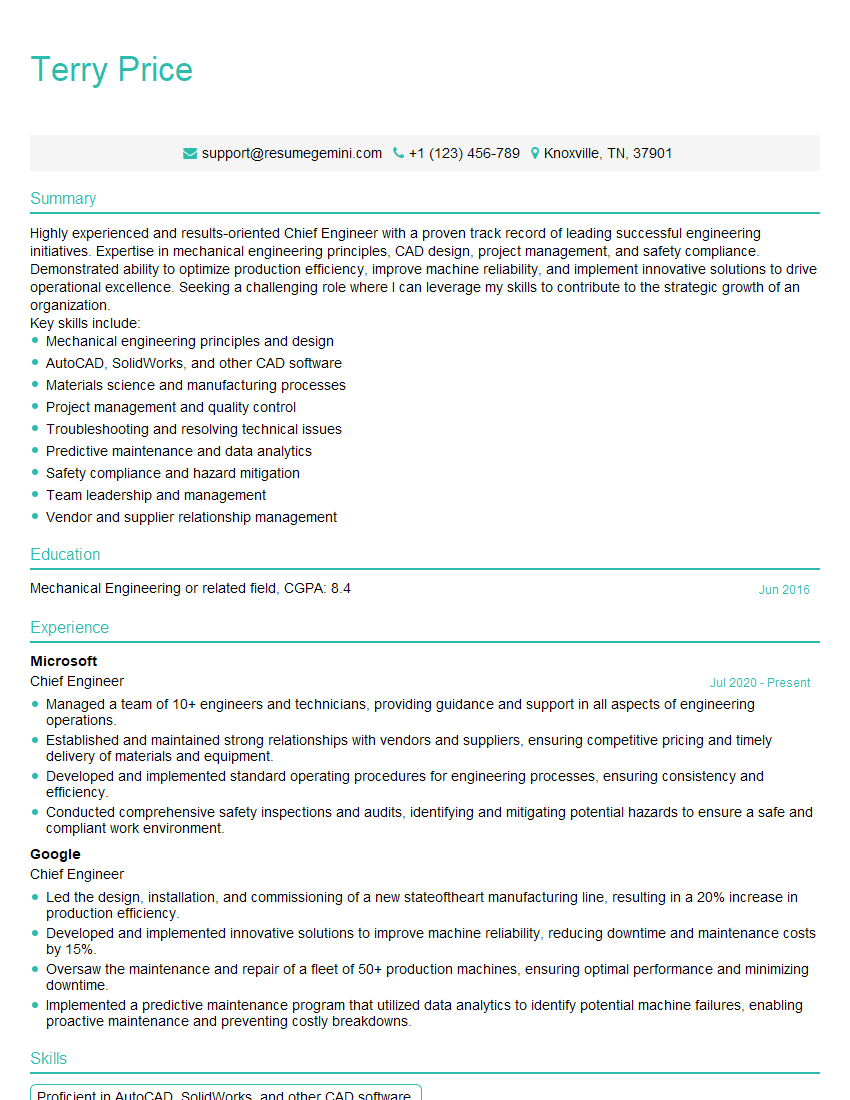
Chief Engineer Resume Sample
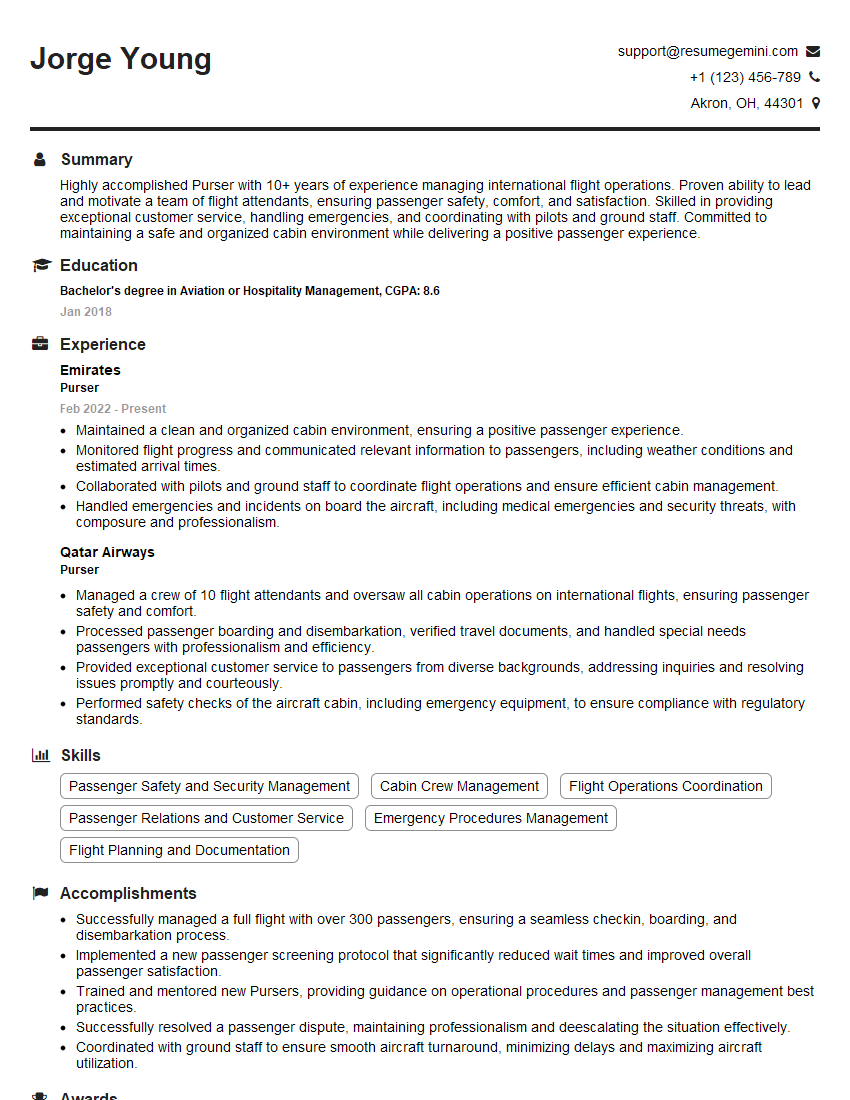
Purser Resume Sample
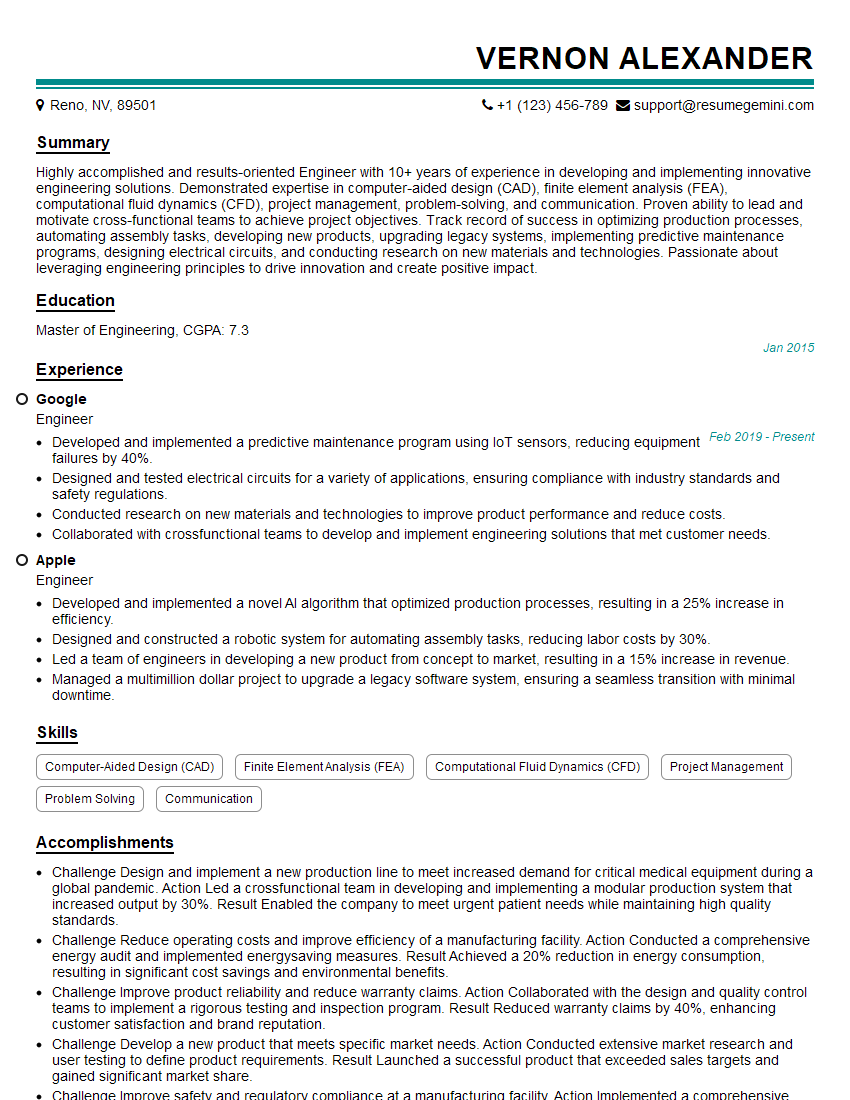
Engineer Resume Sample
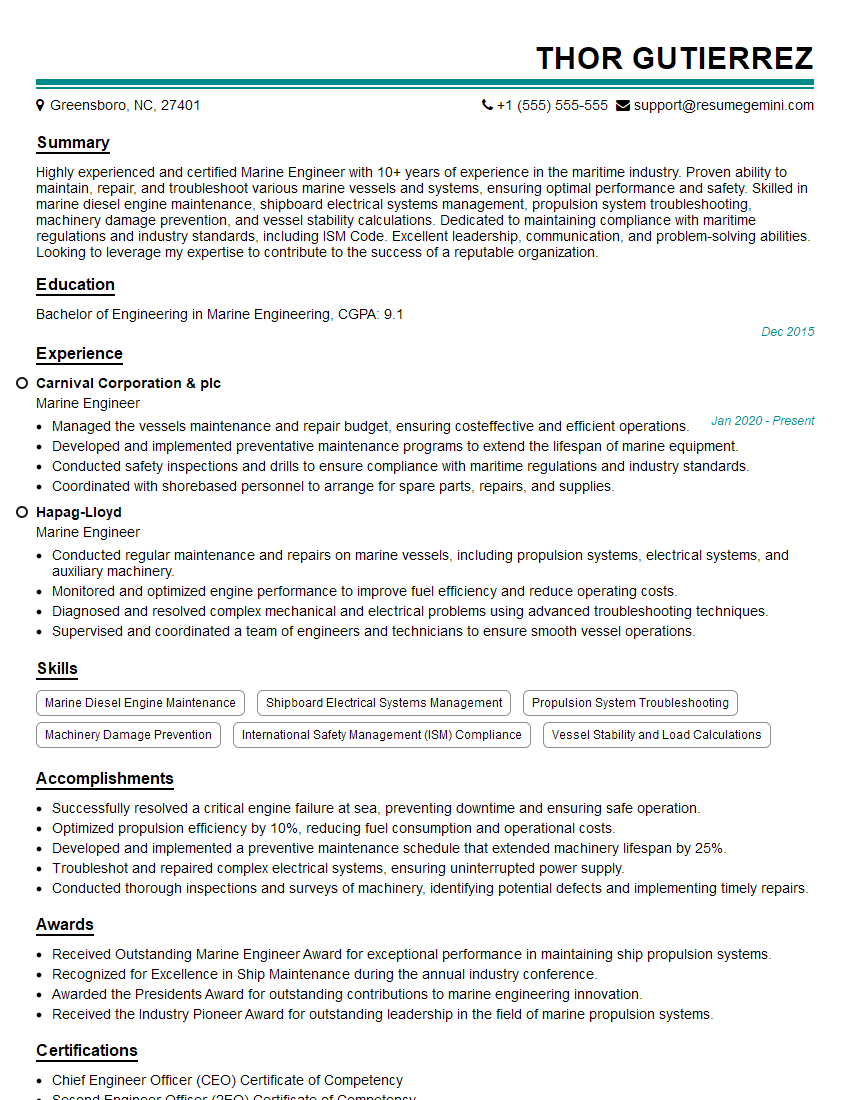
Marine Engineer Resume Sample
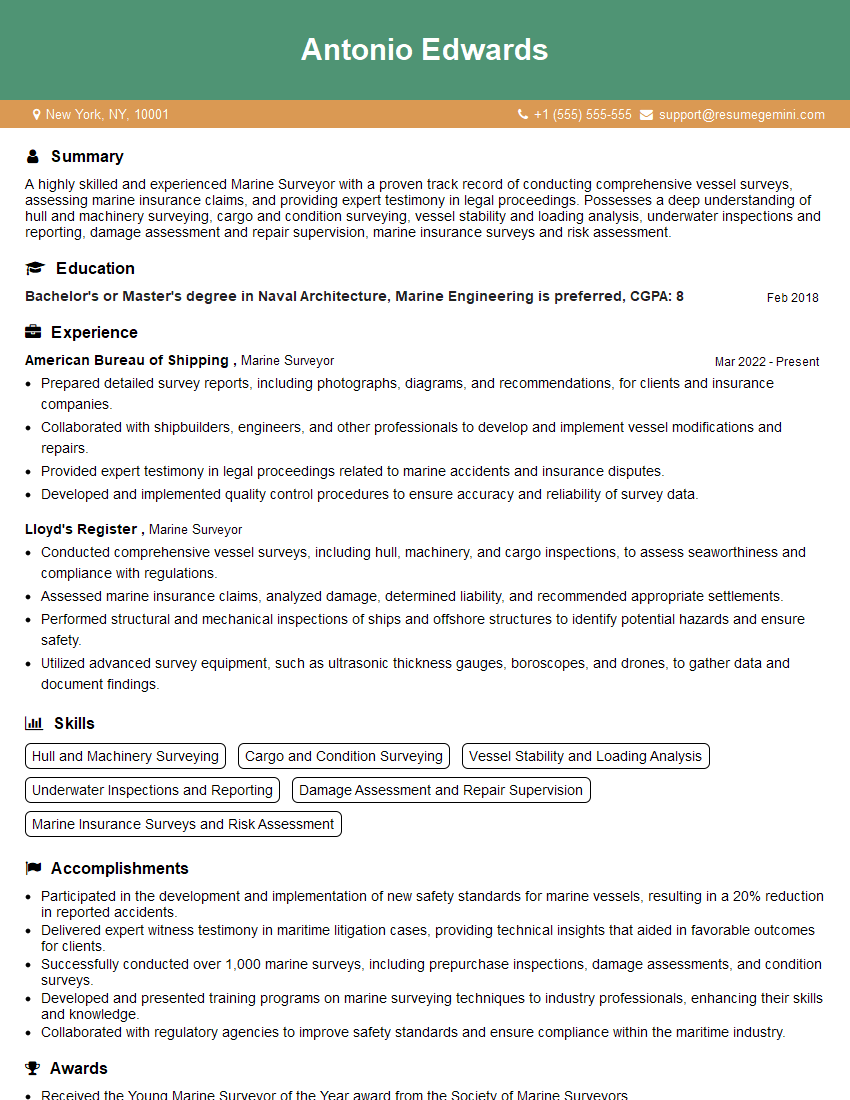
Marine Surveyor Resume Sample
Assistant Engineer Resume Sample
Radio Operator Resume Sample
Safety Officer Resume Sample
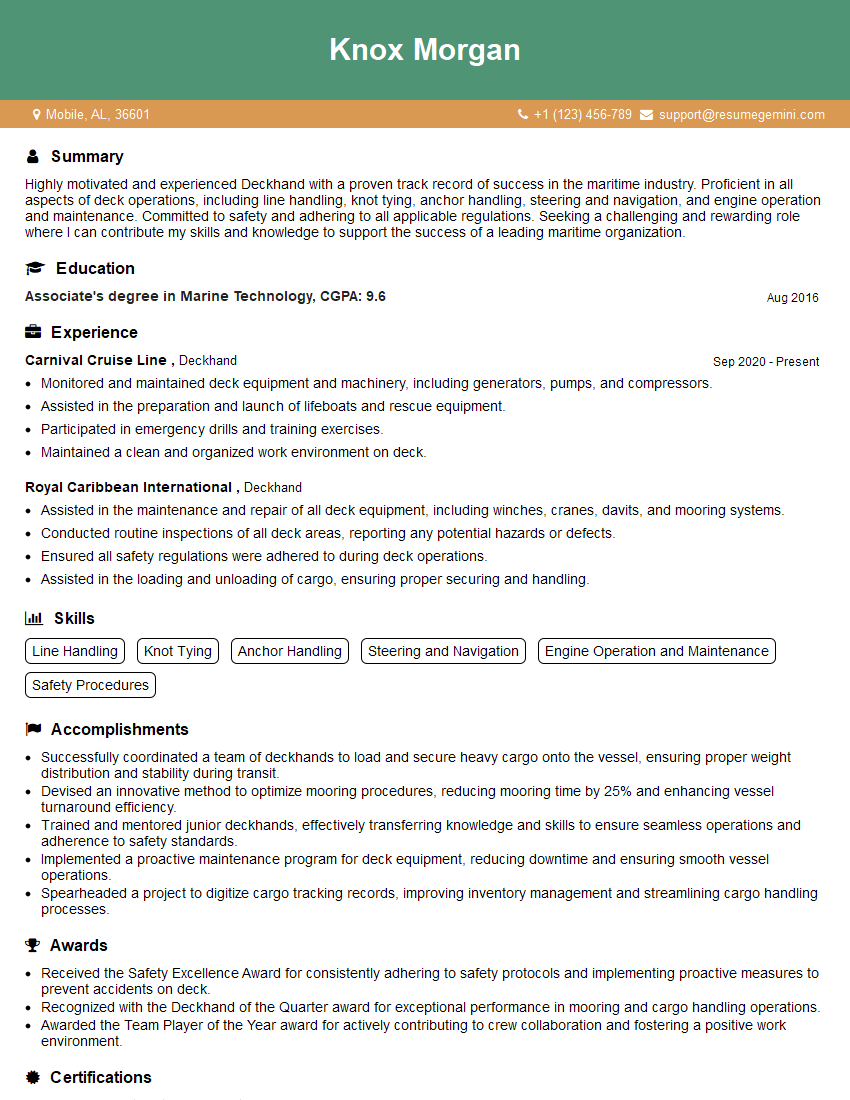
Deckhand Resume Sample
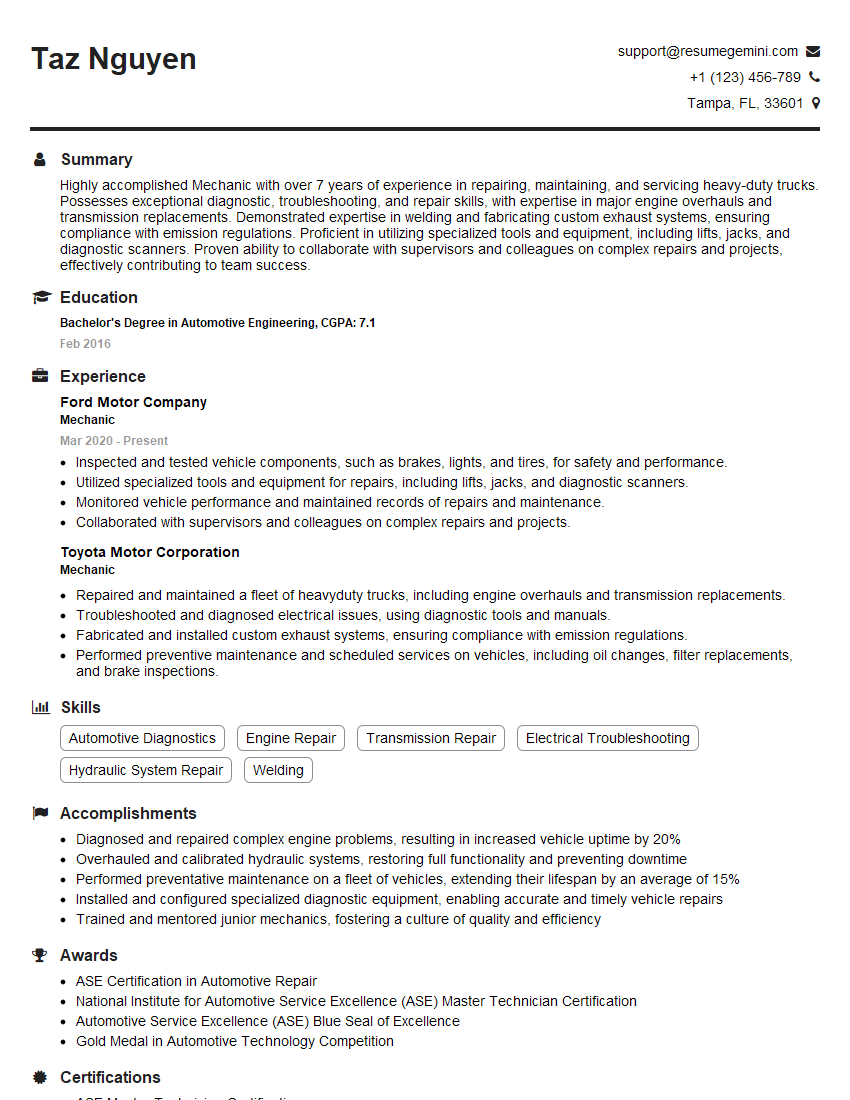
Mechanic Resume Sample
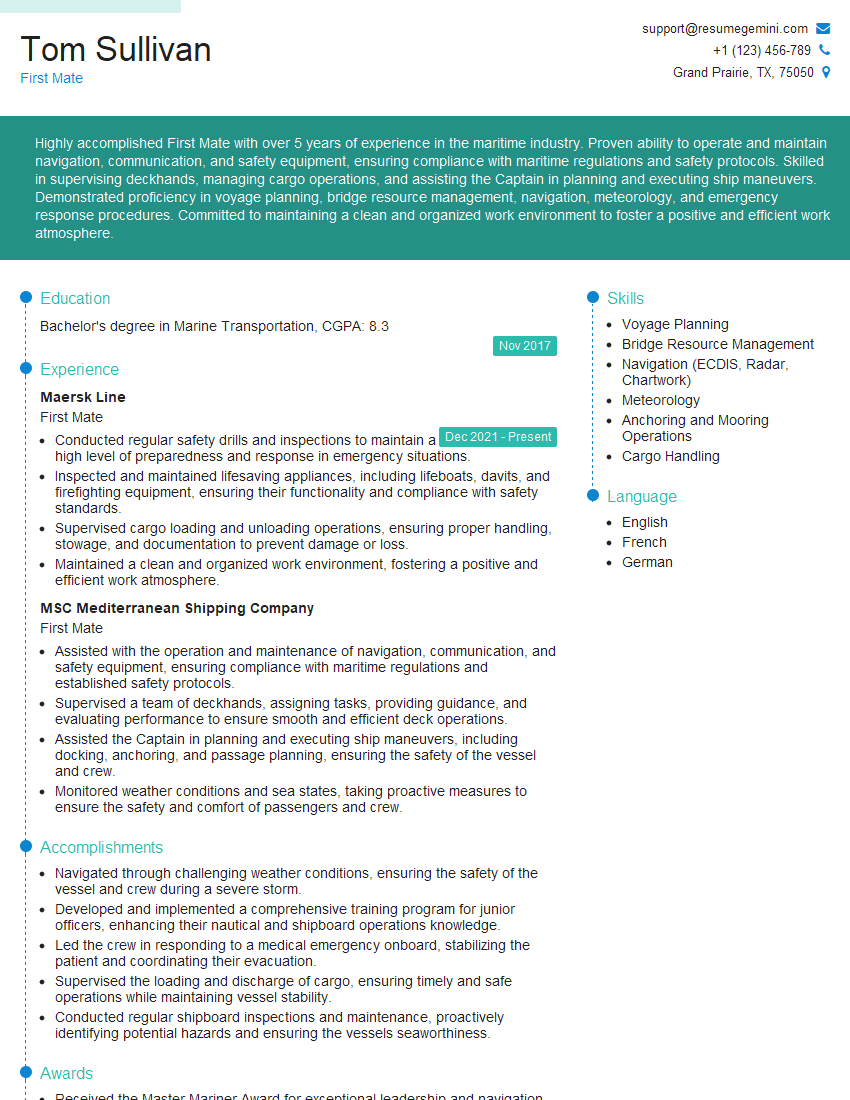
First Mate Resume Sample
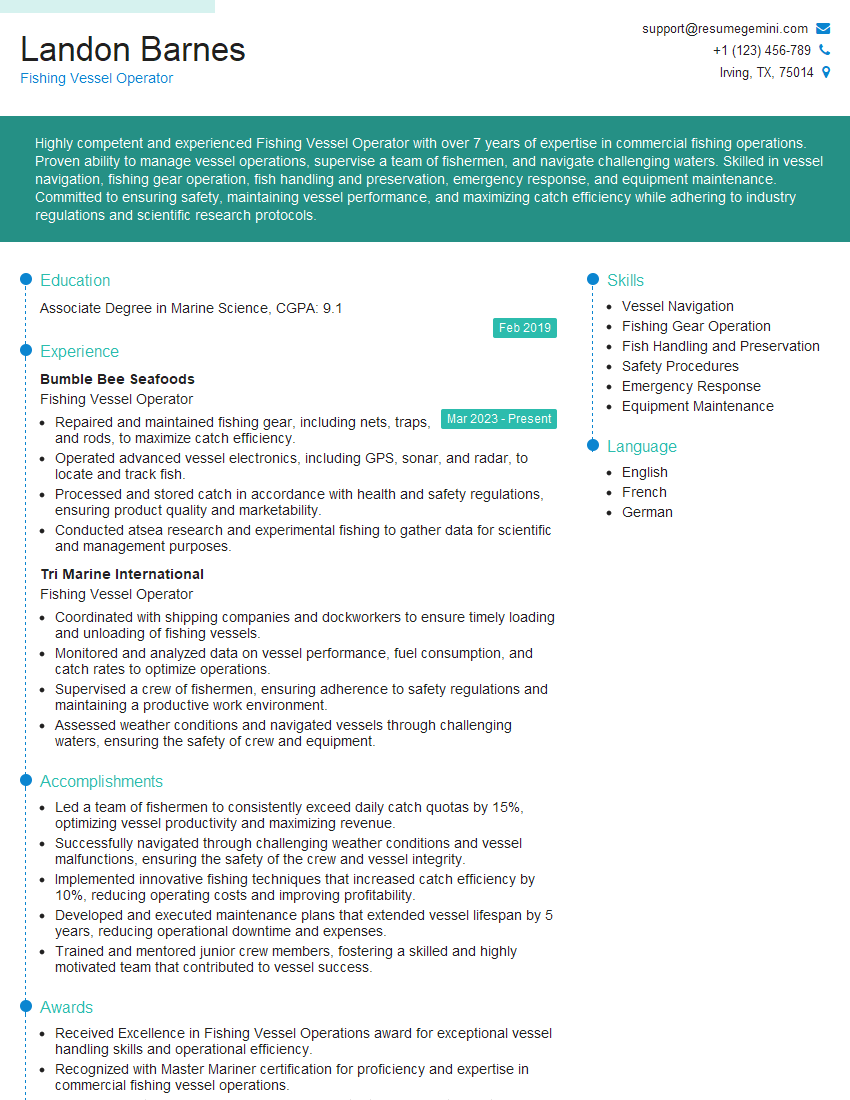
Fishing Vessel Operator Resume Sample
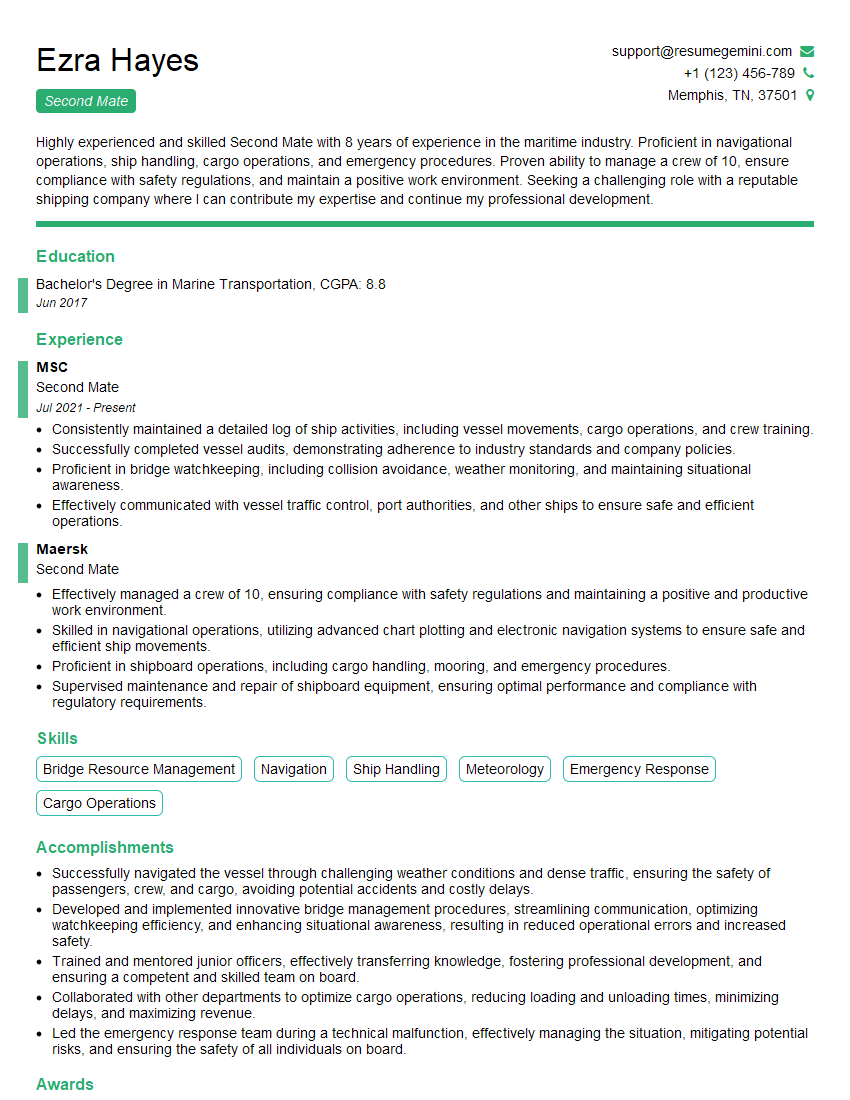
Second Mate Resume Sample

Skipper Resume Sample
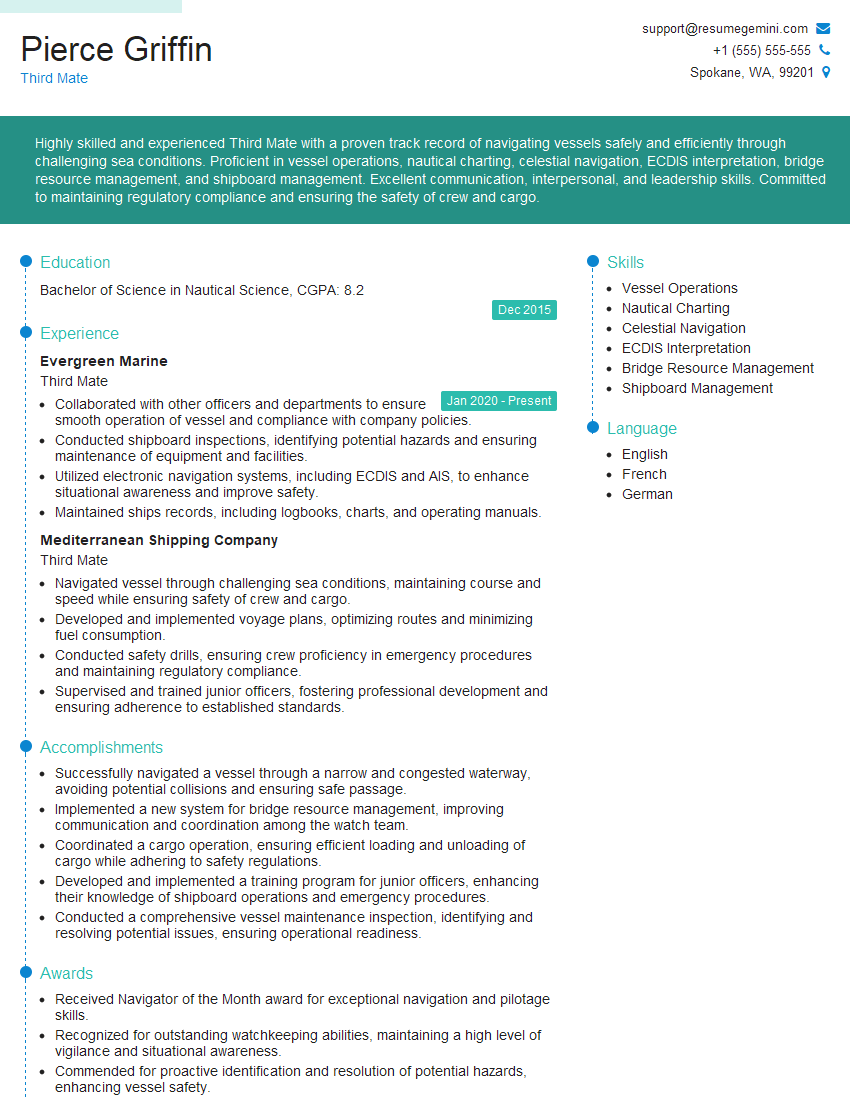
Third Mate Resume Sample
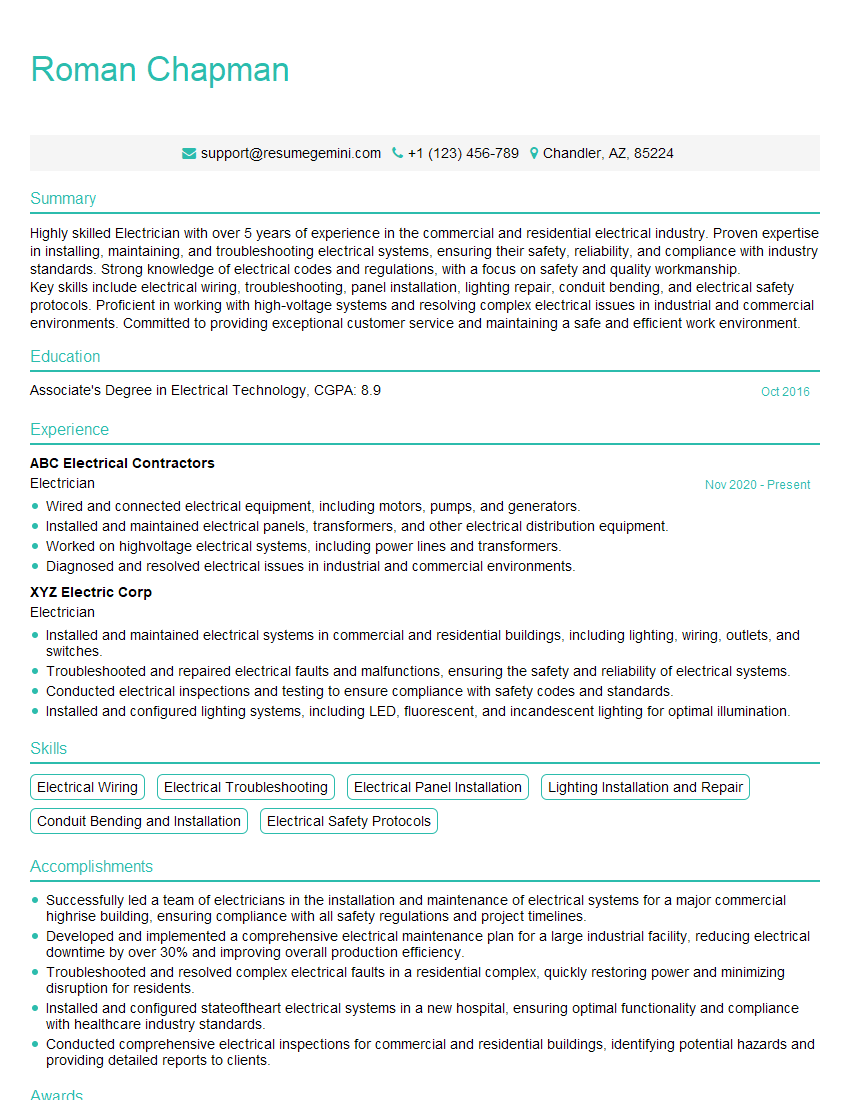
Electrician Resume Sample
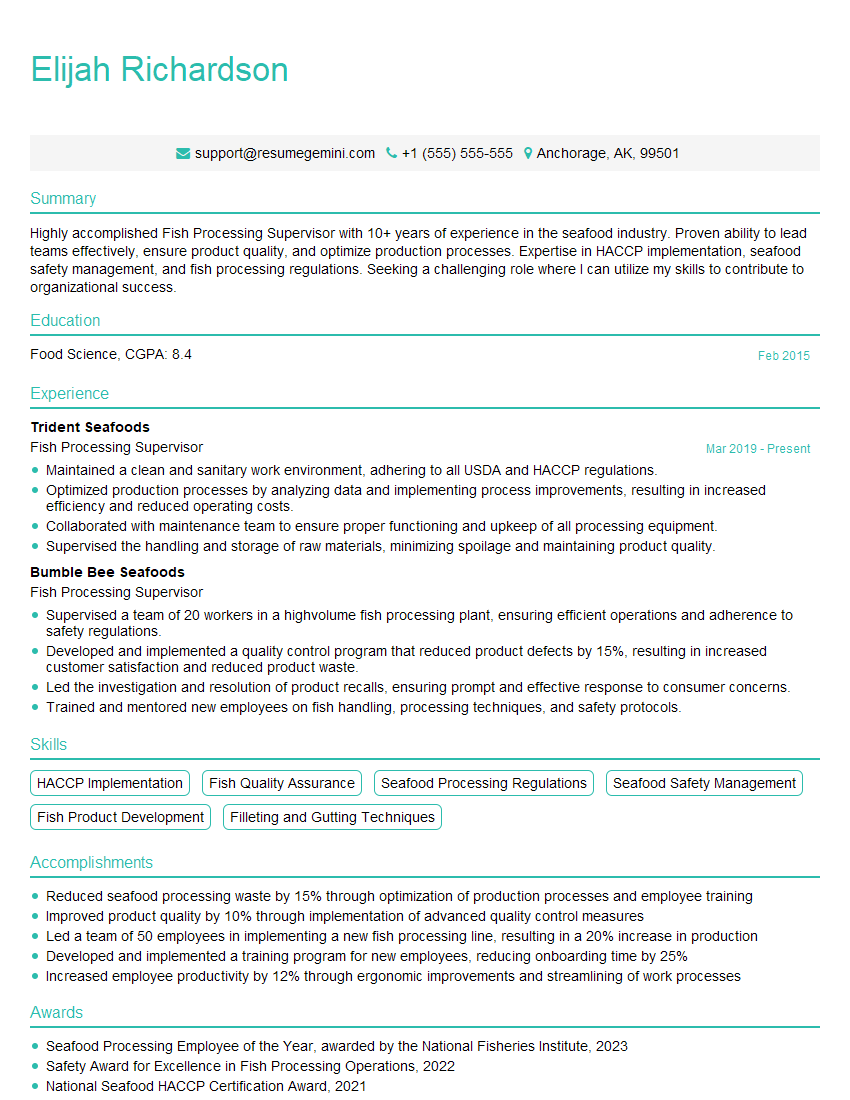
Fish Processing Supervisor Resume Sample
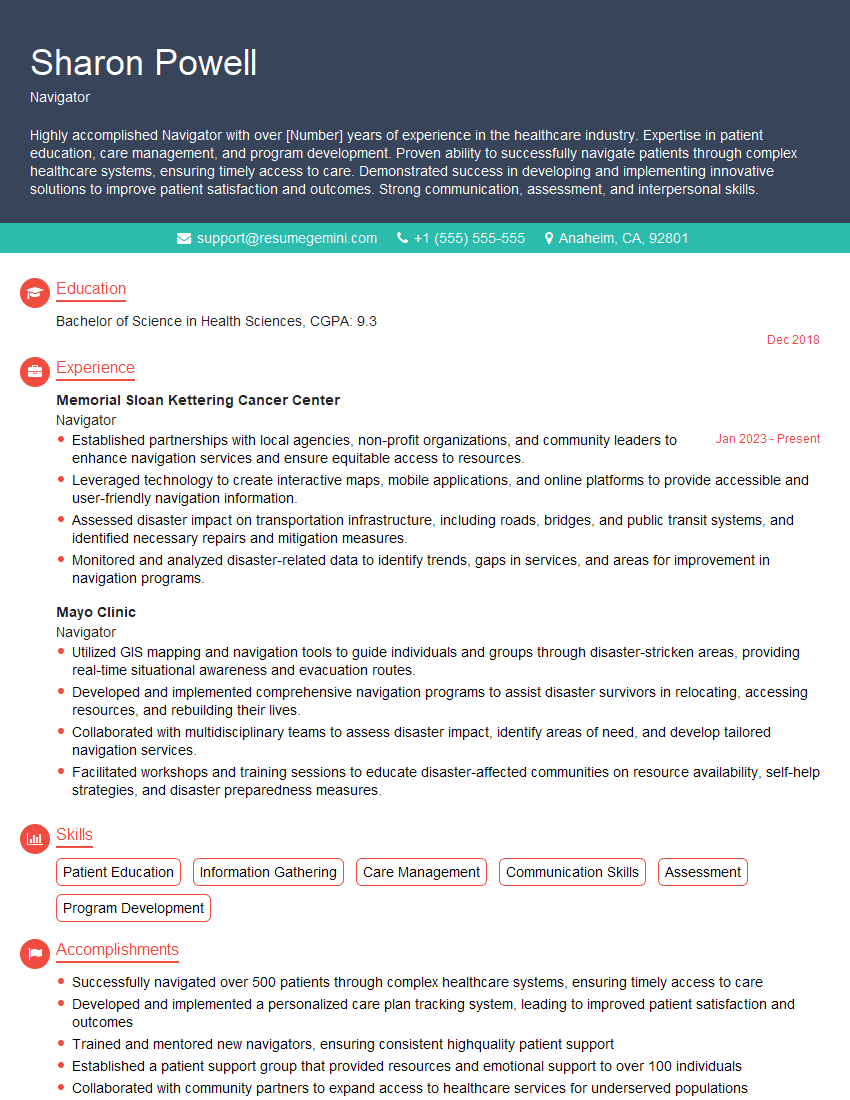
Navigator Resume Sample
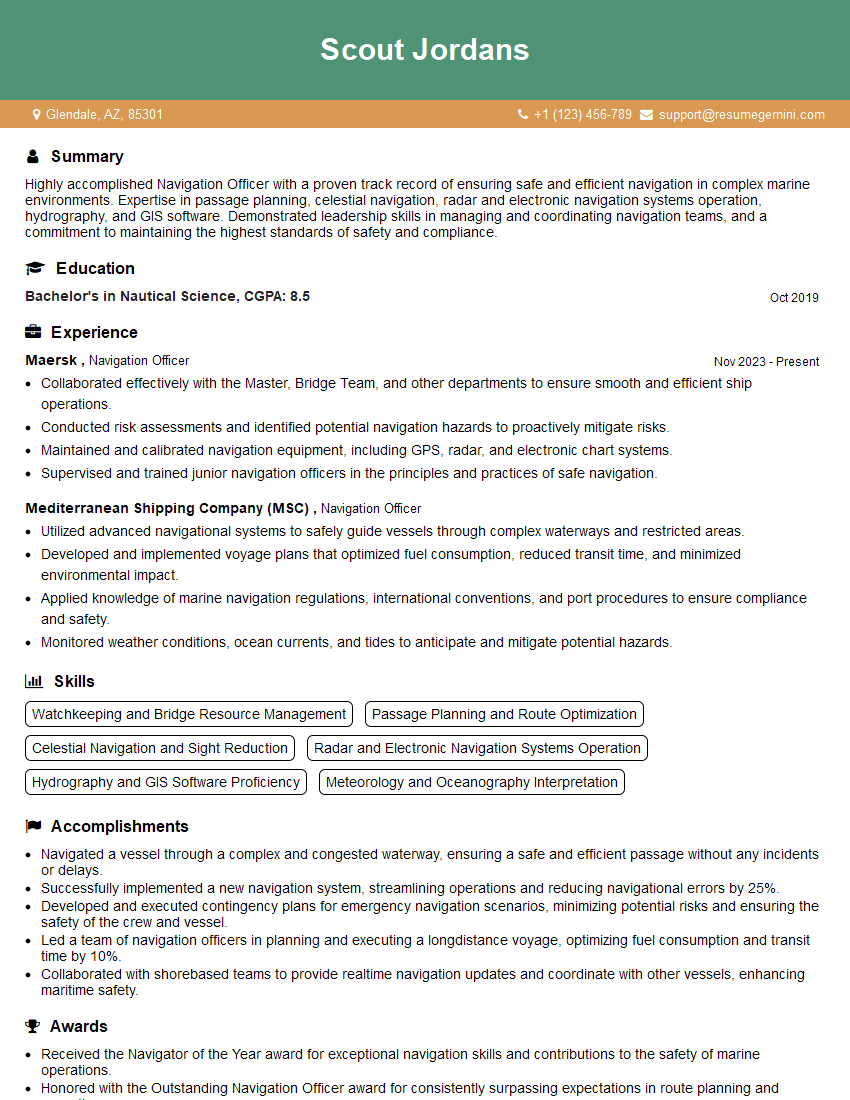
Navigation Officer Resume Sample
Explore more articles
Users Rating of Our Blogs
Share Your Experience
We value your feedback! Please rate our content and share your thoughts (optional).
What Readers Say About Our Blog
Very informative content, great job.
good