Feeling uncertain about what to expect in your upcoming interview? We’ve got you covered! This blog highlights the most important Target Profiling interview questions and provides actionable advice to help you stand out as the ideal candidate. Let’s pave the way for your success.
Questions Asked in Target Profiling Interview
Q 1. Describe your experience in developing target profiles.
Developing target profiles is a meticulous process that involves gathering, analyzing, and interpreting information to create a comprehensive picture of an individual or organization. My experience spans diverse sectors, including financial crime investigations, cybersecurity threat analysis, and competitive intelligence. I’ve been involved in profiling individuals suspected of fraud, corporations potentially engaging in anti-competitive practices, and even nation-state actors involved in cyber espionage. This involved employing various methodologies, from OSINT (Open Source Intelligence) gathering to more complex data analysis techniques, always maintaining a keen eye for detail and ensuring data accuracy.
For example, in one project involving a suspected fraud ring, I developed profiles of key individuals, mapping their relationships, financial transactions, and digital footprints. This culminated in a visual representation of the network, highlighting crucial links and facilitating investigation priorities.
In another instance, I profiled a competitor’s business strategy to provide insights for our own company. This involved analyzing their marketing campaigns, patents, and public statements to understand their market position and potential threats.
Q 2. Explain the difference between open-source intelligence (OSINT) and HUMINT in target profiling.
Open-Source Intelligence (OSINT) and Human Intelligence (HUMINT) are two distinct, yet often complementary, sources of information used in target profiling. OSINT refers to publicly available information gathered from sources such as the internet (social media, news articles, company websites), public records, and academic publications. HUMINT, on the other hand, involves gathering information from human sources, like informants, undercover agents, or interviews.
Think of it like this: OSINT is like searching for clues in a library – information is readily available, but requires careful sifting. HUMINT is like interviewing a key witness – you get direct, potentially more insightful, information, but it requires building trust and managing relationships.
For instance, in a cybersecurity threat assessment, OSINT might provide information on a threat actor’s past activities through publicly accessible reports, while HUMINT might be used to confirm their current location or associates through confidential sources. Often, a combination of both is necessary for a robust profile.
Q 3. How do you prioritize targets based on risk assessment?
Prioritizing targets based on risk assessment is crucial for efficient resource allocation. I typically use a structured approach, incorporating several factors into a scoring system. This includes:
- Likelihood of harm: How likely is the target to cause damage or disruption?
- Potential impact: How severe would the damage or disruption be if it occurred?
- Vulnerability: How susceptible is the target to exploitation or manipulation?
- Urgency: How quickly does the threat need to be addressed?
Each factor is assigned a score, and these scores are weighted to reflect their relative importance within the specific context. Targets are then ranked according to their total risk score, allowing for prioritization of the most pressing threats first. This approach allows for a data-driven prioritization, minimizing biases and ensuring that limited resources are used most effectively.
For example, a high-likelihood, high-impact target with immediate urgency (e.g., an imminent cyber attack) would rank higher than a low-likelihood, low-impact target with a long-term timeframe (e.g., a competitor’s slow market encroachment).
Q 4. What techniques do you use to validate information gathered for a target profile?
Validating information is paramount in target profiling. It prevents inaccurate assessments and ensures reliable decision-making. My validation techniques include:
- Source triangulation: Corroborating information from multiple independent sources. If three different reliable sources confirm a piece of information, the likelihood of its accuracy increases significantly.
- Data analysis techniques: Employing statistical and analytical methods to identify patterns and anomalies in the data set.
- Fact-checking and verification: Cross-referencing information with original documents, official records, and reputable organizations.
- Open-source verification: Checking information against publicly available data to confirm its veracity.
- Human source validation (if HUMINT used): Assessing the credibility and reliability of human sources, considering their potential biases and motivations.
If discrepancies arise, the conflicting information is carefully examined to determine the most credible source based on the aforementioned criteria. Documenting the validation process is crucial for maintaining transparency and accountability.
Q 5. How do you handle incomplete or conflicting information when building a target profile?
Incomplete or conflicting information is a common challenge in target profiling. My approach involves:
- Identifying information gaps: Clearly outlining the missing data points to guide further investigation.
- Evaluating the reliability of existing data: Assessing the credibility and quality of each data point, acknowledging potential biases.
- Employing alternative data sources: Exploring additional sources to fill the gaps and potentially resolve conflicts.
- Developing alternative hypotheses: Formulating multiple potential scenarios based on available evidence to account for uncertainties.
- Clearly articulating uncertainties: Acknowledging limitations and uncertainties within the profile, rather than trying to fabricate information to fill gaps.
Essentially, it’s about building a flexible framework that allows for evolving understanding as more information is gathered. Prioritizing evidence, flagging uncertainties, and presenting potential scenarios rather than making definitive statements based on limited or questionable data is paramount.
Q 6. Explain your process for identifying and assessing potential threats associated with a target.
Identifying and assessing potential threats associated with a target is a critical step. This involves a combination of:
- Threat modelling: Identifying potential threats based on the target’s profile, their activities, and their environment.
- Vulnerability analysis: Assessing the target’s weaknesses and vulnerabilities that could be exploited by adversaries.
- Risk assessment: Evaluating the likelihood and impact of potential threats, prioritizing based on severity.
- Scenario planning: Developing potential scenarios to explore how threats might unfold and their potential consequences.
- Mitigation planning: Identifying and implementing measures to reduce the likelihood or impact of threats.
For example, profiling a high-profile executive might reveal threats such as kidnapping, physical assault, or reputational damage. Understanding these potential threats informs security measures such as personal protection, enhanced digital security, and crisis communication strategies.
Q 7. Describe your experience using data analysis techniques in target profiling.
Data analysis plays a vital role in my target profiling process. I utilize a range of techniques, including:
- Network analysis: Visualizing relationships between individuals or organizations within a network to identify key players and influential connections. This often utilizes graph databases and visualization tools.
- Statistical analysis: Identifying patterns and trends in large datasets to uncover anomalies and significant correlations. This might involve techniques such as regression analysis or cluster analysis.
- Predictive modeling: Utilizing machine learning algorithms to predict future behavior or events based on historical data. This could involve predicting potential fraud, identifying likely future targets of attacks, or forecasting shifts in market trends.
- Text analysis (Natural Language Processing): Analyzing text data (e.g., emails, social media posts) to extract insights about the target’s personality, intentions, or affiliations.
For example, in a financial crime investigation, I used network analysis to map the relationships within a suspected money laundering scheme, highlighting key individuals and revealing previously unknown connections. This helped to prioritise investigations and facilitate seizure of illicit assets.
Q 8. How do you ensure the ethical and legal implications are considered throughout the target profiling process?
Ethical and legal considerations are paramount in target profiling. My approach involves a multi-layered strategy, beginning with a thorough understanding of all applicable laws and regulations, including privacy laws like GDPR and CCPA, as well as industry best practices. Before any profiling begins, I define clear objectives and ensure they align with ethical principles. This includes obtaining appropriate consent where necessary and implementing data minimization – collecting only the data strictly required for the defined purpose. Regular audits and internal reviews are conducted to ensure compliance and identify potential risks. For example, in a marketing campaign, we’d only collect data necessary for targeted advertising, not for broader, unrelated purposes. If dealing with sensitive personal information, additional layers of security and oversight are implemented. We create detailed documentation outlining the ethical framework and legal basis for each project, acting as a reference point throughout the process. This proactive approach safeguards against legal repercussions and maintains public trust.
Q 9. What tools and technologies are you proficient in using for target profiling?
My proficiency extends across a range of tools and technologies essential for effective target profiling. This includes:
- Data mining tools: I’m skilled in using tools like RapidMiner and KNIME to extract meaningful insights from large datasets. These tools allow for efficient data cleaning, transformation, and analysis.
- Statistical software: R and Python, along with libraries such as Pandas, Scikit-learn, and TensorFlow, are my go-to tools for statistical modeling, predictive analytics, and machine learning applications in target profiling.
- Database management systems (DBMS): I have extensive experience working with SQL and NoSQL databases (e.g., MySQL, PostgreSQL, MongoDB) to manage and query large volumes of data effectively.
- Data visualization tools: Tools like Tableau and Power BI are crucial for creating compelling visuals that communicate complex profiling results effectively to stakeholders. I also leverage programming languages to create custom visualizations.
- Open-source intelligence (OSINT) tools: While respecting ethical and legal boundaries, I’m familiar with using OSINT tools to gather publicly available information relevant to target profiling, supplementing data from other sources. This is always conducted responsibly and within legal limits.
Q 10. How do you maintain the confidentiality and security of sensitive target information?
Confidentiality and security are paramount. I implement robust measures to protect sensitive target information. These include:
- Data encryption: All data, both in transit and at rest, is encrypted using industry-standard encryption protocols (e.g., AES-256).
- Access control: Strict access control measures are enforced, limiting access to sensitive data to authorized personnel only, using role-based access control (RBAC).
- Data anonymization and pseudonymization: Where possible, data is anonymized or pseudonymized to reduce the risk of re-identification.
- Regular security audits and penetration testing: Regular security assessments identify vulnerabilities and ensure the effectiveness of security controls.
- Secure data storage: Data is stored in secure, encrypted databases and servers, following best practices for data security.
- Incident response plan: A comprehensive incident response plan is in place to handle any potential data breaches or security incidents effectively.
Think of it like a high-security vault – multiple layers of protection are in place to ensure only authorized personnel can access the data and that unauthorized access is prevented.
Q 11. Describe your experience in working with various data sources for target profiling.
My experience encompasses a wide range of data sources. I’ve worked with structured data from CRM systems, transactional databases, and social media APIs, and unstructured data such as text from news articles, social media posts, and web pages. I’ve also integrated data from public records, market research reports, and proprietary datasets. For example, in a project profiling a competitor, we combined data from their website, SEC filings, news articles about their activities, and social media mentions to build a comprehensive profile. In another instance, profiling potential customers involved integrating data from CRM systems, marketing campaign results, and demographic data to understand customer behavior and preferences. The ability to integrate diverse data sources is key to building holistic and accurate target profiles.
Q 12. Explain your process for visualizing and presenting target profile information.
Visualizing and presenting target profile information is critical for effective communication. My process involves selecting the right visualization techniques to represent the data clearly and concisely. This often starts with understanding the audience – a technical team will appreciate detailed charts, while executive stakeholders may prefer simpler summaries. I use dashboards with interactive elements, allowing users to explore the data at their own pace. For example, I might use heatmaps to show geographic concentrations of a target group, bar charts to compare different attributes, or network graphs to illustrate relationships between entities. Narratives accompany visualizations, providing context and interpretations. The goal is to avoid overwhelming the audience with raw data, instead presenting actionable insights that drive informed decision-making.
Q 13. How do you adapt your target profiling techniques to different types of targets (individuals, organizations, etc.)?
Target profiling techniques adapt significantly depending on the target. Profiling individuals requires a different approach than profiling organizations. For individuals, the focus might be on demographics, psychographics, online behavior, and social connections. Tools like social media analytics and data mining techniques are commonly used. Profiling organizations, on the other hand, focuses on their size, financial health, market position, competitive landscape, and key personnel. Data sources like company databases, financial statements, and news articles become more important. In both cases, the process starts with defining clear objectives and choosing the relevant data sources. The techniques used for analysis and visualization are also adjusted to fit the nature of the target and the information available.
Q 14. What are some common challenges faced during target profiling, and how have you overcome them?
Several challenges exist. Data quality is often a major hurdle; incomplete, inaccurate, or inconsistent data can significantly impact the accuracy of profiles. Another is data scarcity; for niche targets, obtaining sufficient data may be difficult. Overcoming these challenges requires careful data cleaning and validation, employing imputation techniques to handle missing data, and creative sourcing of information from multiple channels. Bias in algorithms and data can also lead to inaccurate or unfair profiles. Mitigation involves careful algorithm selection, data preprocessing to reduce bias, and rigorous testing and validation. The ever-changing data landscape presents another challenge; staying up-to-date with new technologies and data sources is essential. Addressing this requires continuous learning and adaptation to maintain expertise in this dynamic field. Addressing these challenges requires a combination of technical skill, critical thinking, and a commitment to ethical and accurate profiling.
Q 15. How do you measure the effectiveness of your target profiling process?
Measuring the effectiveness of target profiling isn’t a simple metric; it’s a multi-faceted evaluation. We assess effectiveness by considering several key performance indicators (KPIs). First, we look at the accuracy of the profile – how well does our gathered intelligence reflect the target’s actual behavior and characteristics? We use cross-referencing and verification techniques (discussed later) to ensure high accuracy. Second, we analyze the completeness of the profile. Does it cover all relevant aspects of the target, including their motivations, relationships, and capabilities? Gaps in the profile might indicate areas needing further investigation. Third, we examine the actionability of the profile. Does it provide usable intelligence that informs decision-making and operational planning? Finally, we assess the impact of the profile on mission success. Did the profile contribute directly to achieving the desired outcome, whether it’s disrupting a criminal network or preventing a terrorist attack? For example, if a profile accurately predicted a target’s movement, leading to a successful apprehension, that’s a clear demonstration of effectiveness. Regular reviews and post-operation analyses are vital in refining our KPIs and improving the profiling process.
Career Expert Tips:
- Ace those interviews! Prepare effectively by reviewing the Top 50 Most Common Interview Questions on ResumeGemini.
- Navigate your job search with confidence! Explore a wide range of Career Tips on ResumeGemini. Learn about common challenges and recommendations to overcome them.
- Craft the perfect resume! Master the Art of Resume Writing with ResumeGemini’s guide. Showcase your unique qualifications and achievements effectively.
- Don’t miss out on holiday savings! Build your dream resume with ResumeGemini’s ATS optimized templates.
Q 16. Explain your understanding of different target profiling methodologies.
Target profiling methodologies vary depending on the context and available resources. However, several common approaches exist. Open-source intelligence (OSINT) gathering involves collecting information from publicly available sources like social media, news articles, and government websites. This is a cost-effective method but can be time-consuming and require careful verification. Human intelligence (HUMINT) relies on information collected from human sources, such as informants or undercover operatives. While valuable, this method poses ethical and operational challenges. Signal intelligence (SIGINT) uses intercepted communications (emails, phone calls) to build a profile. This method often requires specialized technology and expertise. Geospatial intelligence (GEOINT) leverages imagery, maps, and other geographic data to understand the target’s environment and activities. Finally, Measurement and Signature Intelligence (MASINT) employs technical sensors to gather data about the target, such as acoustic or electromagnetic emissions. In practice, a comprehensive profile often combines elements from multiple methodologies, creating a holistic picture of the target. For instance, I once profiled an organized crime figure using OSINT to gather initial information, HUMINT to validate key relationships, and GEOINT to track their movements.
Q 17. Describe your experience in integrating target profiling data into broader intelligence analysis.
Integrating target profiling data into broader intelligence analysis requires a structured approach. The profile itself is just one piece of a larger puzzle. I typically use a collaborative process, sharing the profile with analysts specializing in different areas, such as threat assessment, financial investigations, or network analysis. We use this information to build a comprehensive understanding of the threat landscape. For instance, a target’s financial transactions, revealed through target profiling, might be linked to broader money-laundering schemes identified by financial analysts. Similarly, communication patterns obtained through profiling could be used to map a criminal network. Data visualization tools and link analysis software are invaluable in this process, helping to identify connections and patterns. Effective integration relies on clear communication, rigorous data validation, and a shared understanding of the overall intelligence objective. In one instance, I integrated a profile of a suspected arms trafficker into a larger investigation, contributing to the identification of his network and the disruption of his operations.
Q 18. How do you stay updated on the latest trends and technologies in target profiling?
Staying updated in this rapidly evolving field requires a multi-pronged approach. I regularly attend professional conferences and workshops, engaging with experts and learning about the newest tools and techniques. Professional publications, such as journals and online resources, provide insights into cutting-edge research and best practices. Moreover, I actively participate in online forums and professional networks, exchanging ideas and collaborating with colleagues. Participating in training courses offered by government agencies and private companies helps keep my skills sharp. Finally, I regularly review open-source intelligence reports and technical publications on new technologies, such as advancements in data analytics and artificial intelligence, to identify potential applications to target profiling.
Q 19. Explain the importance of verifying and cross-referencing information in target profiling.
Verification and cross-referencing are paramount in target profiling. A single source of information is rarely sufficient. We employ several techniques to ensure accuracy. Triangulation involves comparing information from multiple independent sources. If several sources corroborate the same piece of information, confidence increases. Source evaluation involves assessing the credibility and reliability of each source. Factors like the source’s motives, biases, and track record are taken into account. Open-source verification uses readily available information to validate claims made by other sources. For example, a statement about a target’s employment can be verified by checking company websites or professional networking platforms. Failure to properly verify information can lead to inaccurate and potentially dangerous conclusions. In one case, failure to cross-reference a key piece of information led to a flawed profile that resulted in a costly operational setback.
Q 20. How do you handle situations where a target is actively trying to evade detection?
When a target is actively evading detection, the profiling process becomes more challenging but not impossible. We adapt our strategies by employing more sophisticated techniques. This includes utilizing advanced data analysis tools to uncover hidden connections and patterns that the target may be trying to obscure. We explore alternative sources of information, focusing on less obvious data points. Moreover, we may deploy counter-surveillance techniques to identify and mitigate the target’s efforts to evade detection. This could involve leveraging anonymous communication channels or using indirect methods to gather information. A crucial aspect is recognizing the signs of evasion and adjusting the approach accordingly. A shift in communication patterns, sudden changes in routine, or the use of encrypted communication might indicate an attempt to evade detection. Flexibility and adaptability are vital in these situations.
Q 21. Describe your experience working under pressure and meeting tight deadlines in target profiling.
Working under pressure and meeting tight deadlines is commonplace in target profiling. Prioritization and time management are critical skills. I utilize project management tools and methodologies to break down complex tasks into smaller, manageable components. Collaboration with team members is key to ensuring efficient workflow and shared workload. Maintaining open communication and regularly reviewing progress helps identify potential bottlenecks early on. Flexibility is also essential, as priorities can shift rapidly depending on new information or evolving circumstances. I thrive under pressure and consistently deliver accurate profiles within strict deadlines. In one high-stakes operation, we had only 72 hours to produce a comprehensive profile of a suspected terrorist. Through diligent teamwork and effective time management, we successfully completed the profile, contributing significantly to the operation’s success.
Q 22. How do you collaborate effectively with other professionals during target profiling projects?
Effective collaboration is paramount in target profiling. I believe in a multi-disciplinary approach, fostering open communication and leveraging the expertise of various professionals. This usually involves regular meetings and updates, clear role definitions, and the establishment of shared goals and a central repository for information.
- With legal teams: I ensure all activities comply with relevant laws and regulations, seeking their advice on sensitive information or potential legal ramifications.
- With technical experts: I collaborate closely with them to verify technical details, especially when dealing with digital footprints or technological aspects of the target.
- With intelligence analysts: I integrate their insights to add context and depth to the profile, considering geopolitical factors or broader intelligence implications.
- With business stakeholders: I work closely to align the profiling goals with overall business objectives, ensuring the information gathered is relevant and actionable for their specific needs. This includes regular presentations and feedback sessions.
For example, in a project involving a cybercriminal, I would collaborate with a cybersecurity analyst to verify the technical details of their hacking activities, and with a legal expert to ensure the investigation remains within legal boundaries.
Q 23. How do you document and maintain records of your target profiling activities?
Maintaining thorough and accurate records is crucial for transparency, accountability, and legal compliance. I use a structured documentation system, combining digital and physical records, always prioritizing security. This involves:
- Centralized database: A secure database stores all collected information, ensuring easy retrieval and version control. This database is usually password protected and follows best practices for data protection.
- Detailed logs: I maintain meticulous logs of all data sources, methodologies, and analysis conducted. This includes timestamped entries describing each step in the profiling process.
- Version control: All documents are version-controlled to track changes and maintain the integrity of the information. This ensures auditability and avoids confusion.
- Secure storage: All sensitive data is stored securely, following the principles of confidentiality, integrity, and availability. This might include encryption and access control measures.
- Metadata tagging: All data is properly tagged with relevant metadata, facilitating efficient searching and filtering.
For instance, if a piece of information is found to be inaccurate, I will record this correction, and note the source of the error in the log, which helps improve the accuracy of the profiling process over time. This detailed record-keeping helps demonstrate the rigor and professionalism of the process.
Q 24. Explain how you would handle a situation where a target profile reveals potentially illegal activity.
Discovering potentially illegal activity during target profiling requires immediate and careful action. My first step is to verify the information rigorously, ensuring its accuracy and reliability through multiple sources. Then, I would:
- Document the findings: Record all relevant details meticulously, including sources and evidence.
- Inform relevant authorities: Depending on the nature of the illegality, this may involve law enforcement, regulatory agencies, or internal compliance departments.
- Preserve the evidence: Take steps to preserve all relevant data and evidence, ensuring its integrity and admissibility in any potential legal proceedings. This might involve creating secure backups and chain-of-custody documentation.
- Maintain confidentiality: Handle the information with extreme caution, adhering to strict confidentiality protocols and legal restrictions.
- Consult legal counsel: Seek guidance from legal counsel to determine the appropriate course of action and ensure legal compliance.
For example, if the target profile reveals evidence of money laundering, I would immediately document the findings, contact the appropriate law enforcement agency, and cooperate fully with their investigation.
Q 25. Describe your approach to building a target profile for a specific scenario (e.g., a cybercriminal, a competitor, a potential business partner).
My approach to building a target profile is systematic and adaptable, varying depending on the target and the objectives. However, a common framework usually includes:
- Define objectives: Clearly articulate the goals of the profiling process. What specific information is needed, and why?
- Identify information sources: Determine relevant sources, considering both open-source intelligence (OSINT) and closed-source intelligence. This includes social media, company websites, news articles, databases, and potentially confidential sources.
- Data collection and analysis: Gather information from identified sources, critically evaluating its reliability and validity. This involves verifying the information from multiple sources and applying analytical techniques.
- Profile creation: Synthesize the gathered data into a structured profile, highlighting key characteristics and insights. This could include a SWOT analysis (Strengths, Weaknesses, Opportunities, Threats) or a similar framework.
- Validation and refinement: Continuously review and refine the profile as new information emerges, ensuring its accuracy and relevance.
For a cybercriminal, I might focus on their online activity, technical skills, past exploits, and associated networks. For a competitor, the emphasis would be on their business strategies, market share, financial performance, and technological capabilities. For a potential business partner, the focus would be on their financial stability, reputation, and legal compliance.
Q 26. What is your understanding of the legal and regulatory frameworks surrounding target profiling?
My understanding of the legal and regulatory frameworks surrounding target profiling is crucial. These frameworks vary significantly depending on the jurisdiction, the type of target, and the purpose of the profiling. Key considerations include:
- Data protection laws: Compliance with laws like GDPR (in Europe) or CCPA (in California) is paramount. This involves ensuring lawful basis for data collection, minimizing data collection, and providing transparency to individuals about the profiling process.
- Privacy laws: Respecting individual privacy is crucial, avoiding intrusive or discriminatory practices. This includes anonymization and pseudonymization techniques where appropriate.
- Surveillance laws: Adherence to laws governing surveillance and data interception is necessary, particularly when dealing with sensitive information or potential criminal activity.
- Anti-discrimination laws: Profiling activities must avoid discrimination based on race, religion, gender, or other protected characteristics.
Ignoring these frameworks can lead to significant legal repercussions, including fines and reputational damage. Therefore, I always seek legal advice when necessary and adhere to best practices for ethical and legal compliance.
Q 27. How do you balance the need for detailed information with the need for efficient data collection?
Balancing the need for detailed information with efficient data collection is a constant challenge in target profiling. My strategy involves:
- Prioritization: Focusing on the most critical information needed to achieve the profiling objectives. This involves careful planning and identifying key areas of focus.
- Efficient data sources: Leveraging efficient data sources, such as commercial databases or specialized search engines, to avoid unnecessary manual effort. Automation techniques can also be used where applicable.
- Data filtering and aggregation: Using efficient data filtering and aggregation techniques to focus on relevant data, reducing the volume of information to analyze.
- Data validation: Cross-referencing information from multiple sources to validate findings and reduce uncertainty.
- Iterative approach: Adopting an iterative approach, where the profile is refined as more information becomes available. This avoids overwhelming the process with excessive data collection upfront.
For instance, I might start by gathering publicly available information from the target’s website, social media accounts, and news articles. Once I have a preliminary profile, I can identify specific information gaps to focus on and conduct more targeted research where necessary.
Q 28. What are the limitations of target profiling, and how do you account for them in your work?
Target profiling is not without limitations. It’s crucial to acknowledge these limitations and incorporate them into my work to avoid drawing inaccurate or misleading conclusions. Key limitations include:
- Information bias: The information available might be incomplete, biased, or outdated. This can lead to inaccurate or skewed profiles.
- Data scarcity: Sufficient data might not always be available, especially for certain targets. This can limit the scope and accuracy of the profile.
- Interpretation bias: Interpreting data can be subjective, leading to different conclusions. Therefore, multiple perspectives and rigorous validation are necessary.
- Dynamic nature of targets: Targets constantly evolve, rendering profiles potentially outdated. Therefore, regular updates and validation are necessary.
- Ethical concerns: Potential for misuse of information and violation of privacy requires careful attention and strict ethical guidelines.
I address these limitations by using multiple data sources, rigorously verifying information, documenting assumptions and limitations, and regularly updating the profile based on new information. It’s also crucial to consider alternative hypotheses and remain open to revising initial conclusions as more data becomes available. Transparency about the limitations of the profile is equally important.
Key Topics to Learn for Target Profiling Interview
- Defining Target Profiles: Understand the core principles of creating accurate and effective target profiles, including identifying key characteristics and demographics.
- Data Analysis & Interpretation: Learn how to analyze various data sources (market research, customer data, etc.) to inform your target profiling process and draw meaningful conclusions.
- Segmentation Strategies: Master different segmentation techniques (geographic, demographic, psychographic, behavioral) and their applications in creating precise target profiles.
- Practical Application in Marketing: Explore how target profiles are used to develop effective marketing campaigns, personalize messaging, and optimize resource allocation.
- Profiling for Different Industries: Understand how target profiling techniques adapt across various sectors (e.g., B2B vs. B2C, tech vs. healthcare).
- Ethical Considerations in Target Profiling: Discuss the responsible use of data and the ethical implications of targeting specific groups.
- Predictive Modeling & Forecasting: Explore how advanced techniques can be used to anticipate future customer behavior based on target profiles.
- A/B Testing & Optimization: Understand how to use target profiling to design and interpret A/B testing results to improve campaign effectiveness.
- Technology & Tools: Familiarize yourself with relevant software and technologies used in target profiling (e.g., CRM systems, marketing automation platforms).
Next Steps
Mastering Target Profiling is crucial for career advancement in marketing, sales, and data analysis. A strong understanding of this skillset significantly enhances your ability to contribute to strategic decision-making and drive business growth. To maximize your job prospects, invest time in crafting an ATS-friendly resume that clearly showcases your skills and experience. ResumeGemini is a trusted resource that can help you build a professional and impactful resume tailored to your specific career goals. Examples of resumes tailored for Target Profiling roles are available to guide you.
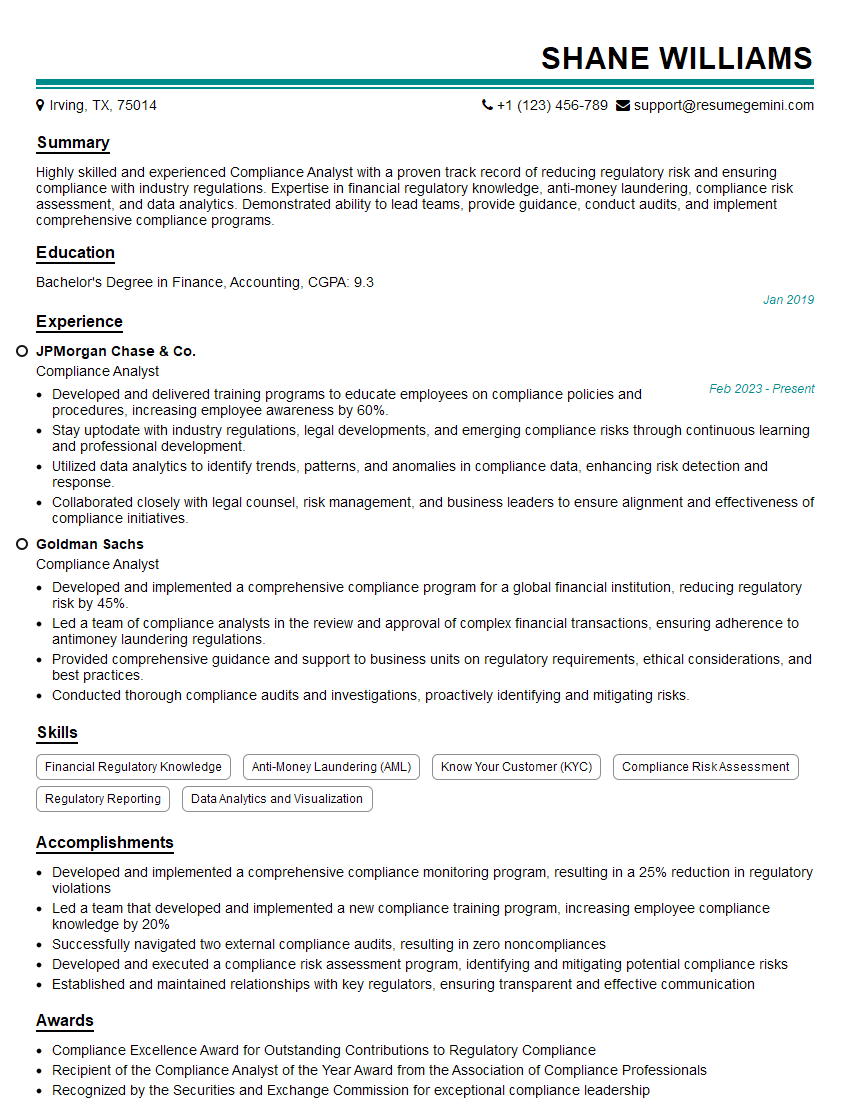
Compliance Analyst Resume Sample
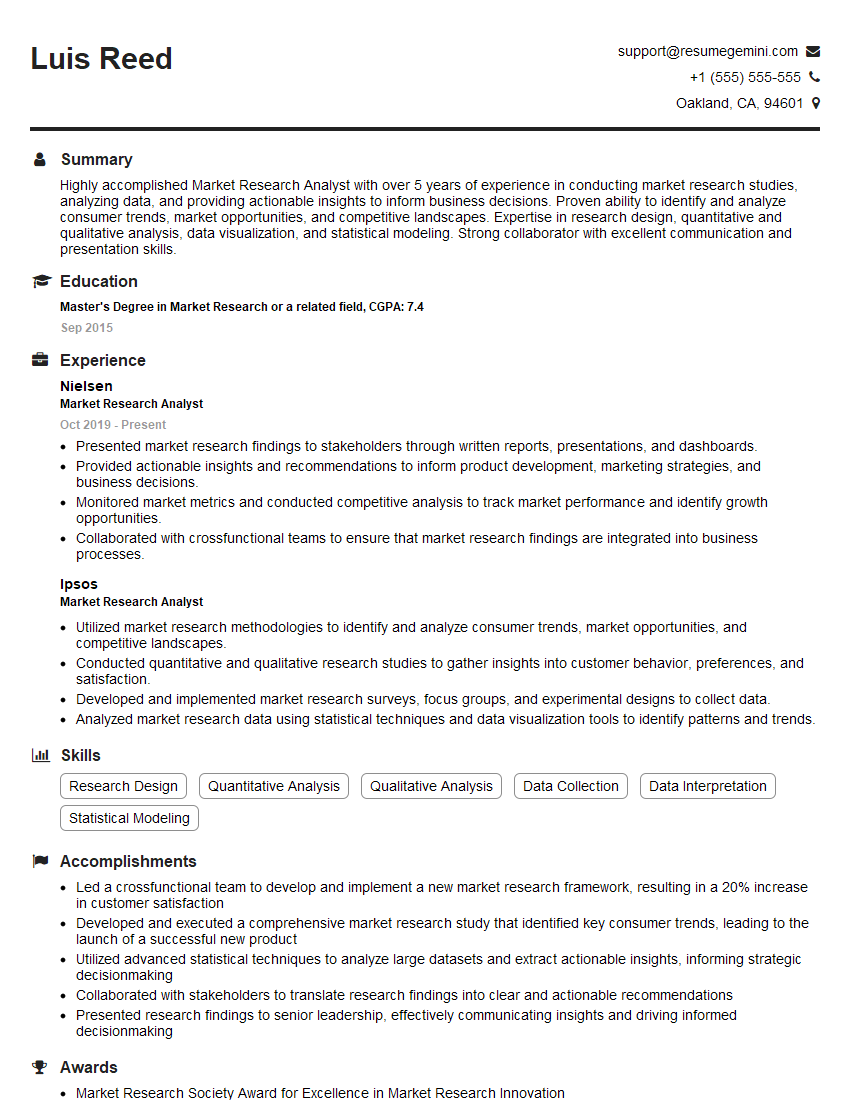
Market Research Analyst Resume Sample
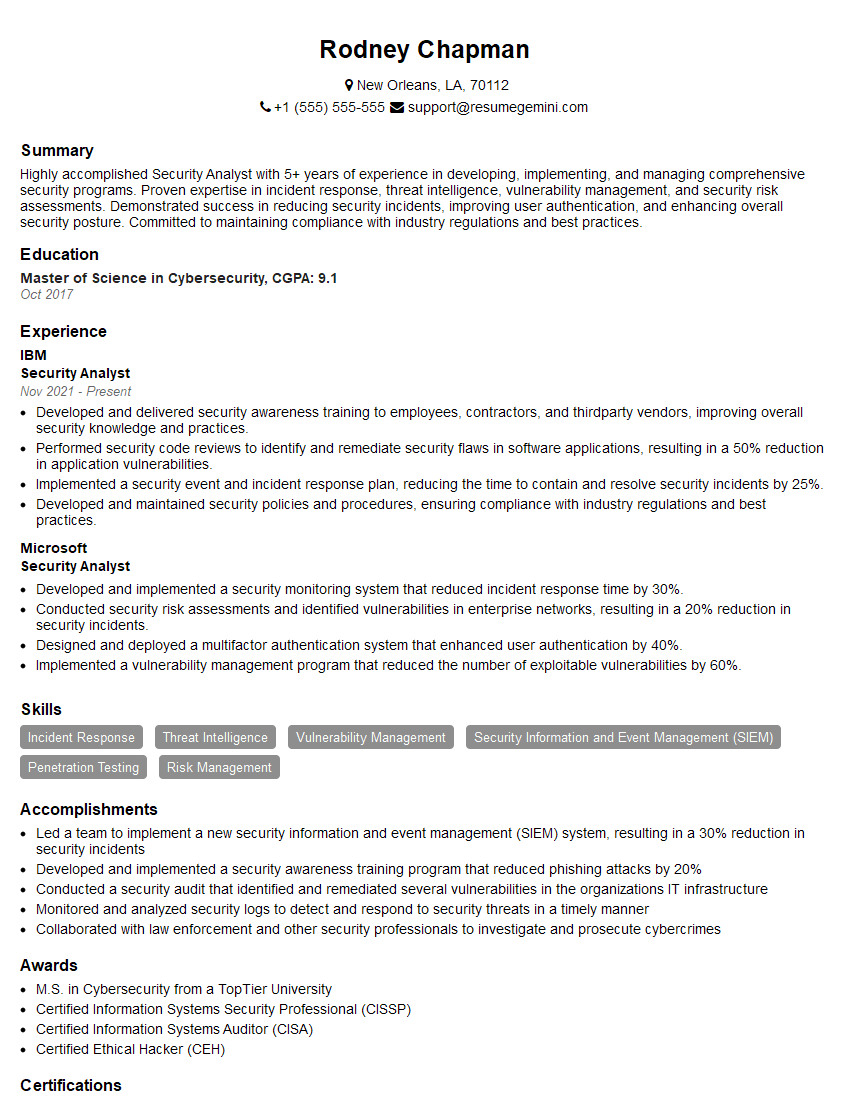
Security Analyst Resume Sample
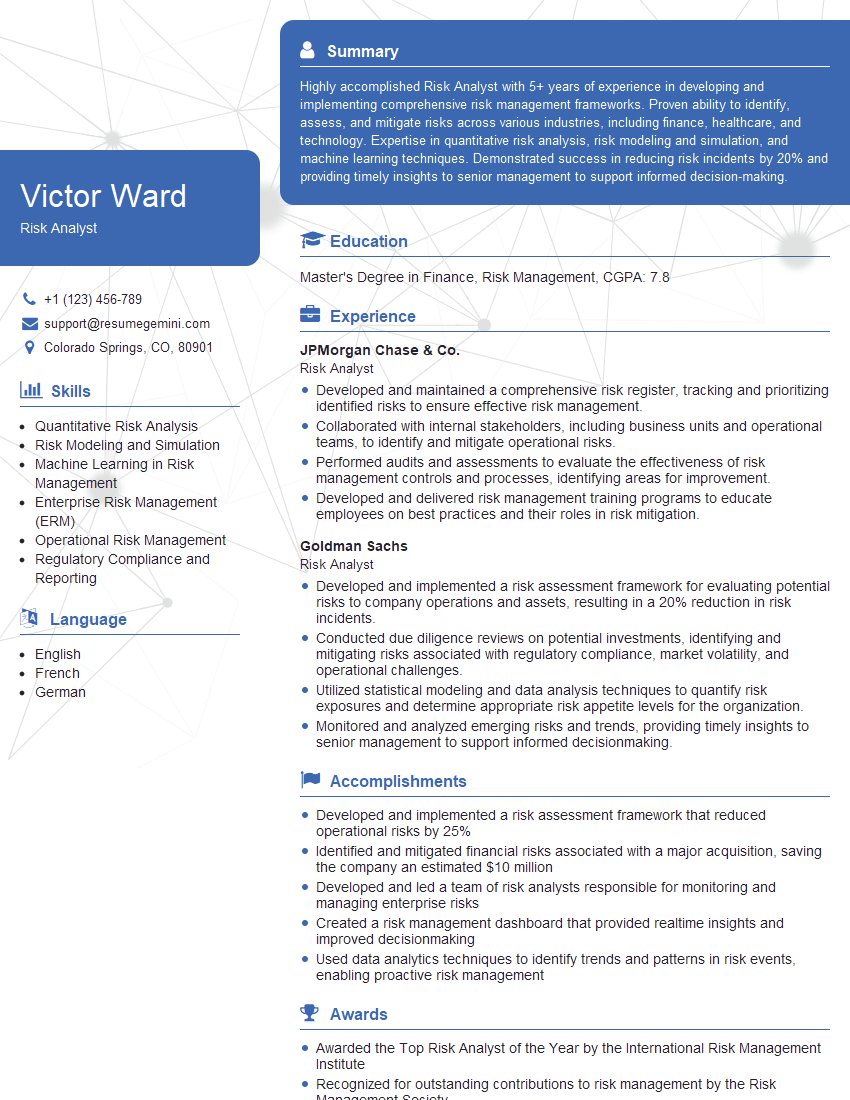
Risk Analyst Resume Sample
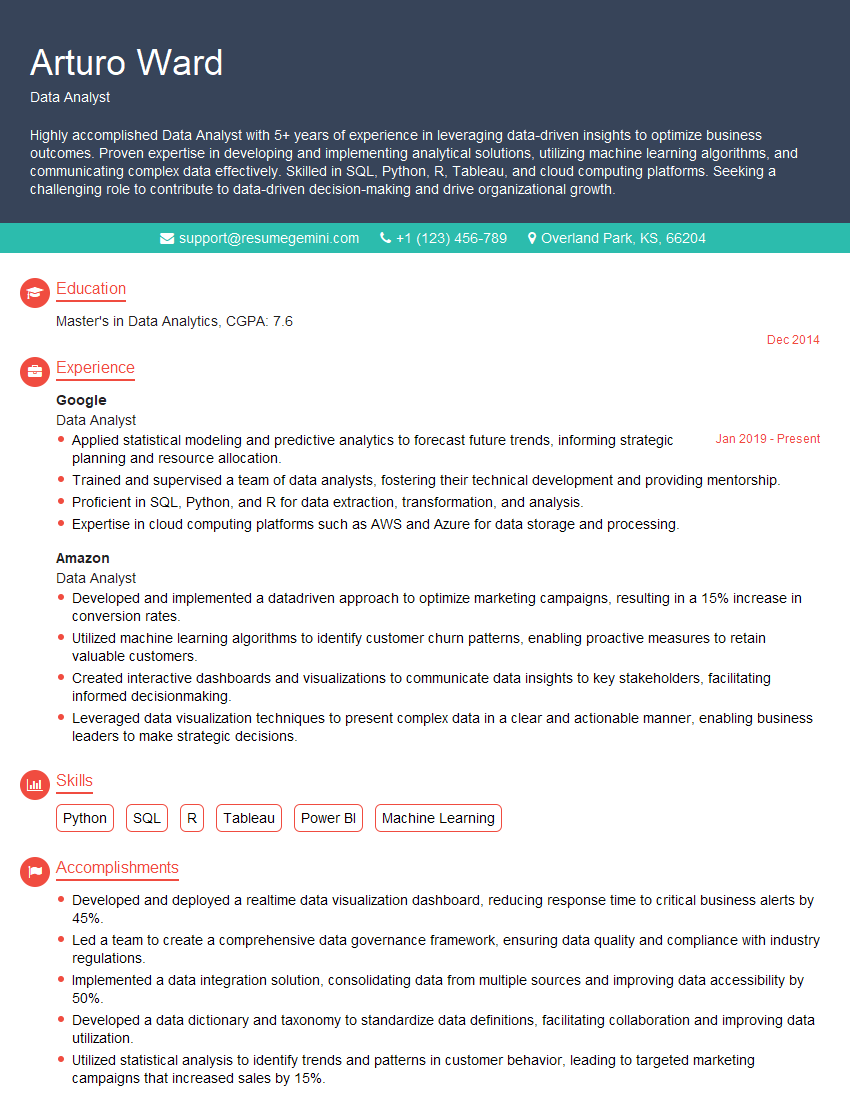
Data Analyst Resume Sample
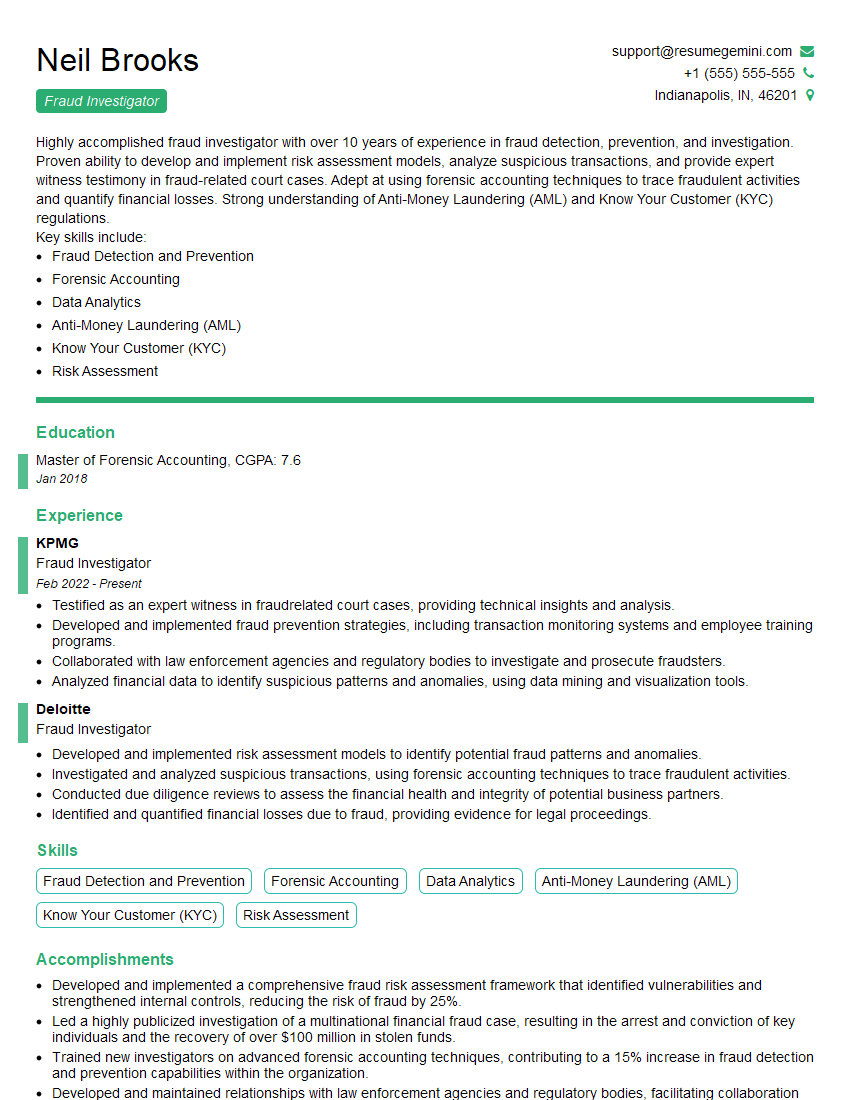
Fraud Investigator Resume Sample
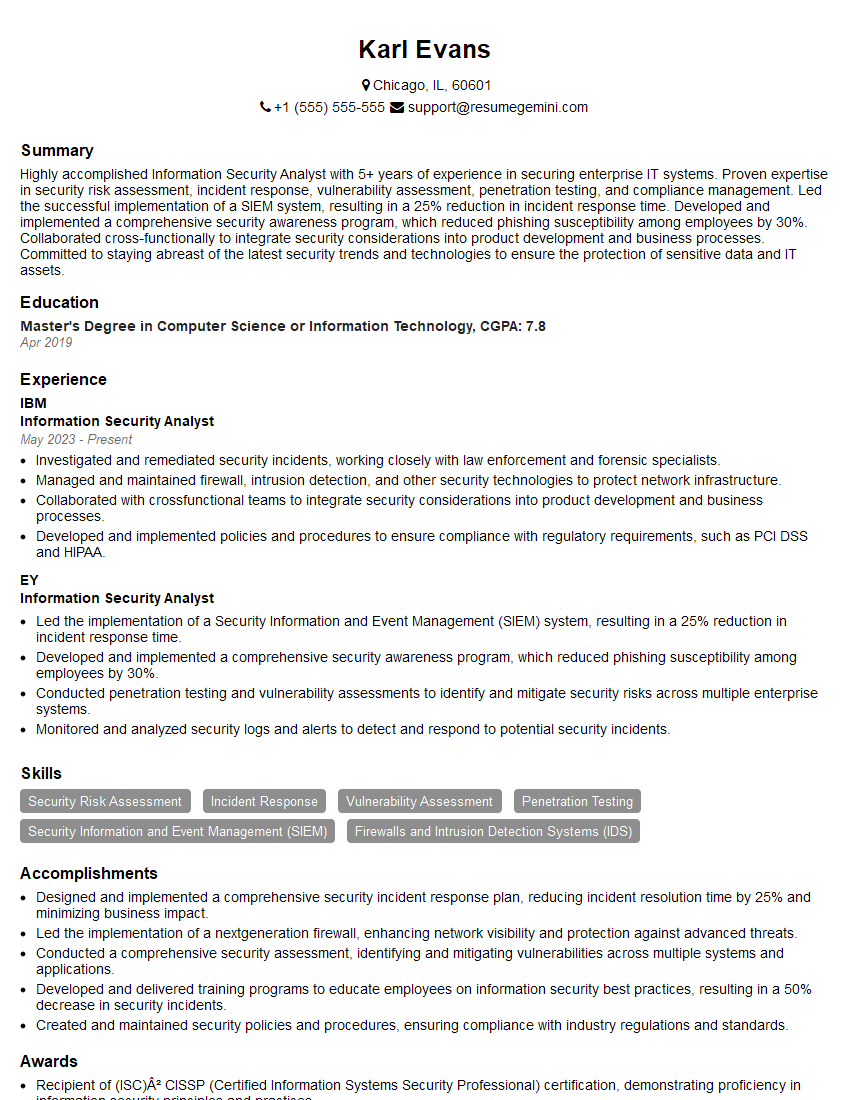
Information Security Analyst Resume Sample
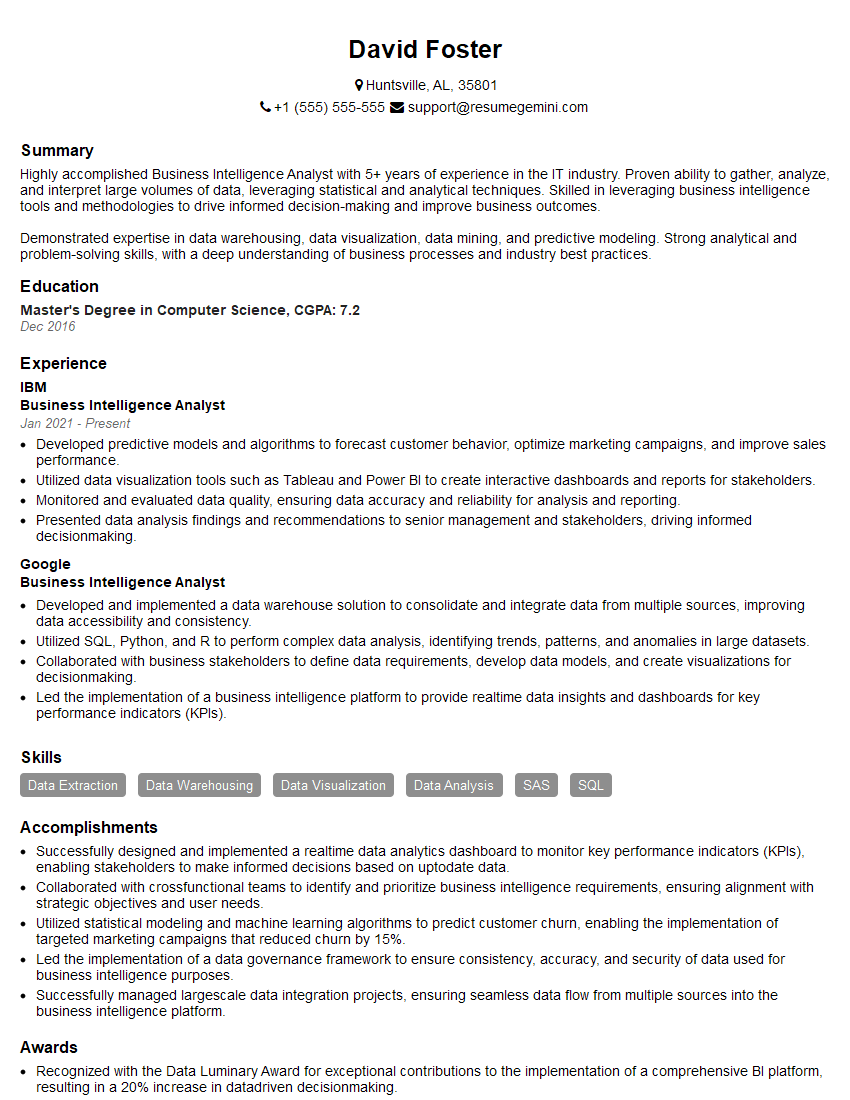
Business Intelligence Analyst Resume Sample
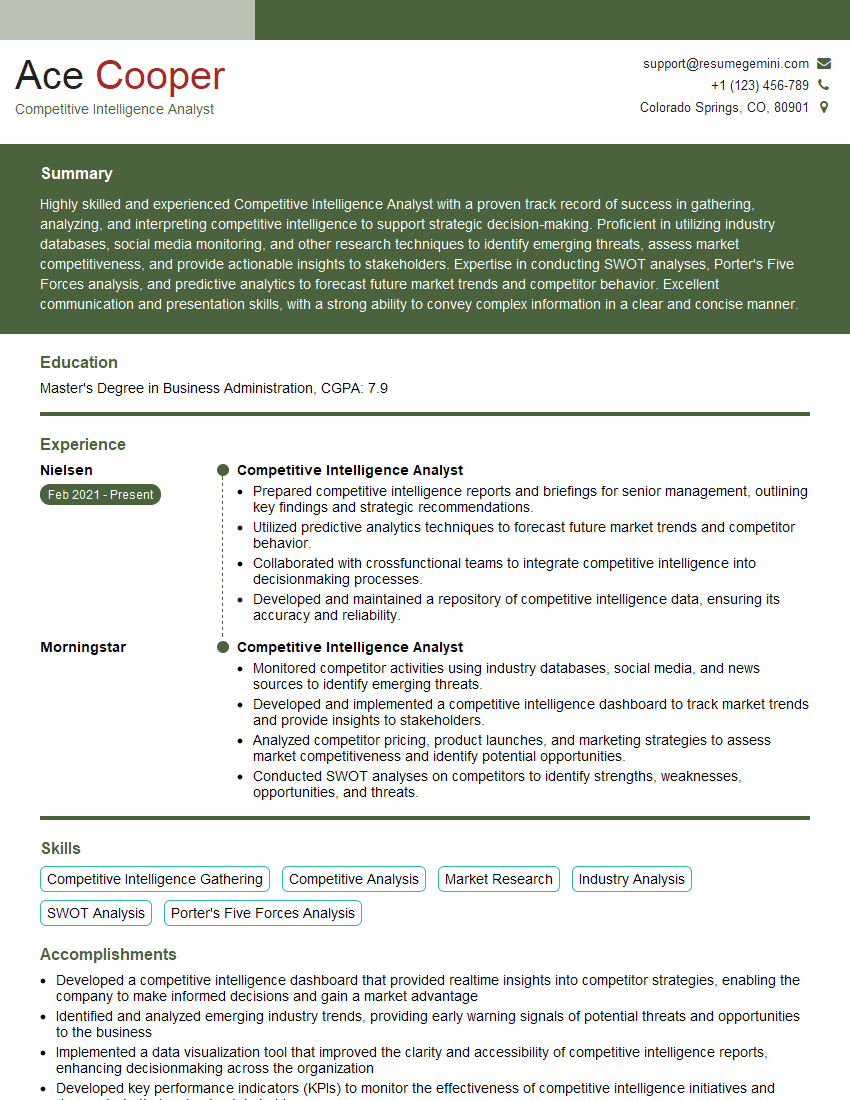
Competitive Intelligence Analyst Resume Sample
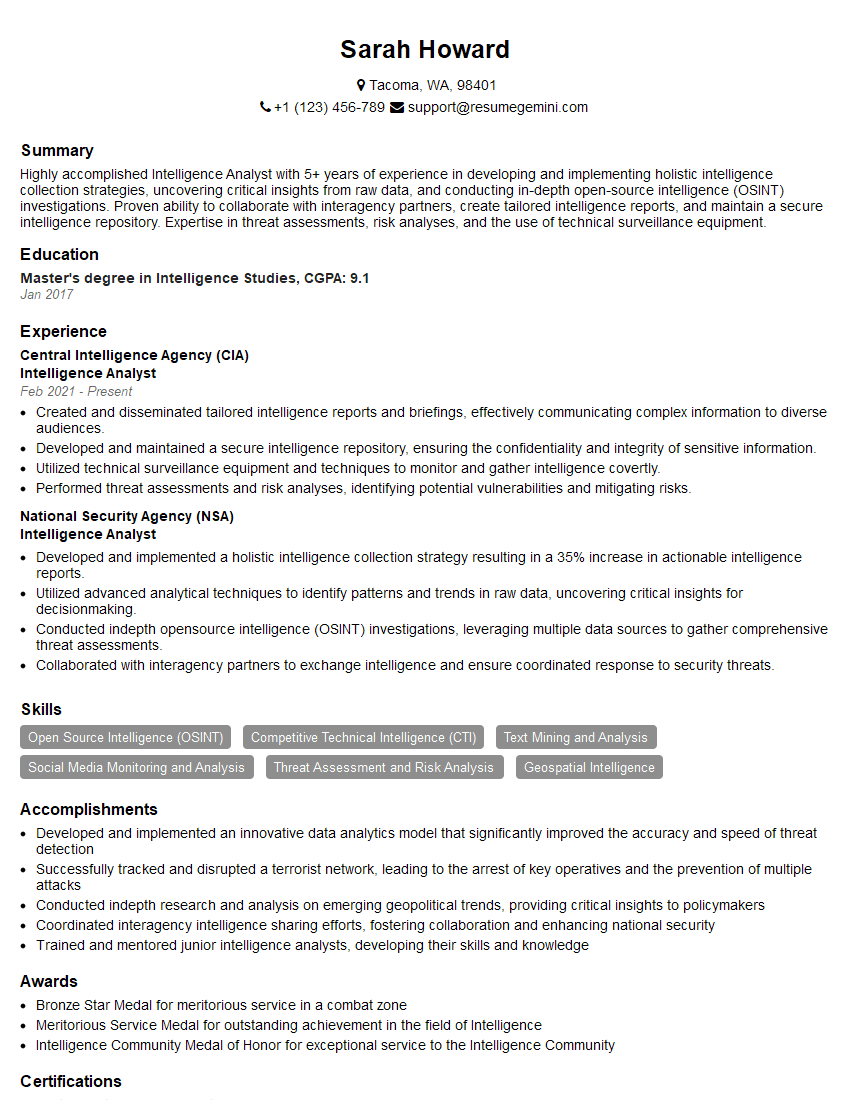
Intelligence Analyst Resume Sample
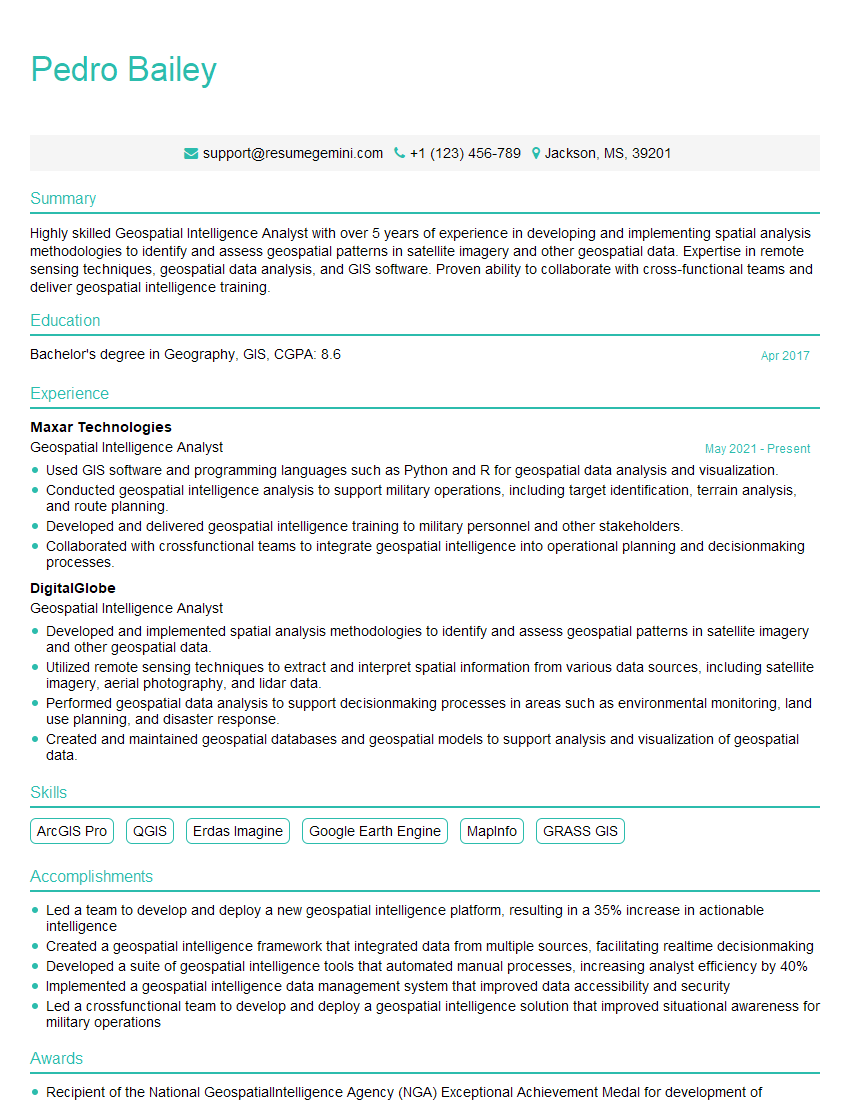
Geospatial Intelligence Analyst Resume Sample

Criminal Profiler Resume Sample
Explore more articles
Users Rating of Our Blogs
Share Your Experience
We value your feedback! Please rate our content and share your thoughts (optional).
What Readers Say About Our Blog
Very informative content, great job.
good