The right preparation can turn an interview into an opportunity to showcase your expertise. This guide to Proper Equipment Fitting and Maintenance interview questions is your ultimate resource, providing key insights and tips to help you ace your responses and stand out as a top candidate.
Questions Asked in Proper Equipment Fitting and Maintenance Interview
Q 1. Explain the importance of proper equipment fitting.
Proper equipment fitting is paramount for safety, efficiency, and longevity. Think of it like a perfectly tailored suit – if it doesn’t fit correctly, it’s uncomfortable, restricts movement, and may even cause damage. In the context of equipment, an ill-fitting piece can lead to operator injury, reduced productivity, increased wear and tear, and ultimately, equipment failure.
- Safety: Improper fitting can lead to awkward postures, strains, and repetitive stress injuries. For example, a poorly fitted hard hat could easily slip off during a fall, or gloves that are too tight could restrict blood flow, causing numbness and hindering dexterity.
- Efficiency: Tools and equipment designed to fit the user’s body type and task requirements promote ease of use and speed. A poorly adjusted drill press, for example, might be difficult to control, slowing down the workflow and potentially leading to inaccurate work.
- Longevity: Proper fitting reduces stress and strain on the equipment. A misaligned saw blade, for instance, might vibrate excessively, leading to premature wear and tear and potentially causing dangerous kickback.
Regular assessments and adjustments are vital to ensure optimal fit and performance.
Q 2. Describe your experience with preventative maintenance procedures.
My experience with preventative maintenance is extensive, encompassing a wide range of industrial machinery and tools. I adhere to a structured approach, involving regular inspections, lubrication schedules, and proactive component replacement before failure occurs. For example, in my previous role, we implemented a weekly lubrication schedule for all conveyor belts, significantly reducing downtime and extending their lifespan. This also involved visually inspecting the belts for wear, tears, or misalignment. Beyond scheduled maintenance, I’m also adept at creating and updating maintenance logs, incorporating predictive maintenance techniques like vibration analysis to anticipate potential issues before they arise.
I’m proficient in using various maintenance management software to track tasks, manage inventory, and generate reports. I believe in proactive maintenance, often comparing the ‘cost of prevention’ to the significantly higher ‘cost of repair or replacement’ to justify preventive measures.
Q 3. How do you identify and troubleshoot malfunctioning equipment?
Identifying and troubleshooting malfunctioning equipment requires a systematic approach. My process usually begins with a thorough visual inspection, checking for obvious signs of damage or wear. Next, I’ll listen for unusual noises – a grinding sound, for example, might indicate a bearing failure. I then consult the equipment’s operating manual for troubleshooting guides and diagnostic codes. Some equipment has built-in diagnostic systems providing error codes that pinpoint the problem. If the issue isn’t immediately apparent, I’ll employ more advanced techniques like using multimeters to check electrical connections and pressure gauges to measure fluid flow. Testing components in isolation, sometimes using replacement parts, helps isolate the source of the malfunction.
For example, if a robotic arm isn’t functioning properly, I might start by checking power supply, motor operation, and the integrity of the control system before moving on to more complex checks of sensors and actuators. Documenting each step and finding the root cause, rather than just treating the symptom is crucial.
Q 4. What are the common causes of equipment failure?
Equipment failure is often multifaceted, with causes ranging from simple wear and tear to complex mechanical or electrical issues. Some common culprits include:
- Lack of preventative maintenance: Neglecting regular inspections and maintenance leads to gradual deterioration and eventual failure. Think of it like neglecting a car; regular oil changes prevent serious engine damage.
- Operator error: Incorrect operation or overloading equipment can cause immediate or gradual damage. For instance, forcing a tool beyond its design parameters can lead to breakage.
- Environmental factors: Exposure to harsh weather conditions, excessive heat, or corrosive substances can significantly shorten equipment lifespan. Rust and corrosion are prime examples.
- Component failure: Parts wear out or fail over time, necessitating replacement. Bearings, belts, and electrical components are particularly vulnerable.
- Design flaws or manufacturing defects: Rarely, equipment can fail due to inherent design flaws or manufacturing defects that weren’t caught in quality control.
Q 5. Explain your process for diagnosing equipment problems.
My process for diagnosing equipment problems is methodical and data-driven. It follows a structured approach:
- Gather information: I start by collecting data from various sources – operator reports, maintenance logs, and the equipment’s own diagnostic systems.
- Visual inspection: A thorough visual inspection often reveals obvious issues like loose connections, cracks, or leaks.
- Functional testing: I perform functional tests to evaluate the equipment’s performance. This might involve measuring parameters like voltage, current, pressure, or temperature.
- Component testing: If necessary, I isolate and test individual components to identify the faulty part.
- Root cause analysis: The goal isn’t just to fix the immediate problem, but to identify and address the root cause to prevent future occurrences. This often involves using tools like fault trees or fishbone diagrams.
- Documentation: All findings, tests performed, and corrective actions are meticulously documented. This is essential for tracking maintenance history and identifying patterns.
Q 6. Describe your experience with different types of maintenance (predictive, preventative, corrective).
My experience encompasses all three types of maintenance: predictive, preventative, and corrective.
- Preventative maintenance focuses on scheduled inspections and servicing to prevent failures before they occur. This includes lubrication, cleaning, and component replacements based on time or usage. It’s like regular health checkups – catching potential problems early.
- Corrective maintenance addresses equipment failures after they happen. It involves identifying the root cause, repairing or replacing faulty components, and restoring functionality. This is similar to going to the doctor only when you’re already sick.
- Predictive maintenance utilizes advanced techniques to predict potential failures *before* they occur. This includes vibration analysis, thermal imaging, and oil analysis to detect subtle changes indicative of developing problems. This is the most proactive approach, offering the greatest potential for minimizing downtime and extending equipment lifespan. It’s like having a health monitoring device predicting a health issue.
I believe in a blended approach, combining all three types for optimal results. Regular preventative maintenance forms the base, predictive maintenance adds foresight, and corrective maintenance handles the inevitable unforeseen events.
Q 7. How do you ensure equipment is properly calibrated?
Ensuring equipment is properly calibrated is critical for accurate measurements and safe operation. The process involves comparing the equipment’s readings to a known standard. This standard could be a certified reference instrument, a known physical quantity, or a traceable calibration certificate. Calibration procedures vary depending on the type of equipment. Some equipment has self-calibration features; others require external calibration tools.
For example, calibrating a pressure gauge might involve comparing its readings against a master gauge of known accuracy. Similarly, calibrating a digital scale involves using known weights to verify its accuracy. Calibration should be documented with records including date, results, and the instrument’s identification number. The frequency of calibration depends on the equipment’s criticality and usage rate. Regular calibration ensures consistent, reliable results and prevents inaccurate measurements that could lead to costly errors or safety hazards.
Q 8. What safety protocols do you follow when maintaining equipment?
Safety is paramount in equipment maintenance. My protocol begins with a thorough risk assessment before any work commences. This involves identifying potential hazards like electrical shock, moving parts, or hazardous materials. I always utilize the appropriate Personal Protective Equipment (PPE), including safety glasses, gloves, hearing protection, and steel-toed boots, depending on the task. Lockout/Tagout (LOTO) procedures are strictly followed when working on energized equipment to prevent accidental start-up. This ensures that power is completely isolated and verified before any maintenance begins. Furthermore, I regularly inspect my tools to ensure they are in good working order and properly maintained to prevent accidents caused by faulty equipment. For example, before working with a grinder, I check the safety guard and ensure the blades are not damaged. Finally, I always work within my skillset, and if unsure about any aspect of the maintenance, I seek assistance from a more experienced colleague or consult relevant documentation.
Q 9. How do you prioritize maintenance tasks?
Prioritizing maintenance tasks requires a strategic approach. I typically use a combination of methods, including a criticality assessment and a risk-based approach. Critical equipment that impacts production or safety is prioritized over less crucial systems. For example, a broken conveyor belt in a manufacturing plant would take precedence over a minor leak in a non-critical pipe. I also factor in the urgency of repairs; an imminent failure necessitates immediate attention. Additionally, preventive maintenance tasks, scheduled according to manufacturer recommendations and historical data on failure rates, are integrated into the schedule to prevent future breakdowns. A CMMS (Computerized Maintenance Management System) is invaluable in this process, enabling efficient scheduling, tracking, and resource allocation. This ensures that tasks are assigned efficiently and completed in a timely manner.
Q 10. Explain your experience with using Computerized Maintenance Management Systems (CMMS).
My experience with CMMS is extensive. I’ve utilized several systems, including UpKeep and Fiix, throughout my career. I’m proficient in inputting work orders, managing inventory, tracking maintenance history, and generating reports. For example, using a CMMS helped me identify that a specific type of pump was failing frequently due to a consistent issue with the seals. This data analysis prompted me to investigate the root cause, leading to a change in the procurement process for pumps and preventing future failures. The CMMS not only improves organization and efficiency but also provides valuable data for predictive maintenance strategies. I can easily create customized reports to monitor equipment performance, identify trends, and plan for future maintenance needs. This proactive approach helps optimize maintenance schedules and minimize downtime.
Q 11. Describe your experience with different types of tools and equipment used in maintenance.
Over the years, I’ve gained experience with a broad range of tools and equipment. This includes basic hand tools such as wrenches, screwdrivers, and pliers; power tools like drills, grinders, and impact wrenches; specialized tools for specific equipment, such as specialized torque wrenches or alignment tools; and diagnostic equipment such as multimeters and thermal imaging cameras. I’m also familiar with using lifting equipment like hoists and cranes according to safety regulations. For instance, when replacing a motor, I ensure that the correct lifting equipment is used and that all safety procedures are followed. My experience extends to working with pneumatic and hydraulic systems, understanding their operation and maintenance requirements. This diverse skillset allows me to effectively handle a variety of maintenance tasks and challenges.
Q 12. How do you document maintenance activities?
Detailed documentation is crucial for traceability and accountability. I maintain comprehensive records of all maintenance activities, including the date, time, equipment involved, tasks performed, parts replaced, and any observations made. This documentation is usually entered into the CMMS, creating a digital trail. For tasks not directly entered into the CMMS, I utilize written work orders or checklists that are meticulously filled out and stored safely. Photographs or videos are also included when appropriate to provide visual documentation of the work. This detailed documentation is invaluable for future reference, troubleshooting, and identifying patterns to improve maintenance strategies. For example, meticulously documented records helped us identify a recurring problem with a specific component, allowing us to implement a preventive maintenance strategy to avoid future failures and associated costs.
Q 13. How do you handle emergency equipment repairs?
Emergency repairs require swift and decisive action. My approach starts with a thorough assessment of the situation to determine the severity of the problem and its potential impact. Safety remains the top priority; all safety precautions are followed before beginning any repairs. The goal is to quickly restore functionality to the affected equipment, minimizing disruption. This often involves prioritizing temporary fixes to get the equipment running again, followed by more permanent repairs during scheduled maintenance. For example, if a critical pump fails, the immediate priority is to get a replacement pump installed as quickly as possible, even if this means using a temporary solution before obtaining the exact replacement part. Post-emergency, a thorough investigation is conducted to understand the root cause of the failure to prevent recurrence.
Q 14. What is your experience with root cause analysis?
Root cause analysis (RCA) is a critical skill for preventing future equipment failures. My approach typically involves using a structured methodology like the “5 Whys” technique or the Fishbone diagram (Ishikawa diagram). This systematic process helps to move beyond simply treating symptoms to identifying the underlying cause of the problem. For example, a machine repeatedly jamming might initially seem like a simple problem, but through RCA, we might discover that the root cause is due to worn bearings causing misalignment, leading to the repeated jams. By identifying the root cause, we can implement corrective actions that address the underlying problem and prevent future occurrences, thus saving significant time and money in the long run. Effective RCA requires careful observation, data analysis, and a systematic approach.
Q 15. How do you ensure compliance with safety regulations during maintenance?
Ensuring compliance with safety regulations during equipment maintenance is paramount. It’s not just about following rules; it’s about creating a culture of safety. My approach involves a multi-layered strategy.
- Pre-Maintenance Planning: Before any work begins, I meticulously review all relevant safety data sheets (SDS), lockout/tagout (LOTO) procedures, and any specific permits required for the task. This ensures I’m aware of all potential hazards and necessary precautions. For example, before working on a high-voltage electrical panel, I’d ensure the LOTO procedure is followed precisely, with verification from a second person.
- Personal Protective Equipment (PPE): I always utilize appropriate PPE, selecting the correct gear based on the specific task. This includes safety glasses, gloves, hearing protection, steel-toed boots, and potentially respirators, depending on the situation. If working with chemicals, choosing the right gloves based on chemical compatibility is crucial.
- Regular Inspections: I conduct thorough inspections of the equipment and the work area before, during, and after maintenance to identify potential hazards and ensure the safety of myself and others. This might include checking for leaks, frayed wires, or damaged components.
- Following Procedures: Adherence to established maintenance procedures and best practices is essential. Deviating from these procedures without proper justification and authorization is unacceptable and can compromise safety.
- Post-Maintenance Check: After completing maintenance, I perform a comprehensive check to ensure the equipment is functioning correctly and safely. This might include testing functionalities and verifying that all safety mechanisms are operational.
Ultimately, safety isn’t an afterthought; it’s integrated into every step of the maintenance process.
Career Expert Tips:
- Ace those interviews! Prepare effectively by reviewing the Top 50 Most Common Interview Questions on ResumeGemini.
- Navigate your job search with confidence! Explore a wide range of Career Tips on ResumeGemini. Learn about common challenges and recommendations to overcome them.
- Craft the perfect resume! Master the Art of Resume Writing with ResumeGemini’s guide. Showcase your unique qualifications and achievements effectively.
- Don’t miss out on holiday savings! Build your dream resume with ResumeGemini’s ATS optimized templates.
Q 16. Describe a time you had to deal with a complex equipment malfunction.
During my time at a large manufacturing plant, we experienced a major malfunction with a crucial conveyor belt system. The system suddenly stopped, halting the entire production line. The initial diagnosis pointed to a possible motor failure, but after several hours of troubleshooting, it became clear that the issue was more complex.
The problem wasn’t just the motor; there was a significant amount of debris buildup within the system’s gearbox, which had jammed the gears and caused excessive stress on the motor. It involved more than just replacing the motor; a complete system teardown, cleaning, and inspection of all components were necessary. I systematically documented each step, taking photos and noting measurements. After thorough cleaning and lubrication, the gearbox was reassembled, the motor replaced, and a comprehensive testing phase ensured everything functioned correctly. This involved aligning the conveyor belt, testing the motor’s amperage draw, and running a series of test loads. The root cause analysis revealed a lack of regular preventative maintenance, highlighting the importance of scheduled inspections and cleaning.
Q 17. How do you train others on proper equipment usage and maintenance?
Training others on proper equipment usage and maintenance is crucial for safety and efficiency. My training approach is hands-on and incorporates several key elements.
- Classroom Instruction: I begin with classroom sessions covering theoretical concepts, safety regulations, and operating procedures. I use visual aids, diagrams, and real-world examples to make the learning more engaging. For instance, when explaining hydraulic systems, I’d use a cutaway model to show the internal workings.
- Practical Demonstration: I follow the classroom session with a practical demonstration, showing them how to perform the tasks correctly. This is a crucial step because it bridges the gap between theory and practice. I would demonstrate proper tool usage, maintenance procedures, and safety protocols.
- Hands-on Practice: The trainees then get hands-on practice, working under my direct supervision. I provide guidance and feedback to ensure they’re performing tasks correctly and safely. This allows for immediate correction of any errors.
- Assessment and Feedback: After the practical session, I conduct an assessment to gauge their understanding and skill level. I provide constructive feedback, addressing areas where improvement is needed. This involves both written and practical tests.
- Ongoing Support: Even after the initial training, I provide ongoing support and mentorship, answering questions and providing assistance as needed. This fosters a continuous learning environment.
I believe in a blended approach combining theoretical knowledge and practical application, creating well-rounded and competent individuals.
Q 18. What are your skills in reading and interpreting technical manuals and schematics?
Reading and interpreting technical manuals and schematics is fundamental to my role. I’m proficient in understanding various types of documentation, including electrical diagrams, hydraulic schematics, pneumatic diagrams, and mechanical drawings.
I can easily decipher symbols, interpret component specifications, and follow wiring diagrams to troubleshoot equipment malfunctions. For instance, I can use a schematic to trace a faulty signal in a PLC system and identify the faulty component. My skill also extends to understanding safety protocols detailed within manuals and ensuring their proper implementation. I find that cross-referencing information from different sections of a manual often helps clarify ambiguities.
Beyond simply reading, I’m capable of extracting critical information efficiently. I’m familiar with various CAD software packages, which allows me to work with 3D models and blueprints for a more comprehensive understanding.
Q 19. Describe your experience with different types of machinery.
My experience encompasses a wide range of machinery, including:
- Conveyor systems: Troubleshooting and maintaining various types of conveyor belts, including roller, belt, and chain conveyors, dealing with issues such as alignment, drive systems, and sensor malfunctions.
- Packaging machines: Experience with automated packaging equipment, including fillers, sealers, and labeling machines, addressing mechanical and electrical problems.
- CNC machines: Troubleshooting and performing preventative maintenance on CNC milling and lathe machines, understanding control systems and tooling.
- Hydraulic and pneumatic systems: Extensive experience diagnosing and repairing leaks, replacing components, and troubleshooting control systems in hydraulic presses and pneumatic actuators.
- Robotics: Basic programming and troubleshooting of industrial robotic arms for various tasks such as welding, painting, and material handling.
This broad experience allows me to approach new equipment with confidence and adapt my skills quickly to unfamiliar systems.
Q 20. How do you handle situations where you need to work with minimal supervision?
Working with minimal supervision requires a high degree of self-reliance, discipline, and initiative. My approach emphasizes planning, problem-solving, and proactive communication.
- Detailed Planning: Before starting any task, I develop a detailed plan outlining the necessary steps, required tools, and potential challenges. This minimizes the need for constant supervision.
- Proactive Problem-Solving: I don’t wait for problems to arise; I proactively identify and address potential issues. This involves regularly inspecting equipment and documenting observations.
- Effective Time Management: I efficiently manage my time and prioritize tasks to meet deadlines and adhere to schedules. This includes setting realistic goals and tracking my progress regularly.
- Clear Communication: Even when working independently, I maintain clear communication with supervisors, reporting progress, highlighting any significant challenges, and seeking guidance when necessary. Regular updates, even if there are no issues, show proactive work habits.
My ability to work autonomously stems from years of experience and a commitment to efficient and safe work practices.
Q 21. How do you manage your workload and prioritize tasks effectively?
Workload management and task prioritization are crucial skills. I use a combination of techniques to stay organized and efficient.
- Prioritization Matrix: I use a prioritization matrix (like an Eisenhower Matrix) to categorize tasks based on urgency and importance. This helps me focus on the most critical tasks first.
- Task Breakdown: I break down large tasks into smaller, more manageable sub-tasks. This makes the overall project less daunting and allows for better tracking of progress.
- Scheduling and Time Blocking: I allocate specific time blocks for different tasks in my schedule. This ensures that I dedicate sufficient time to each task and avoid multitasking, which can reduce efficiency.
- Regular Reviews: I regularly review my progress, adjusting my schedule and priorities as needed. This flexibility allows me to adapt to unexpected changes or delays.
- Use of Technology: I utilize project management software and other tools to track tasks, deadlines, and progress. This helps maintain organization and transparency.
My goal is to optimize my workflow, minimizing wasted time and ensuring that all tasks are completed efficiently and to a high standard.
Q 22. How do you stay current with new technologies and advancements in equipment maintenance?
Staying current in the rapidly evolving field of equipment maintenance requires a multi-pronged approach. I actively participate in professional development activities, including attending industry conferences like those hosted by the Society for Maintenance & Reliability Professionals (SMRP) and subscribing to reputable trade journals such as Plant Engineering and Maintenance Technology. These resources provide insights into the latest technological advancements, best practices, and emerging trends.
Furthermore, I leverage online platforms such as LinkedIn Learning and Coursera to access specialized courses on topics like predictive maintenance using AI, advanced lubrication techniques, and the implementation of CMMS (Computerized Maintenance Management Systems) software. I also actively engage in online communities and forums dedicated to maintenance and reliability, where I can learn from experienced professionals and share my own insights.
Finally, I believe in hands-on learning. Whenever possible, I seek opportunities to work with new technologies and equipment, gaining practical experience alongside theoretical knowledge. For example, recently I participated in a workshop on implementing IoT sensors for real-time equipment monitoring, which directly enhanced my understanding and application of predictive maintenance strategies.
Q 23. Describe your experience with inventory management for maintenance parts.
Effective inventory management for maintenance parts is crucial for minimizing downtime and ensuring operational efficiency. My experience involves utilizing a CMMS system to track parts, predict demand, and optimize stock levels. Think of it like running a well-organized warehouse – knowing exactly what you have, where it is, and when you’ll need more.
I begin by meticulously categorizing parts based on their criticality and frequency of use. This allows for the prioritization of inventory management efforts. High-criticality parts, those that cause significant downtime if unavailable, are given special attention, with safety stock levels strategically set to mitigate risks. I then leverage the CMMS’s forecasting capabilities to project future needs based on historical usage patterns and planned maintenance schedules.
Regular inventory audits are conducted to reconcile physical stock with the CMMS records. This helps identify discrepancies, potential obsolescence, and areas for improvement in inventory control. I also implement a system for regularly reviewing slow-moving items, potentially identifying opportunities for consolidation or disposal. The goal is a lean inventory – enough to meet demand without excessive storage costs or the risk of parts becoming obsolete.
Q 24. Explain your experience with different types of lubricants and their applications.
Lubricants are the lifeblood of many machines, and selecting the right one is crucial for optimal performance and longevity. My experience encompasses a wide range of lubricants, from mineral oils to synthetic greases and specialized fluids. The choice depends heavily on the specific application and the operating conditions.
For example, in high-temperature applications like engine oil, a high-viscosity synthetic oil might be chosen for its superior thermal stability. In contrast, low-temperature applications might benefit from a low-viscosity mineral oil to ensure easy flow and lubrication. Greases are often used in applications requiring long-term lubrication with minimal maintenance, such as bearings. Specialized lubricants, such as those with extreme pressure (EP) additives, are used in situations with high loads and potential wear.
Beyond the base oil, additive packages play a vital role. Additives enhance properties like anti-wear, anti-oxidation, and corrosion protection. Choosing the correct lubricant also considers factors such as compatibility with seals and other machine components. Regular analysis of used oil, such as through spectrometric analysis, can provide invaluable insights into lubricant degradation and potential machine wear, allowing for proactive maintenance adjustments.
Q 25. How do you ensure the proper disposal of hazardous materials?
Safe and responsible disposal of hazardous materials is paramount. This requires strict adherence to all applicable local, regional, and national regulations. My approach involves a multi-step process, starting with proper identification and segregation of hazardous materials. Each material is labeled clearly, according to OSHA and EPA guidelines, to prevent accidental exposure and to ensure proper handling procedures are followed.
Next, I meticulously document all hazardous waste generated. This documentation, which includes the type and quantity of each material, is crucial for compliance purposes and for tracing the waste throughout the disposal process. We only utilize licensed and reputable hazardous waste disposal companies that adhere to strict environmental standards. These companies provide certificates of disposal, proving that the materials have been handled and disposed of correctly, providing legal and environmental accountability.
Regular training for maintenance personnel is critical, emphasizing safe handling practices, spill response procedures, and the importance of adhering to all safety protocols. This proactive approach reduces the risk of accidents and ensures that our environmental responsibility is prioritized.
Q 26. What are the key performance indicators (KPIs) you use to measure the effectiveness of your maintenance efforts?
Measuring the effectiveness of maintenance efforts relies on key performance indicators (KPIs). I focus on a combination of metrics to provide a holistic view of performance. These include:
- Mean Time Between Failures (MTBF): This measures the average time between equipment failures, indicating the reliability of the system. A higher MTBF suggests improved reliability and effectiveness of maintenance.
- Mean Time To Repair (MTTR): This KPI reflects the average time taken to repair a failed piece of equipment. Reducing MTTR is critical for minimizing downtime and operational disruption.
- Overall Equipment Effectiveness (OEE): OEE considers availability, performance, and quality to provide a comprehensive measure of equipment efficiency. Improving OEE is a primary goal of effective maintenance.
- Maintenance Cost per Unit Produced: This metric helps evaluate the cost-effectiveness of maintenance strategies. Reducing maintenance costs while maintaining or improving other KPIs is a significant achievement.
- Preventive Maintenance Completion Rate: This metric ensures that scheduled preventive maintenance tasks are completed timely and efficiently.
By tracking and analyzing these KPIs, we can identify areas needing improvement and evaluate the success of implemented maintenance strategies.
Q 27. How do you handle conflicts or disagreements with other maintenance team members?
Conflicts within a team are inevitable, but effective conflict resolution is crucial for a productive work environment. My approach prioritizes open communication and collaborative problem-solving. When a disagreement arises, I initiate a discussion in a calm and respectful manner, ensuring all parties feel heard and understood. I encourage active listening and focus on understanding the root cause of the disagreement, rather than assigning blame.
I believe in finding common ground and creating a solution that addresses everyone’s concerns. If a resolution cannot be reached directly, I might involve a supervisor or mentor to facilitate mediation. The goal is always to find a mutually acceptable solution that preserves the team’s cohesion and respects individual perspectives. For example, I recently mediated a conflict between two technicians regarding the best approach to a specific repair. By encouraging them to explain their reasoning and collaboratively evaluate the pros and cons of each approach, we arrived at a superior solution.
Q 28. Describe your approach to continuous improvement in equipment maintenance.
Continuous improvement is the cornerstone of effective equipment maintenance. My approach involves a structured process using a Plan-Do-Check-Act (PDCA) cycle. It begins with identifying areas for improvement through the analysis of KPIs, feedback from the team, and root cause analysis of equipment failures.
Plan: This phase involves identifying specific improvement targets, developing action plans, and allocating necessary resources. Do: This is the implementation phase, where the planned actions are carried out. Check: In this phase, results are monitored, data is collected, and the effectiveness of the implemented changes is evaluated. Act: This final stage involves standardizing successful changes, documenting lessons learned, and making adjustments based on the evaluation findings. This iterative process ensures that our maintenance strategies are constantly evolving to improve efficiency, reliability, and safety.
For instance, after analyzing our MTBF data, we identified that a specific piece of equipment had a significantly lower MTBF than others. Through root cause analysis, we discovered a lubrication issue. Implementing a change in lubrication procedures and training technicians on proper lubrication techniques resulted in a significant improvement in the MTBF for that specific equipment. This improvement was then documented and incorporated into our standard operating procedures.
Key Topics to Learn for Proper Equipment Fitting and Maintenance Interview
- Understanding Equipment Specifications: Learn to interpret technical manuals, diagrams, and specifications to understand the intended function and limitations of various equipment.
- Safety Procedures and Regulations: Master relevant safety protocols, including lockout/tagout procedures, personal protective equipment (PPE) usage, and hazard identification.
- Proper Fitting Techniques: Develop a thorough understanding of how to correctly fit equipment to ensure optimal performance, safety, and longevity. This includes understanding ergonomic principles.
- Preventive Maintenance Schedules: Learn to interpret and implement preventative maintenance schedules to minimize equipment downtime and extend its lifespan. This includes understanding the importance of lubrication and regular inspections.
- Troubleshooting and Repair Procedures: Develop skills in diagnosing common equipment malfunctions, utilizing troubleshooting guides, and performing basic repairs. Practice your problem-solving approach.
- Record Keeping and Documentation: Understand the importance of accurate and detailed record-keeping for maintenance logs, repairs, and safety inspections.
- Working with Different Equipment Types: Gain familiarity with a variety of equipment types common in your target industry, understanding their unique maintenance needs.
- Impact of Improper Maintenance: Understand the consequences of neglecting proper equipment fitting and maintenance, including safety hazards, increased costs, and decreased efficiency.
Next Steps
Mastering Proper Equipment Fitting and Maintenance is crucial for career advancement in many technical fields. It demonstrates your commitment to safety, efficiency, and cost-effectiveness. To significantly boost your job prospects, creating an ATS-friendly resume is essential. This ensures your application gets noticed by recruiters and hiring managers. We recommend using ResumeGemini to craft a compelling and effective resume. ResumeGemini provides a user-friendly platform and offers examples of resumes tailored to the Proper Equipment Fitting and Maintenance field to help guide your creation process. Take the next step towards your dream career – build a strong resume that showcases your expertise.
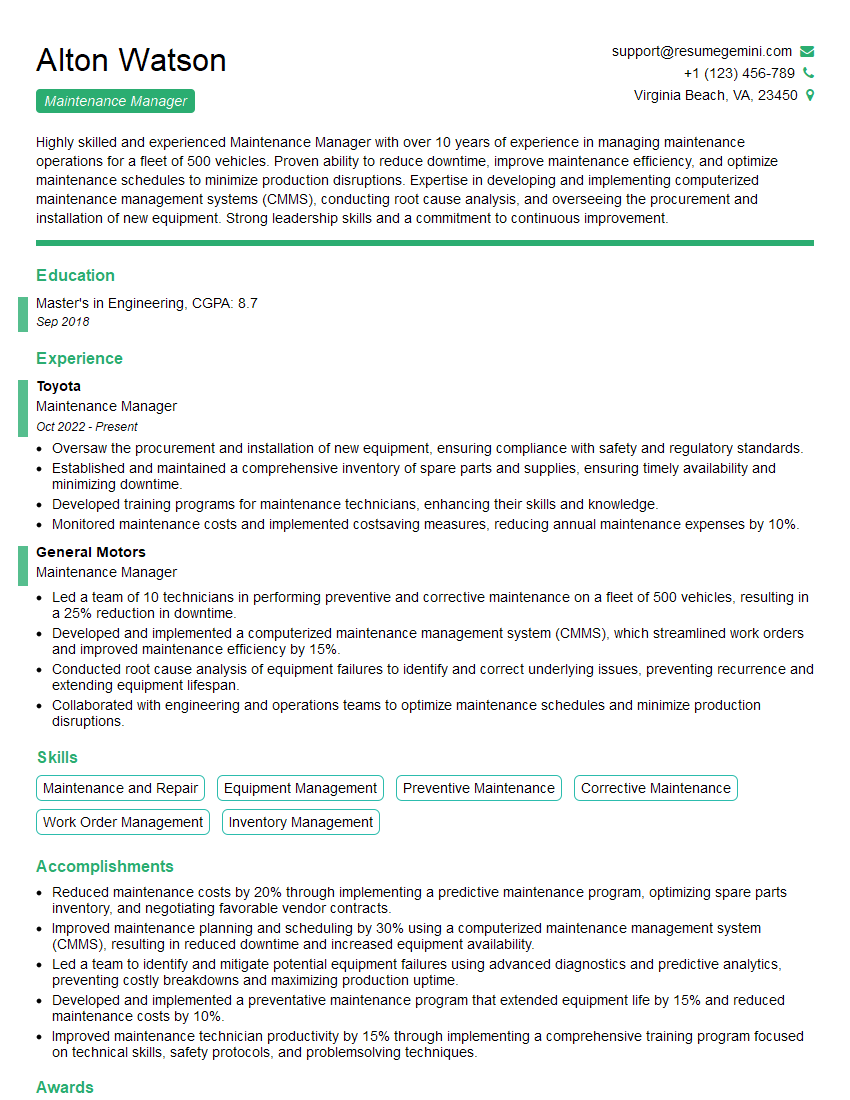
Maintenance Manager Resume Sample
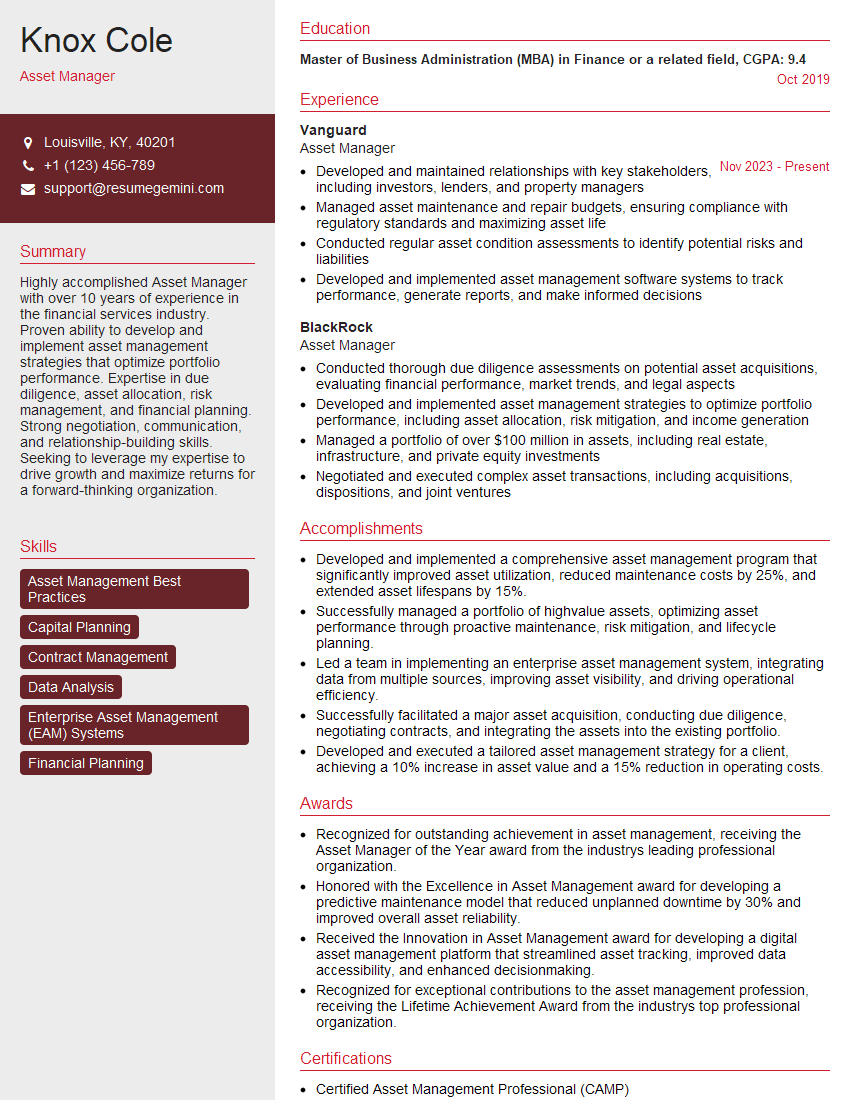
Asset Manager Resume Sample
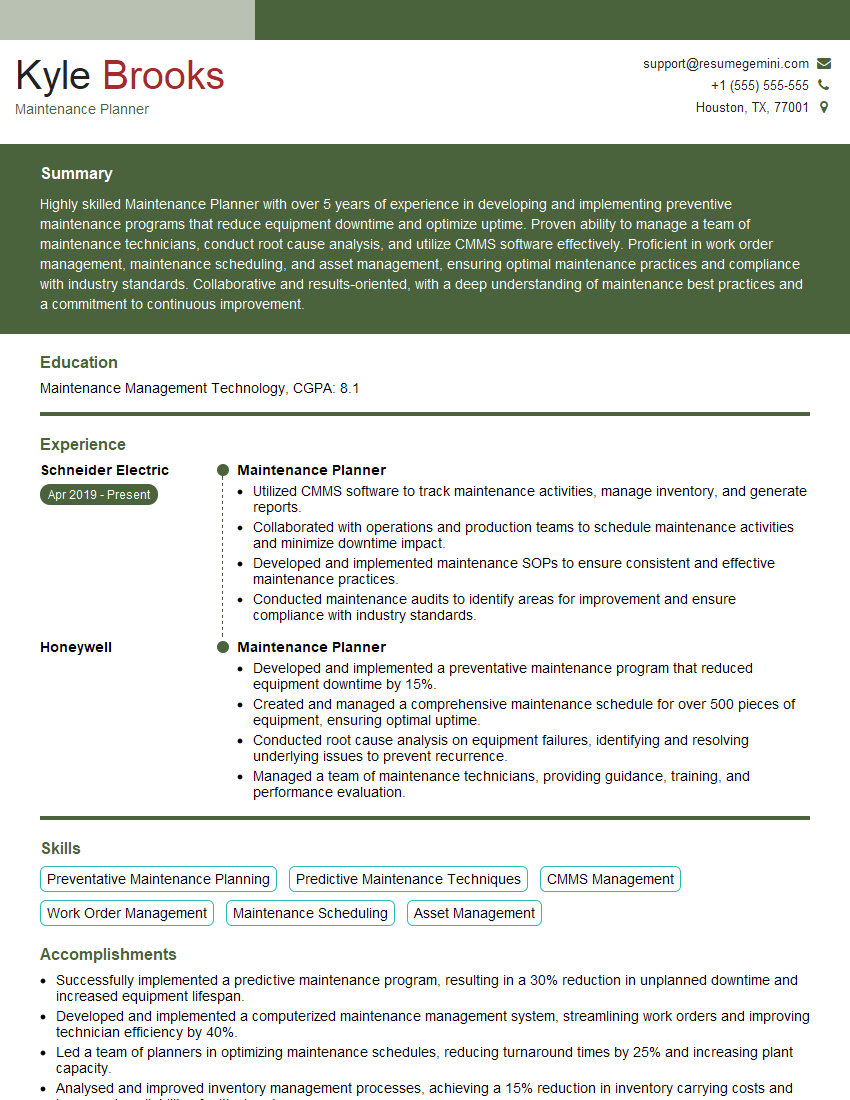
Maintenance Planner Resume Sample
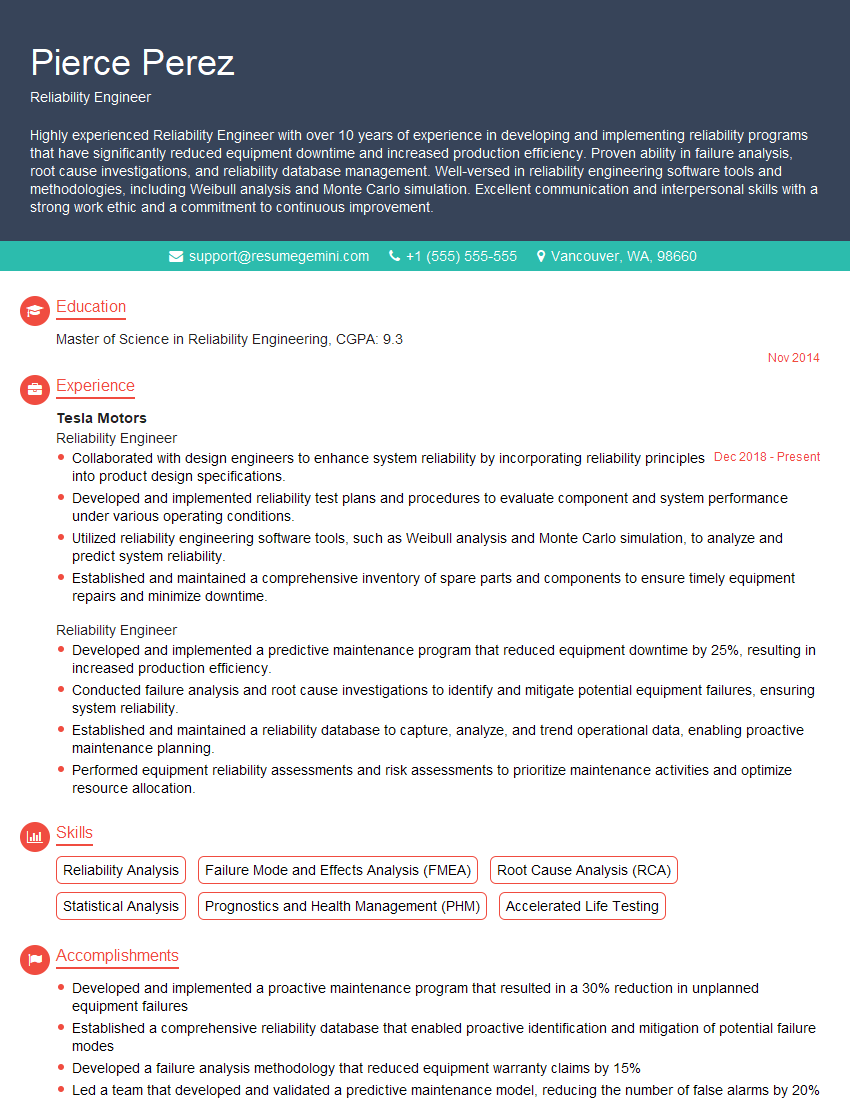
Reliability Engineer Resume Sample
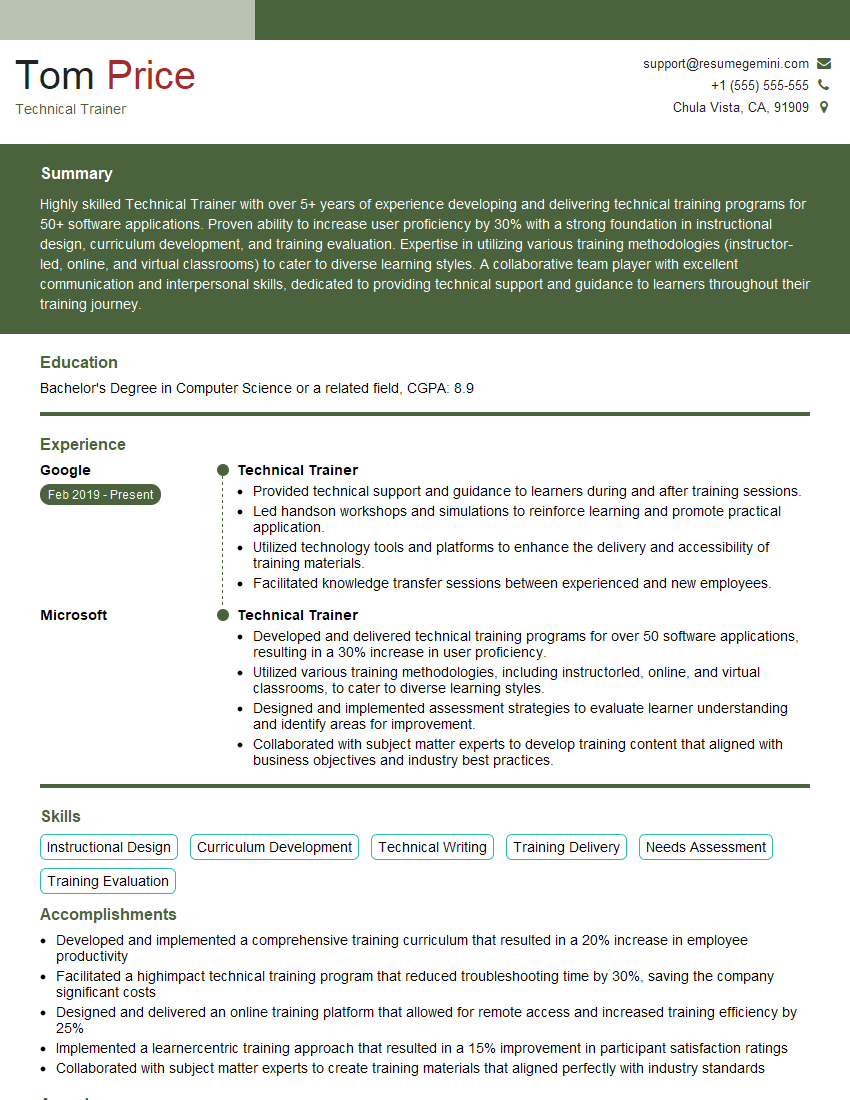
Technical Trainer Resume Sample
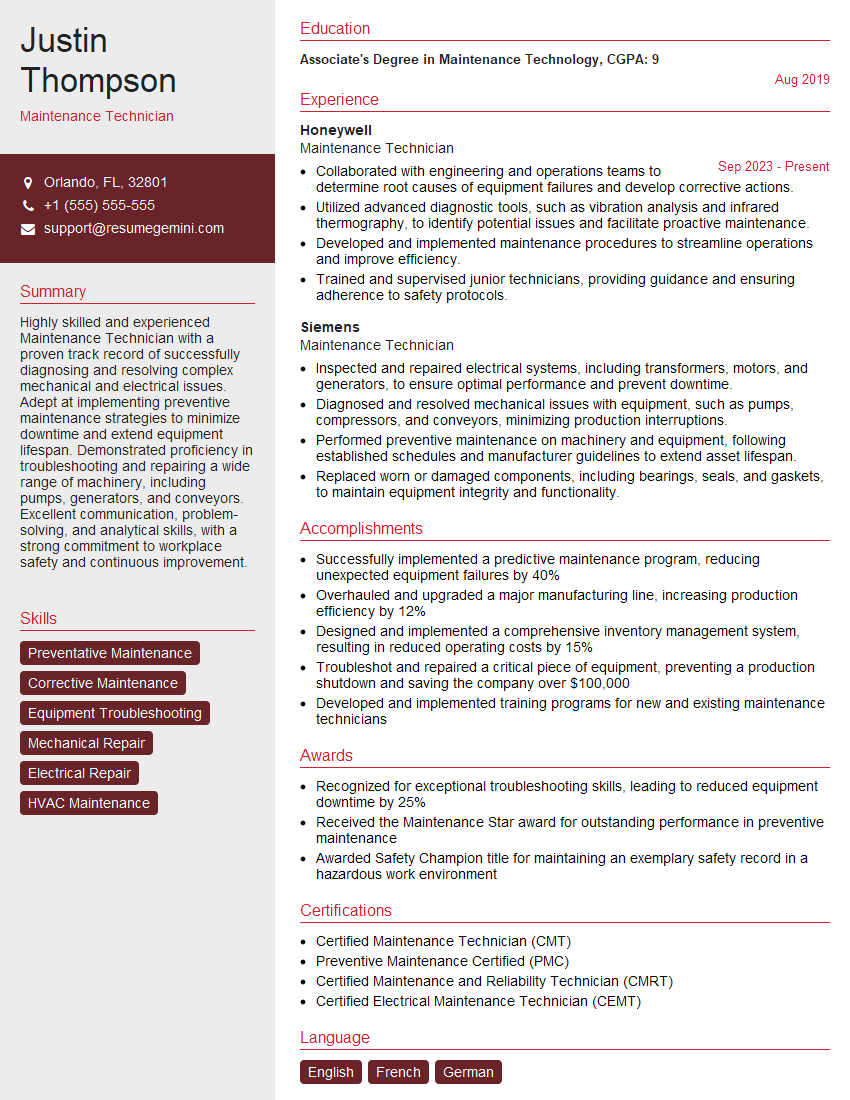
Maintenance Technician Resume Sample
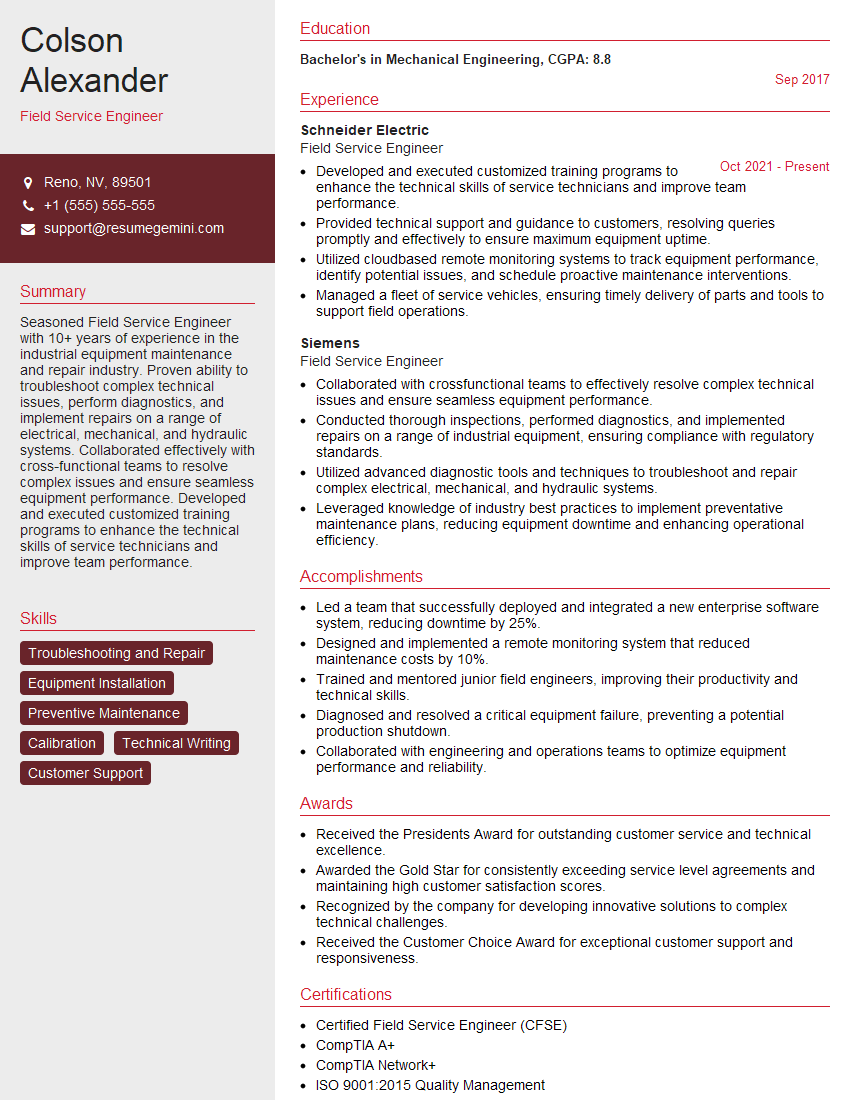
Field Service Engineer Resume Sample
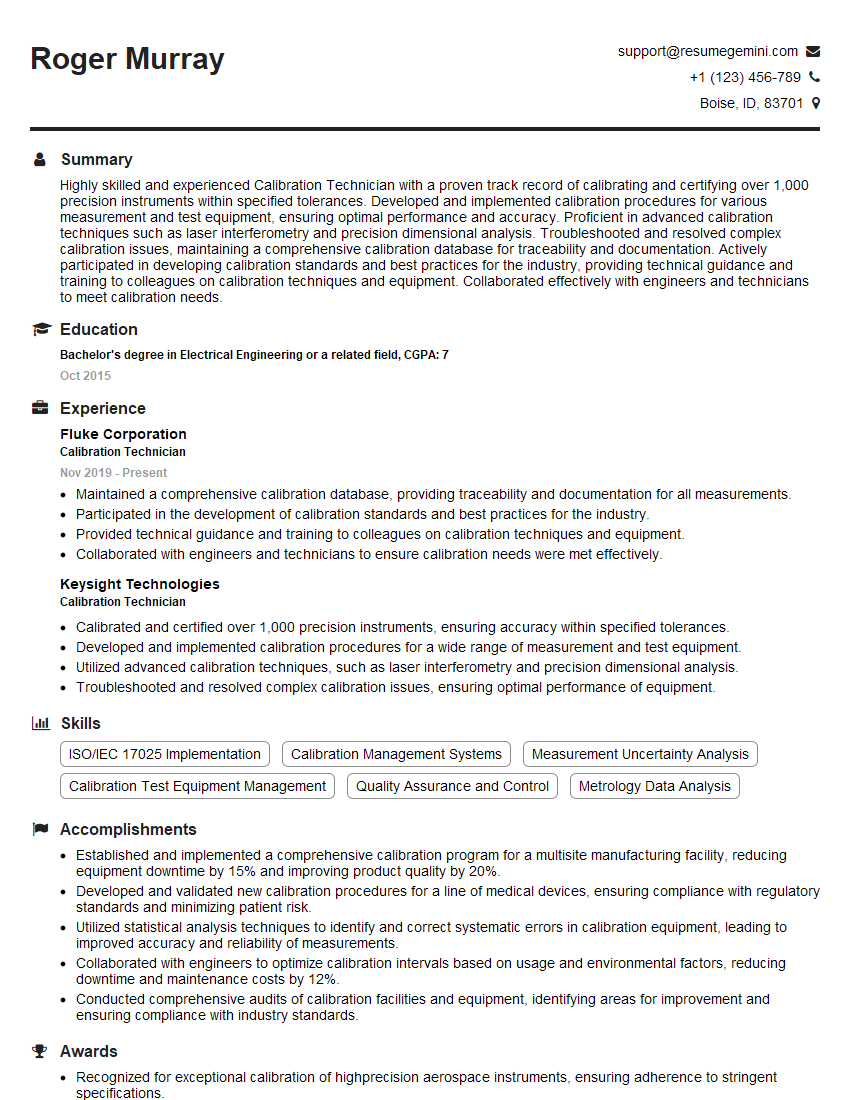
Calibration Technician Resume Sample
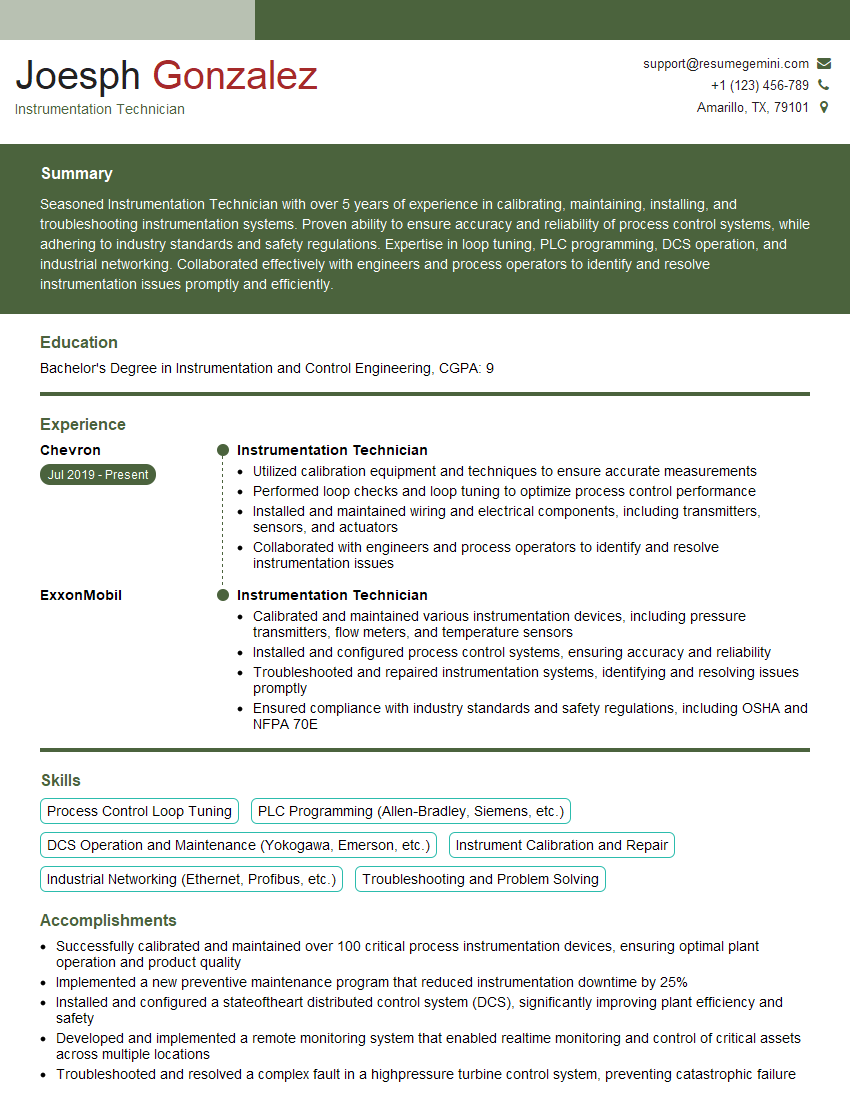
Instrumentation Technician Resume Sample
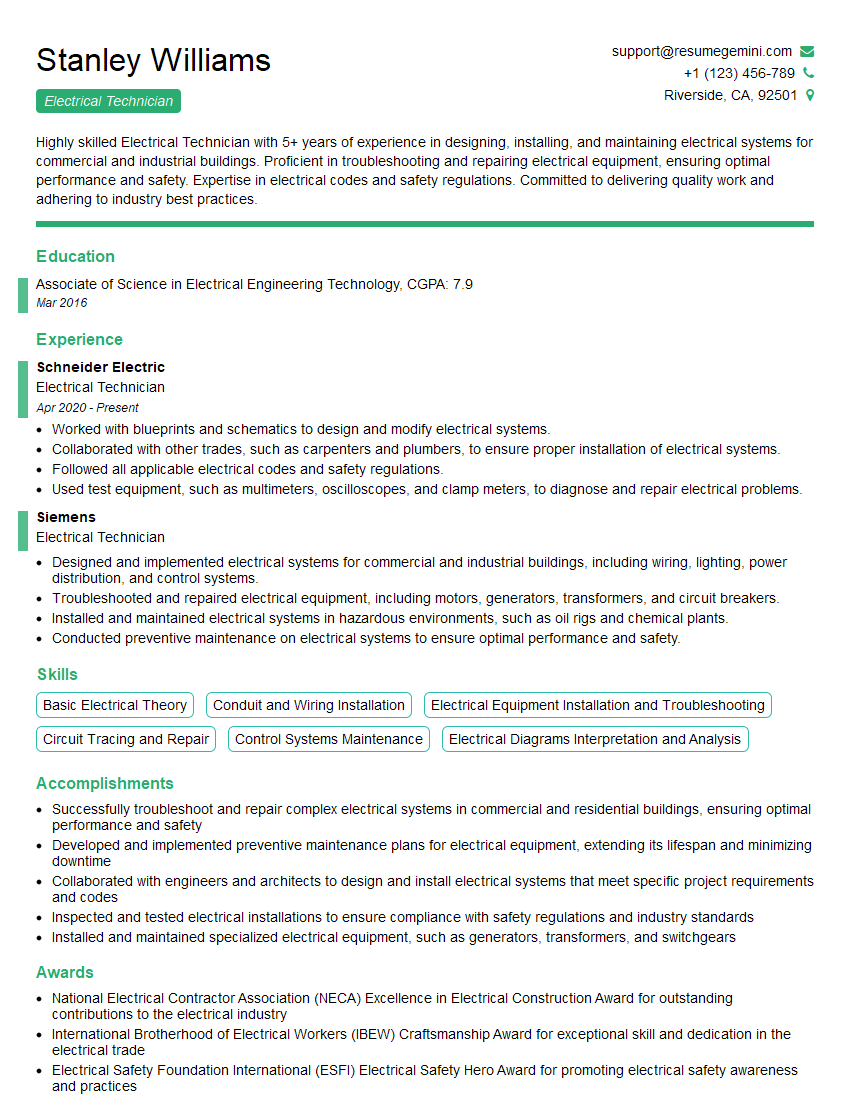
Electrical Technician Resume Sample
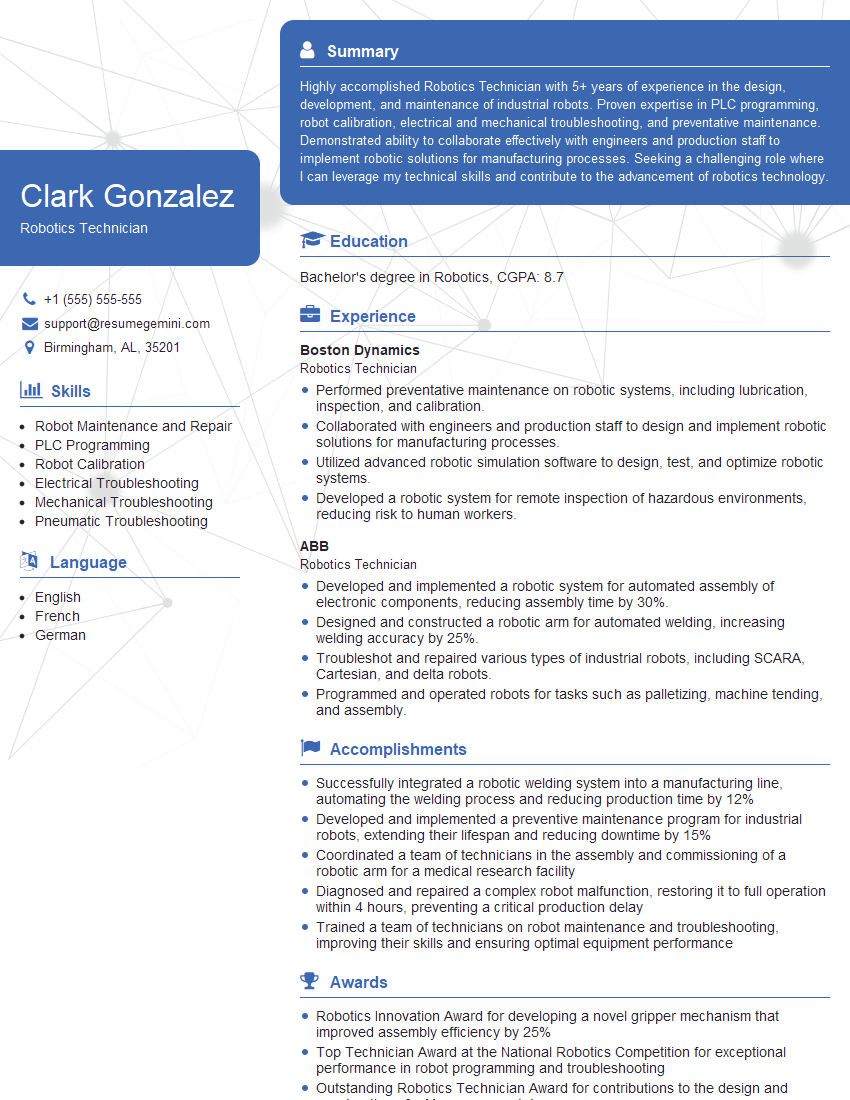
Robotics Technician Resume Sample
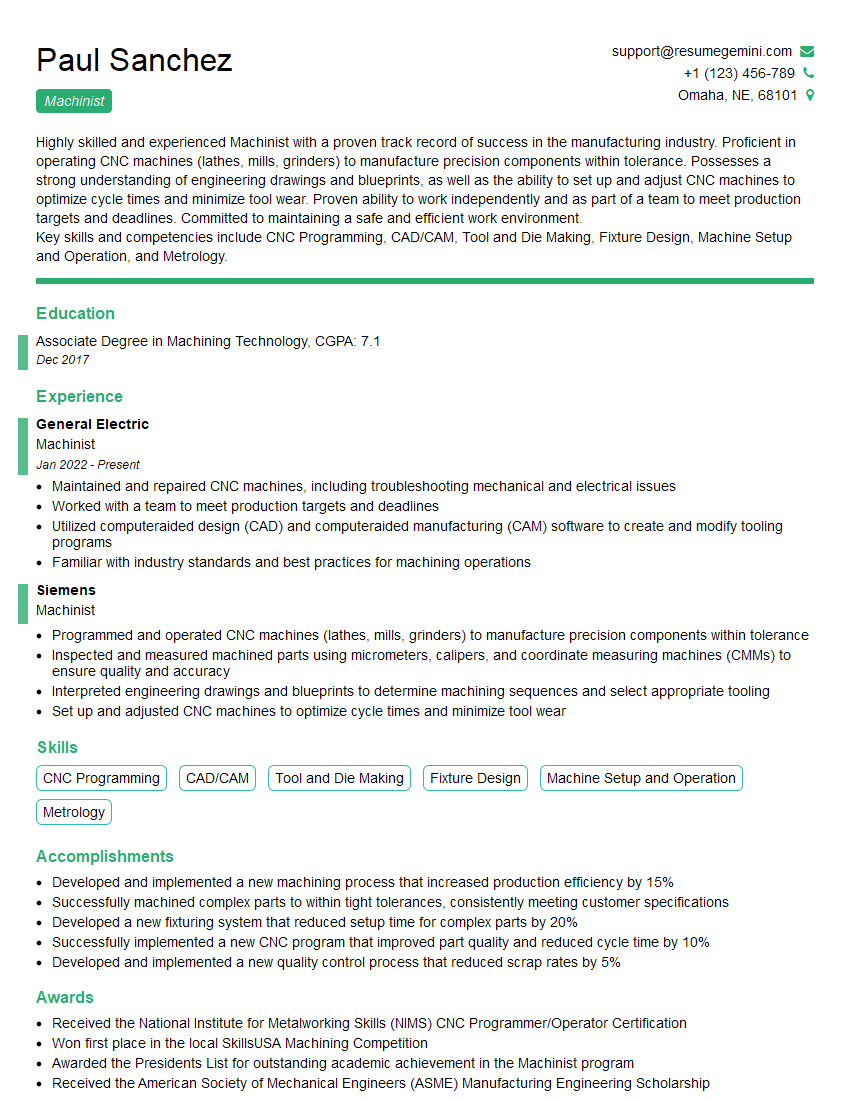
Machinist Resume Sample
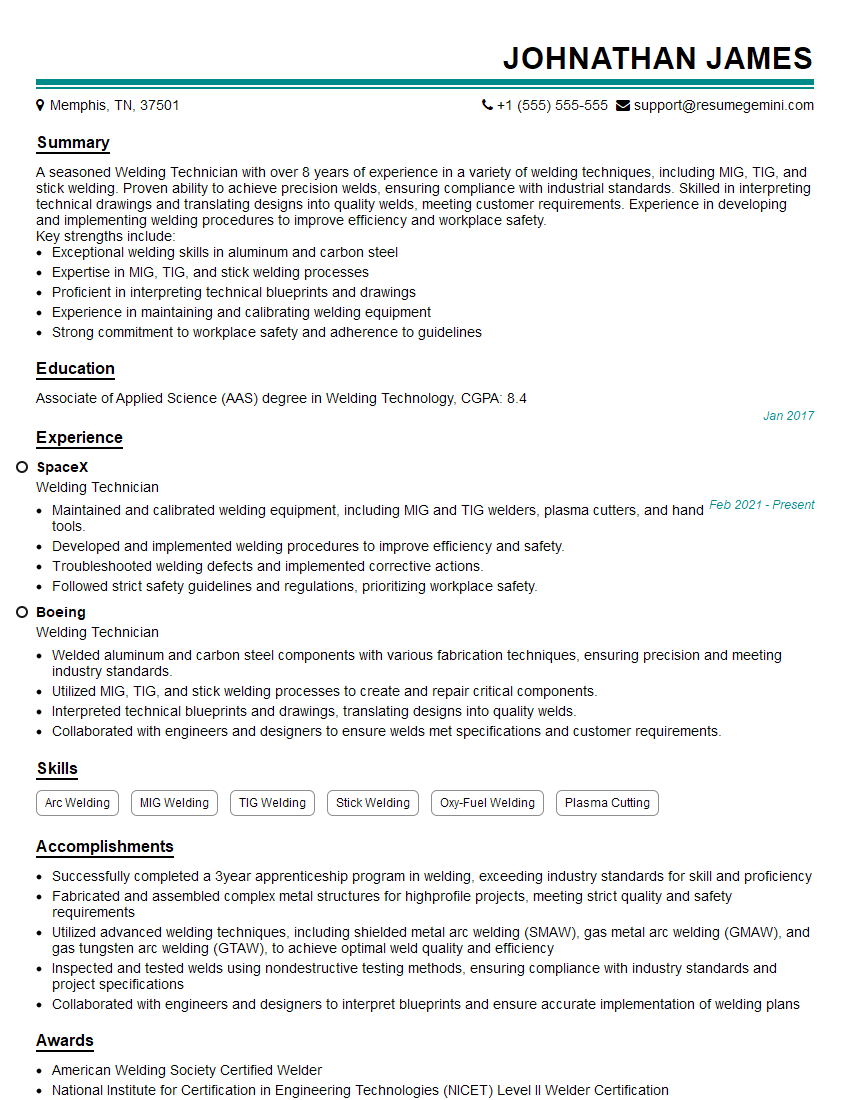
Welding Technician Resume Sample
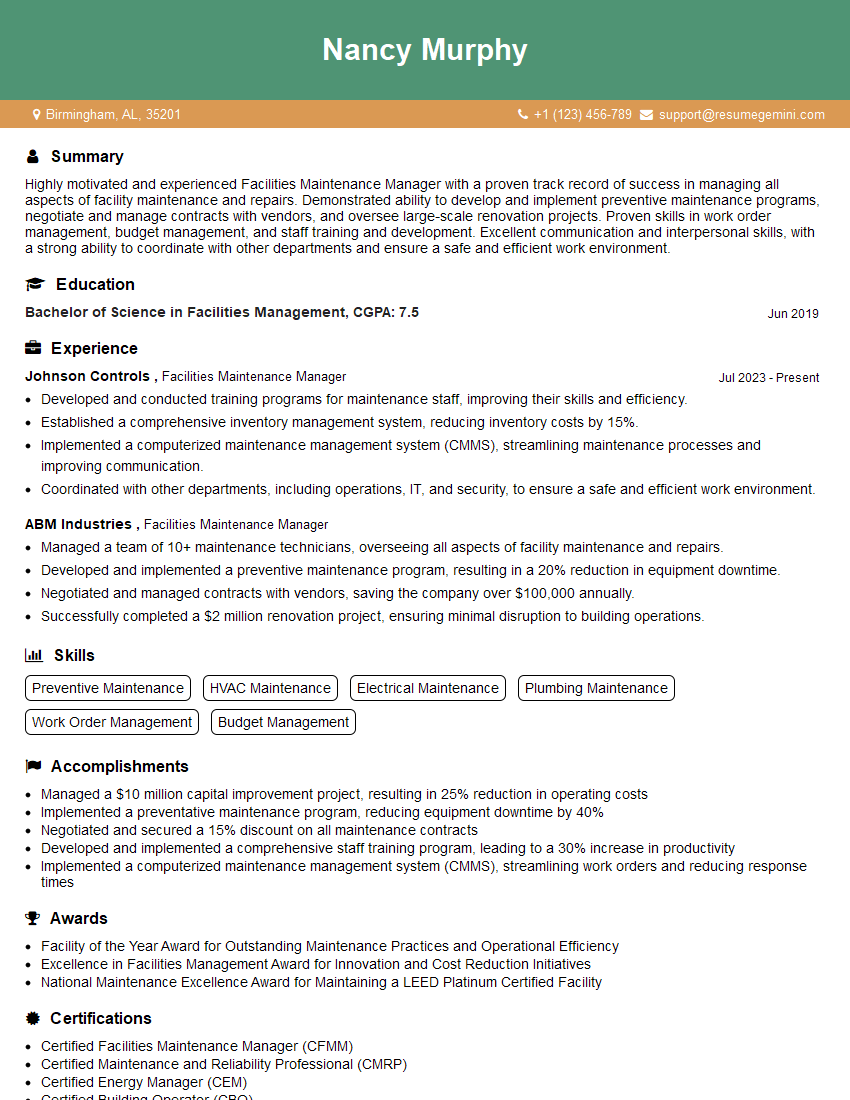
Facilities Maintenance Manager Resume Sample
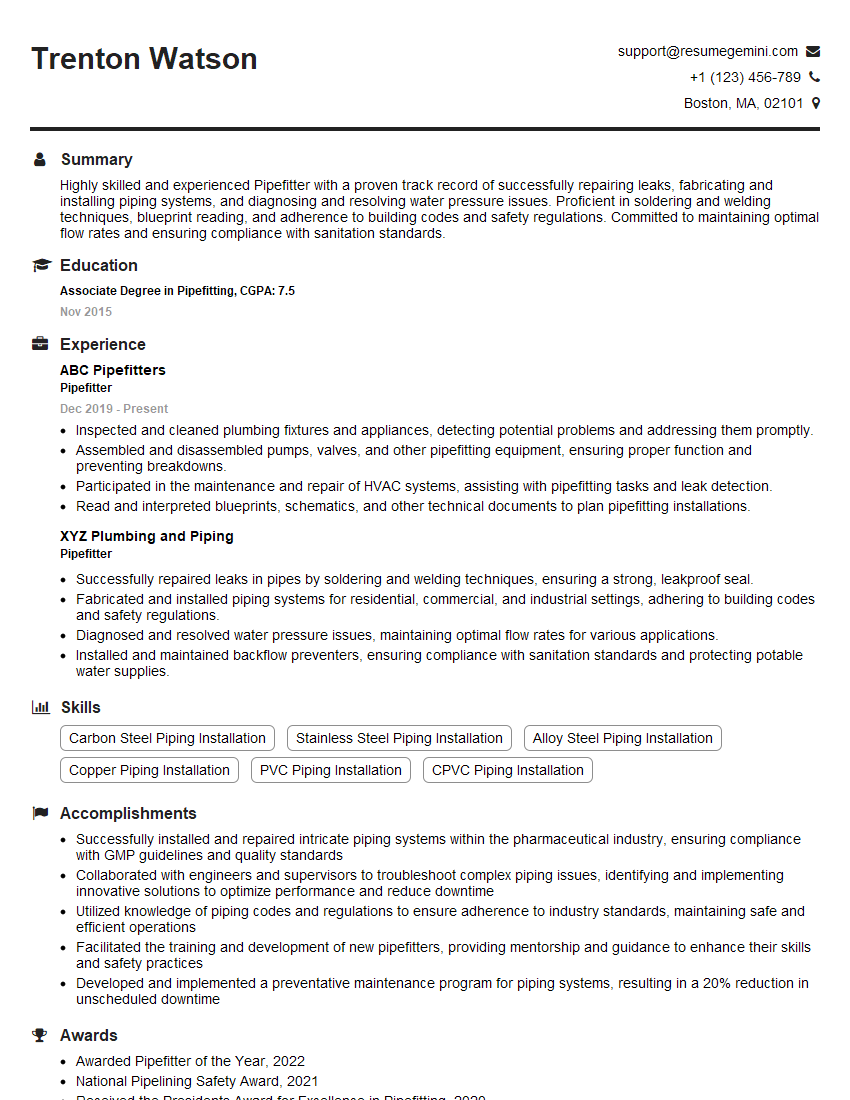
Pipefitter Resume Sample
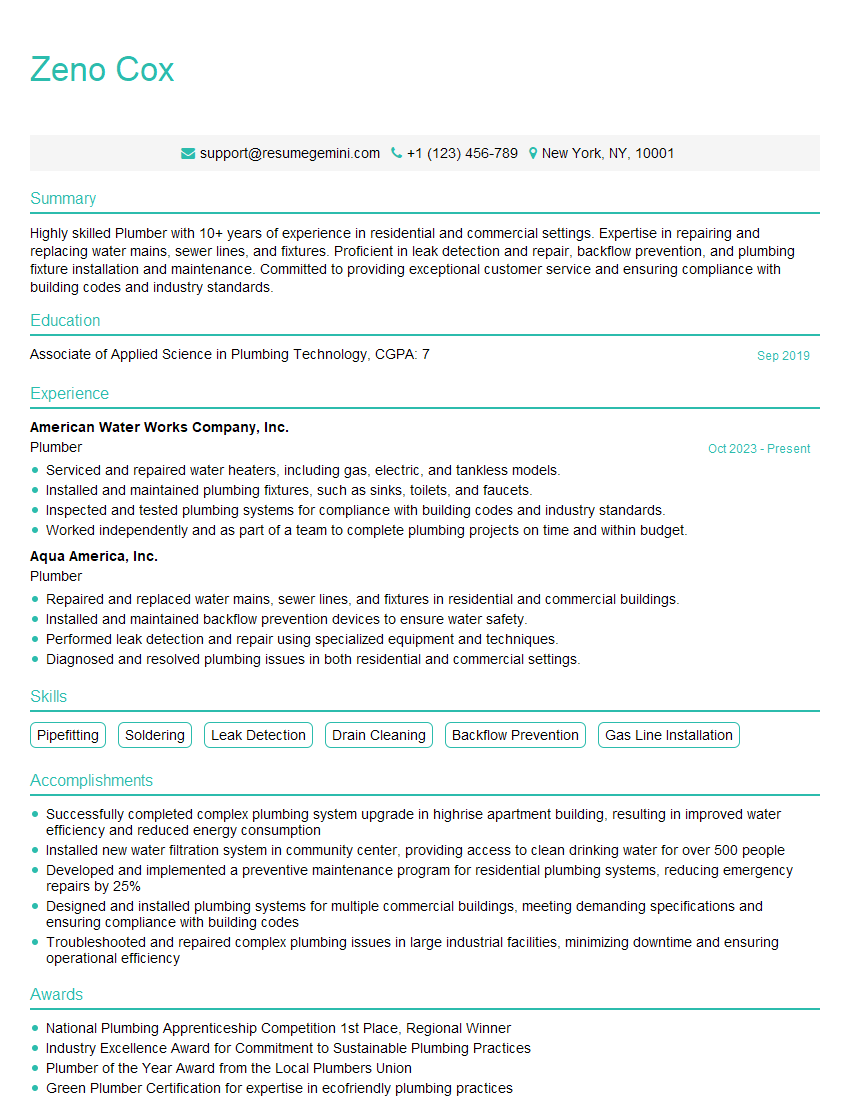
Plumber Resume Sample
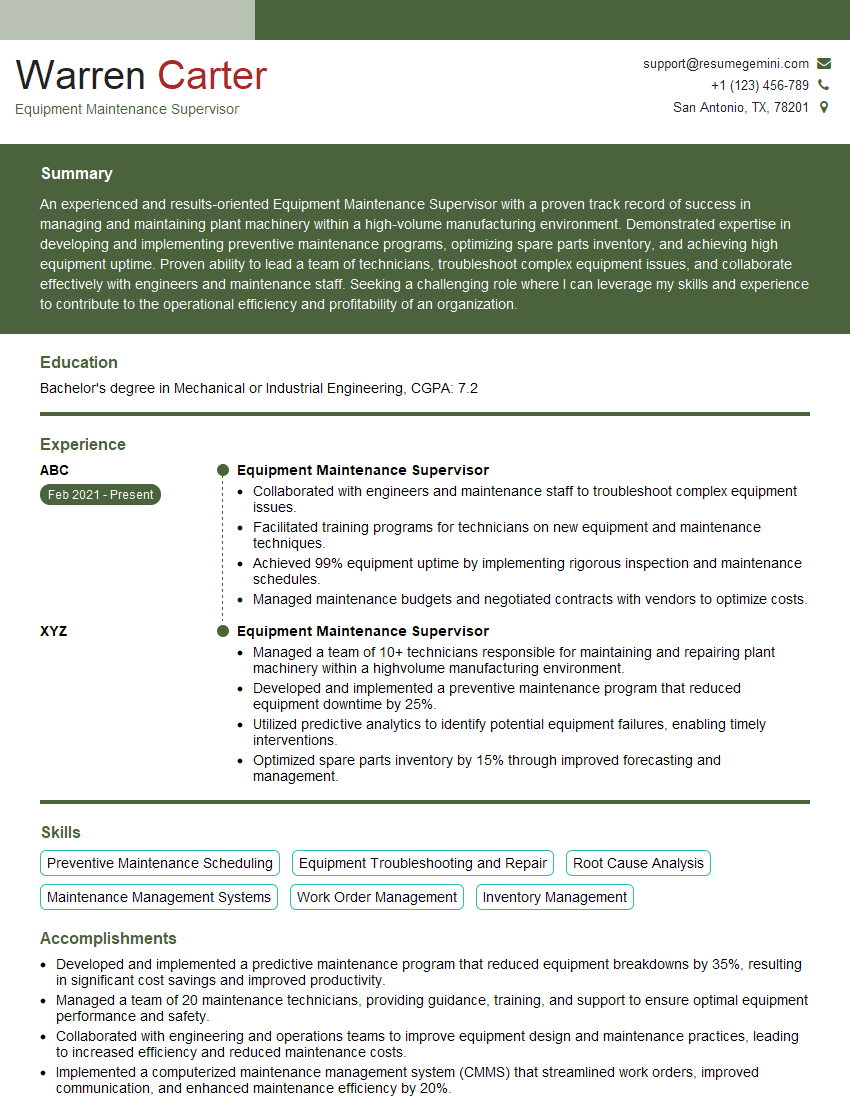
Equipment Maintenance Supervisor Resume Sample
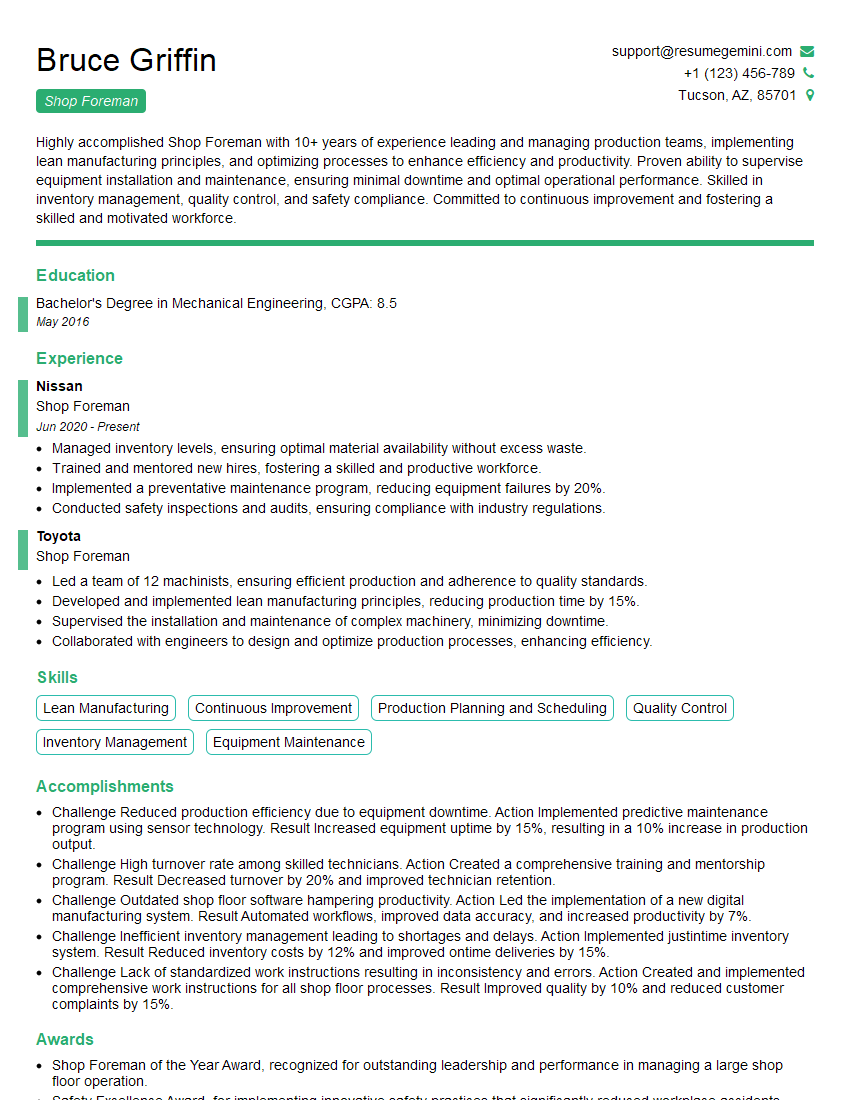
Shop Foreman Resume Sample
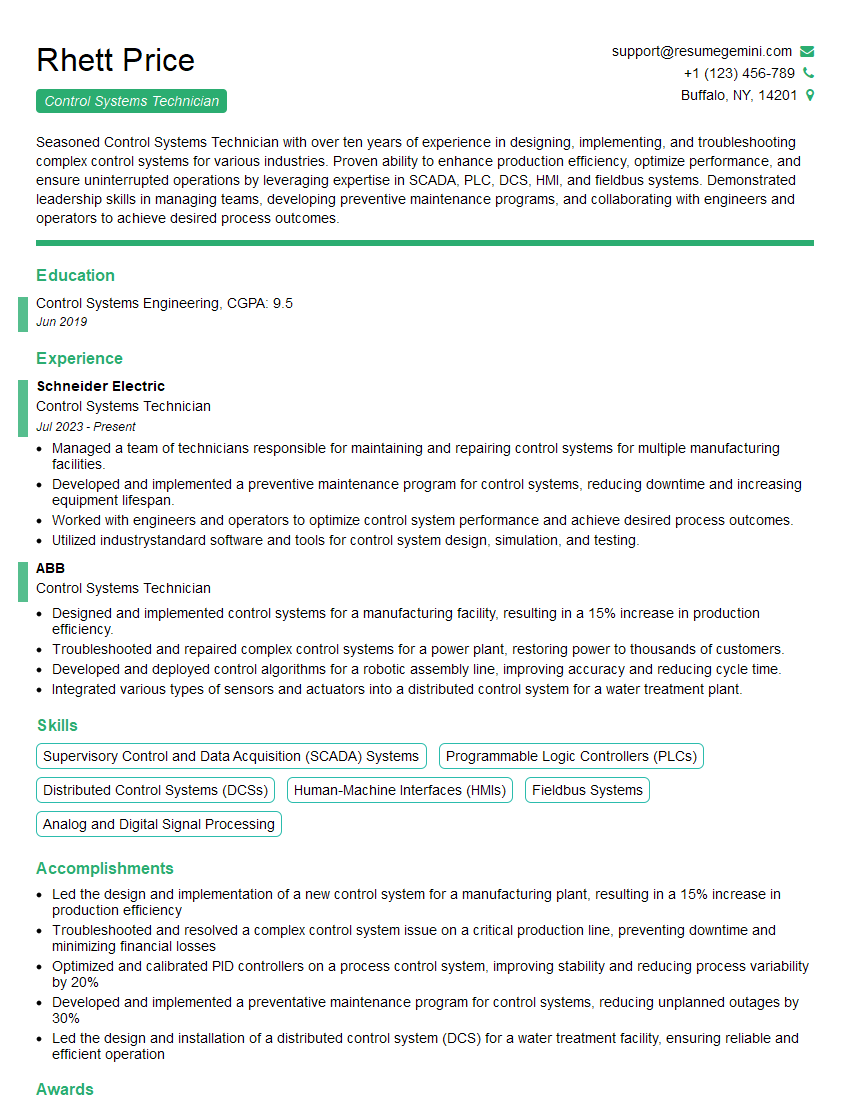
Control Systems Technician Resume Sample
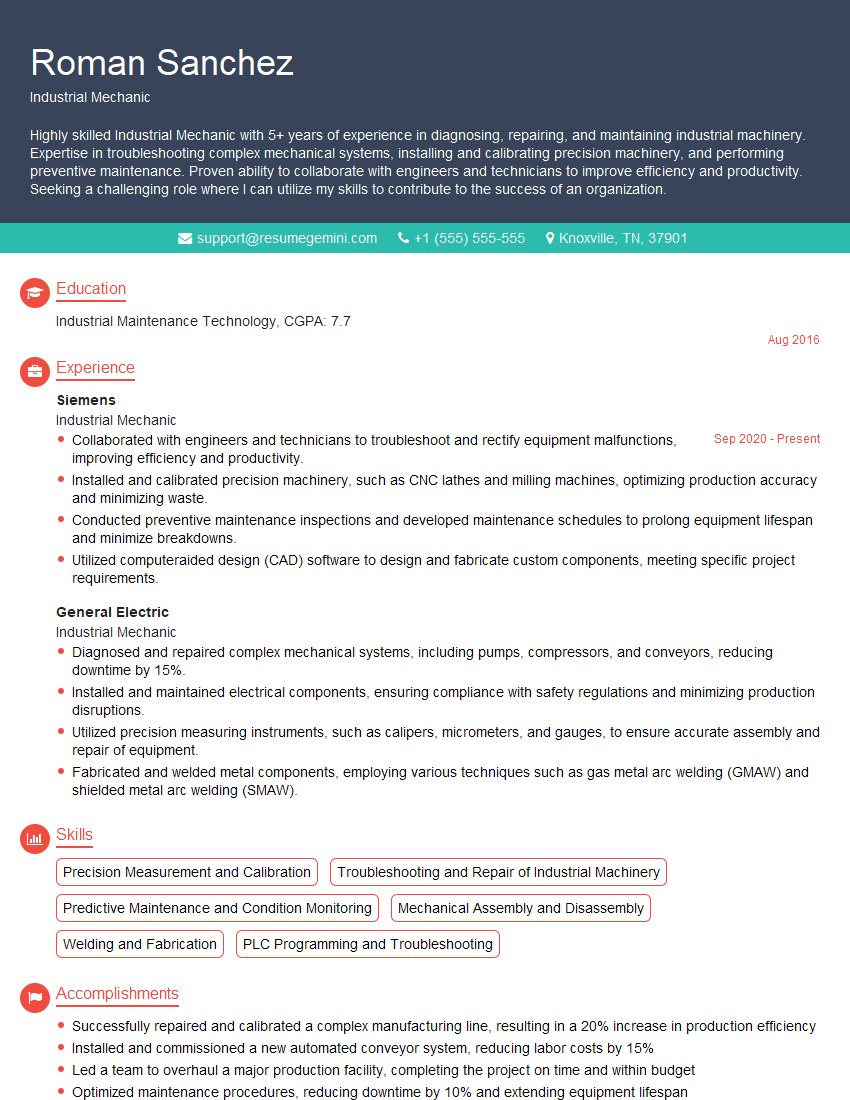
Industrial Mechanic Resume Sample

Quality Control Inspector Resume Sample
- Maintenance Manager
- Asset Manager
- Maintenance Planner
- Reliability Engineer
- Technical Trainer
- Maintenance Technician
- Field Service Engineer
- Calibration Technician
- Instrumentation Technician
- Electrical Technician
- Robotics Technician
- Machinist
- Welding Technician
- Facilities Maintenance Manager
- Pipefitter
- Plumber
- Equipment Maintenance Supervisor
- Shop Foreman
- Control Systems Technician
- Industrial Mechanic
- Quality Control Inspector
Explore more articles
Users Rating of Our Blogs
Share Your Experience
We value your feedback! Please rate our content and share your thoughts (optional).
What Readers Say About Our Blog
Very informative content, great job.
good