Cracking a skill-specific interview, like one for Team Culture Building, requires understanding the nuances of the role. In this blog, we present the questions you’re most likely to encounter, along with insights into how to answer them effectively. Let’s ensure you’re ready to make a strong impression.
Questions Asked in Team Culture Building Interview
Q 1. Describe your experience in diagnosing and addressing negative team dynamics.
Diagnosing negative team dynamics starts with active listening and observation. I look for signs like decreased productivity, increased conflict, missed deadlines, lack of communication, and low morale. I utilize tools like anonymous surveys, one-on-one interviews, and focus groups to gather data, ensuring confidentiality and creating a safe space for honest feedback. Once the root causes are identified (e.g., unclear roles, personality clashes, lack of trust, poor leadership), I tailor interventions. This might involve clarifying roles and responsibilities, implementing conflict resolution strategies, facilitating team-building activities, or providing leadership training. For example, in a previous role, I identified a team struggling with micromanagement from their leader. Through interviews, I discovered this stemmed from a lack of trust in the team’s abilities. We addressed this by implementing a system of regular check-ins with clear goals and celebrating successes, fostering a more collaborative and trusting environment. The result was improved morale, increased productivity, and a significantly better team dynamic.
Q 2. How do you measure the effectiveness of team culture initiatives?
Measuring the effectiveness of team culture initiatives requires a multi-faceted approach. I don’t rely solely on subjective feedback; instead, I use a combination of quantitative and qualitative data. Quantitative measures include tracking metrics like employee satisfaction (through surveys), project completion rates, employee turnover, and absenteeism. A significant improvement in these areas indicates a positive impact. Qualitative measures involve conducting regular team meetings to gauge morale, observing team interactions during projects, and analyzing the quality and frequency of communication. For instance, comparing pre- and post-intervention survey results on team cohesion and collaboration provides a clear picture of progress. Additionally, analyzing project timelines and deliverables before and after implementing team-building activities can quantify the positive influence on productivity. It’s important to remember that the effectiveness of these initiatives is measured over time, and consistent monitoring is crucial.
Q 3. Explain your approach to fostering collaboration and communication within teams.
Fostering collaboration and communication requires a proactive and multifaceted strategy. Firstly, I establish clear communication channels and protocols, ensuring everyone understands how and when to communicate. This might involve using project management software, scheduling regular team meetings, or utilizing instant messaging platforms for quick updates. Secondly, I actively promote open communication by encouraging active listening, respectful dialogue, and constructive feedback. Regular team-building exercises, like problem-solving activities or collaborative projects, strengthen interpersonal relationships and improve communication flow. Thirdly, I create a psychologically safe environment where team members feel comfortable sharing ideas, concerns, and feedback without fear of judgment. For example, implementing a ‘no blame’ culture where mistakes are viewed as learning opportunities fosters a more open and communicative atmosphere. Finally, I address communication barriers promptly and directly, offering support and training if needed. Think of it like building a strong bridge – clear communication channels are the foundation, team-building strengthens the structure, and a safe environment ensures everyone can confidently cross it.
Q 4. How would you handle conflict resolution within a team?
Conflict resolution is a crucial aspect of team management. My approach is based on creating a structured and respectful environment for addressing disagreements. The first step is to identify the root cause of the conflict – understanding the underlying issues beyond surface-level disagreements is essential. Then, I facilitate a conversation between the involved parties using active listening and neutral questioning to help each side understand the other’s perspective. I don’t take sides but guide them towards finding a mutually acceptable solution. Mediation techniques, such as focusing on interests rather than positions, are employed. If the conflict persists, I might involve higher management or HR for support. For example, if two team members are constantly clashing over project responsibilities, I might facilitate a discussion focused on clarifying their roles, responsibilities, and expectations, ultimately leading them to redefine their workflow and create a collaborative project plan. Documentation is important throughout this process, ensuring clarity and preventing future recurrences.
Q 5. What strategies do you employ to promote inclusivity and diversity in the workplace?
Promoting inclusivity and diversity starts with creating a culture of belonging. This involves actively recruiting from diverse backgrounds and implementing fair and unbiased hiring practices. I champion unconscious bias training to help team members recognize their own biases and mitigate their impact on decision-making. Furthermore, creating inclusive team policies, such as flexible work arrangements and family-friendly initiatives, demonstrate a commitment to supporting diverse needs. Implementing diverse perspectives in project teams ensures a wide range of views are considered. Regularly checking in with team members from various backgrounds to understand their experiences and address any concerns is vital. Open communication and creating safe spaces for sharing experiences are also critical. For example, in one team, we introduced mentorship programs pairing senior employees with junior employees from different backgrounds. This fostered peer support, improved knowledge transfer, and boosted a sense of belonging.
Q 6. Describe your experience implementing team-building activities.
Implementing team-building activities goes beyond simple games; it’s about carefully selecting activities that address specific team needs and foster desired outcomes. I start by assessing the team’s current dynamics and identifying areas for improvement (e.g., communication, trust, problem-solving). Based on this assessment, I choose activities that target these areas. For instance, a team lacking trust might benefit from activities involving collaborative problem-solving or trust-building exercises. Activities should be engaging, inclusive, and tailored to the team’s size and personality. Post-activity debriefing sessions are crucial, providing a space to reflect on the experience, discuss insights, and apply learnings to the workplace. Examples include escape rooms that encourage collaboration under pressure, outdoor adventure challenges that build trust, or workshops focused on communication skills. The success of team-building activities is measured by observing changes in team dynamics, communication patterns, and overall team performance after the event.
Q 7. How do you identify and nurture employee strengths within a team?
Identifying and nurturing employee strengths is a critical aspect of building a high-performing team. I use a combination of methods, including 360-degree feedback, skills assessments, and individual discussions to understand each team member’s unique talents and capabilities. This might involve personality tests, skill assessments, or simply observing their performance on various tasks. Once identified, I create opportunities for employees to utilize their strengths by delegating tasks and projects that align with their skills and interests. This allows them to excel and contribute meaningfully. Providing ongoing support, mentorship, and training allows team members to further develop their talents. For instance, if a team member shows exceptional communication skills, I’d encourage them to lead presentations, facilitate meetings, or act as a liaison between different teams. Regularly reviewing individual performance and providing constructive feedback helps team members understand their strengths and areas for development, maximizing their contributions and boosting overall team performance.
Q 8. How do you address low morale or disengagement within a team?
Addressing low morale or disengagement requires a multi-faceted approach that focuses on understanding the root cause. It’s not enough to simply ‘boost morale’; you need to diagnose the problem.
Identify the source: Conduct confidential surveys, one-on-one meetings, and focus groups to understand the reasons behind the low morale. Are there workload issues? Lack of recognition? Communication breakdowns? Poor leadership? A lack of clarity on goals?
Gather data: Analyze the feedback gathered to identify patterns and trends. Quantitative data (e.g., survey responses) and qualitative data (e.g., interview transcripts) both provide valuable insights.
Address systemic issues: If the root cause is a systemic issue (e.g., unrealistic deadlines, unclear roles), take steps to correct them. This might involve process improvements, resource allocation changes, or re-defining roles and responsibilities.
Improve communication: Ensure transparent and open communication channels. Regularly update the team on progress, challenges, and successes. Encourage two-way communication where team members feel comfortable sharing their thoughts and concerns.
Foster appreciation and recognition: Acknowledge individual and team contributions. Celebrate successes, no matter how small. This can involve verbal praise, public acknowledgement, or small rewards.
Promote teamwork and collaboration: Organize team-building activities and opportunities for social interaction. Create a safe space for collaboration and idea sharing.
Provide support and resources: If individual team members are struggling, offer support and resources such as mentorship, training, or access to employee assistance programs.
For example, in a previous role, I discovered low morale stemmed from a lack of clarity around project goals. By implementing a more robust project management system and holding regular progress meetings, we improved communication and boosted team confidence, resulting in significantly improved morale.
Q 9. Explain your process for gathering feedback on team culture.
My process for gathering feedback on team culture involves a mixed-methods approach, using both quantitative and qualitative data collection techniques to get a comprehensive understanding.
Anonymous Surveys: I use online surveys with a mix of multiple-choice, rating scales, and open-ended questions to gauge team satisfaction, identify areas of strength and weakness, and uncover potential concerns. The anonymity encourages honest feedback.
Focus Groups: Small group discussions moderated by a neutral facilitator allow for in-depth exploration of specific topics and opportunities for team members to discuss their experiences openly.
One-on-One Meetings: Individual conversations provide a more personal and confidential setting to delve into individual perspectives, concerns, and experiences. These are crucial for understanding the nuances of individual situations.
I ensure all methods are clearly explained and emphasize the importance of honest feedback. I anonymize responses where appropriate to encourage open sharing. The data collected is then analyzed to identify trends and themes which are then used to inform culture improvement strategies.
Q 10. How do you use data to inform your team culture strategies?
Data informs my team culture strategies in several key ways. It provides objective insights that go beyond anecdotal evidence, allowing for data-driven decision-making.
Identify Trends: Data from surveys, focus groups, and performance reviews reveals patterns and trends related to team satisfaction, engagement, collaboration, and productivity. This allows for a targeted approach to addressing specific issues.
Measure Effectiveness: Data can be used to track the effectiveness of interventions. For instance, after implementing a new initiative, we can measure team morale, engagement, or productivity to see if it had the desired impact. This allows for ongoing adjustments and improvement of our strategies.
Benchmarking: By comparing our data with benchmarks for similar teams or industries, we can identify areas where we excel and areas where we need to improve. This provides context and goals.
Prioritize Initiatives: Data helps prioritize initiatives based on their potential impact. We focus on addressing the issues that have the biggest impact on team performance and well-being.
For example, if survey data consistently shows that lack of recognition is a major concern, we can prioritize initiatives aimed at improving recognition and appreciation, such as implementing a peer-to-peer recognition program.
Q 11. Describe your experience with change management within a team context.
Change management within a team context requires a structured approach to ensure that changes are implemented smoothly and effectively. I use a combination of communication, collaboration, and support to navigate the process.
Communicate clearly and often: Transparency is critical. I ensure that everyone understands the reasons for the change, the process involved, and what to expect. I use multiple communication channels to reach all team members.
Involve the team: Actively engaging team members in the change process is essential. I involve them in planning and implementation whenever possible. This promotes ownership and reduces resistance.
Address concerns and feedback: I create a safe space for team members to express their concerns and feedback. Addressing these promptly is key to gaining buy-in and mitigating potential conflicts.
Provide training and support: Adequate training and support are essential to help team members adapt to the changes. This could include workshops, mentoring, or access to resources.
Celebrate successes: Acknowledging milestones and successes helps to build momentum and maintain morale throughout the change process.
In a past role, we implemented a new project management software. By involving the team in the selection process, providing comprehensive training, and actively addressing concerns, we successfully transitioned to the new system with minimal disruption and improved team efficiency.
Q 12. How do you build trust and psychological safety within a team?
Building trust and psychological safety is foundational to a healthy team culture. It means creating an environment where team members feel comfortable being themselves, taking risks, and sharing their ideas without fear of judgment or retribution.
Lead by example: Demonstrate vulnerability and transparency in your own actions. Be willing to admit mistakes and share your own challenges.
Encourage open communication: Foster a culture where team members feel safe sharing their thoughts and feelings, both positive and negative.
Actively listen: Pay attention to what team members are saying, both verbally and nonverbally. Show that you value their perspectives.
Promote respect and inclusivity: Ensure that all team members feel valued and respected. Create a culture of inclusion where diversity is celebrated.
Address conflict constructively: Teach the team healthy conflict resolution skills. When conflict arises, address it fairly and promptly.
Celebrate successes and failures: Acknowledge both successes and failures as learning opportunities. This shows that risk-taking is valued and encouraged.
For instance, implementing a ‘no blame’ culture where mistakes are seen as learning opportunities has significantly enhanced psychological safety in previous teams I’ve managed, leading to increased creativity and innovation.
Q 13. What are the key elements of a high-performing team culture?
A high-performing team culture is characterized by several key elements. These elements work synergistically to create a productive and fulfilling work environment.
Shared Goals and Vision: A clear understanding of the team’s purpose, objectives, and how individual contributions fit into the larger picture.
Open Communication: Transparent and effective communication channels, ensuring information flows freely and efficiently between team members and leadership.
Trust and Respect: A foundation of trust and mutual respect among team members, creating a psychologically safe environment.
Collaboration and Teamwork: A collaborative spirit where team members work together effectively, supporting each other and leveraging diverse skills and perspectives.
Accountability: Clear roles and responsibilities, coupled with a culture of accountability where individuals take ownership of their work.
Recognition and Appreciation: Regular acknowledgement and appreciation for individual and team achievements, boosting morale and motivation.
Continuous Improvement: A commitment to continuous learning and improvement, constantly seeking ways to enhance team processes and performance.
These elements are interconnected; a strong foundation in one area supports the others, leading to a synergistic effect on overall team performance.
Q 14. How do you adapt your approach to team culture building across different team types?
Adapting my approach to team culture building across different team types requires understanding the unique characteristics and dynamics of each team. There is no one-size-fits-all solution.
Team Size and Composition: The size and composition of the team (e.g., diverse skill sets, remote vs. in-person) will influence communication strategies and team-building activities. Smaller teams might benefit from more informal interactions, while larger teams might require more structured communication channels.
Team Goals and Objectives: The team’s goals and objectives will shape the focus of culture-building efforts. A sales team will have different cultural needs compared to an engineering team.
Team Maturity: The team’s maturity level will influence the approach. A newly formed team will require a different approach compared to an established team that has been working together for years.
Industry and Organizational Culture: The overarching industry and organizational culture also plays a significant role. A fast-paced tech startup will have a different culture than a more established, traditional organization.
For example, when working with a geographically dispersed team, I focus on building strong communication channels using tools like Slack and video conferencing, and I incorporate virtual team-building activities to foster connection and collaboration. In contrast, with a newly formed team, I prioritize team-building activities focused on getting to know each other and establishing shared goals and working styles.
Q 15. Explain your experience in developing and implementing a team culture strategy.
Developing and implementing a team culture strategy isn’t a one-size-fits-all approach. It requires a deep understanding of the team’s dynamics, its goals, and the overall organizational vision. I begin by conducting thorough assessments – surveys, focus groups, one-on-one interviews – to gauge the current culture, identify strengths and weaknesses, and understand employee perceptions. This data informs the development of a tailored strategy.
For example, in my previous role at a tech startup, we found a disconnect between engineering and marketing teams. Our assessment revealed a lack of communication and shared understanding of project goals. To address this, we implemented cross-functional team-building activities, established regular communication channels (like weekly progress meetings and a shared project management platform), and defined clear roles and responsibilities. The strategy also included workshops focused on active listening and collaborative problem-solving. We monitored progress through regular pulse surveys and team feedback sessions, adjusting the strategy as needed.
A successful culture strategy is iterative. It’s not a static document but a living, breathing entity that adapts to the team’s evolving needs and the organizational context. Key elements typically include clearly defined values, communication protocols, reward and recognition systems, and opportunities for professional development.
Career Expert Tips:
- Ace those interviews! Prepare effectively by reviewing the Top 50 Most Common Interview Questions on ResumeGemini.
- Navigate your job search with confidence! Explore a wide range of Career Tips on ResumeGemini. Learn about common challenges and recommendations to overcome them.
- Craft the perfect resume! Master the Art of Resume Writing with ResumeGemini’s guide. Showcase your unique qualifications and achievements effectively.
- Don’t miss out on holiday savings! Build your dream resume with ResumeGemini’s ATS optimized templates.
Q 16. How do you manage competing priorities when building team culture?
Managing competing priorities when building team culture requires careful prioritization and strategic planning. It’s crucial to remember that culture building is an investment, not an expense. I use a framework that prioritizes initiatives based on their impact on key cultural elements and their alignment with organizational goals. This involves creating a roadmap with clearly defined milestones and timelines.
For instance, if the team is facing a critical deadline, I might postpone a large-scale team-building event but maintain regular check-ins to address morale and build support. Effective communication is vital. I ensure everyone understands the rationale behind prioritization decisions, highlighting the long-term benefits of culture building. For example, I might explain that by investing time in improving communication, we’ll ultimately improve efficiency and reduce project delays, offsetting the short-term impact of postponed activities.
Ultimately, it’s about finding the right balance between immediate needs and long-term cultural development. This often involves trade-offs and making difficult choices, but with clear communication and a strategic approach, competing priorities can be effectively managed.
Q 17. Describe a time when you had to address a significant challenge related to team culture.
In a previous role, a significant challenge arose when a merger resulted in a clash of organizational cultures. One team had a highly collaborative, informal culture, while the other was more hierarchical and individualistic. This led to communication breakdowns, decreased productivity, and low morale.
To address this, we implemented a series of initiatives focused on bridging the cultural gap. We started by facilitating workshops where team members from both sides could share their perspectives and identify common ground. We established cross-functional teams to work on shared projects, encouraging collaboration and breaking down silos. We also implemented a mentorship program to pair members from different teams, fostering understanding and respect for each other’s work styles. We communicated openly and honestly about the challenges, acknowledging the difficulties and ensuring everyone felt heard. Over time, we observed an increase in collaboration, better communication, and improved morale.
This experience underscored the importance of proactive cultural integration during mergers and acquisitions. A well-defined integration plan that addresses potential cultural conflicts is crucial for a successful transition.
Q 18. How do you ensure the alignment of team culture with organizational values?
Aligning team culture with organizational values is fundamental to creating a cohesive and purposeful work environment. I achieve this through several strategies. First, I ensure the team is actively involved in defining and understanding the organizational values. This can be done through workshops, discussions, or by having them participate in developing value statements.
Next, I actively demonstrate these values in my own leadership style and decision-making. For instance, if a key value is innovation, I would encourage experimentation and risk-taking within the team. If the value is customer centricity, I would focus on incorporating customer feedback into our work. It’s crucial to translate values into tangible behaviors and practices.
Finally, I build systems and processes that reinforce these values. This includes performance reviews that assess adherence to values, reward and recognition programs that celebrate behaviours aligned with values, and training initiatives that help team members understand and apply these values in their daily work. Regular communication and feedback loops ensure continuous alignment and address any gaps that might emerge over time.
Q 19. What are your strategies for promoting work-life balance within a team?
Promoting work-life balance is crucial for employee well-being and productivity. My strategies focus on creating a supportive and flexible work environment. This includes flexible working arrangements like remote work options, flexible hours, and compressed workweeks, where applicable.
I also encourage the use of vacation time and discourage working outside of designated hours. This requires setting clear expectations and promoting a culture where taking breaks and disconnecting is valued, not frowned upon. Providing resources like mindfulness apps or wellness programs further demonstrate the organization’s commitment to employee well-being.
Regular communication and check-ins allow me to address individual needs and concerns, ensuring that employees have the support they need to maintain a healthy work-life balance. Ultimately, a supportive environment that respects personal time leads to happier, healthier, and more productive employees.
Q 20. How do you foster a culture of continuous learning and development within a team?
Fostering a culture of continuous learning and development is essential for team growth and innovation. I achieve this by creating opportunities for both formal and informal learning. This includes providing access to online courses, workshops, conferences, and mentoring programs.
I also encourage knowledge sharing within the team through regular brown-bag sessions, peer learning groups, and knowledge-sharing platforms. This not only benefits individuals but also strengthens the team’s collective expertise. Regular feedback and coaching sessions help identify areas for improvement and support individual growth. Finally, I encourage experimentation and learning from failures. A safe space for experimentation fosters a culture where learning is prioritized above perfection.
By actively promoting continuous learning, I create a team that is adaptable, innovative, and equipped to face future challenges successfully.
Q 21. How do you measure employee engagement and satisfaction within a team?
Measuring employee engagement and satisfaction requires a multi-faceted approach that combines quantitative and qualitative data. Quantitative data can be gathered through surveys (e.g., pulse surveys, employee satisfaction surveys), which can assess key metrics like job satisfaction, team collaboration, and overall morale. These surveys should be anonymous to encourage honest feedback.
Qualitative data provides richer insights into the underlying reasons behind quantitative results. I use methods like focus groups, one-on-one interviews, and regular team meetings to gather in-depth feedback. Observing team dynamics during meetings and projects also provides valuable insights.
Analyzing this data helps identify areas for improvement and track progress over time. For instance, a decrease in employee satisfaction scores coupled with feedback indicating communication issues would highlight a need for improved communication strategies. By regularly monitoring and analyzing these metrics, I can proactively address concerns and ensure a positive and productive work environment.
Q 22. What are some common pitfalls to avoid when building team culture?
Building a thriving team culture requires careful planning and execution. Ignoring common pitfalls can lead to decreased morale, productivity, and ultimately, failure. Some key pitfalls to avoid include:
- Lack of clarity on values and goals: Without a shared understanding of what the team stands for and aims to achieve, individual efforts become fragmented. For example, a team focusing on innovation but rewarding only short-term results will struggle. A clear mission statement and regularly communicated goals are essential.
- Ignoring feedback: Dismissing employee input creates a disconnect and breeds resentment. Active listening and implementation (or at least explanation of why some suggestions aren’t adopted) are crucial.
- Micromanagement: Stifling creativity and autonomy leads to demotivation. Trust your team and empower them to take ownership of their work.
- Inconsistent communication: Poor or infrequent communication leads to misunderstandings and a lack of transparency. Regular updates, open forums, and readily available information are vital.
- Lack of recognition and rewards: Failing to acknowledge accomplishments, both big and small, makes employees feel undervalued. Implement a system of recognition that aligns with team values.
- Unresolved conflicts: Allowing conflicts to fester poisons the team environment. Establish clear processes for addressing disagreements and foster a culture of constructive conflict resolution.
Q 23. How do you incorporate feedback from employees into your team culture strategies?
Incorporating employee feedback is paramount to building a successful and sustainable team culture. I employ a multi-pronged approach:
- Regular feedback sessions: I conduct one-on-one meetings, team meetings, and anonymous surveys to gather input. These sessions are designed to be safe spaces where employees feel comfortable sharing their honest opinions.
- 360-degree feedback: This allows for a comprehensive understanding of team dynamics and individual contributions, providing feedback from peers, supervisors, and even clients.
- Open-door policy: I encourage employees to approach me at any time with concerns or suggestions. This fosters a culture of trust and transparency.
- Actionable feedback: It’s not enough to collect feedback; you must act upon it. I analyze the feedback received, identify recurring themes, and prioritize changes based on their impact and feasibility. If a suggestion isn’t implemented, I communicate why, ensuring transparency and maintaining trust.
- Follow-up: Once actions are taken based on feedback, I follow up with the team to gauge the effectiveness of the changes and make adjustments as needed.
For example, based on feedback suggesting a lack of work-life balance, we implemented flexible working hours and increased our vacation time policy, resulting in a significant improvement in employee morale and productivity.
Q 24. Describe your approach to onboarding new team members into the existing culture.
Onboarding is critical in integrating new team members into the existing culture. My approach emphasizes:
- Pre-boarding communication: I begin communication with new hires before their official start date, providing information about the team, company culture, and expectations.
- Structured onboarding program: This includes a detailed plan outlining tasks, training, and opportunities to meet the team and learn about the company. A buddy system can be extremely helpful here.
- Mentorship: I assign a mentor to each new hire to provide guidance, support, and answer questions throughout their initial months.
- Early team integration: I make sure new hires are actively involved in team activities and projects from the start. This accelerates the integration process and builds camaraderie.
- Regular check-ins: I schedule regular check-in meetings to monitor progress, address concerns, and provide support.
- Feedback sessions: After the initial onboarding period, I encourage feedback from the new hire about their experience and identify areas for improvement in the onboarding process.
For instance, I recently implemented a ‘culture ambassador’ program where existing team members help onboard new recruits by sharing their experiences and showcasing the unique aspects of our workplace. This program fostered quick integration and helped build stronger relationships within the team.
Q 25. How do you leverage technology to support team culture initiatives?
Technology plays a crucial role in supporting team culture initiatives. I leverage various tools to:
- Collaboration platforms (e.g., Slack, Microsoft Teams): These facilitate seamless communication, information sharing, and quick responses. We use channels dedicated to social interaction and team building activities.
- Project management software (e.g., Asana, Trello): These tools enhance transparency and collaboration on projects, keeping everyone informed and aligned.
- Survey tools (e.g., SurveyMonkey, Google Forms): These allow for quick and easy feedback collection and analysis, providing valuable insights into team sentiment and preferences.
- Employee recognition platforms (e.g., Bonusly, Kudos): These allow for peer-to-peer recognition and appreciation, enhancing team morale and fostering positive interactions.
- Virtual social events: Tools like Zoom or Google Meet enable remote team building activities, which are incredibly important for remote or hybrid teams. This could range from virtual coffee breaks to online games and team challenges.
For example, using a project management tool with a clear task allocation and progress tracking system increased transparency and reduced conflicts, leading to smoother workflows and improved team collaboration.
Q 26. Explain your experience with coaching and mentoring team members on cultural aspects.
Coaching and mentoring are integral to fostering a positive team culture. I approach this through:
- Individualized coaching: I identify each team member’s strengths and weaknesses, and tailor coaching to their specific needs. This might involve goal setting, conflict resolution techniques, or communication skills development.
- Mentorship programs: I pair experienced team members with newer colleagues to provide guidance and support. Mentors offer valuable insights into company culture and career paths.
- Regular check-ins: I conduct regular check-ins to monitor progress, offer encouragement, and address any challenges. This provides ongoing support and keeps the lines of communication open.
- Feedback and constructive criticism: I provide regular feedback that is both constructive and supportive, focusing on growth and development rather than simply pointing out flaws.
- Role-playing and simulations: To help practice conflict resolution or difficult conversations, I sometimes use role-playing to simulate real-world scenarios in a safe and controlled environment.
For instance, I mentored a junior team member who lacked confidence in public speaking. Through tailored coaching and practice sessions, they successfully delivered a presentation at a company conference, boosting their self-esteem and contributing positively to team morale.
Q 27. How do you ensure that team culture initiatives are sustainable over time?
Sustainability of team culture initiatives requires ongoing effort and commitment. Key strategies include:
- Integration into company values: Team culture should be deeply embedded in the overall company values and mission statement. This ensures that cultural initiatives are not viewed as temporary projects but rather core components of how the business operates.
- Leadership commitment: Leaders must consistently champion the desired culture through their actions and decisions. This sets the tone and demonstrates the importance of the initiatives.
- Regular evaluation and adaptation: I regularly assess the effectiveness of team culture initiatives through surveys, feedback sessions, and observation. Based on these assessments, adjustments are made to maintain relevance and impact.
- Rewards and recognition: Continuously recognizing and rewarding behaviours that align with the desired culture reinforces positive norms and makes them more sustainable.
- Training and development: Providing training on cultural aspects, such as communication, conflict resolution, and teamwork, helps embed desired behaviors and attitudes.
- Documentation and communication: Clear documentation of cultural values, guidelines, and processes helps maintain consistency and transparency, making it easier for new employees to understand and adopt the culture.
For example, we regularly review our team charter, updating it as needed to reflect evolving needs and feedback. This ensures that the team’s cultural guidelines remain relevant and effective over time.
Q 28. How do you navigate cultural differences within a diverse team?
Navigating cultural differences within a diverse team is essential for building a strong and inclusive environment. My approach centers on:
- Understanding cultural nuances: I actively seek to understand the various cultural backgrounds of team members, fostering awareness and sensitivity.
- Open communication: I encourage open dialogue about cultural differences, creating a safe space for team members to share their perspectives and experiences.
- Respectful interaction: I emphasize the importance of respectful communication and interactions, promoting empathy and understanding between team members.
- Inclusive practices: I implement inclusive practices in team activities and decision-making processes, ensuring that everyone feels valued and heard.
- Cultural training: Offering cultural sensitivity training can equip team members with the knowledge and skills to interact effectively across cultures.
- Conflict resolution strategies: I establish clear processes for addressing cultural misunderstandings and conflicts, promoting constructive dialogue and resolution.
- Celebrating diversity: I create opportunities to celebrate the diversity within the team, reinforcing a sense of belonging and inclusion.
For example, during team meetings, I encourage all members to share their insights, even if they differ significantly from the dominant viewpoint. This fosters creativity and leverages the varied experiences and perspectives of the diverse team. We also celebrate cultural holidays and occasions, creating a sense of shared community and respect.
Key Topics to Learn for Team Culture Building Interview
- Understanding Team Dynamics: Learn to identify different team personalities, communication styles, and potential conflict points. Consider the impact of groupthink and how to foster diverse perspectives.
- Building Trust and Collaboration: Explore practical strategies for fostering open communication, active listening, and mutual respect within a team. Discuss techniques for conflict resolution and building psychological safety.
- Effective Team Communication: Examine various communication methods and their effectiveness in different team contexts. Consider the role of nonverbal communication and how to tailor communication to different audiences.
- Team Goal Setting and Performance Management: Understand methodologies for setting SMART goals, tracking progress, and providing constructive feedback. Learn about different performance management styles and their implications for team morale.
- Promoting Inclusivity and Diversity: Explore strategies for creating a welcoming and inclusive team environment where all members feel valued and respected. Discuss the benefits of diversity of thought and experience.
- Leadership Styles and Team Cohesion: Analyze different leadership approaches and their impact on team performance. Understand how to adapt your leadership style to suit different team contexts and individual needs.
- Change Management within Teams: Discuss methods for effectively managing organizational change and its impact on team morale and productivity. Consider how to communicate change effectively and address team concerns.
- Measuring Team Effectiveness: Explore different metrics for assessing team performance and identify key indicators of success. Understand the importance of regular evaluation and feedback loops.
Next Steps
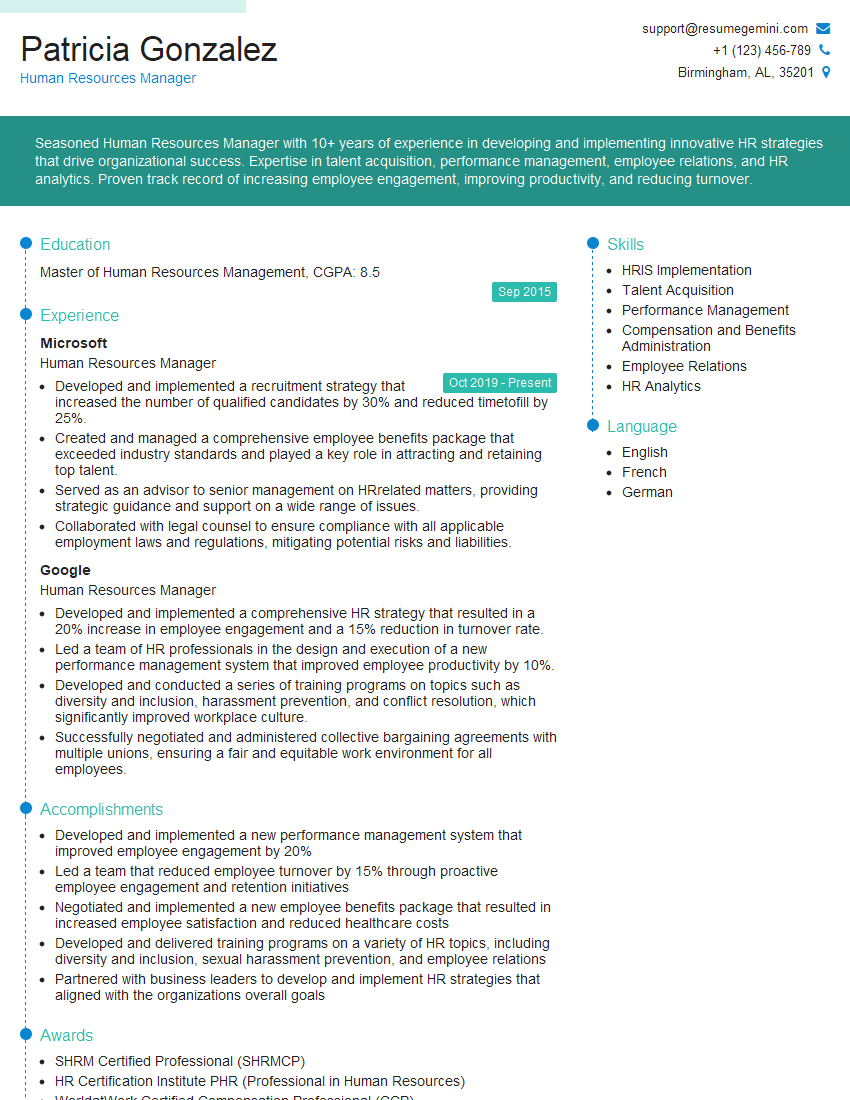
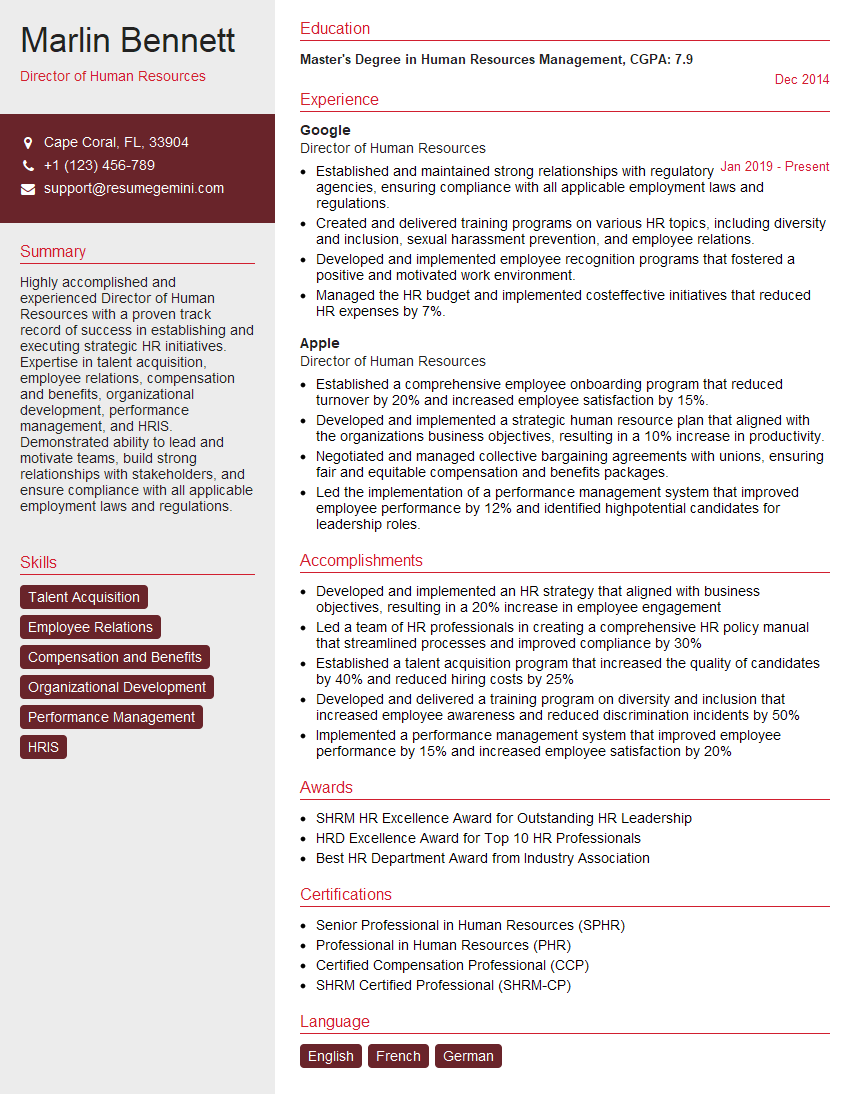
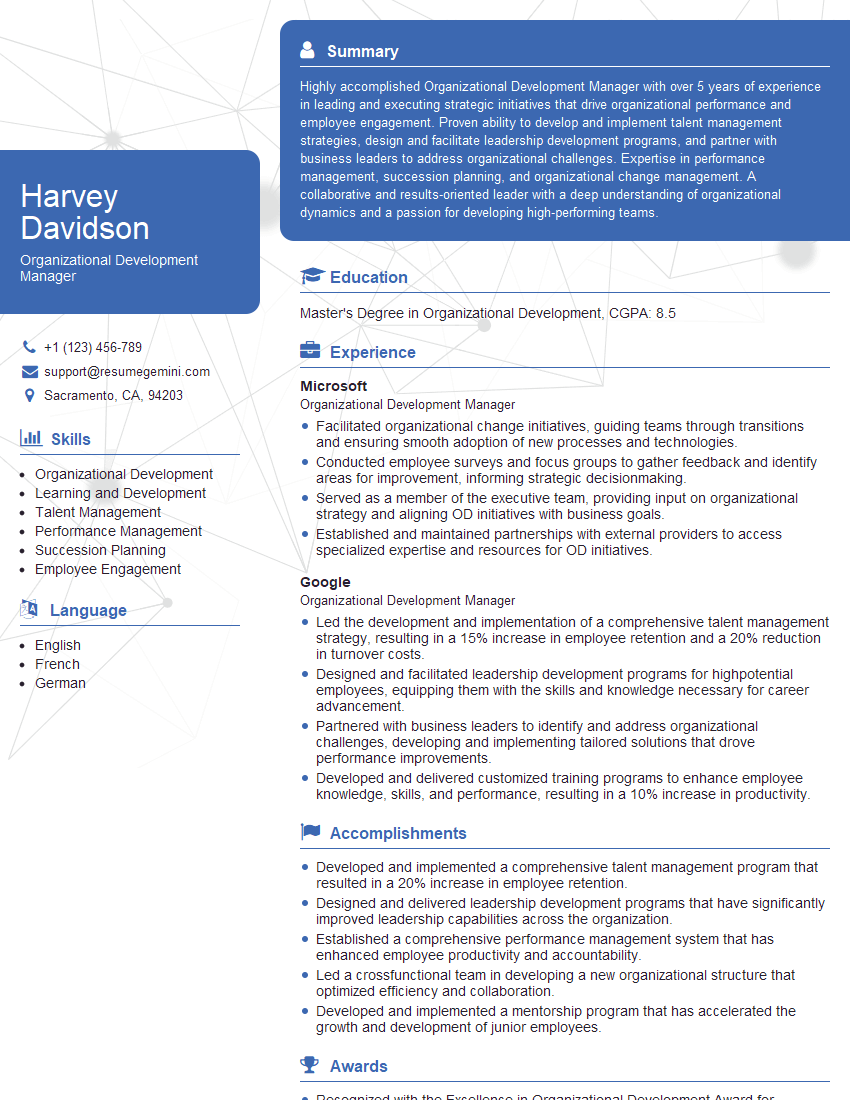
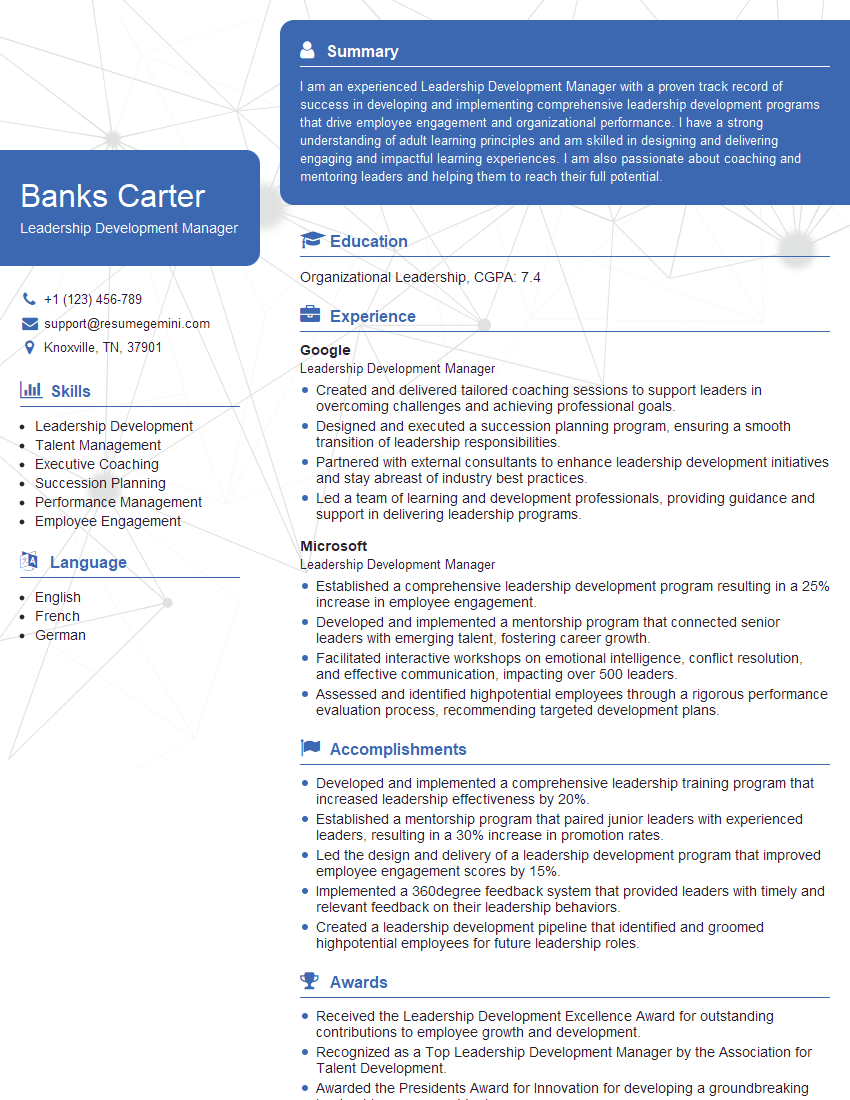
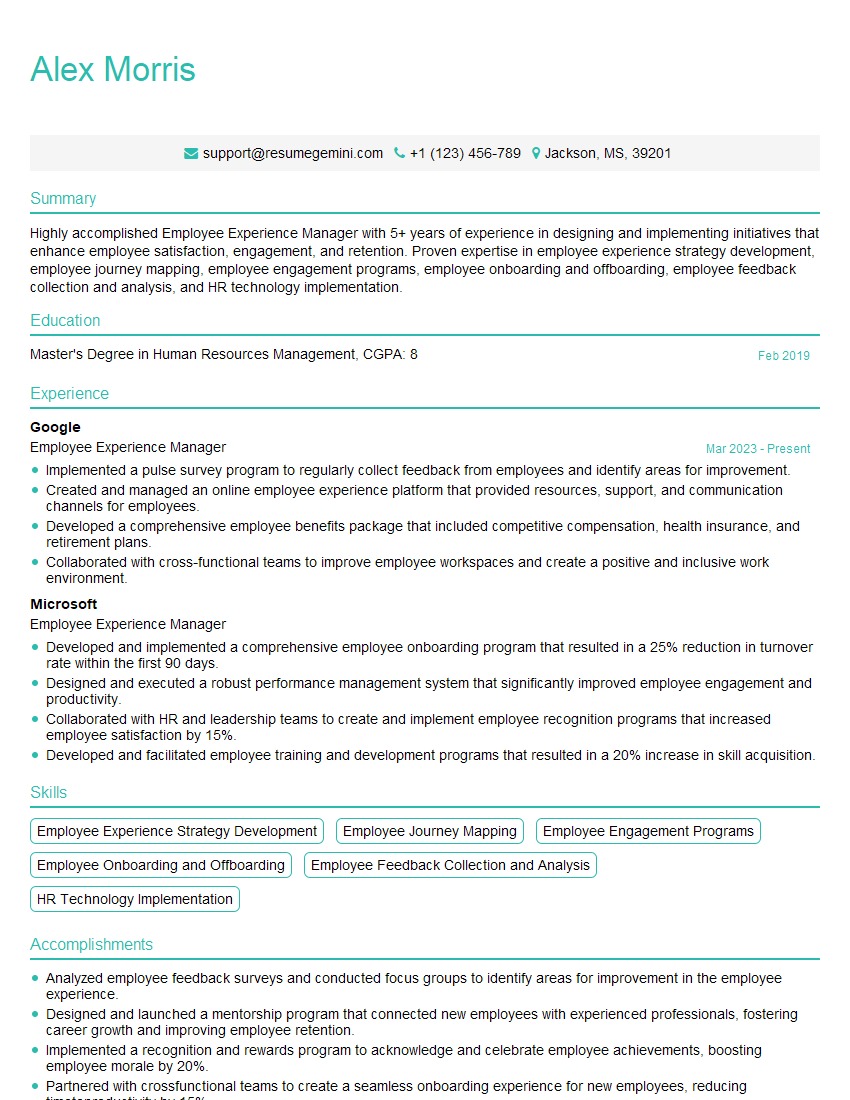
Mastering Team Culture Building is crucial for career advancement, demonstrating your ability to contribute significantly to a company’s success and fostering positive work environments. An ATS-friendly resume is vital for highlighting your skills and experience to potential employers. To make your resume stand out and increase your chances of landing an interview, we strongly encourage you to use ResumeGemini, a trusted resource for crafting professional and impactful resumes. Examples of resumes tailored to Team Culture Building roles are available to help you get started. Invest in your future and make your application shine!

Explore more articles
Users Rating of Our Blogs
Share Your Experience
We value your feedback! Please rate our content and share your thoughts (optional).
What Readers Say About Our Blog
Very informative content, great job.
good