Feeling uncertain about what to expect in your upcoming interview? We’ve got you covered! This blog highlights the most important Passing and Crossing interview questions and provides actionable advice to help you stand out as the ideal candidate. Let’s pave the way for your success.
Questions Asked in Passing and Crossing Interview
Q 1. Explain the concept of ‘passing’ and ‘crossing’ in network security.
In network security, ‘passing’ and ‘crossing’ aren’t standard or established terms. The concepts you’re likely referring to are related to how network traffic is handled at different points, such as firewalls or routers. ‘Passing’ generally implies allowing traffic to proceed unaltered, while ‘crossing’ might suggest that traffic is being routed or forwarded across different network segments. This is significantly different from concepts such as bridging or routing where explicit rules and tables dictate traffic movement.
It’s crucial to clarify that network security relies on precisely defined terms and configurations. Ambiguity like this can lead to vulnerabilities.
Q 2. Describe different methods for implementing ‘passing’ and ‘crossing’ in network architectures.
Instead of ‘passing’ and ‘crossing,’ let’s examine common methods for managing network traffic. These include:
- Routing: Routers determine the best path for data packets to reach their destination across different networks. This involves using routing tables and protocols like OSPF and BGP.
- Forwarding: Devices like switches forward traffic based on MAC addresses to specific ports within a network segment. This is faster than routing but limited to a single broadcast domain.
- Bridging: Bridges connect two networks and learn MAC addresses to forward traffic efficiently. This is similar to switching but can handle different network protocols.
- Firewall Rules: Firewalls use rulesets (often ACLs) to decide whether to allow, deny, or drop specific network traffic based on criteria like source/destination IP address, port, protocol, and more.
These methods are implemented through configuration files and management interfaces of the network devices. For example, a router’s configuration might include routes to other networks, while a firewall would have a set of access control lists defining permitted and blocked traffic.
Q 3. What are the security implications of improperly configured ‘passing’ and ‘crossing’?
Improperly configured network devices – routers, switches, firewalls – lead to significant security risks:
- Unauthorized Access: Incorrect routing or firewall rules can allow attackers to access sensitive systems or data.
- Denial-of-Service (DoS): Misconfigured routing can create routing loops, leading to network congestion and DoS attacks.
- Man-in-the-Middle (MitM) Attacks: Faulty network configurations can create opportunities for attackers to intercept and manipulate traffic.
- Data Breaches: Insufficient filtering by firewalls or improper routing can expose data to unauthorized access.
Imagine a scenario where a firewall rule mistakenly allows all traffic on a specific port. This could open a gateway for malicious actors to exploit vulnerabilities or gain access to internal systems.
Q 4. How do firewalls interact with ‘passing’ and ‘crossing’ traffic?
Firewalls are crucial for security. They inspect network traffic and enforce security policies defined by administrators, effectively ‘controlling’ traffic. They examine data packets based on defined rules (often ACLs) and decide whether to permit or deny them. This is applicable regardless of whether the traffic is being routed, forwarded, or simply traversing the network. For instance, a firewall can block traffic from certain IP addresses, specific ports, or protocols, regardless of how that traffic is being moved internally within the network.
Q 5. Explain the role of Access Control Lists (ACLs) in managing ‘passing’ and ‘crossing’.
Access Control Lists (ACLs) are sets of rules that define which network traffic is permitted or denied through a network device (routers, switches, firewalls). They are fundamental for managing network access and security. ACLs define criteria such as:
- Source and Destination IP Addresses: Allow or deny traffic from/to specific IP ranges or individual addresses.
- Ports: Control traffic on specific ports (e.g., block all traffic to port 23, Telnet).
- Protocols: Filter traffic based on protocols (e.g., block UDP traffic).
Example of a simple ACL rule (syntax varies depending on the device):permit tcp host 192.168.1.100 any eq 80 This rule allows TCP traffic from IP address 192.168.1.100 to any destination, only on port 80 (HTTP).
ACLs are central to managing network access and security, regardless of how the network is structured.
Q 6. How can you monitor and analyze ‘passing’ and ‘crossing’ network traffic?
Monitoring and analyzing network traffic involves several tools and techniques:
- Network Monitoring Tools: Tools like Wireshark, tcpdump, and SolarWinds allow capturing and analyzing network packets for identifying unusual patterns.
- Intrusion Detection/Prevention Systems (IDS/IPS): These systems monitor network traffic for malicious activities and can block or alert on suspicious behavior.
- Security Information and Event Management (SIEM): SIEM systems aggregate logs and alerts from various security devices to provide a centralized view of network security events.
- Network Flow Monitoring: Tools like NetFlow or sFlow provide aggregated statistics about network traffic, helping identify bandwidth usage patterns, potential bottlenecks, and unusual activity.
Analyzing network traffic logs helps to identify security threats, performance issues, and optimize network configurations.
Q 7. What are some common vulnerabilities associated with ‘passing’ and ‘crossing’?
Vulnerabilities in network configurations are common. Some examples include:
- Default configurations: Many network devices ship with default configurations that are insecure and should be changed immediately.
- Weak ACLs: Poorly configured ACLs can allow unauthorized access or create vulnerabilities.
- Routing vulnerabilities: Routing protocol misconfigurations can lead to routing loops, denial-of-service, or data interception.
- Unpatched devices: Outdated firmware and software on network devices leave them vulnerable to known exploits.
Regular security audits, vulnerability scanning, and penetration testing are crucial to identify and mitigate these risks.
Q 8. Describe methods for detecting and preventing unauthorized ‘passing’ and ‘crossing’.
Unauthorized ‘passing’ and ‘crossing’ refer to situations where network traffic traverses segments or devices without proper authorization or logging. This poses a significant security risk. Detection involves monitoring network traffic for anomalous behavior and implementing security measures such as Access Control Lists (ACLs) and intrusion detection/prevention systems (IDS/IPS).
Detection Methods:
- Network Monitoring Tools: Tools like Wireshark, tcpdump, and dedicated network monitoring solutions can capture and analyze network traffic, identifying unauthorized communication patterns.
- Security Information and Event Management (SIEM): SIEM systems aggregate logs from various network devices and applications, alerting administrators to suspicious activity, including unauthorized passing and crossing.
- Intrusion Detection/Prevention Systems (IDS/IPS): These systems actively monitor network traffic for malicious activity, including unauthorized access attempts. They can block or alert on suspicious patterns.
- Network Flow Analysis: Examining network flow data allows for identification of unusual communication flows, such as traffic between segments that shouldn’t be communicating.
Prevention Methods:
- Access Control Lists (ACLs): ACLs, implemented on routers and firewalls, restrict network traffic based on source and destination IP addresses, ports, and other criteria, preventing unauthorized access between network segments.
- Network Segmentation: Dividing the network into smaller, isolated segments limits the impact of a security breach. Traffic between segments must explicitly pass through security devices.
- Virtual Private Networks (VPNs): VPNs create secure tunnels for encrypted traffic, protecting sensitive data in transit, and can be used to control access between network segments.
- Regular Security Audits and Penetration Testing: Proactive measures such as regular security audits and penetration testing help identify vulnerabilities before attackers exploit them.
Example: Imagine a situation where unauthorized access is detected between the company’s internal network and the internet. Network monitoring reveals unexpected traffic originating from a specific internal machine. An investigation reveals a compromised machine facilitating data exfiltration. Addressing this requires immediate isolation of the machine, malware removal, and a review of security practices.
Q 9. How do VPNs affect ‘passing’ and ‘crossing’ traffic?
VPNs encrypt and encapsulate network traffic, effectively hiding the original source and destination information from intermediate devices. This impacts ‘passing’ and ‘crossing’ by masking the traffic’s true path. While VPNs can enhance security by encrypting data in transit, they can also complicate network monitoring and security analysis, since the traffic appears to originate and terminate from the VPN gateway.
Impact on Passing: Traffic that would normally be examined and possibly blocked by security devices is now encapsulated within the VPN tunnel, making it invisible to those devices unless the VPN gateway itself is inspecting the encrypted traffic (which requires specific configuration).
Impact on Crossing: VPNs can facilitate authorized crossing between segments by creating a secure tunnel that bypasses intermediate security checkpoints, but this only applies if the VPN is properly configured and managed. Unauthorized crossing using a VPN is still a security concern, albeit more difficult to detect.
Example: A company uses a VPN to allow remote employees to access the internal network. All traffic from these remote employees is encapsulated within the VPN tunnel, and unless specifically configured, firewalls and other security devices along the way will only see VPN traffic to/from the VPN gateway, not the actual internal destination.
Q 10. What are the performance implications of ‘passing’ and ‘crossing’?
The performance implications of passing and crossing depend heavily on the network infrastructure, the volume of traffic, and the security measures in place. Inefficiently configured security appliances (firewalls, intrusion detection systems) can introduce latency, impacting application performance. Overly restrictive ACLs or network segmentation can also create bottlenecks.
Factors Affecting Performance:
- Network Latency: Each security appliance that traffic must pass through introduces latency, particularly if those appliances are undersized or poorly configured.
- Throughput Limitations: Security appliances have a finite processing capacity. High traffic volumes can overwhelm these devices, leading to dropped packets and performance degradation.
- Encryption Overhead: Encryption, while enhancing security, increases processing demands and consumes bandwidth.
- Inspection Depth: Deep packet inspection techniques, while providing more comprehensive security, can significantly impact performance.
Example: A poorly configured firewall with overly strict ACLs could introduce significant latency for legitimate network traffic, impacting user productivity. Similarly, an underpowered IDS/IPS system struggling to keep up with traffic volume might drop packets, resulting in application failures.
Q 11. How does ‘passing’ and ‘crossing’ relate to network segmentation?
Network segmentation is intrinsically linked to passing and crossing. Network segmentation aims to divide the network into smaller, isolated segments, each with its own security policies. ‘Passing’ and ‘crossing’ describe how traffic moves between these segments. Properly managing passing and crossing is crucial for effective network segmentation.
Relationship:
- Controlled Passing and Crossing: Effective network segmentation relies on carefully controlled passing and crossing of traffic between segments. This control typically involves firewalls, ACLs, and other security mechanisms to restrict unauthorized communication.
- Minimizing Attack Surface: By limiting the impact of a security breach, network segmentation reduces the attack surface. Restricting passing and crossing prevents malicious traffic from easily spreading across the network.
- Enhancing Security: Well-defined passing and crossing policies, implemented through security devices and segmentation strategies, form a critical part of a robust network security architecture.
Example: A company might segment its network into separate zones for guest Wi-Fi, employee workstations, and servers. Traffic between these zones is carefully controlled through firewalls to prevent unauthorized access. Traffic from the guest Wi-Fi segment may be permitted to reach specific web servers but blocked from accessing internal employee resources. This controlled passing and crossing ensures a secure network.
Q 12. Explain the difference between ‘passing’ and ‘crossing’ in a Layer 2 vs. Layer 3 context.
The terms ‘passing’ and ‘crossing’ have slightly different meanings at Layer 2 (Data Link Layer) and Layer 3 (Network Layer) of the OSI model.
Layer 2 (Data Link Layer):
- Passing: At Layer 2, ‘passing’ often refers to a frame being forwarded by a switch or bridge. This involves examining the MAC address of the frame to determine the appropriate port for forwarding. Unauthorized passing at this layer might involve a switch being misconfigured or having unauthorized ports enabled.
- Crossing: At Layer 2, ‘crossing’ might refer to a frame traversing a VLAN boundary or crossing between different physical network segments. This typically requires a router or other Layer 3 device to handle the routing decision.
Layer 3 (Network Layer):
- Passing: At Layer 3, ‘passing’ refers to a router forwarding a packet based on its IP address. Unauthorized passing at this layer involves a router being misconfigured or not enforcing proper routing policies.
- Crossing: At Layer 3, ‘crossing’ signifies a packet traversing a subnet boundary or moving between different IP networks. This involves the router performing a routing lookup to determine the next hop.
Key Difference: Layer 2 deals with MAC addresses and physical network segments, while Layer 3 deals with IP addresses and logical network segments (subnets). Security controls at Layer 3 are generally more granular and effective than those at Layer 2.
Q 13. How do you troubleshoot issues related to ‘passing’ and ‘crossing’?
Troubleshooting ‘passing’ and ‘crossing’ issues requires a systematic approach.
Troubleshooting Steps:
- Identify the Problem: Determine which traffic is behaving unexpectedly, its source and destination, and the affected network segments.
- Gather Data: Collect logs from relevant network devices (routers, switches, firewalls), using tools such as
tcpdumpor network monitoring systems. Examine network flow data for unusual patterns. - Analyze Logs and Data: Analyze the collected data to pinpoint the cause of the issue. Look for evidence of unauthorized access attempts, misconfigurations, or vulnerabilities.
- Check Security Policies: Examine ACLs, firewall rules, and other security policies to ensure they are correctly configured to prevent unauthorized passing and crossing.
- Verify Network Segmentation: Make sure network segments are properly isolated and that communication between segments is appropriately controlled.
- Implement Solutions: Based on the analysis, implement corrective actions, such as updating ACLs, reconfiguring network devices, or patching vulnerabilities.
- Monitor and Verify: After implementing solutions, monitor the network to ensure the issue is resolved and that the changes haven’t introduced any new problems.
Example: If unauthorized traffic is observed between two network segments, the troubleshooting process might involve checking firewall rules to identify missing or improperly configured ACLs, reviewing routing tables for unexpected routes, and checking switch configurations for possible misconfigurations allowing unauthorized port access.
Q 14. What tools and technologies can be used to manage ‘passing’ and ‘crossing’?
Various tools and technologies can assist in managing ‘passing’ and ‘crossing’.
Tools and Technologies:
- Network Monitoring Tools: Wireshark, SolarWinds, PRTG Network Monitor, etc., enable capturing and analyzing network traffic to detect unauthorized activity.
- Security Information and Event Management (SIEM): Splunk, QRadar, etc., aggregate logs from various sources and provide alerts on suspicious events.
- Intrusion Detection/Prevention Systems (IDS/IPS): Snort, Suricata, etc., monitor network traffic for malicious activity, blocking or alerting on suspicious patterns.
- Network Management Systems (NMS): Cisco Prime Infrastructure, HP OpenView, etc., provide centralized management and monitoring of network devices.
- Firewall Management Tools: Tools specific to firewalls such as Cisco ASDM, Palo Alto Networks Panorama, allow for centralized management of firewall rules and ACLs.
- VPN Management Systems: Systems that centrally manage VPN configurations and connections, ensuring secure access between network segments.
Example: A large organization might use a SIEM system to monitor network traffic, an IDS/IPS to block malicious traffic, and a centralized firewall management tool to manage and enforce security policies across its network infrastructure.
Q 15. Describe your experience with implementing ‘passing’ and ‘crossing’ in a real-world scenario.
In my experience, ‘passing’ and ‘crossing’ refer to techniques used in network security and traffic management, specifically within the context of firewalls, routers, and network segmentation. ‘Passing’ generally means allowing traffic to flow unimpeded through a network segment, while ‘crossing’ implies traffic transitioning between different security zones or VLANs. For instance, in a recent project involving a multi-tenant cloud environment, we utilized ‘passing’ to handle internal communication between servers within the same virtual network, ensuring high speed and minimal latency. Conversely, ‘crossing’ mechanisms were implemented to control and secure communication between tenants, ensuring data isolation and compliance. This involved implementing strict access control lists (ACLs) and using virtual routing and forwarding (VRF) to segment traffic effectively. We successfully improved security without sacrificing performance by carefully configuring these mechanisms.
Another example involves securing a financial institution’s network. Internal communication (‘passing’) was prioritized for speed, using optimized routing. However, communication to and from the external network (‘crossing’) required rigorous inspection and authentication using deep packet inspection firewalls and intrusion detection systems. This ensured that only authorized traffic could access sensitive data.
Career Expert Tips:
- Ace those interviews! Prepare effectively by reviewing the Top 50 Most Common Interview Questions on ResumeGemini.
- Navigate your job search with confidence! Explore a wide range of Career Tips on ResumeGemini. Learn about common challenges and recommendations to overcome them.
- Craft the perfect resume! Master the Art of Resume Writing with ResumeGemini’s guide. Showcase your unique qualifications and achievements effectively.
- Don’t miss out on holiday savings! Build your dream resume with ResumeGemini’s ATS optimized templates.
Q 16. How do you ensure the security and integrity of ‘passing’ and ‘crossing’ mechanisms?
Security and integrity of ‘passing’ and ‘crossing’ are paramount. We employ several strategies: Firstly, robust access control lists (ACLs) are configured at each network segment boundary to meticulously define which traffic is permitted to ‘pass’ or ‘cross.’ This involves specifying source and destination IP addresses, ports, protocols, and often even application-specific parameters. Secondly, deep packet inspection (DPI) firewalls analyze network traffic for malicious content and suspicious patterns before allowing it to ‘cross’ security zones. Thirdly, regular security audits and vulnerability assessments are conducted to identify and mitigate potential weaknesses in the ‘passing’ and ‘crossing’ mechanisms. Intrusion Detection and Prevention Systems (IDPS) are essential for monitoring network traffic for malicious activity and responding accordingly.
Furthermore, encryption protocols like TLS/SSL are used to secure sensitive data transmitted during ‘crossing’ operations. Regular updates to firewall firmware and security software are crucial to protect against known vulnerabilities. Finally, employing a principle of least privilege ensures that only necessary traffic is permitted to ‘pass’ or ‘cross’ minimizing the impact of any potential breach.
Q 17. What are the best practices for designing secure ‘passing’ and ‘crossing’ configurations?
Secure ‘passing’ and ‘crossing’ configurations demand a layered approach. Begin with clear network segmentation, creating distinct zones based on sensitivity levels. Implement strict ACLs at each boundary, allowing only necessary traffic to flow. Prioritize defense-in-depth, using multiple security layers like firewalls, intrusion detection systems, and application-level security. Employ micro-segmentation to further isolate critical assets. Regularly review and update ACLs to reflect evolving needs. Avoid implicit trust; verify all traffic before allowing it to pass or cross boundaries. Utilize monitoring tools to track traffic flow and detect anomalies. Comprehensive logging and auditing are crucial for security analysis and compliance. Always follow the principle of least privilege, granting only the necessary access levels. Conduct regular penetration testing to identify vulnerabilities and improve security posture.
Example ACL rule: permit tcp host 192.168.1.100 any eq 80This rule allows HTTP traffic from IP address 192.168.1.100 to any destination.
Q 18. What are the regulatory compliance considerations related to ‘passing’ and ‘crossing’?
Regulatory compliance is heavily influenced by industry and geography. For example, PCI DSS mandates specific security controls for organizations handling credit card data, affecting how ‘passing’ and ‘crossing’ are implemented to protect sensitive cardholder information. HIPAA, relevant to healthcare data, requires stringent measures to ensure data privacy and security, influencing how protected health information (PHI) is handled during network transmission. GDPR, applicable within the EU, requires specific data protection measures, impacting the handling of personal data during ‘passing’ and ‘crossing’. Compliance often involves detailed documentation of security configurations, regular audits, and adherence to industry best practices. Failure to comply can lead to substantial fines and reputational damage.
Q 19. Explain the impact of ‘passing’ and ‘crossing’ on network latency.
The impact of ‘passing’ and ‘crossing’ on network latency depends on the design and configuration. Efficiently designed systems using optimized routing protocols, sufficient bandwidth, and minimal inspection processes minimize latency during ‘passing.’ However, ‘crossing’ operations, particularly those involving deep packet inspection or encryption, can introduce latency as the data undergoes additional processing. Latency can also be impacted by the number of hops a packet takes during crossing from one security zone to another. Optimized routing and network design are crucial to mitigate this. Careful selection of hardware and software also plays a critical role in minimizing latency. For example, using high-performance firewalls and routers significantly reduces processing time.
Q 20. How do you prioritize ‘passing’ and ‘crossing’ traffic based on business needs?
Prioritizing ‘passing’ and ‘crossing’ traffic hinges on business needs. High-priority applications like VoIP, video conferencing, and critical business applications often necessitate low-latency ‘passing.’ These applications might be assigned Quality of Service (QoS) settings to guarantee bandwidth and minimize latency. Conversely, less critical applications might have lower priority. ‘Crossing’ traffic often requires security checks, potentially introducing latency. Here, careful design is essential; prioritize secure ‘crossing’ of sensitive data while minimizing impact on overall network performance. Sophisticated QoS mechanisms, often integrated with firewalls and routers, can be used to manage traffic prioritization effectively, ensuring business-critical applications are given preferential treatment.
Q 21. What are the challenges in managing ‘passing’ and ‘crossing’ in large-scale networks?
Managing ‘passing’ and ‘crossing’ in large-scale networks presents several challenges. The complexity of network infrastructure increases exponentially, making configuration management and troubleshooting significantly more difficult. Scalability becomes crucial; the security mechanisms must handle increasing network traffic without compromising performance. Centralized management of security policies is essential for consistency and efficiency. Automation plays a vital role in managing the configuration of ACLs and other security parameters across numerous network devices. Effective monitoring and logging are critical for identifying issues and gaining insights into network behavior. Maintaining visibility and control in large, distributed environments is a key challenge that requires sophisticated tools and expertise. Robust incident response planning is necessary to address security incidents promptly and effectively.
Q 22. How do you ensure scalability and availability of ‘passing’ and ‘crossing’ mechanisms?
Ensuring scalability and availability for ‘passing’ and ‘crossing’ mechanisms (assuming these refer to network traffic flow and routing decisions within a larger network infrastructure) hinges on several key strategies. We need to design a system that can handle increasing traffic volume and remain operational even with component failures.
- Load Balancing: Distributing traffic across multiple servers or network paths prevents overloading any single component. This is crucial for ‘passing’ traffic where many devices might be relaying data.
- Redundancy: Implementing redundant paths and components creates failover mechanisms. If one path fails, traffic can seamlessly be rerouted through an alternate path. This is vital during ‘crossing’ situations where communication needs to traverse multiple network segments.
- Horizontal Scaling: Adding more servers or network devices as needed allows the system to handle growing traffic demands. This is particularly effective for ‘passing’ traffic that increases exponentially with the number of users or devices.
- Caching: Caching frequently accessed data closer to the users reduces the load on the core network infrastructure. This is helpful for both ‘passing’ and ‘crossing’ scenarios by optimizing data retrieval times and reducing the amount of data transmitted across the network.
- Automated Monitoring and Failover: Real-time monitoring of network performance and automated failover systems are critical for maintaining high availability. If a problem is detected, the system should automatically switch to a redundant path or component with minimal interruption.
For example, in a large data center, load balancing across multiple network switches ensures that no single switch becomes a bottleneck. Redundant links between switches prevent network outages in case of cable failures. These combine to ensure both scalability and availability for all data passing through the infrastructure.
Q 23. Describe your experience with different routing protocols and their interaction with ‘passing’ and ‘crossing’.
My experience spans various routing protocols, including BGP, OSPF, and EIGRP. Understanding how these protocols interact with ‘passing’ and ‘crossing’ mechanisms is essential for efficient network design.
- BGP (Border Gateway Protocol): Used for routing between autonomous systems (ASes), BGP is critical when ‘crossing’ between different networks. Correct BGP configuration ensures that traffic is routed optimally across the various ASes.
- OSPF (Open Shortest Path First): An interior gateway protocol (IGP) used within a single AS, OSPF facilitates efficient ‘passing’ of traffic within a given network. Careful area segmentation in OSPF can help manage and optimize traffic flow within complex networks.
- EIGRP (Enhanced Interior Gateway Routing Protocol): Another IGP, EIGRP offers features like fast convergence and support for unequal cost paths, which is useful for ‘passing’ traffic in environments with dynamic network conditions.
For instance, in a scenario where a company needs to connect its internal network (using OSPF) to a cloud provider network (using BGP), correct BGP peering and OSPF configuration are vital. Proper ‘crossing’ of traffic between the two networks demands precise configuration of both protocols to ensure traffic flows correctly and efficiently. Inaccurate configuration could lead to routing loops or inefficient path selection, impacting the performance of both ‘passing’ and ‘crossing’ operations.
Q 24. How do you handle ‘passing’ and ‘crossing’ in a multi-tenant environment?
Handling ‘passing’ and ‘crossing’ in a multi-tenant environment requires strict isolation and resource allocation. We must ensure that one tenant’s traffic doesn’t interfere with another’s, and that resources are allocated fairly.
- VLANs (Virtual LANs): Using VLANs to segment the network allows us to isolate different tenants logically. Traffic within a VLAN remains contained within that VLAN, ensuring isolation.
- Virtual Routers: Utilizing virtual routers ensures that routing decisions are made within each tenant’s network segment, further enhancing isolation. This prevents tenants from accessing or interfering with each other’s traffic.
- QoS (Quality of Service): Implementing QoS policies allows us to prioritize traffic based on tenant needs or service level agreements (SLAs). This ensures that critical traffic receives preferential treatment, even during periods of high network congestion.
- Resource Allocation and Monitoring: Regular monitoring and proactive resource allocation are key. This ensures that each tenant receives the allocated resources, and that resources are not exhausted by a single tenant, potentially impacting other tenants.
For example, a cloud provider might assign each tenant its own VLAN and virtual router. This way, even if one tenant experiences a surge in traffic, it doesn’t affect other tenants’ performance. QoS policies could ensure that voice traffic for a telecommunication company tenant is prioritized over bulk data transfer for another tenant.
Q 25. How do you monitor and manage the bandwidth consumption of ‘passing’ and ‘crossing’ traffic?
Monitoring and managing bandwidth consumption for ‘passing’ and ‘crossing’ traffic involves several key steps.
- Network Monitoring Tools: Employing tools like SolarWinds, PRTG Network Monitor, or Nagios allows real-time monitoring of bandwidth usage, identifying potential bottlenecks.
- Traffic Shaping and Policing: Implementing traffic shaping and policing mechanisms prevents any single tenant or application from monopolizing bandwidth. This ensures fair resource allocation and prevents congestion.
- NetFlow/sFlow: Utilizing NetFlow or sFlow provides granular visibility into network traffic patterns, allowing identification of top talkers and potential areas for optimization.
- Capacity Planning: Regular capacity planning and forecasting help anticipate future bandwidth requirements, allowing for proactive upgrades or adjustments to prevent issues.
For example, by using NetFlow, we can identify which applications or users are consuming the most bandwidth, helping pinpoint inefficiencies or potential security breaches. If a particular application is consuming excessive bandwidth, we can implement traffic shaping to limit its bandwidth usage, ensuring fairness and preventing network congestion.
Q 26. Explain the concept of network virtualization and its effect on ‘passing’ and ‘crossing’.
Network virtualization significantly impacts ‘passing’ and ‘crossing’ by abstracting the underlying physical network infrastructure. This allows for more flexible and efficient network management.
- Software-Defined Networking (SDN): SDN allows for centralized control and management of the network, simplifying the configuration and management of ‘passing’ and ‘crossing’ traffic.
- Virtual Switches and Routers: Virtual switches and routers provide virtualized network elements that can be dynamically provisioned and scaled as needed, improving flexibility and scalability for handling ‘passing’ and ‘crossing’ traffic.
- Overlay Networks: Overlay networks like VXLAN and NVGRE allow for the creation of virtual networks on top of the physical infrastructure, simplifying network segmentation and management in complex environments.
For instance, with SDN, we can dynamically reroute traffic in response to changing network conditions, optimizing ‘passing’ and ‘crossing’ traffic paths in real-time. Virtual routers can be easily provisioned for new tenants in a multi-tenant environment, simplifying network configuration and improving scalability. Overlay networks help simplify complex multi-tenant environments by creating isolated virtual networks.
Q 27. How do you address security concerns related to ‘passing’ and ‘crossing’ in cloud environments?
Addressing security concerns related to ‘passing’ and ‘crossing’ in cloud environments requires a multi-layered approach.
- Firewalls and Intrusion Detection/Prevention Systems (IDS/IPS): Implementing firewalls and IDS/IPS systems at various points in the network helps to prevent unauthorized access and malicious traffic from traversing the network. This applies to both ‘passing’ and ‘crossing’ traffic.
- Virtual Private Networks (VPNs): VPNs provide secure, encrypted connections between different networks, ensuring the confidentiality of data during ‘crossing’ operations.
- Micro-segmentation: Micro-segmentation breaks down the network into smaller, isolated segments, limiting the impact of a security breach. This is critical for both ‘passing’ and ‘crossing’ traffic in multi-tenant environments.
- Regular Security Audits and Penetration Testing: Regular security audits and penetration testing identify vulnerabilities and ensure that security measures are effective.
For example, in a cloud environment, a VPN might be used to securely connect an on-premises network to a cloud-based network, ensuring that all data traversing between the networks is encrypted. Micro-segmentation could isolate each tenant’s network within a larger cloud environment, limiting the blast radius of any security breach.
Q 28. What is your experience with implementing and managing network security policies related to ‘passing’ and ‘crossing’?
Implementing and managing network security policies related to ‘passing’ and ‘crossing’ involves a structured approach.
- Access Control Lists (ACLs): Implementing ACLs on routers and firewalls controls which traffic is allowed to ‘pass’ or ‘cross’ specific network segments. ACLs define granular access controls based on source/destination IP addresses, ports, and protocols.
- Security Information and Event Management (SIEM): Using SIEM systems for centralized log management and threat detection provides real-time monitoring of network traffic and alerts on suspicious activities. This helps identify and respond to security incidents involving ‘passing’ and ‘crossing’ traffic.
- Intrusion Detection and Prevention Systems (IDS/IPS): Deploying IDS/IPS systems detects and prevents malicious traffic from ‘passing’ or ‘crossing’ network boundaries. These systems analyze network traffic for malicious patterns and respond accordingly.
- Regular Policy Reviews and Updates: Regular reviews and updates of security policies are crucial to adapt to evolving threats and ensure effectiveness.
For example, an ACL could be configured to block all traffic from a known malicious IP address from ‘passing’ through a specific network segment. SIEM systems can provide alerts on unusual traffic patterns, helping to identify potential attacks. Regular policy reviews help ensure that the security policies remain relevant and effective in protecting against current threats. This ensures the continued secure passage and crossing of critical network traffic.
Key Topics to Learn for Passing and Crossing Interview
- Fundamental Concepts: Understanding the core principles of Passing and Crossing, including definitions, terminology, and key distinctions.
- Practical Applications: Exploring real-world scenarios and examples where Passing and Crossing techniques are applied. Consider various industries and contexts.
- Algorithm Design & Analysis: Analyzing the efficiency and complexity of different Passing and Crossing algorithms. This includes time and space complexity considerations.
- Data Structures: Identifying and utilizing appropriate data structures (e.g., arrays, linked lists, trees) to optimize Passing and Crossing operations.
- Error Handling & Debugging: Developing strategies for identifying and resolving common errors and issues related to Passing and Crossing implementations.
- Optimization Techniques: Exploring methods to improve the performance and efficiency of Passing and Crossing algorithms, such as code refactoring and algorithmic enhancements.
- Testing and Validation: Designing comprehensive test cases to validate the correctness and robustness of your Passing and Crossing solutions.
- Code Style and Readability: Writing clean, well-documented, and maintainable code that adheres to best practices.
Next Steps
Mastering Passing and Crossing is crucial for career advancement in many technical fields, demonstrating a strong foundation in problem-solving and algorithmic thinking. To increase your job prospects, creating an ATS-friendly resume is essential. ResumeGemini can help you build a professional, impactful resume that highlights your skills and experience effectively. Examples of resumes tailored to Passing and Crossing roles are provided to guide you. Take advantage of these resources to present yourself in the best possible light and land your dream job!
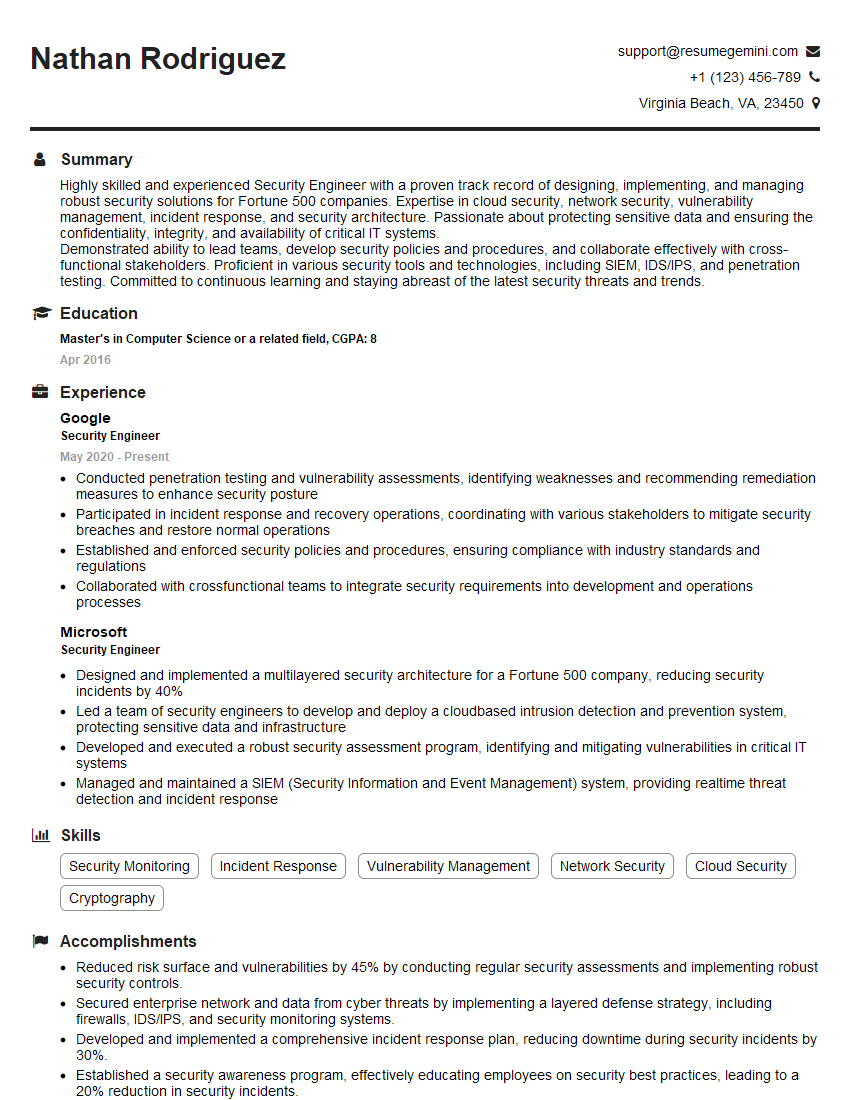
Security Engineer Resume Sample
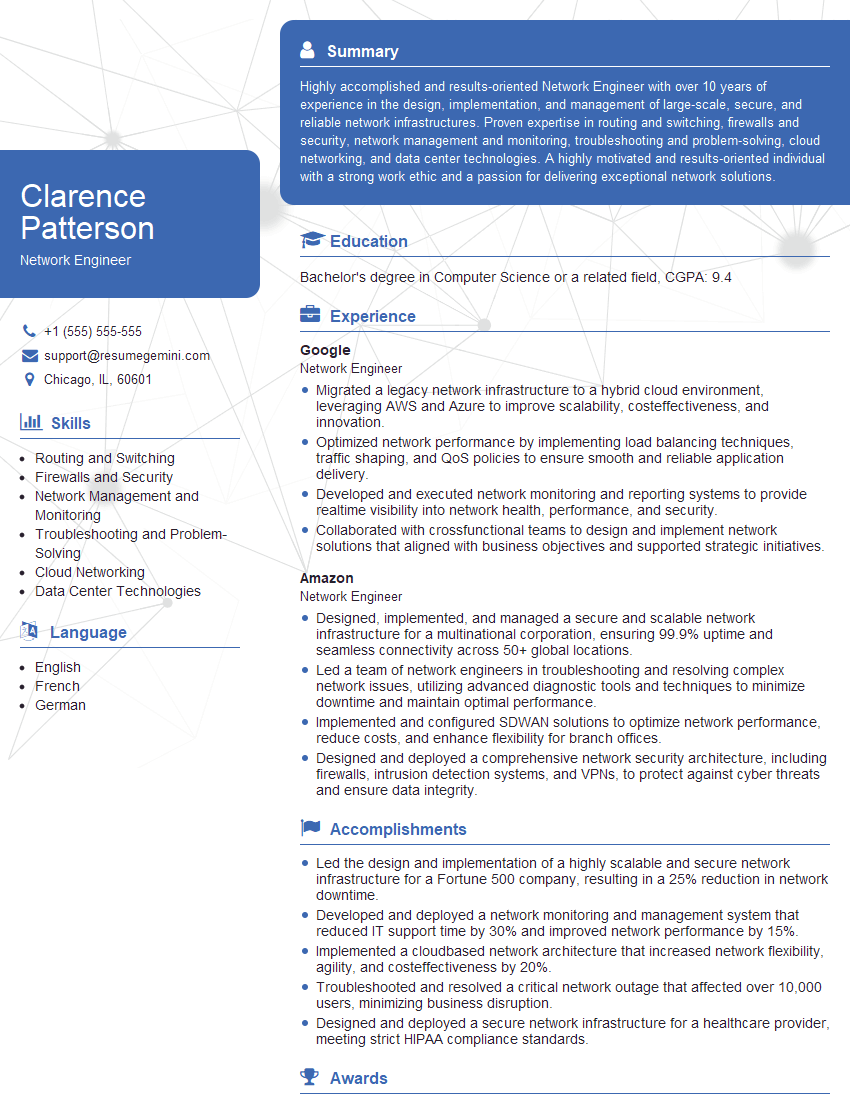
Network Engineer Resume Sample
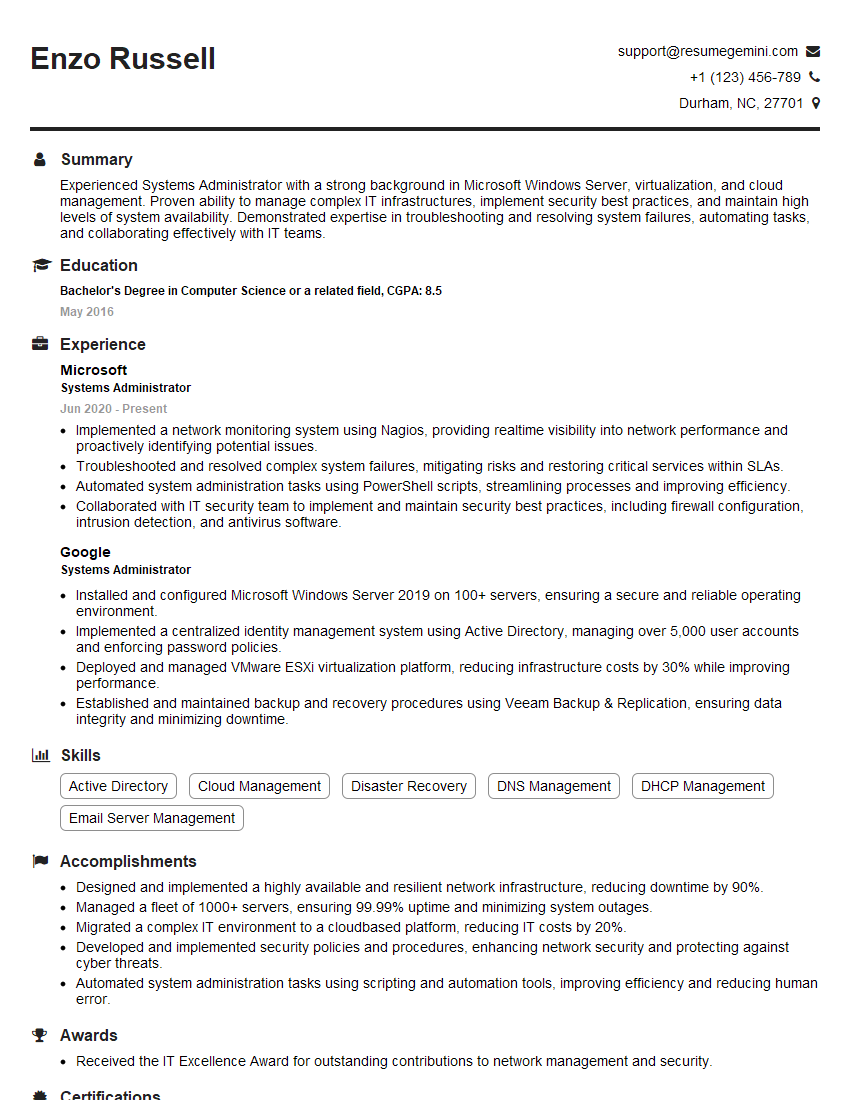
Systems Administrator Resume Sample
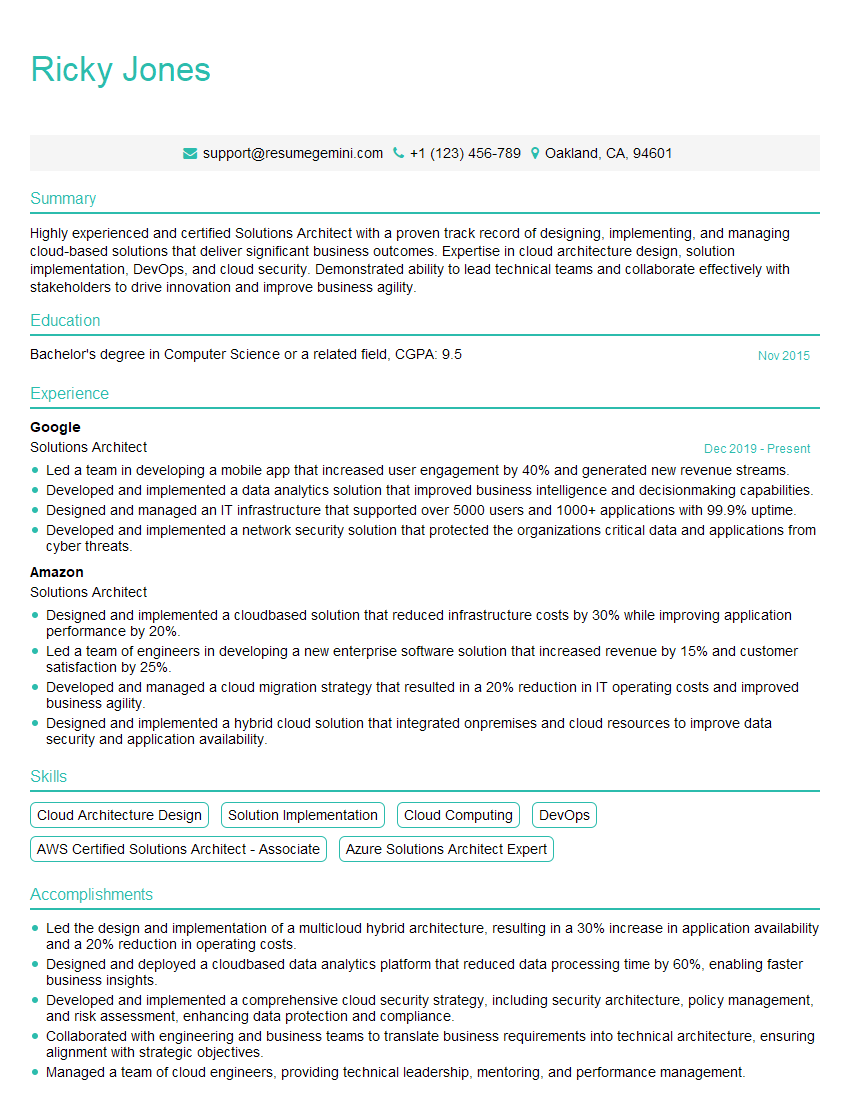
Solutions Architect Resume Sample
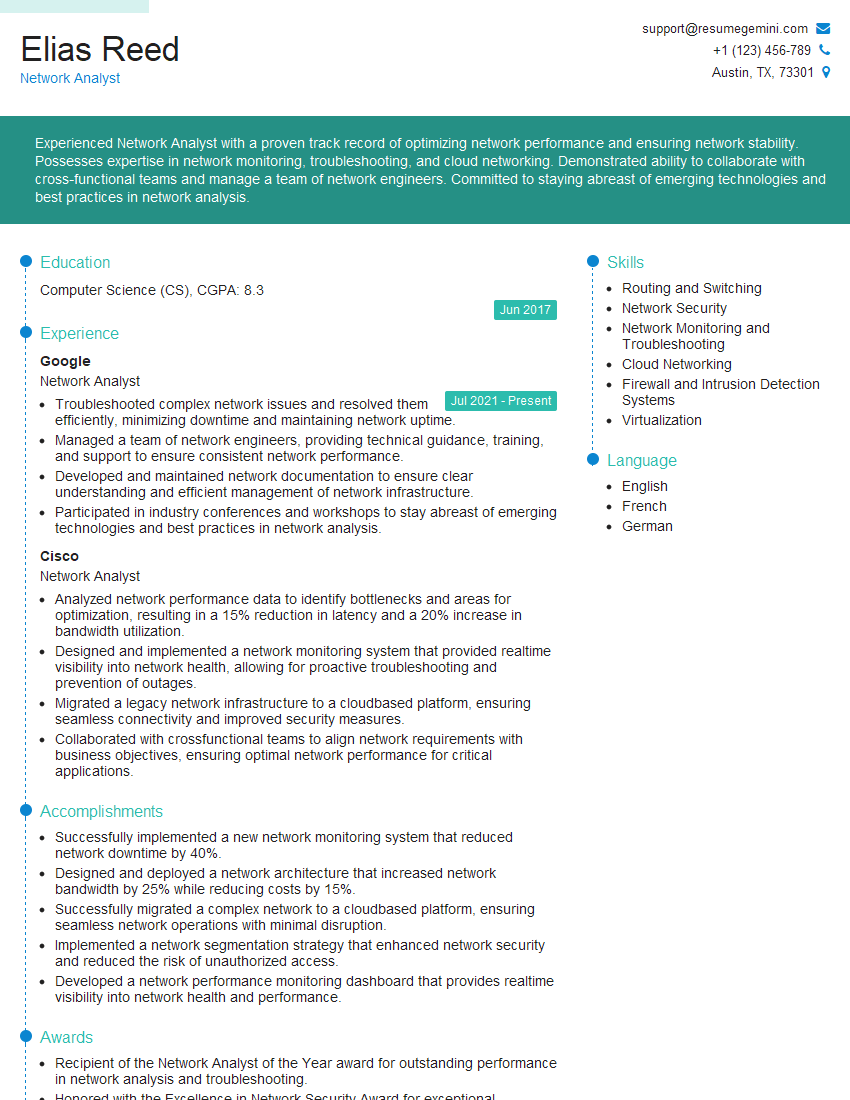
Network Analyst Resume Sample
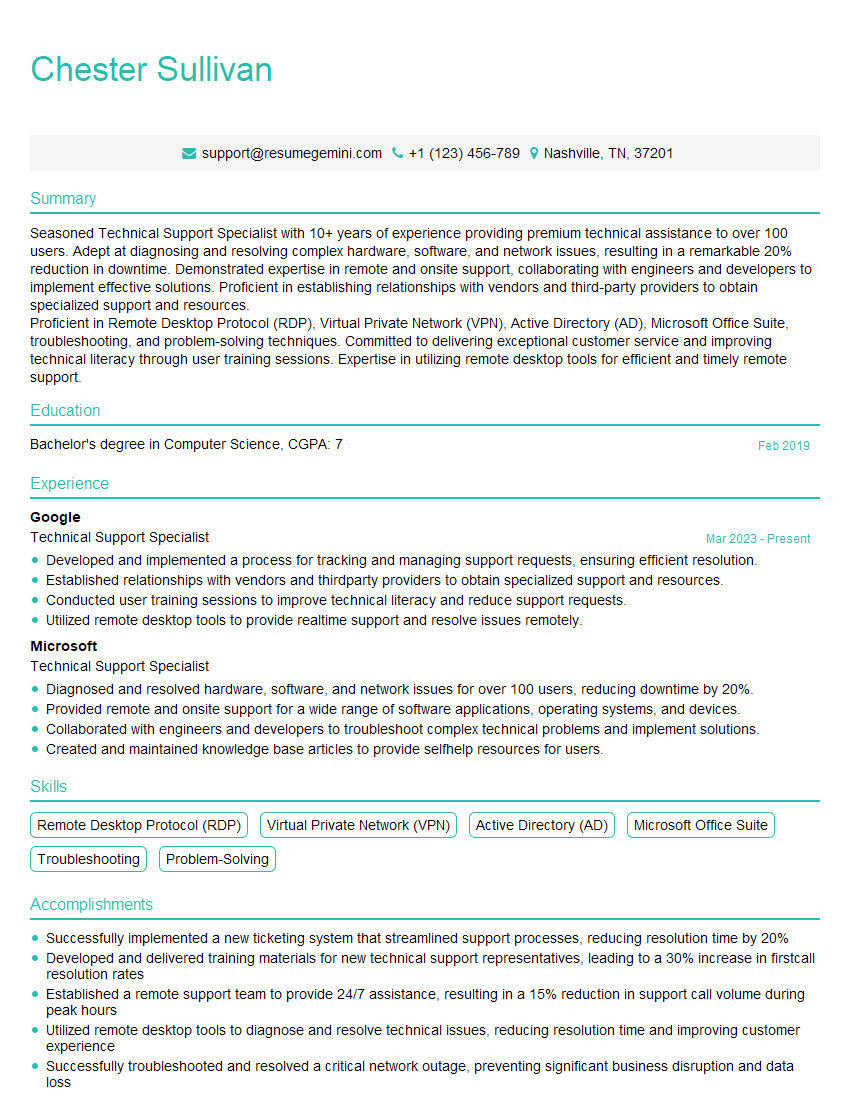
Technical Support Specialist Resume Sample
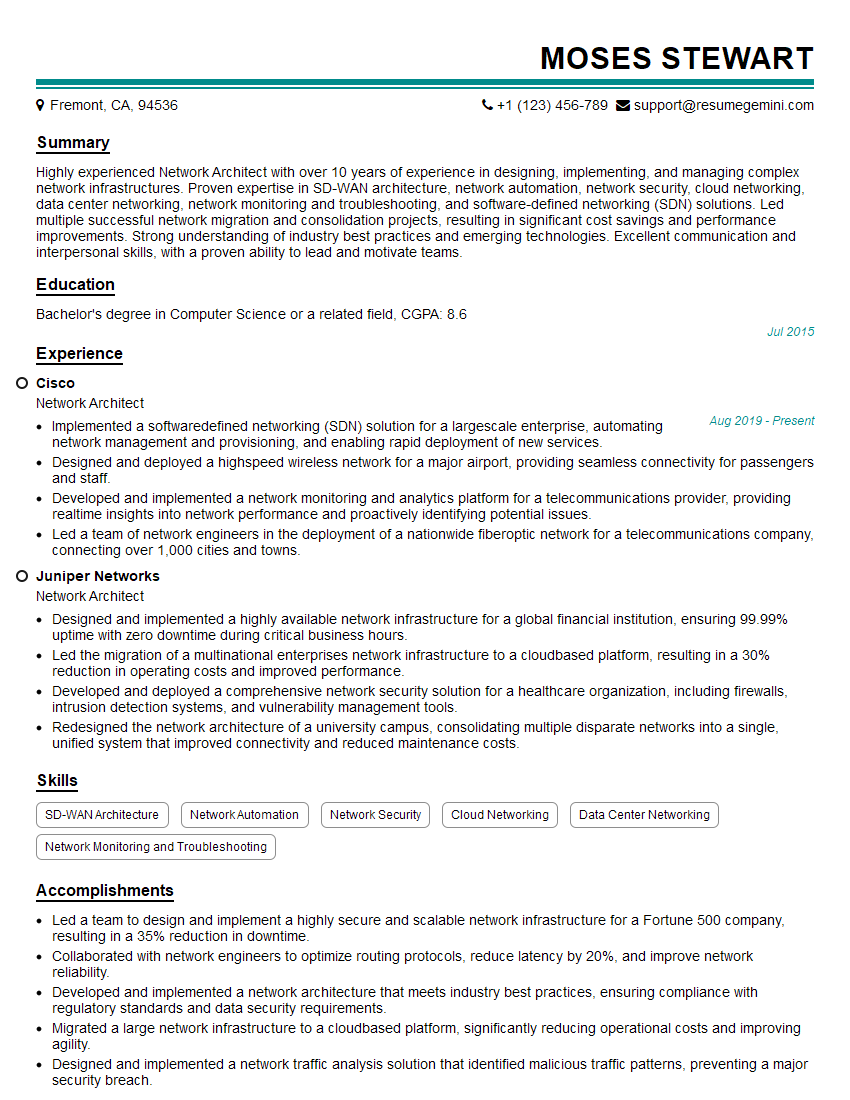
Network Architect Resume Sample
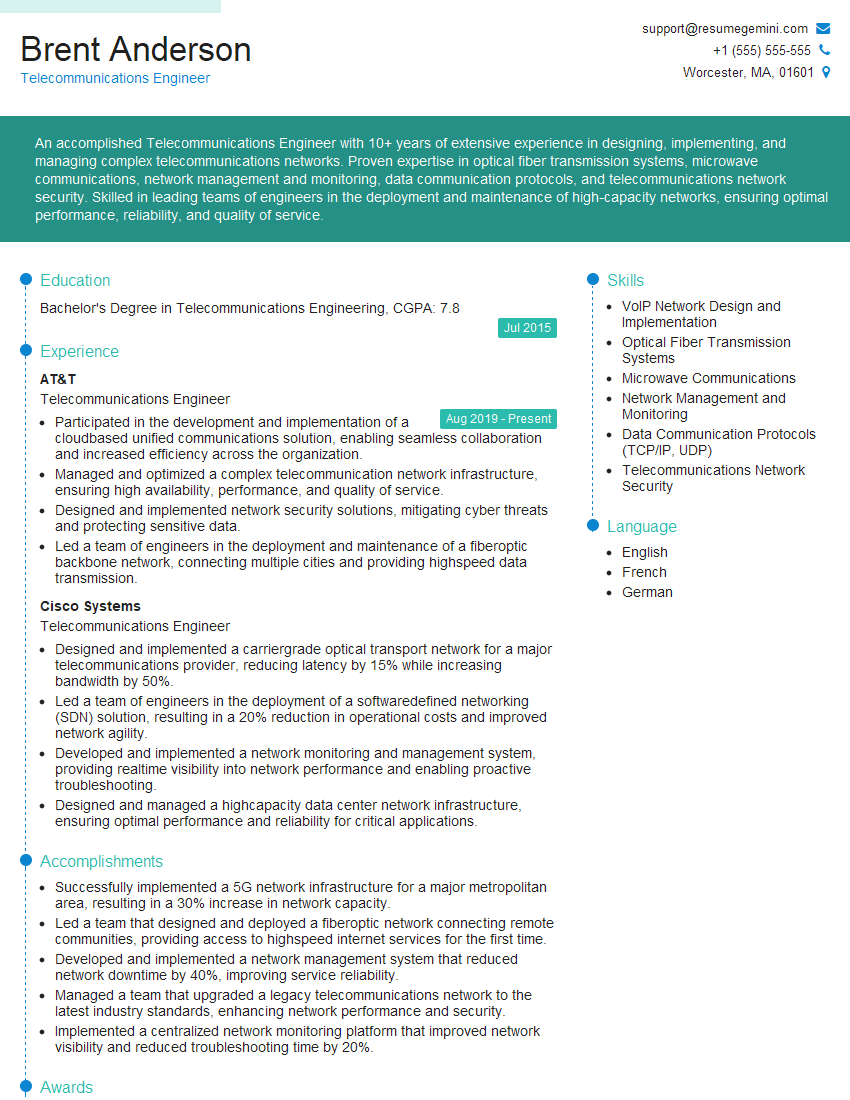
Telecommunications Engineer Resume Sample
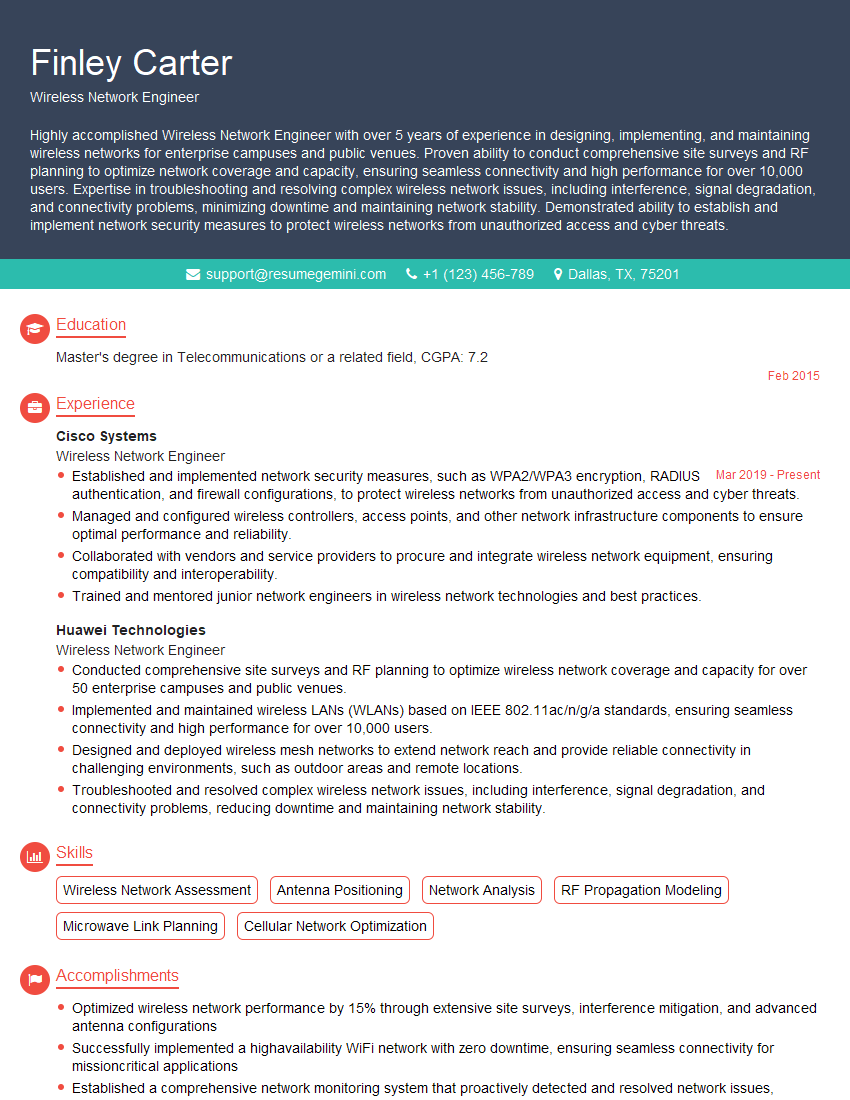
Wireless Network Engineer Resume Sample

Help Desk Technician Resume Sample
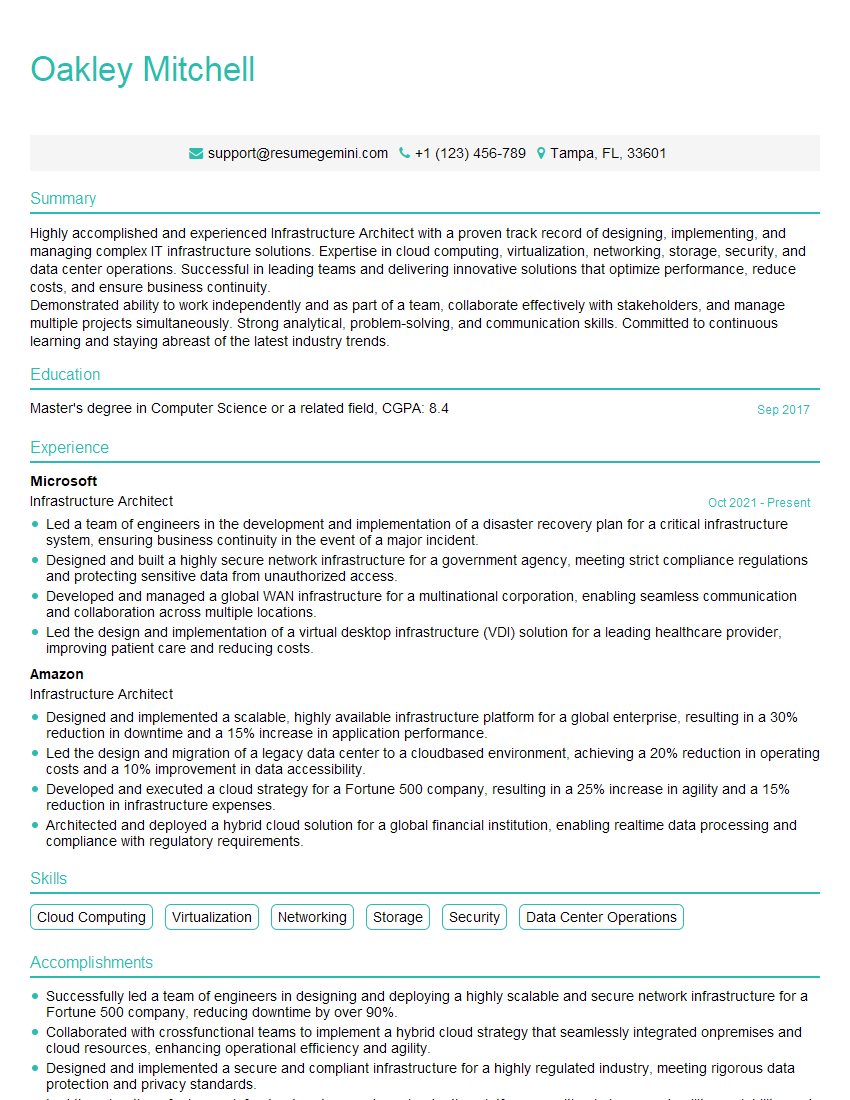
Infrastructure Architect Resume Sample
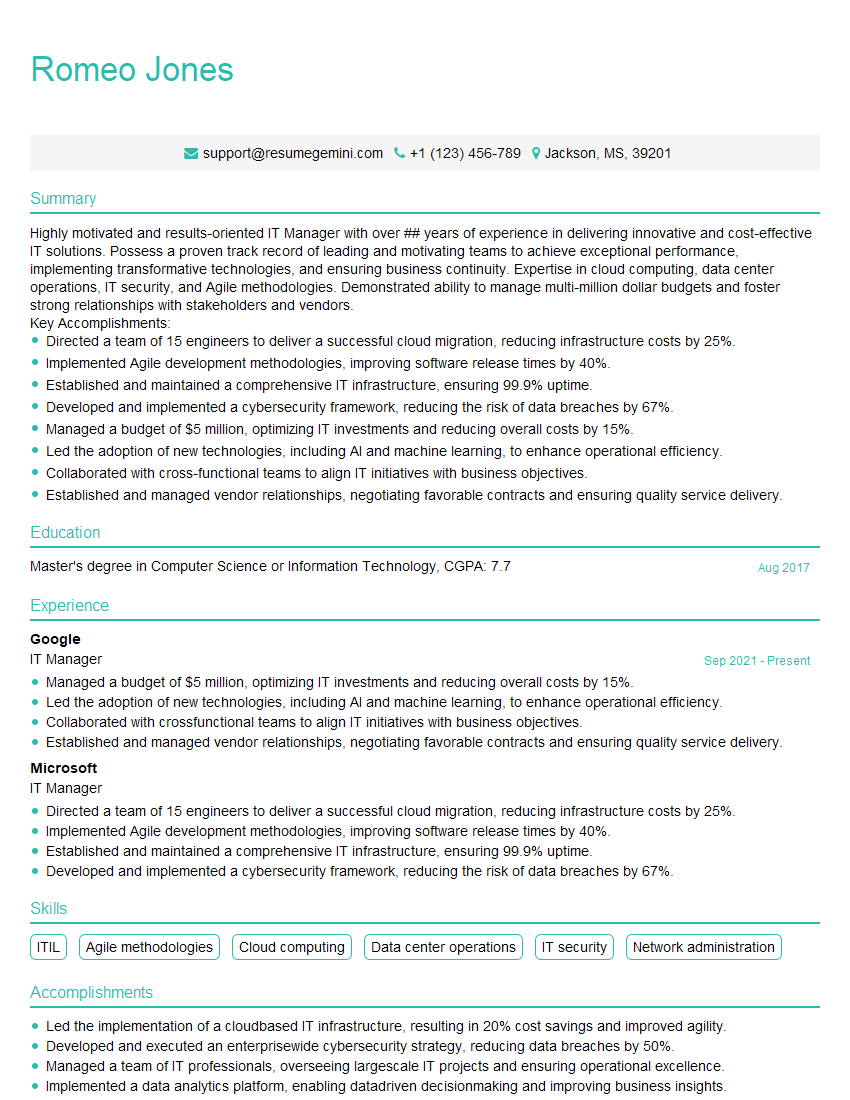
IT Manager Resume Sample
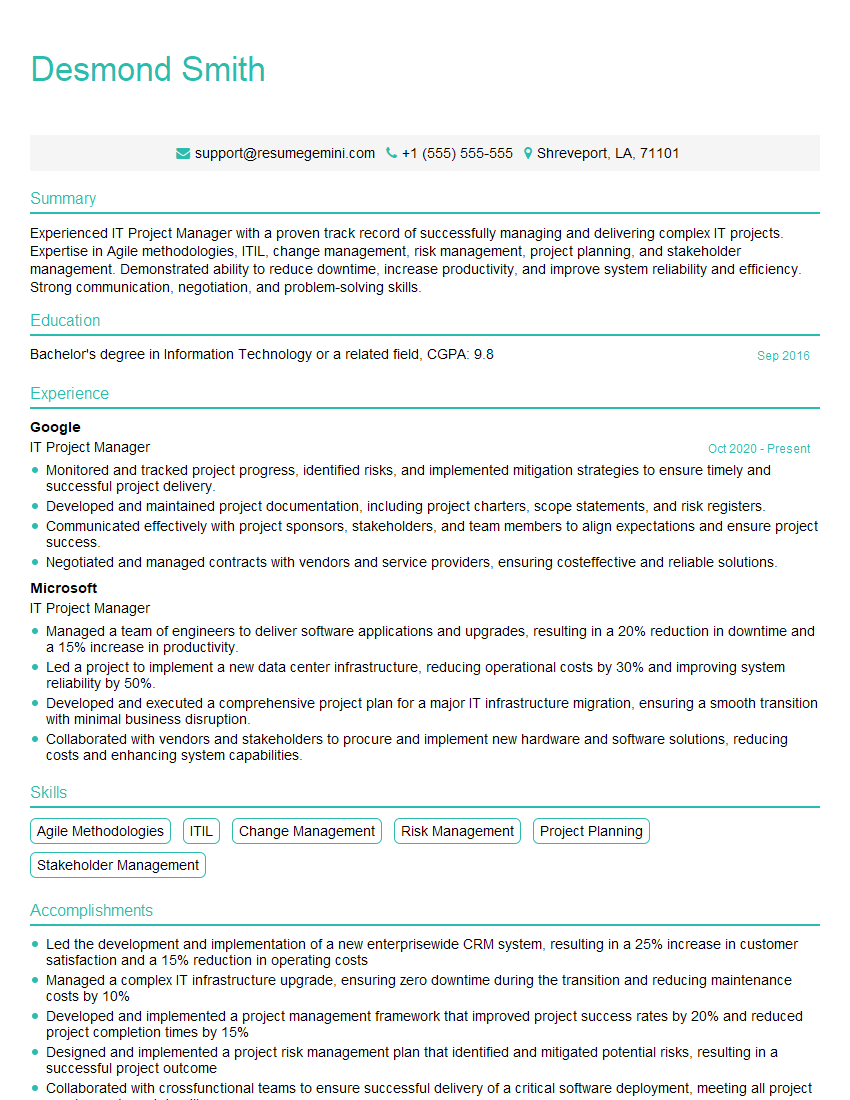
IT Project Manager Resume Sample
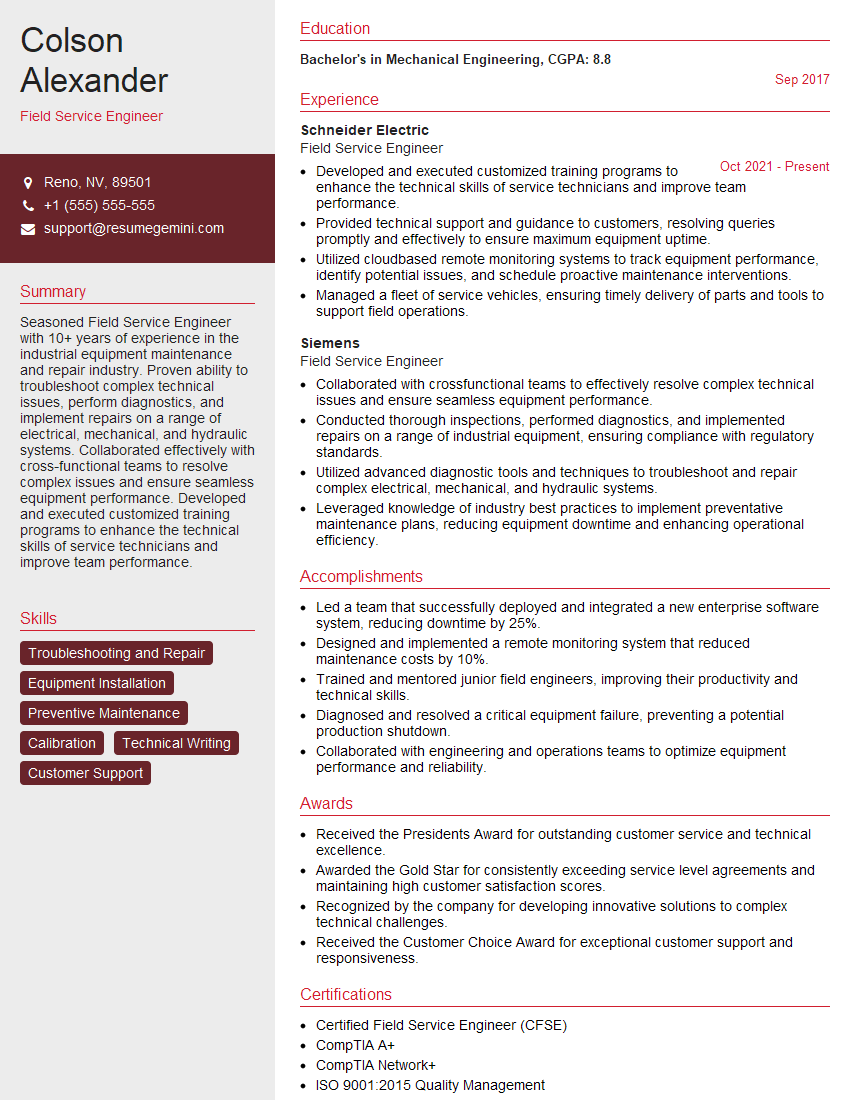
Field Service Engineer Resume Sample
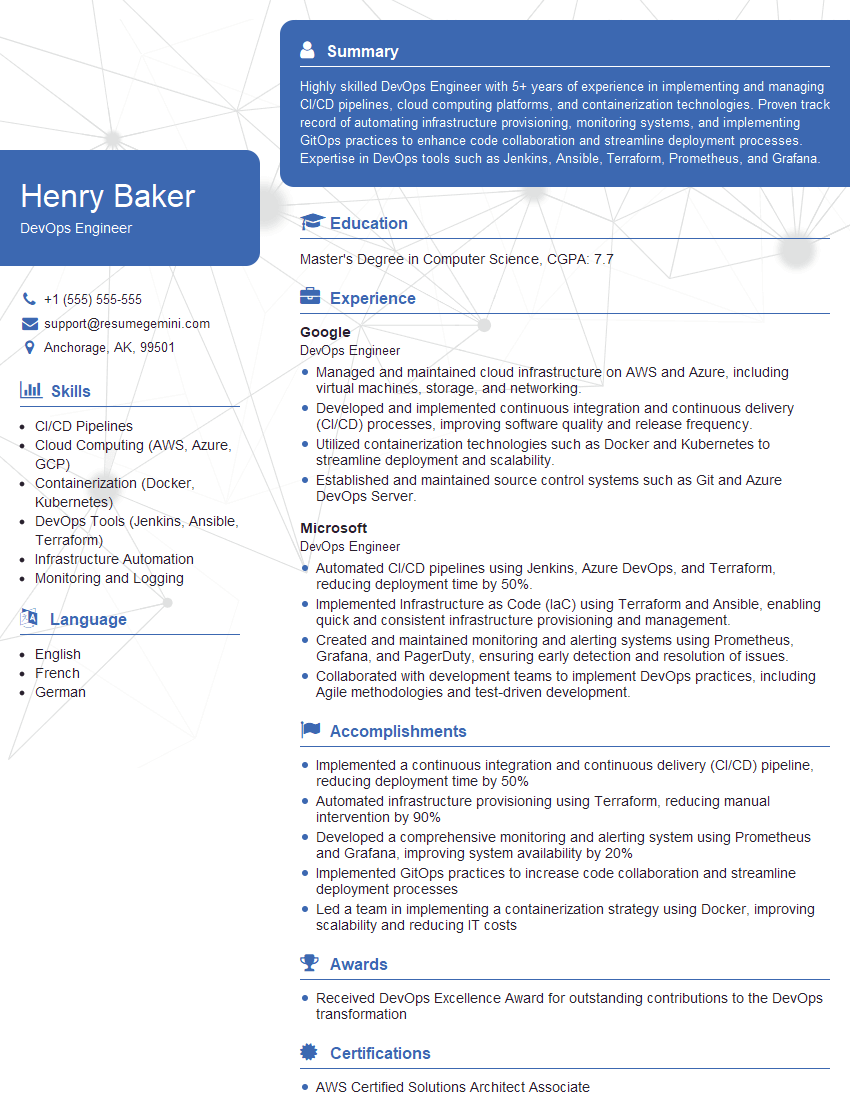
DevOps Engineer Resume Sample
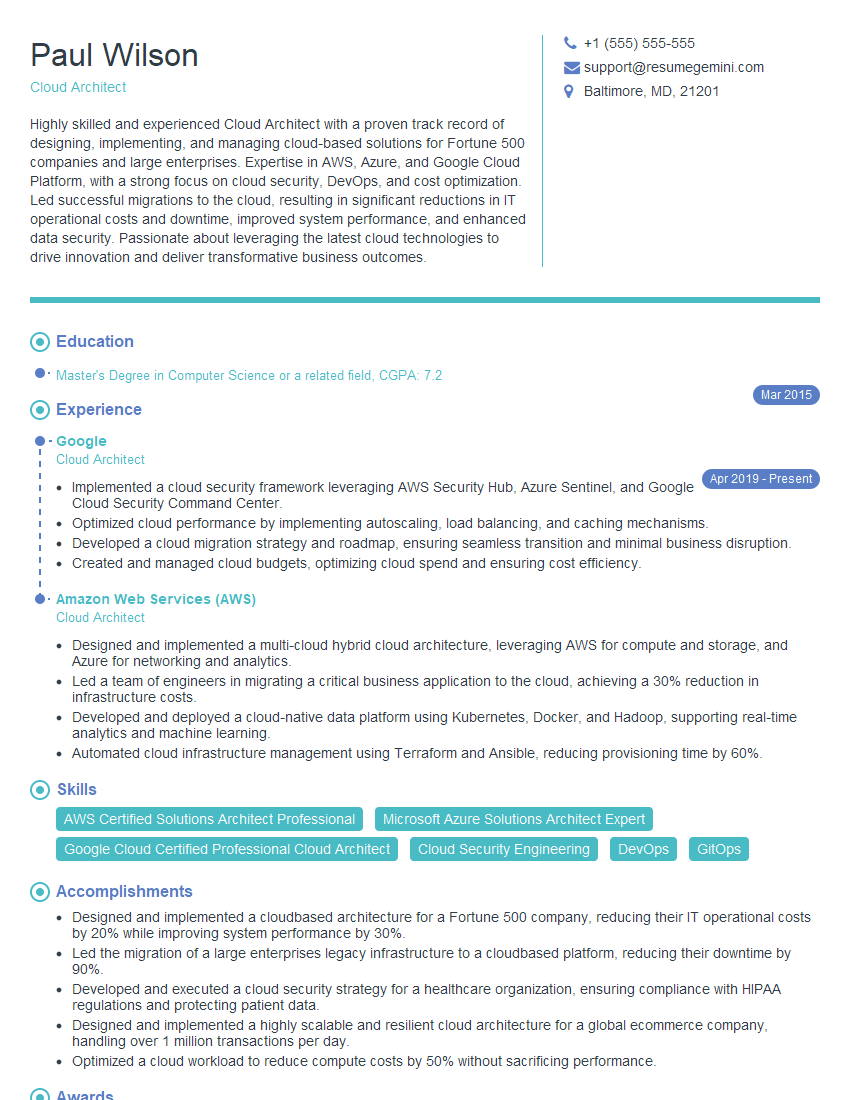
Cloud Architect Resume Sample
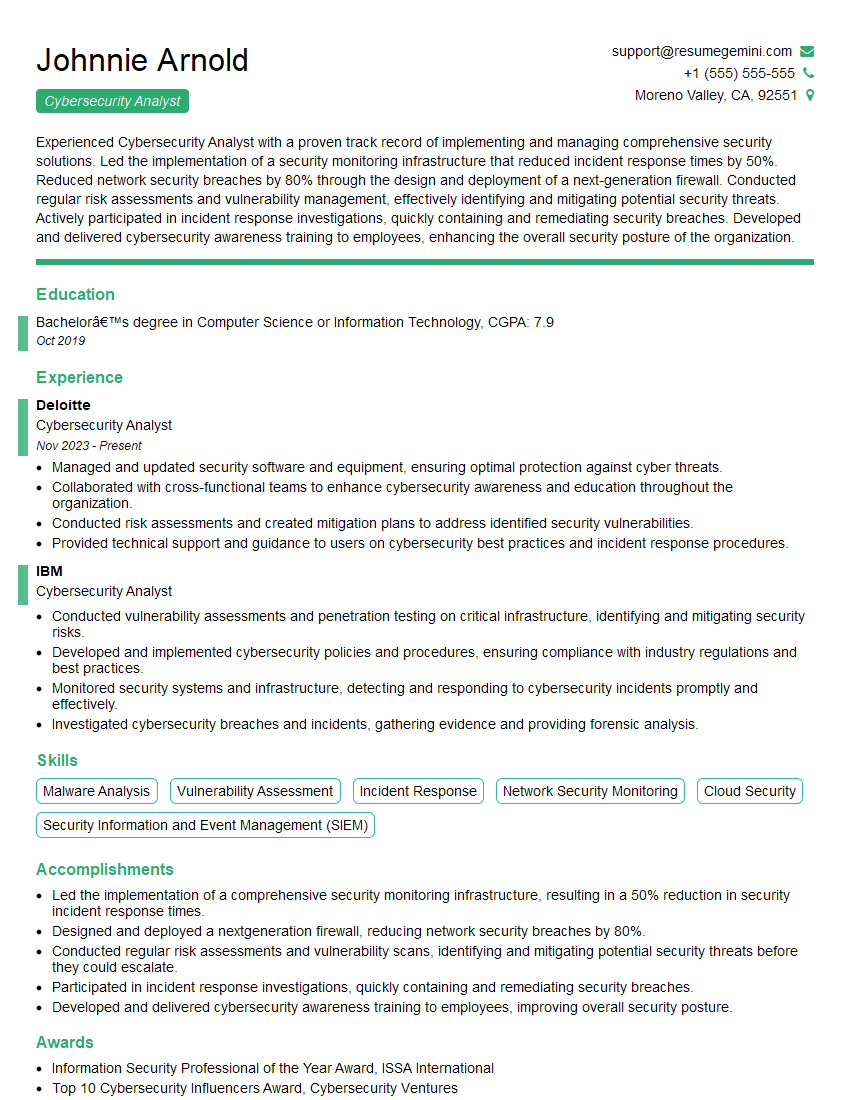
Cybersecurity Analyst Resume Sample
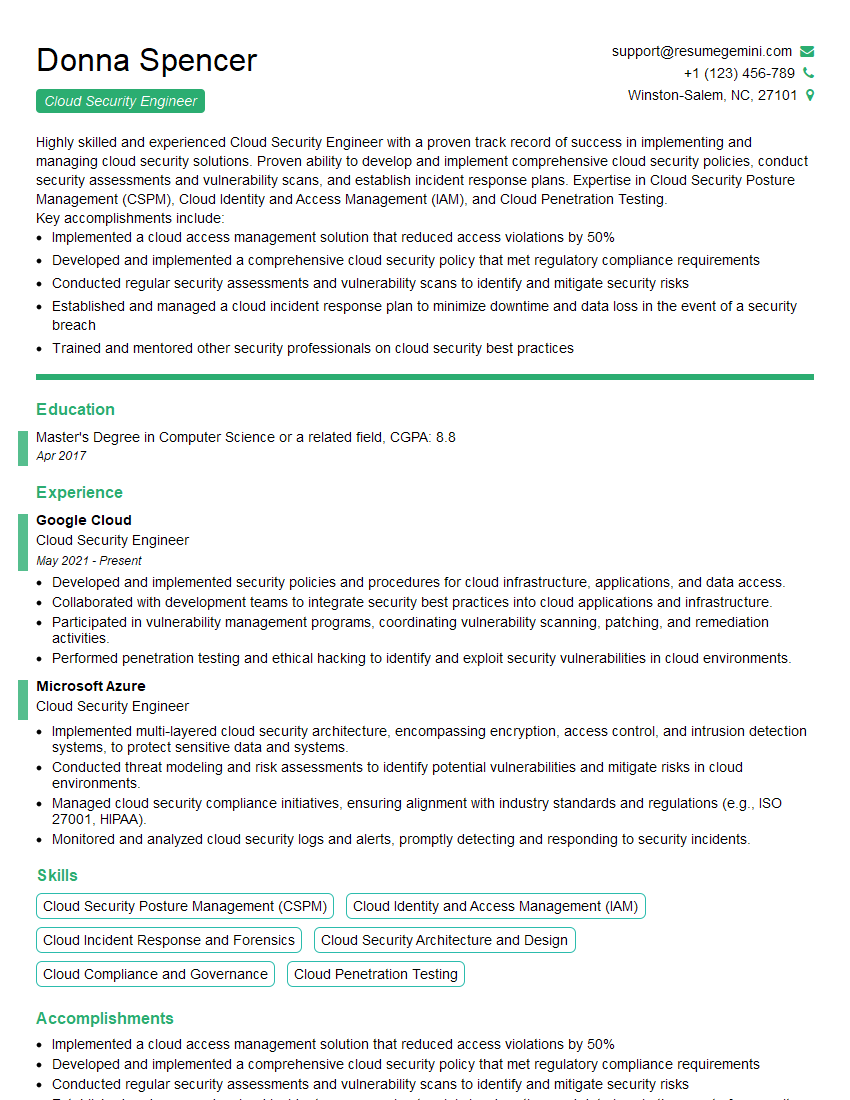
Cloud Security Engineer Resume Sample
- Security Engineer
- Network Engineer
- Systems Administrator
- Solutions Architect
- Network Analyst
- Technical Support Specialist
- Network Architect
- Telecommunications Engineer
- Wireless Network Engineer
- Help Desk Technician
- Infrastructure Architect
- IT Manager
- IT Project Manager
- Field Service Engineer
- DevOps Engineer
- Cloud Architect
- Cybersecurity Analyst
- Cloud Security Engineer
Explore more articles
Users Rating of Our Blogs
Share Your Experience
We value your feedback! Please rate our content and share your thoughts (optional).
What Readers Say About Our Blog
Very informative content, great job.
good