Unlock your full potential by mastering the most common Understanding of energy economics interview questions. This blog offers a deep dive into the critical topics, ensuring you’re not only prepared to answer but to excel. With these insights, you’ll approach your interview with clarity and confidence.
Questions Asked in Understanding of energy economics Interview
Q 1. Explain the concept of price elasticity of demand in the context of energy markets.
Price elasticity of demand measures how much the quantity demanded of an energy source changes in response to a change in its price. In simpler terms, it tells us how sensitive energy consumption is to price fluctuations. A high elasticity means demand is very responsive to price changes – for instance, if the price of gasoline rises significantly, people might reduce their driving or switch to more fuel-efficient vehicles. A low elasticity means demand is less responsive; essential energy sources like electricity often have lower elasticity because people need them regardless of price, up to a certain point.
For example, consider the demand for heating oil. During a particularly cold winter, the price elasticity of demand for heating oil might be low, as people will continue to purchase it even if the price increases significantly to keep their homes warm. Conversely, during a mild winter, the elasticity might be higher as consumers are more sensitive to price changes and may reduce their consumption.
Understanding price elasticity is crucial for energy producers, policymakers, and investors. It informs decisions about pricing strategies, infrastructure investments, and policy interventions aimed at influencing energy consumption patterns.
Q 2. Describe the factors influencing the price of crude oil.
The price of crude oil is influenced by a complex interplay of factors, often described as the ‘supply and demand’ dynamic, but with several layers of complexity. These factors can be broadly categorized as:
- Supply-side factors: These include global production levels (OPEC quotas, geopolitical events affecting production in key regions like the Middle East or Russia), technological advancements affecting extraction efficiency, the number of active oil rigs, and unexpected supply disruptions (natural disasters, political instability).
- Demand-side factors: Global economic growth is a major driver; stronger growth generally means increased demand for energy, driving up prices. Specific sector demands (e.g., transportation, industrial activities) also play a significant role. Seasonal variations also influence demand (higher demand during winter in colder climates).
- Geopolitical factors: Political instability in oil-producing regions, international sanctions, and trade wars can significantly impact supply and consequently, price. Speculation and government policies also play a role.
- Currency fluctuations: Crude oil is priced in US dollars. A weakening dollar can make oil cheaper for buyers using other currencies, increasing demand and potentially boosting prices.
- Storage levels: High inventories of crude oil can put downward pressure on prices, indicating a surplus in the market, while low inventories might signal scarcity and lead to price increases.
For instance, the 2022 Russian invasion of Ukraine caused significant supply disruptions and sent oil prices soaring due to concerns about reduced Russian exports. This exemplifies the significant interplay between geopolitical events and market forces in determining crude oil prices.
Q 3. What are the key differences between forward and futures contracts in energy trading?
Both forward and futures contracts are agreements to buy or sell a commodity (in this case, energy) at a specified price on a future date. However, they differ significantly in their trading mechanisms and characteristics:
- Futures Contracts: These are standardized contracts traded on organized exchanges (like the NYMEX or ICE). They have specific contract sizes, delivery dates, and quality specifications. They are highly liquid and offer a degree of price discovery and risk management via hedging.
- Forward Contracts: These are customized, privately negotiated contracts between two parties. They lack the standardization of futures contracts and typically have more flexibility in terms of contract size, delivery dates, and specifications. They are less liquid than futures contracts, but they can better suit specific needs and risk profiles.
The key difference lies in standardization and liquidity. Futures contracts, due to their standardization, are easier to buy and sell on the open market, providing higher liquidity. Forward contracts, while offering customization, can be difficult to exit before the delivery date.
Consider a power company wanting to lock in a price for natural gas for the next winter. They might use futures contracts for a portion of their needs to hedge against price volatility, utilizing the exchange’s liquidity. For specific, nuanced needs, they may negotiate a forward contract with a supplier for a portion of their requirements.
Q 4. Discuss the role of government regulations in the energy sector.
Government regulations play a vital role in shaping the energy sector, addressing issues of safety, environmental protection, market efficiency, and energy security. These regulations can take many forms:
- Environmental regulations: These focus on reducing emissions (e.g., carbon cap-and-trade systems, renewable portfolio standards), improving energy efficiency (building codes, appliance standards), and managing environmental impacts of energy production (water usage, waste disposal).
- Market regulations: These aim to ensure fair competition, prevent monopolies, and regulate pricing (e.g., preventing price gouging, regulating access to transmission infrastructure).
- Safety regulations: These focus on worker safety, pipeline safety, and the safe operation of power plants and other energy infrastructure.
- Energy security policies: These aim to diversify energy supplies, develop domestic energy resources, and strengthen energy infrastructure to reduce reliance on foreign sources.
- Subsidies and tax incentives: Governments often use subsidies and tax breaks to promote the development of renewable energy sources or to support energy efficiency measures.
For example, the US Clean Air Act aims to reduce air pollution, including emissions from power plants, while renewable portfolio standards mandate a certain percentage of electricity from renewable sources in several states. These regulations directly influence the type of energy sources developed, investment patterns, and market dynamics.
Q 5. Analyze the impact of renewable energy sources on the electricity market.
Renewable energy sources like solar, wind, hydro, and geothermal are significantly impacting the electricity market, driving a transition towards decarbonization and distributed generation. The impact is multifaceted:
- Increased competition: Renewables are increasingly competing with conventional sources (coal, natural gas) on price, driving down electricity costs in some markets. This competition pressures incumbents to increase efficiency and adapt.
- Decentralization of generation: Renewable energy sources can be deployed more dispersedly, reducing reliance on large centralized power plants. This requires upgrades to the grid infrastructure to handle intermittent power supplies.
- Intermittency challenges: Solar and wind power are intermittent, meaning their output fluctuates depending on weather conditions. This necessitates developing sophisticated grid management techniques, energy storage solutions, and demand-side management strategies.
- Environmental benefits: The most significant impact is the reduction in greenhouse gas emissions and other air pollutants, contributing to climate change mitigation efforts.
For instance, the dramatic decrease in the cost of solar photovoltaic (PV) technology has made solar power a highly competitive electricity source in many regions, leading to a significant increase in its share of electricity generation.
Q 6. Explain the concept of energy security and its importance.
Energy security refers to the uninterrupted availability of energy resources at an affordable price to meet a nation’s or region’s needs. It encompasses a range of factors including:
- Reliable supply: Ensuring a consistent and sufficient supply of energy to meet demand, minimizing disruptions from geopolitical events, natural disasters, or infrastructure failures.
- Affordability: Ensuring energy remains affordable for consumers and businesses, avoiding excessive price volatility that could harm economic growth.
- Diversity of supply: Reducing reliance on a single energy source or supplier to mitigate risks associated with supply disruptions or price manipulation.
- Infrastructure resilience: Building robust and resilient energy infrastructure capable of withstanding natural disasters and other disruptions.
- Energy efficiency: Improving energy efficiency to reduce overall energy demand and lessen reliance on energy imports.
The importance of energy security is paramount because energy is fundamental to economic growth, social well-being, and national security. Energy shortages can lead to economic recession, social unrest, and national vulnerability.
For example, a nation heavily reliant on a single oil supplier might face significant economic and social challenges if relations with that supplier deteriorate or if a supply disruption occurs. Diversification of energy sources and investment in domestic energy production can enhance energy security.
Q 7. What are the main challenges facing the transition to a low-carbon economy?
The transition to a low-carbon economy presents significant challenges:
- Technological innovation: Developing and deploying cost-effective, scalable clean energy technologies is crucial, especially for energy storage and carbon capture, utilization, and storage (CCUS) technologies.
- Infrastructure investment: Massive investments are needed in renewable energy infrastructure (solar farms, wind turbines, transmission grids), energy storage solutions (batteries, pumped hydro), and smart grids to integrate intermittent renewable energy sources.
- Economic challenges: The transition may cause job losses in fossil fuel industries, requiring proactive policies to support affected workers and communities through retraining and diversification efforts. Balancing environmental and economic objectives is vital.
- Political and social resistance: Resistance from vested interests in fossil fuels and lack of public support can hinder the pace of the transition. Effective communication and engagement are vital to build consensus.
- International cooperation: Climate change is a global issue demanding international collaboration on emission reduction targets, technology transfer, and financial support for developing countries. Reaching agreements and ensuring compliance are significant challenges.
- Grid management complexity: Integrating variable renewable energy sources into the power grid requires advanced grid management technologies to ensure reliable electricity supply. Managing intermittency and balancing supply and demand is a critical challenge.
Overcoming these challenges requires a concerted effort from governments, industries, and individuals, involving policy support, technological innovation, and societal changes in consumption patterns.
Q 8. Describe different energy forecasting models and their limitations.
Energy forecasting models predict future energy demand and supply. Several models exist, each with strengths and weaknesses. These include:
- Econometric models: These statistical models use historical data and economic indicators (like GDP growth and population) to predict energy consumption. They’re relatively simple but can struggle with capturing unexpected technological disruptions or policy changes.
- Engineering models: These focus on the technical aspects of energy systems, modeling supply and demand based on factors like power plant capacity and energy efficiency improvements. They’re good for detailed analyses of specific technologies, but might lack broader economic context.
- Agent-based models: These simulate the behavior of individual actors (consumers, producers) within the energy market. They can capture complex interactions but require extensive data and significant computational power.
- Integrated assessment models (IAMs): These combine economic, environmental, and technological factors to project energy futures under different scenarios. They’re very comprehensive, but can be complex to use and interpret, and their results are sensitive to underlying assumptions.
Limitations: All models suffer from limitations. Data quality and availability often restrict accuracy. Unforeseen events like wars, natural disasters, or rapid technological breakthroughs are difficult to predict. Assumptions built into the models can heavily influence the results, and a model’s output is only as good as the data and assumptions it’s based upon. For example, a model relying on historical trends might underestimate the rapid adoption of solar power if it doesn’t account for falling costs and policy incentives.
Q 9. Discuss the economic implications of carbon pricing mechanisms.
Carbon pricing mechanisms, such as carbon taxes or emissions trading schemes (ETS), aim to internalize the environmental cost of carbon emissions. This means making polluters pay for the damage caused by their emissions. The economic implications are multifaceted:
- Increased costs for carbon-intensive industries: Businesses that rely heavily on fossil fuels will face higher operating costs, potentially leading to job losses in some sectors unless they adapt or innovate.
- Investment shifts towards cleaner technologies: Higher carbon prices incentivize investment in renewable energy, energy efficiency, and carbon capture technologies. This can drive economic growth in green sectors, creating new jobs and industries.
- Potential for revenue generation: Governments can use the revenue from carbon taxes to fund green initiatives, reduce other taxes, or return money to taxpayers.
- Consumer price impacts: The cost of goods and services that rely on fossil fuels will likely increase, affecting consumers’ purchasing power and potentially impacting inflation.
- International competitiveness: If only some countries implement carbon pricing, their industries could be at a disadvantage compared to those in countries without such policies. This necessitates international cooperation on climate action.
Example: The European Union Emissions Trading System (ETS) is a real-world example of an ETS. While it has driven some investment in renewable energy, it has also faced criticism for its impact on energy prices and competitiveness.
Q 10. Explain the concept of peak oil and its potential consequences.
Peak oil refers to the hypothetical point in time when global oil production reaches its maximum rate, after which it begins to decline. The exact timing and consequences of peak oil are debated, but its potential impacts are significant:
- Increased oil prices: As production plateaus and then falls, the price of oil would likely rise significantly, affecting transportation, manufacturing, and other energy-intensive sectors.
- Economic disruption: Higher oil prices would lead to inflation, reduced economic growth, and potential social unrest. Countries heavily reliant on oil imports would be particularly vulnerable.
- Geopolitical instability: Competition for dwindling oil resources could exacerbate international tensions and conflicts.
- Accelerated transition to alternative energy sources: The prospect of peak oil could accelerate the adoption of renewable energy and other alternative fuels, driving innovation and technological advancements.
It’s crucial to understand that while many forecasts predicted peak oil in the past, it hasn’t arrived yet due to technological advancements such as hydraulic fracturing (fracking) that expanded oil reserves. However, the concept remains relevant as a reminder of the finite nature of fossil fuels and the importance of diversifying energy sources.
Q 11. How does geopolitical instability affect energy prices?
Geopolitical instability significantly impacts energy prices due to several factors:
- Disruptions to supply: Wars, political unrest, and sanctions can disrupt oil production and transportation, leading to supply shortages and price spikes. The war in Ukraine exemplifies this, drastically impacting global gas prices.
- Increased uncertainty: Political instability creates uncertainty about future energy supplies, leading investors to demand higher risk premiums, reflected in higher energy prices.
- Strategic stockpiling: Countries may increase their oil reserves in anticipation of potential disruptions, further reducing supply available for the open market and pushing prices up.
- Sanctions and embargoes: Economic sanctions against certain countries can restrict the flow of energy resources, leading to higher prices and impacting international trade.
Example: The Iranian revolution in 1979 and the subsequent Iraq War significantly impacted global oil prices, illustrating how geopolitical events can cause energy market volatility.
Q 12. Analyze the impact of technological advancements on the energy sector.
Technological advancements are revolutionizing the energy sector, impacting both supply and demand:
- Renewable energy technologies: Improvements in solar, wind, and other renewable energy technologies have led to significant cost reductions and increased efficiency. This is making renewables increasingly competitive with fossil fuels.
- Energy storage: Developments in battery technology and other energy storage solutions are addressing the intermittency of renewable energy sources, making them more reliable.
- Smart grids: Advanced grid technologies improve efficiency, enhance grid resilience, and enable better integration of renewable energy sources.
- Energy efficiency improvements: Technological advancements in appliances, buildings, and industrial processes are reducing energy consumption.
- Carbon capture and storage (CCS): CCS technologies, while still under development, have the potential to reduce emissions from fossil fuel power plants.
These technological advancements are driving a global energy transition towards cleaner, more sustainable sources. However, the pace of adoption depends on factors like cost, policy support, and public acceptance.
Q 13. What are the key drivers of investment in renewable energy?
Investment in renewable energy is driven by several factors:
- Falling costs: The costs of solar, wind, and other renewable technologies have fallen dramatically over the past decade, making them increasingly competitive with fossil fuels.
- Government policies and subsidies: Many governments provide incentives for renewable energy development, including tax credits, feed-in tariffs, and renewable portfolio standards (RPS).
- Climate change concerns: Growing awareness of the impacts of climate change is driving demand for cleaner energy sources.
- Energy security: Countries are investing in renewables to reduce dependence on volatile fossil fuel markets and enhance energy independence.
- Technological advancements: Ongoing technological innovation continues to improve the efficiency and reduce the cost of renewable energy technologies.
- Corporate sustainability goals: Many companies are setting ambitious sustainability targets, leading to investments in renewable energy to reduce their carbon footprint.
The interplay of these factors is shaping the rapid growth of the renewable energy sector, attracting considerable investment from both public and private sources.
Q 14. Explain the role of energy storage in a renewable-based energy system.
Energy storage plays a crucial role in a renewable-based energy system because renewable sources like solar and wind are intermittent; they don’t produce power consistently. Storage solutions help bridge this gap:
- Balancing supply and demand: Energy storage can store excess renewable energy generated during peak production periods (e.g., sunny days or windy nights) and release it when demand is high or renewable generation is low. This helps maintain grid stability and reliability.
- Increasing grid flexibility: Storage can provide grid services such as frequency regulation and voltage support, improving the overall efficiency and resilience of the power grid.
- Enabling deeper renewable penetration: By addressing the intermittency issue, storage allows for greater integration of renewable energy into the electricity system, contributing to decarbonization.
- Reducing reliance on fossil fuels: Storage reduces the need for fossil fuel-based peaking plants that are used to meet peak demand, thereby cutting down on greenhouse gas emissions.
Examples of storage technologies: Pumped hydro storage, batteries (lithium-ion, flow batteries), compressed air energy storage, and thermal energy storage are some examples of technologies that are currently employed or under development.
The cost and scalability of storage technologies remain challenges, but ongoing technological advancements are making them more affordable and efficient, crucial for a reliable renewable energy future.
Q 15. Describe the different types of energy efficiency measures and their effectiveness.
Energy efficiency measures aim to reduce energy consumption for a given service or output. They span various sectors and technologies.
- Building Efficiency: This involves improving insulation, using energy-efficient windows and appliances (e.g., high-efficiency HVAC systems), and optimizing building design for passive solar heating and cooling. The effectiveness is measured by reduced energy bills and lower carbon emissions. For example, retrofitting a building with better insulation can significantly decrease heating and cooling loads.
- Industrial Efficiency: Industries can improve efficiency through process optimization, waste heat recovery, and the adoption of more efficient equipment. Think of a steel mill implementing a more efficient furnace design to reduce fuel consumption per ton of steel produced. Effectiveness is measured in terms of reduced energy intensity (energy used per unit of output).
- Transportation Efficiency: This includes improving fuel economy of vehicles (through better engine design and lighter materials), promoting public transportation, and encouraging cycling and walking. Effectiveness is gauged by lower fuel consumption per passenger-mile or ton-mile.
- Power Generation Efficiency: Improving the efficiency of power plants (e.g., using combined cycle gas turbines instead of older technologies) reduces fuel consumption and emissions. This is measured by comparing the amount of electricity generated per unit of fuel consumed.
The overall effectiveness of these measures depends on several factors, including the specific technology employed, the implementation cost, the operational conditions, and the behavioral changes required from consumers or industries. A cost-benefit analysis is crucial in determining the viability of any energy efficiency project.
Career Expert Tips:
- Ace those interviews! Prepare effectively by reviewing the Top 50 Most Common Interview Questions on ResumeGemini.
- Navigate your job search with confidence! Explore a wide range of Career Tips on ResumeGemini. Learn about common challenges and recommendations to overcome them.
- Craft the perfect resume! Master the Art of Resume Writing with ResumeGemini’s guide. Showcase your unique qualifications and achievements effectively.
- Don’t miss out on holiday savings! Build your dream resume with ResumeGemini’s ATS optimized templates.
Q 16. Discuss the economic benefits and costs of nuclear energy.
Nuclear energy presents a complex economic picture, balancing significant benefits against substantial costs and risks.
- Benefits: Nuclear power plants generate electricity with very low greenhouse gas emissions, a major advantage in mitigating climate change. The fuel requirements are minimal, and a small amount of uranium produces a large amount of energy. This leads to energy independence for nations possessing nuclear capabilities.
- Costs: The upfront capital costs of building nuclear power plants are extremely high, making them a major investment. There are significant safety concerns and the need for robust security measures to prevent accidents and safeguard nuclear materials. The long-term costs of managing nuclear waste, including storage and eventual disposal, are substantial and extend for thousands of years. Decommissioning of a plant after its lifespan is also expensive.
The economic viability of nuclear energy depends greatly on factors such as the specific design of the power plant, government regulations, and the cost of alternative energy sources. The high initial investment cost and long lead times are major barriers to widespread adoption, particularly in the face of competition from renewable energy options with declining costs.
Q 17. Analyze the impact of energy subsidies on market efficiency.
Energy subsidies, government financial incentives aimed at influencing energy production or consumption, can significantly distort market efficiency. They often lead to imbalances between supply and demand, causing several problems.
- Overproduction and Waste: Subsidies can lead to overproduction of certain energy sources, resulting in market surpluses and wasted resources. For example, subsidies for fossil fuels can lead to continued production even when market prices signal a shift towards cleaner sources.
- Underinvestment in Efficient Technologies: Subsidies often favor established technologies over newer, potentially more efficient ones. This can hinder innovation and prevent a quicker transition to sustainable energy.
- Price Distortion: Subsidies artificially lower the price of subsidized energy, leading to increased consumption and reduced incentives for energy conservation. Consumers may not be adequately motivated to adopt energy-efficient practices.
- Market Inefficiencies: Subsidies can create an uneven playing field, disadvantaging unsubsidized energy sources and reducing market competition.
Ideally, government intervention should focus on correcting market failures and promoting sustainable energy transitions through targeted policies such as carbon pricing or investment in research and development. Subsidies, if used, should be designed carefully to minimize market distortion and ensure that they are effective and transparent.
Q 18. How do you evaluate the financial viability of an energy project?
Evaluating the financial viability of an energy project involves a comprehensive assessment of its costs and benefits over its entire lifecycle. This requires a multi-faceted approach.
- Cost Estimation: Accurately estimate all costs, including capital expenditures (e.g., construction, equipment), operating expenses (e.g., fuel, maintenance), and decommissioning costs. This often involves using discounted cash flow (DCF) analysis to account for the time value of money.
- Revenue Projections: Forecast future revenues based on projected energy prices, production volumes, and offtake agreements. This requires thorough market analysis and understanding of potential risks.
- Risk Assessment: Identify and quantify potential risks, such as price volatility, regulatory changes, technological disruptions, and financing risks. Sensitivity analysis and scenario planning can help in this.
- Financial Metrics: Calculate key financial metrics such as net present value (NPV), internal rate of return (IRR), payback period, and discounted payback period. These metrics provide insights into the profitability and financial soundness of the project.
- Funding and Financing: Secure appropriate funding sources and financing arrangements based on project needs and risk profile.
A positive NPV and a high IRR generally indicate a financially viable project, but a comprehensive assessment of all the factors is crucial for making informed investment decisions.
Q 19. Explain the concept of stranded assets in the energy sector.
Stranded assets refer to assets that lose their economic value prematurely due to unforeseen changes in the market or technology. In the energy sector, this is increasingly relevant with the global transition towards cleaner energy.
Examples include:
- Fossil fuel reserves: As the world shifts away from fossil fuels due to climate change concerns and stricter environmental regulations, some oil, gas, and coal reserves might become uneconomical to extract before being depleted. Their value diminishes rapidly as demand decreases or environmental costs become prohibitive.
- Coal-fired power plants: The increasing competitiveness of renewable energy and stricter emission standards can render coal-fired power plants unprofitable well before the end of their planned operational lives.
- Oil and gas pipelines: If the demand for fossil fuels falls significantly, pipelines built to transport them may become underutilized and eventually uneconomical to operate.
The risk of stranded assets is a significant concern for investors and companies in the energy sector. It highlights the importance of long-term strategic planning, diversification, and adapting to the changing energy landscape.
Q 20. Describe the role of international organizations in shaping energy policy.
International organizations play a crucial role in shaping global energy policy through various mechanisms. They promote cooperation, facilitate information sharing, and set standards.
- International Energy Agency (IEA): The IEA provides analysis and recommendations on energy markets and policies, promoting energy security and sustainability. They analyze energy trends, provide policy advice to member countries, and support efforts for energy efficiency and renewable energy deployment.
- Organization of the Petroleum Exporting Countries (OPEC): OPEC coordinates and unifies the petroleum policies of its member countries. While primarily focused on oil production, its decisions significantly impact global energy prices and markets.
- United Nations Framework Convention on Climate Change (UNFCCC): The UNFCCC’s role is central in addressing climate change, which is closely linked to energy policy. The Paris Agreement, under the UNFCCC, aims to limit global warming and encourages countries to adopt cleaner energy sources.
- World Bank and other multilateral development banks: These organizations provide financial and technical support for energy projects in developing countries, helping promote access to affordable and sustainable energy.
These organizations exert influence through reports, policy recommendations, financial incentives, and the promotion of international agreements. Their effectiveness depends on the willingness of individual countries to adopt their recommendations and cooperate on global energy issues.
Q 21. What are the key risks associated with investing in the energy sector?
Investing in the energy sector carries significant risks, both financial and operational. A careful assessment of these risks is essential for successful investment.
- Price Volatility: Energy prices, particularly for oil and gas, are subject to substantial price volatility due to geopolitical events, economic fluctuations, and changes in supply and demand. This risk affects both producers and consumers.
- Regulatory Uncertainty: Changes in environmental regulations, tax policies, and subsidies can significantly impact the profitability of energy projects. For example, new carbon taxes can severely affect fossil fuel based projects.
- Technological Disruption: The rapid pace of technological change in the energy sector poses a risk to established technologies and business models. The rise of renewables has challenged the dominance of fossil fuels.
- Geopolitical Risks: Geopolitical instability in regions with significant energy resources can disrupt supply chains and increase price volatility.
- Environmental and Social Risks: Increasing awareness of environmental and social issues has led to greater scrutiny of energy projects. Projects with high greenhouse gas emissions face growing opposition and stricter regulations.
- Financing Risks: Access to financing can be challenging, particularly for large-scale energy projects. Interest rate changes and economic downturns can also affect financing conditions.
A thorough due diligence process, including thorough market research, risk assessments, and robust financial modeling, is crucial to mitigate these risks and make informed investment decisions in the energy sector.
Q 22. How do you assess the environmental impact of different energy sources?
Assessing the environmental impact of energy sources requires a holistic approach, considering the entire lifecycle, from extraction and processing to generation and waste disposal. We use metrics like greenhouse gas emissions (measured in tons of CO2 equivalent), water consumption, land use, and air and water pollution to compare different sources.
Fossil fuels (coal, oil, natural gas): These are high emitters of greenhouse gases, contributing significantly to climate change. Coal is particularly problematic due to its high carbon content and associated air pollution. Oil spills and gas leaks pose additional environmental risks.
Nuclear energy: While nuclear power plants don’t produce greenhouse gases during operation, the challenges lie in nuclear waste disposal, which requires long-term, secure storage solutions. Accidents, like Chernobyl and Fukushima, highlight the potential for catastrophic environmental consequences.
Renewable energy (solar, wind, hydro, geothermal): These generally have much lower environmental impacts compared to fossil fuels and nuclear power. However, the manufacturing of solar panels and wind turbines involves resource extraction and processing, leading to some emissions. Large-scale hydropower projects can disrupt ecosystems and aquatic life.
Life cycle assessments (LCAs) provide a standardized framework for quantifying environmental impacts across the entire energy supply chain. These assessments are crucial for informed decision-making in energy policy and investment.
Q 23. Discuss the concept of energy poverty and its implications.
Energy poverty refers to a lack of access to modern energy services, impacting billions globally. It’s not simply about the absence of electricity; it encompasses limited access to clean cooking fuels, heating, and cooling. This lack of access has significant implications:
Health: Indoor air pollution from burning biomass for cooking causes respiratory illnesses and other health problems, disproportionately affecting women and children.
Education: Insufficient lighting and limited access to technology hinder educational opportunities, particularly in rural areas.
Economic development: Lack of energy restricts economic opportunities, limiting access to information, communication, and productive activities.
Gender inequality: Women often bear the burden of collecting firewood and managing household energy, limiting their time and opportunities.
Addressing energy poverty requires integrated solutions, including investments in renewable energy infrastructure, improvements in energy efficiency, and policies that prioritize access for marginalized communities. For example, decentralized solar solutions and community-based initiatives can be effective in expanding access in remote areas.
Q 24. Explain the role of smart grids in modernizing the electricity system.
Smart grids leverage information and communication technologies (ICTs) to enhance the efficiency, reliability, and sustainability of the electricity system. They achieve this through:
Two-way communication: Unlike traditional grids, smart grids enable two-way communication between utilities and consumers, facilitating real-time monitoring and control of energy flows.
Advanced metering infrastructure (AMI): Smart meters provide real-time data on energy consumption, empowering consumers to manage their energy usage more effectively.
Distributed generation: Smart grids accommodate increased integration of renewable energy sources like solar and wind, which are often distributed across the network.
Demand-side management: Through dynamic pricing and incentives, smart grids can incentivize consumers to shift their energy consumption to off-peak hours, reducing strain on the grid.
Think of it like a sophisticated traffic management system for electricity. It optimizes energy flow, reduces congestion, and increases the reliability of the power supply. This modernization is vital for integrating renewable energy and addressing the challenges of climate change.
Q 25. Analyze the impact of climate change on the energy sector.
Climate change significantly impacts the energy sector in several ways:
Increased demand for cooling: Rising temperatures increase demand for air conditioning, putting added strain on electricity grids.
Extreme weather events: Hurricanes, floods, and wildfires damage energy infrastructure, leading to power outages and disruptions in energy supply.
Changes in water availability: Hydropower generation is vulnerable to changes in water availability due to altered precipitation patterns.
Sea-level rise: Coastal power plants are at risk from sea-level rise and storm surges.
The energy sector itself is a significant contributor to climate change, mainly through greenhouse gas emissions from fossil fuels. The transition to a low-carbon energy system is critical to mitigate climate change’s impacts on the energy sector and reduce its contribution to the problem. This transition involves increased investments in renewable energy, energy efficiency improvements, and carbon capture and storage technologies.
Q 26. Describe the different types of energy derivatives and their applications.
Energy derivatives are financial contracts whose value is derived from the price of underlying energy commodities like crude oil, natural gas, or electricity. They are used for hedging, speculation, and price discovery.
Futures contracts: An agreement to buy or sell a specified quantity of energy at a future date at a predetermined price.
Options contracts: Give the buyer the right, but not the obligation, to buy or sell energy at a specific price on or before a certain date.
Swaps: Agreements to exchange cash flows based on the difference between two energy prices, often used to manage price risk.
Applications include:
Hedging: Producers and consumers use derivatives to protect themselves against price fluctuations. For instance, a power plant can hedge against rising natural gas prices by buying natural gas futures contracts.
Speculation: Traders can use derivatives to profit from anticipated price movements. However, this carries significant risk.
Price discovery: The trading of energy derivatives helps determine future energy prices, providing valuable information for market participants.
Q 27. How do you interpret energy market data and identify trends?
Interpreting energy market data and identifying trends involves a multifaceted approach combining quantitative analysis with qualitative insights:
Data sources: We use data from various sources, including government agencies (e.g., EIA in the US), industry associations, and specialized data providers. Data includes production and consumption statistics, prices, weather patterns, and policy announcements.
Quantitative analysis: Statistical techniques like time-series analysis, regression modeling, and econometric methods help identify trends, seasonality, and correlations between different variables.
Qualitative analysis: News articles, policy reports, and expert opinions offer valuable context to the quantitative data. Geopolitical events, technological advancements, and regulatory changes can significantly influence energy markets.
Visualization: Charts and graphs are crucial for visualizing data patterns and identifying trends. This helps in understanding the dynamics of supply and demand, price volatility, and market cycles.
For example, analyzing historical oil prices alongside geopolitical events can reveal patterns and predict future price movements. Similarly, tracking renewable energy capacity additions coupled with government policies can show the growth trajectory of this sector.
Q 28. Explain your understanding of the energy trilemma (security, sustainability, affordability).
The energy trilemma highlights the inherent trade-offs between energy security, environmental sustainability, and affordability. These three objectives are often interconnected and achieving a balance requires careful policy design and technological innovation.
Energy security: Relates to the reliable and uninterrupted supply of energy to meet national needs. This can involve diversifying energy sources, developing domestic resources, and strengthening energy infrastructure.
Environmental sustainability: Focuses on minimizing the environmental impacts of energy production and consumption, particularly greenhouse gas emissions. This necessitates a transition to low-carbon energy sources and improved energy efficiency.
Affordability: Concerns the accessibility of energy to consumers, ensuring that energy prices are affordable for households and businesses. This can involve subsidies, price regulations, or innovative financing mechanisms.
Finding the optimal balance is a complex challenge. For instance, prioritizing renewable energy sources (sustainability) might increase costs (affordability) and require more diversified sources to ensure security. Policies must strive for synergies across the three pillars, finding solutions that optimize the overall benefit while minimizing trade-offs. This might involve clever tax structures, targeted investment in infrastructure, and fostering innovation in clean technologies.
Key Topics to Learn for an Understanding of Energy Economics Interview
- Supply and Demand Dynamics in Energy Markets: Understanding the interplay of supply and demand for various energy sources (oil, gas, renewables), including factors influencing price volatility and market equilibrium.
- Energy Market Structure and Regulation: Analyzing the structure of energy markets (e.g., competitive, monopolistic), regulatory frameworks, and their impact on market efficiency and investment decisions.
- Energy Pricing and Forecasting: Mastering techniques for analyzing energy prices, including the use of futures contracts, and developing forecasting models to anticipate future price trends.
- Energy Policy and Geopolitics: Exploring the role of government policies (e.g., carbon pricing, subsidies) and geopolitical factors in shaping energy markets and influencing investment strategies.
- Renewable Energy Economics: Understanding the economics of renewable energy technologies (solar, wind, hydro), including cost analysis, grid integration challenges, and policy support mechanisms.
- Energy Efficiency and Conservation: Analyzing the economic benefits of energy efficiency improvements, exploring cost-benefit analysis methods, and understanding policy instruments for promoting energy conservation.
- Energy Security and Risk Management: Assessing energy security risks (e.g., supply disruptions, price volatility) and developing strategies for mitigating these risks.
- Climate Change and Energy Transition: Understanding the economic implications of climate change, the role of carbon pricing, and the economic feasibility of transitioning to a low-carbon energy system.
- Data Analysis and Modeling in Energy Economics: Practical application of econometric techniques, statistical modeling, and data visualization for analyzing energy market trends and making informed decisions.
- Case Studies and Real-world Applications: Analyzing real-world examples of energy market events, policy interventions, and investment decisions to gain practical insights.
Next Steps
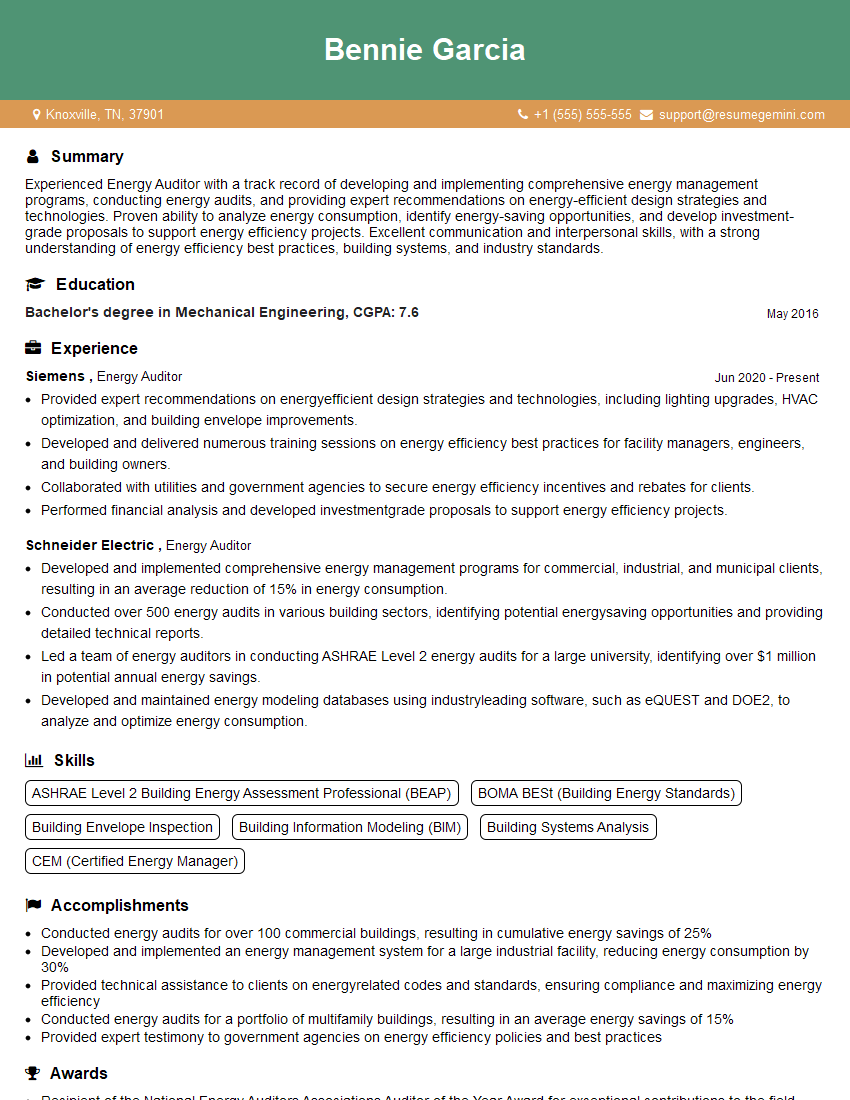
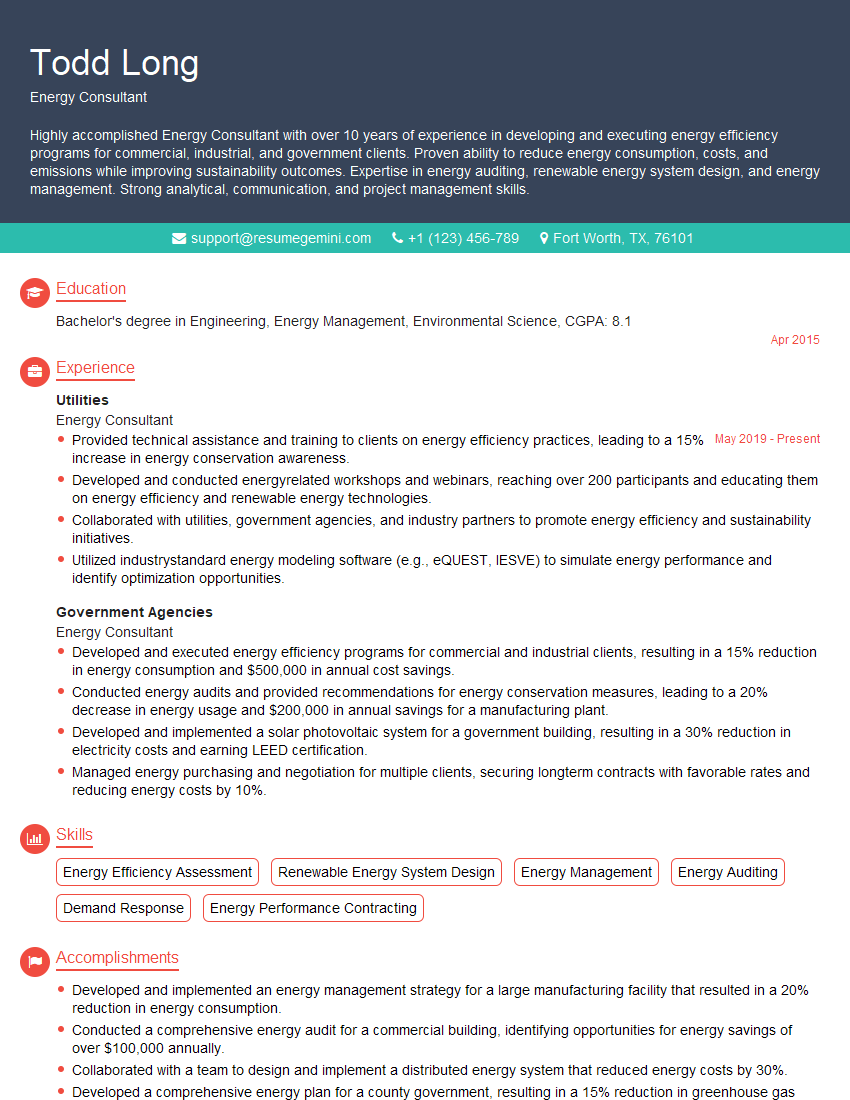
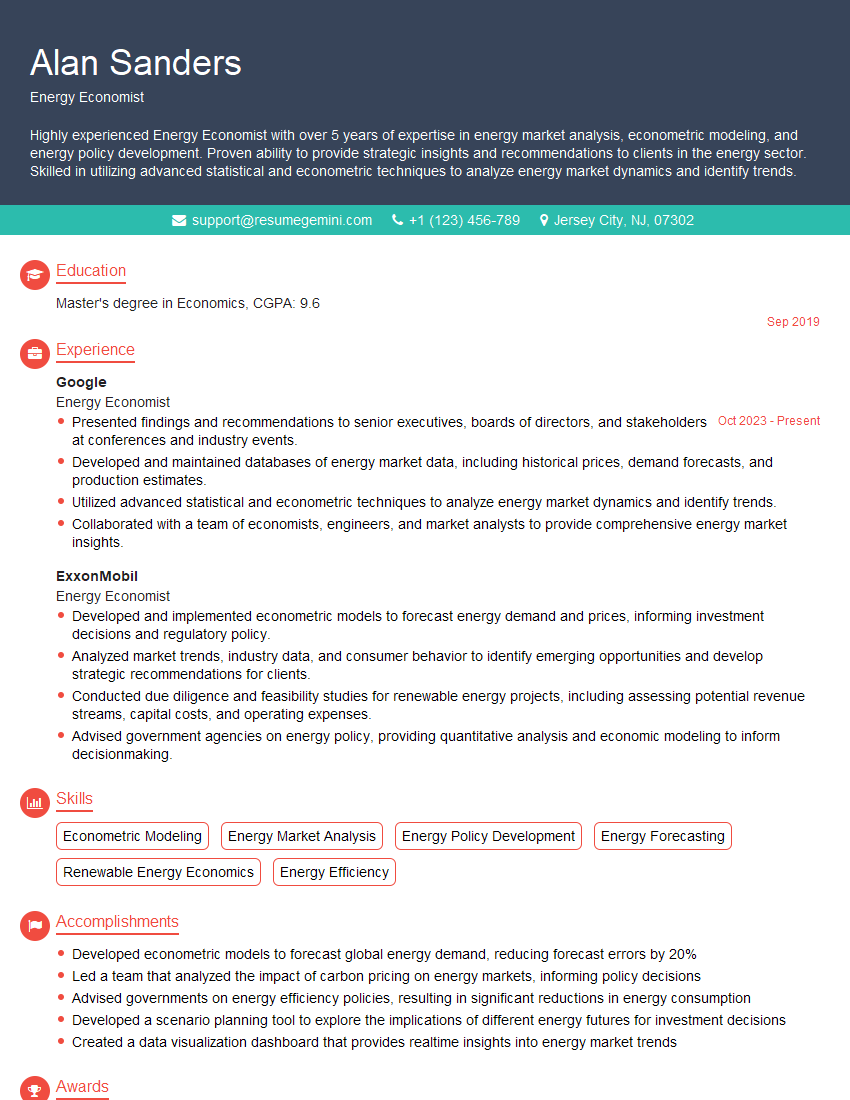
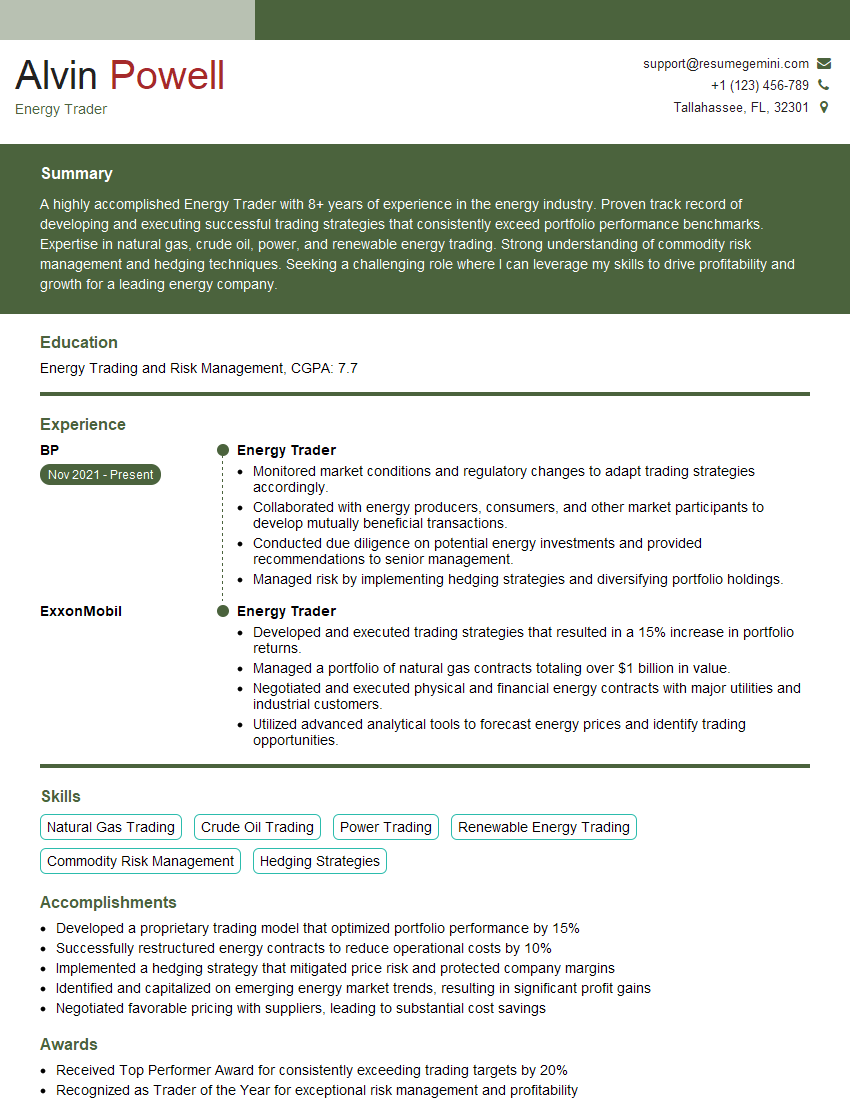
Mastering energy economics is crucial for a successful career in this dynamic field. A strong understanding of these concepts will significantly enhance your interview performance and open doors to exciting opportunities. To further boost your job prospects, creating an ATS-friendly resume is essential. ResumeGemini is a trusted resource to help you build a professional and impactful resume that will get noticed. We offer examples of resumes tailored specifically to roles in Understanding of Energy Economics to help guide your preparation. Invest in yourself and your career – start building your winning resume today!
Explore more articles
Users Rating of Our Blogs
Share Your Experience
We value your feedback! Please rate our content and share your thoughts (optional).
What Readers Say About Our Blog
Very informative content, great job.
good