Preparation is the key to success in any interview. In this post, we’ll explore crucial Hunting and Trapping Skills interview questions and equip you with strategies to craft impactful answers. Whether you’re a beginner or a pro, these tips will elevate your preparation.
Questions Asked in Hunting and Trapping Skills Interview
Q 1. Describe the different types of trapping methods and their ethical considerations.
Trapping methods vary widely, categorized by the type of trap used and the target animal. Common types include foothold traps (designed to hold an animal by a foot), snares (wire loops that constrict an animal), and body-gripping traps (which restrain the entire body). Conibear traps are a type of body-gripping trap. Each has ethical considerations.
Foothold traps: These can cause significant injury if not checked frequently. Ethical considerations focus on trap placement, minimizing the time the animal is held, and using quick-kill devices or regularly checking traps to ensure a swift and humane dispatch.
Snares: Properly set snares are designed for a quick kill, but improper placement can lead to slow, painful deaths or entanglement in vegetation. Ethical concerns center around snare size and placement to avoid unintended bycatch (catching non-target species) and ensuring prompt checking.
Body-gripping traps: These are designed for a quick kill, but improper placement can still result in injury or non-target capture. Ethical considerations involve proper placement to avoid bycatch and ensuring the trap functions as intended for a swift and humane death.
In all cases, understanding the target animal’s behavior and habitat is crucial for ethical trapping. Minimizing suffering is paramount, requiring regular trap checks, proper trap maintenance, and adherence to all relevant regulations.
Q 2. Explain the legal requirements and regulations for hunting and trapping in your area.
Hunting and trapping regulations are specific to location and vary significantly. For example, in many jurisdictions, hunters need a valid hunting license and may be subject to bag limits (the maximum number of animals allowed to be taken), hunting seasons (specific times of the year when hunting is permitted), and restrictions on the use of certain weapons or hunting methods. Trapping often requires a separate trapping license and adherence to specific trap placement rules, including distance from dwellings, waterways, and other restrictions to prevent non-target species capture.
Knowing and strictly adhering to these regulations is crucial. It’s best to consult the relevant wildlife agency in your area for the most up-to-date and specific rules. Violation can result in significant fines and potentially the loss of hunting and trapping privileges. For instance, in my area, it is illegal to hunt deer without a license or during a closed season. It is also crucial to understand and follow the rules regarding the use of bait and the handling of harvested game.
Q 3. How do you ensure the humane treatment of animals during trapping and hunting?
Humane treatment is paramount. This starts with selecting the appropriate trap for the target animal, considering its size and behavior. Regular trap checks are essential, aiming to minimize the time an animal spends in a trap. If an animal is caught, it must be dispatched quickly and humanely, following ethical guidelines and possibly using approved dispatch methods. The use of a properly-functioning trap is also crucial. If a trap is damaged or not functioning correctly, it should be removed and replaced to prevent injury.
During hunting, a clean, swift, and accurate shot is critical. Proper shot placement ensures a quick death, minimizing suffering. Tracking and finding a wounded animal is also essential, ensuring prompt and humane dispatch. Respecting the animal, its environment, and the act of hunting or trapping itself is fundamental to ethical practice.
Q 4. What are the key safety precautions you take while hunting and trapping?
Safety is non-negotiable. Hunting and trapping inherently involve risks. Always treat firearms and other weapons with utmost respect, following safe handling and storage procedures. Never point a firearm at anything you don’t intend to shoot, and always keep your finger off the trigger until ready to fire. Wear appropriate safety gear, including high-visibility clothing, sturdy footwear, and eye protection. When handling traps, use gloves to prevent injury.
Being aware of your surroundings is crucial. Understand the terrain, weather conditions, and potential hazards like uneven ground, fallen trees, and the presence of other people or wildlife. Hunt or trap with a partner whenever possible, particularly in remote areas. Finally, always let someone know your plans, including your location and expected return time.
Q 5. Describe your experience with different hunting weapons and their appropriate use.
My experience encompasses a range of hunting weapons, each appropriate for specific situations. Firearms like rifles and shotguns are common for hunting larger game, with caliber choice depending on the animal’s size and distance. A rifle offers accuracy at longer ranges, while a shotgun is effective for closer-range shots or with shot patterns for bird hunting. Bow hunting requires skill and precision, providing a more challenging and ethical approach. Understanding the limitations and capabilities of each weapon is vital. For instance, the ethical use of a rifle mandates aiming for vital organs for a quick and humane kill. Using a firearm without sufficient knowledge can lead to inaccurate shots, causing undue suffering to the animal.
Q 6. How do you identify animal tracks and signs in the field?
Identifying animal tracks and signs requires a keen eye and understanding of animal behavior and anatomy. Tracks provide clues about the animal’s size, gait, and species through the size, shape, and spacing of prints. Other signs include scat (animal droppings), tracks, scratch marks on trees (evidence of marking behavior or food scraping), feeding signs (like gnawed branches or disturbed vegetation), and bedding areas (depressions in the ground or leaf piles indicating resting spots). Experience plays a significant role; with practice, subtle differences become clear.
Field guides and online resources can help with identification, but learning to observe carefully and draw inferences from various clues is crucial. For example, a three-toed track with distinctive claw marks is almost certainly a wild turkey. A track pattern that indicates a bounding gait may belong to a hare or rabbit. Analyzing multiple signs together is more conclusive than relying on a single clue.
Q 7. Explain your knowledge of wildlife behavior and ecology relevant to hunting and trapping.
Knowledge of wildlife behavior and ecology is essential for ethical and successful hunting and trapping. Understanding animal movement patterns, habitat preferences, food sources, and breeding cycles helps in determining appropriate hunting and trapping locations and times. For example, understanding that deer are often found near water sources during dry periods will aid in strategic placement of hunting stands. Knowing the breeding season of a particular animal will indicate that it should be left undisturbed so it may reproduce. Awareness of predator-prey relationships, competition for resources, and the impact of habitat changes are critical factors.
This knowledge prevents unethical practices, minimizes disturbance to the ecosystem, and increases the chances of a successful hunt or trap. For instance, trapping a beaver during its breeding season may cause more significant harm to the population than trapping during a different time of year. Therefore, knowing the local biology and ecology is fundamental to sustainable and ethical wildlife management.
Q 8. Describe your experience with skinning, processing, and preserving game animals.
Skinning, processing, and preserving game animals are crucial steps following a successful hunt. The process varies depending on the animal and intended use of the meat and hide. Proper techniques ensure the highest quality product and prevent spoilage.
Skinning: This involves carefully removing the hide, minimizing cuts to the meat. Different techniques exist depending on the animal; for example, a deer might be skinned from the belly, while a smaller animal like a rabbit might be skinned from the head. Sharp, clean knives are essential to avoid tearing the hide.
Processing: After skinning, the animal is field dressed, meaning the internal organs are removed. This must be done quickly and cleanly to prevent bacterial contamination. The meat is then butchered, separated into cuts, and trimmed of excess fat and connective tissue. This process varies widely based on species and personal preferences, but maintaining sanitation throughout is key.
Preservation: The primary methods for preserving game meat are chilling, freezing, and curing (salting or smoking). Chilling is the immediate priority after processing, ideally within a few hours of harvest using ice or coolers. Freezing ensures long-term storage, but proper wrapping is important to prevent freezer burn. Curing extends shelf life, particularly for larger cuts of meat. Understanding how each method affects meat quality is crucial.
Example: During a recent deer hunt, I field dressed the animal immediately after harvest. I used a sharp fillet knife for efficient skinning, taking care to avoid cutting into the meat. After removing the organs and separating the quarters, I used a cooler filled with ice to transport the meat home. It was then cut, packaged, and frozen within hours.
Q 9. How do you manage and maintain hunting and trapping equipment?
Maintaining hunting and trapping equipment is paramount for safety and effectiveness. Regular cleaning, inspection, and proper storage extend the life of your gear and ensure optimal performance in the field.
Cleaning: After each use, equipment should be thoroughly cleaned. Knives need sharpening and should be oiled to prevent rust. Traps need to be cleaned of debris and lubricated to ensure proper function. Boots should be cleaned and dried to prevent damage and odor.
Inspection: Regular inspections identify potential problems before they become serious. Check for wear and tear, broken parts, or loose connections. Sharpen blades regularly and replace worn-out components as needed.
Storage: Proper storage protects your gear. Keep equipment dry and away from moisture. Use gun cases for firearms and waterproof containers for other items. Storing traps in a dry, rodent-free environment prevents rust and damage.
Example: I always clean and oil my hunting knife after each use. I also inspect my traps for wear and tear and lubricate the springs to ensure they function properly and don’t get damaged. My firearms are stored in a secure gun case in a dry place. This proactive maintenance minimizes risk and keeps my gear in top condition.
Q 10. What are the common diseases and parasites affecting hunted and trapped animals?
Hunted and trapped animals can suffer from various diseases and parasites that can affect both their health and the safety of the hunter. Understanding these threats helps make informed decisions and avoid health risks.
Common Diseases: Brucellosis, tuberculosis, rabies, and leptospirosis are some examples of zoonotic diseases, meaning they can be transmitted from animals to humans. Knowing how these diseases present in wildlife is important for taking necessary precautions.
Parasites: Internal parasites like worms and external parasites like ticks and fleas are also common. These can weaken animals and transmit diseases. Inspecting animals carefully is important, even after they are harvested.
Example: Rabies is a significant concern. It is important to avoid handling animals showing signs of illness like strange behavior or aggression. Ticks carry diseases that can also affect humans, so wearing appropriate protective gear during hunting and trapping minimizes the risk.
Q 11. How do you assess the health and condition of a trapped or hunted animal?
Assessing the health and condition of a harvested animal is essential, both ethically and practically. Proper assessment ensures the meat is safe for consumption and helps understand the overall health of the wildlife population.
Visual Inspection: Observe the animal’s body condition. A healthy animal will have a good weight, smooth coat (or feathers), bright eyes, and no visible injuries or wounds. Poor body condition suggests malnutrition or illness. Look for signs of parasites, ticks, or other external infestations.
Internal Examination: During field dressing, examine the internal organs. Discoloration or unusual odors may indicate disease. The presence of parasites is a clear sign the animal may not have been healthy.
Example: During a recent hunt, I noticed a deer that appeared thinner than average. While no obvious injuries were present, its dull coat and sunken eyes indicated poor health. I chose not to harvest the animal, recognizing it was likely weak or sick.
Q 12. What are the ethical considerations involved in predator control?
Ethical considerations in predator control are complex and often involve balancing the needs of wildlife populations with human safety and property protection. A responsible approach emphasizes minimizing harm and employing humane methods.
Legality: Always adhere to all local, state, and federal regulations governing predator control. Permits and licenses are often required, and specific trapping and hunting methods might be restricted.
Humane Methods: Utilize trapping and hunting methods that cause minimal suffering. Quick, clean kills are the goal. Traps must be checked regularly, and animals must be dispatched humanely if caught.
Population Management: Consider the overall impact on the ecosystem. Removing predators can have cascading effects on prey populations, potentially causing ecological imbalances. A holistic approach that integrates predator and prey management is ideal.
Example: When dealing with nuisance coyotes, lethal control is often a last resort. Methods like hazing (scaring them away) and habitat modification might be more effective and ethical alternatives before resorting to trapping or hunting.
Q 13. How do you respond to unexpected situations or emergencies during hunting and trapping?
Unexpected situations and emergencies can occur during hunting and trapping. Preparation and a well-defined plan minimize risks and help manage crises effectively.
First Aid: Carry a comprehensive first aid kit and know how to use it. Common injuries include cuts, scrapes, sprains, and insect bites. Be prepared for more severe injuries and know how to respond accordingly.
Weather Changes: Hunting and trapping conditions can change rapidly. Monitor weather forecasts and be prepared for extreme temperatures, sudden storms, or other unexpected weather events. Carry appropriate clothing and gear to stay safe and comfortable.
Emergency Communication: Let someone know your hunting plans, including your route and expected return time. Carry a reliable method of communication, such as a satellite phone or personal locator beacon (PLB), especially in remote areas.
Example: While hunting in a remote area, I encountered a sudden, heavy thunderstorm. I had a pre-planned shelter location and extra rain gear, allowing me to safely wait out the storm. This prevented exposure and potential hypothermia.
Q 14. Describe your experience with navigating using maps, compass, and GPS.
Navigating using maps, compass, and GPS is essential for hunters and trappers, especially in unfamiliar terrain. Mastering these tools helps ensure safety and efficient travel.
Map Reading: Understanding topographic maps is crucial for route planning and identifying features like water sources, trails, and elevation changes. Practicing map reading skills is important for safe navigation.
Compass Use: A compass provides a reliable direction indicator, independent of GPS technology. Knowing how to orient a map to a compass and take bearings is vital for navigation in areas with limited or no GPS signals.
GPS Technology: GPS devices provide precise location data and allow for waypoint marking and route tracking. However, it’s crucial to understand that GPS signals can be unreliable in some areas. It is best to rely on the use of both a map and compass.
Example: During a multi-day trapping expedition, I used a topographic map to plan my routes, a compass to maintain my bearing in areas with limited visibility, and a GPS to mark the location of my traps. This combination ensured efficient navigation and safe return.
Q 15. Explain your knowledge of different types of traps and their appropriate use.
Choosing the right trap is crucial for ethical and effective hunting and trapping. The type of trap depends entirely on the target animal, the terrain, and the local regulations. Improper trap selection can lead to injury to non-target species or inefficient trapping.
- Snares: These are wire loops used to catch animals by the neck or leg. They’re effective for furbearers like foxes, coyotes, and raccoons, but require careful placement to avoid injuring unintended animals. Different snare designs exist for varying sizes of animals. For example, a small snare might be used for rabbits, while a much larger and stronger snare would be needed for a wolf.
- Conibear traps: These are powerful, quick-kill traps that work best for larger animals like beavers or muskrats. They’re designed to quickly and humanely kill the animal, reducing suffering. Placement is critical, as is compliance with regulations regarding their use. Improper usage can lead to severe injury or death of non-target species.
- Foot-hold traps: These traps hold the animal by a foot, and require regular checking to prevent undue suffering. They’re often used in conjunction with a killing mechanism or to relocate the animal. Different sizes of foot-hold traps are used depending on the target species, with smaller traps for smaller animals and larger traps for larger animals. Ethical considerations emphasize frequent trap checks.
- Box traps: These are live-catch traps, primarily used for relocating nuisance animals or for research purposes. They are generally considered more humane than lethal traps, but careful monitoring is still essential to prevent the animal from suffering.
Selecting the right trap is a balance of effectiveness and ethics, ensuring the target animal is caught efficiently and humanely while minimizing harm to the environment and non-target species.
Career Expert Tips:
- Ace those interviews! Prepare effectively by reviewing the Top 50 Most Common Interview Questions on ResumeGemini.
- Navigate your job search with confidence! Explore a wide range of Career Tips on ResumeGemini. Learn about common challenges and recommendations to overcome them.
- Craft the perfect resume! Master the Art of Resume Writing with ResumeGemini’s guide. Showcase your unique qualifications and achievements effectively.
- Don’t miss out on holiday savings! Build your dream resume with ResumeGemini’s ATS optimized templates.
Q 16. How do you minimize the impact of hunting and trapping on the environment?
Minimizing environmental impact is paramount in hunting and trapping. It requires a conscientious approach to every aspect of the process.
- Selective Harvesting: Focusing on specific age and sex classes to maintain healthy populations is key. Over-harvesting can disrupt ecological balance. For example, selectively removing only older, less reproductive deer can improve herd health and maintain population levels.
- Trap Placement: Careful consideration of trap location is crucial. Avoid placing traps near sensitive habitats or water sources to minimize harm to non-target animals and the environment. Traps should be placed in areas that have the least impact on the overall ecosystem.
- Proper Disposal: Responsible disposal of carcasses and waste is crucial. Properly burying or transporting remains prevents disease spread and pollution. In many jurisdictions, specific guidelines exist for waste disposal related to hunting and trapping.
- Minimizing Disturbance: Using quiet and stealthy techniques reduces stress on wildlife and minimizes disturbance to their habitats. This can include using appropriate camouflage, employing silent movement, and refraining from unnecessary noise or light.
- Habitat Restoration: Participating in habitat restoration projects can offset the environmental impact of hunting and trapping. This could include planting trees, restoring wetlands, or cleaning up pollution.
Environmental stewardship is integral to responsible hunting and trapping. It’s not just about the act of hunting, but also about giving back to the ecosystem.
Q 17. How do you select appropriate hunting and trapping locations?
Selecting the right location is vital for successful and ethical hunting and trapping. It involves careful observation, knowledge of the target animal’s habits, and understanding of the terrain.
- Animal Sign: Look for signs of animal activity such as tracks, scat, feeding areas, and trails. These indicators reveal the presence and movement patterns of the target species.
- Habitat Suitability: Choose locations that provide suitable habitat for the target animal, such as food sources, cover, and water sources. For example, deer prefer areas with dense undergrowth and access to water.
- Legal Considerations: Always ensure the location is legal for hunting and trapping, respecting property boundaries and adhering to regulations.
- Safety: Select a location that is safe for both you and the environment. Avoid areas with high traffic or potential hazards.
- Accessibility: Choose a location that is easily accessible for setting and checking traps, as well as retrieving harvested animals.
Careful location selection improves the chances of success while minimizing risk and ensuring ethical practices.
Q 18. Describe your experience with wildlife population management techniques.
Wildlife population management is a complex field requiring knowledge of population dynamics, ecology, and the specific needs of each species. Techniques are employed to maintain healthy and sustainable populations.
- Population Surveys: Accurate surveys are essential to understand population size, age structure, and health. This might involve techniques such as camera trapping, scat analysis, or aerial surveys.
- Harvest Management: Regulating hunting and trapping seasons, bag limits, and hunting methods helps to control population numbers and maintain biodiversity.
- Habitat Management: Improving habitat quality, such as providing food sources or creating cover, can boost population numbers and enhance overall ecosystem health.
- Predator Control: In some cases, controlled predator reduction might be necessary to protect specific game species or livestock. This is done carefully and only when absolutely necessary, with thorough environmental impact assessments.
- Disease Monitoring: Monitoring for disease outbreaks and implementing control measures are essential to safeguard wildlife health. Early detection and rapid response are vital to prevent widespread disease.
Successful wildlife management involves a multi-faceted approach balancing human needs with ecological integrity. It’s a continual process that requires careful monitoring and adaptation.
Q 19. How do you maintain accurate records of hunting and trapping activities?
Maintaining accurate records is essential for ethical hunting and trapping, as well as for compliance with regulations. These records provide valuable data for population management.
- Trapping Log: A detailed trapping log should record the date, location, type of trap used, species caught (or not caught), and any relevant observations.
- Harvest Log: A harvest log should document the date, location, species harvested, sex, age (if possible), and method of harvest. This information is often required for licensing and reporting purposes.
- Digital Tools: Using apps or software can streamline record-keeping and allow for easier analysis of collected data. This allows for a more organized approach to managing data.
- Photos/Videos: In some cases, photos or videos of harvested animals can provide additional documentation, supporting the accuracy of your records.
- Compliance: Ensure that all records conform to relevant regulations and guidelines.
Thorough and accurate record-keeping is crucial for responsible and sustainable hunting and trapping, as well as demonstrating compliance with local laws.
Q 20. What are the different types of game animals found in your area?
(This answer will vary greatly depending on the specific geographic location. Please replace the bracketed information with the appropriate species for your area.)
In my area, we commonly find a range of game animals, including: [List common game animals – e.g., white-tailed deer, wild turkey, various species of waterfowl, rabbits, squirrels, and potentially smaller furbearers like raccoons and foxes]. The specific species and their abundance can change based on seasonal variations and habitat conditions. Understanding these variations is essential for effective hunting and trapping practices.
Q 21. What are the best practices for handling and transporting harvested animals?
Proper handling and transportation of harvested animals is critical for both safety and meat quality. It involves following a series of steps to ensure the animal is handled respectfully and efficiently.
- Field Dressing: Quickly and efficiently field dress the animal (remove the internal organs), taking care to avoid contamination of the meat. This helps to preserve the meat and reduce spoilage.
- Cooling: Immediately cool the carcass to slow down bacterial growth. This can involve placing it in a cool, shaded area, or using a cooler with ice.
- Transportation: Transport the carcass using a suitable method to protect it from damage or spoilage. This might involve using a game bag or cooler, depending on the distance and temperature.
- Hygiene: Maintain good hygiene throughout the process to prevent contamination. Wash your hands thoroughly and use clean equipment.
- Regulations: Adhere to all local regulations concerning transportation of game animals, including proper tagging and labeling.
Responsible handling and transportation guarantee the safety and quality of the harvested meat, reflecting respect for the animal and adherence to responsible hunting practices.
Q 22. How do you comply with all applicable laws and regulations related to hunting and trapping?
Compliance with hunting and trapping regulations is paramount. It’s not just about avoiding penalties; it’s about ensuring the sustainable management of wildlife populations and the safety of everyone involved. My approach begins with thoroughly researching and understanding the specific laws and regulations of the area I’ll be hunting or trapping in. This includes checking the state or provincial wildlife agency’s website for details on licensing requirements, hunting seasons, bag limits, methods allowed, and any special restrictions on specific species or areas.
I always obtain the necessary licenses and permits well in advance, ensuring I have all the required documentation with me during my outings. I meticulously review the regulations for each species I intend to target, paying close attention to legal hunting methods, weapon restrictions, and ethical considerations. For example, understanding the difference between archery season and firearm season is crucial, as is knowing the precise boundaries of public and private lands. I also carry a copy of the regulations in the field as a quick reference. Finally, I always respect posted property and private land boundaries, contacting landowners for permission before hunting or trapping on their property. Ignoring these regulations jeopardizes both wildlife conservation and personal safety.
Q 23. Describe your experience with using different types of hunting calls and decoys.
Hunting calls and decoys are essential tools for attracting game. My experience spans a wide range of calls, from mouth-blown turkey calls and diaphragm calls for deer to electronic predator calls. I’m proficient in using these calls to mimic the sounds of various animals, drawing them closer for a successful hunt. For example, I’ve used a variety of duck calls, understanding the nuanced differences between feeding calls, distress calls, and hen calls to attract different species and genders. With decoys, I understand the importance of realistic placement and the use of different decoy types depending on the species. For example, using a spread of mallard decoys with some feeding decoys and a few resting decoys can create a more natural and inviting scene for ducks. The key is understanding the behavior and communication patterns of the target species. I’ve learned to adapt my approach depending on environmental conditions (wind, temperature, etc.) and the time of day. Through practice and field experience, I’ve fine-tuned my ability to use both calls and decoys effectively.
Q 24. How do you identify and prevent conflicts with other hunters and trappers?
Preventing conflicts with other hunters and trappers requires a strong sense of awareness, courtesy, and respect for established hunting and trapping ethics. Before heading out, I carefully check hunting maps to identify popular areas and potential points of conflict. I always maintain a safe distance from other hunters, and I communicate clearly and respectfully. This means announcing my presence when approaching another hunter or trapper and avoiding any actions that could be perceived as threatening. I clearly mark my traps and hunting blinds with highly visible markers, identifying myself and my location. I also follow the proper safety procedures related to firearms and trap placement to prevent accidental injury. For example, I never point my firearm at anything I don’t intend to shoot, and I always keep my traps away from trails and public areas to avoid accidental snares. Finally, if a conflict arises, I prioritize respectful communication and de-escalation, contacting relevant authorities if necessary.
Q 25. Describe your understanding of wildlife conservation and sustainability.
Wildlife conservation and sustainability are fundamental to ethical hunting and trapping. It’s not just about taking animals; it’s about actively contributing to their long-term survival and the health of their ecosystems. I understand the importance of following all bag limits and regulations designed to protect vulnerable populations. I believe in supporting conservation efforts financially and volunteering time to initiatives aimed at habitat restoration and species protection. I actively participate in programs like hunter-sponsored wildlife surveys and habitat improvement projects. For instance, I’ve been involved in habitat restoration projects focused on improving wetland areas vital to waterfowl populations. Sustainable hunting means understanding the ecological role of the animals being hunted and participating in management practices that maintain healthy populations for the future. This includes respecting non-target species and minimizing environmental impact.
Q 26. What are the key differences between hunting and trapping for various animal species?
Hunting and trapping are distinct methods with significant differences depending on the species. Hunting typically involves the direct pursuit and killing of an animal, often using firearms, archery equipment, or other specialized tools. Trapping, on the other hand, involves setting traps to capture animals alive or to kill them humanely. The choice between hunting and trapping depends on the target species, its habits, and legal regulations. For example, hunting is generally more effective for large game animals like deer or elk, which are more mobile and require active pursuit. Trapping, however, is often more suitable for smaller, fur-bearing animals like foxes or raccoons, which are more likely to be caught in traps. Both methods require detailed knowledge of the target animal’s behavior, habitat preferences, and the most effective techniques to achieve a successful and ethical outcome.
Q 27. Explain your knowledge of first aid and emergency procedures related to hunting and trapping injuries.
First aid and emergency procedures are crucial for safe hunting and trapping. I have completed a wilderness first aid and CPR certification course and regularly refresh my skills. My kit includes supplies for treating various injuries, such as cuts, abrasions, sprains, and hypothermia. I know how to handle bleeding, stabilize fractures, and provide basic medical care until professional help arrives. I also have a comprehensive plan for emergency communication, including satellite communication devices for remote areas where cell service is unreliable. Specifically, I’m trained to recognize and manage common hunting and trapping accidents, like firearm mishaps, trap-related injuries, or wildlife encounters. Knowing how to effectively splint a broken bone, stop heavy bleeding, or treat hypothermia in a wilderness setting is a critical skill set. Regular practice and preparedness greatly improve response times and increase the chances of positive outcomes in emergency situations.
Q 28. How do you plan and execute a successful hunting or trapping trip?
Planning and executing a successful hunting or trapping trip is a multi-step process. It starts with thorough research, including scouting the area for suitable hunting locations and understanding the terrain and wildlife population. I meticulously study maps, aerial photography, and utilize GPS technology to identify prime hunting locations and plan efficient routes. Next, I ensure I have all necessary equipment in optimal condition: firearms, traps, clothing, and first aid supplies are checked and packed carefully. The actual trip involves adhering to all safety regulations, maintaining a sharp awareness of my surroundings, and demonstrating ethical hunting practices. I keep a detailed hunting log, noting locations, sightings, and weather conditions. This allows for continuous improvement in my strategies and assists in tracking my success rate. After the trip, proper care and cleaning of equipment are prioritized, and harvested game is processed according to regulations. Continuous learning and reflection are integral to improving my hunting and trapping skills over time, ensuring safe and responsible practices for both myself and the environment.
Key Topics to Learn for Hunting and Trapping Skills Interview
- Wildlife Identification and Behavior: Understanding animal tracks, scat, and habitat preferences; recognizing species-specific behaviors to improve hunting and trapping success.
- Ethical Hunting and Trapping Practices: Applying knowledge of regulations, safety procedures, and humane animal handling techniques; demonstrating commitment to responsible resource management.
- Weaponry and Equipment Selection: Choosing appropriate firearms, traps, and other gear based on target species and hunting/trapping environment; explaining maintenance and safe handling procedures.
- Fieldcraft and Navigation: Demonstrating knowledge of map reading, compass use, and GPS navigation; understanding effective scouting techniques for optimal placement of traps or hunting stands.
- Game Processing and Preservation: Describing proper field dressing, meat preservation methods, and handling of harvested animals; adhering to sanitary and ethical practices.
- Trap Setting and Maintenance: Explaining different trapping techniques and choosing appropriate traps for various species; discussing regular trap checks and responsible trap removal.
- Safety and Risk Management: Demonstrating understanding of potential hazards associated with hunting and trapping; outlining safety protocols to minimize risks to both the hunter/trapper and the environment.
- Regulations and Laws: Demonstrating thorough knowledge of relevant hunting and trapping licenses, permits, and regulations; showcasing understanding of legal obligations and ethical considerations.
- Problem-Solving in the Field: Describing how to adapt to unforeseen circumstances, such as changing weather conditions or equipment malfunctions; showcasing resourcefulness and decision-making skills in challenging situations.
Next Steps
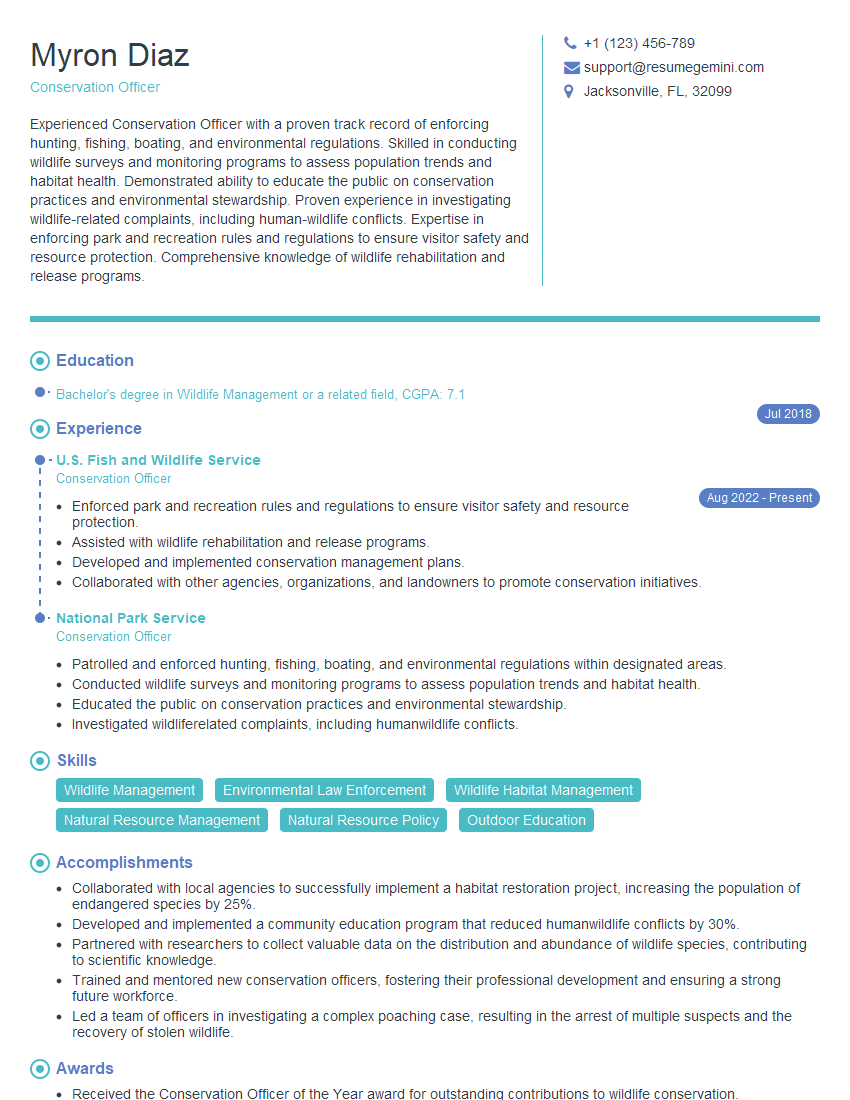
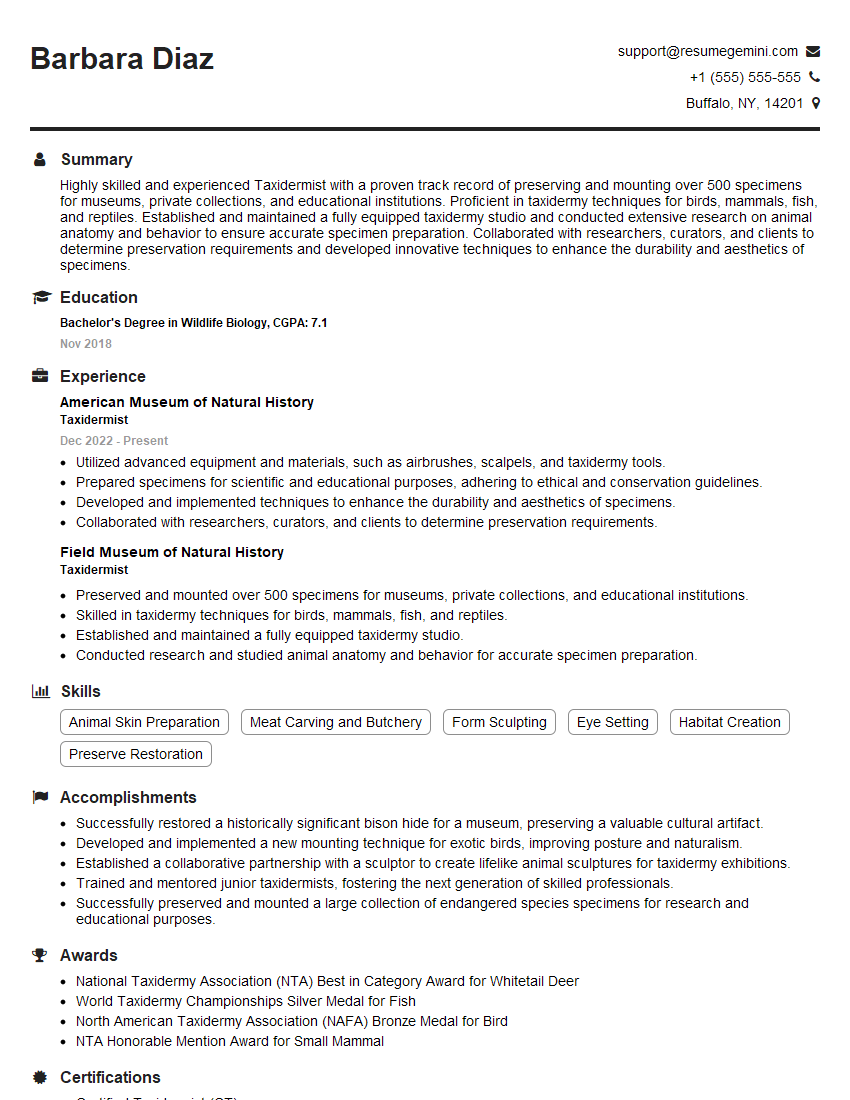
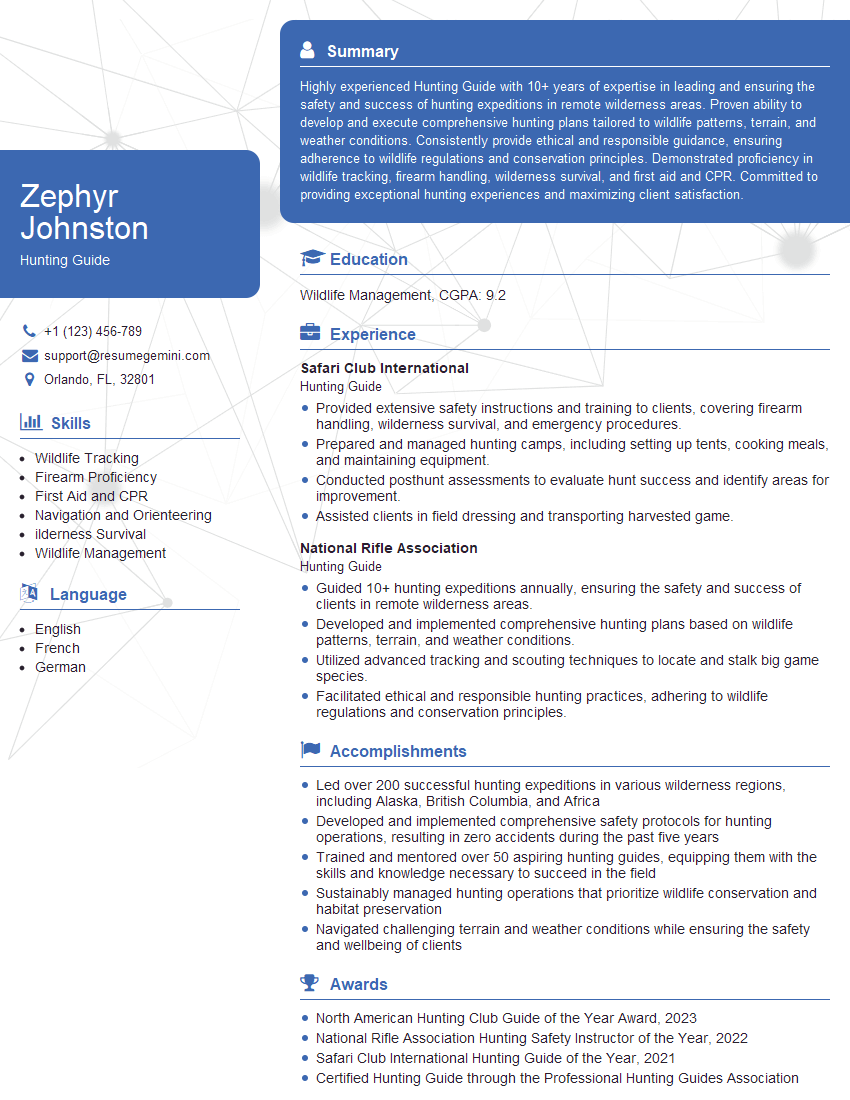
Mastering hunting and trapping skills opens doors to exciting and rewarding careers. To significantly boost your job prospects, a strong, ATS-friendly resume is crucial. ResumeGemini is a trusted resource that can help you craft a professional and effective resume that highlights your expertise. We offer examples of resumes tailored to the Hunting and Trapping Skills field to guide you. Invest time in building a compelling resume – it’s your first impression with potential employers.


Explore more articles
Users Rating of Our Blogs
Share Your Experience
We value your feedback! Please rate our content and share your thoughts (optional).
What Readers Say About Our Blog
Very informative content, great job.
good